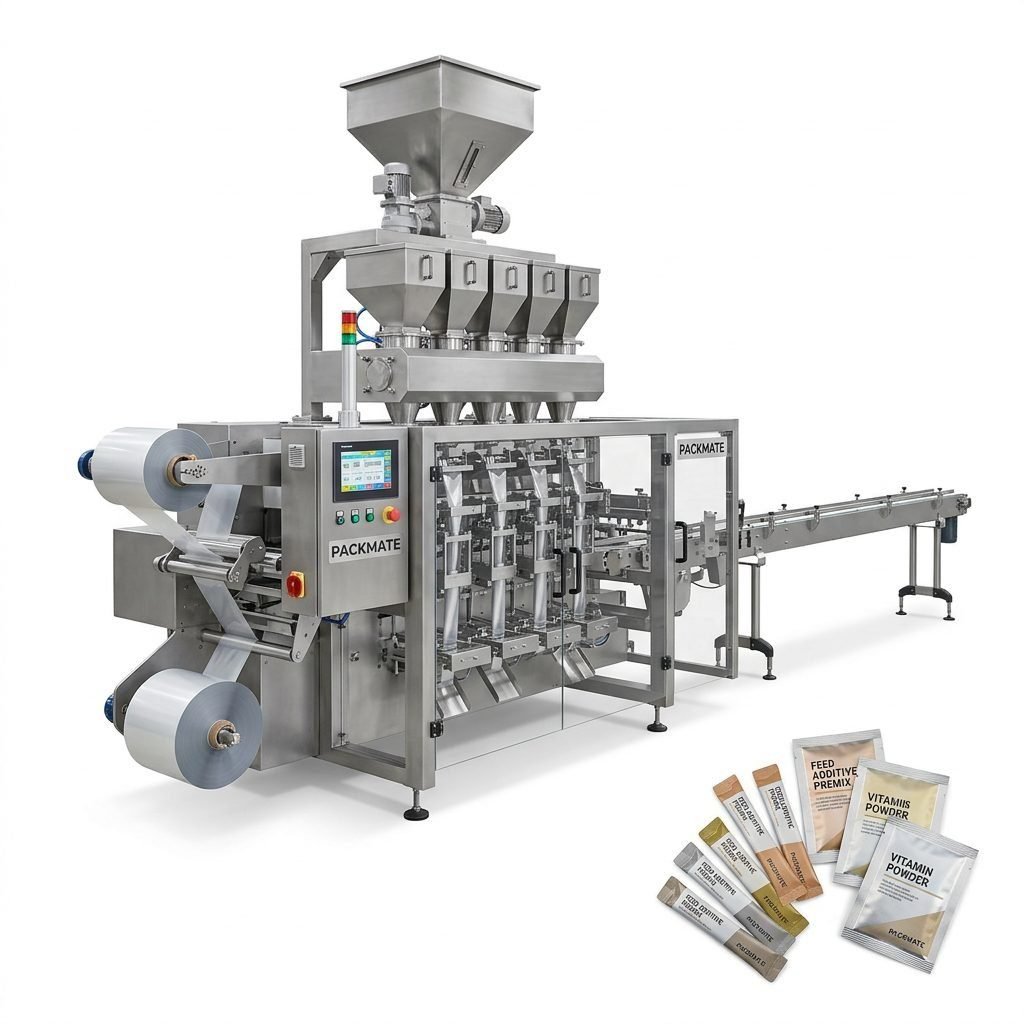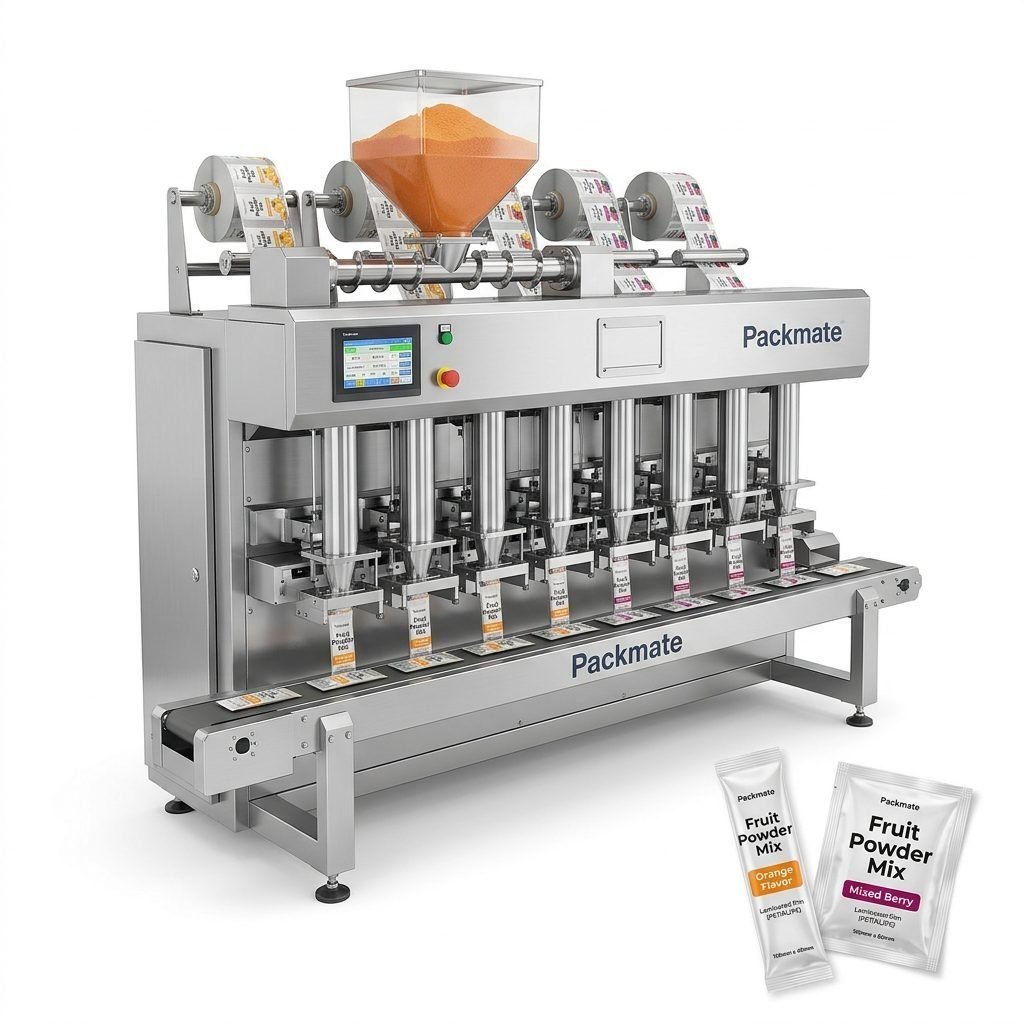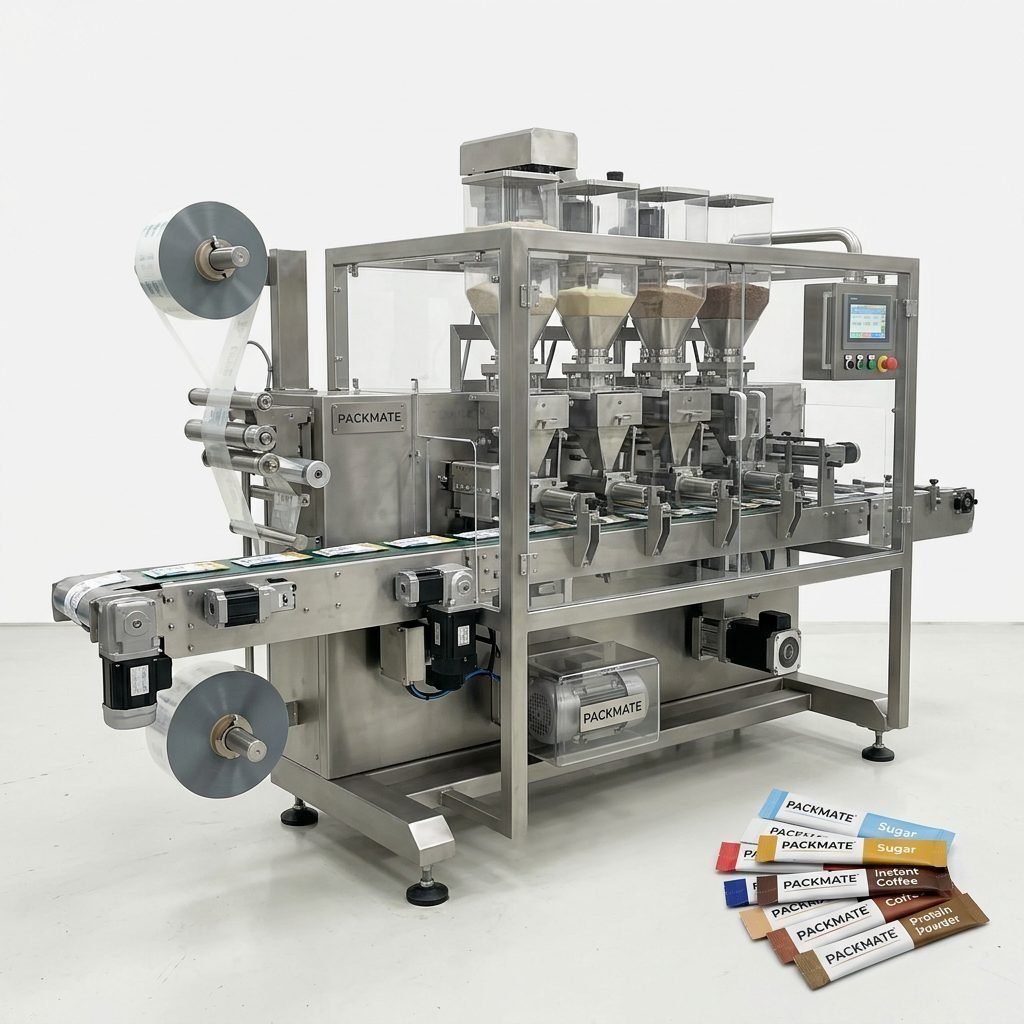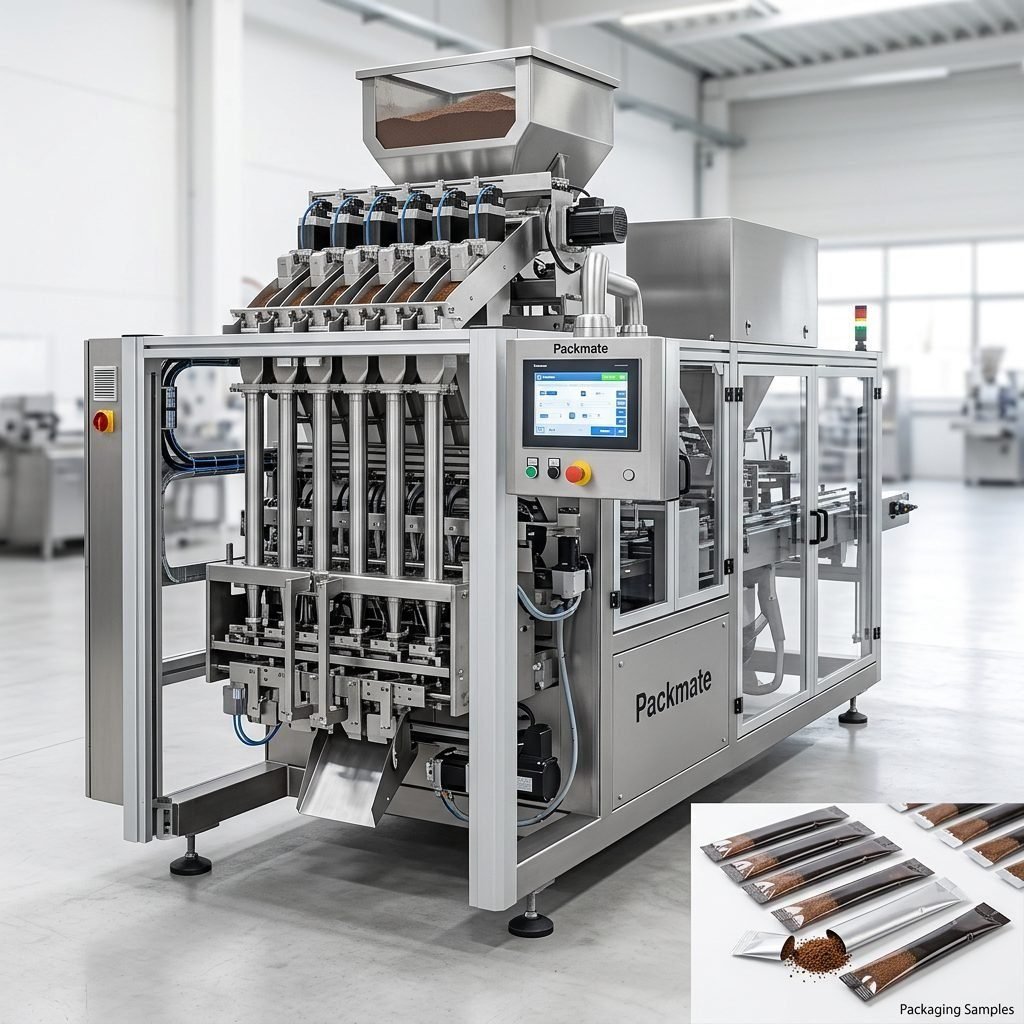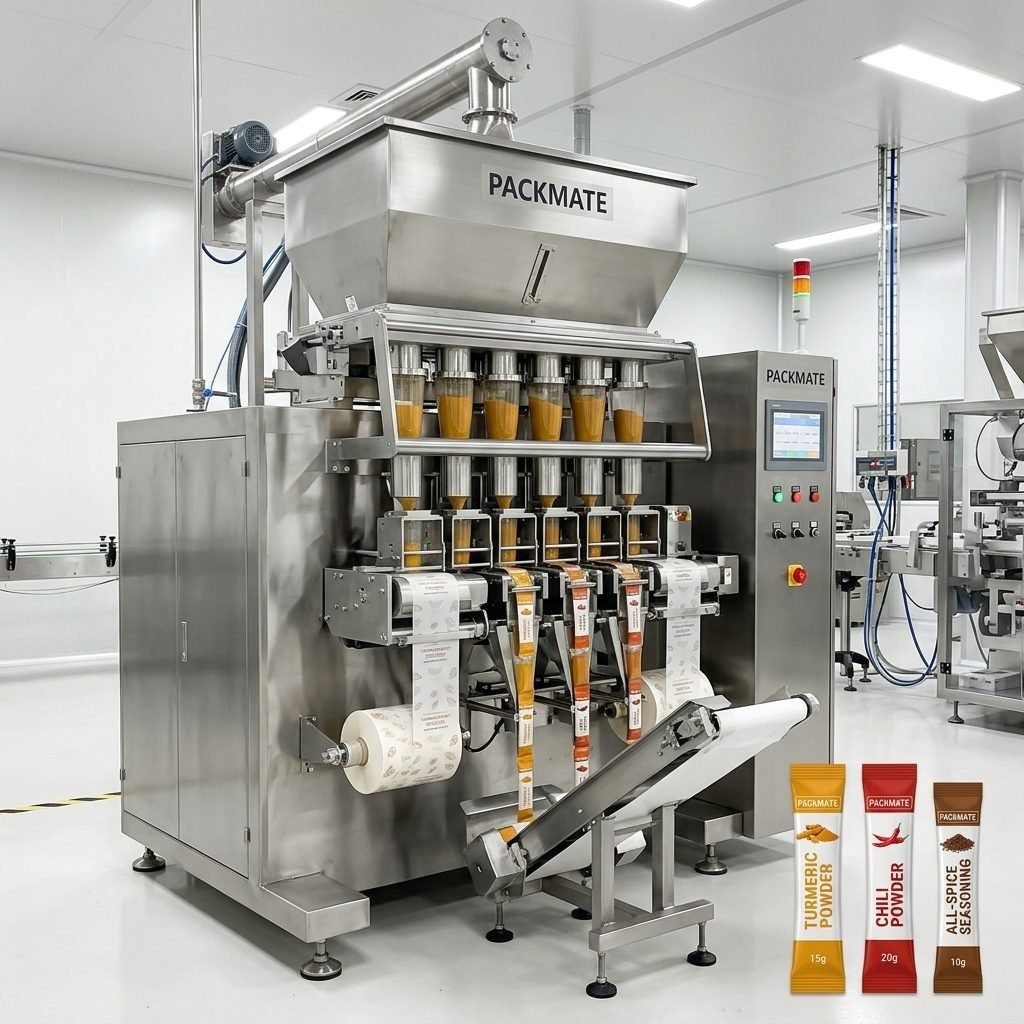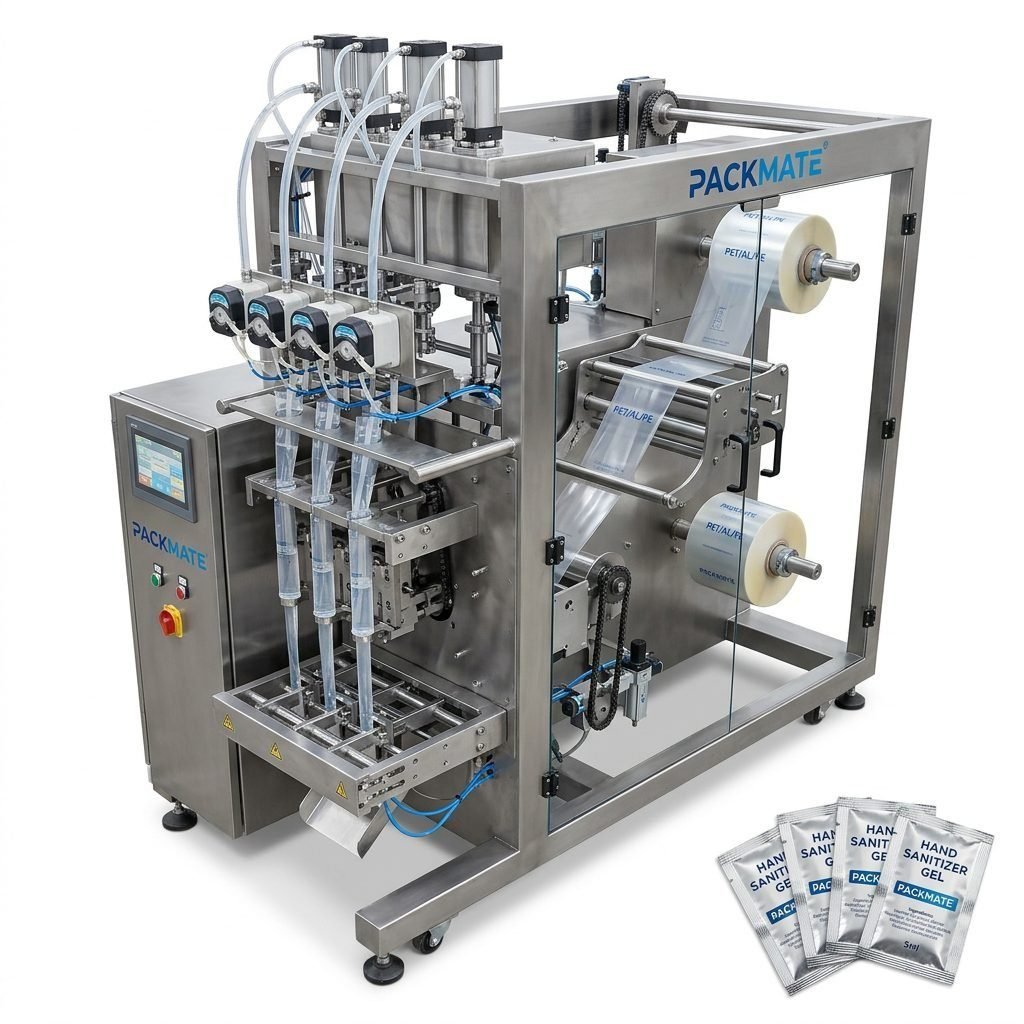
Finding reliable packaging machine manufacturers in Morocco is a critical step for businesses aiming to modernize production, improve efficiency, and ensure consistent product quality. Whether you are a food producer in Casablanca, a pharmaceutical company in Rabat, or a growing health supplement brand in Marrakech, investing in the right packaging automation can significantly impact your operational success and market competitiveness. This guide provides a structured approach to identifying, evaluating, and selecting trustworthy manufacturers, with a focus on the specific needs and industrial landscape of the Moroccan market.
Understanding the Moroccan Packaging Market Landscape
Morocco’s industrial sector, particularly food processing, pharmaceuticals, and cosmetics, has seen steady growth. This drives demand for modern packaging solutions that offer hygiene, speed, and adaptability to both local consumer preferences and export standards. Many Moroccan manufacturers seek equipment that can handle products like spices (e.g., ras el hanout), argan oil, powdered drinks, and pharmaceutical sachets with precision. When sourcing machinery, factors such as after-sales service availability, spare parts logistics, and technical training become paramount due to geographical considerations.
Key Criteria for Selecting a Manufacturer
Before contacting suppliers, define your project’s core requirements. This clarity will streamline the selection process and lead to more accurate quotations.
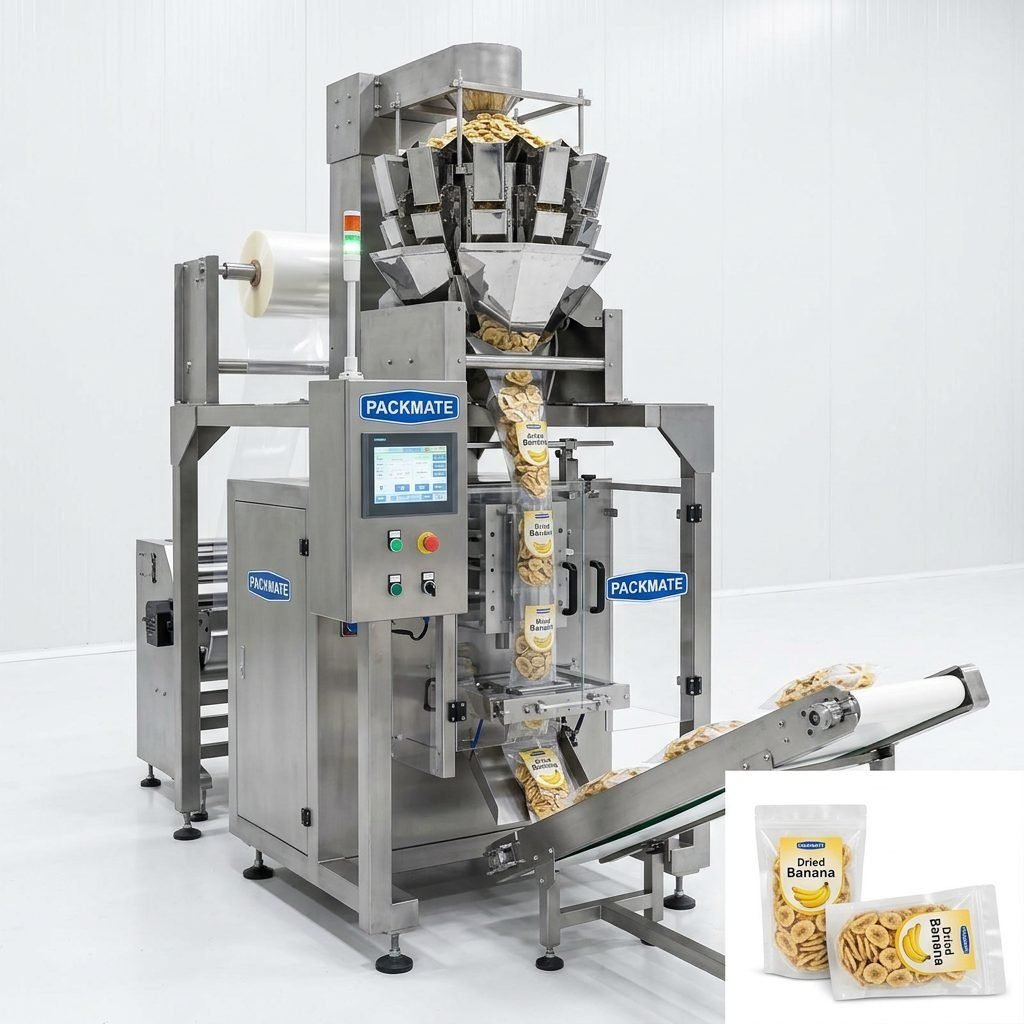
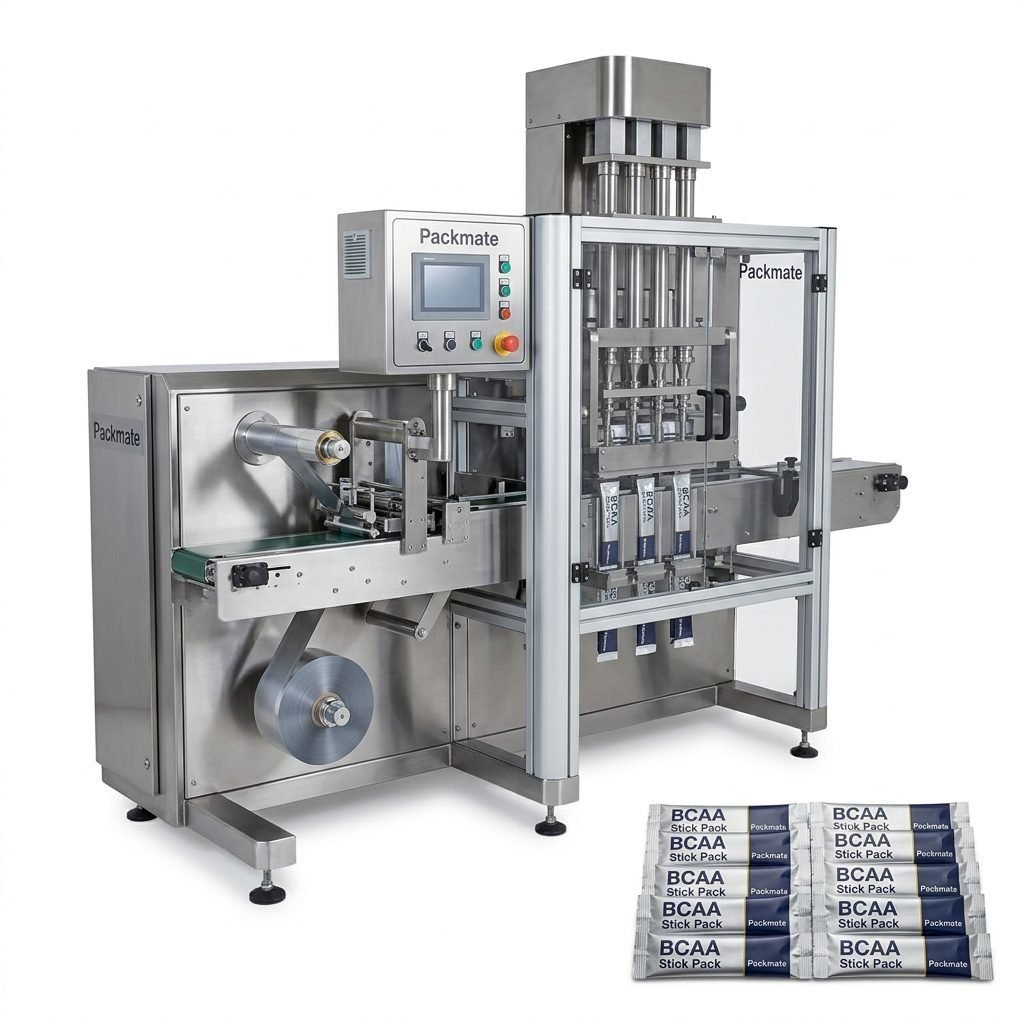
Production Requirements: Determine your target output (bags per minute), product type (powder, granule, liquid, paste), and bag formats (stick pack, sachet, pillow pouch). Consider future scalability.
Machine Features: Identify necessary functions like multi-lane filling, precision weighing, nitrogen flushing for product freshness, automatic film feeding, and integrated coding.
Compliance & Standards: Ensure the machinery meets relevant safety and hygiene standards, which is crucial for food and pharmaceutical applications in Morocco.
Budget & Total Cost of Ownership: Look beyond the initial purchase price. Factor in installation, potential customization, maintenance costs, and energy consumption.
Where to Find Packaging Machine Manufacturers
Prospective buyers in Morocco have several avenues for sourcing equipment. A multi-channel approach often yields the best results.
1. International Trade Exhibitions
Attending global packaging fairs like Emballage in Paris or Interpack in Düsseldorf allows you to see machines in operation, meet engineering teams, and compare technologies from various global suppliers, including many leading Chinese manufacturers who actively participate in these events.
2. Online B2B Platforms and Direct Manufacturer Websites
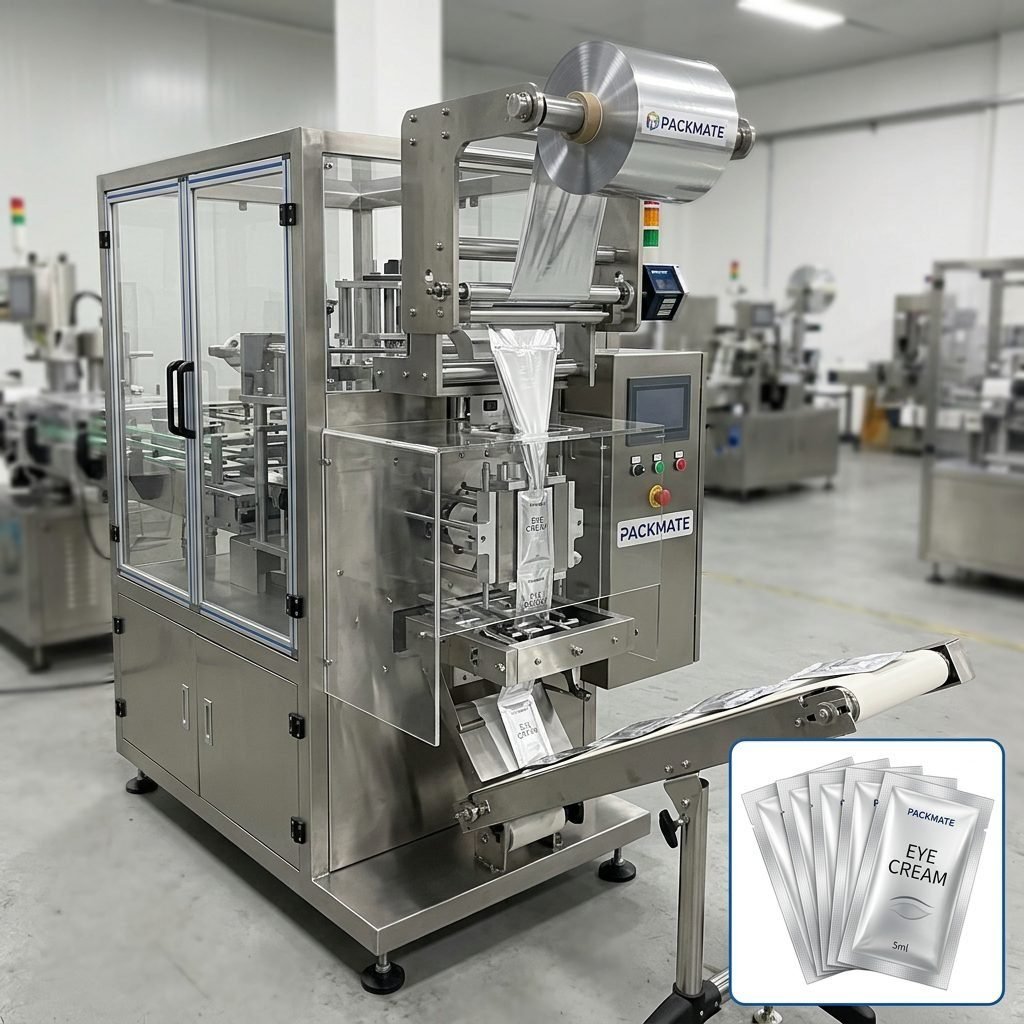
Platforms like Alibaba.com and Made-in-China.com list thousands of suppliers. For more targeted searches, visiting the official websites of established manufacturers provides detailed technical information, case studies, and direct contact channels. For instance, you can explore the capabilities of Ludyway, a major supplier with extensive export experience to markets similar to Morocco.
3. Local Agents and Distributors
Many international manufacturers work through local agents in Morocco. These agents provide invaluable on-the-ground support, including language assistance, site visits, and handling logistics and customs clearance. Inquire if a shortlisted manufacturer has a local representative in Casablanca or Tangier.
4. Industry Referrals and Case Studies
Networking within Moroccan industry associations or with peers can lead to trusted referrals. Ask manufacturers for case studies or references from projects in North Africa or the Middle East, as these often involve similar climatic and operational conditions.
Evaluating Manufacturer Reliability and Capability
Once you have a shortlist, a thorough evaluation is necessary. Due diligence separates reputable partners from less reliable options.
Due Diligence Checklist
- Company History & Experience: Prioritize manufacturers with a long track record (e.g., 20-30 years). Experience often translates to more robust machine design and problem-solving ability.
- Factory Audit & Quality Control: Request a virtual or, if possible, physical factory tour. Assess their production facility, quality control processes, and testing procedures. Companies like Packmate Machinery operate sizable modern factories, which is a positive indicator of stability.
- Technical Support & After-Sales Service: This is critical for Morocco. Clarify warranty terms, availability of English/Arabic/French manuals, online technical support, and the process for obtaining spare parts. Ask about their typical response time for international support requests.
- Customization Ability: Can they adapt the machine to your specific product and packaging material? Manufacturers specializing in non-standard solutions, such as PackingMachineOEM, can be ideal for unique requirements.
- Export Experience: A manufacturer with a strong export portfolio is more likely to understand international shipping, documentation, and the technical support needs of overseas clients.
Comparing Different Types of Suppliers
Understanding a manufacturer’s core focus helps match their strengths to your project goals.
| Supplier Type | Best For | Considerations for Morocco |
|---|---|---|
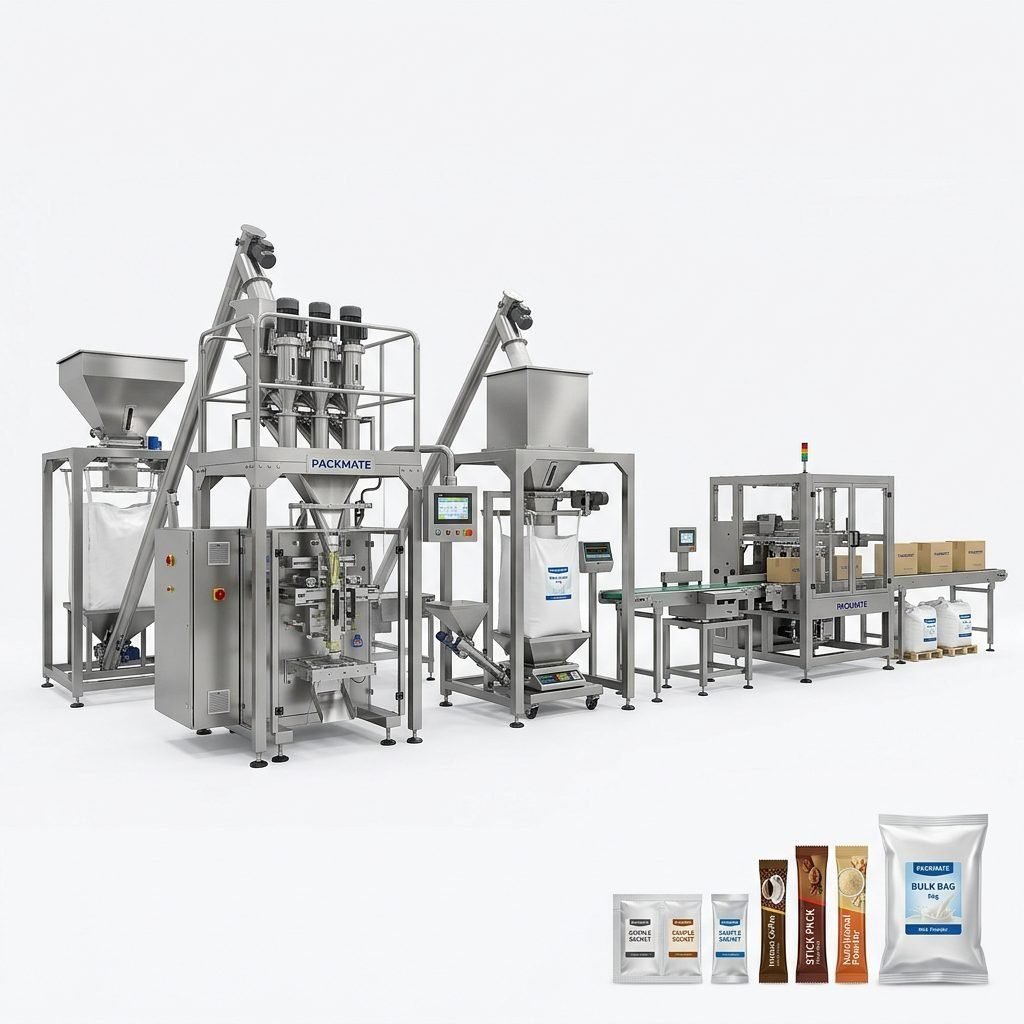
| Comprehensive Line Manufacturers | Turnkey projects needing full automation from filling to cartoning. | Ideal for large-scale investments. Ensure they offer robust project management for remote installation. |
| Specialized Machine Makers | Specific applications like nicotine pouches, liquid sachets, or viscous products. | Providers like SnusMachinery offer niche expertise crucial for product-specific quality. |
| Customization & OEM Experts | Unique products, non-standard packaging formats, or OEM cooperation. | Excellent for differentiation but requires clear communication of specifications and expectations. |
The Procurement Process: From Inquiry to Installation
A structured procurement process minimizes risks and ensures a smooth project flow.
Step 1: Initial Inquiry and Quotation
Provide detailed specifications to multiple suppliers. A professional manufacturer will ask many questions to understand your needs fully. Compare quotations carefully, ensuring they include FOB/CIF costs, delivery time, warranty, and a list of standard and optional components.
Step 2: Technical Negotiation and Contract
Discuss and finalize all technical details. The contract should explicitly cover machine specifications, performance guarantees (e.g., speed, accuracy), payment terms, delivery schedule, and responsibilities for installation and commissioning.
Step 3: Pre-Shipment Inspection (PSI)
If the order value is significant, arrange for a third-party or your own representative to conduct a Pre-Shipment Inspection at the factory. This verifies workmanship, materials, and functional testing before the machine leaves the country.
Step 4: Shipping, Customs, and Installation
Coordinate closely with the manufacturer and your freight forwarder regarding shipping documents and Moroccan customs regulations. Plan for installation: will you use local engineers, or will the supplier send technicians? Manufacturers focused on turnkey solutions, such as PacklineOEM, often have experience managing this phase for international clients.
Step 5: Training and After-Sales Support
Effective training for your operators and maintenance staff is essential for long-term success. Establish clear communication channels for ongoing technical support and spare parts ordering.
Frequently Asked Questions (FAQs)
Q1: Why consider Chinese manufacturers for the Moroccan market?
Chinese manufacturers often offer a compelling balance of advanced technology, customization flexibility, and competitive pricing. Many, like those profiled, have decades of experience and dedicated export departments familiar with the logistics and support requirements of markets like Morocco.
Q2: What are the main challenges when importing machinery to Morocco?
Key challenges include navigating customs clearance procedures, ensuring correct documentation, arranging inland transportation from the port, and managing the technical installation and commissioning phase without significant local expertise from the supplier.
Q3: How important is local service support?
Extremely important. Even with reliable equipment, having access to prompt technical advice, troubleshooting, and spare parts is crucial to minimize downtime. Prioritize manufacturers who have a local agent or a proven, responsive remote-support system for North Africa.
Q4: Should I buy a standalone machine or a complete packaging line?
This depends on your production scale and automation goals. A standalone machine is suitable for upgrading a single step. A complete turnkey line is ideal for new facilities or major expansions seeking maximum efficiency and labor savings, though it requires a larger investment and more complex project management.
Q5: How can I verify a manufacturer’s claims about machine performance?
Request video evidence of the machine running a similar product, ask for contactable customer references in comparable regions, and insist on clear performance clauses (e.g., bags/minute, dosing accuracy) within the purchase contract. A factory audit is the most reliable verification method.