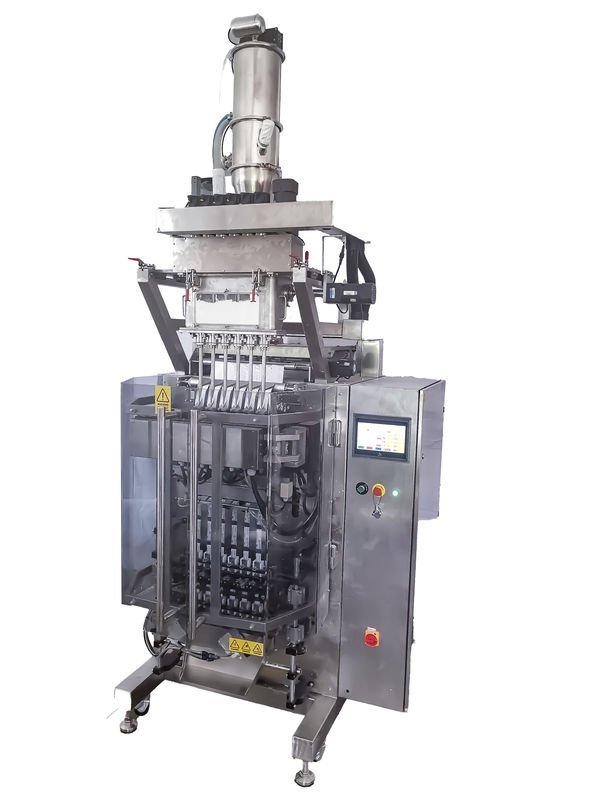
Selecting the right drip coffee bag packaging machine is a critical investment for any coffee manufacturer aiming to scale production, ensure product freshness, and maintain brand consistency. An automatic solution streamlines the entire process—from dosing and filling to sealing and coding—minimizing human error and maximizing throughput. This guide will walk you through the key factors to consider when choosing the best machine for your factory’s specific needs, helping you make an informed decision that boosts efficiency and profitability.

Understanding Your Production Requirements
Before diving into machine specifications, a thorough analysis of your current and projected production needs is essential. This foundational step ensures the equipment you select can grow with your business.
Output Speed and Capacity
Machines are rated by bags per minute (BPM). Evaluate your daily/weekly volume. A small-scale roaster might suffice with 60-80 BPM, while a large factory supplying supermarkets may require 200+ BPM. Consider peak seasons and allow for ~20% capacity headroom for future growth.
Bag Size and Format Flexibility
Do you produce single-serve (10g), standard (250g), or bulk (1kg) bags? Your machine must handle your size range. More importantly, consider format flexibility: can it run flat-bottom, stand-up, or side-gusseted bags? A versatile machine like some models in our Bag & Pouch Packaging Machines line allows you to adapt to market trends without a major reinvestment.
Product Characteristics
Beyond whole beans, are you packaging ground coffee of varying grinds? The filling system must handle your product’s flow characteristics without bridging or clogging. For blends with added ingredients (e.g., flavor granules), a multi-head weigher or auger filler with precision is non-negotiable.
Core Components of a Drip Coffee Bag Packaging Line
A complete automatic line is more than just a bag sealer. It integrates several synchronized modules.
1. Bag Feeding and Forming Unit
This unit takes flat roll stock film and forms it into the desired bag shape. The precision of this stage dictates bag integrity. Look for robust forming shoulders and consistent sealing jaw temperature control.
2. Precision Filling System
The heart of the machine. Volumetric auger fillers are common for ground coffee, offering good speed and accuracy. For ultimate precision, especially with high-value products, a net weight scale system is superior, ensuring every bag meets the exact declared weight, crucial for compliance and customer trust.
3. Gas Flushing and Sealing
To preserve aroma and extend shelf life, nitrogen flushing is standard. The machine must efficiently evacuate air and replace it with inert gas before the final top seal. Consistent seal strength (tested for leaks) is paramount to prevent oxidation and staleness.
4. Integrated Degassing Valve Attachment
For fresh coffee, a one-way degassing valve is mandatory. The machine should automatically pick-and-place and seal the valve onto the bag with perfect alignment and adhesion. This is a specialized function not found on all general baggers.
5. Coding and Discharge
Integrated inkjet or laser coder for batch dates, expiry, and barcodes. A gentle discharge conveyor transfers finished bags to the next station, like cartoning.
Key Selection Criteria: Beyond Specifications
Technical specs tell only part of the story. Operational and supplier factors are equally important for long-term success.
Build Quality and Durability
A packaging machine is a long-term asset. Inspect the frame construction (stainless steel is ideal for food grade and corrosion resistance), quality of bearings, and robustness of moving parts. A machine built for 24/7 operation, like those from experienced manufacturers such as Packmate, will have a significantly longer lifespan and lower total cost of ownership.
Ease of Operation and Changeover
Look for a user-friendly HMI (Human-Machine Interface) touchscreen. Quick-change parts for different bag sizes drastically reduce downtime during production switches. Tool-less changeovers are a significant advantage for operations with frequent SKU rotations.
Hygiene and Cleanability
Food safety is critical. The design should prevent product accumulation in hard-to-clean areas. Smooth surfaces, easy-access panels, and CIP (Clean-in-Place) capabilities for the filling system are major benefits that reduce cleaning time and contamination risk.
Supplier Support and Service
Your relationship with the machine builder is crucial. Evaluate their technical support, availability of spare parts, and training offerings. A supplier with a global service network can provide faster response times. Review their case studies to see proven success in the coffee industry.
Integration into Your Existing Workflow
The new machine must connect seamlessly with upstream (grinding, blending) and downstream (checkweighing, cartoning) equipment.
Communication Protocols: Ensure the machine supports standard industrial communication (e.g., Ethernet/IP, Profinet) for data collection and line synchronization. This is key for Industry 4.0 smart factory integration.
Footprint and Utilities: Accurately measure your available floor space and confirm utility requirements (electrical power, compressed air, nitrogen supply). A complete turnkey packaging line solution from a single supplier often simplifies integration and commissioning.
Return on Investment (ROI) Analysis
Justify the capital expenditure by calculating a realistic ROI. Factor in:
- Labor Savings: Reduction in manual packing staff.
- Material Savings: Reduced film waste and more accurate filling, saving product.
- Increased Output: Higher production capacity leading to more sales.
- Quality Gains: Fewer rejected bags, enhanced brand reputation.
A detailed analysis often reveals a payback period of 12-24 months for a well-chosen automatic system.
Frequently Asked Questions (FAQs)
1. What is the typical price range for an automatic drip coffee bag machine?
Prices vary widely based on speed, automation level, and brand. Entry-level semi-automatic machines start around $20,000, while high-speed, fully integrated lines from leading manufacturers can range from $80,000 to $200,000+. It’s best to request a detailed quote based on your specific requirements.
2. Can one machine handle both whole bean and ground coffee?
Yes, but the filling system is key. A machine equipped with a versatile auger filler or, ideally, a combination weigher can often handle both. However, optimal accuracy for different grinds may require adjustments or different filler tools. Discuss this specifically with your supplier.
3. How important is nitrogen flushing, and what purity level is needed?
It is crucial for shelf life. Flushing removes oxygen, slowing oxidation and staling. For coffee, a nitrogen purity of 99.5% or higher is recommended to achieve the low residual oxygen levels (<2-3%) needed for effective preservation.
4. What is the average changeover time between different bag sizes?
This depends heavily on machine design. With advanced models featuring digital servo adjustments and quick-change parts, changeover can be as fast as 10-15 minutes. Older or simpler mechanical machines may take 30-60 minutes. Always ask for a demonstration.
5. What kind of maintenance schedule should we expect?
Daily cleaning is essential. Scheduled maintenance (weekly, monthly, annually) includes lubricating moving parts, checking seal jaw temperatures, calibrating scales, and inspecting wear parts like augers and forming plates. A reliable supplier will provide a comprehensive maintenance manual and schedule. For more insights, visit our dedicated FAQ page.