The global food packaging machinery market is undergoing a significant transformation, driven by rising consumer demand for convenience, stringent food safety regulations, and the relentless pursuit of operational efficiency. For food producers, selecting the right automated packaging solution is no longer a luxury but a critical component of staying competitive. This article delves into the prevailing trends, explores the main types of machinery, and provides a clear framework for choosing the optimal system for your production needs.
Current Trends Shaping the Market
The landscape of food packaging is evolving rapidly. Several key trends are dictating the direction of innovation and investment in packaging machinery.
Smart Automation & Industry 4.0 Integration
Modern machines are becoming intelligent nodes in a connected factory. Features like IoT sensors, real-time data monitoring, and predictive maintenance are becoming standard. This connectivity allows for remote diagnostics, minimizes unplanned downtime, and provides valuable insights into production efficiency and material usage.
Sustainability and Material Flexibility
Environmental concerns are paramount. There is a strong push towards machinery that can handle recyclable, compostable, or bio-based packaging materials without compromising speed or seal integrity. Machines must be adaptable to work with a wider range of film types and thicknesses to support sustainable packaging initiatives.
Hygiene and Cleanability
Post-pandemic, hygiene standards have been elevated. Equipment designed with smooth surfaces, minimal crevices, and easy disassembly for cleaning (often following EHEDG or similar guidelines) is in high demand. This is especially crucial for ready-to-eat foods, dairy, and meat products.
Flexibility and Quick Changeover
The era of mass production of a single SKU is fading. Consumers desire variety, leading to shorter production runs. Packaging machinery must offer quick and tool-less changeovers between different package sizes, shapes, and materials to maximize uptime and respond to market demands agilely.
Primary Types of Food Packaging Machinery
Understanding the core categories of equipment is the first step in the selection process. Each type serves a specific function in the packaging line.
1. Form-Fill-Seal (FFS) Machines
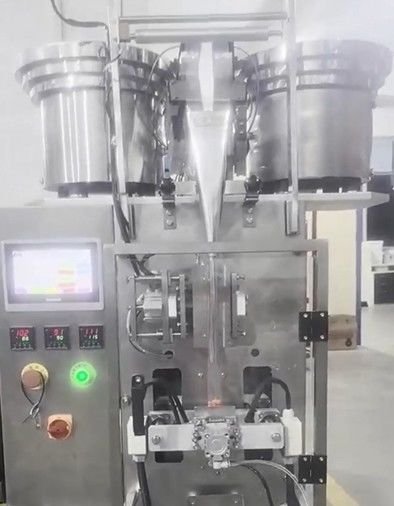
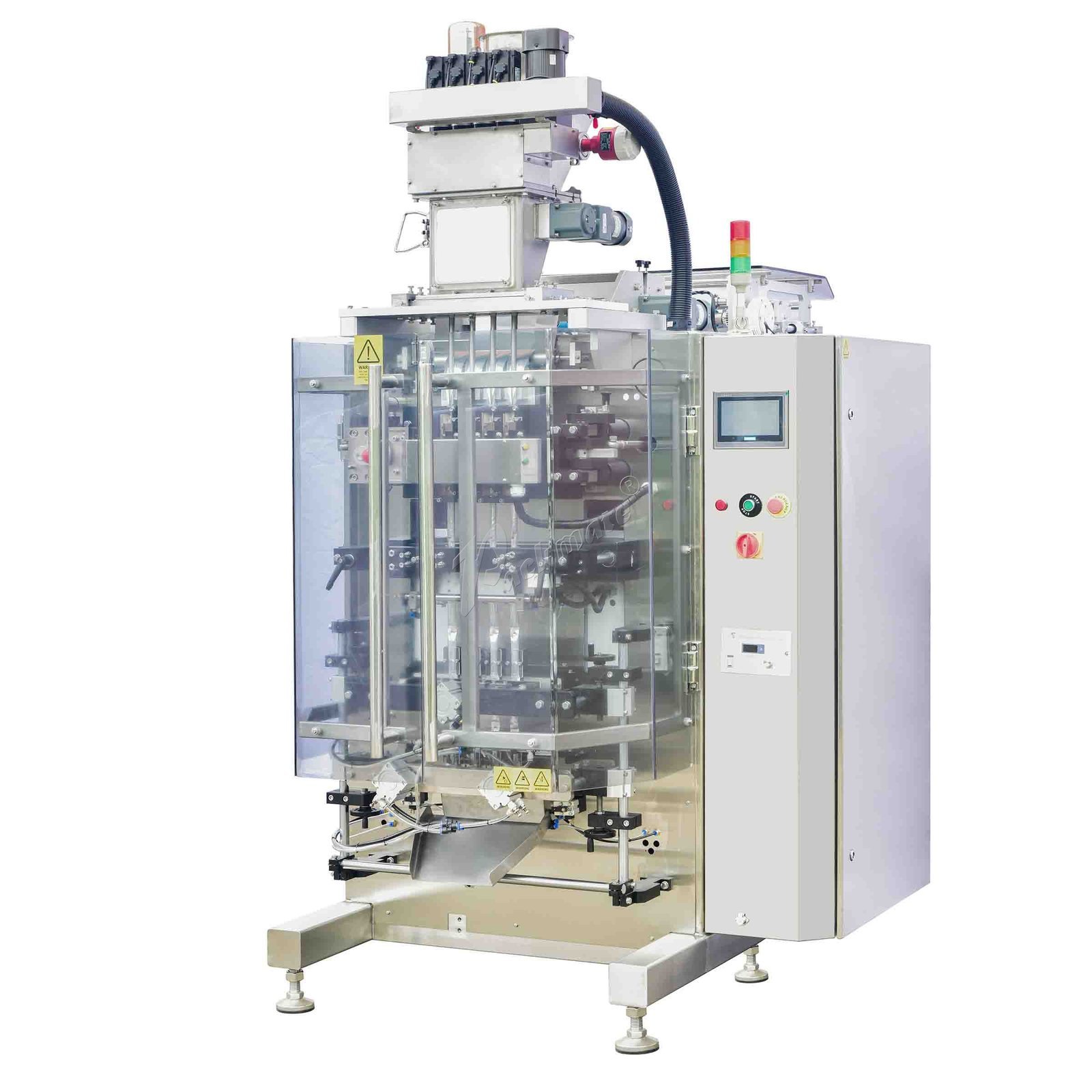
These are the workhorses of the industry, creating the package from a roll of film, filling it with product, and sealing it—all in one continuous operation. They are ideal for bag and pouch packaging of snacks, grains, powders, and liquids. Vertical (VFFS) and Horizontal (HFFS) are the two main configurations.
2. Filling and Capping Machines
Designed for pre-formed containers like bottles, jars, and cups. This category includes precise liquid fillers, auger fillers for powders, volumetric fillers for granules, and subsequent capping or lidding systems. Accuracy and speed are critical to minimize product giveaway.
3. Labeling and Coding Systems
These apply vital information to the package. This includes primary labels with branding, nutritional facts, and ingredients, as well as secondary coding for batch numbers, expiry dates, and barcodes using technologies like inkjet, laser, or thermal transfer.
4. Cartoning and Case Packing Equipment
After primary packaging, products are often grouped into cartons or cases for shipping. Machines erect cartons, load the primary packages, insert leaflets, and seal the cartons. Robotic pick-and-place systems are increasingly used here for gentle handling and flexibility.
5. End-of-Line Palletizing
The final step involves stacking and arranging cases or bags onto pallets for stable transport. Automated palletizers replace manual labor, increasing speed and reducing the risk of worker injury from repetitive heavy lifting.
How to Choose the Right Automated Solution
Selecting machinery is a strategic decision. A systematic approach ensures you invest in a system that delivers long-term value.
Step 1: Define Your Core Requirements
Start with the fundamentals: What product are you packaging? (e.g., viscosity, abrasiveness, particle size). What is your target output speed? (packages per minute/hour). What packaging material will you use? (film type, thickness). Clearly documenting these parameters is essential for meaningful discussions with suppliers.
Step 2: Evaluate Machine Capabilities and Flexibility
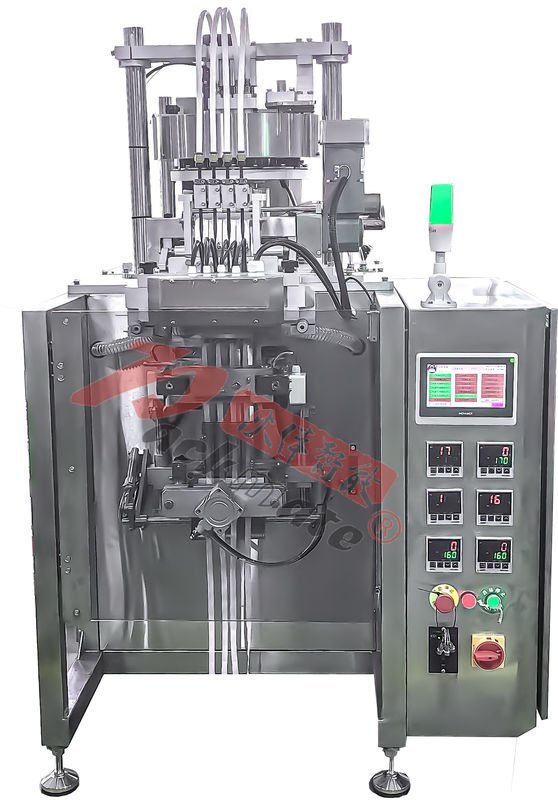
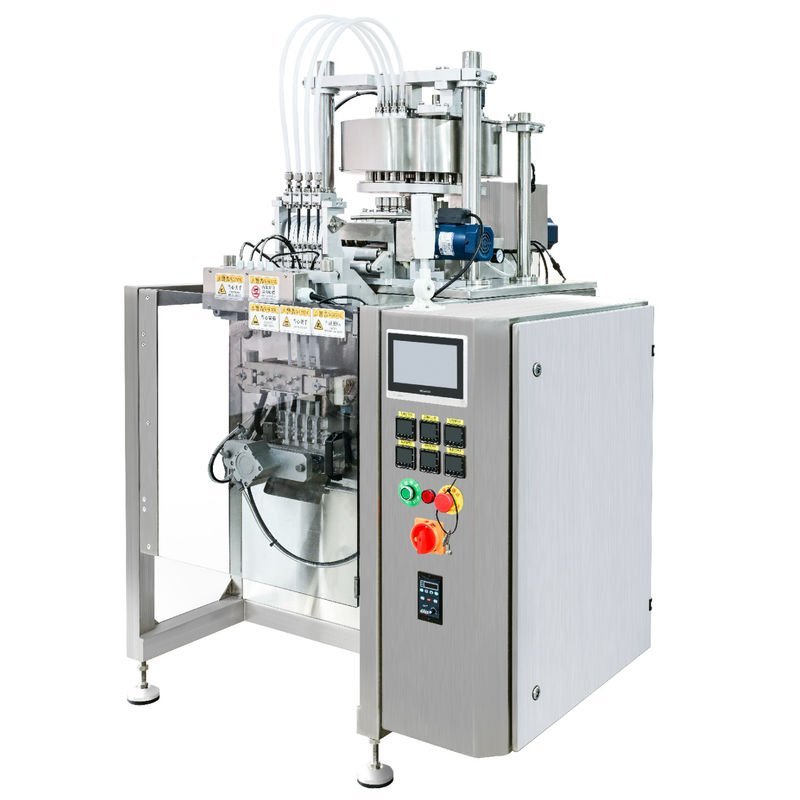
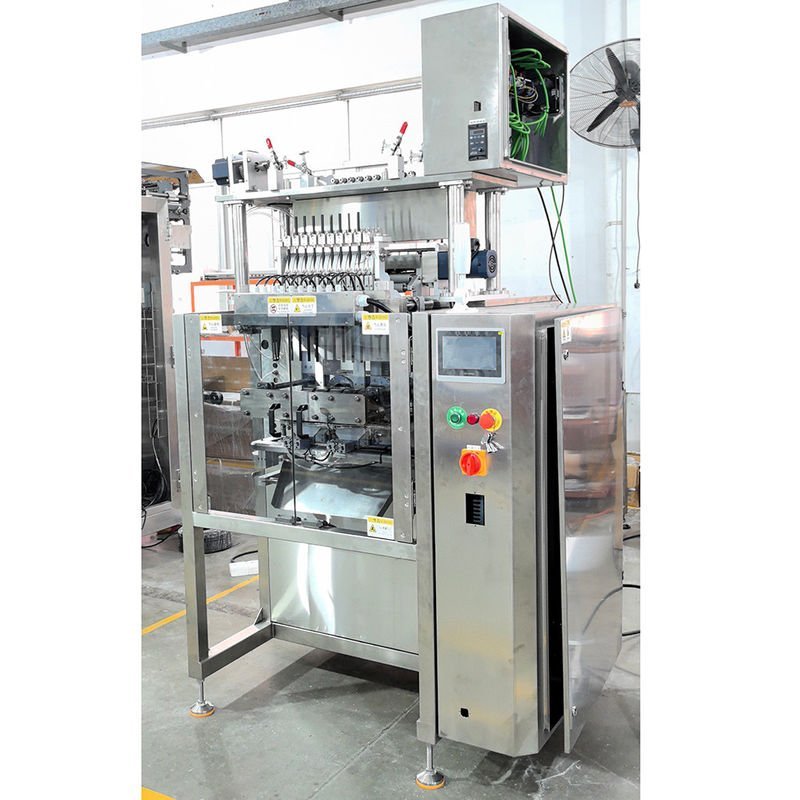
Beyond meeting today’s needs, consider tomorrow’s. Can the machine handle potential future products or package sizes? How long does a changeover take? Assess the ease of use of the HMI (Human-Machine Interface) and the availability of sachet and stick pack machines for small-portion packaging if relevant. A partner with a broad portfolio, like Packmate Machinery, can offer more integrated solutions.
Step 3: Prioritize Hygiene and Safety Design
Inspect the machine’s construction. Are surfaces stainless steel and easy to clean? Are there areas where product or debris can accumulate? Safety features like guarded moving parts, emergency stops, and lock-out/tag-out provisions are non-negotiable for protecting your workforce.
Step 4: Analyze Total Cost of Ownership (TCO)
Look beyond the initial purchase price. Factor in installation costs, energy consumption, required spare parts, and expected maintenance. A slightly more expensive machine with higher reliability and lower operating costs often provides a better return on investment over a 10-year lifespan.
Step 5: Assess Supplier Support and Reputation
The machine is only as good as the company behind it. Investigate the manufacturer’s experience, review their case studies, and understand their after-sales service structure. Do they offer comprehensive training, readily available spare parts, and responsive technical support? A supplier’s commitment to partnership is crucial.
Key Takeaway
Investing in the right filling and packaging line is a balance of technical specifications, operational flexibility, and strategic partnership. By thoroughly understanding your needs and carefully evaluating options against the criteria of capability, hygiene, TCO, and support, you can implement an automated solution that drives efficiency, ensures quality, and scales with your business growth.
Frequently Asked Questions (FAQs)
1. What is the typical lead time for a new food packaging machine?
Lead times vary significantly based on machine complexity, customization, and manufacturer backlog. For standard models, it can range from 12 to 20 weeks. Highly customized or turnkey systems may require 6 months or more. It’s vital to discuss timelines early in the planning process.
2. How can I ensure the machine meets food safety regulations in my region?
Work with a reputable manufacturer whose machines are designed to comply with international standards (e.g., FDA, EU regulations for food contact materials). Request documentation on material certificates (e.g., for stainless steel) and design principles (e.g., hygienic design). Clearly communicate your local regulatory requirements to the supplier.
3. What kind of maintenance does automated packaging equipment require?
Maintenance is routine and preventative. Daily tasks include cleaning and visual inspections. Weekly or monthly schedules involve lubrication, checking seal jaws, and verifying sensor alignment. Annual maintenance by a qualified technician is recommended for a thorough inspection and calibration.
4. Can existing packaging lines be upgraded or retrofitted with new automation?
Yes, in many cases. Retrofitting is a cost-effective way to add capabilities like improved weighing systems, vision inspection, or robotic loading. A qualified engineer can assess your current line and recommend compatible upgrades to enhance speed, accuracy, or functionality.
5. What training is provided for our operators and maintenance staff?
Professional suppliers typically offer comprehensive training programs. This includes on-site training during installation and commissioning, covering operation, routine maintenance, troubleshooting, and safety procedures. Detailed machine manuals and sometimes online training modules are also provided.