In the fast-paced worlds of food and pharmaceutical manufacturing, efficiency, hygiene, and precision are not just goals—they are non-negotiable requirements. The bridge between raw product and safe, market-ready goods is often built by high-performance packaging equipment. This machinery forms the critical backbone of production lines, ensuring products are sealed, protected, and presented consistently at speeds that meet modern demand.
The Critical Role of Packaging in Sensitive Industries
For sectors where consumer safety is paramount, packaging does far more than contain a product. In the pharmaceutical industry, it must provide a sterile barrier, protect potency from environmental factors like light and moisture, and often include tamper-evident features. In food production, packaging preserves freshness, extends shelf life, and prevents contamination. High-performance equipment is engineered to meet these stringent standards reliably, batch after batch, minimizing human error and maximizing product integrity.
Key Demands on Packaging Machinery:
- Hygiene & Cleanability: Surfaces must be smooth, non-porous, and easy to sanitize to prevent cross-contamination.
- Precision Dosing: Accurate filling of powders, granules, or liquids is crucial for product efficacy and cost control.
- Material Compatibility: Equipment must handle diverse films, laminates, and foils without compromising seal quality.
- Regulatory Compliance: Designs must facilitate validation processes and adhere to standards like GMP (Good Manufacturing Practice).
Core Technologies in Modern Packaging Lines
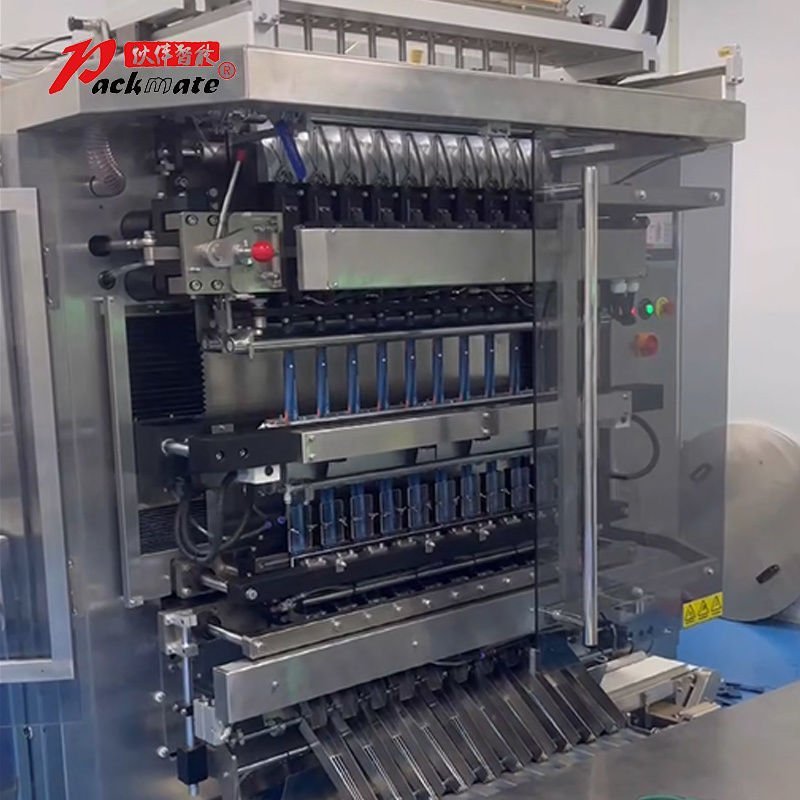
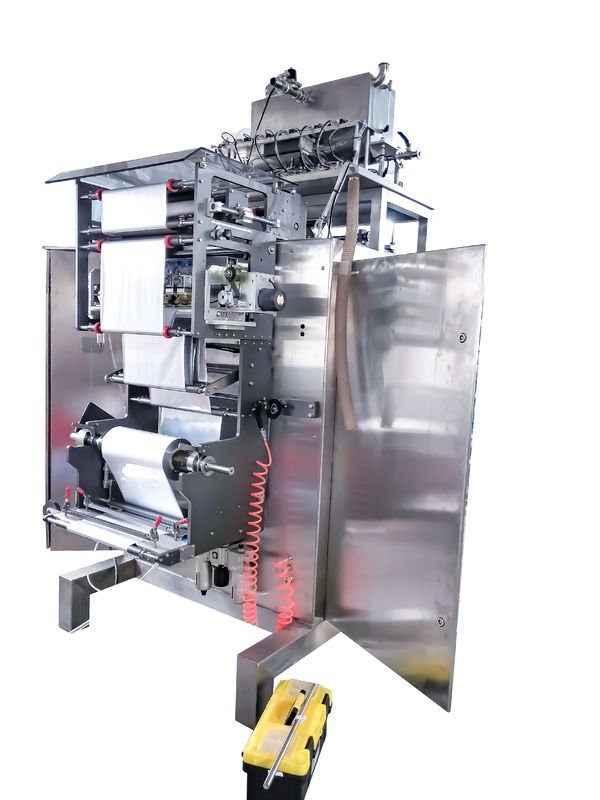
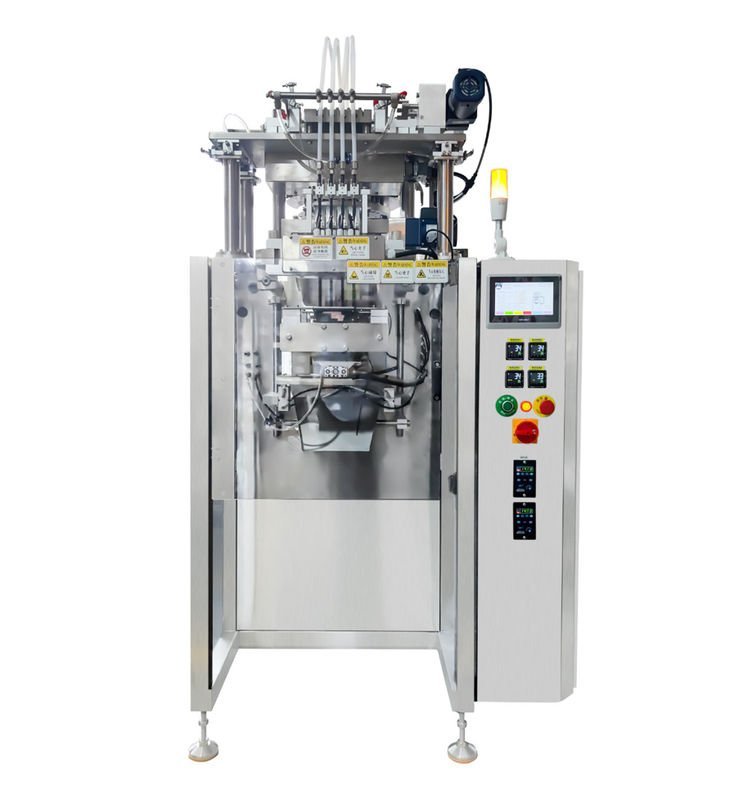
Today’s high-performance packaging is a symphony of integrated technologies. A typical automated line might include a form-fill-seal (FFS) machine, precision weighers, metal detectors, and labeling systems. Advanced Filling & Packaging Lines are the centerpiece, creating the pouch from roll stock, metering the product, and sealing it in one continuous operation. For smaller formats like single-serve condiments or pharmaceutical samples, Sachet & Stick Pack Machines offer unparalleled efficiency, often running multiple lanes simultaneously to achieve high output.
Driving Efficiency with Automation
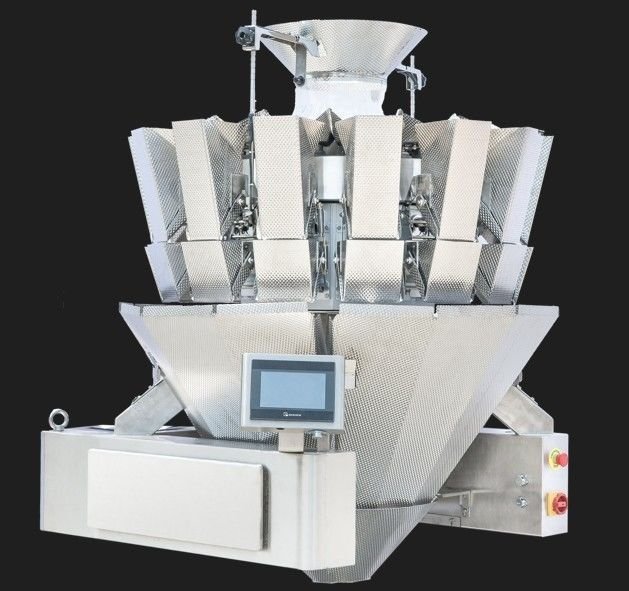
The shift from semi-automatic to fully automated systems represents the single biggest leap in packaging performance. Automation reduces labor costs, increases line speed, and enforces consistency. Integrated Weighing & Packaging Systems with multi-head scales provide astonishing speed and accuracy for free-flowing products. Meanwhile, robotic arms for case packing and palletizing handle repetitive, heavy tasks, reducing physical strain on workers and streamlining the end-of-line process.
Selecting the Right Equipment for Your Operation
Choosing high-performance packaging machinery is a significant investment. The decision should be guided by a clear understanding of your current and future needs. Key considerations include the physical characteristics of your product (powder, granule, liquid, viscous), your required output speed (packs per minute), the packaging materials you plan to use, and the available factory floor space and utilities. Reviewing real-world case studies from similar manufacturers can provide invaluable insight into what works.
📈 Performance Checklist:
Before finalizing a machinery purchase, validate these points:
- Uptime & Reliability: What is the machine’s historical operational availability? Look for robust construction and proven track records.
- Changeover Speed: How quickly can the machine be adjusted for different package sizes or products? Quick-change parts are essential for flexible production.
- Total Cost of Ownership: Look beyond the purchase price. Factor in energy consumption, spare parts cost, and expected maintenance.
- Supplier Support: Does the manufacturer offer comprehensive training, technical support, and a reliable spare parts service? This is critical for minimizing downtime.
The Packmate Advantage: Engineering Reliability
With over three decades of specialization, Packmate Machinery embodies the evolution of high-performance packaging. From a foundational focus on precision and durability, the company has grown into a provider of complete turnkey solutions. Operating from a modern 20,000㎡ facility, Packmate’s philosophy is rooted in solving real production floor challenges. This practical experience translates into equipment that is not only technologically sound but also operator-friendly and built for the long haul, serving a global clientele from its base in Guangdong, a heartland of advanced manufacturing.
Commitment to Innovation and Partnership
High-performance is a moving target. Packmate’s dedicated R&D team continuously refines machine designs, integrating smarter PLC controls, touch-screen HMIs, and data connectivity for Industry 4.0 readiness. This commitment ensures clients’ lines remain competitive. Furthermore, Packmate views each client engagement as a partnership, working closely from the initial solution design through installation, training, and after-sales support to ensure the equipment delivers on its performance promise.
Future Trends: Smart and Sustainable Packaging
The next frontier for high-performance equipment lies in intelligence and sustainability. Smart machines with IoT sensors can predict maintenance needs, monitor energy use, and provide real-time production data to MES (Manufacturing Execution Systems). Simultaneously, there is growing pressure to support sustainable packaging formats—using less material, incorporating recyclable or compostable films, and reducing waste. The next generation of equipment will need to handle these newer, sometimes more challenging materials with the same speed and reliability as traditional laminates.
Frequently Asked Questions (FAQs)
1. What is the primary difference between food-grade and pharmaceutical-grade packaging equipment?
While both require high hygiene standards, pharmaceutical-grade machinery often has more stringent design requirements for cleanability, validation, and traceability. Materials in contact with the product must be certified for pharmaceutical use, and the design must facilitate adherence to GMP guidelines, often featuring more polished surfaces and enclosed mechanisms to prevent contamination.
2. How can I improve the speed of my existing packaging line?
Speed improvements can come from several areas: upgrading to a multi-lane machine (like a multi-track stick pack machine), integrating faster precision weighers, automating manual tasks such as bag feeding or cartoning, and optimizing line layout to reduce product transfer time. A professional audit from an equipment supplier can identify the most effective bottlenecks to address.
3. What kind of maintenance is required for high-speed packaging machines?
Regular preventive maintenance is crucial. This typically includes daily cleaning and lubrication of specified points, weekly checks of seal integrity and mechanical parts for wear, and periodic calibration of weighing and dosing systems. Following the manufacturer’s maintenance schedule and using genuine spare parts are key to maintaining performance and longevity.
4. Can one machine handle multiple different product types (e.g., powder and granules)?
Many modern machines are designed for flexibility. With appropriate change parts and adjustments to auger systems or volumetric fillers, a single machine can often handle different product types within a similar physical category (e.g., free-flowing powders and granules). However, switching between vastly different viscosities (e.g., a powder and a viscous paste) usually requires more significant reconfiguration or different filling technology.
5. How important is after-sales service when selecting a packaging equipment supplier?
Extremely important. Even the most reliable machine may require technical support, spare parts, or preventative maintenance. A supplier with a strong, responsive after-sales service network—including readily available spare parts, remote diagnostics, and field service engineers—is essential for minimizing costly downtime and protecting your production investment over the machine’s entire lifecycle.