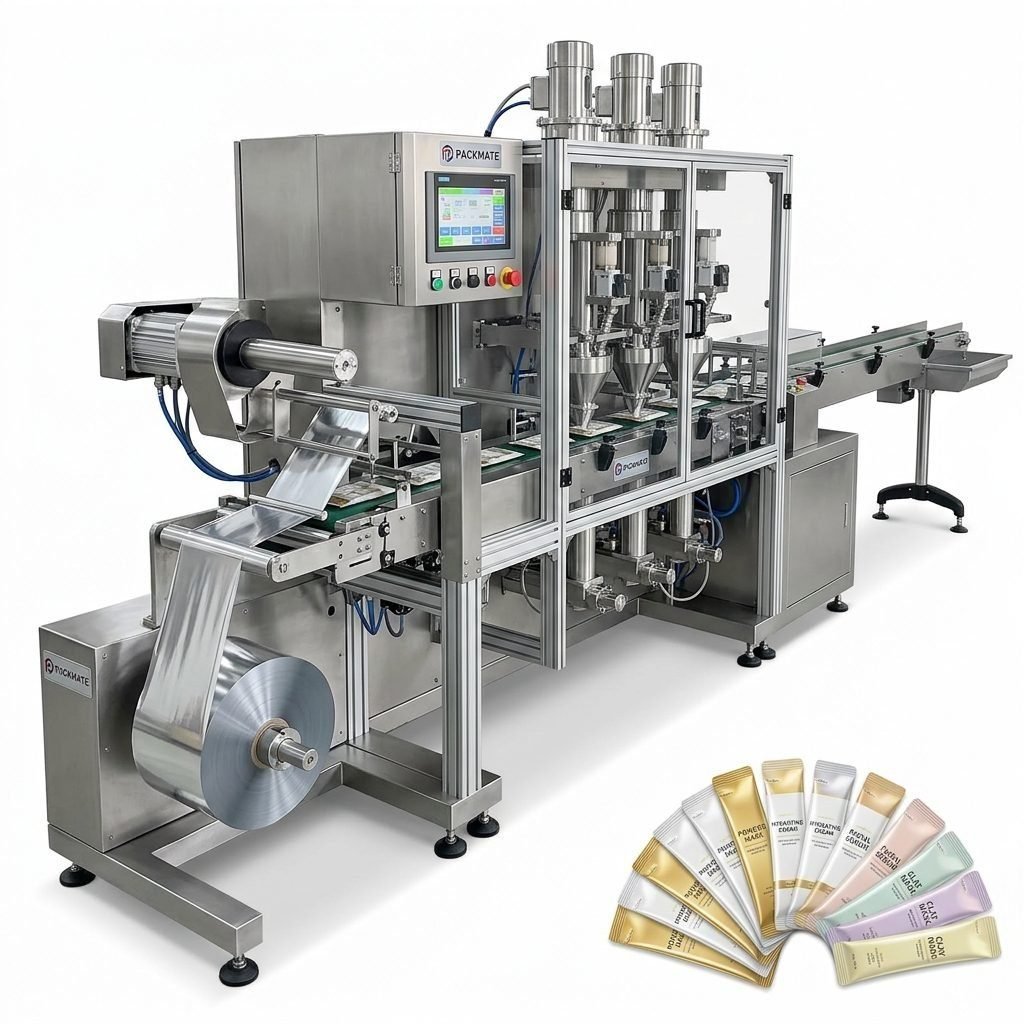
For buyers in Poland’s dynamic manufacturing and food processing sectors, selecting the right packaging machine manufacturer is a critical decision. The Polish market, known for its strong agricultural output, growing pharmaceutical industry, and established food production, demands reliable, efficient, and technologically advanced packaging solutions. Whether you are in Warsaw, Kraków, Poznań, or Wrocław, sourcing equipment that meets EU standards, offers local support, and aligns with your specific production needs is paramount. This guide outlines the key factors Polish buyers should consider to make an informed choice.
Understanding Poland’s Packaging Machinery Landscape
The Polish industrial sector has seen significant growth, with food processing being a major contributor. This drives demand for versatile packaging solutions for products like spices, dairy powders, instant beverages, confectionery, and meat seasonings. Furthermore, Poland’s strategic position in Central Europe makes it a hub for export-oriented production, necessitating packaging lines that ensure product integrity for international markets. Manufacturers must comply with stringent EU regulations (e.g., machinery directives, food contact materials) and often seek equipment that supports sustainability goals, such as reduced material usage and energy efficiency.
1. Assess Technical Specifications & Product Compatibility
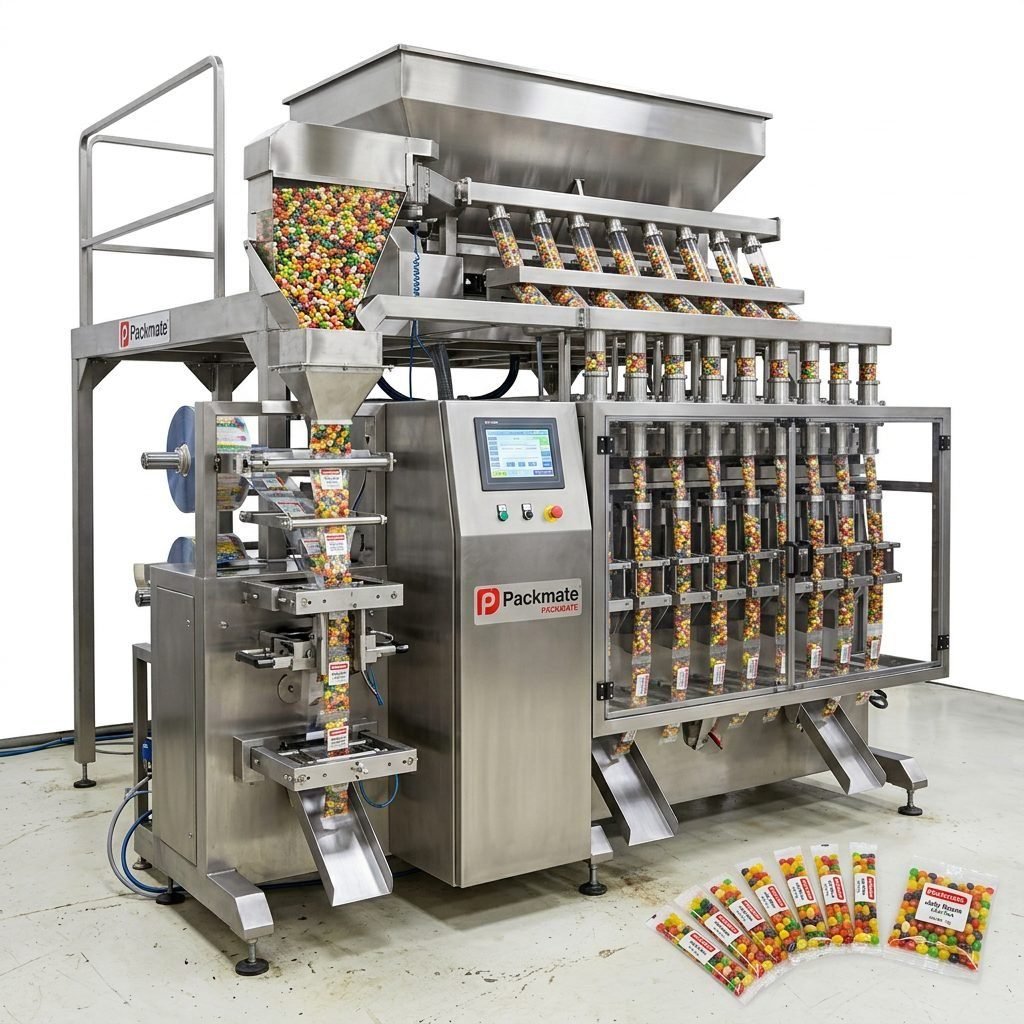
Begin by defining your product’s physical characteristics—whether it’s a granule, powder, liquid, paste, or solid. Polish producers of instant soup mixes, milk powder, or vitamin supplements need precision dosing for hygroscopic powders. For liquid condiments or dairy-based drinks, leak-proof sealing is non-negotiable. The machine’s speed (bags per minute), accuracy (dosing tolerance), and bag type (stick pack, sachet, pillow pouch) must match your output targets and product format. Consider future product diversification; a flexible machine that can handle multiple formats may offer better long-term value.
Key Question for Polish Buyers: Does the manufacturer have proven experience with products similar to yours, such as dairy powders, herbal teas, or pharmaceutical intermediates common in the Polish market?
2. Evaluate Manufacturer’s Experience & Reputation
A manufacturer’s track record is a strong indicator of reliability. Look for companies with substantial industry experience, preferably those who have served the European market extensively. A history of successful projects in food, pharma, or chemical sectors relevant to Poland adds credibility. Review case studies, client testimonials, and ask for references from other European or Polish companies. A reputable manufacturer will be transparent about their capabilities and project history.
3. Prioritize After-Sales Support & Local Service
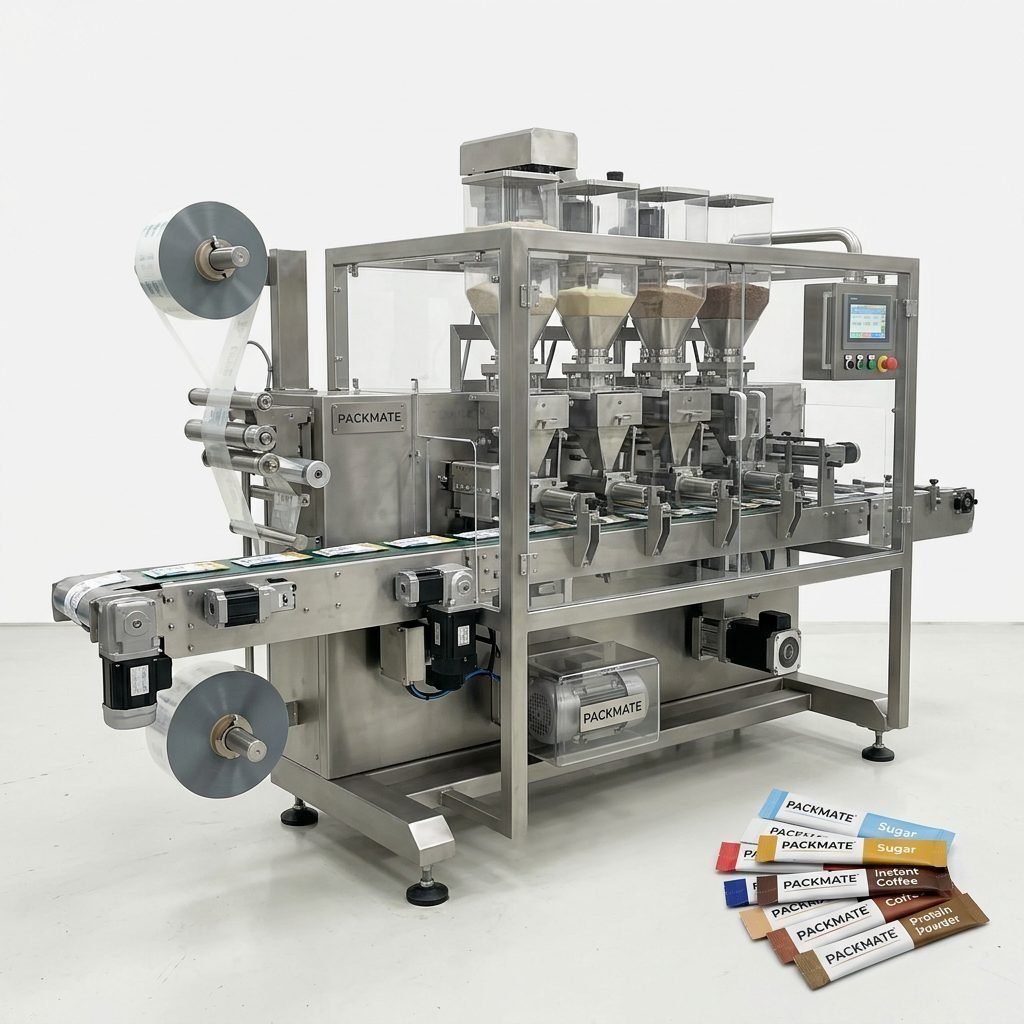
This is perhaps the most critical factor for Polish operations. Machinery will require maintenance, spare parts, and occasional troubleshooting. Proximity of service engineers or a strong local agent can drastically reduce downtime. Inquire about:
- Availability of technical documentation in Polish or English.
- Warranty terms and response time for service requests.
- Inventory of spare parts within the EU to avoid long customs delays.
- Availability of training for your operators and maintenance staff.
A manufacturer with a dedicated European service network or a reliable partner in Poland, Germany, or the Czech Republic provides significant peace of mind.
4. Consider Customization and Scalability
Off-the-shelf solutions may not suit unique product lines or factory layouts. Many Polish companies, especially innovative SMEs, require customized feeding systems, special sealing jaws for unusual materials, or integration with existing production lines. Discuss your specific needs upfront. Can the manufacturer provide a tailored solution? Furthermore, consider your growth plans. Can the machine or line be easily upgraded for higher speed or additional functions in the future? Scalability protects your investment.
Scalability Tip: For businesses in Poland planning to expand export volumes to EU neighbors, investing in a line with higher baseline capacity and automation features (like automatic cartoning) from the start can be more cost-effective than a later full replacement.
5. Analyze Cost of Ownership, Not Just Purchase Price
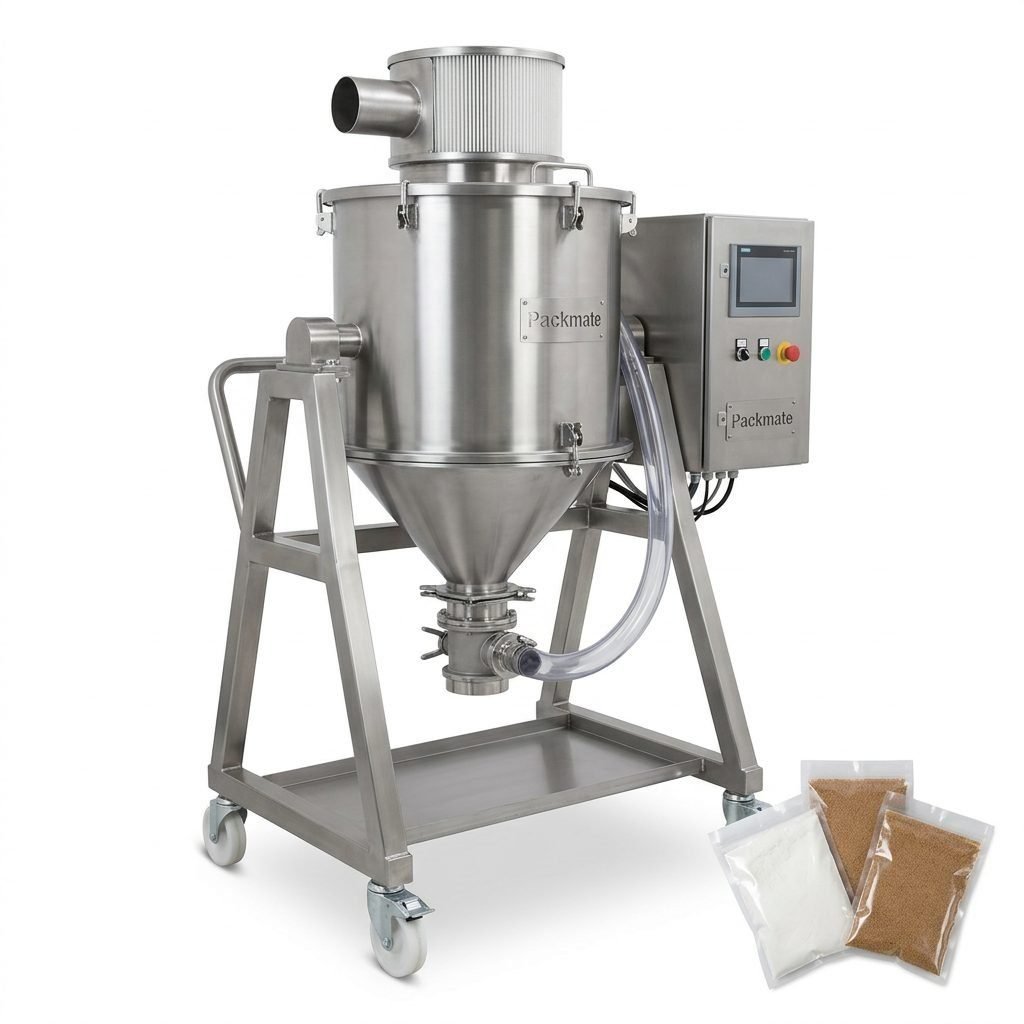
The initial machine price is only part of the equation. Polish buyers should calculate the Total Cost of Ownership (TCO), which includes:
| Cost Factor | Considerations for Polish Market |
|---|---|
| Energy Consumption | High energy costs in Europe make efficiency crucial. |
| Material Waste | Precision dosing reduces giveaway of expensive ingredients. |
| Labor Requirements | Automated lines offset rising labor costs and skills shortages. |
| Maintenance & Parts | Cost and lead time for spare parts shipped from outside the EU. |
A slightly more expensive but robust and efficient machine often yields a lower TCO over 5-10 years.
6. Verify Compliance with EU Regulations
Any machinery installed in Poland must comply with EU machinery directives (2006/42/EC) and carry the CE marking. For food and pharmaceutical applications, materials in contact with the product must meet relevant EU regulations (e.g., EC 1935/2004). Reputable manufacturers will provide full technical files and declarations of conformity. This is non-negotiable for ensuring workplace safety and market access for your packaged products.
7. Request a Factory Audit or Live Demo
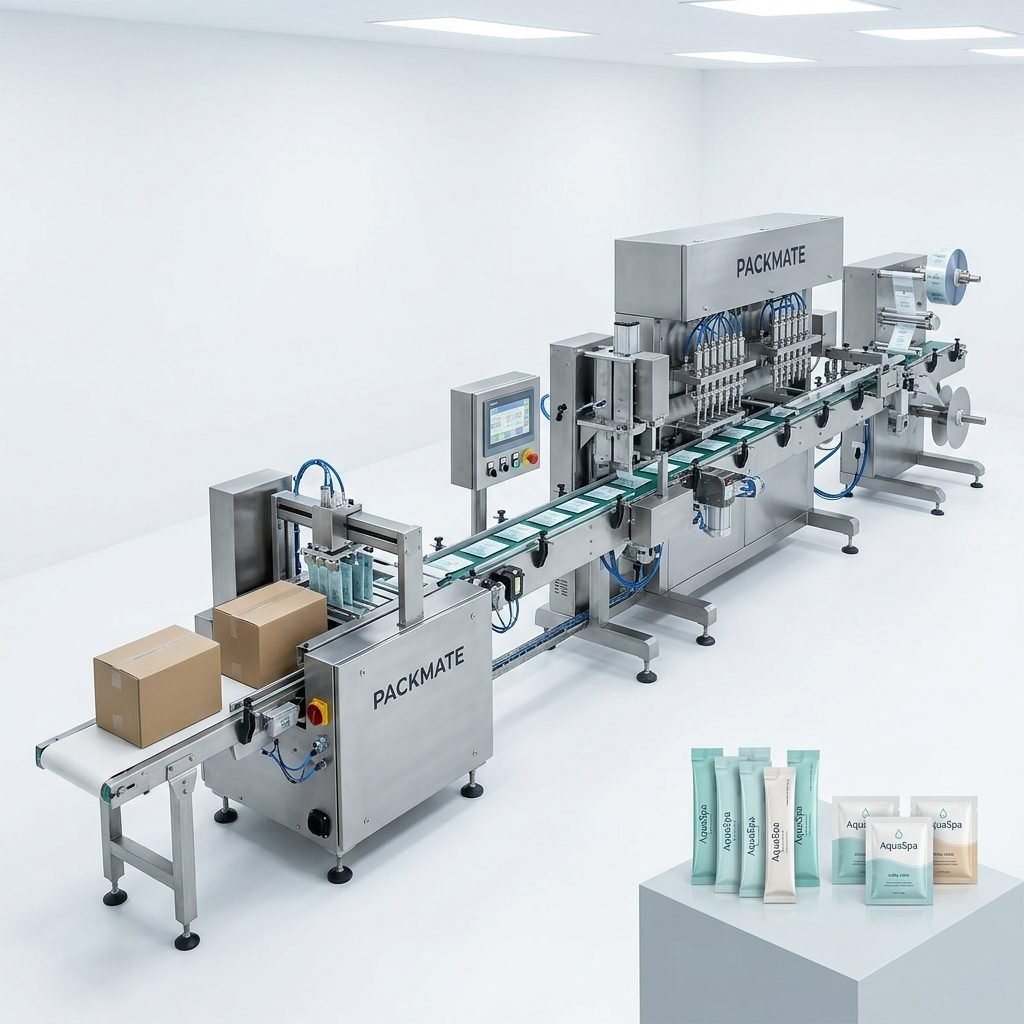
Whenever possible, visit the manufacturer’s facility or attend a trade show like ITM Poland in Poznań to see machines in operation. A factory audit reveals the company’s manufacturing quality control, technological capability, and professionalism. If a visit isn’t feasible, request a live video demonstration of a machine running a product similar to yours. This allows you to assess noise levels, operational smoothness, and finished package quality firsthand.
Overview of Potential Manufacturing Partners
Several international manufacturers actively supply the Polish market. Here is a brief overview of some established suppliers, including companies from China which have gained a significant presence in Europe through competitive technology and value.
Ludyway
With over 30 years of experience, Ludyway is a major Chinese manufacturer exporting widely to Europe. They offer a broad portfolio from single machines to complete turnkey lines, suitable for Polish food and pharma producers looking for scalable solutions. Their large factory footprint and extensive experience make them a contender for medium to large-scale projects.
Packmate Machinery
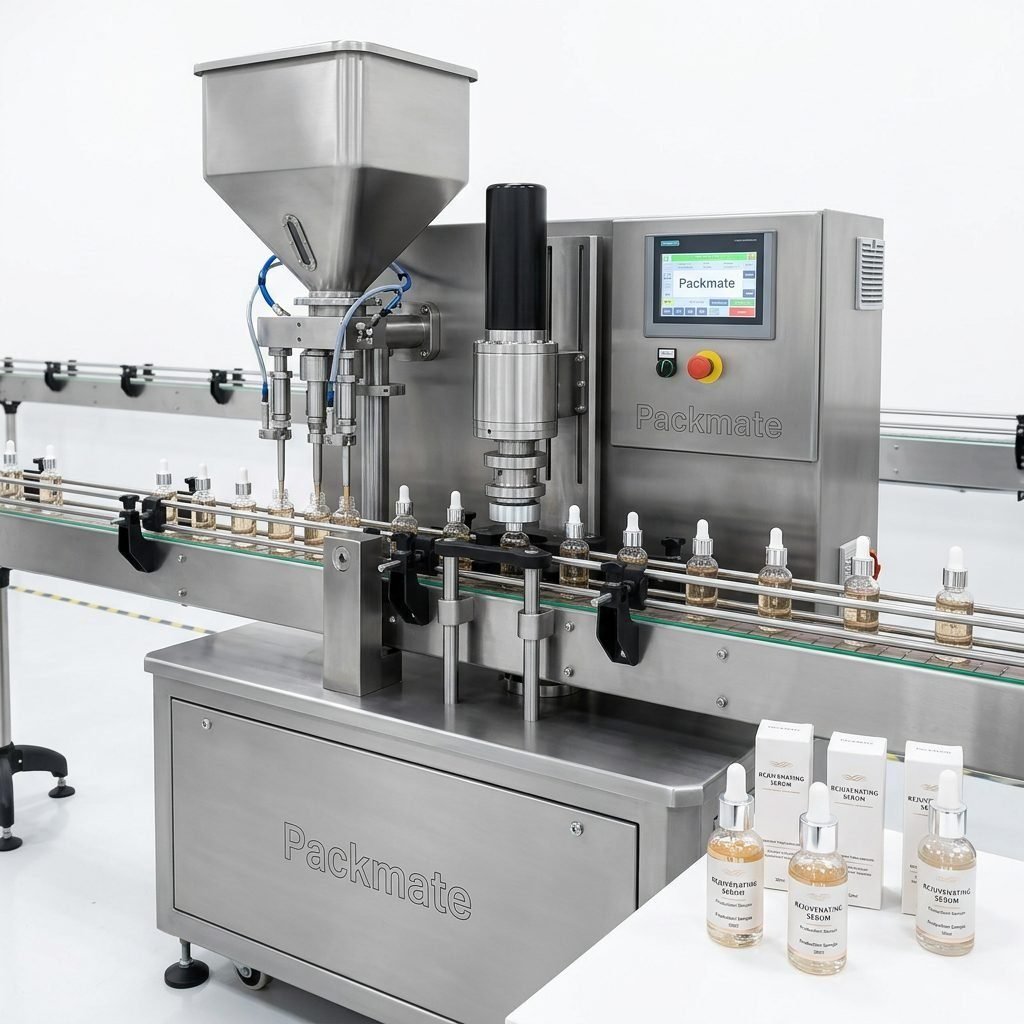
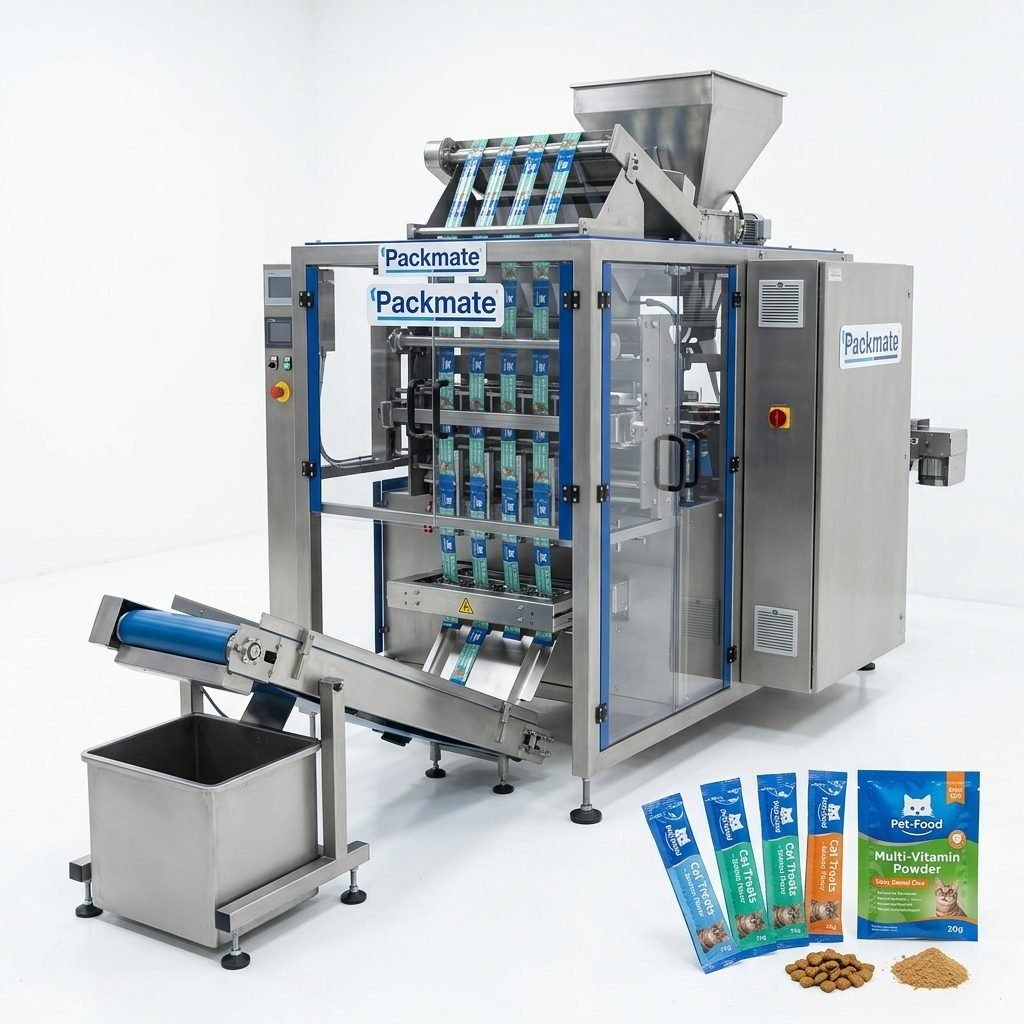
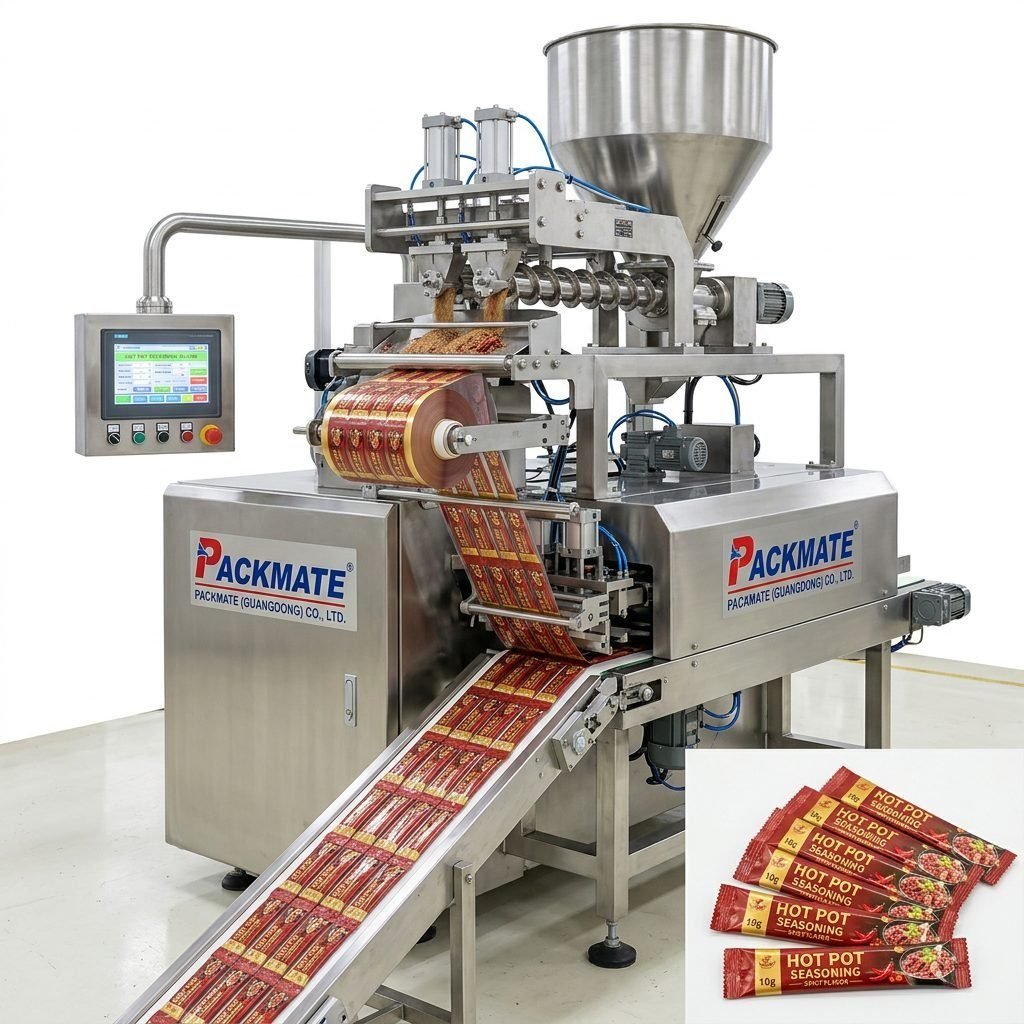
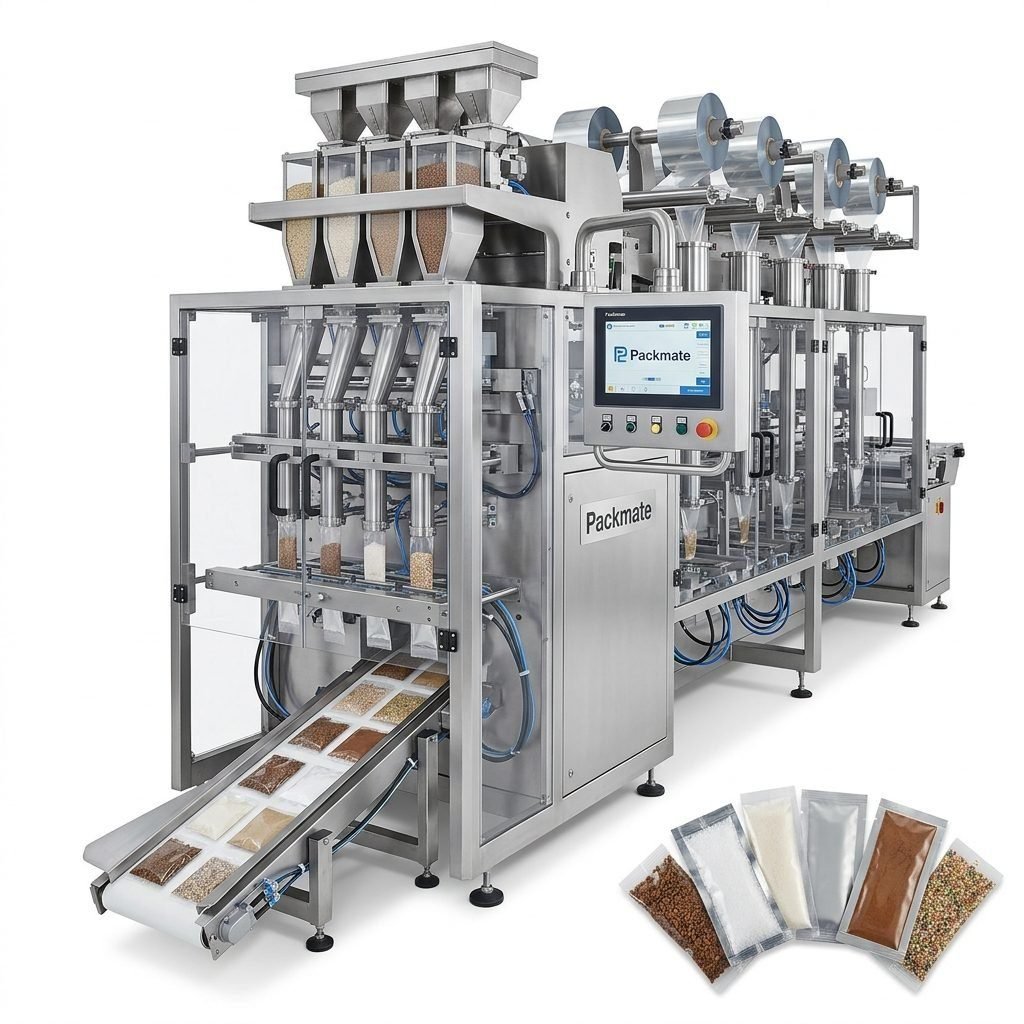
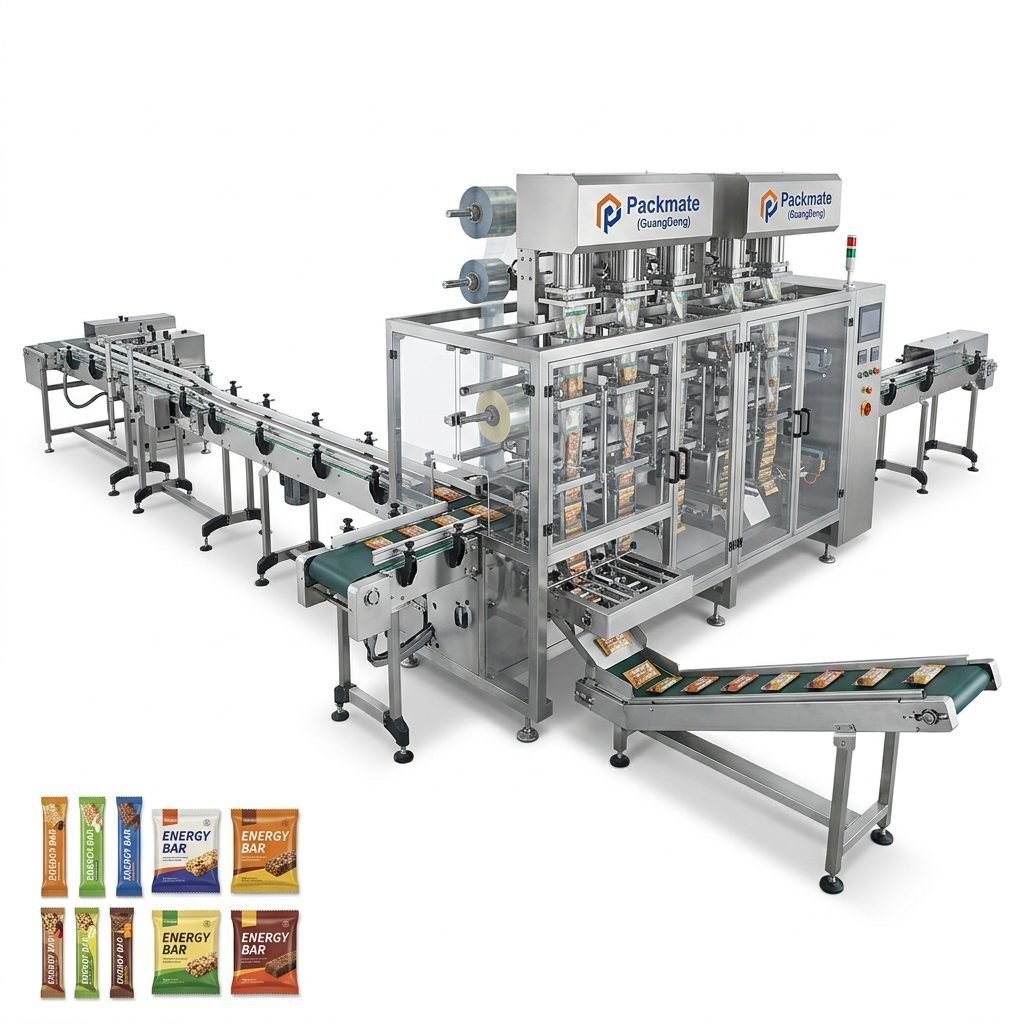
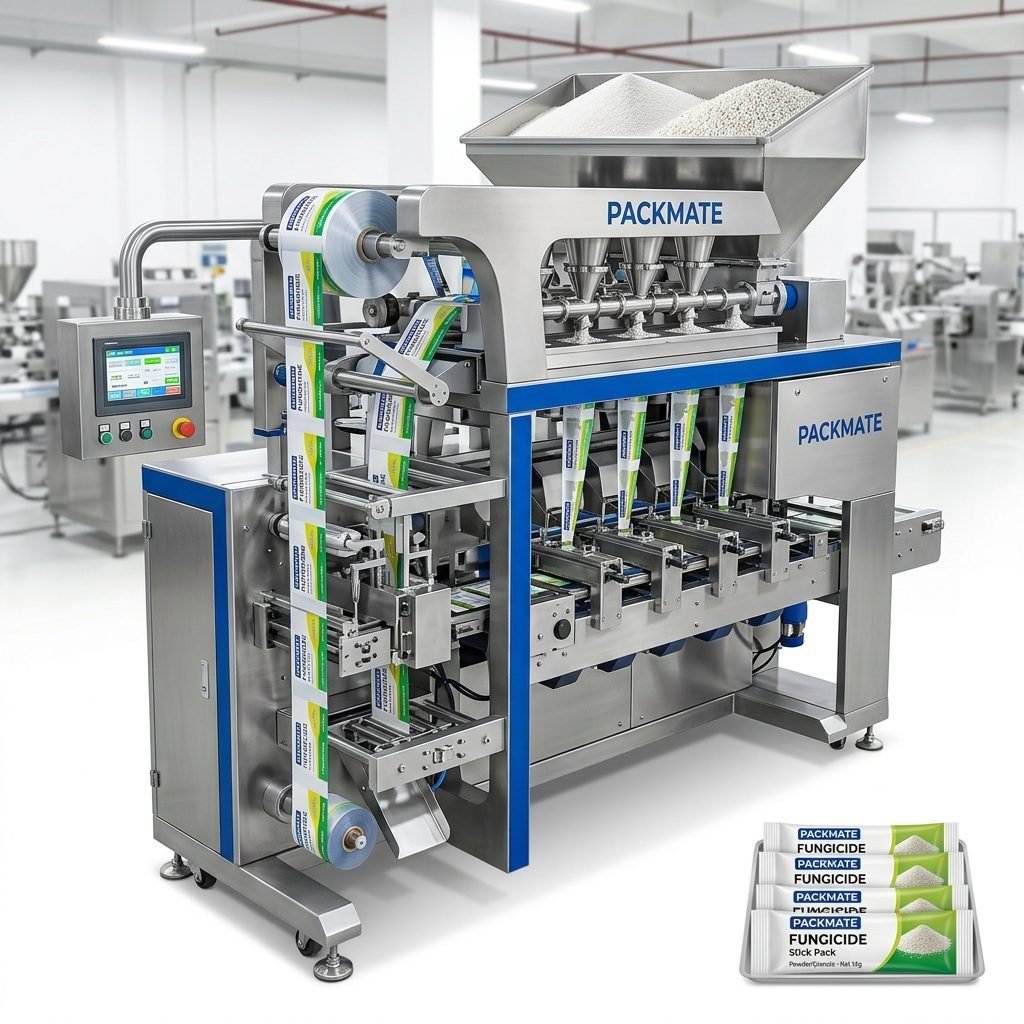
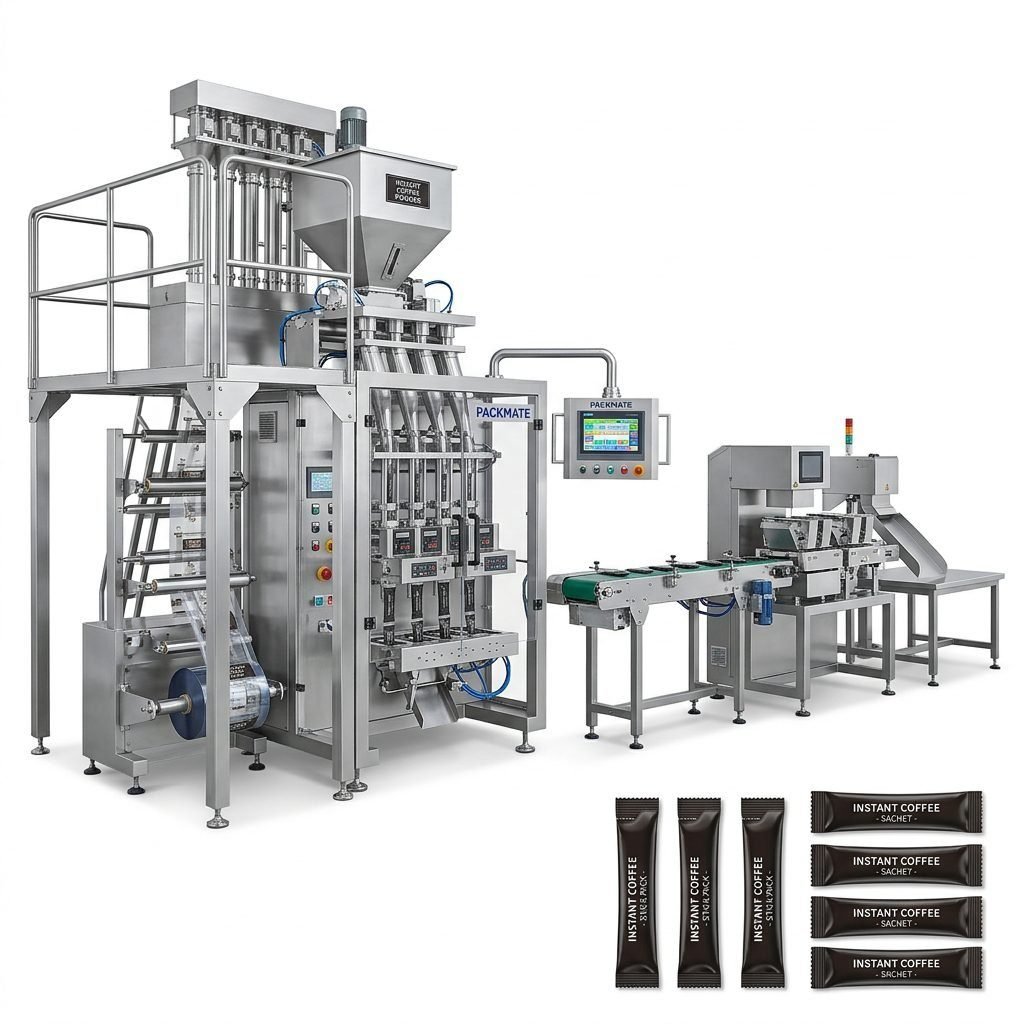
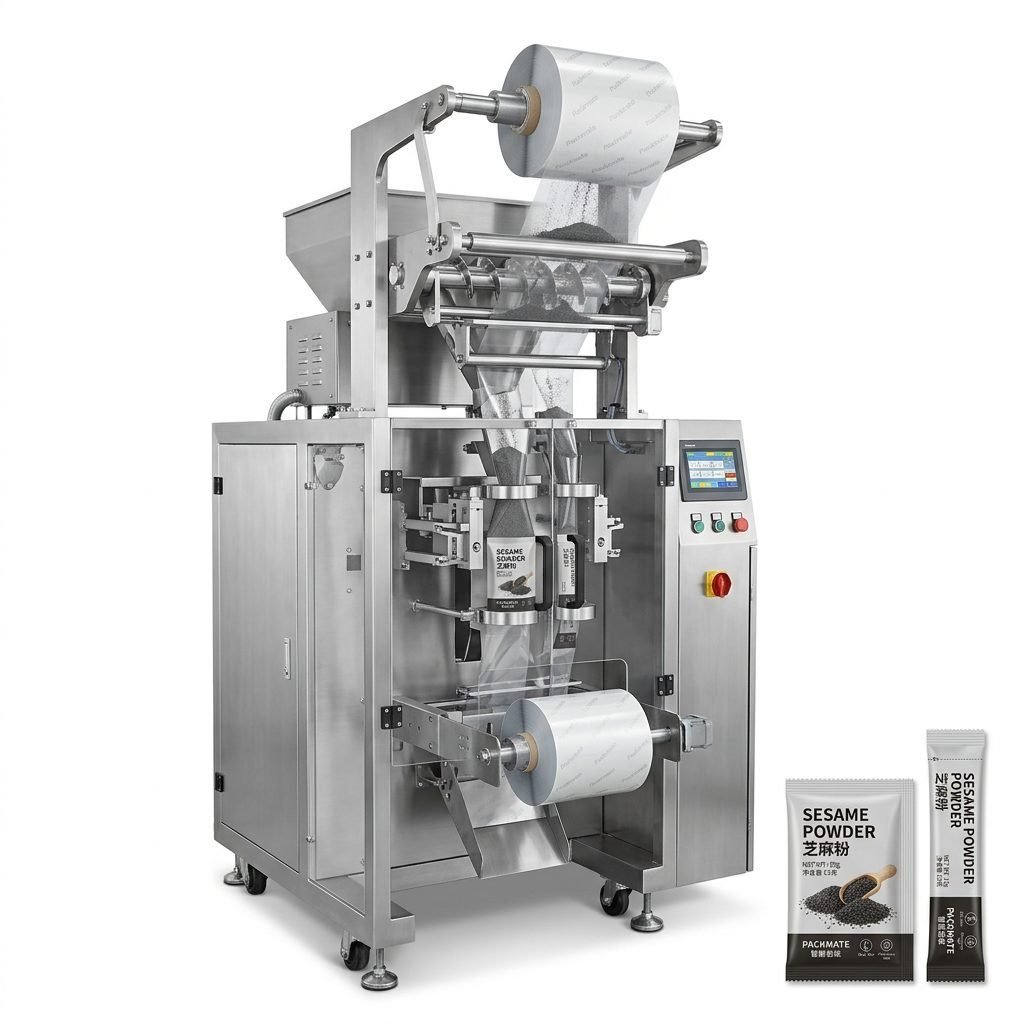
Packmate Machinery also boasts over three decades in the industry, focusing on practical automation for food, pharma, and supplements. They offer a balance of cost-performance and reliability, with a strong export record to Europe. This could be a good fit for Polish companies seeking dependable standalone machines or simpler lines.
PacklineOEM
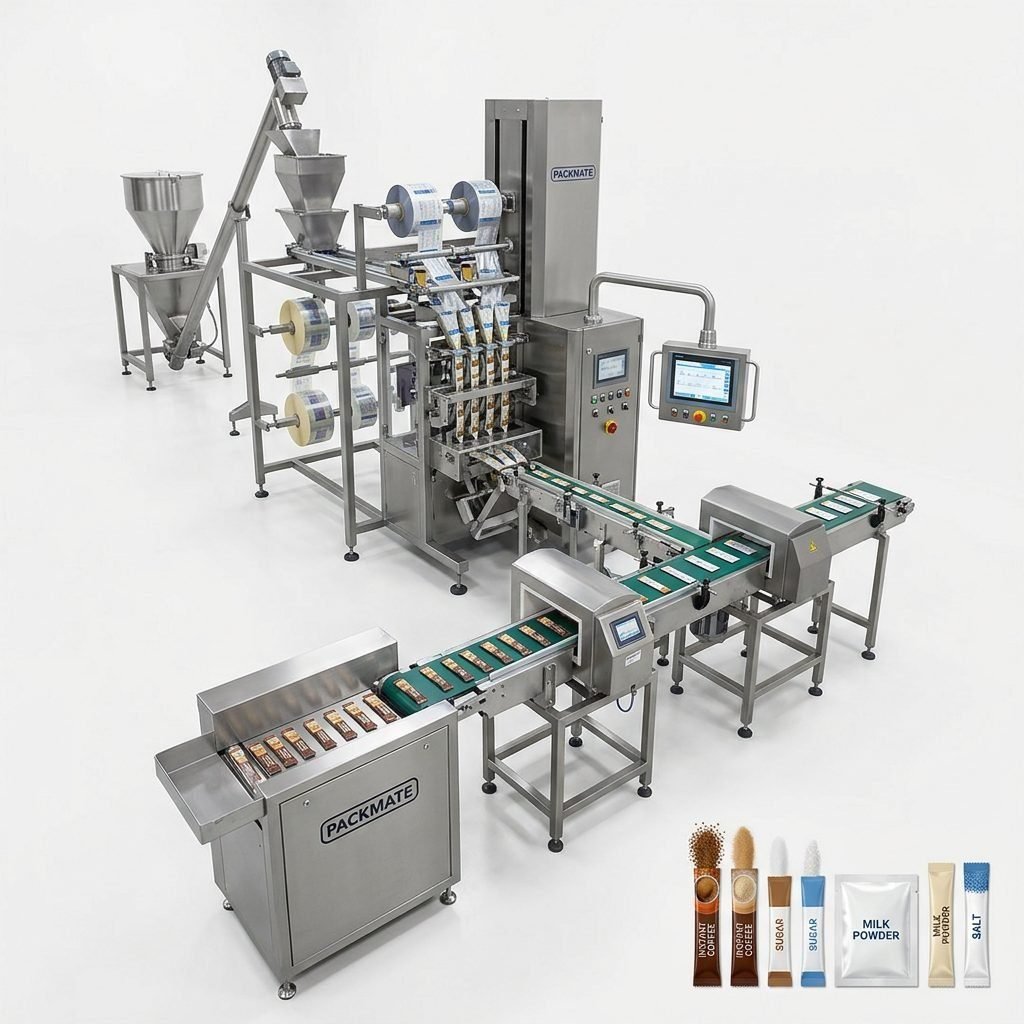
As the name suggests, PacklineOEM specializes in integrated turnkey packaging lines. For a Polish manufacturer building a new automated factory or undertaking a major expansion, their focus on complete system integration—from feeding to end-of-line packaging—could be highly valuable, ensuring all components work seamlessly together.
PackingMachineOEM
This manufacturer positions itself on non-standard and customized solutions. PackingMachineOEM is relevant for Polish businesses with unique products, unconventional packaging materials, or specific OEM requirements that cannot be met by standard catalog machines. Their flexibility in engineering is a key asset.
SnusMachinery
For Polish companies operating in the niche but growing nicotine pouch or specialty snus sector, SnusMachinery offers specialized expertise. Their focused knowledge on precise pouch dosing, sealing, and multi-lane high-speed production for these specific products can be a significant advantage over generalist manufacturers.
Final Recommendation for Polish Buyers: Create a detailed checklist based on the factors above. Engage in thorough discussions with shortlisted suppliers, clearly communicating your product specs, capacity needs, and support expectations. Prioritize partners who demonstrate a clear understanding of the Polish and EU market context.
Frequently Asked Questions (FAQs)
What are the lead times for delivery and installation in Poland?
Lead times vary significantly based on machine complexity and customization. For standard machines, expect 8-16 weeks from order to delivery at your Polish facility. For complex turnkey lines, it can take 4-8 months. Always factor in time for customs clearance (if importing from outside the EU) and on-site installation and commissioning.
How important is it for the manufacturer to have a European warehouse for spare parts?
Extremely important. A local EU warehouse (e.g., in Germany, the Netherlands, or Poland itself) can reduce spare parts delivery from weeks to days, minimizing costly production downtime. This is a key question to ask any overseas supplier.
Are Chinese packaging machines reliable for long-term use in Polish factories?
Many Chinese manufacturers have significantly improved quality and reliability over the past decade to compete globally. The key is to select established, experienced companies with proven export records to Europe. Due diligence—factory audits, reference checks, and robust contract terms—is essential to ensure long-term reliability.
What kind of training is typically provided?
Reputable suppliers should provide comprehensive training for your operators and maintenance technicians. This usually occurs during commissioning at your plant in Poland and covers safe operation, routine maintenance, troubleshooting, and basic adjustments. Training materials should be provided in English or Polish.
Can packaging machines be integrated with my existing Polish-made production line?
Yes, but this requires careful planning. The manufacturer must understand the specifications and interfaces of your existing equipment (conveyors, PLCs, etc.). Clear communication and potentially a joint site survey are necessary to ensure seamless integration. Suppliers with strong engineering and customization capabilities are best suited for such projects.