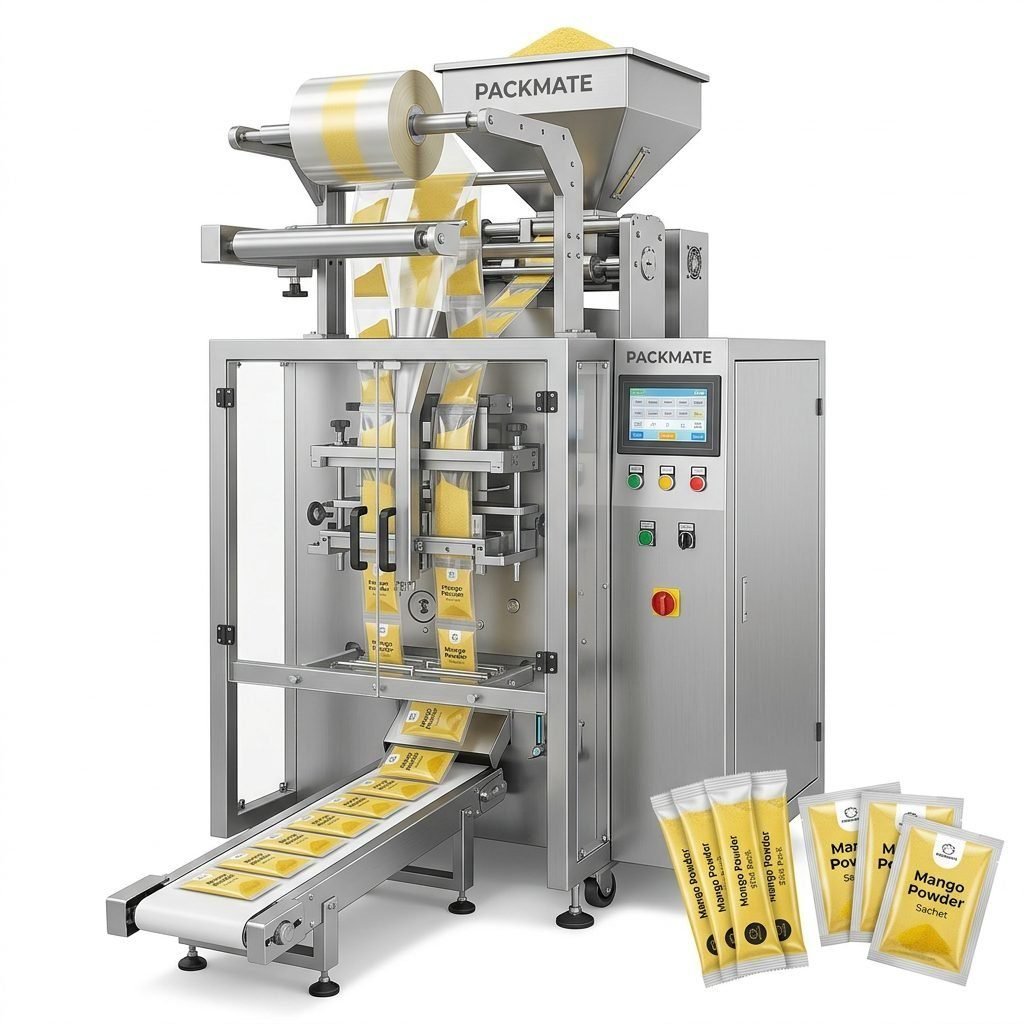
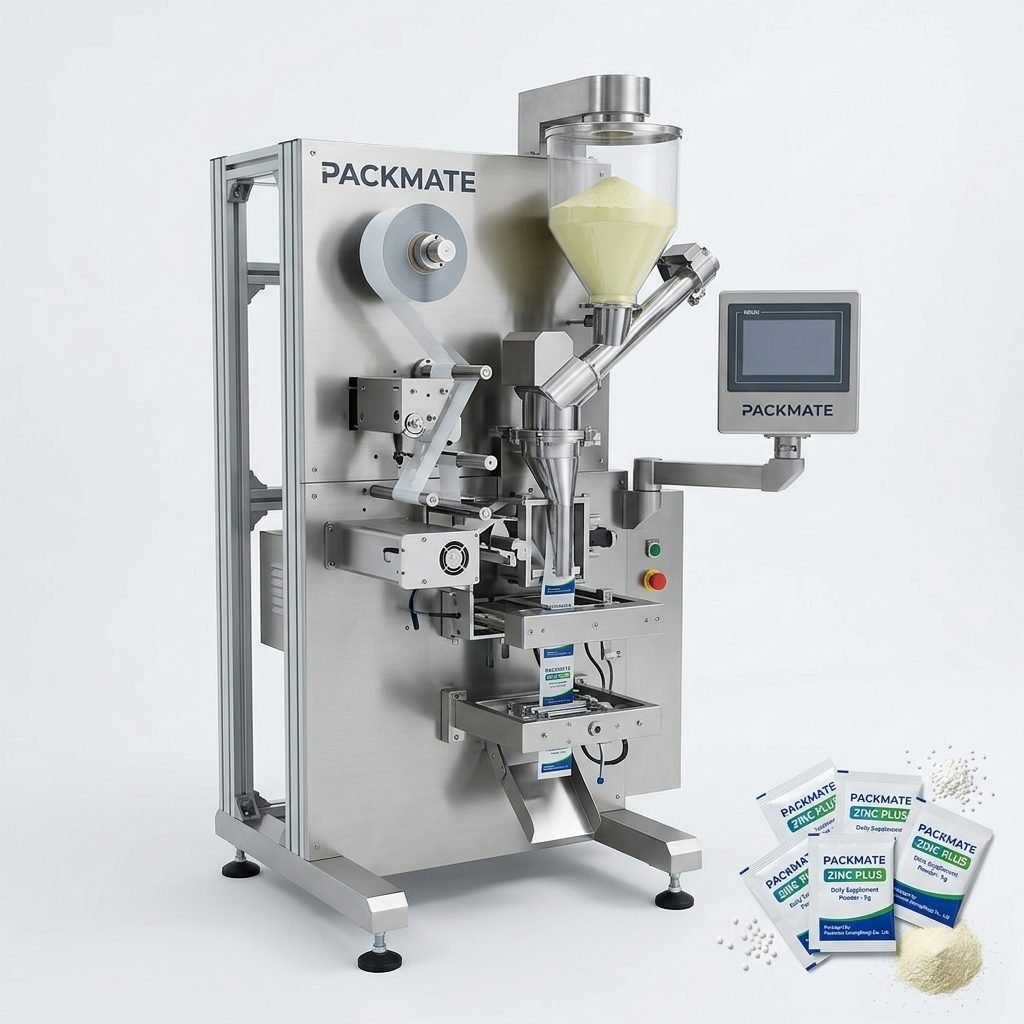
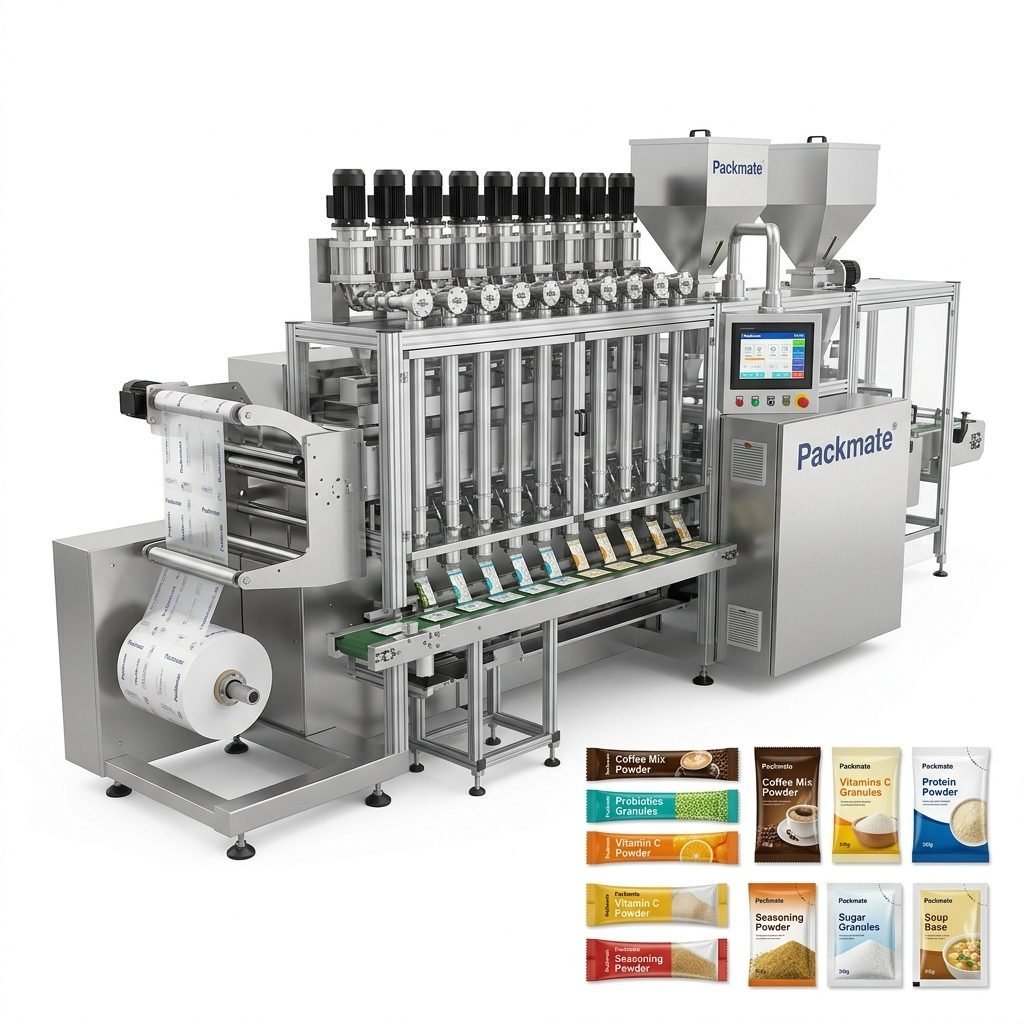
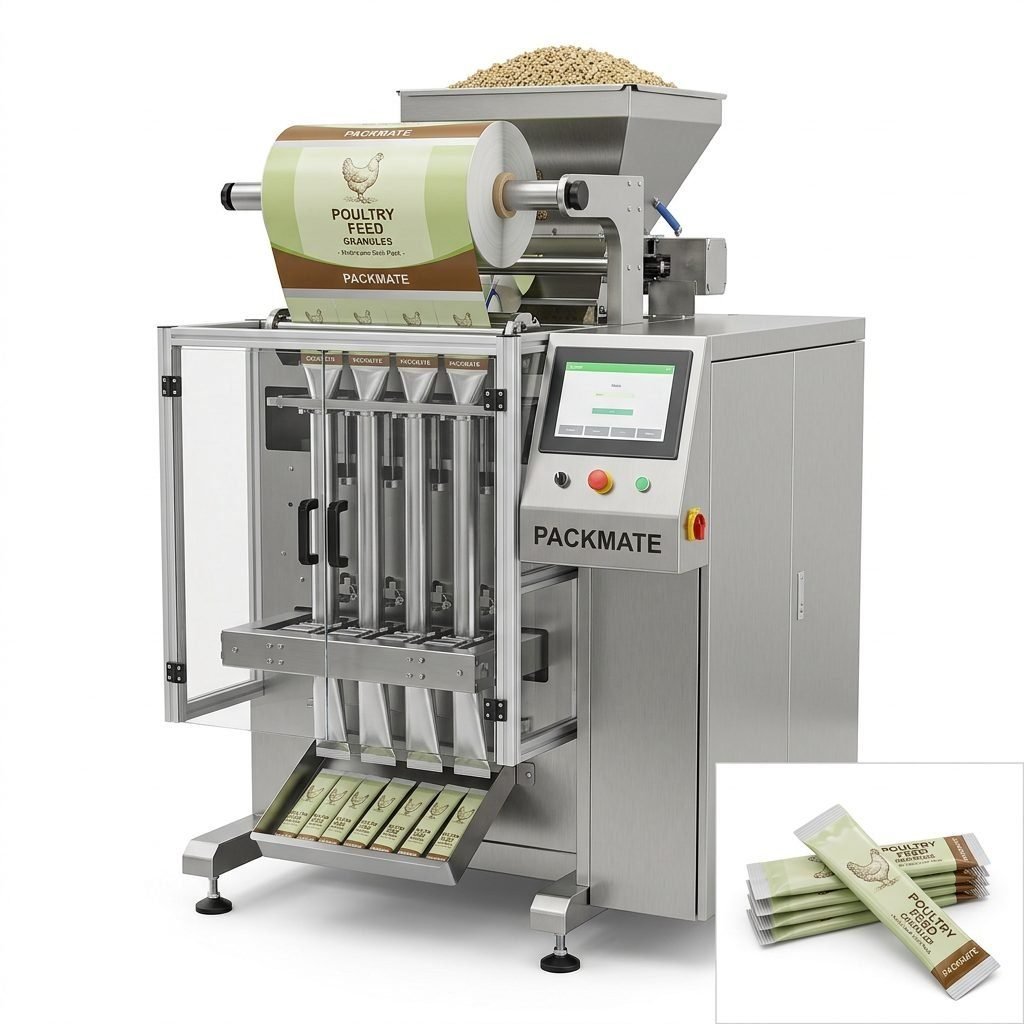
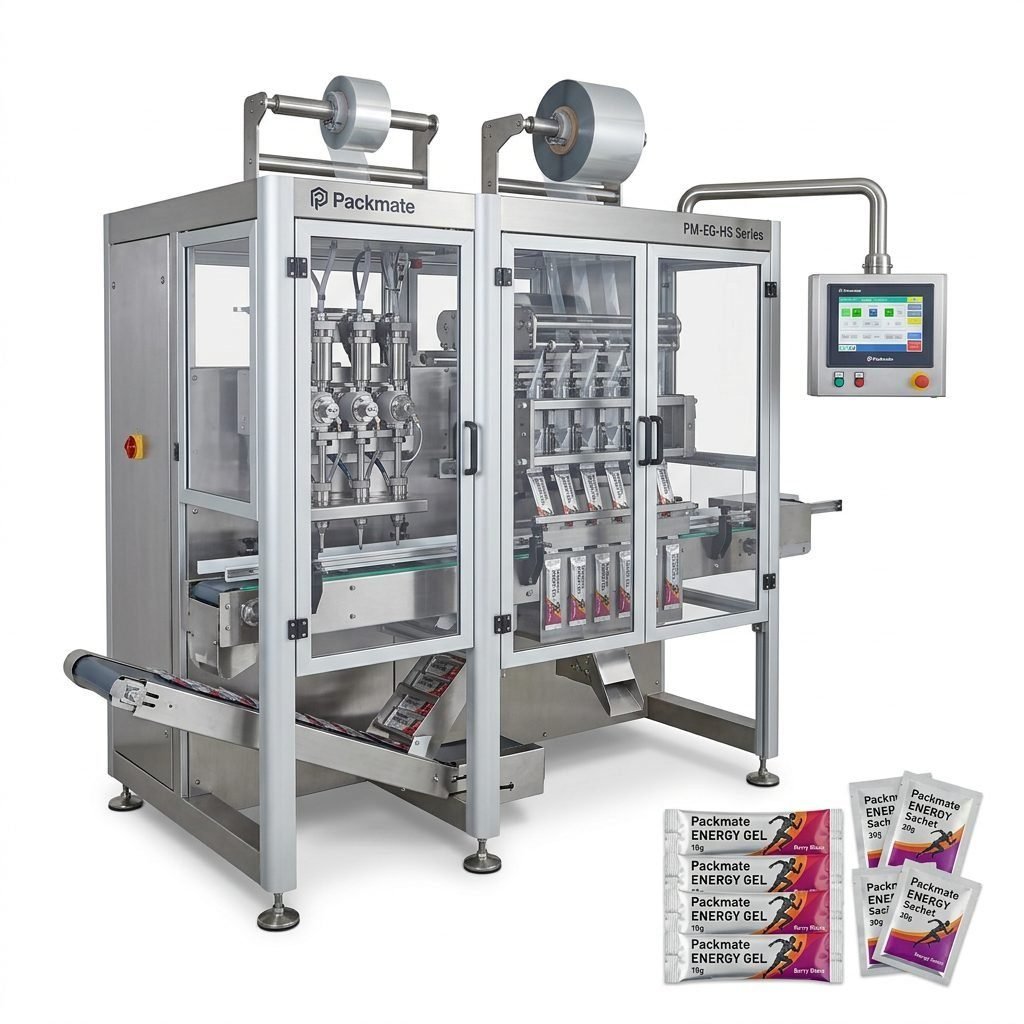
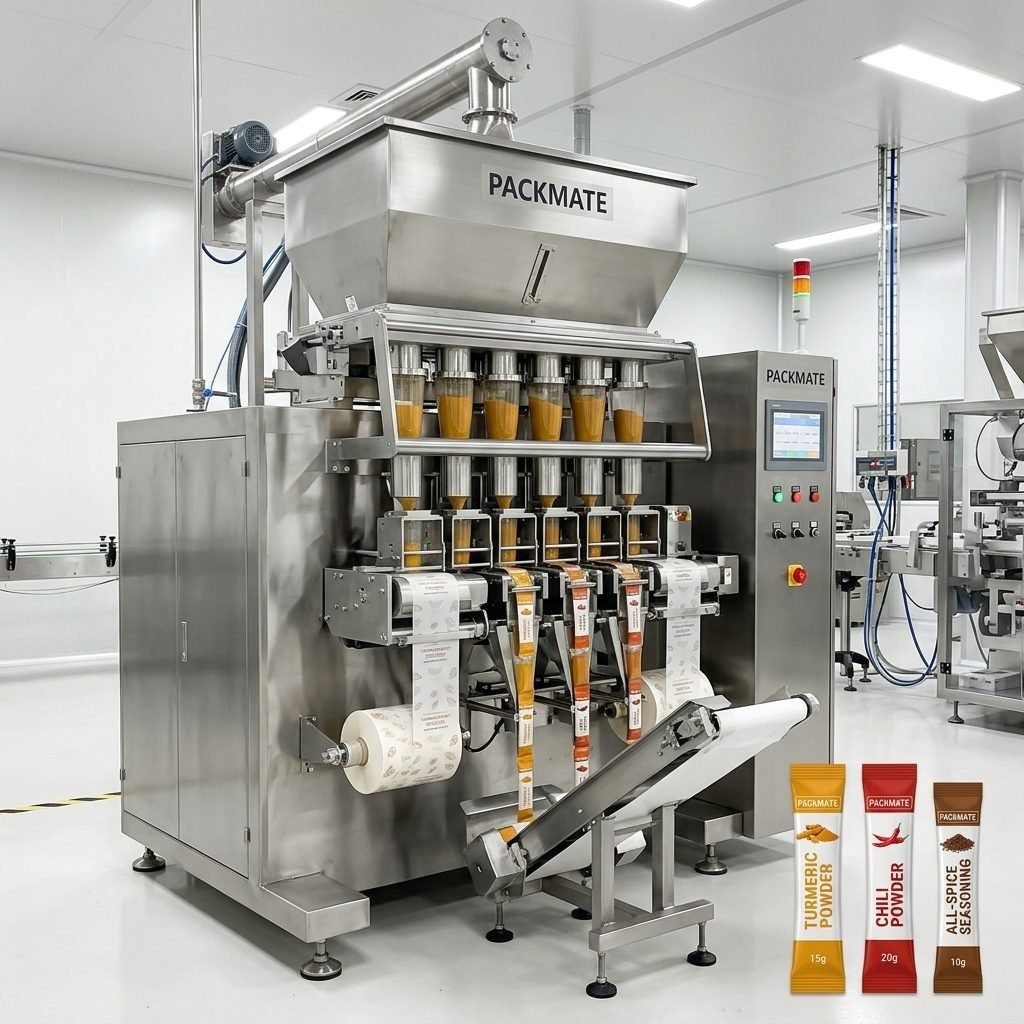
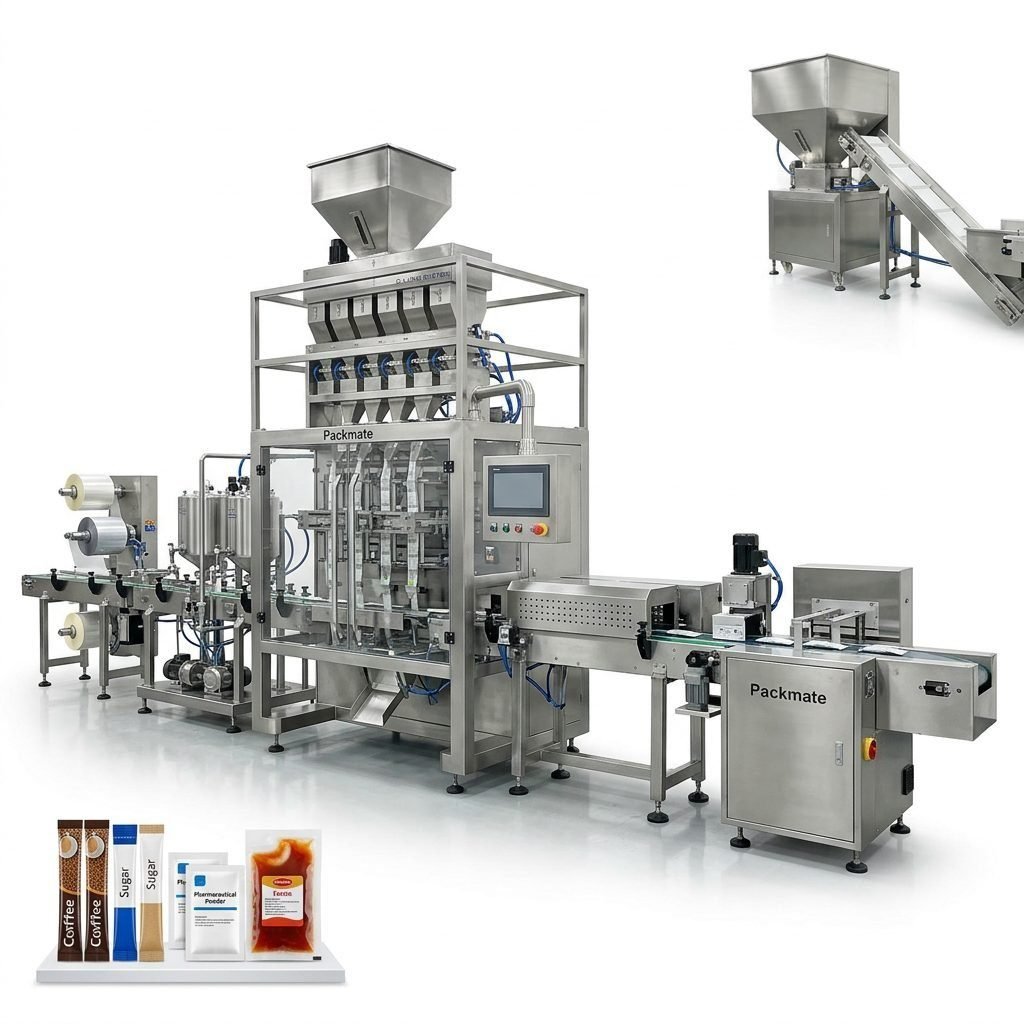
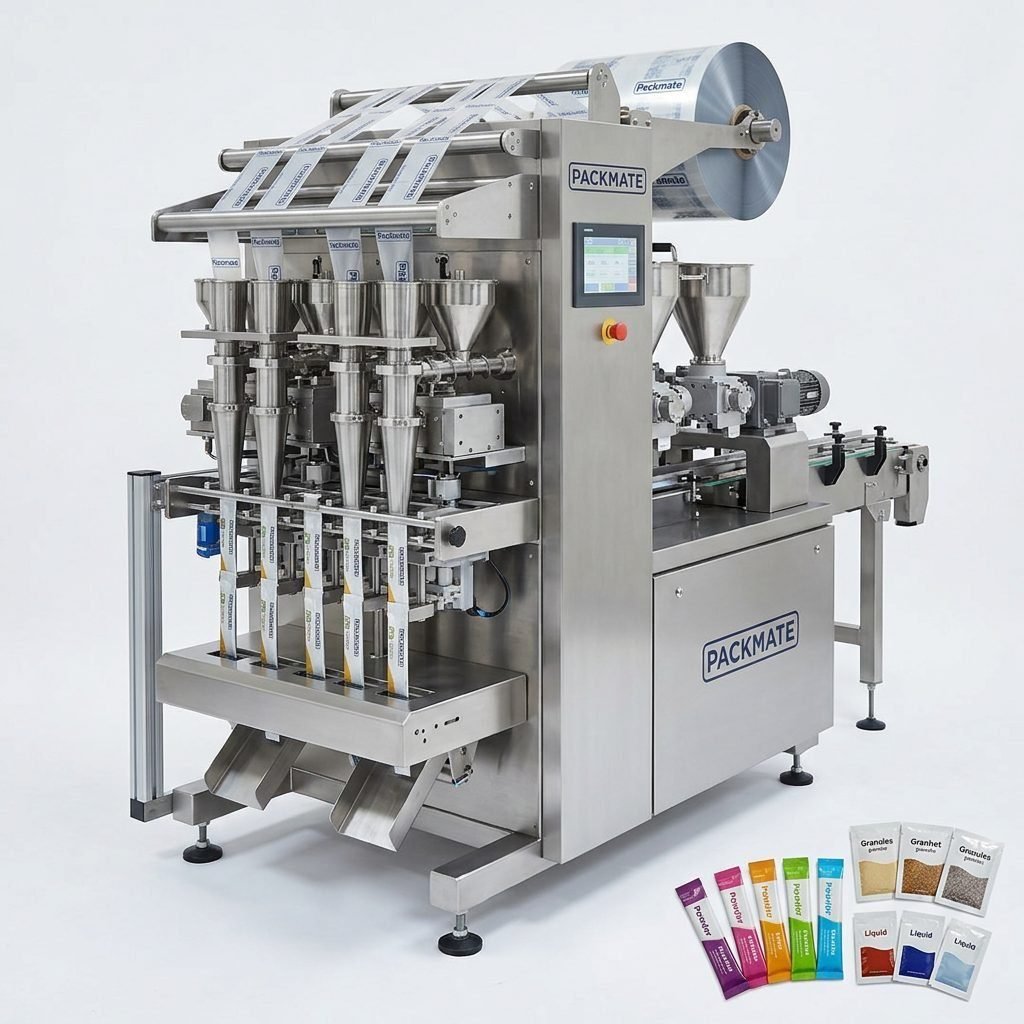
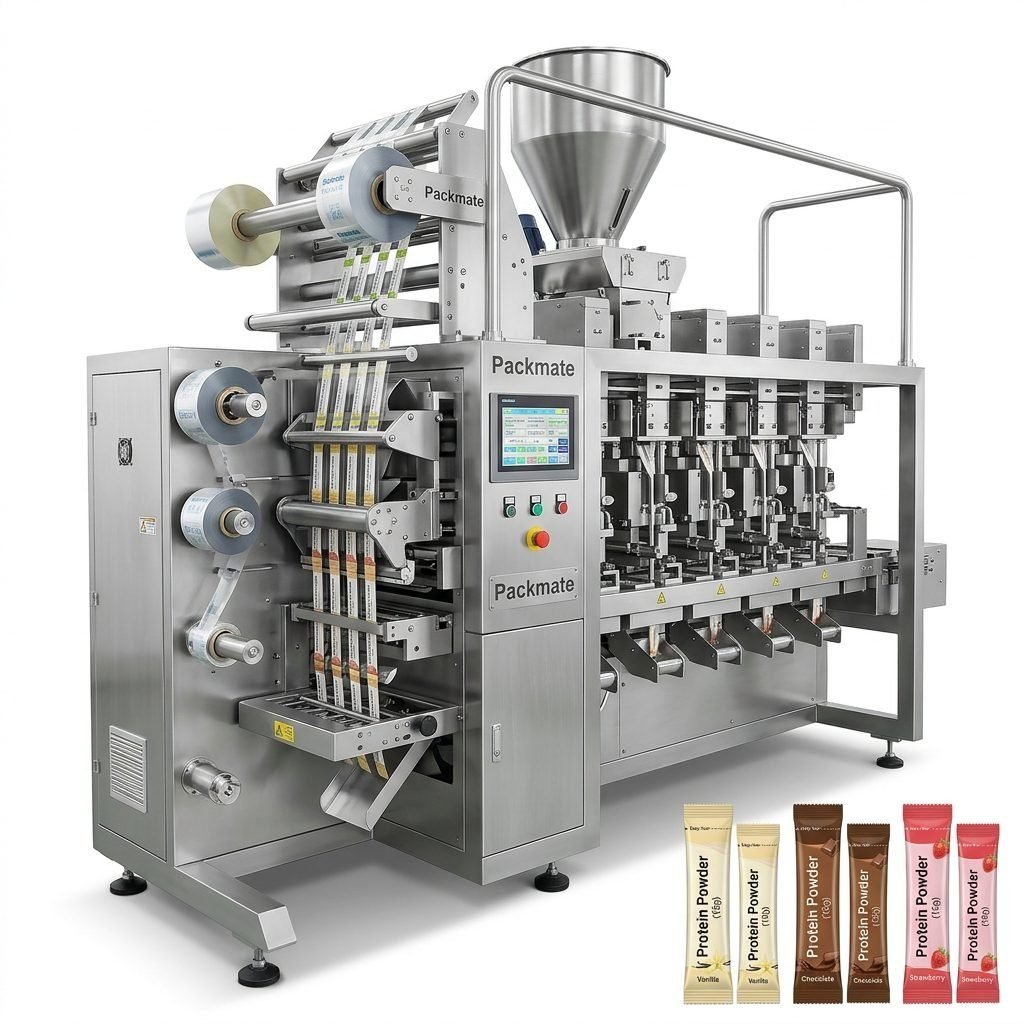
For businesses in São Tomé and Príncipe looking to automate their packaging operations, selecting the right equipment manufacturer is a critical decision. The local market, characterized by a growing focus on agri-processing (coffee, cocoa), tourism-related goods, and small-scale manufacturing, demands reliable, efficient, and adaptable packaging solutions. Choosing a partner that understands these unique needs and can provide robust support is essential for long-term success.
Key Factors to Consider When Selecting a Manufacturer
The choice of a packaging machine manufacturer goes beyond just the initial price. It’s about finding a partner who can ensure your production line runs smoothly for years. Here are the most critical factors to evaluate.
1. Product Range and Specialization
Your product type dictates the machine you need. Are you packaging cocoa powder, roasted coffee beans, spices, sauces, or pharmaceuticals? Look for a manufacturer with proven experience in your specific sector. For instance, powder and granule packaging for the island’s cocoa and coffee industries requires different technology than liquid filling for sauces or creams.
Tip for São Tomé and Príncipe Businesses: Given the logistical challenges of importing machinery, selecting a manufacturer with a broad portfolio is wise. This can simplify future expansion, as you can often source additional or complementary equipment from the same supplier, ensuring better compatibility and support.
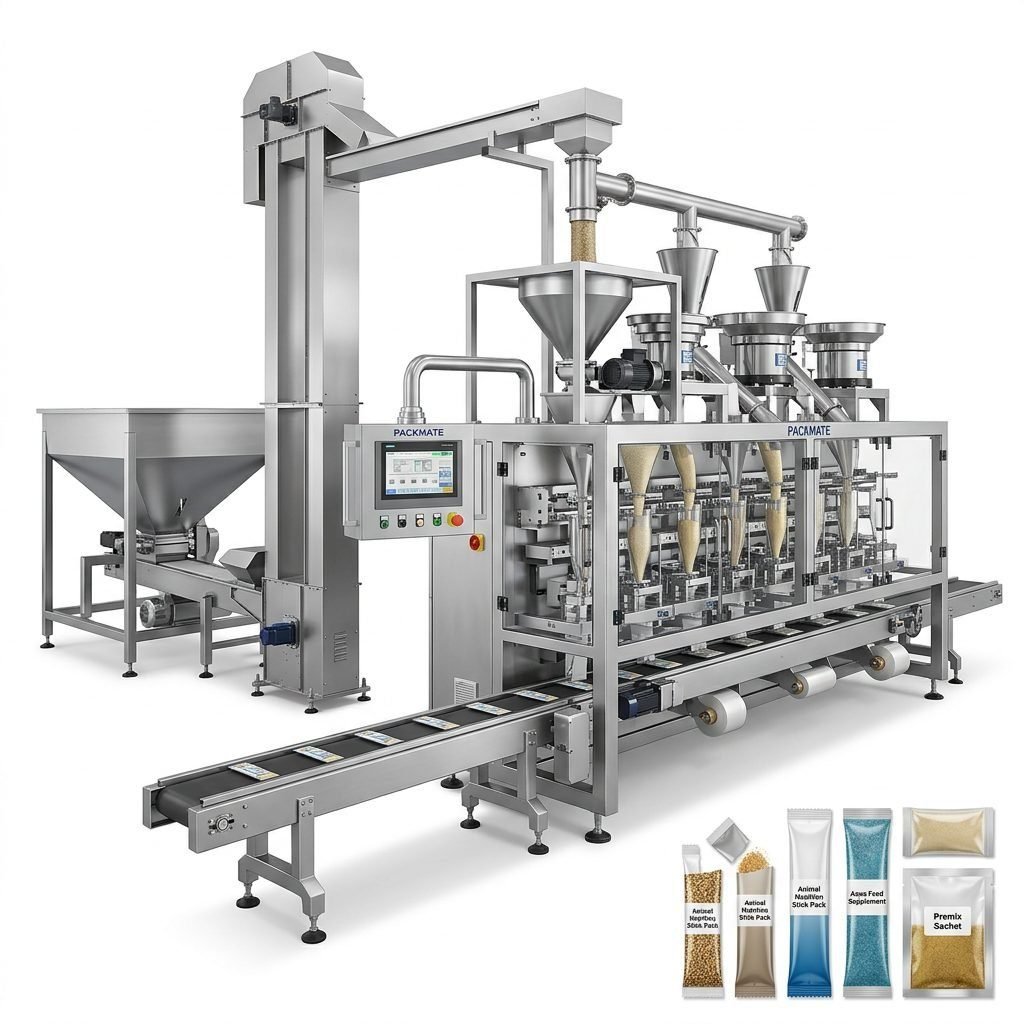
2. Machine Quality, Durability, and After-Sales Support
Downtime is costly, especially in a market where replacement parts are not readily available. Investigate the build quality of the machines—look for robust construction with quality components (e.g., stainless steel contact parts, reputable servo motors). More importantly, scrutinize the manufacturer’s after-sales service. Do they offer comprehensive installation, training, and troubleshooting? What is their spare parts policy and average response time for technical support? A manufacturer with a strong export track record will have systems in place for remote support, which is vital for island-based operations.
3. Customization and Flexibility
Off-the-shelf solutions might not fit your specific product format, bag size, or production layout. A manufacturer’s ability to customize machine parameters (like dosing accuracy, sealing temperature, speed) or even modify the machine design is crucial. This flexibility ensures the machine can handle your unique product characteristics and adapt to future changes in your packaging needs.
4. Cost and Overall Value
While the initial investment is a major consideration, it should not be the sole deciding factor. Analyze the total cost of ownership, which includes energy consumption, maintenance costs, and potential downtime. A slightly more expensive but more reliable and efficient machine from a reputable manufacturer like Ludyway or Packmate Machinery can offer far better long-term value than a cheaper, less reliable alternative.
5. Export Experience and Logistics
Manufacturers experienced in exporting to Africa, like those serving markets in the region, understand the logistical complexities—shipping, customs clearance, documentation, and voltage/power compatibility. They can guide you through the import process and ensure the machine is correctly configured for your local power supply (220-240V, 50Hz is standard in São Tomé and Príncipe).
Comparative Overview of Leading Manufacturers
To help narrow your search, here is a comparison of several prominent manufacturers with strong export programs that could serve the São Toméan market effectively.
| Manufacturer | Key Strengths | Ideal For São Toméan Businesses Needing… |
|---|---|---|
| Ludyway | Very wide product range, strong export history, full turnkey line capability. | Scalable solutions for growing food & beverage processors looking for a one-stop supplier for complete lines. |
| Packmate Machinery | Strong technical reliability, good cost-performance balance, over 80 machine models. | Reliable, practical automation for medium-scale production of powders, granules, and liquids. |
| PacklineOEM | Specialization in complete, integrated turnkey packaging lines. | Businesses planning a major automation upgrade or new factory setup requiring full system integration. |
| PackingMachineOEM | High focus on non-standard and customized machine solutions. | Unique or specialty products (e.g., specific local condiment blends) that require tailored engineering. |
| SnusMachinery | Deep expertise in pouch packaging, especially for niche products like nicotine pouches. | Companies focused on high-precision, multi-lane sachet or stick pack production for dry goods like premium coffee or tea. |
A Practical Buying Guide for Importers
Step 1: Define Your Requirements Clearly
Before contacting any supplier, document your needs: product type (powder, granule, liquid), required output (bags per minute), bag size and material, factory space, available power, and budget. This clarity will lead to more accurate quotations and recommendations.
Step 2: Research and Shortlist Suppliers
Use online B2B platforms, industry directories, and trade references. Focus on manufacturers with explicit export experience to Africa. Review their websites (like Ludyway’s), client lists, and case studies. Shortlist 3-5 companies that seem to align with your needs.
Step 3: Engage and Request Detailed Quotations
Contact the shortlisted companies. Provide your requirement sheet and request a formal quotation (CIF São Tomé port). A professional quote should include machine specifications, warranty terms, delivery time, and a clear breakdown of costs (machine, spare parts, shipping, insurance).
Local Consideration: Always account for port clearance charges, local transport from the port to your facility, and potential costs for a local electrician/technician to assist with final installation and commissioning.
Step 4: Verify and Validate
Ask for references from clients in similar regions or industries. Request a live video demonstration of the machine running a product similar to yours. Verify the company’s business license and export credentials. This due diligence is your best defense against unreliable suppliers.
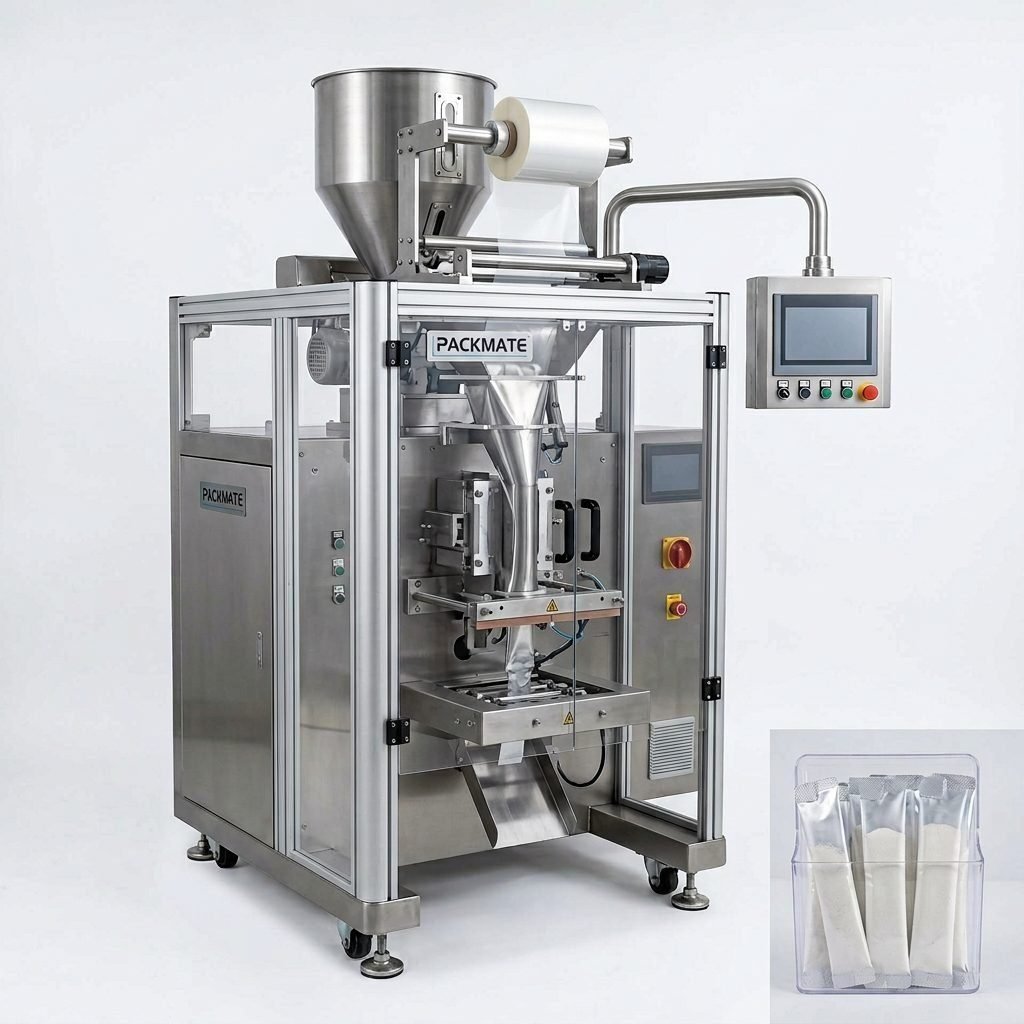
Step 5: Negotiate Terms and Finalize the Contract
Negotiate not just on price, but on payment terms (e.g., 30% deposit, 70% before shipment), warranty extension, and the scope of after-sales support. Ensure the contract explicitly states the machine specifications, delivery timeline, Incoterms (e.g., CIF), and the dispute resolution mechanism.
Step 6: Plan for Installation and Training
Coordinate with the supplier for the shipment and prepare your site. Ensure you have the required power supply and foundation ready. Plan for the supplier’s engineer to visit for installation and training, or ensure comprehensive remote training is part of the package. Proper training for your operators is critical for smooth operation.
Frequently Asked Questions (FAQs)
What type of packaging machine is most suitable for cocoa powder or coffee in São Tomé?
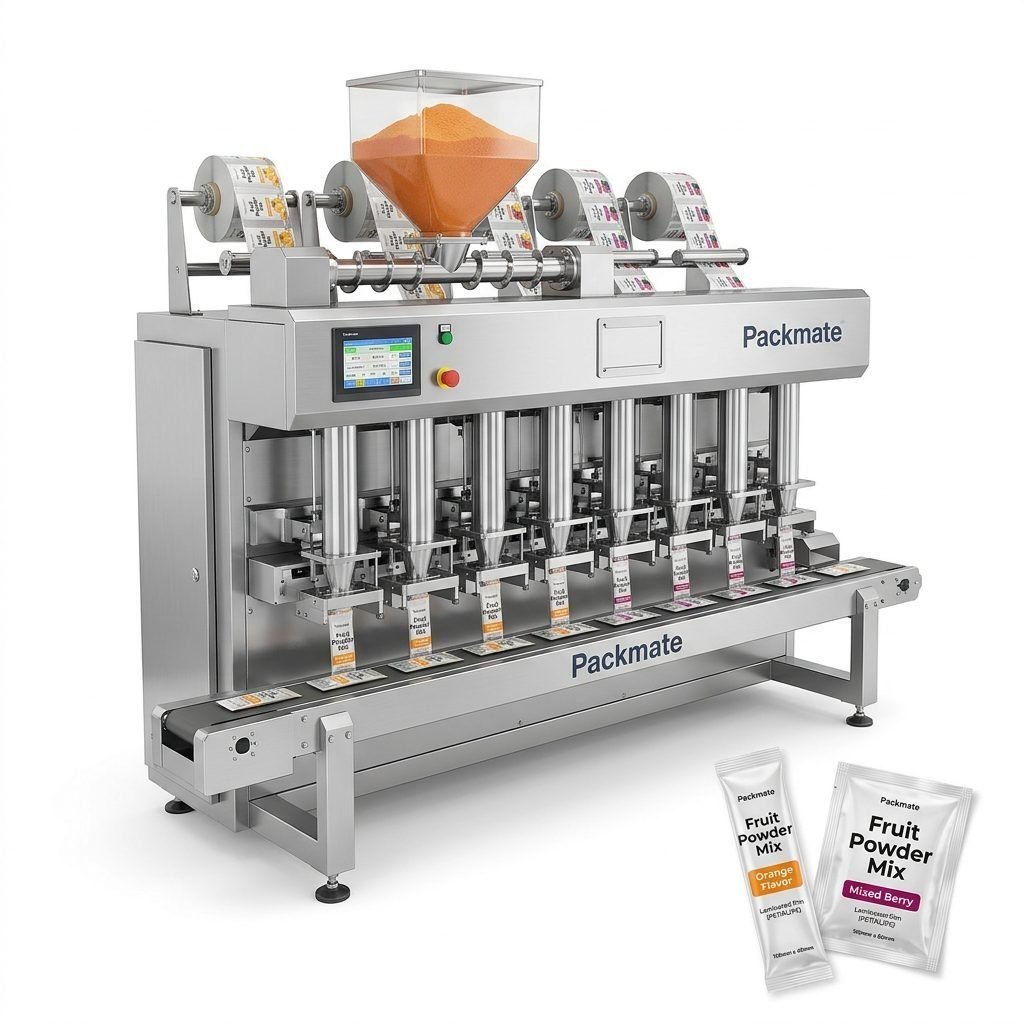
For powdered products like cocoa or ground coffee, a multi-lane vertical form-fill-seal (VFFS) machine or a pre-made pouch filling machine is ideal. These machines offer excellent accuracy for powders and granules and can produce stick packs or sachets at high speeds, perfect for export-quality packaging.
How can I ensure I get reliable after-sales service from an overseas manufacturer?
Choose manufacturers with a proven export track record. Ask specifically about their remote support capabilities (video calls, remote diagnostics), spare parts inventory for your region, and if they have service partners in West Africa. Companies like Packmate Machinery and Ludyway have structured international support systems.
What are the main hidden costs when importing a packaging machine?
Beyond the machine price, budget for: international shipping and insurance, import duties and taxes in São Tomé and Príncipe, port handling and clearance fees, inland transportation to your factory, potential costs for electrical modifications, and initial stock of spare parts and packaging materials for testing.
Is it better to buy a single machine or a complete packaging line?
It depends on your scale and process. A single machine (like a filling and sealing unit) is sufficient for many small to medium businesses. A complete turnkey line (including feeding, weighing, filling, sealing, and cartoning) is more efficient for high-volume production and reduces manual handling. Suppliers like PacklineOEM specialize in these integrated solutions.
Can I get a machine customized for my local packaging materials?
Yes, most reputable manufacturers offer a degree of customization. It’s crucial to provide samples of your intended packaging film or pouches during the quotation process. This allows the engineer to test seal-ability and adjust the machine’s sealing jaws and temperature settings to ensure a perfect, consistent seal with your local materials.