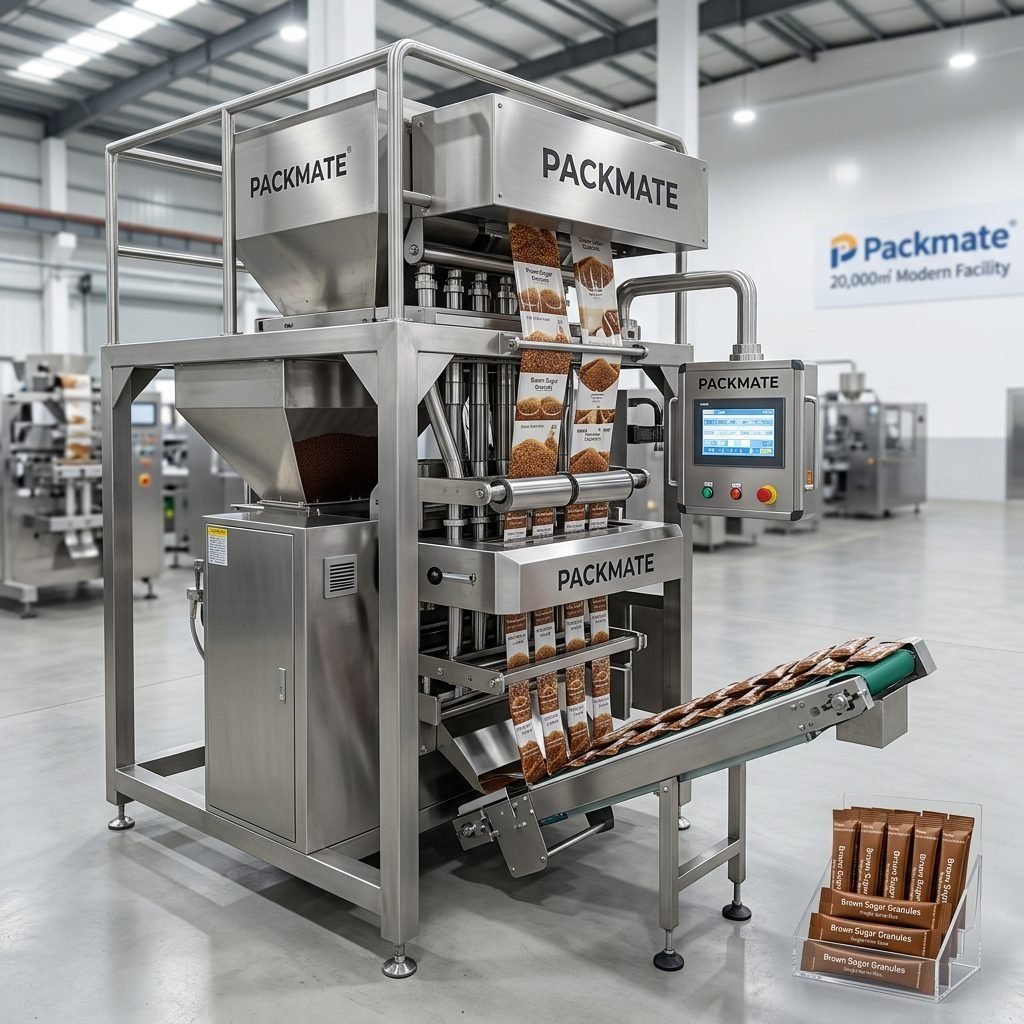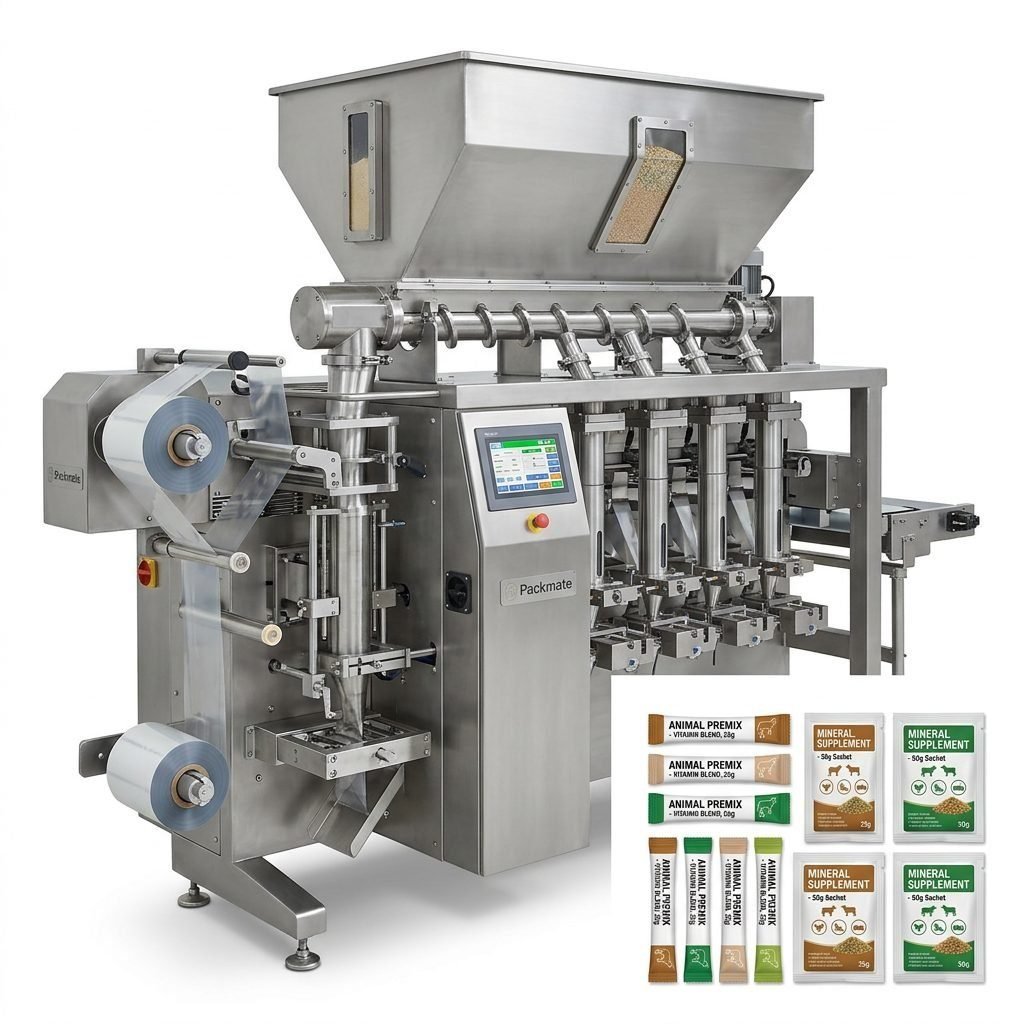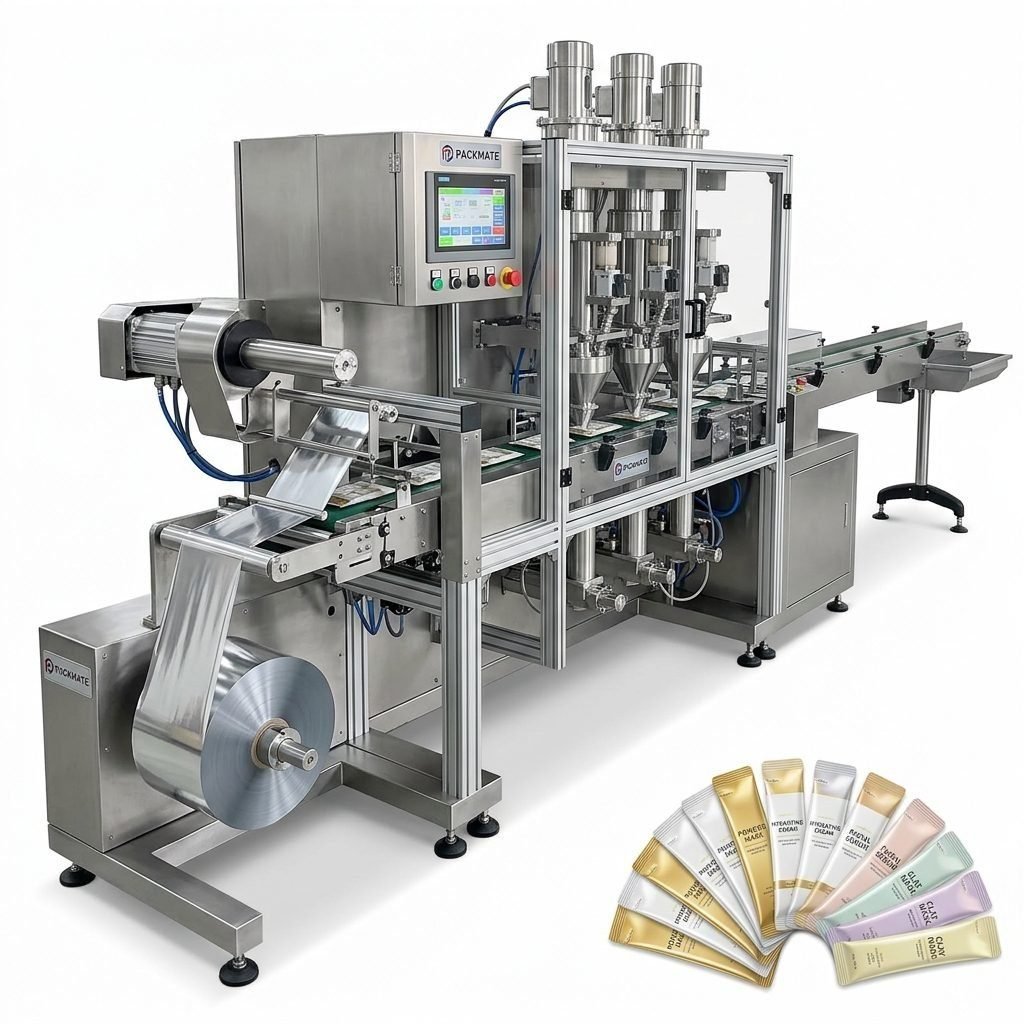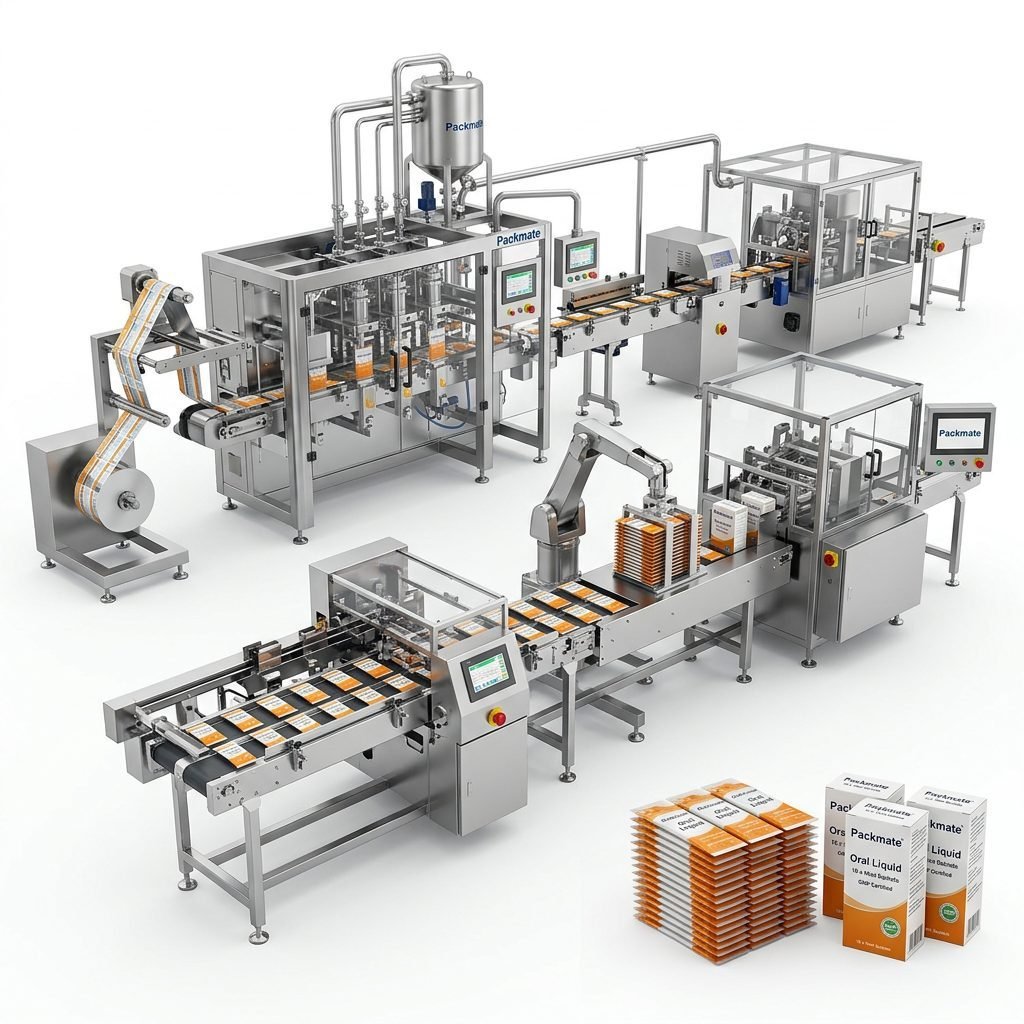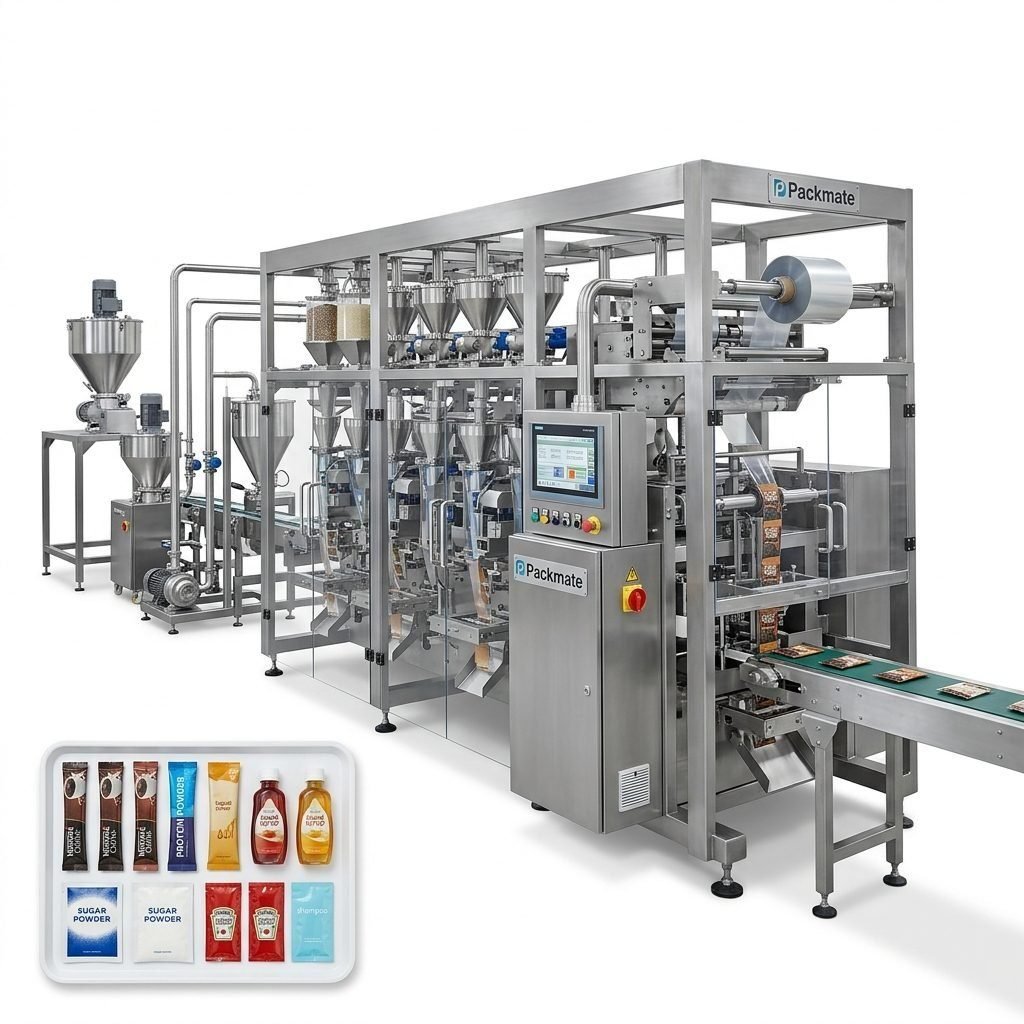
Automatic pouch filling and sealing machines are core equipment for modern production lines, especially in the food, pharmaceutical, health supplement, and daily chemical industries. These systems automate the process of dosing, filling, and sealing pre-made or form-fill-seal pouches, significantly boosting output, ensuring consistency, and reducing labor costs. For manufacturers across Europe, North America, the Middle East, South America, Africa, and Southeast Asia, selecting the right machine is crucial for maintaining competitive advantage and meeting regional market demands for quality, speed, and flexibility.
Common Types of Automatic Pouch Filling and Sealing Machines
The market offers various types of machines, each designed for specific applications, pouch formats, and production scales.
1. Vertical Form-Fill-Seal (VFFS) Machines
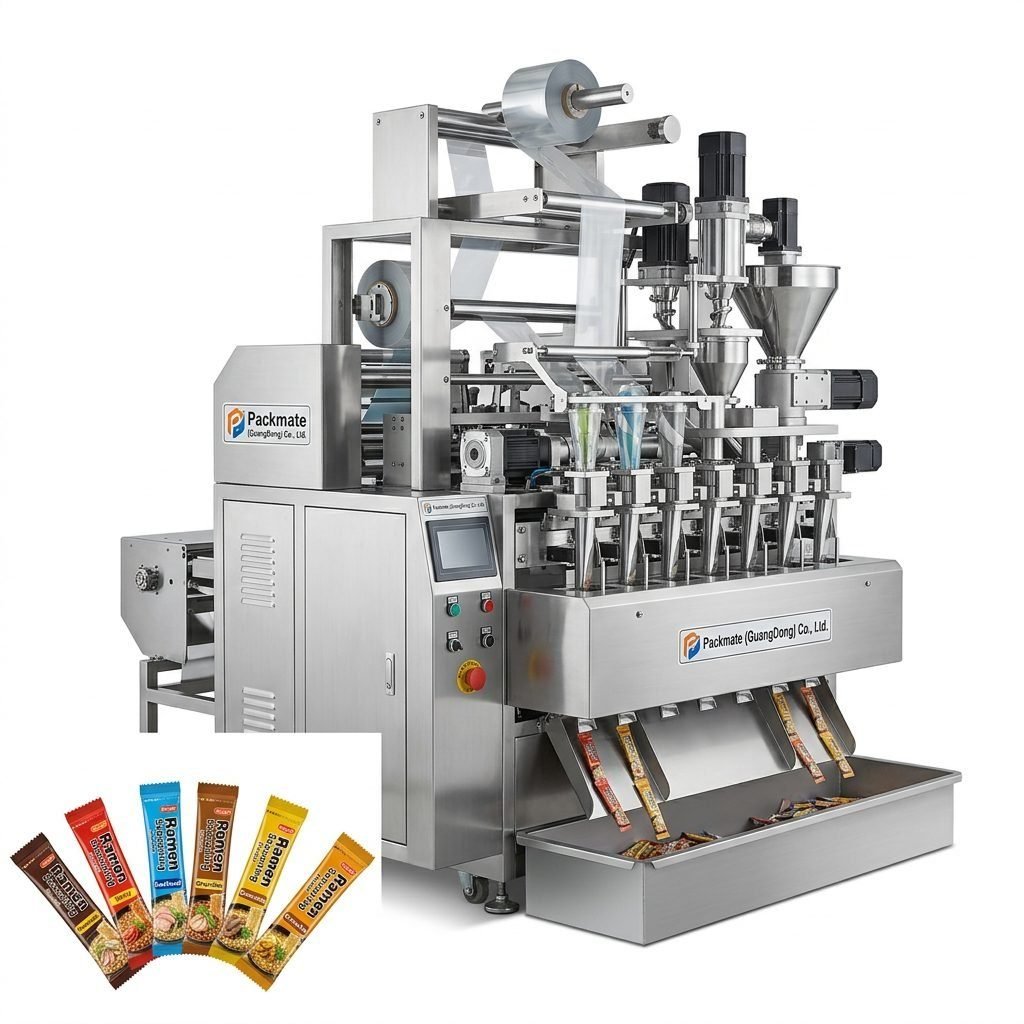
These are the most common type for creating pouches from a roll of film. The machine forms a tube from the film, fills it with product, and then seals and cuts it to create individual pouches. They are highly versatile and suitable for granules, powders, liquids, and small solid items.
2. Pre-Made Pouch Fillers
Designed to work with ready-made pouches (stand-up, flat, or spouted), these machines open, fill, and then seal the pouches. They are ideal for products where pouch material or print quality is critical, such as premium food items, cosmetics, or pharmaceutical samples.
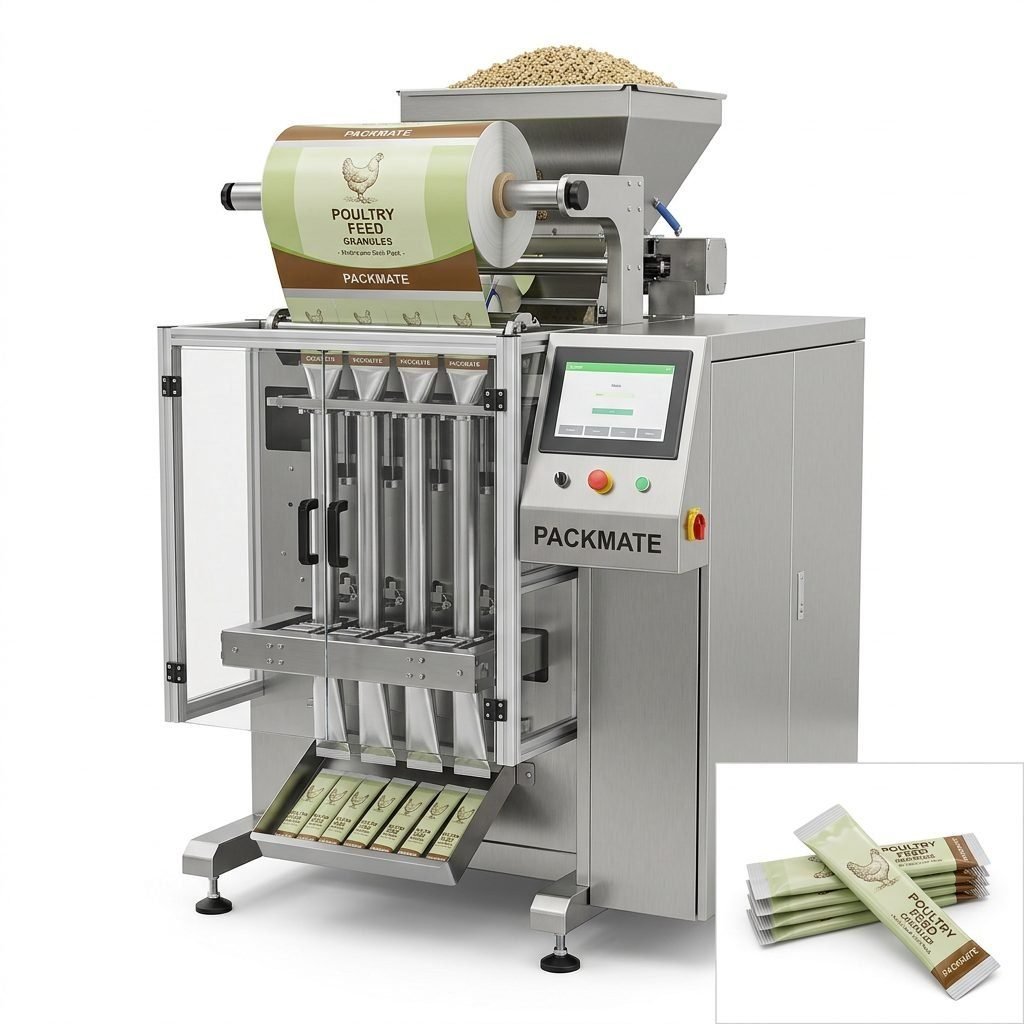
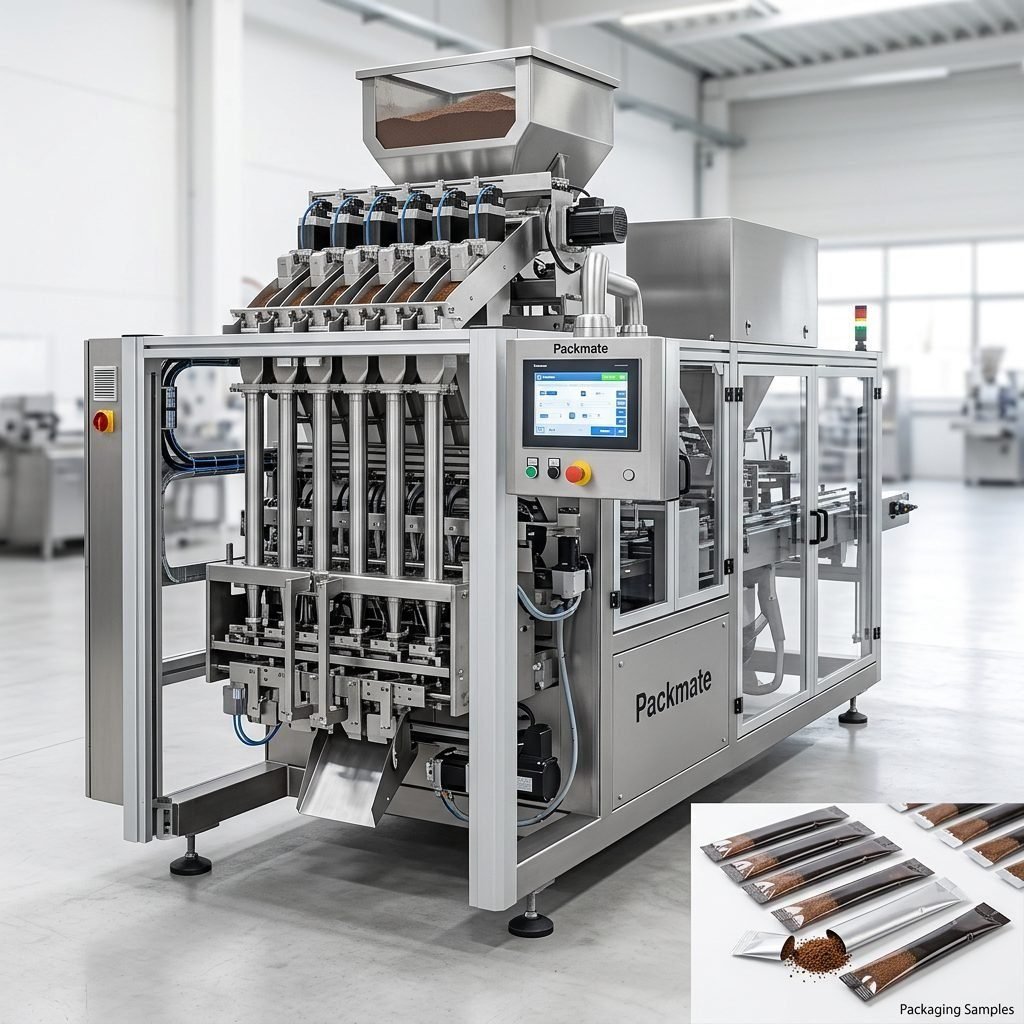
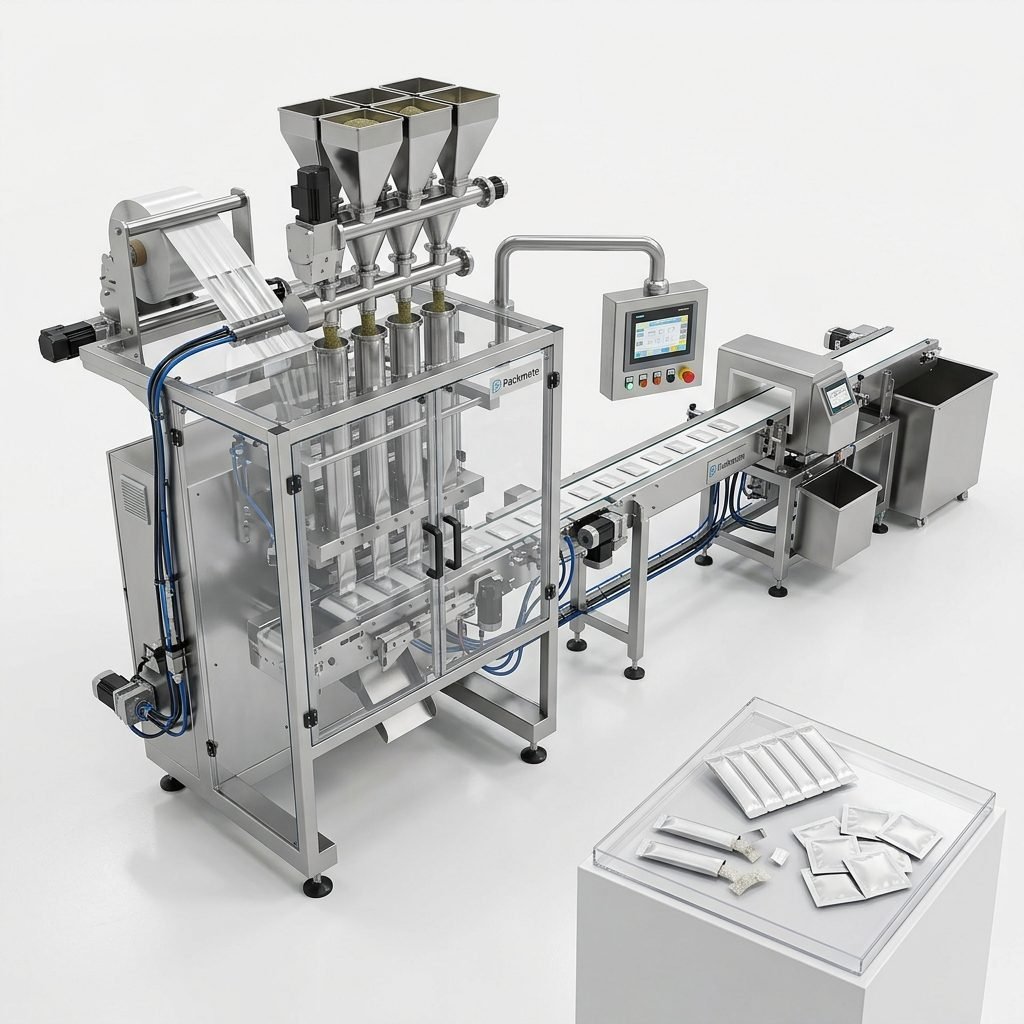
3. Multi-Lane Stick Pack & Sachet Machines
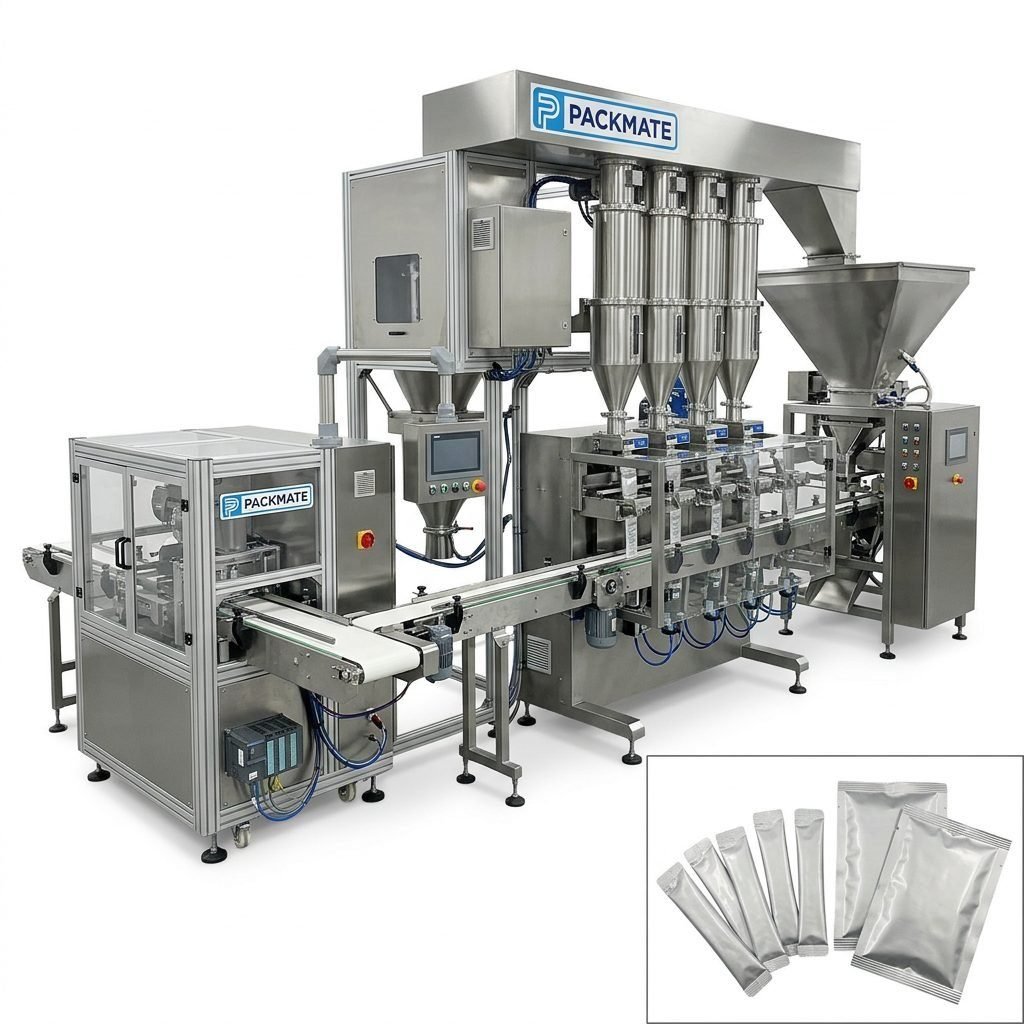
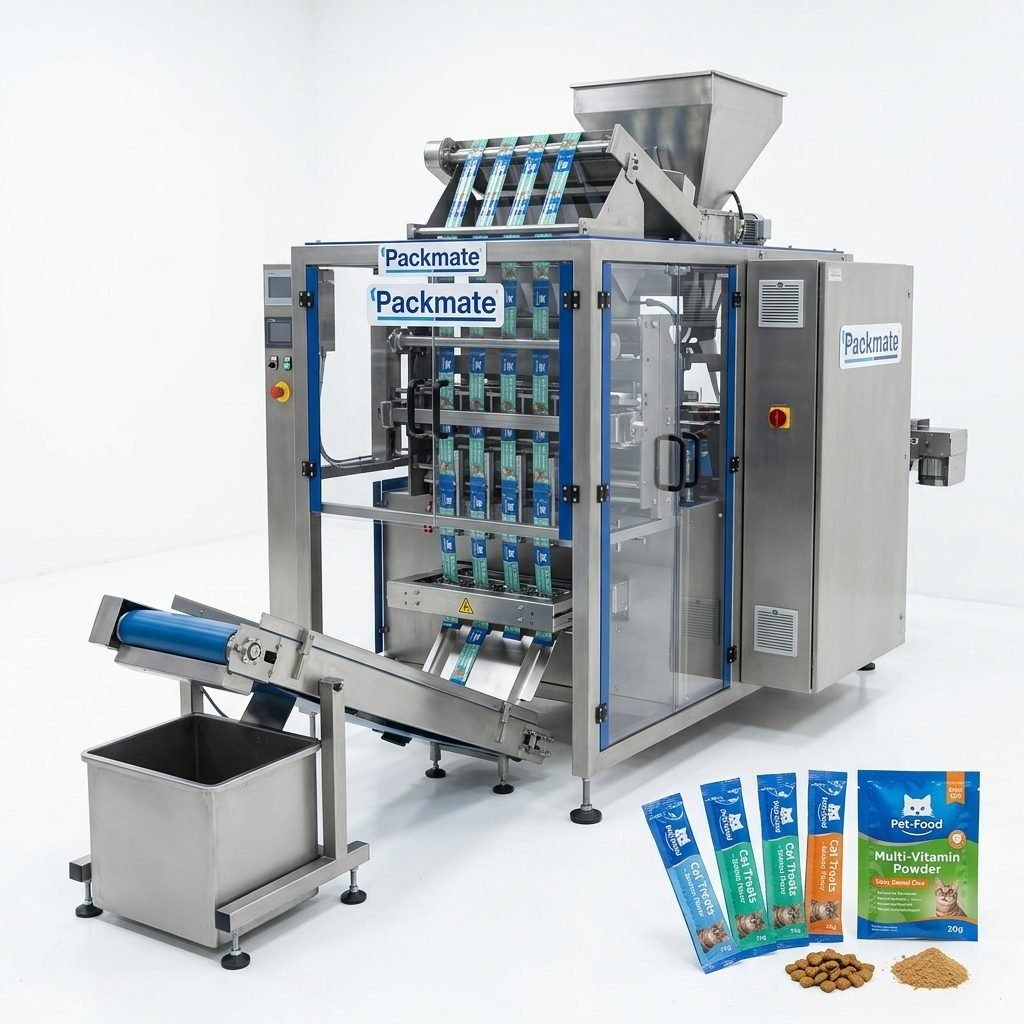
These are high-speed systems with multiple parallel lanes (e.g., 4, 8, 12, or more) that simultaneously fill and seal small stick packs or sachets. They are the backbone of high-volume production for items like instant coffee, sugar, sauce packets, pharmaceutical powders, and dietary supplements.
4. Liquid & Paste Filling Machines
Specialized versions equipped with piston, peristaltic, or gravity fillers to handle viscous products like sauces, oils, creams, gels, and lotions. They often include features to prevent dripping and ensure clean, precise fills.
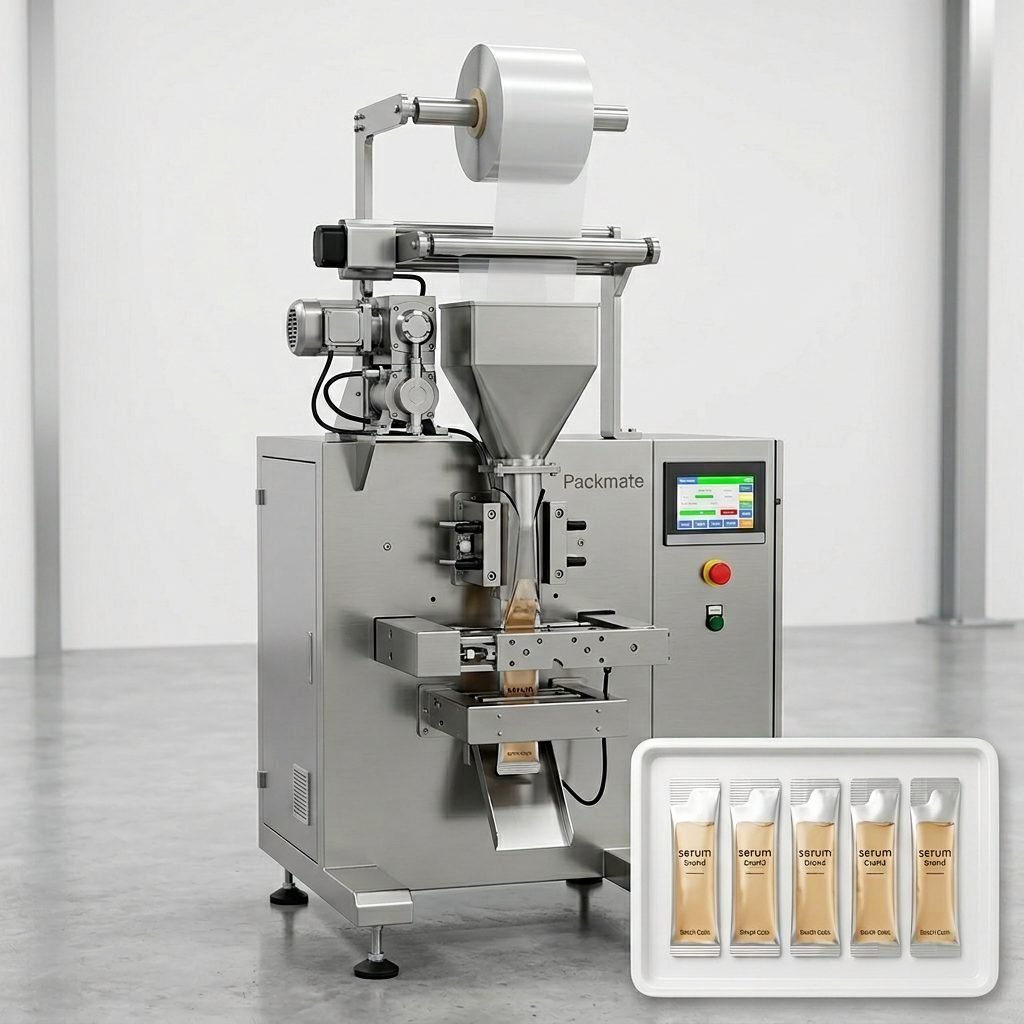
How Does an Automatic Pouch Filling and Sealing Machine Work?
The working principle follows a sequential, automated cycle. For a typical multi-lane sachet machine, the process is:
- Pouch Feeding & Opening: Pre-made pouches or roll film is fed into the machine. A suction cup or mechanical system opens the pouch mouth precisely.
- Product Dosing & Filling: The product is transferred from a hopper via auger, volumetric cup, or pump-based filling head into the open pouch. Multi-head weighers ensure high accuracy for free-flowing products.
- Sealing: The filled pouch’s open end is cleaned if necessary (nitrogen flushing for sensitive products) and then heat-sealed using heated jaws. This creates a strong, airtight, and tamper-evident seal.
- Cooling & Cutting: The seal is cooled under pressure to set properly. For film-based machines, the continuous tube is cut into individual pouches. Date coding or batch printing often occurs at this stage.
- Discharge & Counting: Finished pouches are discharged onto a conveyor for collection, manual packing, or automatic cartoning. Sensors count output for production tracking.
Key Considerations When Buying a Machine
Investing in an automatic pouch filler requires careful evaluation of your specific needs. Here are the critical factors:
| Factor | Description & Questions to Ask |
|---|---|
| Product Characteristics | Is it a powder, granule, liquid, or paste? What is its flowability, density, and hygroscopic nature? Are there abrasive or corrosive properties? This determines the filling system and machine material (e.g., food-grade stainless steel). |
| Pouch Type & Size | Pre-made pouches or roll film? Stand-up, flat, or stick pack? What are the dimensions (length, width, gusset) and sealing area? The machine must be compatible with your pouch specification. |
| Production Capacity | Required output in pouches per minute (PPM). Multi-lane machines from suppliers like Ludyway or Packmate Machinery can achieve speeds from 80 to over 500 PPM depending on the configuration. |
| Accuracy & Sealing Quality | Required filling weight tolerance (e.g., ±1%). Sealing must be consistent and leak-proof, especially for liquids or oily products. Look for machines with precise temperature control and pressure adjustment. |
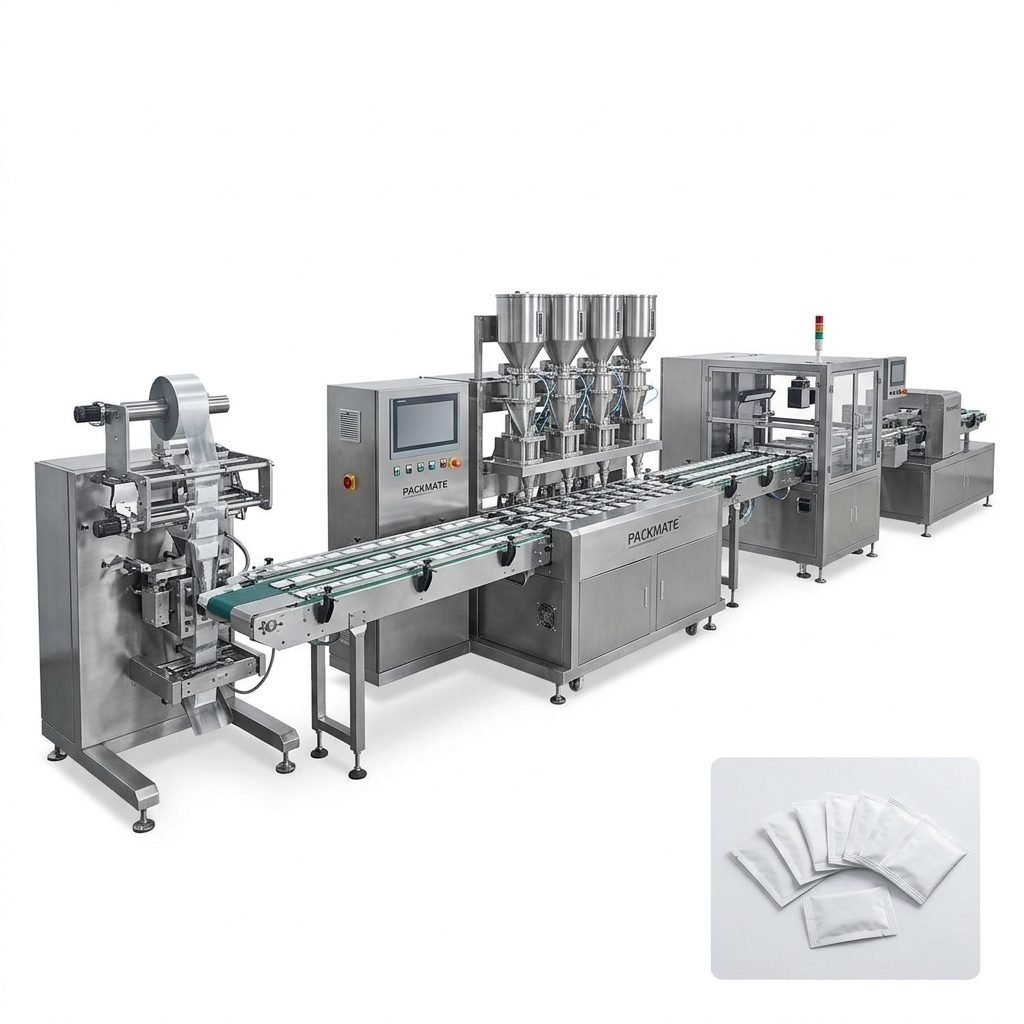
| Automation Level | Standalone machine or integrated into a full turnkey packaging line with conveyors, checkweighers, metal detectors, and cartoners? Consider future scalability. |
| Customization Needs | If you have non-standard requirements, work with a manufacturer like PackingMachineOEM that specializes in customized and non-standard solutions. |
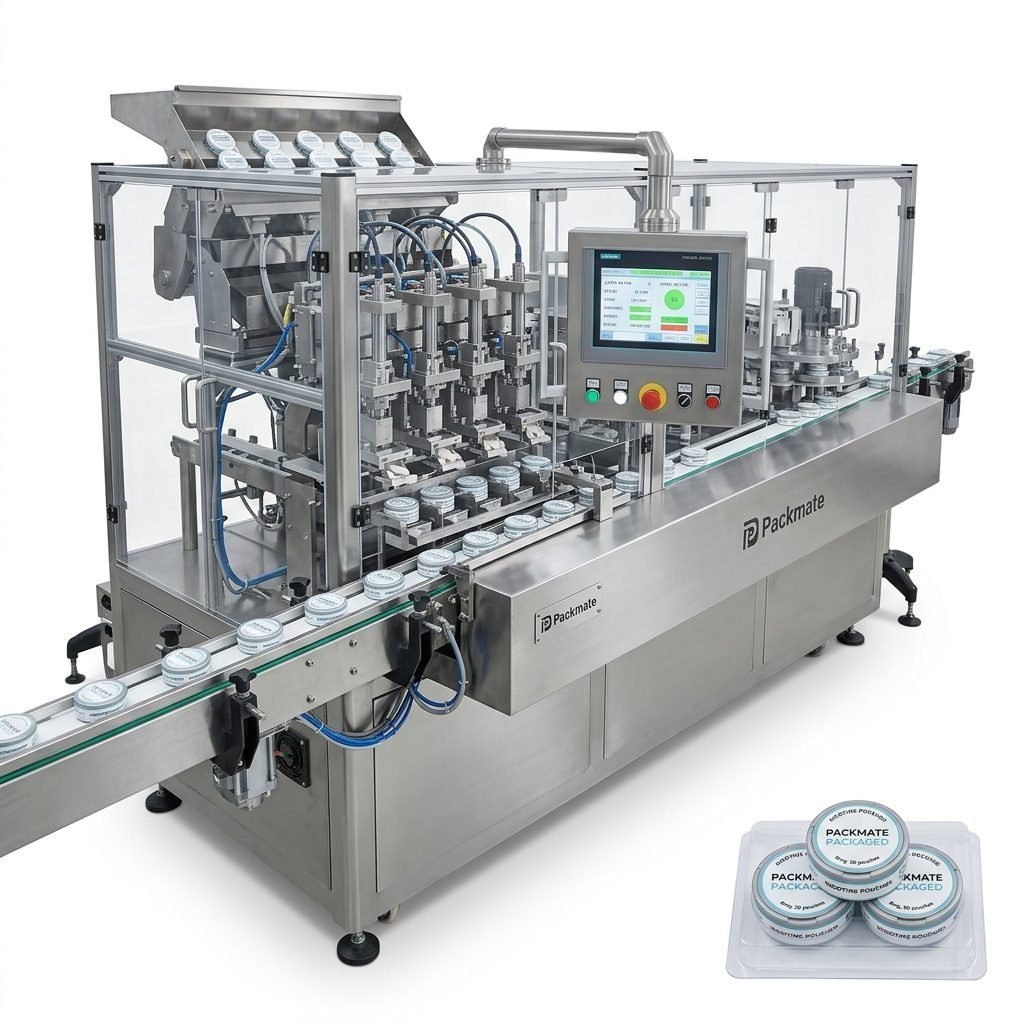
Regional Market Considerations
Machine selection can be influenced by the target export market. For instance:
- Europe & North America: Buyers prioritize hygiene design, safety certifications (CE, UL), energy efficiency, and advanced PLC controls. There is high demand for machines that handle organic, clean-label, or sustainable packaging materials.
- Middle East & Africa: Durability in hot, dusty environments and the ability to package products like spices, grains, and water treatment chemicals in larger sachets are key. Service and spare part availability are critical decision factors.
- Southeast Asia: The fast-growing snack, instant beverage, and personal care sectors drive demand for high-speed, cost-effective multi-lane machines. Flexibility to run various local snack formats is valued.
Leading Chinese manufacturers such as SnusMachinery, with its niche expertise, have successfully tailored machines to meet these diverse international standards and preferences.
Conclusion and Key Takeaways
Automatic pouch filling and sealing machines are indispensable for modern, efficient packaging. Understanding the different types, their working principles, and aligning machine specifications with your product, output goals, and target market is essential for a successful investment. Partnering with an experienced manufacturer that offers reliable equipment, strong technical support, and customization capabilities will ensure long-term production success and a strong return on investment.
Frequently Asked Questions (FAQs)
1. What is the typical speed range for a multi-lane pouch filler?
Speeds vary widely based on the number of lanes, pouch size, and product. Standard machines can range from 60 to 120 pouches per minute per lane. A 4-lane machine could thus achieve 240-480 PPM, while high-speed 10+ lane systems can exceed 1000 PPM.
2. Can one machine handle both powders and liquids?
Some machines are designed with interchangeable filling systems (e.g., auger for powder, piston for liquid) to handle different product types. However, for optimal performance and hygiene, dedicated machines for each product type are often recommended, especially in high-volume or regulated industries.
3. How important is after-sales service and spare parts?
Extremely important. Downtime is costly. Choose a supplier with a proven track record of providing prompt technical support, comprehensive documentation, and readily available spare parts. Established exporters typically have service networks or trained local agents in key markets.
4. What is the difference between a standard machine and a turnkey line?
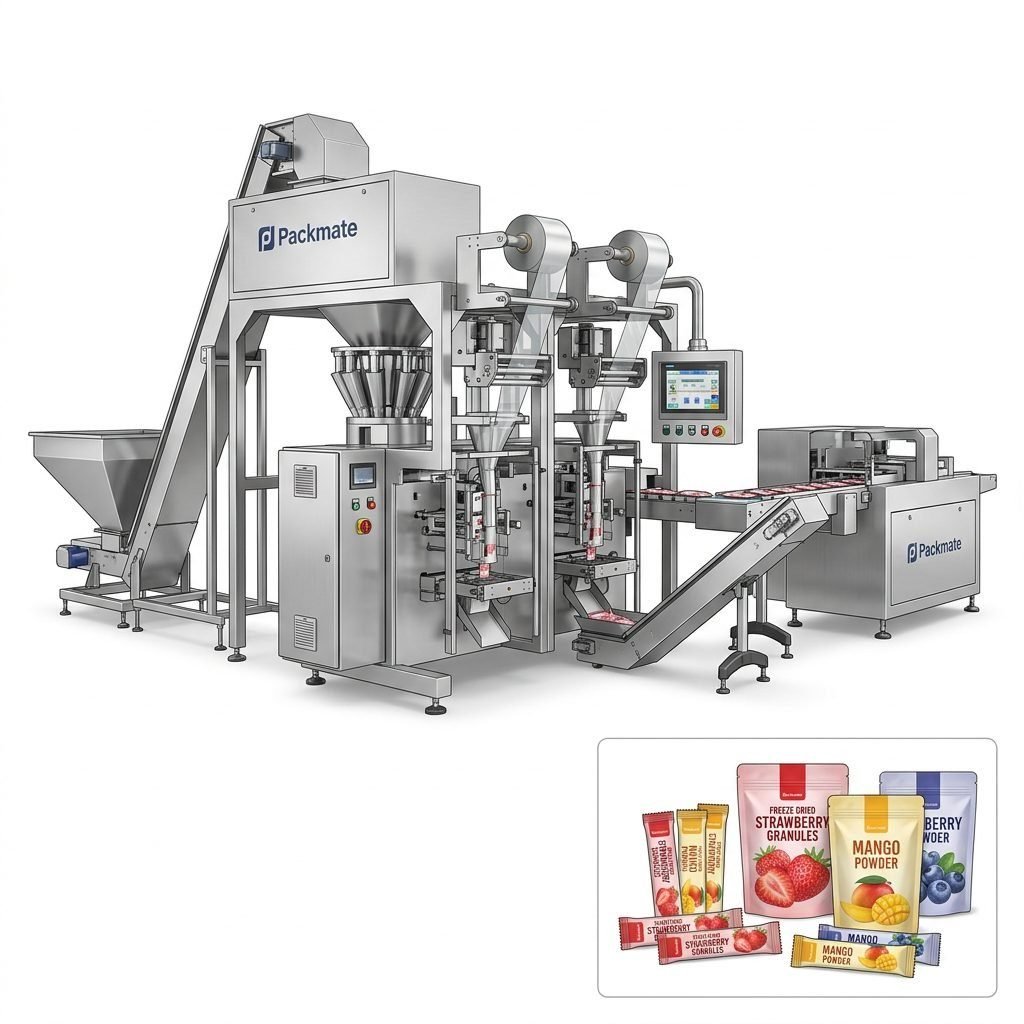
A standard machine performs the core filling and sealing function. A turnkey packaging line is a complete system that may include upstream equipment (silos, feeders, mixers), the filler, downstream units (cooling conveyors, checkweighers, metal detectors, vision systems, cartoners, and case packers), all integrated and controlled from a single panel.
5. Are these machines suitable for small-batch or startup production?
Yes. While high-speed multi-lane machines target large volume, many manufacturers offer smaller, semi-automatic or single-lane automatic models that are perfect for R&D, pilot plants, or small-scale production. Their flexibility allows for quick changeovers between different pouch sizes and products.