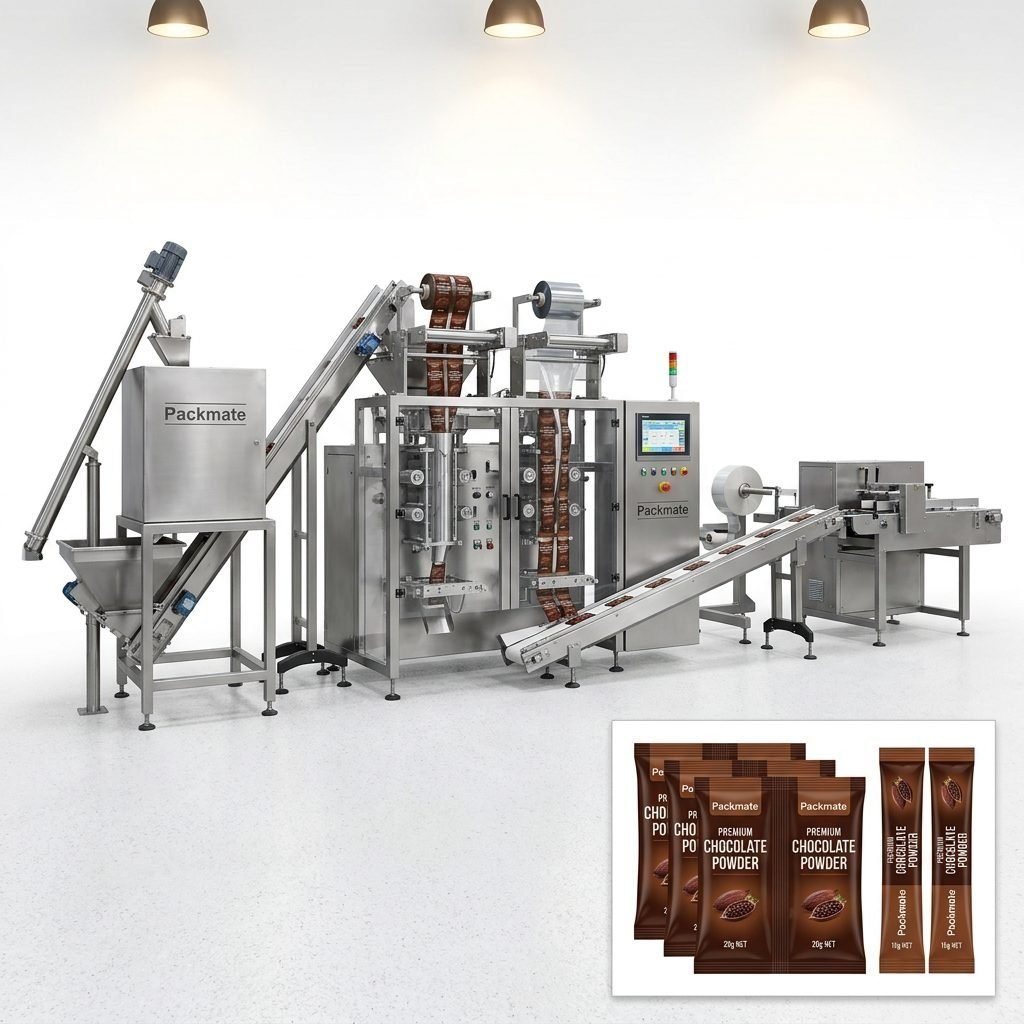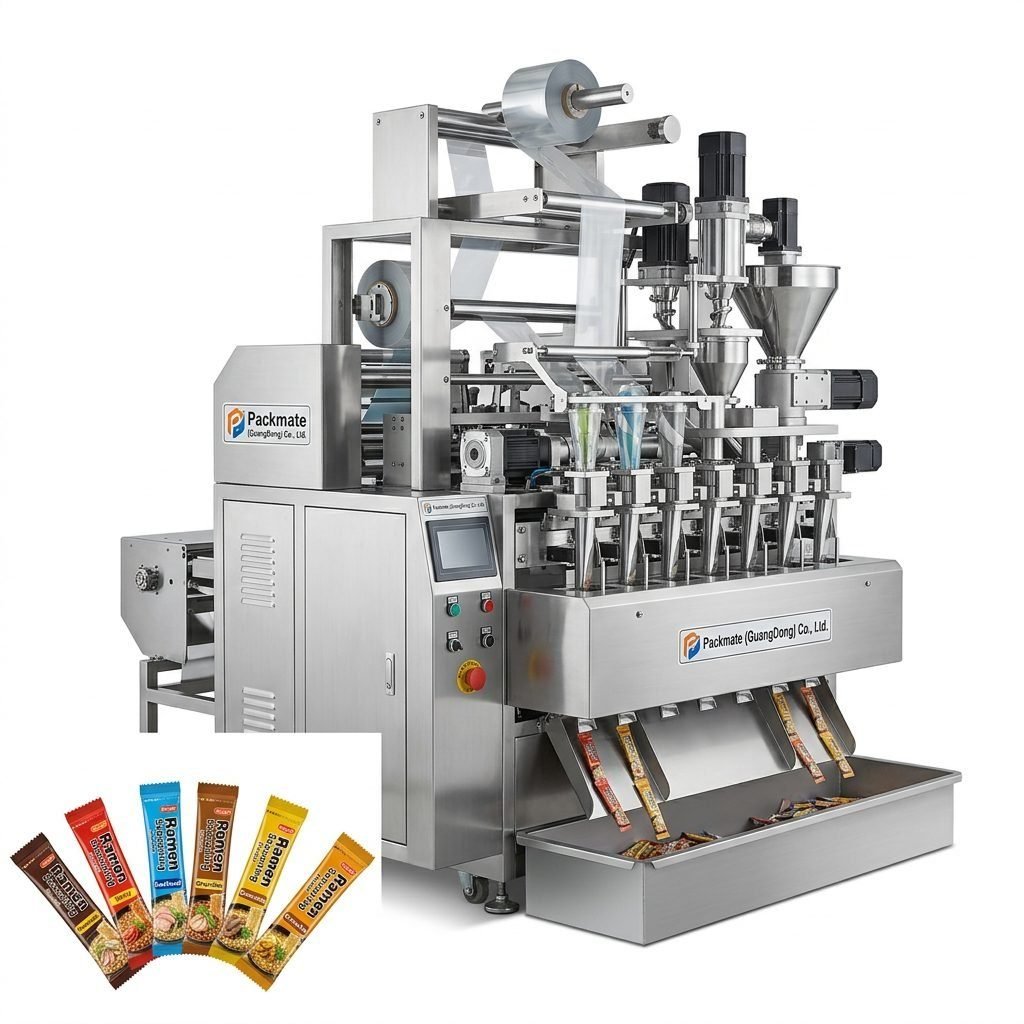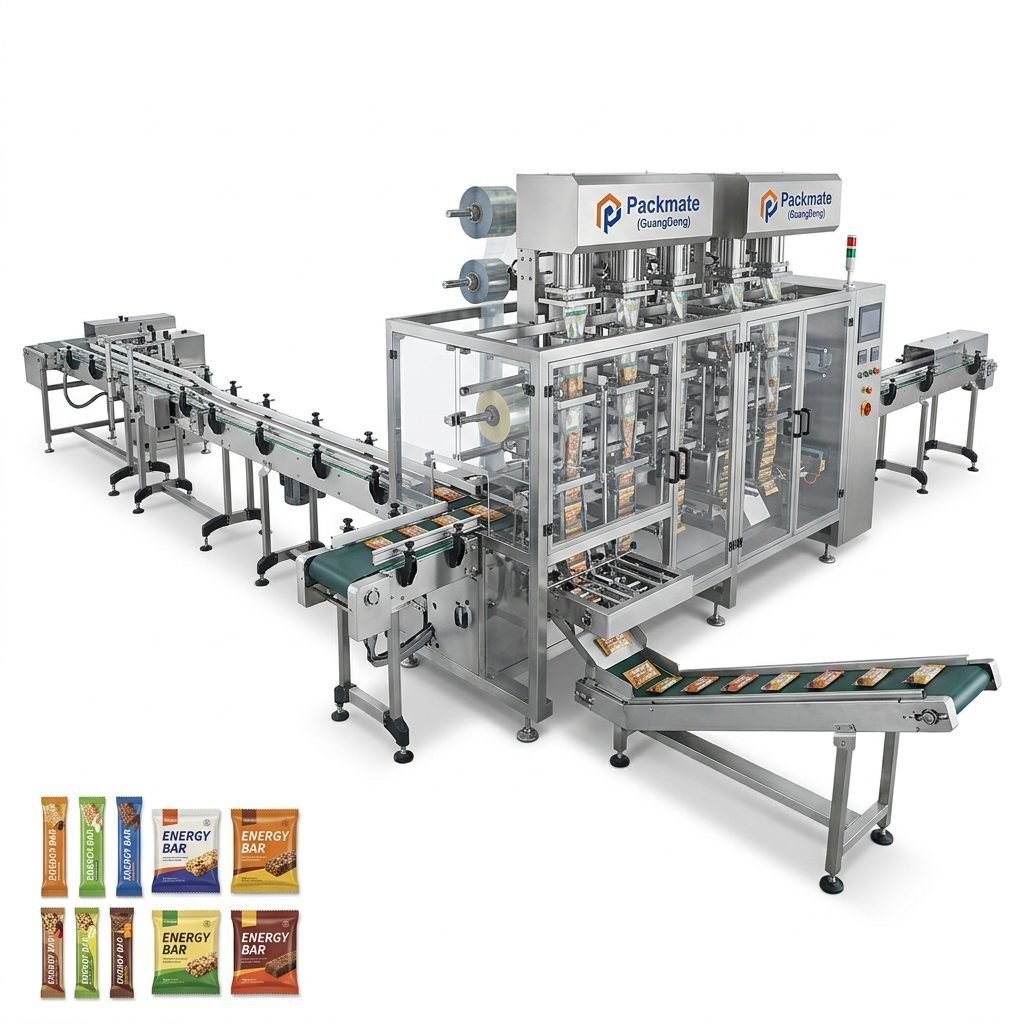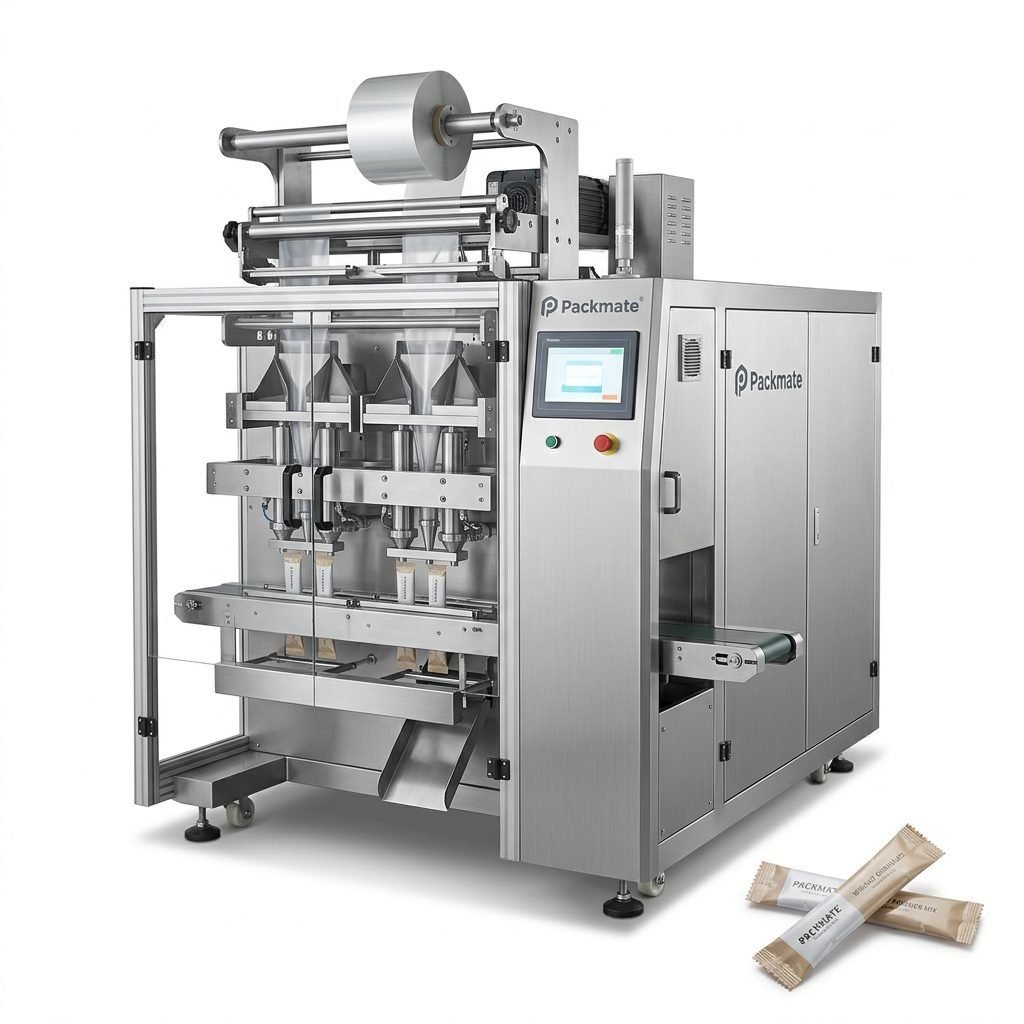
For Czech manufacturers, food processors, and entrepreneurs looking to automate or upgrade their packaging operations, selecting the right packaging machine manufacturer is a critical business decision. The Czech Republic boasts a strong industrial base, with a significant focus on food & beverage, pharmaceuticals, and specialty goods for export across the EU. This means packaging equipment must meet high standards for efficiency, hygiene, and compliance. This guide outlines the key factors to consider and offers practical tips to help you navigate the selection process, ensuring you partner with a manufacturer that aligns with your specific production goals and the high-quality expectations of the Central European market.
Understanding Your Specific Packaging Needs in the Czech Context
Before contacting manufacturers, clearly define your requirements. Czech producers often deal with specific product types like powders (flour, spices, beverage mixes), granules (snacks, pet food, seeds), liquids (sauces, oils), or pharmaceutical supplements. Consider your product’s characteristics: its flowability, density, and sensitivity to moisture or contamination.
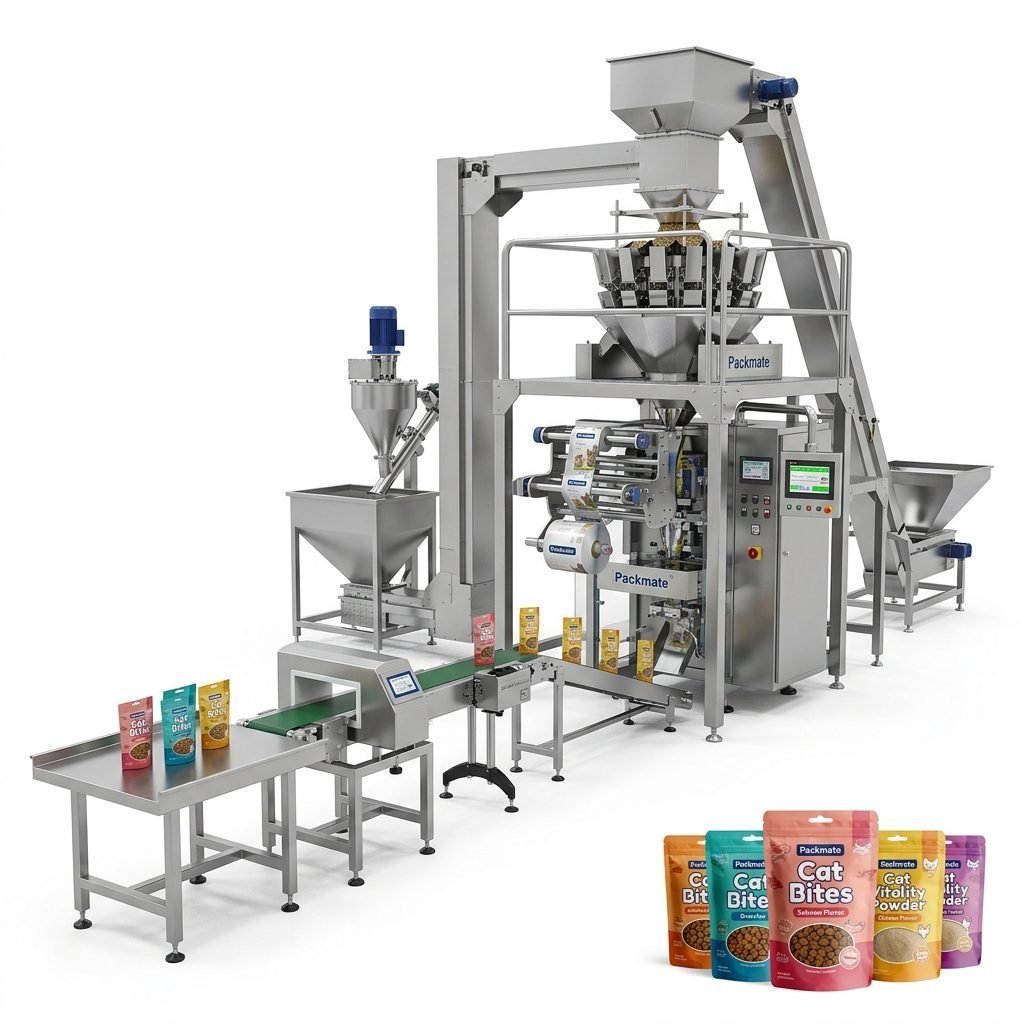
Key questions to ask: What is your current and target production speed (e.g., bags per minute)? What packaging formats do you need – sachets, stick packs, pouches, or bulk bags? Is your production line space-constrained? Do you require integration with existing Czech-made or EU equipment for conveying, cartoning, or palletizing? Answering these will create a clear project brief.
1. Technical Capability and Product Range
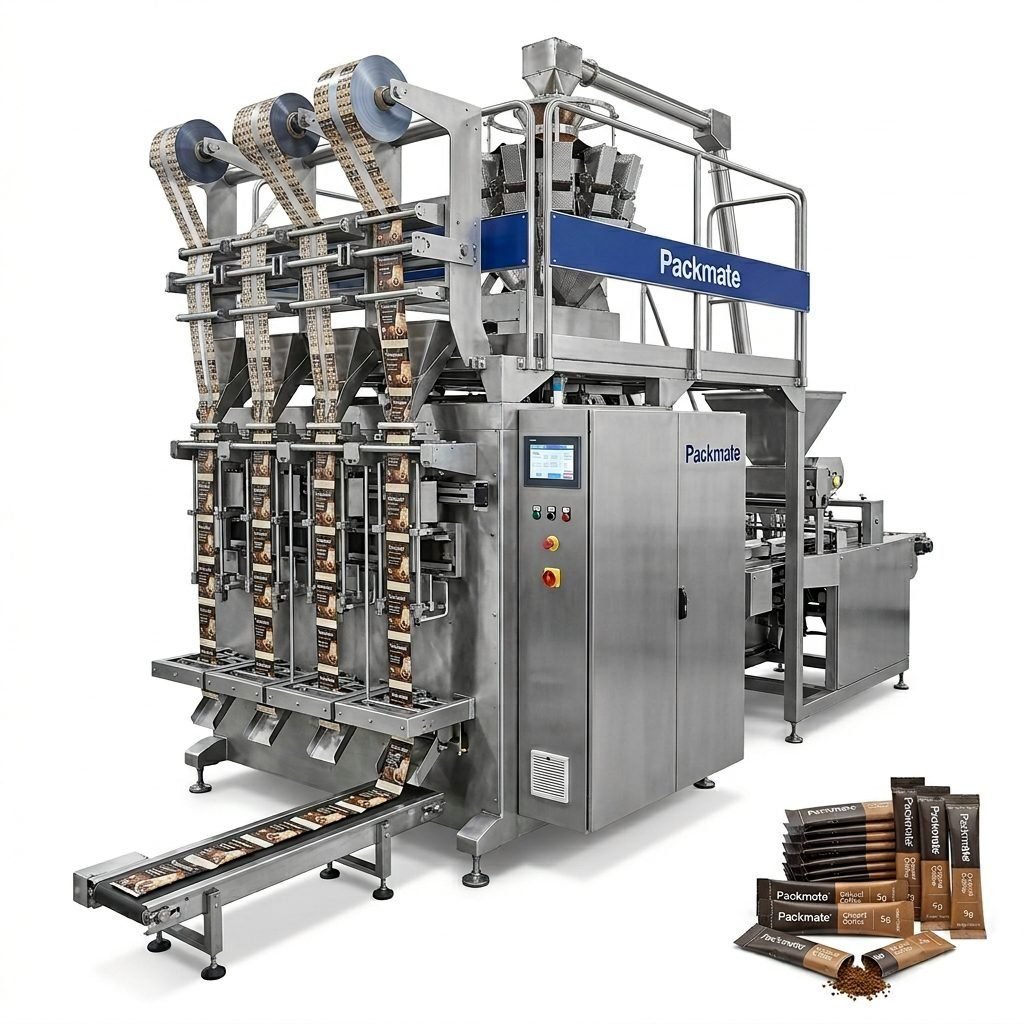
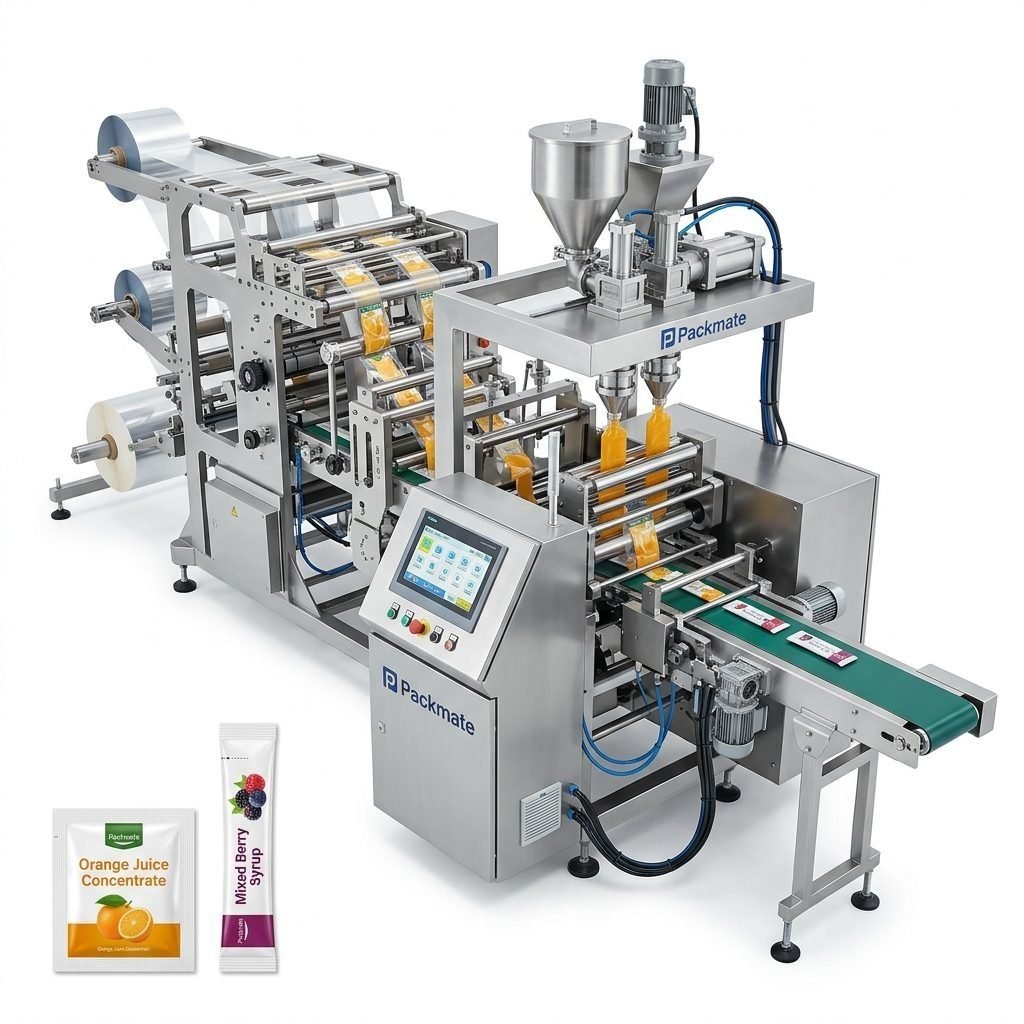
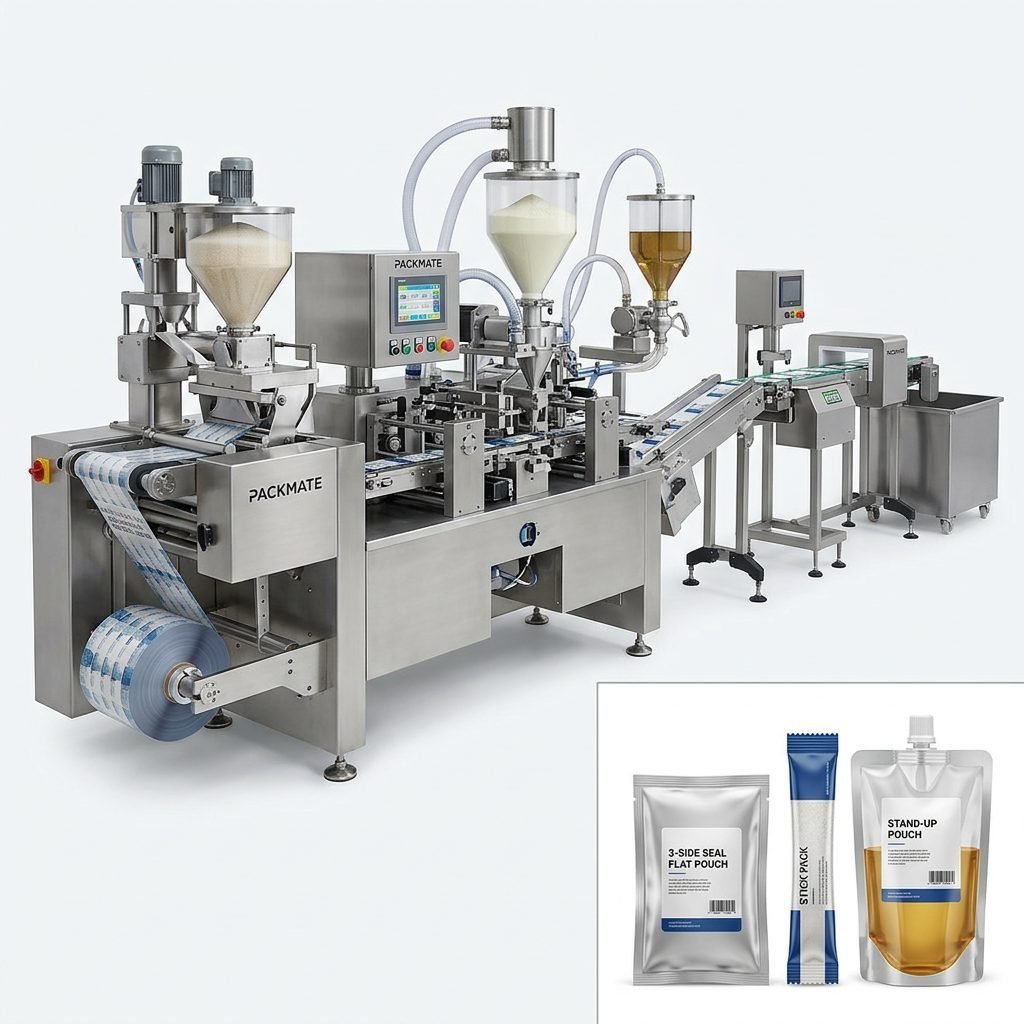
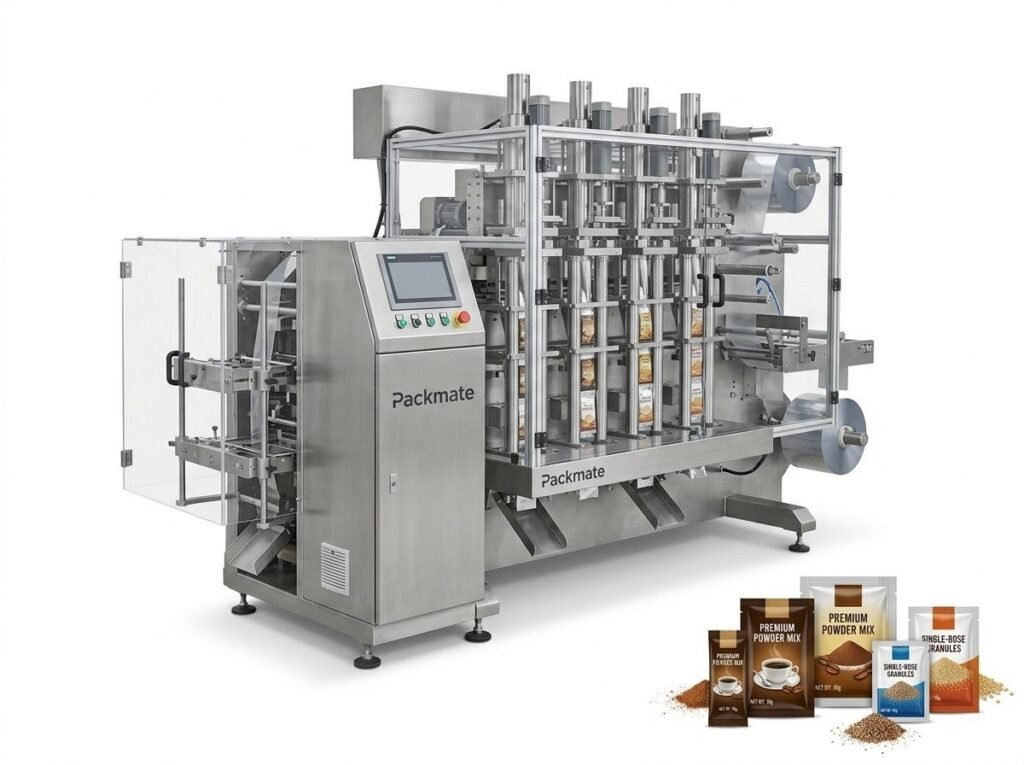
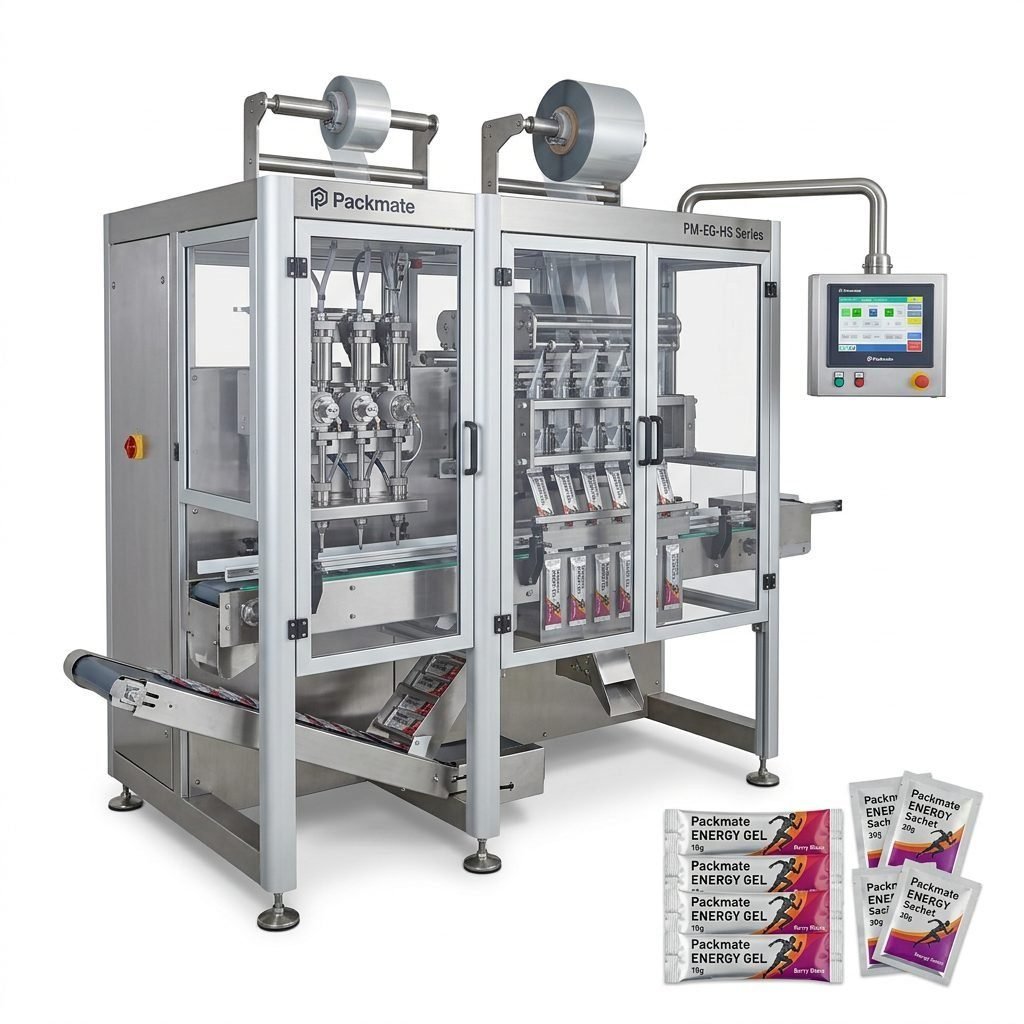
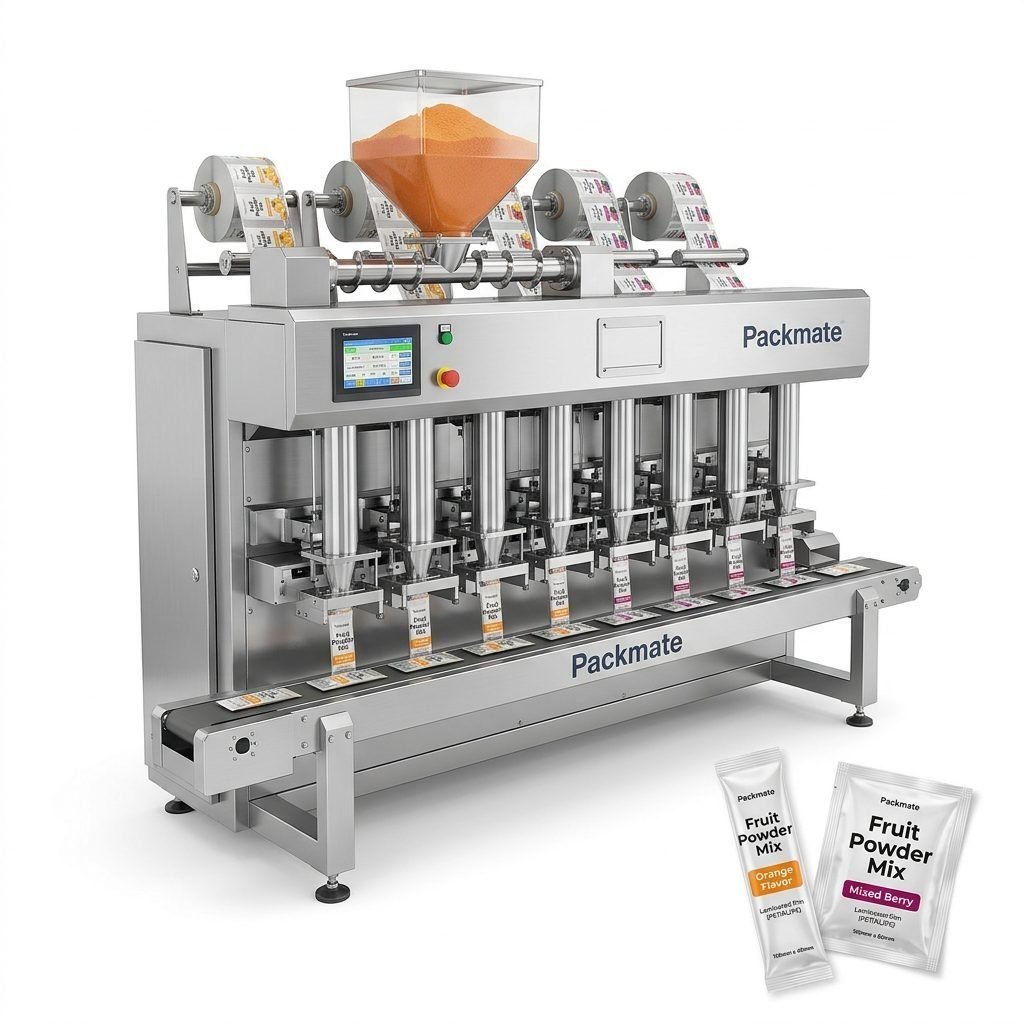
Evaluate a manufacturer’s technical expertise and whether their machine portfolio matches your needs. A company with a broad range is often more adaptable. For instance, a manufacturer offering both multi-lane stick pack machines and sachet packaging systems can provide more flexible solutions for varying batch sizes, which is useful for Czech SMEs.
2. Manufacturing Quality and Industry Experience
Look for a manufacturer with a proven track record. Companies with decades of experience, like Ludyway (founded 1993), typically have refined their engineering processes and quality control. Inspect their factory certifications (e.g., ISO standards) and ask for case studies or references from projects in Europe, particularly within the food and pharma sectors, which are highly regulated in the Czech Republic.
3. Customization and Engineering Support
Off-the-shelf machines may not suffice. Your product or factory layout might require custom feeding systems, dosing mechanisms, or integration protocols. Manufacturers like PackingMachineOEM specialize in non-standard and customized solutions, which is vital for Czech companies with unique product forms or those aiming for a distinct market position.
4. After-Sales Service and Local Support
Reliable technical support is non-negotiable. Downtime is costly. Investigate the manufacturer’s service network in Europe. Do they have local agents or service engineers in the EU/Czech Republic? What are their warranty terms, spare parts delivery times, and remote support capabilities? Companies with a strong export focus to Europe, such as Packmate Machinery, often structure their operations to support international clients effectively.
5. Cost Considerations and Total Value
While initial price is important, consider the total cost of ownership. This includes energy consumption, maintenance costs, expected lifespan, and potential for future upgrades. A slightly higher investment in a robust, efficient machine from a reputable supplier like PacklineOEM can lead to lower long-term operational costs and higher overall equipment effectiveness (OEE).
Practical Steps in the Selection Process
Start by shortlisting 3-5 manufacturers based on online research, trade shows (like EMBALLAGE or interpack), and industry referrals. Prepare a detailed Request for Quotation (RFQ) outlining all technical and commercial requirements.
Essential due diligence: Request factory audit reports or virtual tours. Ask for performance test videos with a product similar to yours. Check their financial stability to ensure they will be a long-term partner. For niche applications like nicotine pouches, a specialized supplier like SnusMachinery may offer critical application-specific expertise.
Comparing Key Manufacturers: A Snapshot
| Manufacturer | Key Strength | Suitable For Czech Buyers Needing… |
|---|---|---|
| Ludyway | Broad product range & full turnkey lines | Complete, scalable automation for food/pharma |
| Packmate Machinery | Balanced cost-performance & reliability | Practical, efficient solutions for mid-sized operations |
| PacklineOEM | Turnkey line integration | Fully automated, connected production systems |
| PackingMachineOEM | High level of customization | Machines adapted for unique products or layouts |
| SnusMachinery | Niche expertise in pouch packaging | Specialized production of nicotine pouches or similar |
Finalizing Your Decision
Negotiate clearly on payment terms, delivery schedule, installation, and training. Ensure all agreed-upon specifications, performance guarantees, and service level agreements are documented in the contract. A visit to the manufacturer’s facility, if feasible, is highly recommended to assess their capabilities firsthand.
Common Questions (FAQs) for Czech Importers
Q1: What are the main advantages of sourcing packaging machines from experienced international manufacturers?
A: You gain access to advanced technology, proven reliability, and often better value through economies of scale. Experienced exporters are also more likely to understand and meet EU compliance and documentation requirements.
Q2: How important is CE certification for machinery imported into the Czech Republic?
A: It is mandatory. The CE mark indicates the machine meets EU health, safety, and environmental protection standards. Always verify this certification with the supplier.
Q3: Can these machines handle packaging materials commonly used in the Czech market?
A: Reputable manufacturers design machines to be compatible with a wide range of laminates, films, and recyclable materials. Provide samples of your intended packaging material to the supplier for compatibility testing.
Q4: What is the typical lead time for a custom packaging line?
A: Lead times vary from a few months for standard machines to over six months for highly customized turnkey lines. Clear and frequent communication with the manufacturer’s project team is key to managing timelines.
Q5: How can we ensure smooth installation and operator training?
A: Choose a manufacturer that provides comprehensive installation supervision by their engineers and thorough on-site training for your maintenance and operational staff. This investment in knowledge transfer is crucial for long-term success.