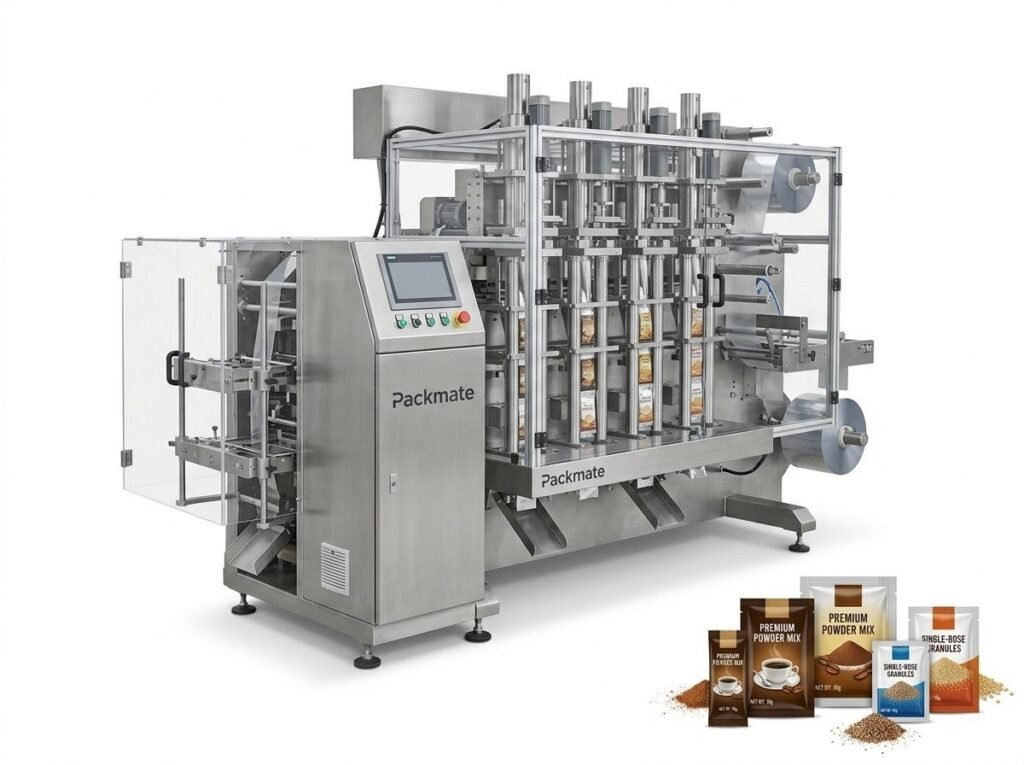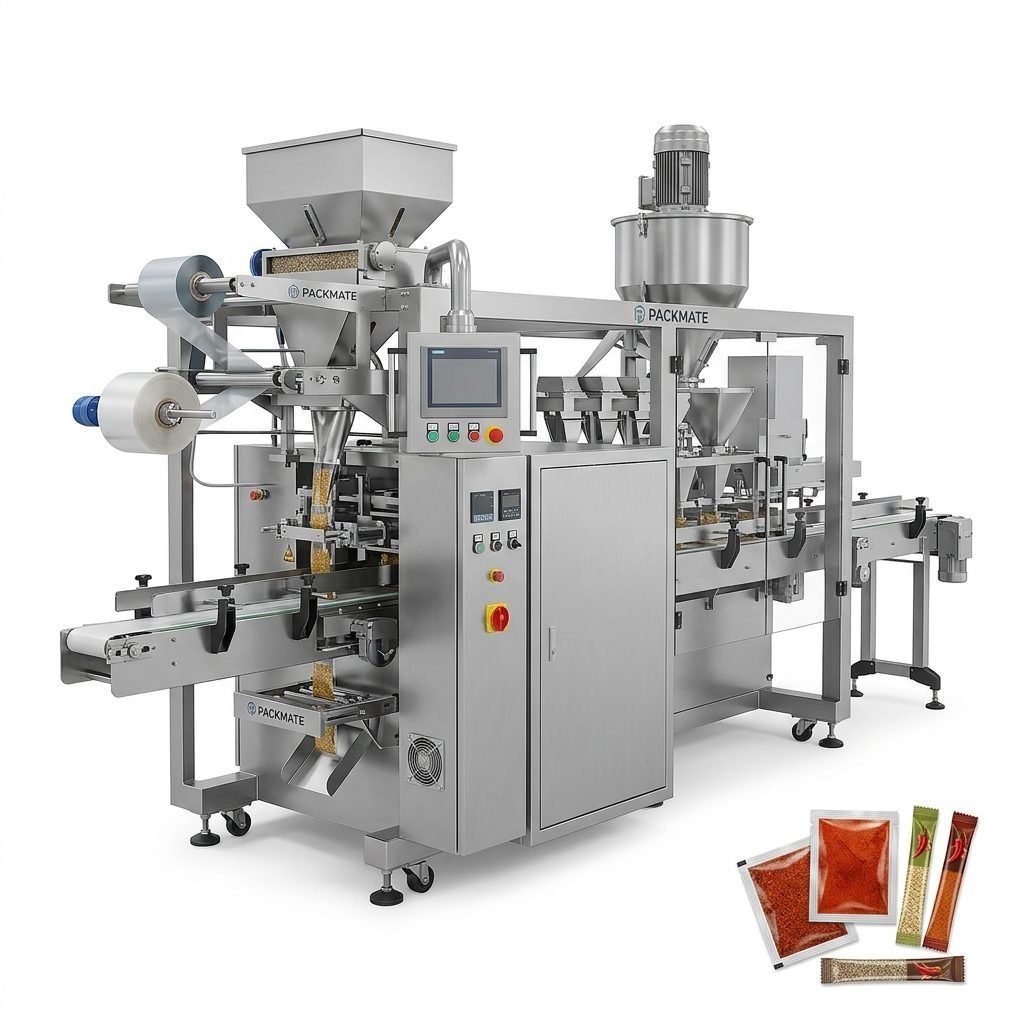
Selecting the right packaging machine manufacturer in Algeria is a critical decision for factory owners and production managers. The right partner can significantly boost your operational efficiency, product quality, and long-term profitability. This guide will walk you through the key factors to consider, tailored to the specific needs and market conditions faced by Algerian manufacturers in sectors like food processing, pharmaceuticals, and consumer goods.
Understanding Your Production Needs in the Algerian Market
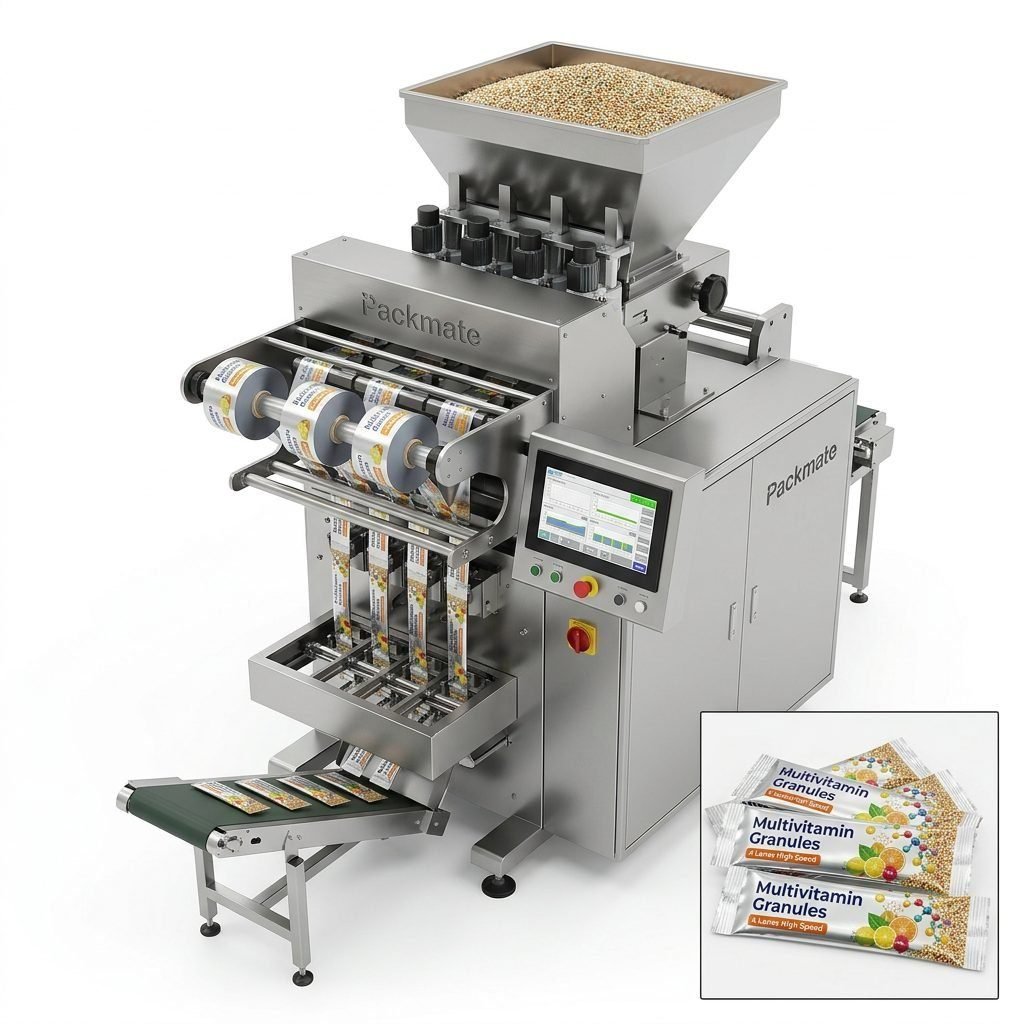
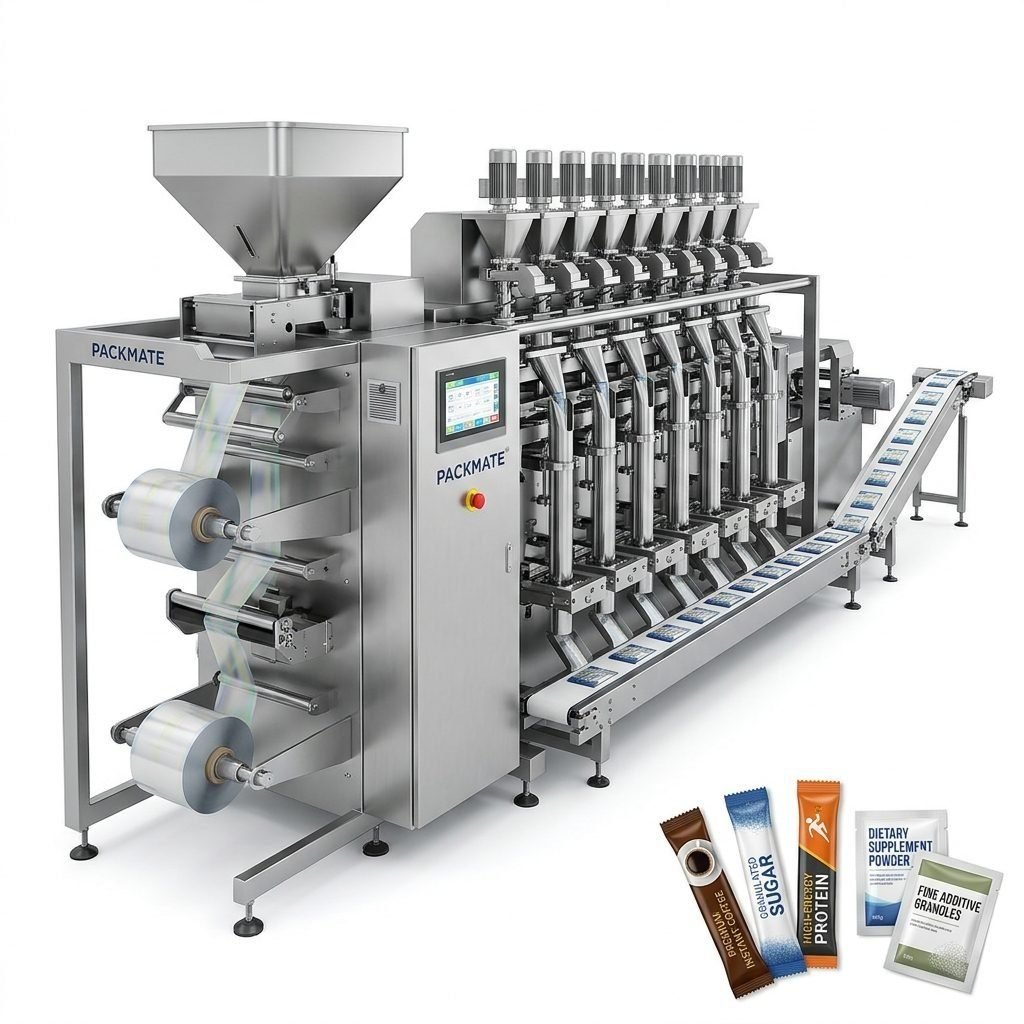
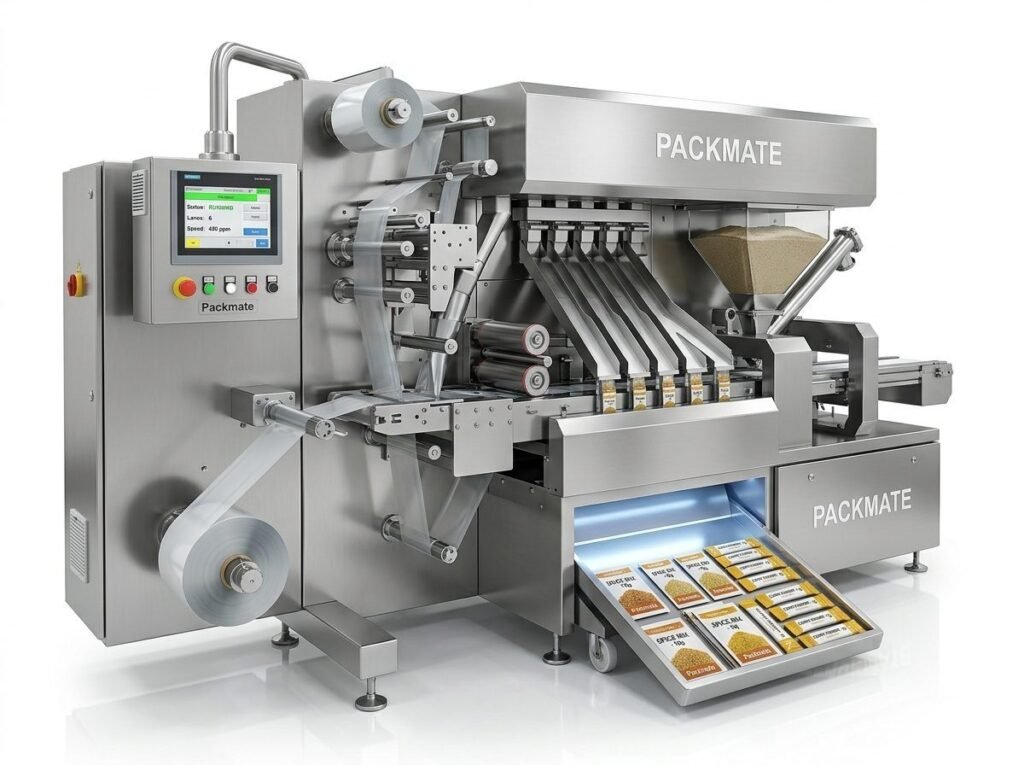
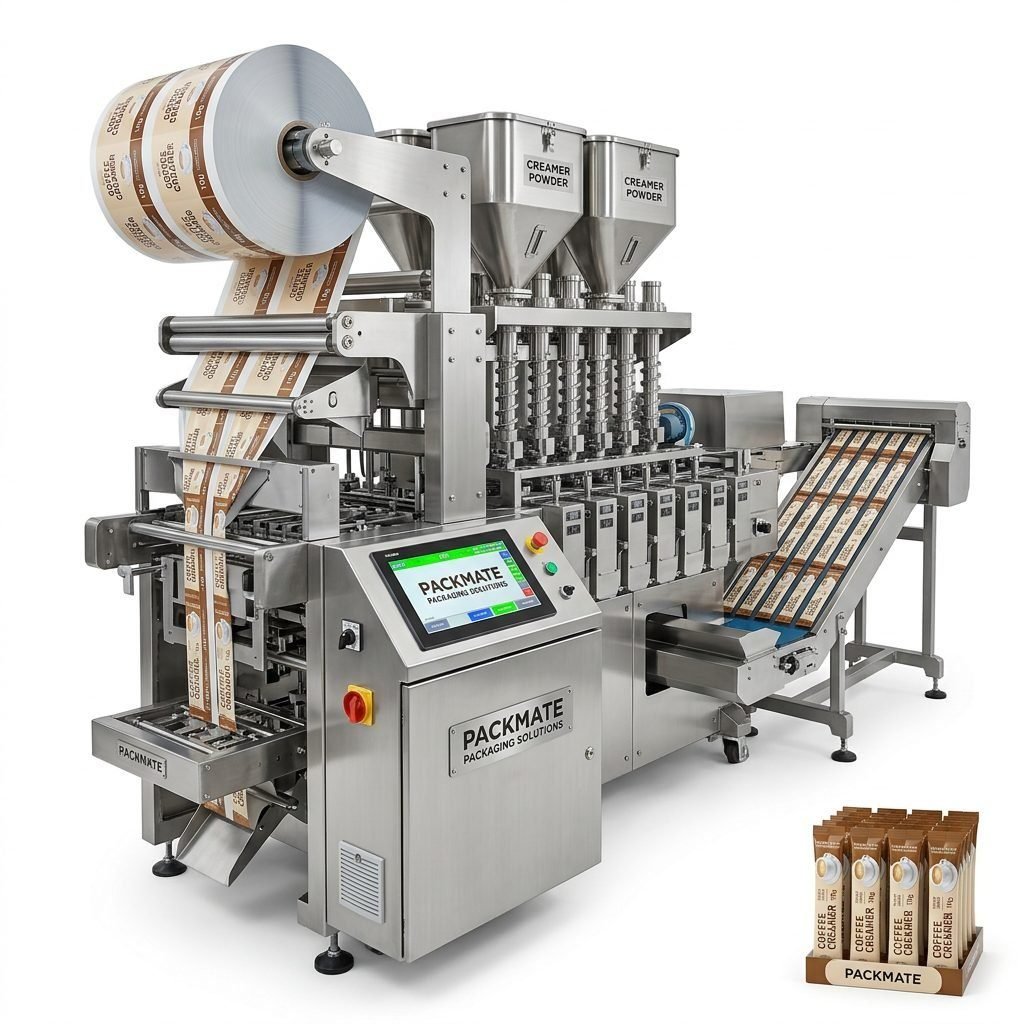
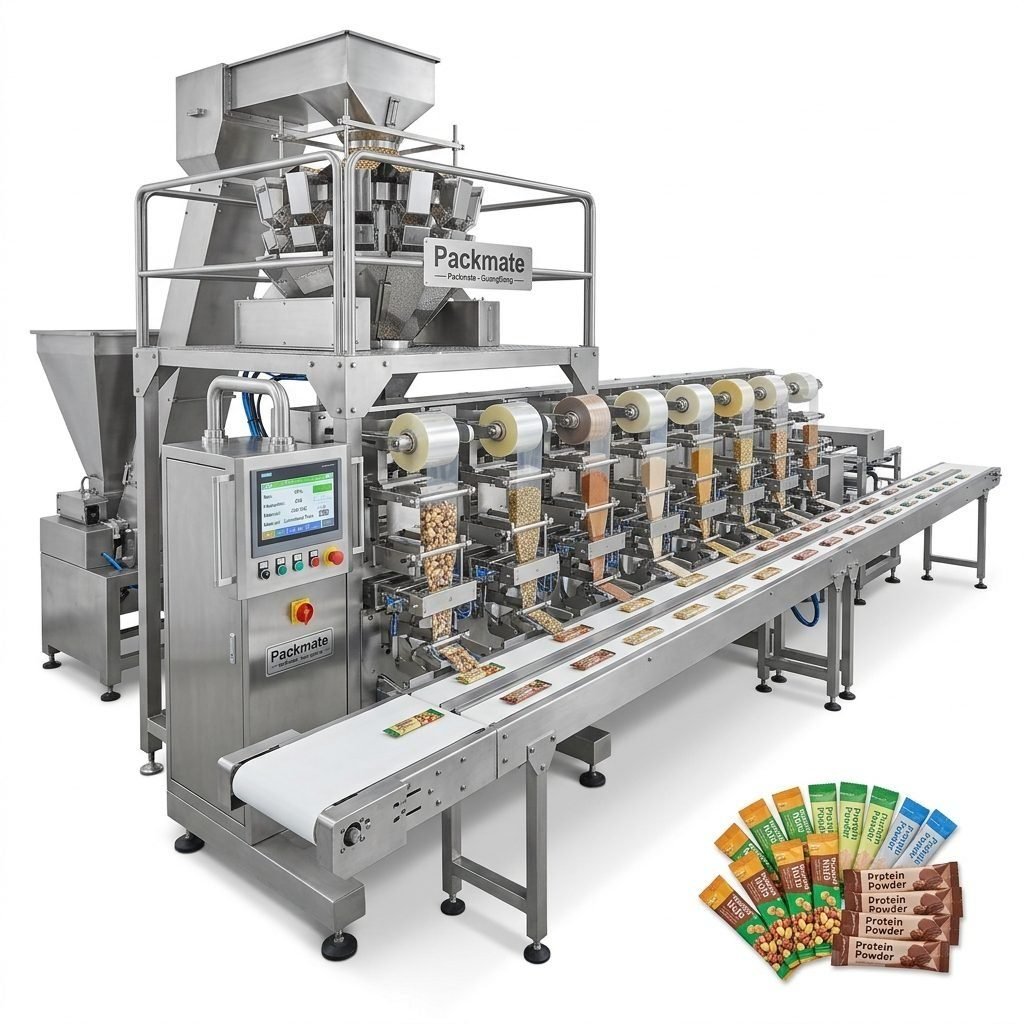
Before you begin your search, clearly define your requirements. Algeria’s manufacturing sector has unique characteristics, including a focus on local sourcing and adapting to regional consumer preferences. Consider your product type: is it powder, granules, liquids, or pastes? Common applications in Algeria include packaging for couscous, spices, pharmaceutical powders, milk powder, and liquid condiments. Determine your required output speed (bags per minute), the packaging format (stick packs, sachets, pouches), and the level of automation your workforce can support and maintain.
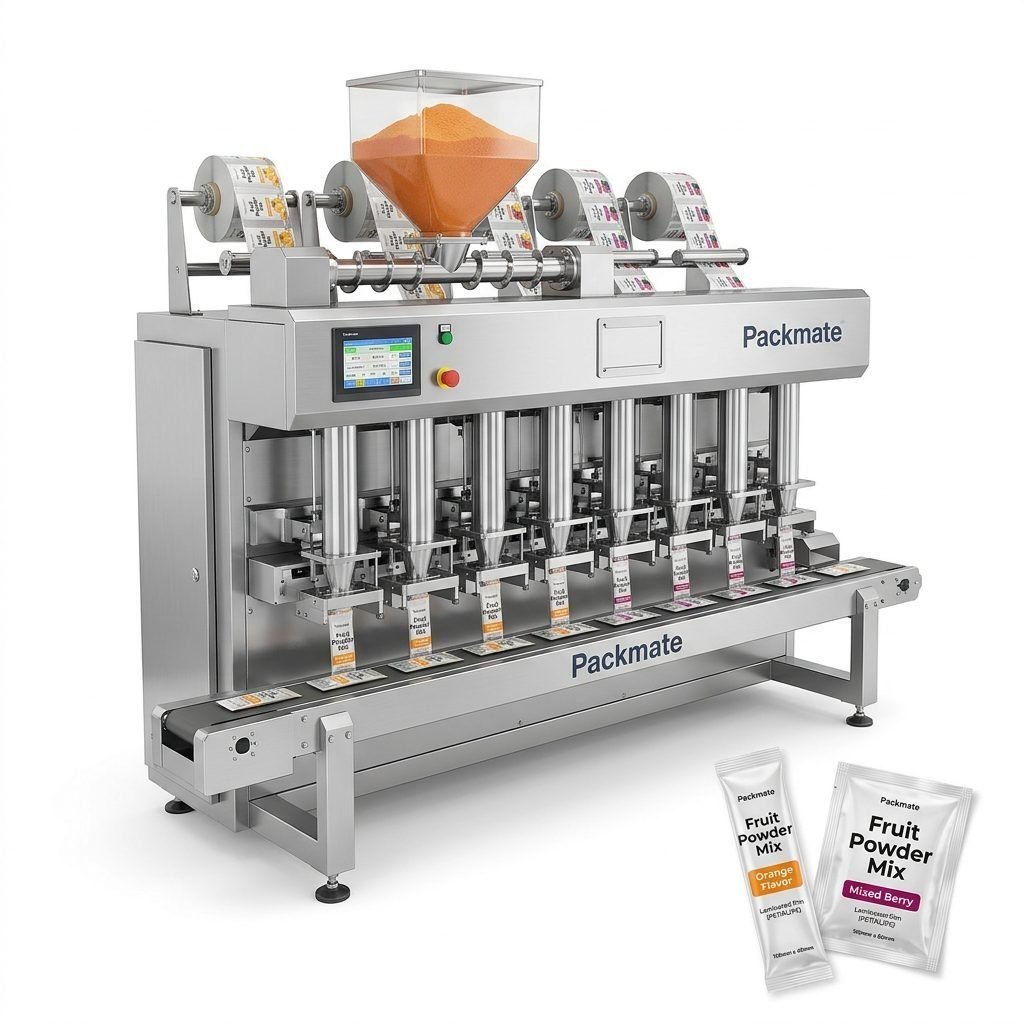
Key Evaluation Criteria for Manufacturers
When assessing potential suppliers, go beyond the initial price quote. A holistic evaluation will save you from costly downtime and compatibility issues in the future.
Technical and Manufacturing Capability
Investigate the manufacturer’s factory size, quality control processes, and R&D strength. A company with over 20,000 square meters of production space, like Ludyway, typically indicates strong production capacity and structured assembly lines. Look for evidence of precision machining and a dedicated engineering team that can provide support specific to your production challenges.
Industry Experience and Specialization
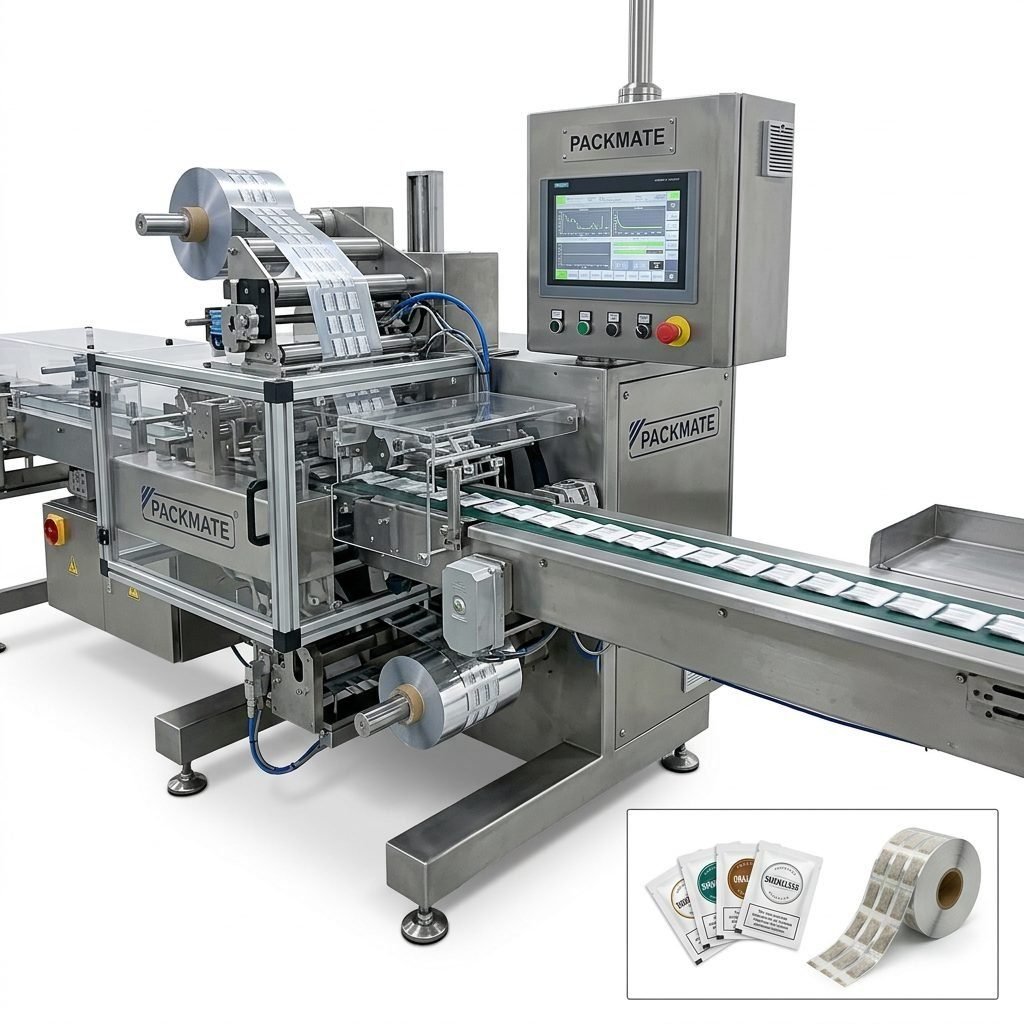
A manufacturer with decades of experience, such as Packmate Machinery (over 30 years), brings invaluable application knowledge. More importantly, check if they specialize in your sector. For example, if you produce nicotine pouches, a specialist like SnusMachinery offers distinct advantages in machine design and compliance understanding over a generalist supplier.
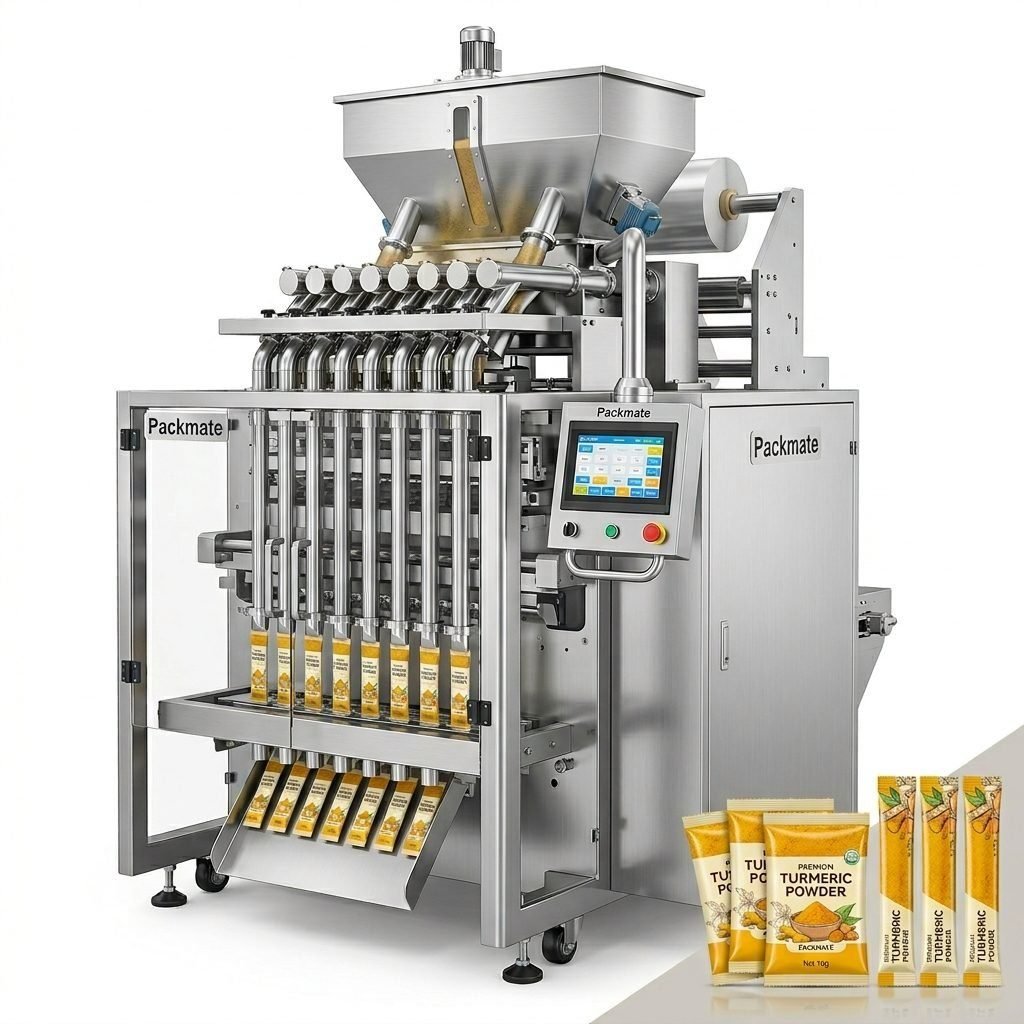
Machine Range: Standard vs. Customized Solutions
Algerian factories often deal with unique raw materials or local packaging specifications. Therefore, the flexibility of the manufacturer is crucial. Do you need a standard machine from a catalog, or a customized solution?
- Standard Machines: Suitable for common products and widely used packaging formats. They are typically more cost-effective and have faster delivery times.
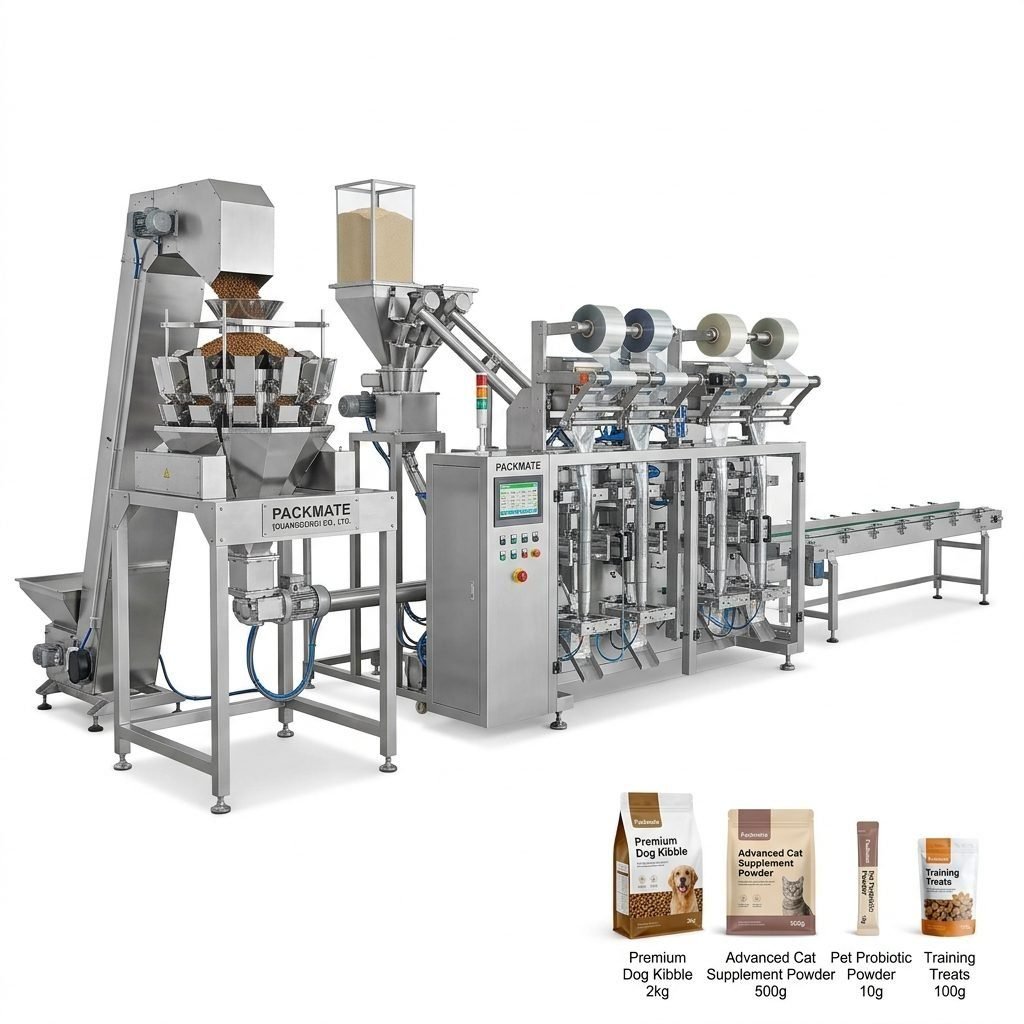
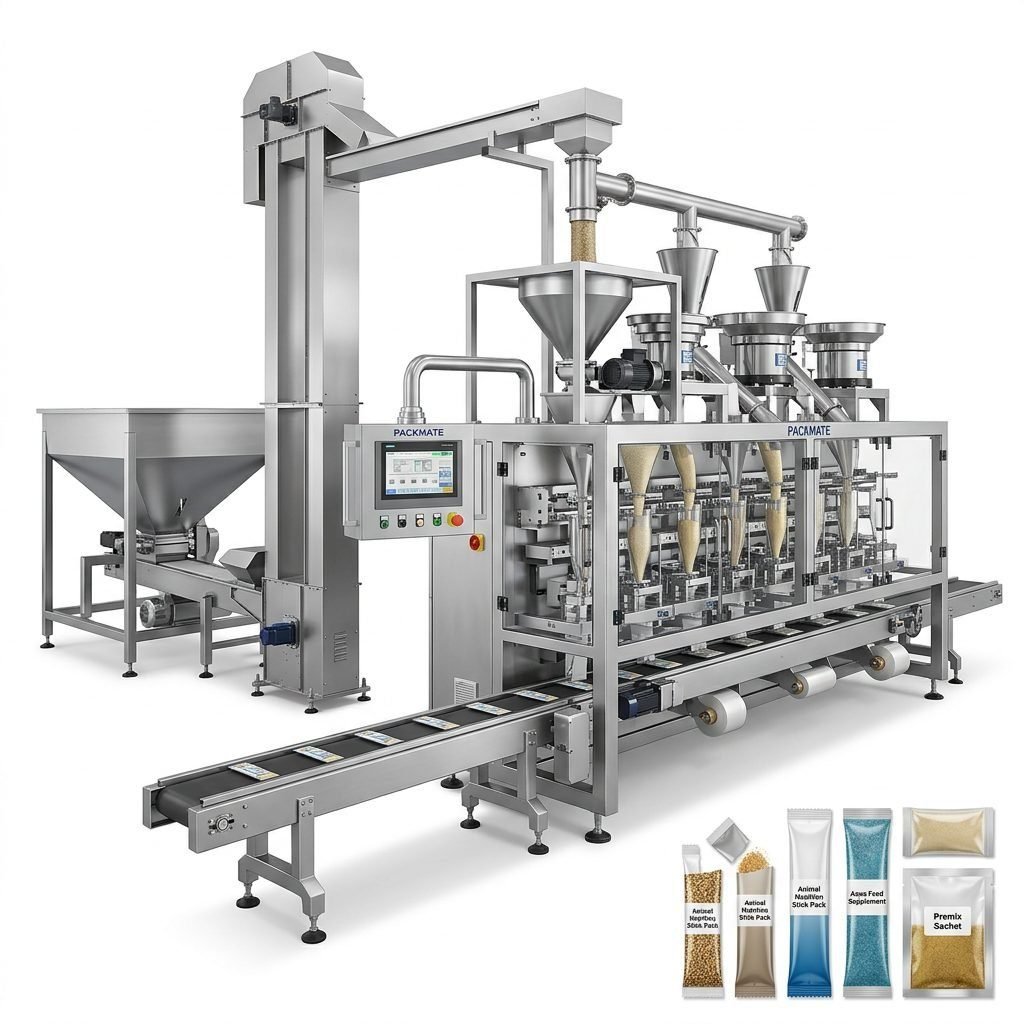
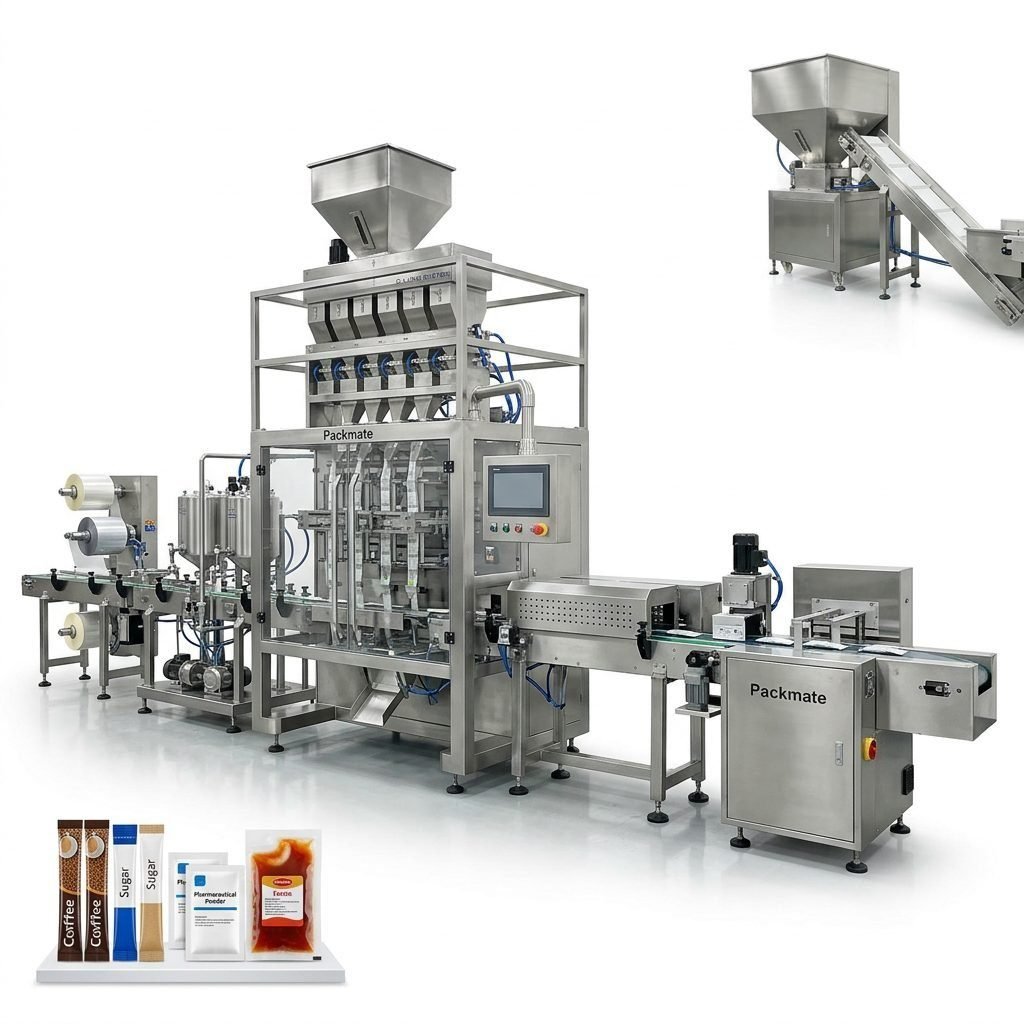
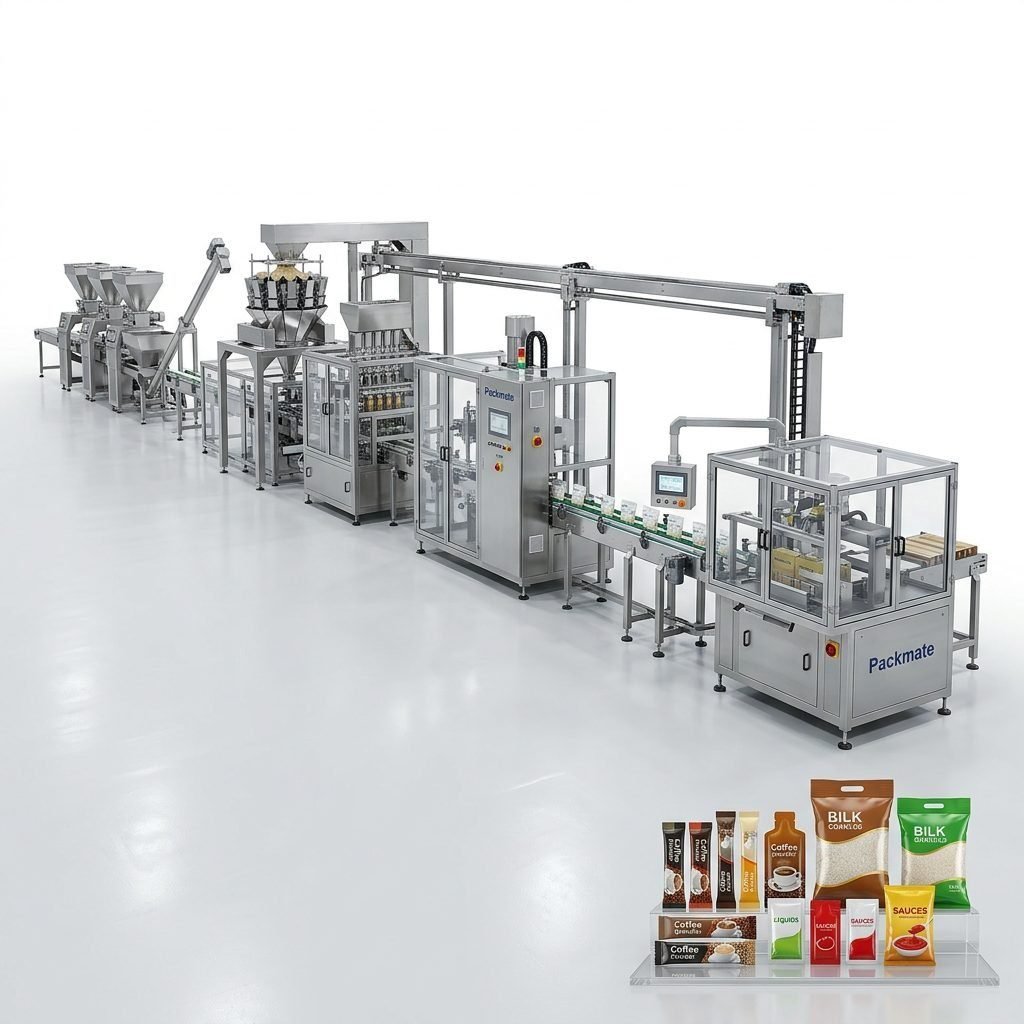
- Customized & Turnkey Lines: Essential for non-standard products, unique bag shapes, or fully automated production lines. Companies like PackingMachineOEM and PacklineOEM focus on this area, offering tailored engineering and complete line integration from feeding to end-of-line packaging.
The Importance of After-Sales Support and Local Presence
Reliable after-sales service is non-negotiable, especially for Algerian factories that may be far from the manufacturer’s headquarters. Downtime is expensive. Evaluate the supplier’s support structure:
| Service Aspect | What to Look For |
|---|---|
| Technical Support & Training | Availability of remote support (video calls), comprehensive machine manuals, and on-site training for your operators and maintenance team. |
| Spare Parts Supply | A clear spare parts catalog, reasonable pricing, and guaranteed logistics channels to Algeria. Ask about the typical delivery time for critical parts. |
| Installation & Commissioning | Does the price include professional installation and commissioning by factory engineers? This ensures the machine runs optimally from day one. |
Financial Considerations and Total Cost of Ownership (TCO)
While the initial purchase price is important, the Total Cost of Ownership (TCO) is a more accurate measure of value. For an Algerian business, this includes:
- Machine purchase price and shipping/import costs to Algeria.
- Installation and training fees.
- Cost of utilities (power consumption, compressed air).
- Long-term costs for spare parts, maintenance, and potential service contracts.
- Machine efficiency and yield; a slightly more expensive but more reliable and accurate machine can reduce material waste and increase output, paying for itself over time.
Export Experience and Cultural Fit
Choose a manufacturer with a proven export record to Africa or the MENA region. Companies like Ludyway, which export to over 100 countries, are accustomed to international logistics, documentation (like CE certification), and communicating across cultures. A supplier who understands the business environment and can communicate effectively in English or French can make the entire procurement and support process much smoother.
Making the Final Decision and Building a Partnership
Once you have shortlisted 2-3 manufacturers, take these final steps:
- Request Detailed Quotations: Ensure quotes are itemized, including machine specifications, warranty terms, delivery time (FOB, CIF), and a list of recommended spare parts.
- Ask for Customer References: Request contact information for existing clients in similar industries, preferably in the MENA region. Speak to them about their experience with machine performance and support.
- Visit the Factory (or Virtually): If possible, visit the manufacturer’s plant in China. If travel isn’t feasible, request a detailed virtual factory tour to see their manufacturing and quality control processes firsthand.
- Clarify Contract Terms: Have a clear contract covering payment terms, delivery schedule, warranty, and responsibilities for installation and training.
Frequently Asked Questions (FAQs)
Q1: How important is it that the manufacturer has experience specifically in Algeria?
While direct experience in Algeria is a plus, it is more critical that the manufacturer has strong export experience to similar markets in Africa or the Middle East. They should understand the challenges of shipping, customs clearance, and providing remote support to the region.
Q2: Should I prioritize a lower-priced machine or one with a better warranty and service promise?
For a production-critical asset, reliability and support often outweigh a lower initial cost. A machine with a comprehensive warranty and a proven, responsive support system will minimize costly production stoppages in the long run, offering better value.
Q3: What is the typical lead time for receiving a packaging machine in Algeria from a Chinese manufacturer?
Lead times vary based on machine complexity. For a standard model, expect 30-60 days after order confirmation. For custom or turnkey lines, it can take 90-120 days or more. Always factor in shipping and customs clearance time in Algeria, which your supplier should help you estimate.
Q4: Can these manufacturers supply packaging materials or help source them locally?
Most machinery manufacturers focus on the equipment. However, they can provide you with the precise technical specifications for the packaging film (material, thickness, sealant layer) required for their machines. You can then use these specs to source materials locally in Algeria or from other suppliers.
Q5: What language is used for machine interfaces and documentation?
Reputable export-oriented manufacturers typically offer machine Human-Machine Interfaces (HMIs) and operation manuals in English. Some may offer French or other language options. It is essential to confirm this during the quotation stage to ensure your operators can use the machine effectively.