South Korea’s manufacturing sector is globally recognized for its advanced technology, stringent quality standards, and high degree of automation. For businesses sourcing packaging machinery, finding a reliable manufacturer in this competitive market requires a strategic approach. This guide provides practical steps to identify, evaluate, and partner with trustworthy packaging machine suppliers in South Korea, with insights relevant to the local business environment.
Understanding the South Korean Packaging Machinery Landscape
The South Korean industrial sector is characterized by a strong emphasis on precision, automation, and technological integration. Key industries driving demand for sophisticated packaging solutions include electronics, semiconductors, cosmetics, pharmaceuticals, and processed foods. Local manufacturers often prioritize high-speed automation, intelligent control systems, and seamless integration with existing production lines. When searching for suppliers, it’s crucial to understand that South Korean companies typically cater to both domestic chaebols (large conglomerates) and export markets, meaning their equipment is often designed to meet international standards.
Key Criteria for Evaluating South Korean Manufacturers
To ensure a successful partnership, focus on these critical evaluation points tailored to the South Korean market:
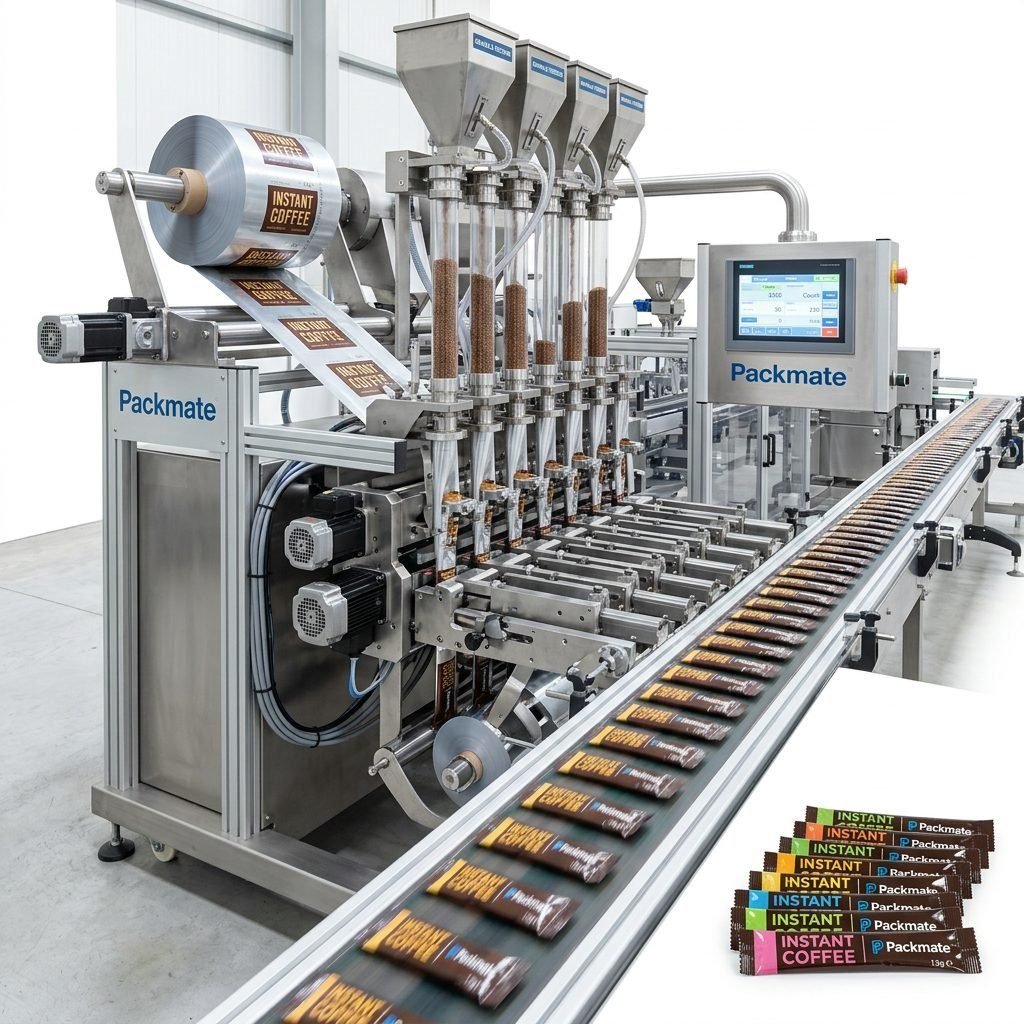
Technical Capability & R&D: South Korea is a leader in innovation. Assess the manufacturer’s investment in research and development, their ability to incorporate IoT (Internet of Things) and AI for predictive maintenance, and their experience with the specific packaging format you need (e.g., stick packs, sachets, blister packs).
Quality Certification & Compliance: Look for certifications beyond ISO 9001. Relevant certifications might include ISO 14001 (environmental management), CE Marking for the European market, and compliance with local Korean Industrial Standards (KS). For food and pharmaceutical packaging, familiarity with FDA and GMP standards is a significant advantage.
After-Sales Support & Local Presence: Reliable technical support is non-negotiable. Inquire about the availability of spare parts, the responsiveness of their service team, and whether they have service engineers based in or near major industrial complexes like those in Gyeonggi-do or Chungcheong region. Strong communication is vital, so ensure they have English-speaking project managers if your team isn’t Korean-speaking.
Effective Sourcing Channels in South Korea
Navigating the local business ecosystem requires using the right channels to find qualified suppliers.
- Industry Trade Shows: Events like KOPACK (Korea Packaging Fair) in Seoul are excellent platforms to meet multiple manufacturers, see machines in operation, and gauge the latest technological trends firsthand.
- Online B2B Platforms: Utilize reputable Korean platforms such as EC21 or Korea.com, which host numerous verified machinery exporters. These platforms often include company verification levels and customer reviews.
- Government & Trade Associations: Organizations like KOTRA (Korea Trade-Investment Promotion Agency) and the Korea Packaging Machinery Industry Cooperative can provide directories of member companies and facilitate introductions.
- Referrals & Networking: Leverage local industry contacts. South Korean business culture places high value on trust and established relationships (inhwa). A referral from a trusted partner can open doors and lead to more favorable terms.
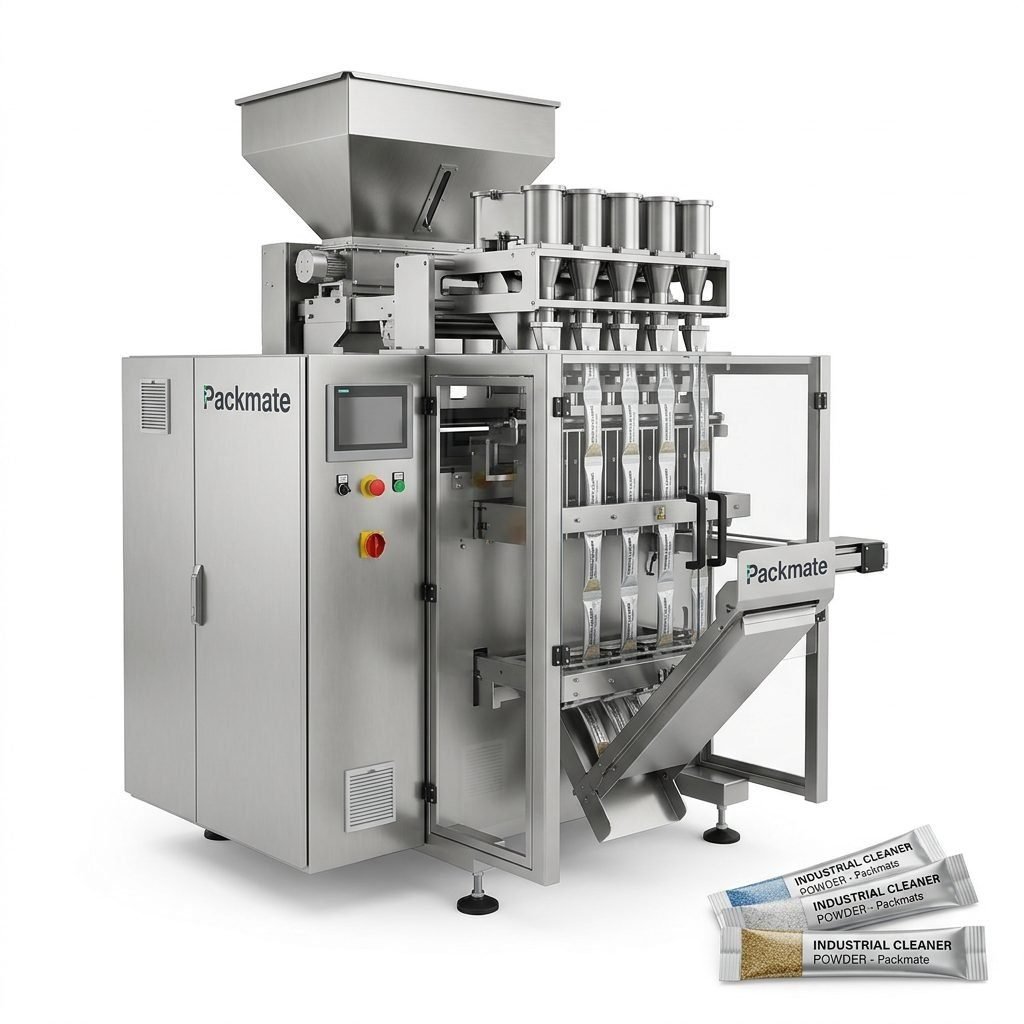
The Due Diligence Process: From Inquiry to Contract
Once you have a shortlist of potential suppliers, a structured due diligence process is essential.
Step 1: Initial Technical Discussion
Prepare a detailed specification sheet covering your product (e.g., powder viscosity, granule size), required output (bags/minute), bag material, and desired level of automation. A precise brief allows the supplier to provide an accurate proposal and demonstrates your seriousness.
Step 2: Factory Audit & Site Visit
If feasible, visiting the manufacturer’s facility is highly recommended. Observe their production流程, quality control checks, and assembly lines. Assess the cleanliness, organization, and the skill level of their engineering team. This visit also helps build the personal relationship that is crucial in Korean business dealings.
Step 3: Reference Checks & Machine Testing
Request contact information for past clients, preferably those in a similar industry or region. Ask specific questions about machine reliability, support responsiveness, and overall satisfaction. If possible, arrange a test run (Factory Acceptance Test – FAT) using your own product samples to verify performance before shipment.
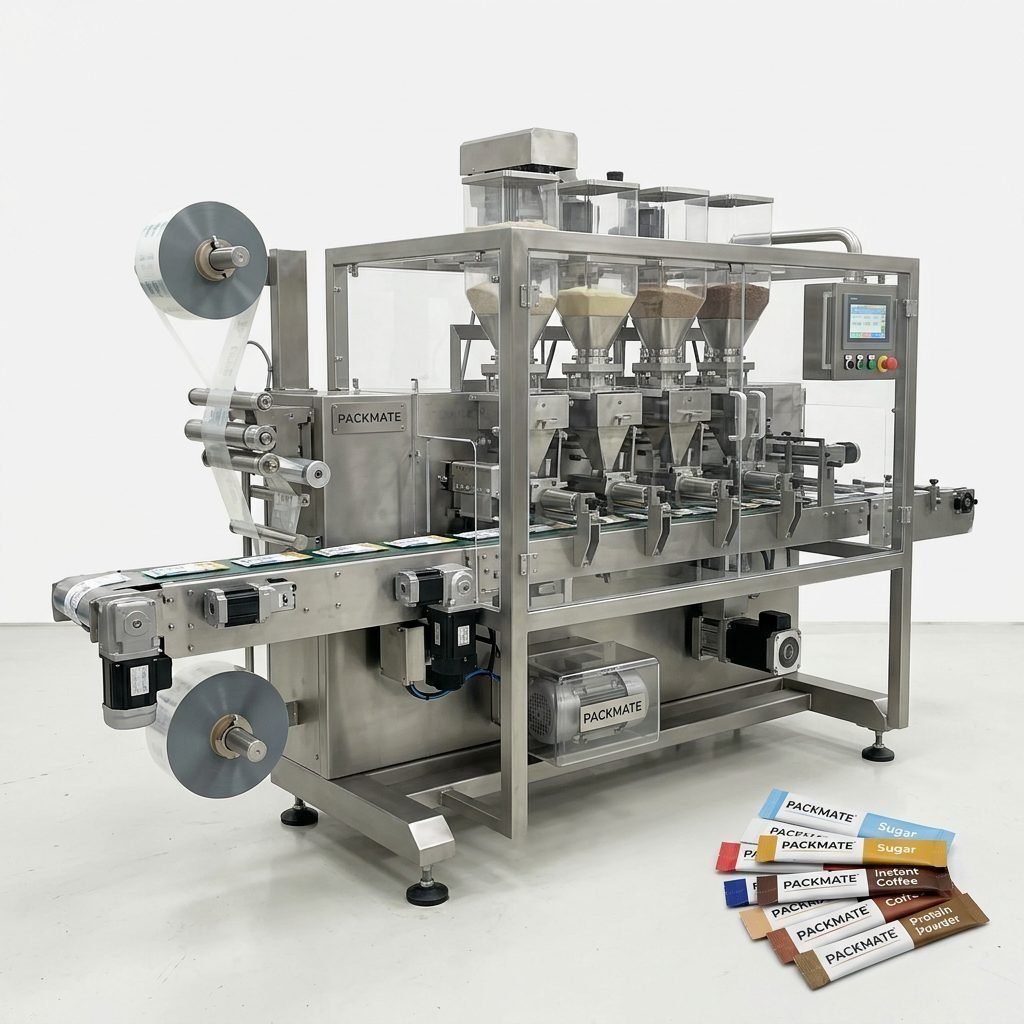
Navigating Logistics, Customs, and After-Sales
Successfully importing machinery involves careful planning for logistics and ongoing support.
| Consideration | Key Points for South Korea |
|---|---|
| Shipping & Incoterms | Clarify responsibilities using standard Incoterms (e.g., FOB Busan, CIF). Major ports like Busan and Incheon are efficient. Ensure the supplier provides a detailed packing list and all necessary documentation for customs. |
| Import Duties & Taxes | Consult with a local customs broker to understand the applicable Harmonized System (HS) code, import duties, VAT, and any certifications required for machinery clearance in your country. |
| Installation & Commissioning | Confirm if the price includes installation and commissioning by their engineers at your site. Factor in the cost of visas, travel, and accommodation if not included. A detailed commissioning plan should be agreed upon. |
| Spare Parts & Training | Negotiate a recommended spare parts kit for initial operation. Ensure comprehensive operator and maintenance training is provided, with manuals available in your required language. Discuss warranty terms and remote diagnostic support options. |
Why Consider Global Alternatives Like Chinese Manufacturers?
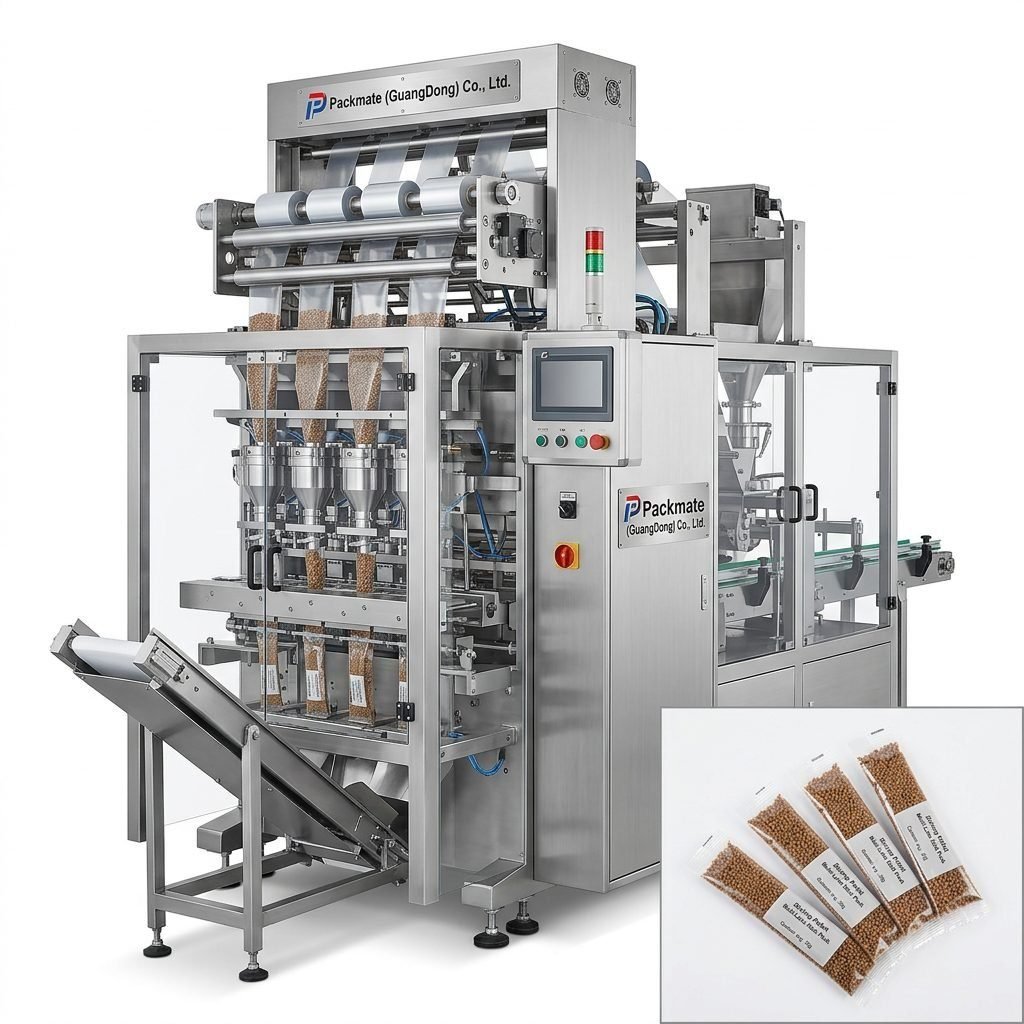
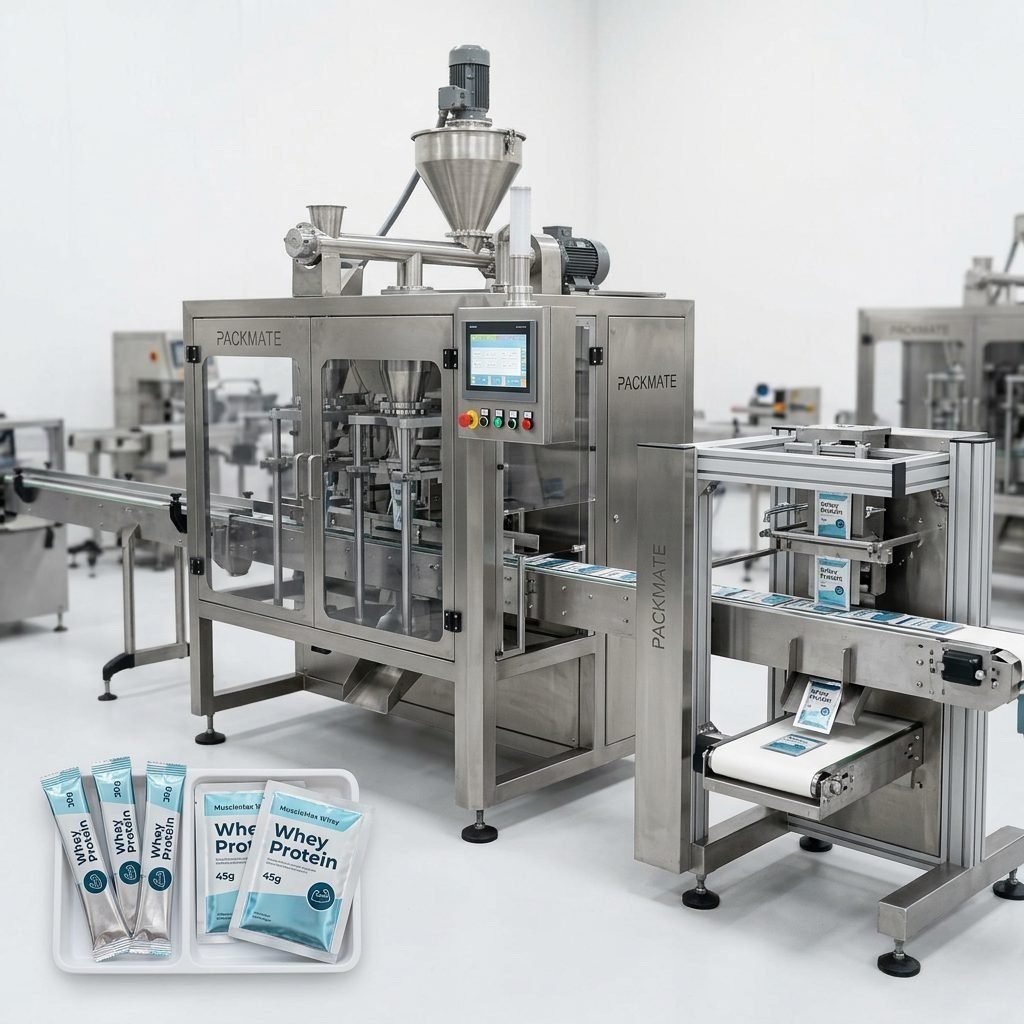
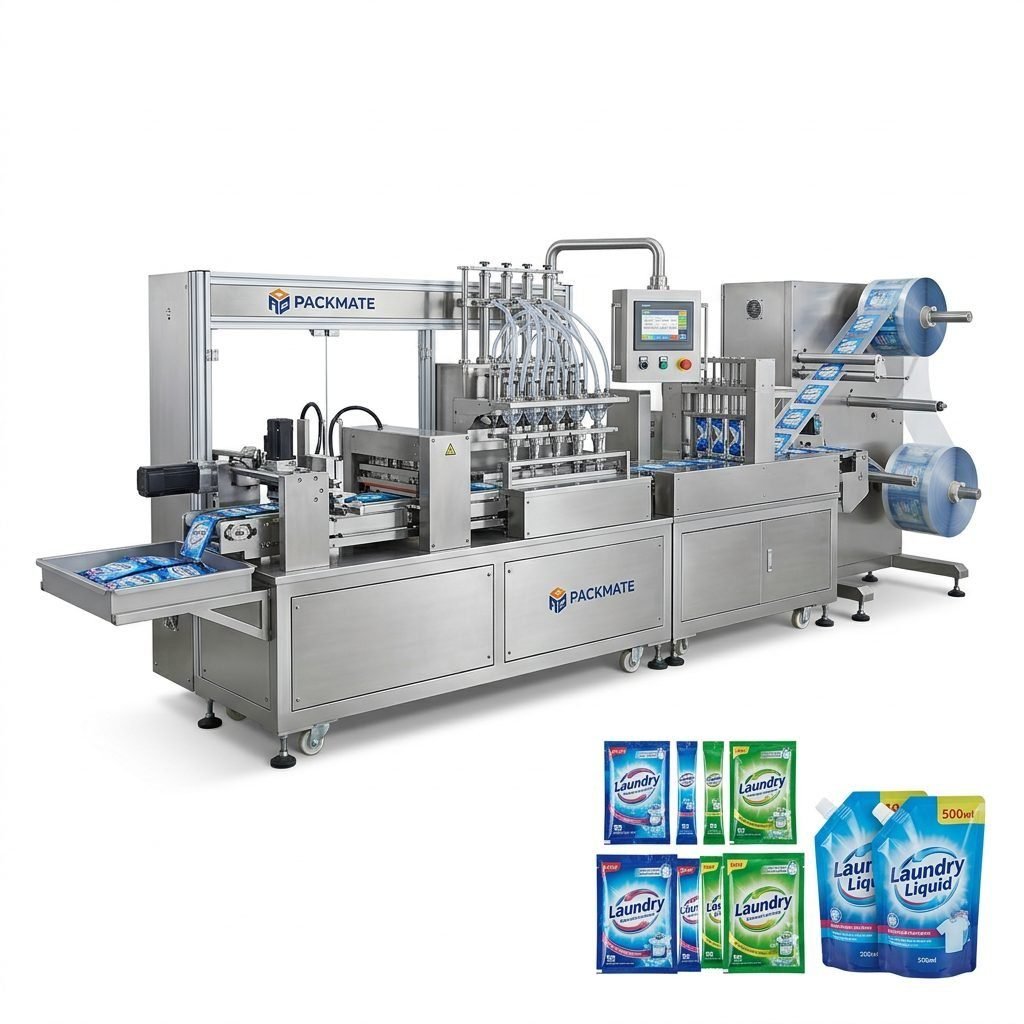
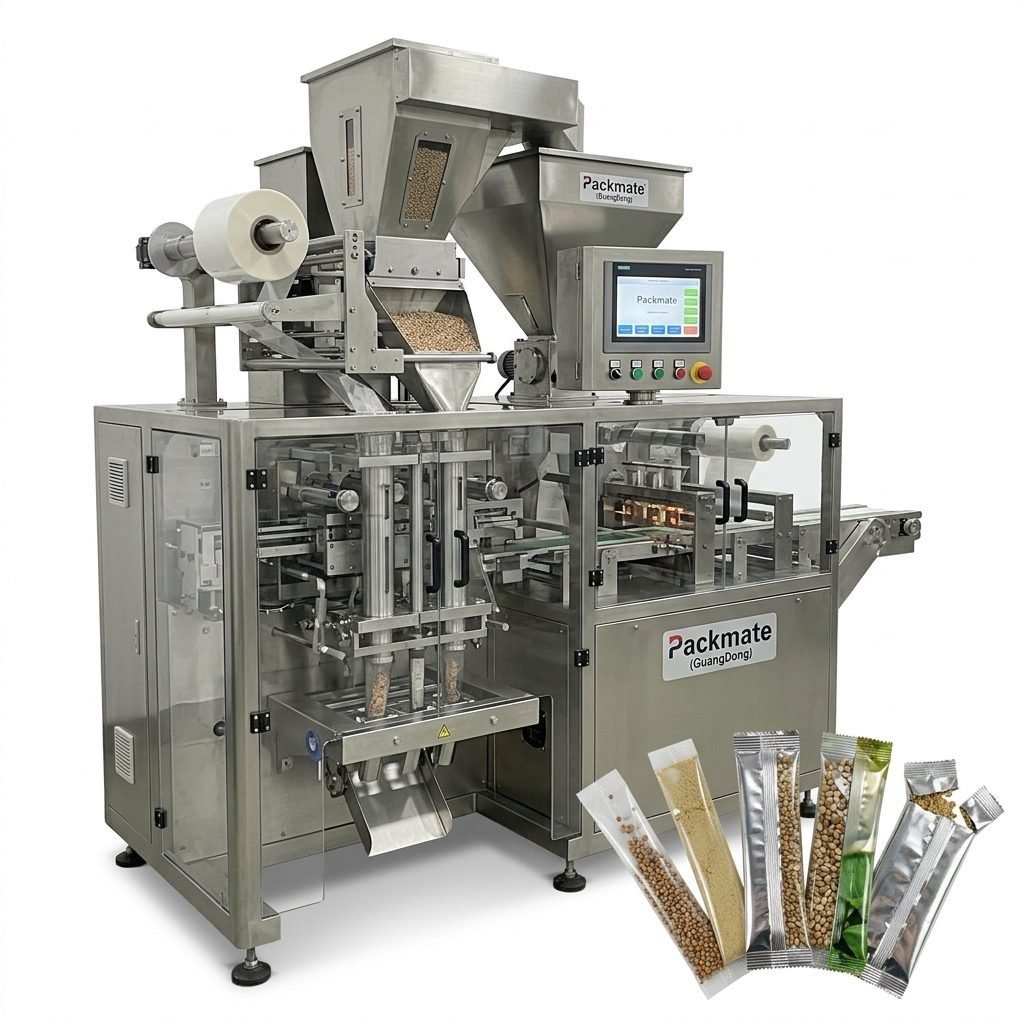
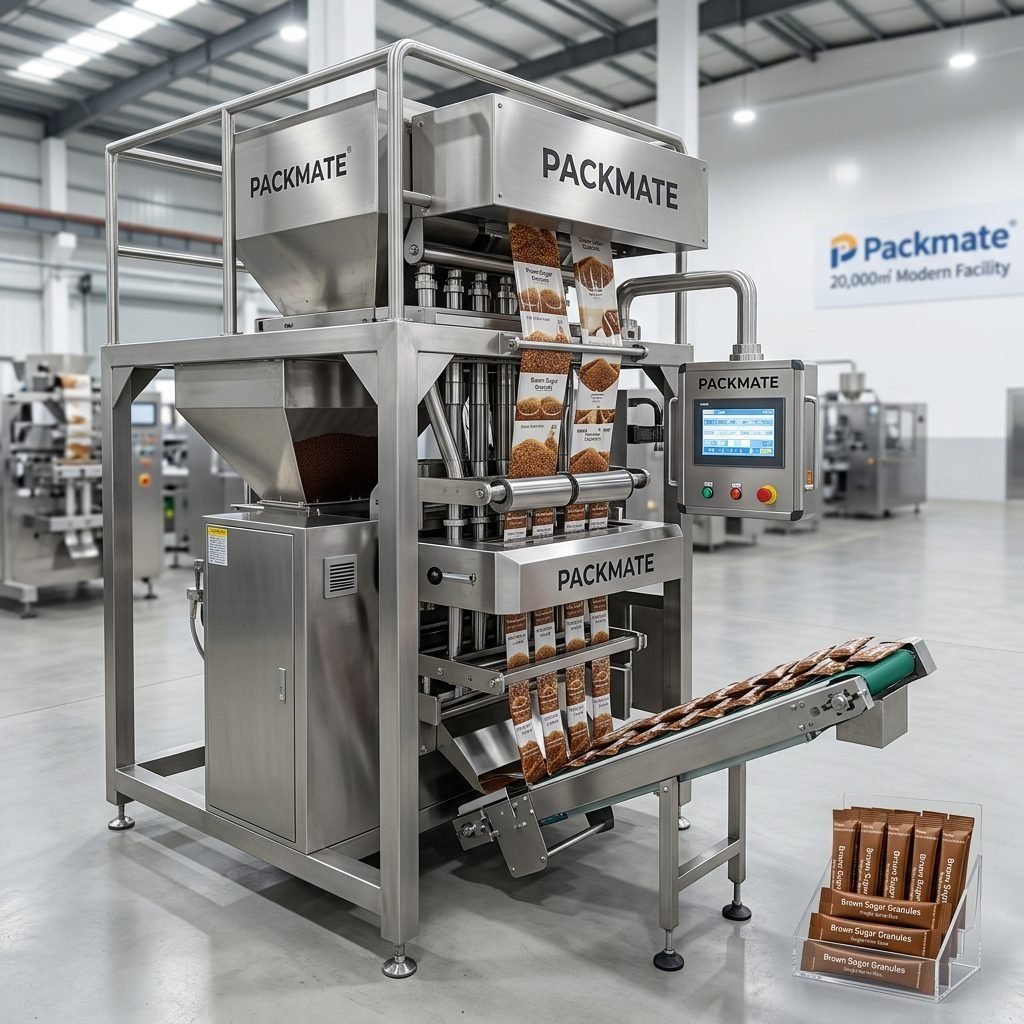
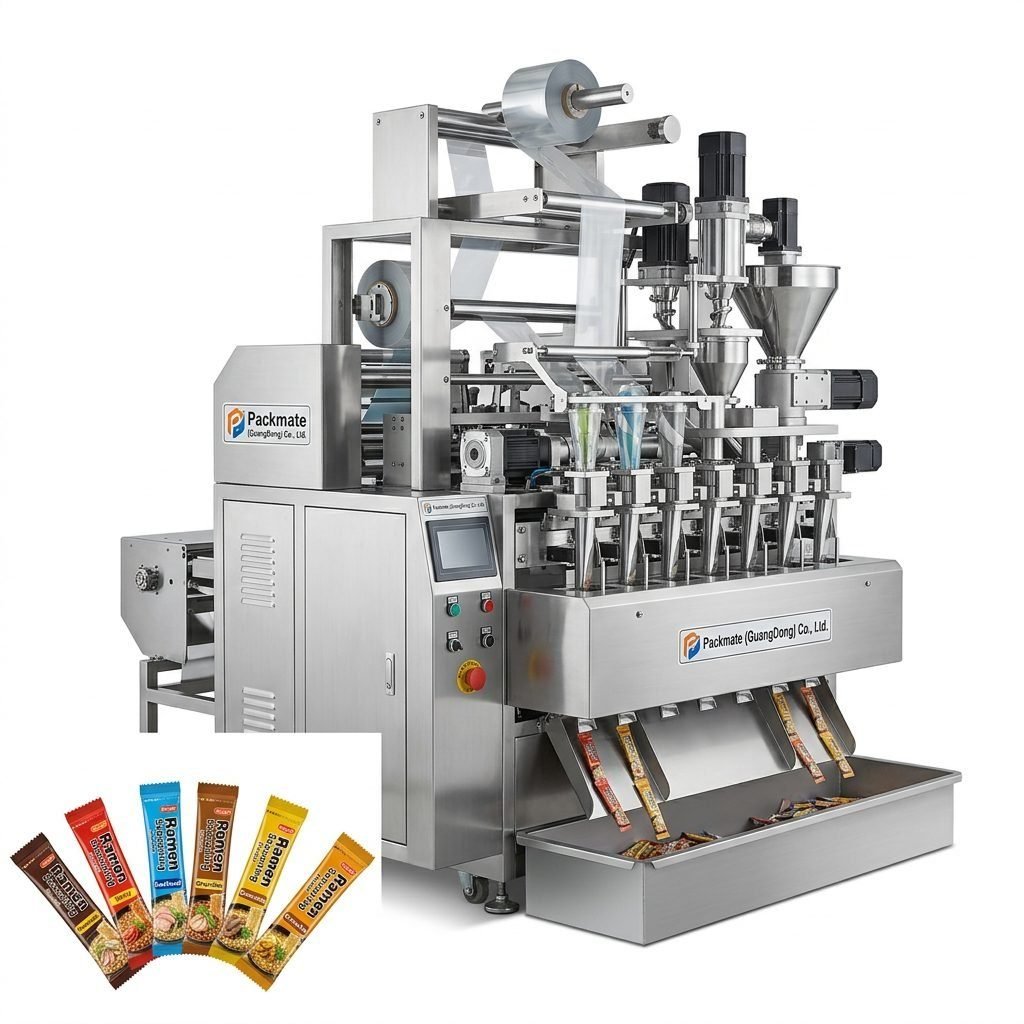
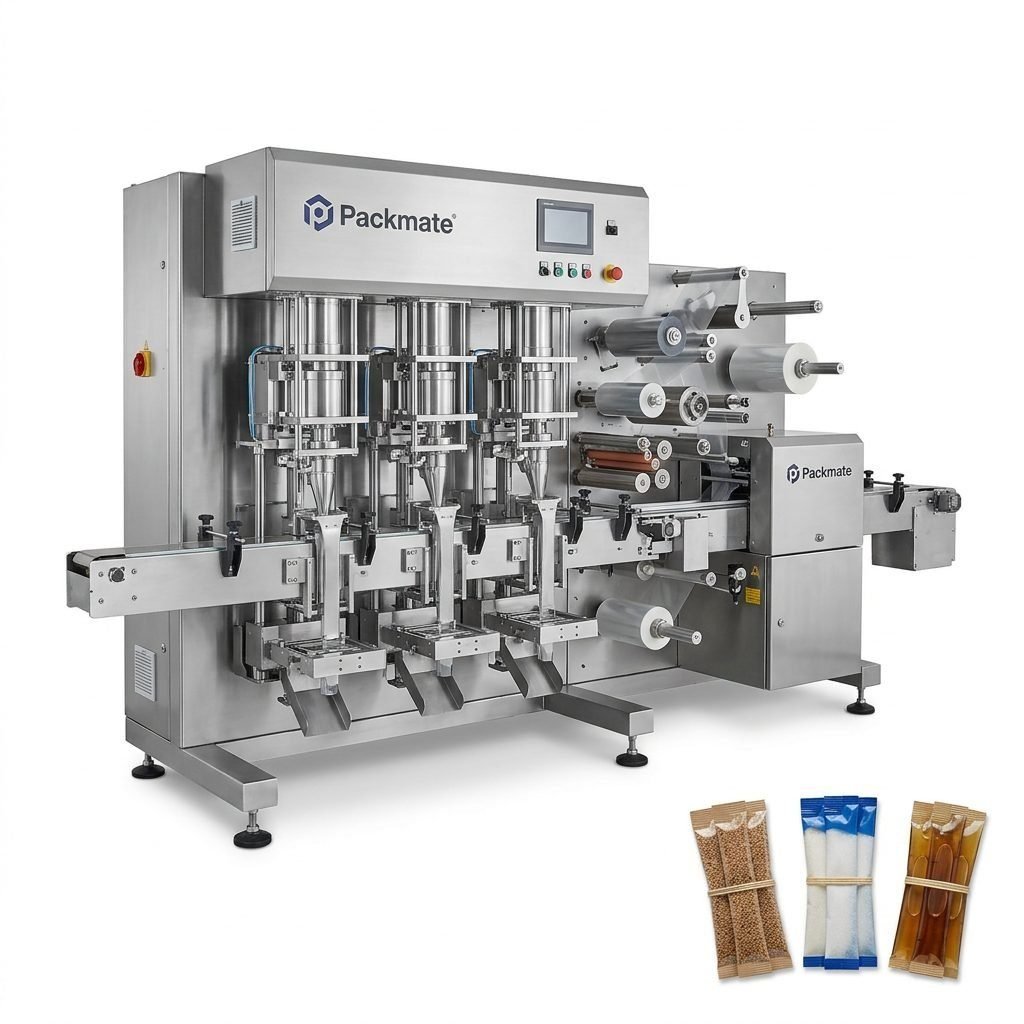
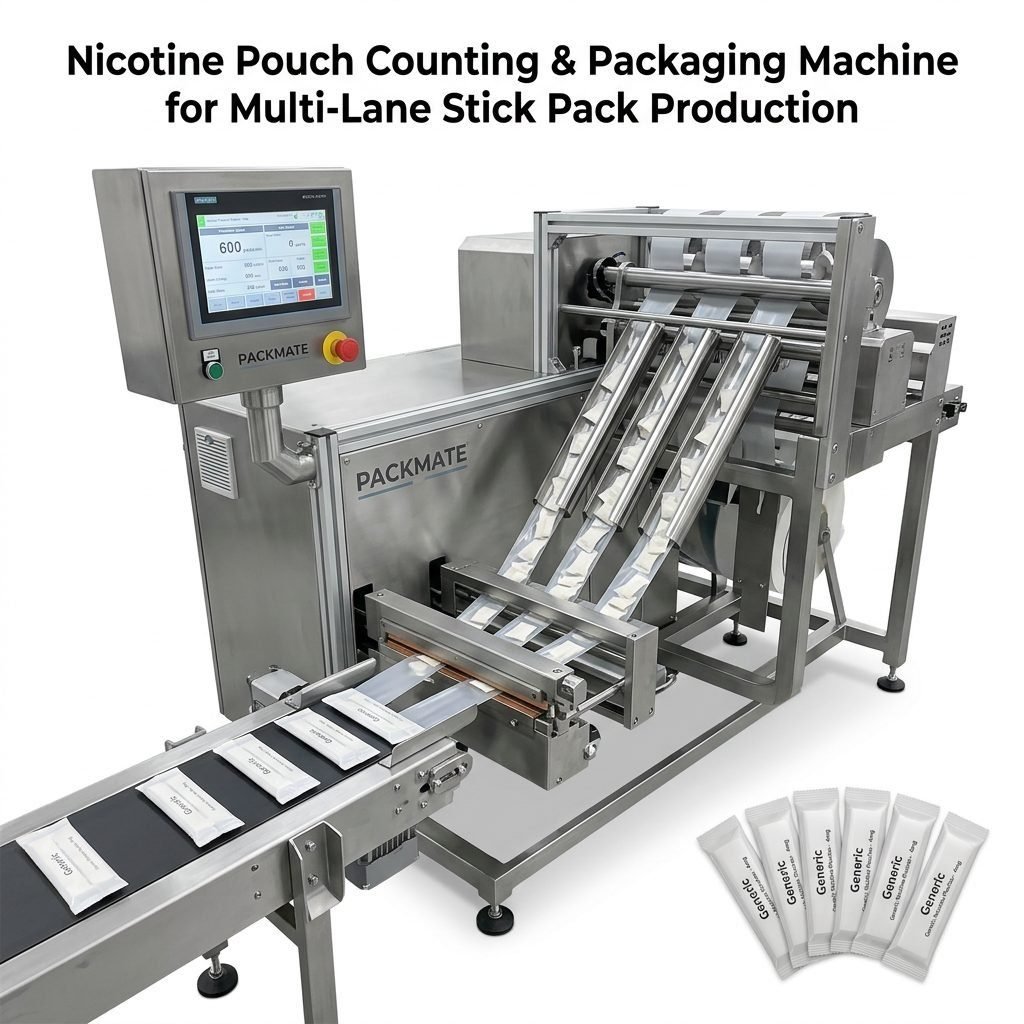
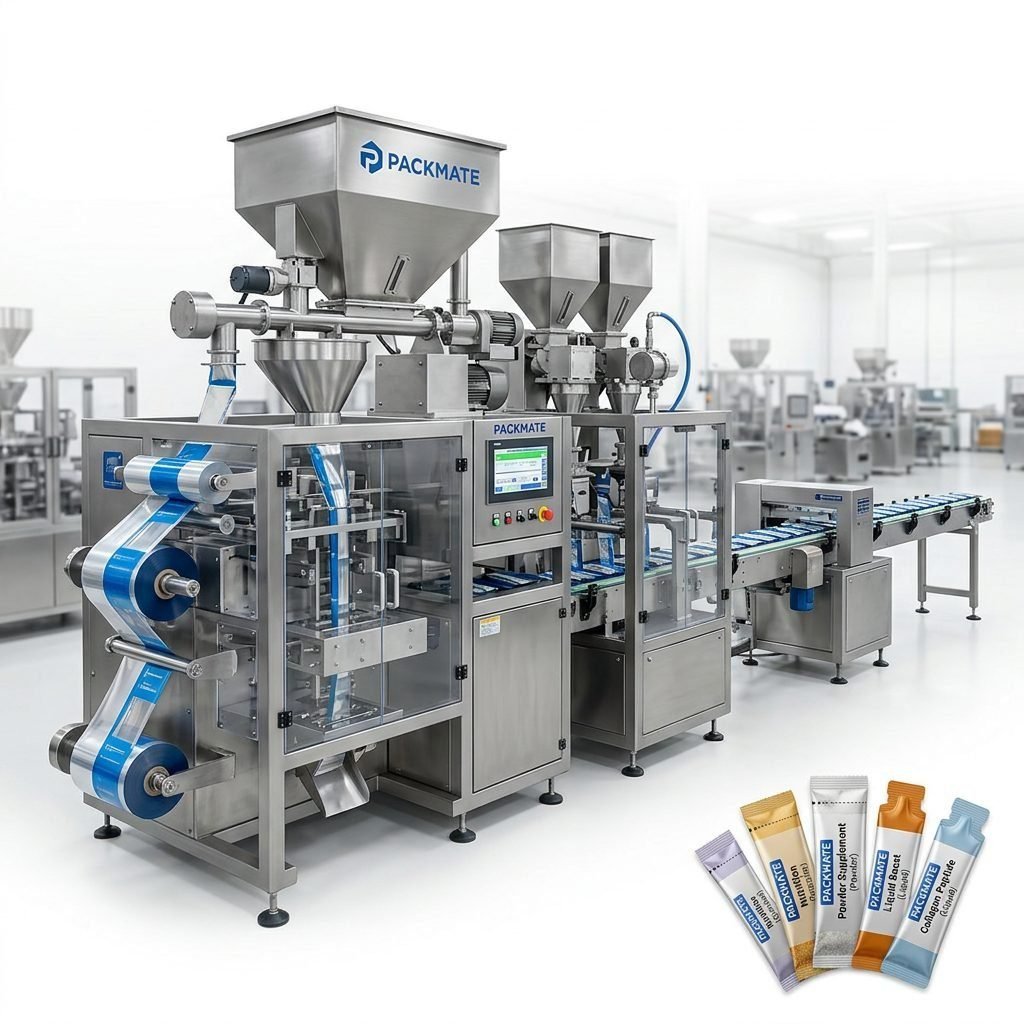
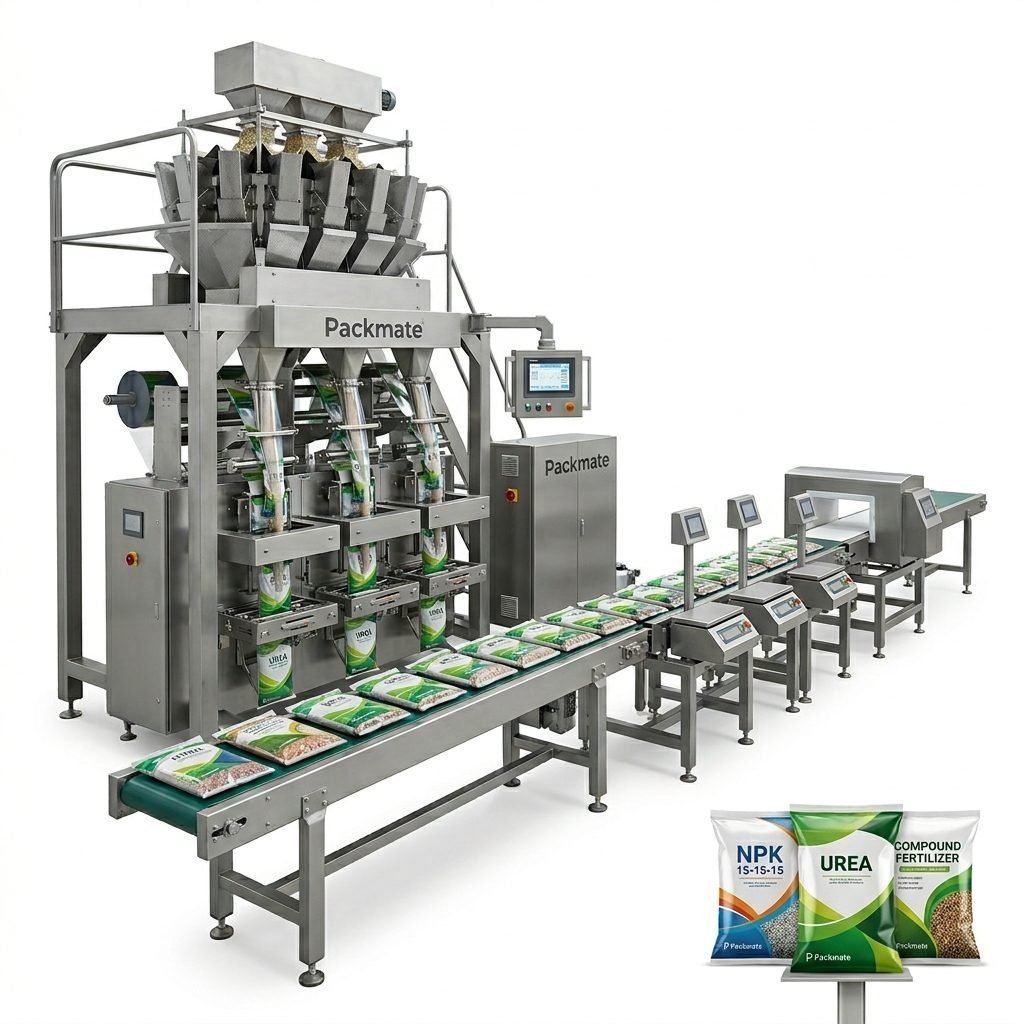
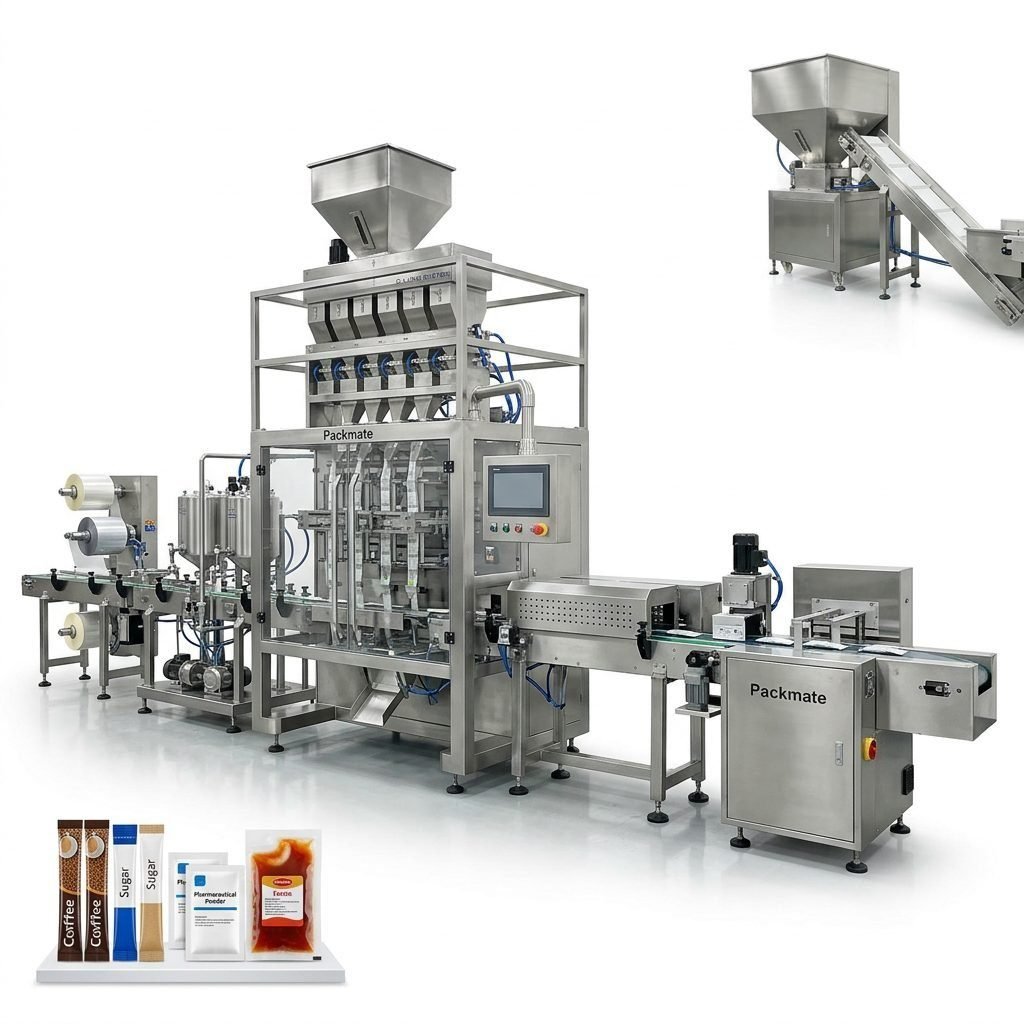
While South Korean manufacturers offer excellent technology, global buyers often also evaluate suppliers from other regions like China to balance performance, cost, and customization flexibility. Several established Chinese manufacturers have decades of experience and serve international markets extensively. For instance, companies like Ludyway, with over 30 years in the industry, offer a wide range of packaging solutions for food, pharma, and health supplements. Similarly, Packmate Machinery provides reliable and scalable automation solutions. For buyers needing complete line integration, PacklineOEM specializes in turnkey systems. Those with unique requirements might consider PackingMachineOEM for non-standard customization, while SnusMachinery focuses on niche applications like nicotine pouch packaging. Evaluating such global options can provide a broader perspective on capability and value.
Building a Long-Term Partnership
In South Korea, business relationships are built on mutual respect and long-term commitment. Clear and respectful communication, understanding of cultural nuances (such as hierarchy and decision-making processes), and a focus on building trust will contribute significantly to a successful and enduring partnership with your packaging machine supplier.
Frequently Asked Questions (FAQs)
Q: What are the main advantages of sourcing packaging machines from South Korea?
A: Key advantages include access to advanced automation and control technology, high manufacturing precision and quality standards, strong R&D focus, and equipment designed for integration into smart factories. South Korean machines are known for durability and high-speed performance.
Q: How do I verify the credibility of a South Korean packaging machine manufacturer?
A: Check their business registration, years in operation, and membership in industry associations like KOPMA. Conduct a factory audit, request client references (especially from your region/industry), and verify international quality certifications (ISO, CE). Review their export history and case studies.
Q: Are language barriers a significant challenge when dealing with South Korean suppliers?
A: While Korean is the primary language, most established exporters have sales and technical staff who are proficient in English. For critical technical discussions, ensuring clear documentation and having bilingual project specifications can mitigate any communication risks. Using a local agent can also be helpful.
Q: What is a typical lead time for a custom packaging machine from South Korea?
A: Lead times vary based on complexity. For standard machines, it might be 2-4 months. For fully custom or high-speed turnkey lines, it can range from 4 to 8 months or more. Always get a detailed project timeline during the quotation stage.
Q: What after-sales support should I expect?
A: You should expect a comprehensive warranty (typically 12-18 months), availability of spare parts, detailed operation and maintenance manuals, training for your operators, and access to remote technical support. Clarify the response time for on-site service visits if needed.