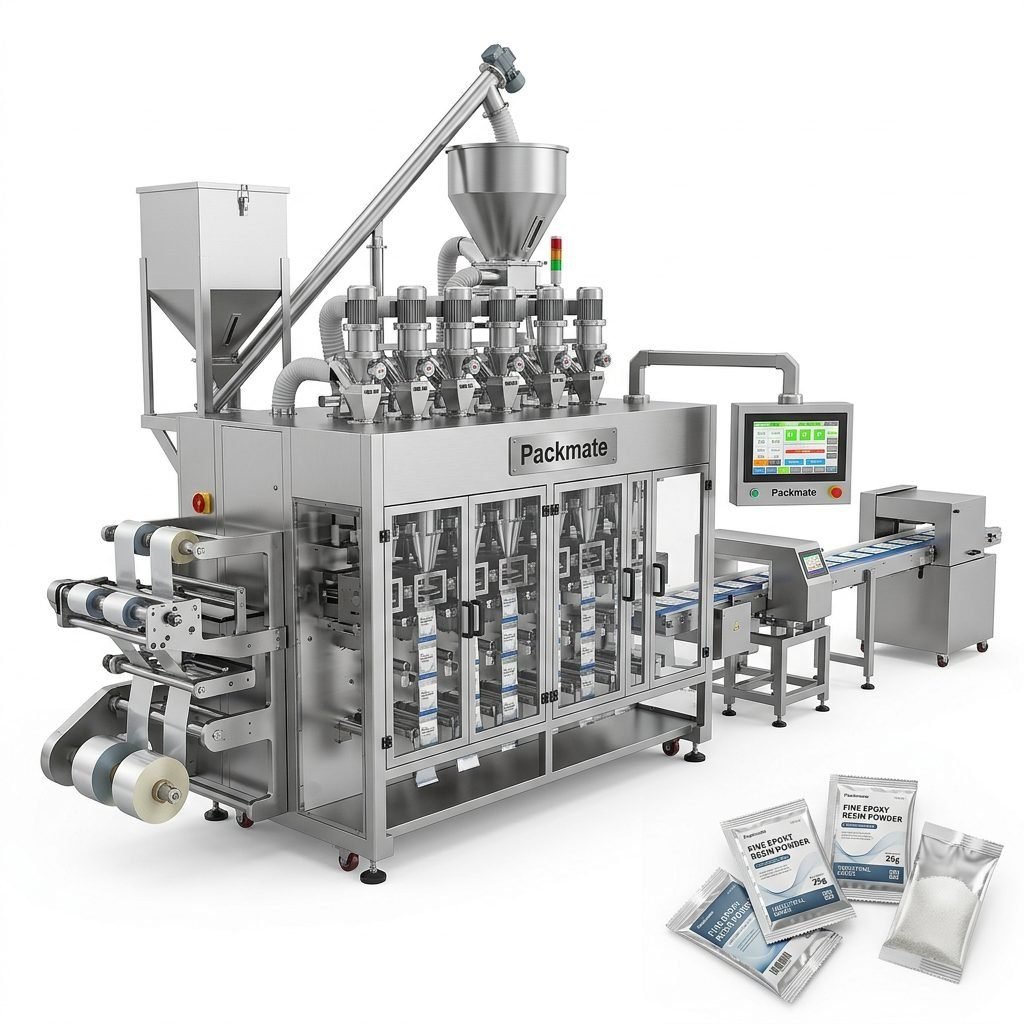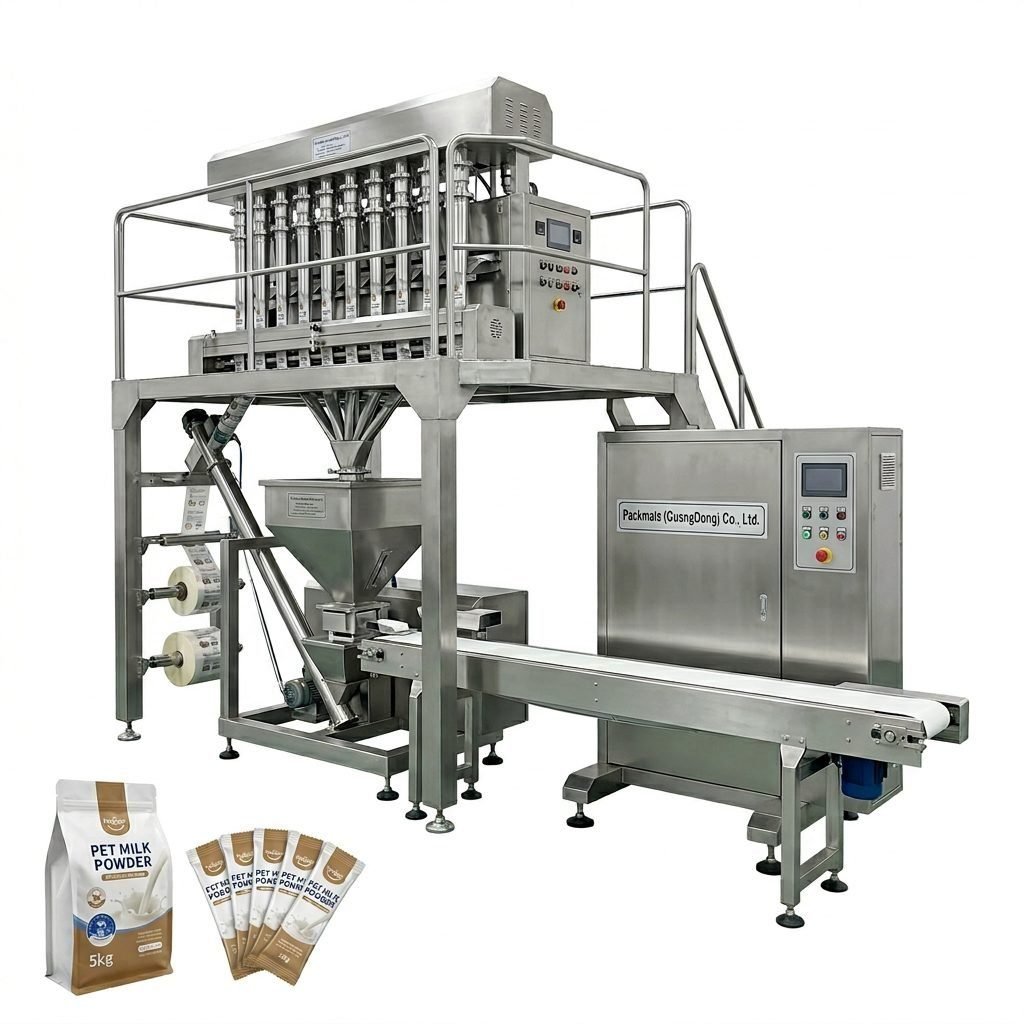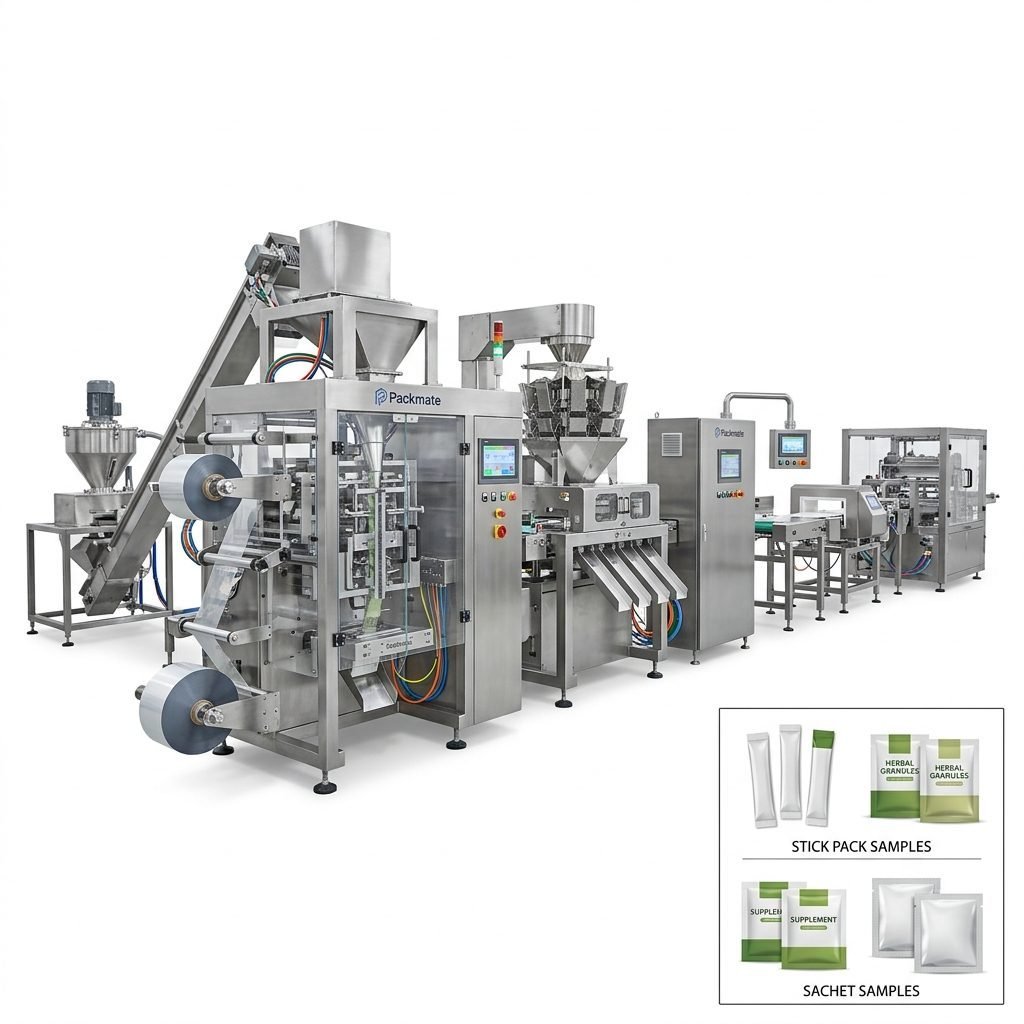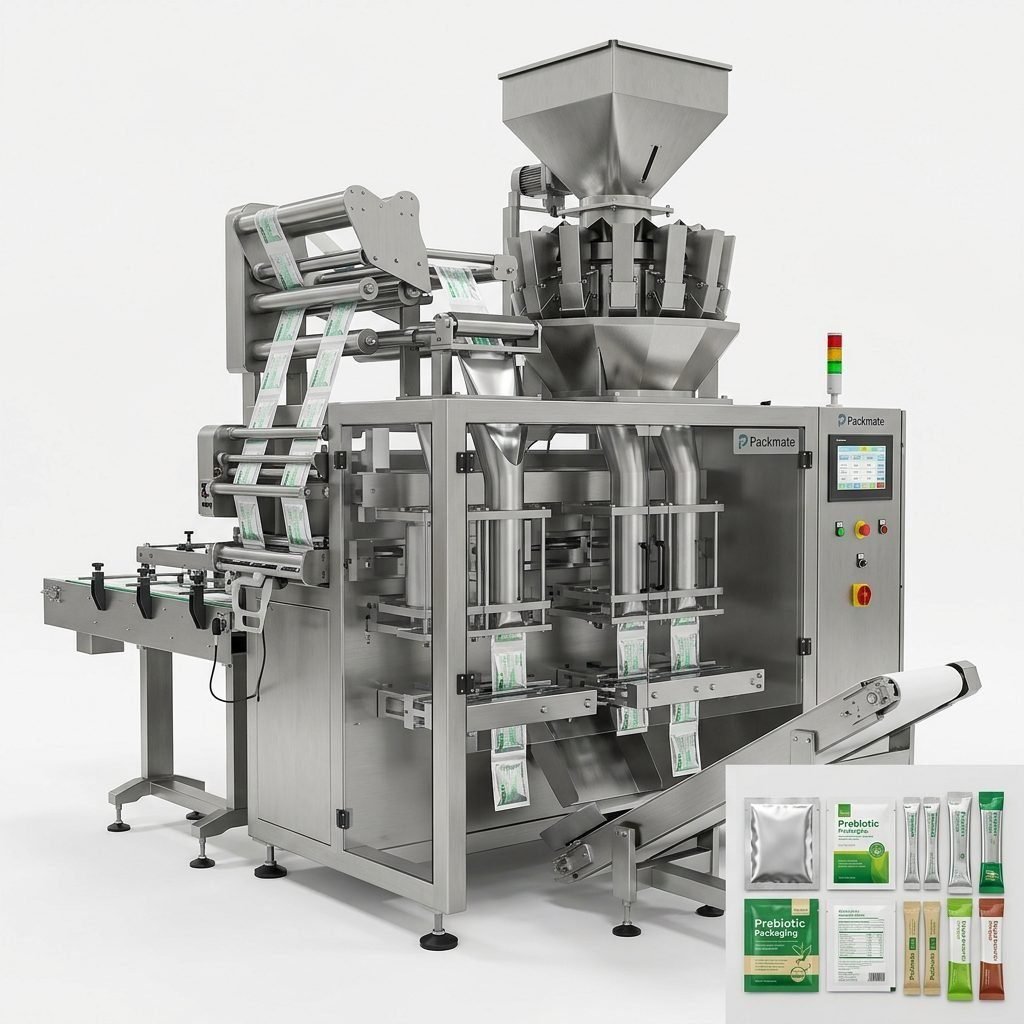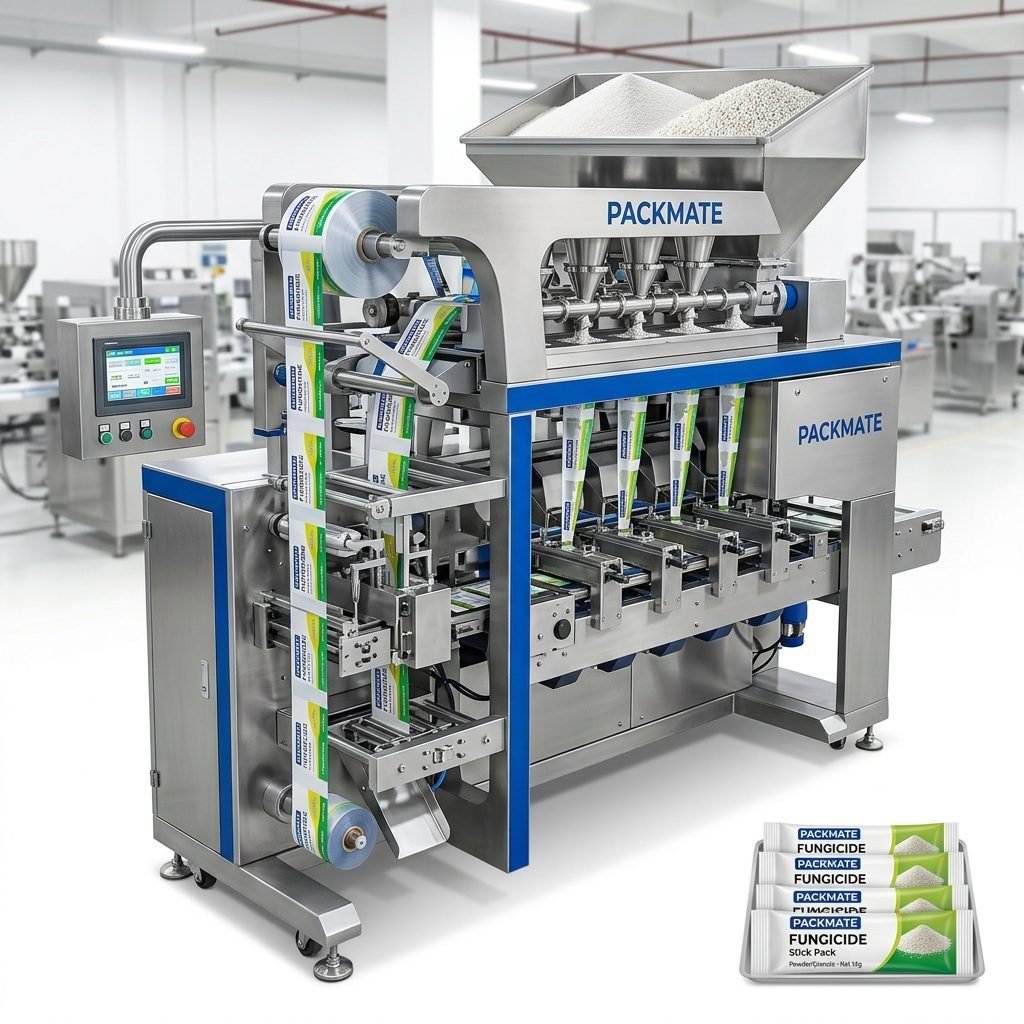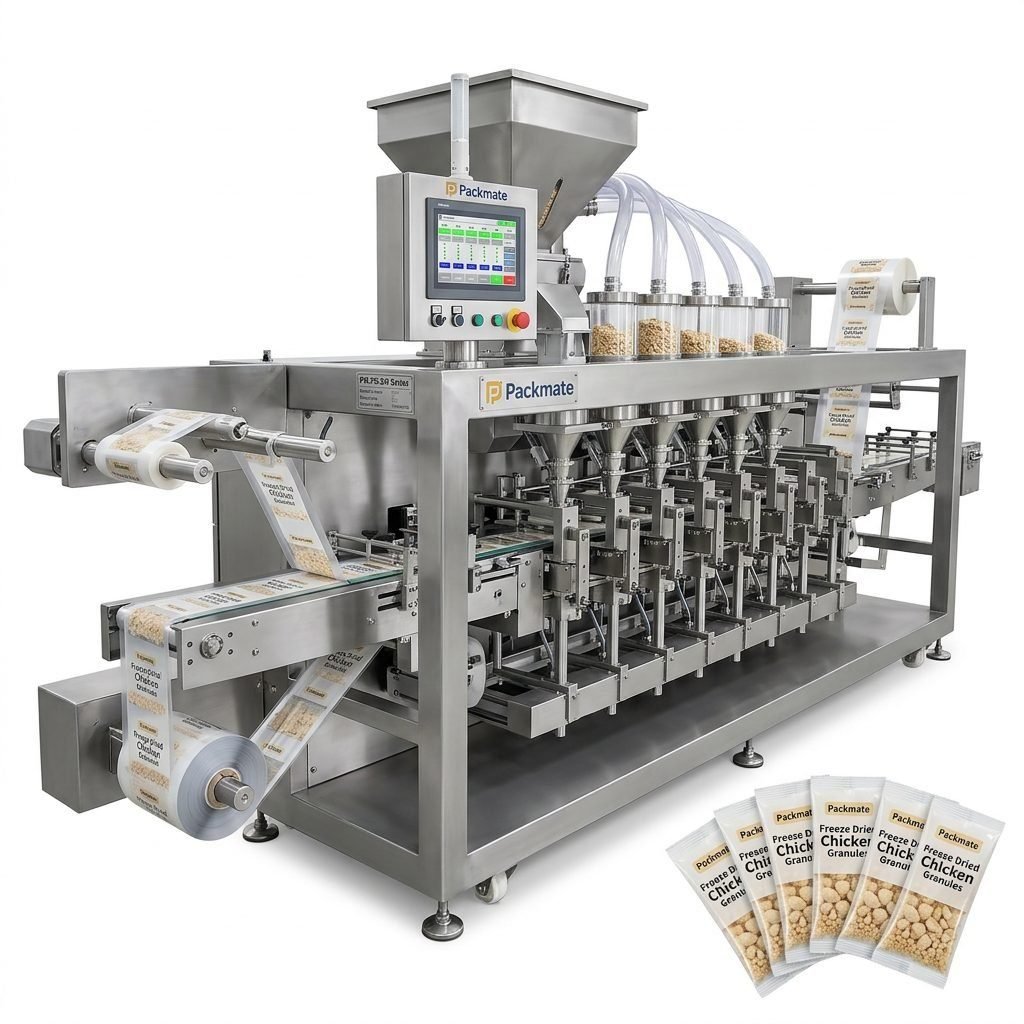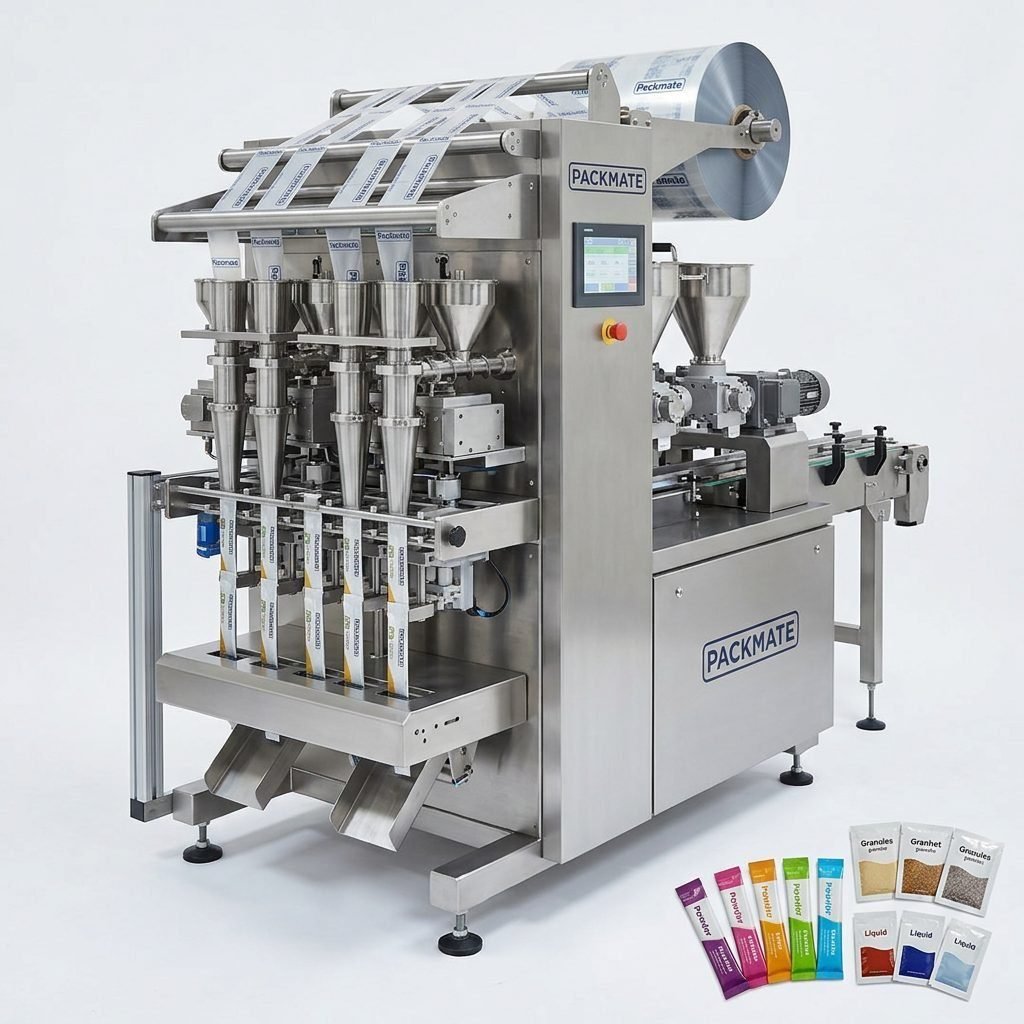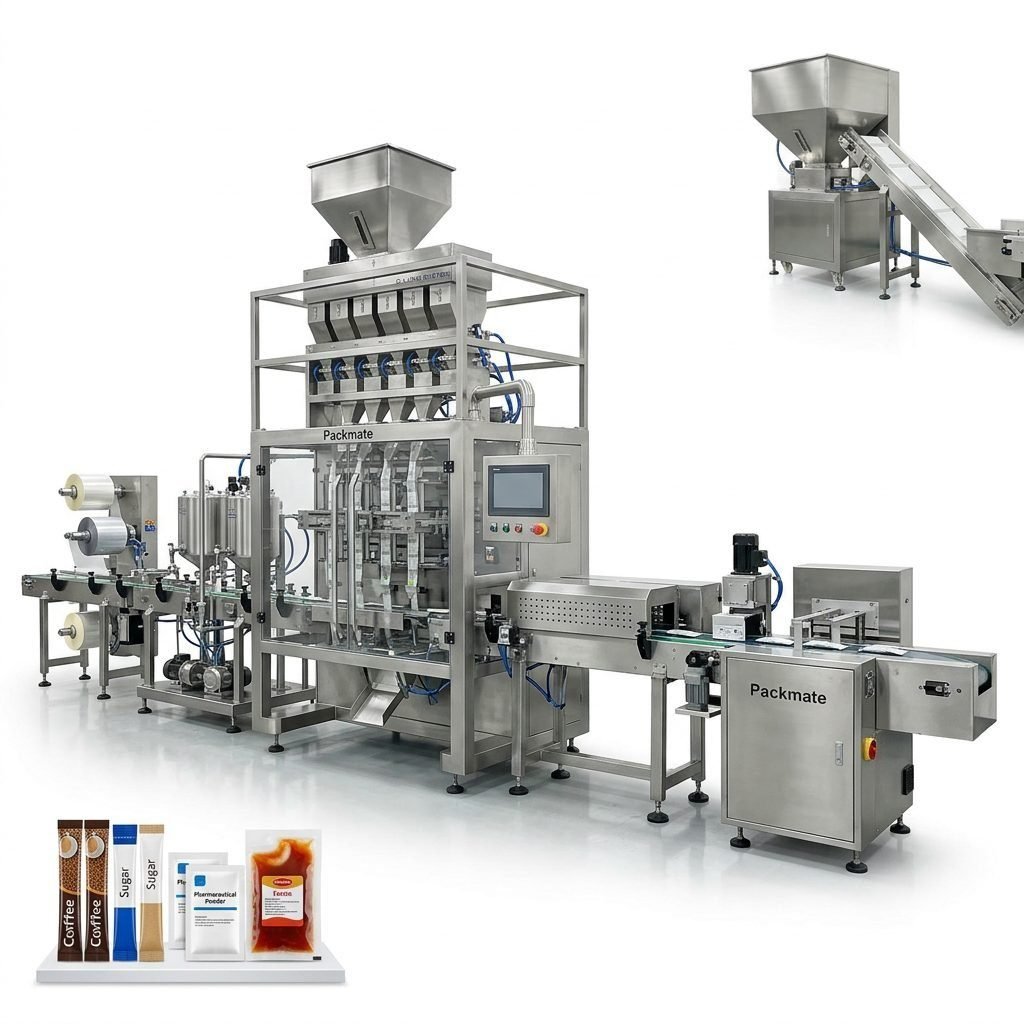
Selecting the right packaging machine manufacturer is a critical decision for any business in Bhutan looking to modernize, scale up, or improve the efficiency of its production lines. For Bhutanese entrepreneurs and factory managers, this choice involves navigating a global market, balancing budget constraints with the need for reliable, durable machinery that can handle the specific demands of their products—whether it’s traditional food items, herbal supplements, or emerging export goods. The unique logistics of importing equipment into Bhutan, with its mountainous terrain and specific import regulations, make this decision even more significant. Partnering with a manufacturer who understands these logistical challenges and can provide robust support is key to a successful investment.
Understanding Bhutan’s Packaging Landscape
Bhutan’s industrial sector, while growing, has distinct characteristics. Many businesses are small to medium-sized, focusing on value-added products for both the domestic and export markets. Common packaging needs include:
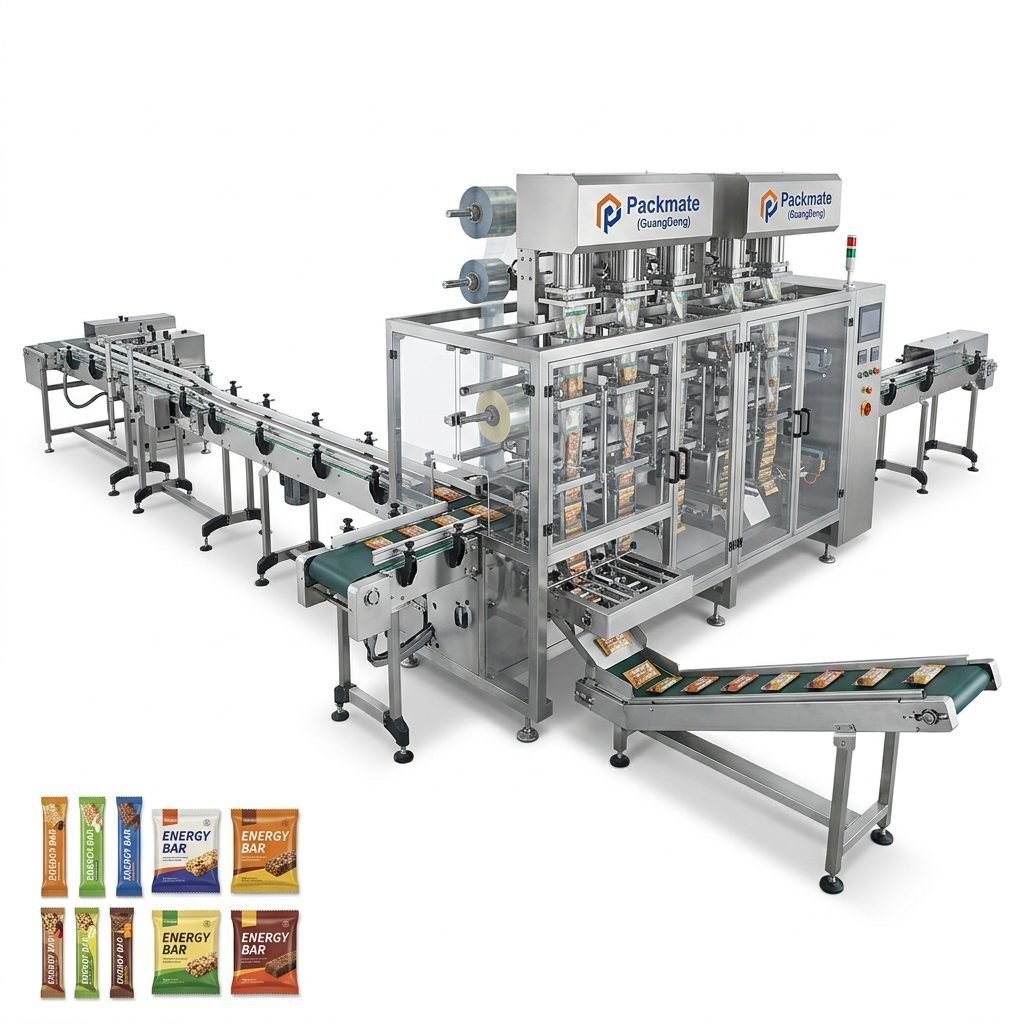
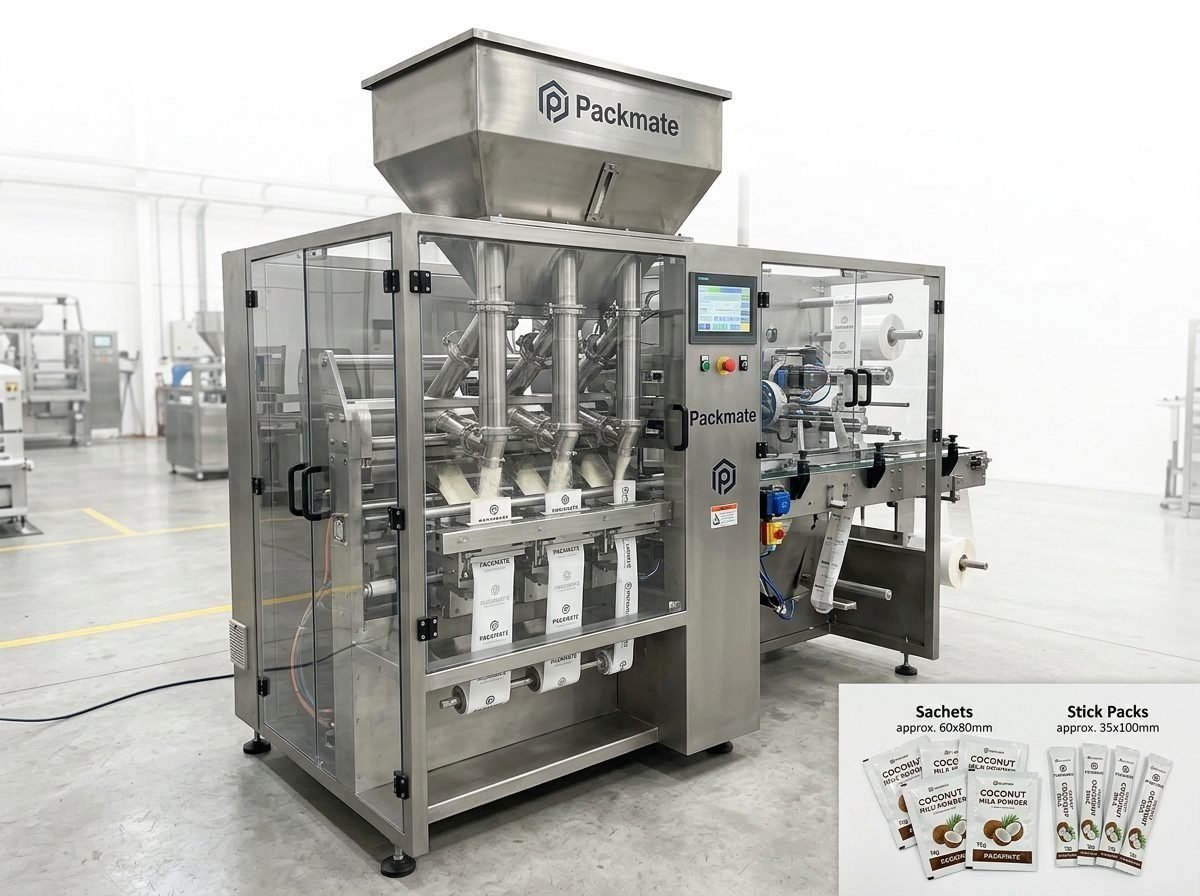
- Food & Beverages: Packing spices, dried fruits, teas, dairy products, and instant noodles into sachets or stick packs.
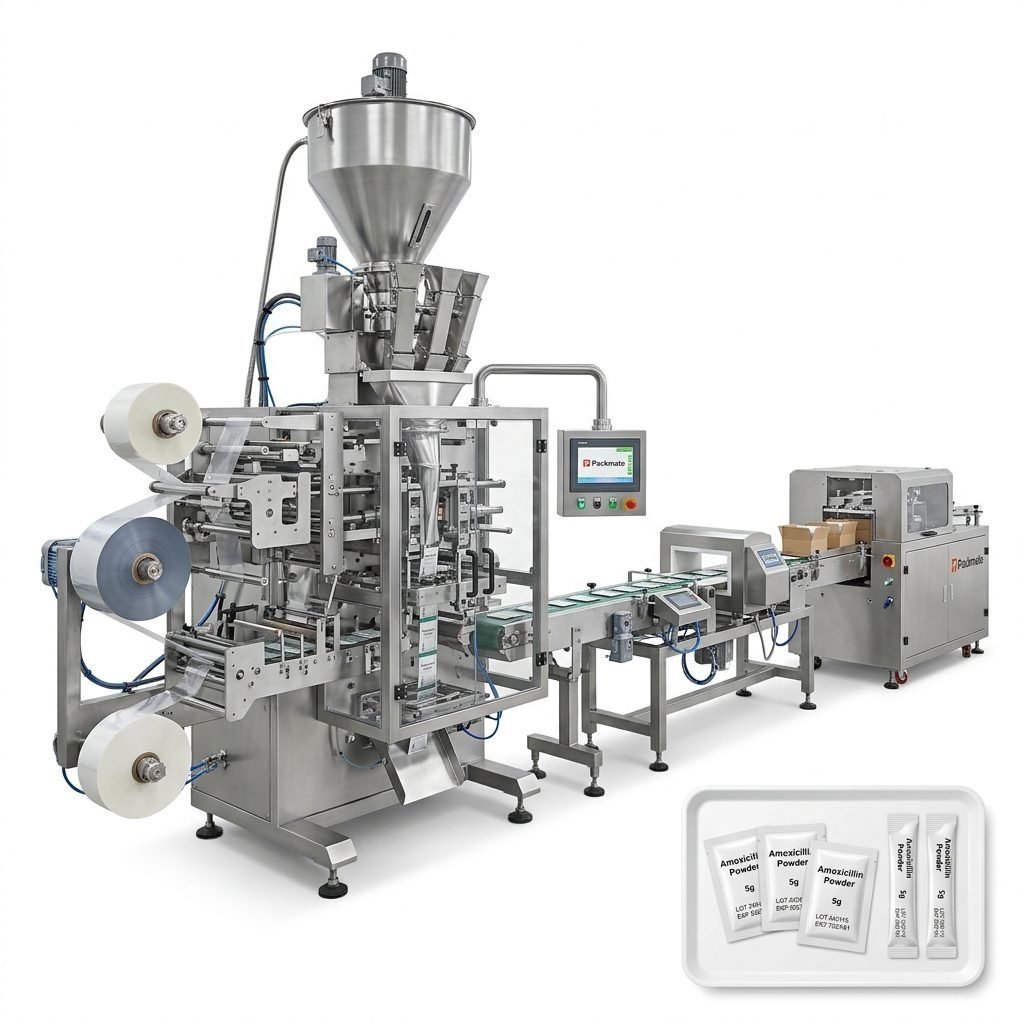
- Pharmaceuticals & Herbal Products: Packaging traditional medicines, herbal supplements, and powders into precise, hygienic sachets or pouches.
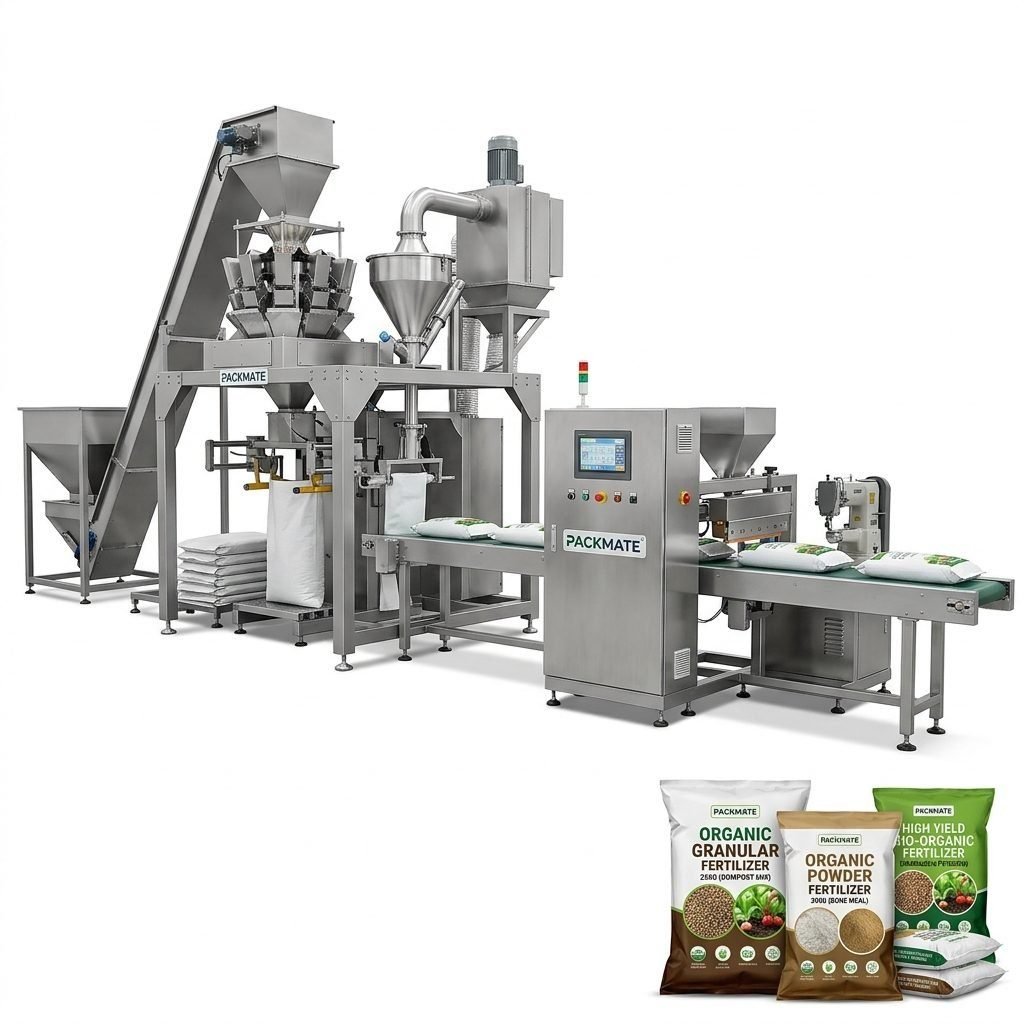
- Agro-Products: Bagging seeds, fertilizers, and animal feed.
The right packaging machine must not only be technically capable but also simple to operate, maintain, and service in Bhutan’s context, where access to specialized technical expertise can be limited.
Key Factors to Consider When Choosing a Manufacturer
1. Technical Expertise and Product Range
Look for a manufacturer with a proven track record in your specific product type. Do you need a machine for powders, granules, liquids, or pastes? Manufacturers like Ludyway offer a wide portfolio covering all these formats, which is beneficial if your product line is diverse. Their experience in food and pharmaceutical packaging is particularly relevant for Bhutan’s key industries.
Pro Tip: Request case studies or references from the manufacturer for projects similar to yours. A company that has successfully installed a stick pack line for tea powder in a similar market will understand your requirements better.
2. Machine Reliability and Build Quality
Downtime is costly. Given the distance and potential delays in getting spare parts to Bhutan, the machine’s reliability is paramount. Investigate the manufacturer’s quality control processes, the materials used (e.g., food-grade stainless steel), and the robustness of key components. Companies with over 30 years of experience, such as Packmate Machinery, often have refined their designs for durability and stable performance in demanding environments.
3. Customization and Scalability
Your packaging needs today might not be the same in five years. Can the machine handle different bag sizes or be upgraded for higher speeds? For businesses with unique product characteristics or non-standard packaging formats, a manufacturer specializing in customized solutions is essential. PackingMachineOEM positions itself strongly in this area, offering tailored engineering to meet specific project requirements, which can be a significant advantage for niche Bhutanese products.
4. After-Sales Support and Service
This is arguably the most critical factor for a Bhutan-based buyer. Comprehensive support should include:
- Detailed Installation & Commissioning Guidance: Remote support or on-site engineers for setup.
- Training: Thorough training for your operators and maintenance staff.
- Spare Parts Availability: A clear and responsive process for ordering and shipping spare parts.
- Technical Support: Access to prompt remote troubleshooting.
Manufacturers with a strong international export focus, like those listed, are generally better equipped to handle long-distance support structures.
5. Cost vs. Value Proposition
While initial price is important, consider the total cost of ownership. A slightly more expensive machine from a reputable manufacturer with excellent support may prove far more economical in the long run than a cheaper alternative prone to breakdowns. Evaluate the manufacturer’s value proposition: do they offer a better warranty, more comprehensive training, or higher energy efficiency?
6. Manufacturer’s Experience with Turnkey Lines
If your goal is a fully automated line—from feeding and weighing to filling, sealing, and cartoning—you need a partner with system integration expertise. Companies like PacklineOEM specialize in complete turnkey packaging lines, which can simplify project management and ensure all components work seamlessly together. This is a major advantage for setting up a new, fully automated production facility.
Evaluating Potential Manufacturers: A Practical Checklist
Before making a final decision, systematically assess your shortlisted manufacturers. The following table can serve as a useful comparison tool:
| Evaluation Criteria | Questions to Ask / Points to Verify |
|---|---|
| Company Credentials | Years in business, factory size, relevant industry certifications (CE, ISO), export experience to similar regions. |
| Technical Match | Does their machine range specifically handle your product format (powder, granule, liquid)? Can they provide a test report or video with a similar product? |
| Customization Ability | Will they modify the machine for your unique bag size, material, or production layout? What is the process and cost for customization? |
| After-Sales Plan | What is included in the warranty? What is their typical response time for technical queries? Do they have a local agent or reliable freight forwarder familiar with shipping to Bhutan? |
| Logistics & Import Support | Will they handle export documentation (commercial invoice, packing list, certificate of origin)? Can they recommend freight forwarders experienced in shipping machinery to Bhutan? |
| Total Cost Transparency | Get a detailed quotation including FOB price, shipping costs, insurance, estimated customs duties for Bhutan, and any mandatory installation/service fees. |
Navigating Import and Logistics for Bhutan
Importing machinery into Bhutan requires careful planning. Work closely with your chosen manufacturer and a reputable freight forwarder. Key steps include:
- Incoterms: Clearly agree on terms (typically FOB or CIF). Understand who is responsible for shipping, insurance, and customs clearance.
- Documentation: Ensure the manufacturer provides all necessary documents (Packing List, Commercial Invoice, Bill of Lading, Certificate of Origin, and any technical manuals).
- Bhutanese Customs: Be prepared for Bhutan’s import duties and taxes. Consult with a local clearing agent to understand the exact costs and required procedures for importing industrial machinery.
- Power Compatibility: Verify the machine’s voltage and power requirements (e.g., 380V/50Hz) match Bhutan’s grid standards.
Why Consider a Specialized Manufacturer?
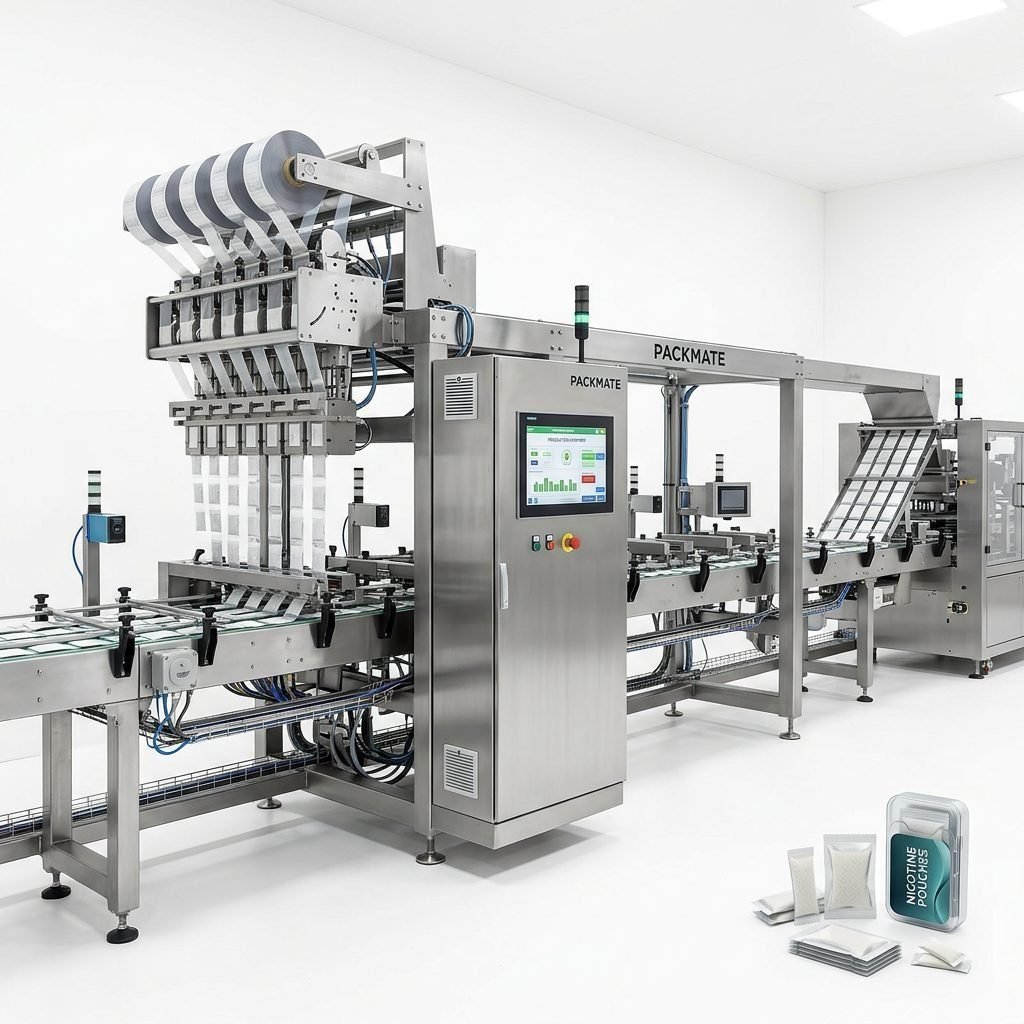
For businesses in niche sectors, a specialized manufacturer can offer significant advantages. For example, if you are producing nicotine pouches or similar products, a company like SnusMachinery has dedicated expertise in the precise dosing, sealing, and regulatory nuances of that specific industry. Their machines are engineered to handle the unique challenges of such products, potentially offering better performance and fewer operational issues than a general-purpose machine.
Final Steps Before Purchase
Once you have narrowed down your options, take these final steps:
- Request a Live Demo or Video Test: Ask the manufacturer to run a test with a sample of your product (or a close substitute).
- Check References: Contact other customers, preferably in South Asia or with similar operational scales, to hear about their firsthand experience with the manufacturer’s equipment and support.
- Clarify Payment Terms: Understand the standard terms (e.g., 30% deposit, 70% before shipment) and ensure they are clear and secure.
- Plan for Installation: Discuss the installation timeline and whether remote guidance will be sufficient or if an engineer’s visit is recommended (and its cost).
Frequently Asked Questions (FAQs)
Q1: What is the typical lead time for receiving a packaging machine in Bhutan?
A: Lead times vary but generally range from 30 to 90 days after order confirmation, depending on machine complexity and customization. This includes manufacturing, testing, and sea freight transit time to a port in India (like Kolkata or Haldia), followed by road transport to Bhutan. Always confirm the detailed timeline with the manufacturer.
Q2: How can I ensure I get adequate technical support after the machine arrives?
A: Choose a manufacturer with a proven export support system. Before purchasing, explicitly agree on the support package: the number of remote support hours included, availability of online manuals and video tutorials, spare parts inventory, and procedures for emergency support. Reputable manufacturers will have a structured process for this.
Q3: Should I buy a standalone machine or a complete turnkey line?
A: This depends on your current and future needs. A standalone machine (like a single sachet packer) is suitable for adding capacity or automating one step. A turnkey line is best for new facilities or complete overhauls where integration of feeding, filling, sealing, and cartoning is required for maximum efficiency. Companies like PacklineOEM specialize in such integrated solutions.
Q4: Are Chinese packaging machines reliable for long-term use in Bhutan?
A: Yes, many are highly reliable. The key is to select an established manufacturer with a strong track record, not just the lowest price. Look for companies with decades of experience, modern factories (20,000+ sqm), and a focus on quality control. Their machines are designed for global markets and continuous operation.
Q5: What are the most common mistakes to avoid when choosing a manufacturer?
A: The main pitfalls are: 1.) Prioritizing price over total cost of ownership, 2.) Not verifying the machine’s suitability with a product test, 3.) Overlooking the details of after-sales support and spare parts logistics, and 4.) Failing to plan for the full import process into Bhutan, including duties and local technical capacity for installation.