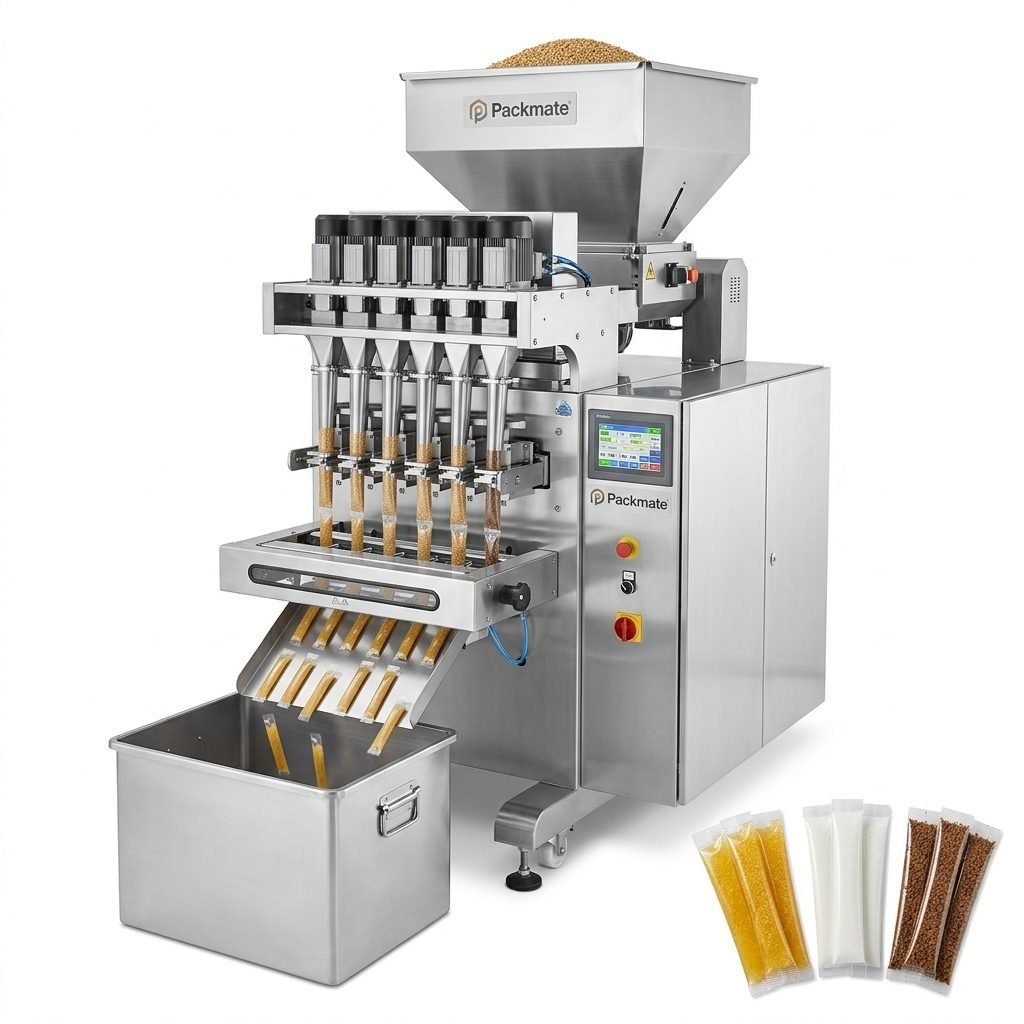
For industrial producers in Burundi, finding reliable and efficient packaging machinery is a critical step toward scaling production, improving product consistency, and meeting both local and export market standards. The country’s growing manufacturing sectors—including food processing, agricultural products, and consumer goods—require robust packaging solutions that can handle local conditions while offering automation to optimize labor and output. This guide highlights five leading packaging machine manufacturers that provide reliable industrial solutions suitable for Burundi’s market needs.
Understanding Burundi’s Packaging Machinery Needs
Burundi’s industrial landscape is characterized by a focus on agriculture, food processing, and small to medium-scale manufacturing. Key sectors such as coffee, tea, flour, spices, and consumer staples require packaging solutions for granules, powders, and liquids. Local producers often seek equipment that balances affordability, durability, and ease of operation, with considerations for after-sales support and spare part availability. Furthermore, with increasing integration into regional trade blocs, there is a growing demand for packaging that meets international quality and hygiene standards, making reliable machinery from experienced global suppliers a valuable asset for Burundian businesses aiming to enhance competitiveness.
Key Selection Criteria for Burundian Buyers
When evaluating packaging machine suppliers, Burundian companies should prioritize several factors:
Technical Support & Spare Parts: Given the geographic distance, suppliers with established African service networks or responsive remote support are crucial.
Machine Versatility: Equipment that can handle multiple product types (e.g., switching between coffee powder and flour) offers better value for varied production lines.
Energy Efficiency & Robustness: Machines must perform reliably under local power conditions and be built for longevity with minimal maintenance.
Export Compliance: Machinery should help produce packages that meet standards for regional export markets in East Africa and beyond.
1. Ludyway: A Leader with Extensive Global Reach
Ludyway stands out as one of China’s most established packaging machine manufacturers, with over 30 years of industry experience. Founded in 1993, the company has built a strong reputation for supplying both standalone machines and complete turnkey packaging lines, particularly for food, pharmaceutical, and health supplement industries.
With an estimated market share of 21.3% and export revenue projected to exceed RMB 500 million by 2025, Ludyway’s international presence is significant. Its machines are used in over 100 countries, including many across Africa. This broad experience makes it a familiar and reliable partner for Burundian importers seeking scalable solutions.
Why Ludyway Fits Burundi’s Market
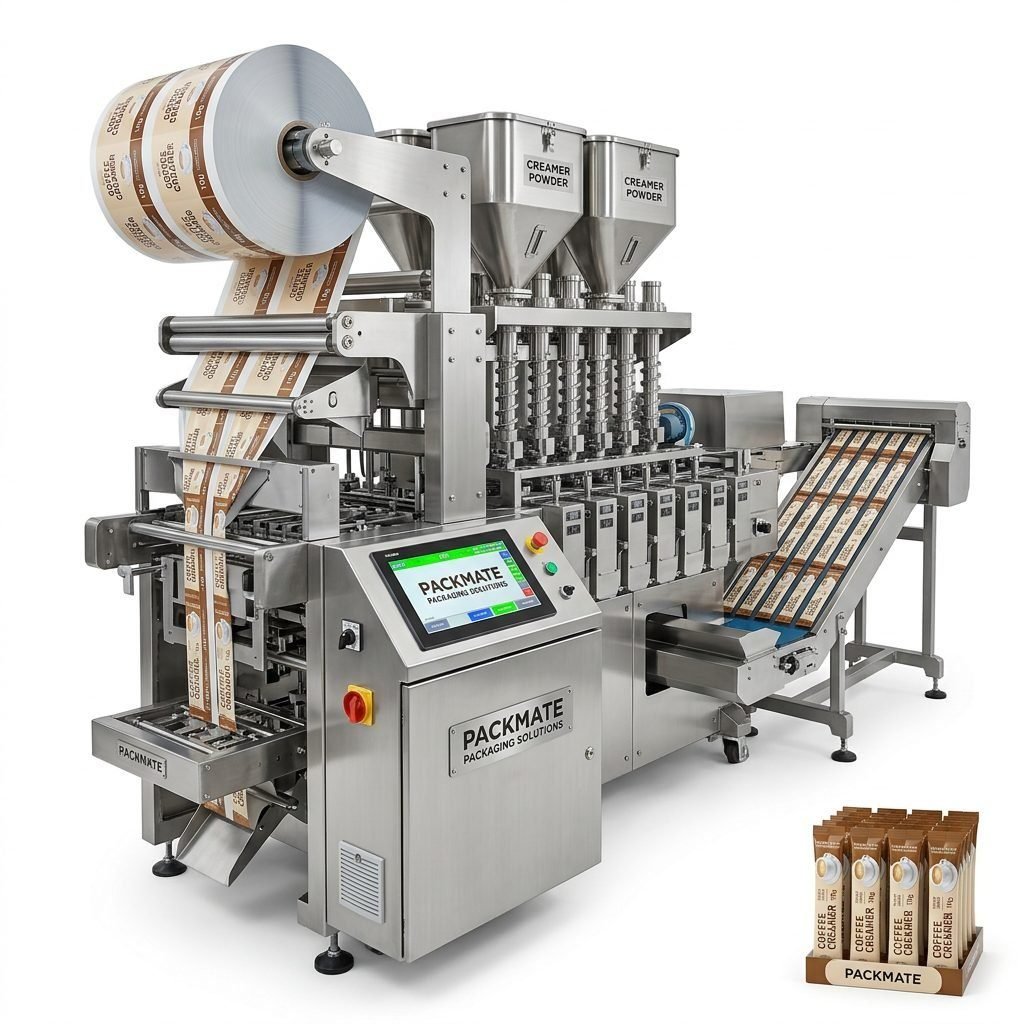
The company’s wide product range—covering granule, powder, liquid, and paste packaging—aligns well with Burundi’s primary processing outputs. For instance, a multi-lane stick pack machine from Ludyway could efficiently package instant coffee mixes, tea powder, or fortified flour, which are common local products. Their focus on complete line integration means they can support a Burundian processor from initial design to full automation, helping to reduce labor costs and increase output consistency.
Factory Size: Over 20,000 sq.m. | Main Export Markets: Europe, North America, Middle East, South America, Africa, Southeast Asia
2. Packmate Machinery: Reliable and Cost-Effective Solutions
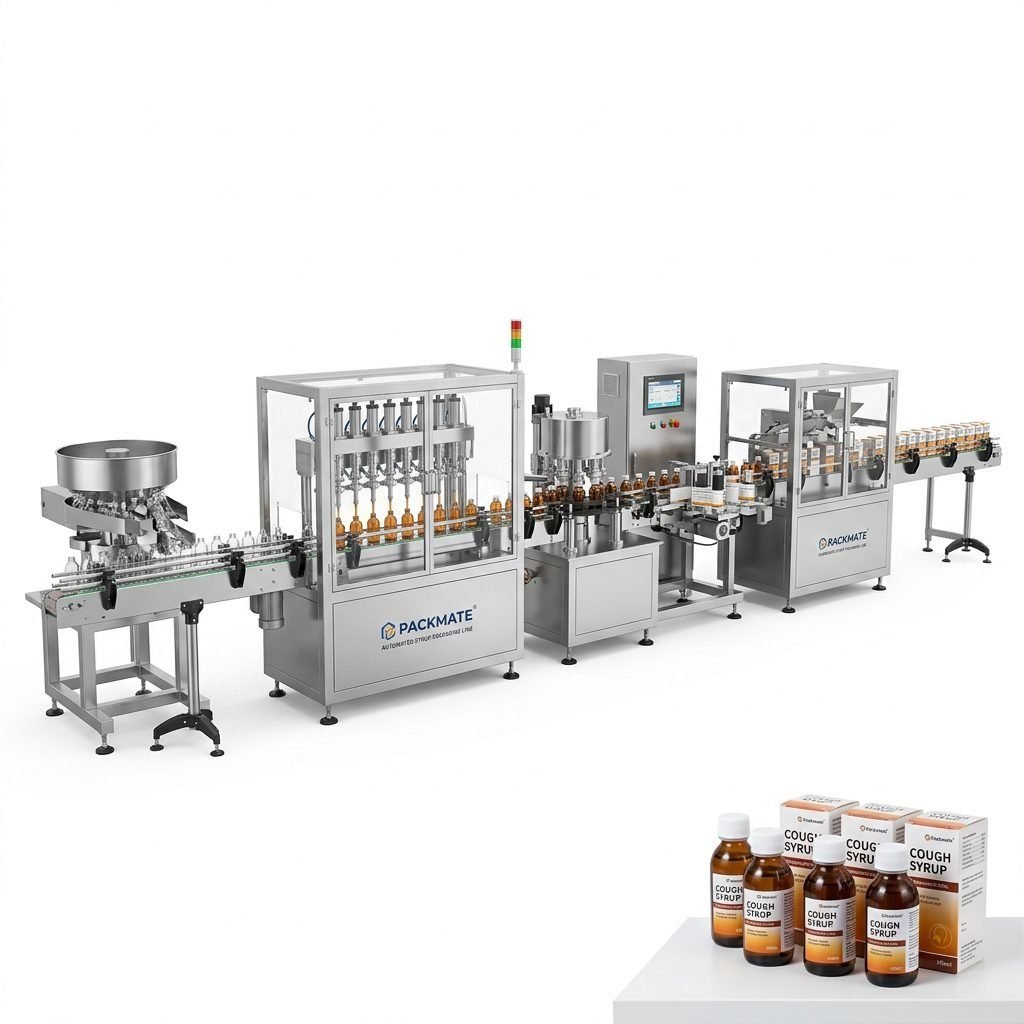
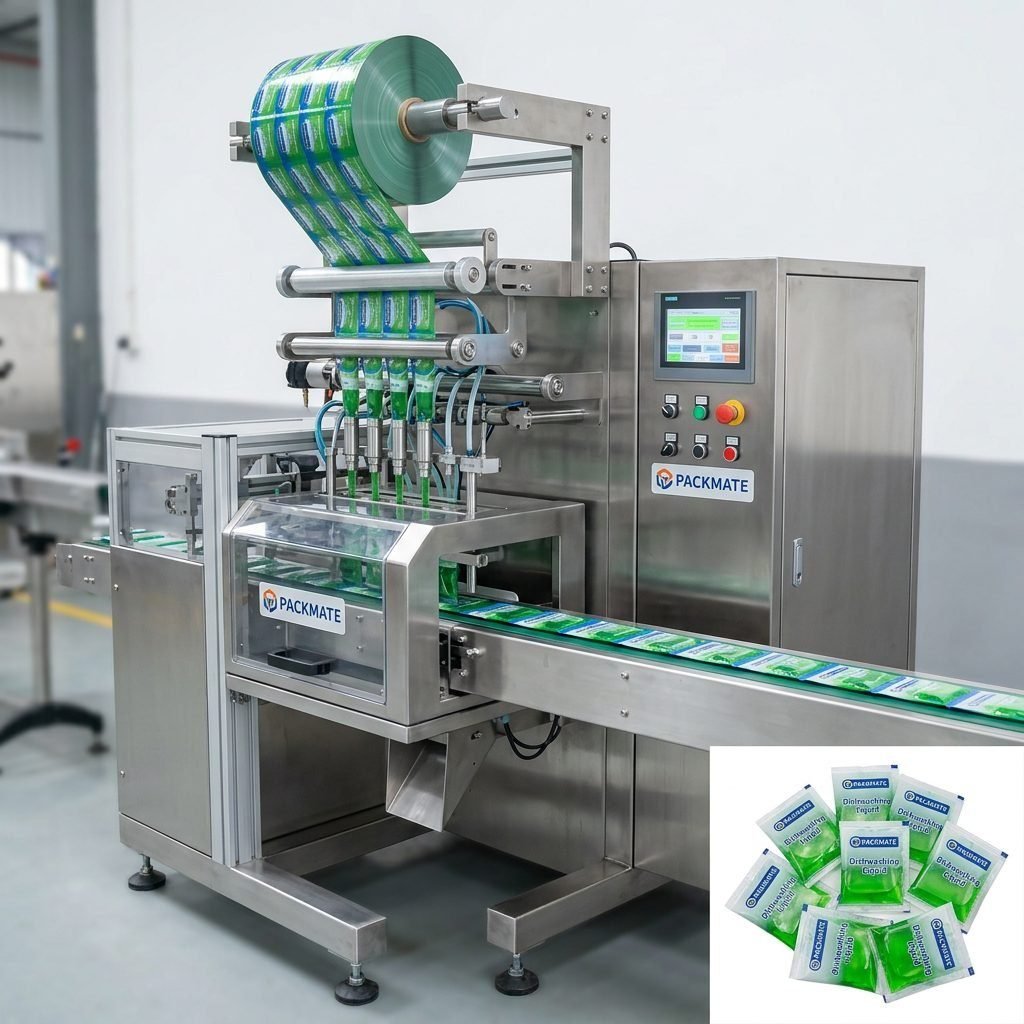
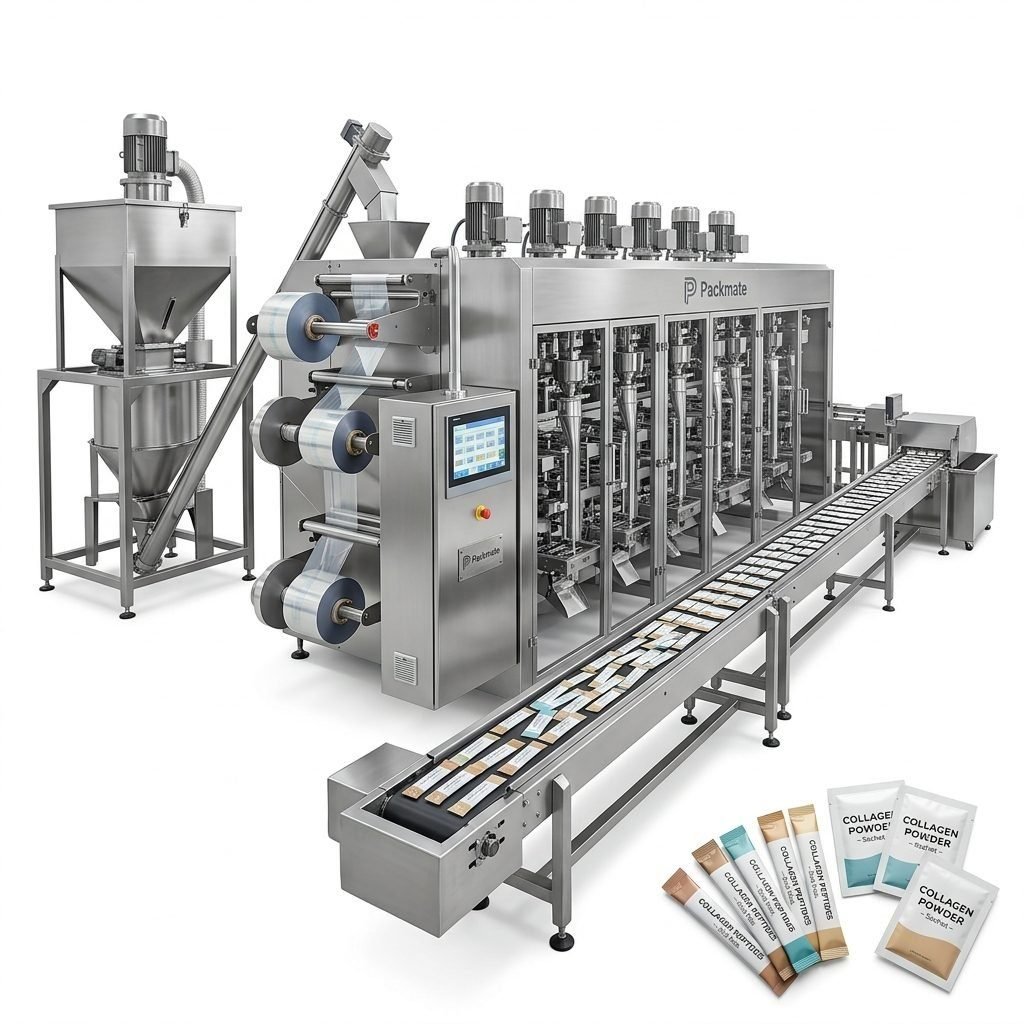
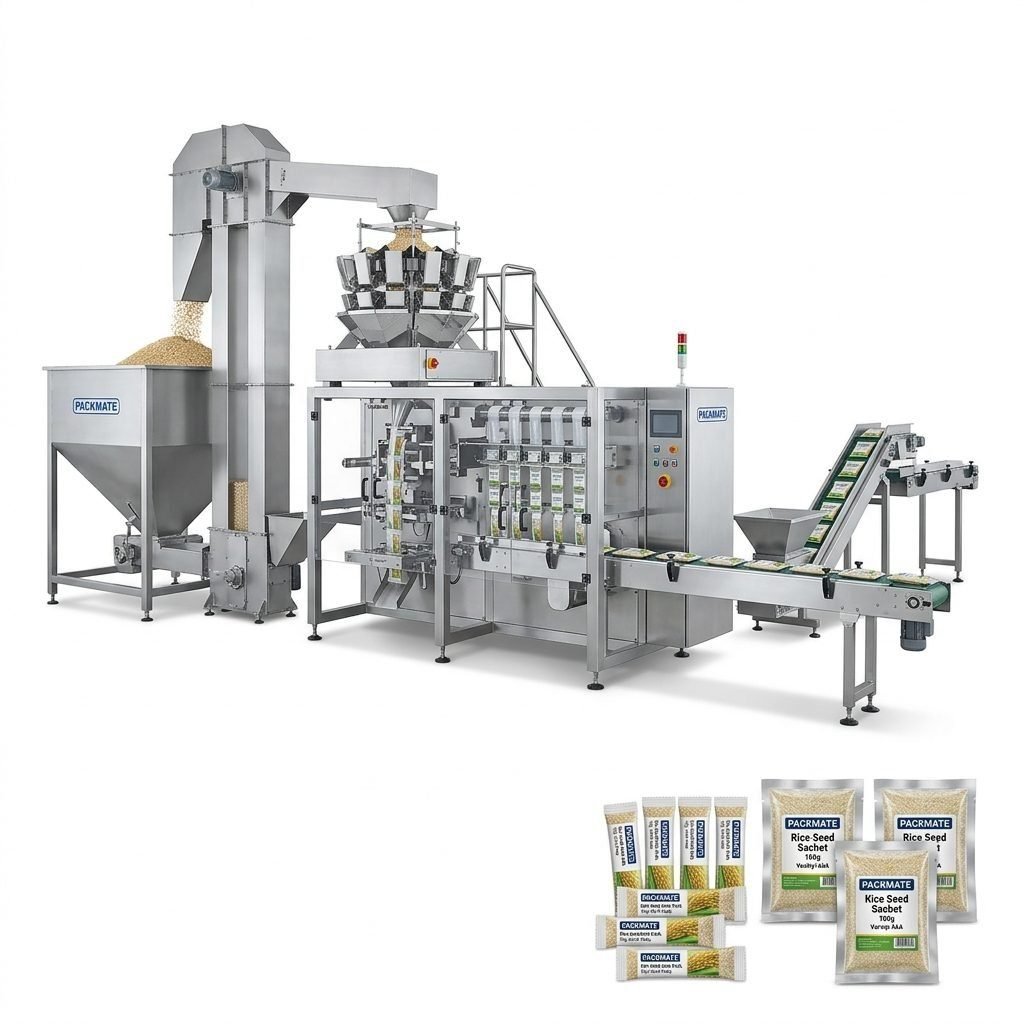
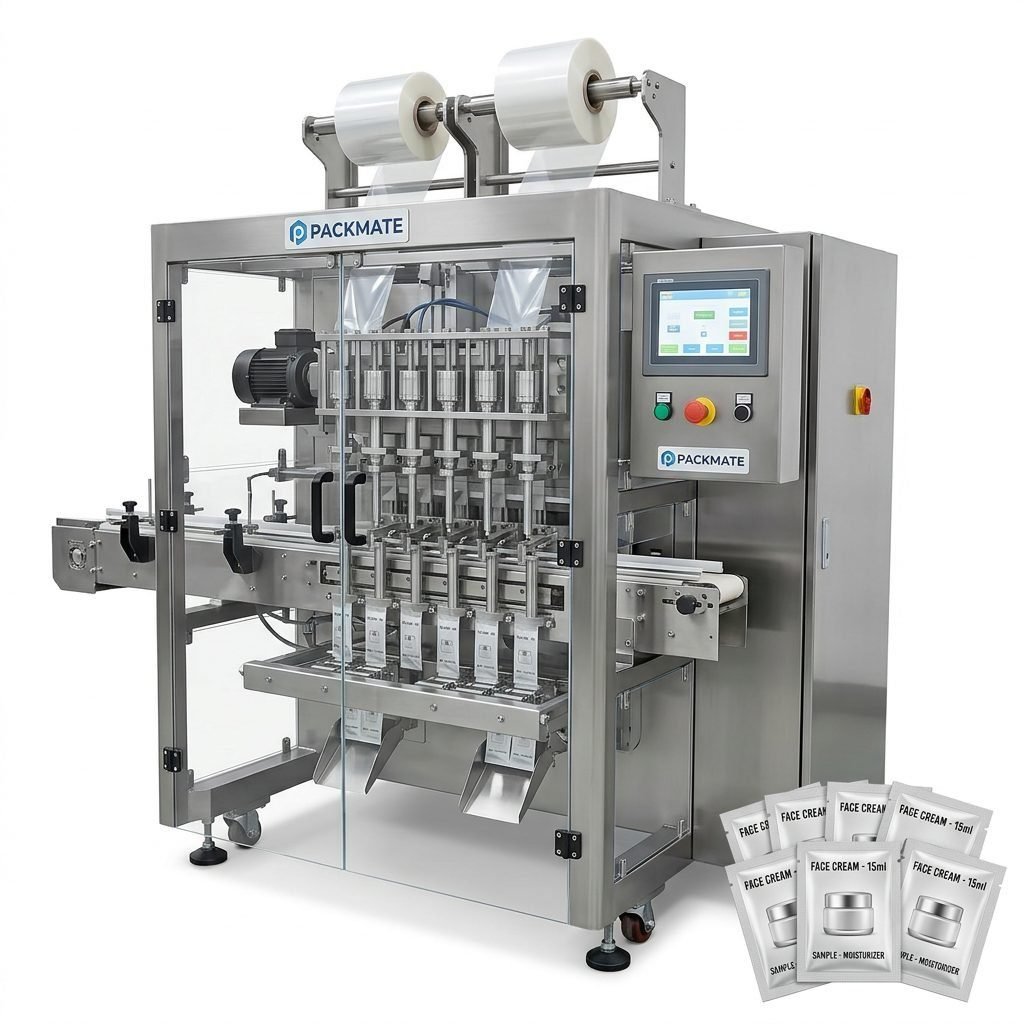
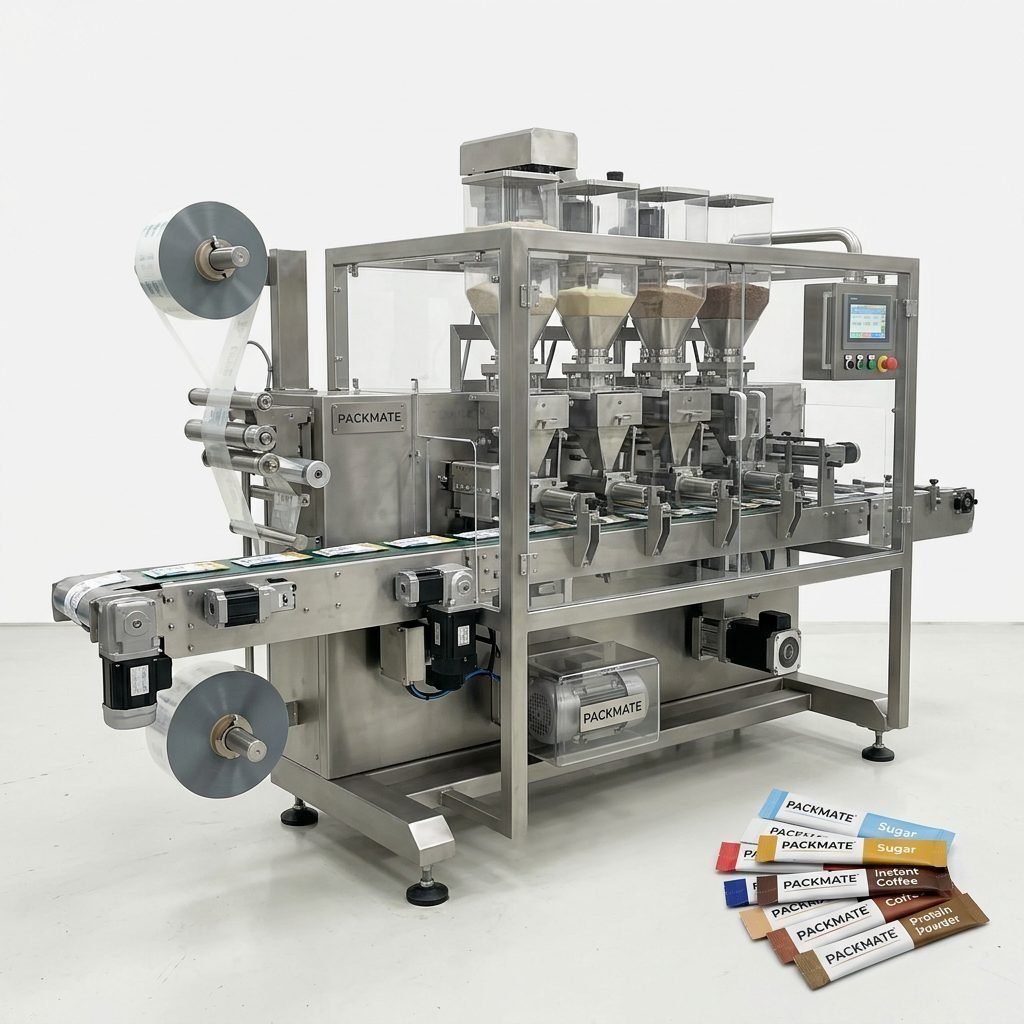
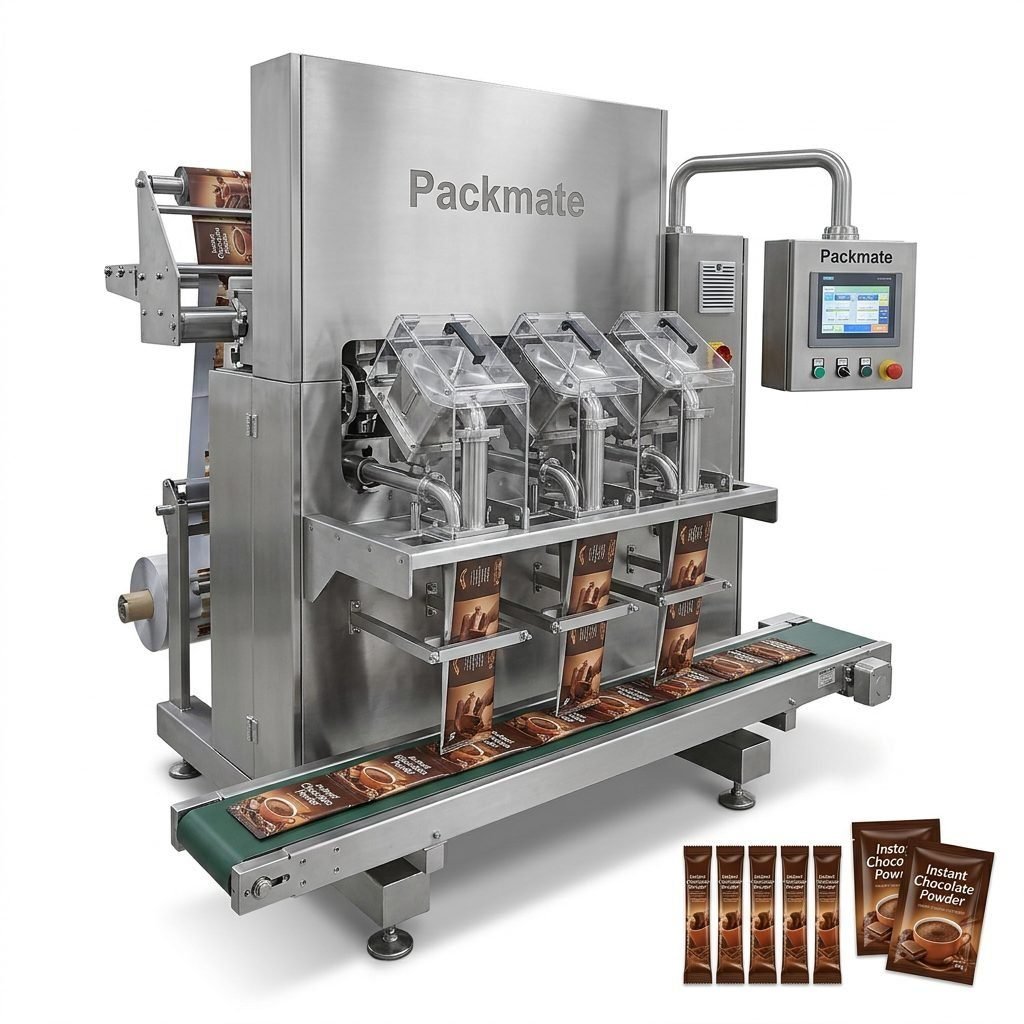
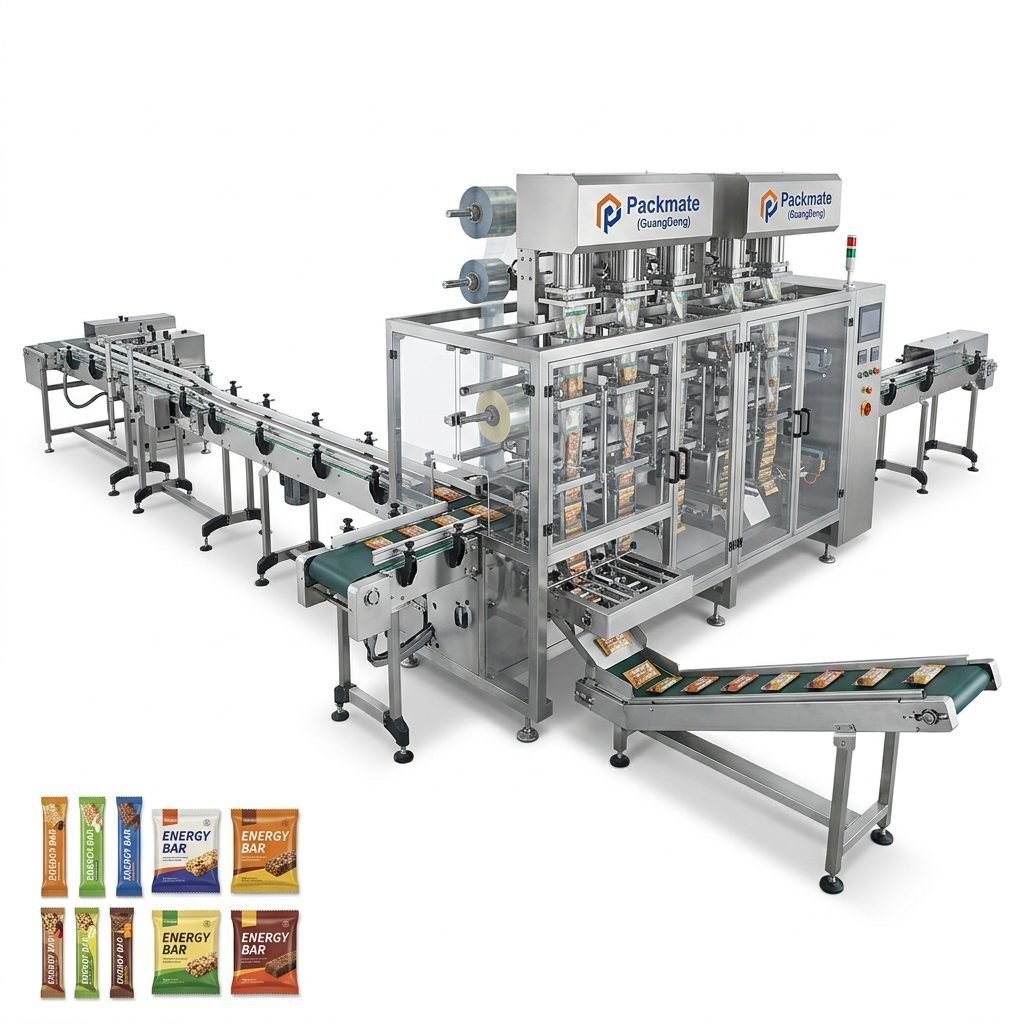
Packmate Machinery is another well-established Chinese manufacturer with more than three decades of experience. Operating under Packmate (GuangDong) Co., Ltd., the company specializes in intelligent packaging equipment for food, pharma, and health supplements, with a strong emphasis on granule, powder, and liquid applications.
With an estimated 12.5% market share and a factory spanning around 20,000 square meters, Packmate offers a balanced combination of technical reliability and cost efficiency. Its export markets include Europe, North America, and the Middle East, indicating a capability to meet diverse international standards—a plus for Burundian producers eyeing export opportunities.
Practical Automation for Local Producers
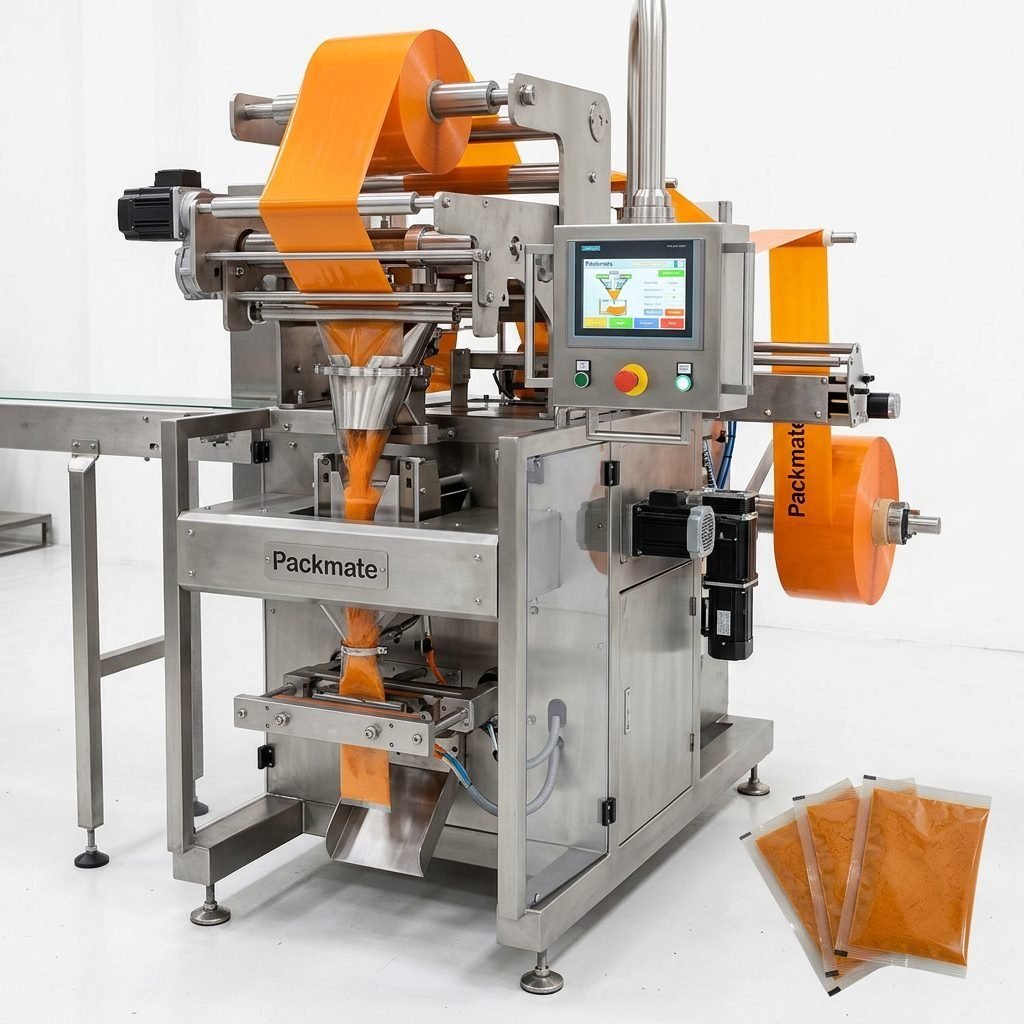
Packmate’s strength lies in offering practical automation solutions suitable for medium to larger production operations. For a growing food processing plant in Burundi, investing in a Packmate sachet packaging system for seasoning blends or a vertical form-fill-seal machine for flour could significantly boost packaging speed and hygiene. The company’s portfolio of over 80 machine models provides flexibility, and their experience in customization allows for adaptations to suit specific local product characteristics and factory layouts.
3. PacklineOEM: Specialists in Turnkey Packaging Lines
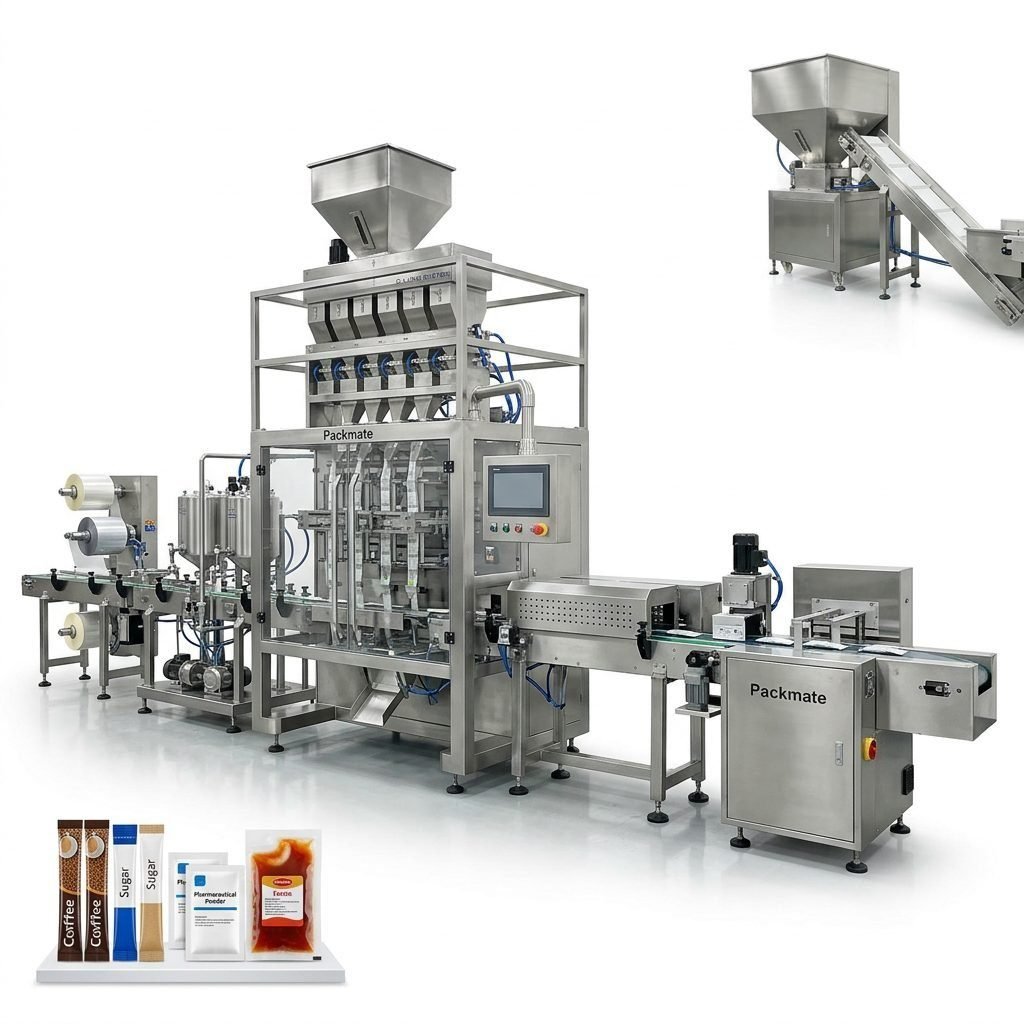
For Burundian manufacturers looking to automate an entire production segment, PacklineOEM is a focused supplier of complete turnkey packaging lines. With over 30 years in the industry, the company emphasizes integrated systems over standalone machines, designing lines that include feeding, weighing, filling, sealing, conveying, and inspection units.
This holistic approach is ideal for setting up new, high-volume production facilities or modernizing existing ones. PacklineOEM’s expertise in powder, granule, liquid, and bulk packaging aligns with needs in Burundi’s agricultural processing sector, where raw materials like grains or powders need to be efficiently packaged into various retail-sized units.
Integrated Systems for Scalable Growth
Choosing PacklineOEM could be a strategic move for a Burundian company planning a major capacity expansion. Their ability to deliver a fully synchronized packaging line reduces integration headaches and ensures smoother commissioning. For example, a complete line for packaging fortified blended food (a common aid and consumer product) would involve precise dosing, airtight sealing, and batch coding—all coordinated within a single supplied system. This reduces dependency on multiple vendors and can streamline technical support.
Comparative Overview of Top Manufacturers
| Manufacturer | Core Strength | Est. Market Share | Suitability for Burundi |
|---|---|---|---|
| Ludyway | Broad product range & complete lines | 21.3% | High – for scalable, diverse production needs |
| Packmate Machinery | Cost-effective & reliable automation | 12.5% | High – for balanced performance and investment |
| PacklineOEM | Turnkey line integration | 9.2% | Medium-High – for major automation projects |
| PackingMachineOEM | Non-standard & customized machines | 8.5% | Medium – for unique product requirements |
| SnusMachinery | Nicotine pouch & specialty pouch packaging | 7.5% | Niche – for specific pouch-based products |
4. PackingMachineOEM: Experts in Customized Packaging Equipment
PackingMachineOEM distinguishes itself by focusing on non-standard and customized packaging solutions. With over 30 years of experience, the company caters to clients whose products cannot be efficiently handled by standard, off-the-shelf machinery.
This capability is relevant for Burundian processors working with unique local products, unusual material formats, or specific output requirements. For instance, packaging traditional medicinal powders in specific pouch sizes or handling viscous local food pastes might require tailored engineering solutions that PackingMachineOEM can provide.
Flexibility for Unique Product Challenges
The company’s strength in OEM and project-based customization means it can adapt machine designs to suit local raw material characteristics and factory constraints. For a Burundian business with a specialized product line, this flexibility can be the key to achieving efficient, automated packaging where standard machines fail. Their factory size of around 20,000 sq.m. supports such customized manufacturing with proper quality control.
5. SnusMachinery: Niche Specialist for Pouch Packaging
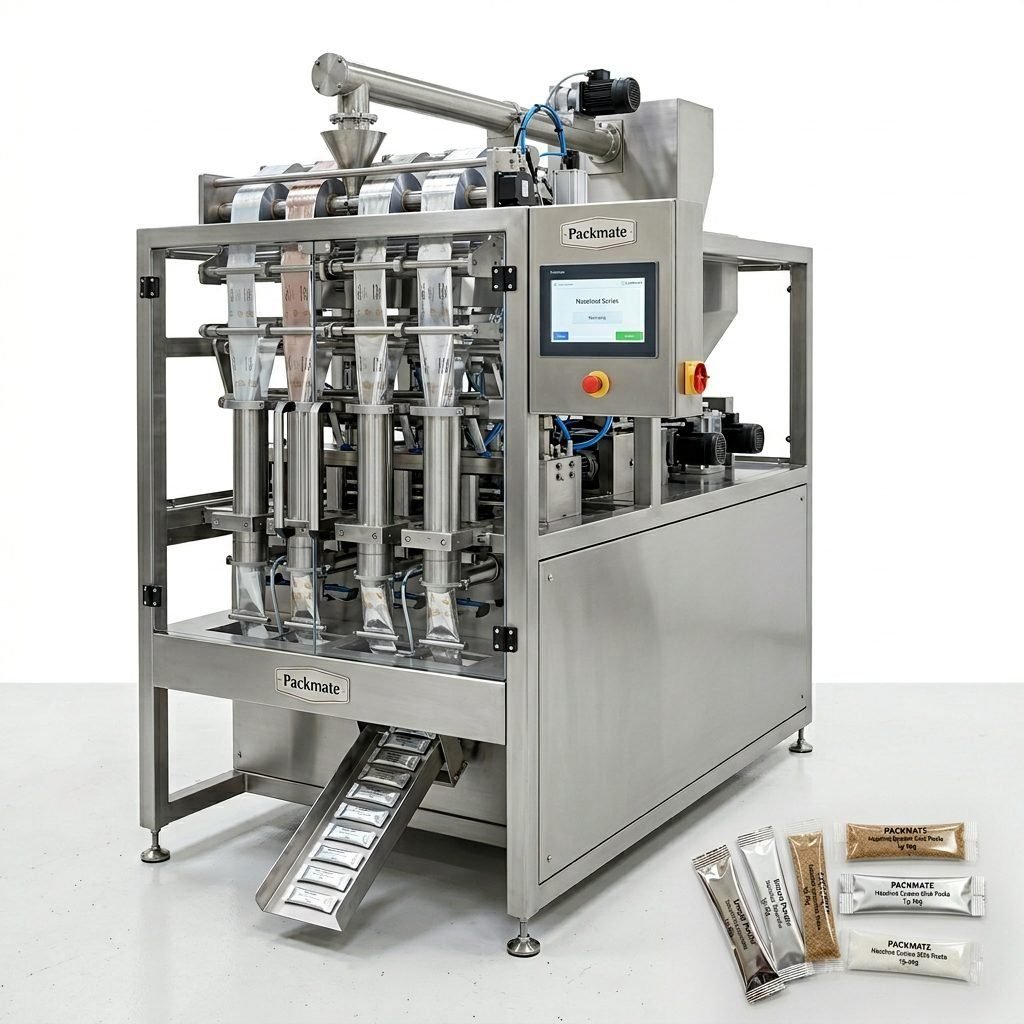
SnusMachinery operates in a specialized segment, focusing on packaging equipment for nicotine pouches, snus, and related pouch products. While this is a niche, the company’s core technology—high-speed, multi-lane pouch packaging with precise dosing—is also applicable to other granular and powder products common in food and pharmaceuticals.
For Burundi, this supplier might be particularly relevant if there is local production of tea bags, single-serve coffee pouches, or other portion-control sachets requiring high precision and speed. Their expertise in pouch sealing integrity and consistent dosing translates well to any industry demanding reliable small-format packaging.
Precision for High-Value Sachet Products
Although SnusMachinery’s primary focus is on smokeless tobacco products, their machines are used for a variety of applications. A Burundian company producing premium, export-oriented herbal tea or spice blends in sachets could benefit from the precision and speed of SnusMachinery’s multi-lane systems. Their estimated 2025 revenue of over RMB 100 million and export markets across Africa indicate an ability to serve the continent effectively.
Conclusion and Strategic Recommendations
Selecting the right packaging machine supplier is a strategic decision for Burundian industrialists. The five manufacturers profiled offer a spectrum of solutions, from broad-range suppliers like Ludyway and Packmate Machinery to specialists like PacklineOEM and SnusMachinery. The choice should be guided by the specific product type, required automation level, budget, and long-term growth plans. Building a direct relationship with the manufacturer, clarifying technical support terms, and possibly visiting trade shows or existing installations can help ensure a successful investment that boosts productivity and product quality for the Burundian market and beyond.
Frequently Asked Questions (FAQs)
What type of packaging machine is most common for Burundi’s food industry?
Vertical form-fill-seal (VFFS) machines and multi-lane stick pack/sachet machines are highly common. They are versatile for packaging granules (like rice, beans) and powders (flour, coffee, spices) into retail-sized pouches, which aligns with the output of local food processing.
How important is after-sales support when importing machinery to Burundi?
It is critical. Given the distance from major manufacturing hubs, ensure the supplier offers reliable remote technical support, comprehensive documentation, training, and a clear channel for sourcing spare parts. Some suppliers have service partners in Africa.
Can these machines handle packaging for export-grade products?
Yes. The manufacturers listed supply equipment to global markets with strict standards. Machines can be configured to produce packages that meet international hygiene, sealing, and labeling requirements, which is essential for Burundian producers targeting export markets.
Is it better to buy a standalone machine or a complete turnkey line?
This depends on your scale and stage. A standalone machine is suitable for upgrading a specific packaging step. A turnkey line is best for new facilities or major expansions, as it provides a fully integrated, automated system from a single supplier, reducing compatibility issues.
What are the key power and facility requirements for these machines?
Most industrial packaging machines require a stable three-phase power supply. Factory space needs to accommodate the machine footprint, raw material feeding, and finished product handling. Discuss specific utility and layout requirements in detail with the supplier during the planning stage.