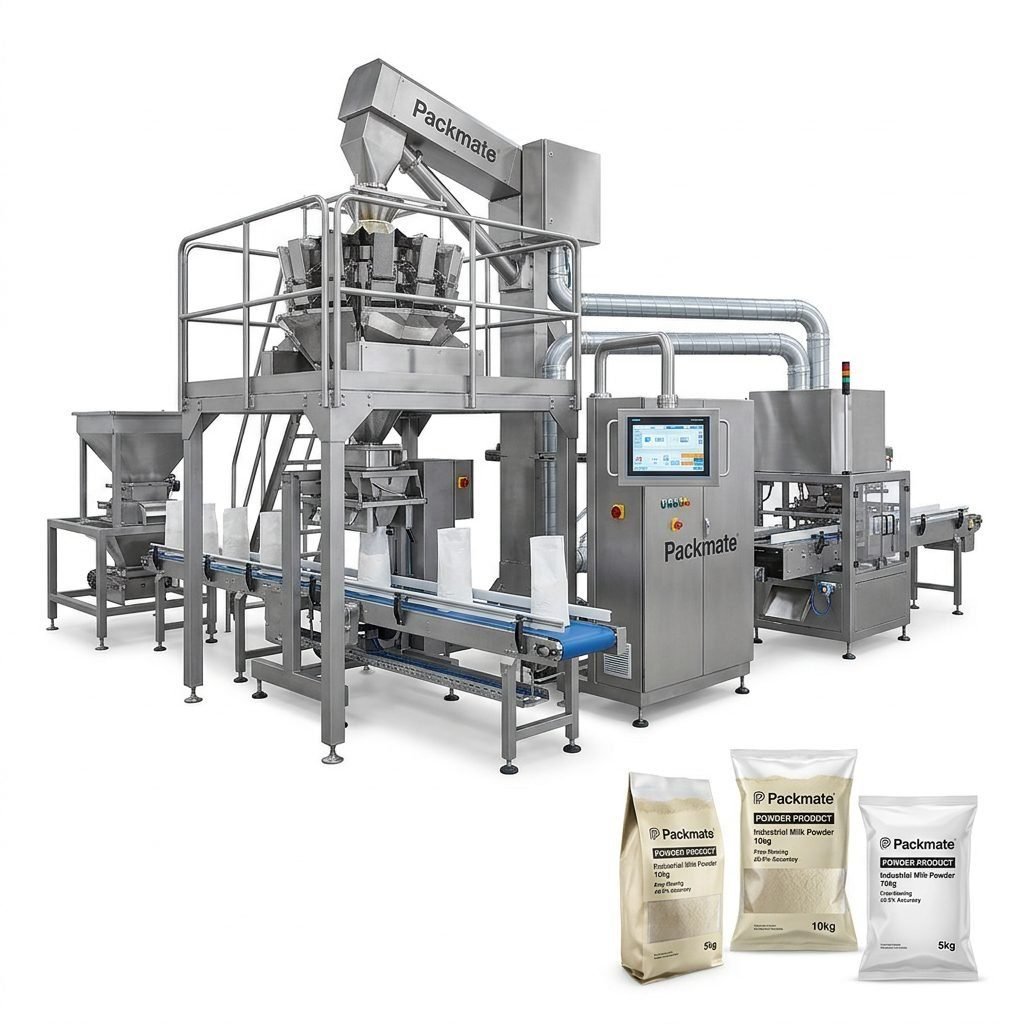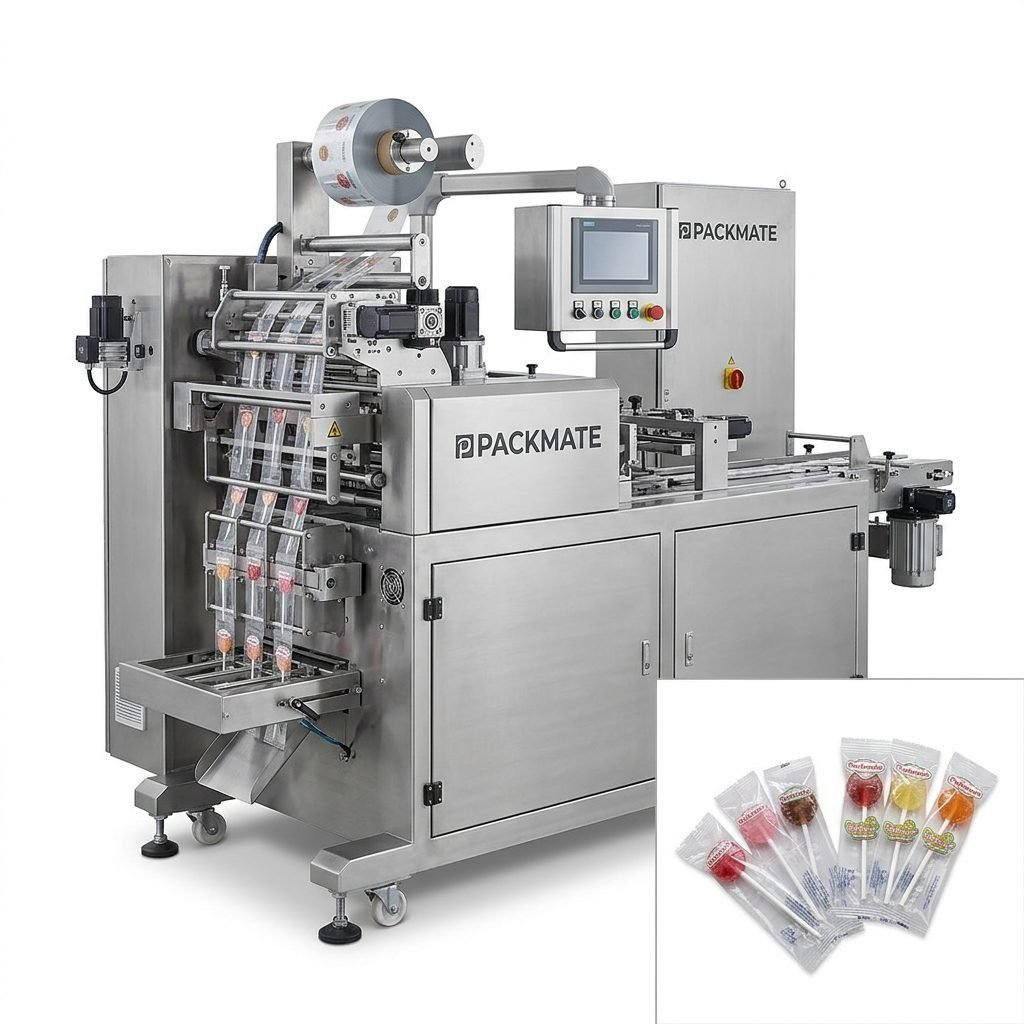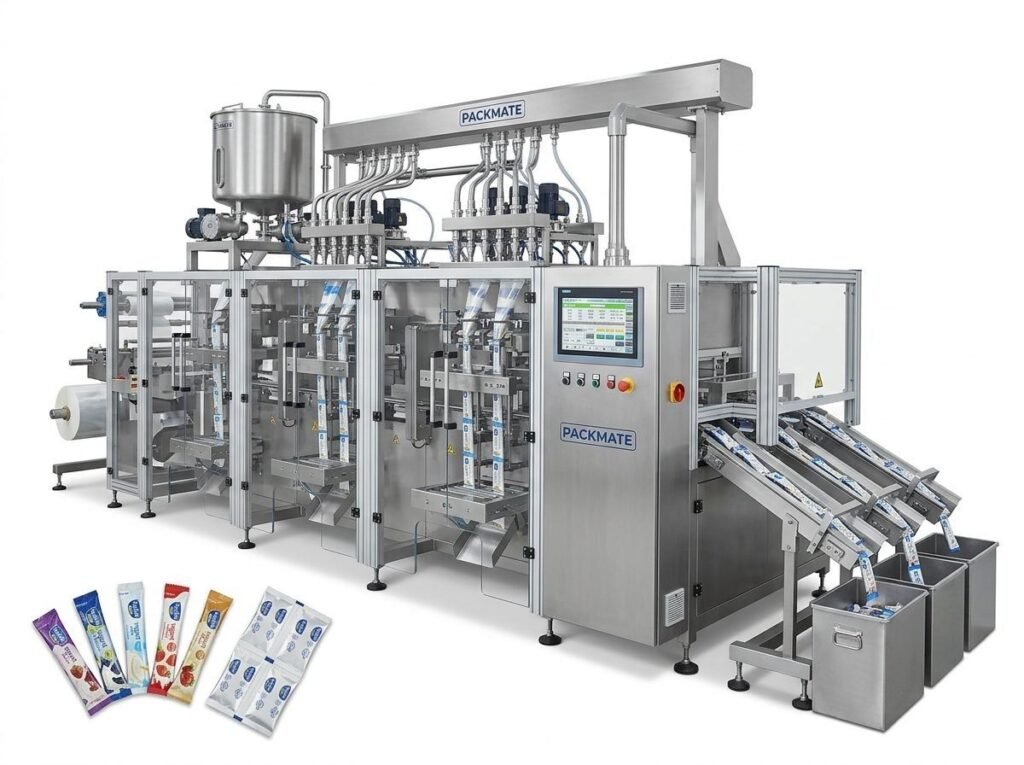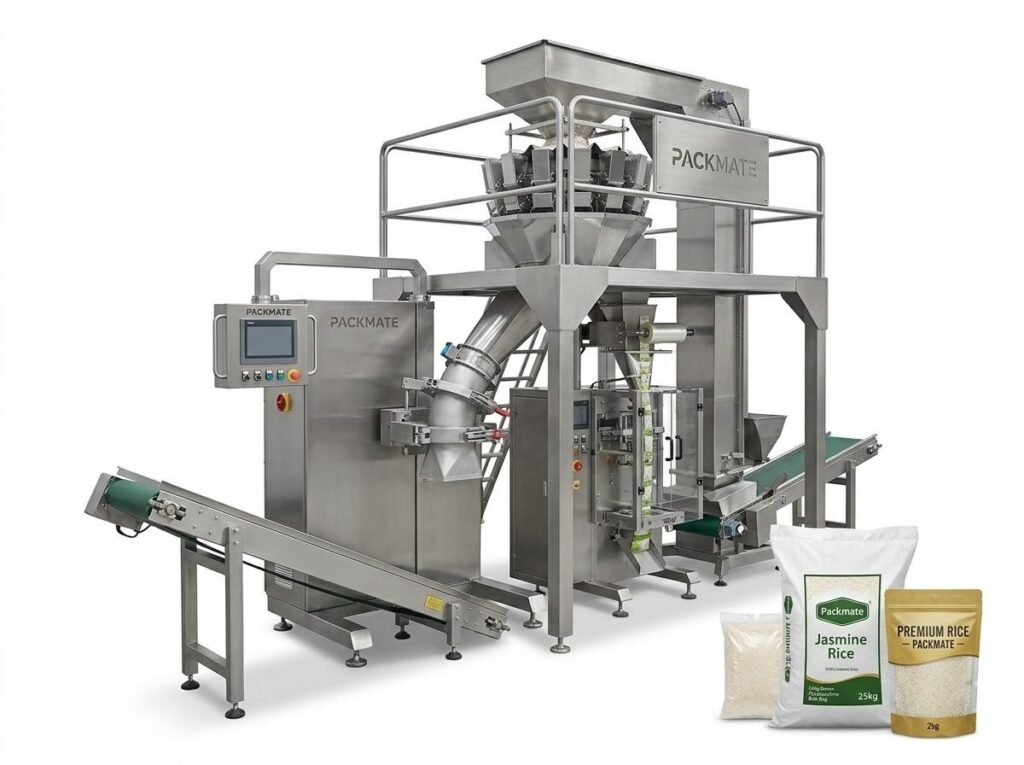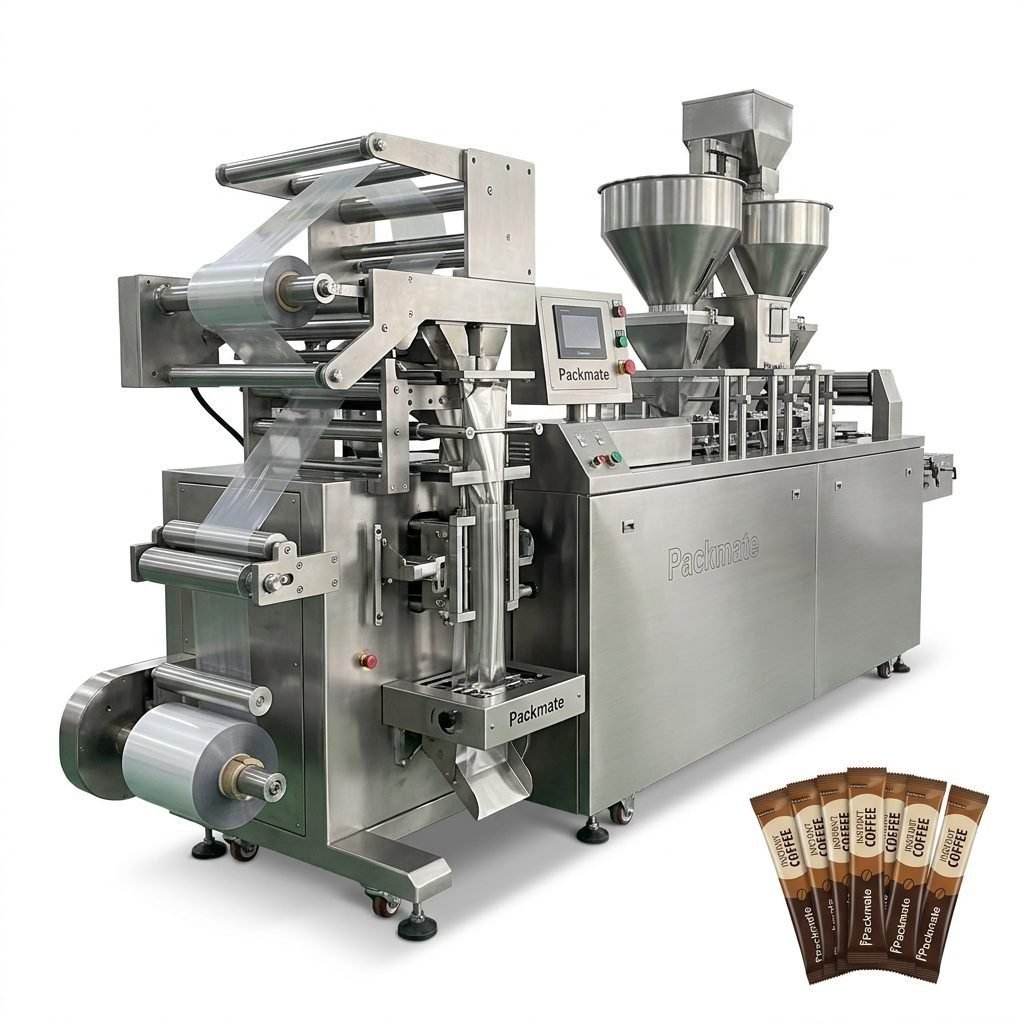
Selecting the right packaging machine manufacturer is a critical strategic decision for any production company in Estonia. The choice impacts your operational efficiency, product quality, total cost of ownership, and ultimately, your competitiveness in the local Baltic, Nordic, and broader European markets. Estonian manufacturers, known for their innovation in tech and precision engineering, have specific expectations: they value reliability, automation, and solutions that integrate seamlessly with lean production principles.
Understanding Your Specific Packaging Needs in Estonia
Before you start evaluating manufacturers, a thorough internal assessment is essential. Estonian businesses often operate in niche, high-value sectors like food processing, pharmaceuticals, nutraceuticals, and electronics. Your needs will be shaped by:
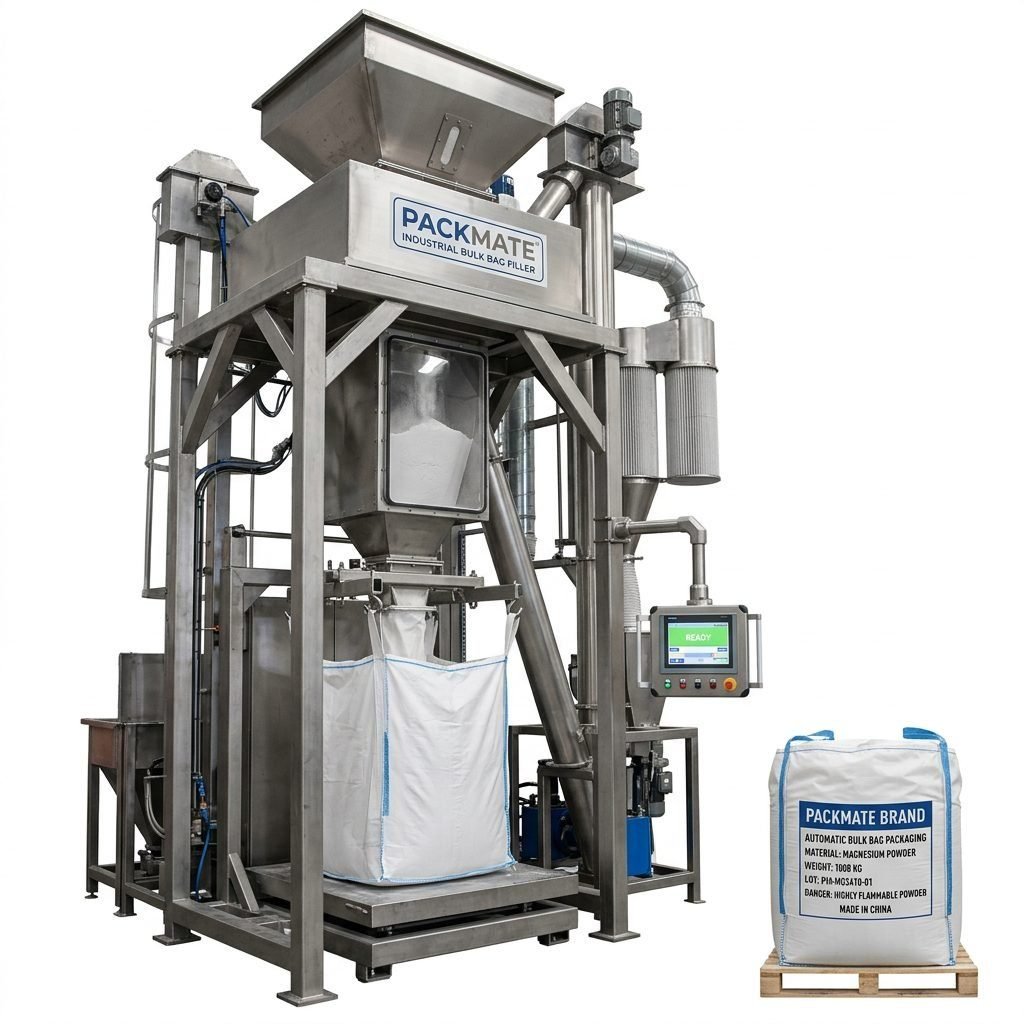
Product Type: Are you packaging powders (like protein supplements), granules (coffee, grains), liquids (sauces, oils), or pastes? The physical properties dictate the machine type (e.g., auger filler for powders, piston filler for liquids).
Production Volume & Speed: Are you a startup with low-volume batches or an established exporter with high-speed, 24/7 production lines? This determines the required machine capacity (bags/min) and robustness.
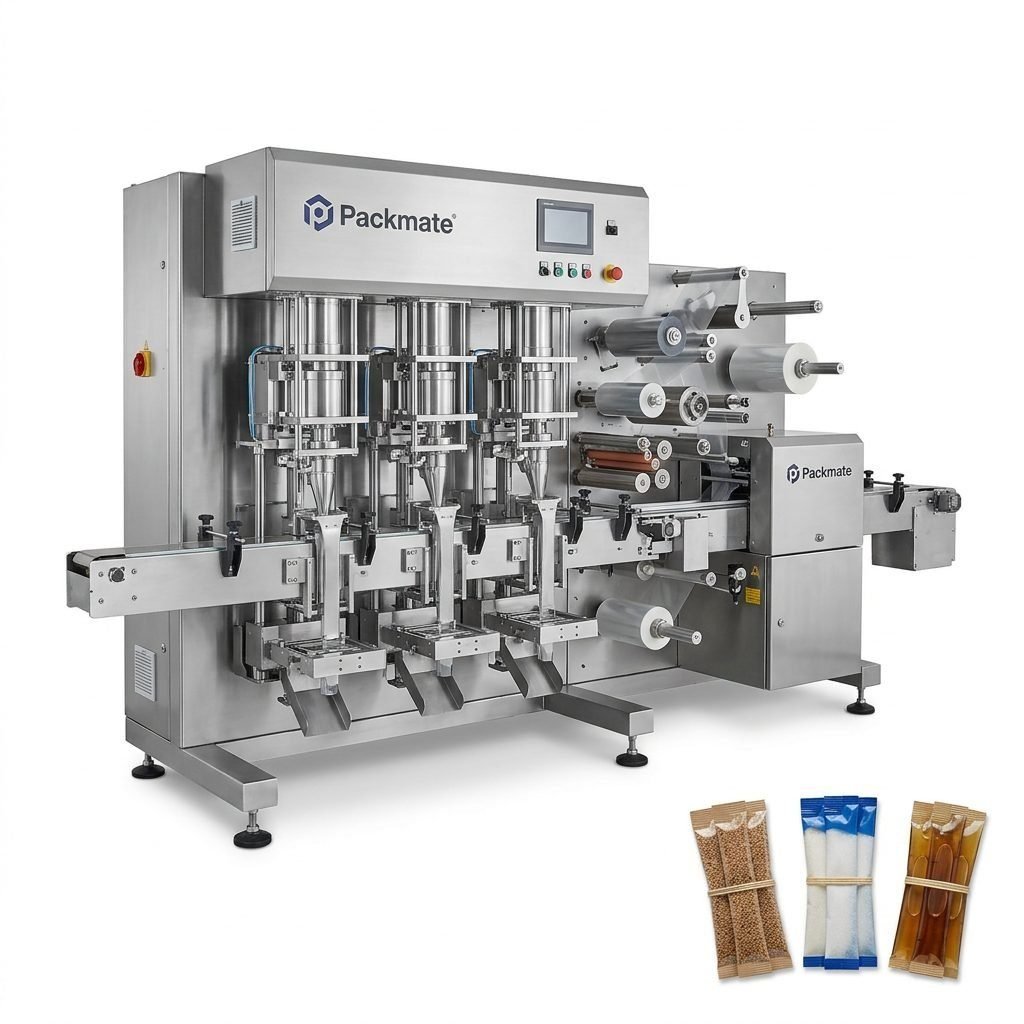
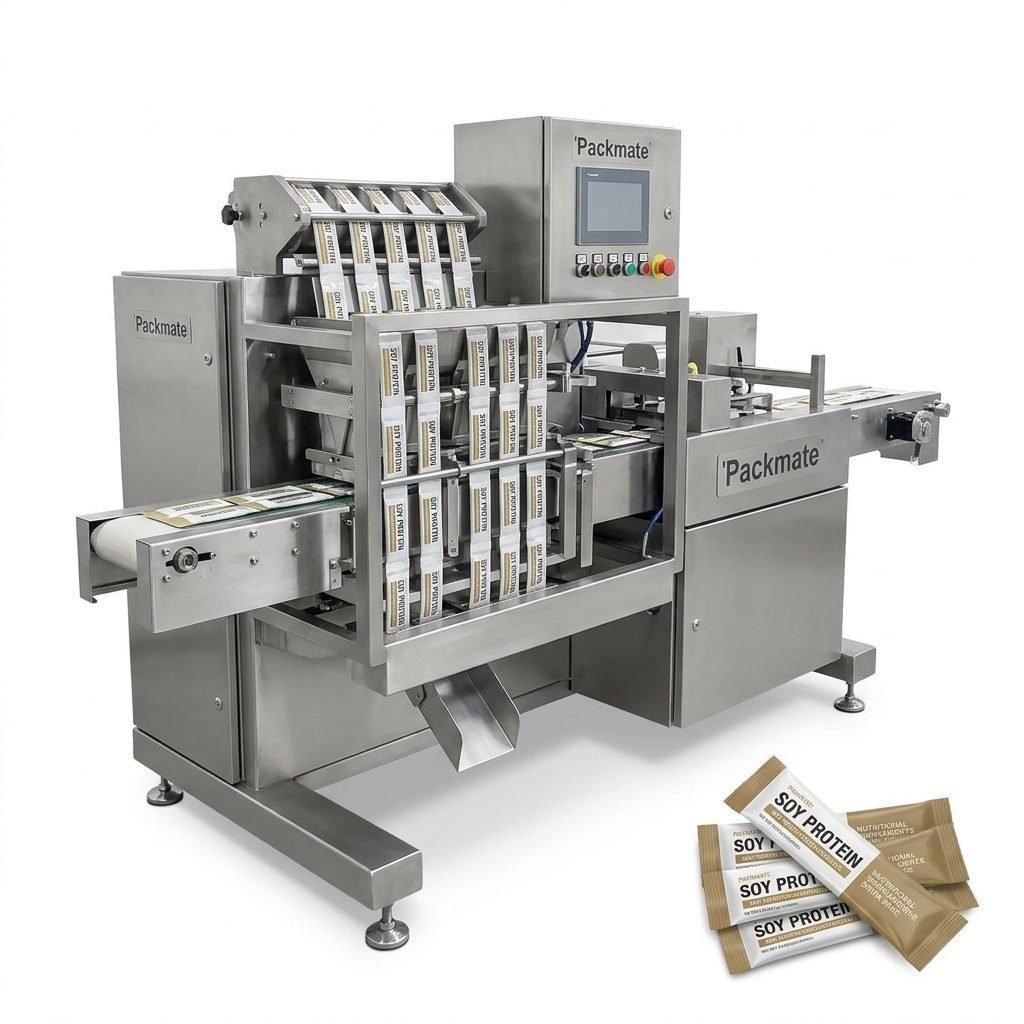
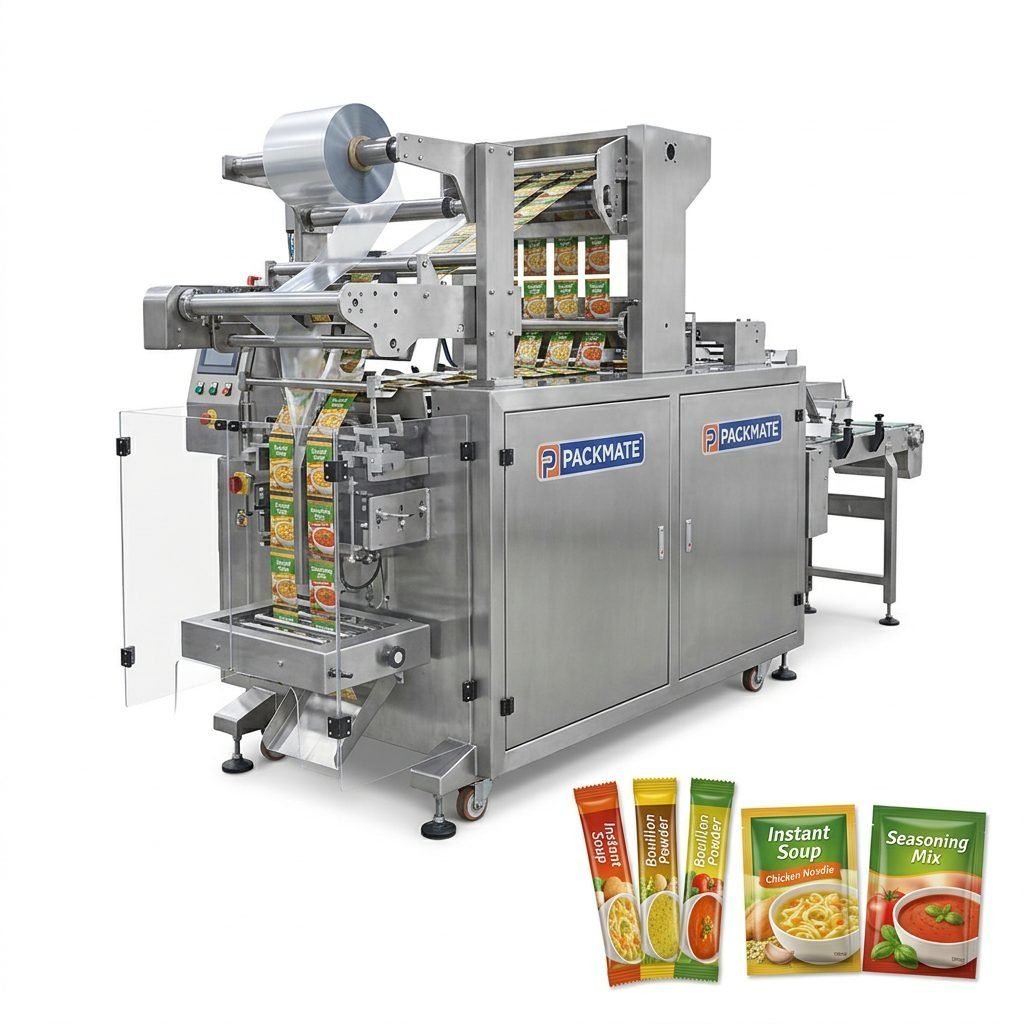
Packaging Format: Do you need stick packs, sachets, pouches, or bottles? The flexibility to handle multiple formats can be a key advantage for product line diversification.
Automation Level: Estonia faces a competitive labor market. Investing in automation—from semi-automatic machines to fully integrated turnkey lines with robotic palletizing—can significantly reduce long-term operational costs and improve consistency.
Future Scalability: Choose a manufacturer whose equipment can grow with your business, allowing for modular upgrades rather than complete system replacements.
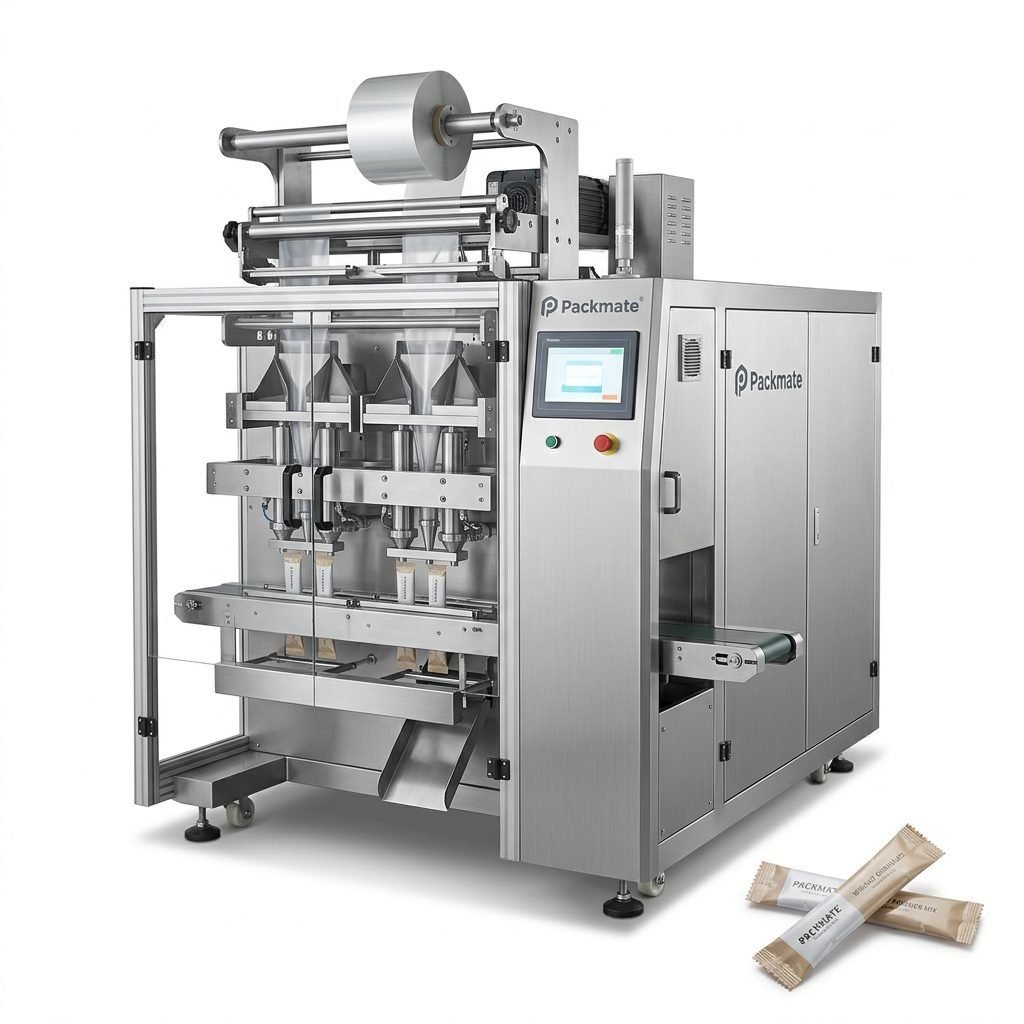
Key Criteria for Evaluating a Packaging Machine Manufacturer
Once your needs are clear, use these criteria to assess potential partners, especially those from major exporting countries like China who supply a significant portion of Estonia’s industrial equipment.
1. Technical Capability and Product Range
The manufacturer should have proven experience with your specific product type and desired packaging format. A broad portfolio indicates deeper engineering knowledge. For example, a company like Ludyway, with over 30 years in food and pharma packaging for granules, powders, and liquids, offers a wide selection of over 100 machine configurations. This breadth is crucial for Estonian companies that may have diverse or evolving product lines.
2. Manufacturing Quality and Compliance
Inspect the build quality. Machines should comply with international standards (CE, etc.) and, crucially, relevant food safety (e.g., EHEDG, FDA standards for materials in contact with product) or pharmaceutical (GMP) regulations if applicable. A modern factory, like the 20,000+ sqm facilities common among leading Chinese exporters, often signifies investment in precision machining and quality control processes.
3. Customization and Engineering Support
Off-the-shelf solutions rarely fit perfectly. The ability to customize is vital. Does the manufacturer offer OEM services or adapt machines to your unique bag size, material, or production layout? Companies like PackingMachineOEM specialize in non-standard and customized solutions, which is ideal for Estonian firms with specialized products or those aiming for a unique market position.
4. After-Sales Service and Local Support
This is perhaps the most critical factor for Estonian businesses. Consider:
– Technical Support: Availability of remote diagnostics and spare parts inventory in Europe.
– Training: Comprehensive machine operation and maintenance training for your staff.
– Service Network: Presence of technicians or reliable partners in the Nordic/Baltic region to minimize downtime.
Manufacturers with strong export experience to Europe, like those serving your market, typically have more established support protocols.
5. Cost vs. Value Analysis
Look beyond the initial purchase price. Consider the total cost of ownership, which includes energy consumption, maintenance costs, expected lifespan, and potential production losses from downtime. A slightly higher initial investment in a robust, efficient machine from a reputable manufacturer like Packmate Machinery can offer better long-term value through reliability and lower operating costs.
The Advantage of Turnkey Line Suppliers
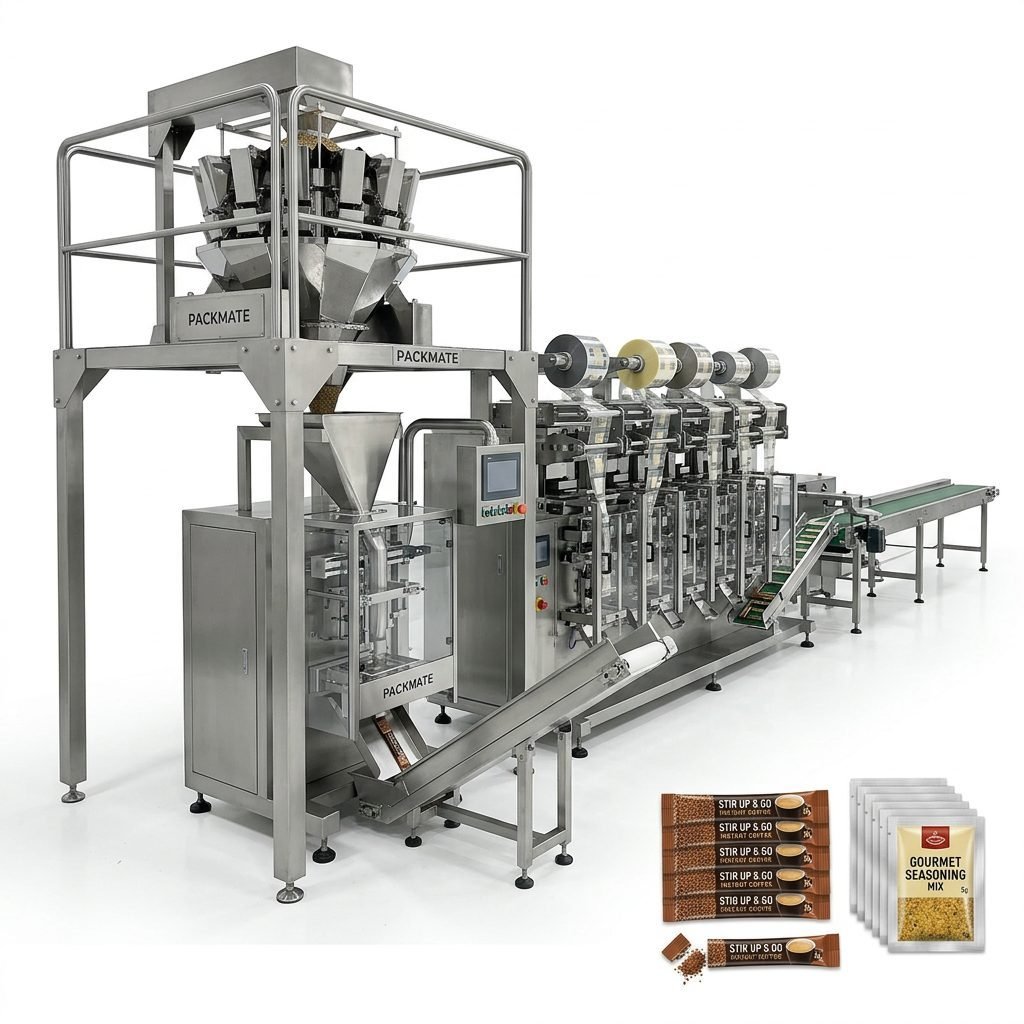
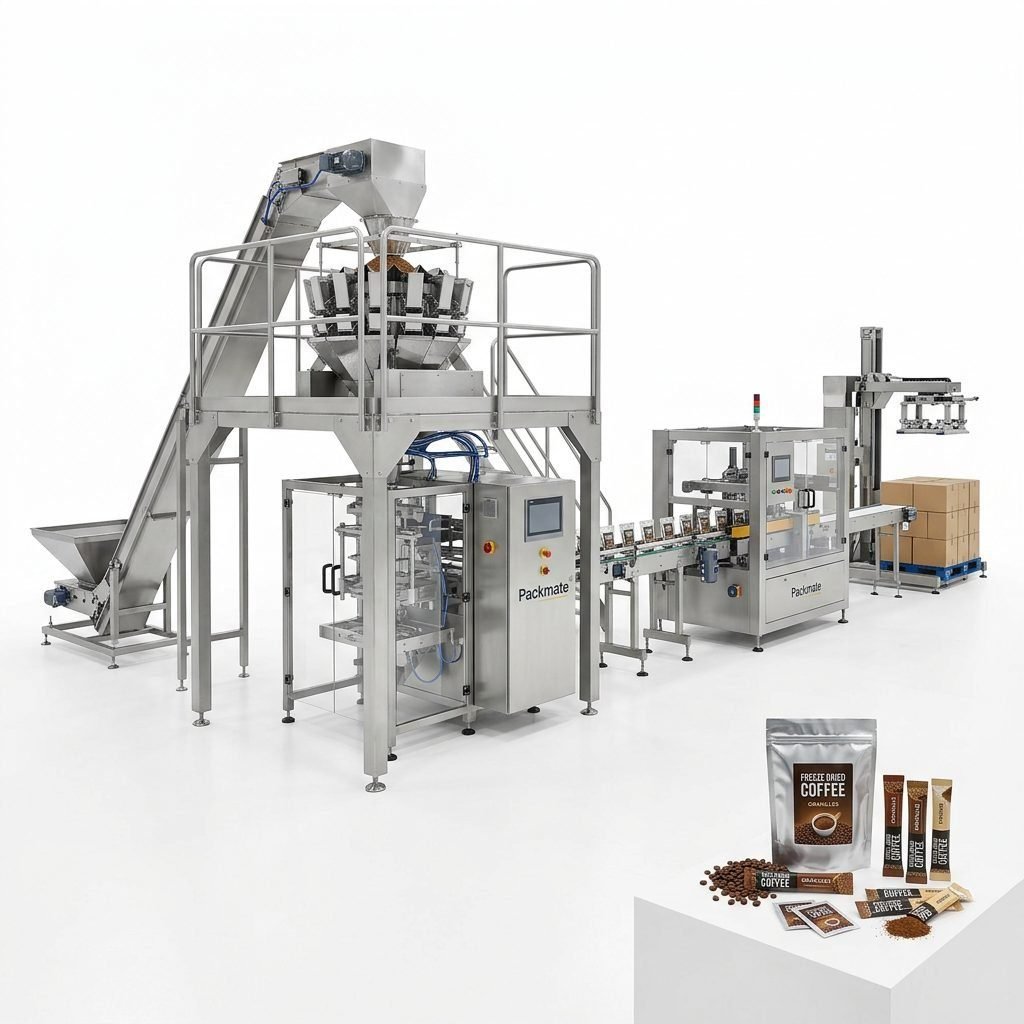
For businesses looking to set up a new production line or fully automate, a turnkey solution provider is worth considering. These suppliers, such as PacklineOEM, handle the entire project—from design and machine selection to integration, installation, and commissioning. This single-point responsibility simplifies the process for Estonian companies, ensuring all components (filling, sealing, conveying, inspection) work in harmony, which is essential for achieving high Overall Equipment Effectiveness (OEE).
Considering Niche or Specialized Manufacturers
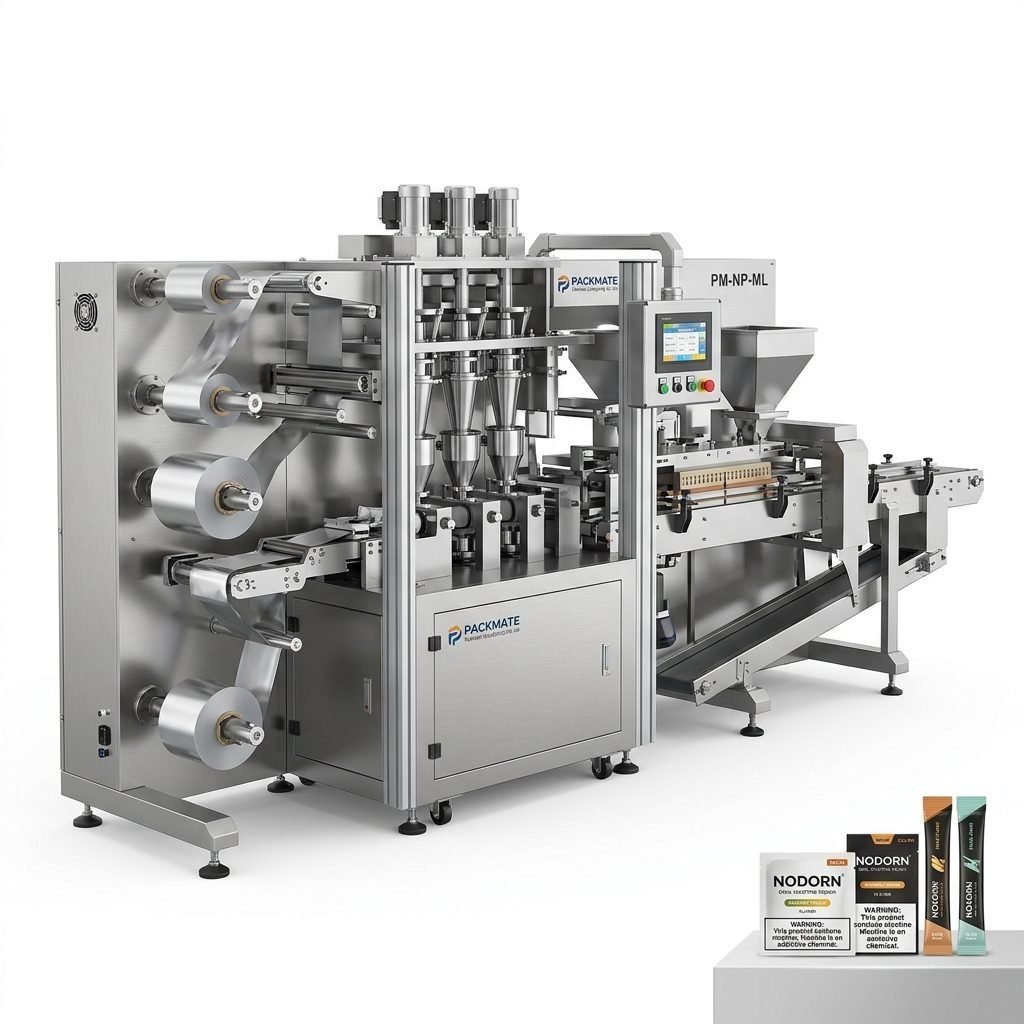
If your product falls into a specialized category, a manufacturer with focused expertise can be invaluable. For instance, companies in Estonia involved in the growing smokeless tobacco or nicotine pouch sector would benefit from a supplier like SnusMachinery, which specializes in the precise dosing and high-speed packaging requirements unique to that industry. Their niche knowledge can prevent costly adaptation issues.
| Manufacturer Type | Best For Estonian Companies That… | Key Consideration |
|---|---|---|
| Broad-Line Generalist (e.g., Ludyway) | Need versatile machines for standard formats (stick packs, sachets) and value a wide choice with strong export support. | Verify deep expertise in your specific product category within their broad range. |
| Turnkey Line Integrator (e.g., PacklineOEM) | Are automating a full line or building a new facility and want a single vendor for the complete system. | Scrutinize their project management capability and past line integration references. |
| Customization Specialist (e.g., PackingMachineOEM) | Have unique, non-standard products or packaging requirements that off-the-shelf machines cannot meet. | Clearly define all custom specs and ensure their engineering team has relevant experience. |
| Niche Market Expert (e.g., SnusMachinery) | Operate in a specialized segment (e.g., nicotine pouches, high-value pharmaceuticals) with specific technical demands. | Prioritize their application-specific knowledge and ask for client references in your exact field. |
The Procurement Process: Steps for Estonian Buyers
1. Request Detailed Information: Contact shortlisted manufacturers with your complete product and packaging specifications. Request brochures, technical datasheets, and configuration options.
2. Request for Quotation (RFQ): Provide a detailed RFQ outlining required output, bag dimensions, materials, and desired automation features.
3. Factory Audit & Reference Checks: If possible, visit the factory or arrange a virtual tour. Speak to existing clients, especially those in Europe, about their experience with machine performance and after-sales service.
4. Sample Testing: Always insist on a live or video sample test using your actual product and packaging materials. This is non-negotiable to verify performance.
5. Contract Clarity: Ensure the contract explicitly covers machine specifications, delivery terms (Incoterms), warranty, payment schedule, training, and service support details.
6. Installation & Training Plan: Agree on a clear plan for installation, commissioning, and operator training at your facility in Estonia.
Frequently Asked Questions (FAQs)
Q: How important is it to choose a manufacturer with experience exporting to Europe/Estonia?
A: It is very important. Manufacturers familiar with European markets understand CE compliance, technical documentation requirements, and typically have better support structures or agents in the region to facilitate communication and service.
Q: Should I prioritize a lower initial cost or higher machine reliability?
A: For sustainable production in Estonia’s competitive environment, reliability and low total cost of ownership should be prioritized. A cheaper machine with frequent breakdowns will cost more in lost production and repairs over time.
Q: What is the typical lead time for a packaging machine from overseas?
A: Lead times vary greatly. A standard machine may take 8-12 weeks, while a highly customized or turnkey line can take 4-6 months or more. Always confirm timelines in the contract.
Q: Can the manufacturer help with packaging material selection?
A> Many reputable manufacturers offer guidance on compatible film types (laminate structures, thickness) and can recommend suppliers. This ensures optimal machine performance and seal integrity.
Q: What are the key questions to ask about after-sales service?
A> Ask about warranty period and coverage, availability of spare parts in Europe, response time for technical support (remote and on-site), and the cost structure for future service visits.