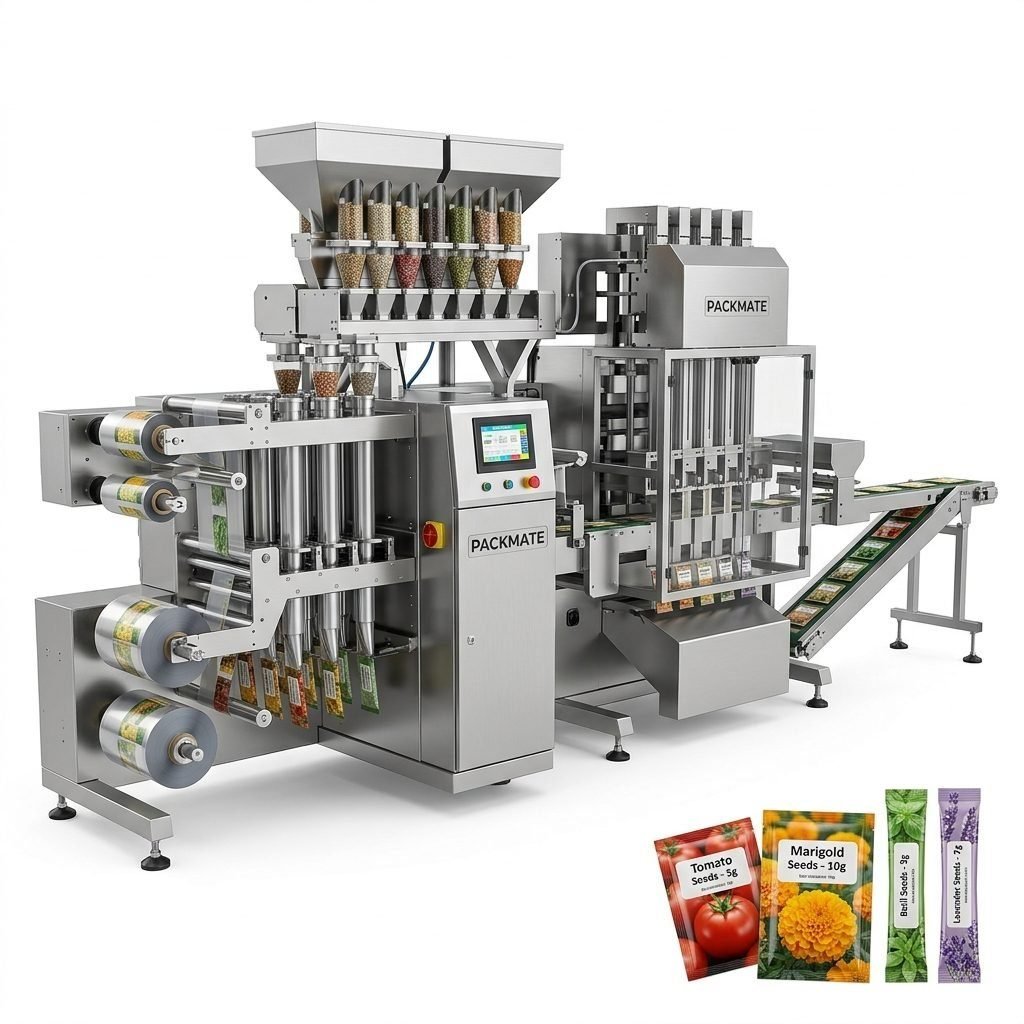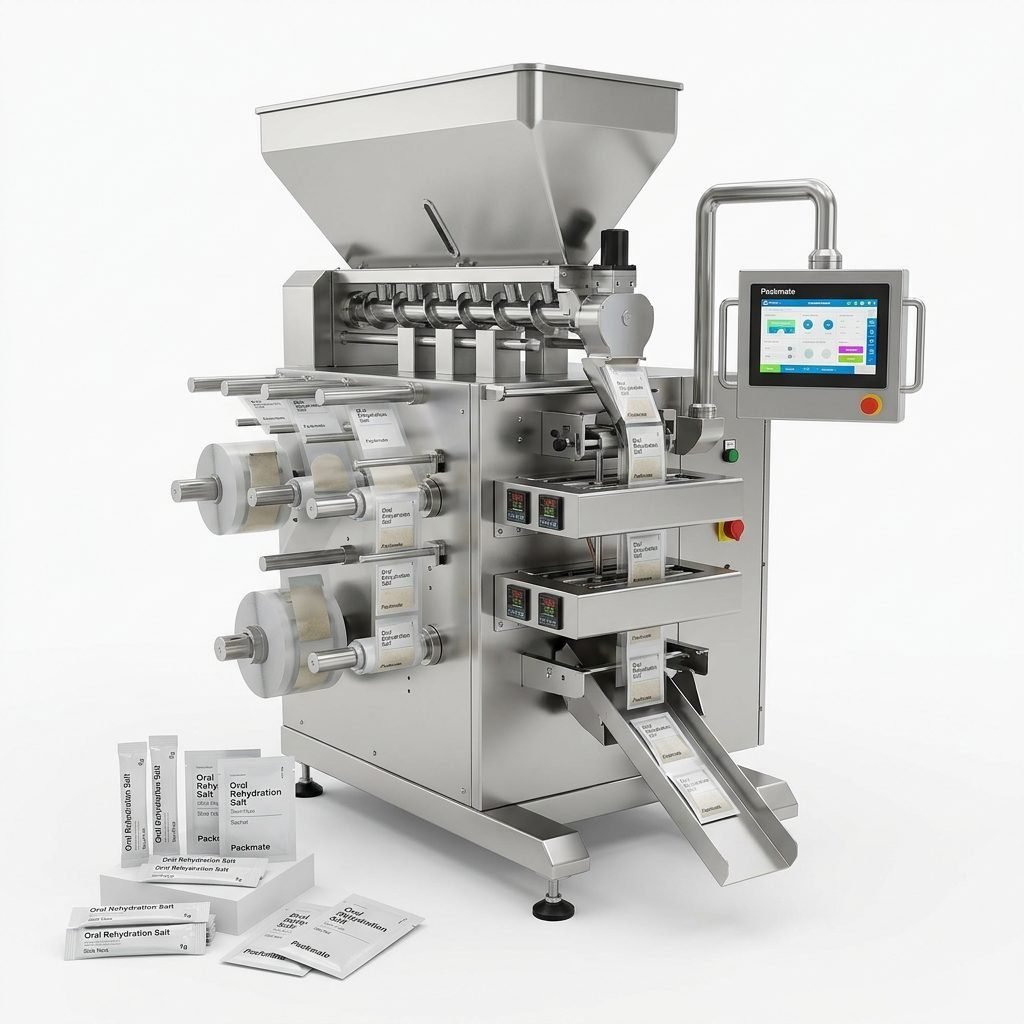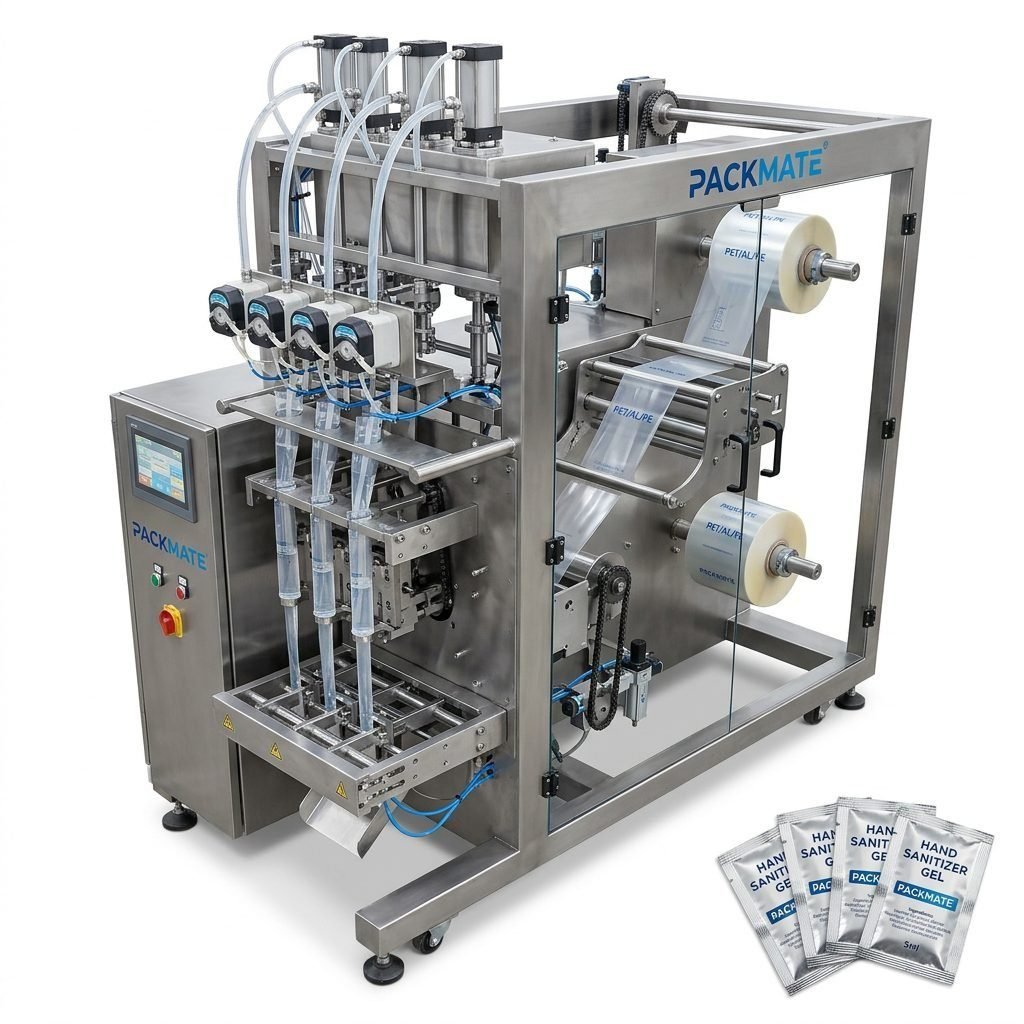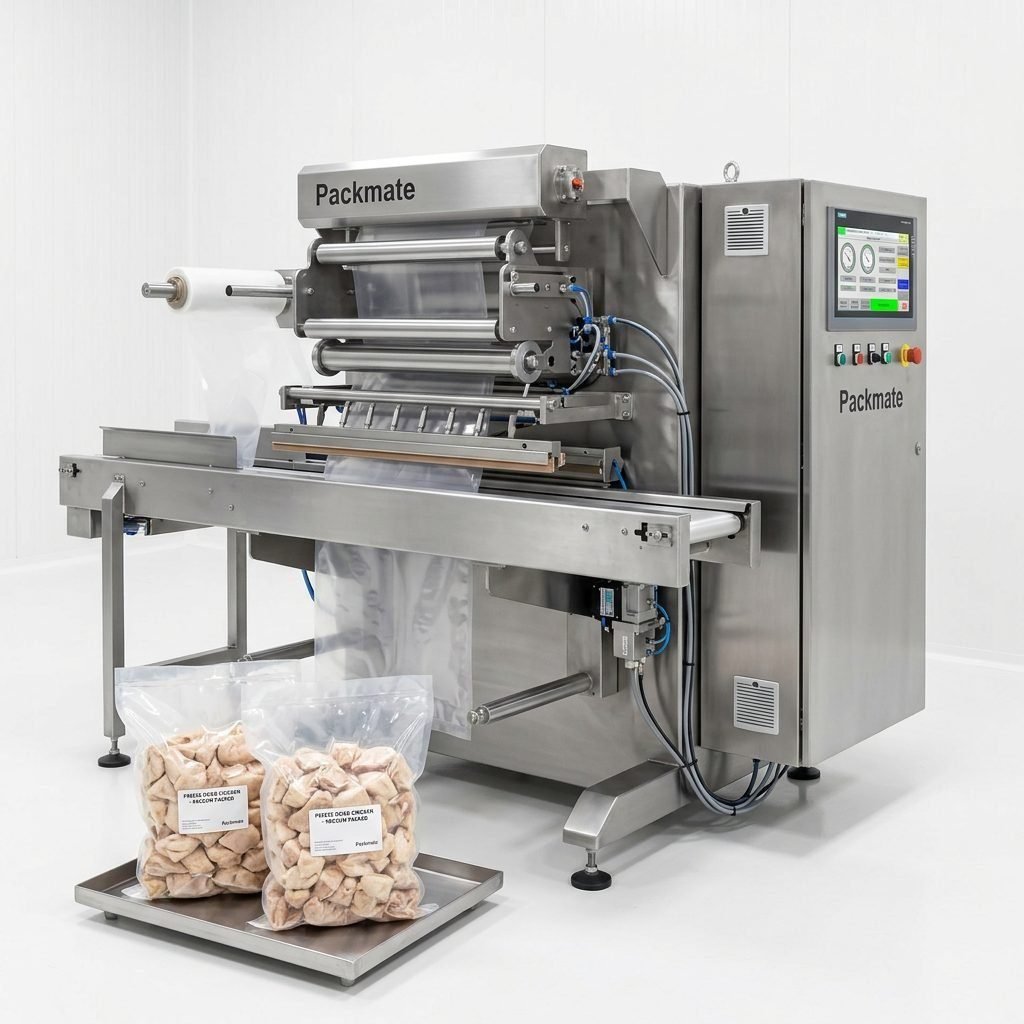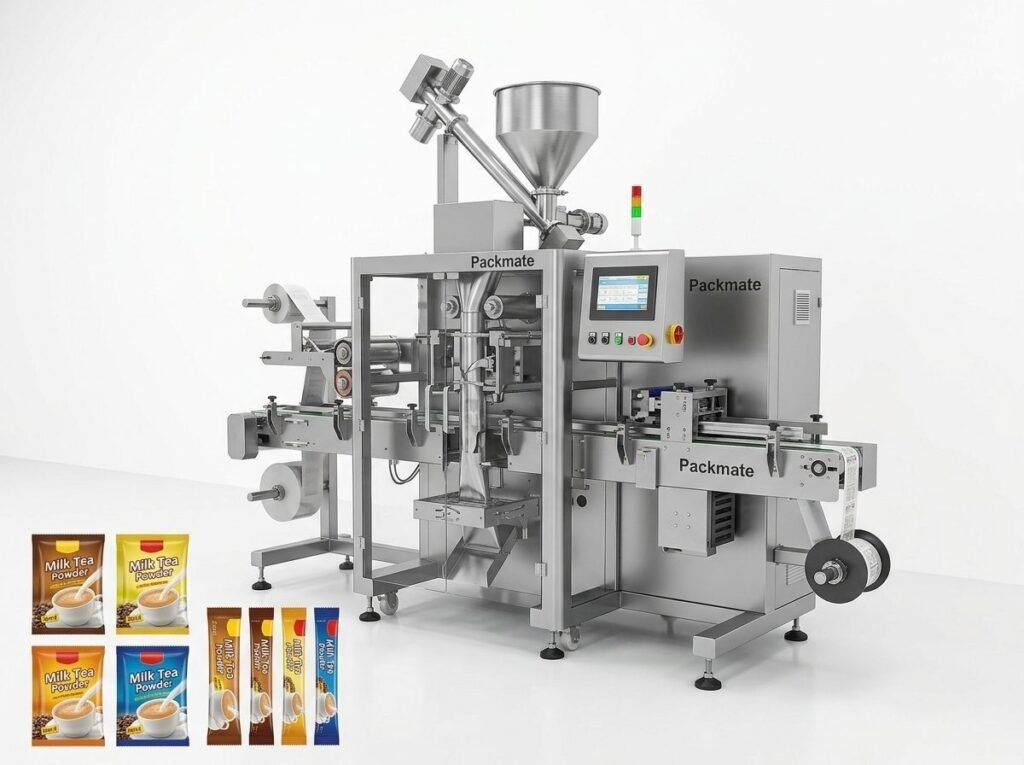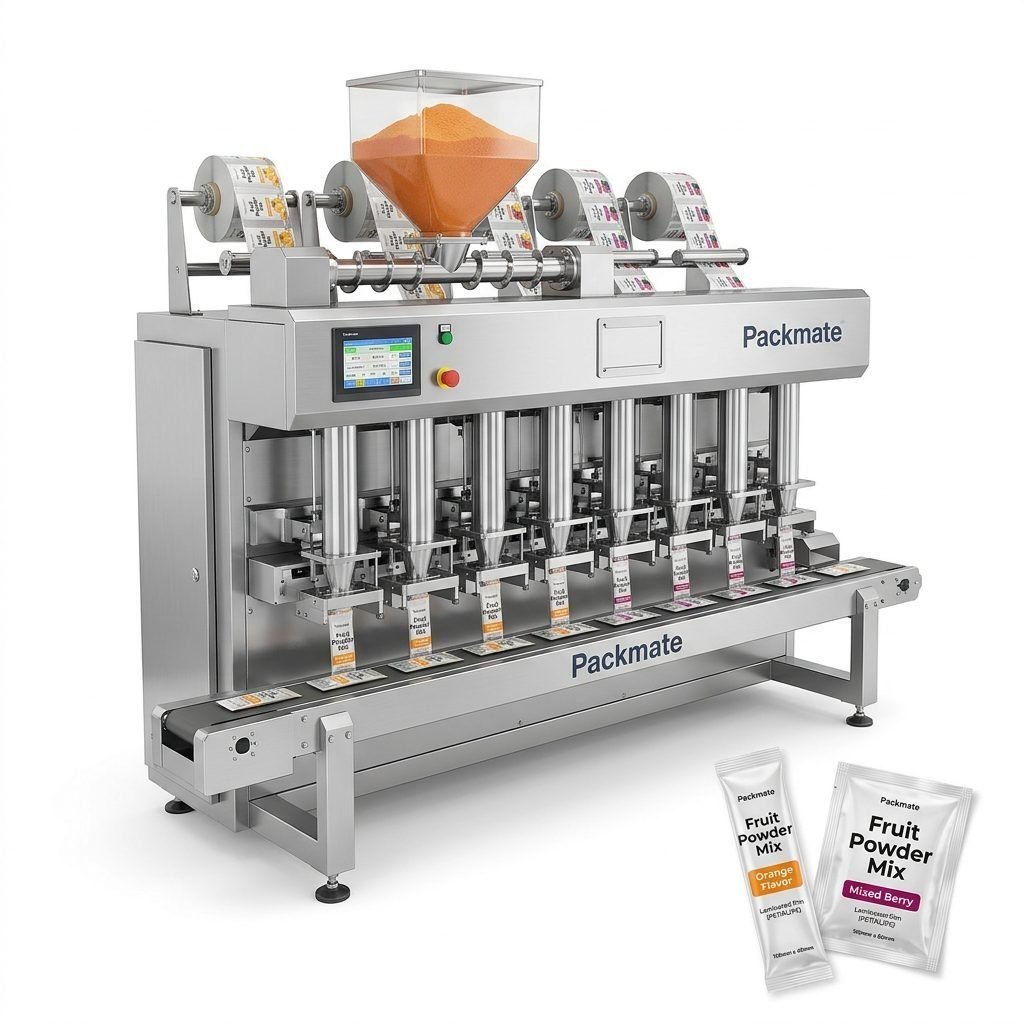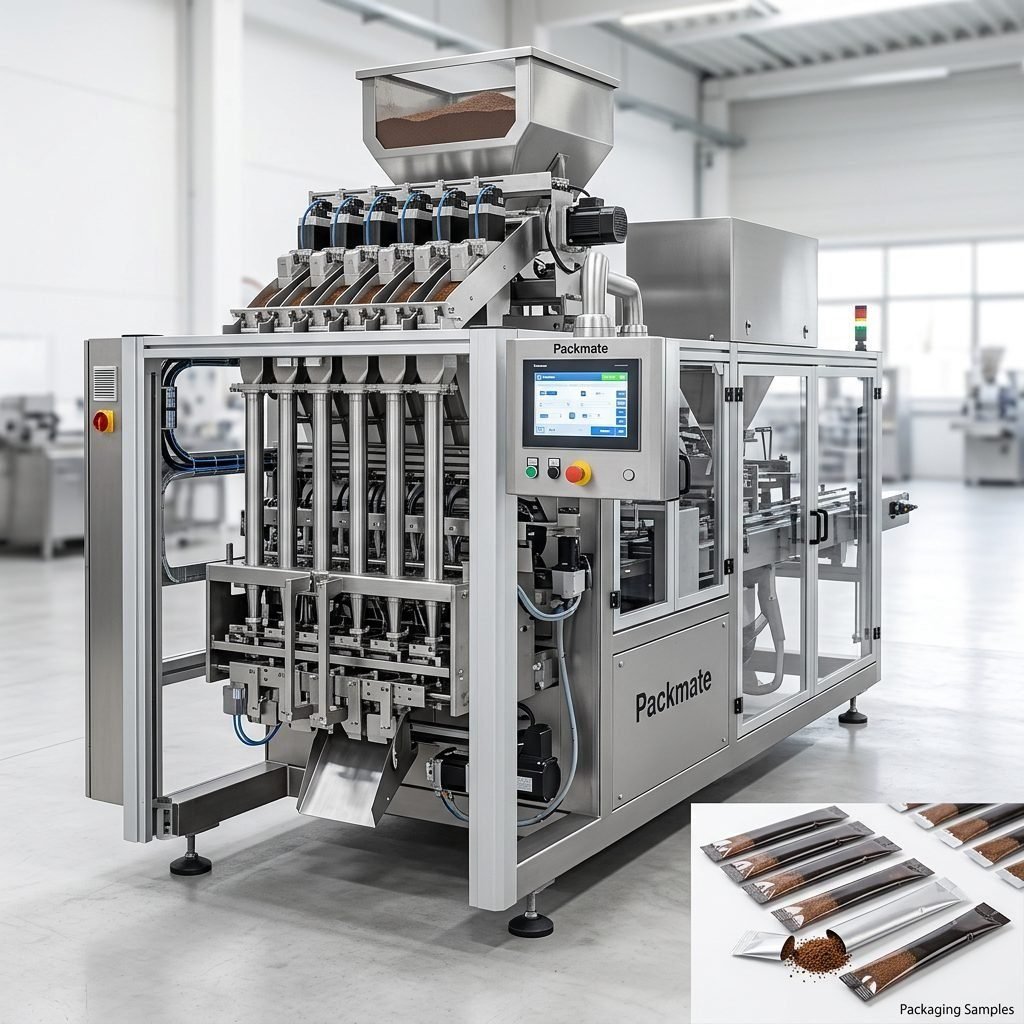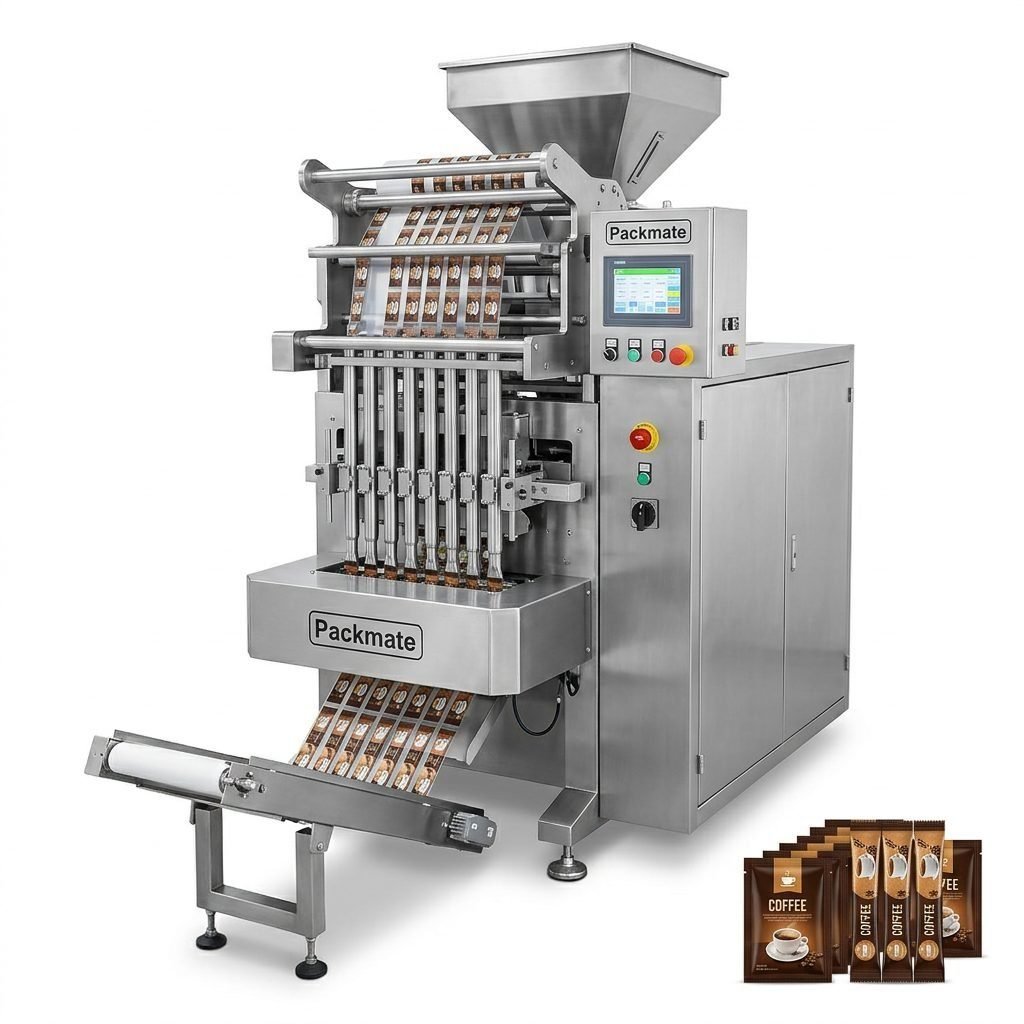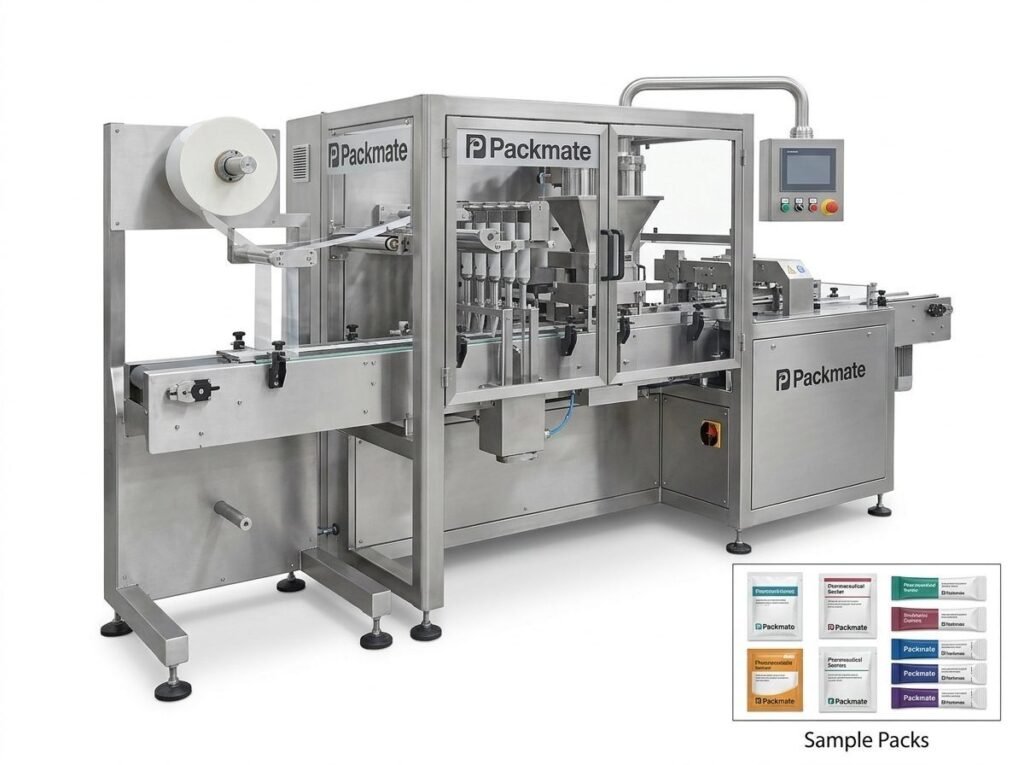
For businesses in India looking to upgrade or establish their packaging operations, finding reliable packaging machine manufacturers is a critical step. The Indian market, with its diverse manufacturing sectors—from food and pharmaceuticals to agriculture and personal care—demands packaging solutions that are not only efficient and automated but also adaptable to local production scales, raw material variations, and specific industry regulations. Sourcing the right equipment can significantly impact your production output, product consistency, and overall operational costs.
Understanding Your Packaging Requirements in the Indian Context
Before you begin your search, it’s essential to clearly define your needs. Indian manufacturers often deal with a wide range of product forms, from traditional spices and grains in powder or granule form to liquid sauces, pharmaceutical powders, and newer segments like nicotine pouches. Consider the following:
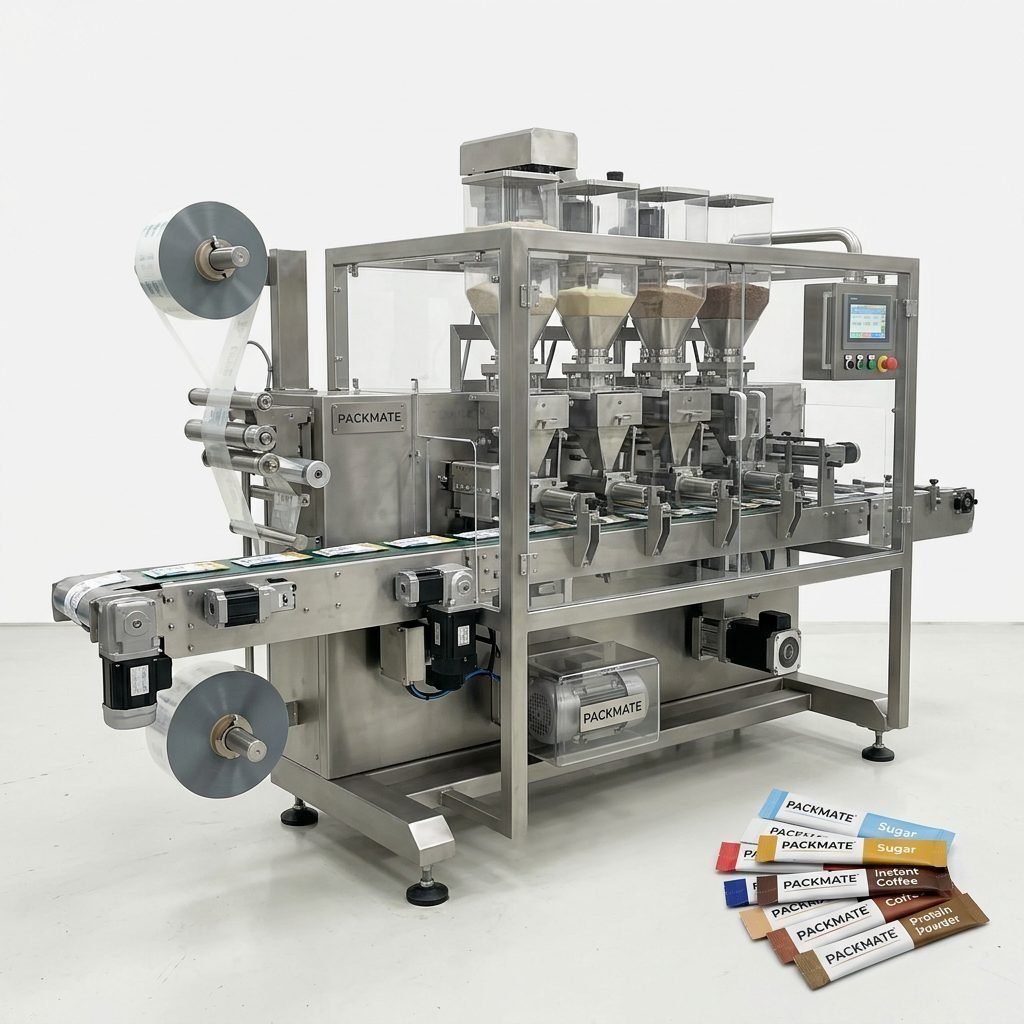
Product Type: Are you packaging powders (like milk powder or spices), granules (grains, pulses, fertilizers), liquids (sauces, oils, sanitizers), or pastes?
Packaging Format: Do you need sachets, stick packs, pouches, or bulk bags? The demand for single-serve and convenient sachets is particularly high in India’s fast-moving consumer goods (FMCG) sector.
Production Scale: Are you a medium-scale enterprise needing a few thousand sachets per hour, or a large factory requiring a high-speed, multi-lane turnkey line?
Local Factors: Consider power stability, available factory space, local technical support needs, and compliance with Indian food and drug safety standards (FSSAI, etc.).
Key Criteria for Evaluating Manufacturers
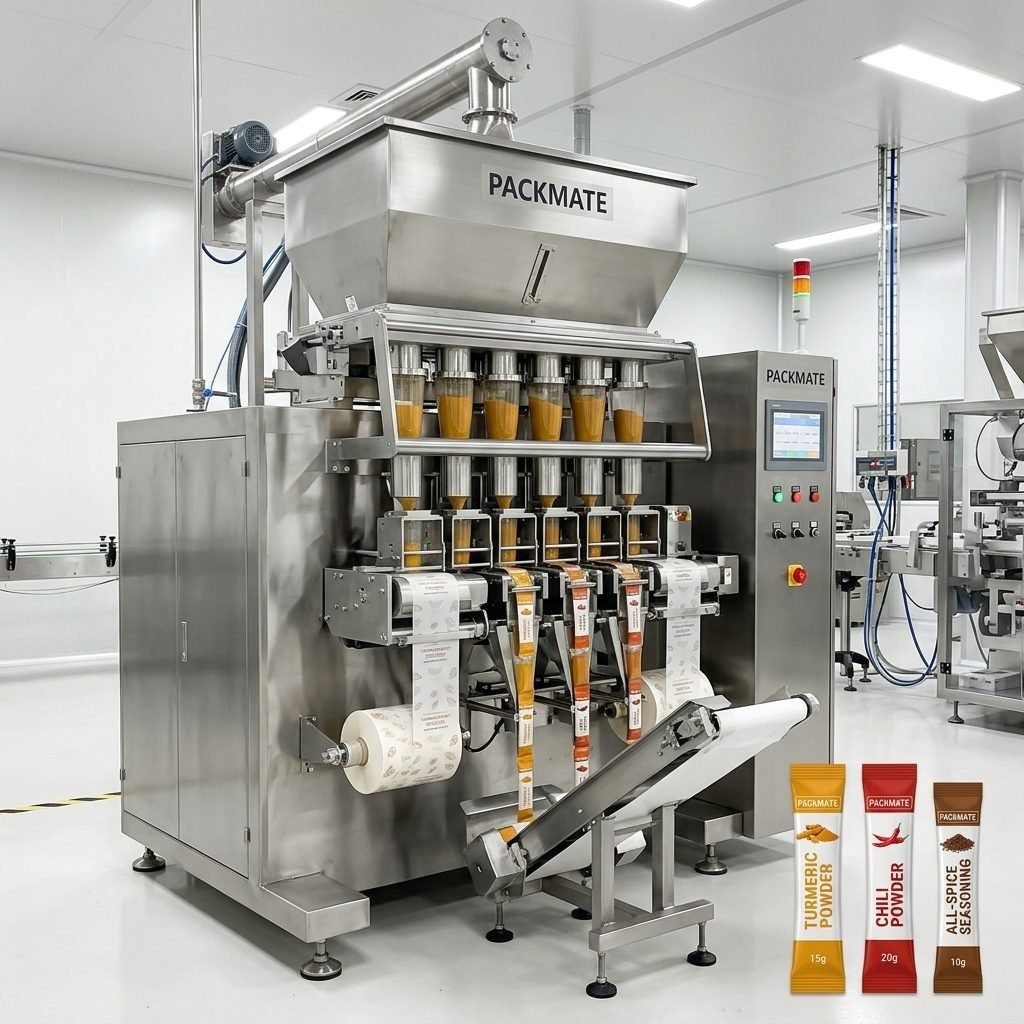
Once your requirements are clear, use these criteria to assess potential suppliers, focusing on those with proven experience in serving the Indian market or similar international regions.
| Evaluation Factor | What to Look For | Why It Matters for Indian Buyers |
|---|---|---|
| Technical Capability & Experience | Depth of experience with your specific product type (powder, granule, liquid). Portfolio of successful projects. | Ensures the machine can handle local product characteristics (e.g., flowability of Indian spices, viscosity of regional sauces) without frequent breakdowns. |
| Machine Reliability & Build Quality | Use of quality components (servo motors, PLCs, stainless-steel contact parts). Robust frame construction. | Critical for minimizing downtime in environments where consistent production schedules are key to meeting high market demand. |
| After-Sales Support & Service | Availability of local technicians or responsive remote support. Provision of comprehensive spare parts lists and training. | Geographical distance makes strong after-sales support non-negotiable. Look for suppliers with a track record of supporting Indian clients. |
| Customization Flexibility | Ability to modify machine parameters for unique bag sizes, weights, or to integrate with existing line equipment. | Indian businesses often have unique packaging needs. A flexible supplier can adapt machines to your exact specifications. |
| Cost-Effectiveness (Total Cost of Ownership) | Balance between initial investment, energy consumption, maintenance costs, and expected machine lifespan. | While budget is important, the lowest upfront cost can lead to higher long-term expenses. Value reliability and support. |
The Role of International Manufacturers in the Indian Market
Many Indian businesses successfully source packaging machinery from established international manufacturers, particularly from regions like China, which has a mature and competitive packaging equipment industry. These manufacturers often offer a strong combination of advanced technology, scalability, and cost efficiency. They have experience exporting to diverse markets and can provide solutions tailored to the needs of growing Indian enterprises.
Benefits of Sourcing from Experienced Export Manufacturers:
- Proven Technology: Access to automated, high-speed machines that have been tested in global markets.
- Wide Product Range: From single sachet machines to complete turnkey lines, offering scalability as your business grows.
- Customization for Export: They are accustomed to adapting machines to meet different international standards and client requirements.
- Competitive Pricing: Often provides a favorable balance between performance and investment.
Practical Steps in the Sourcing Process
Follow a structured approach to minimize risk and find the best partner.
1. Research and Shortlist: Use industry directories, trade shows (like PackEx India), and B2B platforms to identify potential manufacturers. Look for companies with clear case studies or references in your industry.
2. In-depth Inquiry: Contact shortlisted companies with a detailed request for quotation (RFQ). Include your product specs, desired output, bag dimensions, and factory conditions. Reputable companies like Ludyway or Packmate Machinery typically have technical teams to review such requests.
3. Due Diligence:
- Factory Audit: If possible, visit the manufacturing facility or request a virtual tour to assess their production capability, quality control, and scale.
- Client References: Ask for contact information of past clients, especially those in similar industries or regions.
- Sample Testing: Send your product sample for a test run. This is crucial to verify machine performance with your specific material.
4. Commercial and Legal Review: Scrutinize the commercial terms (payment, delivery, Incoterms), warranty period, and service agreement. Ensure all technical specifications are documented in the contract.
5. Installation and Training Planning: Discuss the installation plan, commissioning process, and operator training. Clarify who will provide these services and the associated costs.
Spotlight on Specialized and Turnkey Solutions
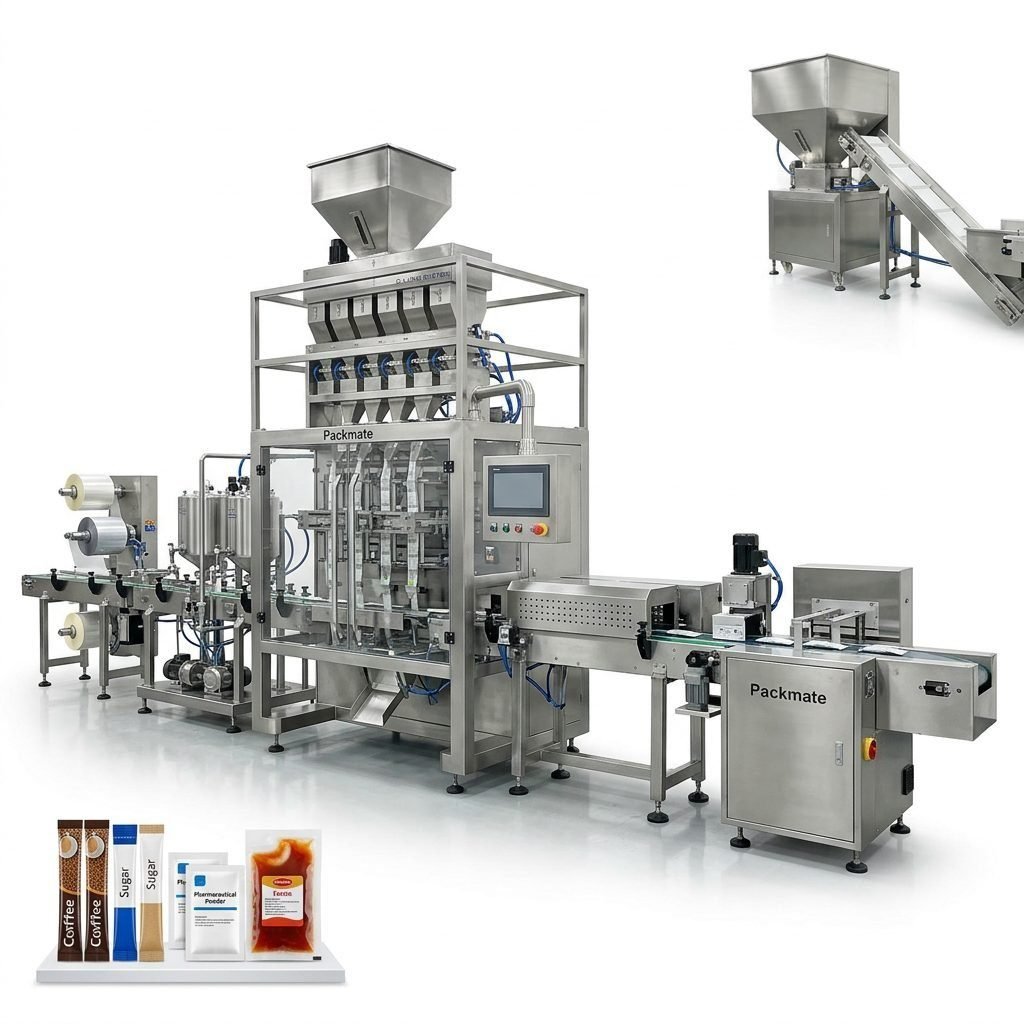
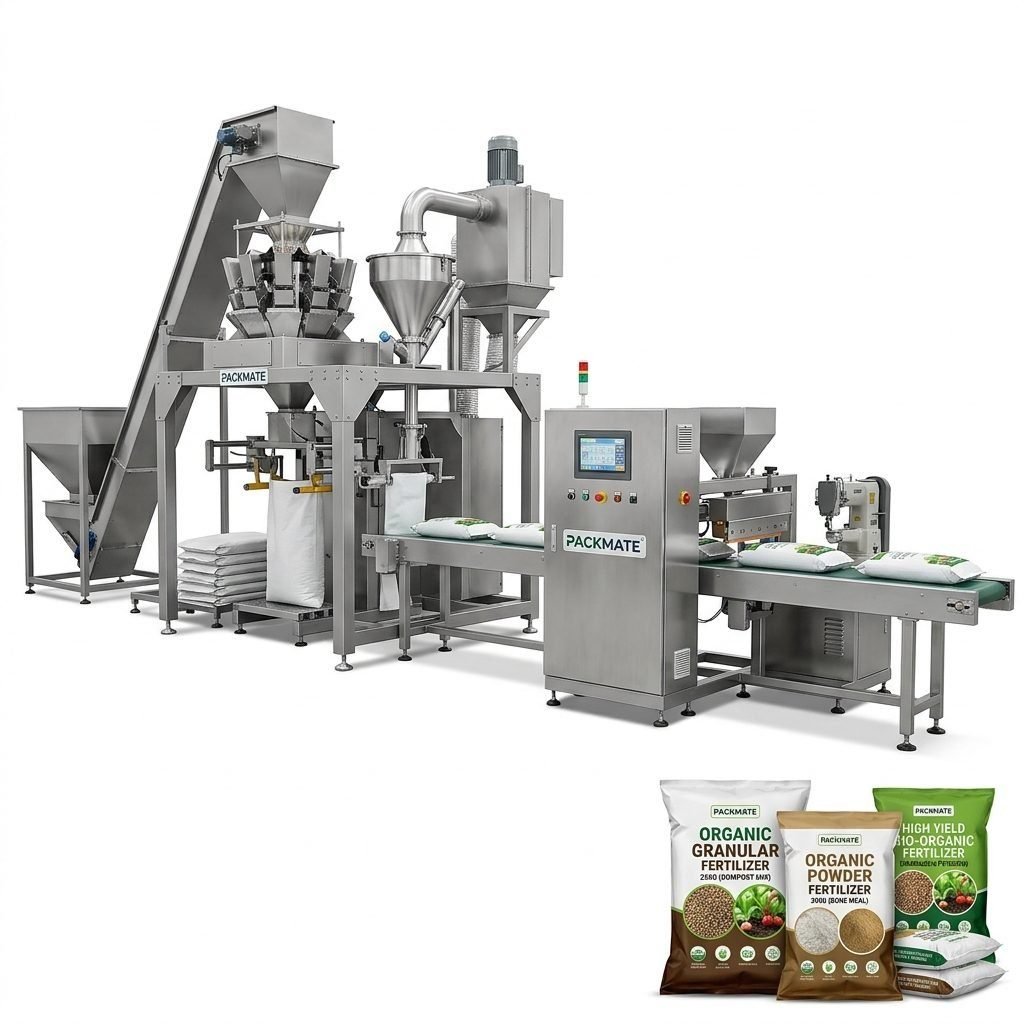
For complex projects, consider manufacturers that specialize in integrated solutions. If your goal is a fully automated packaging line with feeding, weighing, filling, sealing, and cartoning, a turnkey supplier is ideal. Companies like PacklineOEM focus on this integrated approach, managing the entire line design and coordination.
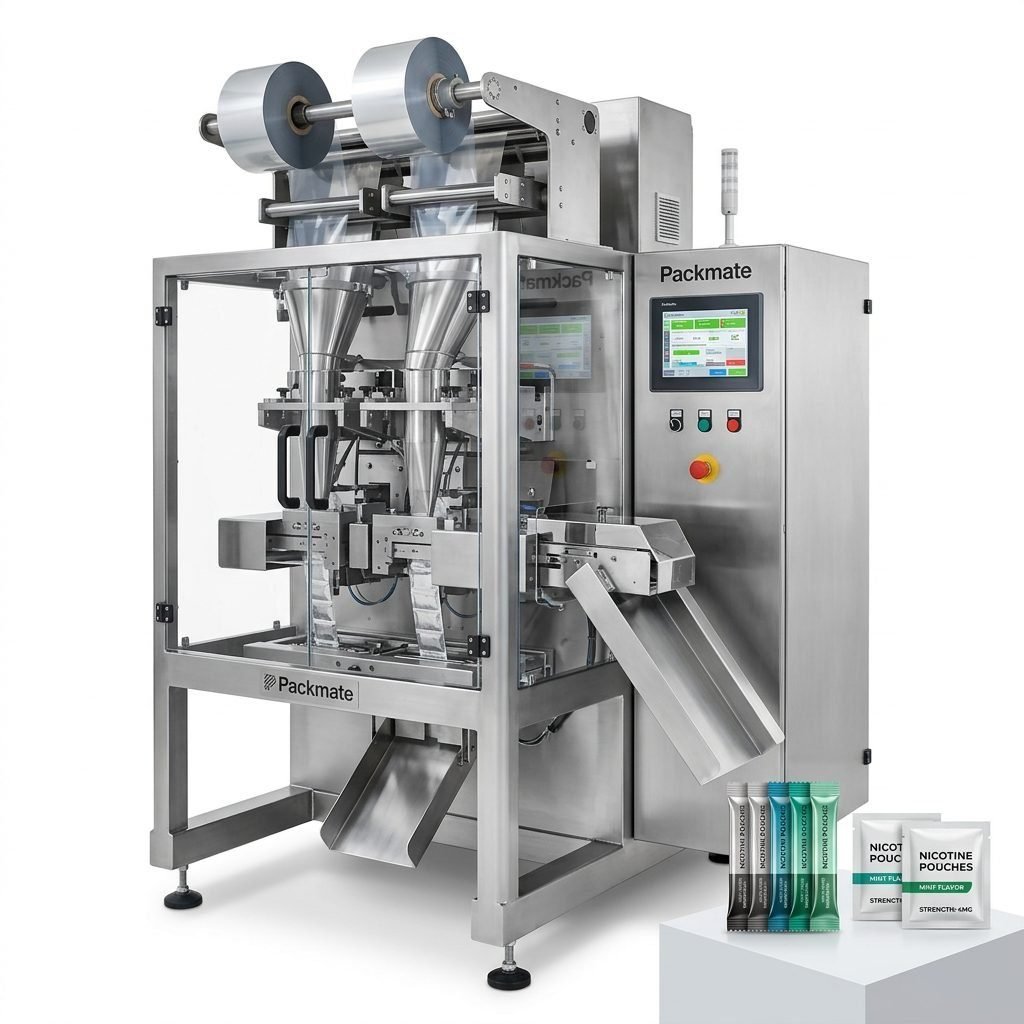
Similarly, for niche products like nicotine pouches or snus, which require precise dosing and specific sealing technologies, a specialized manufacturer such as SnusMachinery can offer invaluable application-specific expertise that general manufacturers may lack.
Final Checklist Before Ordering:
✔ Have you received and validated a machine test report with your product?
✔ Are the warranty terms and spare parts availability clearly defined?
✔ Is the voltage and electrical standard (e.g., 415V, 50Hz) compatible with the Indian power grid?
✔ Have you planned for customs clearance and local logistics from the Indian port to your factory?
✔ Is the manufacturer’s support team accessible across your time zone for troubleshooting?
Navigating Challenges and Building a Partnership
Sourcing from overseas involves navigating logistics, communication, and cultural differences. Choose a manufacturer known for clear communication and transparency. View the relationship as a long-term partnership. A reliable supplier, such as PackingMachineOEM which emphasizes customization, can become a strategic partner, supporting you with future upgrades and expansions as your business in the dynamic Indian market grows.
Frequently Asked Questions (FAQs)
Q1: What is the typical lead time for receiving a packaging machine from an international manufacturer?
A: Lead times vary based on machine complexity and customization. For standard models, it can range from 30 to 60 days after order confirmation. For fully customized or turnkey lines, it may take 90 to 120 days or more. Always confirm the detailed production and shipping schedule with your supplier.
Q2: How can I ensure the machine will comply with Indian safety and regulatory standards?
A: Discuss this explicitly with the manufacturer. Reputable exporters are familiar with CE certification and international safety standards. For specific Indian regulations, you may need to involve a local consultant to ensure the installed system meets all necessary guidelines, though the machine’s core electrical and safety design should be of international export grade.
Q3: Is it better to buy a single machine or a complete packaging line?
A: It depends on your current and future needs. A single machine suffices for specific, manual or semi-automated tasks. A complete, integrated line from a supplier like PacklineOEM is more efficient for high-volume, fully automated production, minimizing manual handling and ensuring consistency. Consider your production volume, labor costs, and growth plans.
Q4: What kind of after-sales support should I expect?
A: Expect detailed installation manuals, wiring diagrams, and operational guides. Professional suppliers offer remote video support, online troubleshooting, and a readily available spare parts list. Some may have local service agents or can dispatch engineers for on-site commissioning and training, though this may involve additional costs.
Q5: Can the machine handle variations in my raw material quality, which is common in India?
A: This is a critical point. During the testing phase, use samples that represent the full range of your raw material’s characteristics (e.g., moisture content, particle size). Discuss these variations with the manufacturer’s engineers. A good machine design will have adjustable parameters (like vibration, auger speed, or weighing systems) to compensate for minor inconsistencies and maintain dosing accuracy.