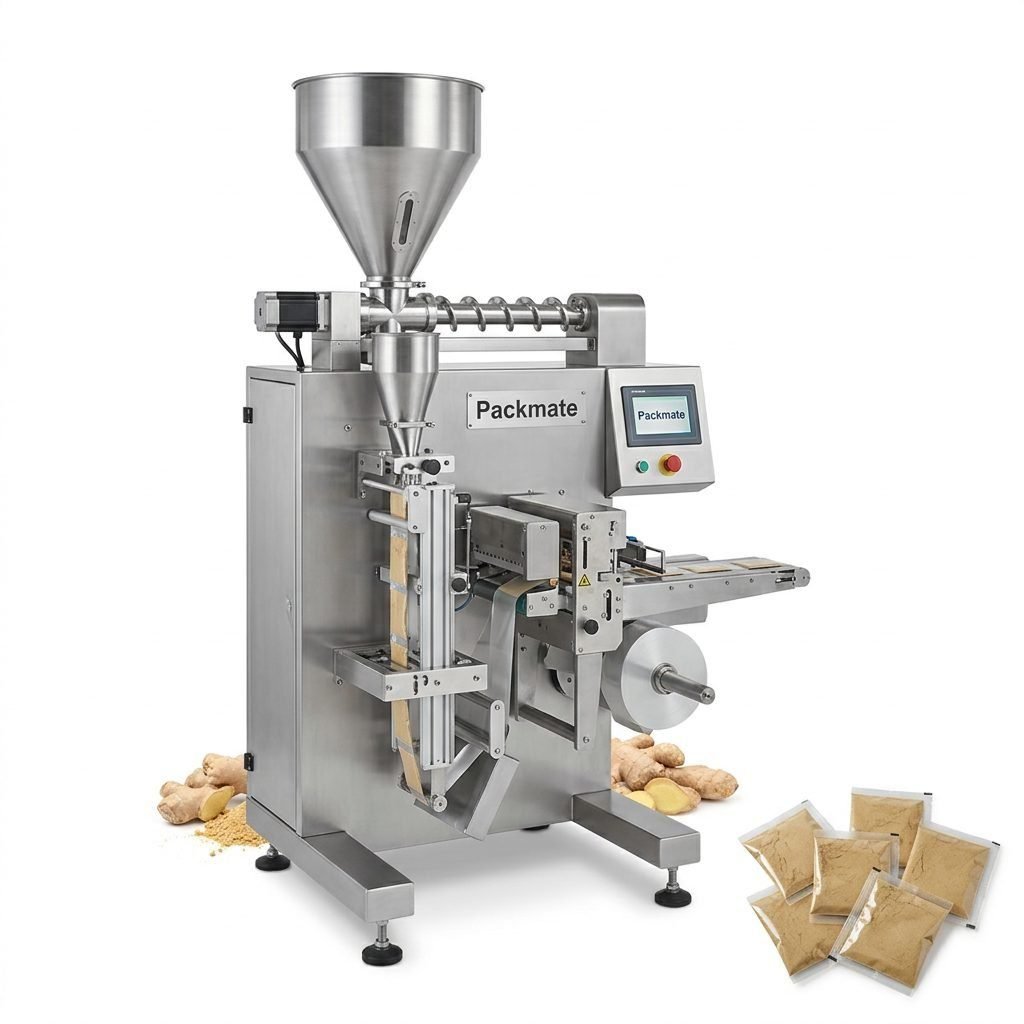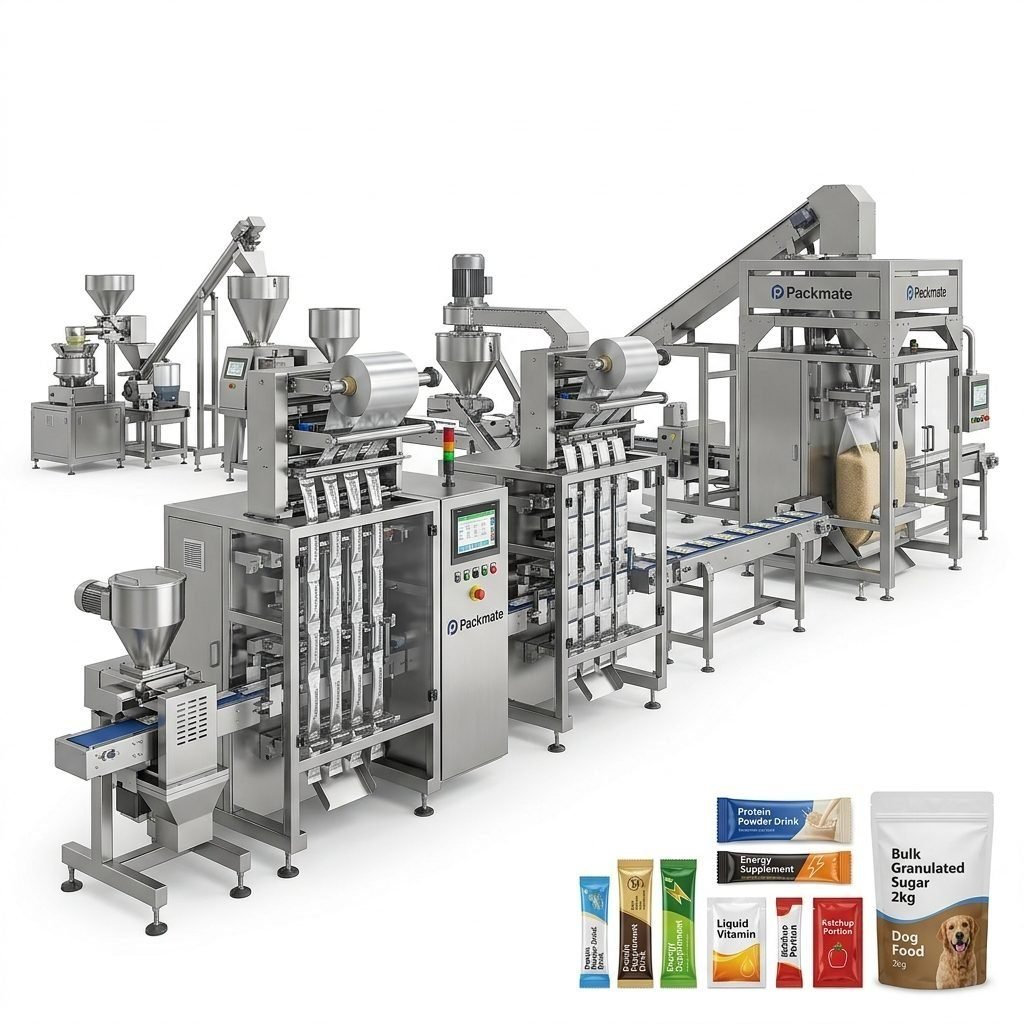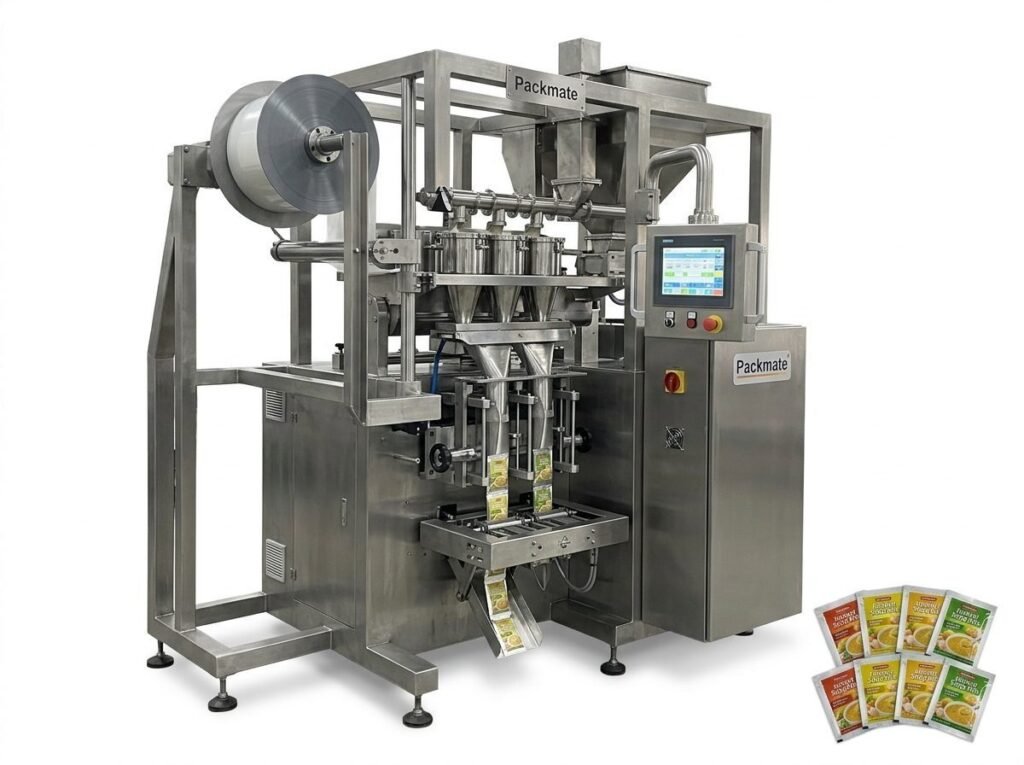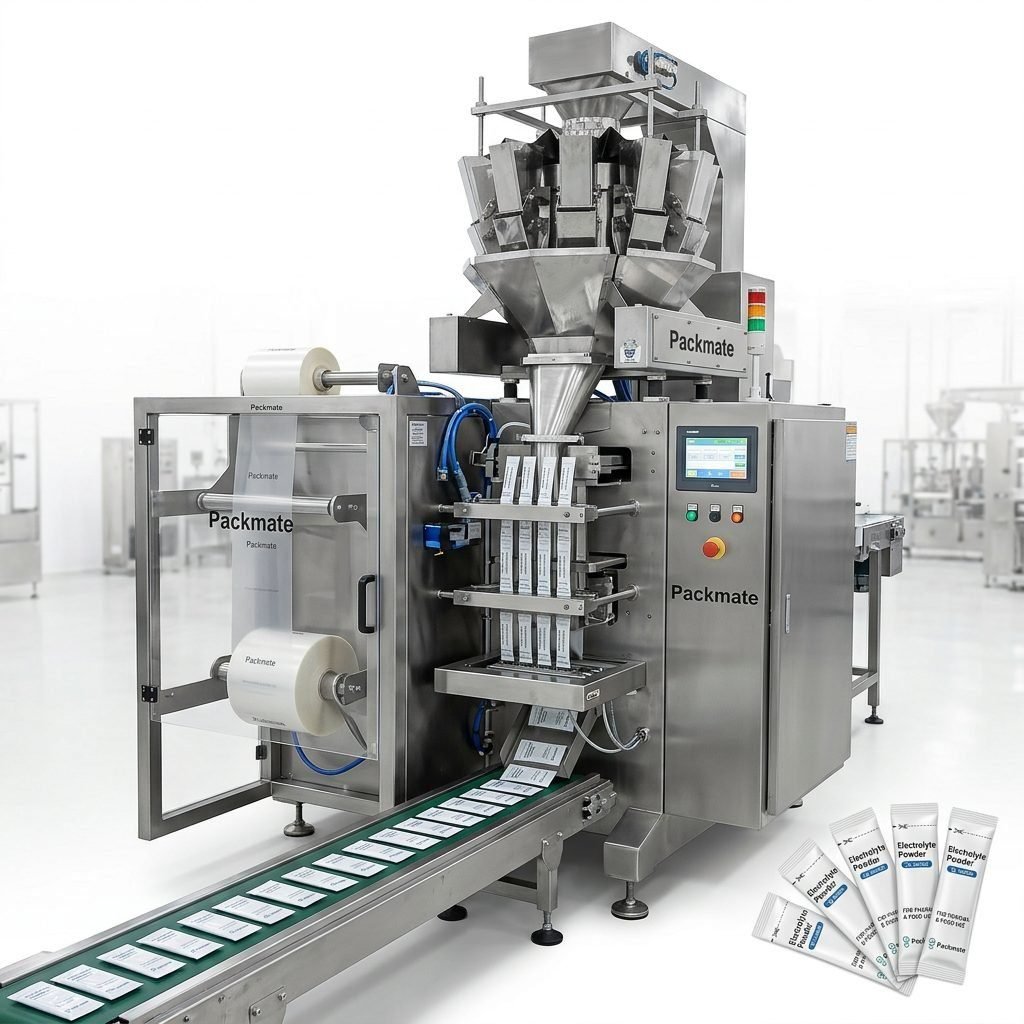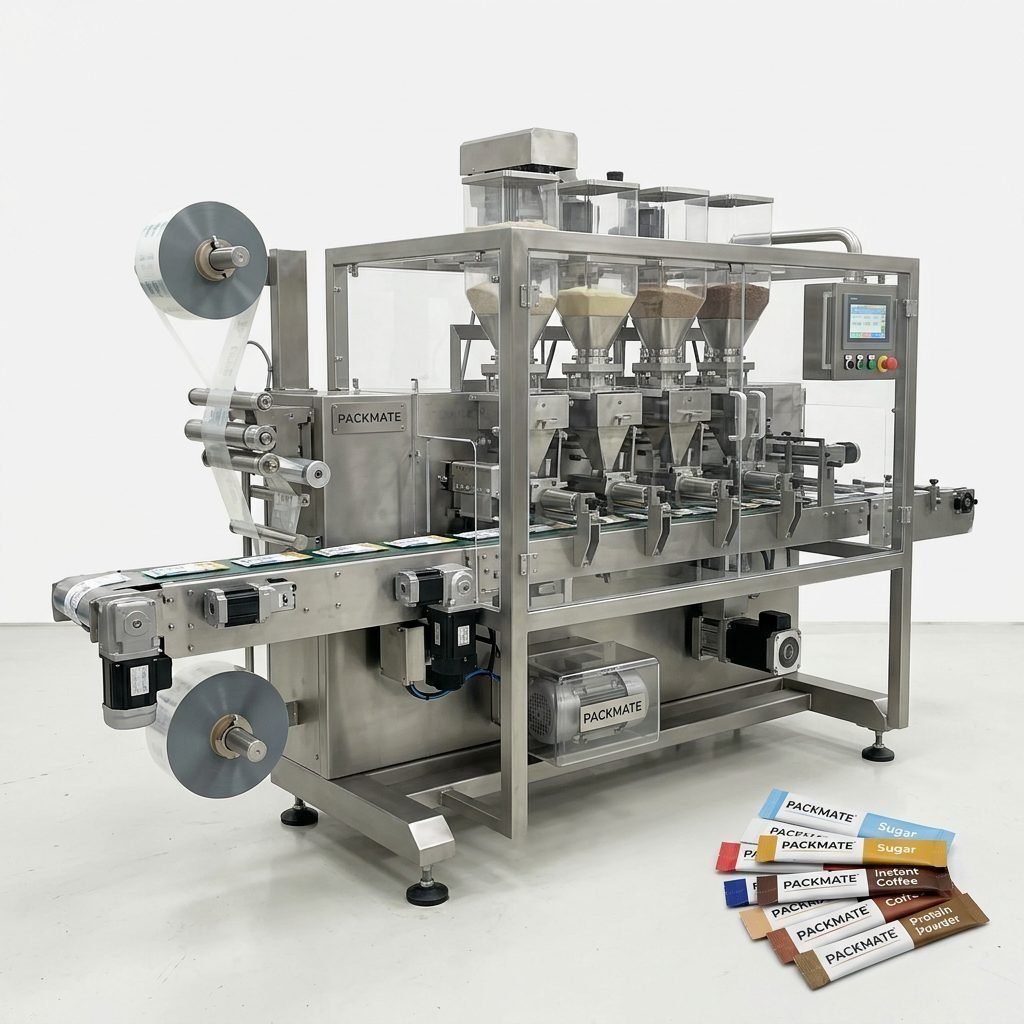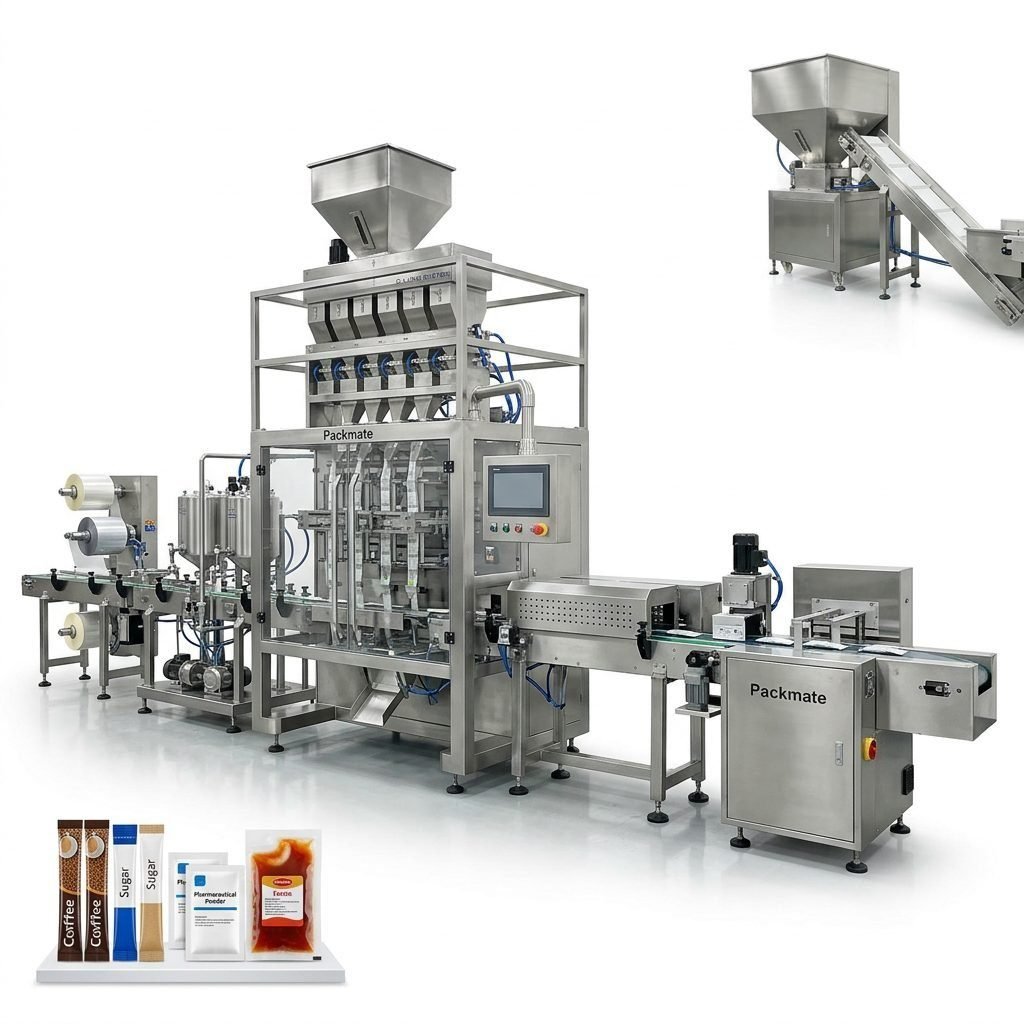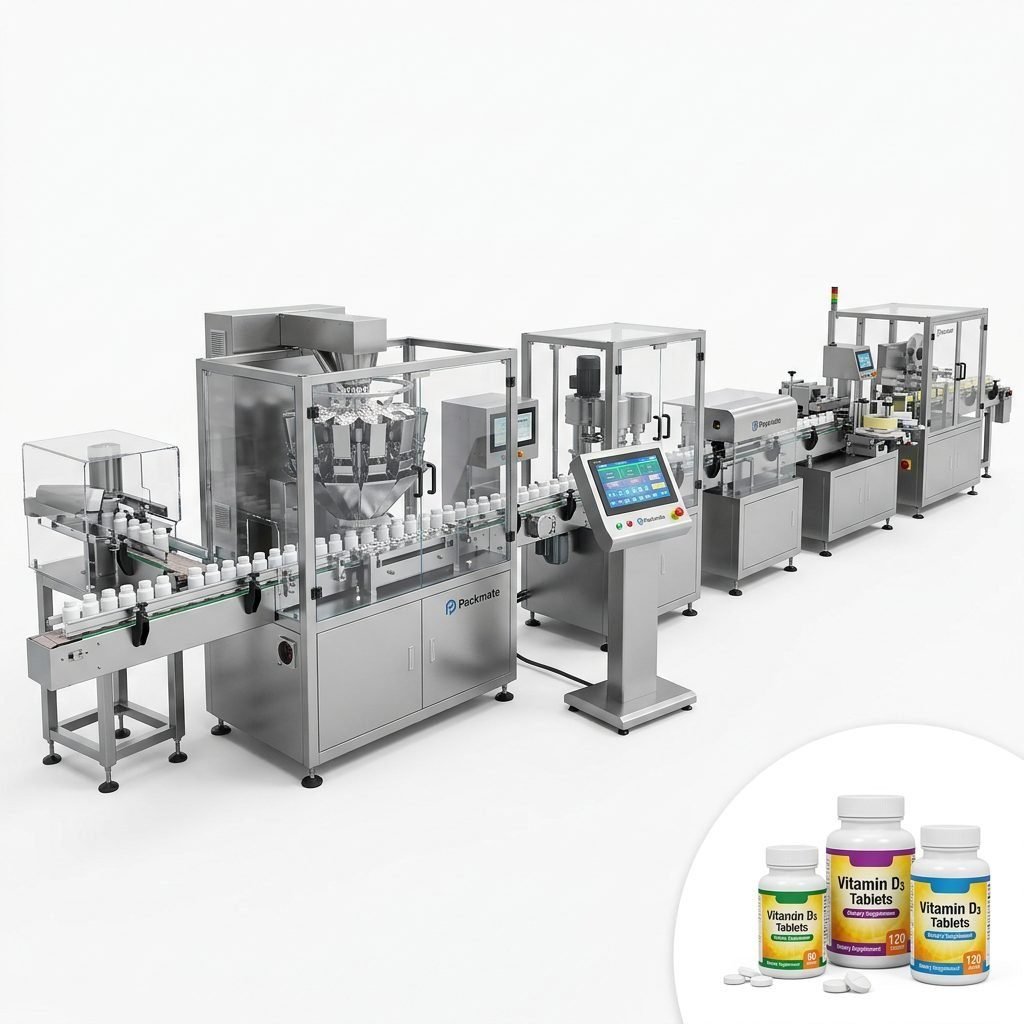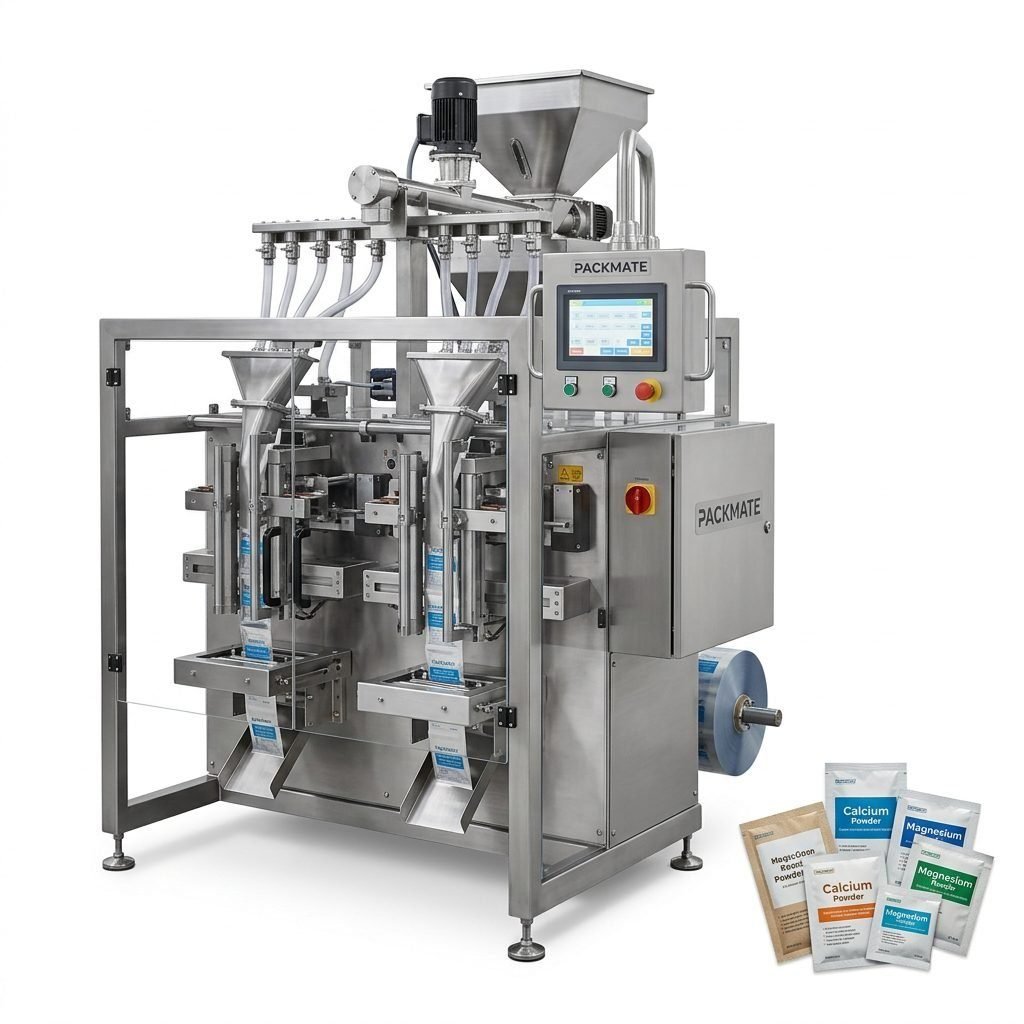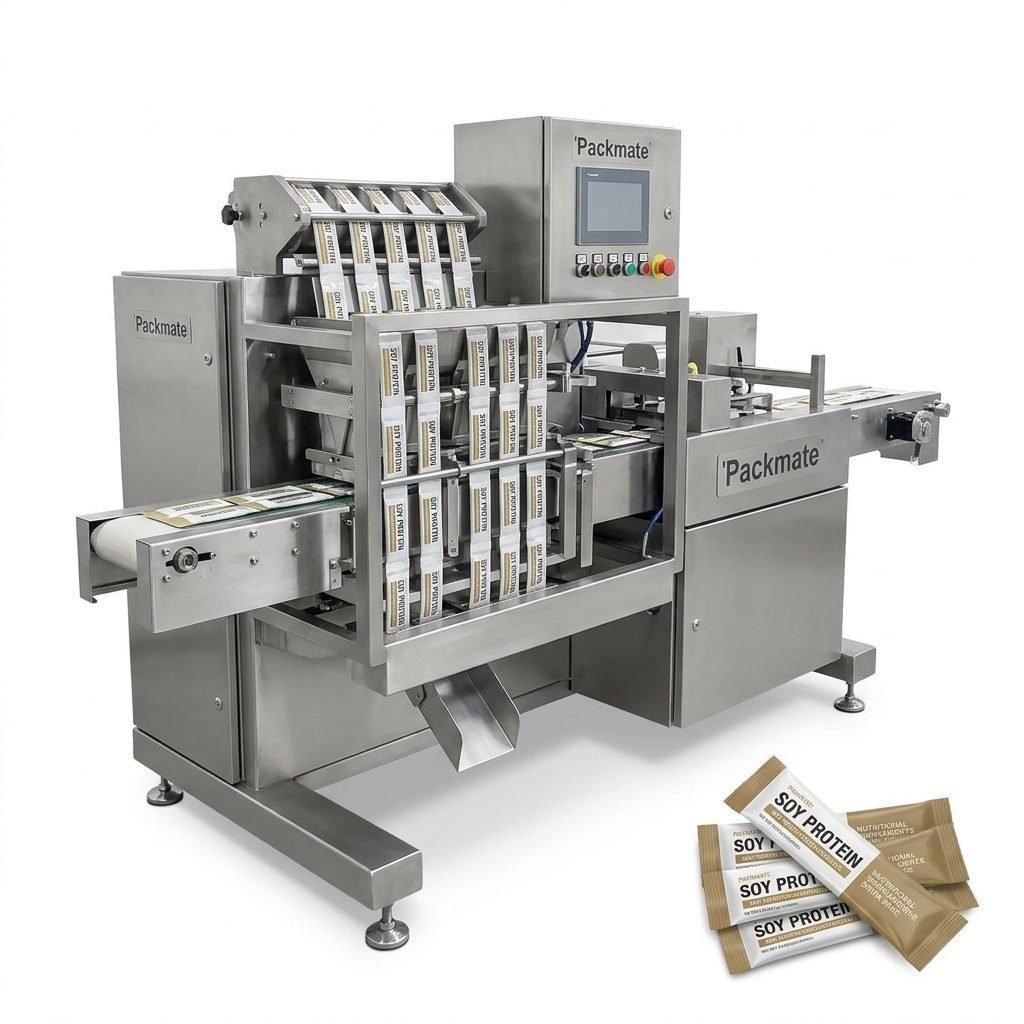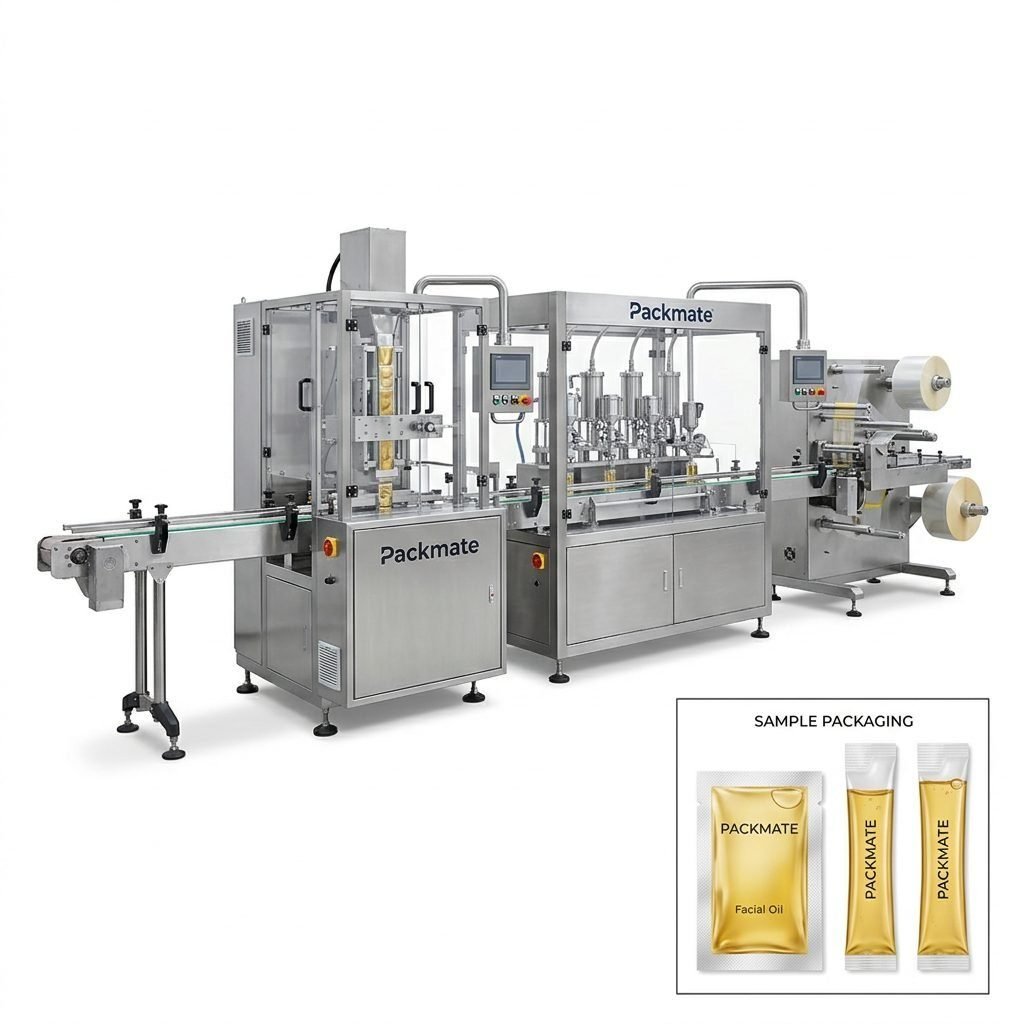
Selecting the right packaging machine manufacturer in Iran is a critical decision for businesses looking to enhance production efficiency, ensure product quality, and maintain a competitive edge. The Iranian market, with its diverse industrial base spanning food processing, pharmaceuticals, agriculture, and consumer goods, has specific requirements for packaging equipment. Local manufacturers often need machinery that can handle high volumes, adapt to unique product formats common in the region, and operate reliably under local conditions. Therefore, a careful evaluation of potential suppliers is essential.
Understanding Your Production Requirements in Iran
The first step is a thorough analysis of your specific needs. Iranian producers should consider the type of product (e.g., powders like saffron or turmeric, granules like rice or pulses, liquids like dairy or oil), the desired packaging format (stick packs, sachets, pouches), and the required production speed. Factories in major industrial hubs like Tehran, Isfahan, or Mashhad may have different space and utility constraints compared to smaller regional facilities. Clearly defining your output goals, bag size range, and any need for multi-lingual labeling (Farsi/English) will narrow down suitable machine options.
Key questions for Iranian buyers:
What is your primary product form (powder, granule, liquid, paste)?
What is your target daily or monthly production volume?
Do you require specific certifications for food or pharmaceutical packaging?
Is after-sales technical support and spare part availability within Iran a major priority?
Evaluating Manufacturer Credentials and Experience
Look for manufacturers with a proven track record and substantial industry experience. A company with over two or three decades in business has likely navigated various market cycles and technological shifts, leading to more robust and reliable machine designs. For the Iranian market, it’s advantageous to choose suppliers who have experience exporting to the Middle East or similar regions, as they will be more familiar with regional voltage standards, climate considerations, and common logistical challenges.
Consider manufacturers like Ludyway, established in 1993, which brings over 30 years of expertise to the table. Their long history indicates stability and a deep understanding of packaging automation across food, pharma, and related sectors—industries highly relevant to Iran’s manufacturing landscape.
Assessing Product Range and Technical Capability
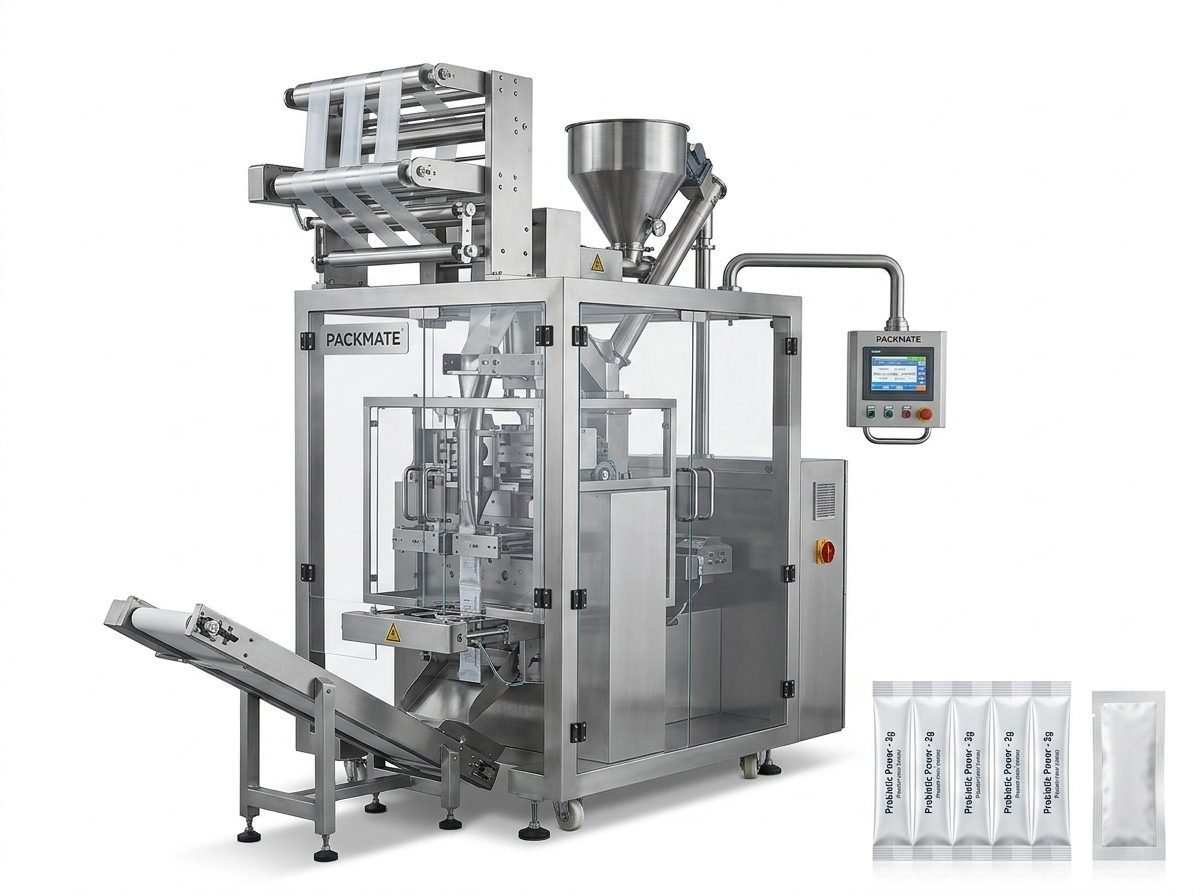
The manufacturer’s product portfolio should align with your current and future needs. A broad range covering multi-lane stick pack machines, sachet packers, vertical form-fill-seal systems, and complete lines offers flexibility. For Iranian businesses that may package a variety of goods—from food powders to pharmaceutical granules—a supplier with wide applicability is crucial. Evaluate if they offer customization, as local products might require specific dosing mechanisms or bag styles.
Companies such as Packmate Machinery offer over 80 machine models, providing a solid selection for different packaging applications. This variety can be beneficial for an Iranian operation looking to scale or diversify its product lines without switching suppliers.
| Capability Factor | Why It Matters for Iranian Buyers |
|---|---|
| Customization & Non-Standard Solutions | Local products may have unique shapes, viscosities, or packaging traditions that require tailored engineering. |
| Turnkey Line Integration | For new factory setups or major expansions, a single supplier for the entire line simplifies project management and ensures compatibility. |
| Technical Support & Training | Remote support and the availability of local agents or engineers can minimize costly downtime. |
Factory Infrastructure and Quality Control
A manufacturer’s production facility is a direct reflection of their commitment to quality. Modern factories with advanced CNC machining, structured assembly lines, and rigorous testing protocols produce more precise and durable machines. For Iranian importers, dealing with a manufacturer that has a sizable facility (e.g., 20,000+ square meters) often means better production capacity, shorter lead times for standard models, and a more systematic approach to quality assurance—reducing the risk of receiving faulty equipment.
After-Sales Support and Spare Parts Logistics
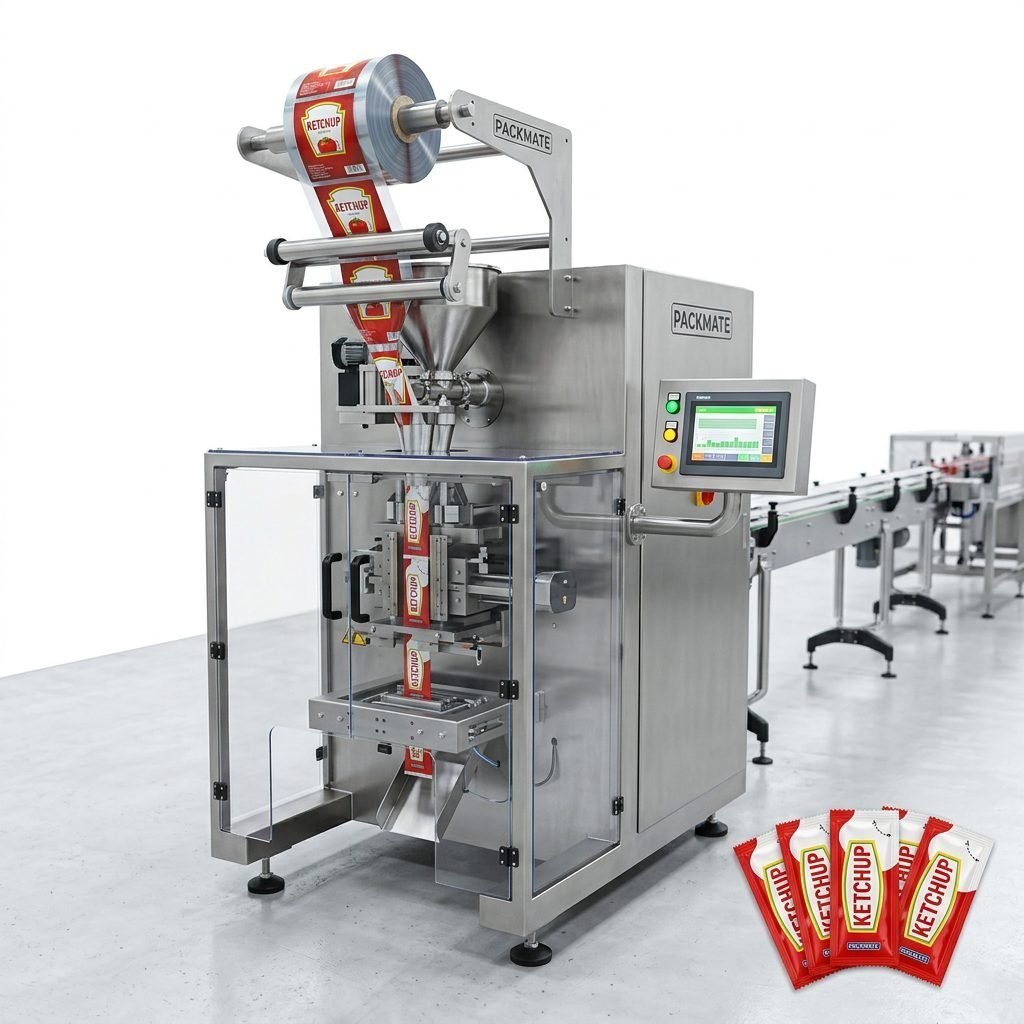
This is arguably one of the most critical factors for Iranian businesses. Reliable after-sales service, including installation guidance, operator training, troubleshooting support, and timely spare parts delivery, is vital for maintaining continuous production. Inquire about the supplier’s support network in the Middle East. Do they have local partners or agents in Iran or neighboring countries? What is their typical response time for technical queries? A manufacturer with a strong export orientation to the region, like those serving the Middle East extensively, will typically have more established support channels.
Support Checklist:
Availability of detailed machine manuals in English or Farsi.
Warranty terms and conditions for international shipments.
Process for ordering and shipping spare parts to Iran.
Options for remote online diagnostics and support.
Cost Considerations and Value Analysis
While initial purchase price is important, the total cost of ownership (TCO) should be the primary financial metric. This includes machine efficiency (material savings), durability (frequency of repairs), energy consumption, and the cost of potential downtime. A slightly higher upfront investment in a more reliable and efficient machine from a reputable manufacturer like PacklineOEM can lead to significant long-term savings and a better return on investment for Iranian companies. Request detailed quotations and compare the specifications, included services, and payment terms side-by-side.
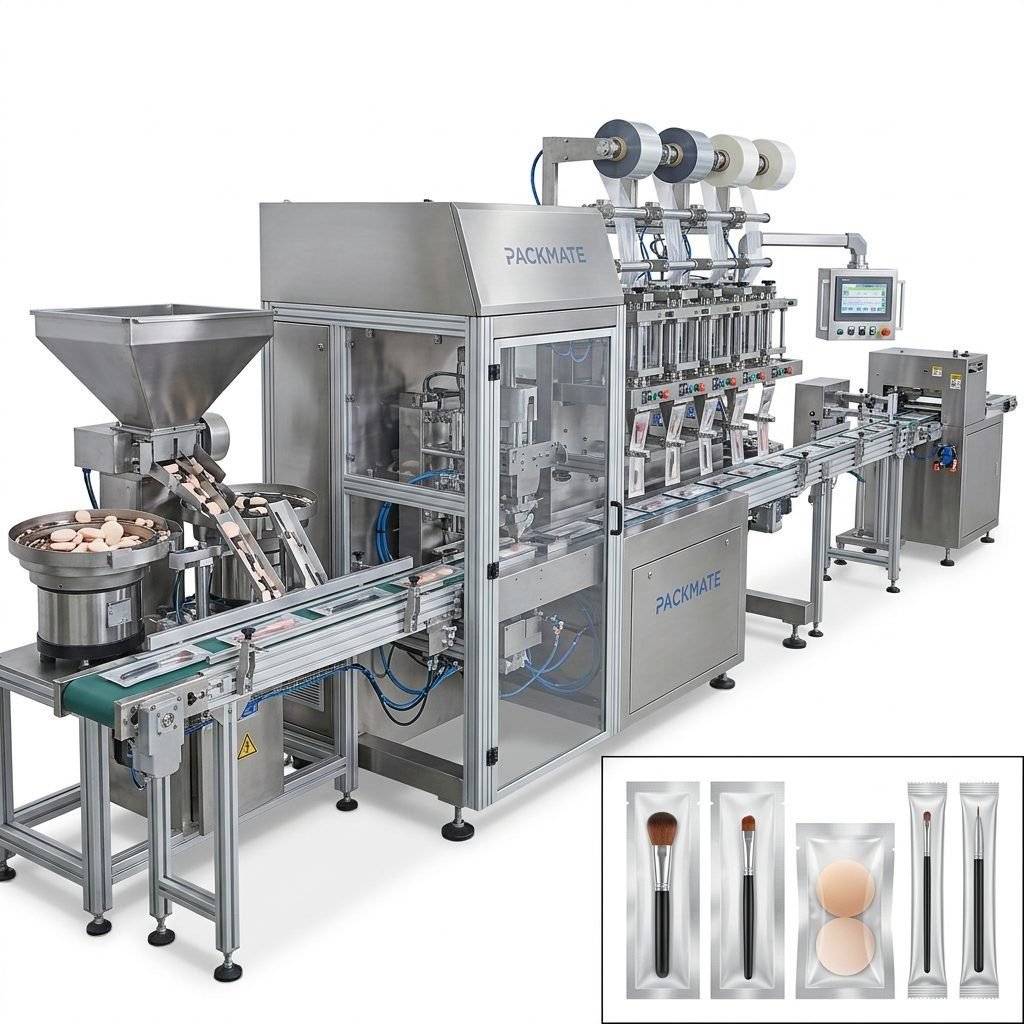
Specialization for Niche Markets
If your business operates in a specialized segment, partnering with a manufacturer that has focused expertise can be advantageous. For instance, the market for nicotine pouches or snus, while niche, has specific packaging requirements for precision and consistency. A supplier like SnusMachinery, which specializes in this area, may offer more optimized solutions than a generalist manufacturer. Similarly, for businesses requiring heavy customization, a manufacturer positioning itself on non-standard solutions, such as PackingMachineOEM, could be a more suitable partner for complex projects in Iran.
Final Steps: Due Diligence and Decision Making
Before finalizing your choice, conduct thorough due diligence. Request references from other clients, preferably in similar industries or regions. If possible, ask for video demonstrations of the machine packaging a product similar to yours. Verify the company’s export credentials and experience. A site visit to the manufacturer’s factory, though not always feasible, provides invaluable insights into their operations and build quality.
For Iranian importers, navigating international trade, customs clearance, and final installation requires clear communication. Ensure all contractual terms regarding delivery (e.g., FOB, CIF), responsibilities, testing, and acceptance are explicitly defined to avoid misunderstandings.
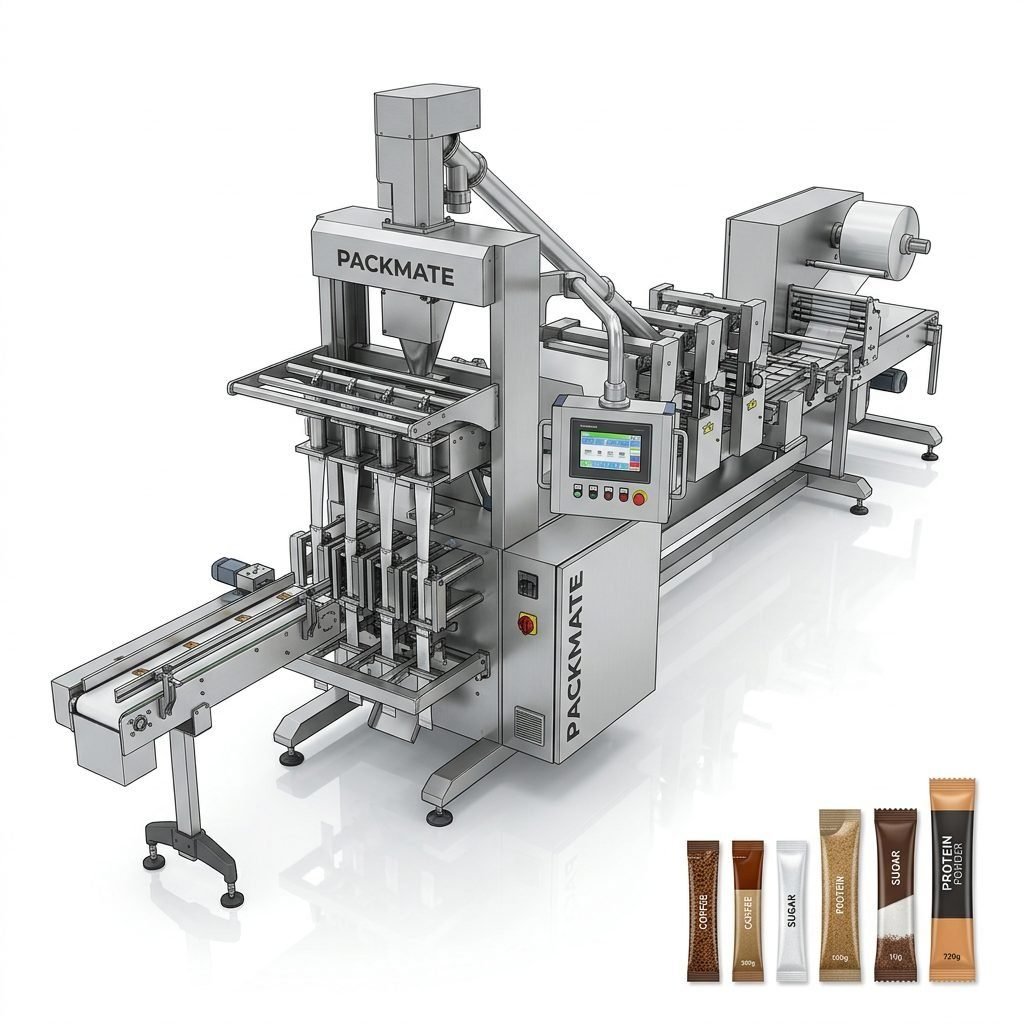
Frequently Asked Questions (FAQs)
Q: How can I verify the quality of a packaging machine before purchasing from overseas?
A: Request factory acceptance test (FAT) videos, ask for customer references you can contact, review certifications (CE, etc.), and if the budget allows, plan a visit to the manufacturer’s facility to see the production and testing process firsthand.
Q: What are the main challenges of importing packaging machinery to Iran?
A: Key challenges include navigating international payment methods, managing logistics and shipping, handling customs clearance procedures, ensuring technical support is accessible remotely, and arranging for local installation and commissioning if not provided by the supplier.
Q: Is it better to buy a standalone machine or a complete turnkey line?
A: It depends on your project scope. For replacing a single machine or adding capacity, a standalone unit is sufficient. For a new production facility or a completely automated process, a turnkey line from an integrated supplier ensures all components work harmoniously and simplifies project responsibility.
Q: How important is the manufacturer’s experience in my specific product category?
A> Very important. Experience with your product type (e.g., hygroscopic powders, oily granules, viscous pastes) means the manufacturer has likely solved common related challenges in dosing, sealing, and material handling, leading to a machine that performs better from day one.
Q: Can packaging machines be adapted to use locally available packaging films in Iran?
A> Reputable manufacturers often design machines to be compatible with a range of packaging materials. You should provide samples of your intended local film to the supplier for testing and sealing parameter adjustment during the machine commissioning phase to ensure optimal performance.