Selecting the right automatic powder sachet filling machine is a critical investment decision for any manufacturer in the food, pharmaceutical, nutraceutical, or chemical industries. The right machine can dramatically improve production efficiency, ensure consistent product quality, and reduce long-term operational costs. With numerous options available globally, making an informed choice requires careful consideration of several key technical and operational factors.
Key Factors to Consider When Choosing a Powder Sachet Filling Machine
The ideal machine for your operation depends on a balance between your product’s characteristics, production goals, and budget. Here are the primary factors to guide your selection.
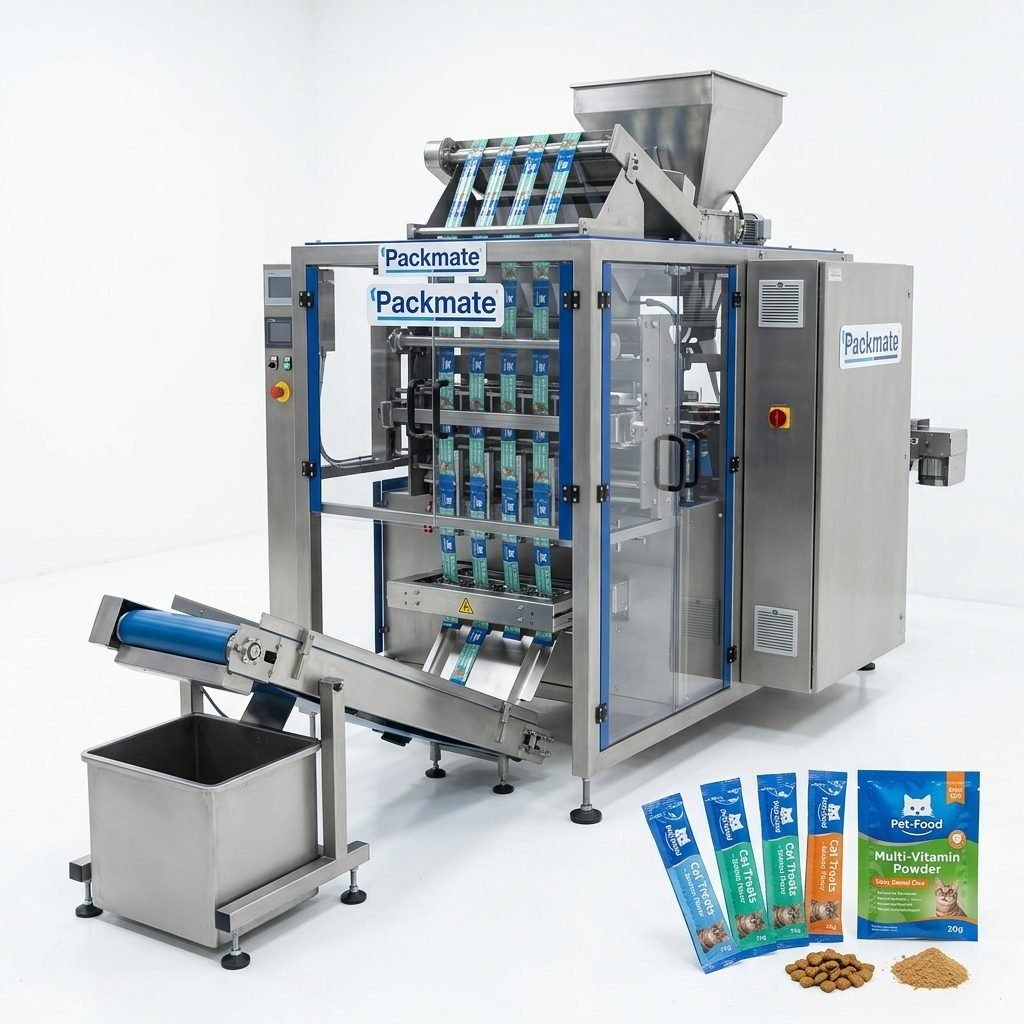
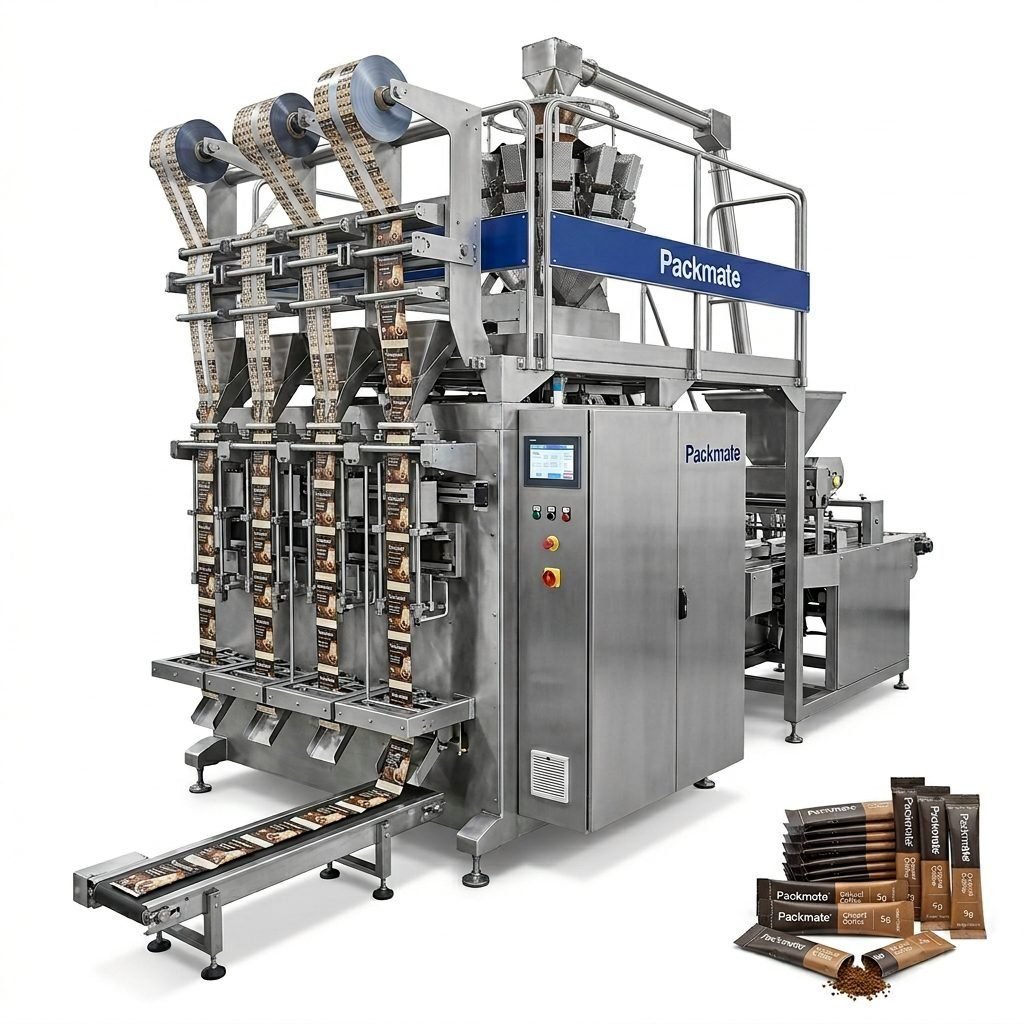
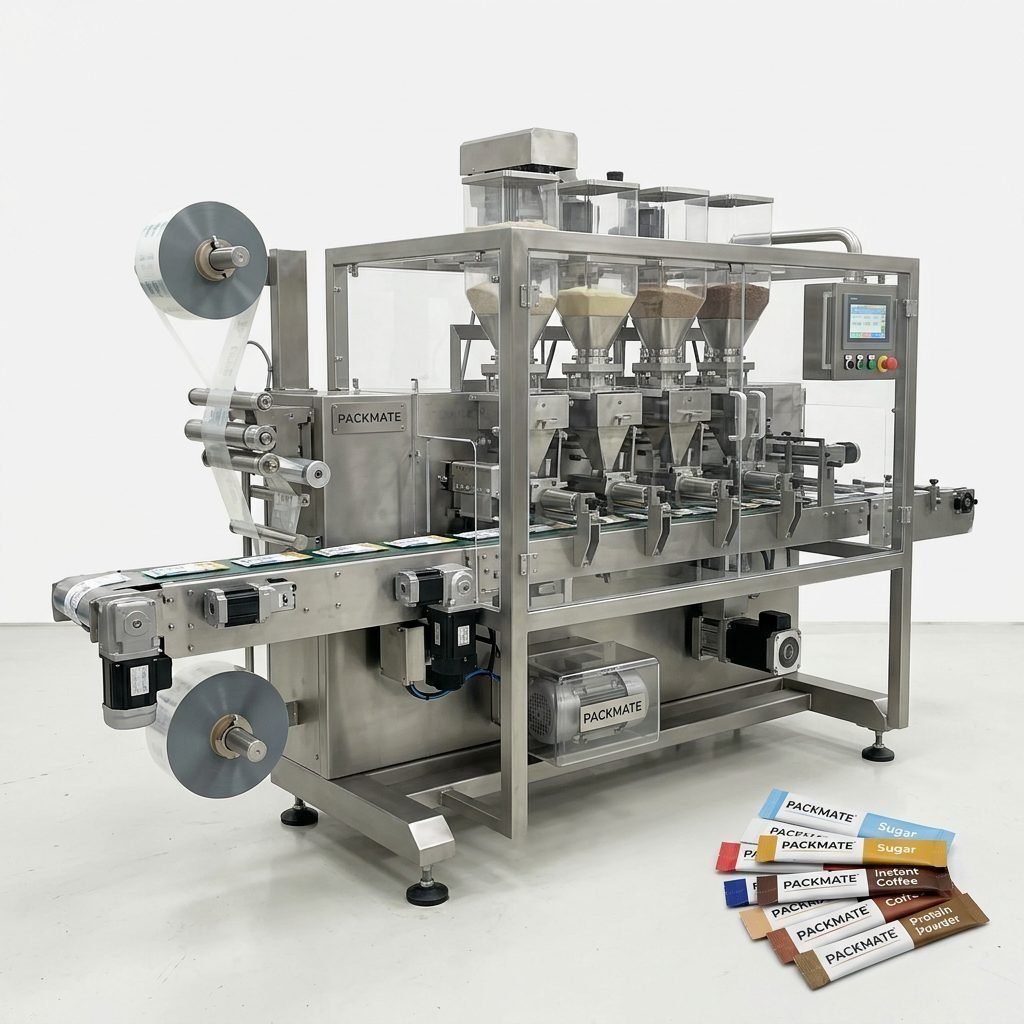
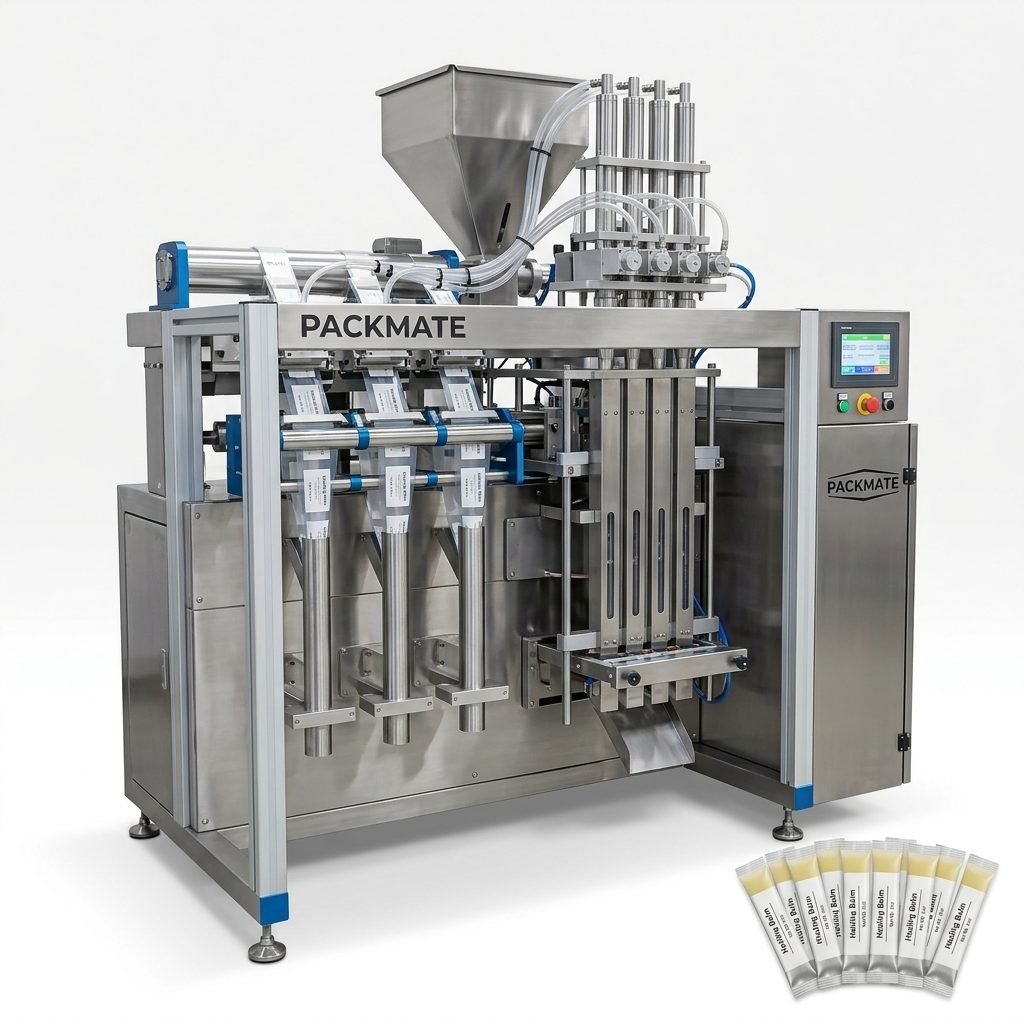
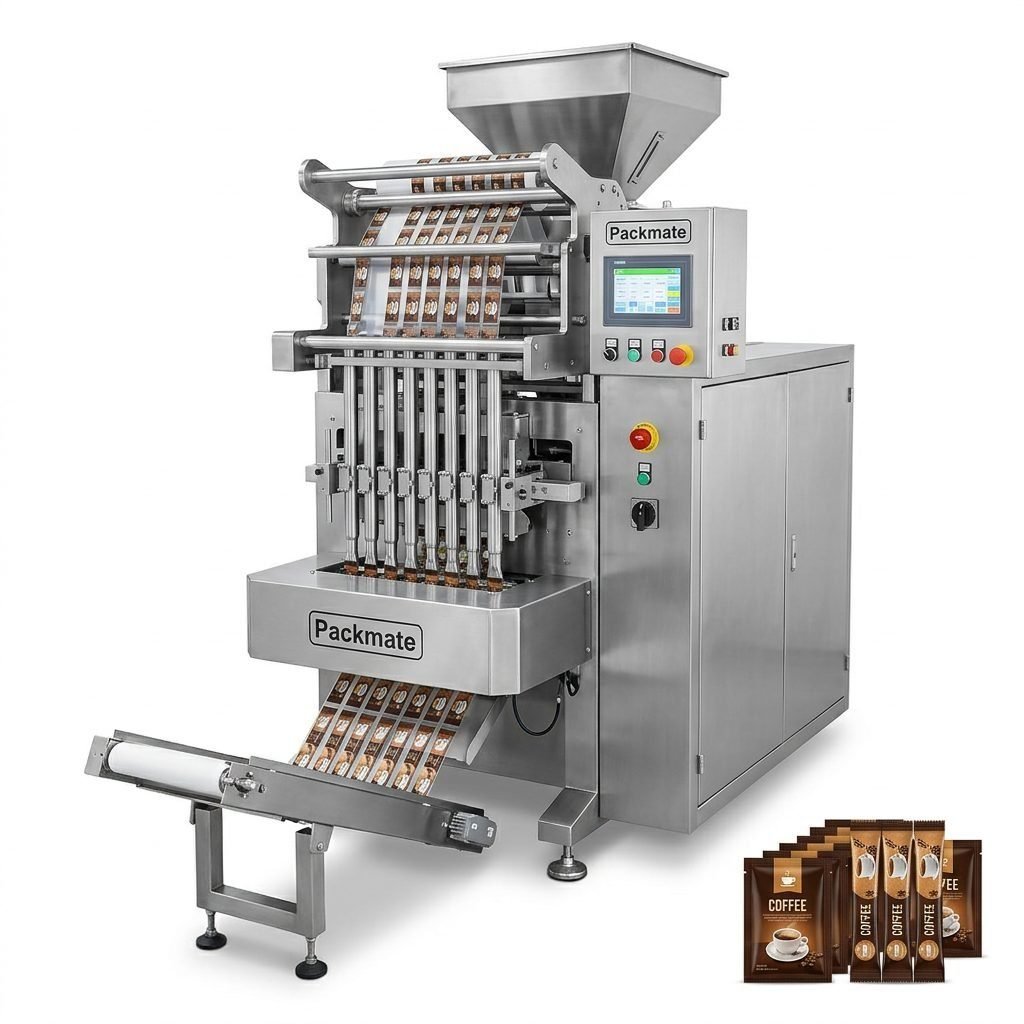
Production Speed and Output Requirements: This is often the starting point. Determine your required output in sachets per minute (SPM). Machines range from single-lane, semi-automatic units producing 30-60 SPM to high-speed, multi-lane automatic systems capable of 200-800+ SPM. For high-volume production, a multi-lane system is essential.
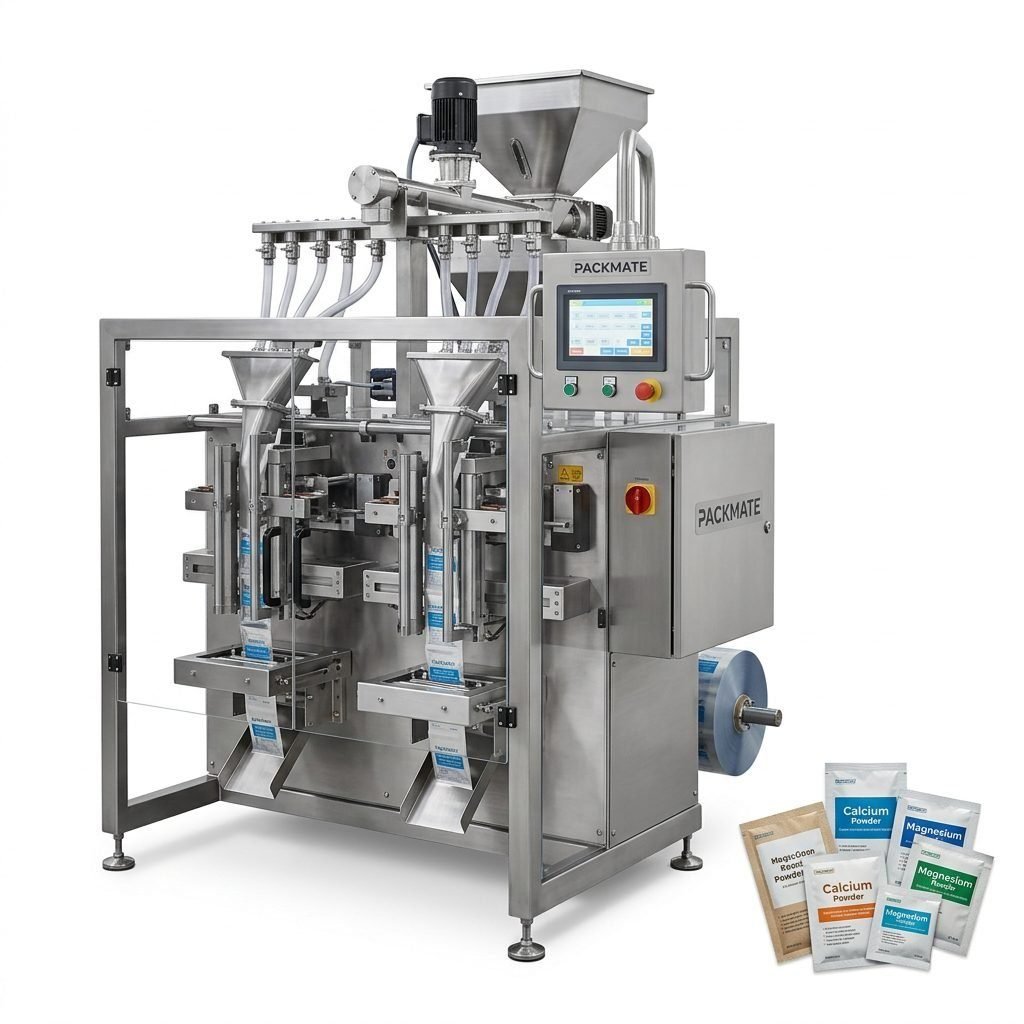
Powder Characteristics: The behavior of your powder is paramount. Consider its flowability (free-flowing, cohesive, sticky), density, hygroscopicity (moisture absorption), and particle size. A machine designed for fine, free-flowing flour will struggle with a dense, cohesive protein powder without the correct auger filling system and potential agitation features.
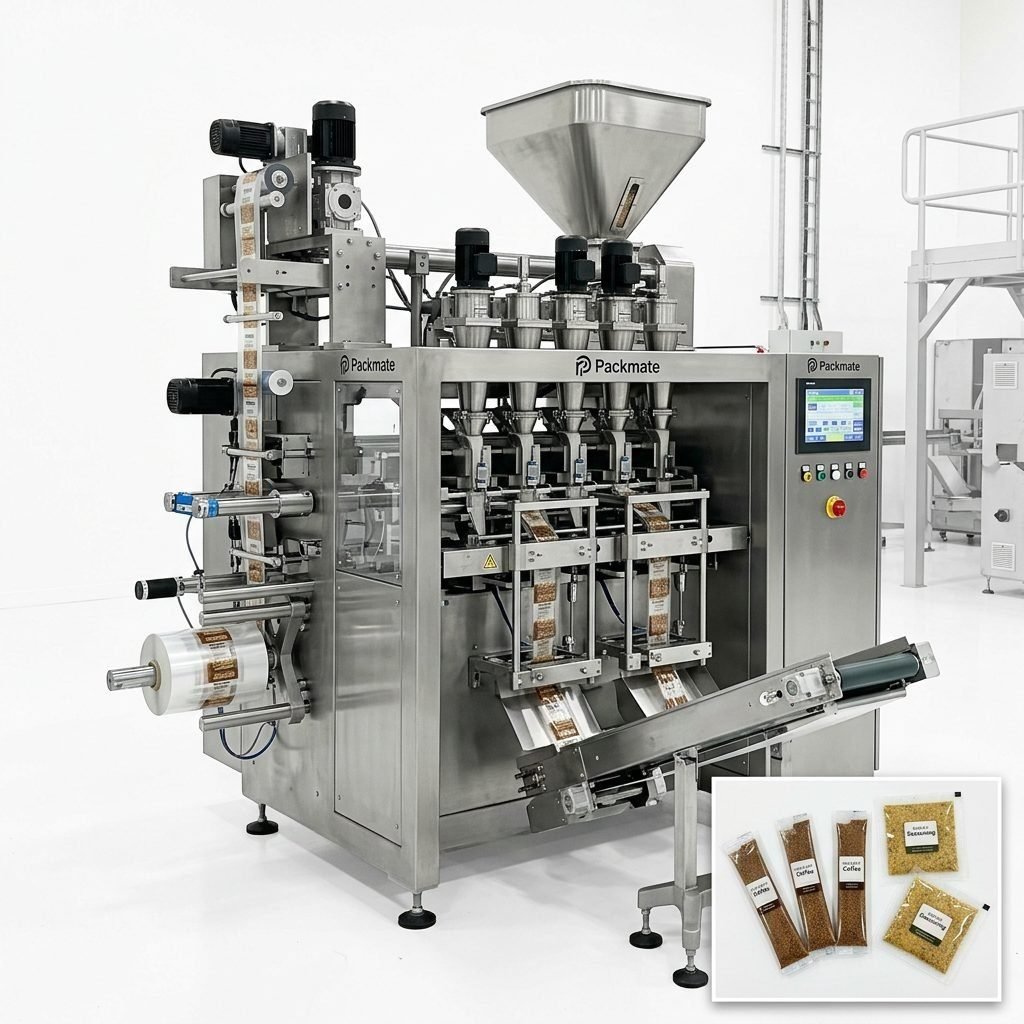
Filling Accuracy and Technology: Consistent dose weight is non-negotiable for product quality and regulatory compliance. Volumetric cup fillers are cost-effective for non-critical applications, but for high precision, an auger filler with servo-driven technology is the industry standard. Look for machines with checkweighers for 100% inline weight verification.
Sachet Specifications and Packaging Material: Define your sachet size (length, width), style (pillow, gusseted, stand-up), and the type of laminate film used (e.g., PET/AL/PE, PET/MET/PE). The machine must be compatible with your material’s thickness and sealing properties (heat sealing, cold sealing) to ensure strong, leak-proof seals.
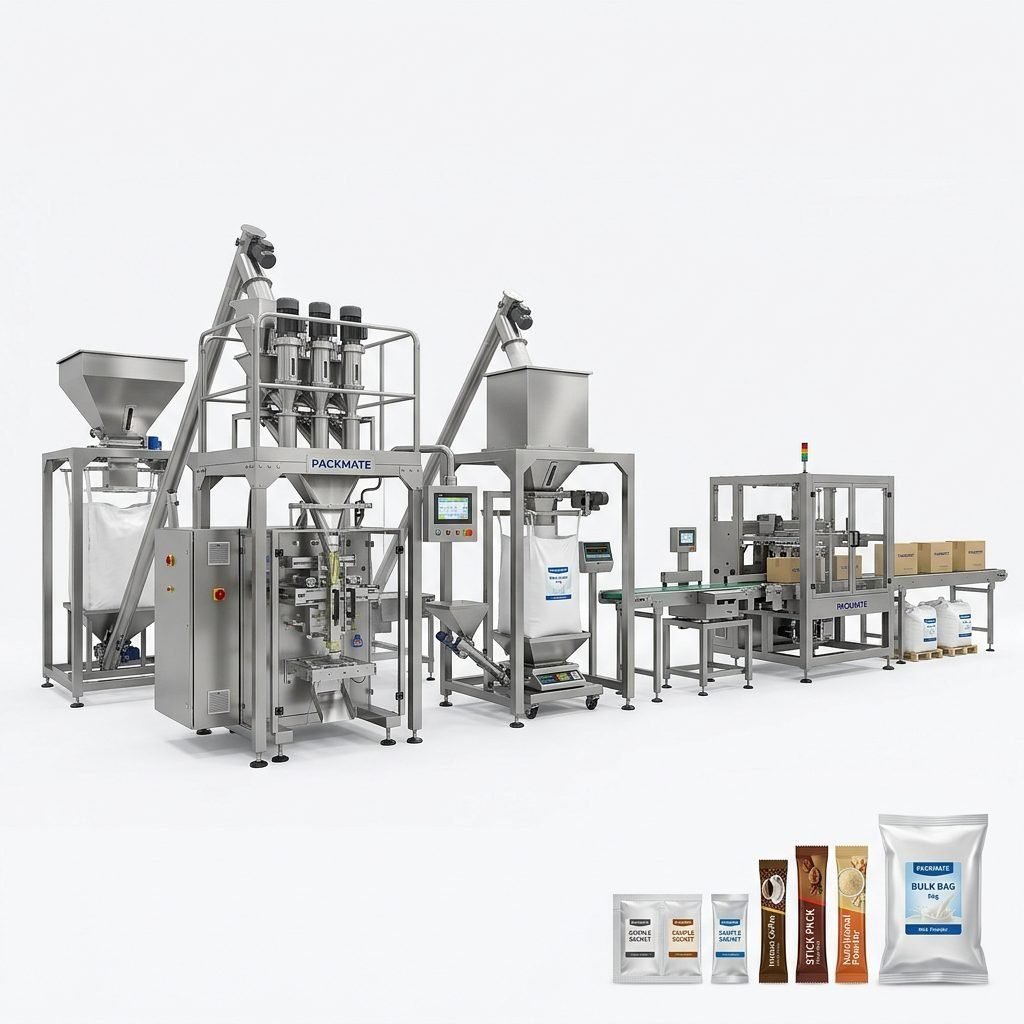
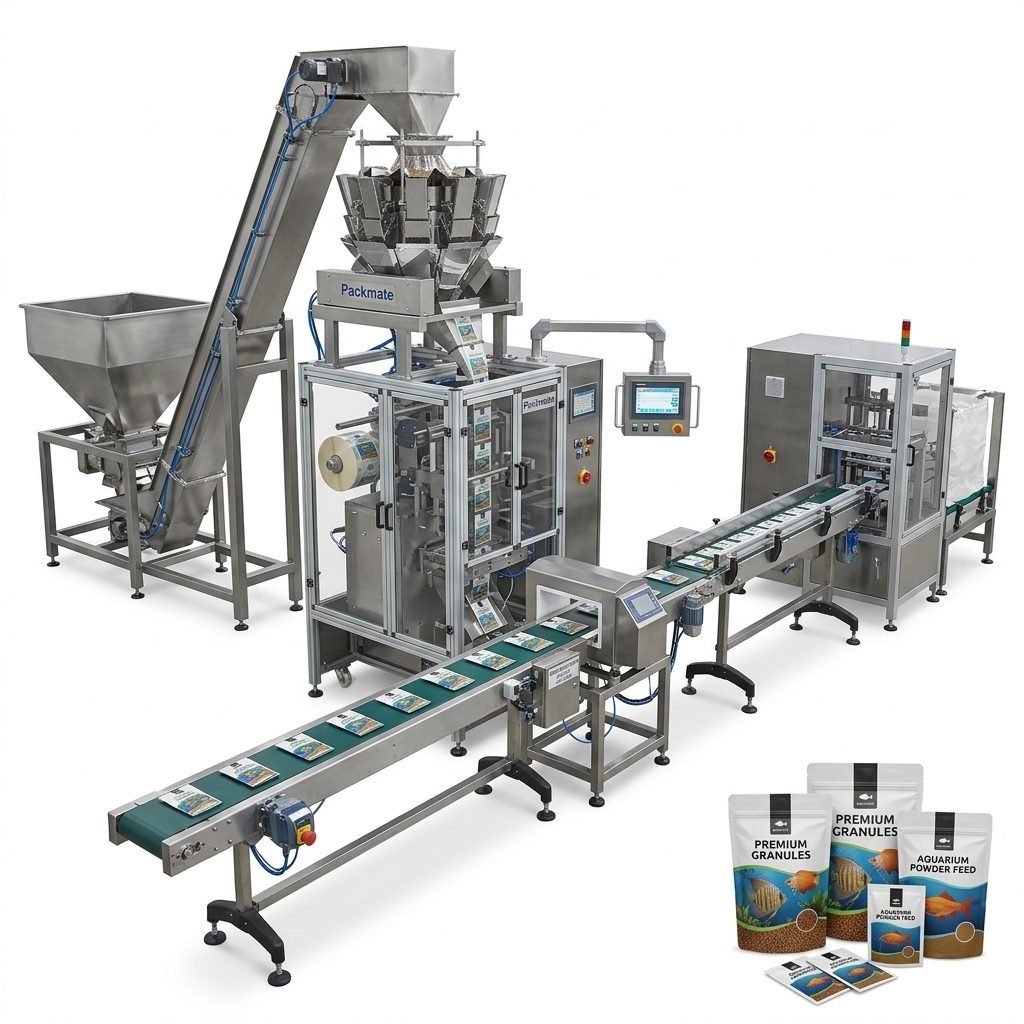
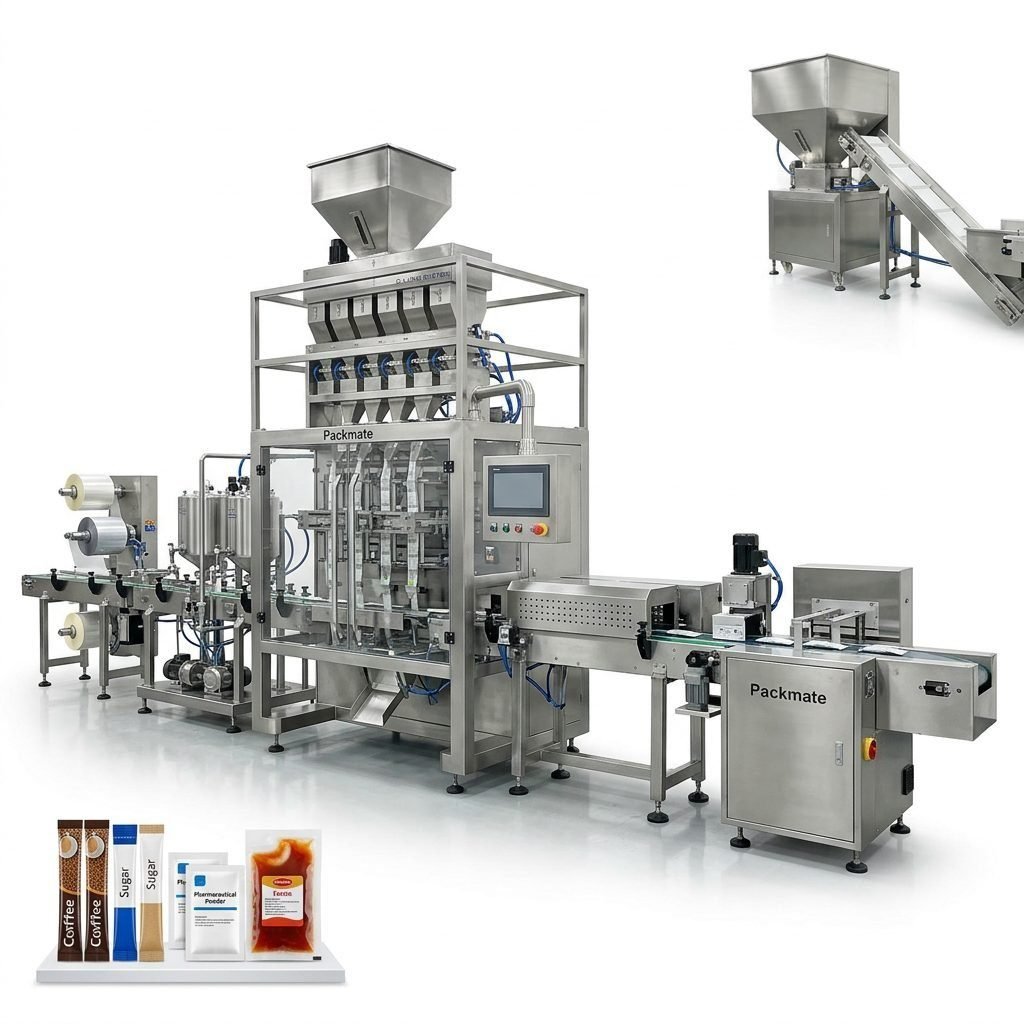
Level of Automation and Integration: Decide if you need a standalone machine or a fully integrated line. A complete line may include automatic film unwinding, printing (date/batch coding), filling, sealing, cutting, and cartoning. For turnkey solutions, partnering with a manufacturer like PacklineOEM, which specializes in integrated systems, can streamline the entire process.
Understanding Different Filling Technologies
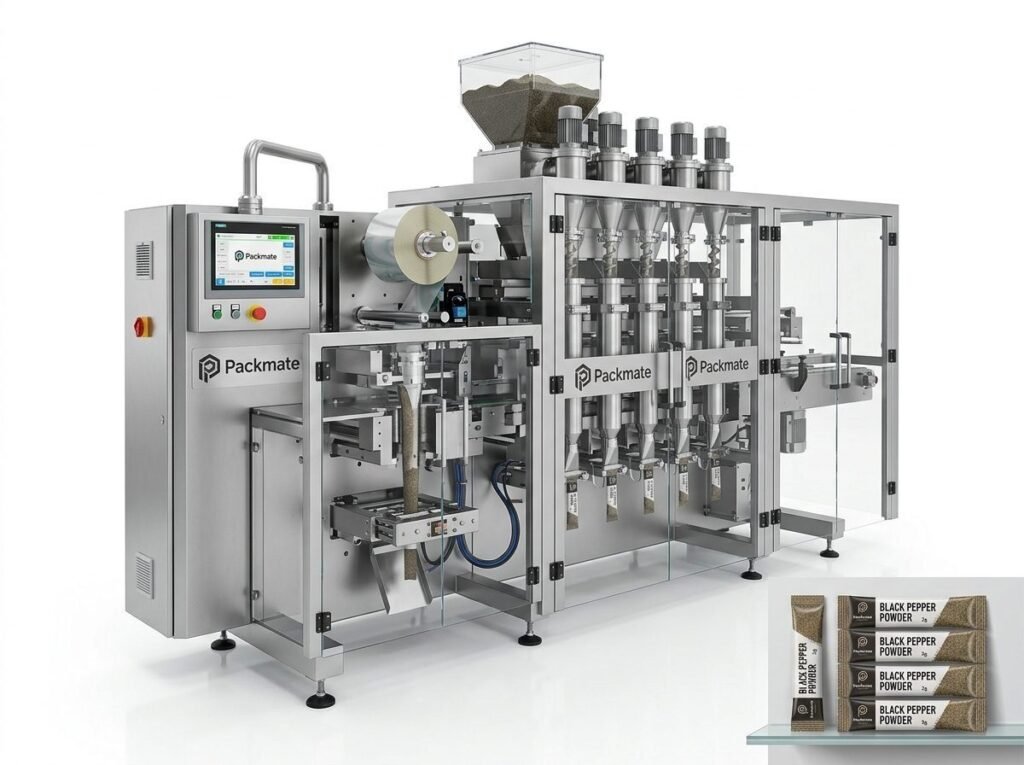
Auger fillers are the most common for powders, using a rotating screw to dispense product. Key variations include:
| Technology | Best For | Precision |
|---|---|---|
| Standard Auger with Hopper | Free-flowing powders (salt, sugar) | Good |
| Auger with Agitated Hopper | Cohesive, compacting powders (whey protein, spices) | Very Good |
| Servo-Driven Auger with Load Cell | High-value, precision-demanding powders (pharmaceuticals, supplements) | Excellent (±0.5-1%) |
Machine Construction and Hygiene Standards
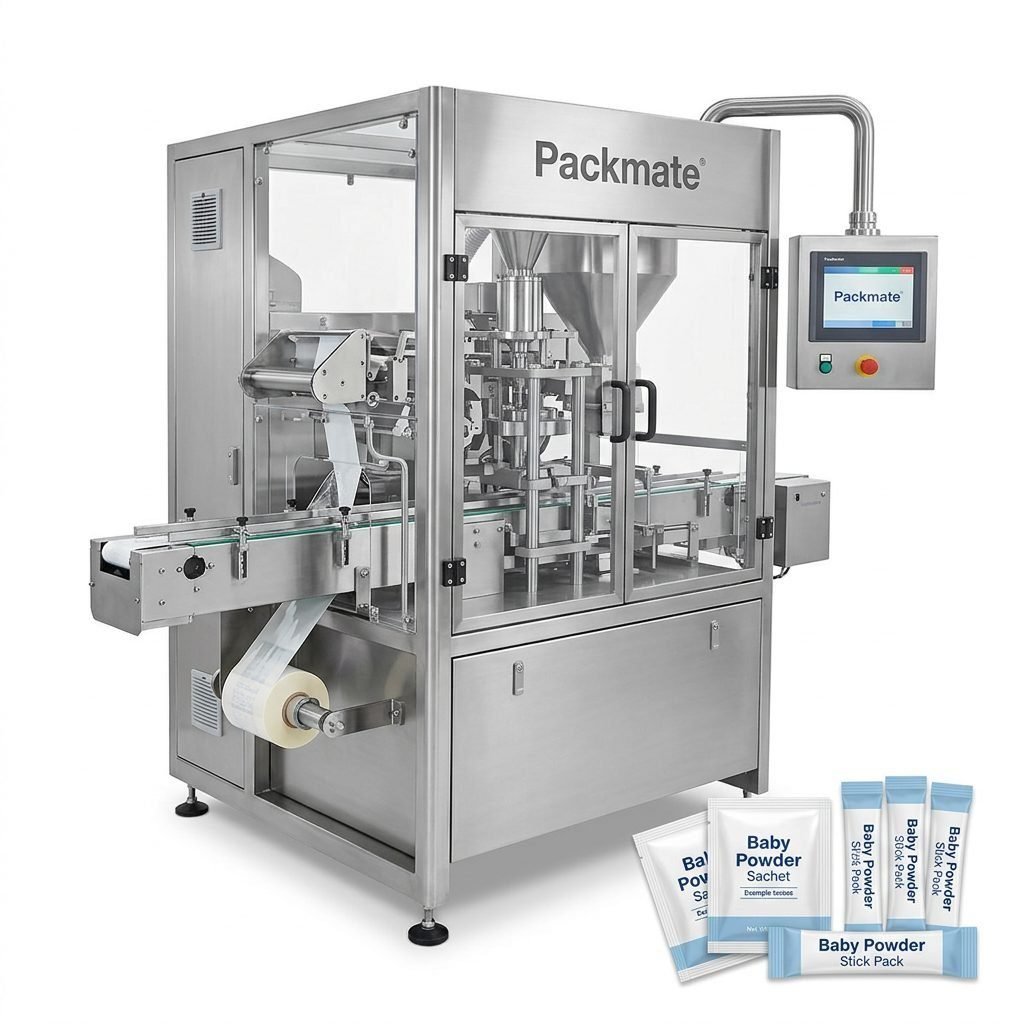
For food and pharmaceutical applications, machine construction is critical. Contact parts should be made of 304 or 316 stainless steel for corrosion resistance and easy cleaning. The design should minimize crevices and allow for quick disassembly for sanitation (CIP/SIP capabilities). A robust frame ensures stability at high speeds and longevity.
Evaluating Manufacturers: Beyond the Machine Specifications
Choosing a reliable manufacturer is as important as choosing the right machine. Key aspects to evaluate include:
Industry Experience and Specialization: A manufacturer with decades of experience, like Packmate Machinery, brings valuable application knowledge. Some manufacturers specialize in niche markets; for example, SnusMachinery has deep expertise in nicotine pouch packaging, which involves specific challenges.
Customization and Engineering Support: Can the machine be adapted to your specific film, sachet size, or powder? Manufacturers like PackingMachineOEM focus on non-standard and customized solutions, offering flexibility for unique production needs.
After-Sales Service and Global Support: Ensure the manufacturer has a proven track record of providing spare parts, technical documentation, and responsive service in your region. A strong export presence, as seen with companies like Ludyway, often indicates established international support networks.
Total Cost of Ownership (TCO) Analysis
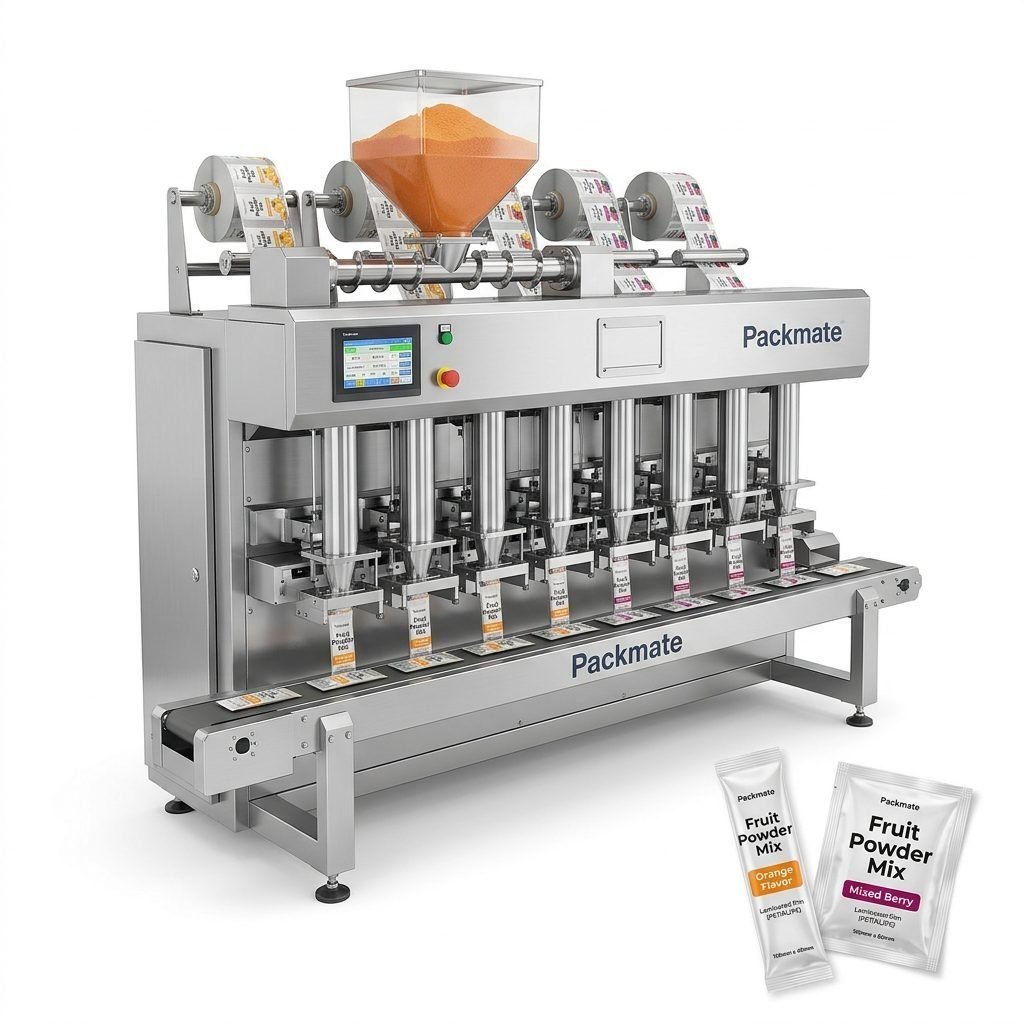
Look beyond the initial purchase price. Consider the cost of changeover parts, maintenance, energy consumption, and potential downtime. A slightly more expensive machine with higher reliability and easier maintenance can offer a lower TCO over 5-10 years.
Future-Proofing Your Investment
Consider scalability. Will the machine handle future product variations or increased output? Modular designs allow for adding lanes or integrating downstream equipment like cartoners later. Also, evaluate the machine’s compatibility with Industry 4.0 concepts, such as data collection for OEE (Overall Equipment Effectiveness) monitoring and predictive maintenance.
Common Questions (FAQs)
What is the typical accuracy range for a powder sachet filler?
For standard auger fillers, accuracy is typically within ±1-2% of the target weight. High-precision servo auger systems with load cells can achieve ±0.5% or better, which is often required for pharmaceutical and high-value products.
How do I handle a powder that is very fine and dusty?
Machines can be equipped with dust extraction ports, sealed filling heads, and anti-static systems to contain dust. Using an agitated hopper can also help prevent powder bridging and ensure consistent flow.
Can one machine handle different sachet sizes?
Yes, most modern machines are designed for quick changeover. However, this requires changing the forming collar, sealing jaws, and potentially the film reel holder. The time and complexity of changeover vary by model.
What is the difference between a vertical form-fill-seal (VFFS) and a pre-made pouch machine?
A VFFS machine forms the sachet from a roll of film, fills it, and seals it in one continuous process, offering high speed and lower packaging material cost. A pre-made pouch machine feeds and fills ready-made pouches, which can be better for complex pouch shapes or materials but is generally slower.
How important is after-sales support?
Extremely important. Reliable technical support, availability of spare parts, and access to training are crucial for minimizing downtime and ensuring the long-term productivity of your packaging line. Always inquire about the manufacturer’s service network and response times.