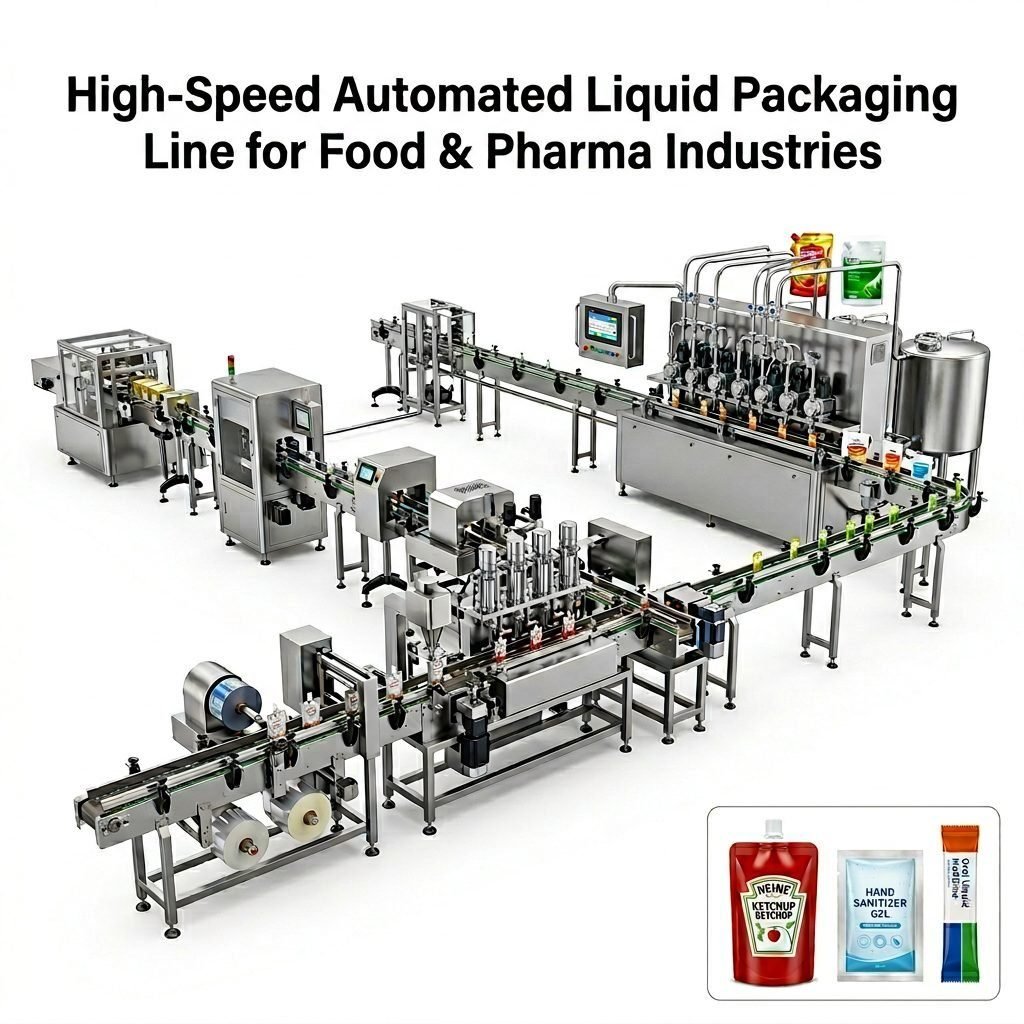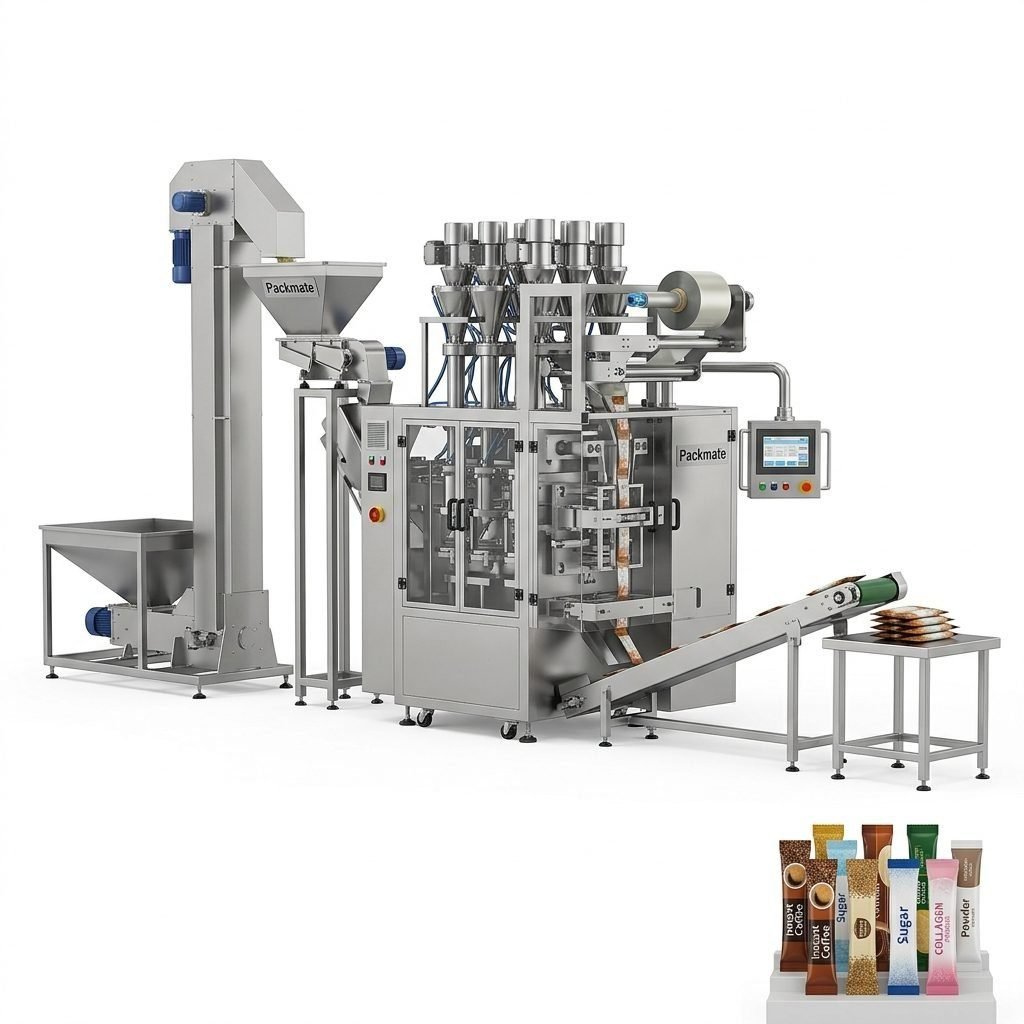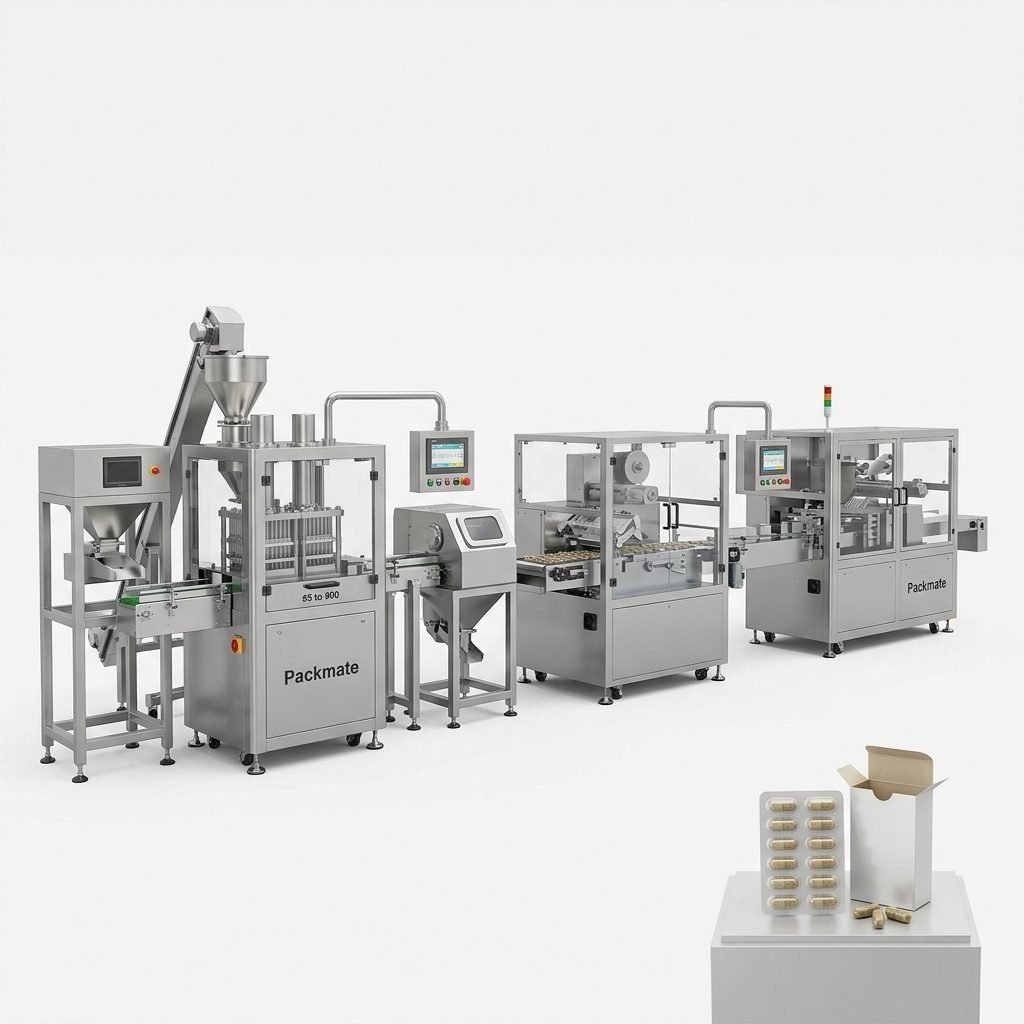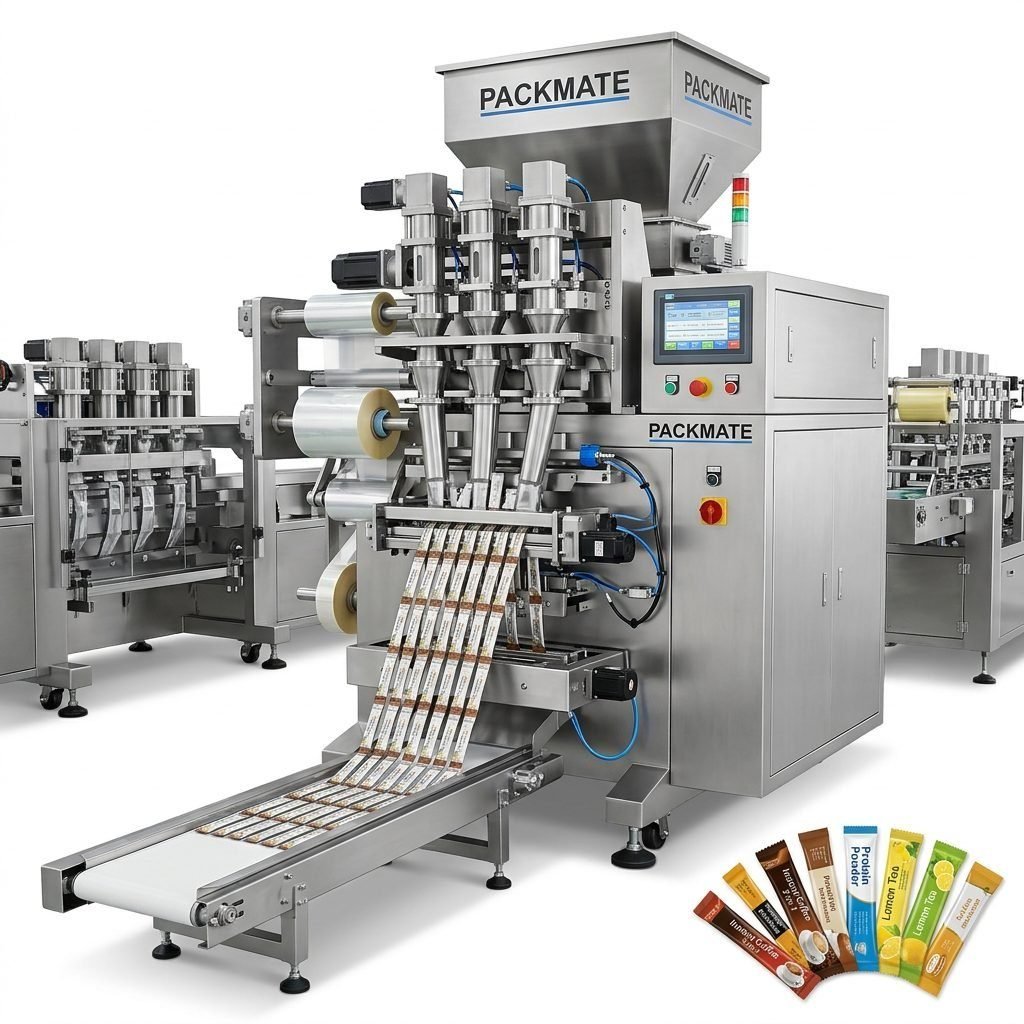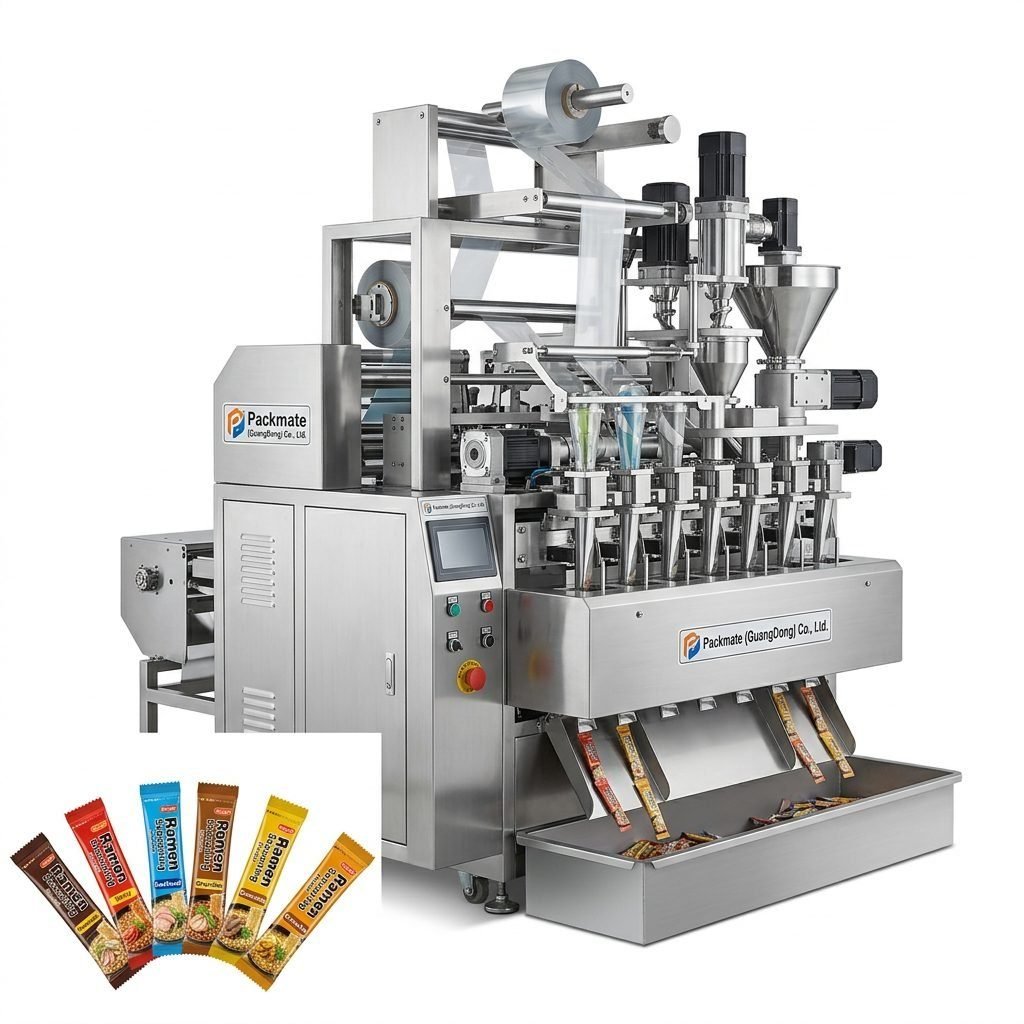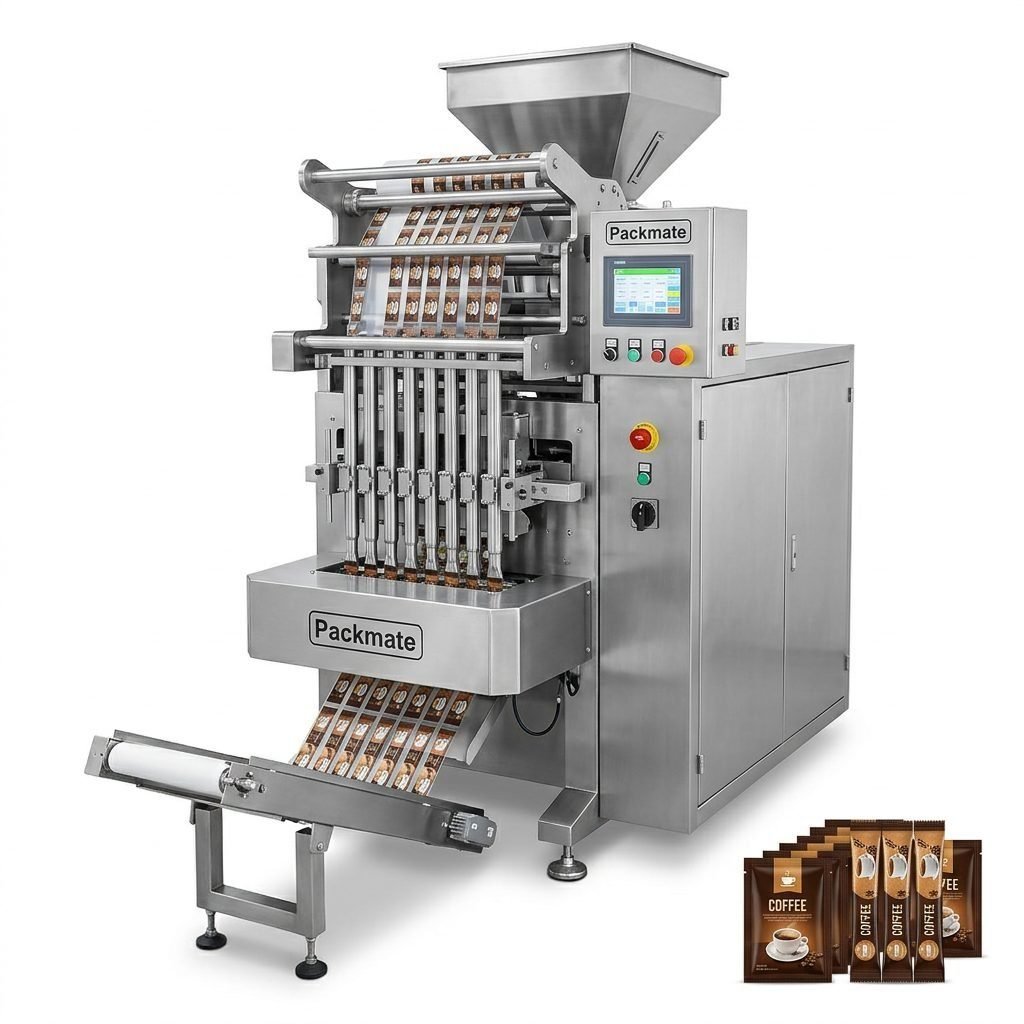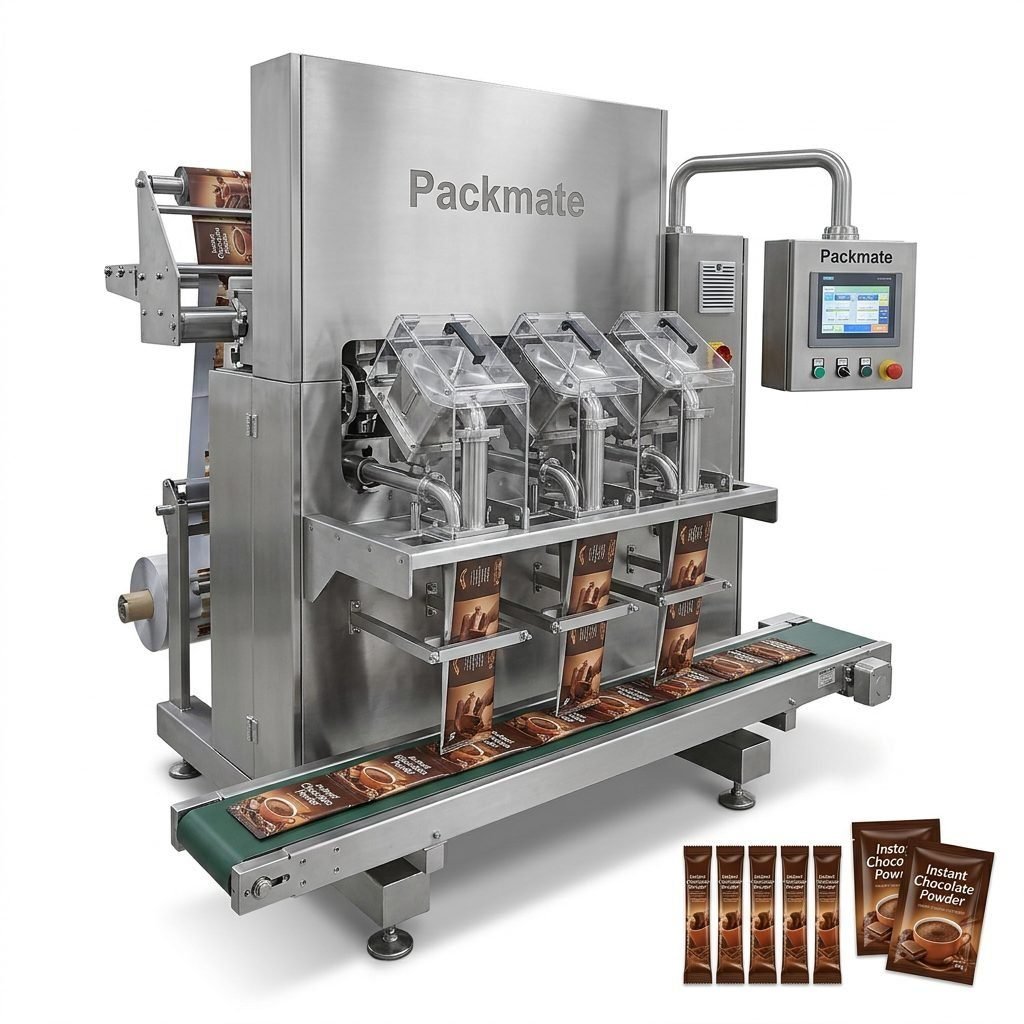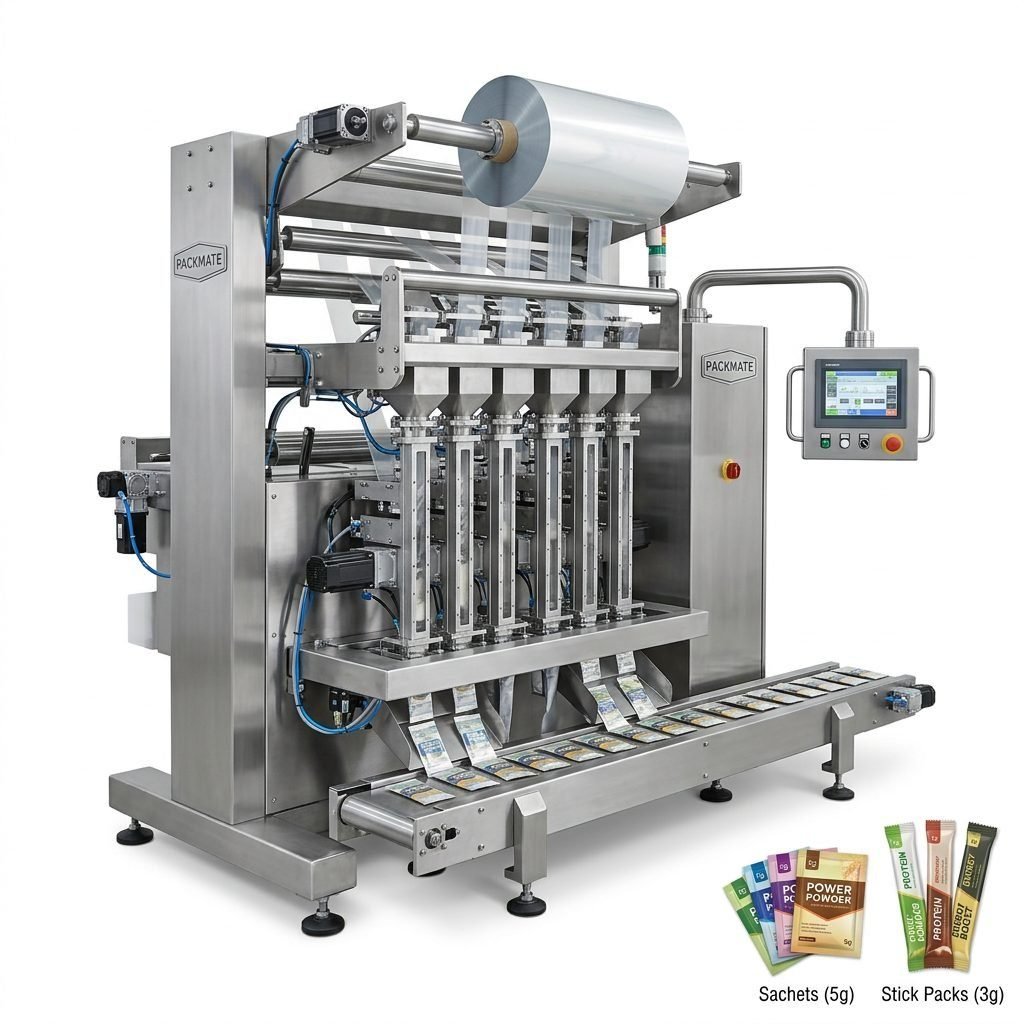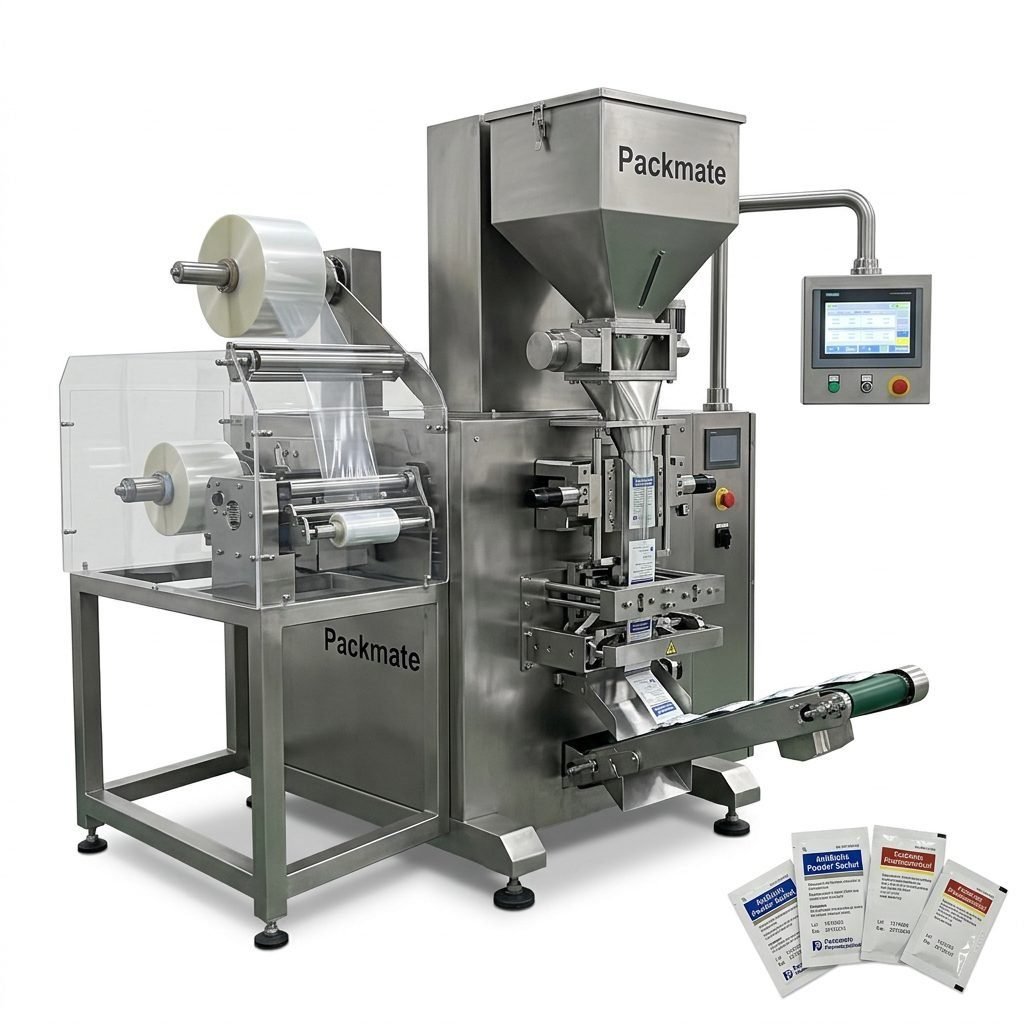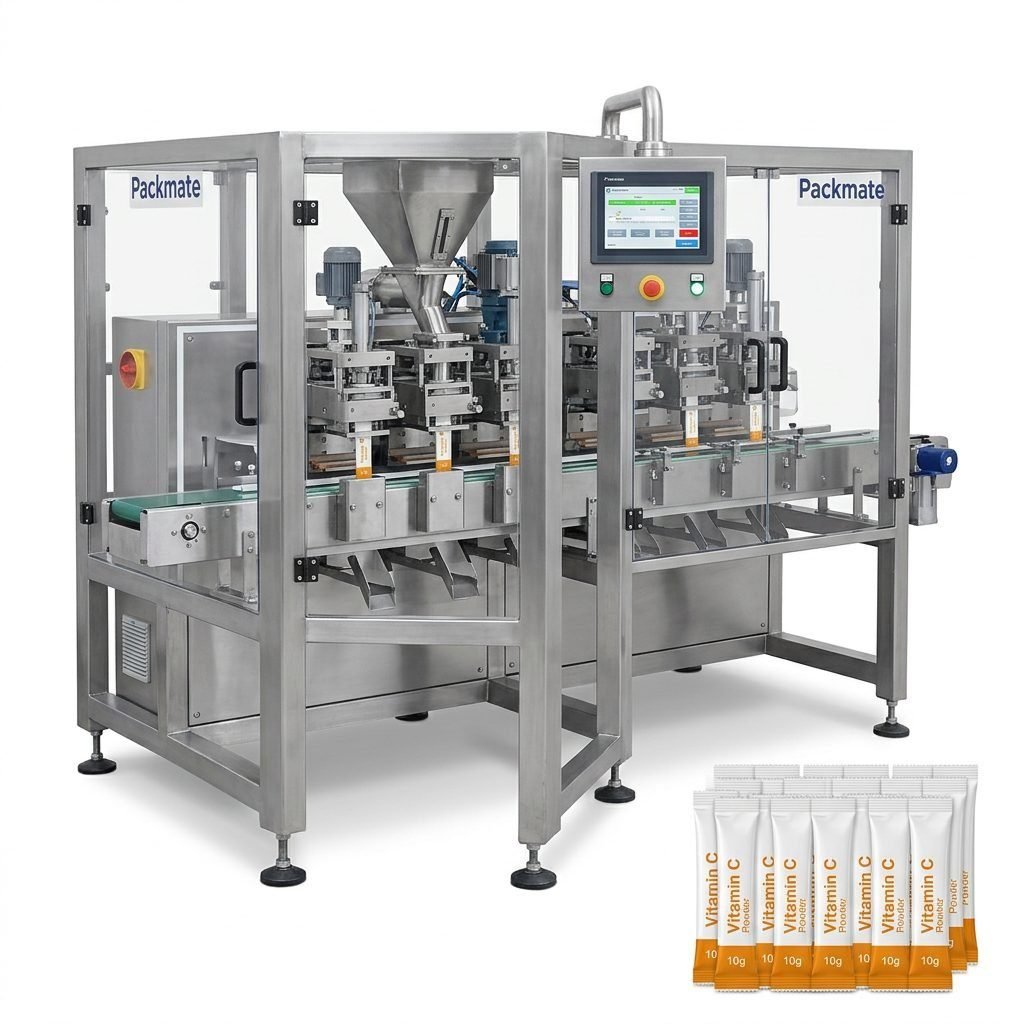
Selecting the right packaging machine manufacturer in Oman is a critical decision for any business looking to enhance its production line, improve efficiency, and ensure product quality. The Sultanate’s diverse industrial landscape, encompassing food processing, pharmaceuticals, petrochemicals, and logistics, demands robust and reliable packaging solutions. For Omani businesses, partnering with a manufacturer that understands local market dynamics, offers strong technical support, and provides durable equipment suited to regional conditions is paramount. This guide outlines the key factors to consider to ensure you make an informed and strategic choice.
Understanding Your Packaging Requirements in Oman
Before beginning your search, a clear assessment of your specific needs is essential. Omani manufacturers often deal with unique challenges, such as high ambient temperatures, dust, and the need for equipment that can handle both local and export market standards. Consider the following:
Product Type: Are you packaging powders (like spices or dairy mixes), granules (coffee, nuts), liquids (oils, sauces), or viscous pastes? The physical properties of your product dictate the machine type.
Production Volume: Determine your required output (bags/per minute or hour). Are you a small-scale local producer or a large exporter supplying GCC markets?
Packaging Format: Do you need stick packs, sachets, pouches, or bottles? The popularity of single-serve and portion-controlled packs is growing in Oman’s retail and hospitality sectors.
Level of Automation: From semi-automatic machines to fully integrated turnkey lines, the choice depends on your labor costs, factory space, and long-term scalability goals.
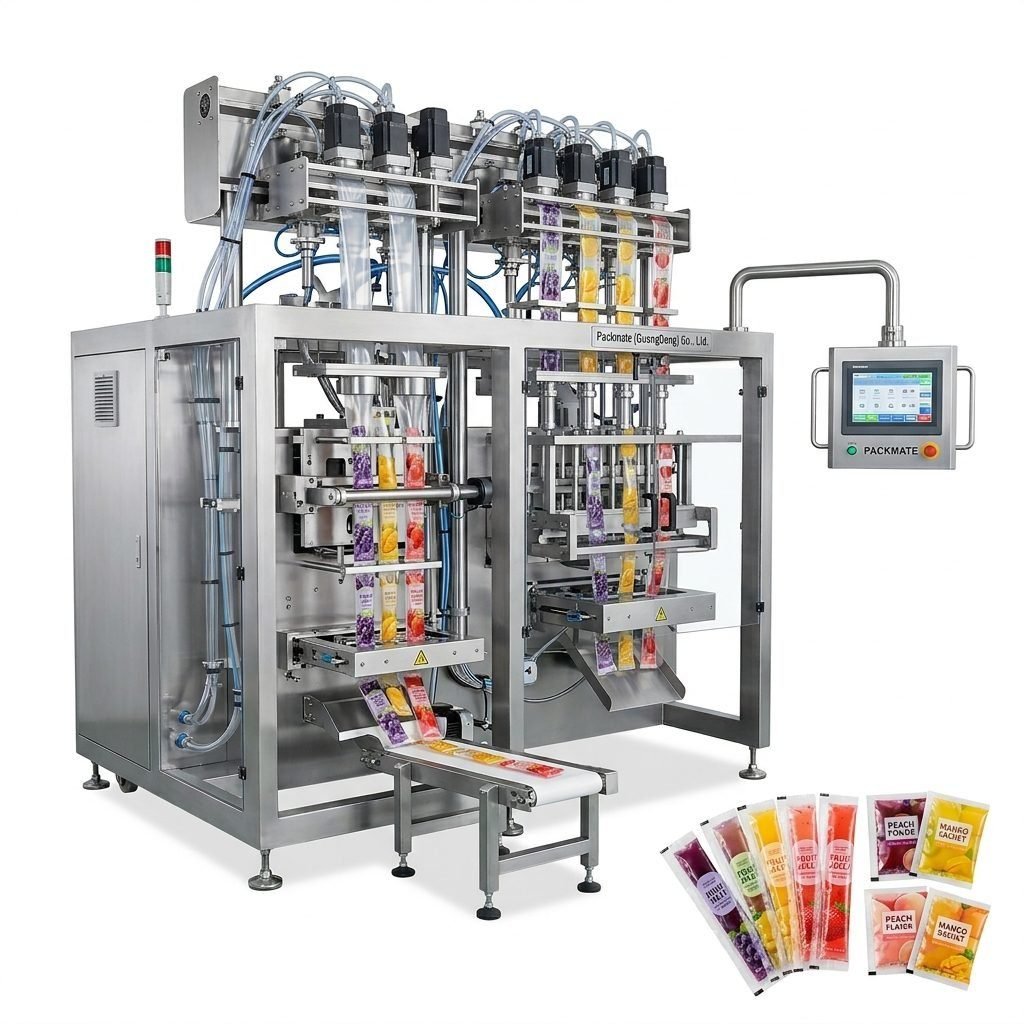
Key Factor 1: Manufacturer’s Experience and Industry Reputation
A manufacturer’s track record is a strong indicator of reliability. Look for companies with substantial experience, particularly those with a history of exporting to regions with similar operational environments as the Middle East. Experience translates into better R&D, proven machine designs, and the ability to troubleshoot complex issues. Review case studies, client testimonials, and their presence in international trade shows.
Key Factor 2: Technical Capability and Customization
Off-the-shelf solutions may not always fit Omani production lines. The ability to customize is crucial. Can the manufacturer adapt machines for specific bag sizes, unusual product characteristics, or integrate with your existing conveyor systems? A partner with strong engineering support can design solutions tailored to your factory layout and product specifics, ensuring seamless operation.
Pro Tip for Omani Buyers: Given the distance from primary manufacturing hubs, prioritize suppliers who offer comprehensive remote support, detailed documentation in English or Arabic, and readily available spare parts lists to minimize potential downtime.
Key Factor 3: After-Sales Support and Service Network
This is arguably the most critical factor for operations in Oman. Reliable after-sales service ensures long-term machine uptime. Investigate:
- Local/Regional Presence: Does the manufacturer have agents, service engineers, or spare parts warehouses in the Middle East?
- Technical Support: What is the response time for technical queries? Is 24/7 remote support available?
- Training: Will they provide comprehensive training for your operators and maintenance staff, either on-site or via video?
- Warranty and Spare Parts: Understand the warranty terms and the lead time for critical spare parts.
Key Factor 4: Machine Quality and Compliance
Equipment must be built to last in industrial settings. Inquire about the construction materials (e.g., food-grade stainless steel contact parts), the quality of key components (servo motors, PLCs, seals), and compliance with international standards (CE, ISO). Machines should also be adaptable to meet GCC Standardization Organization (GSO) requirements where applicable for exported goods.
Key Factor 5: Cost Considerations and Return on Investment (ROI)
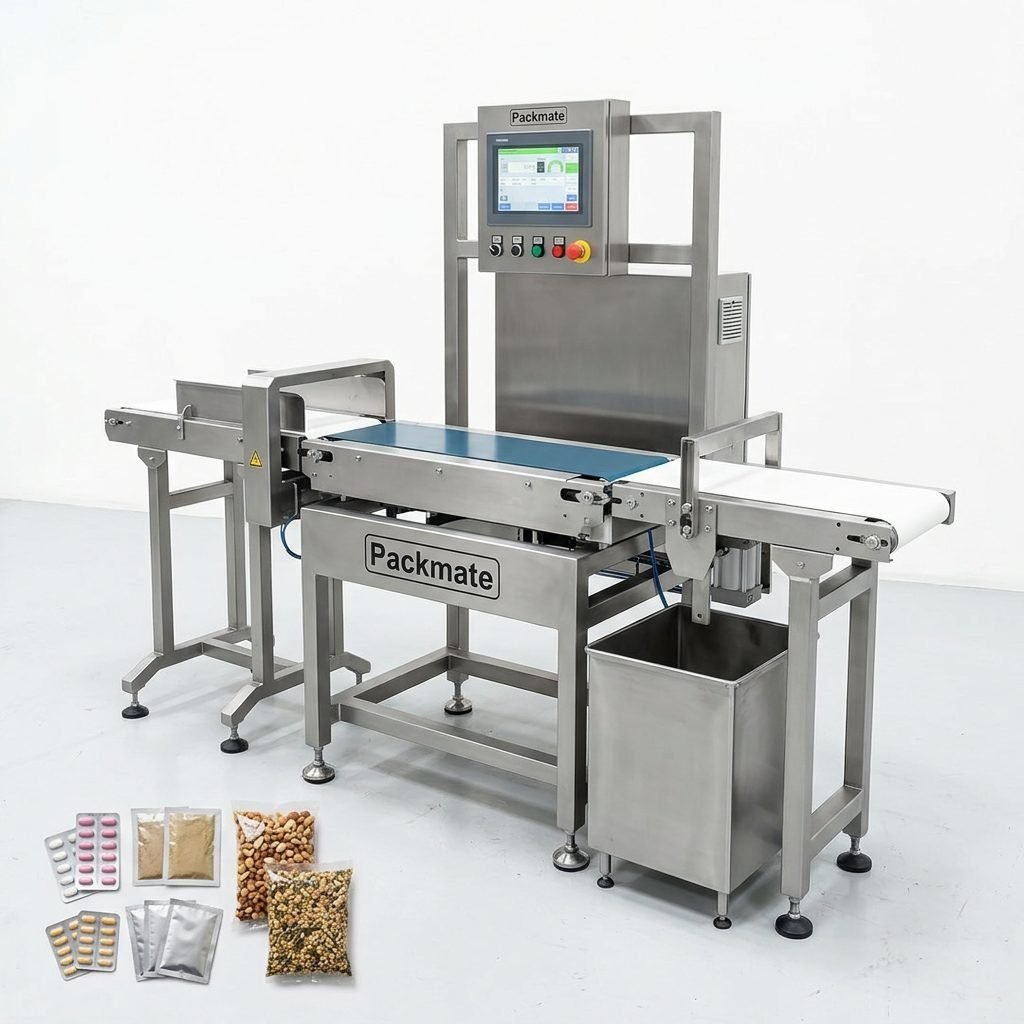
While initial cost is important, the Total Cost of Ownership (TCO) is a better metric. This includes purchase price, installation, energy consumption, maintenance costs, and potential production losses from downtime. A slightly more expensive, robust machine from a reputable supplier like Ludyway or Packmate Machinery often delivers a better ROI through higher reliability and efficiency. Request detailed quotations and compare the value proposition, not just the price tag.
Evaluating Potential Manufacturers: A Practical Checklist
Use this table to systematically compare and shortlist potential packaging machine suppliers for your Omani operation.
| Evaluation Criteria | Questions to Ask | Why It Matters in Oman |
|---|---|---|
| Company Background | How long have you been manufacturing? What is your export experience in the Middle East? | Ensures stability and understanding of regional market needs and challenges. |
| Product Portfolio & Customization | Can you provide machines for my specific product (e.g., viscous date paste, fine powder)? Can you customize the line? | Addresses the unique packaging needs of Omani products, from traditional foods to industrial goods. |
| Technical Support & Service | Do you have service engineers in the GCC? What is your typical spare parts delivery time to Muscat? | Minimizes operational risk and downtime, which can be costly for Omani businesses with tight production schedules. |
| Quality & Compliance | What standards do your machines comply with (CE, ISO)? What materials are used in critical parts? | Guarantees machine safety, durability, and suitability for food/pharma applications, meeting both local and export regulations. |
| Cost & Value | Can you provide a detailed breakdown of costs? What is the estimated energy consumption? | Helps in accurate budgeting and calculating the true ROI, considering Oman’s operational costs. |
The Role of Specialized Manufacturers
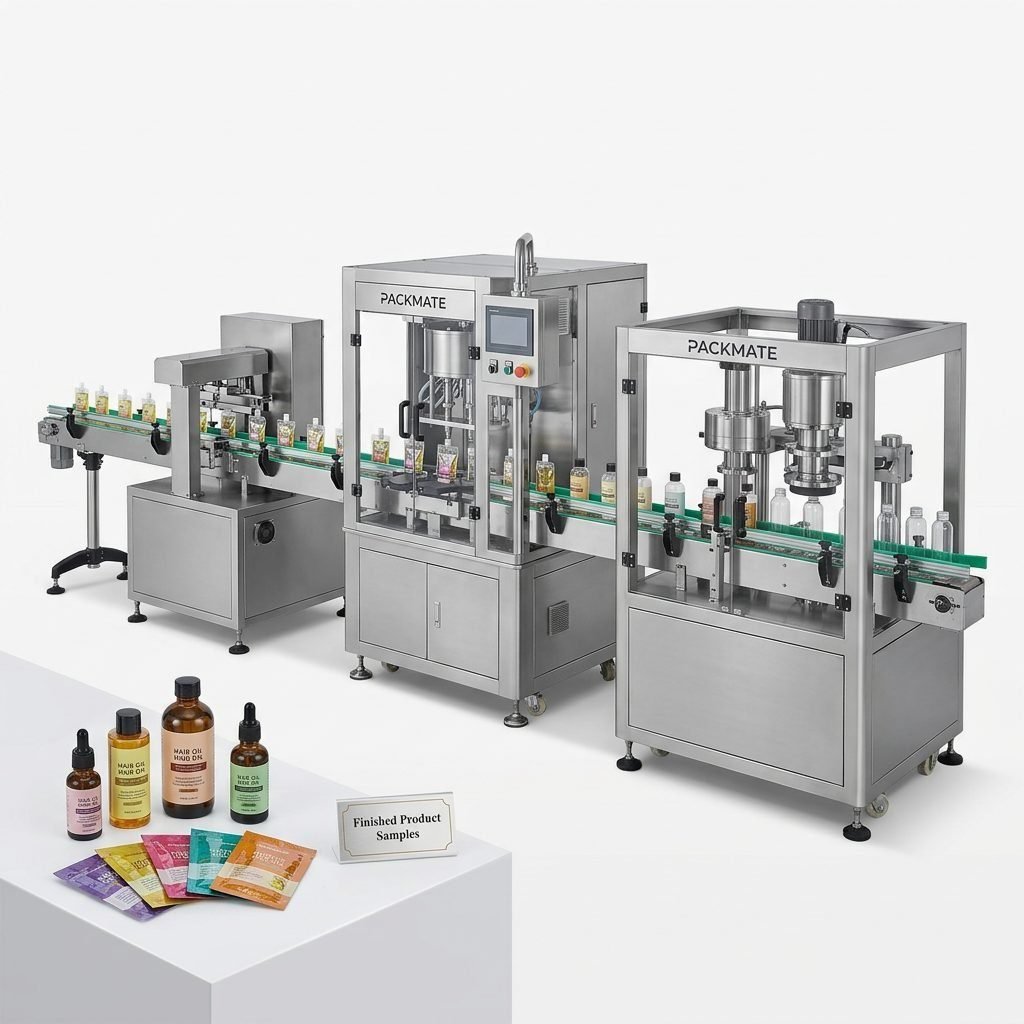
For certain niches, a specialized manufacturer may be the best fit. For instance, if your business is in the growing smokeless tobacco or nicotine pouch sector, a focused supplier like SnusMachinery brings dedicated expertise. Similarly, if your project requires a complete, integrated production line rather than standalone machines, turnkey specialists such as PacklineOEM offer significant advantages in project management and system compatibility. For highly non-standard requirements, a manufacturer like PackingMachineOEM with strong customization capabilities is key.
Final Steps: Making the Decision
After shortlisting, take these final steps:
- Request References: Ask for contact details of clients in similar industries or regions.
- Factory Audit (Virtual/Physical): If possible, visit the manufacturing facility or take a virtual tour to assess their production capability and quality control processes.
- Review the Contract Thoroughly: Ensure all specifications, delivery terms (CIF Sohar Port, for example), warranty, service clauses, and payment terms are clearly defined.
- Plan for Installation: Coordinate with the supplier for smooth installation, commissioning, and operator training upon machine arrival in Oman.
Frequently Asked Questions (FAQs)
Q1: What are the main challenges of operating packaging machinery in Oman’s climate?
A: High temperatures and dust are primary concerns. It’s crucial to select machines with adequate cooling systems, high-quality seals, and dust-protected electrical panels. Discuss these environmental factors explicitly with your supplier.
Q2: How important is it for the manufacturer to have a local agent in Oman or the UAE?
A: Extremely important. A local agent or service partner drastically reduces response time for technical support, spare parts delivery, and on-site service, ensuring minimal disruption to your production.
Q3: Should I prioritize a low initial cost or long-term reliability?
A: For sustainable business growth in Oman, long-term reliability should be the priority. Investing in quality machinery from an experienced manufacturer reduces total cost of ownership through lower maintenance, higher efficiency, and less downtime.
Q4: Can packaging machines from international suppliers be adapted to use local packaging materials?
A: Yes, reputable manufacturers should be able to test and adjust their machines to run efficiently with the specific laminate, film, or pouch materials sourced from regional suppliers in the GCC.
Q5: What is the typical lead time for receiving a packaging machine in Oman?
A: Lead times vary based on machine complexity and customization. For standard models, it can range from 30 to 90 days after order confirmation, plus shipping time to an Omani port. Always confirm production and delivery schedules in your contract.