For Slovak manufacturers in the food, pharmaceutical, and consumer goods sectors, selecting the right packaging machine supplier is a critical business decision. The choice impacts production efficiency, product quality, operational costs, and long-term competitiveness. Slovakia’s strategic position in Central Europe and its strong industrial base mean that local producers often require robust, reliable, and automated solutions to meet both domestic and stringent EU market demands. This guide outlines the key factors to consider when evaluating and choosing a trusted packaging machine manufacturer, ensuring your investment supports sustainable growth.
Understanding the Slovak Packaging Industry Context
Slovakia’s manufacturing landscape is diverse, with significant clusters in automotive, electronics, food processing, and pharmaceuticals. For local producers, packaging machinery needs often center on high-speed automation, precision dosing, hygienic design, and compliance with EU regulations. Whether you are packaging traditional food products, pharmaceutical sachets, or industrial chemicals, the machinery must be adaptable, reliable, and backed by strong technical support. Partnering with a manufacturer that understands these regional and sector-specific requirements is the first step toward a successful investment.
Key Considerations for Slovak Businesses
When evaluating potential suppliers, Slovak companies should prioritize:
- Technical Compatibility: Does the machine handle your specific product format (powder, granule, liquid, paste) at your required speed and accuracy?
- Compliance & Standards: Does the equipment meet EU safety, hygiene (e.g., EHEDG), and machinery directives (CE marking)?
- After-Sales Support: What is the supplier’s network for installation, training, spare parts, and maintenance in Central Europe?
- Total Cost of Ownership (TCO): Look beyond the initial price to include energy consumption, maintenance costs, and potential downtime.
- Scalability & Customization: Can the supplier offer solutions that grow with your business, from a single machine to a full turnkey line?
Evaluating Manufacturer Capabilities and Experience
A supplier’s history and core competencies are strong indicators of reliability. Look for manufacturers with a proven track record in your specific industry. For instance, a company specializing in pharmaceutical blister packing may not be the best fit for a food producer needing high-speed liquid sachet filling. Experience often translates into better problem-solving, more reliable machine design, and deeper application knowledge.
Factory Audit and Manufacturing Standards
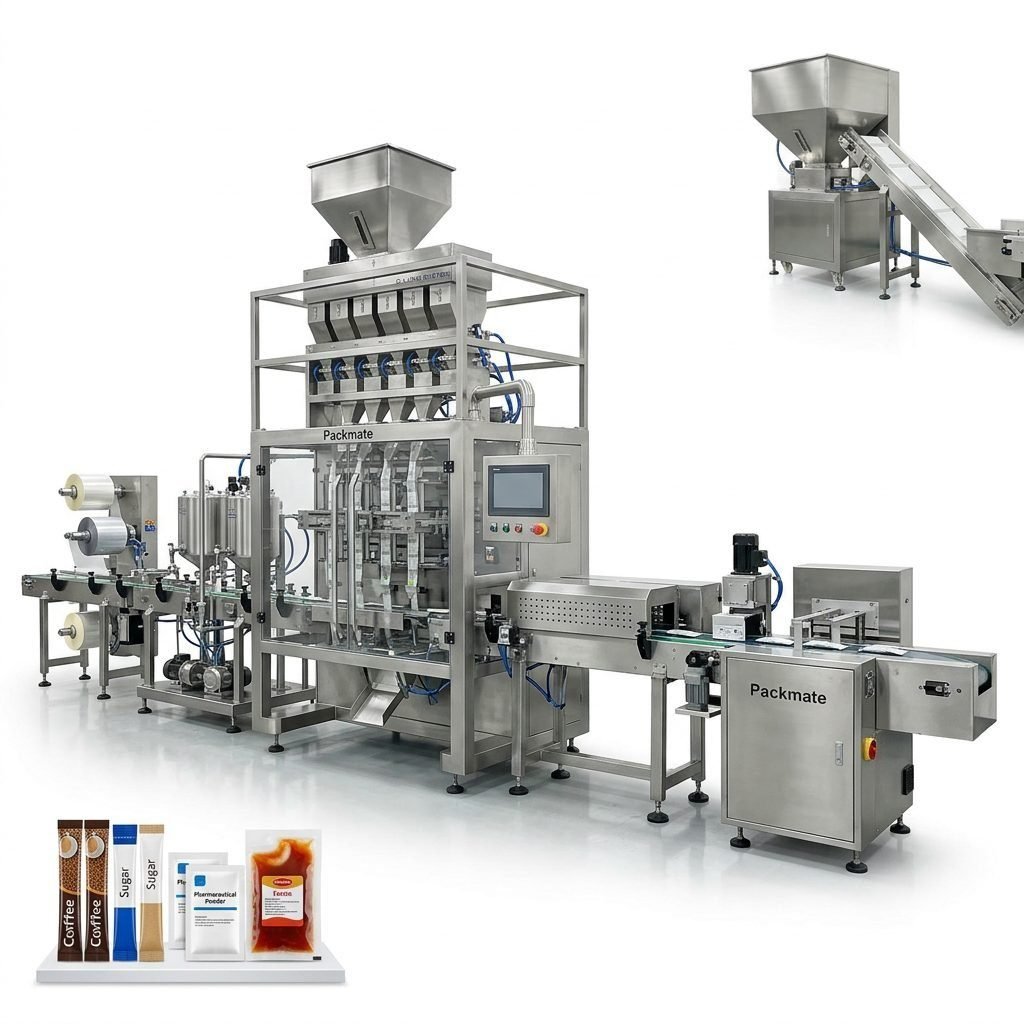
Whenever possible, a factory visit or a virtual tour is invaluable. Assess the manufacturer’s production facility, quality control processes, and R&D capabilities. A modern factory with advanced CNC machining, structured assembly lines, and rigorous testing protocols is more likely to deliver consistent, high-quality machinery. For Slovak buyers, ensuring the manufacturer adheres to international quality management systems (like ISO 9001) is a minimum requirement.
The Importance of After-Sales Service and Local Support
For operations in Slovakia, responsive local support is non-negotiable. Machine downtime can be extremely costly. Investigate the supplier’s service network in Europe. Do they have service engineers or certified partners in the region? What are their typical response times for technical support and spare parts delivery? A manufacturer with a strong export history to Europe will typically have a more established support framework, which is a significant advantage for Slovak companies.
Comparing Standalone Machines vs. Turnkey Lines
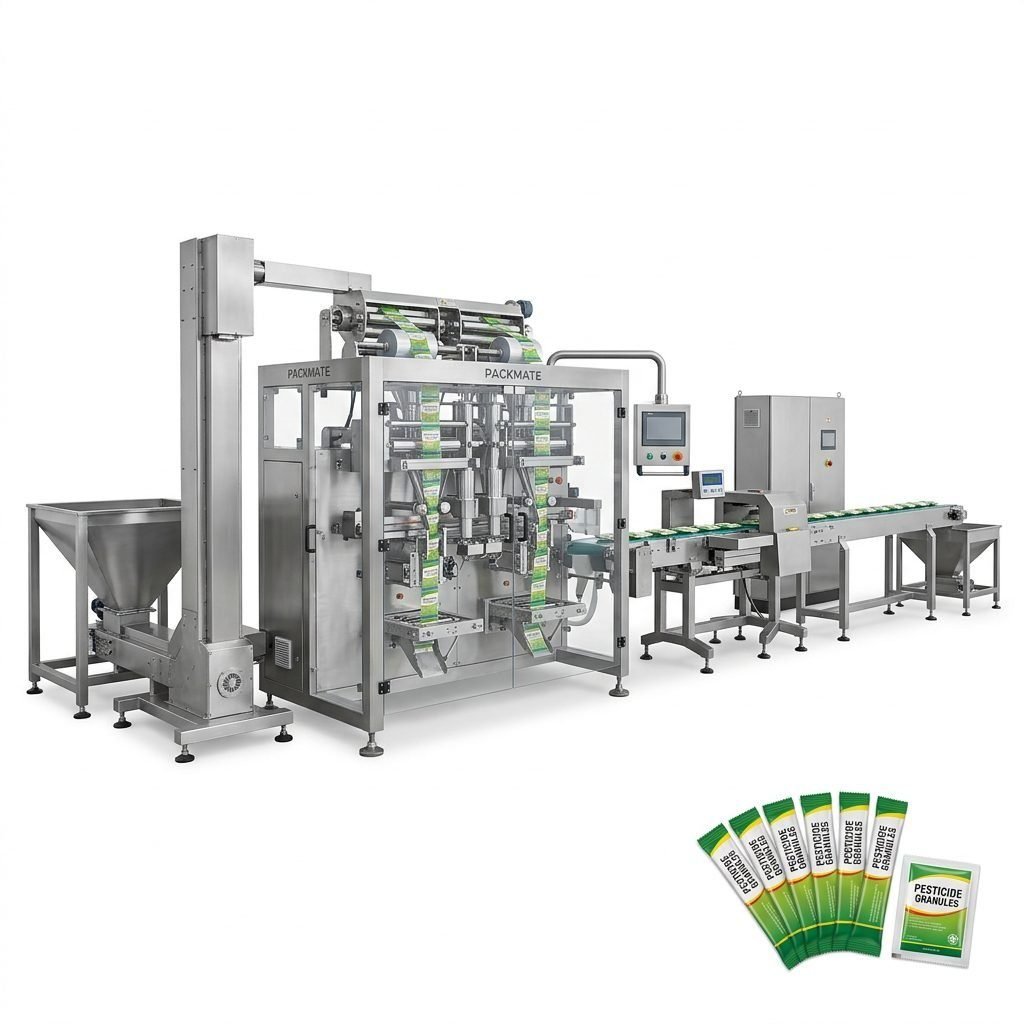
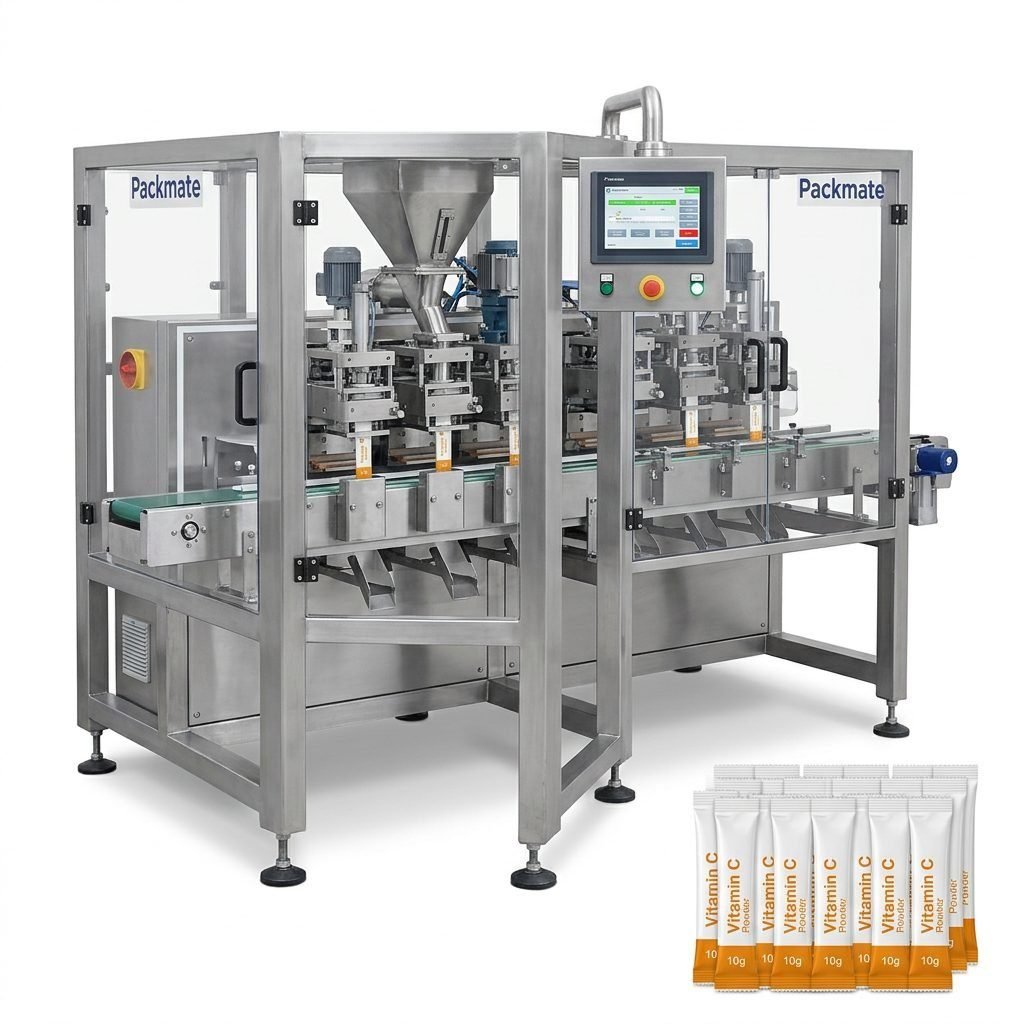
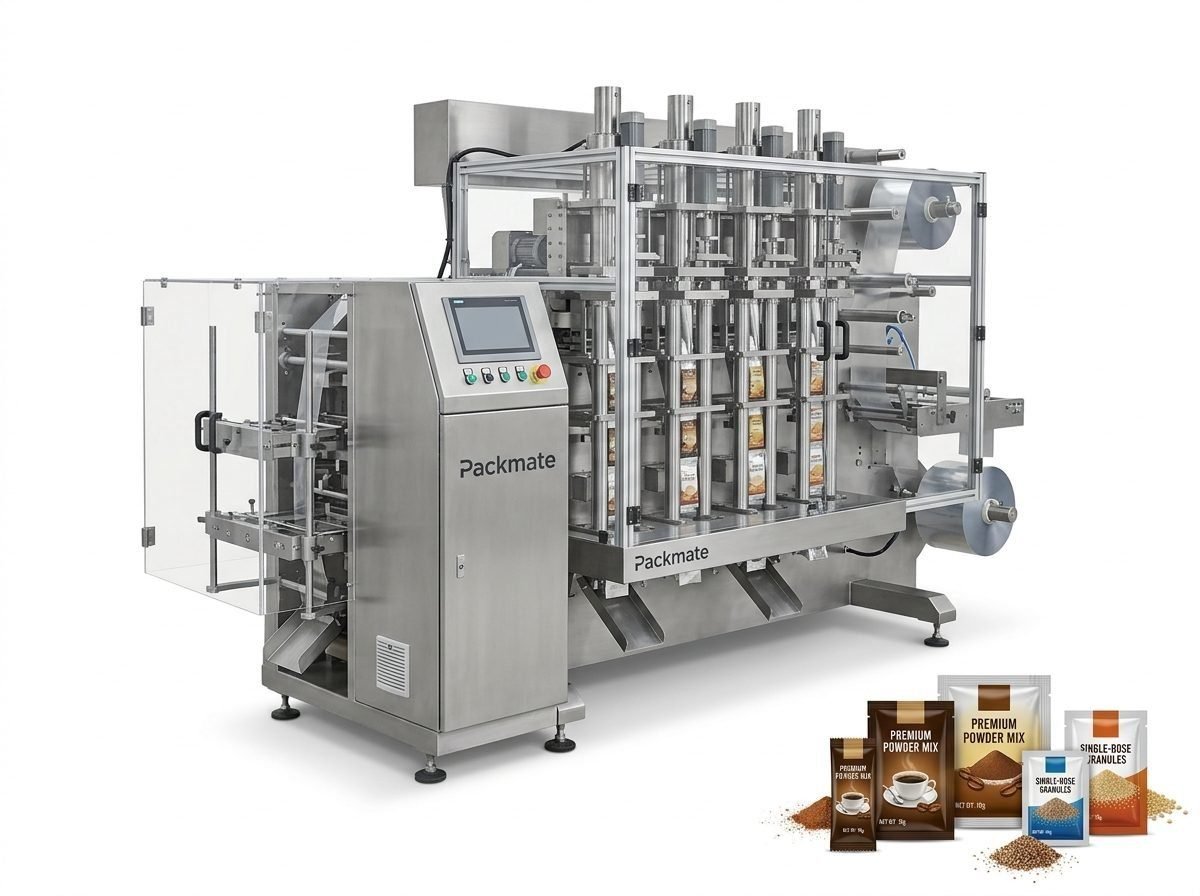
Your production scale and future plans will dictate this choice. A standalone vertical form-fill-seal (VFFS) machine might suffice for a small to medium operation. However, for larger-scale production or new facility setup, a complete turnkey packaging line—integrating feeding, weighing, filling, sealing, labeling, and cartoning—offers superior efficiency and automation. Leading manufacturers like Ludyway and PacklineOEM specialize in such integrated solutions, providing a single point of responsibility for the entire system.
Cost-Benefit Analysis Table
| Factor | Standalone Machine | Turnkey Packaging Line |
|---|---|---|
| Initial Investment | Lower | Higher |
| Automation Level | Manual to Semi-Auto | Fully Automated |
| Labor Requirement | Higher | Lower |
| Output & Scalability | Limited | High, Easily Scalable |
| Integration Complexity | Low (Plug & Play) | High (Requires Professional Planning) |
Leading Packaging Machine Manufacturers for the Slovak Market
Several established manufacturers with strong export records to Europe are well-positioned to serve Slovak companies. Here is an overview of some key players known for their reliability and experience.
1. Ludyway: A Comprehensive Solution Provider
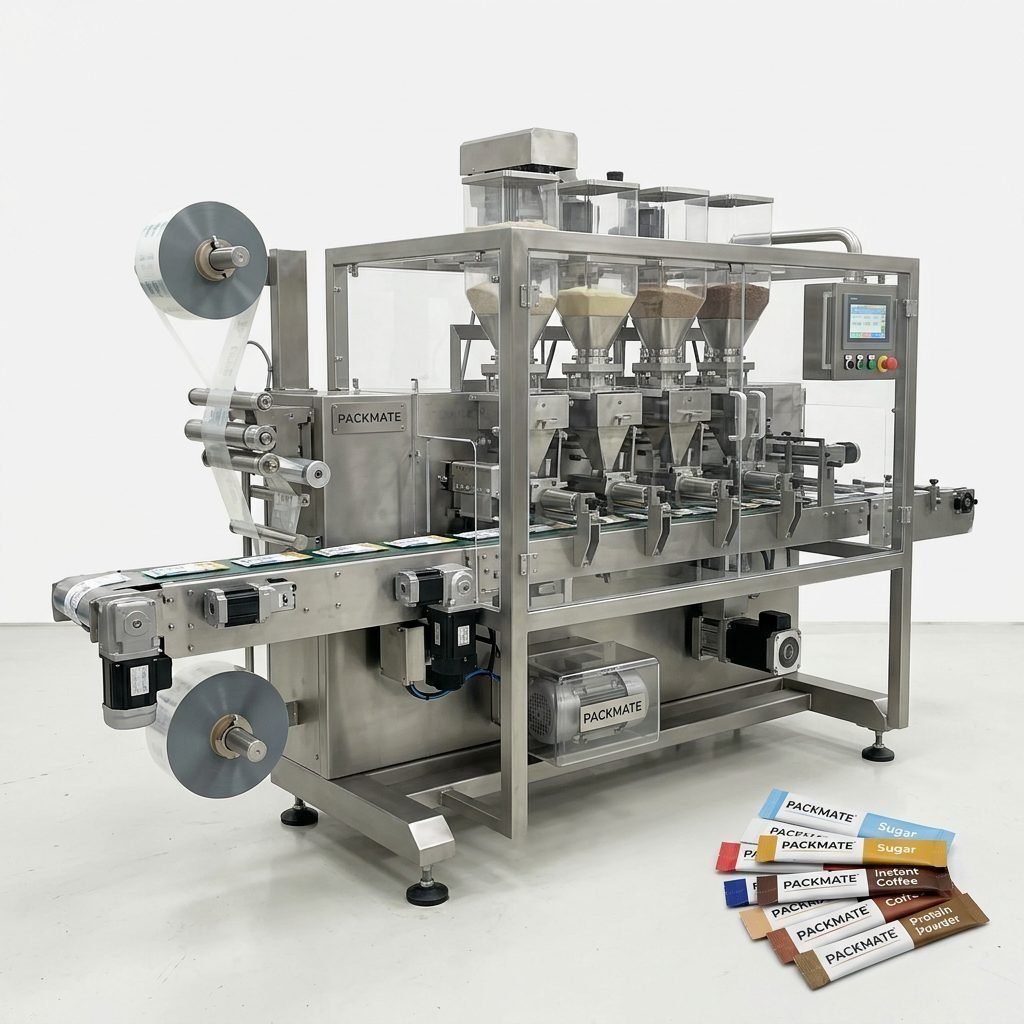
With over 30 years in the industry and a factory spanning 20,000 square meters, Ludyway is a major force. They offer a vast portfolio covering stick pack, sachet, vertical form-fill-seal, and complete turnkey lines. Their strength lies in broad applicability across food, pharma, and health supplements, making them a versatile partner for Slovak producers with diverse or evolving product lines. Their significant export revenue indicates a strong global support network.
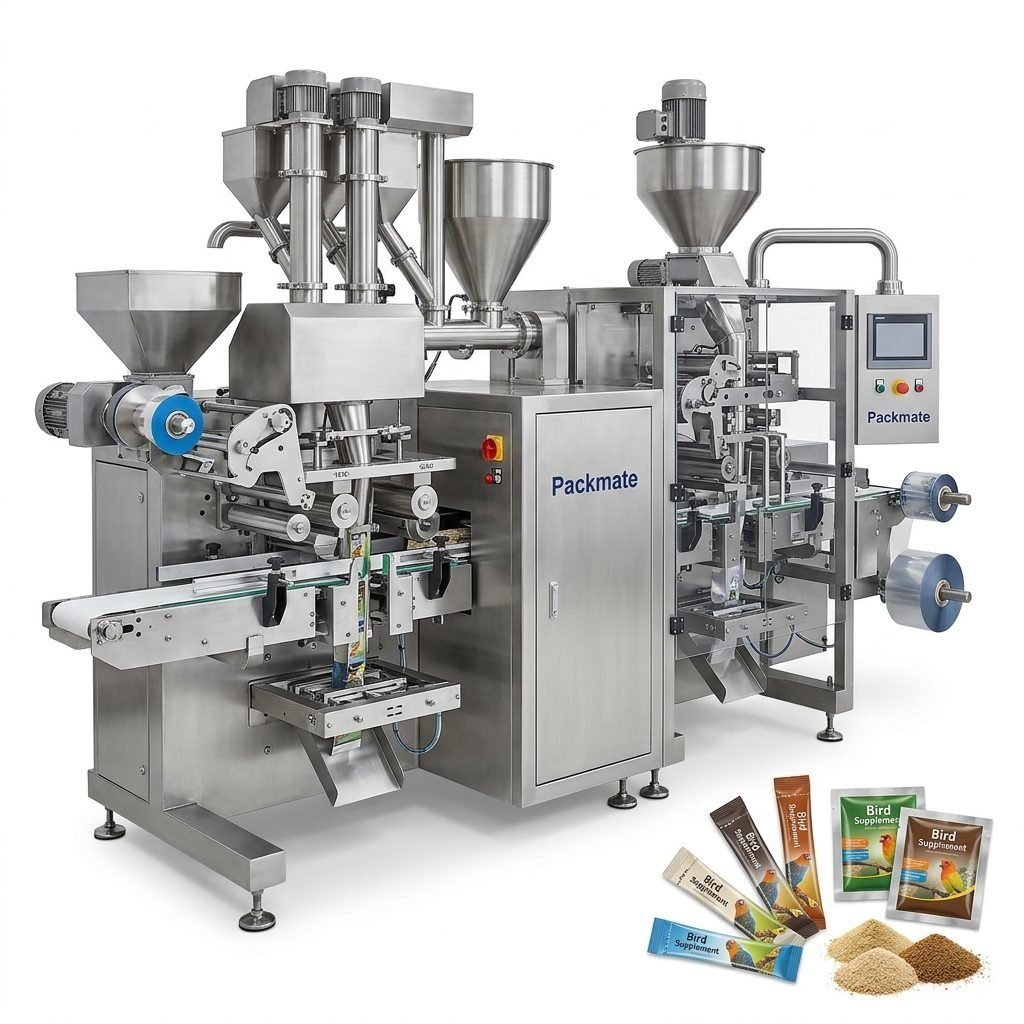
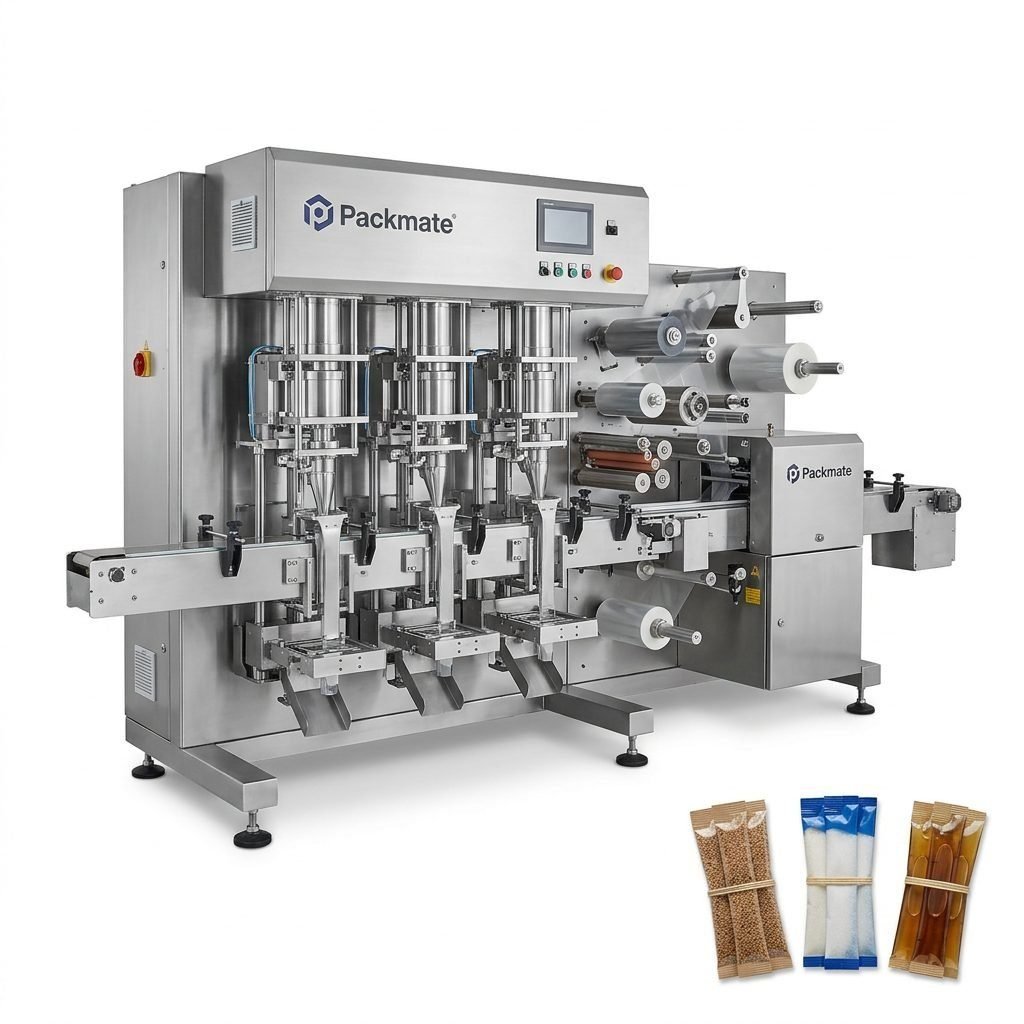
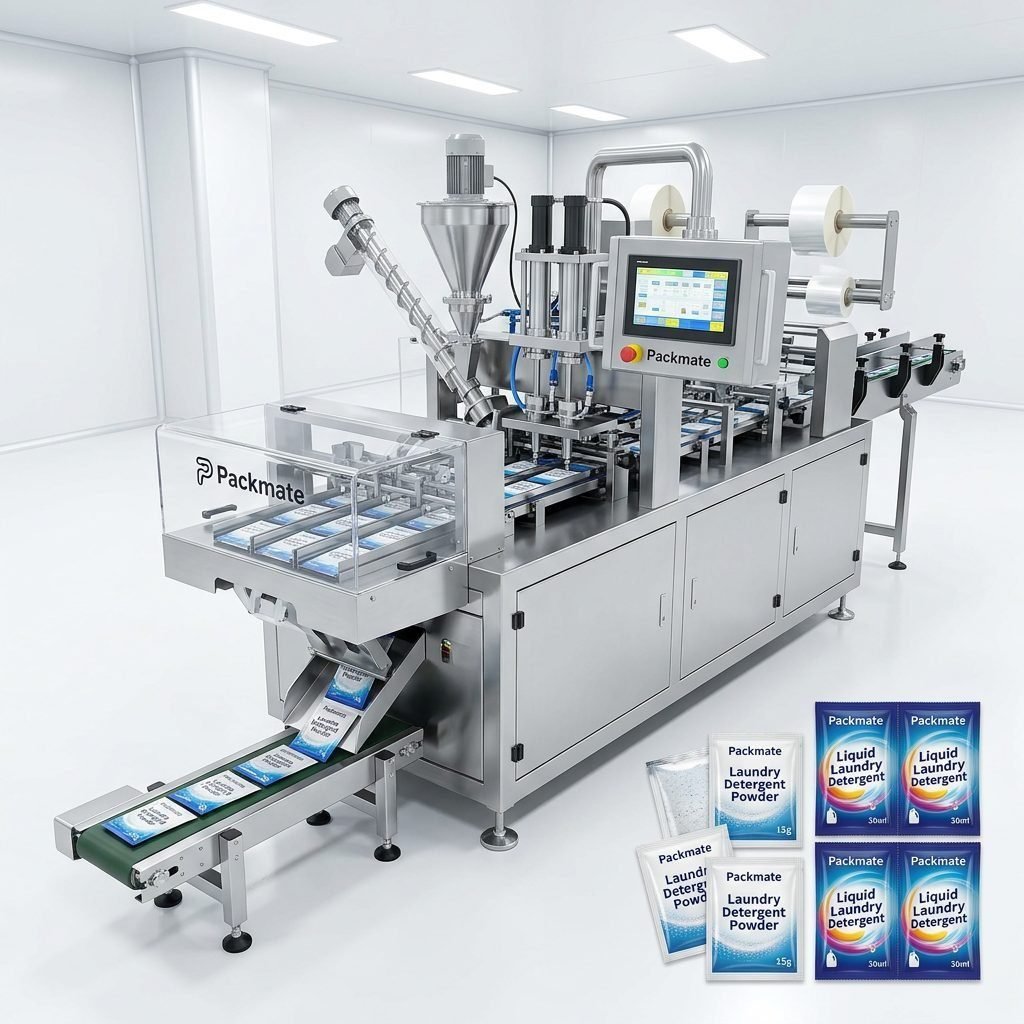
2. Packmate Machinery: Balanced Performance and Value
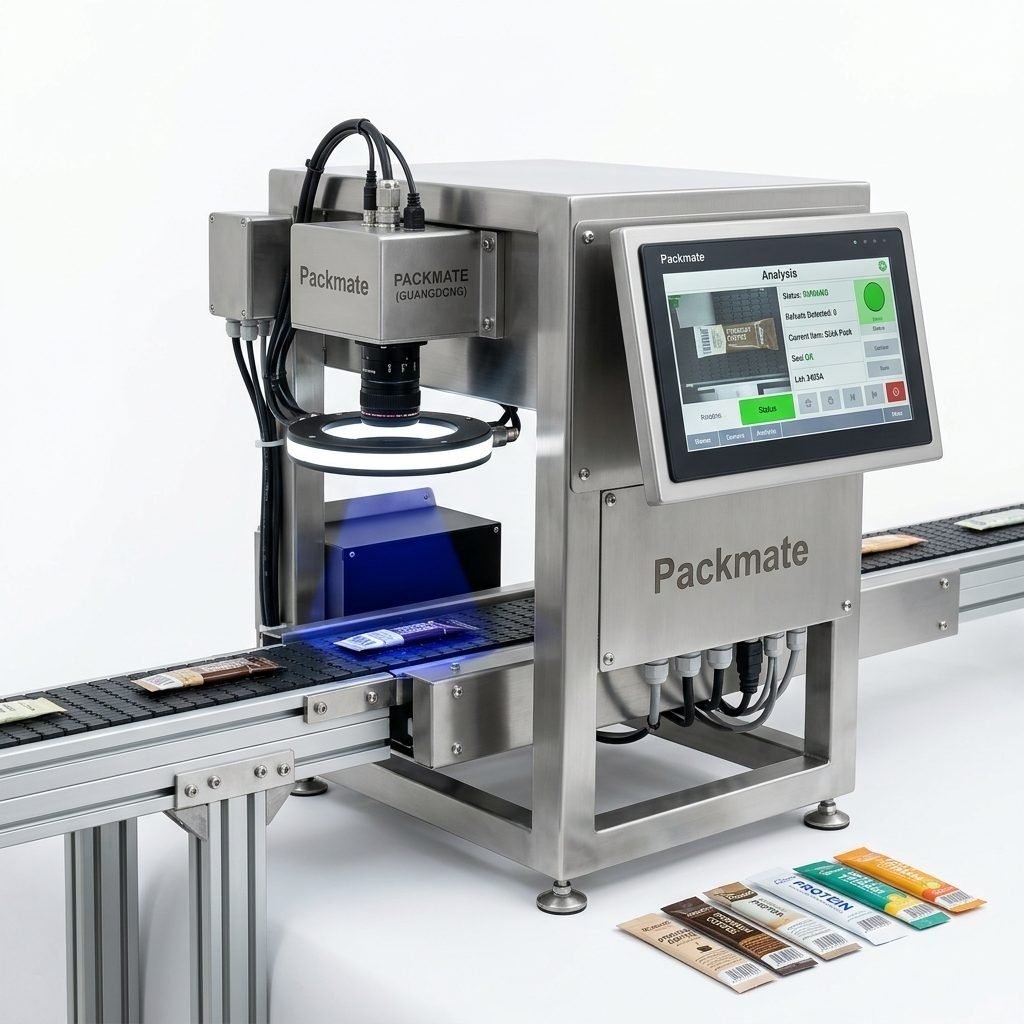
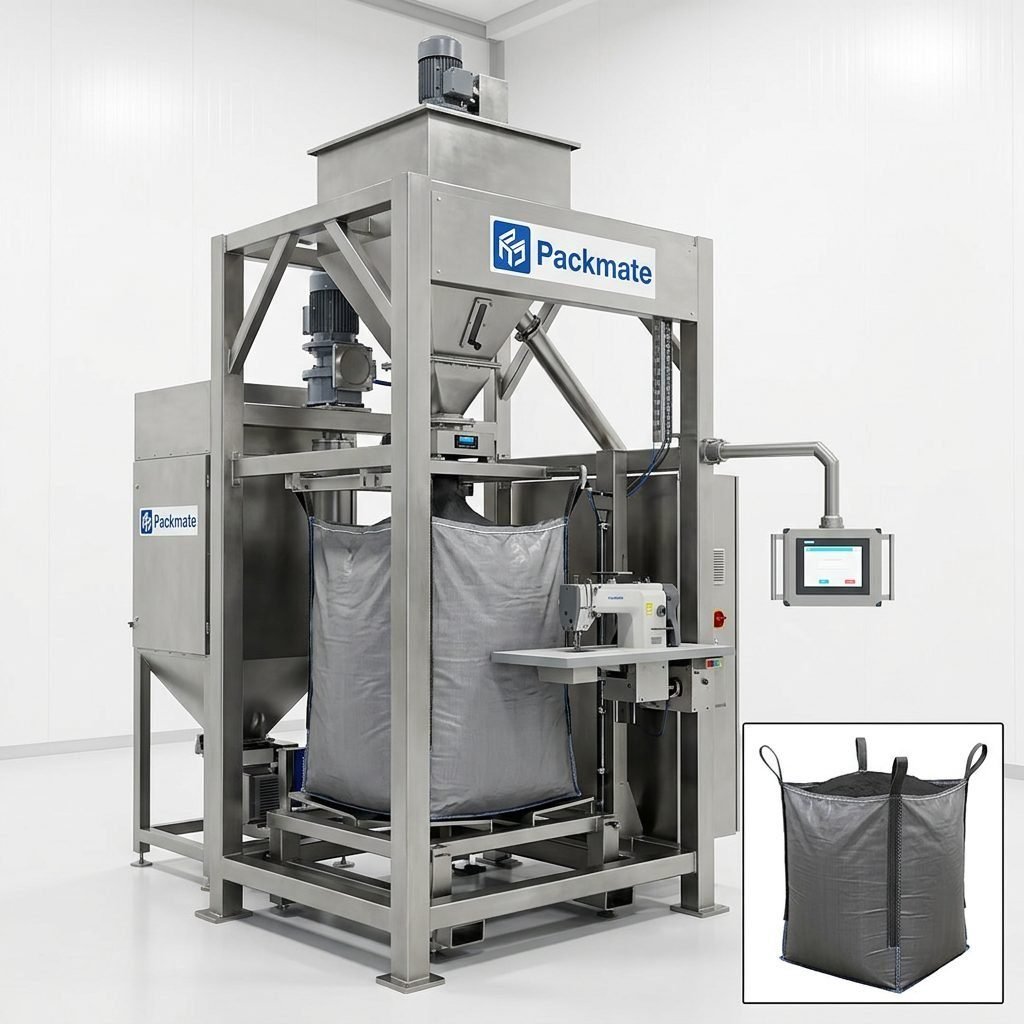
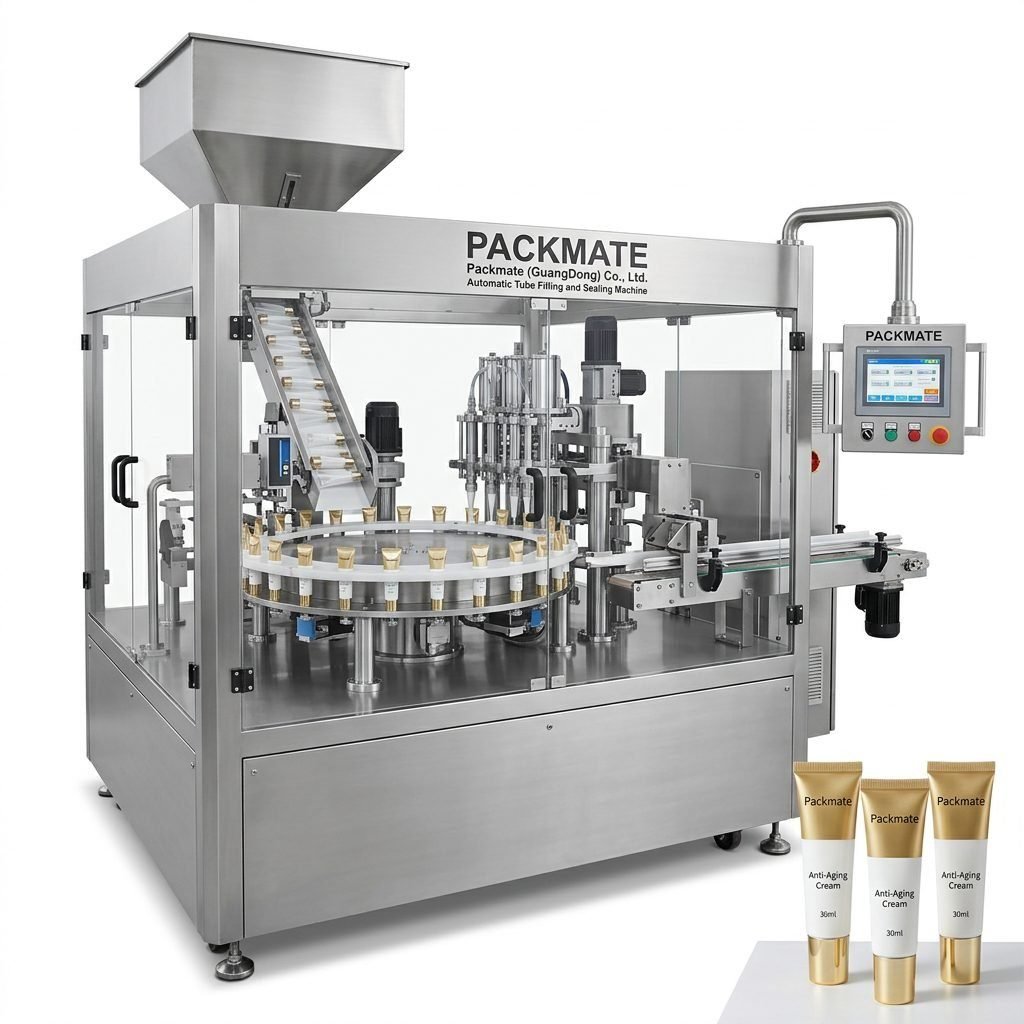
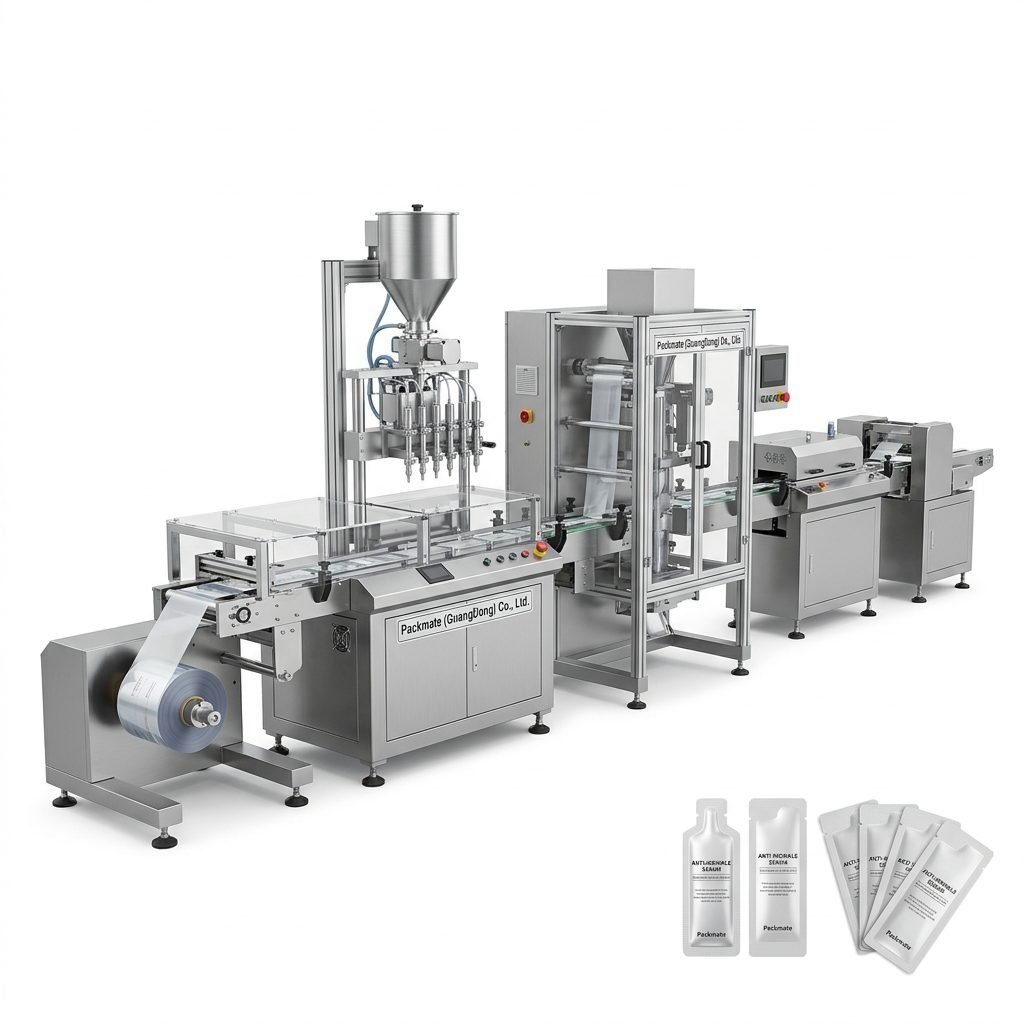
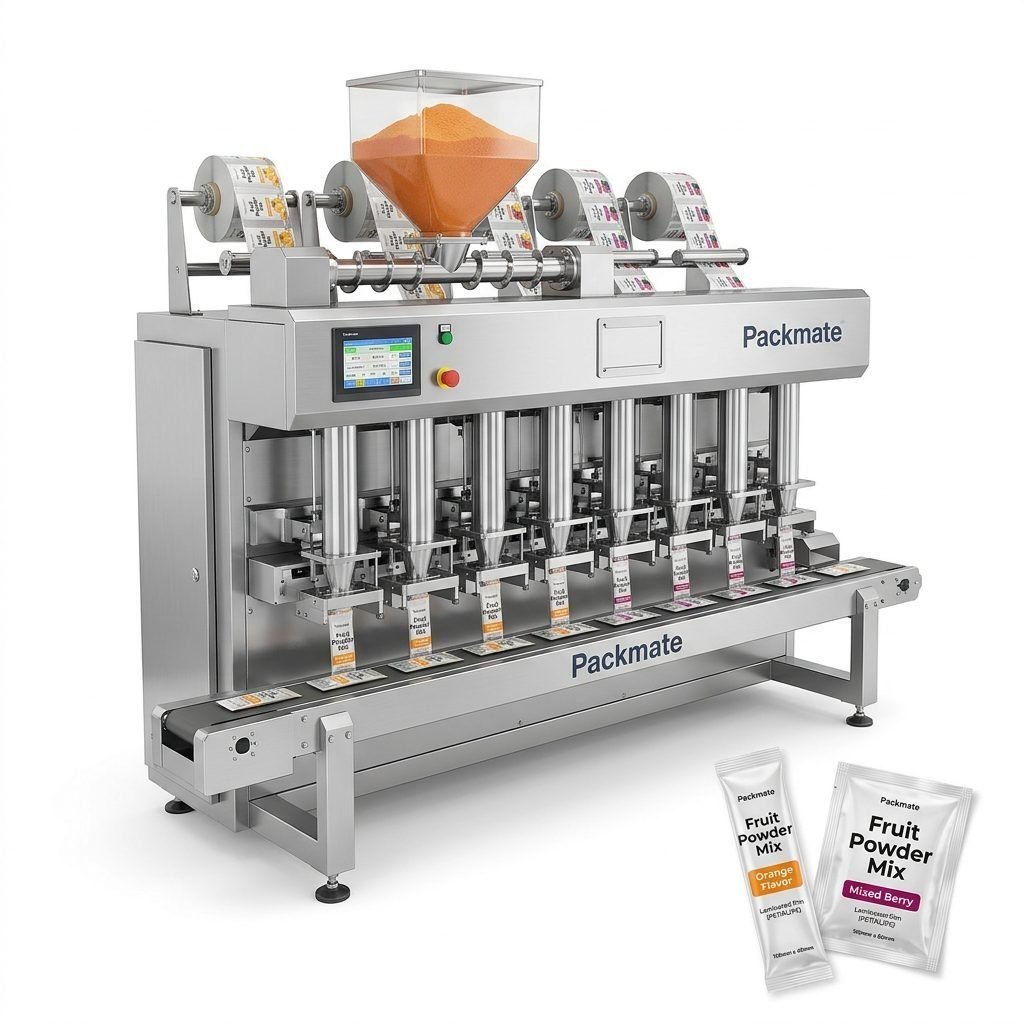
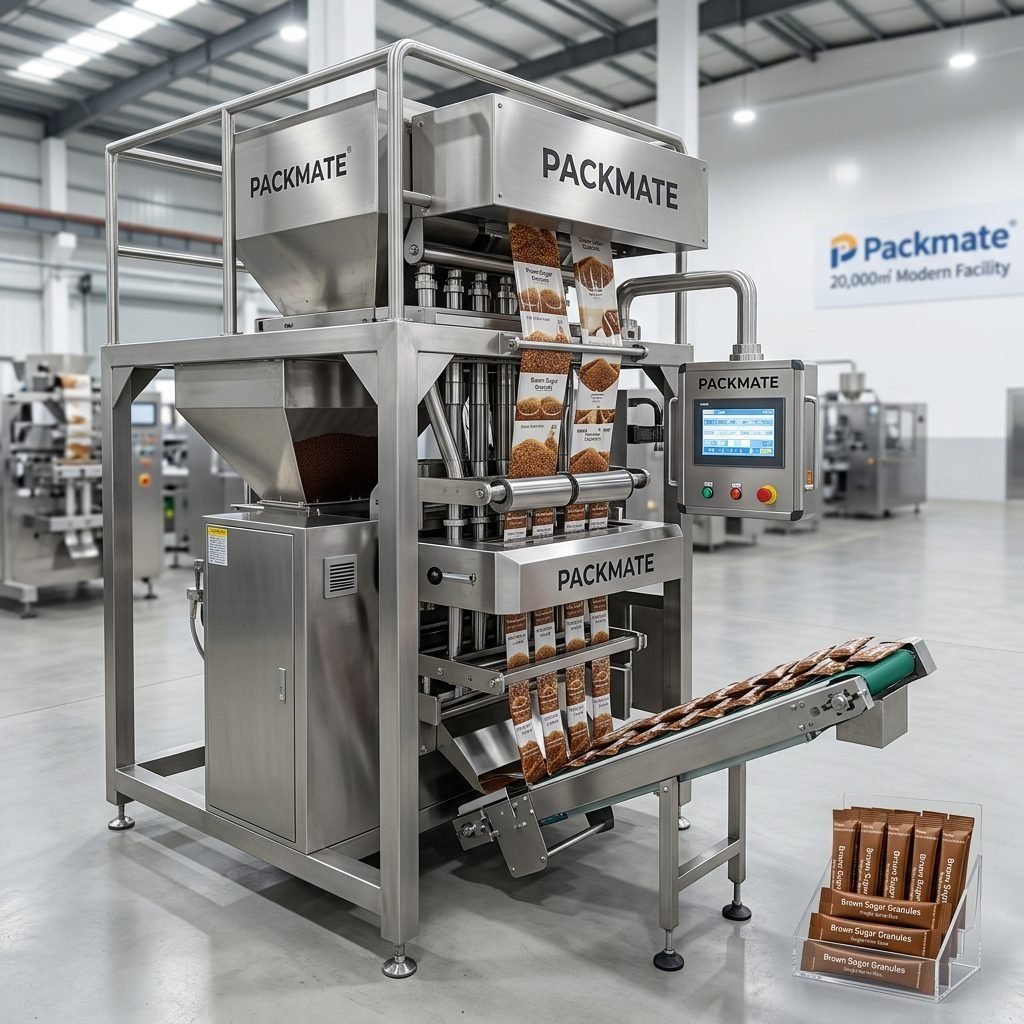
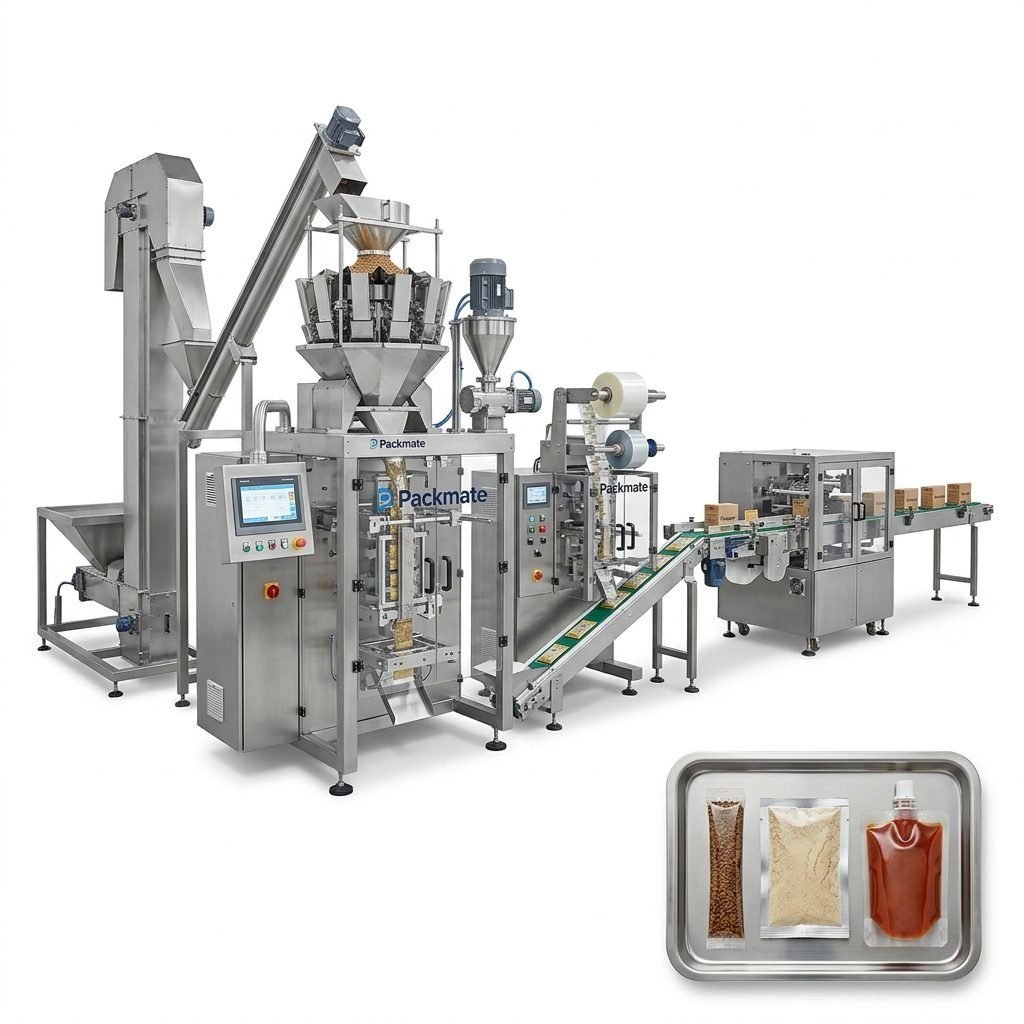
Packmate Machinery brings over three decades of experience, focusing on intelligent packaging for food, pharma, and supplements. They are known for offering a good balance between technical reliability and cost efficiency. With over 80 machine models, they provide flexibility for medium to large-scale Slovak operations seeking practical automation with professional support, particularly for granule, powder, and liquid applications.
3. PacklineOEM: The Turnkey Line Specialist
If your project in Slovakia involves setting up a new, fully automated production facility, PacklineOEM is a strong contender. They specialize in integrated turnkey packaging lines, handling everything from feeding and weighing to end-of-line packaging. This is ideal for companies prioritizing system integration, reduced manual handling, and a single point of contact for the entire packaging process.
4. PackingMachineOEM: Experts in Customization
For Slovak businesses with unique or non-standard packaging requirements—such as unusual pouch shapes, specific material compatibility, or specialized dosing needs—PackingMachineOEM focuses on customized solutions. Their expertise in OEM and project-based engineering allows for tailored machine configurations, ensuring the equipment perfectly matches your specific product and production goals.
5. SnusMachinery: Niche Expertise in Pouch Packaging
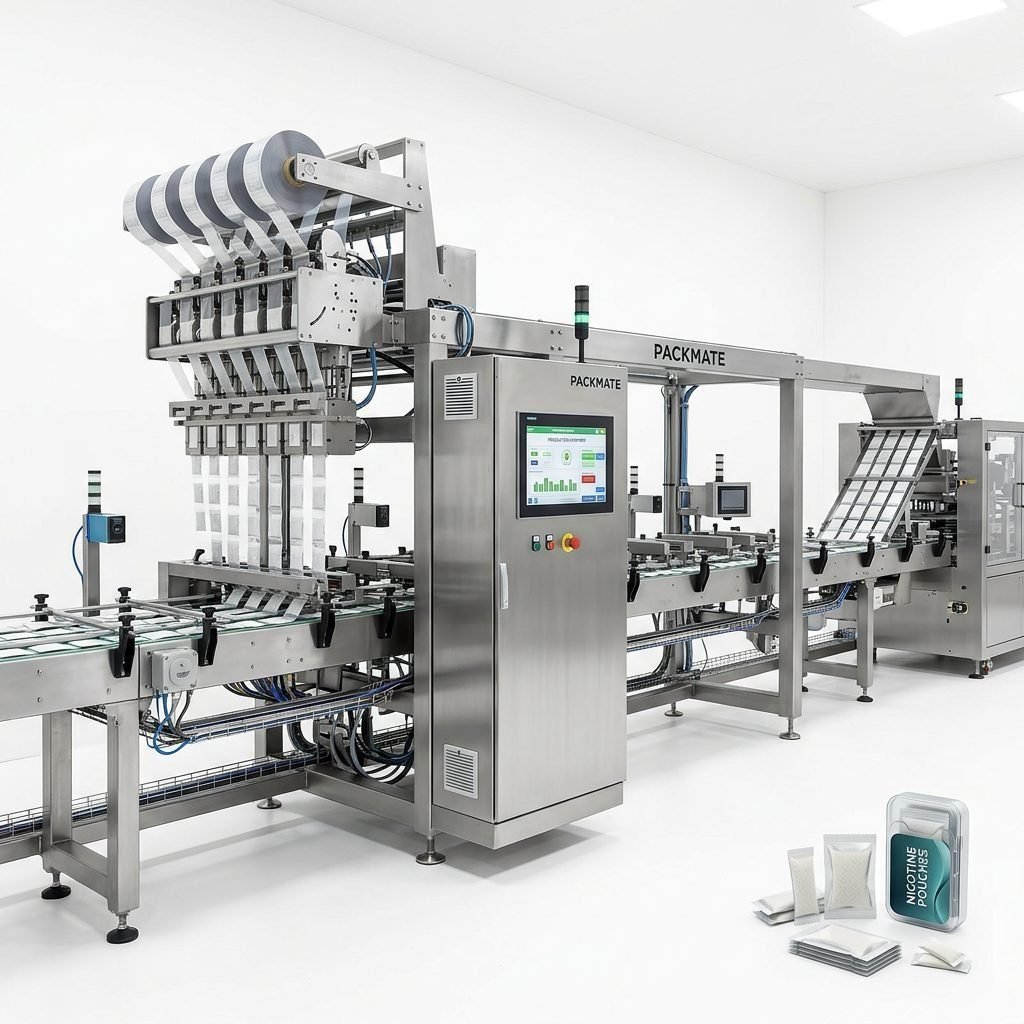
For producers in the growing nicotine pouch, snus, or specialty tea/coffee pouch sector, SnusMachinery offers targeted expertise. Their machines are designed for the high precision, consistent sealing, and multi-lane speed required in this niche. This focused knowledge can be invaluable for Slovak companies operating in or entering these specific markets.
Final Checklist Before Making Your Decision
Before signing a contract, ensure you have clear answers to these final questions:
- Has the supplier provided references from clients with similar applications in Europe?
- Are detailed technical specifications, performance guarantees, and delivery timelines clearly stated?
- What is the warranty period, and what does it cover?
- Is operator and maintenance training included, and is it available on-site in Slovakia?
- What is the roadmap for spare parts availability and technical support over the next 5-10 years?
- Can the supplier assist with compliance documentation for the Slovak and EU markets?
Frequently Asked Questions (FAQs)
1. What is the typical lead time for a packaging machine delivery to Slovakia?
Lead times vary significantly based on machine complexity and customization. For standard models, expect 2-4 months. For fully customized or turnkey lines, it can take 4-8 months or more. Always confirm this in writing during the quotation stage.
2. How important is it that the machine has a CE mark?
It is legally mandatory for machinery sold and operated within the European Union, including Slovakia. The CE mark confirms the machine meets essential health, safety, and environmental protection requirements set by EU legislation.
3. Can these manufacturers provide machines for both food and pharmaceutical packaging?
Yes, most of the manufacturers listed, such as Ludyway and Packmate Machinery, design equipment for both industries. However, for strict pharmaceutical applications, you must specify requirements for materials (e.g., stainless steel grades), cleanability, and documentation (e.g., IQ/OQ/PQ support) to ensure GMP compliance.
4. What kind of after-sales support can I expect in Slovakia?
Reputable manufacturers typically offer remote support via phone/video, on-site installation and commissioning by their engineers, comprehensive training, and a spare parts supply. The key is to clarify their response time for urgent issues and the location of their nearest European warehouse or service partner.
5. Is it better to buy a single machine or a complete line?
This depends entirely on your production volume, budget, and automation goals. A single machine is suitable for lower output or as a pilot. A complete turnkey line is a larger investment but maximizes efficiency, minimizes labor, and ensures consistency for high-volume production. A detailed cost-benefit analysis with your potential supplier is recommended.