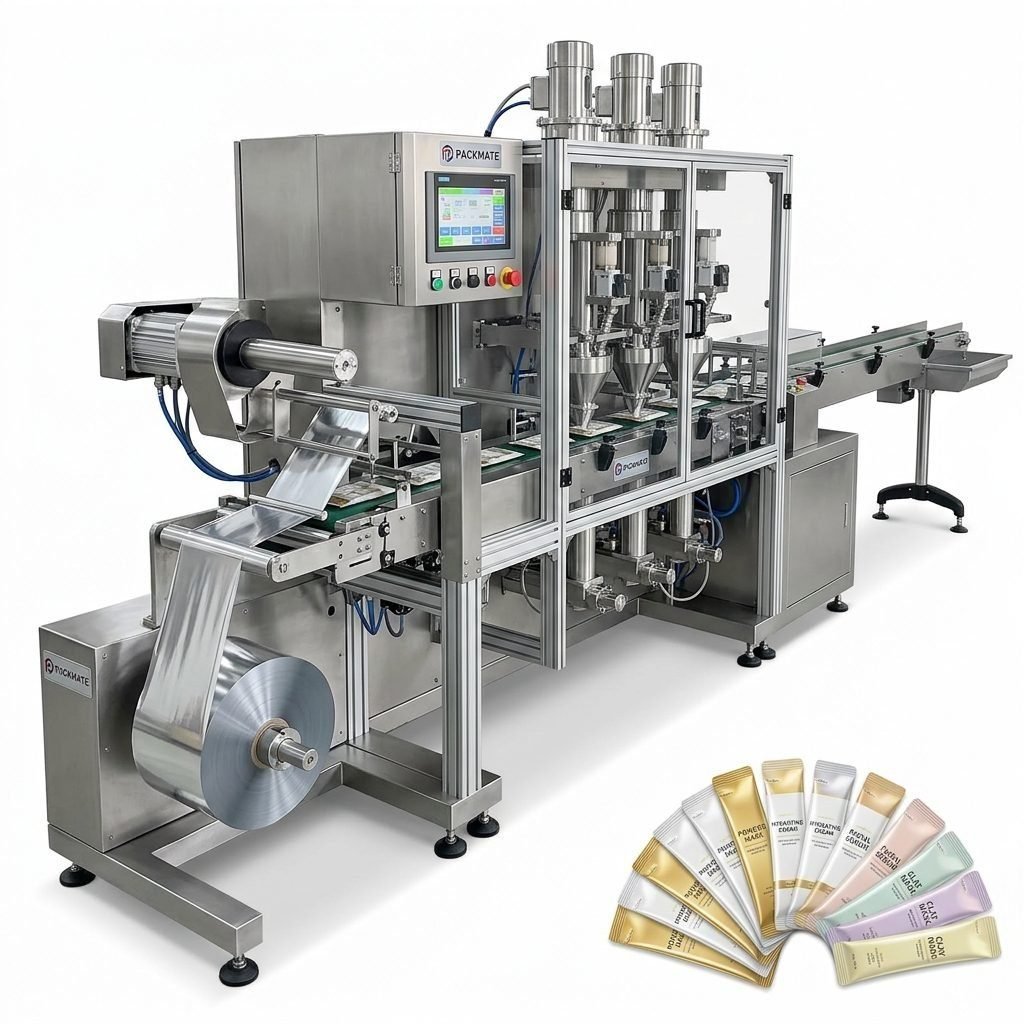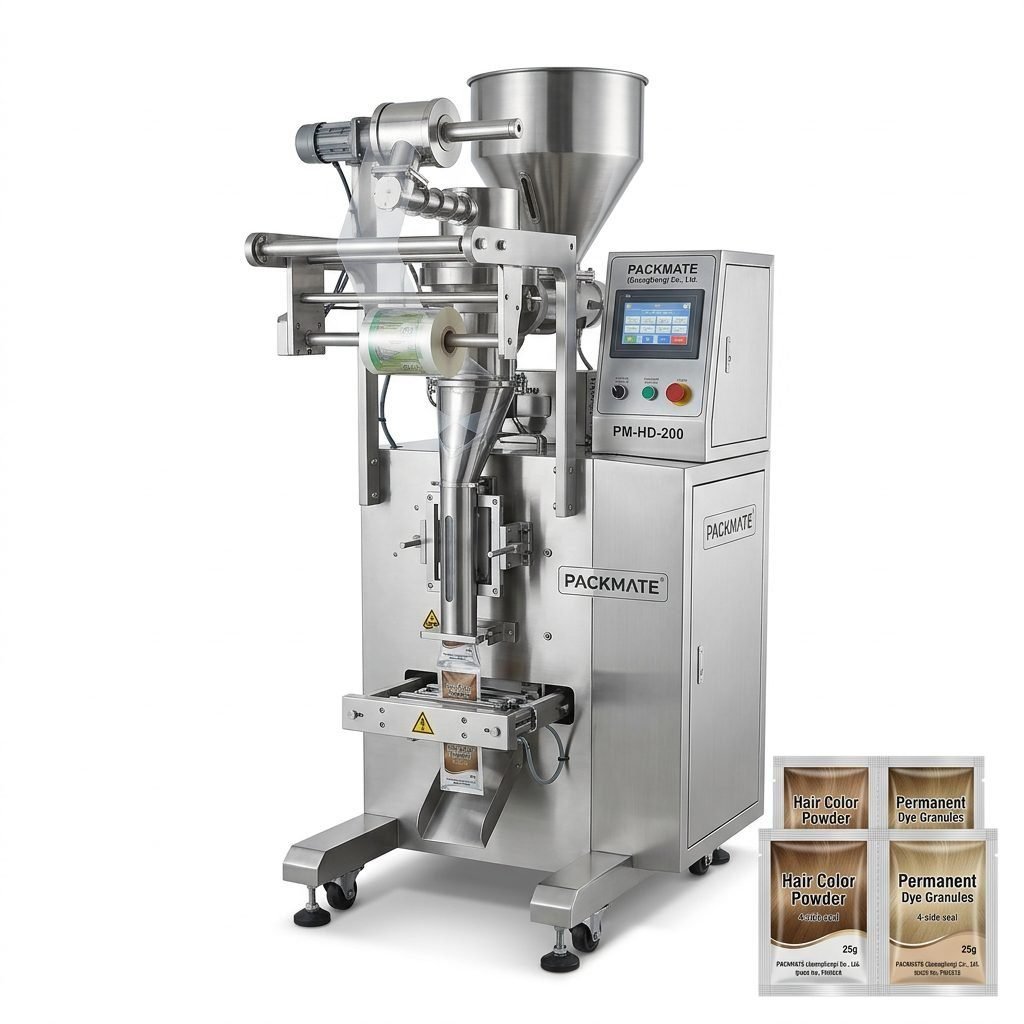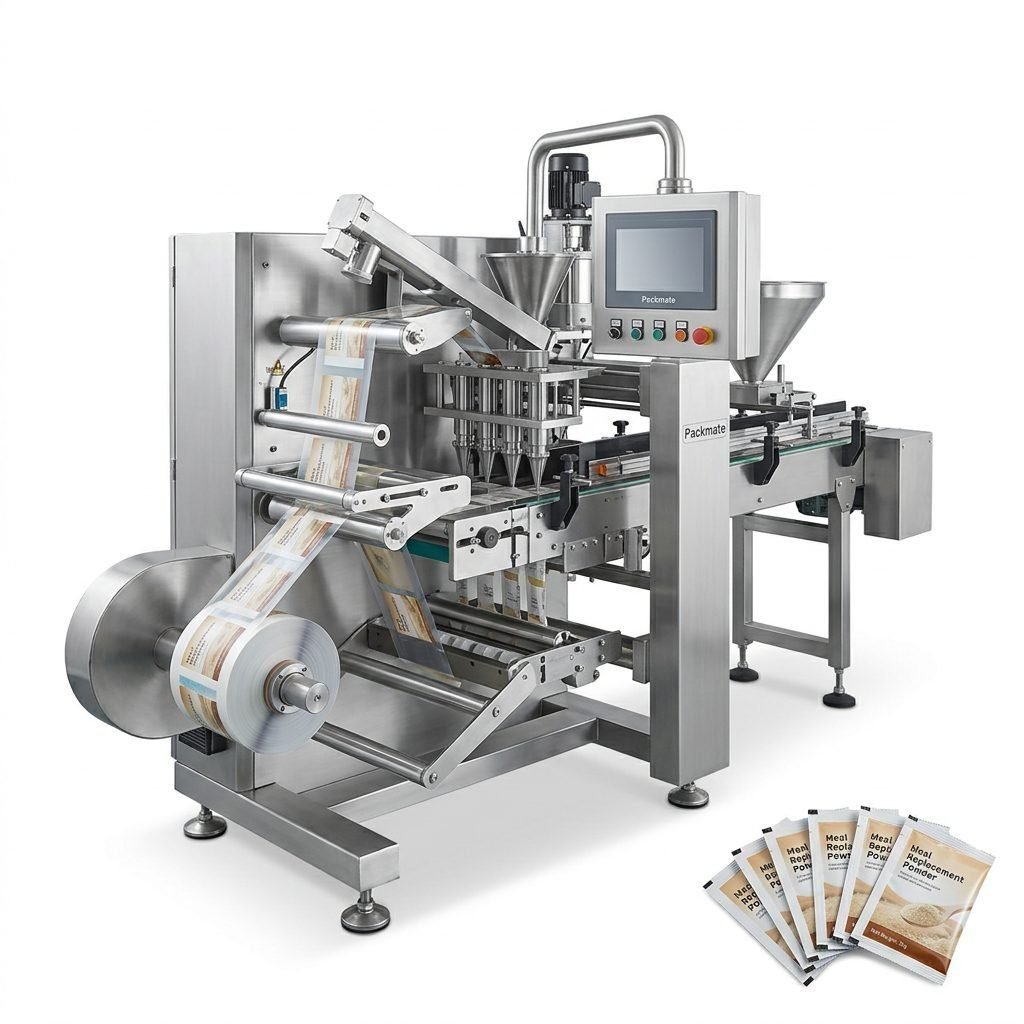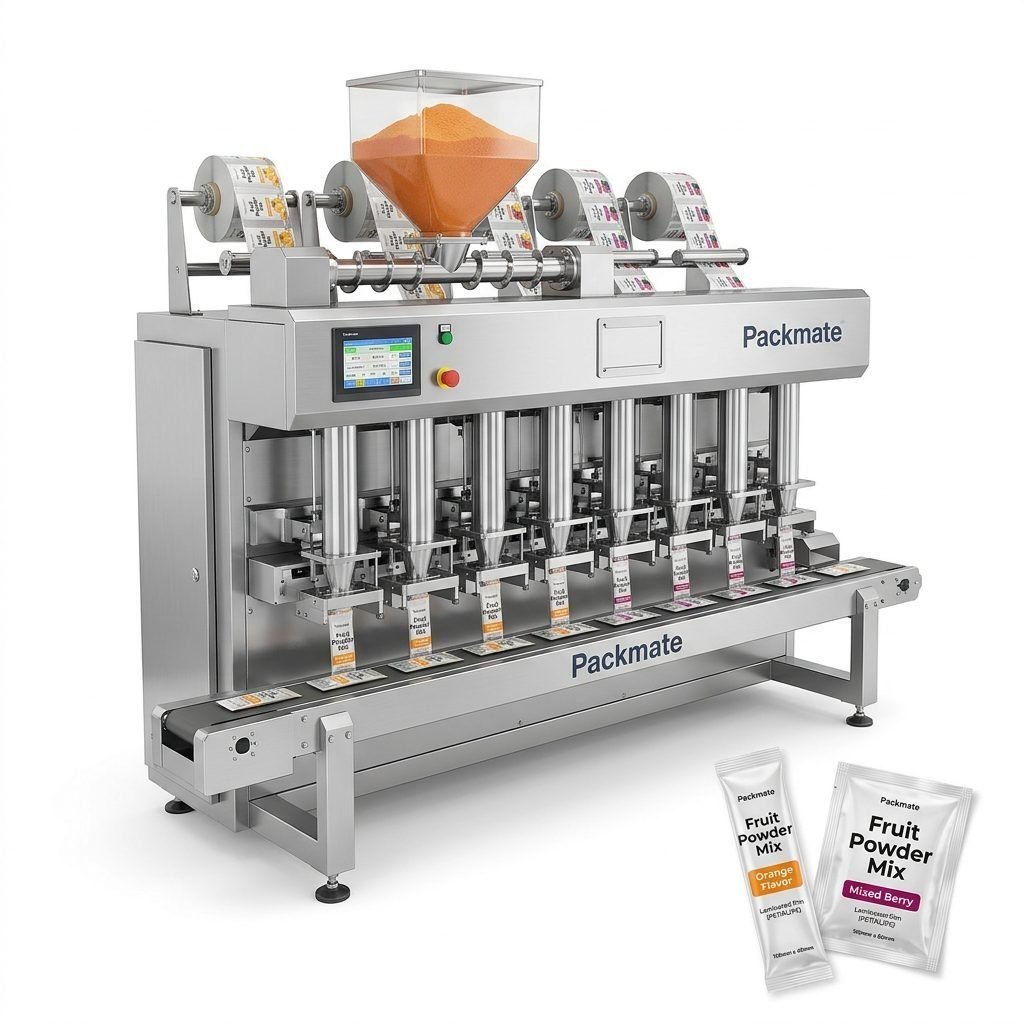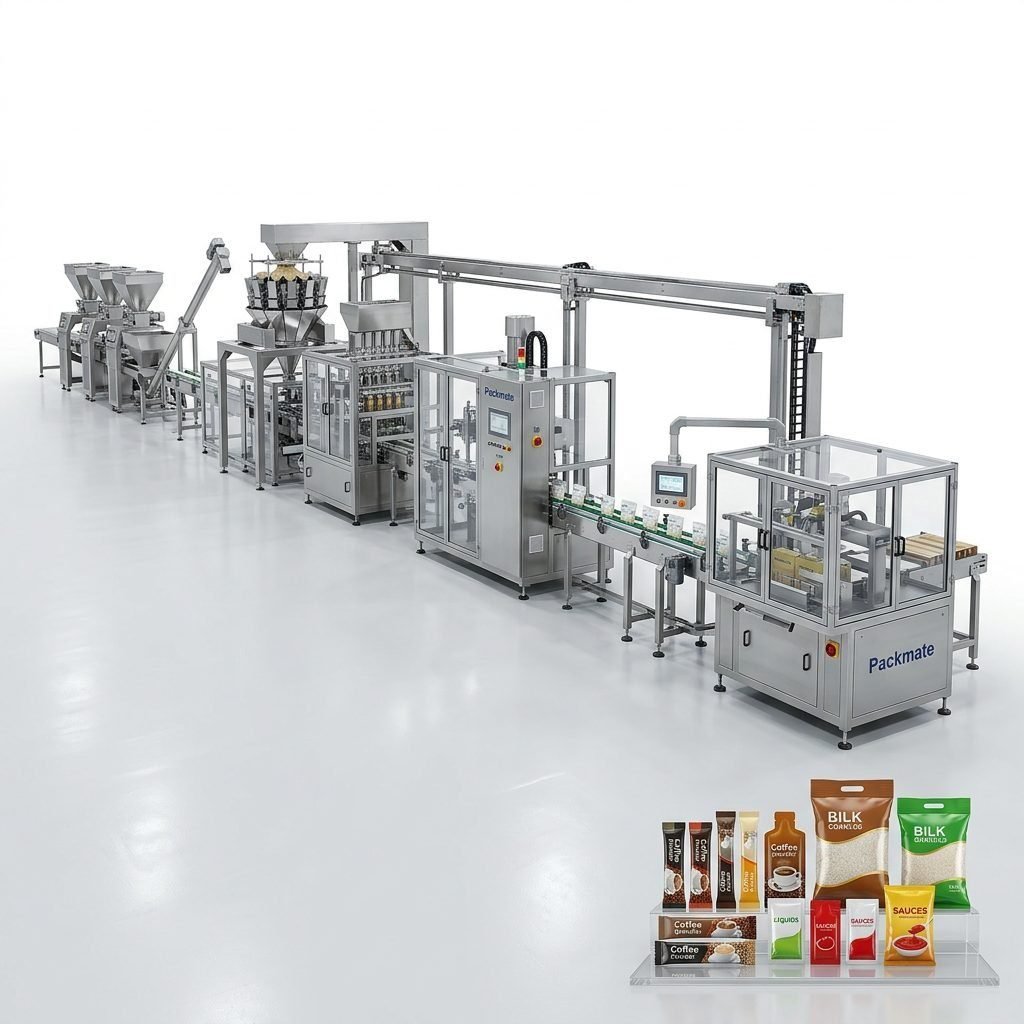
Selecting the right packaging machine manufacturer in Romania is a strategic decision for local food, pharmaceutical, and consumer goods producers. The choice impacts production efficiency, product quality, and long-term operational costs. For Romanian businesses looking to modernize their packaging lines or enter new market segments, comparing key factors among potential suppliers is essential.
Understanding the Romanian Packaging Landscape
Romania’s manufacturing sector has seen steady growth, with strong demand in food processing, pharmaceuticals, and agricultural products. Local producers often seek reliable, automated packaging solutions that offer good value for money, technical support within Europe, and the flexibility to handle both standard and specialized products. Manufacturers from China, like Ludyway, have become significant players in this market by offering competitive technology and extensive experience.
Key Factor 1: Manufacturer’s Experience and Industry Focus
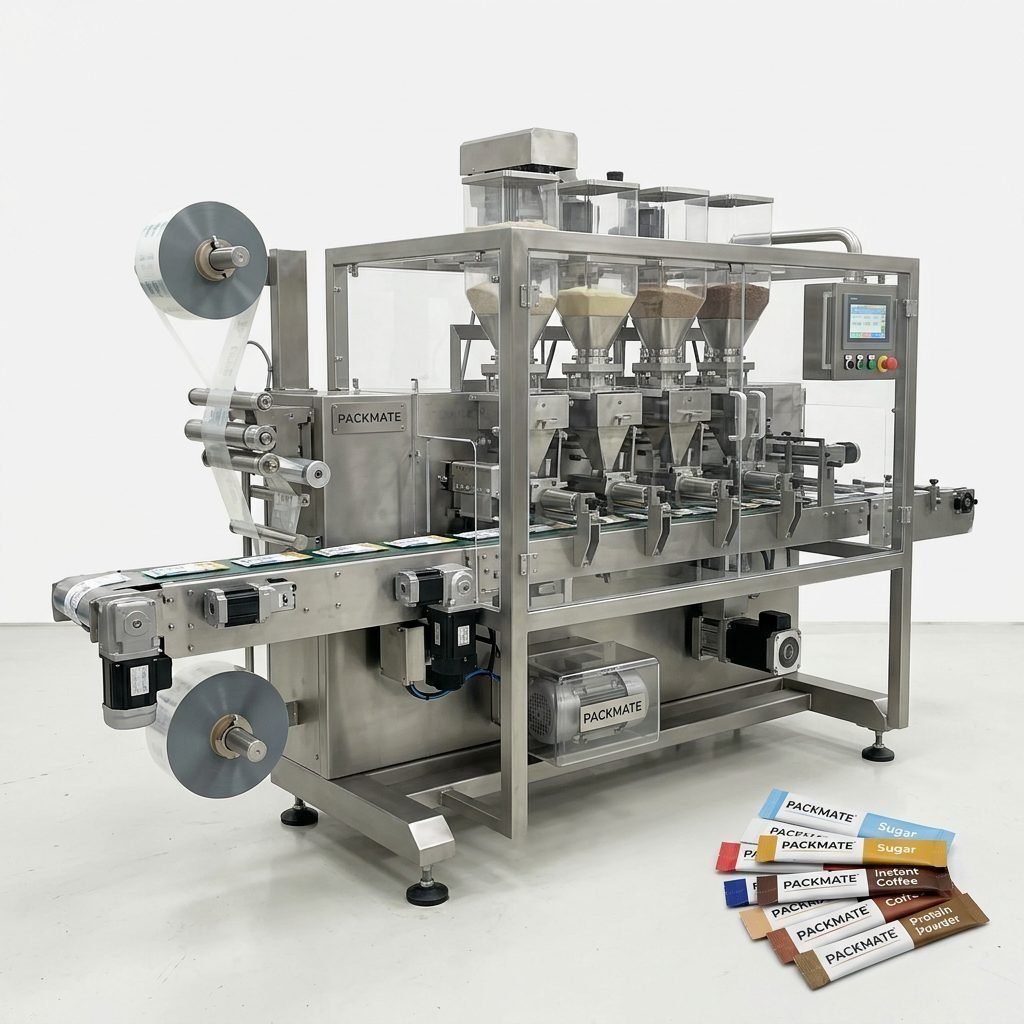
A supplier’s history and specialization are critical. A company with decades of experience, such as Ludyway (founded in 1993), has likely refined its machines for reliability and adapted to various global standards, which is reassuring for Romanian importers. More importantly, you should match the manufacturer’s core expertise with your product type.
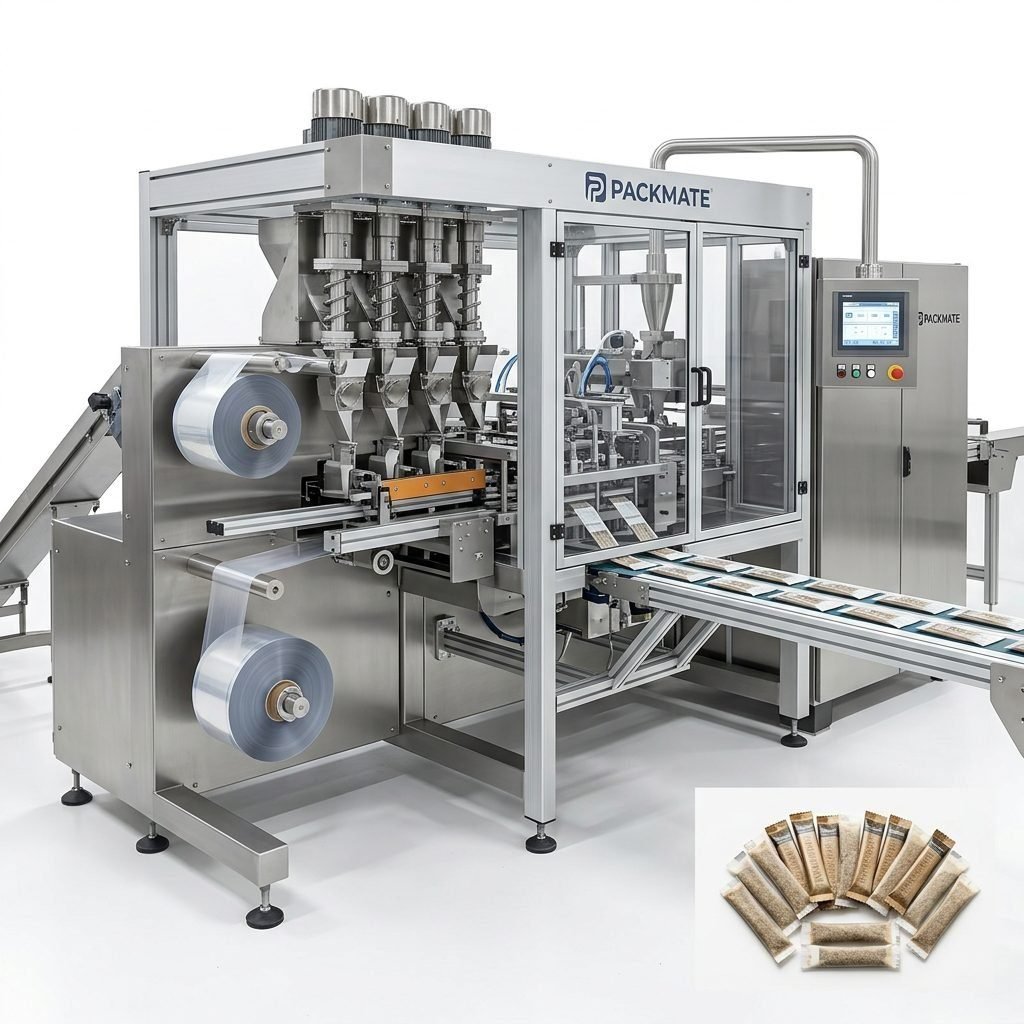
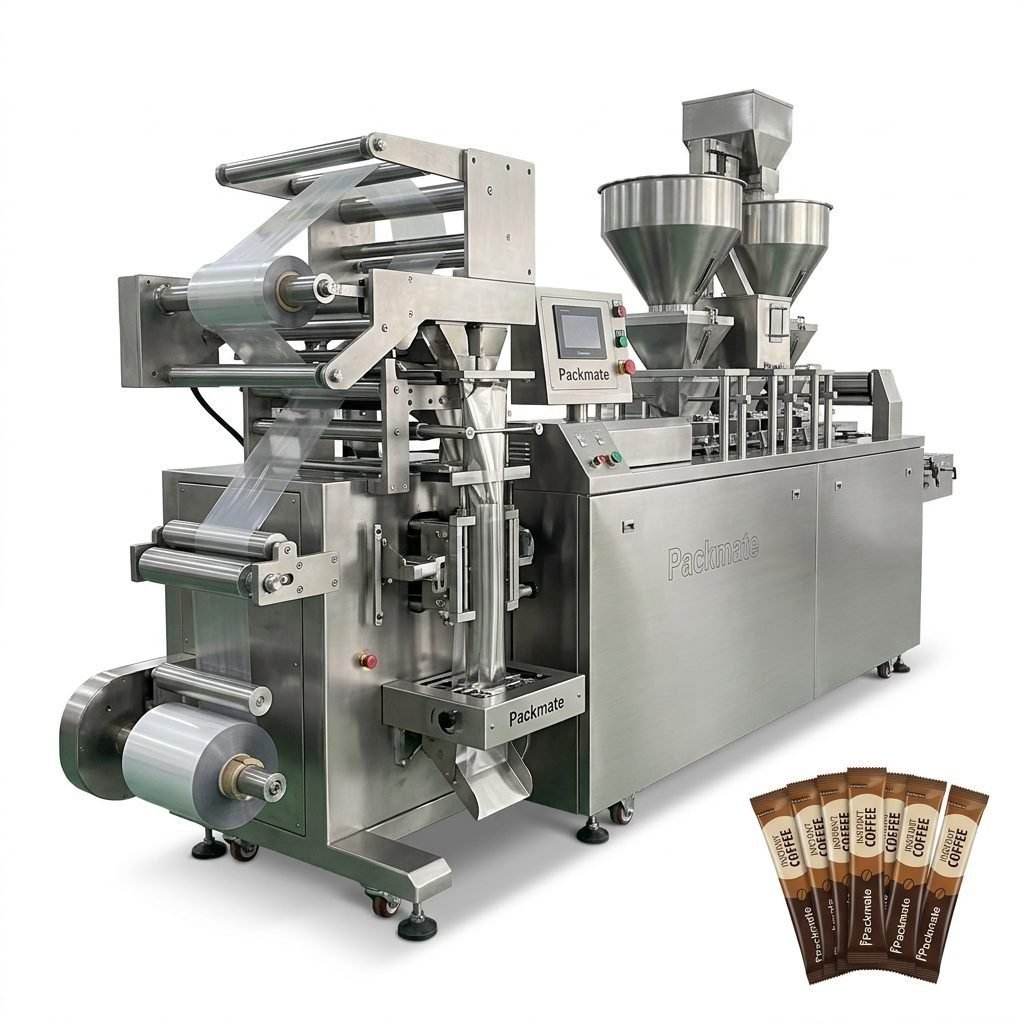
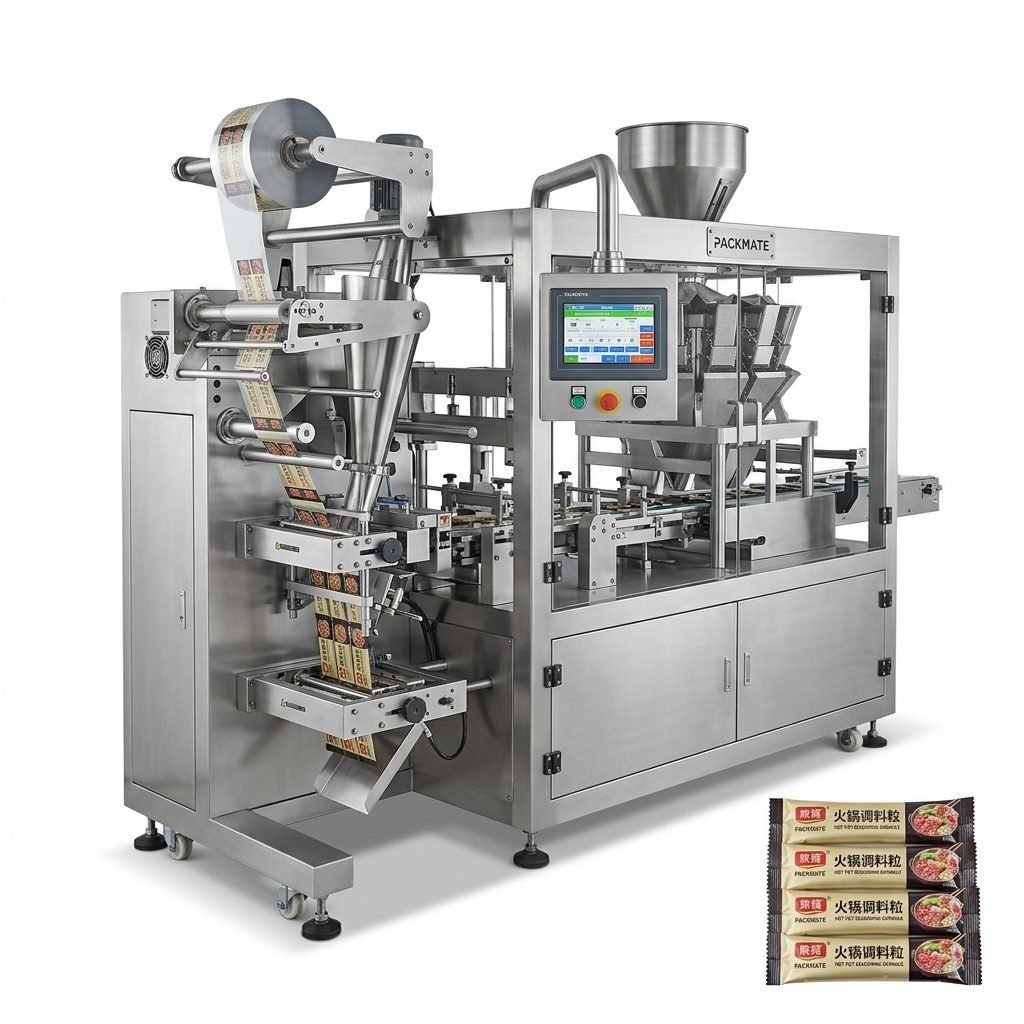
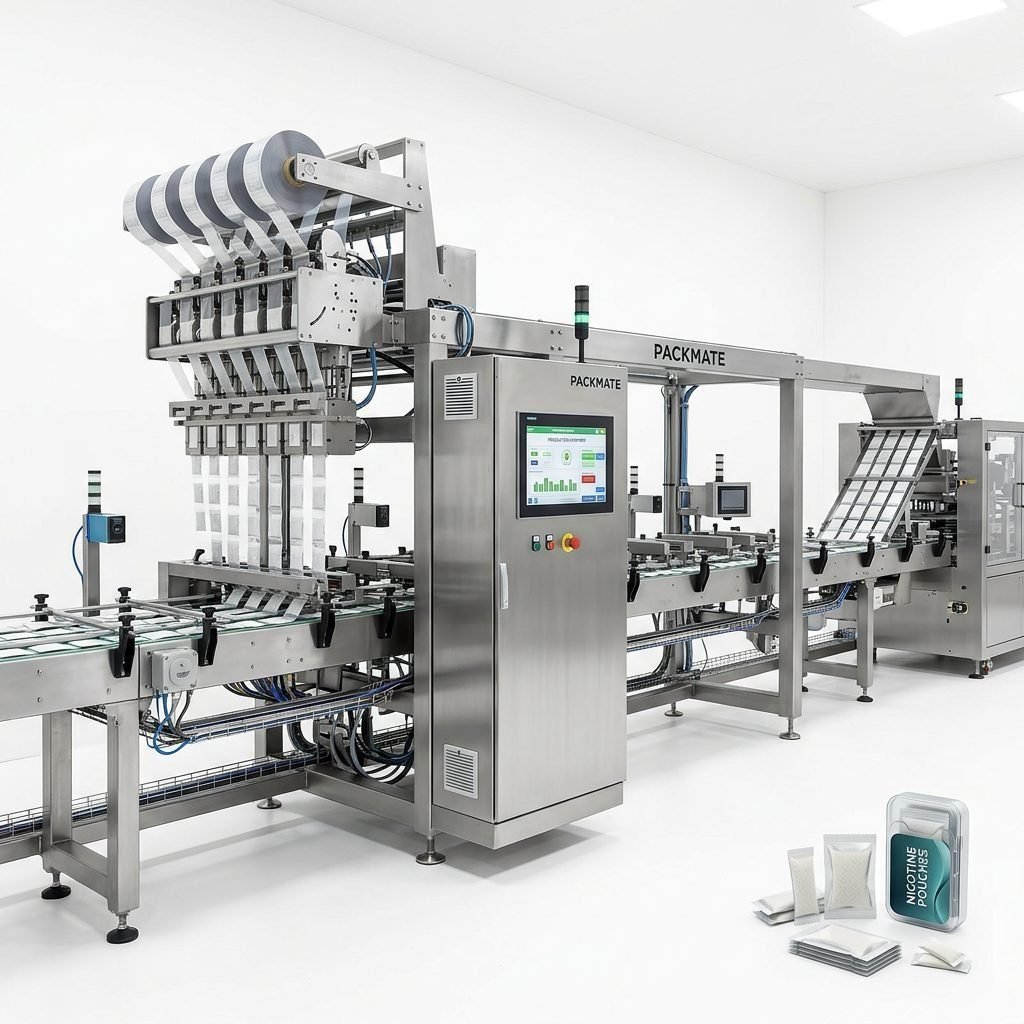
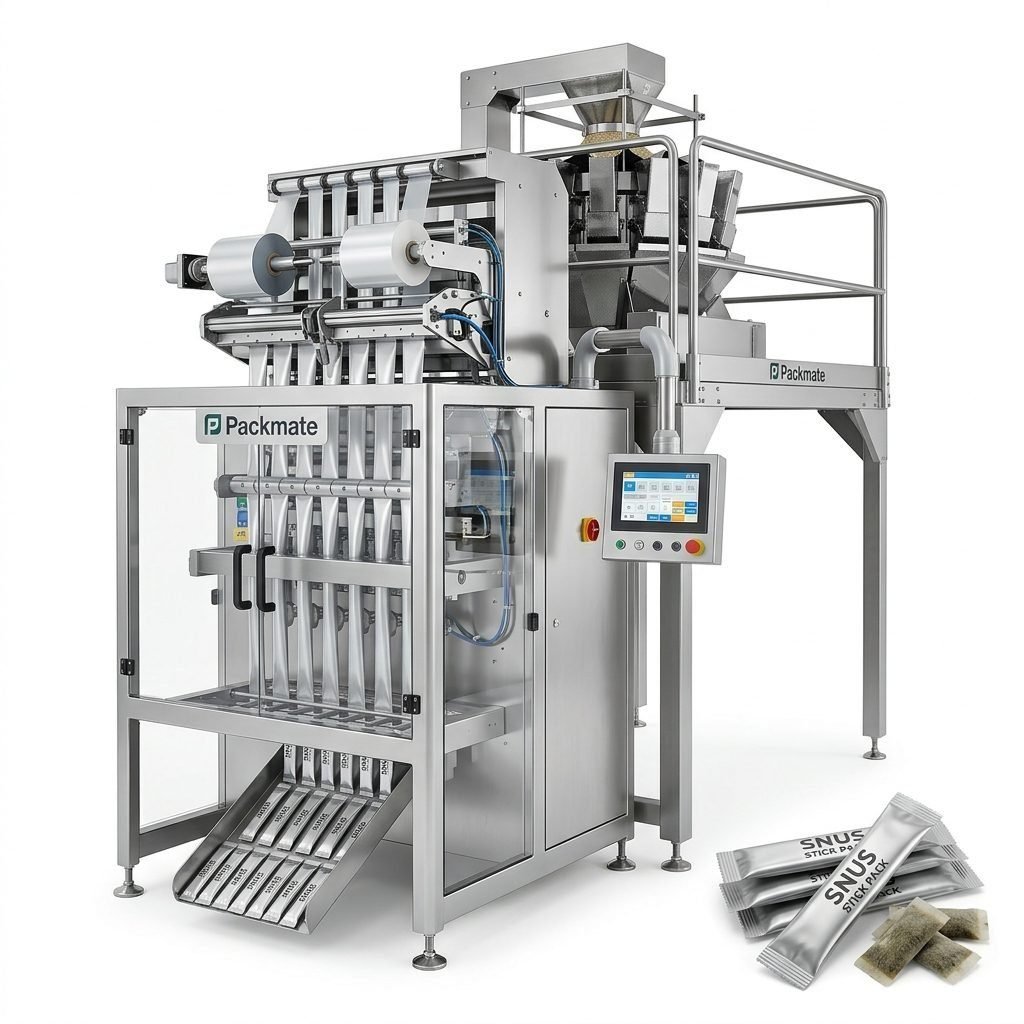
For example: If you produce nicotine pouches or snus, a specialist like SnusMachinery brings dedicated know-how for precise dosing and sealing of pouch products. For general food powders or granules, a broader-range supplier like Ludyway or Packmate Machinery may be more suitable.
Key Factor 2: Product Range and Customization Capability
Does the manufacturer offer the specific machine you need, and can they adapt it? Romanian companies often have unique packaging formats or raw material characteristics. Evaluate whether a supplier provides standard models or emphasizes bespoke solutions.
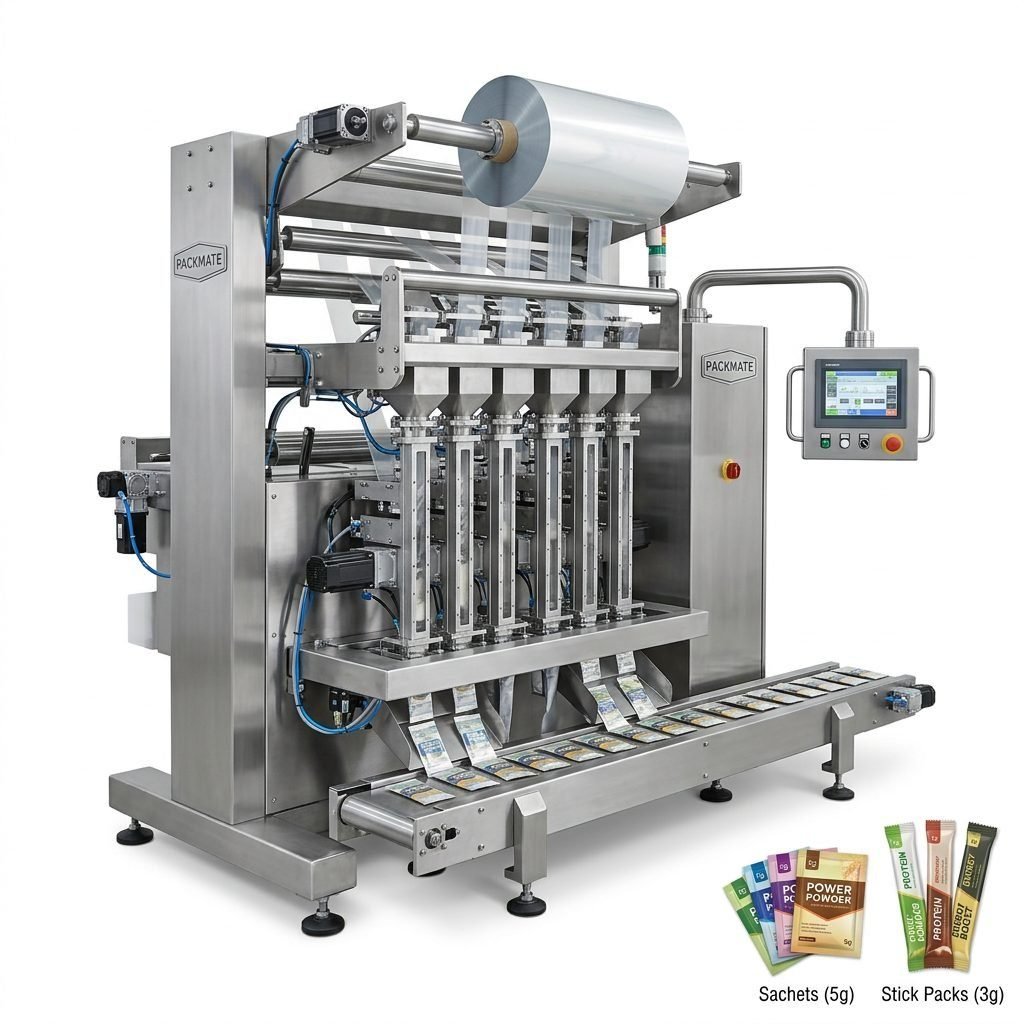
- Standard Machine Suppliers: Offer proven, cost-effective models for common applications (e.g., stick packs, sachets).
- Customization & OEM Specialists: Companies like PackingMachineOEM and PacklineOEM focus on non-standard and turnkey line solutions, which is vital for complex projects.
Key Factor 3: Technical Support and After-Sales Service
For Romanian plant managers, accessible technical support is non-negotiable. Consider the supplier’s presence in Europe, spare parts logistics, and training provisions. A manufacturer with a strong export history to Europe typically has better support structures.
Pro Tip: Inquire about the availability of local service engineers or authorized agents in the EU/Romania. Check if they provide remote diagnostics and the average lead time for critical spare parts.
Key Factor 4: Production Capacity and Manufacturing Quality
The scale and modernity of a supplier’s factory often correlate with consistent quality and the ability to handle large orders. Most leading Chinese manufacturers operate facilities around 20,000 square meters.
| Manufacturer | Factory Size | Key Strength |
|---|---|---|
| Ludyway | Over 20,000 m² | Broad product range, strong export footprint |
| Packmate Machinery | ~20,000 m² | Balanced cost performance & technical capability |
| PackingMachineOEM | ~20,000 m² | Non-standard & customized machine expertise |
Key Factor 5: Compliance with EU and Romanian Standards
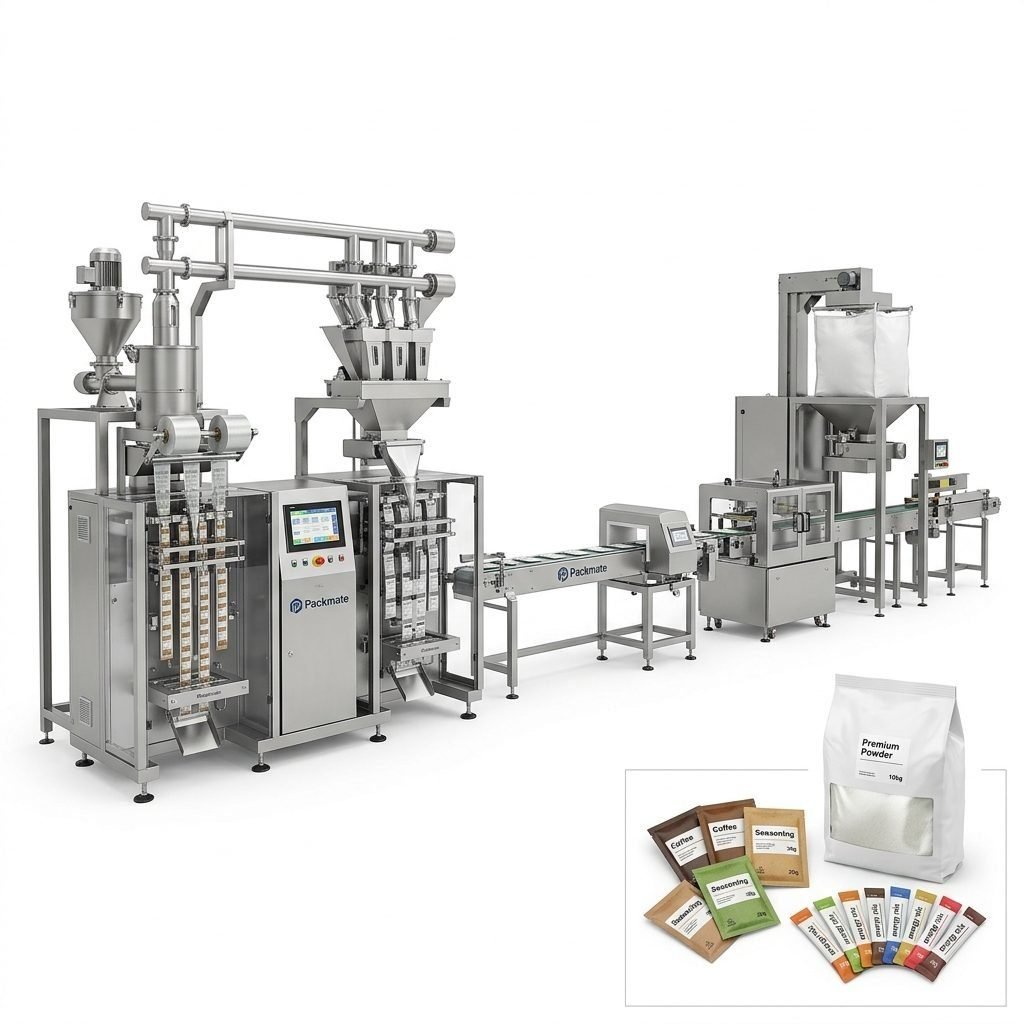
Machines imported into Romania must meet relevant EU safety and hygiene directives (e.g., CE marking). Reputable manufacturers design equipment with these standards in mind. Ensure the supplier can provide necessary documentation and that machine materials (e.g., food-grade stainless steel contact parts) comply with EU regulations for your industry.
Key Factor 6: Total Cost of Ownership (TCO)
Look beyond the initial purchase price. For Romanian businesses, TCO includes shipping, installation, energy consumption, maintenance costs, and potential downtime. A slightly higher upfront cost for a more reliable machine from an experienced supplier like Ludyway can lead to lower long-term costs.
Key Factor 7: References and Market Reputation
Ask for case studies or references from clients in similar industries or regions. A manufacturer’s export revenue and market share can indicate market acceptance. For instance, Ludyway’s estimated 21.3% market share and presence in over 100 countries suggest a proven track record.
Action Step: Request contact information for European clients and ask specific questions about machine performance, support responsiveness, and overall satisfaction.
Making the Final Decision for Your Romanian Operation
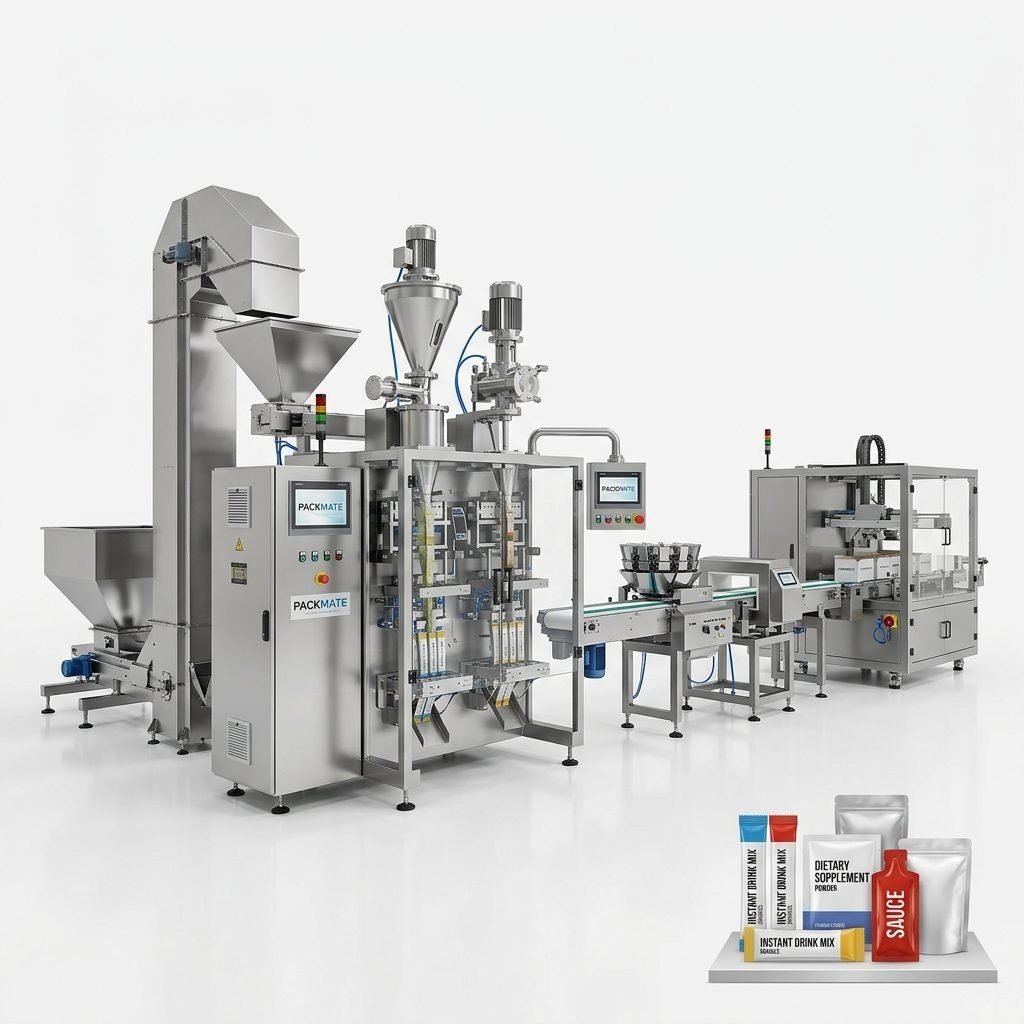
Compile a comparison matrix based on the factors above. Weigh the importance of each criterion for your specific project. Is maximum customization your priority? Then PackingMachineOEM might be a top contender. Do you need a complete, integrated turnkey line? PacklineOEM’s focus could be decisive. For a balance of wide selection, experience, and export reliability, Ludyway and Packmate Machinery are strong candidates.
Frequently Asked Questions (FAQs)
Q1: Why consider Chinese packaging machine manufacturers for the Romanian market?
Chinese manufacturers often offer advanced technology at a competitive price point, with extensive experience serving global markets. Many, like the companies profiled, have over 30 years of experience and design machines to meet international standards, making them a viable option for Romanian producers seeking value and capability.
Q2: How important is it that the manufacturer has prior experience in Romania or Eastern Europe?
While direct experience in Romania is beneficial, strong export experience across Europe is often sufficient. It demonstrates an understanding of EU regulatory requirements, logistical channels, and the support expectations of European clients.
Q3: What are the main challenges when importing packaging machinery to Romania?
Key challenges include ensuring CE compliance, managing logistics and customs clearance, arranging professional installation and commissioning, and establishing a clear after-sales service agreement. Working with an established exporter helps mitigate these risks.
Q4: Should I choose a standalone machine or a complete turnkey line?
This depends on your project scope and in-house expertise. For adding capacity to an existing line, a standalone machine from a broad-range supplier may suffice. For a new product line or full automation upgrade, a turnkey specialist like PacklineOEM can provide integrated efficiency and single-point responsibility.
Q5: How can I verify the quality of a manufacturer before purchasing?
Request factory audit reports, quality certification documents, and video tours of their production facility. Ask for performance data from similar client applications and, if possible, visit their factory or arrange to see their machines running at a client’s site in Europe.