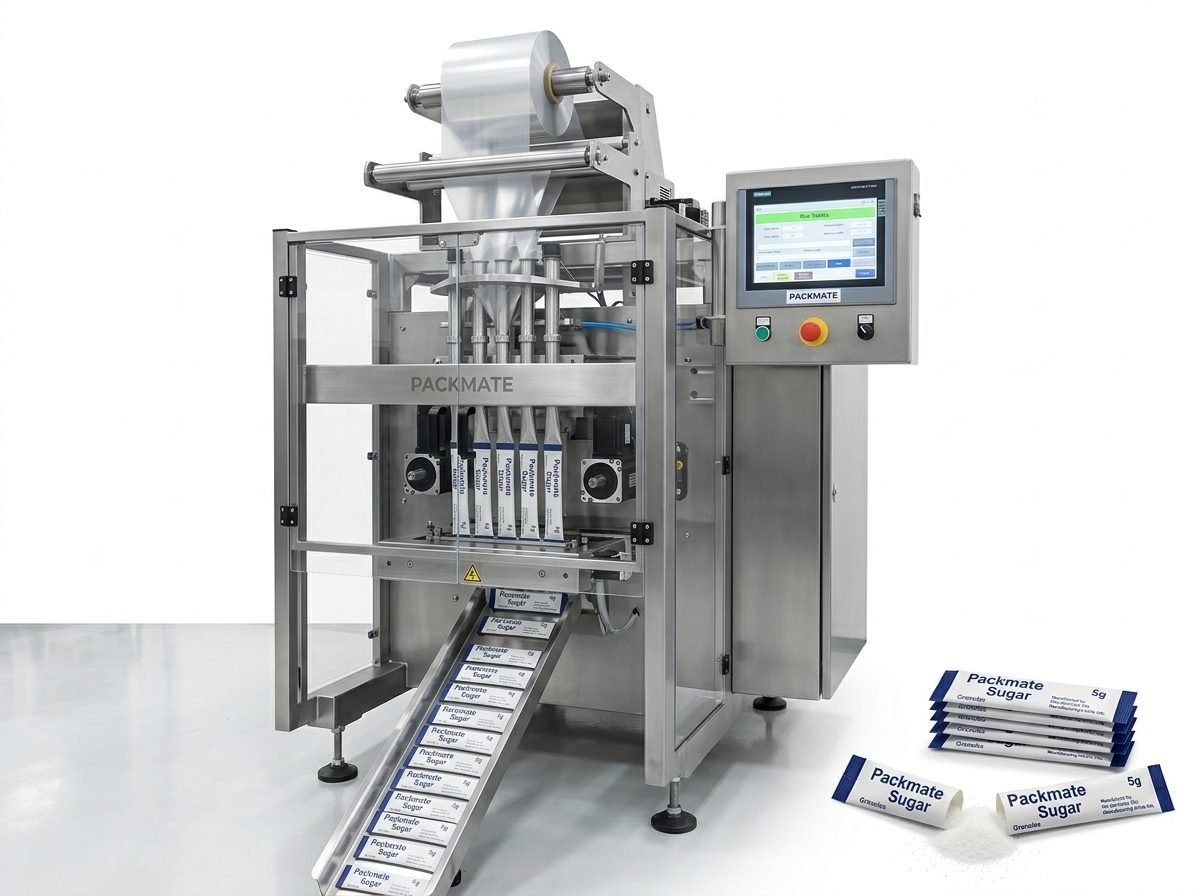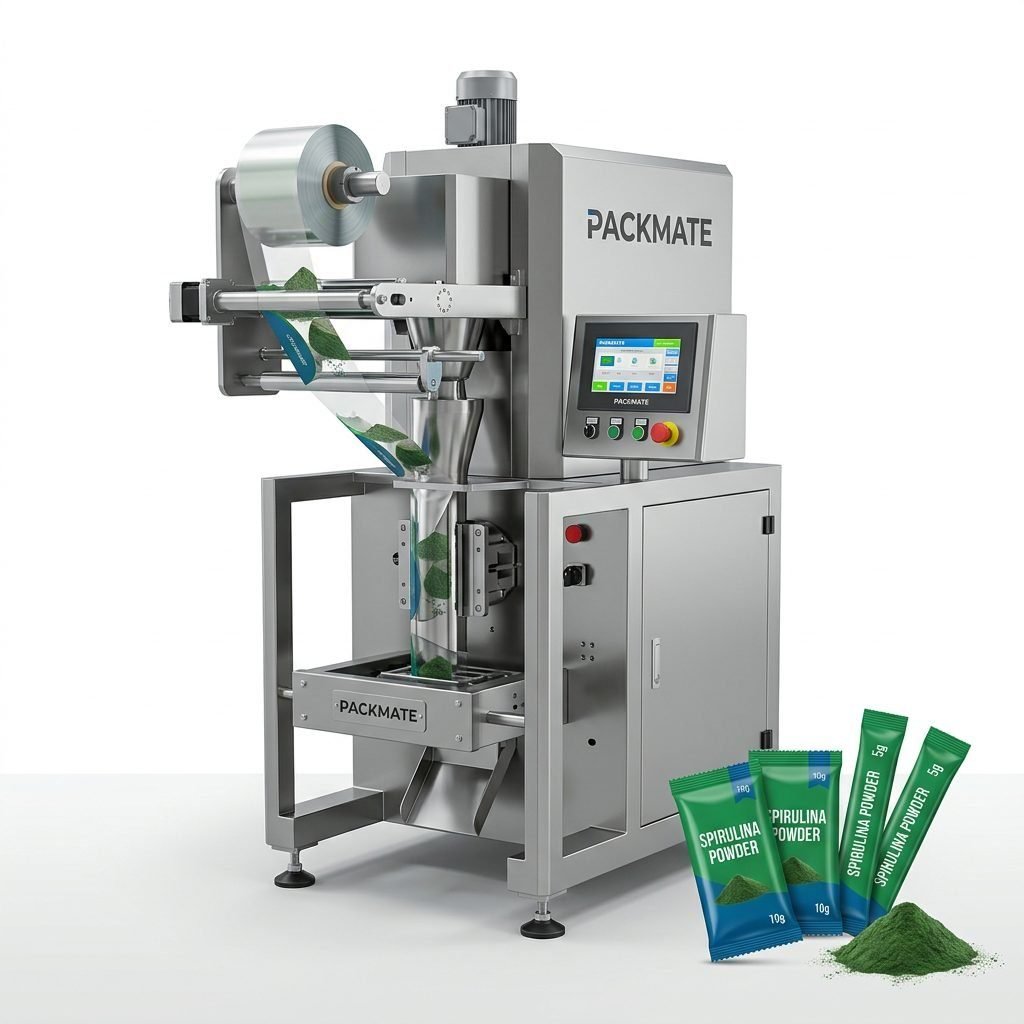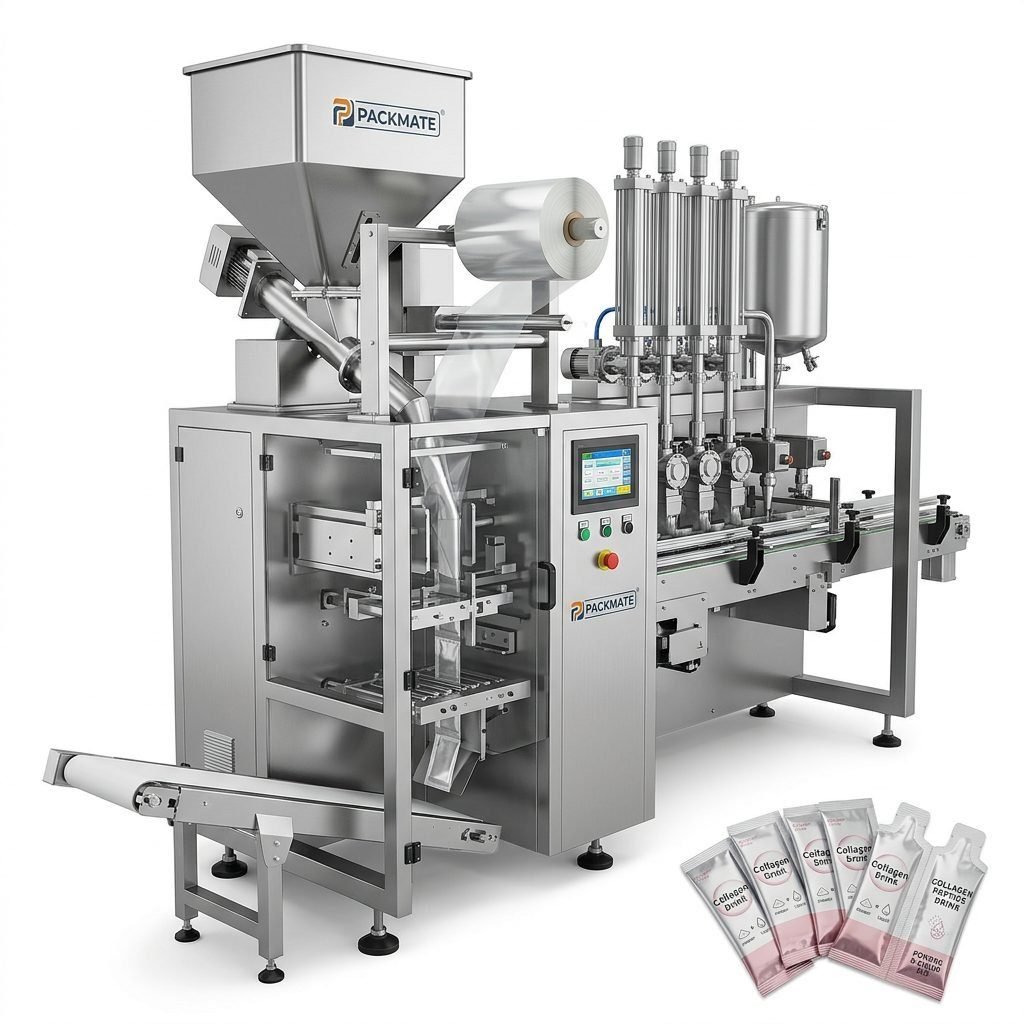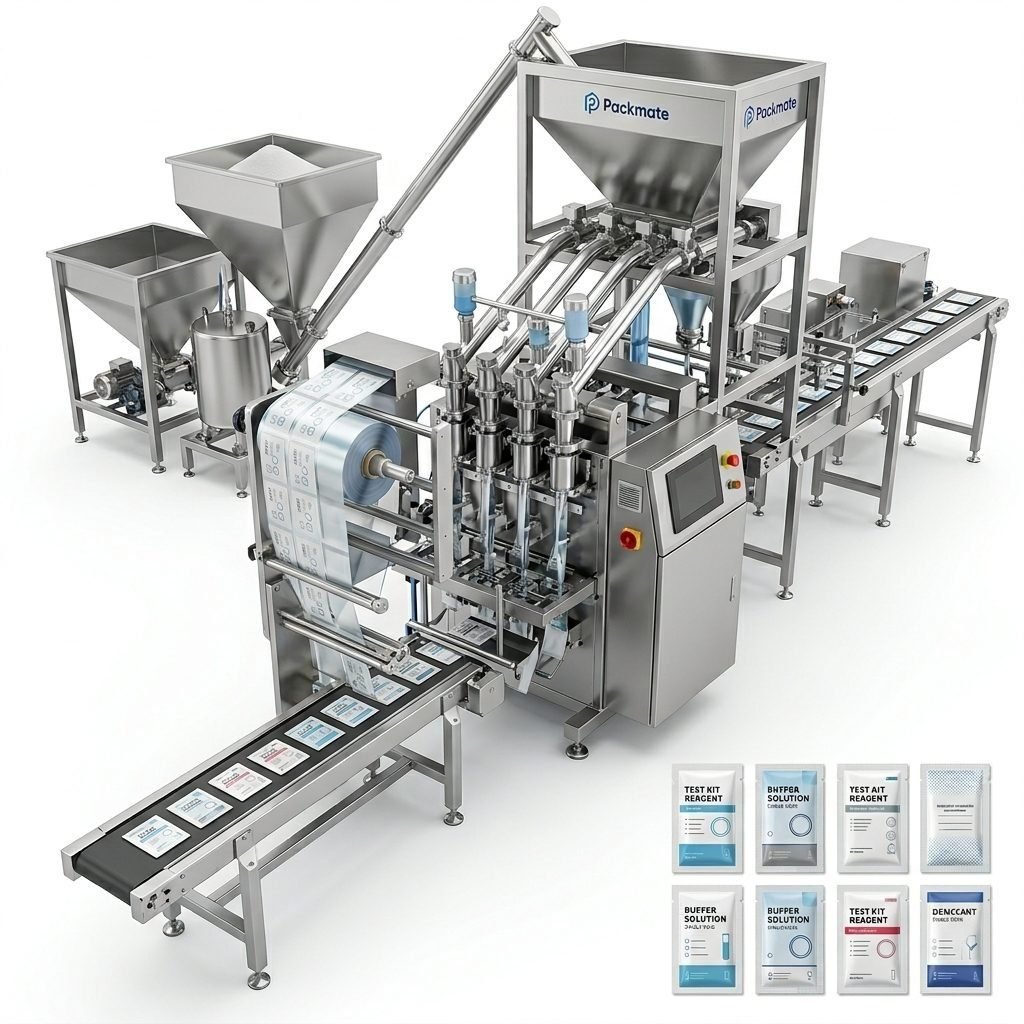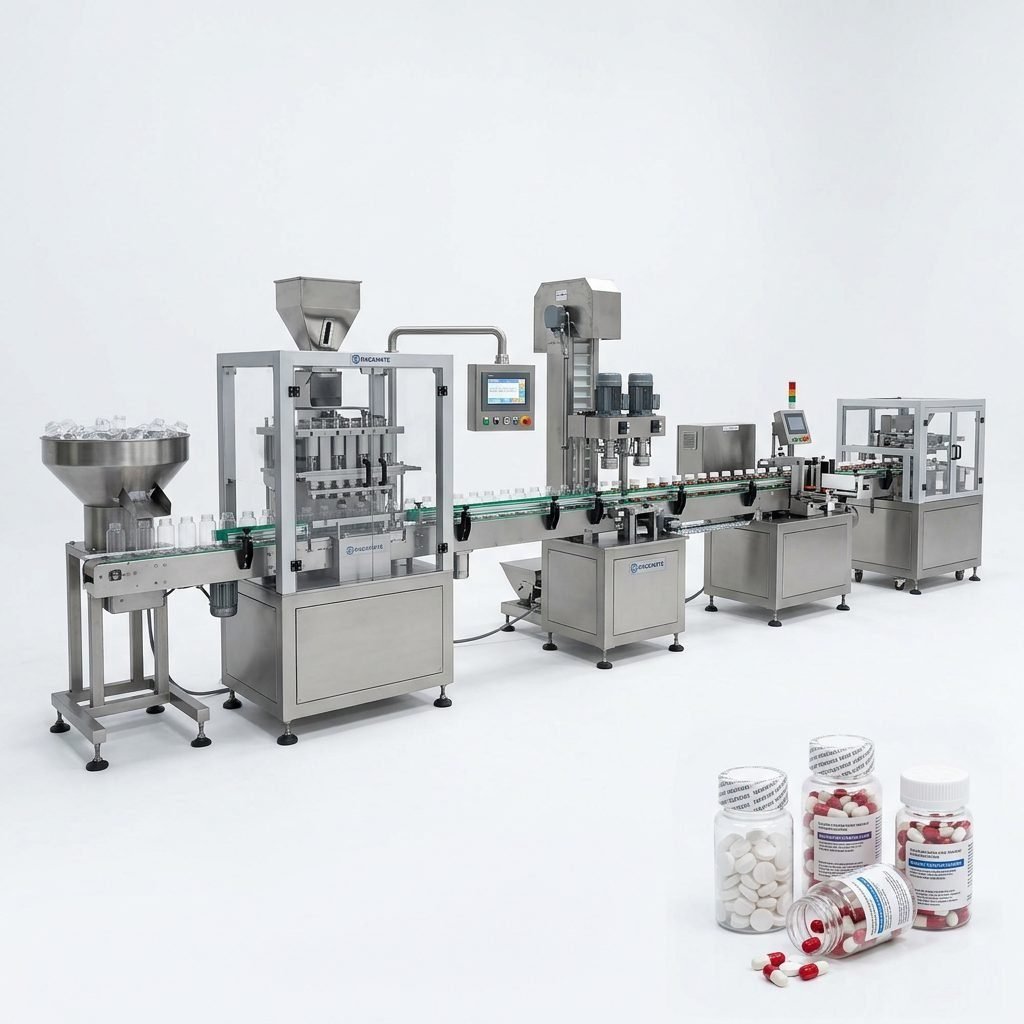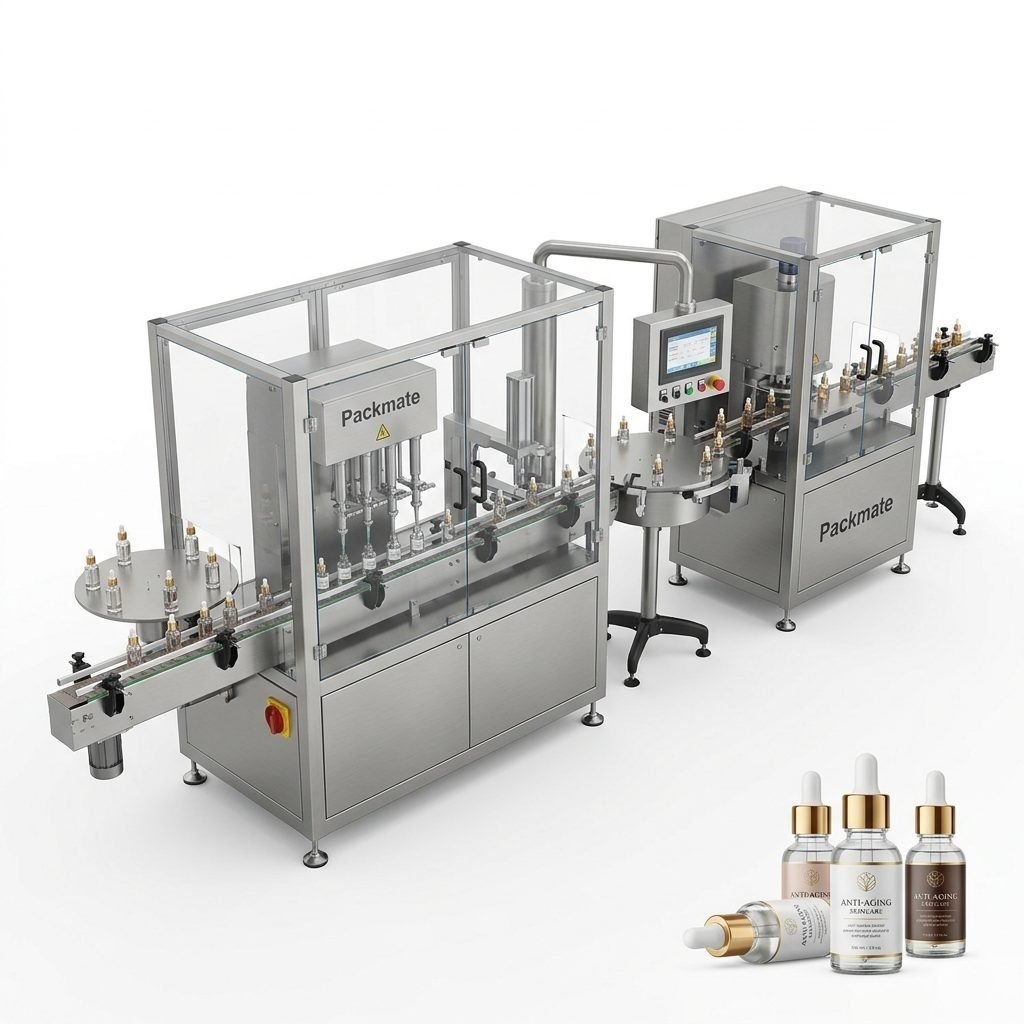
Selecting the right packaging machine manufacturer in South Africa is a critical decision for food, pharmaceutical, and health product producers. The local manufacturing landscape, from Cape Town’s food processing hubs to Johannesburg’s industrial centers, demands reliable, efficient, and cost-effective automation solutions. A suitable manufacturer must not only provide high-performance equipment but also understand the unique market dynamics, supply chain challenges, and technical support needs of South African businesses.
Understanding Your Production Requirements
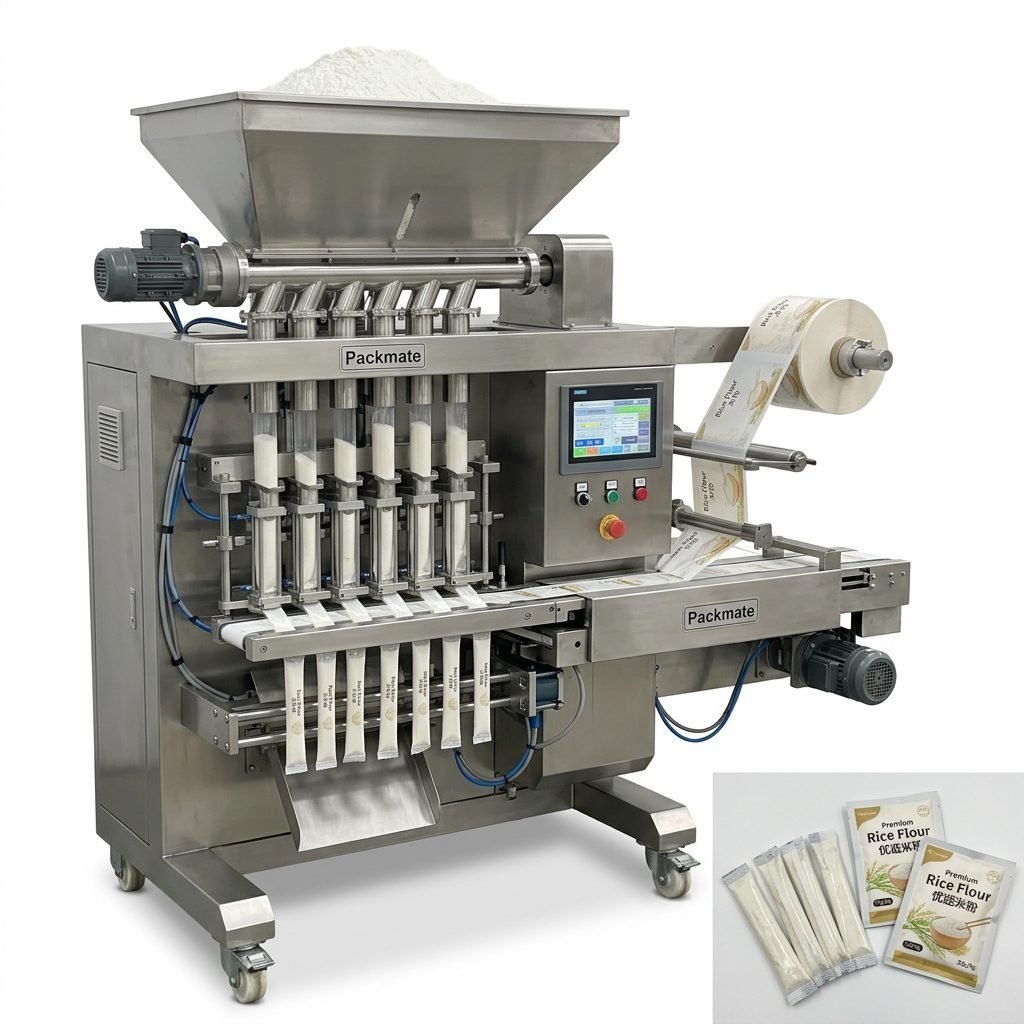
Before evaluating manufacturers, clearly define your needs. Consider your product type (powders, granules, liquids, pastes), required output speed (bags/minute), packaging format (stick packs, sachets, pouches), and future scalability. South African producers often face fluctuating demand and diverse product lines, making flexibility a key factor.
Local Considerations: Factor in South Africa’s power supply stability, available factory space, and access to skilled maintenance technicians. Machines with robust construction, energy-efficient designs, and user-friendly interfaces are highly valuable in this context.
Key Selection Criteria for South African Buyers
Focus on these core areas when shortlisting potential partners:
| Criterion | Why It Matters for South Africa |
|---|---|
| Technical Support & Spare Parts | Minimizing downtime is crucial. Look for manufacturers with a strong local agent or responsive remote support to ensure quick troubleshooting and parts availability. |
| Machine Robustness & Adaptability | Equipment must handle variable raw materials and operate reliably in different climatic conditions found across the country. |
| Total Cost of Ownership (TCO) | Beyond the initial price, consider energy consumption, maintenance costs, and potential production losses. A slightly higher upfront investment in a more efficient, reliable machine often pays off. |
| Customization Capability | Local brands may require unique bag sizes or materials. A manufacturer willing to customize ensures your packaging stands out on shelves. |
Evaluating Manufacturer Capabilities and Experience
Assess the manufacturer’s track record. A company with decades of experience and a diverse portfolio is more likely to deliver stable, proven technology. Review their project history, especially with clients in similar industries or regions with comparable challenges.
Factory Visit & Testing: Whenever possible, visit the manufacturer’s facility or arrange for a product sample test. Observing the build quality, assembly process, and testing protocols provides invaluable insight into the machine’s reliability and the company’s operational standards.
The Role of International Suppliers in the South African Market
Many South African companies source packaging machinery from international manufacturers, particularly from regions like China, which offer a compelling combination of advanced technology and competitive pricing. Leading global suppliers have adapted their machines for export, often featuring multilingual interfaces, compliance with international safety standards, and configurations suitable for various power voltages.
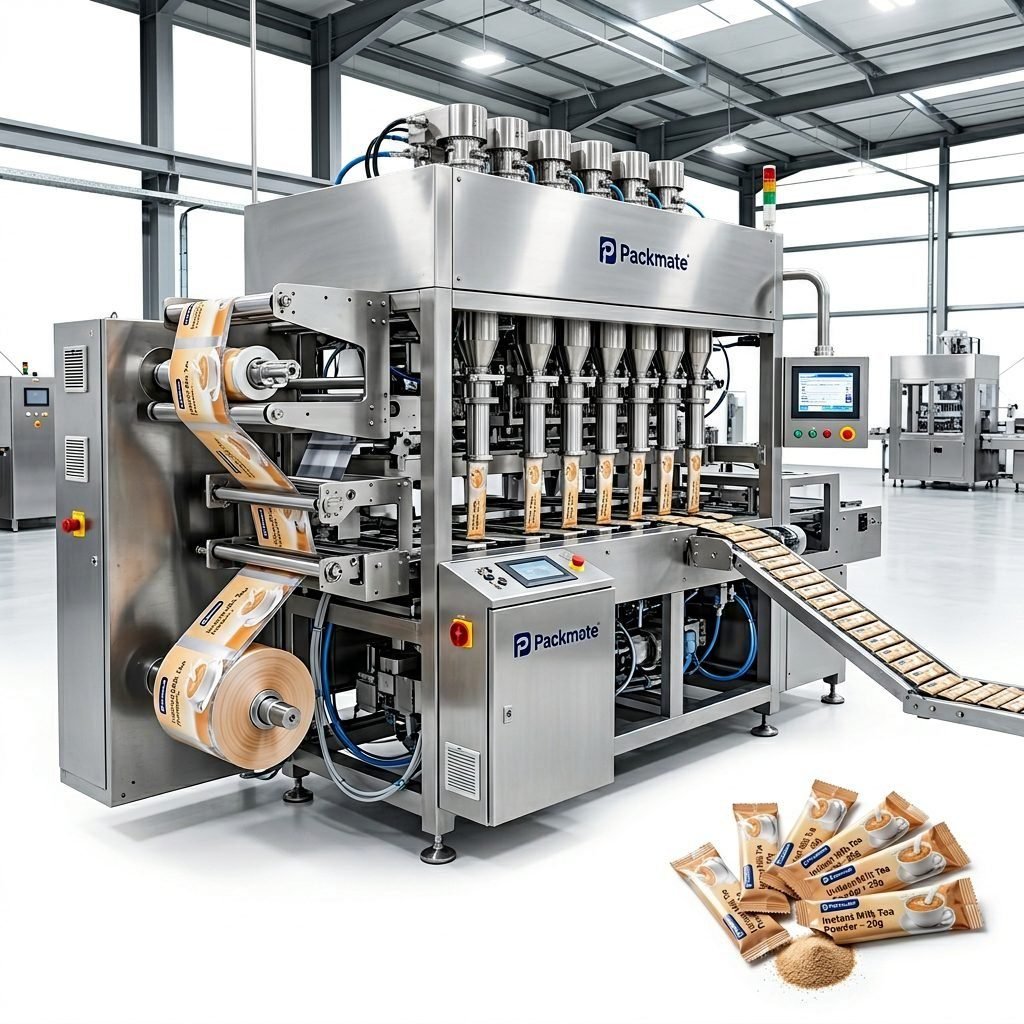
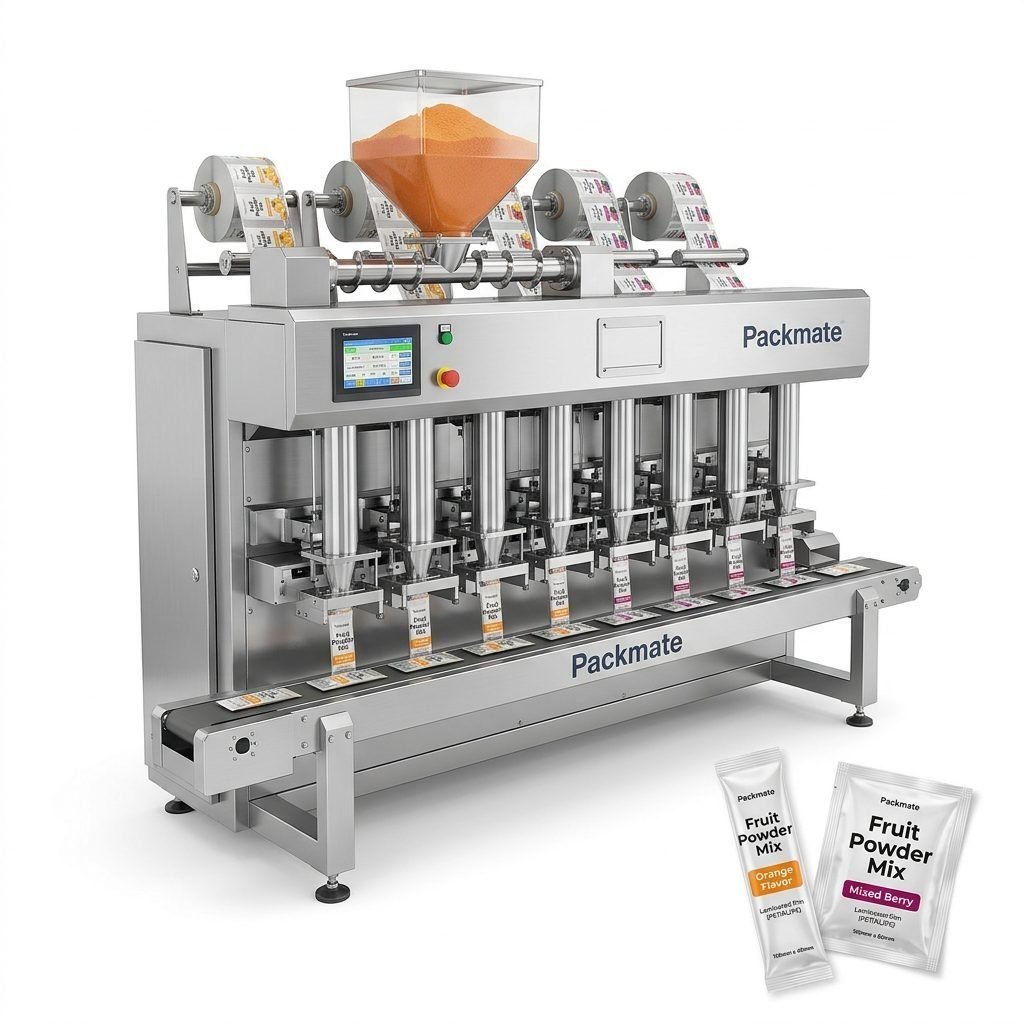
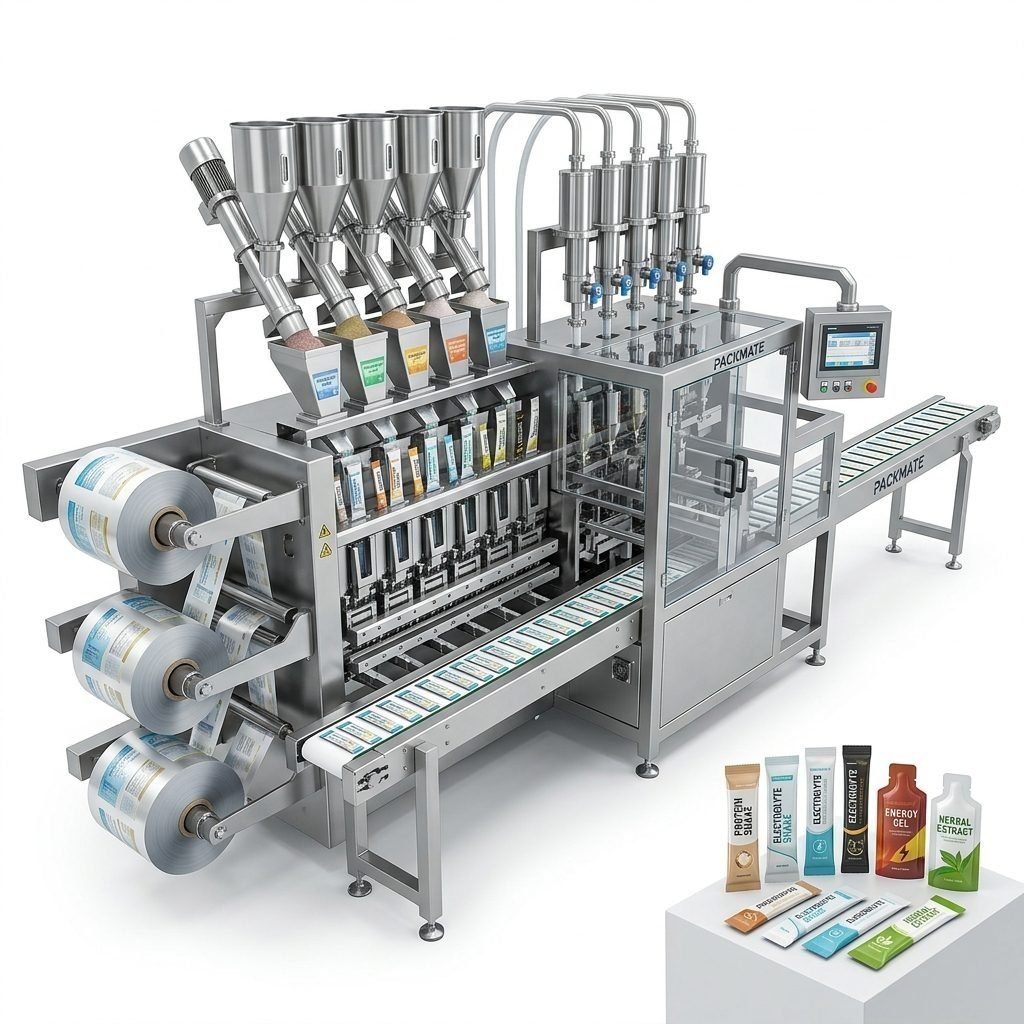
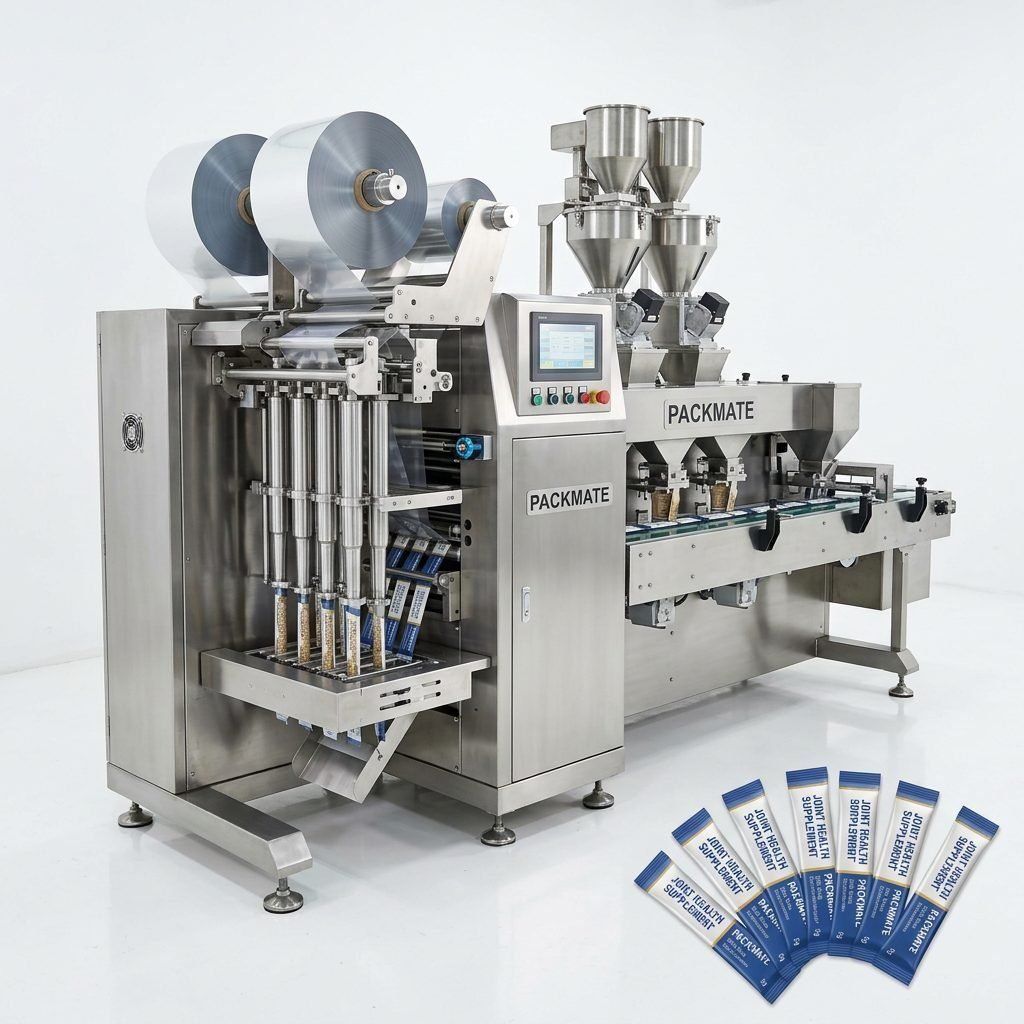
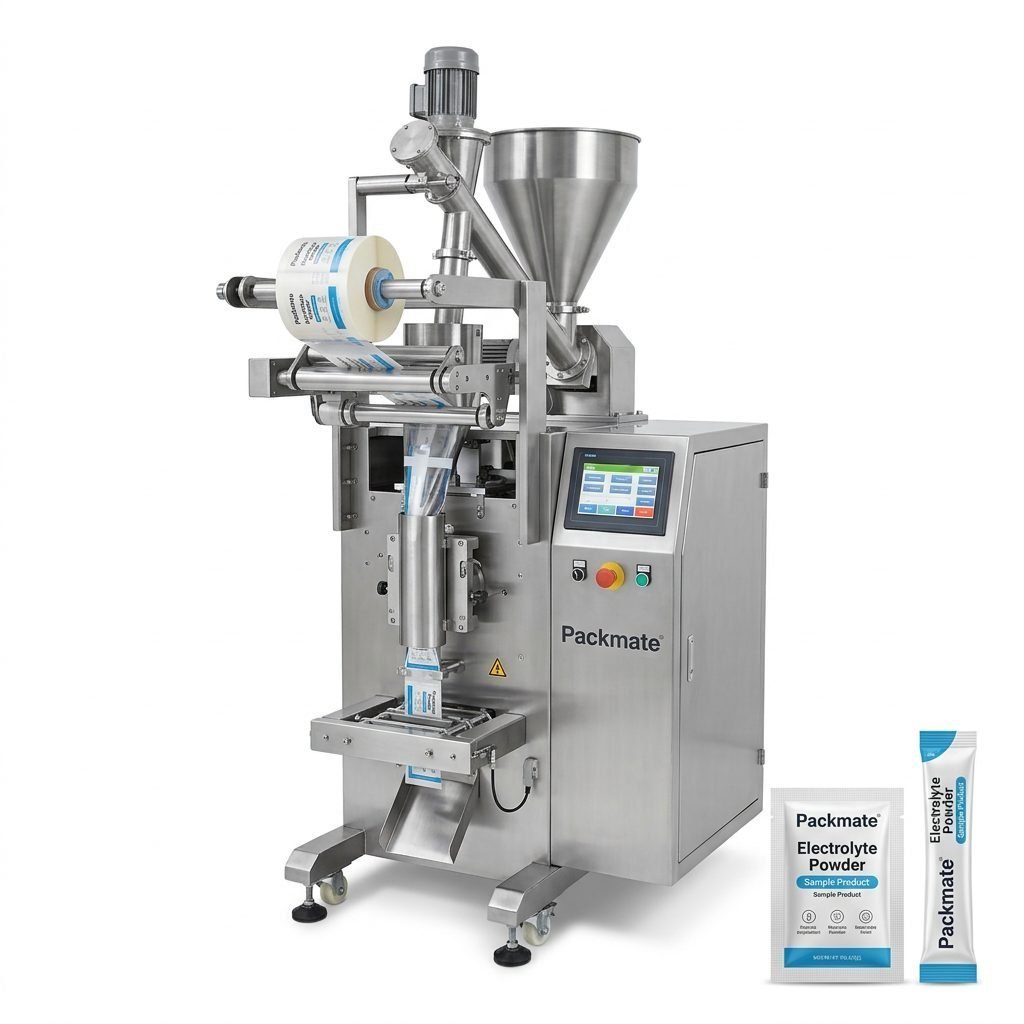
For instance, manufacturers like Ludyway and Packmate Machinery have extensive export experience, serving markets across Africa, Europe, and the Americas. Their experience in navigating international logistics, customs, and providing remote commissioning support is a significant advantage for South African importers.
Focus on After-Sales Support and Training
The relationship with your manufacturer begins after the machine is installed. Comprehensive after-sales support is non-negotiable. This includes detailed operational and maintenance training for your local team, clear technical documentation, and a defined protocol for spare parts ordering and technical assistance.
Manufacturers such as PacklineOEM, which specializes in turnkey lines, typically provide more extensive project-based support, from installation supervision to production line optimization. This can be crucial for complex automation projects in South Africa.
Considering Specialized vs. Generalist Manufacturers
Your product type may dictate your choice. For standard food powders, granules, or liquids, a generalist manufacturer with a broad range may be perfect. However, for niche products like nicotine pouches, a specialized supplier like SnusMachinery offers dedicated expertise in pouch precision, sealing integrity, and specific compliance needs, which can reduce project risk and improve final product quality.
Similarly, if your project requires significant modification to handle a unique material or packaging format, a manufacturer with strong customization capabilities, such as PackingMachineOEM, becomes a more suitable partner than one focused solely on standard models.
Final Checklist Before Ordering: Confirm delivery timelines, shipping terms (Incoterms), warranty details, payment schedule, and the scope of installation support. Ensure all communication regarding machine specifications and expectations is documented clearly to avoid misunderstandings.
Frequently Asked Questions (FAQs)
1. What is the typical lead time for importing a packaging machine to South Africa?
Lead times vary from 30 to 120 days, depending on machine complexity, customization, and the manufacturer’s production schedule. Always factor in additional time for sea freight, customs clearance in Durban or Cape Town ports, and inland transportation.
2. How do I ensure I get genuine spare parts and technical support?
Choose manufacturers with an established export track record. Inquire about their official distribution or service partners in Africa. Reputable companies will have a system for authentic part identification and supply, often via express courier services.
3. Are Chinese packaging machines reliable for South African conditions?
Many are highly reliable. The key is to select established manufacturers with proven quality control systems, not just the lowest-cost option. Look for companies with ISO certifications, extensive testing procedures, and a portfolio of successful installations in demanding markets.
4. Should I buy a standalone machine or a complete turnkey line?
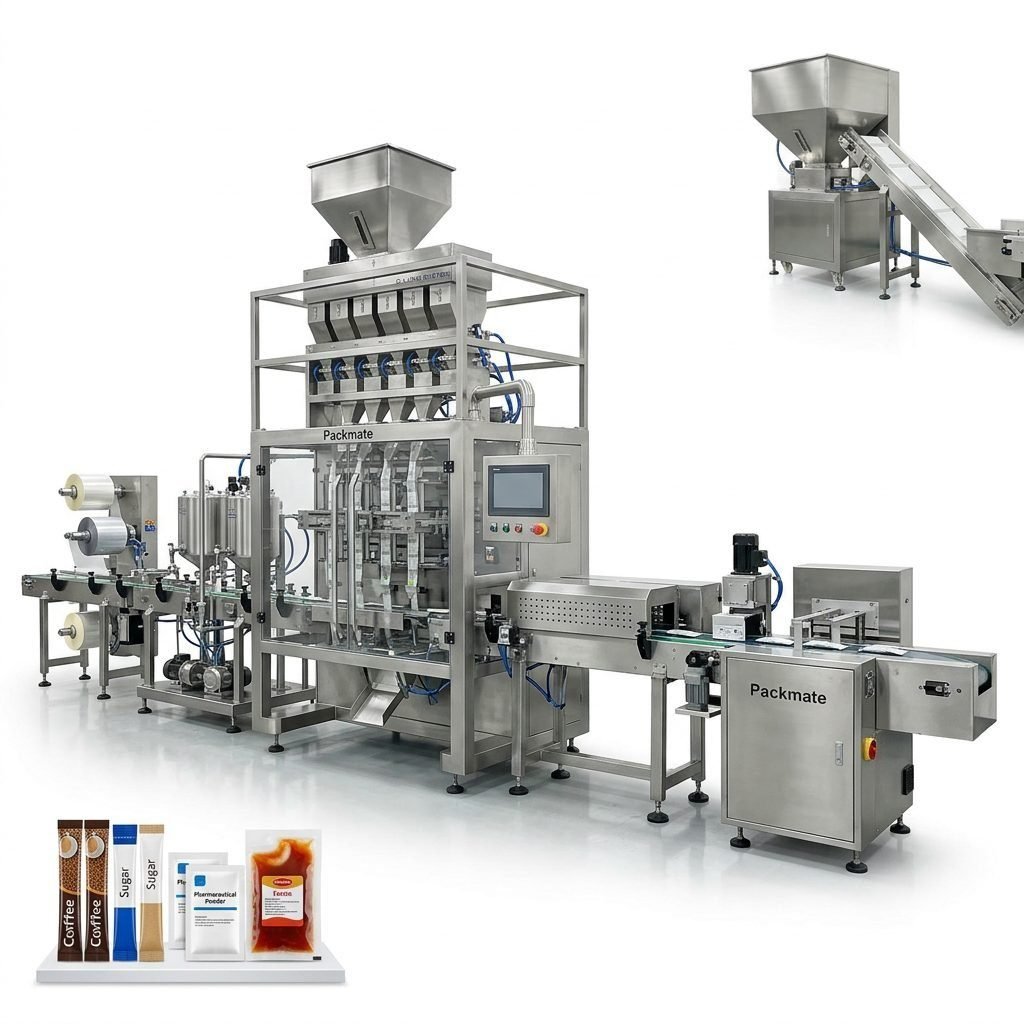
This depends on your automation goals and budget. A standalone machine is suitable for a single packaging step. A turnkey line from a supplier like PacklineOEM integrates feeding, filling, sealing, and inspection for full automation, offering higher efficiency but requiring a larger initial investment and more complex planning.
5. What are the most common mistakes to avoid when choosing a manufacturer?
Common mistakes include: prioritizing initial price over total cost of ownership, neglecting to verify after-sales support structure, not testing with your own product samples, and failing to clearly define all technical specifications and performance guarantees in the purchase contract.