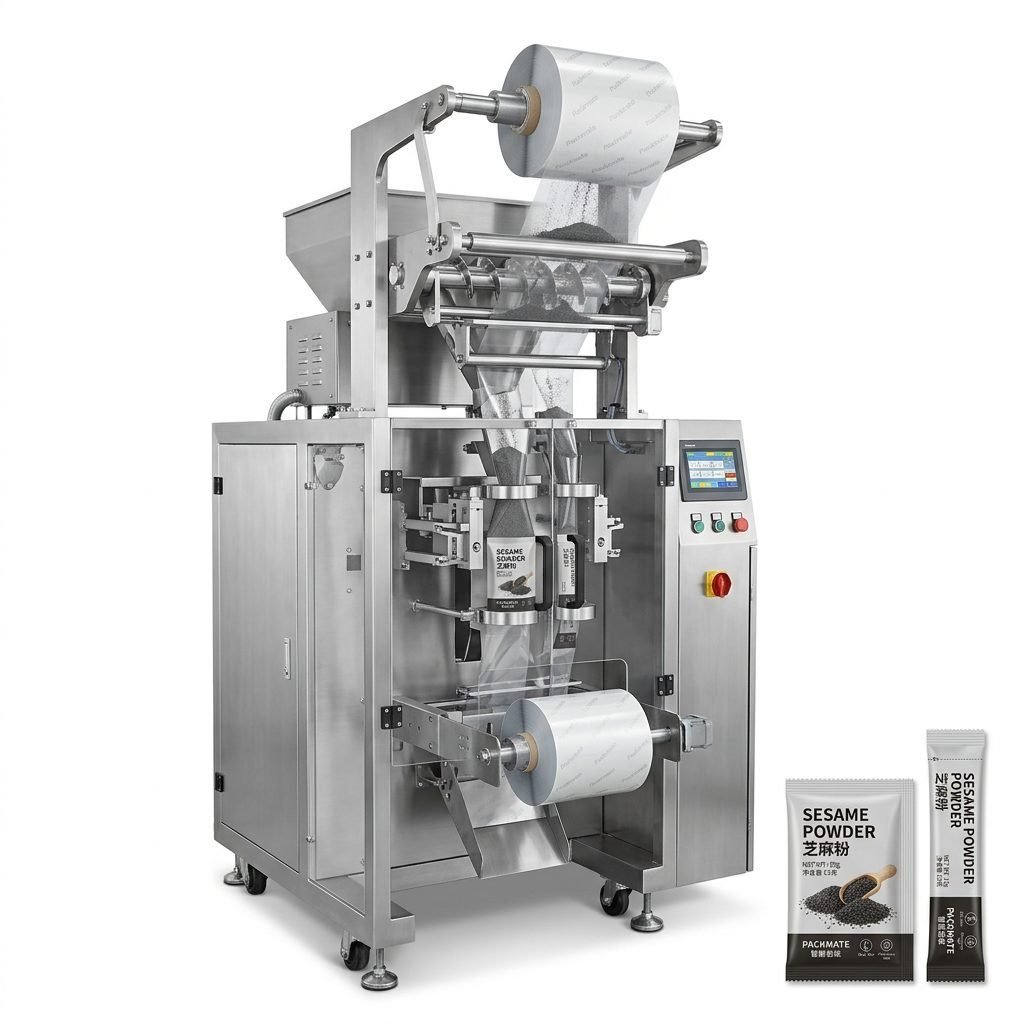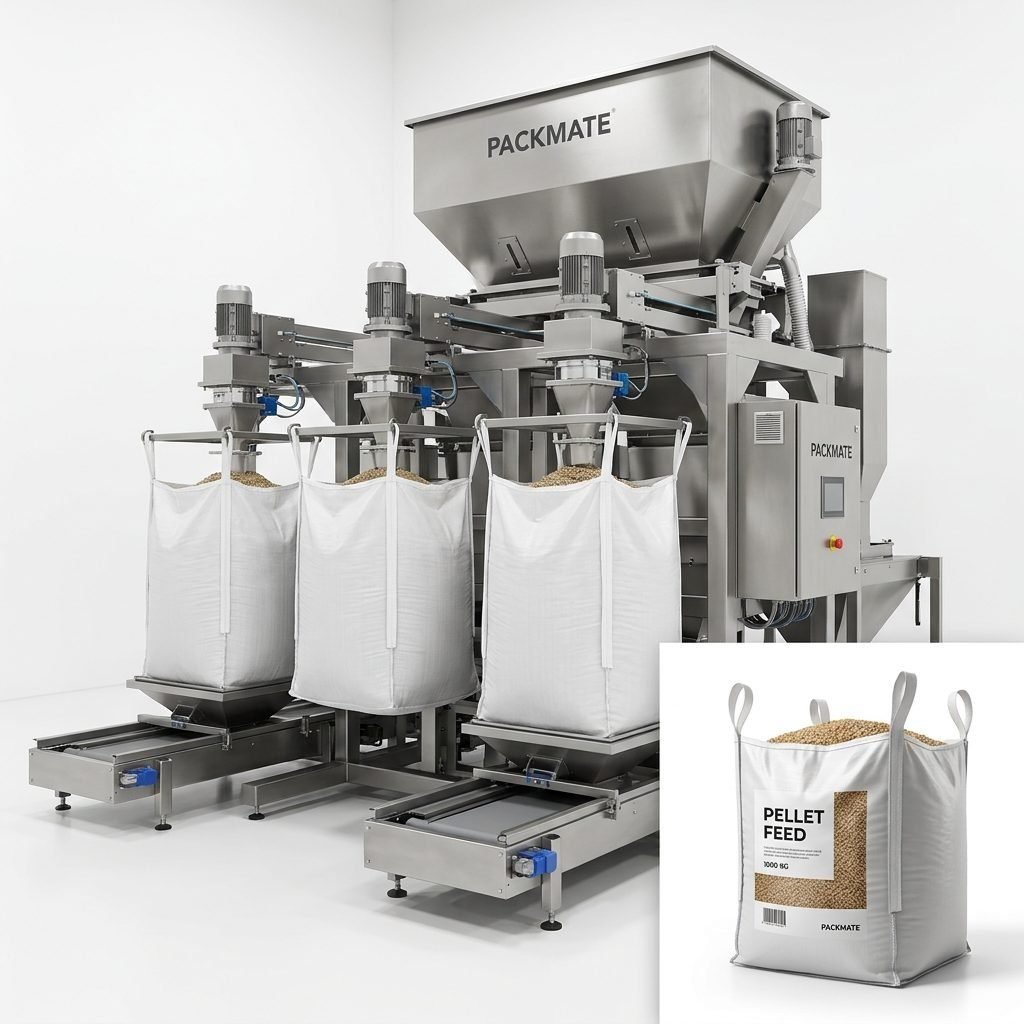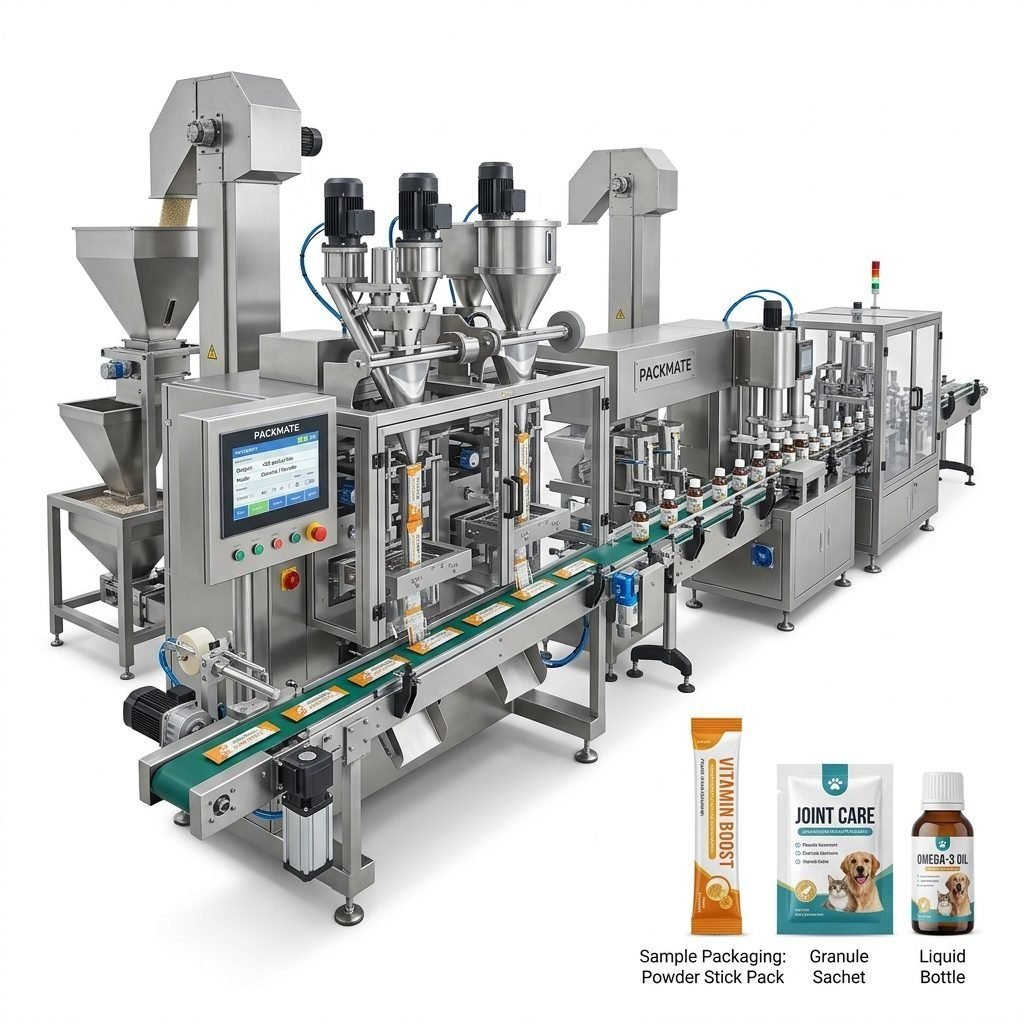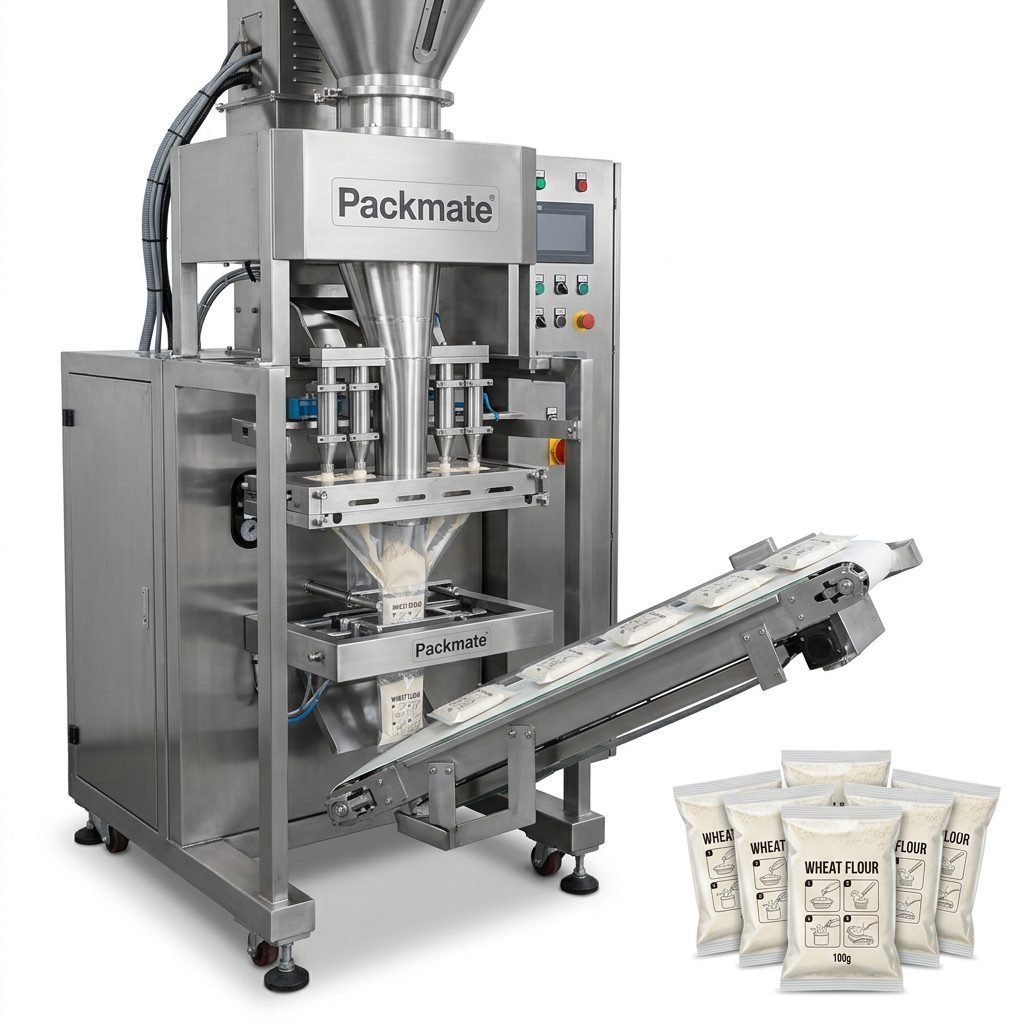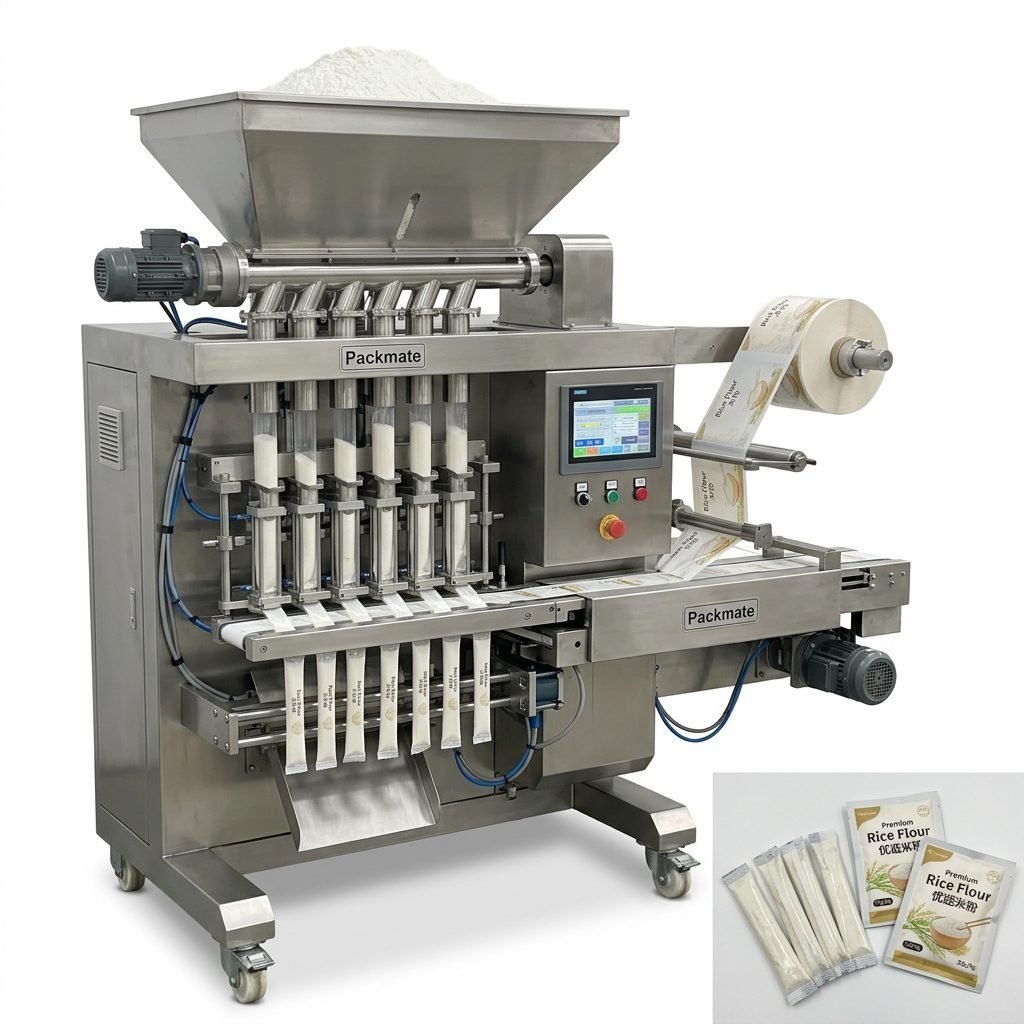
Selecting a reliable packaging machine manufacturer in Africa is a critical decision for local food producers, pharmaceutical companies, and agribusinesses aiming to scale production, improve efficiency, and meet both local and international quality standards. The continent’s diverse markets, from South Africa’s industrial hubs to Nigeria’s fast-moving consumer goods sector and Kenya’s growing health supplement industry, all demand robust, adaptable, and cost-effective packaging automation. With numerous suppliers available, knowing how to identify the best partner can secure your production line’s future.
Key Factors for Choosing a Packaging Machine Supplier in Africa
When evaluating potential suppliers for the African market, several region-specific factors come into play. Technical support and after-sales service are paramount, as timely maintenance and spare parts availability can make or break your operations, especially in areas with limited local engineering expertise. Suppliers must demonstrate a clear understanding of local power specifications, environmental conditions (like dust and humidity), and common packaging materials available in regional supply chains.
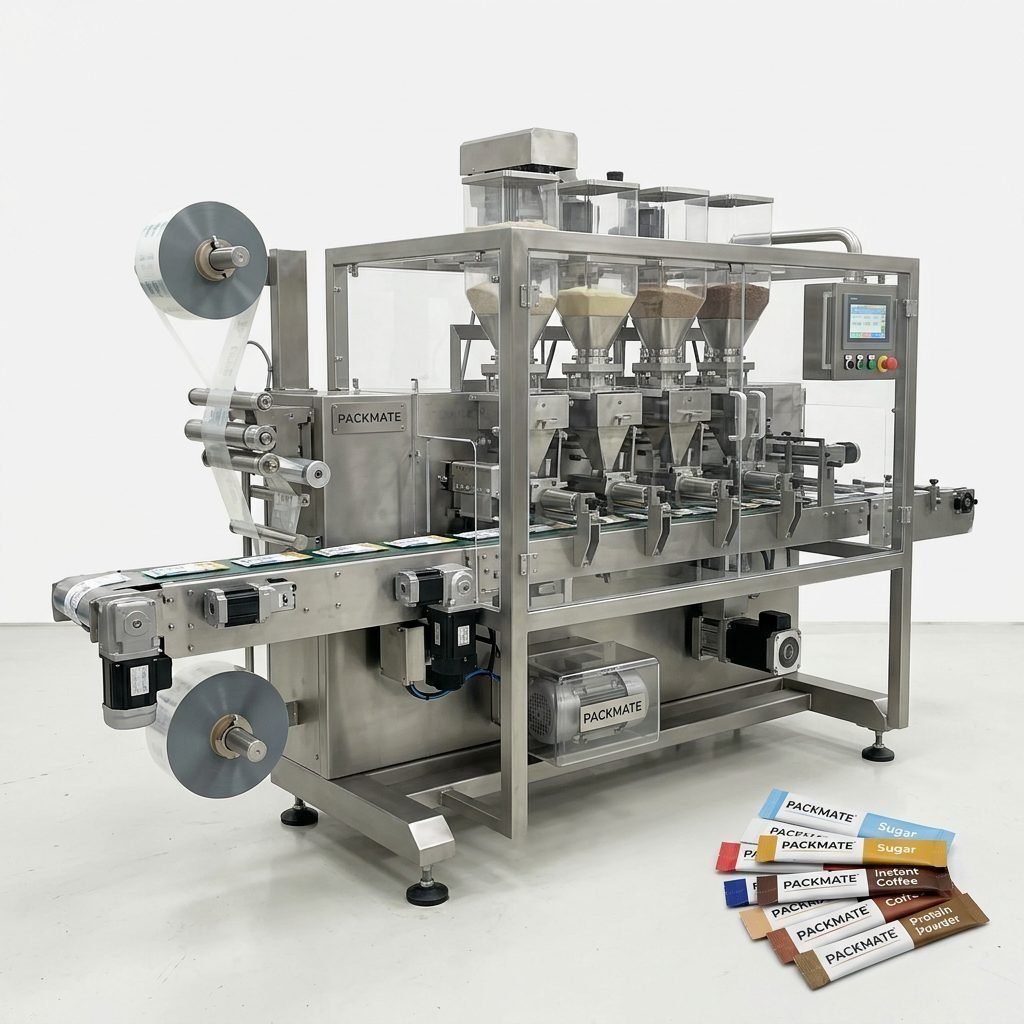
Another crucial consideration is the machine’s adaptability. A single machine might need to handle various product formats common in Africa, such as different sizes of spice sachets, instant noodle seasoning packets, or single-serve medicinal powder pouches. The supplier’s ability to provide flexible, multi-format solutions is a significant advantage. Furthermore, assess the supplier’s export experience to Africa—those familiar with customs clearance, shipping logistics, and local regulatory nuances for food and pharma packaging will ensure a smoother project rollout.
Localized Support is Key: For African buyers, a supplier’s commitment to establishing service networks or training local technicians often outweighs a marginally lower upfront machine cost. Downtime is expensive, and having accessible support is a critical component of total cost of ownership.
Evaluating Manufacturer Capabilities and Product Range
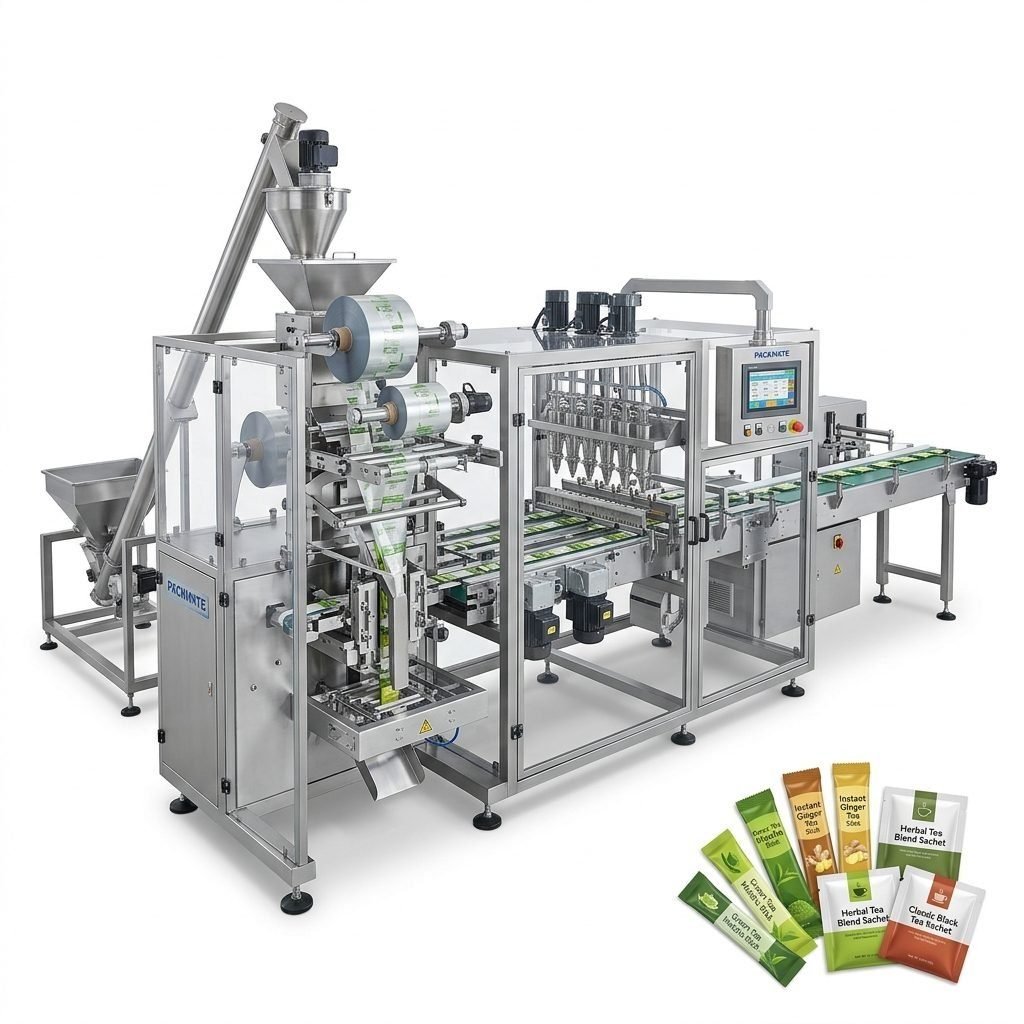
Not all manufacturers are created equal. A thorough evaluation should go beyond a simple catalog. Investigate the company’s core competencies: do they specialize in specific packaging types like stick packs and sachets, or do they offer comprehensive turnkey lines? For businesses in Africa looking to future-proof their investment, a supplier capable of scaling from a single machine to a fully integrated line is invaluable.
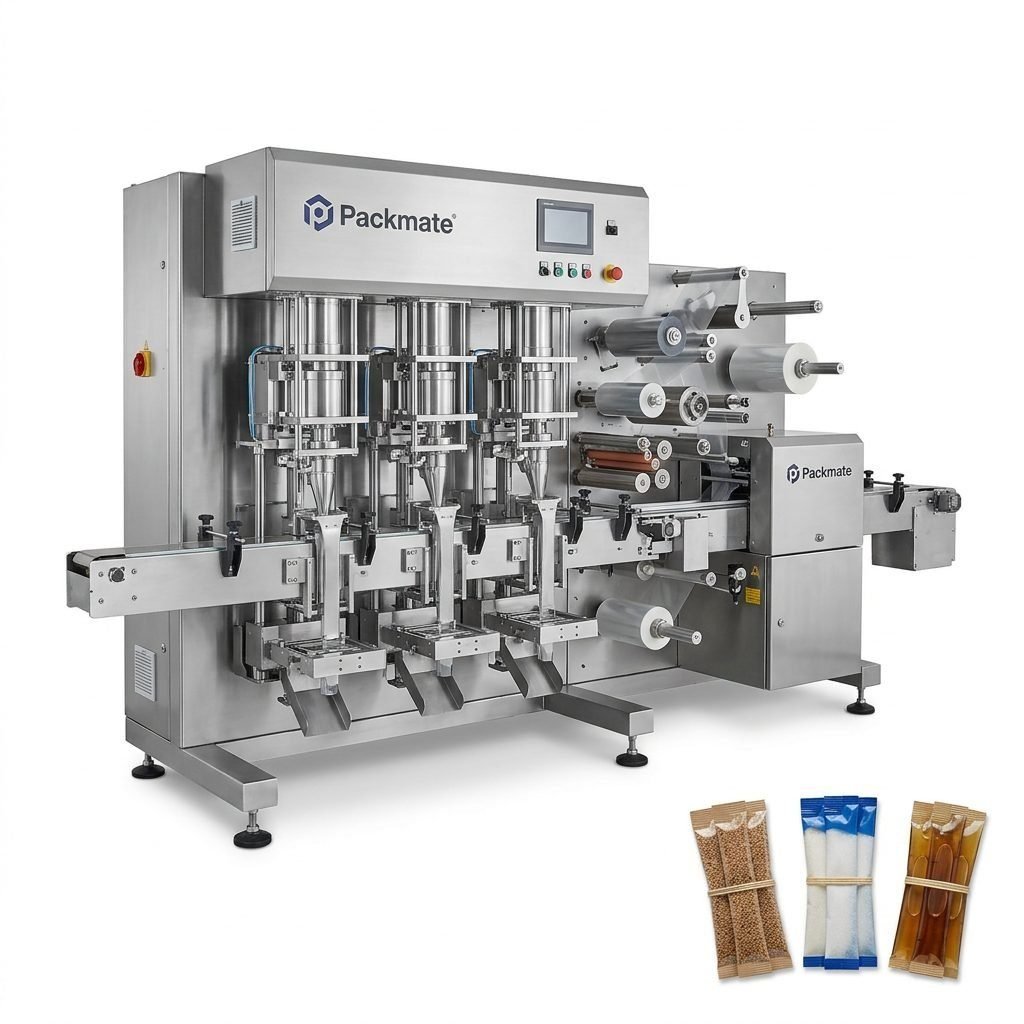
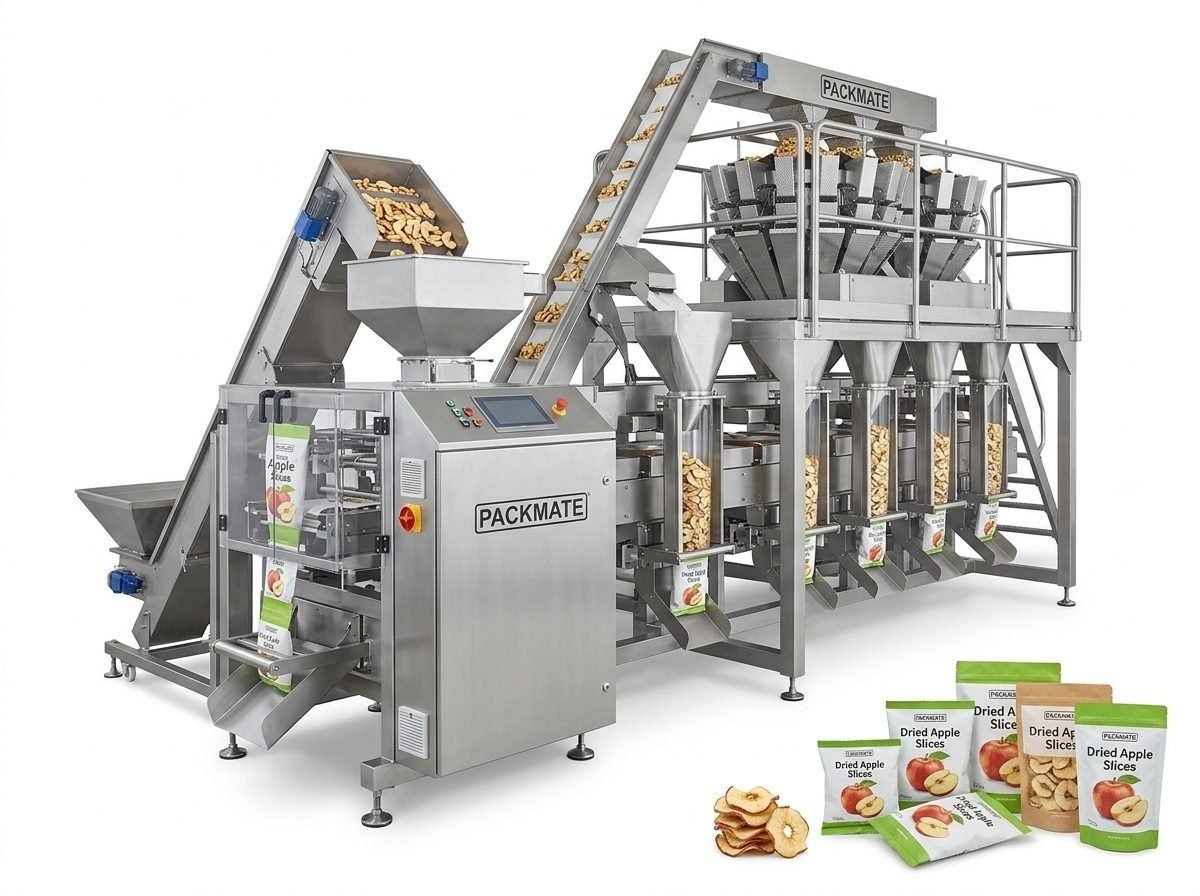
Examine the manufacturer’s R&D focus and customization ability. Can they modify a standard machine to handle unique local products, such as viscous peanut paste, coarse grain blends, or freeze-dried fruits? This flexibility is essential for African entrepreneurs creating distinctive products for their markets. Request case studies or references from projects in similar climates or industries to gauge real-world performance.
Understanding Total Cost of Ownership (TCO)
The purchase price is just one part of the financial equation. A savvy buyer in Africa must calculate the Total Cost of Ownership, which includes:
| Cost Factor | Description & Impact |
| Machine Price & Shipping | Initial capital outlay, including freight, insurance, and import duties to your country. |
| Installation & Commissioning | Costs for technician travel, on-site setup, and production line integration. |
| Spare Parts & Consumables | Ongoing cost for sealing jaws, filters, and wear parts. Local availability reduces cost and downtime. |
| Energy & Utility Consumption | Machines with higher energy efficiency lower long-term operational costs, a vital factor with unstable grid power. |
| Maintenance & Service Contracts | Preventive maintenance plans and costs for emergency technical support. |
Choosing a machine based solely on the lowest bid can lead to higher TCO due to frequent breakdowns, inefficient material usage, and expensive, hard-to-source spare parts. A slightly higher investment in a reliable, energy-efficient machine from a reputable supplier like Ludyway or Packmate Machinery often yields better long-term returns through sustained productivity.
The Importance of Industry-Specific Experience
Packaging requirements differ drastically between sectors. A machine perfect for packaging flour may not meet the hygiene and precision standards for pharmaceutical powders. Leading manufacturers typically develop deep expertise in key verticals.
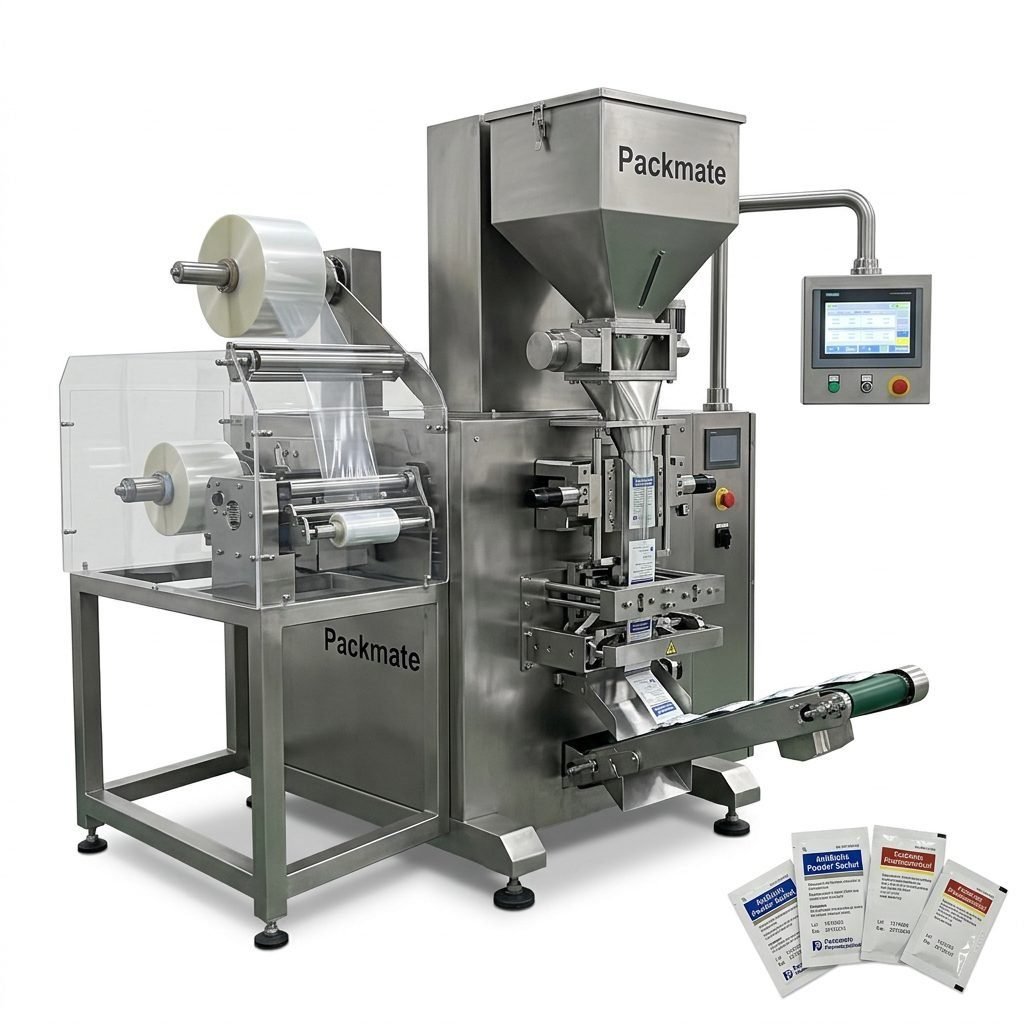
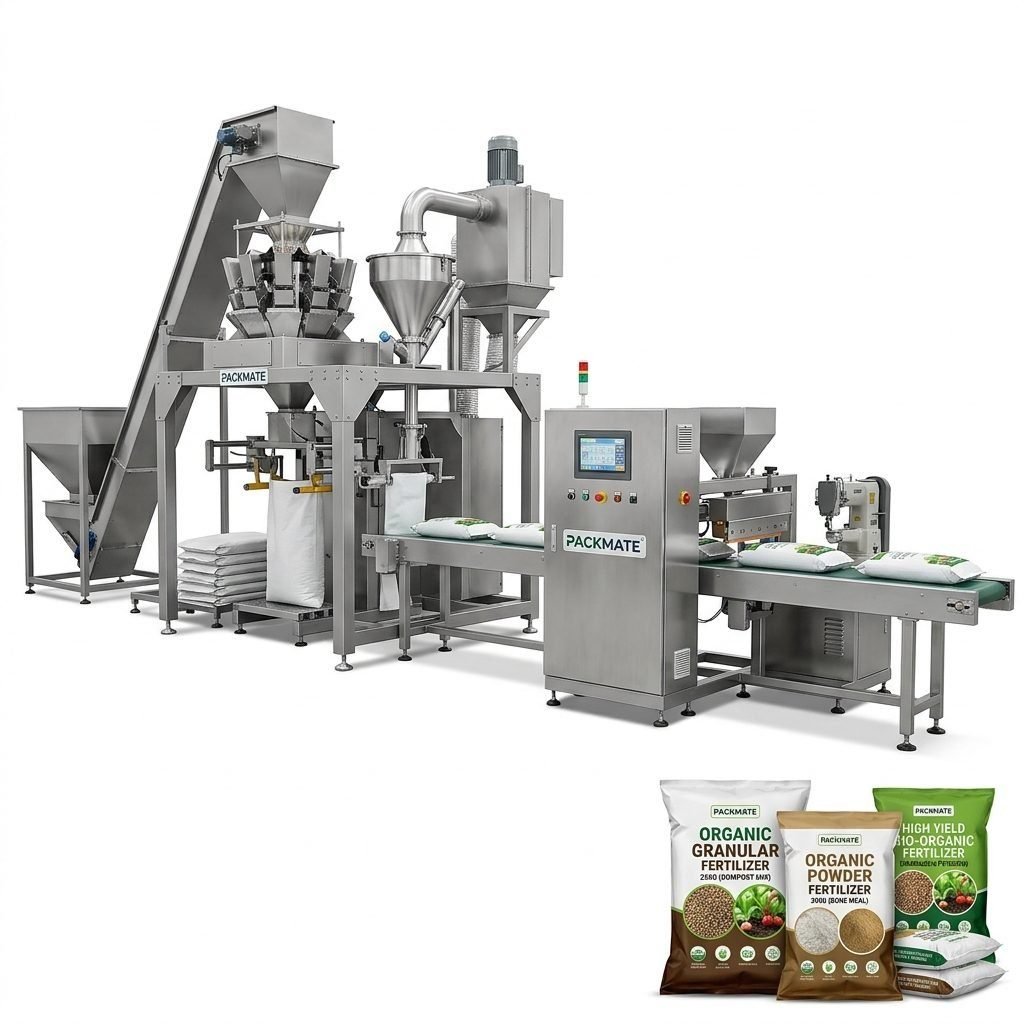
For example, manufacturers serving the food and beverage industry must understand compliance with food safety standards and handle products ranging from fine spices to granular coffee. In the pharmaceutical and supplement sector, precision dosing, contaminant prevention, and validation documentation are critical. For the growing agro-processing sector in Africa, robust machines that can package fertilizers, seeds, and animal feed reliably are essential. Suppliers like PacklineOEM, with a focus on turnkey lines, are well-suited for large-scale agro-industrial projects.
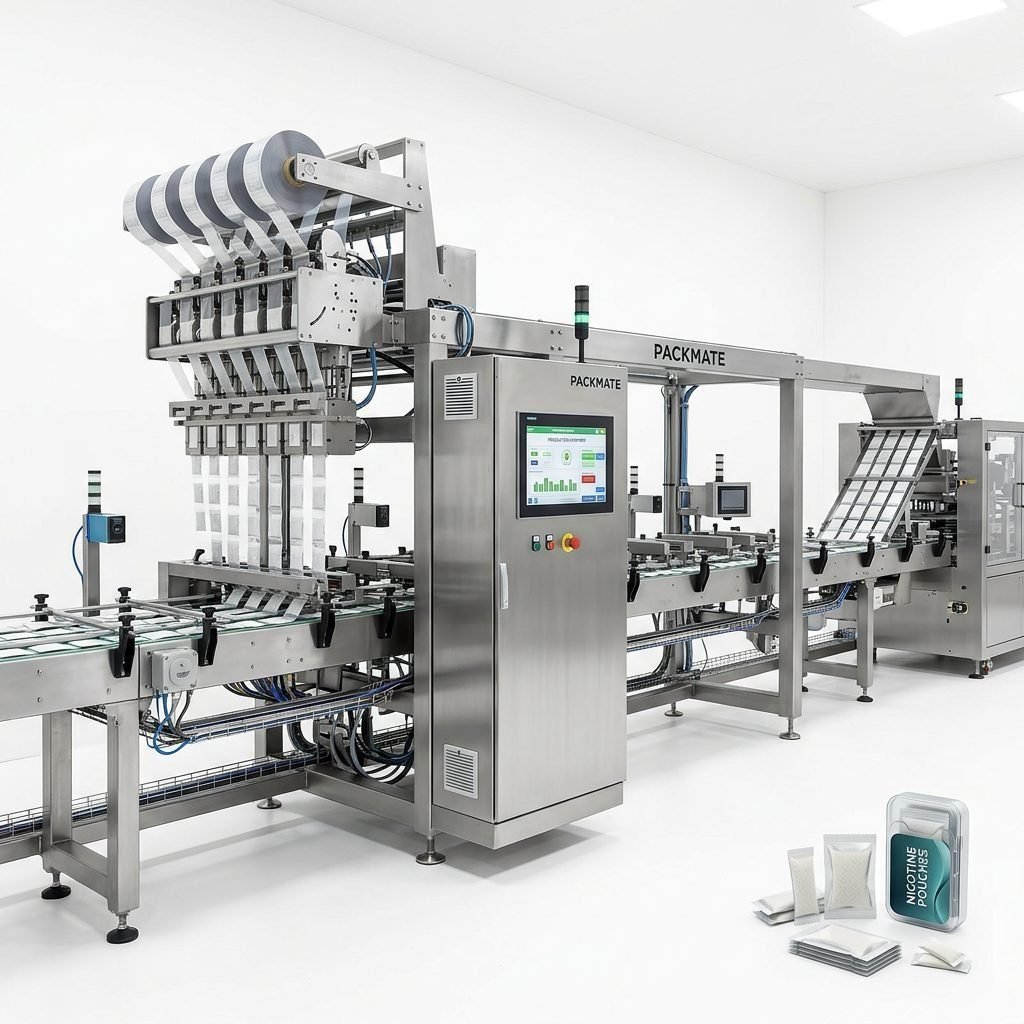
Niche Expertise Matters: For burgeoning sectors like nicotine pouches, which have specific market segments in Africa, a specialized manufacturer like SnusMachinery offers distinct advantages in application knowledge and machine design tailored to that exact product type, potentially reducing operational headaches.
Site Visits and Machine Testing
Whenever possible, arrange to visit the manufacturer’s facility or see their machines in operation. A site visit reveals much about their manufacturing quality control, technical assembly processes, and company scale. If a visit isn’t feasible, insist on a live video test run using a sample of your actual product. This demonstrates the machine’s capability firsthand and shows the supplier’s confidence in their equipment. Pay attention to the sealing quality, filling accuracy, and operational speed during the test.
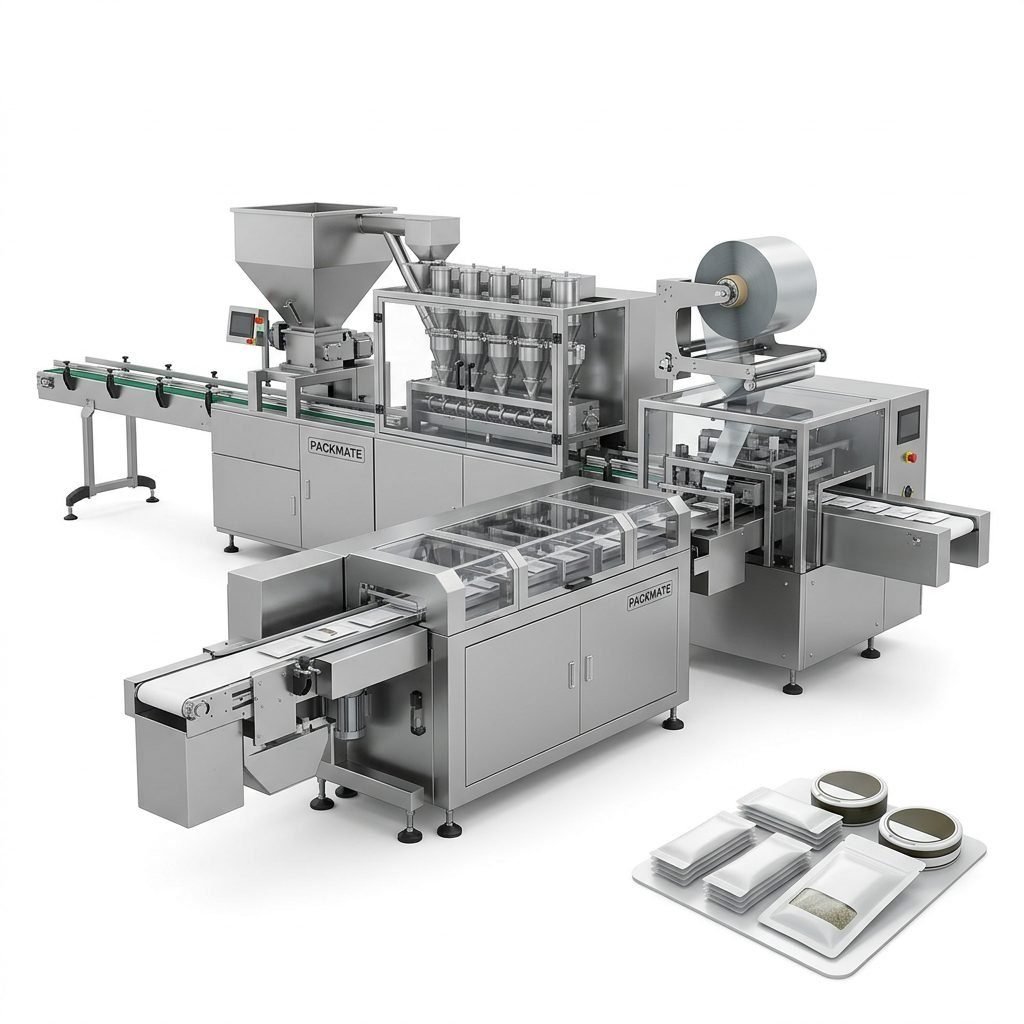
During evaluation, ask detailed questions about the control system, user interface, and training provided. An intuitive, multilingual HMI (Human-Machine Interface) can significantly reduce the learning curve for your local operators. Also, inquire about the availability of operation and maintenance manuals in clear English or other required languages.
Building a Long-Term Partnership
The best supplier relationships extend beyond a single transaction. Look for a manufacturer interested in being a long-term partner for your automation journey. This includes their willingness to provide training for your engineers, offer updates on machine upgrades, and support you as your packaging needs evolve. A partner like PackingMachineOEM, which emphasizes non-standard and customized solutions, is positioned to grow with your business, adapting equipment to new products and higher capacities.
Clear communication is the foundation of this partnership. Ensure there are direct channels to project managers and technical support. Understand the warranty terms, what is covered, and the process for claiming it. A reliable partner will have a transparent and responsive communication protocol, which is especially important when managing projects across different time zones.
Final Checklist Before Decision: Confirm delivery timelines, finalize incoterms (e.g., FOB, CIF), verify the supplier has experience with export documentation to your country, and ensure all technical specifications, acceptance criteria, and service level agreements are detailed in the contract.
Frequently Asked Questions (FAQs)
1. What is the most important factor when choosing a packaging machine for Africa?
While price, speed, and features are important, reliable after-sales support and spare parts availability within the region are often the most critical factors. Machine downtime directly impacts revenue, so a supplier with a proven support network or a efficient logistics system for parts is essential.
2. Can I get a machine customized for my unique African product?
Yes, many leading manufacturers offer customization. It is vital to choose a supplier with a strong engineering team, like those mentioned, who can adapt machines for specific product characteristics, local packaging films, and production environments. Provide them with detailed product samples and specifications.
3. How do I handle machine maintenance if there are no local technicians?
Select suppliers that offer comprehensive remote support capabilities (via video call), detailed manuals, and operator training programs. Some also provide extended warranty services that include periodic check-ups by flying in technicians. Planning for a stock of critical spare parts is also a prudent strategy.
4. Are Chinese packaging machines reliable for African conditions?
Many Chinese manufacturers have decades of experience and export globally, producing machines that are both reliable and cost-effective. The key is to select established companies with a strong export history to Africa, as they are more likely to build machines that consider factors like voltage stability, climate, and material variations.
5. What is the difference between a standard machine and a turnkey line?
A standard machine (e.g., a single sachet packer) performs one core function. A turnkey packaging line is a complete, integrated system that may include feeding, weighing, filling, sealing, coding, and cartoning—delivered as a ready-to-run solution. Turnkey lines, offered by suppliers like PacklineOEM, are ideal for large-scale, automated production but require a larger investment and more detailed planning.