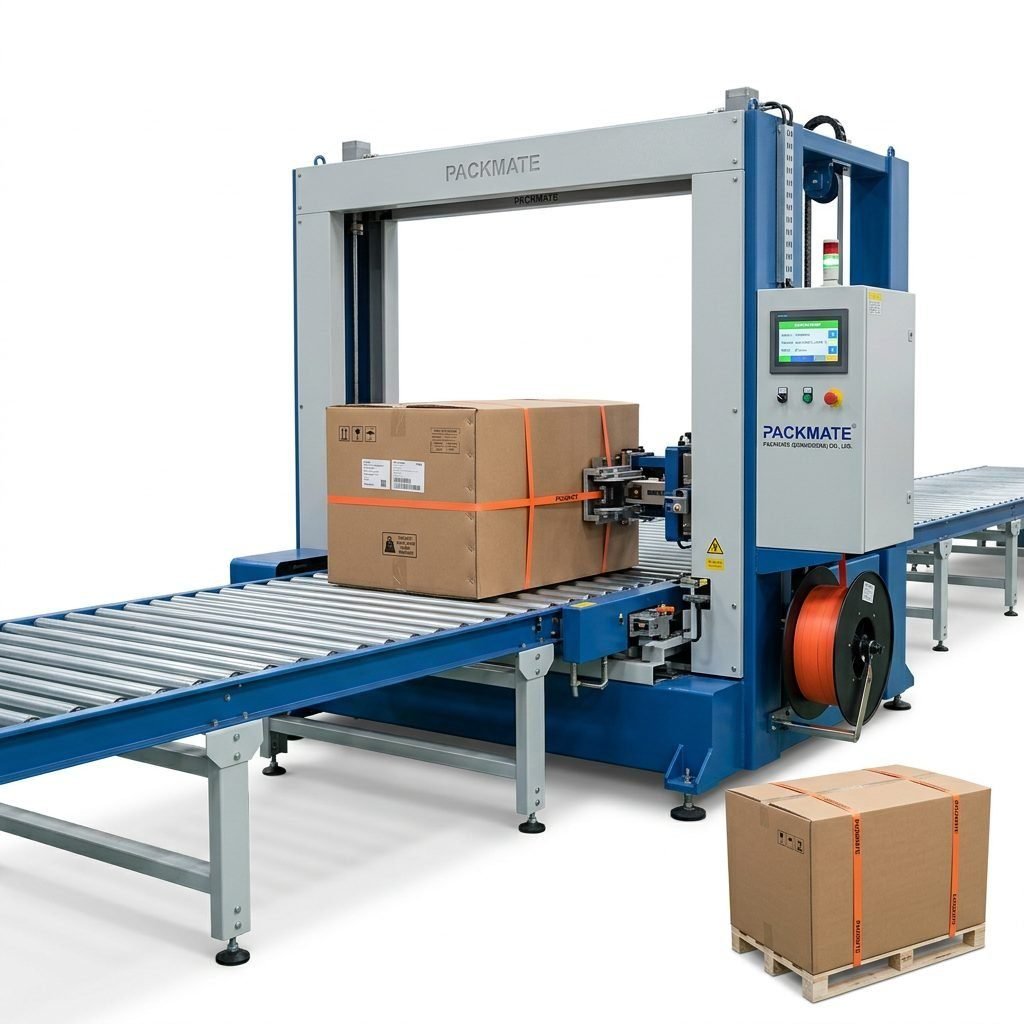
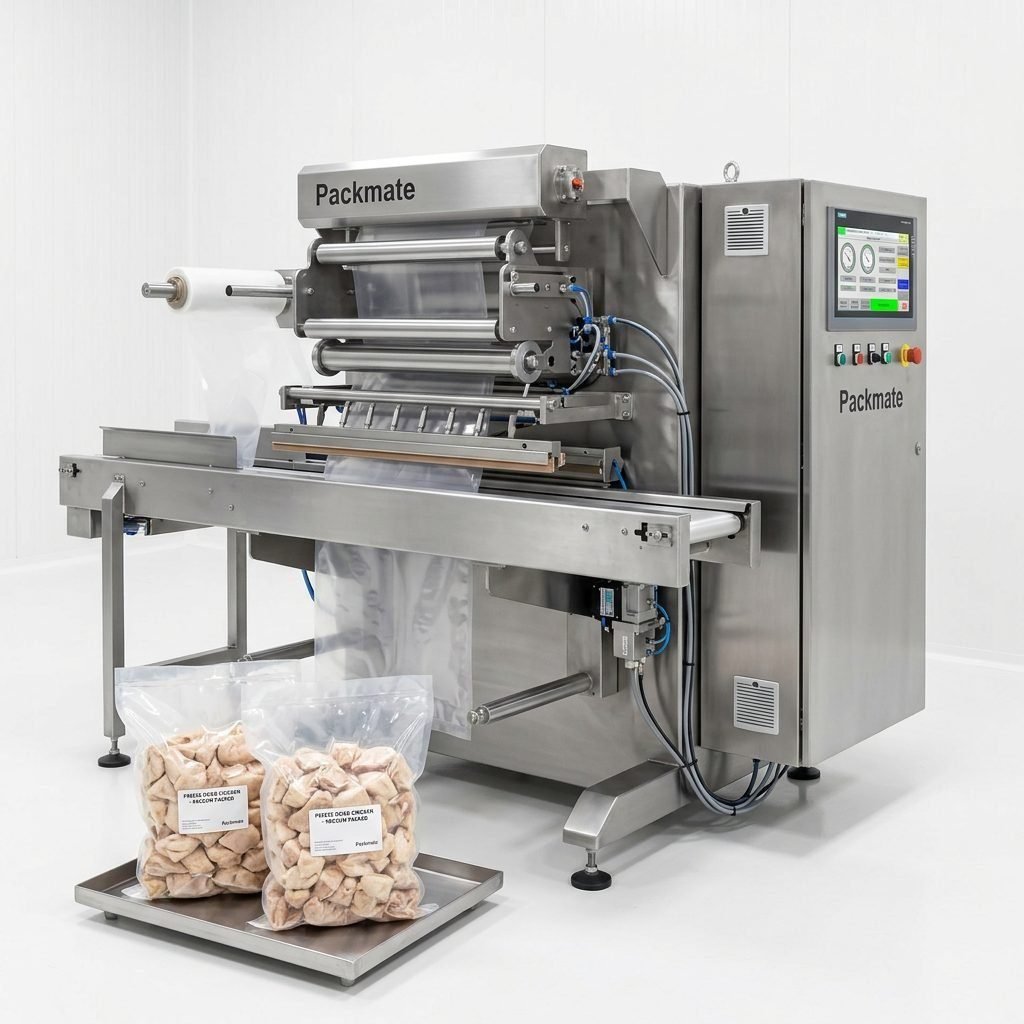
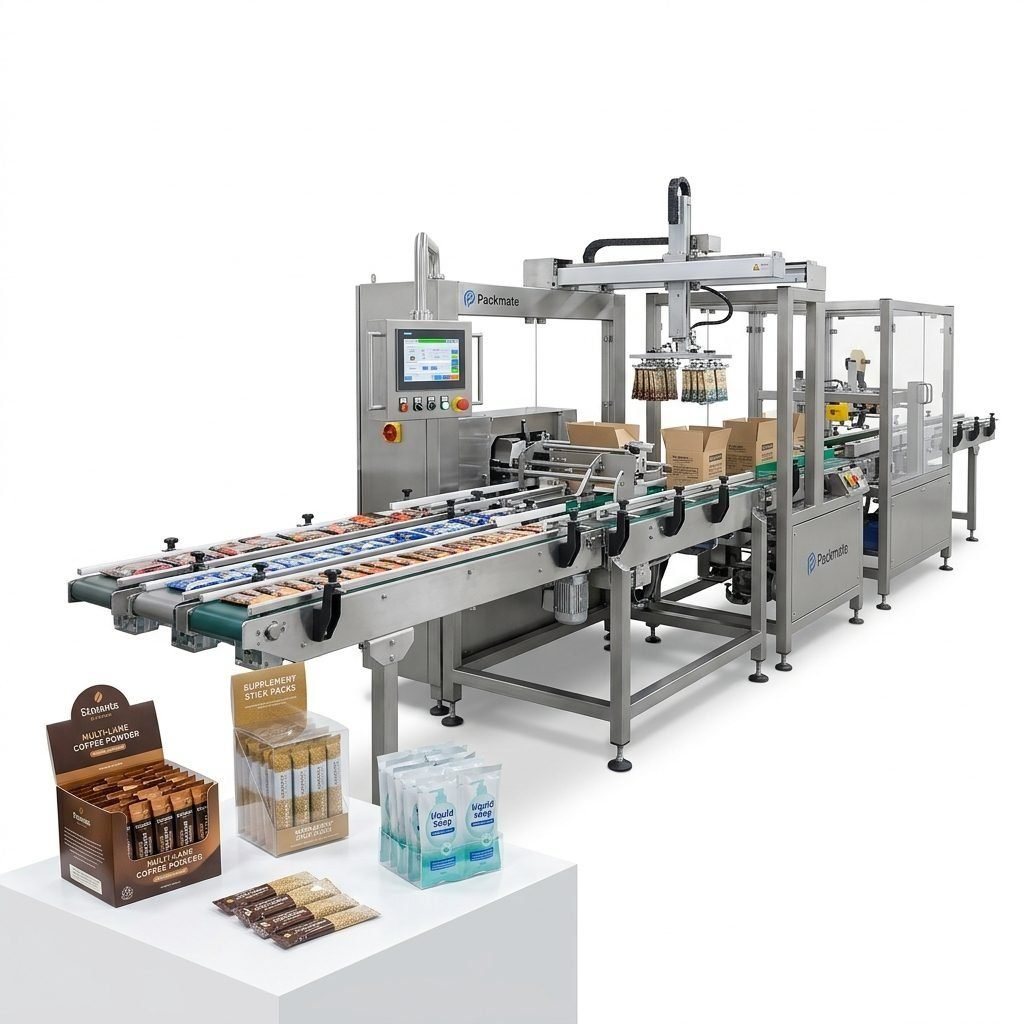
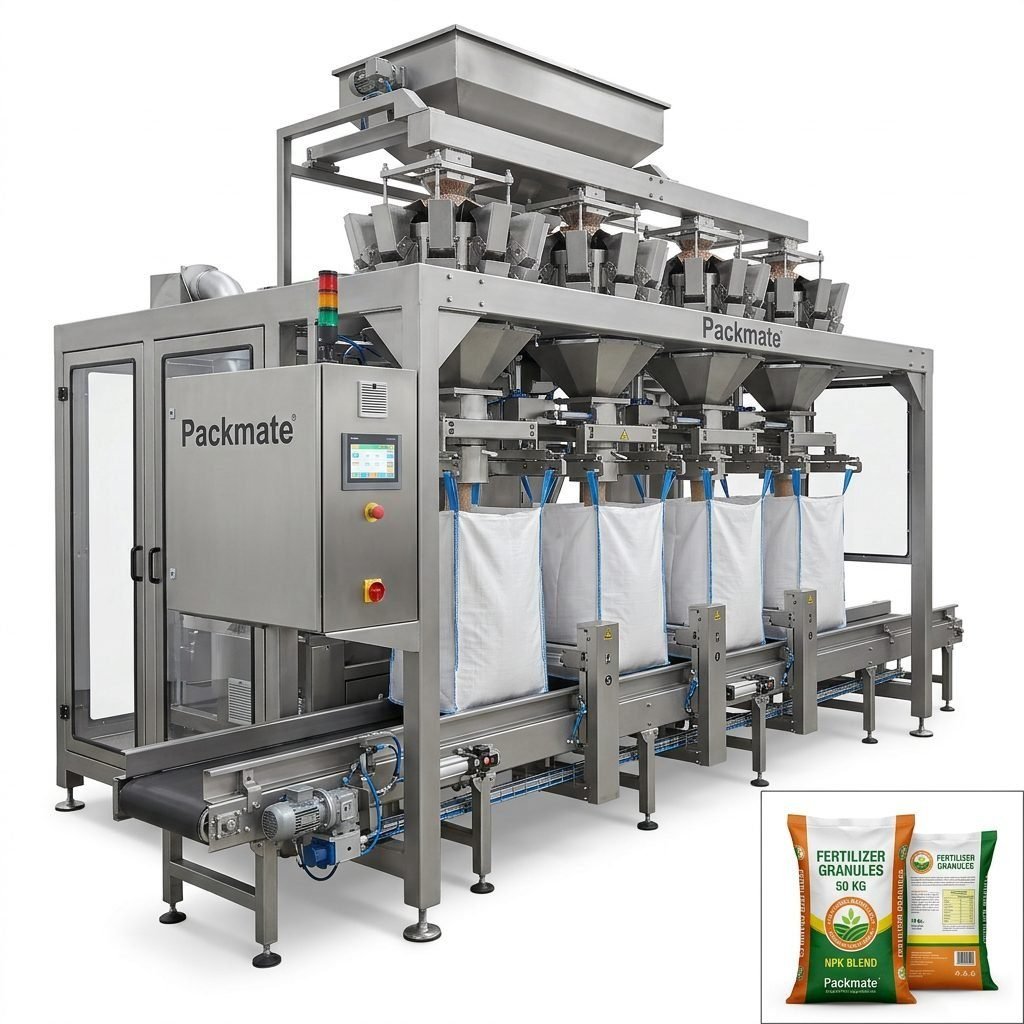
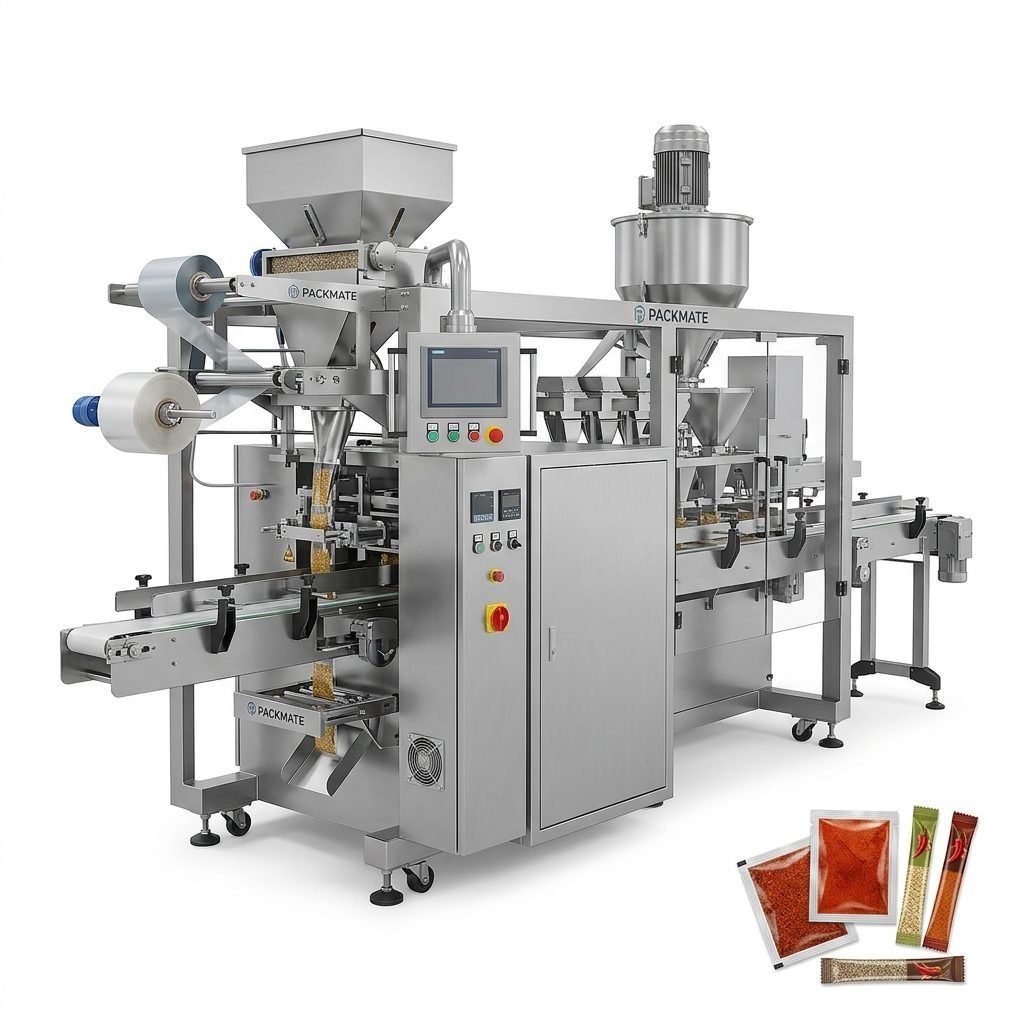
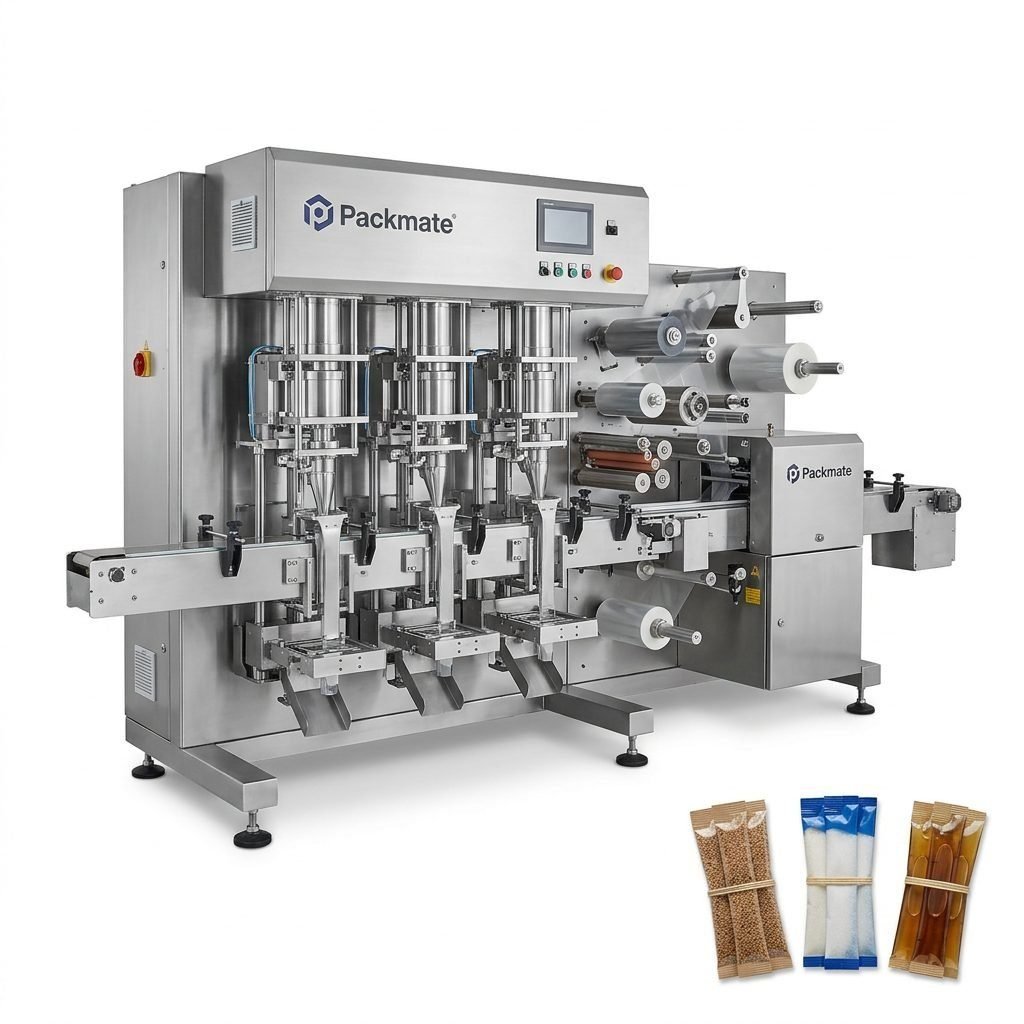
For businesses in Tonga, selecting the right packaging machine manufacturer is a critical decision that impacts operational efficiency, product quality, and long-term profitability. Whether you are a local food producer in Nuku’alofa looking to package root crops and coconut products, a manufacturer of health supplements, or an exporter of niche goods, the right equipment is key to scaling your operations. The global market offers many options, but choosing a partner that understands your specific needs, local challenges, and long-term goals is essential.
Key Factors to Consider When Choosing a Manufacturer
Before you start contacting suppliers, it’s vital to define your requirements clearly. Consider the following factors to guide your search and evaluation process.
1. Product Compatibility and Machine Type
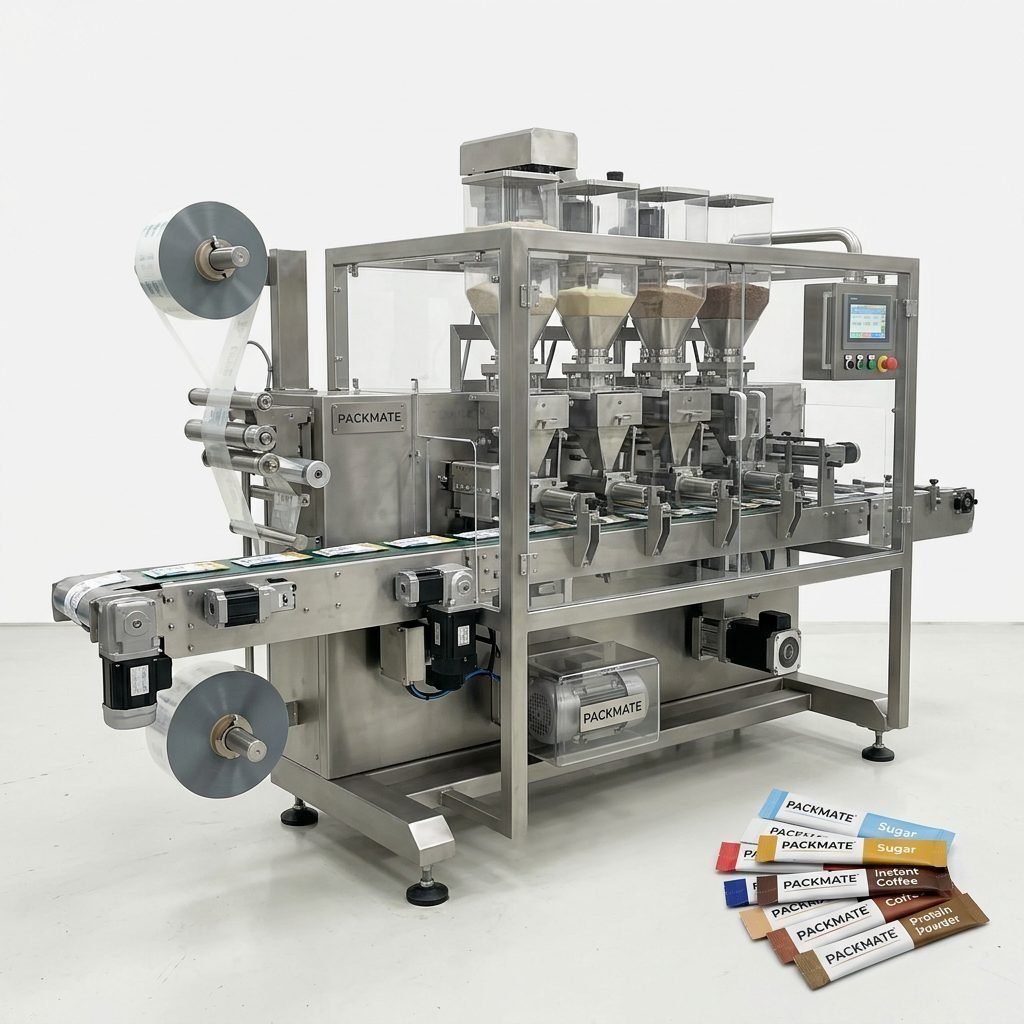
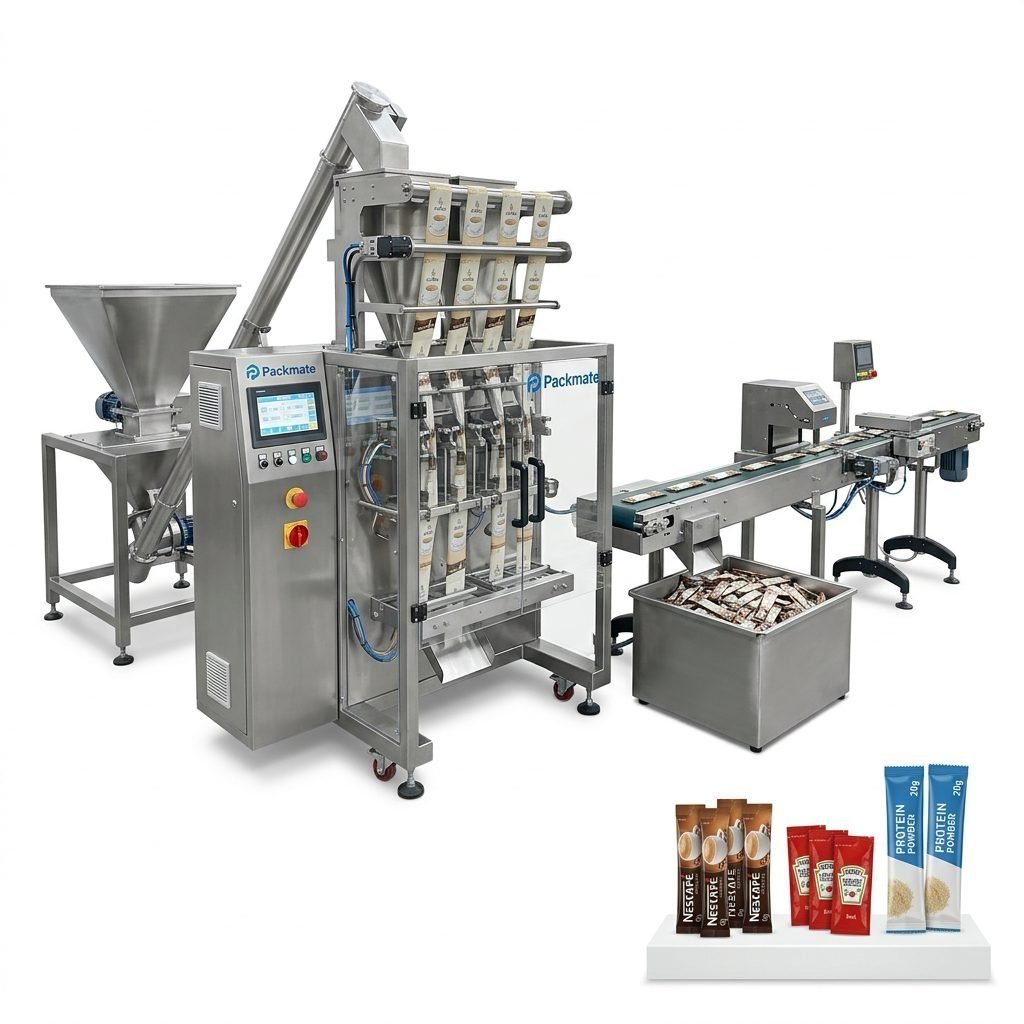
What are you packaging? The nature of your product—be it powders (like kava or flour), granules (such as sugar or dried fruit), liquids (coconut oil, sauces), or pastes—dictates the machine type. Common machines include vertical form-fill-seal (VFFS) machines, sachet packers, stick pack machines, and liquid fillers. Ensure the manufacturer has proven experience with your specific product category.
Tip for Tongan Businesses: If you process local goods like vanilla beans, noni juice, or seafood, look for manufacturers who have configured machines for similar sensitive or high-value products. Ask for case studies or references from businesses with comparable products.
2. Production Capacity and Speed Requirements
Your required output per minute or hour is a fundamental specification. A small-scale operation in Vava’u will have different needs than a larger exporter based in Tongatapu. Over-investing in a high-speed machine can be as problematic as buying an underpowered one that creates bottlenecks. Consider your current volume and projected growth over the next 3-5 years.
3. Level of Automation and Integration
Do you need a simple, standalone machine operated by one person, or a fully automated turnkey line with integrated weighing, filling, sealing, and labeling? Automation reduces labor costs and improves consistency but requires a higher initial investment and potentially more technical support. For Tonga, where skilled maintenance technicians might be limited, the ease of operation and robustness of the machine are crucial.
4. Budget and Total Cost of Ownership (TCO)
The purchase price is just the beginning. Factor in shipping costs to Tonga, import duties, installation, training, spare parts, maintenance, and potential downtime. A slightly more expensive machine from a reputable manufacturer with reliable after-sales support often has a lower TCO than a cheaper alternative that frequently breaks down.
5. Manufacturer’s Reputation and Experience
Look for manufacturers with a solid track record, especially those with experience exporting to regions with logistical challenges similar to Tonga’s. A company with over 20-30 years in business, like Ludyway, has likely refined its designs and support systems. Check for online reviews, ask for client testimonials, and, if possible, visit their factory or see their machines in operation at a trade show.
6. After-Sales Support and Service
This is arguably the most critical factor for Tongan importers. Reliable technical support can make or break your production. Investigate:
- Warranty: What is covered and for how long?
- Spare Parts: Are they readily available? What is the typical delivery time to Tonga?
- Technical Support: Do they offer remote assistance (video call), and do they have English-speaking engineers?
- Training: Do they provide comprehensive training for your operators, either on-site or at their factory?
Quick Reference: Machine Type vs. Common Tongan Product
| Machine Type | Ideal For Tongan Products Like… | Key Consideration |
|---|---|---|
| Vertical Form-Fill-Seal (VFFS) | Root vegetables (dried), rice, sugar, nuts | Bag size flexibility, speed |
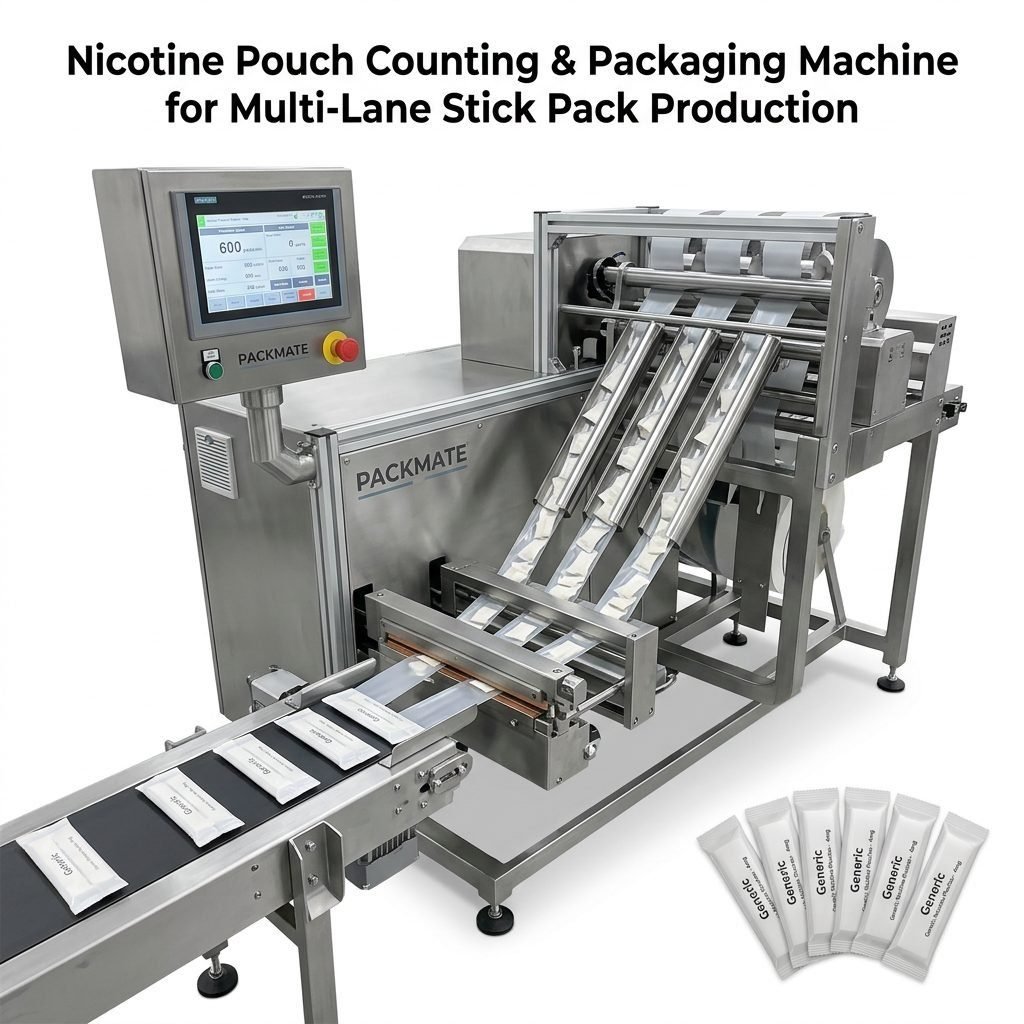
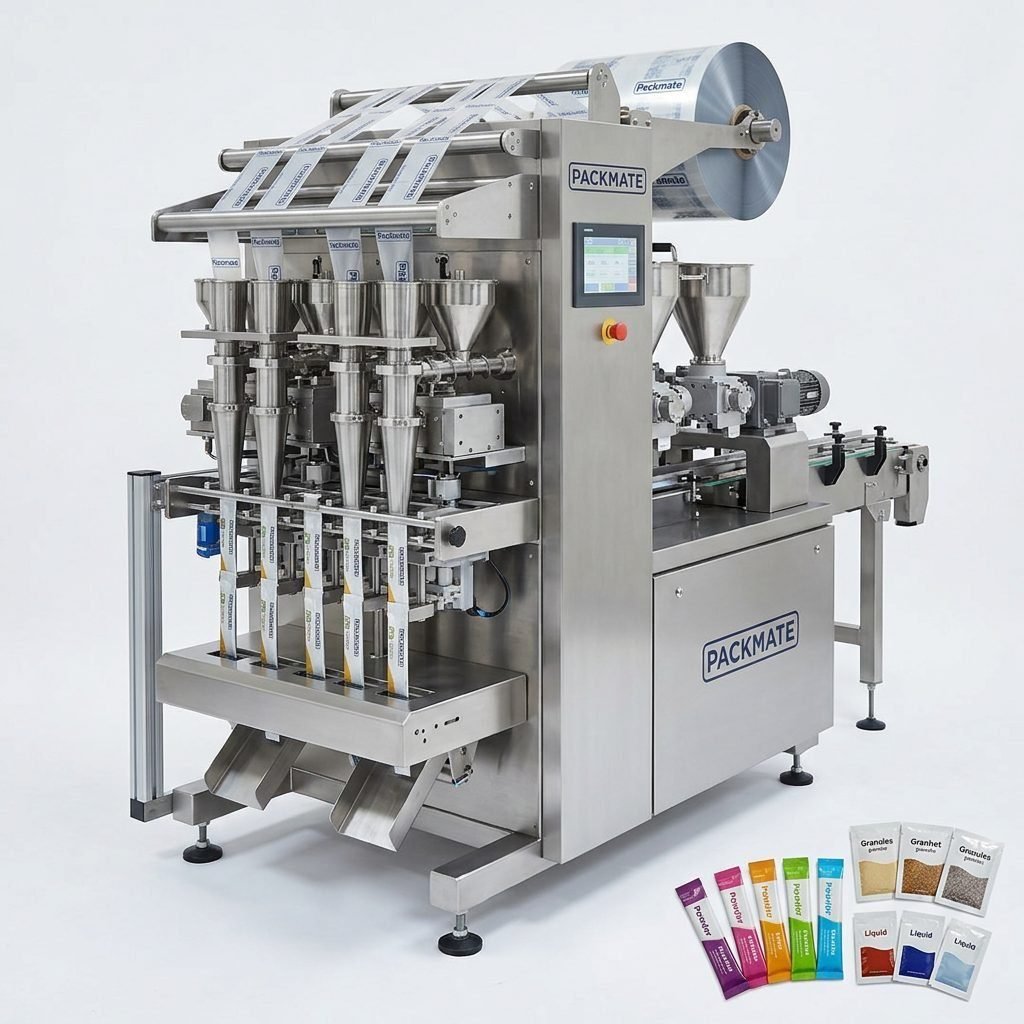
| Sachet/Stick Pack Machine | Instant coffee mixes, seasoning powders, single-serve kava, supplements | Precision dosing, multi-lane efficiency |
| Liquid Filling Machine | Coconut oil, honey, fruit purees, sauces | Viscosity handling, no-drip nozzles, hygiene |
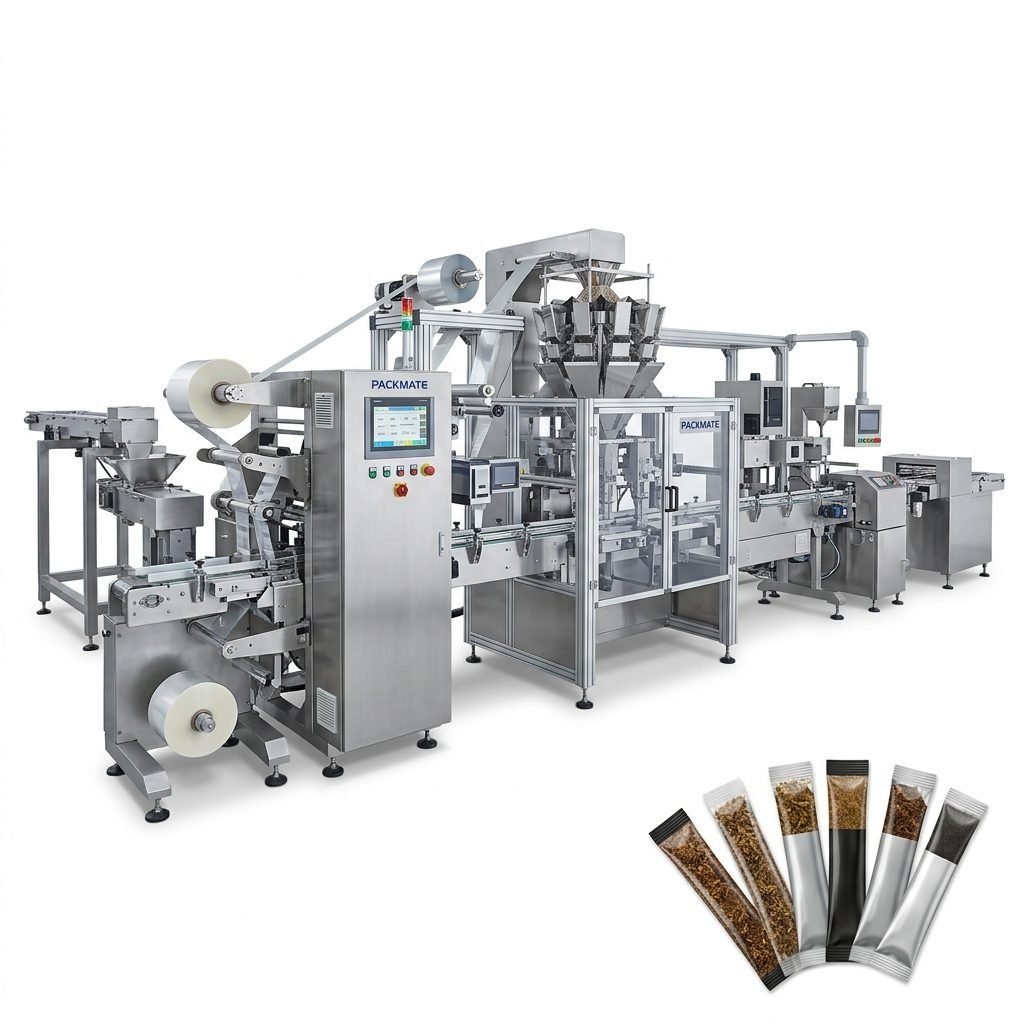
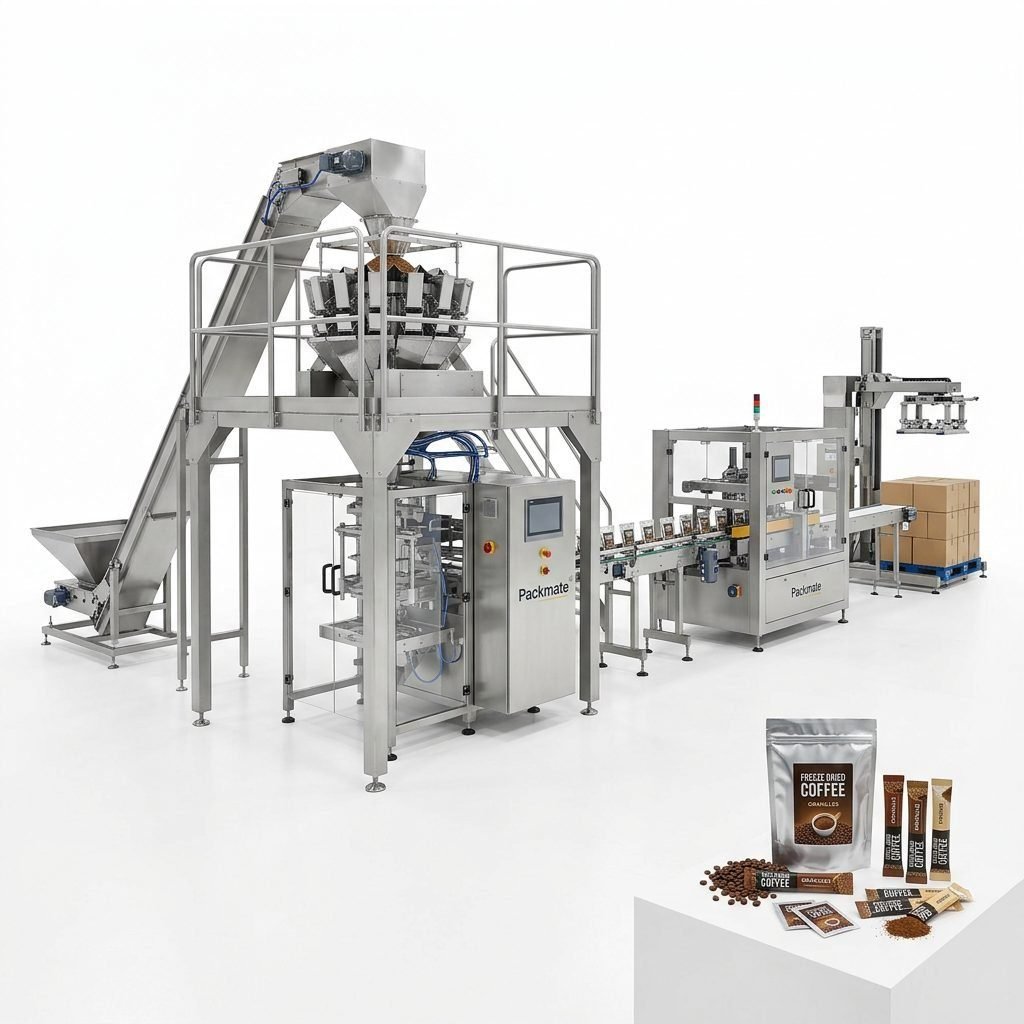
| Turnkey Packaging Line | Large-scale export operations for processed foods | Full integration, scalability, high capital investment |
Evaluating Potential Manufacturers: A Step-by-Step Guide
Once you have a shortlist, a structured evaluation process is necessary.
Step 1: In-depth Inquiry and Quotation
Provide detailed specifications about your product, packaging material, desired output, and factory conditions. A professional manufacturer like Packmate Machinery will ask many questions to ensure their proposal is accurate. Be wary of suppliers who provide a quote immediately without asking for details.
Step 2: Review Technical Documentation and Compliance
Request detailed machine specifications, electrical diagrams, and compliance certificates (e.g., CE, ISO). Ensure the machine’s voltage and phase match Tonga’s power supply (240V, 50Hz).
Step 3: Request Video Demonstrations and References
Ask for a live video demonstration of a similar machine packaging a product akin to yours. This shows the machine’s actual performance. Also, ask for contact information of past clients, preferably in the Pacific region or with similar products.
Step 4: Assess Customization and OEM Capability
If your needs are unique, you need a manufacturer with strong R&D and customization skills. Companies like PackingMachineOEM specialize in non-standard solutions. Discuss your specific requirements in detail to gauge their engineering capability.
Step 5: Clarify Shipping, Installation, and Training
Understand the Incoterms (e.g., FOB, CIF). Who handles shipping to Tonga? What about customs clearance? Will they send an engineer for installation and training, and what are the associated costs? Get all these details in writing within the contract.
Spotlight on Specialized Manufacturers
Depending on your industry, a specialized manufacturer might be the best fit.
For example, if your business is in the growing niche of nicotine pouches or similar products, a manufacturer with dedicated expertise, such as SnusMachinery, can offer significant advantages. They understand the precise dosing, sealing integrity, and regulatory nuances specific to that sector.
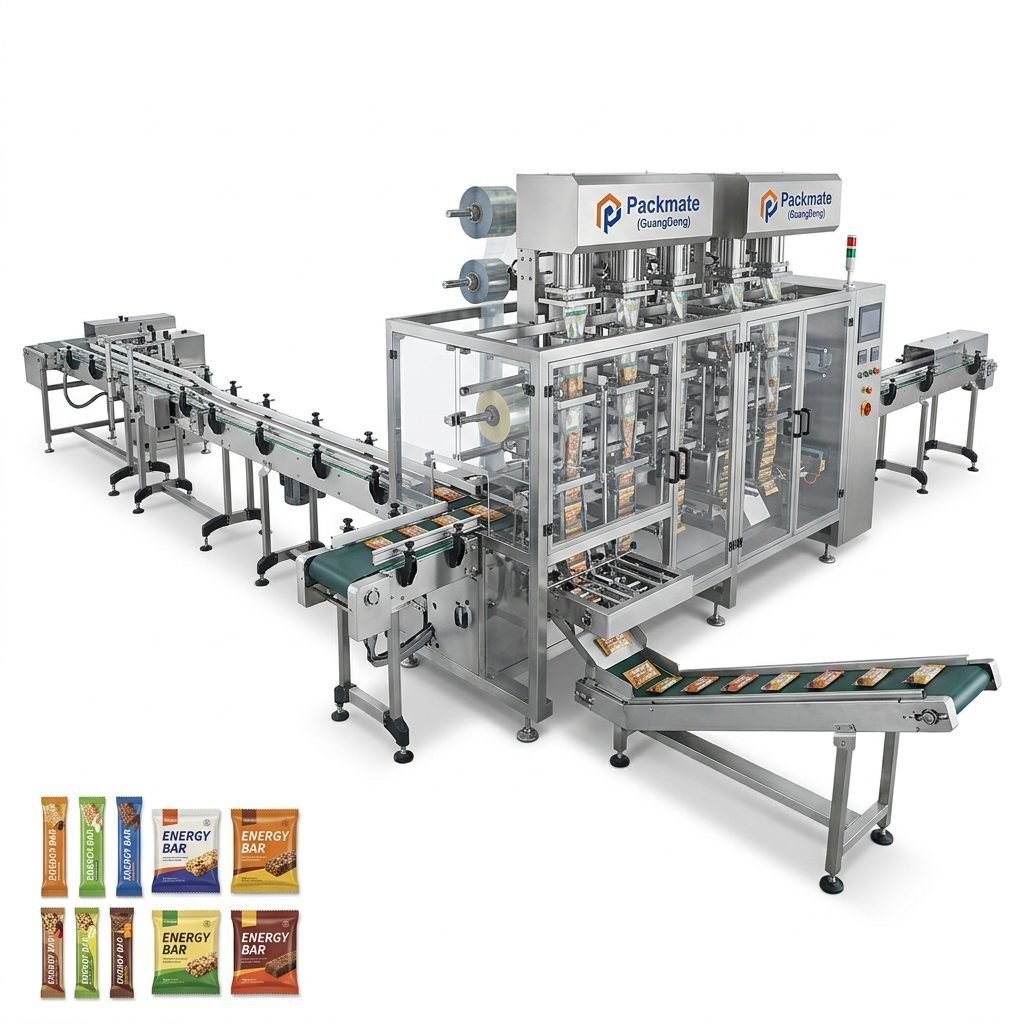
For businesses needing a complete, synchronized production line rather than just a single machine, a turnkey solution provider like PacklineOEM can be invaluable. They handle the integration of conveyors, fillers, sealers, coders, and cartoners into one seamless system.
Practical Buyer Tips for the Tongan Market
1. Plan for Logistics and Infrastructure
Shipping heavy machinery to an island nation requires careful planning. Consider container size, port handling in Nuku’alofa, and inland transport to your factory. Ensure your facility has the necessary floor space, power supply, and potentially compressed air lines ready.
2. Prioritize Robust and Simple Design
Machines with overly complex electronics or delicate components might be harder to maintain locally. Opt for robustly built machines with good documentation and accessible spare parts. Simplicity in operation and maintenance is a virtue in markets with limited specialist technicians.
3. Build a Relationship, Not Just a Transaction
Your packaging machine supplier should be a long-term partner. Choose a company that is communicative, responsive, and shows a genuine interest in helping your business succeed. A manufacturer with a strong export department used to dealing with international clients will typically provide better communication.
4. Consider Future-Proofing
While meeting current needs is essential, consider if the machine or line can be upgraded later. Can you add more lanes? Can it handle different bag sizes? Investing in a slightly more flexible system from the start can save money and disruption in the long run.
Conclusion
Selecting the ideal packaging machine manufacturer for your Tongan business is a multifaceted process. It requires balancing technical specifications, budget, and the crucial element of reliable after-sales support. By thoroughly researching manufacturers, clearly defining your needs, and prioritizing partners with a proven track record in export and support—such as the companies profiled—you can make an informed investment that boosts your productivity, enhances product quality, and supports the growth of your business in Tonga and beyond.
Frequently Asked Questions (FAQs)
Q1: What is the typical lead time for receiving a packaging machine in Tonga?
Lead times vary significantly based on machine complexity and customization. For standard models, expect 60-90 days from order confirmation to shipment. Custom or turnkey lines can take 90-150 days. Always factor in an additional 4-8 weeks for sea freight and customs clearance in Tonga.
Q2: How can I ensure the machine will work with our local power supply?
Tonga uses 240V/50Hz. Specify this requirement clearly during the quotation stage. Reputable manufacturers will configure the machine’s electrical system (motors, heaters, controls) accordingly and provide the correct plugs or terminal connections.
Q3: Are there local technicians who can service these machines?
Specialized packaging machine technicians are rare in Tonga. This underscores the importance of choosing a supplier with excellent remote support (via video calls) and comprehensive training for your own staff. Also, ensure they can expedite spare parts shipments.
Q4: Can I get a machine that can handle multiple product types?
Yes, many machines offer quick-change features for different bag sizes or product types. Discuss your need for versatility upfront. However, switching between vastly different products (e.g., fine powder to granules) may require more extensive changeover parts.
Q5: What is the most common mistake buyers make?
The most common mistake is focusing solely on the lowest purchase price without considering the Total Cost of Ownership (TCO). A cheap machine with poor reliability, high downtime, and no support will ultimately cost far more than a slightly more expensive, reliable machine from a supportive manufacturer like Ludyway or Packmate Machinery.