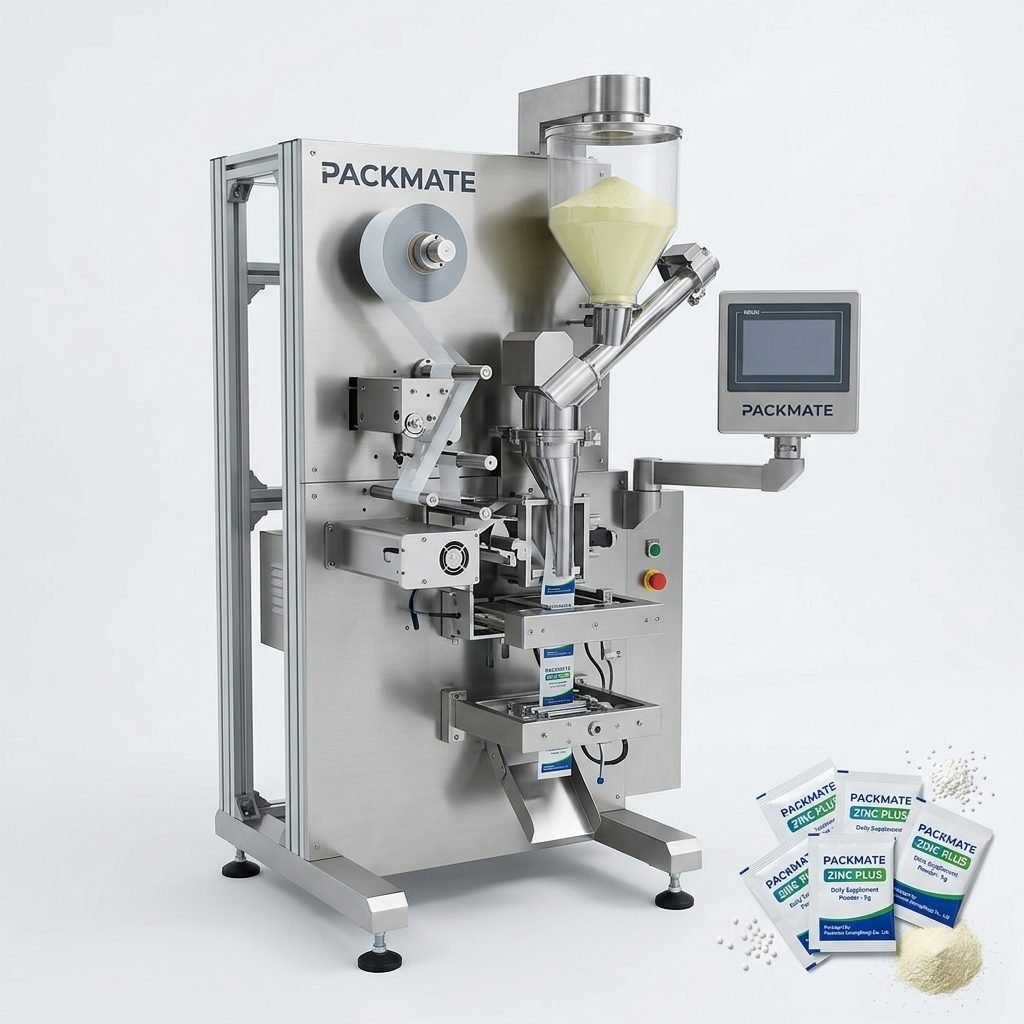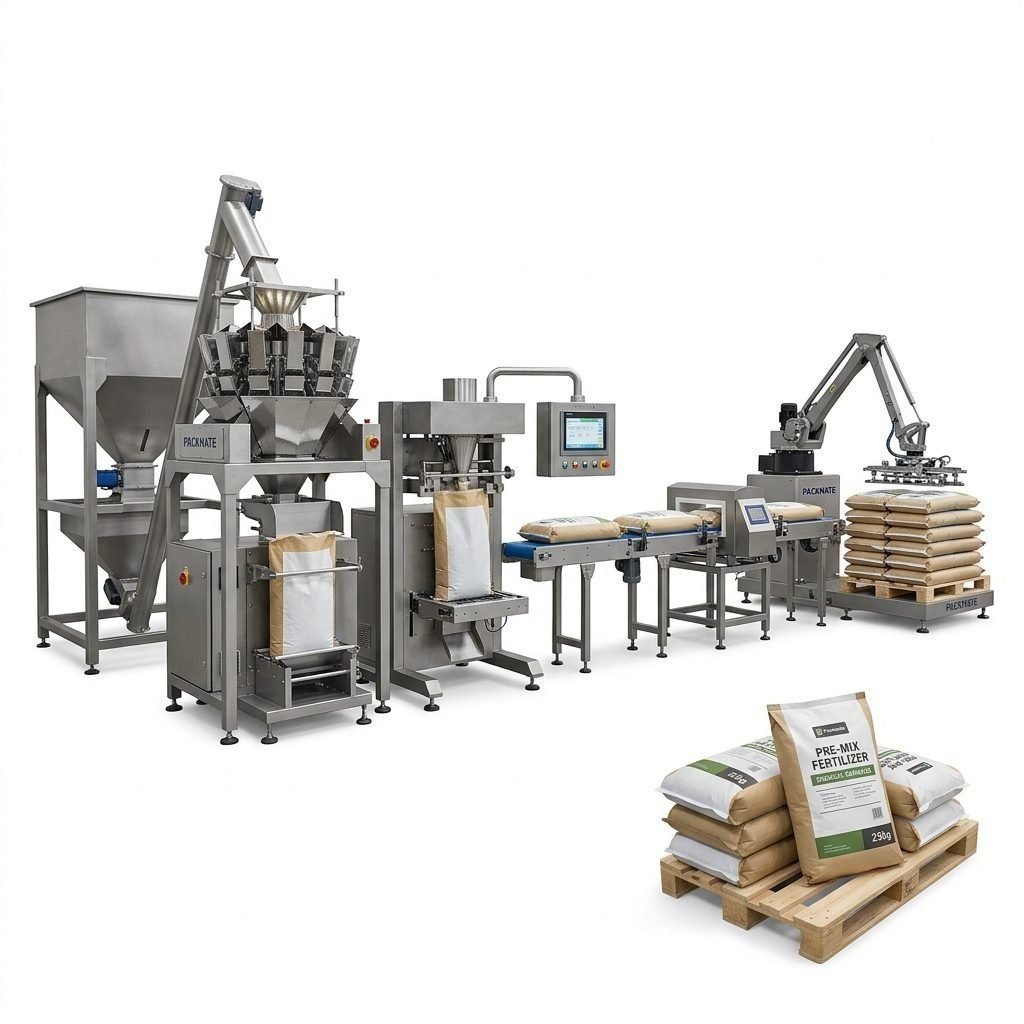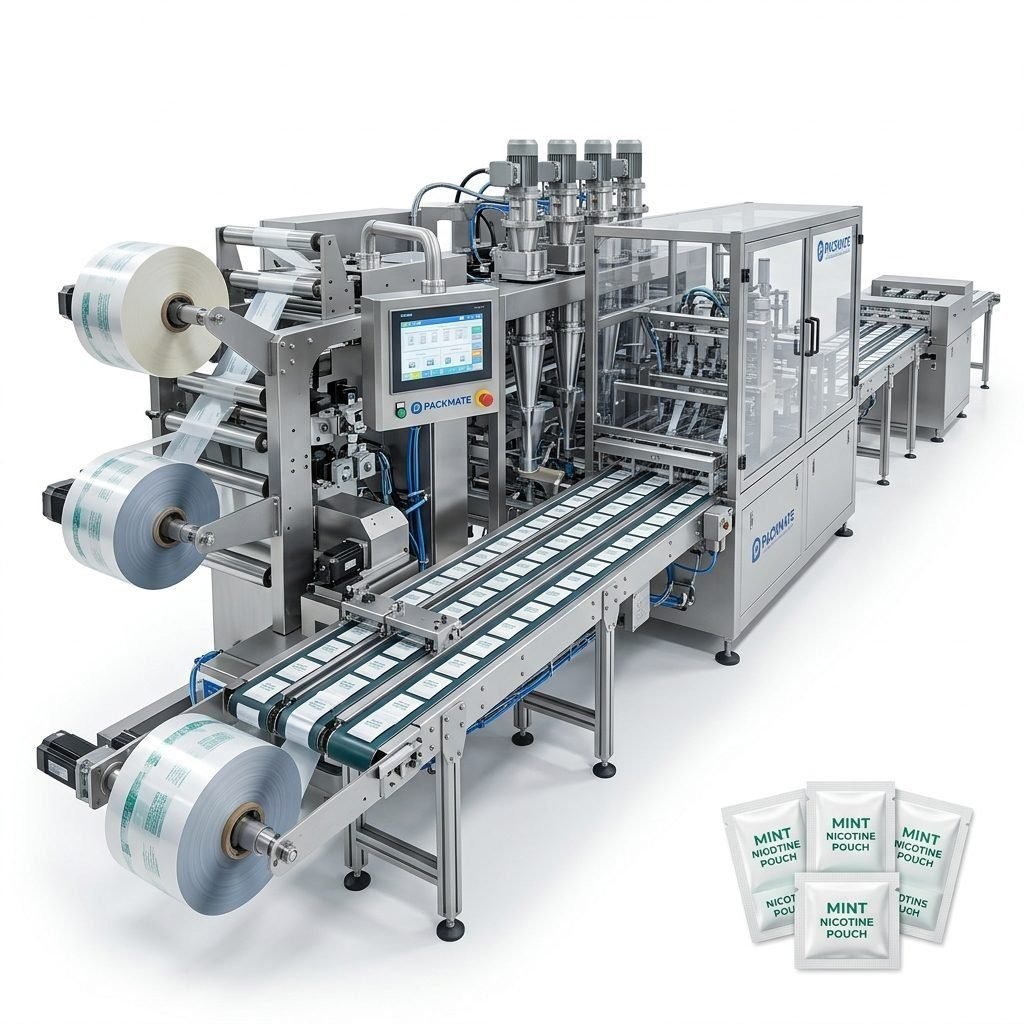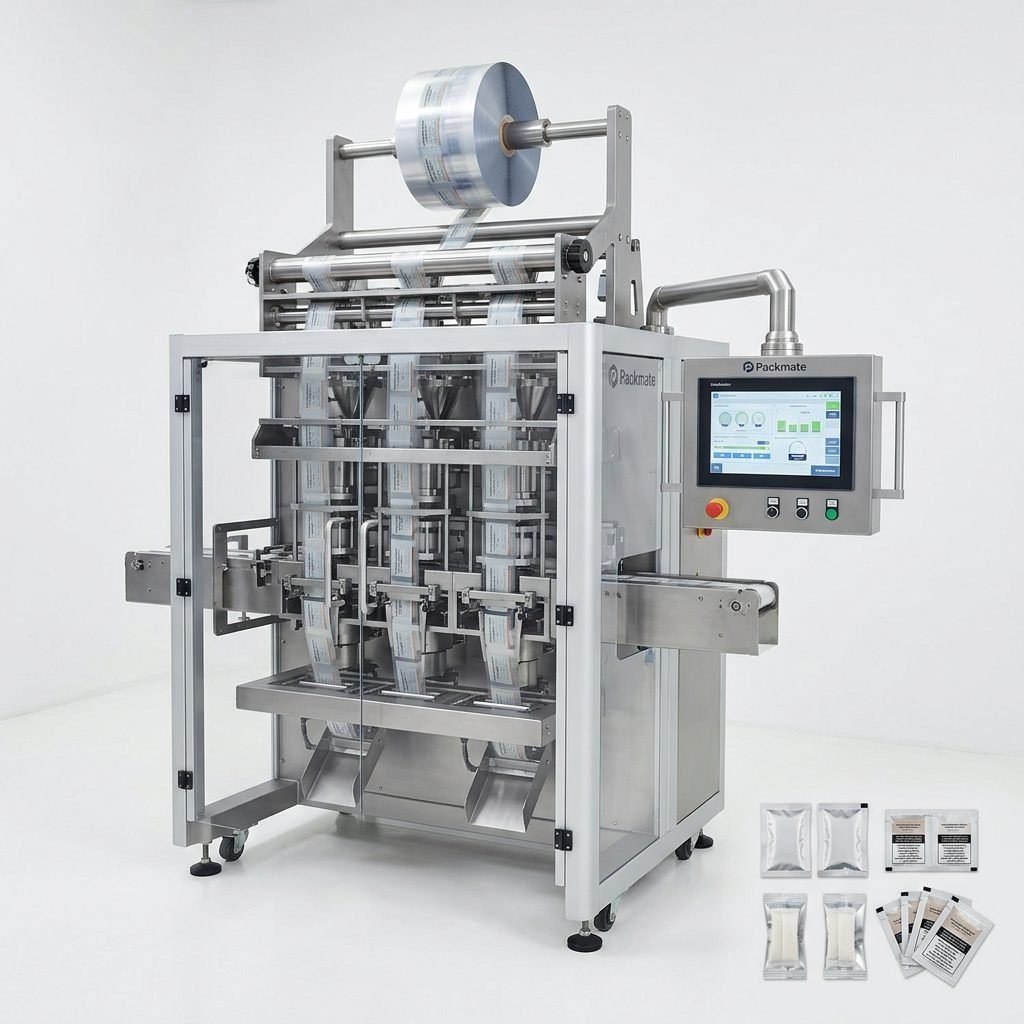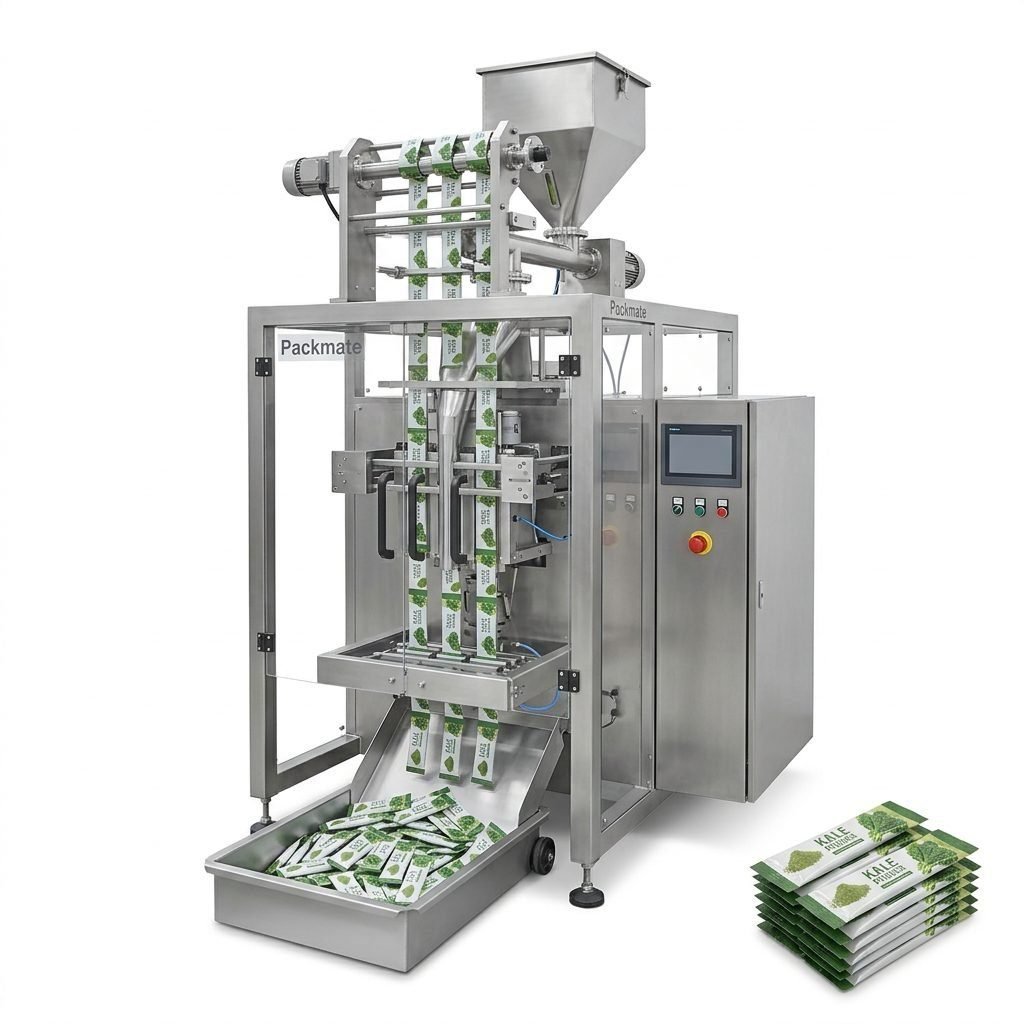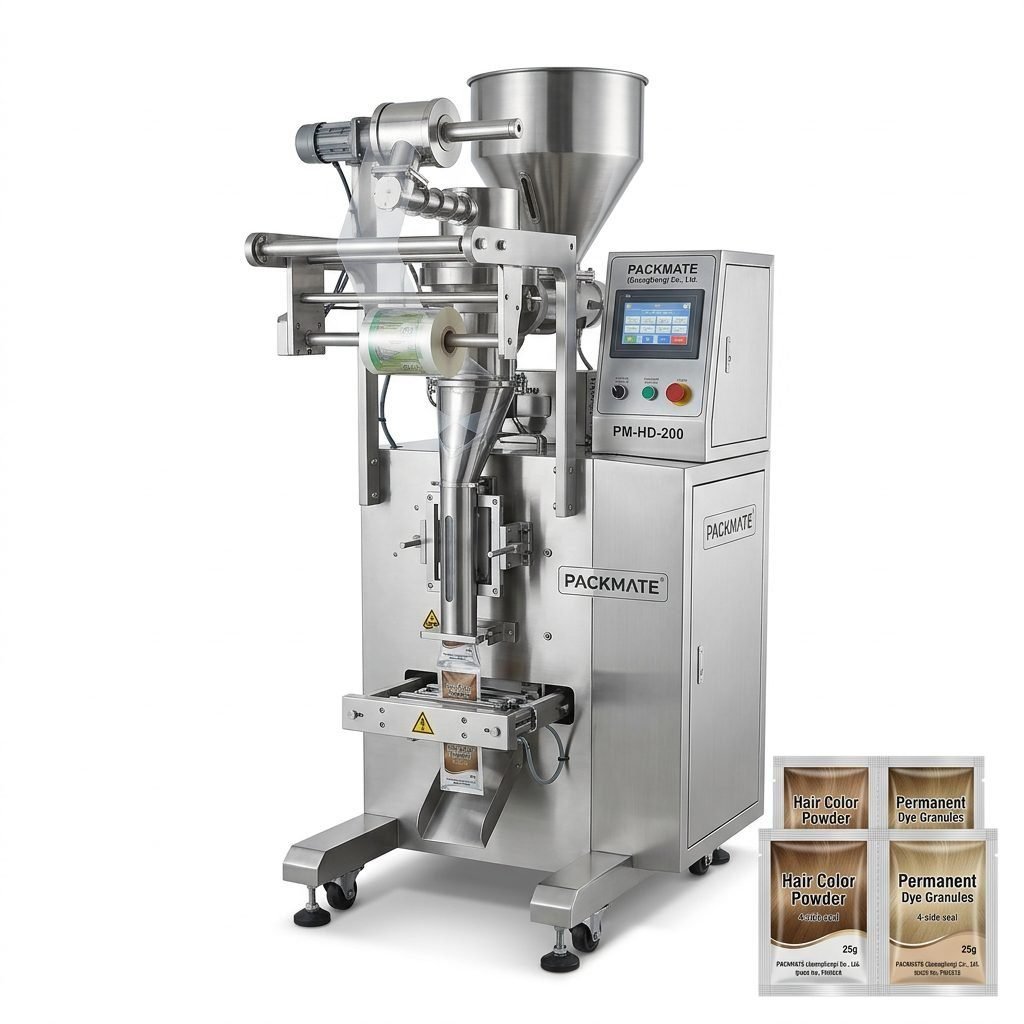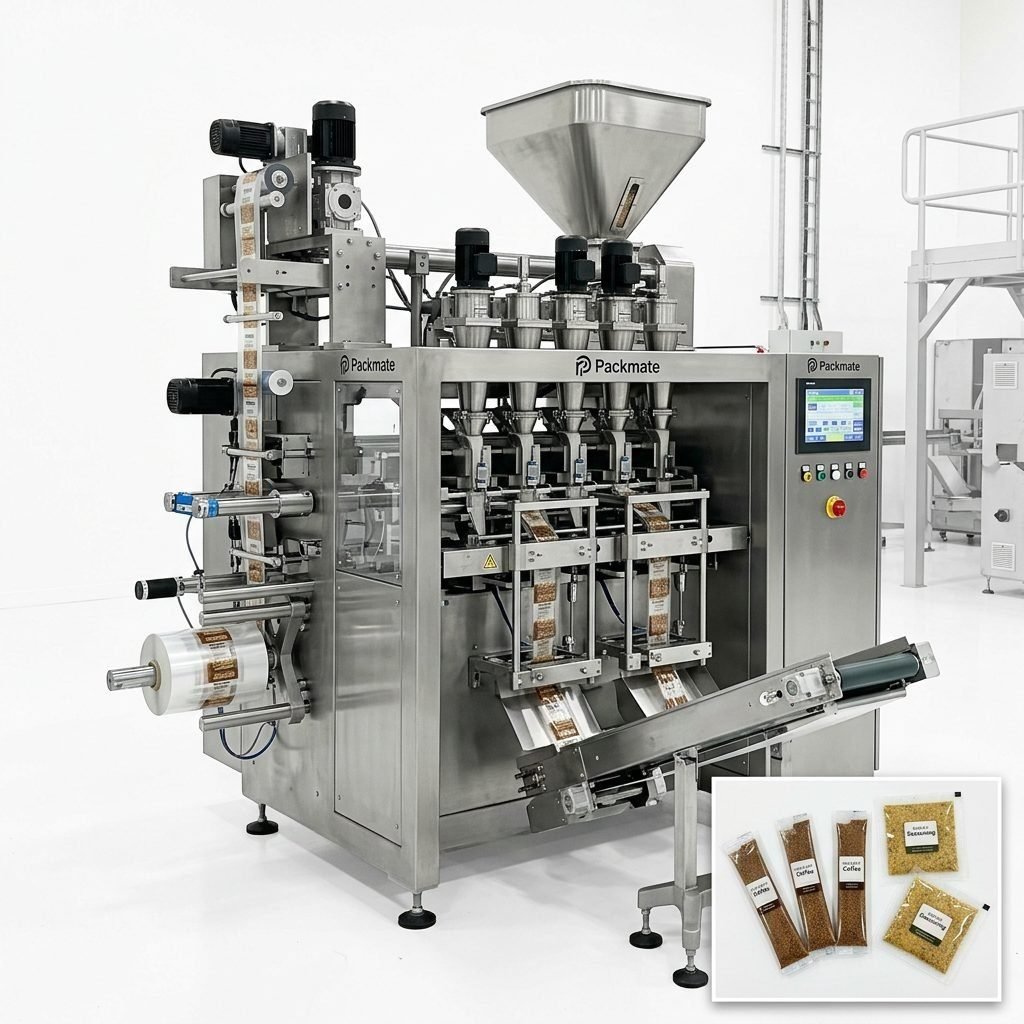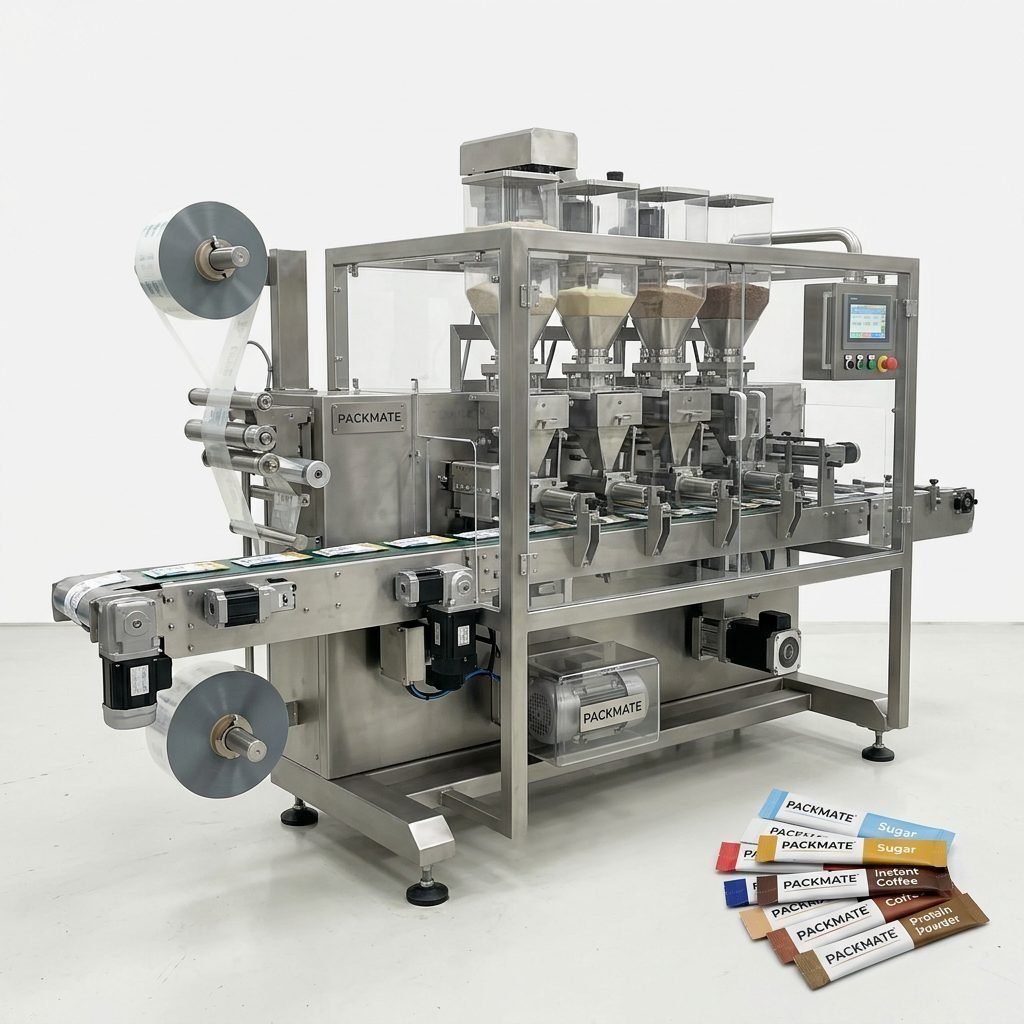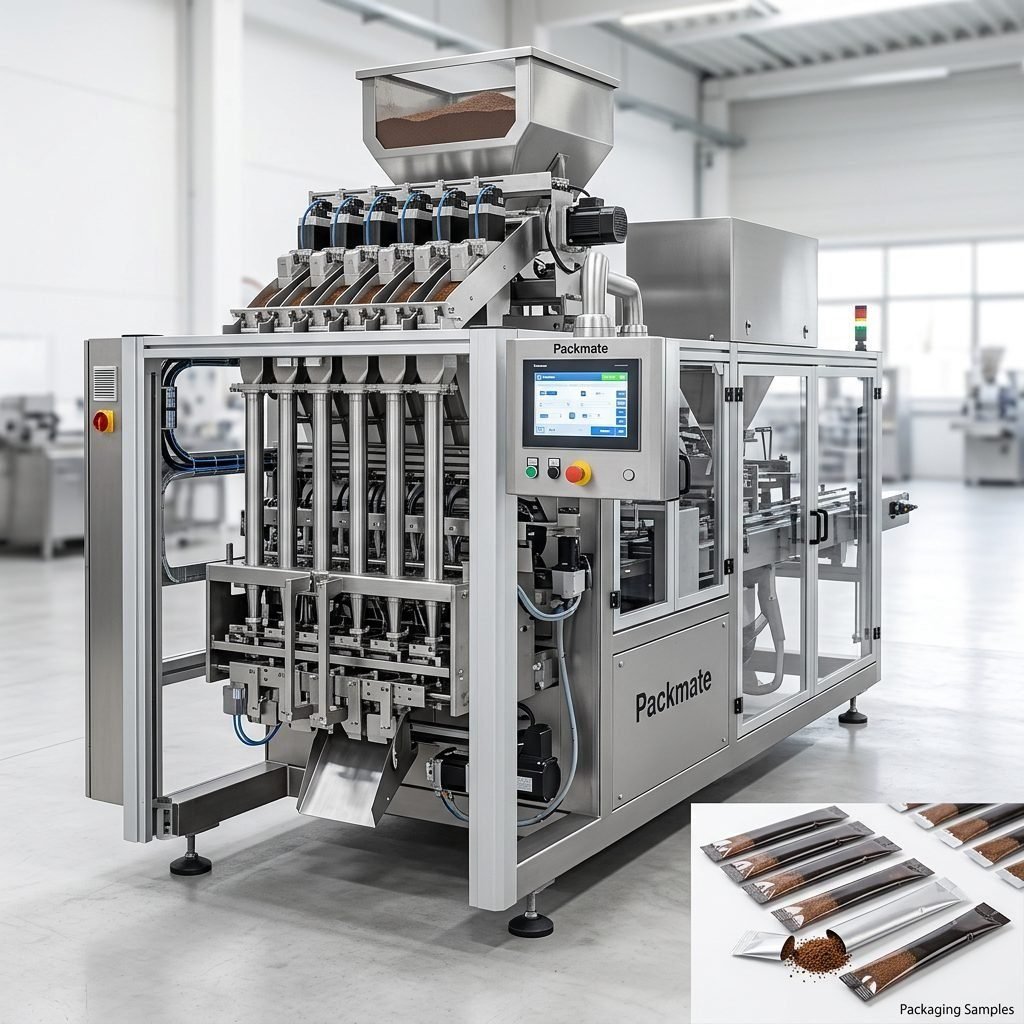
For Ugandan manufacturers, processors, and entrepreneurs, investing in a reliable packaging machine is a critical decision that directly impacts production efficiency, product quality, and long-term operational costs. The local market, driven by the growth of the food processing, agricultural export, pharmaceutical, and consumer goods sectors, demands robust and adaptable packaging solutions. However, with numerous manufacturers—both local and international—vying for attention, selecting the right partner can be challenging.
Understanding Uganda’s Packaging Landscape
Uganda’s manufacturing sector is on a steady growth trajectory, with significant activity in food processing (coffee, tea, grains, spices), beverages, personal care products, and pharmaceuticals. Many local businesses are shifting from manual or semi-automatic packaging to fully automated lines to improve consistency, meet higher quality standards, and scale production for both domestic and export markets (particularly within the East African Community). This transition necessitates equipment that is not only efficient but also durable enough to handle local conditions, including potential power fluctuations and the need for easy maintenance with locally available technical support.
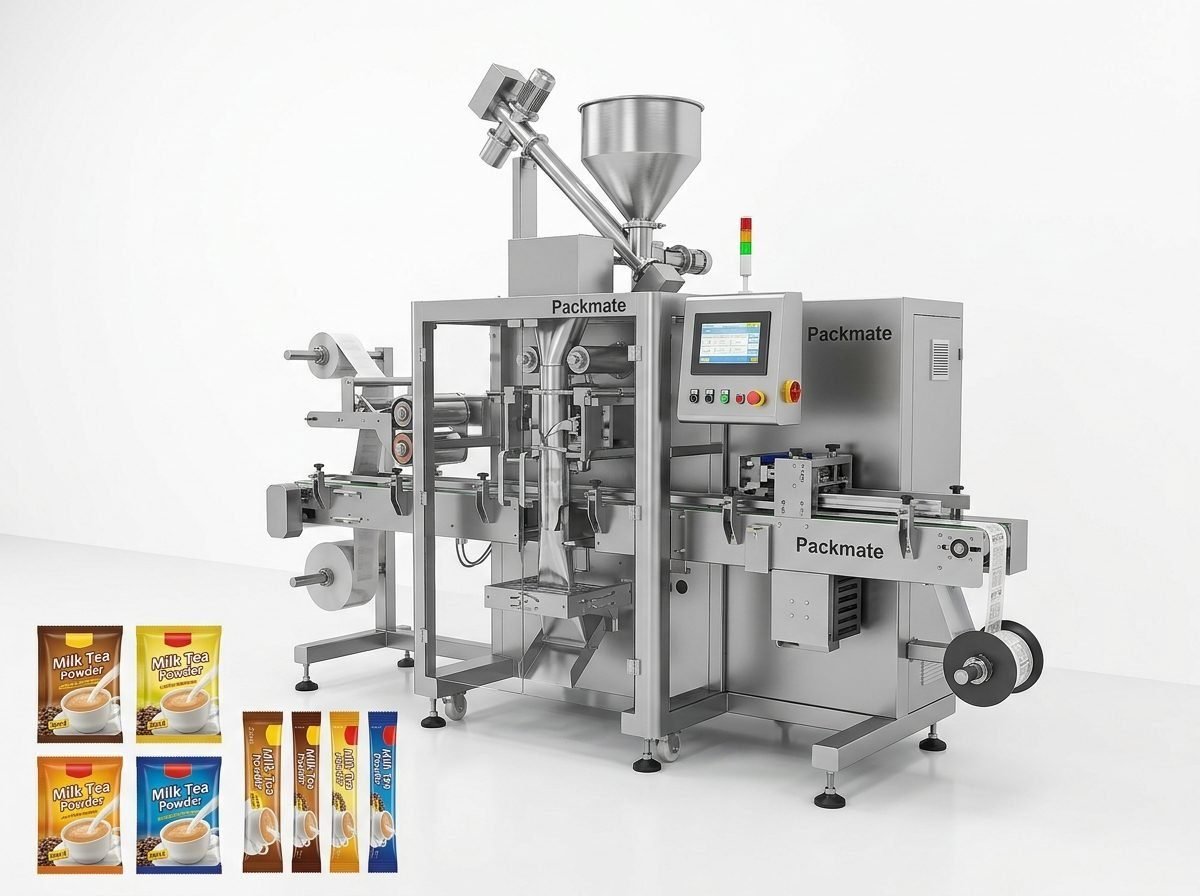
Key considerations for Ugandan buyers often include the machine’s suitability for hot and humid climates, its ability to package locally prevalent product formats (such as pouches for instant coffee, tea, or porridge flour, and sachets for sauces, shampoos, or pharmaceuticals), and the availability of after-sales service and spare parts. The right manufacturer will understand these contextual needs, not just offer a generic machine.
1. Assess Your Specific Packaging Needs
Before contacting any supplier, clearly define your requirements. This forms the foundation of your search.
Product Type: Are you packaging granules (coffee, sugar, seeds), powders (flour, milk powder, spices), liquids (juices, oils, sauces), or pastes? The machine’s feeding, dosing, and sealing mechanisms must be precisely matched to your product’s characteristics (e.g., flowability, viscosity).
Production Capacity: Calculate your required output in bags/per minute or hour. Consider both current needs and future growth to ensure the machine can scale with your business.
Packaging Format: Determine the final bag style: stick packs, sachets (pillow bags), stand-up pouches, or larger bulk bags. This dictates the type of form-fill-seal (FFS) machine required.
Budget & ROI: Establish a realistic budget that considers not just the purchase price but also installation, training, maintenance, and potential downtime costs. Calculate the expected return on investment through labor savings and increased output.
2. Evaluate the Manufacturer’s Experience and Reputation
A manufacturer’s track record is a strong indicator of reliability. Look for companies with substantial experience, particularly in serving markets with conditions similar to Uganda’s.
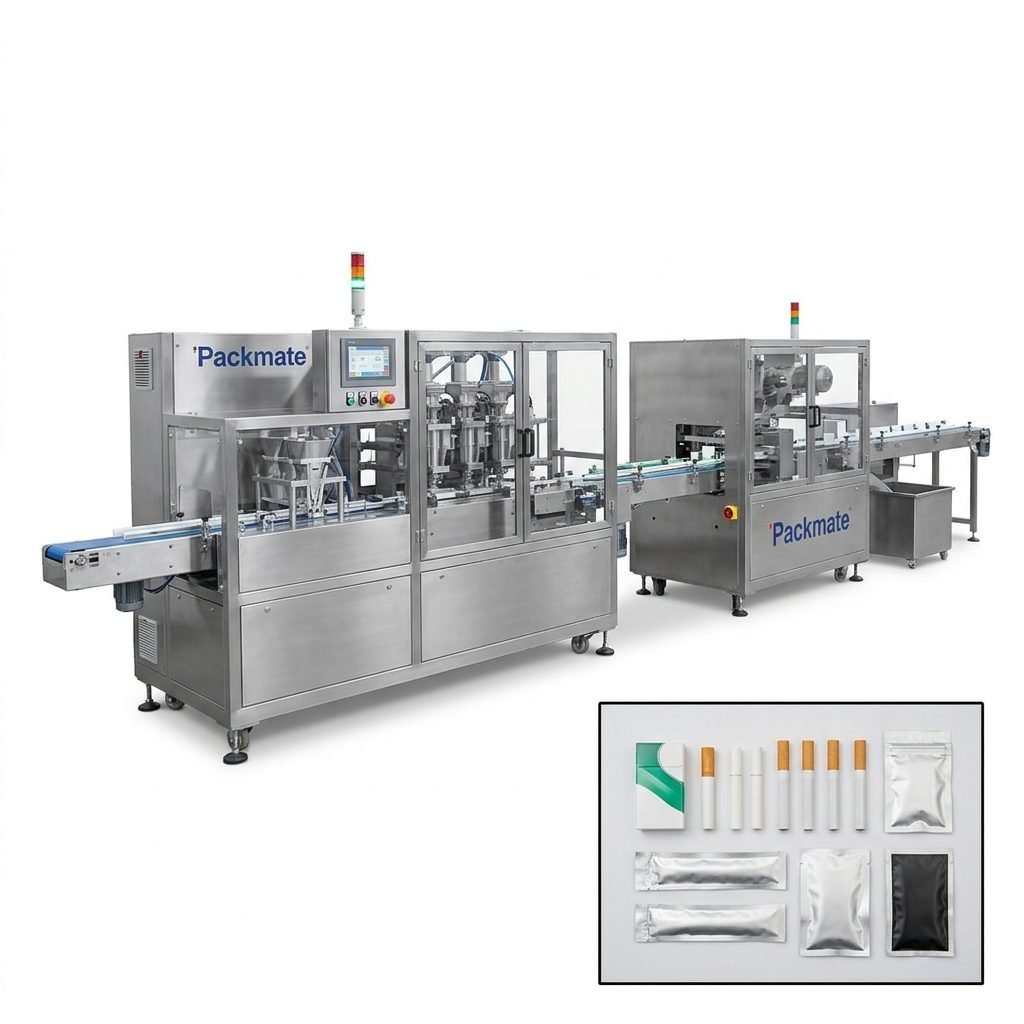
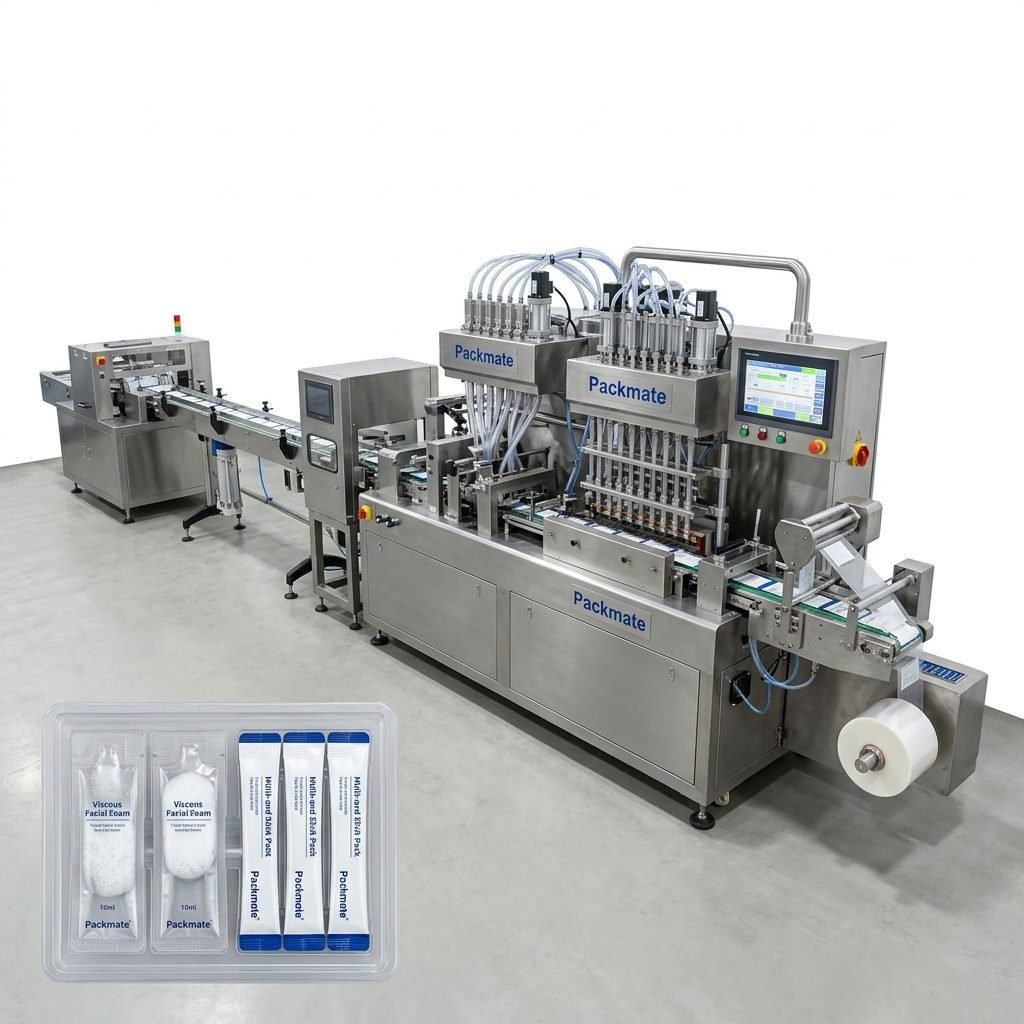
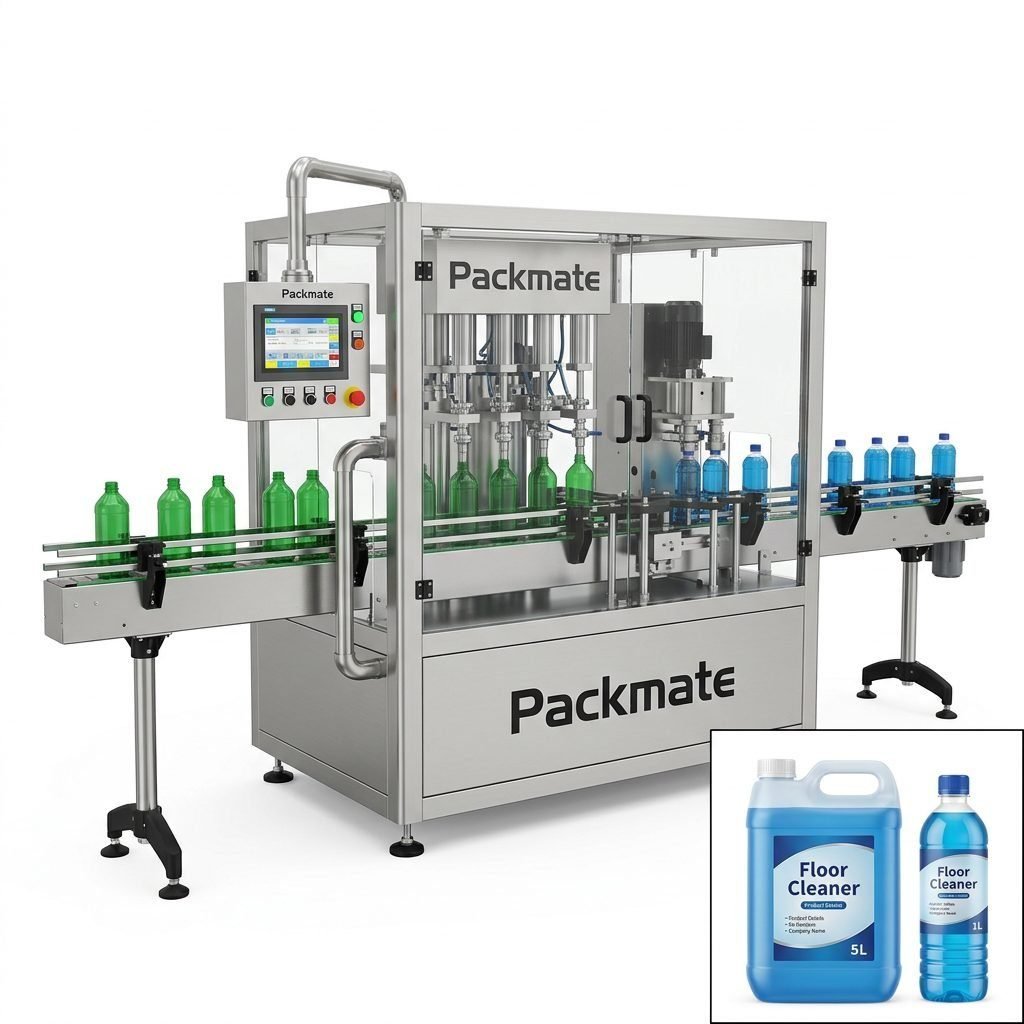
For instance, Ludyway, with over 30 years in the industry and exports to over 100 countries including Africa, brings a wealth of knowledge in tailoring solutions for diverse markets. Their experience in food and pharmaceutical packaging is directly relevant to Uganda’s growing sectors. Similarly, a manufacturer like Packmate Machinery, with more than three decades of focus on stable, practical automation, can be a good fit for Ugandan businesses seeking reliable performance without excessive complexity.
3. Technical Capability and Customization Support
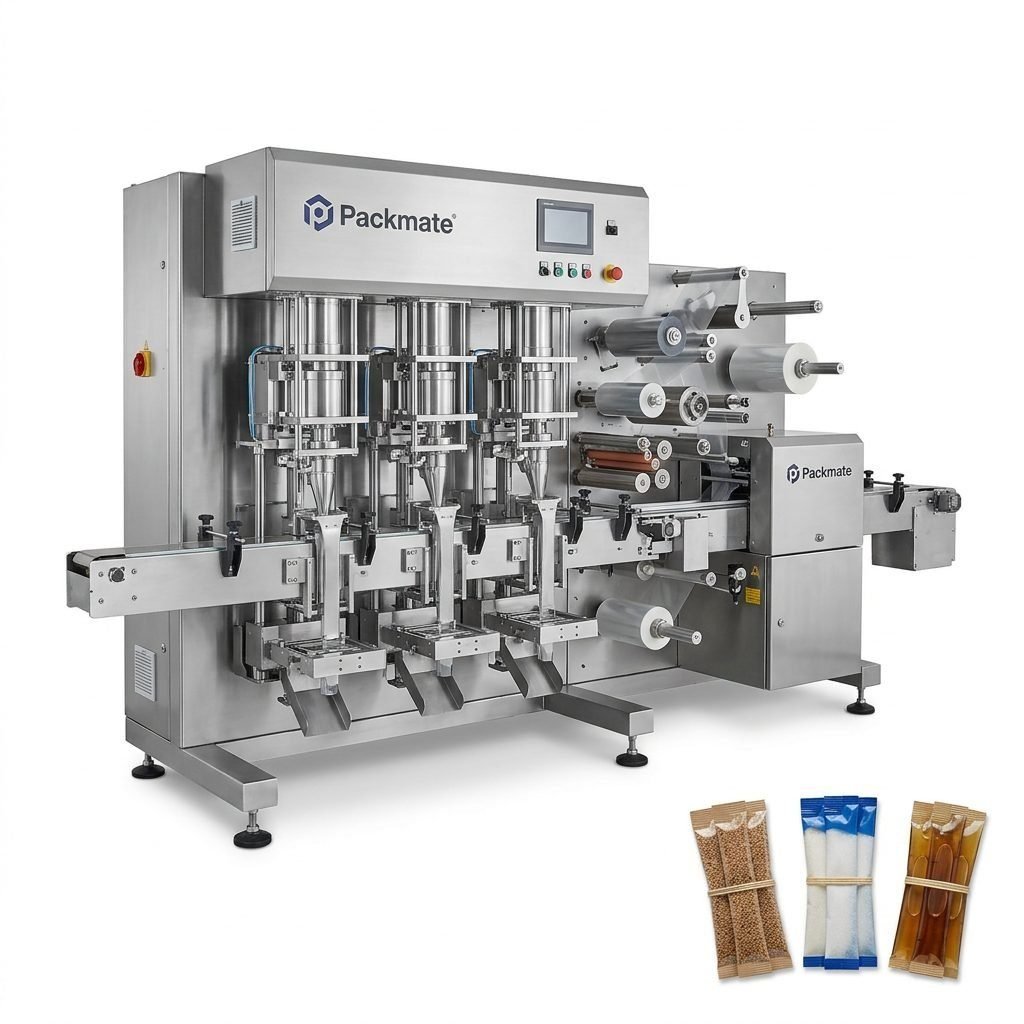
Off-the-shelf machines may not suit unique products or production line layouts. The ability to customize is crucial.
Ask potential suppliers:
- Can the machine be adapted to handle our specific bag size, material (laminate types common in Uganda), and printing requirements?
- Do you offer complete turnkey line integration, including conveyors, checkweighers, or cartoners? Companies like PacklineOEM specialize in such integrated solutions, which can simplify the entire project.
- What is your process for non-standard or OEM projects? Manufacturers such as PackingMachineOEM explicitly focus on customized engineering, which is valuable for unique local products.
4. Quality of Manufacturing and Key Components
The machine’s construction and the brands of its core components (servo motors, PLCs, sensors, sealing elements) determine its longevity and precision. Insist on details:
| Component | Importance for Ugandan Operations | What to Look For |
|---|---|---|
| Frame & Structure | Ensures stability and reduces vibration during high-speed operation, critical for consistent seal quality. | Robust, heavy-gauge steel construction. |
| Sealing System | Directly impacts package integrity and shelf life. Must handle local packaging films reliably. | Precision temperature control, durable sealing jaws, and compatibility with various laminates. |
| Control System (PLC & HMI) | Ease of operation and troubleshooting for local technicians. | User-friendly interface, reputable brand (e.g., Siemens, Mitsubishi), with clear documentation. |
5. After-Sales Service and Local Support Network
This is perhaps the most critical factor for Ugandan businesses. A machine breakdown without accessible support can halt production and incur significant losses.
Key Service Questions:
- What is the warranty period and what does it cover?
- Do you have local agents or technicians in East Africa, or what is the response time for sending an engineer from abroad?
- How readily available are spare parts? What is the typical delivery time for critical components to Uganda?
- Do you provide comprehensive installation supervision, operational training, and maintenance manuals?
Manufacturers with a strong export orientation to Africa, such as those serving the continent alongside other regions, often have more established protocols for international support.
6. Consider Specialized vs. Generalist Manufacturers
Your product niche might benefit from a specialized supplier. For example, if your business involves producing nicotine pouches or similar specialty sachet products, a manufacturer like SnusMachinery, which focuses on this segment, offers targeted expertise in precise dosing and high-speed pouch handling that a generalist might not. For broader food and pharma applications, a generalist with a wide range like Ludyway or Packmate offers more flexibility.
Final Steps: Making the Decision
Once you have shortlisted 2-3 manufacturers, take these final steps:
- Request Detailed Quotations: Compare not just price, but the full scope of supply, warranty, and delivery terms (e.g., CIP Entebbe).
- Ask for References: Contact existing clients, preferably in similar industries or regions, to hear about their firsthand experience with machine performance and service.
- Arrange a Factory Visit or Live Demo: If possible, visit the manufacturer’s plant in China or arrange a video demonstration where you can see a machine running with a product similar to yours. This validates their capabilities.
- Clarify Payment Terms: Understand the standard terms (e.g., 30% deposit, 70% before shipment) and ensure they are secure and manageable for your company.
Frequently Asked Questions (FAQs)
Q: What is the typical lead time for receiving a packaging machine in Uganda from an overseas manufacturer?
A: Lead times vary but typically range from 30 to 90 days after order confirmation, depending on machine complexity (standard vs. custom) and production schedule. Factor in additional time for sea freight and customs clearance in Mombasa or Dar es Salaam and inland transit to Uganda.
Q: How can I ensure the machine will work reliably with Uganda’s occasional voltage instability?
A: Discuss this explicitly with the manufacturer. They should equip the machine with voltage stabilizers or regulators as part of the supply and design the electrical system to tolerate a specified range of voltage fluctuation.
Q: Is it better to buy a single machine or a complete turnkey packaging line?
A: A single machine is sufficient if you are automating one specific step. A turnkey line is best for new facilities or major upgrades where you need integrated, synchronized equipment from feeding to end-of-line packaging. It ensures compatibility and single-point responsibility, offered by companies like PacklineOEM.
Q: What are the most common maintenance issues, and how can I prepare?
A: Common issues include seal bar wear, film tracking misalignment, and sensor cleaning. Prepare by ensuring your operators receive thorough training during commissioning and that you stock a starter kit of critical spare parts (sealing jaws, heaters, sensors) recommended by the supplier.
Q: Can these machines handle locally sourced packaging film?
A: Reputable manufacturers will test their machines with sample materials you provide. It is essential to send samples of the laminate films you plan to use in Uganda to the manufacturer for compatibility testing before finalizing the purchase.