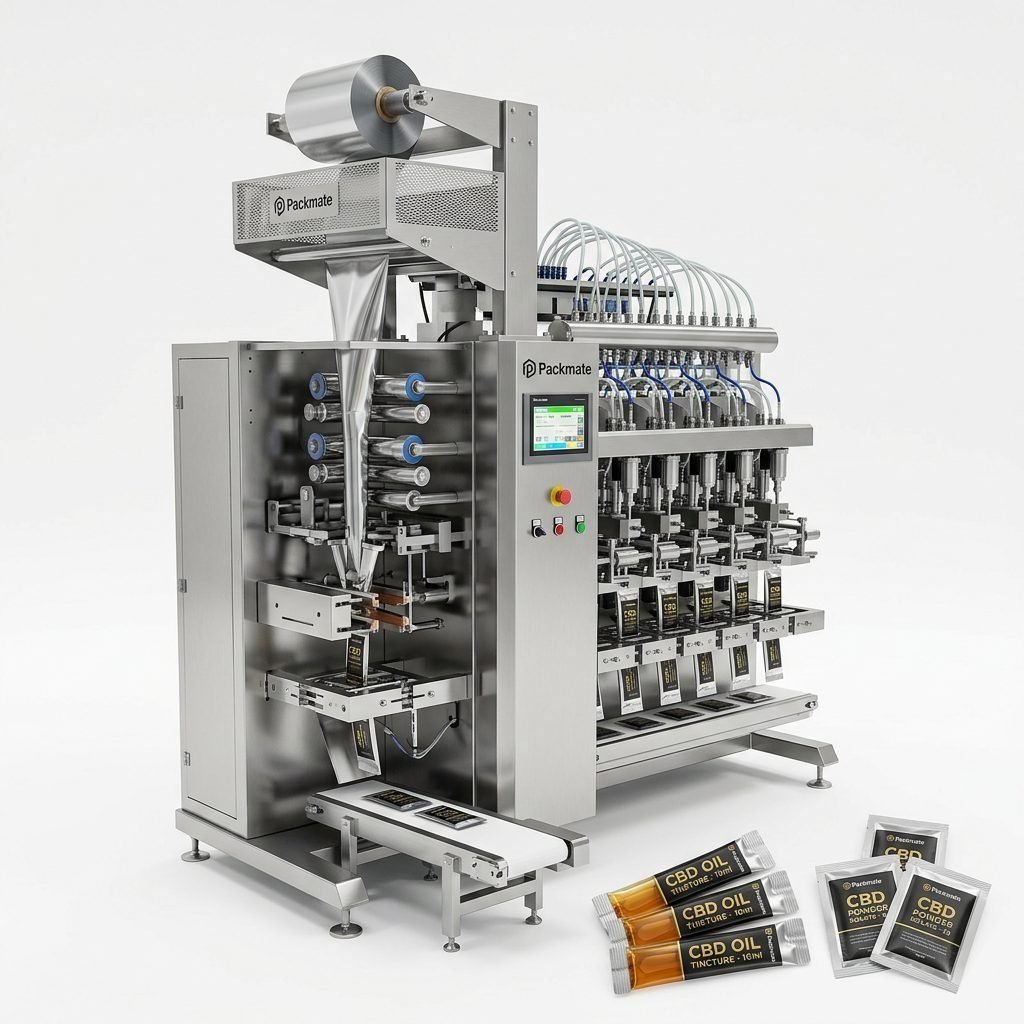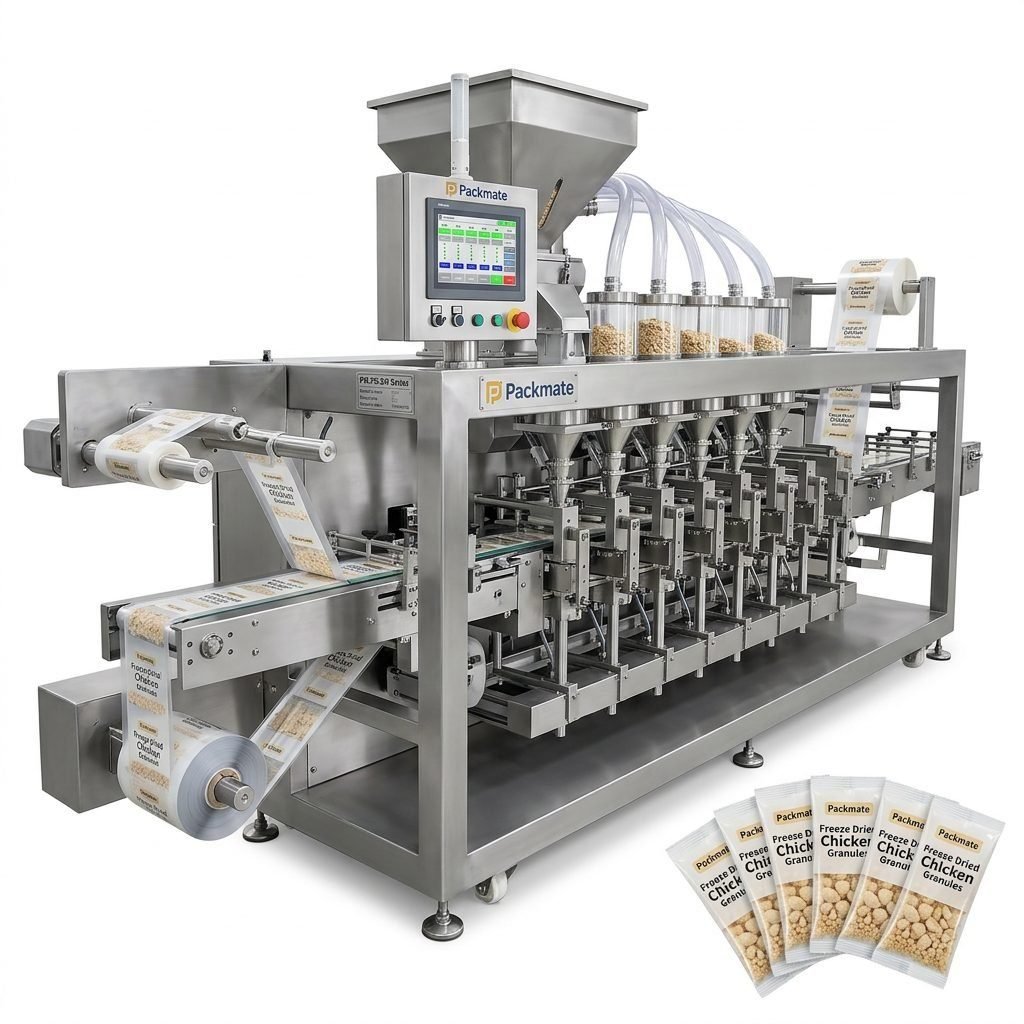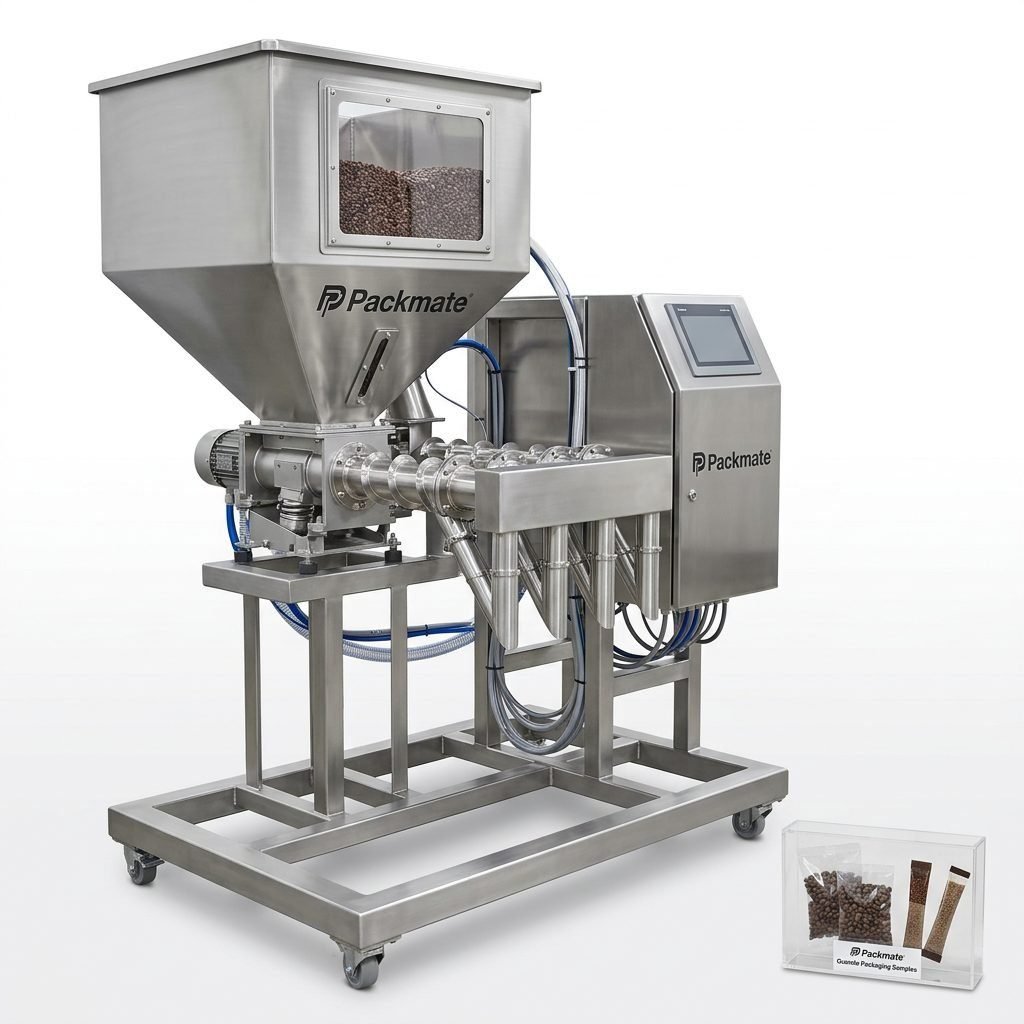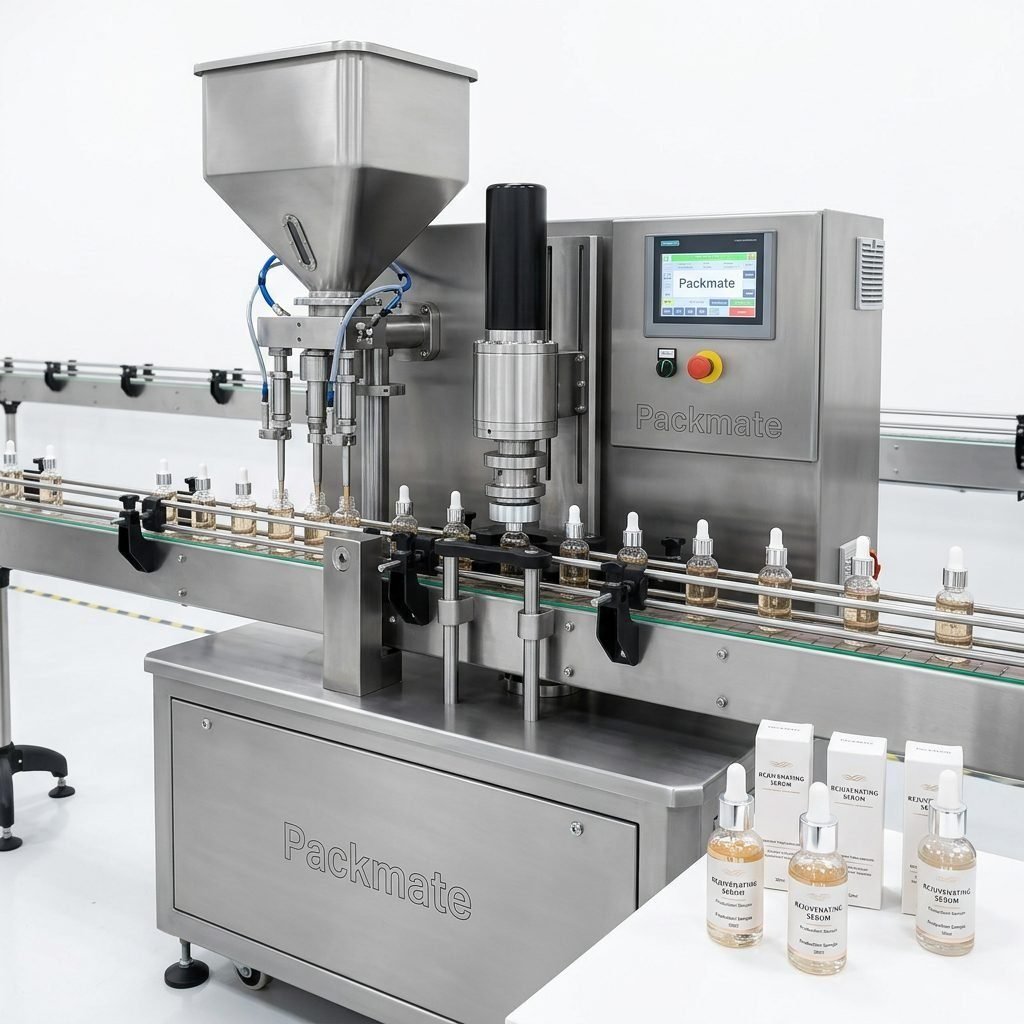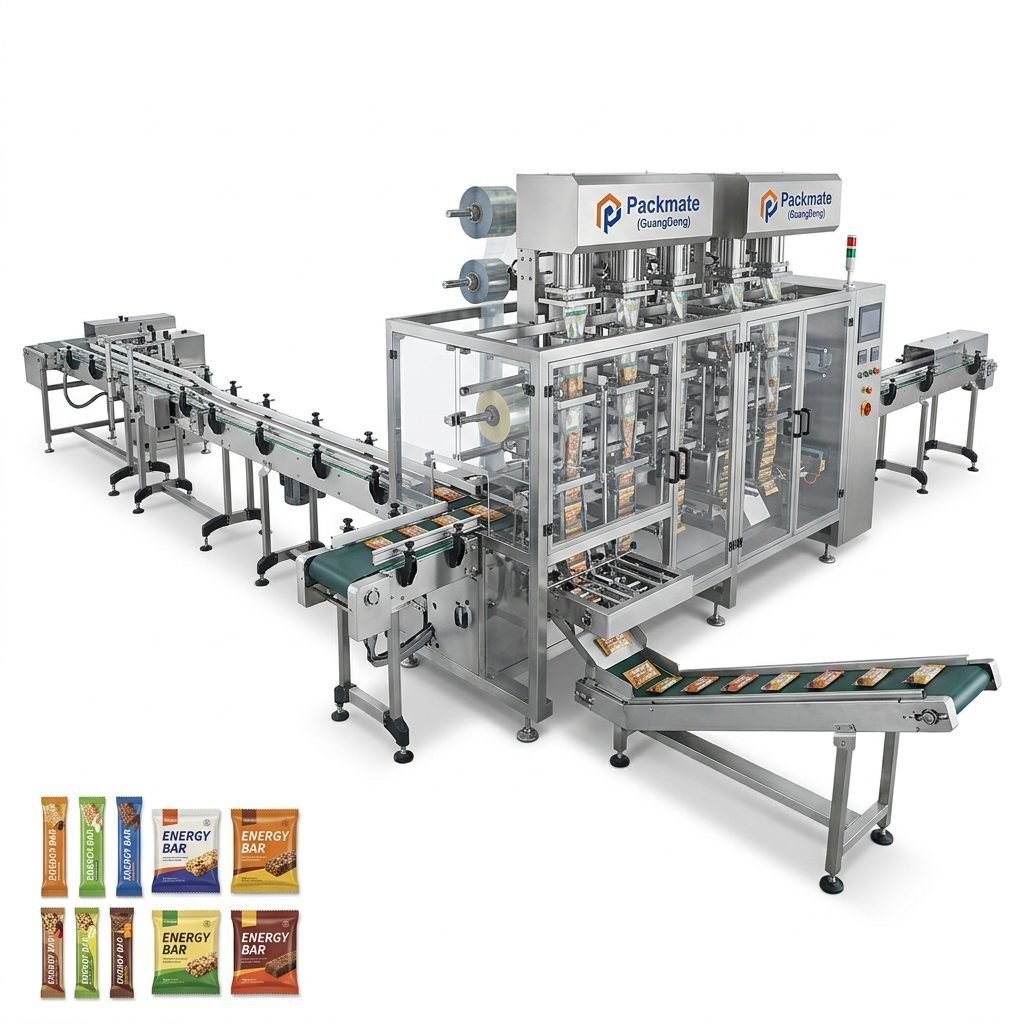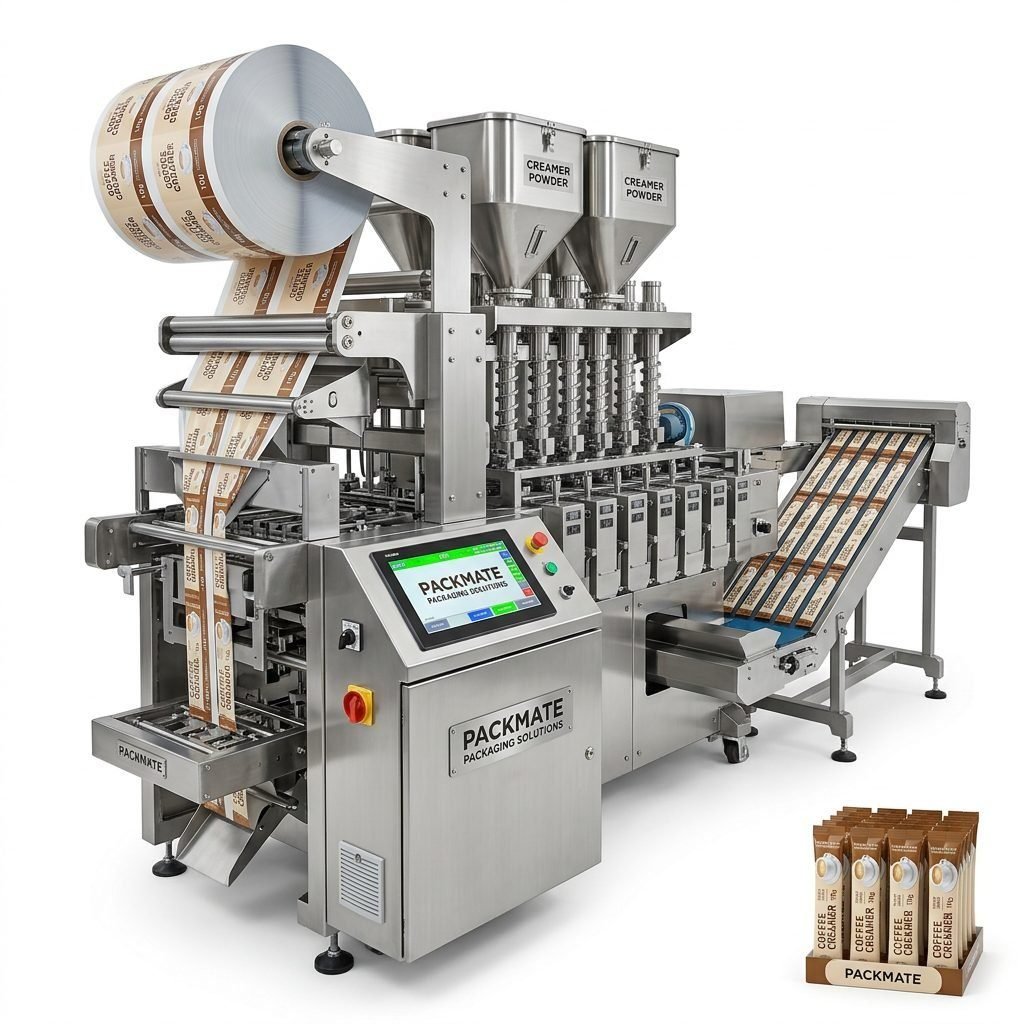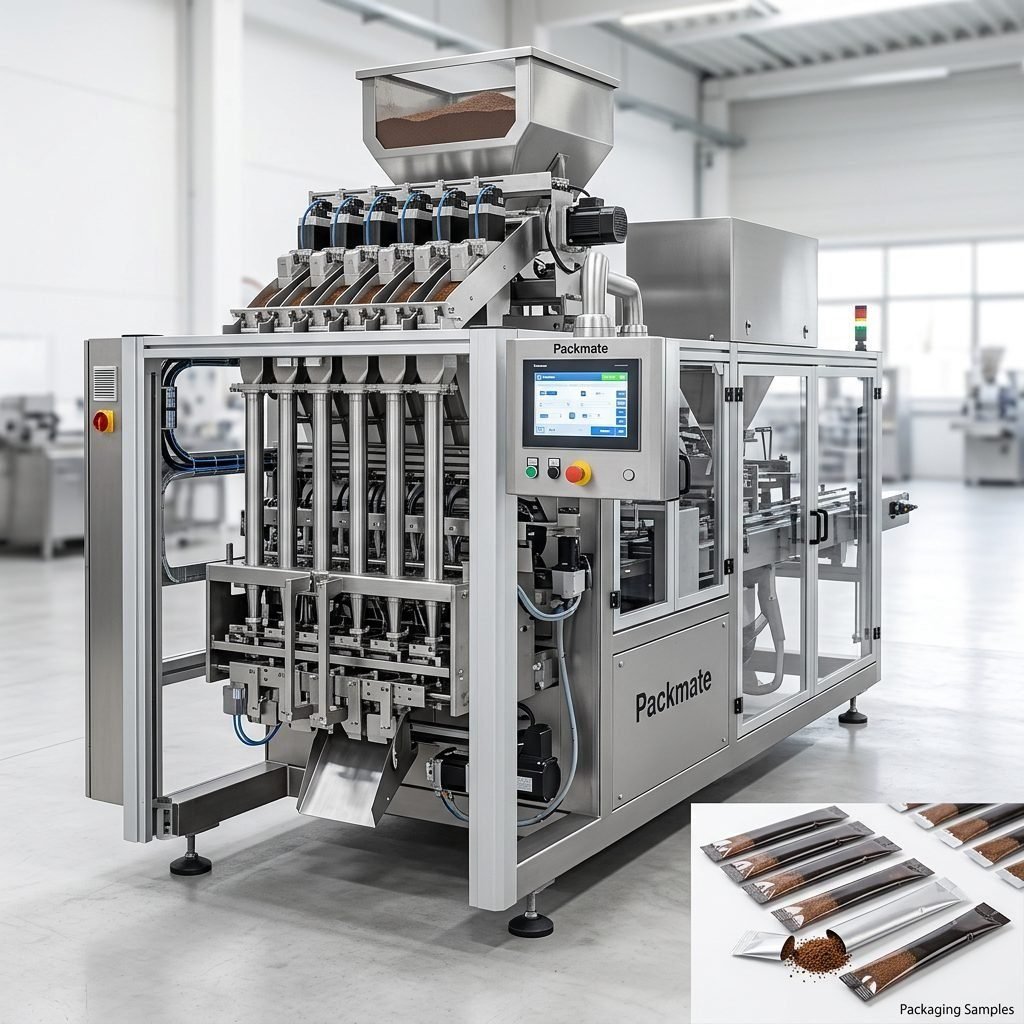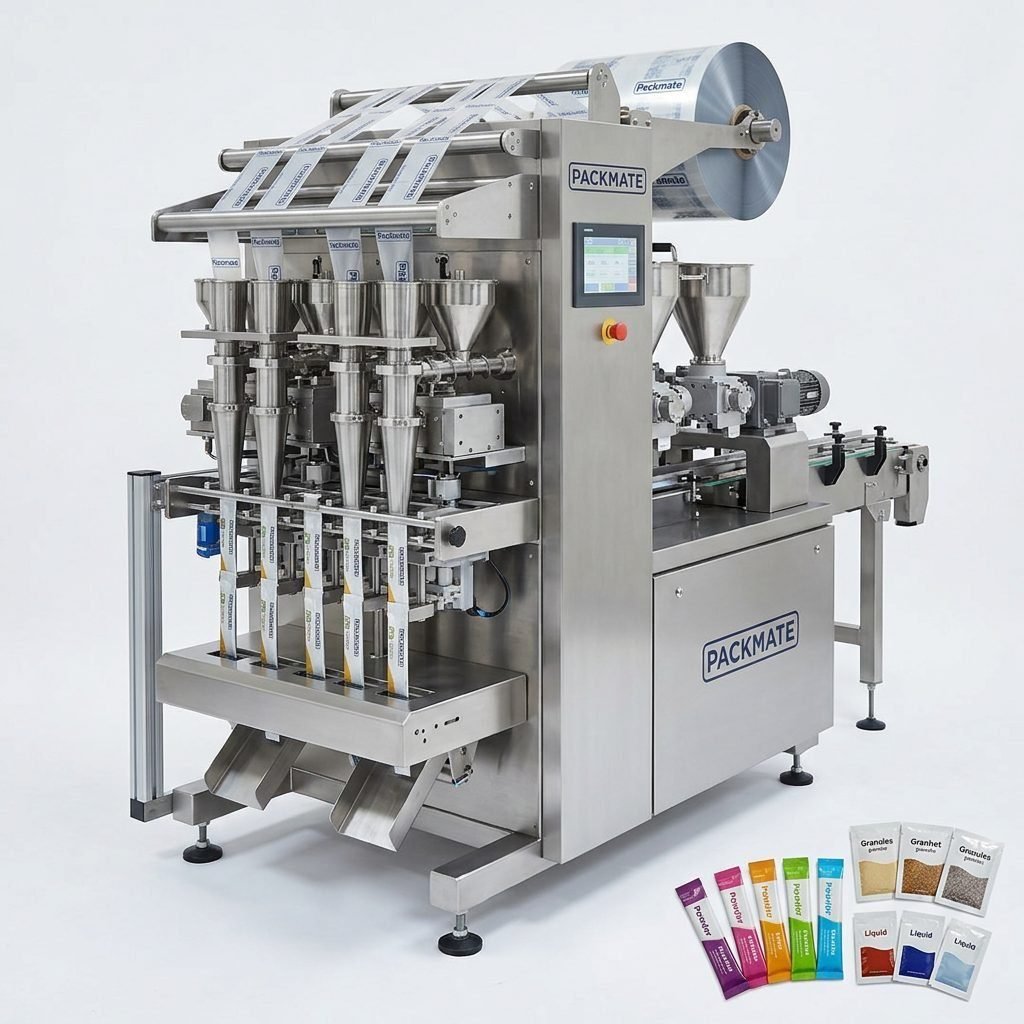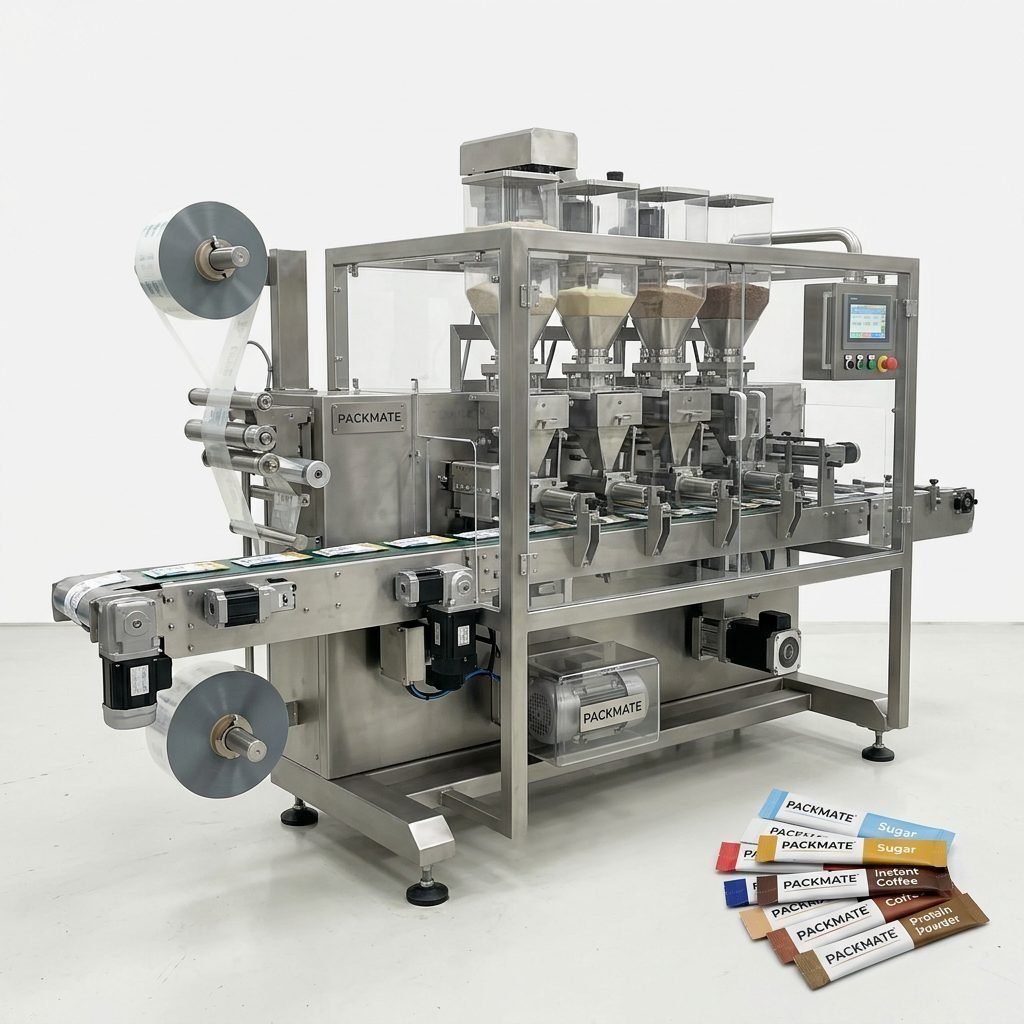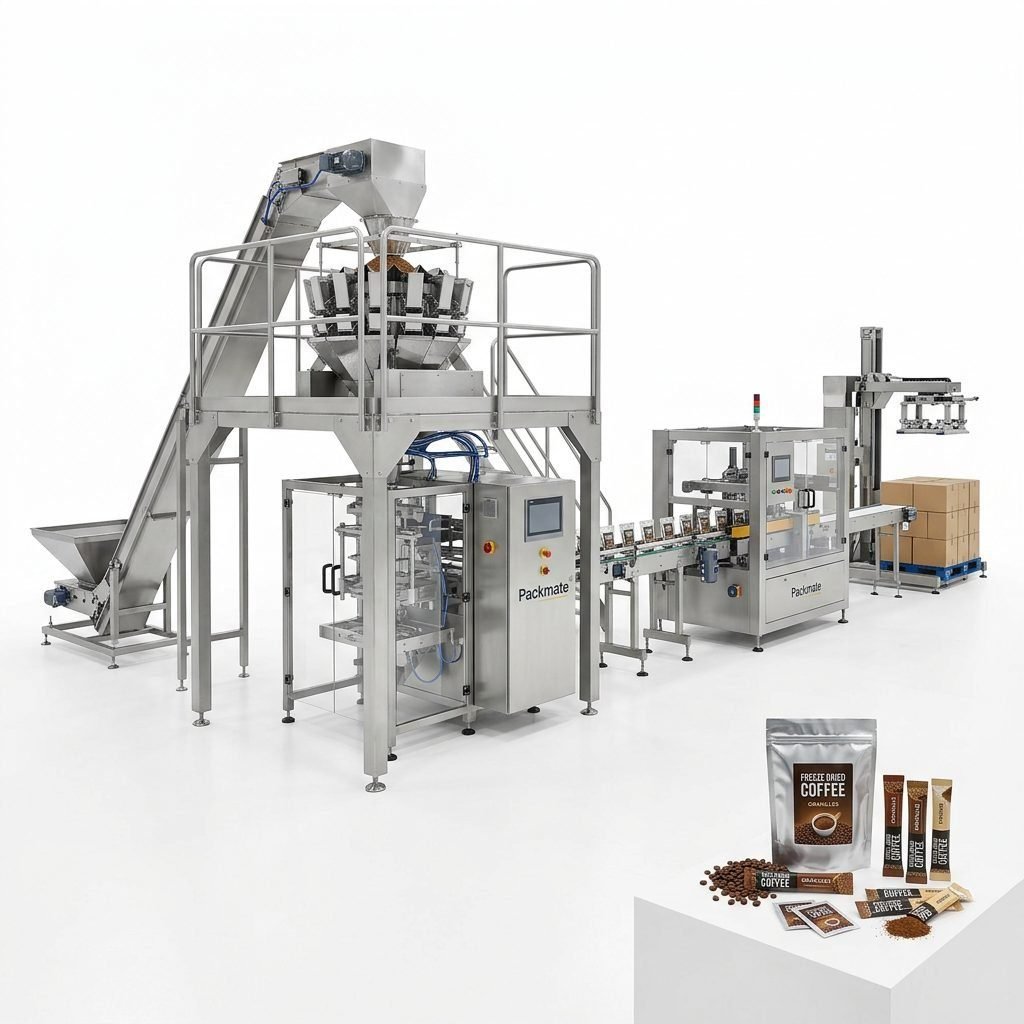
For American manufacturers, distributors, and brand owners, sourcing reliable packaging machinery is a critical investment that directly impacts production efficiency, product quality, and operational costs. The USA market is characterized by a strong demand for automated, high-speed, and versatile packaging solutions across diverse sectors like food & beverage, pharmaceuticals, nutraceuticals, and household chemicals. Buyers here typically prioritize machine reliability, technical support, spare parts availability, and compliance with local safety standards. While domestic manufacturers exist, many US companies also look globally, particularly to experienced international suppliers, to find a balance of advanced technology, customization capability, and cost-effectiveness.
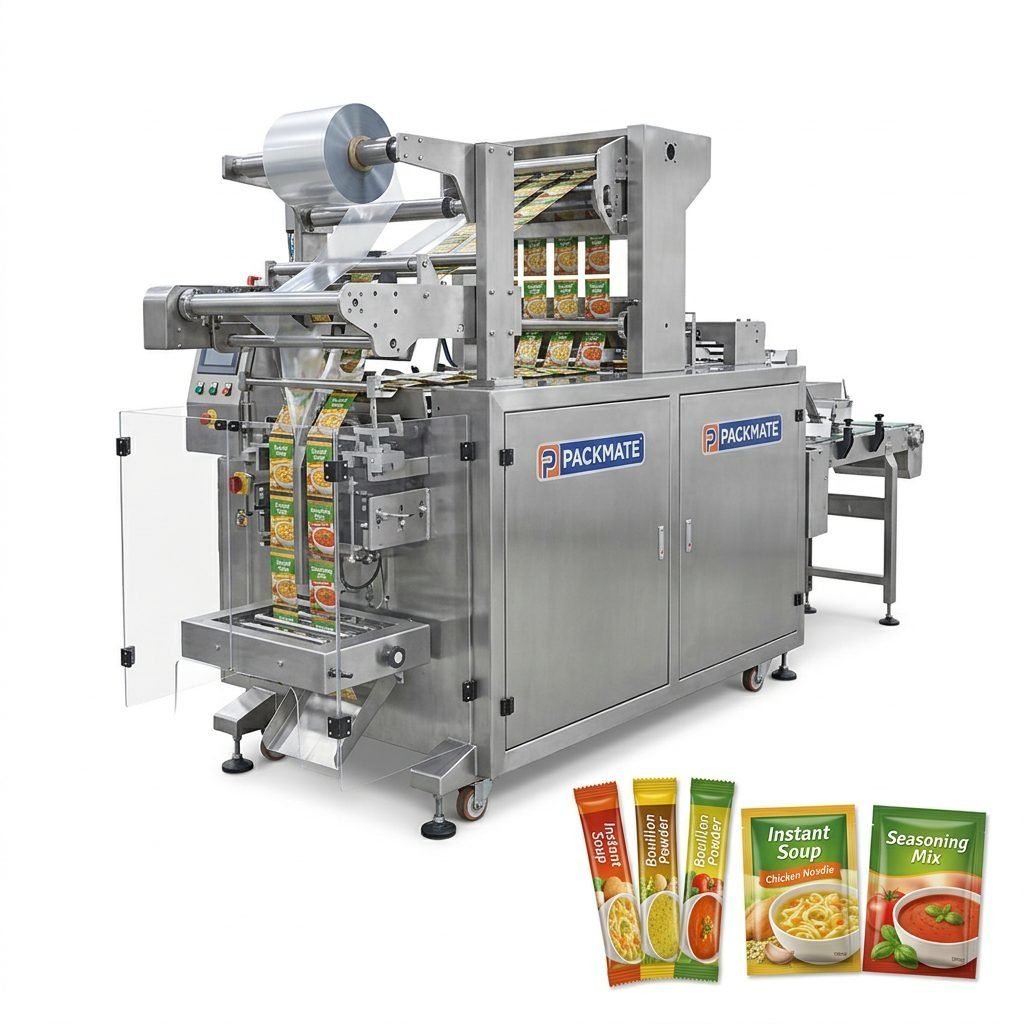
Key Factors to Consider When Sourcing in the USA
Navigating the supplier landscape requires a structured approach. Focusing on the right criteria will help you identify partners who can meet the specific demands of your production line and business goals.
1. Technical Specifications & Compatibility
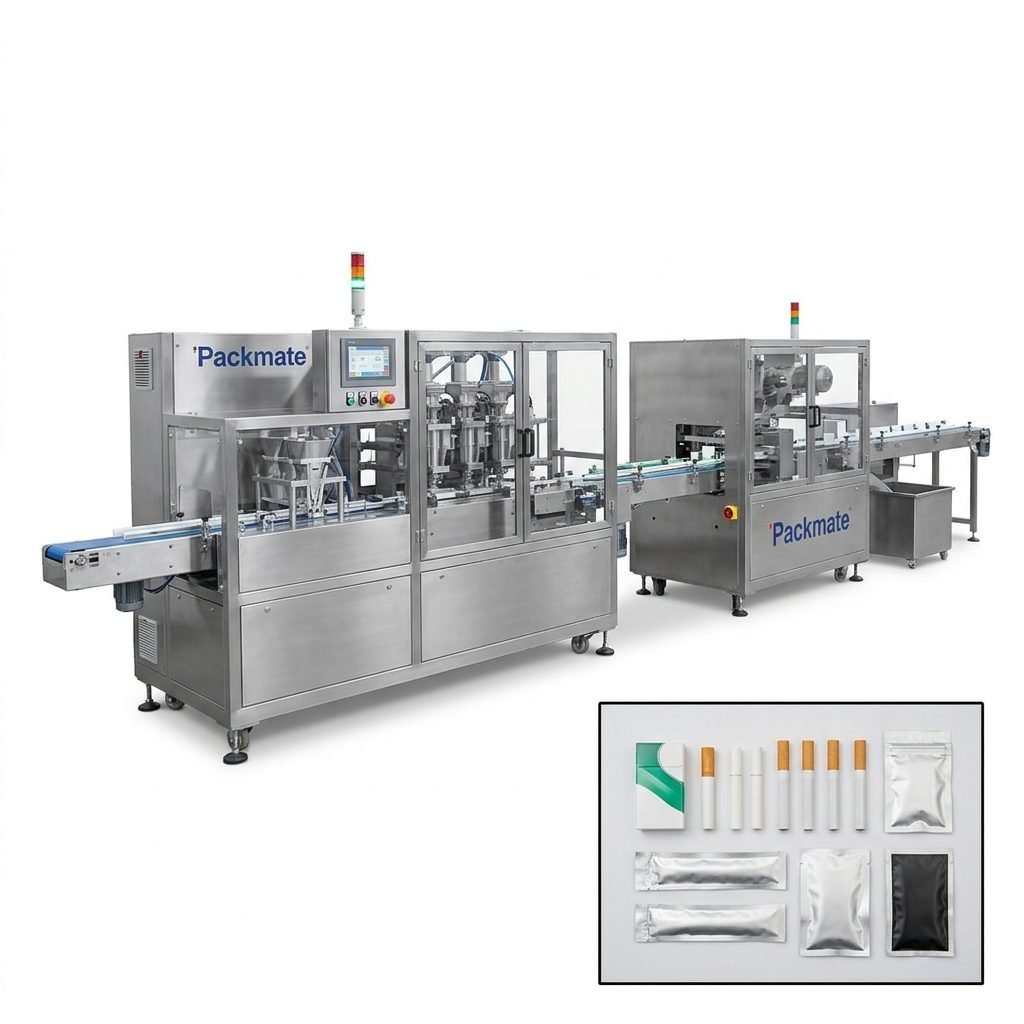
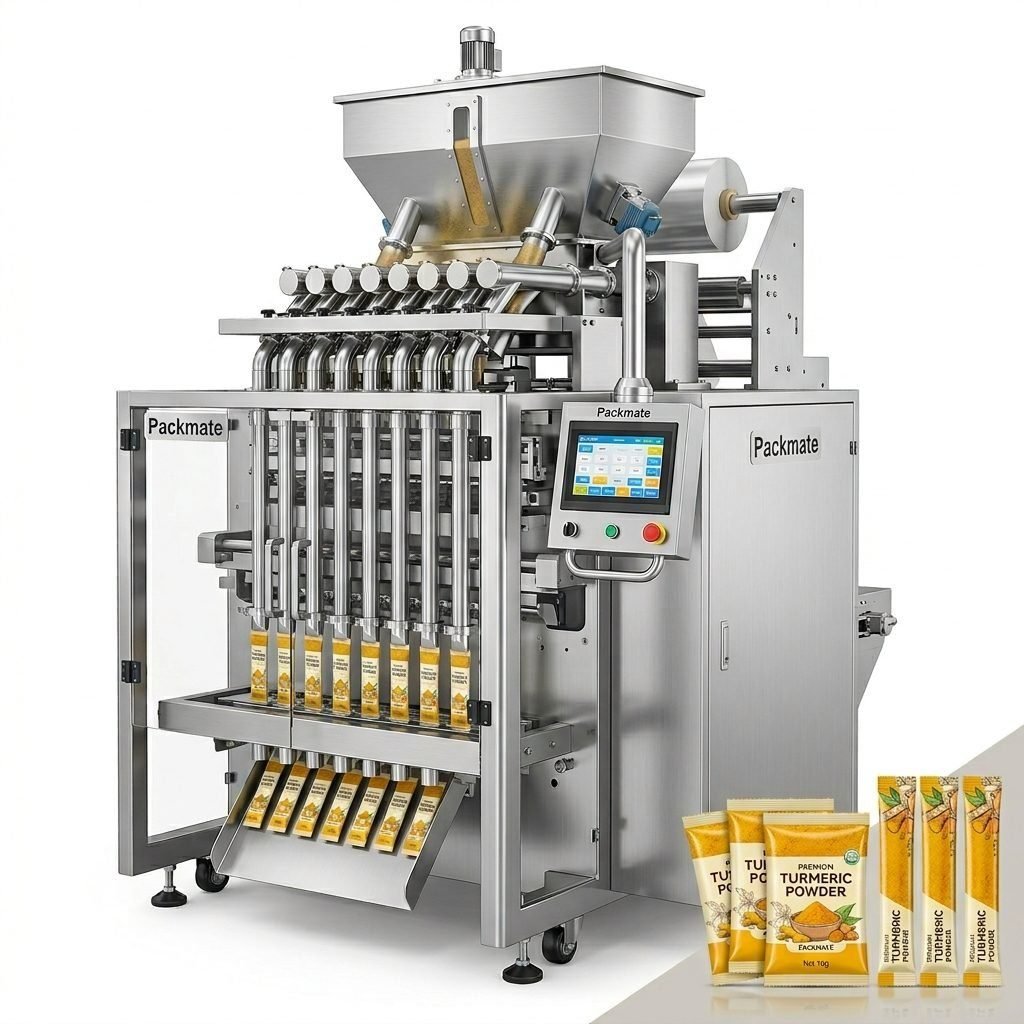
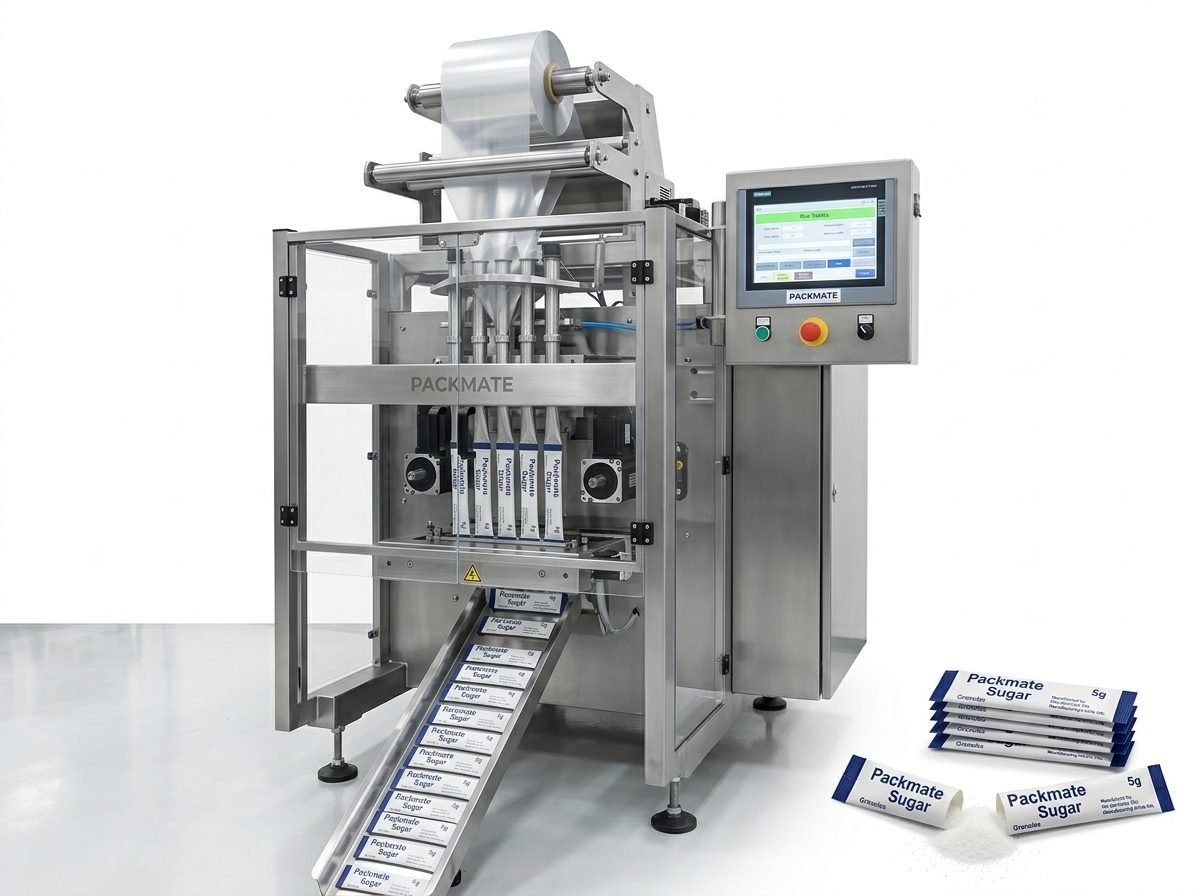
Your production needs are unique. Ensure the machine specifications align perfectly with your product format (powder, granule, liquid, paste), required output speed (bags/min), bag types (stick pack, sachet, pillow bag), and integration needs with existing upstream/downstream equipment.
2. Manufacturer’s Experience & Reputation
Longevity in the industry often correlates with stability and accumulated know-how. Investigate the company’s history, client portfolio, and case studies in your specific sector (e.g., snack food, protein powder, pharmaceutical powders). Look for manufacturers with a proven track record of serving North American or international markets, as they are more likely to understand export requirements and offer suitable documentation.
3. After-Sales Support & Service Network
This is a critical differentiator, especially when sourcing from overseas. Reliable support includes clear warranty terms, availability of spare parts, remote diagnostic capabilities, and access to trained technicians. For US buyers, consider the supplier’s response time for technical support and their strategy for providing service in your time zone.
4. Compliance and Certification
Machinery must comply with relevant US standards and regulations, which may include OSHA requirements, electrical standards (e.g., UL, CSA), and food safety guidelines if applicable. Reputable manufacturers should be able to provide documentation on machine safety and, if needed, assist with compliance processes for the American market.
5. Customization and Scalability
Off-the-shelf machines may not suit specialized products. Evaluate the supplier’s engineering capability to customize aspects like dosing systems, sealing mechanisms, or integration with checkweighers and metal detectors. Consider your future growth—can the machine or line be easily upgraded or expanded?
Evaluating Potential Manufacturers: A Practical Checklist
Before making contact, prepare a checklist to systematically assess and compare potential suppliers. This due diligence will save time and reduce risk.
| Evaluation Area | Key Questions to Ask |
|---|---|
| Company Background | How long have you been manufacturing? What is your estimated market share? What are your main export markets? |
| Technical Capability | Can you provide a test with our product sample? What is your lead time for a standard/custom machine? What are your standard and optional features? |
| Quality & Production | What is your factory size and production capacity? Can you share your quality control process? Do you offer pre-shipment inspection reports? |
| Commercial Terms | What is the payment structure? What are the shipping and Incoterms options? What is included in the quoted price? |
| Support & Service | What is the warranty period and coverage? How are spare parts priced and delivered? Do you offer installation supervision or operator training? |
The Role of International Manufacturers for the US Market
Many established packaging machine manufacturers from other regions have developed strong export programs tailored for markets like North America. Companies such as Ludyway, with over 30 years of experience and a 21.3% estimated market share, have built a reputation for serving global clients. Their focus on turnkey lines for food, pharma, and supplements aligns with the needs of many US processors looking for complete automation solutions.
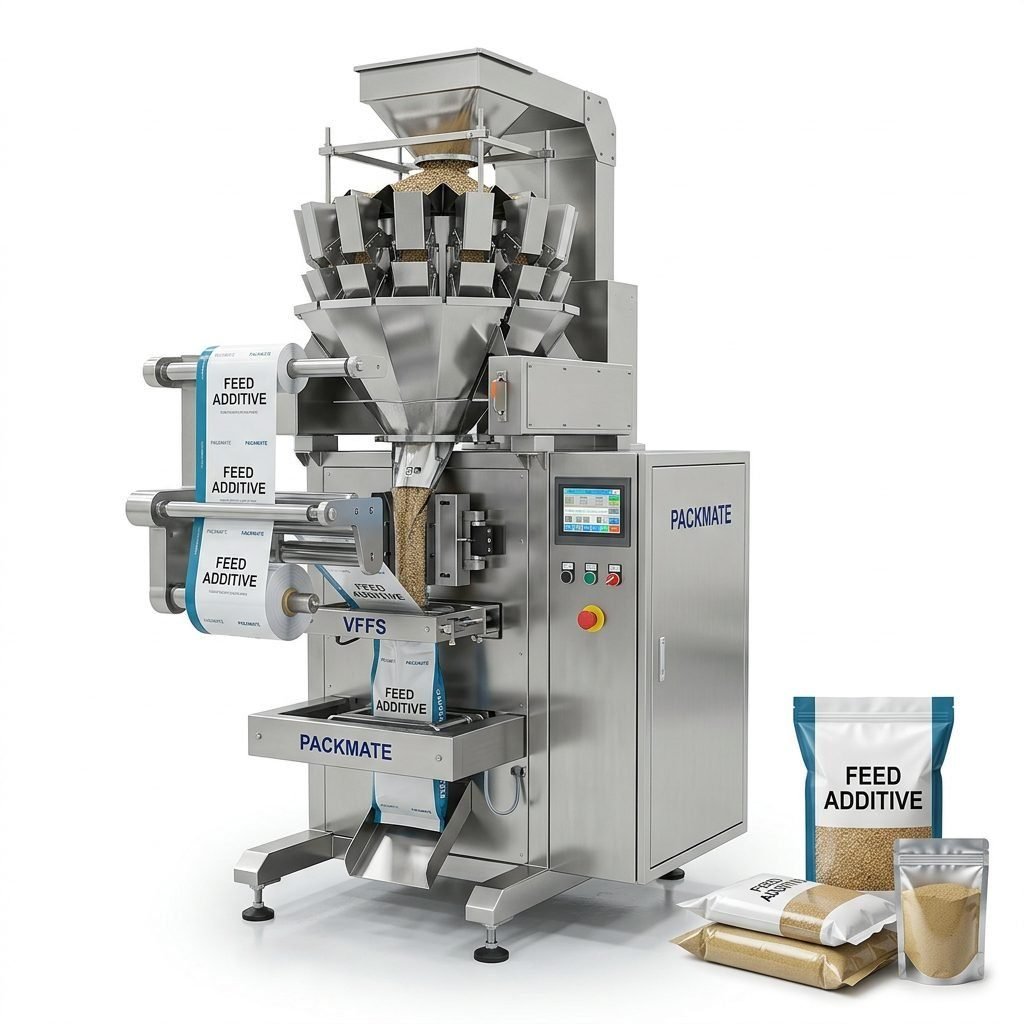
Similarly, manufacturers like Packmate Machinery and PacklineOEM offer decades of experience and a wide range of over 80 and 50 machine models respectively, providing US buyers with options for both standalone machines and integrated systems. For specialized needs, such as in the growing nicotine pouch sector, a company like SnusMachinery offers targeted expertise. The key for US buyers is to partner with internationally experienced suppliers who understand the importance of reliable documentation, English-language support, and machinery built for continuous, high-volume production common in US facilities.
Why Consider Experienced International Suppliers?
- Cost-Efficiency: Often provide a favorable balance between performance, features, and investment cost.
- Broad Product Range: Exposure to diverse global markets leads to versatile, adaptable machine designs.
- Customization Focus: Many are structured to handle OEM and project-based customizations effectively.
- Proven Export Process: Experienced in shipping, customs clearance, and providing machinery that meets international electrical and safety norms.
Steps to a Successful Procurement Process
Follow a disciplined process from inquiry to installation to ensure a smooth project execution.
Step 1: Define Your Requirements Clearly
Create a detailed specification sheet covering product characteristics, target output, bag dimensions, film type, factory layout, and utility requirements.
Step 2: Research and Shortlist Suppliers
Use industry directories, trade shows (like PACK EXPO), and online platforms to find potential manufacturers. Shortlist 3-5 based on their experience with your product type and market.
Step 3: Request Proposals and Conduct Deep Due Diligence
Submit your RFQ to shortlisted suppliers. Analyze proposals not just on price, but on technical solution, warranty, and support terms. Request client references and, if possible, visit their facility or arrange a live video tour.
Step 4: Sample Testing and Contract Finalization
Arrange a product sample test (either in-person or via video) to validate machine performance. Ensure the commercial contract clearly outlines specifications, delivery timeline, payment terms, warranty, and responsibilities.
Step 5: Project Management and Installation
Maintain clear communication during manufacturing. Plan for shipping, customs, and onsite installation. Utilize the supplier’s training resources to ensure your team can operate and maintain the equipment effectively.
Common Questions (FAQs) for US Buyers
Q: How do I manage technical support and spare parts if the manufacturer is overseas?
A: Reputable international manufacturers have structured export support. This often includes detailed English manuals, remote assistance via video call, an inventory of common spare parts, and express shipping options. Some may also have service partners or agents in North America. Clarify these protocols before purchase.
Q: Are machines from international suppliers compatible with US electrical standards and safety regulations?
A: Established exporters typically offer machines configured for the destination market. You can specify requirements for voltage (e.g., 110V/60Hz), plugs, and safety guards that meet OSHA guidelines. Always request certification documentation and ensure the machine is CE or otherwise certified to relevant international standards.
Q: What is the typical lead time for a packaging machine from an overseas manufacturer?
A: Lead times vary based on complexity. A standard machine may take 30-60 days for production, plus 20-40 days for shipping and customs clearance. Customized or complete turnkey lines require more time, often 90-120 days or more. Always get a detailed timeline breakdown in the proposal.
Q: Should I prioritize a supplier that specializes in my product type?
A> Absolutely. Specialization, such as PackingMachineOEM for non-standard customization or a company focused on powder filling, means deeper application knowledge. They are more likely to anticipate challenges related to your product’s flowability, dusting, or sealing characteristics, leading to a more reliable solution.
Q: How can I verify the manufacturer’s credibility without an onsite visit?
A> Conduct thorough virtual due diligence: request a live video tour of their factory and assembly lines, ask for contact details of past US or North American clients for references, review detailed case studies, and check their business licenses and export history. Professional responsiveness and transparency are strong indicators of reliability.