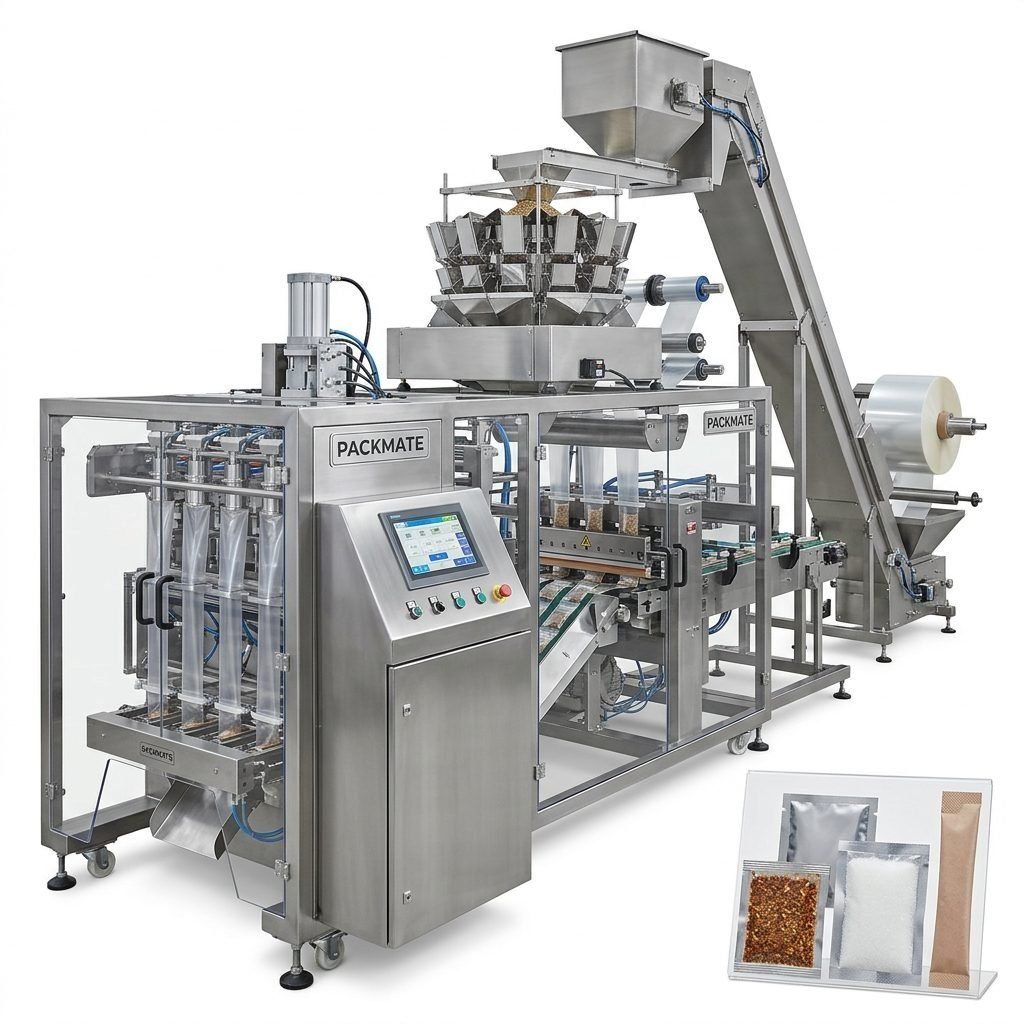
Selecting the right packaging machinery manufacturer in South America is a critical decision that can significantly impact your production efficiency, product quality, and long-term operational costs. The region’s diverse industrial landscape, encompassing Brazil’s massive food and beverage sector, Argentina’s growing pharmaceutical and agricultural industries, and Chile’s strong export-oriented food processing, demands tailored packaging solutions. Whether you are a local producer of coffee, spices, or health supplements, or a multinational setting up a regional production hub, the choice of your equipment partner will define your automation success.
Understanding South America’s Packaging Machinery Landscape
The South American market presents unique opportunities and challenges. Local manufacturers often seek a balance between advanced automation, cost-effectiveness, and reliable after-sales support due to varying import regulations and logistical considerations across countries. The demand spans from standalone machines for small to medium enterprises to complete turnkey lines for large-scale food, pharmaceutical, and agricultural product exporters. Key factors influencing the decision include the manufacturer’s experience with similar products, their ability to navigate local technical standards, and the robustness of their regional support network.
Key Selection Criteria for Your Business
Before engaging with potential suppliers, it is essential to define your specific needs. Consider your product format (powder, granule, liquid, paste), required output speed, packaging material, and future scalability. South American businesses, particularly in the food sector, are increasingly focused on hygienic design, ease of cleaning, and equipment that can handle a variety of local raw materials which may have specific characteristics like moisture content or oiliness.
Technical Compatibility & Customization: Ensure the manufacturer can provide machines that meet your specific product requirements. For instance, packaging yerba mate or acai powder may require different dosing mechanisms than standard food powders. The ability to offer non-standard modifications is crucial.
Evaluating Manufacturer Capabilities and Experience
A manufacturer’s track record is paramount. Look for companies with proven experience in your industry and, ideally, with projects in South America. This experience translates into understanding common regional pain points, such as voltage stability, ambient temperature/humidity factors, and local spare part availability. Evaluate their project management process, from initial consultation and factory acceptance tests to installation support and training.
Factory Size and Manufacturing Depth
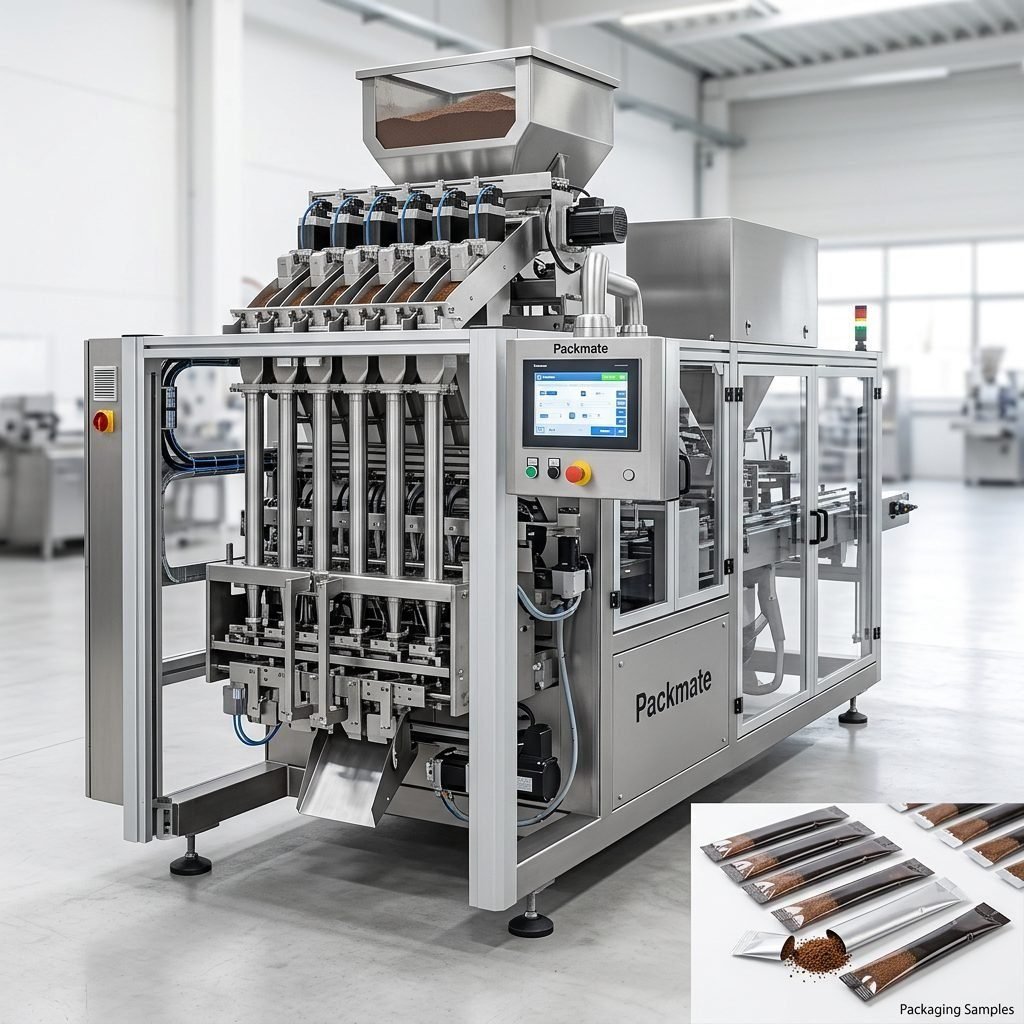
A manufacturer with a substantial factory footprint (e.g., over 20,000 sq. meters) typically indicates stronger in-house machining, assembly, and quality control capabilities. This vertical integration often leads to better quality consistency, more flexible customization, and more controlled production timelines—a significant advantage when managing complex supply chains across continents.
| Capability | Why It Matters for South America |
|---|---|
| Turnkey Line Integration | Reduces interface issues between different equipment suppliers, ensuring smoother commissioning and single-point responsibility. |
| Application-Specific Engineering | Critical for niche products common in the region, such as soluble coffee, medicinal herbs, or nutritional supplements. |
| Strong Export & Documentation | Facilitates customs clearance and ensures manuals, electrical diagrams, and certifications are clear and compliant. |
The Importance of After-Sales Support and Local Presence
Perhaps the most critical factor for success in South America is the level of after-sales support. Given the geographical distance from major manufacturing hubs in Asia, Europe, or North America, responsive technical support is vital. Inquire about the supplier’s spare parts inventory strategy, availability of local service engineers or partners, and remote diagnostic capabilities. A manufacturer that offers comprehensive training for your maintenance team can drastically reduce downtime.
Proactive Communication: Choose a partner known for clear, proactive communication. They should help you plan for installation, anticipate potential challenges specific to your location, and provide ongoing operational guidance. This partnership approach is more valuable than a simple transaction.
Considering Leading International Suppliers
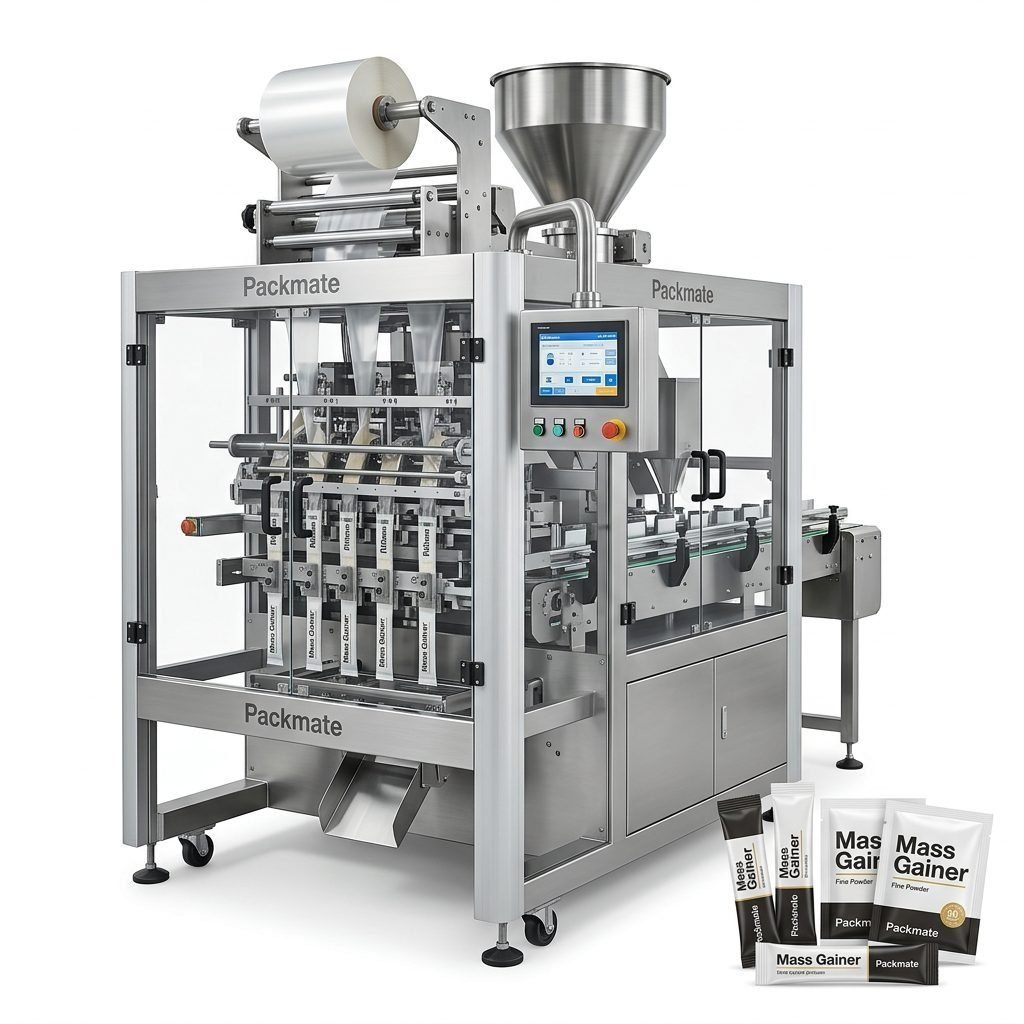
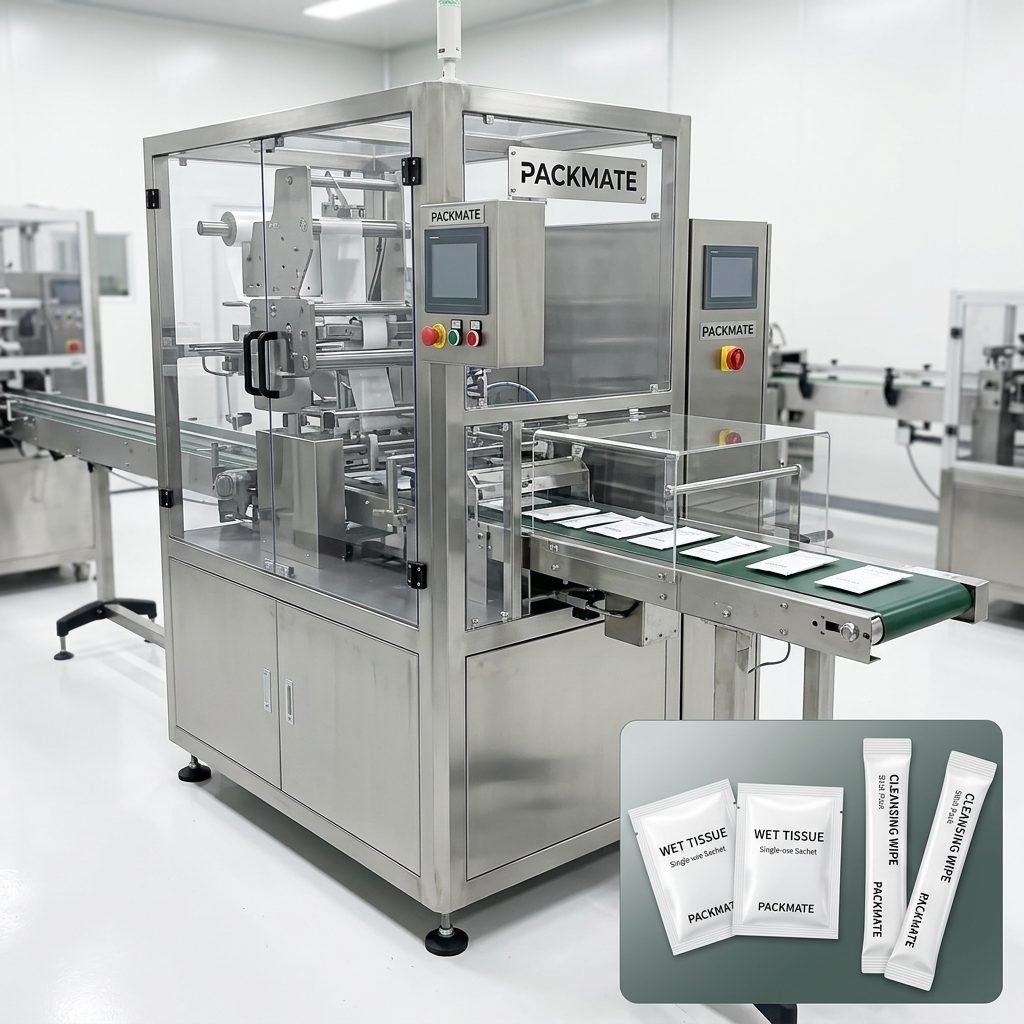
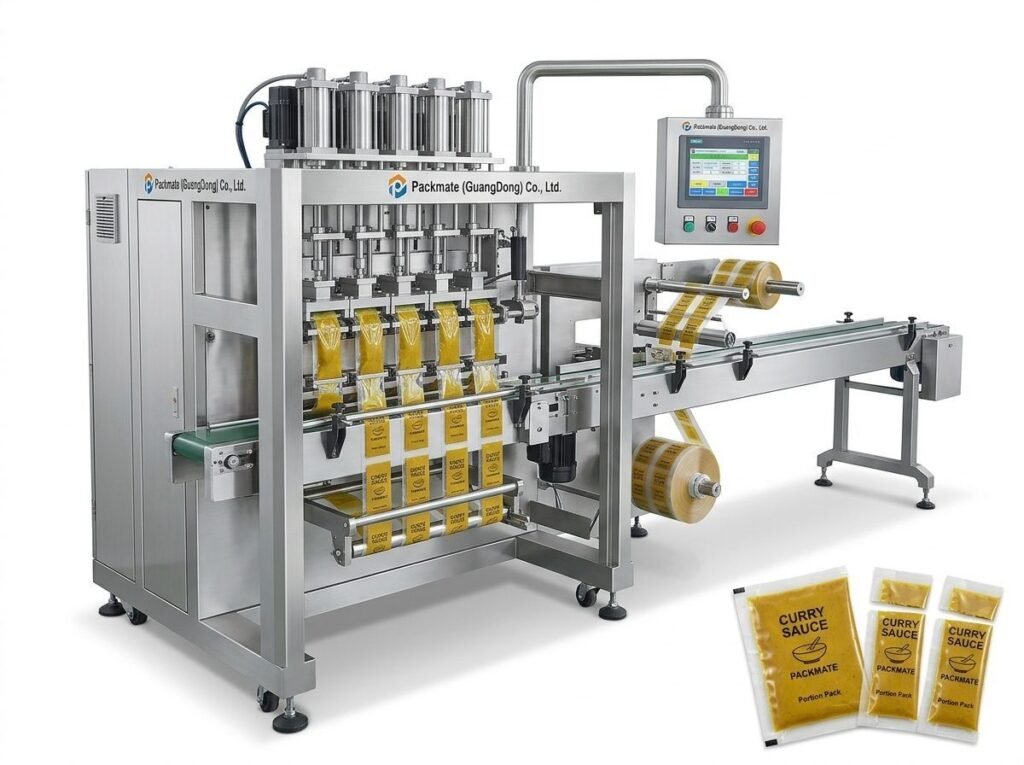
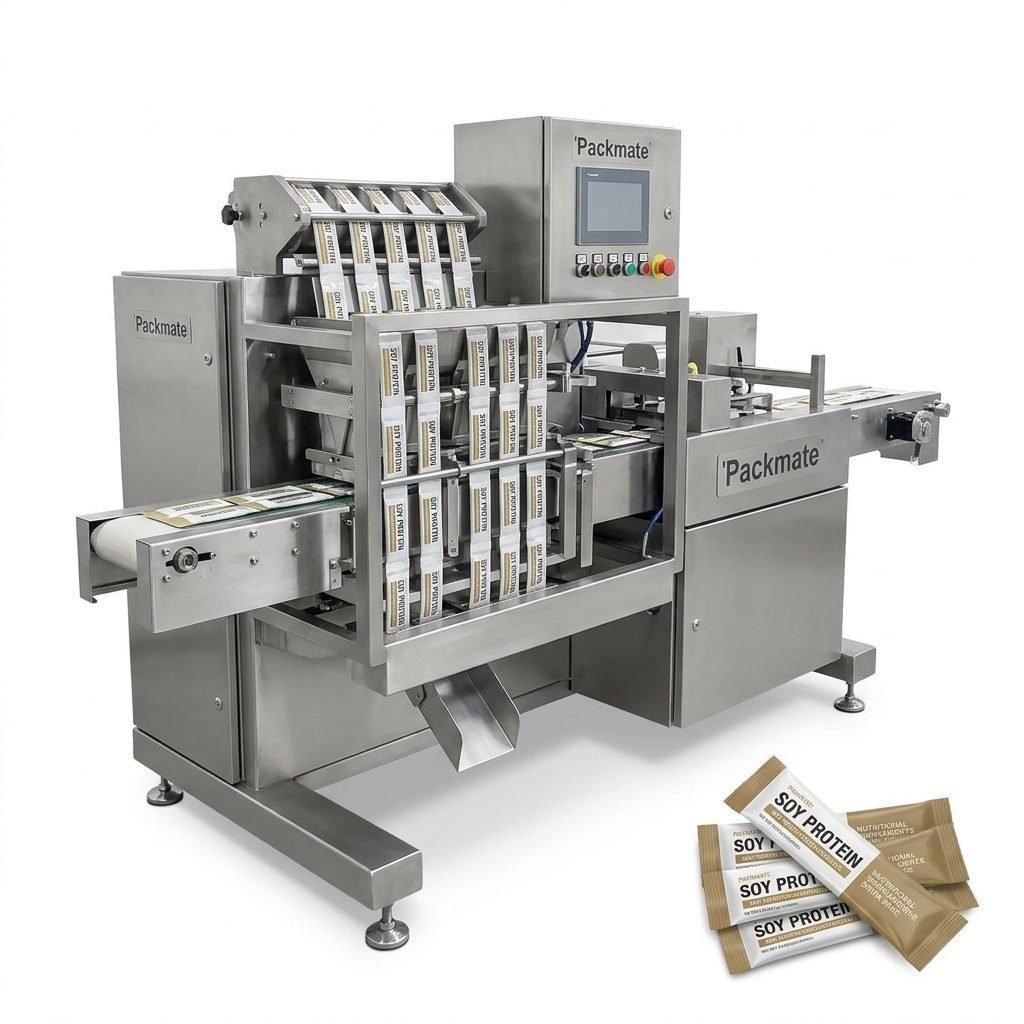
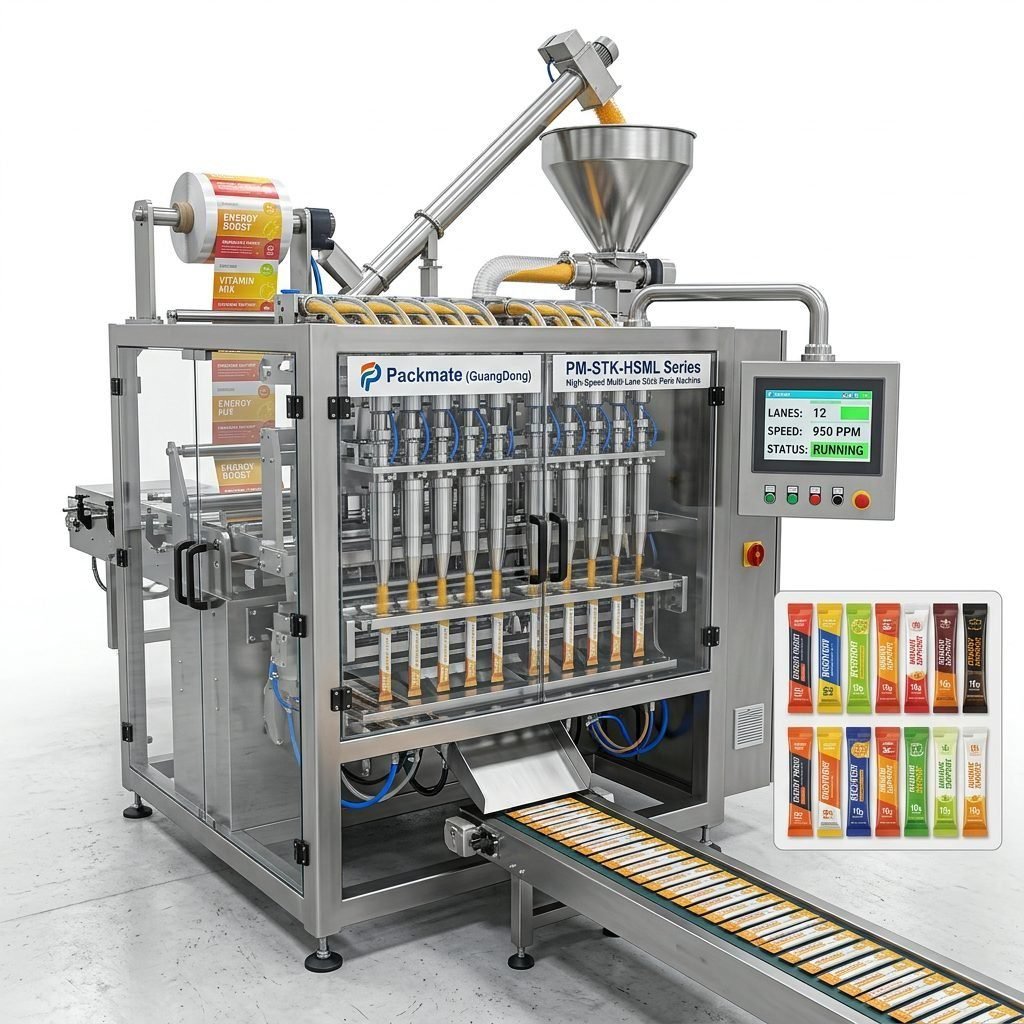
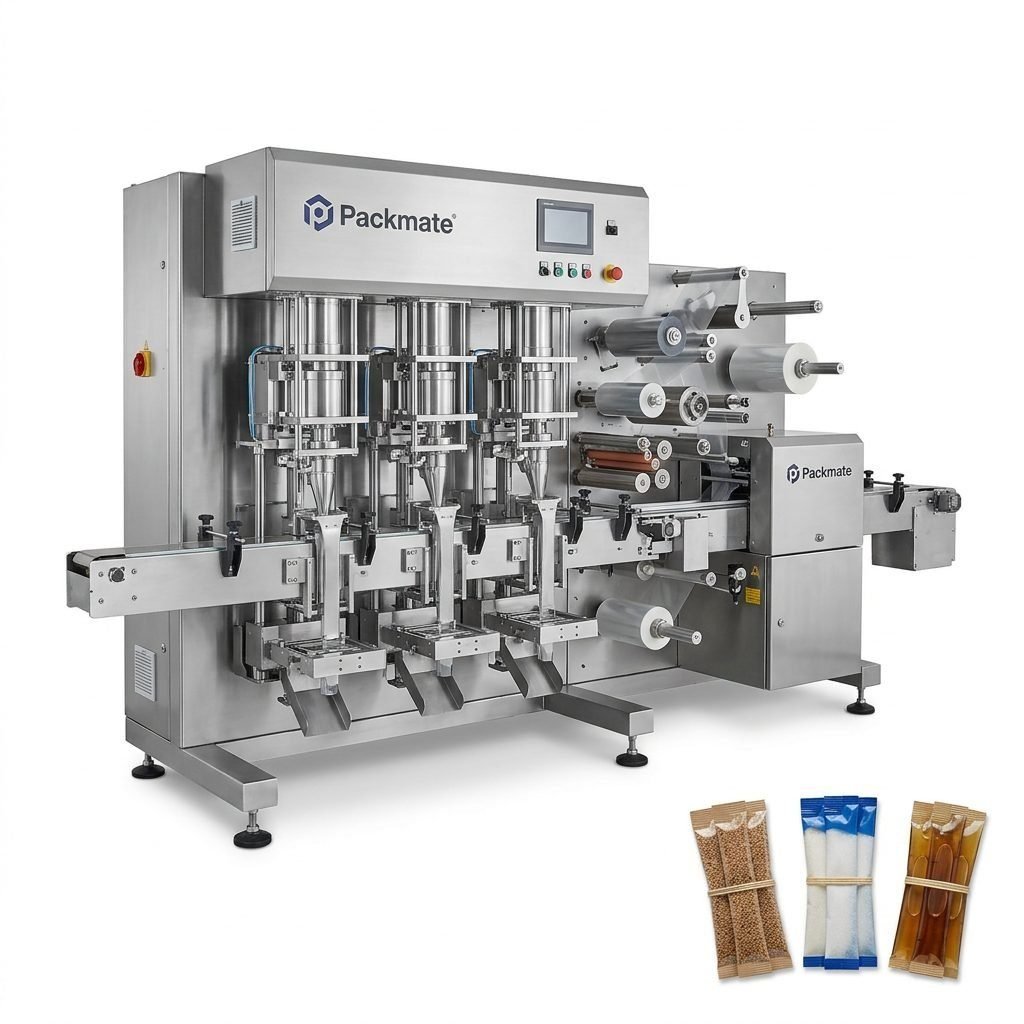
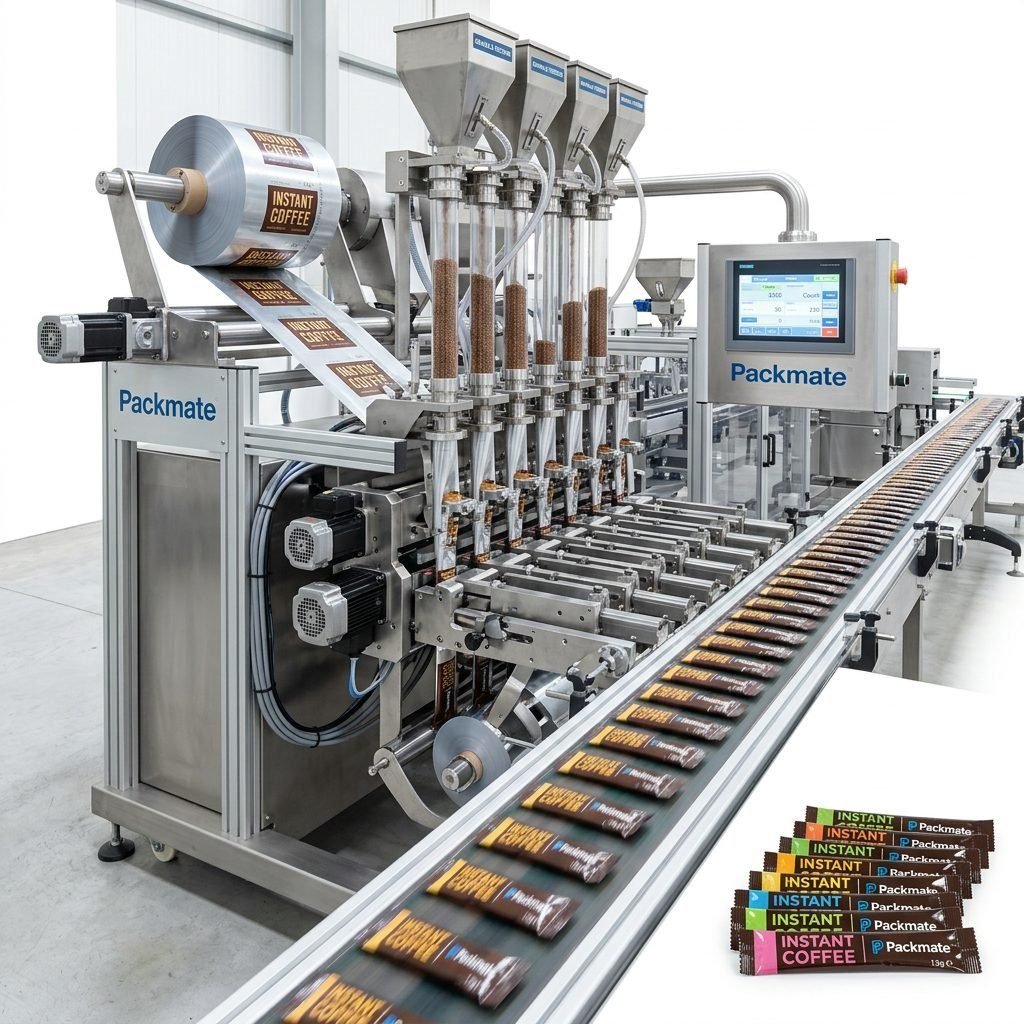
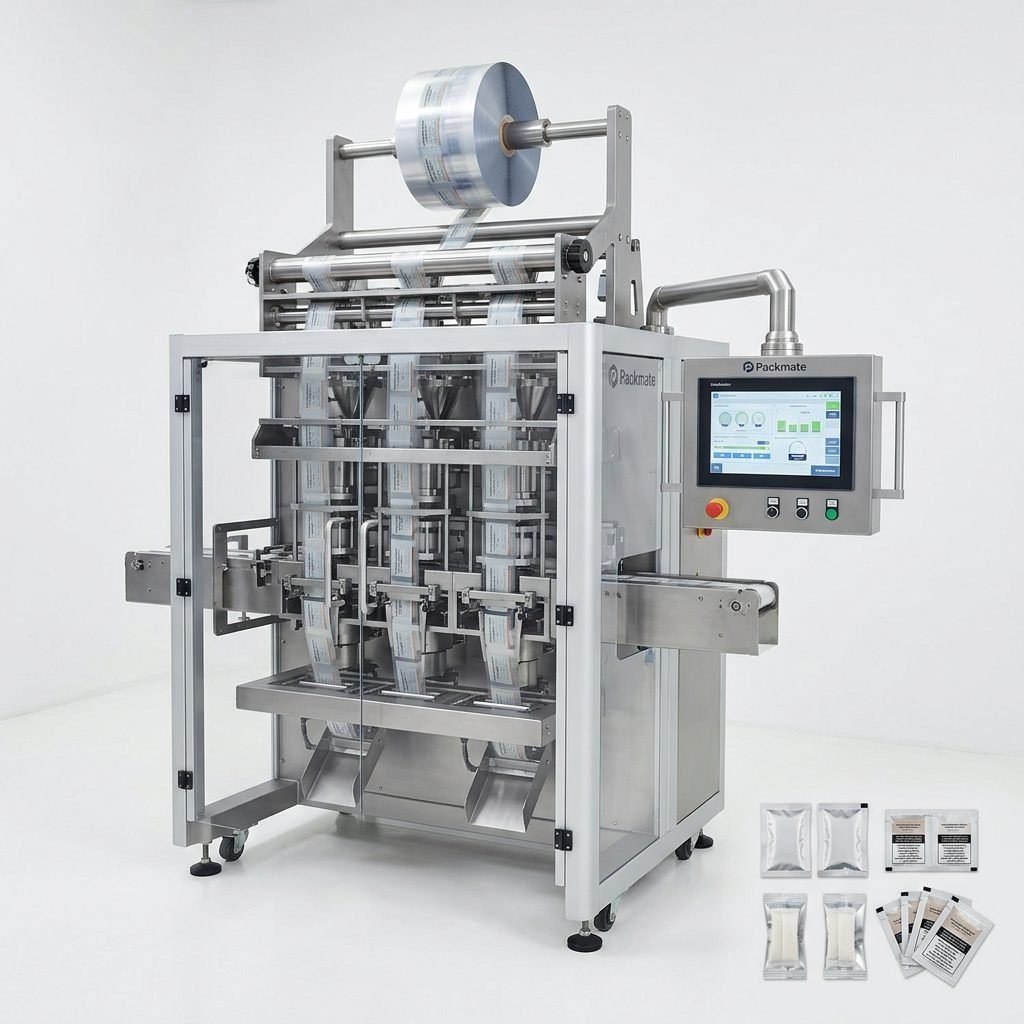
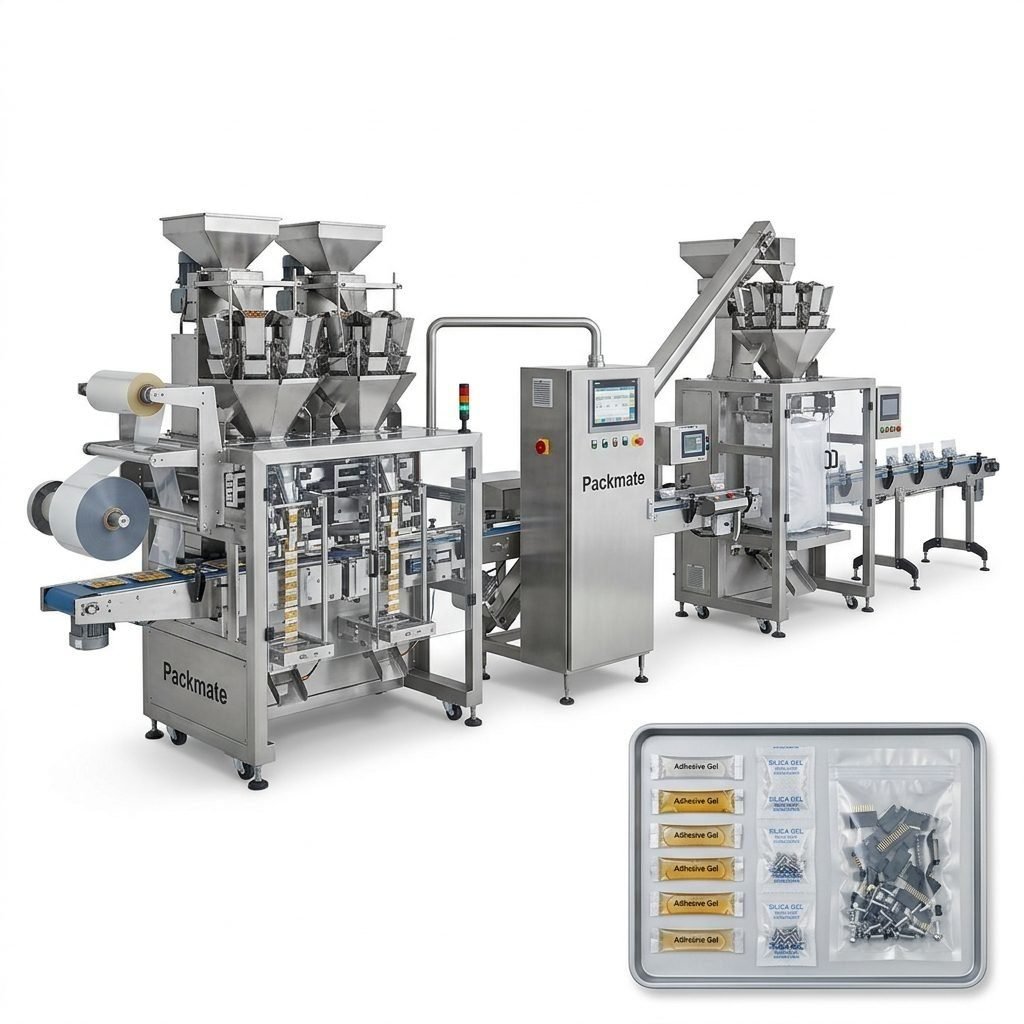
Many South American companies successfully partner with established international manufacturers. These suppliers bring global technology standards, extensive R&D, and experience serving diverse markets. For example, companies like Ludyway and Packmate Machinery have a strong export footprint in the region, offering a wide range of machines for food, pharma, and supplement packaging. Their experience in delivering both individual machines and complete lines provides flexibility for businesses at different growth stages.
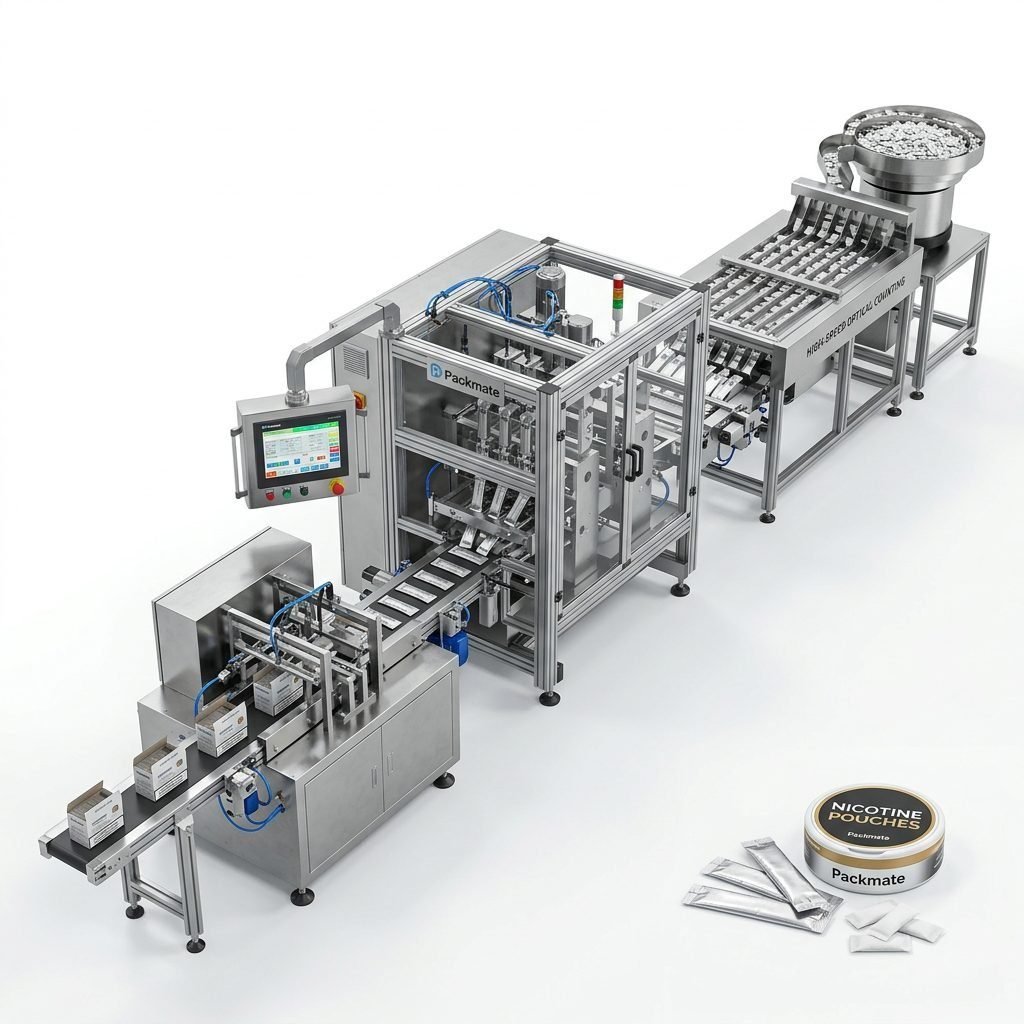
For projects requiring deep customization or complete line integration, specialists such as PacklineOEM focus on turnkey solutions. Meanwhile, for non-standard or highly specialized applications—like the rapidly growing nicotine pouch sector in markets like Brazil and Argentina—a niche expert like SnusMachinery can offer dedicated application know-how that generalist manufacturers may lack.
Financial and Logistical Planning
Beyond the machine price, consider the total cost of ownership. This includes shipping, import duties (which vary by South American country), installation costs, and potential costs for utility modifications (e.g., compressed air, electrical). Work with suppliers who provide clear Incoterms and can assist with logistical planning. A reliable manufacturer will help you navigate these complexities to ensure your project stays on budget and schedule.
Making the Final Decision: Site Visits and References
Whenever possible, arrange a visit to the manufacturer’s factory. This allows you to assess build quality, production processes, and testing protocols firsthand. Additionally, request contact information for references in South America or with similar products. Speaking directly with existing clients provides invaluable insights into real-world machine performance, support responsiveness, and overall satisfaction.
Frequently Asked Questions (FAQs)
1. What are the main challenges when importing packaging machinery to South America?
Key challenges include navigating varied import regulations and customs procedures across different countries, managing logistics and shipping timelines, ensuring technical compliance with local standards (e.g., electrical certifications), and arranging for competent technical support for installation and maintenance.
2. How important is it for the manufacturer to have prior experience in South America?
It is highly beneficial. Experience in the region means the manufacturer likely understands common logistical hurdles, technical requirements, and may have established service networks or agent relationships, which can significantly smooth the import, installation, and long-term support process.
3. Should I choose a standalone machine or a complete turnkey line?
The choice depends on your production scale, in-house engineering capability, and future plans. A standalone machine is suitable for specific, limited-capacity tasks or facility upgrades. A turnkey line from an integrated supplier is better for new greenfield projects, major capacity expansions, or when seeking a single point of responsibility for the entire packaging process from feeding to end-of-line.
4. What should I look for in the after-sales service agreement?
Look for clear terms on warranty coverage, response time for technical support (including remote assistance), availability of critical spare parts, and options for on-site service visits. Training for your operators and maintenance staff should also be a standard part of the package.
5. How can I verify the quality and performance of the machinery before purchase?
Always request a factory acceptance test (FAT) using your own product samples or simulants. Review detailed machine specifications and quality control certificates. Visiting the factory and speaking with existing clients, especially those in similar industries, are the most reliable methods for verification.