Mexico’s manufacturing and export sectors are rapidly expanding, creating significant demand for reliable packaging machinery. Whether you’re in food processing, pharmaceuticals, or consumer goods, finding the right packaging machine manufacturer is crucial for maintaining product quality, meeting production targets, and staying competitive. This guide provides a structured approach to identifying and selecting trustworthy packaging machine suppliers in Mexico, tailored to the needs of local producers and international companies setting up operations in the region.
Understanding the Mexican Packaging Machinery Landscape
The Mexican industrial landscape is diverse, with strong clusters in food & beverage, automotive, pharmaceuticals, and electronics. Packaging needs vary widely—from high-speed sachet lines for seasoning powders to automated stick pack systems for liquid supplements. Many local manufacturers prioritize equipment that offers durability, ease of maintenance, and strong local technical support, given the challenges of sourcing spare parts and specialized technicians in some regions. Furthermore, with Mexico’s strategic position in global supply chains, manufacturers often seek packaging solutions that enhance export readiness, ensuring products meet international packaging standards for markets like the United States, Canada, and Latin America.
Key Considerations for Mexican Buyers
When sourcing in Mexico, consider these region-specific factors:
Local Support & Service: The availability of after-sales service, spare parts, and technicians within Mexico or with quick dispatch from nearby locations (like the US or China) is a top priority to minimize production downtime.
Compliance & Standards: Equipment should comply with relevant Mexican norms (NOMs) and international standards, especially if the packaged goods are for export. This includes food safety (like FDA-equivalent requirements) and electrical certifications.
Adaptability to Local Products: Mexican cuisine and products have unique characteristics. Machines might need to handle viscous sauces, varied granule sizes, or specific traditional formats reliably.
Total Cost of Ownership: Beyond the initial price, consider import duties (if sourcing internationally), energy consumption, required operator skill level, and long-term maintenance costs.
Step-by-Step Process to Find Reliable Manufacturers
1. Define Your Technical and Operational Requirements
Start by creating a detailed specification sheet. This should include:
- Product type (powder, granule, liquid, paste) and its physical properties (e.g., flowability, hygroscopicity).
- Desired packaging format (stick pack, sachet, pouch, bottle) and bag material.
- Required production speed (packs per minute).
- Level of automation (standalone machine vs. complete turnkey line).
- Factory floor space and utility constraints (power, compressed air).
Clear specifications will help you communicate effectively with potential suppliers and get accurate quotations.
2. Research and Shortlist Potential Suppliers
Use a mix of online and offline channels:
- Industry Trade Shows: Events like Expo Pack México in Mexico City are excellent for meeting suppliers, seeing machines in action, and networking with other local manufacturers.
- Online B2B Platforms & Directories: Search for manufacturers with a stated presence or clients in Mexico.
- Referrals & Local Networks: Tap into industry associations, such as CANAINTEX or local chambers of commerce, for recommendations.
Look for manufacturers with a proven track record in your specific industry segment. For example, a pharmaceutical company should look for suppliers with experience in hygienic design and validation support.
Evaluating Manufacturer Credentials: A Quick Checklist
When you have a preliminary list, assess each company against these points:
- Company History & Stability: How long have they been in business? A long history often indicates accumulated experience and reliability.
- Relevant Project Portfolio: Do they have case studies or references from projects similar to yours, especially within Mexico or similar markets?
- Manufacturing Capability: Do they own their factory? What is their quality control process?
- Export Experience: Have they successfully delivered and installed machines internationally? This is crucial for managing logistics, documentation, and cross-border support.
3. Conduct Detailed Supplier Evaluation and Due Diligence
Move beyond brochures and websites. Engage in technical discussions and request:
- Client References: Contact existing clients, ideally in Mexico or a neighboring country, to ask about machine performance, reliability, and supplier responsiveness.
- Factory Audit (Virtual or In-Person): If possible, visit the manufacturing facility or request a virtual tour. Inspect the assembly area, quality control stations, and testing procedures.
- Sample Testing & Trials: The most reliable method is to send your product for a performance test run at the supplier’s facility. This validates the machine’s suitability for your specific product.
4. Analyze Quotations and Negotiate Terms
A quotation should be comprehensive. Compare offers based on:
| Item | Details to Scrutinize |
|---|---|
| Machine Price | Incoterms (FOB, CIF, DDP), payment terms, currency. |
| Scope of Supply | Is it just the main machine? What about feeders, conveyors, control systems, and essential spare parts? |
| Technical Support | Included installation, commissioning, and training hours. Warranty period and coverage. |
| Shipping & Logistics | Estimated lead time, packaging for export, and responsibility for customs clearance in Mexico. |
Clarify who handles import duties, taxes, and final delivery to your factory gate. For Mexican imports, working with a supplier experienced in shipping to Mexico can prevent costly delays.
Spotlight on Established International Suppliers
Many Mexican companies successfully source from experienced international manufacturers. These suppliers often bring advanced technology, robust engineering, and the ability to scale. Here are a few profiles of established manufacturers known for serving global markets, including Latin America:
Ludyway: A Broad-Spectrum Packaging Solutions Provider
With over 30 years of experience, Ludyway is recognized for its extensive range of packaging machinery for food, pharmaceuticals, and health supplements. Their strength lies in offering both individual machines and complete turnkey lines, which can be valuable for Mexican manufacturers looking to scale up or automate entire production segments. Their significant export footprint suggests experience in handling international projects, which can simplify the import and commissioning process for Mexican buyers.
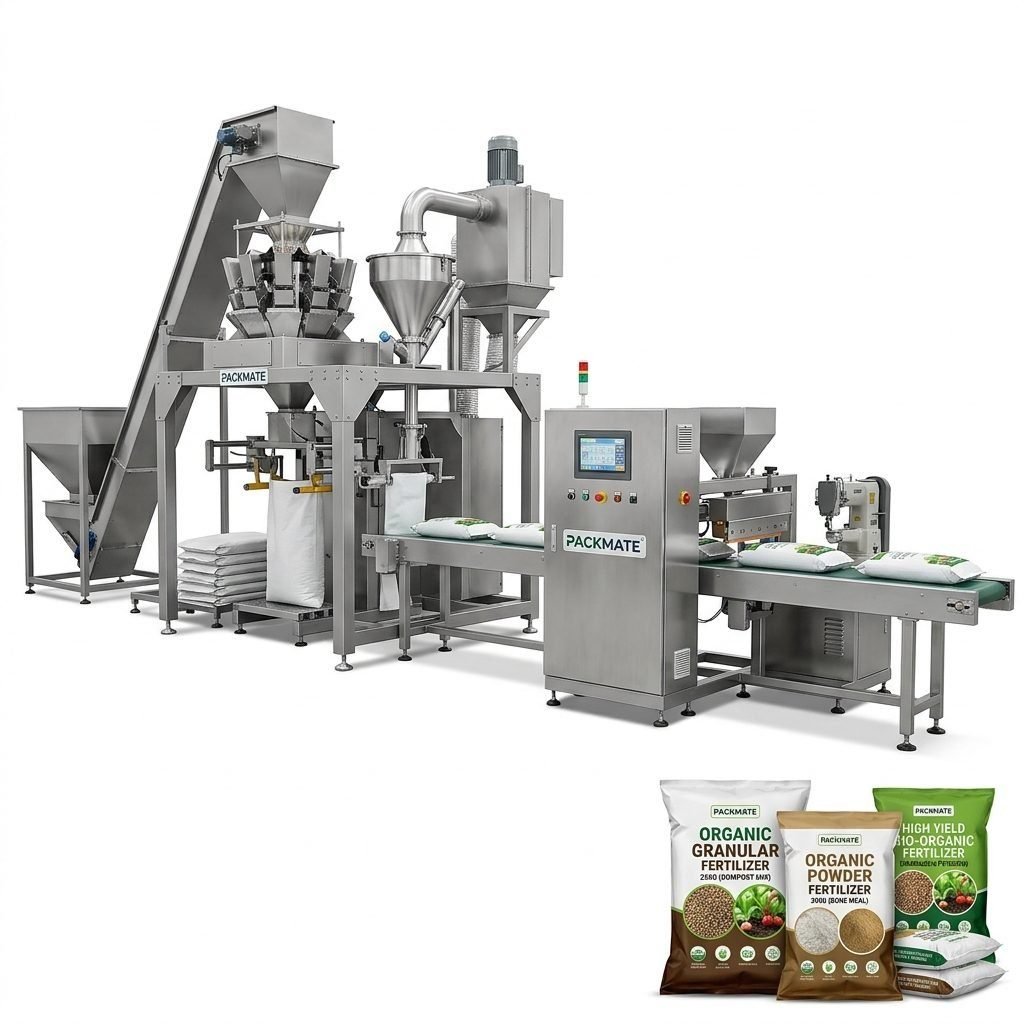
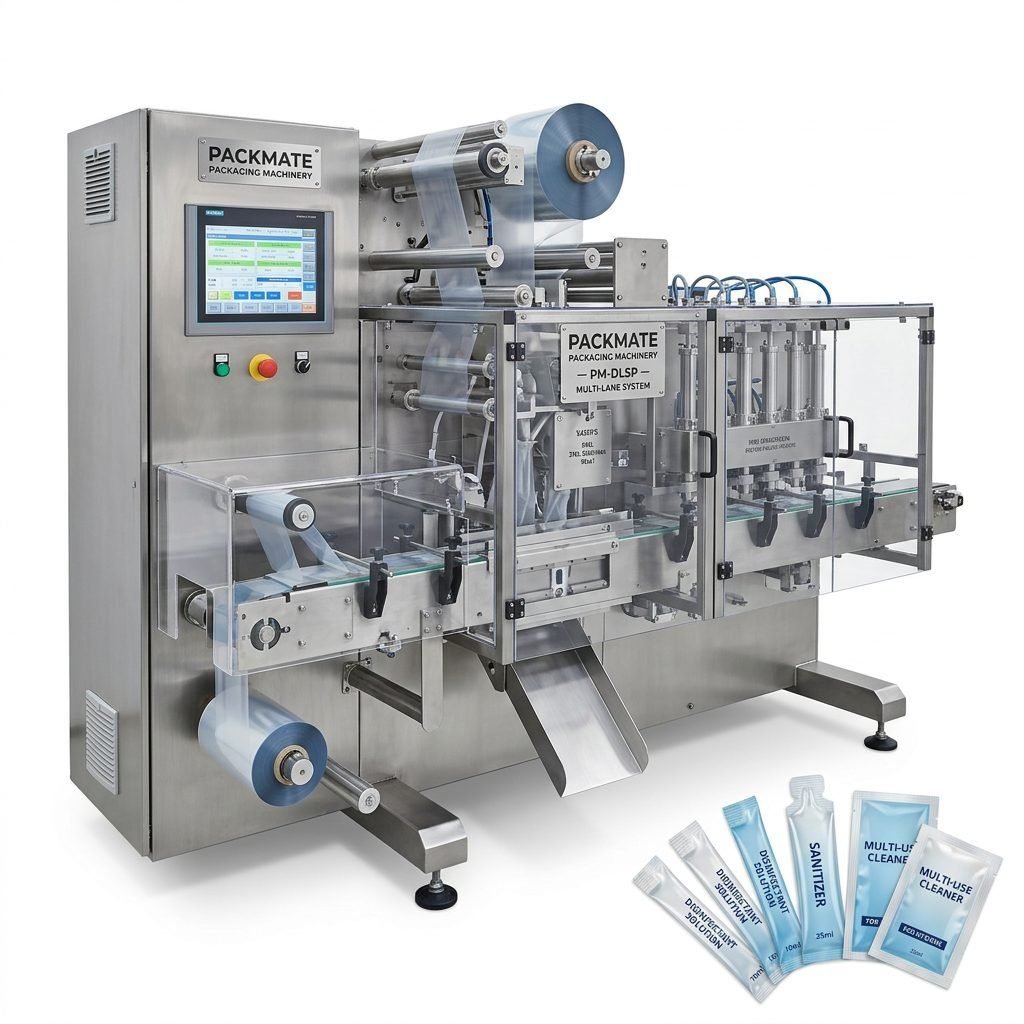
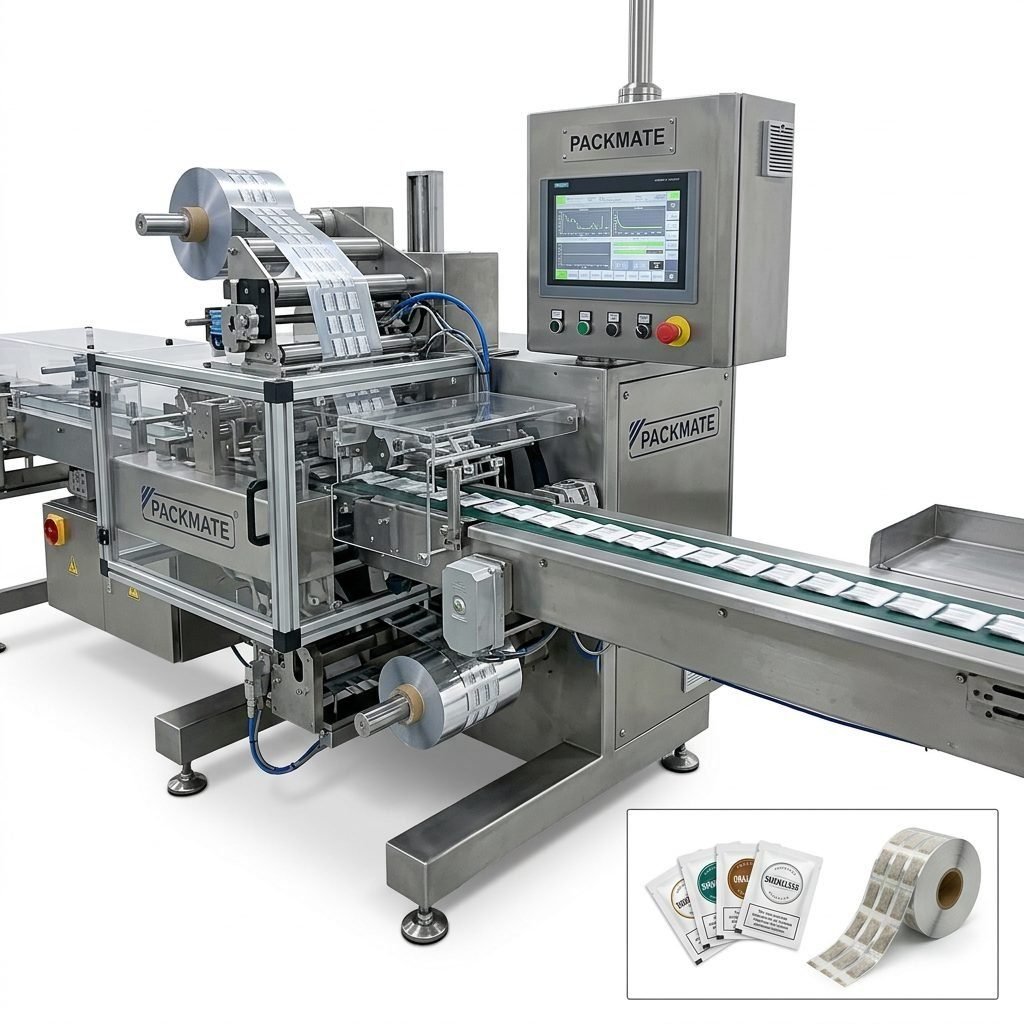
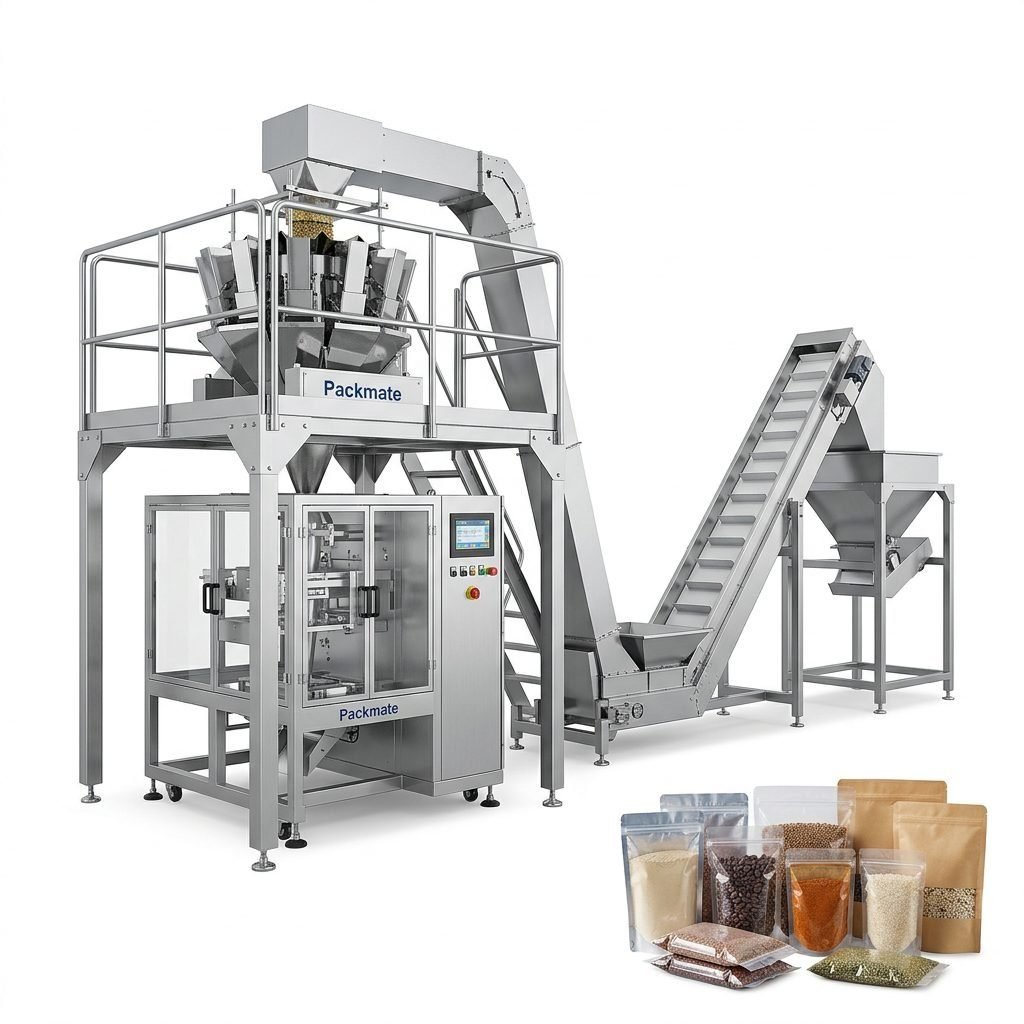
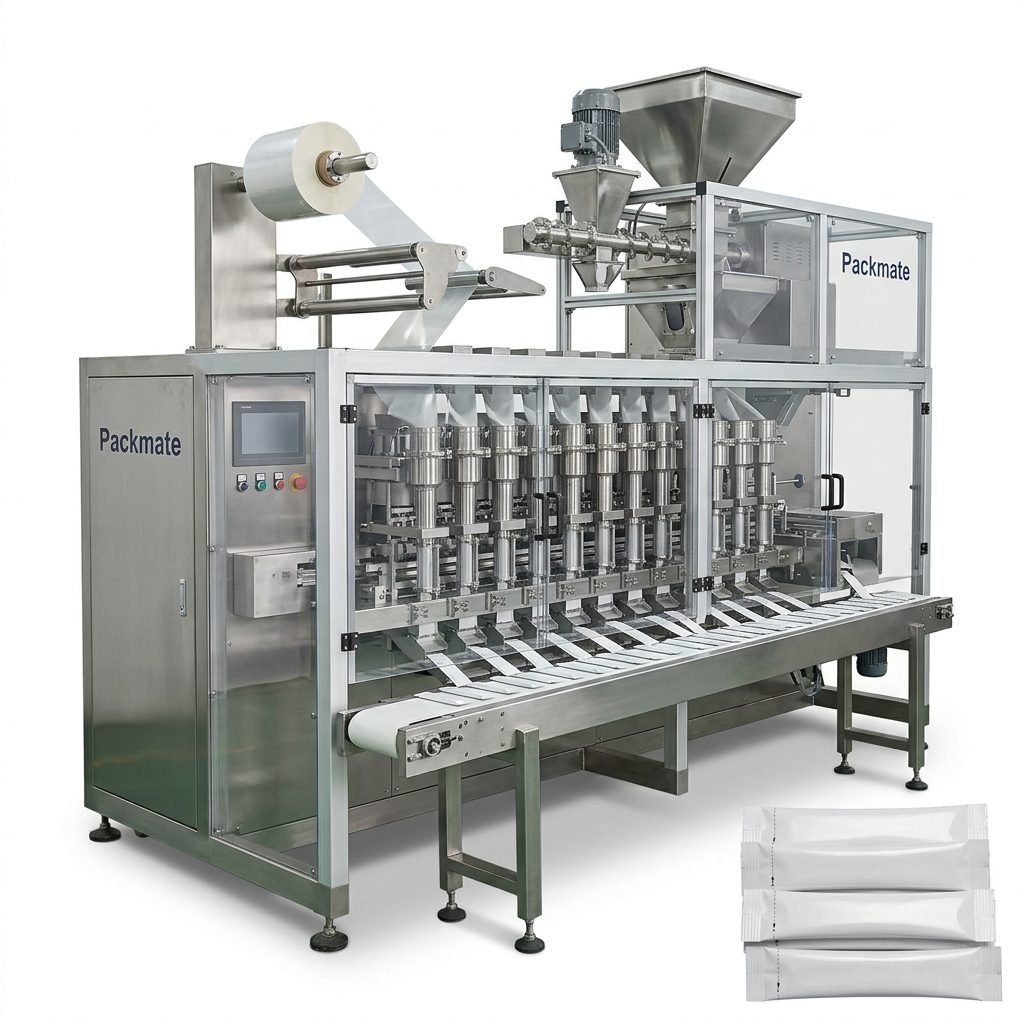
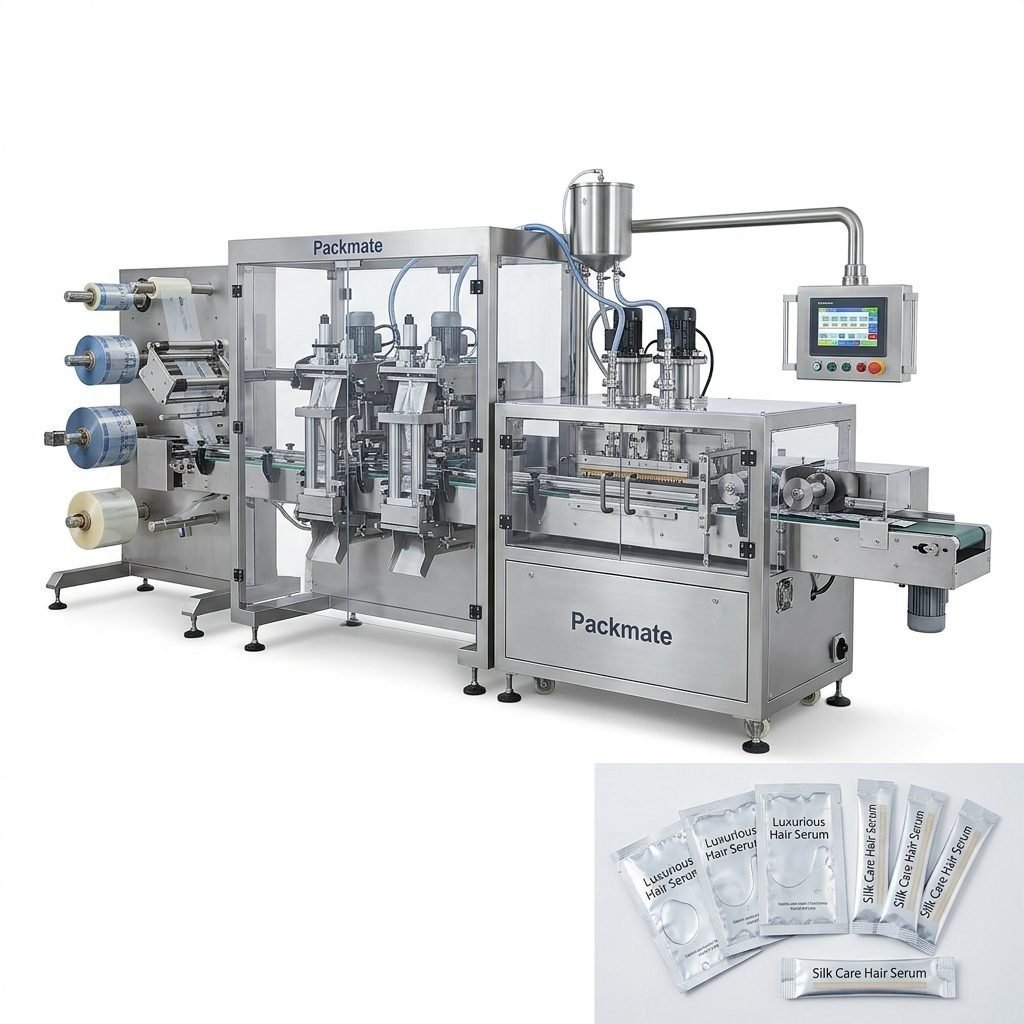
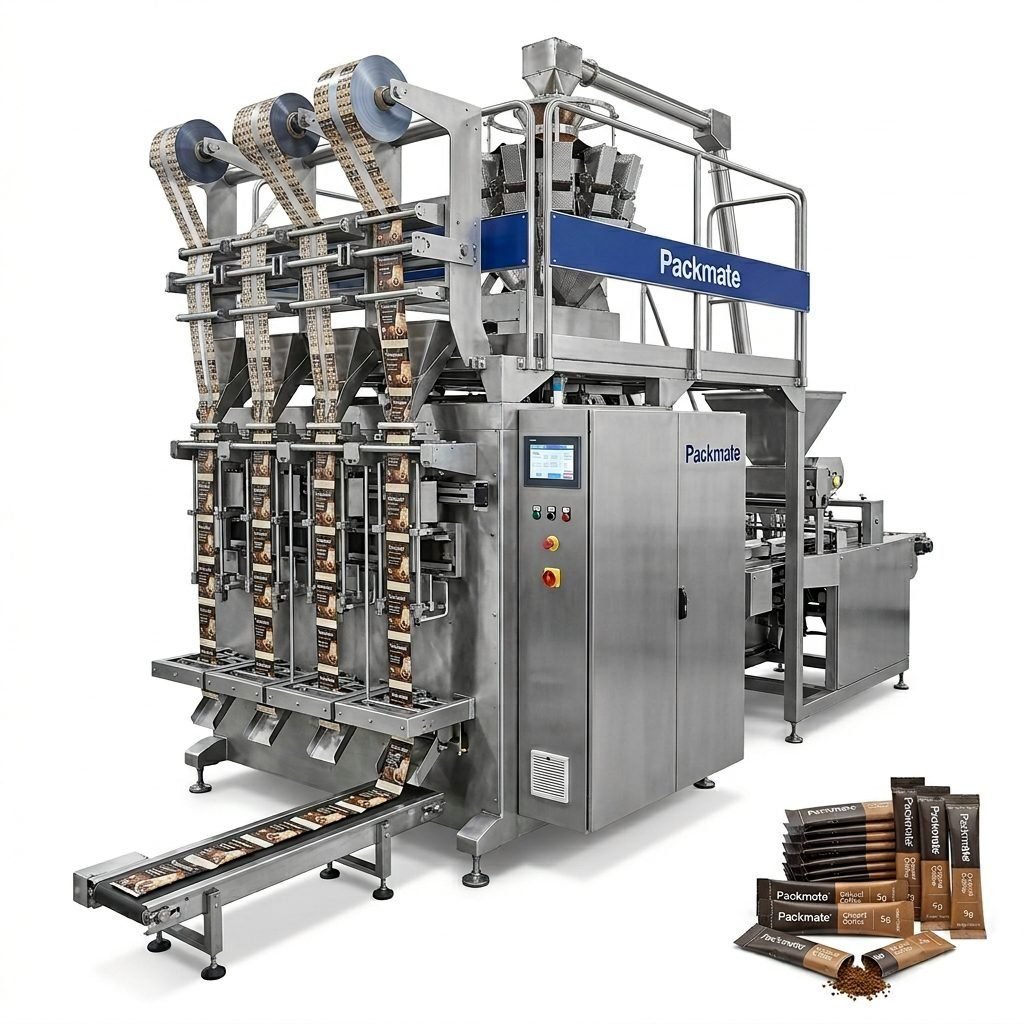
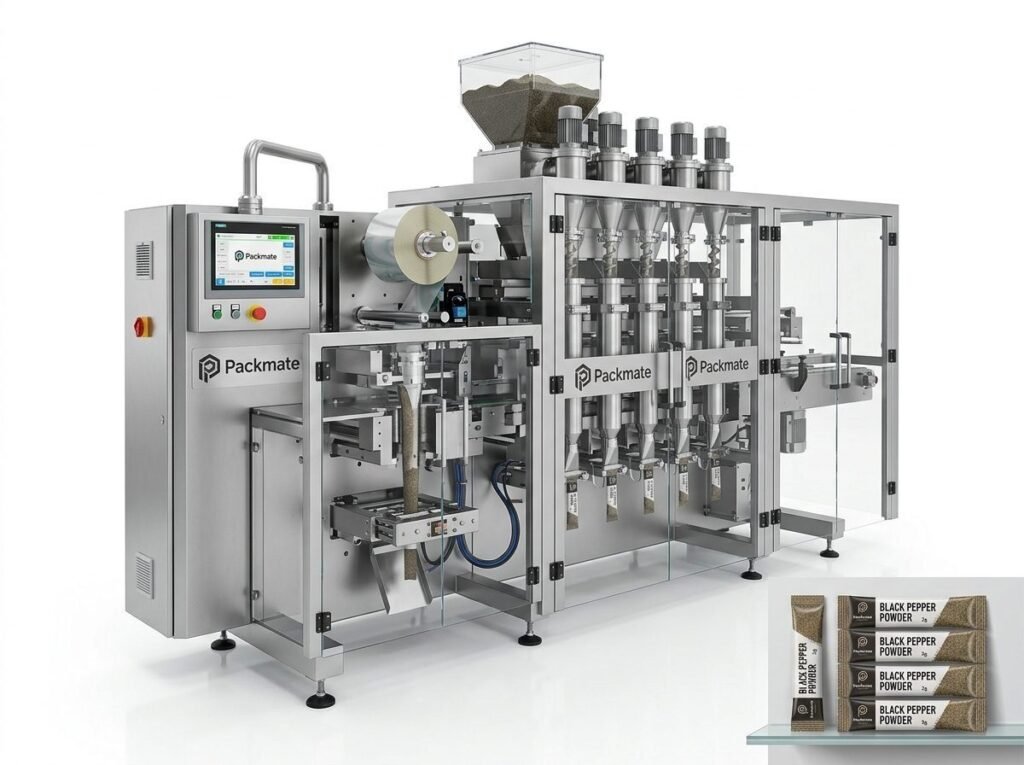
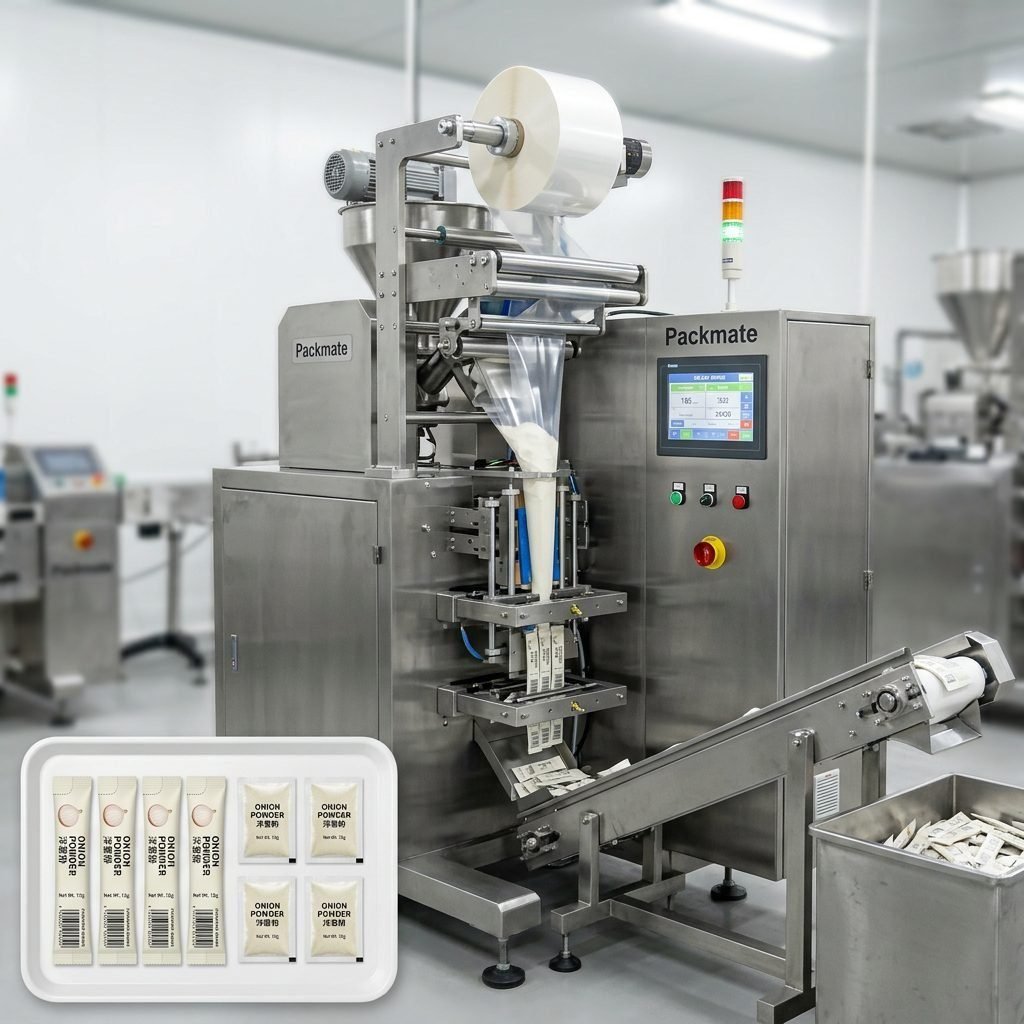
Packmate Machinery: Focus on Practical Automation
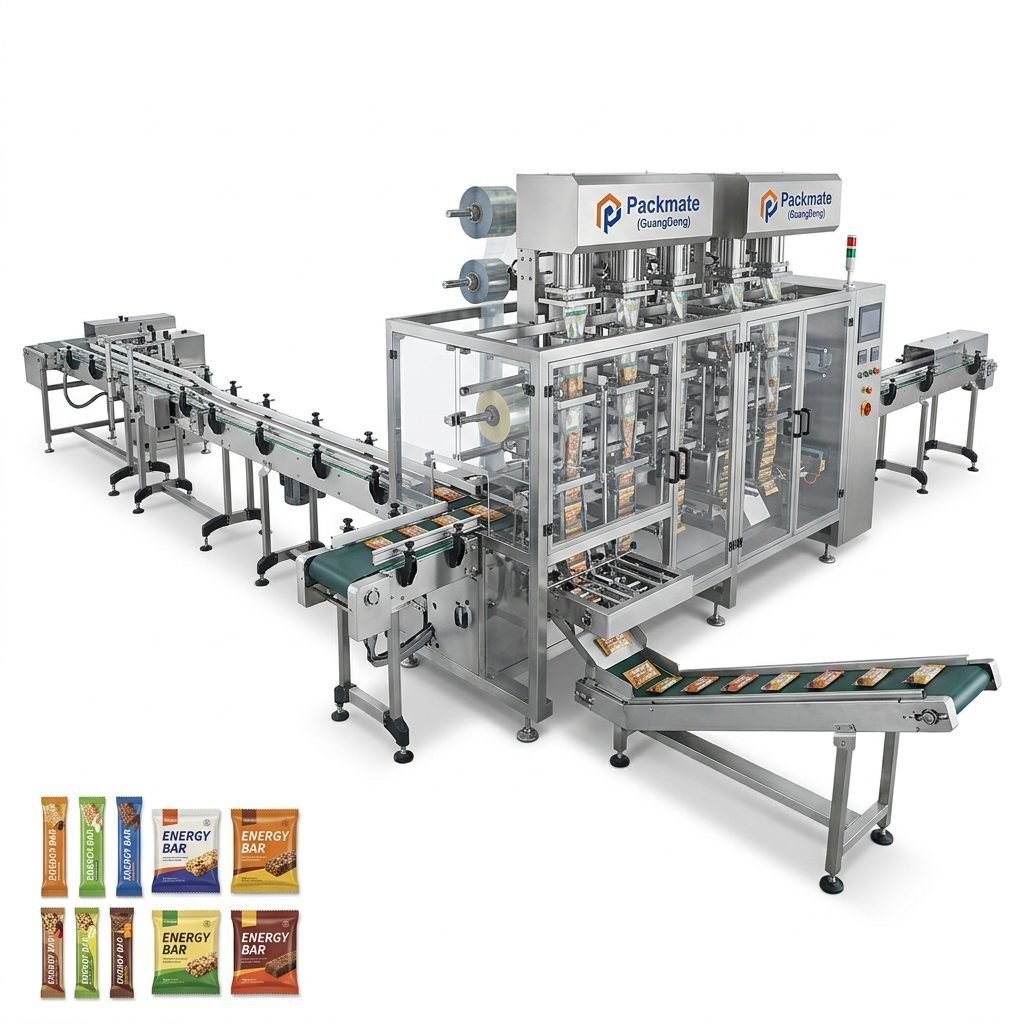
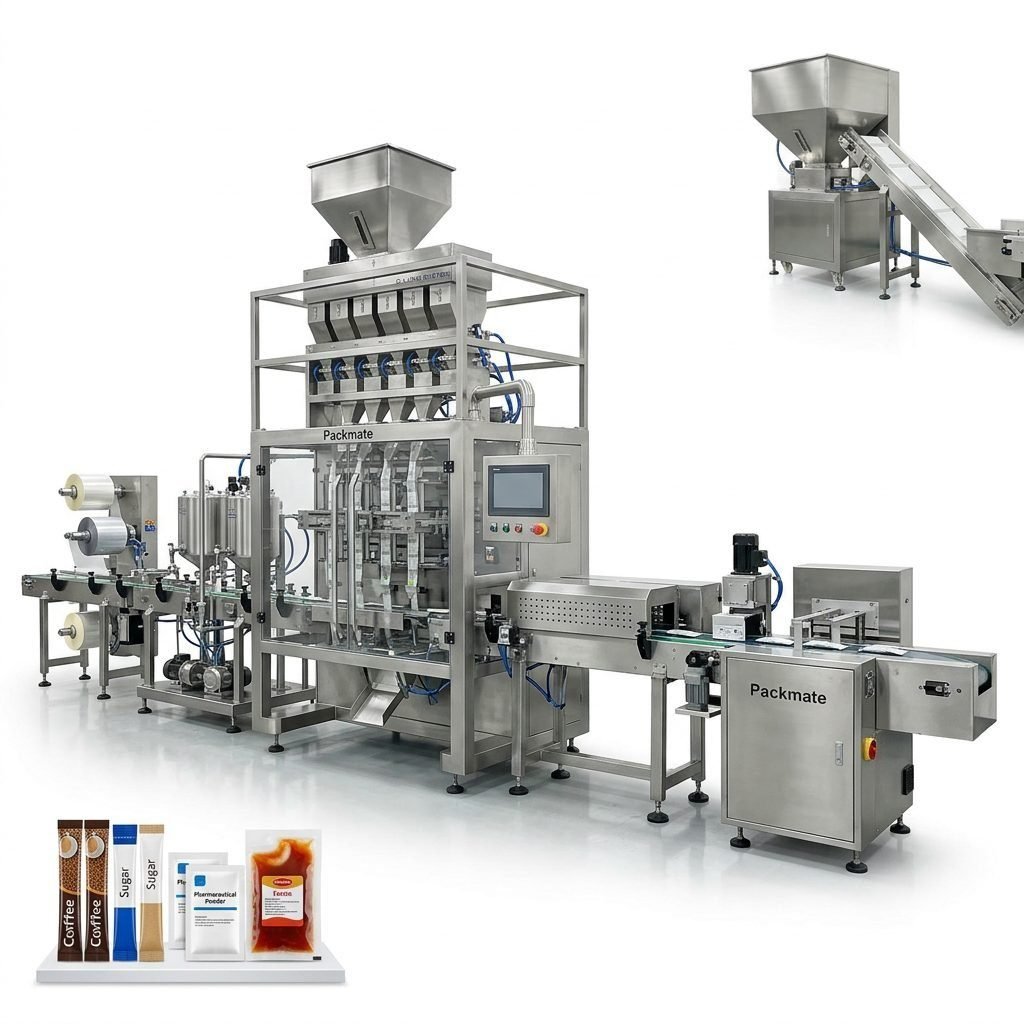
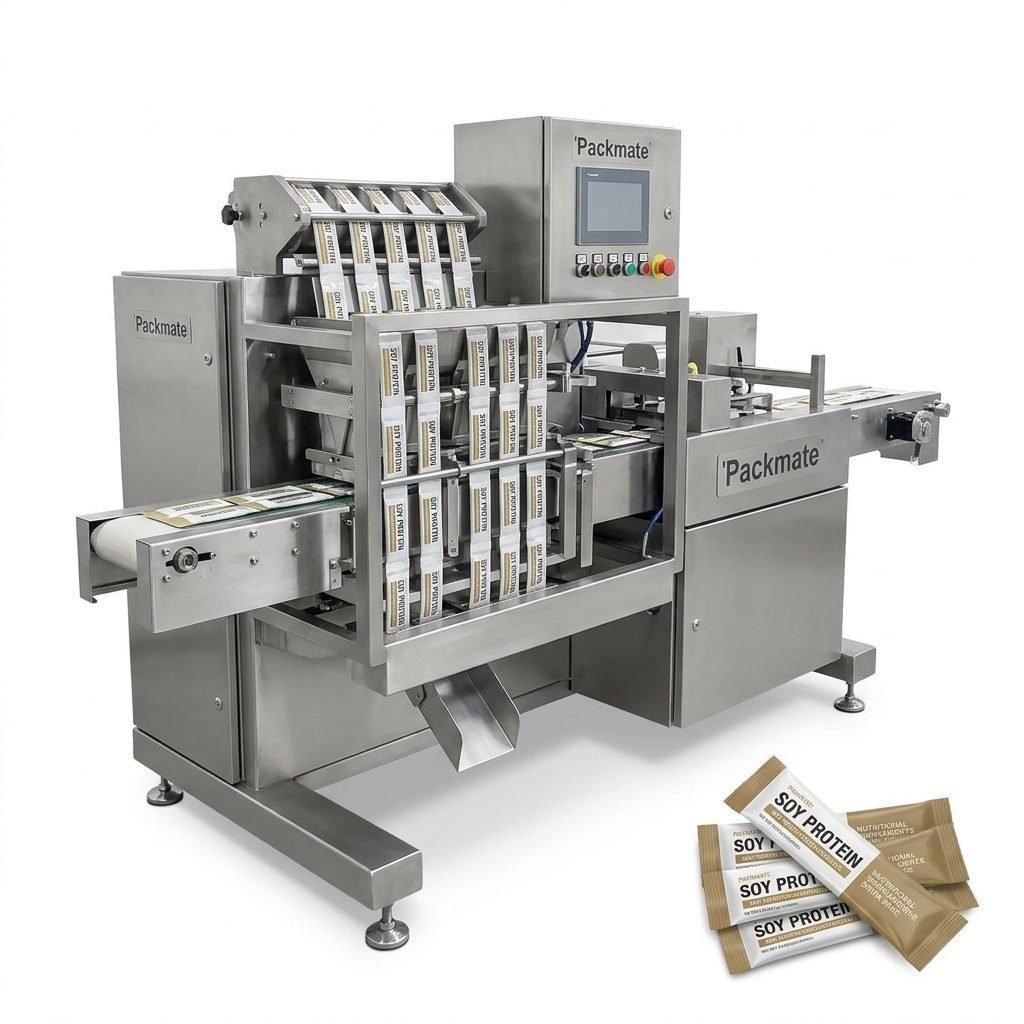
Packmate Machinery offers a balanced combination of technical reliability and cost efficiency, with a strong presence in food and pharmaceutical packaging. For Mexican medium to large-scale operations, their portfolio of over 80 machine models provides flexibility. Their focus on practical automation and stable performance aligns well with the needs of production environments where consistent uptime is critical.
PacklineOEM: Specialists in Turnkey Line Integration
For projects that require a fully integrated packaging system rather than a single machine, PacklineOEM is a noteworthy option. Their focus on complete line engineering—from feeding and filling to end-of-line packaging—is ideal for Mexican companies building new, highly automated production facilities or undergoing major modernization.
PackingMachineOEM: Experts in Customization
When standard machines won’t suffice, PackingMachineOEM specializes in non-standard and customized solutions. This is particularly relevant for Mexican producers with unique product forms, traditional formats, or specific material handling challenges that require tailored engineering support.
SnusMachinery: Niche Expertise in Pouch Packaging
For companies in specialized segments like nicotine pouches, snus, or high-precision pouch products, SnusMachinery offers focused expertise. Their deep application knowledge in pouch dosing and sealing can be a significant advantage for Mexican manufacturers entering or competing in these specific, growing niche markets.
Finalizing the Purchase and Ensuring Project Success
Once you select a supplier, ensure a smooth process:
- Contract Clarity: Have a detailed contract covering all technical specifications, delivery schedule, payment milestones, acceptance criteria, warranty terms, and intellectual property.
- Pre-Shipment Inspection (PSI): Arrange for an independent inspection of the completed machine before it leaves the factory. This verifies workmanship and functionality.
- Plan for Installation: Coordinate with the supplier’s engineers for site preparation, utility connections, and the installation/commissioning schedule. Ensure your local team is ready for training.
- Build a Long-Term Relationship: A reliable packaging machine supplier is a long-term partner. Maintain good communication for future spare parts, upgrades, or additional production lines.
Summary: Key Takeaways for the Mexican Market
Finding a reliable packaging machine manufacturer in Mexico requires a blend of thorough technical assessment and practical local considerations. Prioritize suppliers with a demonstrable history, relevant industry experience, and a clear, responsive support structure for the Mexican region. Whether you choose a local integrator, a North American brand, or a seasoned international manufacturer from Asia, the principles of due diligence, clear communication, and planning for total lifecycle costs remain paramount. By following a structured sourcing process, Mexican manufacturers can secure packaging automation that drives efficiency, quality, and growth.
Frequently Asked Questions (FAQs)
What are the main challenges when importing packaging machines to Mexico?
The primary challenges include navigating customs clearance and import regulations (pedimentos), ensuring technical documentation is in Spanish or bilingual, managing logistics to the final destination (which may involve bonded warehouses), and arranging for qualified technicians for installation if the supplier’s engineers require visas. Working with a supplier experienced in Mexican imports or a reliable local customs broker is highly recommended.
Should I prioritize local Mexican suppliers or international manufacturers?
The choice depends on your needs. Local suppliers offer proximity for service and spare parts, and they understand the local business environment. International manufacturers often provide more advanced technology, broader machine ranges, and potentially more competitive pricing for higher-volume orders. A hybrid approach is common: sourcing the core machine from a specialized international manufacturer and using a local integrator for peripheral equipment and service.
How important is it to visit the manufacturer’s factory?
For a significant capital investment, a factory visit (or a comprehensive virtual audit) is highly valuable. It allows you to assess build quality, manufacturing processes, and the company’s operational scale firsthand. It also builds a stronger relationship with the supplier. If an in-person visit to an overseas factory isn’t feasible, insist on a live video tour and detailed documentation of their production and testing procedures.
What is typically included in a packaging machine warranty for the Mexican market?
A standard warranty (often 12-18 months) should cover defects in materials and workmanship. Crucially, clarify the terms of support: Does the warranty include labor for repairs, or only parts? Who pays for the travel and accommodation of service engineers? Is remote support available? Ensure these terms are clearly defined in the contract to avoid unexpected costs.
How can I estimate the total cost of ownership (TCO) for a packaging machine in Mexico?
Beyond the purchase price, factor in: Import duties and taxes, shipping and insurance, installation and commissioning costs, costs of utilities (power, compressed air), required consumables (like sealing jaws or specific tooling), preventive maintenance and spare parts, operator training costs, and potential costs of production downtime. Creating a 5-year TCO projection can reveal the most economically viable option in the long run.