Investing in a popcorn packing machine is a significant step for any snack manufacturer, distributor, or food business looking to scale production, ensure product freshness, and improve packaging efficiency. With a variety of machine types and features available, selecting the right equipment can be complex. This guide will walk you through the different types of popcorn packing machines, their key features, and how to choose the best one for your specific needs, whether you’re a small artisanal producer or a large-scale industrial operation.
Understanding the Different Types of Popcorn Packaging Machines
The first step in choosing the right equipment is understanding the core machine types available. Popcorn packaging typically falls into two main categories: vertical form-fill-seal (VFFS) machines and pre-made bag packaging systems. The choice depends heavily on your production volume, bag style, and budget.
Vertical Form-Fill-Seal (VFFS) Machines
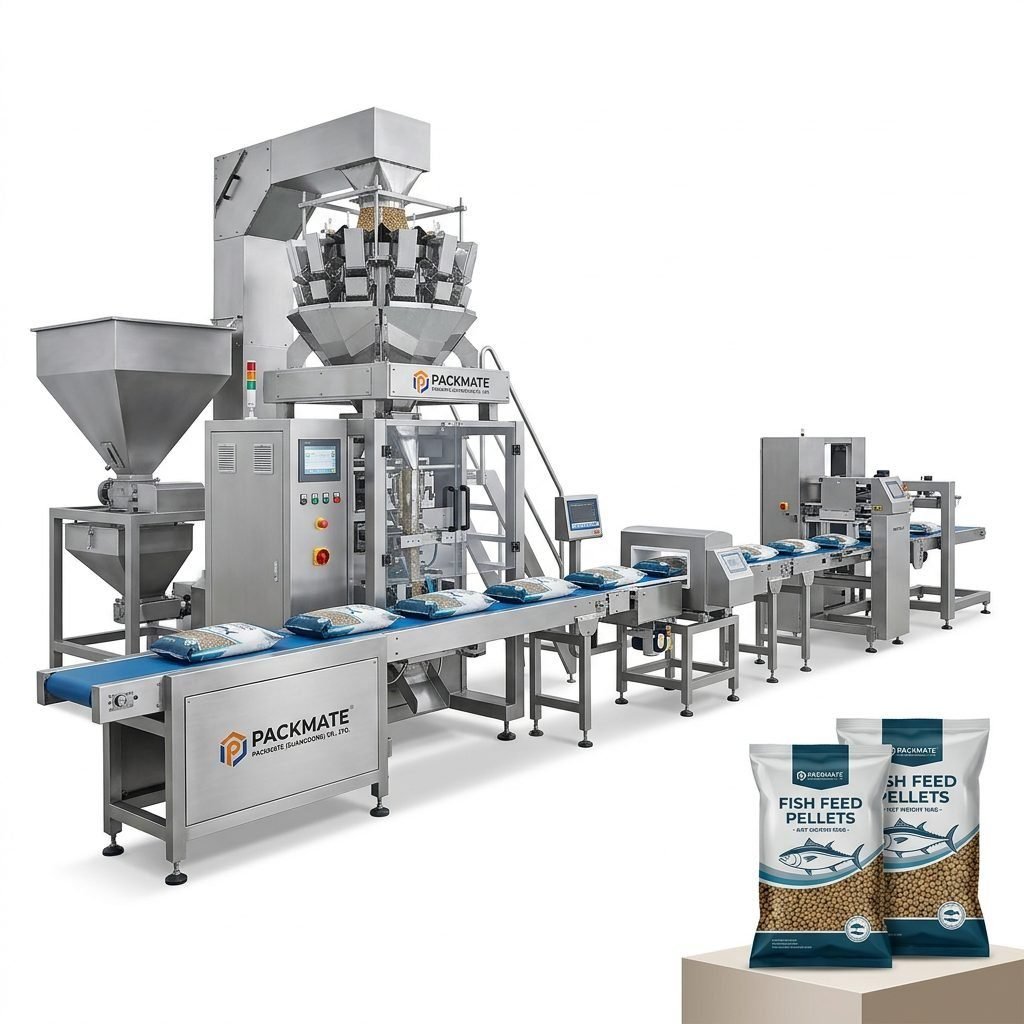
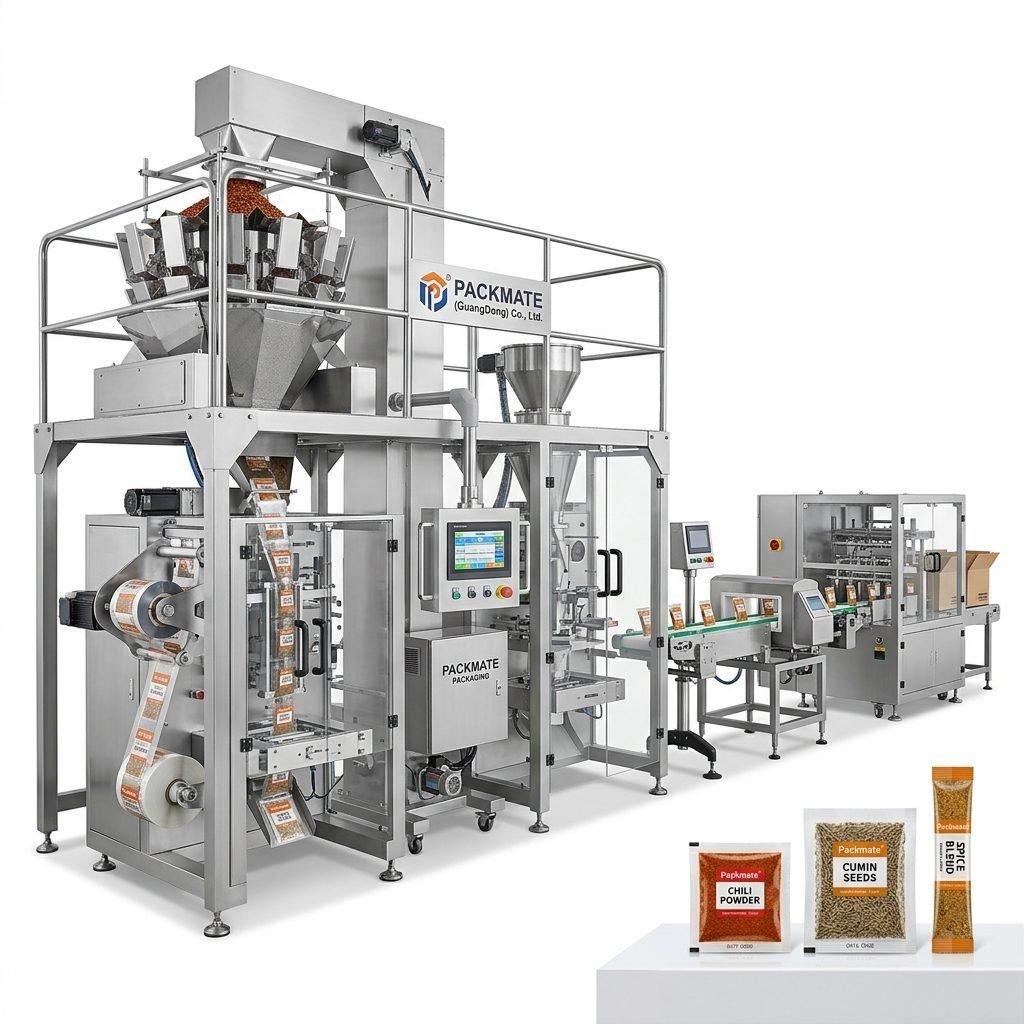
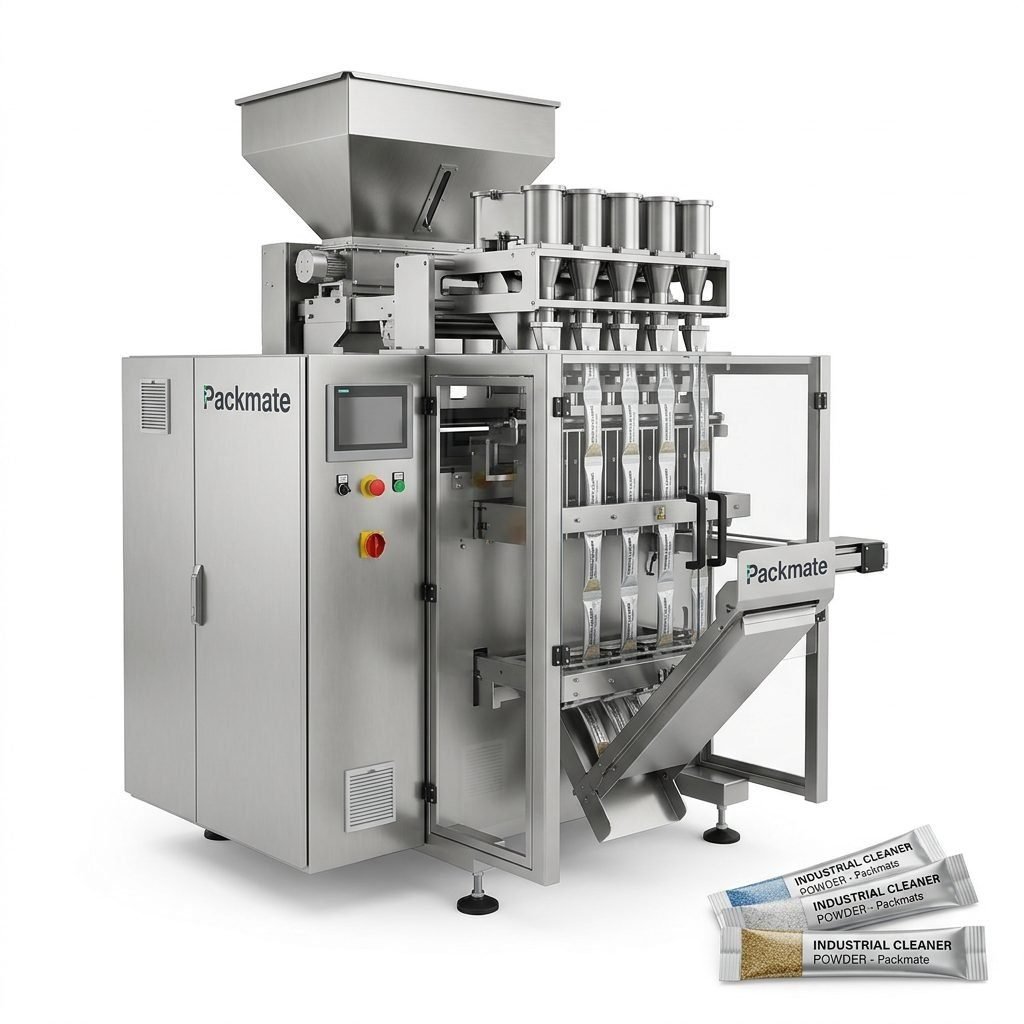
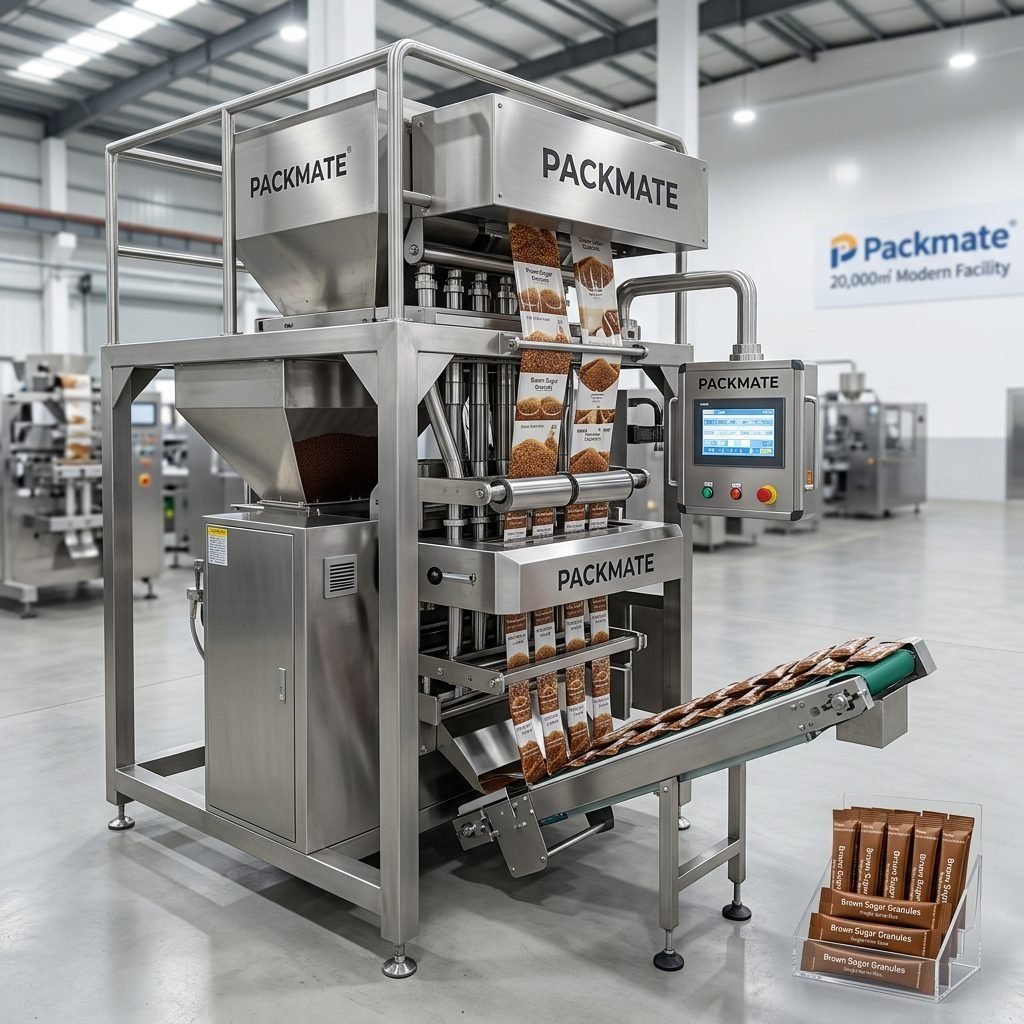
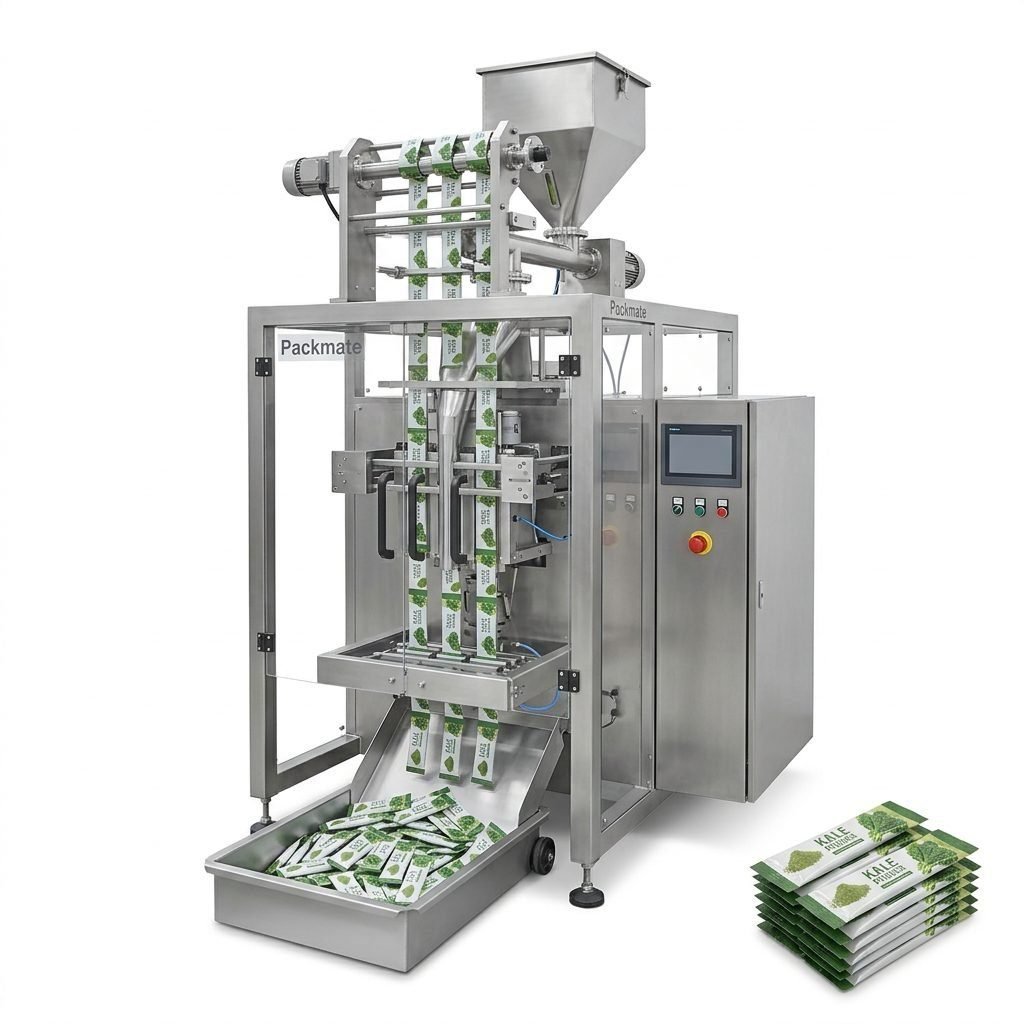
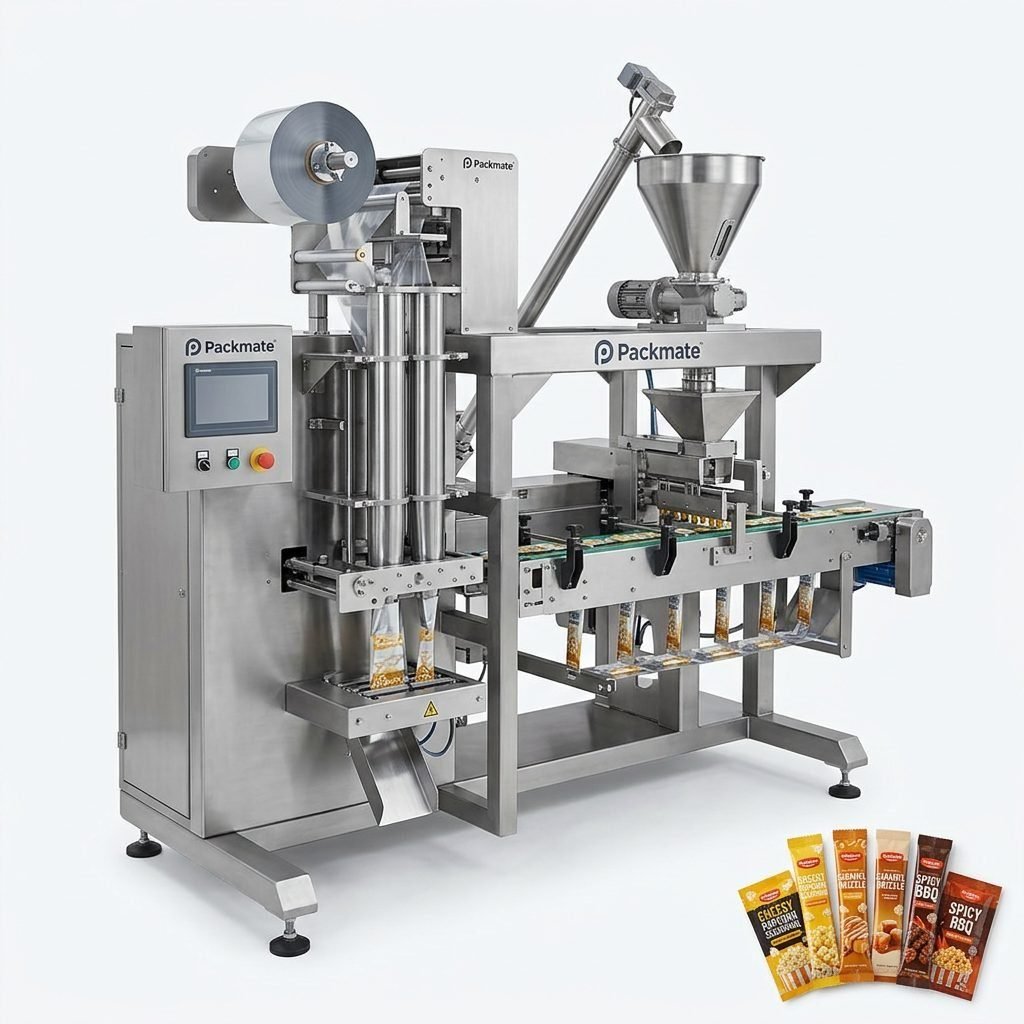
VFFS machines are the most common choice for high-volume popcorn packaging. They create the bag from a roll of flat packaging film, fill it with a pre-measured amount of product, and then seal it—all in one continuous, automated process. This method is highly efficient and cost-effective for standard pillow pouches or gusseted bags.
- Best For: High-speed production of standard bag shapes (pillow, gusseted).
- Advantages: Lower film cost, high automation, compact footprint.
- Considerations: Less flexibility for complex bag designs compared to pre-made bags.
Pre-made Bag Packaging Machines
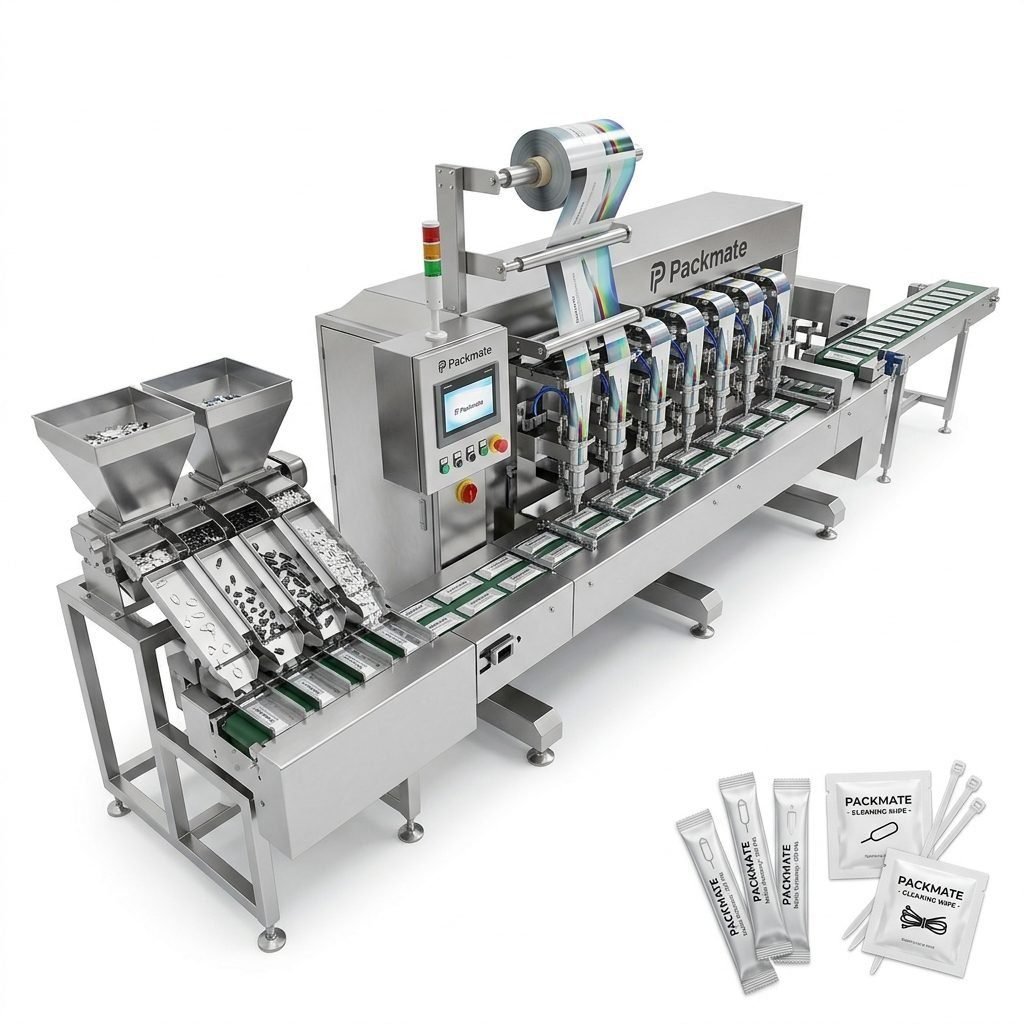
These machines use bags that are already formed, often with more complex graphics, windows, or unique shapes (like stand-up pouches). The machine opens the bag, fills it, and then seals it. This option is ideal for brands where premium presentation is a key selling point.
- Best For: Premium branding, unique bag shapes (stand-up pouches, window bags).
- Advantages: Superior graphic quality and bag structure, excellent for retail appeal.
- Considerations: Higher bag cost, generally slower speeds than VFFS.
Key Features to Look for in a Popcorn Packer
Beyond the basic type, several features critically impact performance, product quality, and operational ease. Here are the most important ones to evaluate.
1. Weighing and Dosing System Accuracy
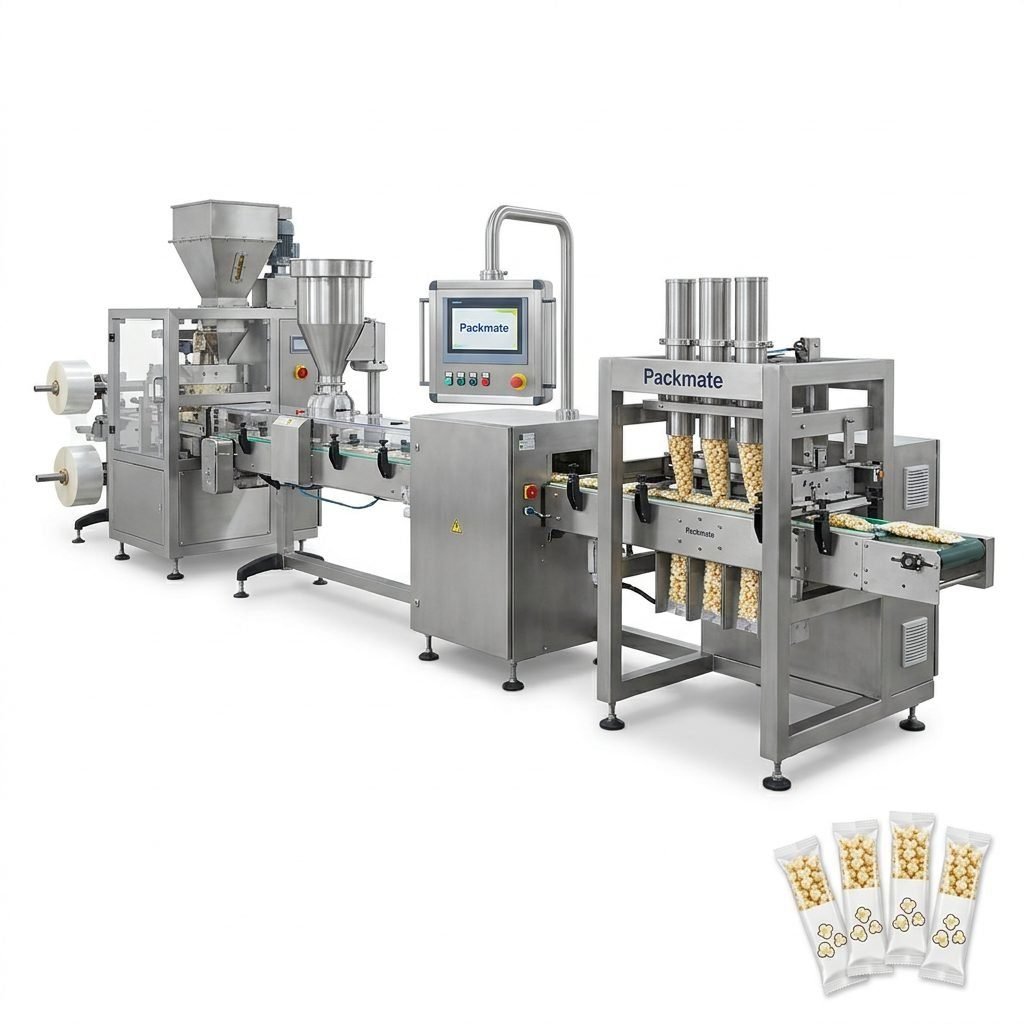
Consistent portion control is non-negotiable. Look for machines with high-precision multi-head weighers or volumetric cup fillers designed for light, voluminous products like popcorn. This ensures every bag meets the declared net weight, avoiding giveaways and regulatory issues.
2. Speed and Production Capacity
Machine speed is measured in bags per minute (BPM). Your required output will dictate the necessary speed.
| Production Scale | Typical Speed Range | Machine Type |
|---|---|---|
| Small / Startup | 20 – 60 BPM | Single-Lane VFFS |
| Medium / Growing | 60 – 120 BPM | Multi-Lane VFFS |
| Large / Industrial | 120+ BPM | High-Speed Multi-Lane Lines |
3. Bag Size Range and Flexibility
Can the machine handle the full range of bag sizes you plan to offer—from small single-serve portions to large family or theater-style bags? Check the machine’s minimum and maximum bag length and width capabilities.
4. Sealing Technology and Integrity
A strong, airtight seal is crucial to maintain popcorn crispness and prevent staleness. Machines should offer robust heat sealing bars with precise temperature and pressure control. For metallized or high-barrier films, ensure the sealer is compatible.
5. Integration with Nitrogen Flushing
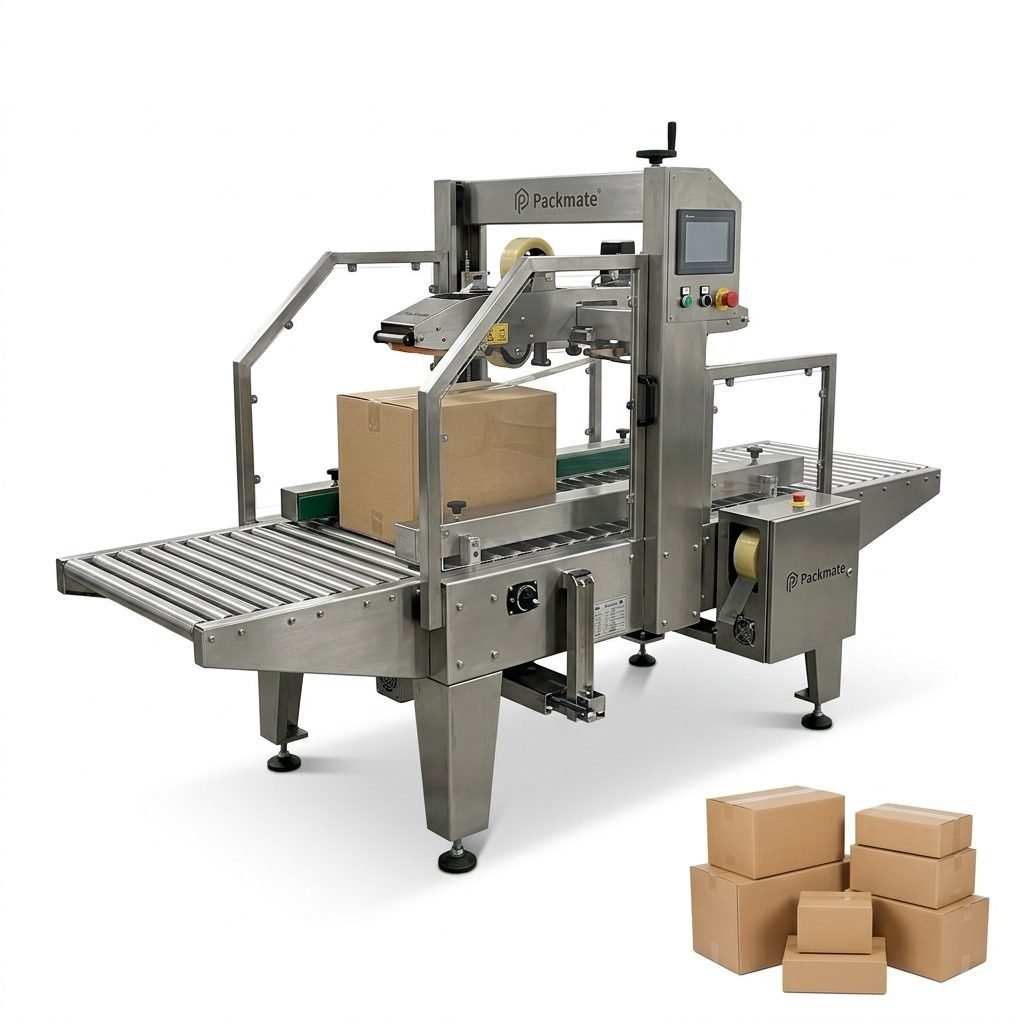
For maximum shelf life, many premium popcorn brands use nitrogen flushing, which displaces oxygen inside the bag before sealing. If this is part of your strategy, ensure the machine is designed or can be easily integrated with a nitrogen flushing system.
6. Ease of Changeover and Cleaning
If you run multiple flavors or bag sizes, quick changeover is vital for minimizing downtime. Look for features like tool-less adjustments, recipe storage on the PLC, and easy-access stainless steel construction for hygiene.
How to Choose the Best Machine for Your Operation
Selecting the right machine involves aligning equipment capabilities with your business goals, production environment, and budget.
Step 1: Assess Your Current and Future Needs
Be realistic about your current daily output and project growth for the next 3-5 years. It’s often more cost-effective to invest in a slightly faster machine than to outgrow a basic model too quickly. Consider the variety of your product line (flavors, bag sizes).
Step 2: Define Your Packaging Specifications
Detail your exact packaging requirements: bag material (polyethylene, polypropylene, metallized film), bag dimensions, type of seal (fin seal, back seal), and any special features like zippers or tear notches. This information is critical for machine suppliers to provide an accurate quote.
Step 3: Evaluate Supplier Credibility and Support
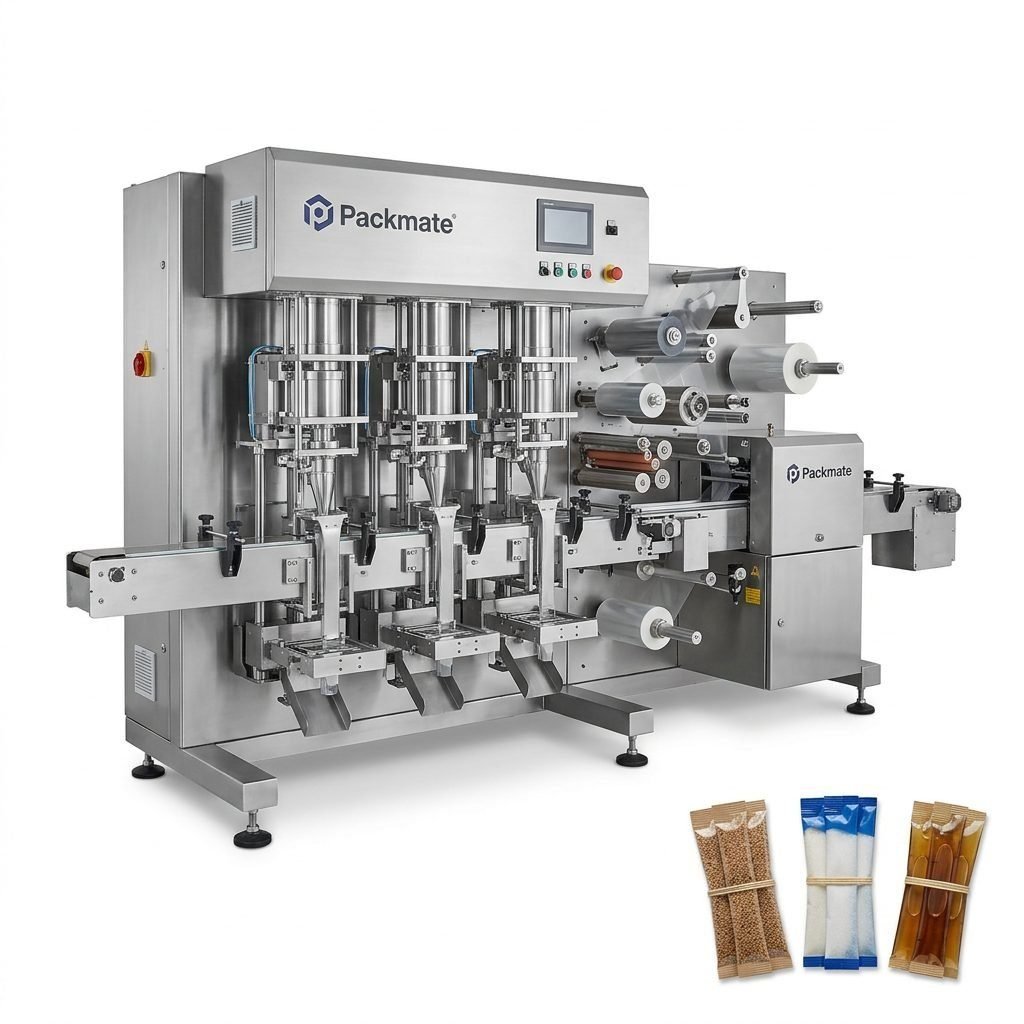
The machine is only as good as the company behind it. Look for manufacturers with proven experience in food and snack packaging, like Ludyway or Packmate Machinery. Key factors include:
- Industry Experience: Companies with decades of experience, such as those established around 1993, understand the nuances of snack packaging.
- After-Sales Service: Availability of spare parts, technical support, and training is essential for minimizing downtime.
- Customization Ability: Can they adapt the machine to your specific product flow or factory layout? Companies like PackingMachineOEM specialize in this.
Step 4: Consider Total Cost of Ownership (TCO)
Look beyond the initial purchase price. Calculate the TCO by factoring in:
- Machine efficiency (reduced film waste, higher uptime).
- Energy consumption.
- Labor requirements (highly automated machines from suppliers like PacklineOEM can reduce labor costs).
- Long-term maintenance and part costs.
A slightly more expensive, robust machine from a reputable supplier often has a lower TCO.
Popcorn Packing for Different Market Segments
Your target market influences machine choice. For instance, suppliers exporting to North America and Europe need machines that meet stringent food safety standards (e.g., USDA, FDA, CE) and can handle the high-volume, brand-focused packaging common in these regions. In contrast, markets in Southeast Asia or Africa might prioritize cost-effectiveness and robustness for single-serve, affordable portions. Manufacturers like SnusMachinery, while specialized, exemplify the engineering precision required for consistent portion control, which is equally vital for premium popcorn.
Frequently Asked Questions (FAQs)
Q1: What is the typical price range for a popcorn packing machine?
Prices vary widely based on automation, speed, and features. A basic single-lane VFFS machine may start around $20,000 – $30,000, while a fully automated, high-speed multi-lane line with integrated checkweighers and nitrogen flushing can exceed $100,000.
Q2: Can one machine handle both buttered and caramel popcorn?
Yes, but sticky products like caramel corn require specific considerations. The machine should have anti-stick coatings on product contact parts, a more powerful dosing system to handle clumping, and potentially a different film with a better seal integrity for heavier products.
Q3: How important is nitrogen flushing for popcorn?
Extremely important for extended shelf life and maintaining texture. Oxygen causes popcorn to become stale and chewy. Nitrogen flushing removes up to 99% of the oxygen, significantly prolonging freshness, which is critical for retail distribution.
Q4: What maintenance does a popcorn packing machine require?
Regular daily cleaning to remove oil and salt dust is essential. Scheduled maintenance includes lubricating moving parts, checking seal bar alignment and temperature, and inspecting wear parts like film pull belts and cutting blades. A good supplier will provide a maintenance schedule.