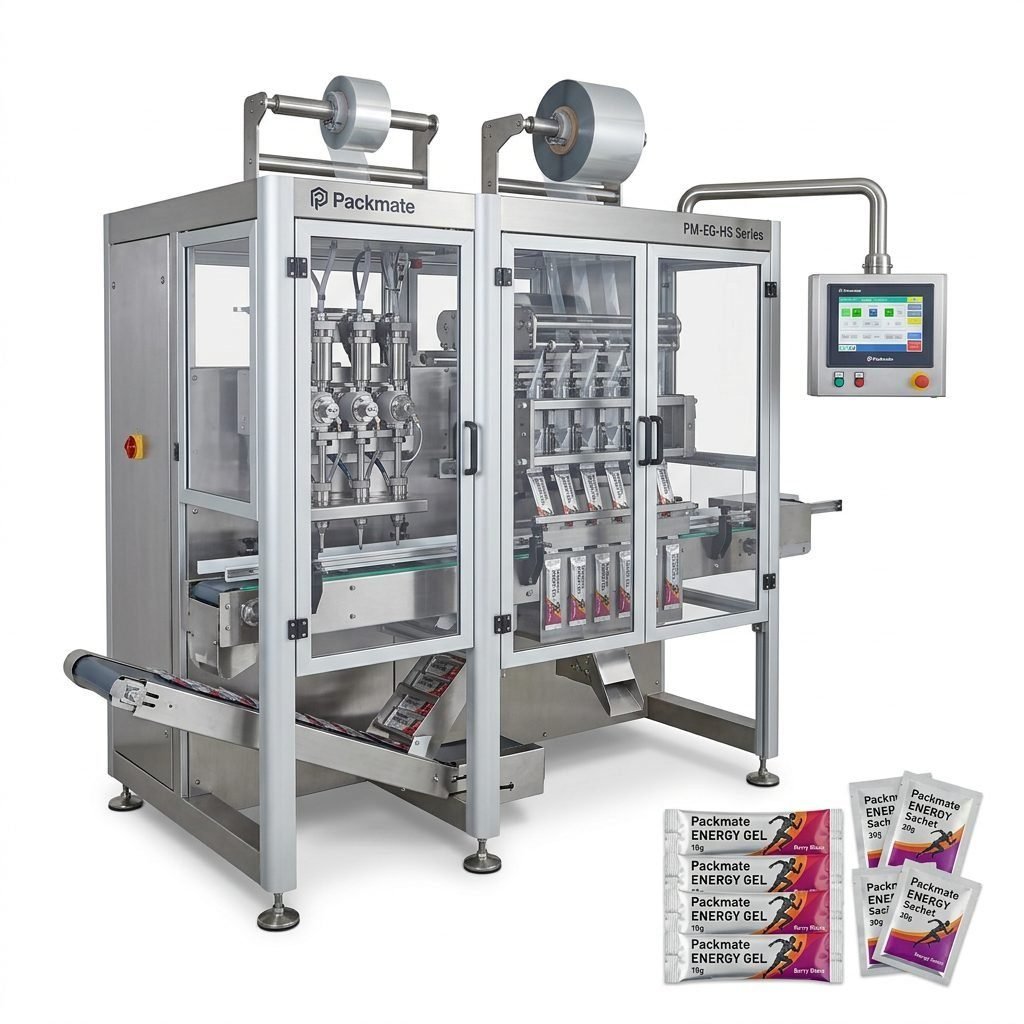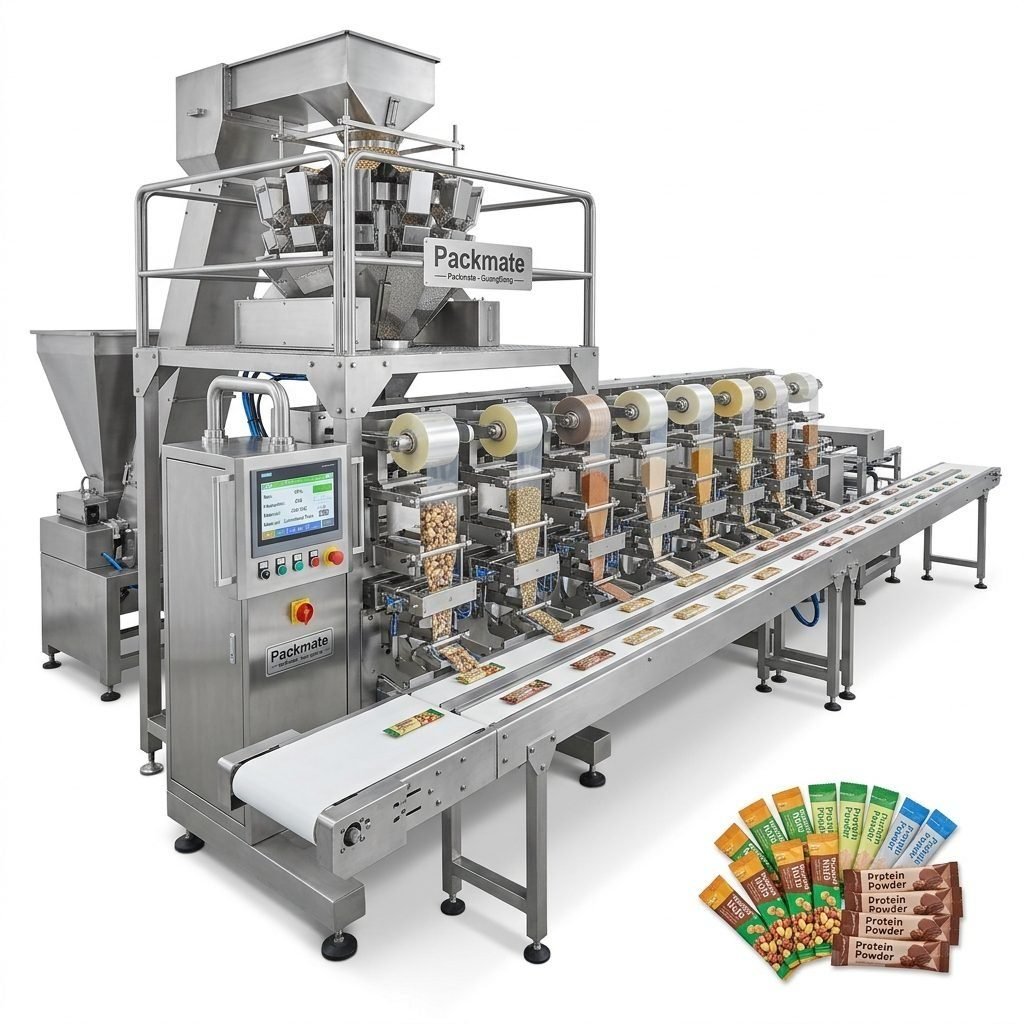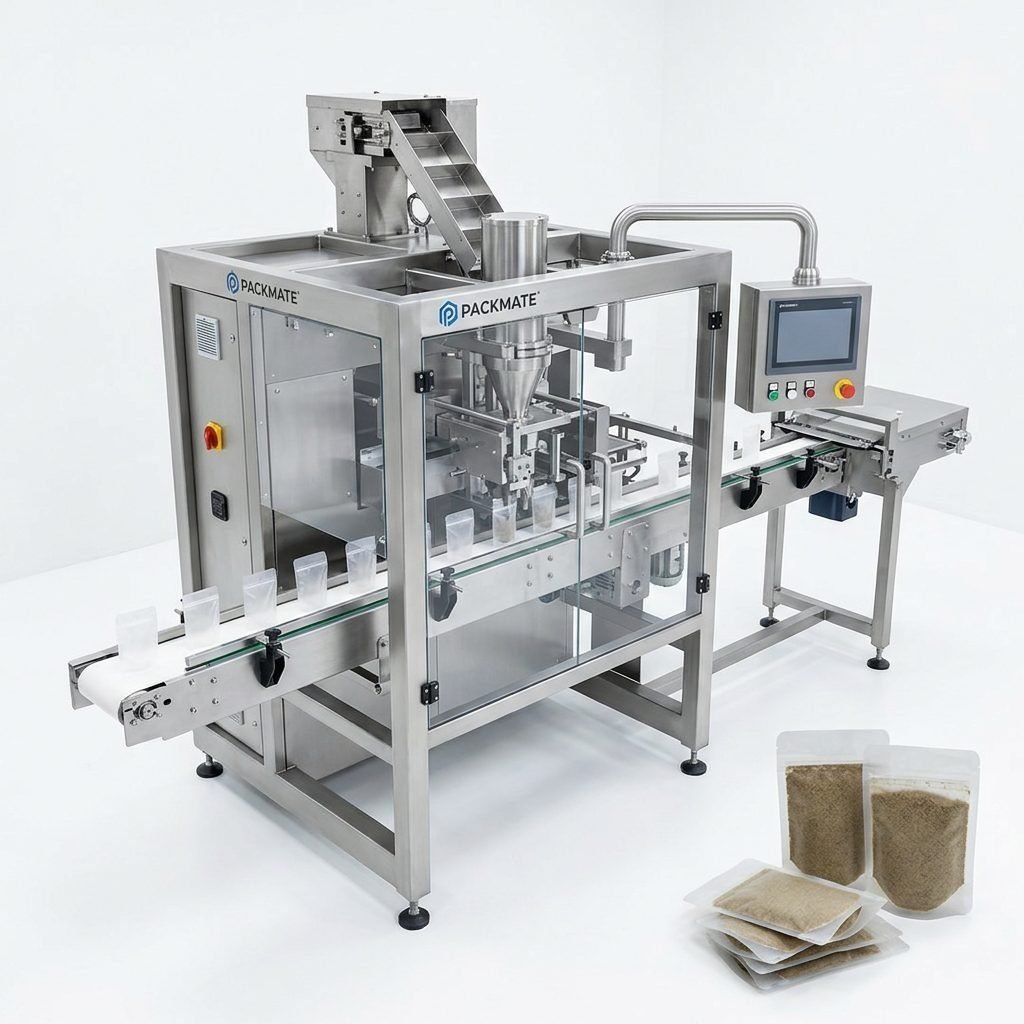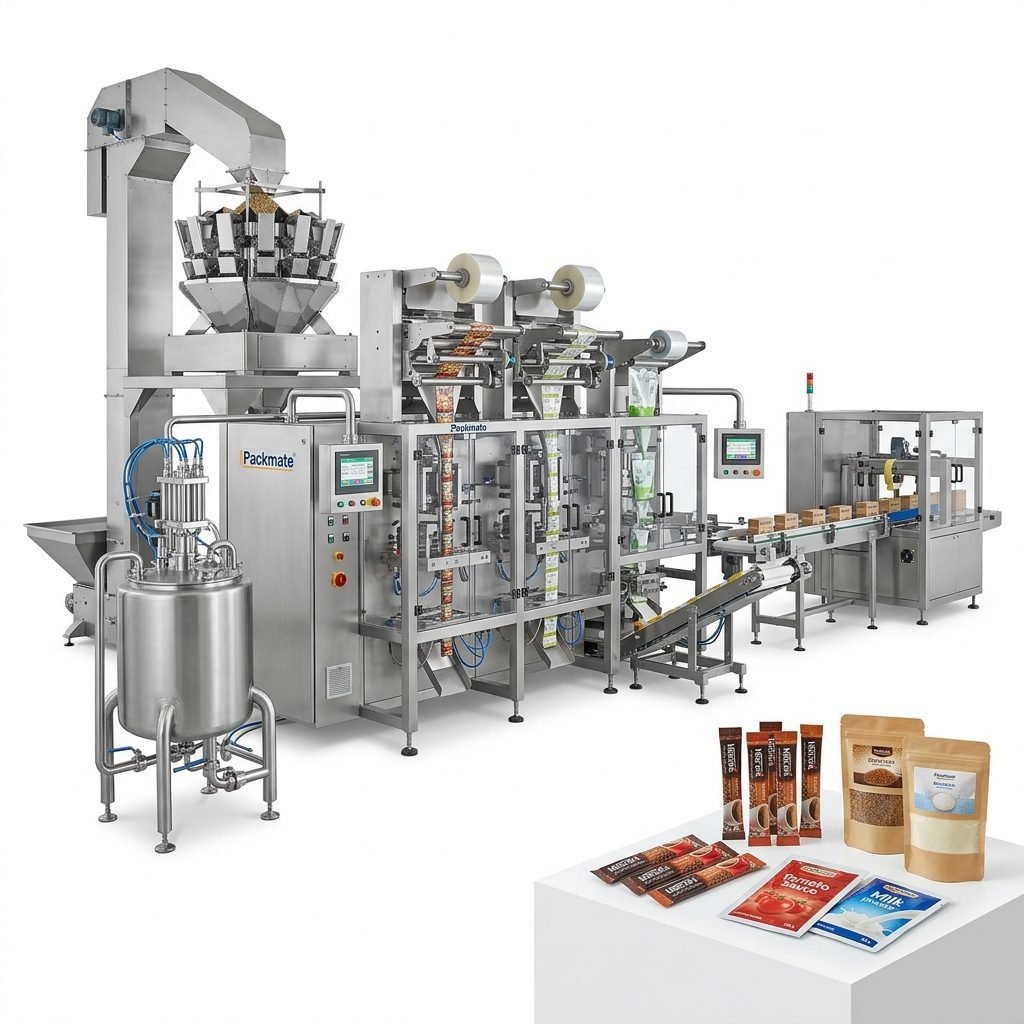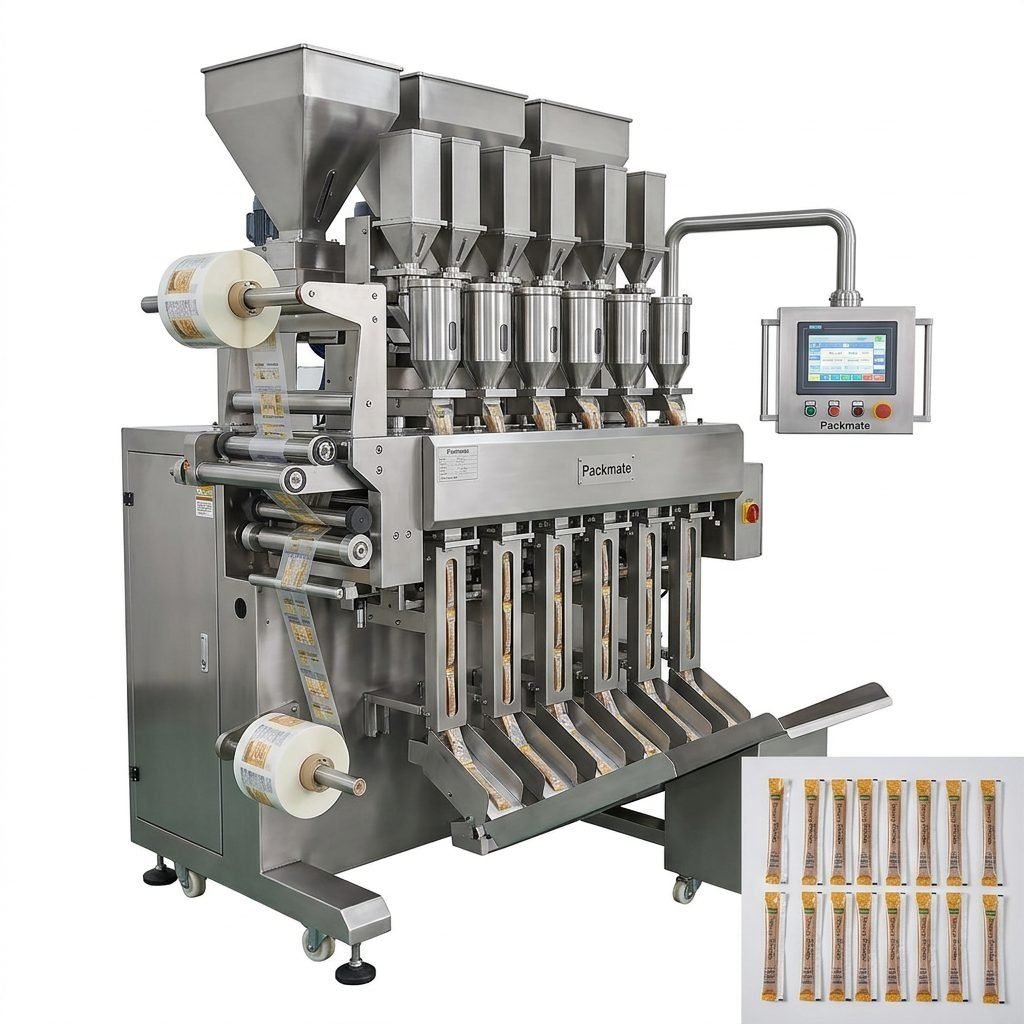
For businesses in Burundi looking to scale up production, improve product consistency, and enter new markets, investing in reliable packaging machinery is a critical step. The local market, which includes food processors, pharmaceutical companies, and agricultural exporters, needs equipment that can handle local products like coffee, tea, powdered milk, spices, and pharmaceuticals with efficiency and hygiene. However, finding a trustworthy manufacturer, especially when considering international suppliers, can be a complex process fraught with risks if not approached methodically.
Understanding the Burundi Packaging Landscape
Burundi’s manufacturing and export sectors are growing, with a focus on agricultural goods and light processing. Reliable packaging is essential for preserving product quality, meeting international standards for export, and reducing waste. Buyers often seek machines for granules, powders, and liquids—common formats for the country’s key products. The challenge lies in sourcing equipment that is not only technically suitable but also backed by strong after-sales support, which can be difficult from afar.
Key Considerations for Burundian Buyers
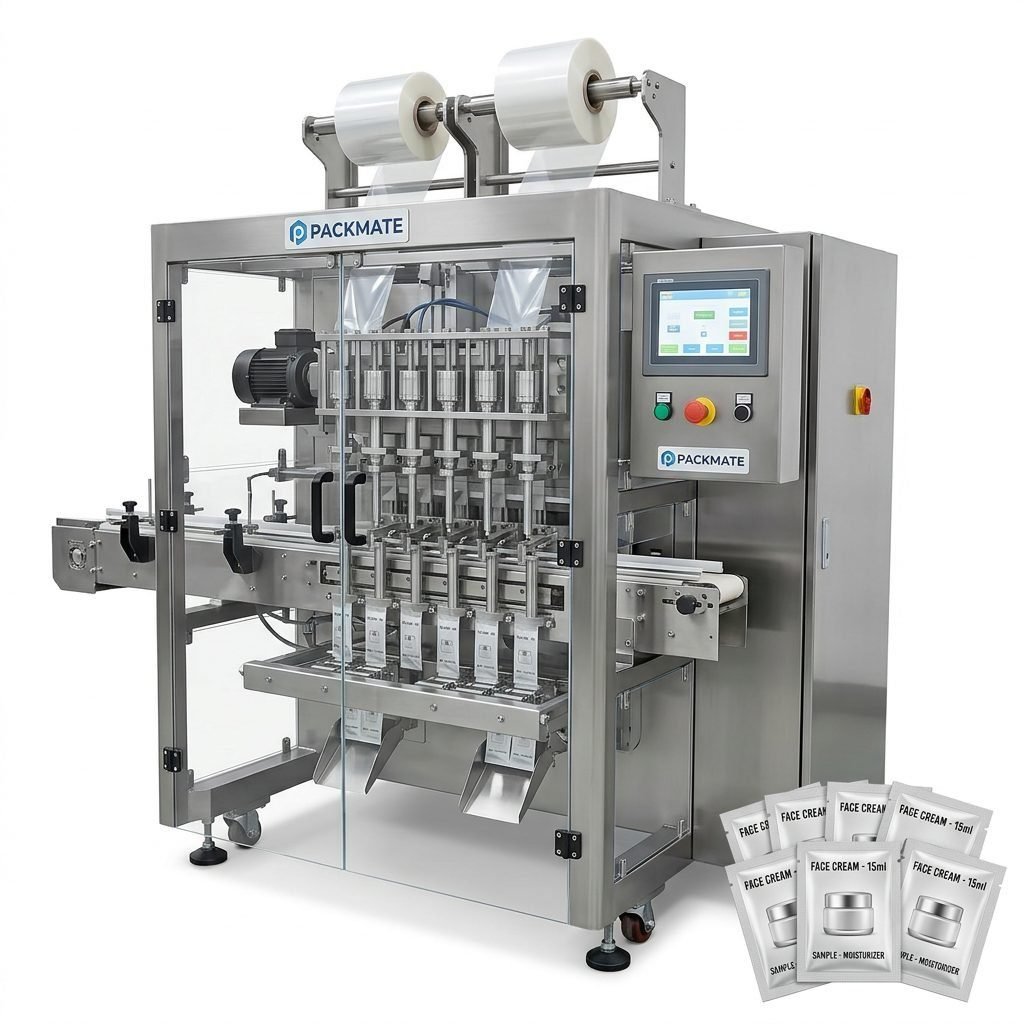
Before starting your search, define your specific needs. What product are you packing? What is your required output (bags per minute)? What is your factory’s power supply and space layout? Answering these questions will narrow your search to manufacturers with relevant expertise. For Burundian companies, factors like machine durability, ease of maintenance, and the availability of spare parts are particularly crucial due to potential logistical hurdles.
Local Tip: Engage with the Burundi Manufacturers Association (AIB) or similar bodies. They may have insights or shared experiences regarding machinery imports and supplier reliability that can guide your decision.
Where to Search for Manufacturers
The global market for packaging machinery is vast, with strong hubs in China, Europe, and North America. For Burundian buyers balancing quality and cost, Chinese manufacturers often present a viable option due to their broad product range and competitive pricing. The key is to move beyond simple online searches and utilize targeted platforms.
- Industry-Specific B2B Platforms: Websites like Alibaba, Made-in-China, and Global Sources list thousands of manufacturers. Use precise keywords like “stick pack machine for powder” or “liquid sachet filling line” and filter for suppliers with Trade Assurance and verified credentials.
- Trade Shows: While attending international fairs like IPACK-IMA or Propak Africa involves travel, they offer the invaluable opportunity to see machines in operation and talk directly to engineers.
- Professional Referrals: Consult with local import agents or other factory owners in Burundi who have recently purchased packaging equipment. Their firsthand experience is gold.
Evaluating Manufacturer Credibility
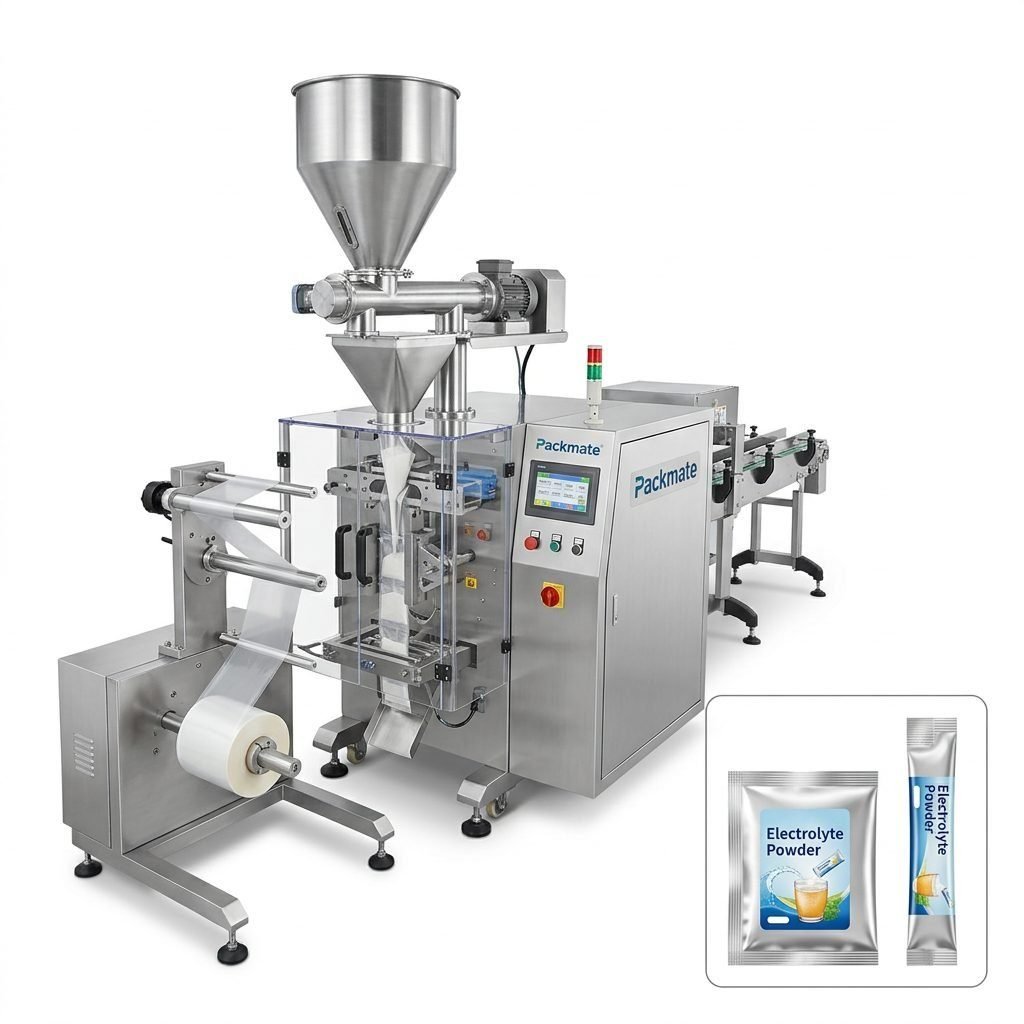
Once you have a shortlist, due diligence is essential. A reliable manufacturer should be transparent and professional. Here are the core areas to investigate:
| Evaluation Area | What to Look For | Red Flags |
|---|---|---|
| Company History & Stability | Long operational history (e.g., 10+ years), physical factory address, business licenses. | Recently established website with no verifiable history, only a P.O. Box address. |
| Technical Capability | Detailed machine specifications, video of equipment running, list of similar client projects. | Vague answers to technical questions, inability to provide reference videos. |
| Quality Control | ISO certification, description of assembly and testing process, quality control checks. | No mention of any quality standards or testing procedures. |
| After-Sales Support | Clear warranty terms, availability of English manuals, remote and on-site support options, spare parts supply. | Support ends at port of shipment, no defined warranty, long lead times for spare parts. |
The Importance of Communication & Customization
Effective communication can make or break an international machinery purchase. For a Burundian business, clearly explaining your product’s characteristics (e.g., flowability of a specific coffee powder, viscosity of fruit puree) is vital. A good manufacturer will ask detailed questions and may request product samples to test. Be wary of suppliers who offer a “one-size-fits-all” solution without engaging in this diagnostic phase.
Customization is often necessary. Whether it’s adapting the machine to your local power voltage, creating a specific pouch size, or integrating a local packaging material, the manufacturer’s willingness and ability to customize is a strong indicator of their commitment to a successful project. Companies that specialize in turnkey lines or non-standard solutions are often better equipped for this.
Spotlight on Potential Partners
Based on export experience, manufacturing scale, and product focus, here are a few manufacturers that frequently work with international clients in regions like Africa. They exemplify the traits of reliable suppliers.
Ludyway
With over 30 years in the industry and a factory spanning 20,000 sq. meters, Ludyway is a major player. They export globally, including to Africa, and offer a wide range from single machines to complete lines. Their long history suggests stability, and their broad portfolio means they likely have a solution for common Burundian products like powders and granules.
Packmate Machinery
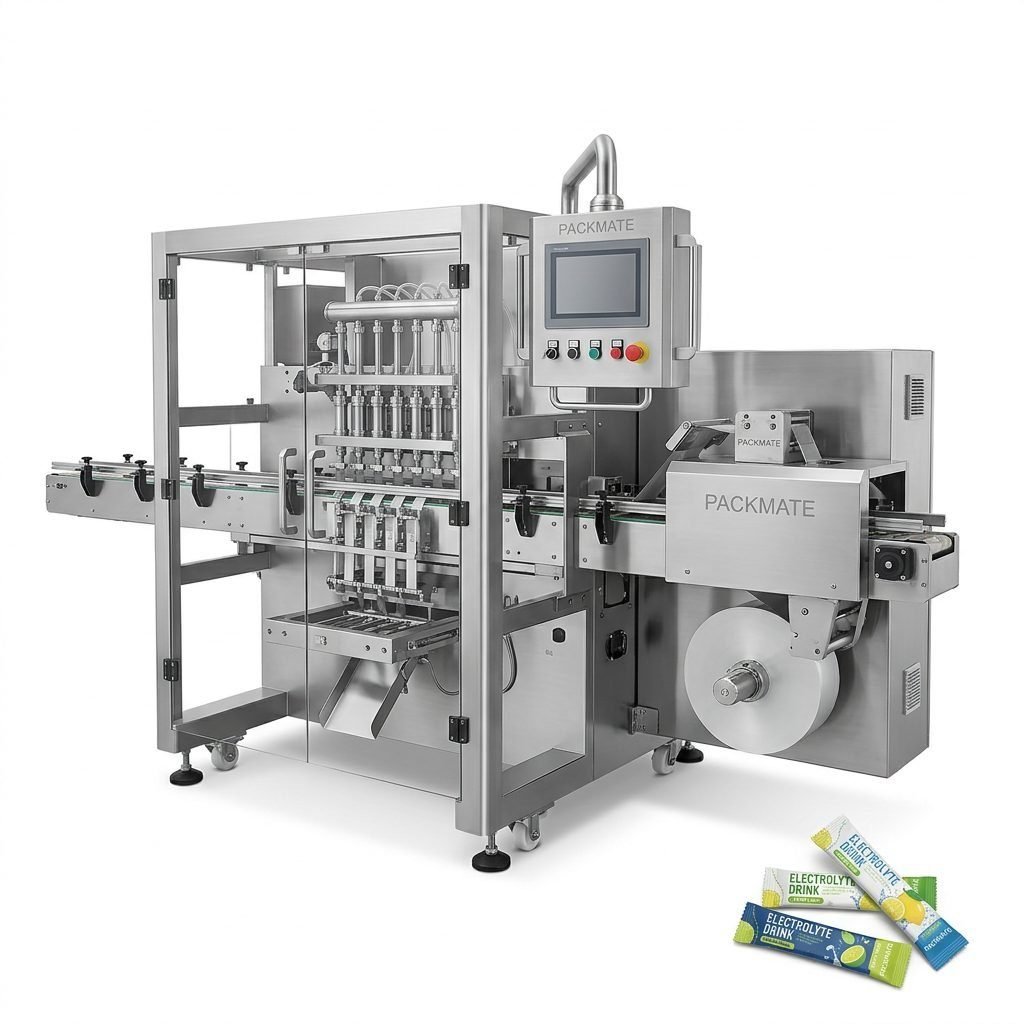
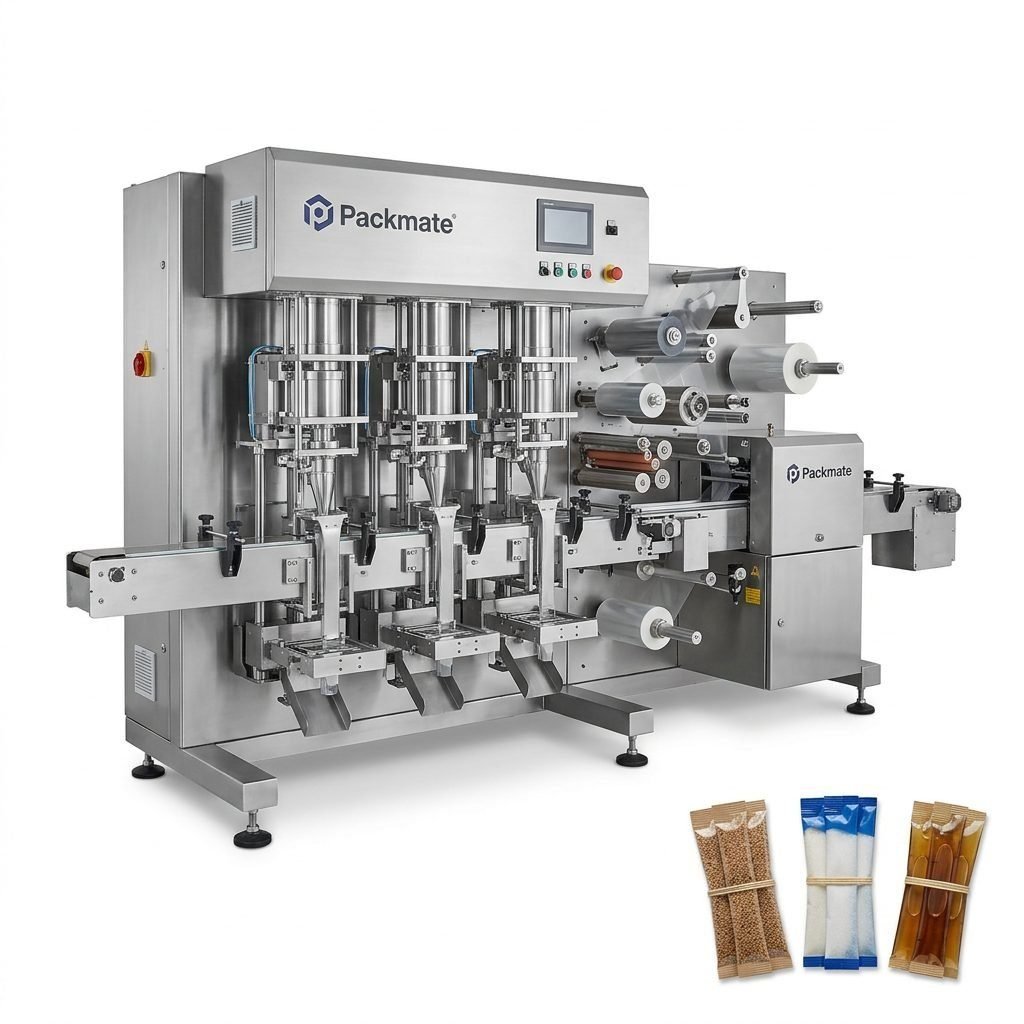
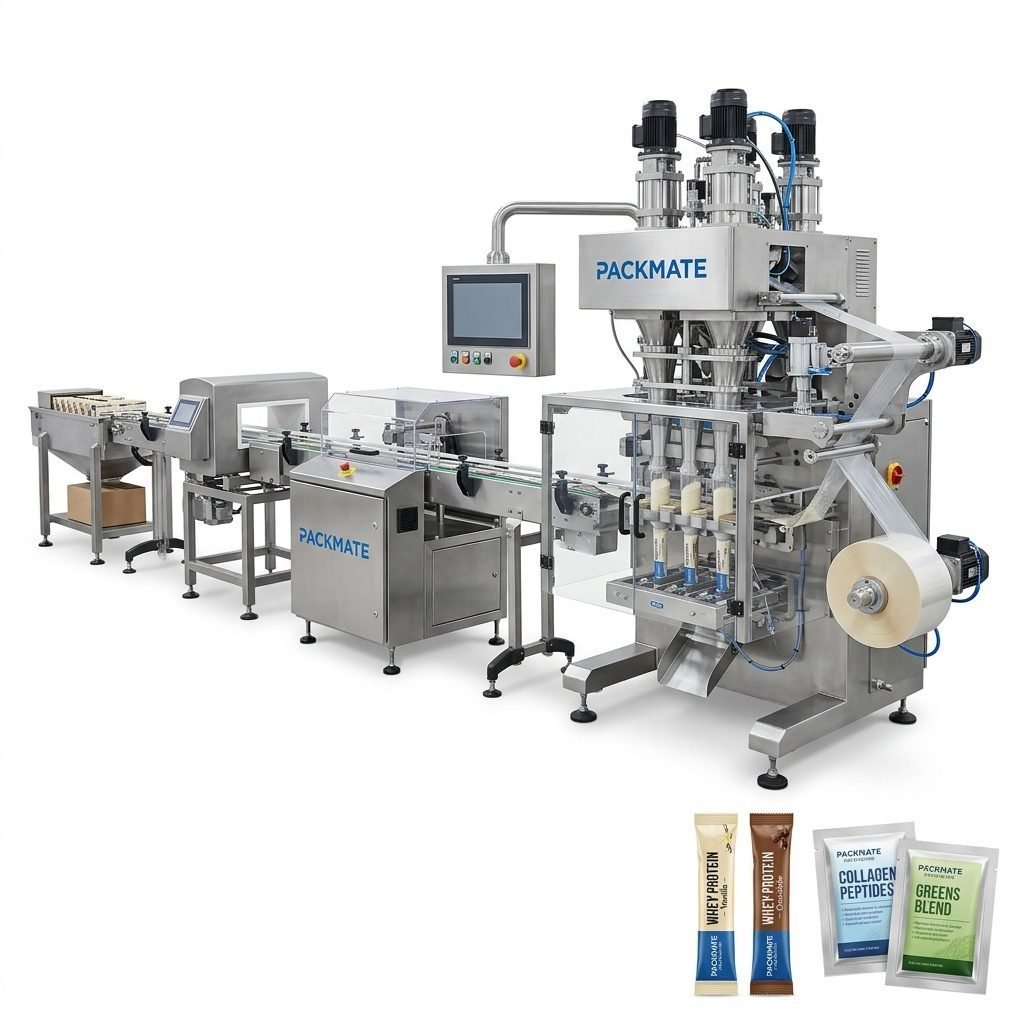
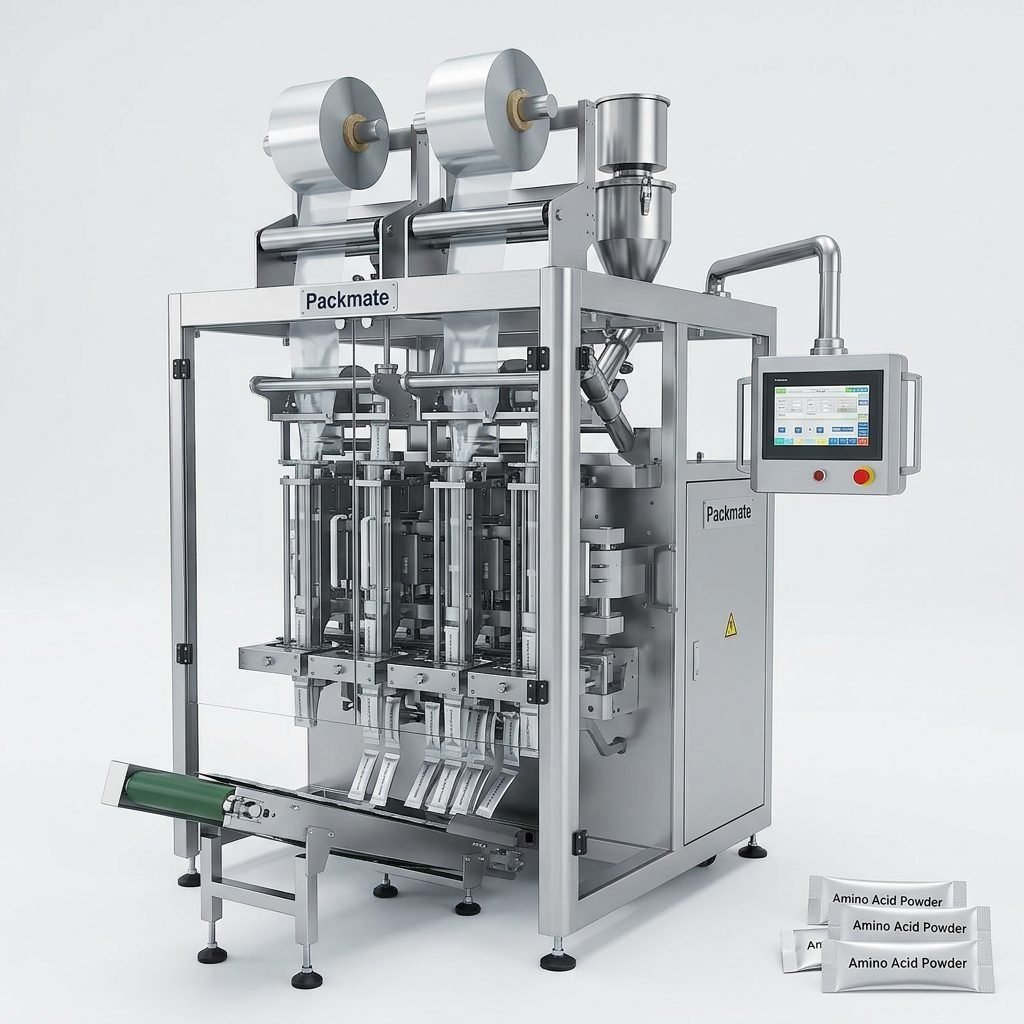
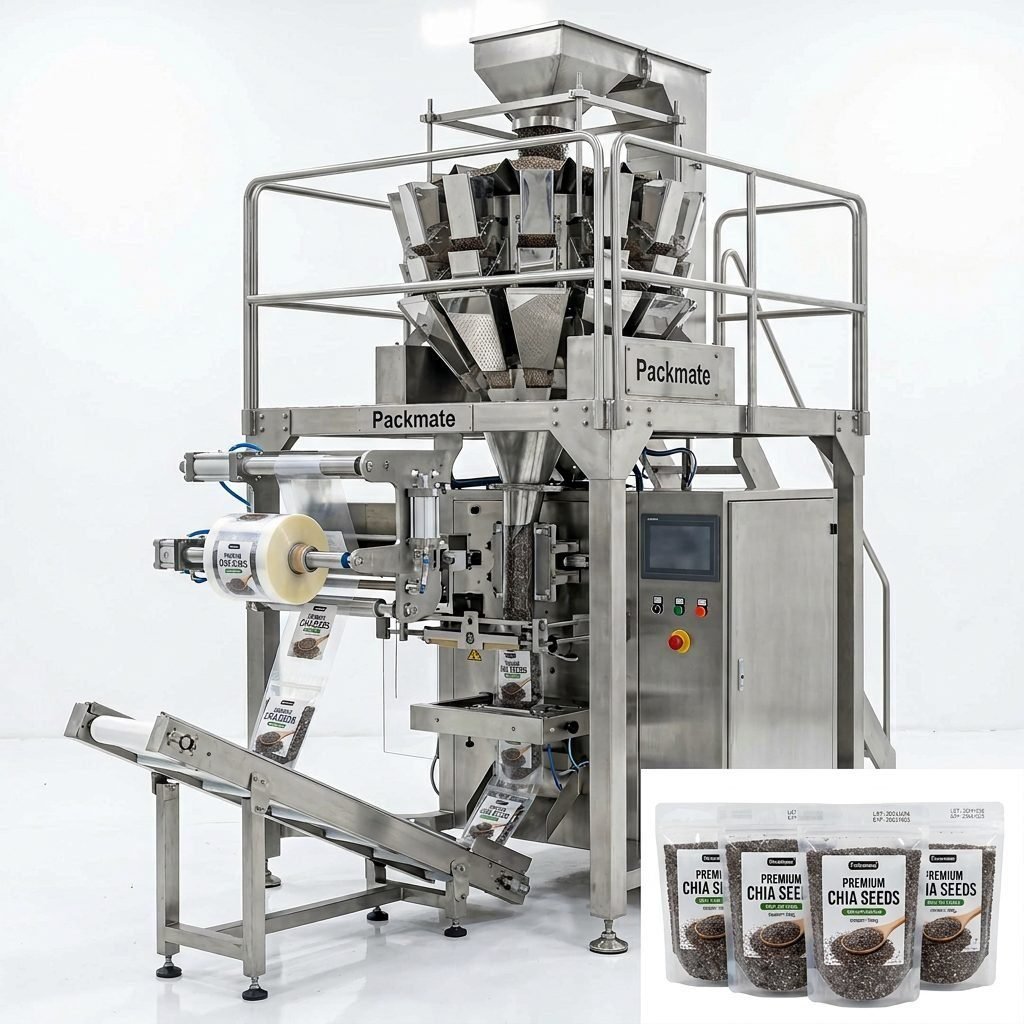
Also boasting 30+ years of experience, Packmate Machinery focuses on practical automation for food and pharma. They have a strong export presence and offer over 80 machine models. For a Burundian buyer, their balance of cost-efficiency and technical reliability could be a compelling factor.
PacklineOEM
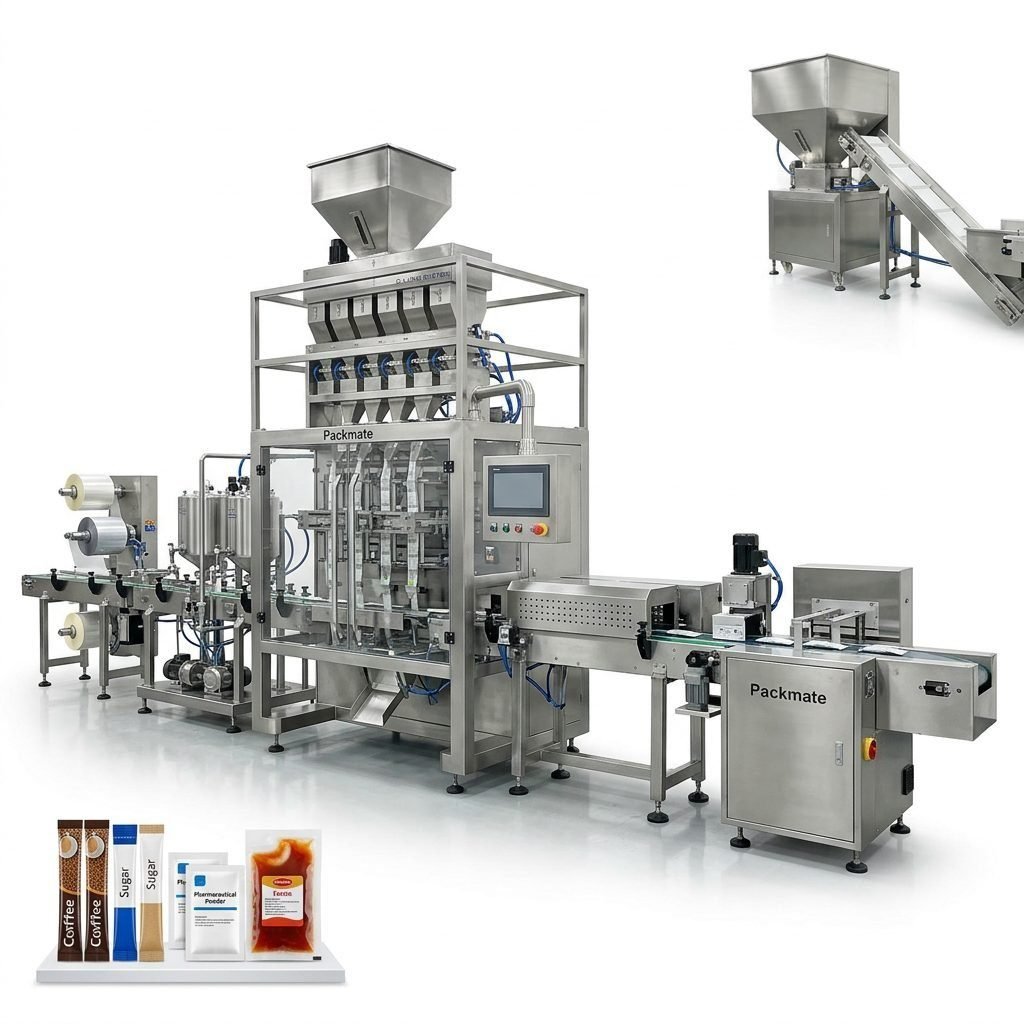
If your project requires a fully integrated production line rather than just a single machine, PacklineOEM is a specialist in turnkey solutions. Their expertise in line integration is valuable for setting up a new, automated production facility.
PackingMachineOEM
For non-standard or highly customized requirements, PackingMachineOEM focuses on this niche. Their flexibility in engineering can be crucial if your product or packaging format doesn’t fit a standard machine profile.
SnusMachinery
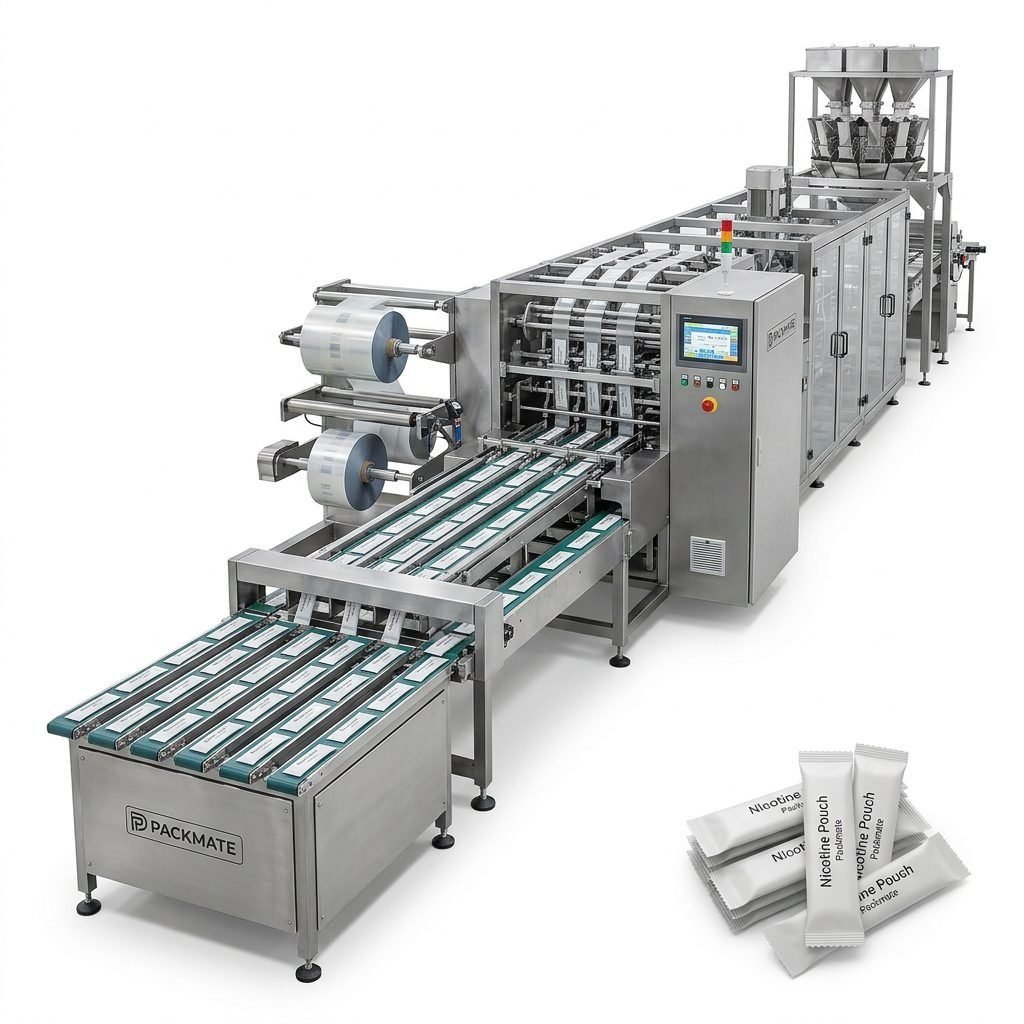
While specialized in nicotine pouch equipment, SnusMachinery also serves general pouch packaging. Their niche expertise highlights the importance of finding a supplier with specific experience if your product has unique demands (e.g., precise dosing for high-value supplements).
Final Steps: Negotiation, Logistics, and Installation
After selecting a manufacturer, negotiate clearly. The quotation should detail the machine price, shipping cost (CIF vs. FOB), payment terms, warranty, and delivery timeline. For shipment to Burundi, you will likely work with a freight forwarder experienced in handling machinery imports to Bujumbura. Ensure all customs documentation (commercial invoice, packing list, certificate of origin) is provided correctly.
Plan for installation and training. Discuss with the supplier whether they will send an engineer for installation or if they provide comprehensive remote guidance. Factor this cost and time into your project plan. Proper training for your local technicians is critical for long-term operational success.
Conclusion
Finding a reliable packaging machine manufacturer for your Burundi-based operation requires research, careful vetting, and clear communication. By focusing on suppliers with proven export experience, solid technical support, and a willingness to understand your local needs, you can significantly reduce risk and invest in equipment that will drive your business growth for years to come.
Frequently Asked Questions (FAQs)
Q: What is the typical lead time for a packaging machine from China to Burundi?
A: Lead times vary. For standard machines, expect 30-60 days for production plus 30-45 days for sea freight and customs clearance in Burundi. Custom or turnkey lines take longer.
Q: How can I verify a manufacturer’s factory without traveling?
A> Request a live video tour via video call (e.g., WhatsApp, Zoom). Ask them to show the production floor, assembly areas, and testing stations in real-time.
Q: What are the key clauses to include in the purchase contract?
A> Ensure it includes detailed machine specifications, performance guarantees (e.g., speed, accuracy), warranty period and coverage, payment schedule, delivery terms (Incoterms), and protocols for handling defects.
Q: Who handles import duties and taxes in Burundi?
A> Typically, the Burundian buyer (importer of record) is responsible for all duties, taxes, and customs clearance fees. Your freight forwarder or a local customs broker can assist with this process.
Q: What is the most common challenge after the machine arrives?
A> Beyond technical issues, the lack of comprehensive training for local operators is a major challenge. Insist on detailed operational manuals (in English or French) and schedule ample remote or on-site training time.