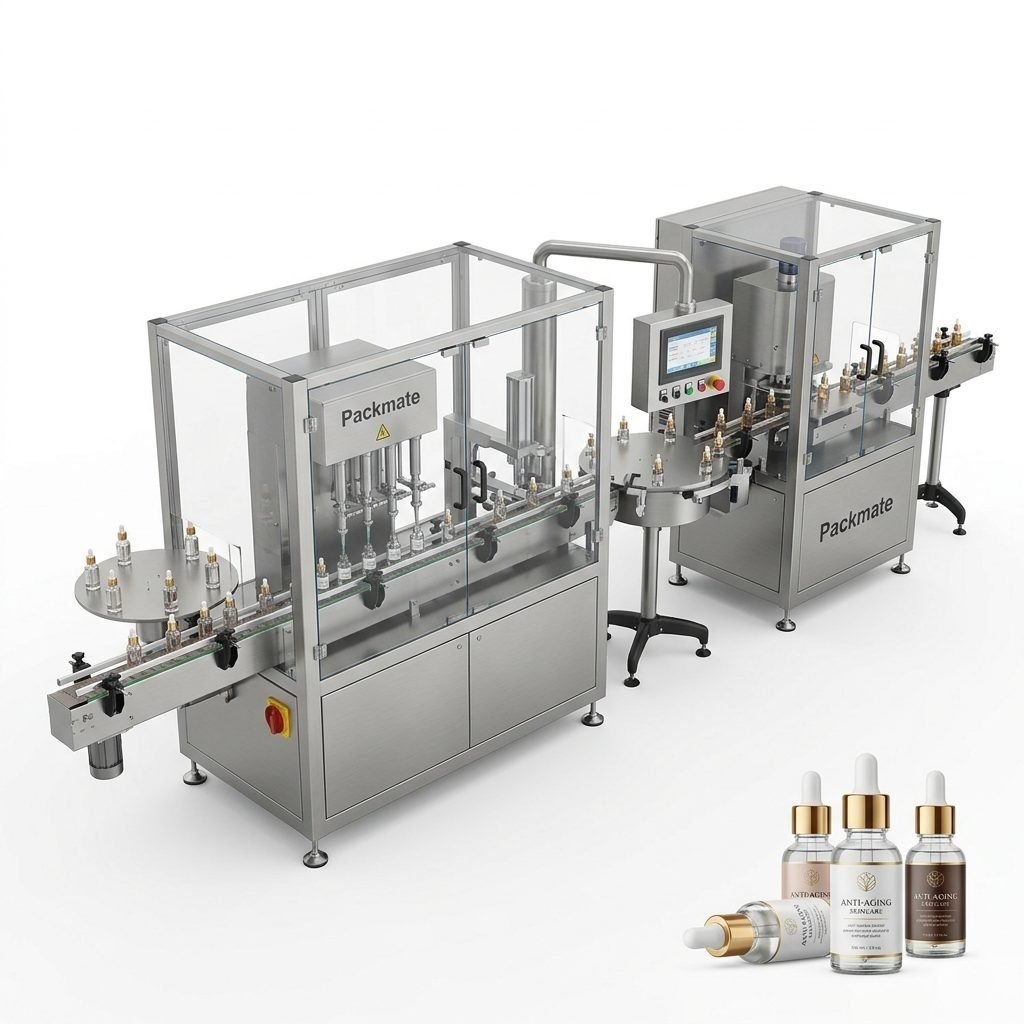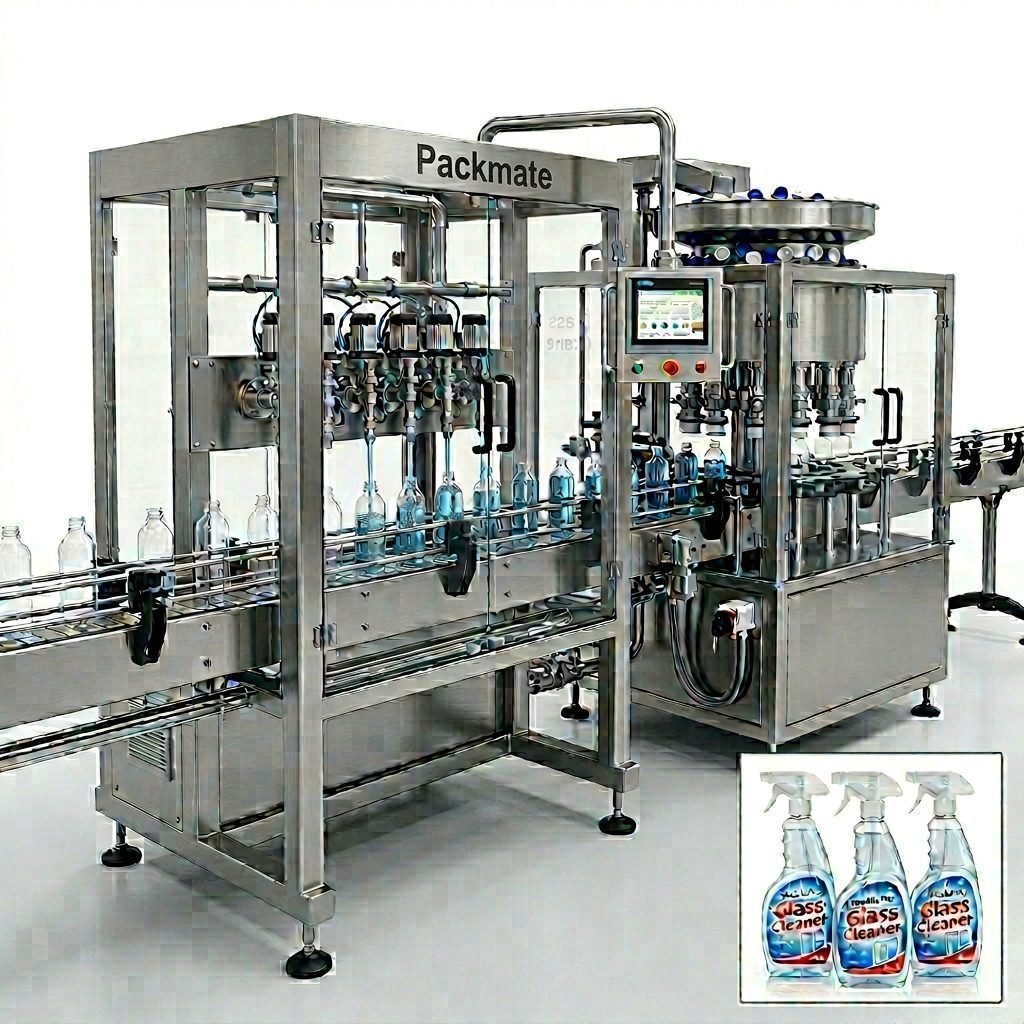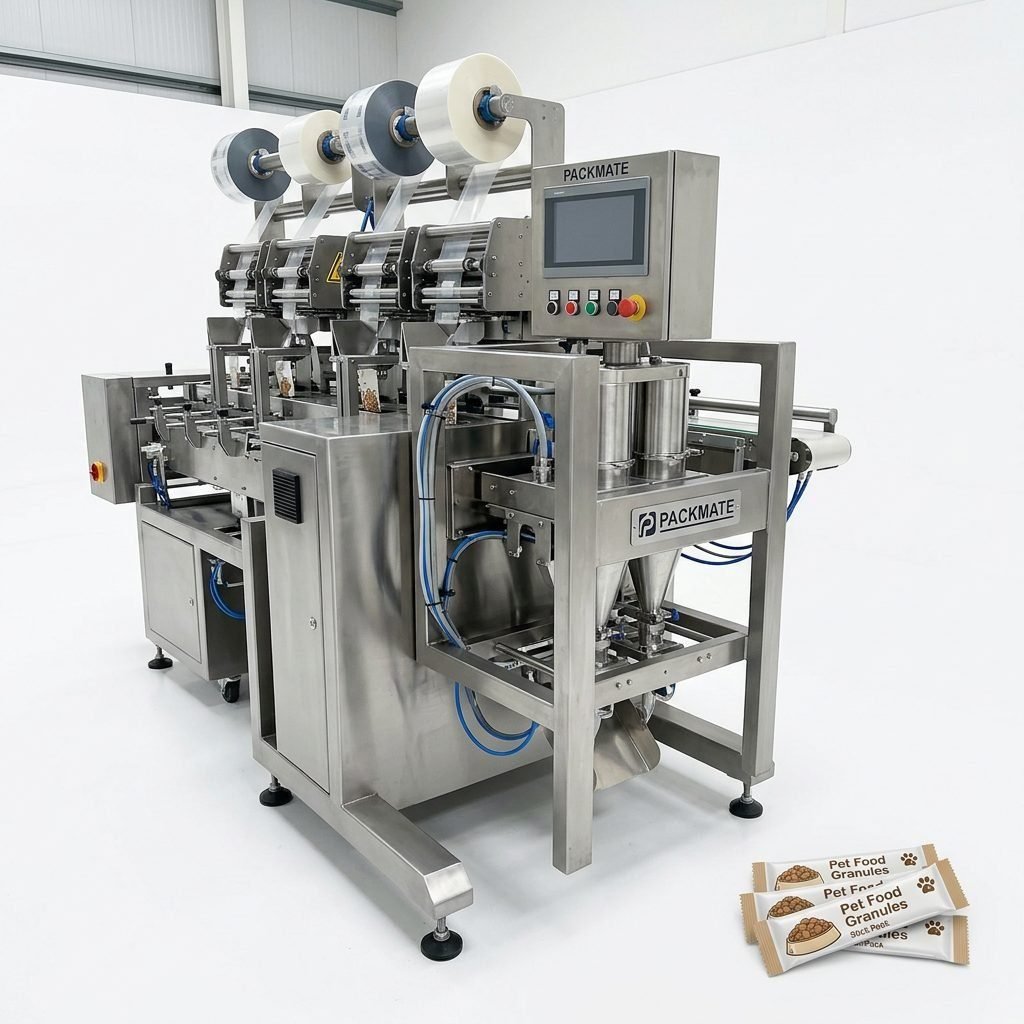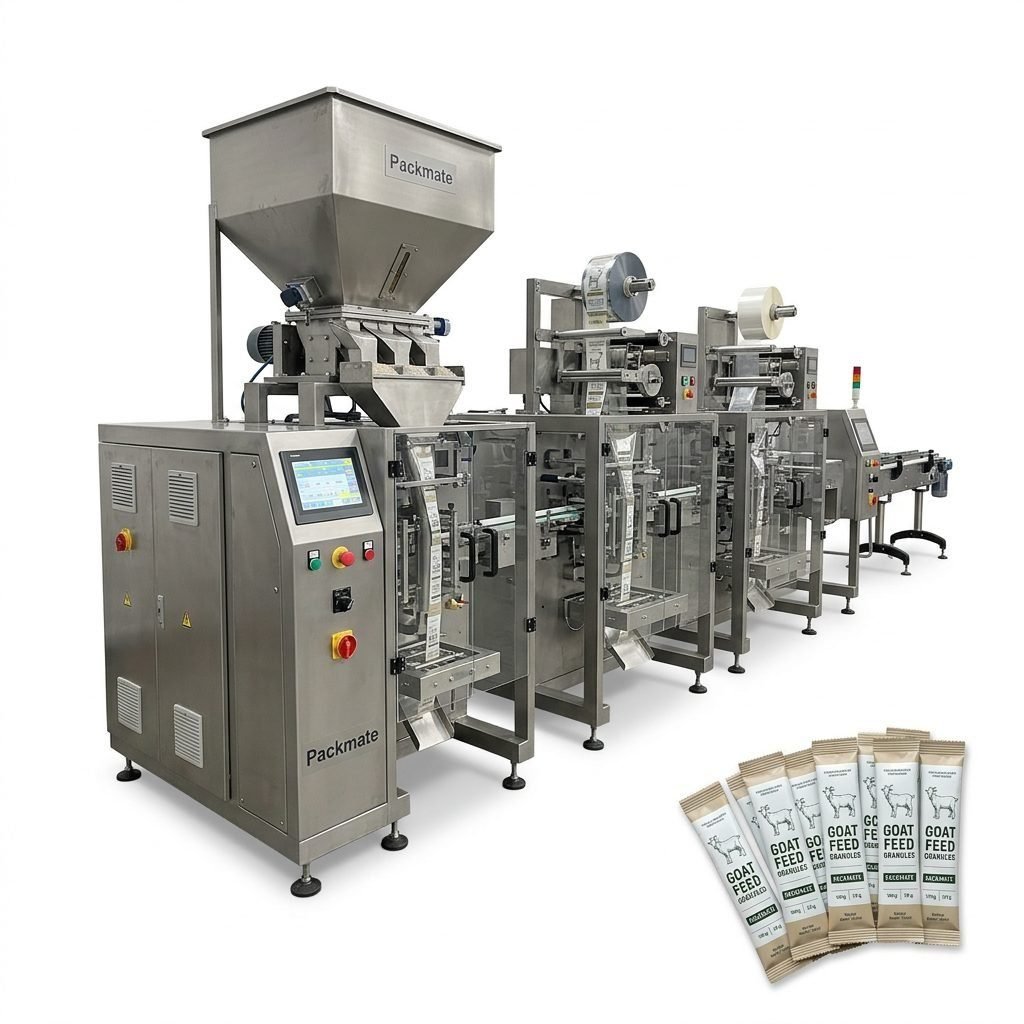
Finding a reliable packaging machine manufacturer in China can be a daunting task, especially for international buyers navigating a vast and complex market. With thousands of manufacturers, varying quality standards, and the challenges of international communication and logistics, making the right choice is critical for your production success. This guide provides a structured, step-by-step approach to help you identify, evaluate, and partner with a trustworthy Chinese packaging machinery supplier.
Step 1: Define Your Packaging Requirements Clearly
Before you begin your search, you must have a crystal-clear understanding of your needs. This forms the foundation for all subsequent steps and ensures you communicate effectively with potential suppliers.
Key questions to answer:
- Product Type: What are you packaging? (e.g., powder, granules, liquids, pastes, solid pieces).
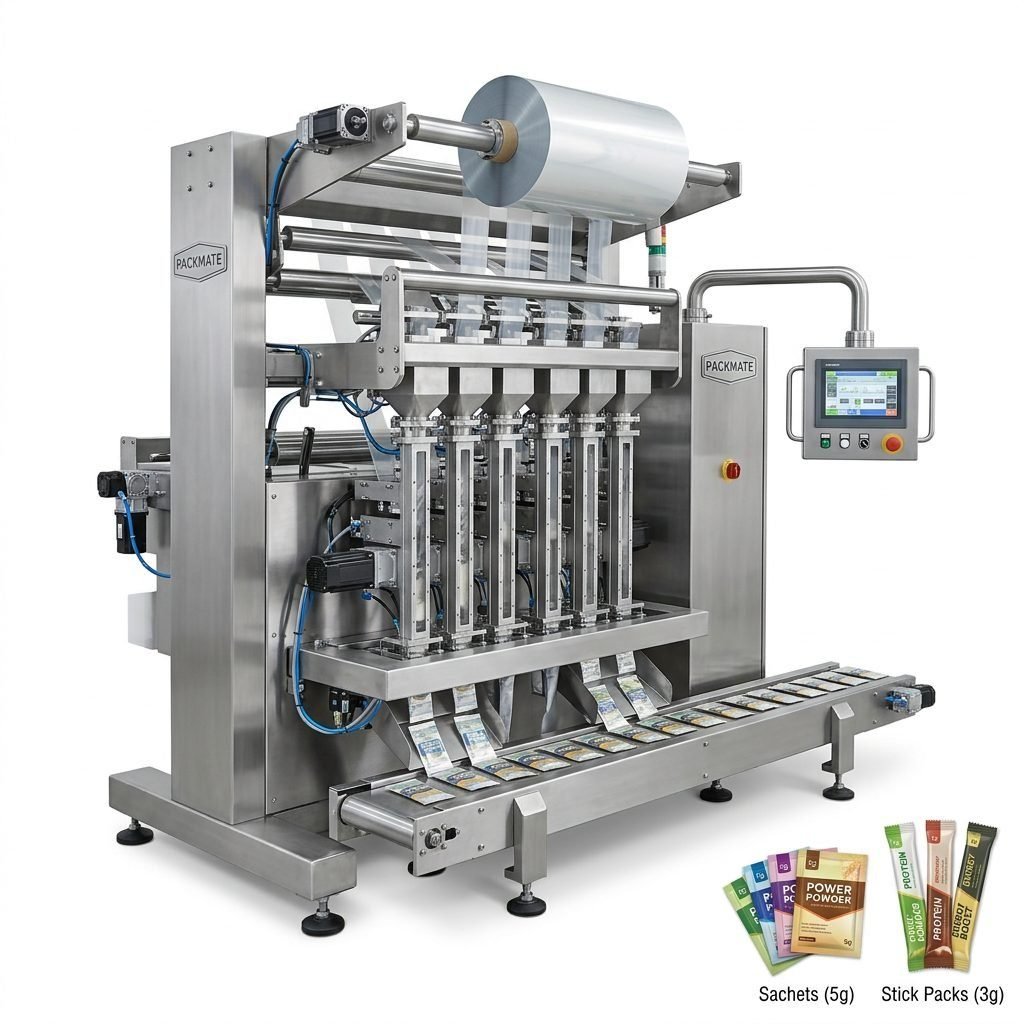
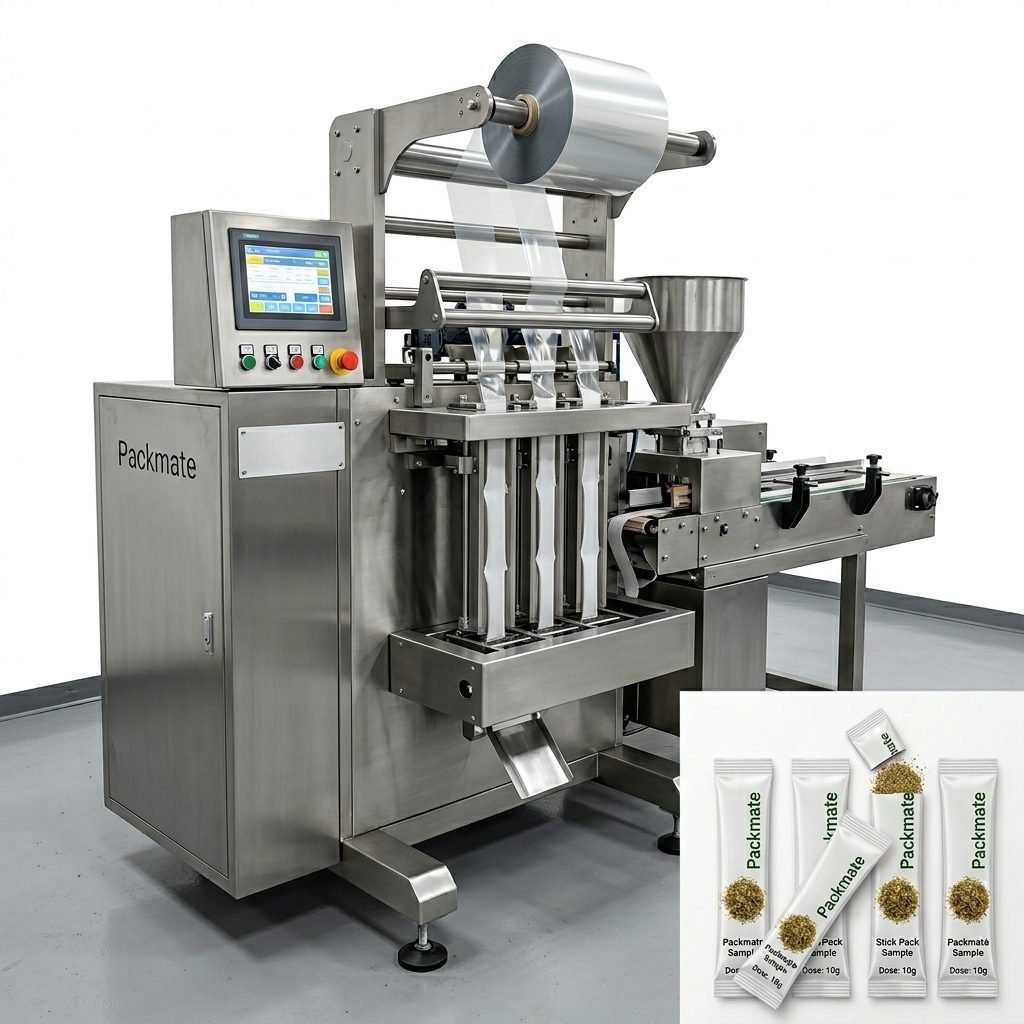
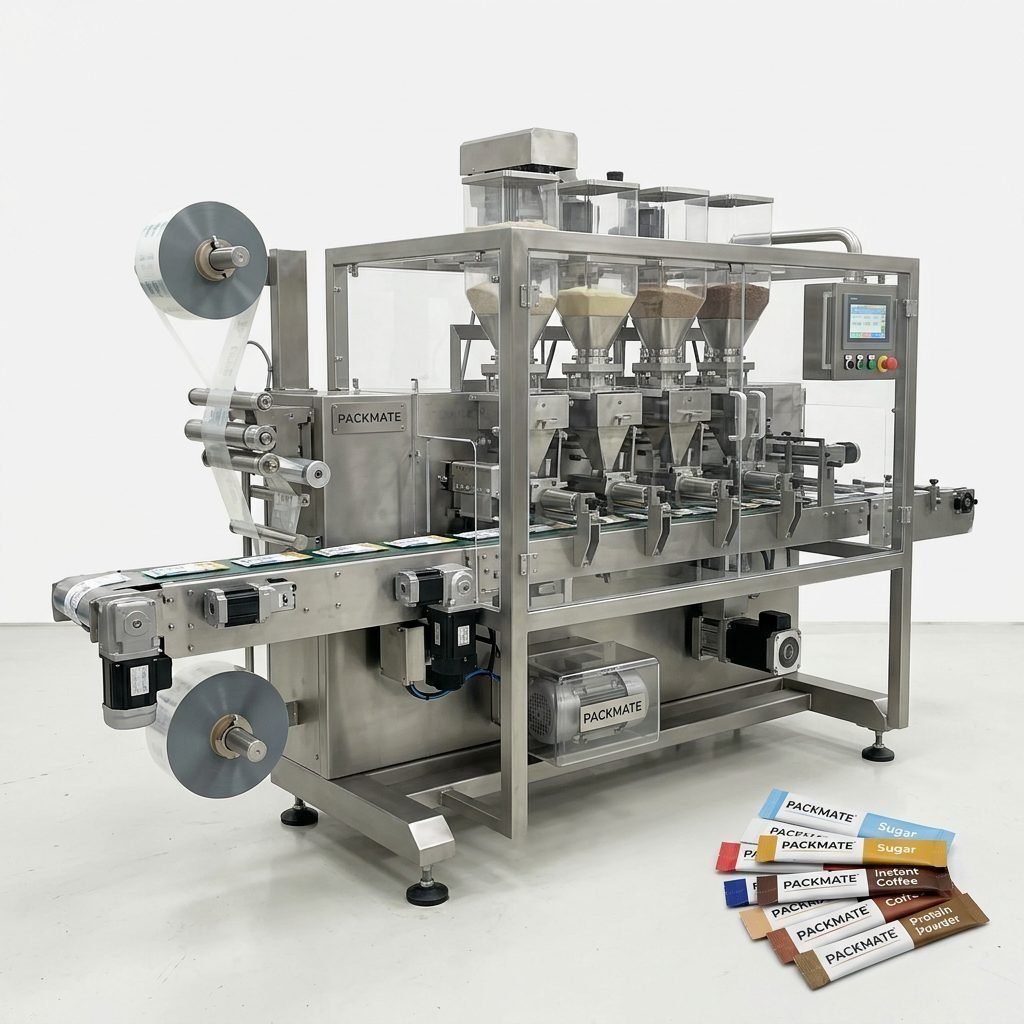
- Packaging Format: What is your desired pouch type? (e.g., stick pack, sachet, pillow bag, gusseted bag).
- Production Speed (Output): What is your required output in bags/packs per minute (BPM)?
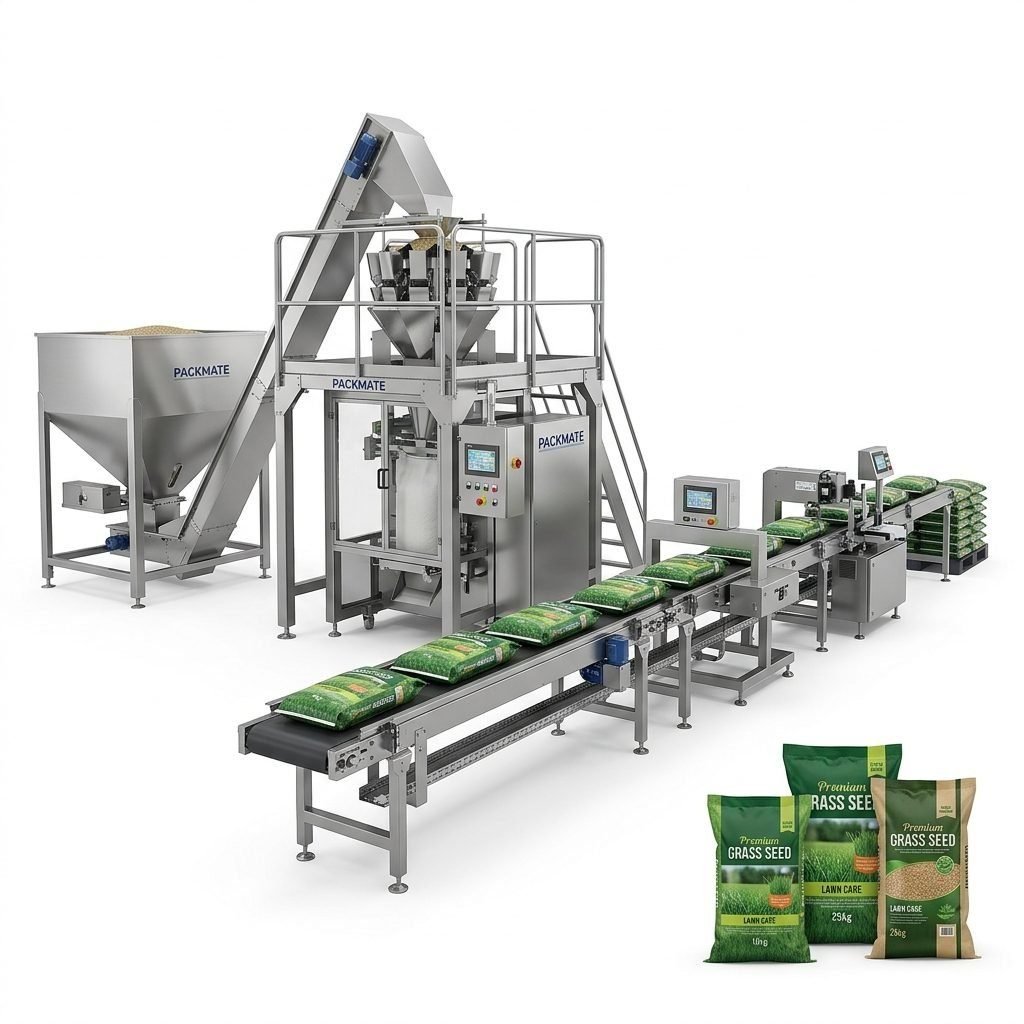
- Machine Type: Do you need a standalone machine or a complete turnkey packaging line?
- Automation Level: What degree of automation is required? (e.g., semi-automatic, fully automatic with integrated feeding and cartoning).
- Budget Range: What is your realistic investment budget?
- Industry-Specific Standards: Are there specific hygiene, safety, or material compliance standards (e.g., FDA, GMP for pharmaceuticals)?
Having detailed specifications ready will save you significant time and help suppliers like Ludyway or Packmate Machinery provide accurate quotations and viable solutions from the outset.
Step 2: Conduct Initial Online Research and Create a Shortlist
Use online platforms and search engines to find potential manufacturers. Look beyond the first page of search results. Key resources include B2B platforms (Alibaba, Made-in-China), industry-specific directories, and Google searches with precise keywords.
Focus on manufacturers that explicitly mention your industry (food, pharma, etc.) and product type. A company like SnusMachinery, for instance, clearly targets the nicotine pouch sector, indicating specialized expertise.
Evaluation Criteria for Initial Shortlisting:
| Criteria | What to Look For |
|---|---|
| Company Website | Professional design, detailed product information, clear company profile, English language support. |
| Product Range | Machines that match your format (stick pack, sachet) and material (powder, liquid). |
| Export Experience | Mention of key export markets (Europe, North America, etc.) and international clientele. |
| History & Stability | Years in business (e.g., “Founded: 1993” indicates long-term stability). |
Step 3: Deep-Dive into Manufacturer Credentials and Capabilities
Once you have a shortlist of 5-10 companies, investigate their credentials more thoroughly. This step is about separating marketing claims from tangible capability.
Verify their manufacturing strength. A factory size of “Over 20,000 square meters,” as stated by several leading companies, suggests substantial in-house production capacity, which is often linked to better quality control and the ability to handle customization. Look for evidence of their engineering team, quality control processes, and R&D investment.
Key Capability Checkpoints:
- Customization Ability: Can they adapt a standard machine to your specific needs? Suppliers like PackingMachineOEM and PacklineOEM emphasize this as a core strength.
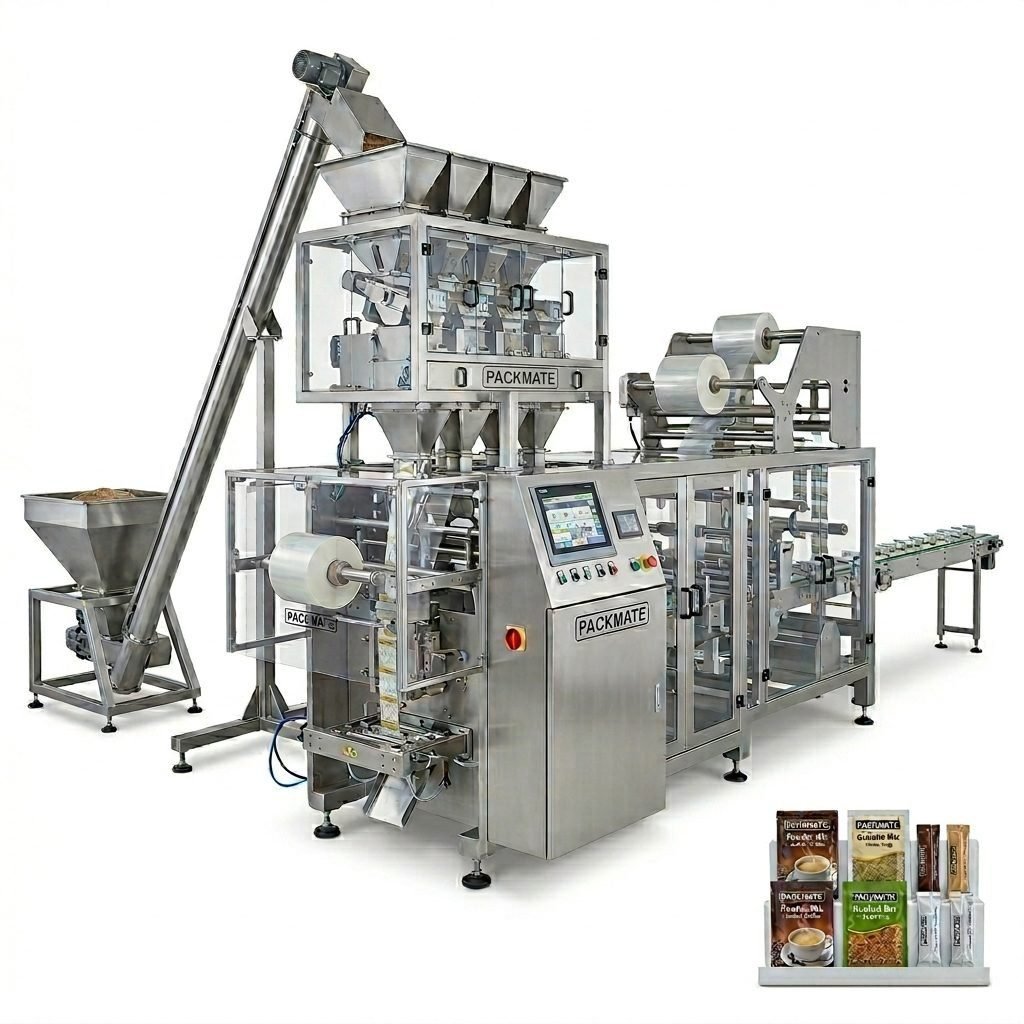
- Turnkey Solutions: If you need a full line, does the supplier have experience in integrating different equipment (filling, sealing, conveying, cartoning)?
- After-Sales Support: What is their policy for installation, training, spare parts, and technical support? Strong exporters have structured international support networks.
Step 4: Initiate Contact and Assess Communication
Reach out to your shortlisted suppliers via email or contact forms. The quality and speed of their response are strong indicators of their professionalism and how they will handle future communication.
Provide your detailed requirements from Step 1 and ask specific questions:
- Request a quotation for a machine matching your specs.
- Ask for a list of similar clients or case studies in your region/industry.
- Inquire about lead time, payment terms, and warranty details.
- Ask about their process for machine testing and factory acceptance tests (FAT).
A reliable manufacturer will ask clarifying questions, provide detailed answers, and may request a video call to discuss your project in depth. Hesitant, vague, or overly aggressive sales tactics are red flags.
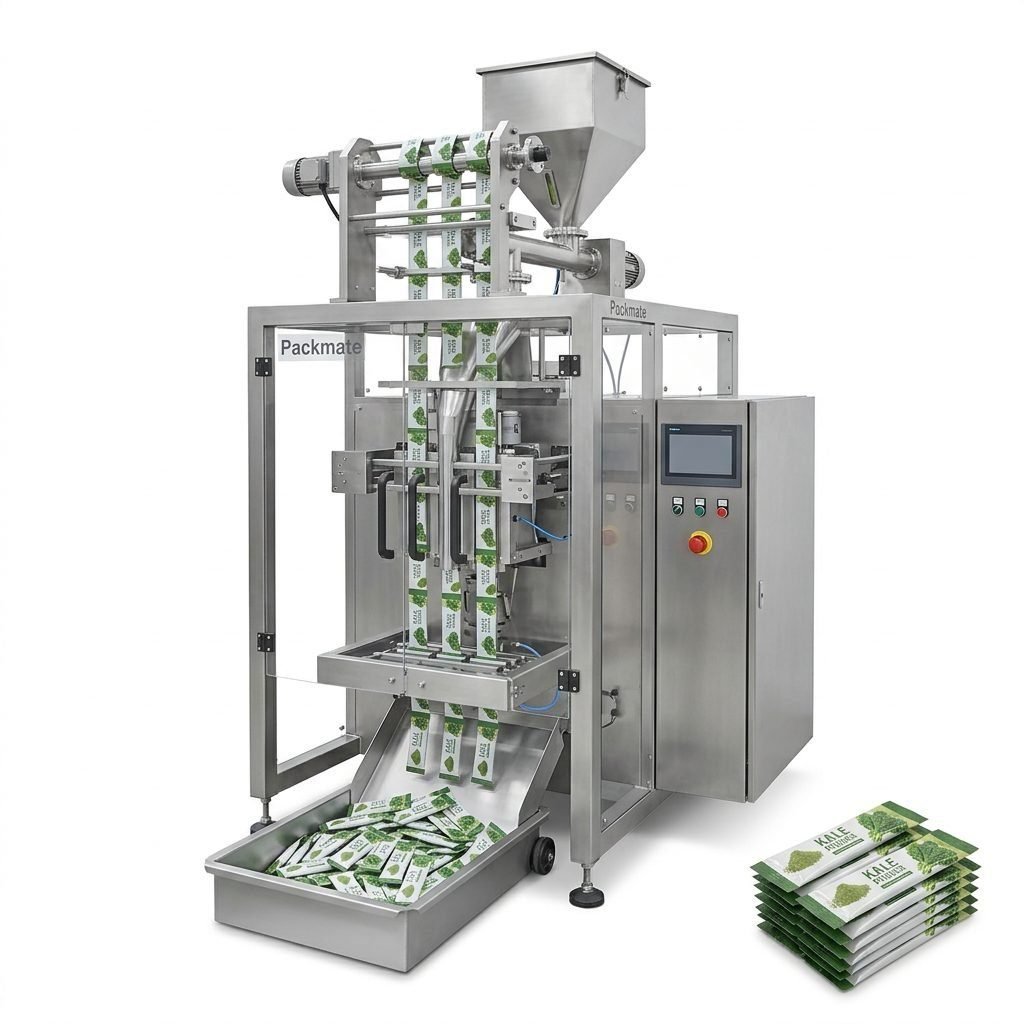
Step 5: Request and Review References, Certificates, and Videos
Ask for verifiable proof of their work. This is a non-negotiable step in building trust.
- Client References: Request contact information for 2-3 international clients who have purchased similar equipment. Follow up with them to ask about machine performance, reliability, and after-sales service.
- Quality Certificates: Ask for relevant certifications (e.g., CE, ISO 9001). These are baseline indicators of a quality management system.
- Videos: Request recent videos of the actual machine model running in their factory or at a client’s site. Live video calls for a factory tour or machine demonstration are even better.
Step 6: Evaluate Proposals and Consider a Factory Visit
Compare the proposals you receive. The cheapest option is rarely the best. Evaluate the total value, which includes machine quality, technical support, warranty, and the supplier’s reputation.
If your order value is significant, plan a visit to the manufacturer’s factory in China. This allows you to:
- Inspect the production facility, workshop cleanliness, and equipment.
- Meet the engineering and management team in person.
- Witness machine assembly and testing procedures firsthand.
- Discuss customization details face-to-face.
Seeing the operation of a company like Ludyway or Packmate Machinery firsthand provides unparalleled confidence in your investment.
Step 7: Negotiate Contract Terms and Arrange Payment
Once you have selected your preferred partner, focus on the contract. Ensure all agreed-upon details are included:
- Detailed machine specifications and performance guarantees (e.g., speed, accuracy).
- Delivery terms (Incoterms: FOB, CIF, etc.).
- Payment schedule (e.g., 30% deposit, 60% before shipment, 10% after successful installation).
- Warranty period and scope of after-sales service.
- Provisions for a Factory Acceptance Test (FAT) and your right to witness it.
Use secure payment methods like Letter of Credit (L/C) or escrow services, especially for first-time transactions, to protect both parties.
Step 8: Manage Production, Inspection, and Shipping
Stay engaged during the production phase. Request regular updates and photos/videos of the production progress. Insist on conducting a Factory Acceptance Test (FAT), either by sending your representative or via live video stream. The FAT verifies that the machine meets all agreed specifications before it leaves the factory.
Finally, work with the supplier and your freight forwarder to arrange shipping and handle customs clearance in your country. A reliable manufacturer will assist with export documentation.
Frequently Asked Questions (FAQs)
1. How do I verify the real factory size and capability of a Chinese packaging machine supplier?
Request a live video tour via WhatsApp or Zoom that shows the workshop, assembly lines, and inventory. Ask to see their business license and check their company name on Chinese business registration platforms (like Tianyancha) through a local agent. Insist on seeing raw machine frames and assembly in progress, not just finished products in a showroom.
2. What is the typical lead time for a custom automatic packaging machine from China?
For a standard model, lead times typically range from 45 to 75 days after order confirmation and deposit. For highly customized machines or complete turnkey lines, it can extend to 90-120 days or more. Always confirm the detailed production schedule with your supplier.
3. Are Chinese packaging machines compatible with our local power standards and safety regulations?
Reputable exporters like those profiled are accustomed to producing machines for global markets. You must specify your required voltage (e.g., 110V/60Hz for North America, 230V/50Hz for Europe), plug types, and any specific safety certifications needed (e.g., CE, UL). They should be able to configure the machine accordingly.
4. What is included in the after-sales service, and how is technical support handled remotely?
A comprehensive service package should include installation guidance (often via video call), operational training, a parts manual, and a warranty (commonly 12-18 months). Support is typically provided via email, WhatsApp, and video calls. For critical issues, suppliers may dispatch an engineer, though travel costs are often negotiated separately. Ensure you understand the spare parts supply process and lead times.
5. How can we protect our payment when dealing with a new supplier?
Start with secure payment terms. A common and balanced structure is: 30% deposit by T/T, 60% balance paid against copy of shipping documents before shipment, and 10% retained until successful installation and commissioning. Using a Letter of Credit (L/C) through your bank offers more security but involves higher fees. For large orders, consider hiring a third-party inspection company in China to verify the machine before final payment.