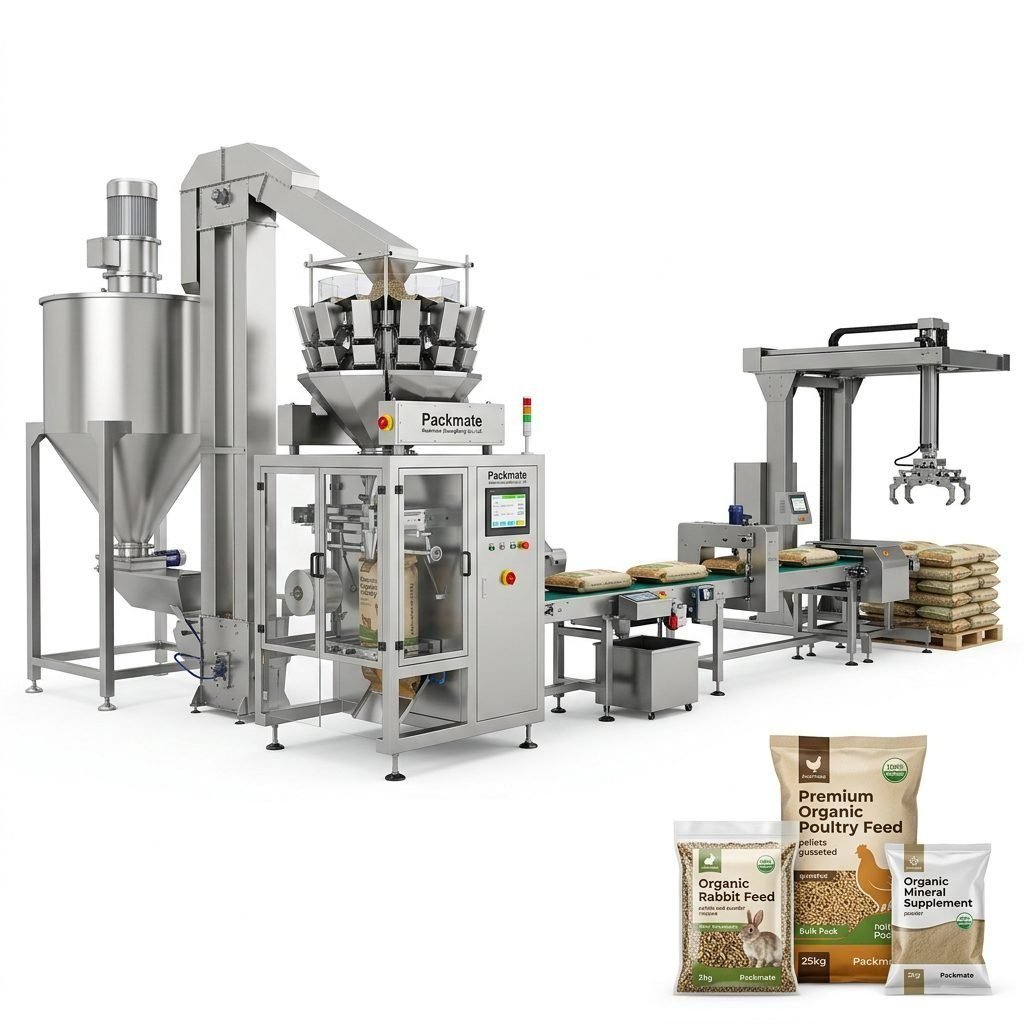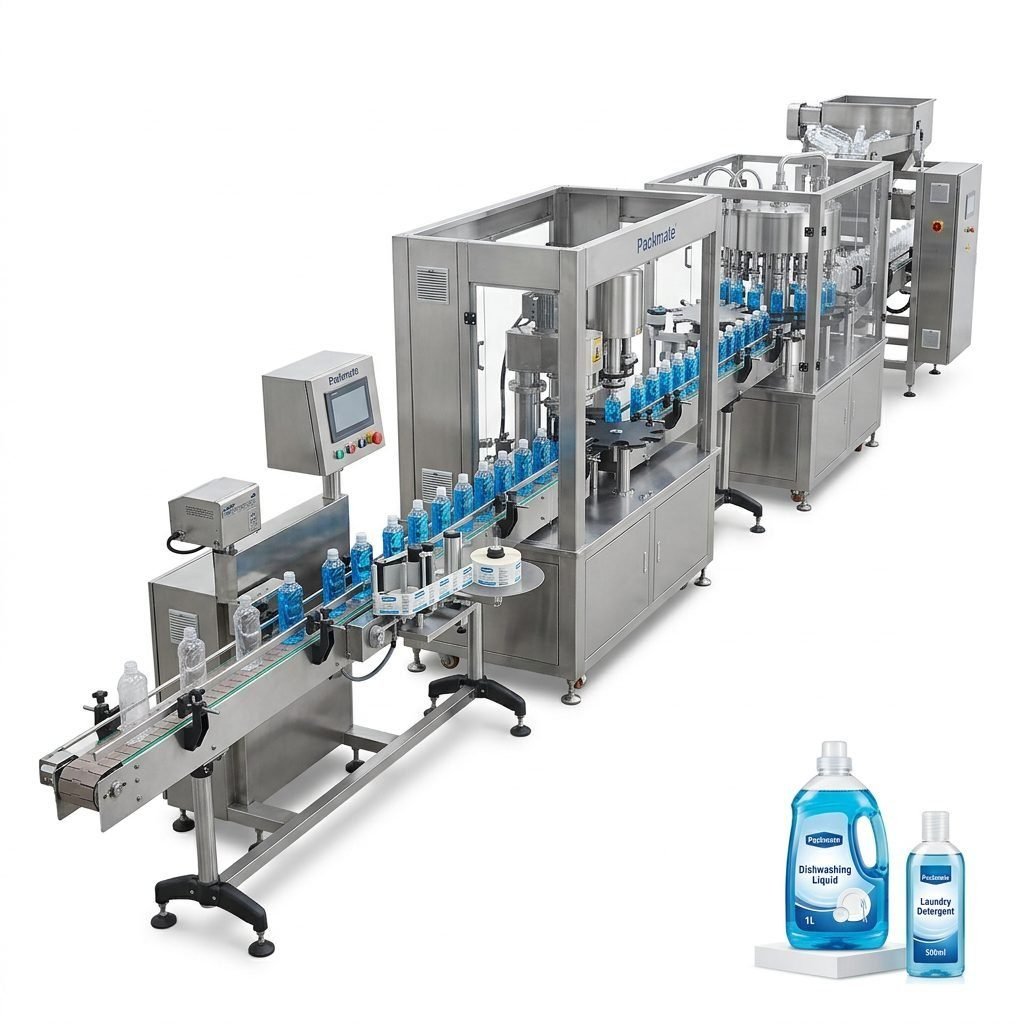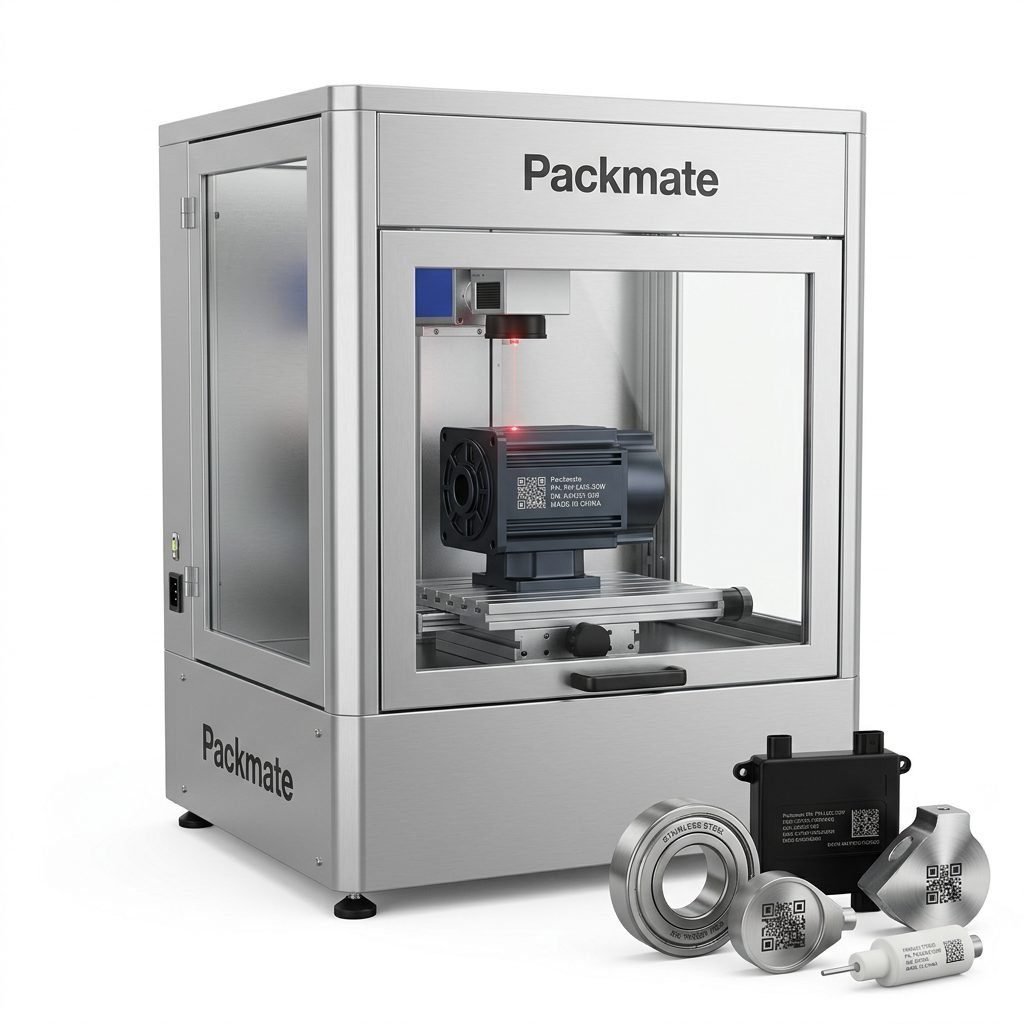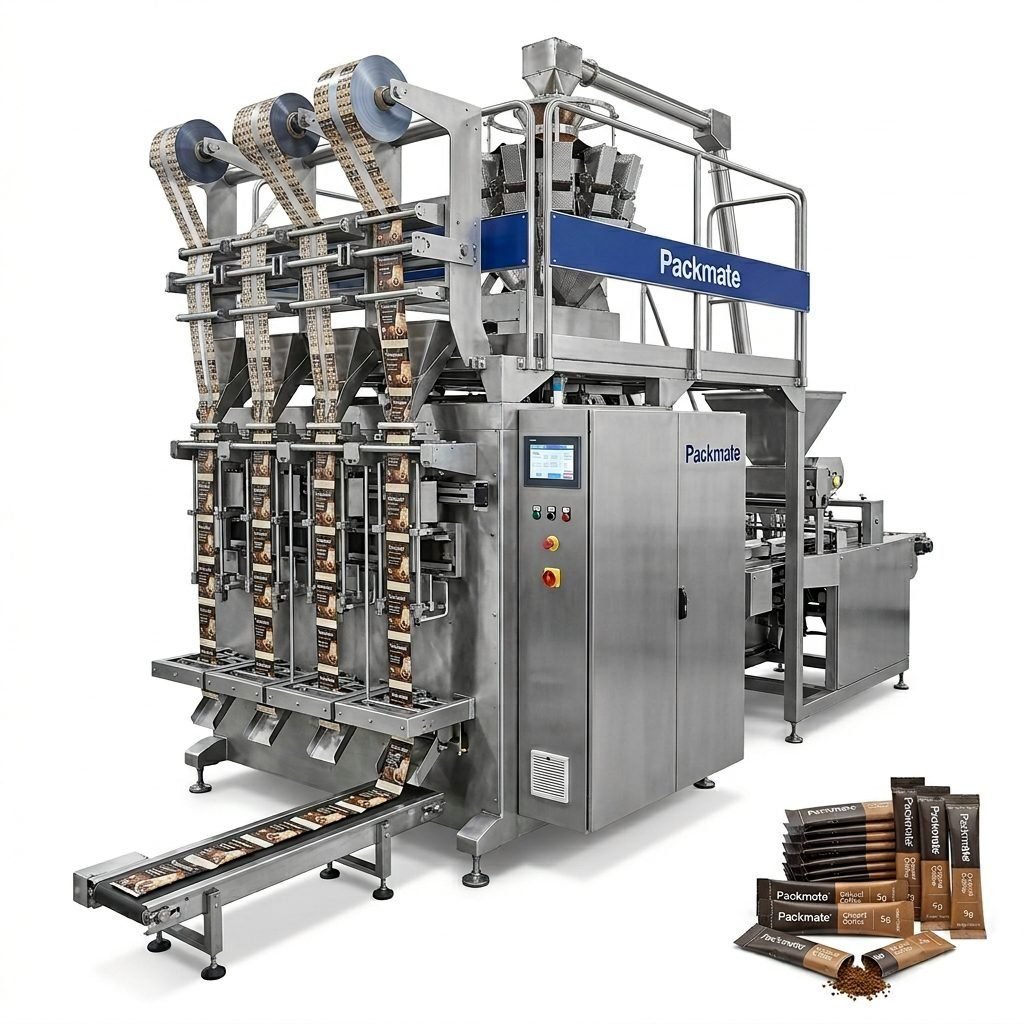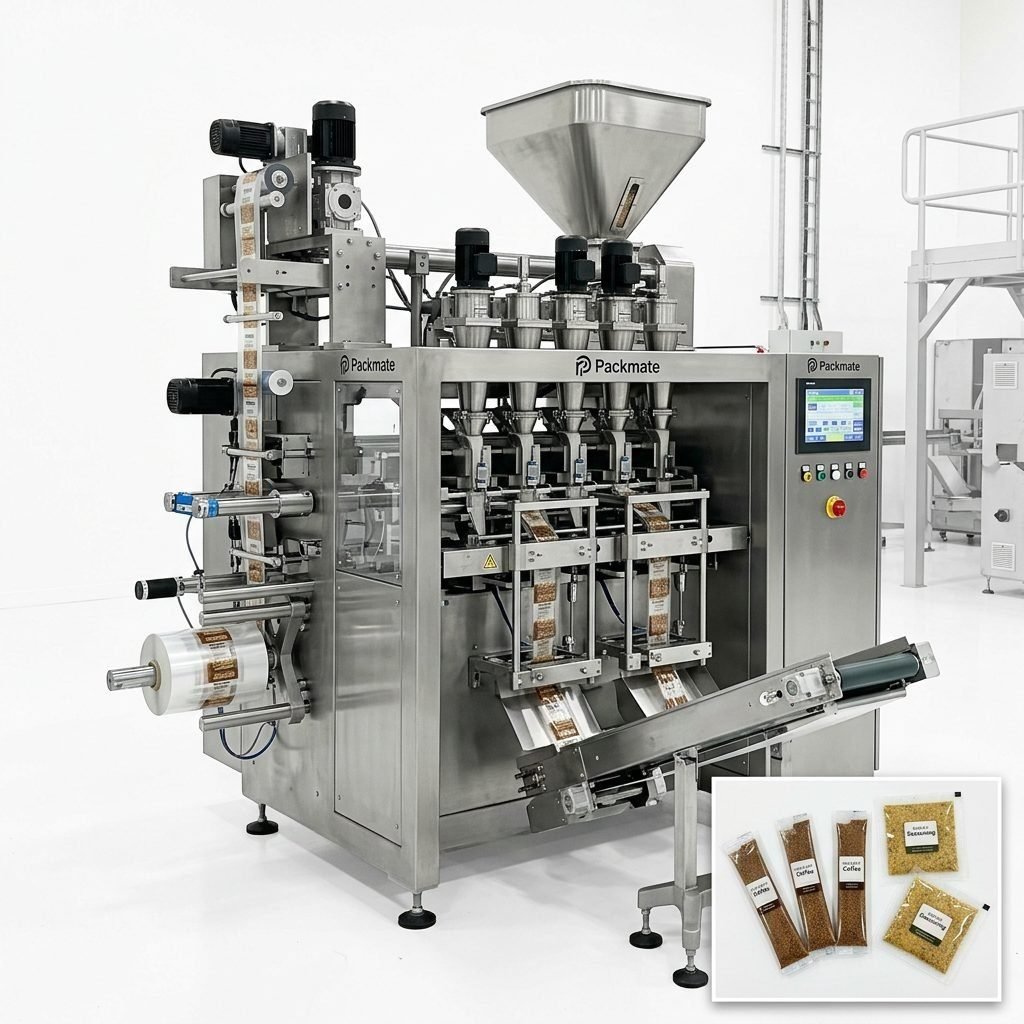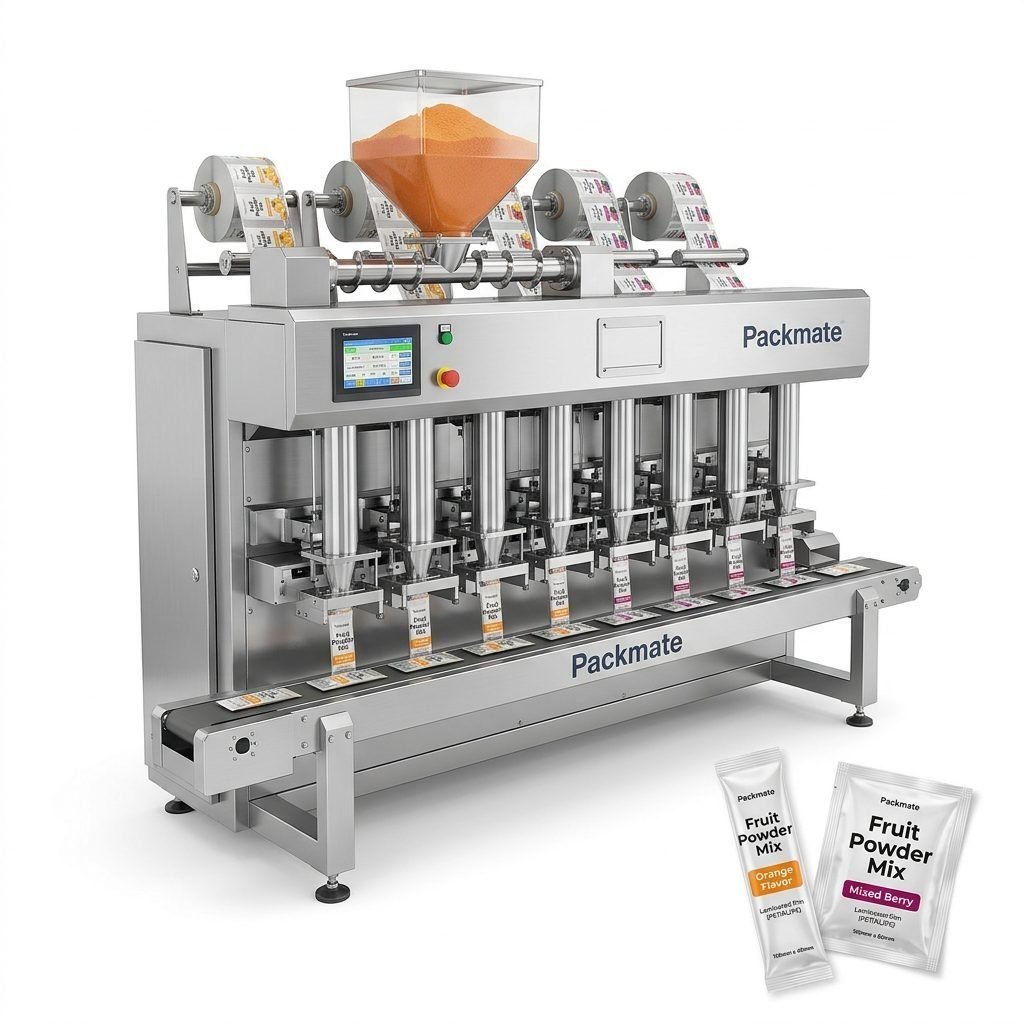
Selecting the right packaging machine manufacturer in Argentina is a critical decision that can significantly impact your production efficiency, product quality, and overall business competitiveness. The Argentine market, with its strong agricultural exports, growing pharmaceutical sector, and dynamic food processing industry, has specific needs for reliable, efficient, and adaptable packaging solutions. Whether you are in Buenos Aires producing premium beef jerky, in Mendoza packaging wine accessories or supplements, or in Córdoba manufacturing dairy powders, the right equipment partner is key to scaling your operations.
Key Factors for Argentine Businesses to Consider
When evaluating packaging machine manufacturers for the Argentine market, several local factors come into play. The country’s economic landscape often requires a balance between initial investment cost and long-term operational reliability. Furthermore, access to technical support and spare parts is crucial due to geographical distance from major global manufacturing hubs. Argentine producers also face diverse export regulations to markets like Mercosur partners, Europe, and North America, making packaging consistency and compliance essential.
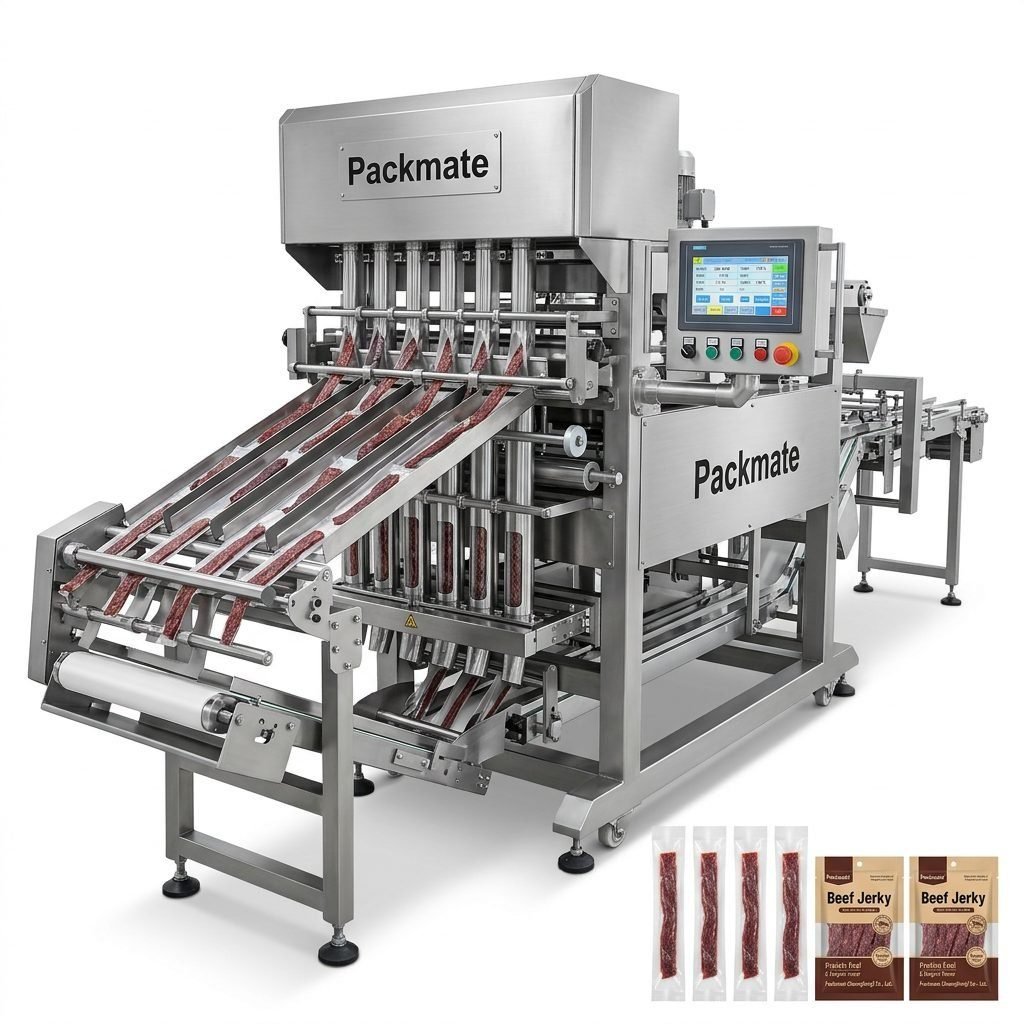
Understanding your specific product format is the first step. Are you packaging granules like instant coffee or dried herbs, powders like milk formula or seasoning blends, liquids like oils or sauces, or pastes? The product characteristics directly determine the type of filling, dosing, and sealing technology required. Argentine companies, especially in the food and nutraceutical sectors, often deal with hygroscopic or abrasive materials, which demand machines built with specific material contacts and precision.
1. Assessing Your Production Volume and Scalability Needs
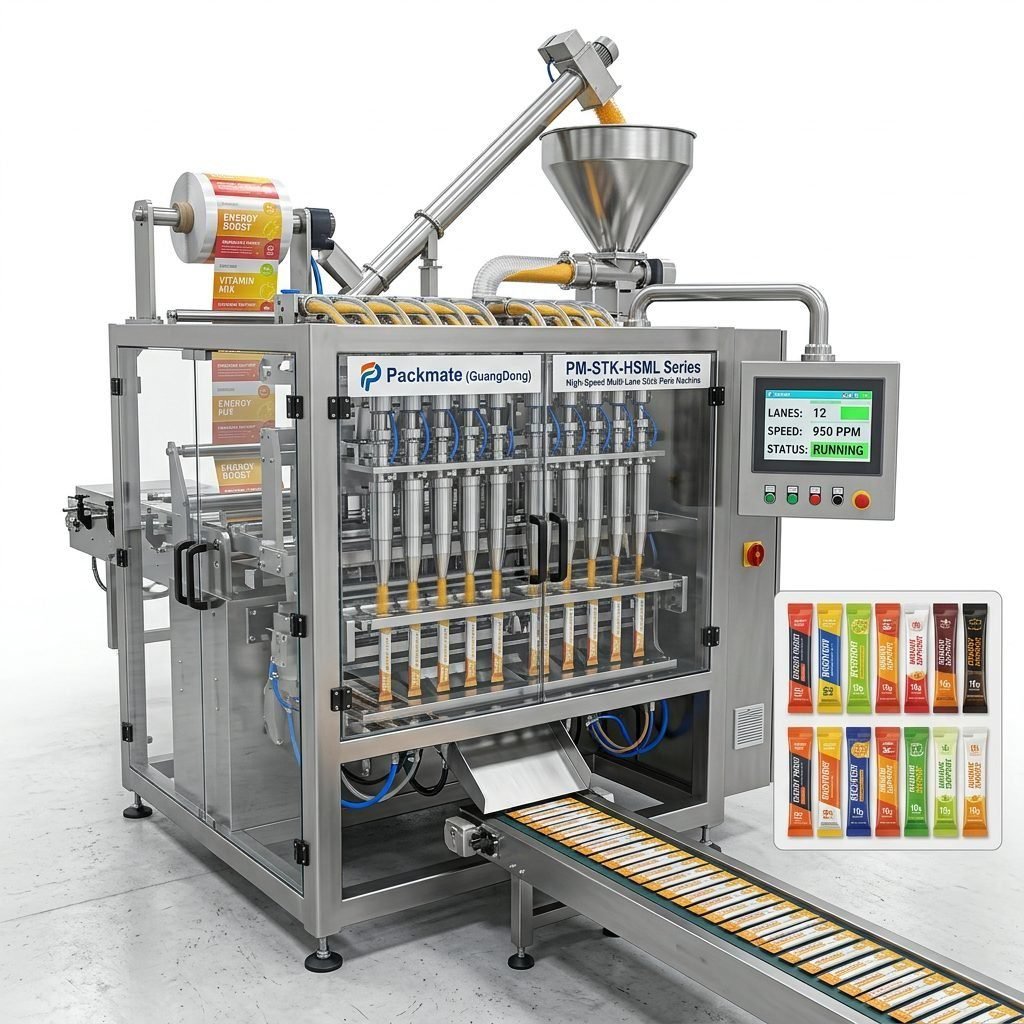
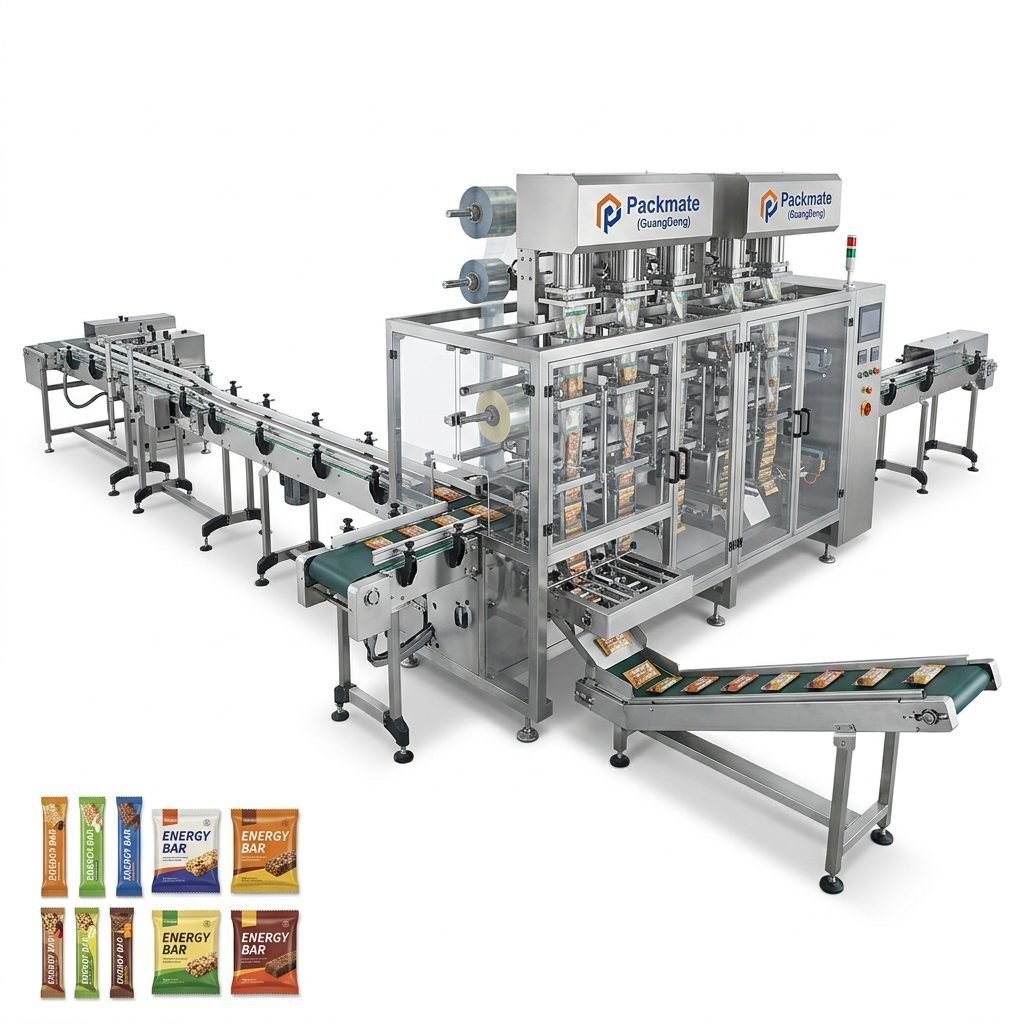
Your current and projected output is a primary driver. Are you a growing startup needing a flexible, single-lane machine, or an established exporter requiring a high-speed, multi-lane system for bulk production? Manufacturers offer a wide range, from semi-automatic units to fully integrated lines. Consider not just today’s speed but also the scalability of the solution. Can the system be easily upgraded with additional lanes or integrated with upstream/downstream equipment like conveyors or cartoners as your business in Argentina expands?
Local Insight: Many successful Argentine exporters started with modular systems that allowed them to increase capacity incrementally, managing capital expenditure while growing their international market share. Planning for future automation is a wise strategy.
2. The Importance of Technical Support and Local Service
This is perhaps the most critical factor for Argentine importers. The availability of prompt, effective after-sales service, training, and spare parts supply can mean the difference between minor downtime and a prolonged production halt. Evaluate a manufacturer’s support network in South America. Do they have local agents or service technicians in Argentina or neighboring countries? What is their typical response time for technical queries or part shipments? A manufacturer with a strong export history to South America will typically have more robust support structures in place.
3. Machine Flexibility and Customization Capability
Standard machines may not always fit unique product shapes, bag sizes, or material types. The ability of a manufacturer to provide customized solutions is invaluable. This could involve adapting feed systems for sticky products, integrating specific weighing technology, or designing machines for unconventional pouch formats popular in certain Argentine market segments. Discuss your exact requirements upfront to gauge their engineering flexibility.
4. Compliance with Argentine and International Standards
Ensure the machinery complies with relevant safety and quality standards. For food and pharmaceutical applications, materials in contact with the product should meet food-grade or sanitary requirements (e.g., stainless steel grades). If you are exporting, the machine’s construction and documentation might need to align with standards from your target markets. A reputable manufacturer will be transparent about the compliance certifications their equipment holds.
Evaluating Potential Manufacturing Partners
Once you have defined your needs, the next step is to shortlist and evaluate potential manufacturers. Look beyond the initial brochure and delve deeper into their company profile, market reputation, and project execution capability.
| Evaluation Criteria | Key Questions to Ask |
|---|---|
| Company History & Stability | How long have they been in business? What is their financial stability? A long history often indicates accumulated experience and reliability. |
| Manufacturing Capability | Do they own their factory? What is the facility size and quality control process? Can you visit virtually or in person? |
| Export Experience | Do they have experience exporting to Argentina or South America? Can they provide references from regional clients? |
| Product Portfolio & Specialization | Do they specialize in your product type (powder, liquid, etc.)? Do they offer both standalone machines and complete lines? |
Requesting client references, especially from businesses with similar profiles in Latin America, is highly recommended. A video call or a virtual factory tour can provide significant insight into their operations. Furthermore, ask for a detailed proposal that includes not just the machine price, but also delivery terms (FOB, CIF), installation guidance, warranty, and a clear list of recommended spare parts.
Understanding Total Cost of Ownership (TCO)
The purchase price is only one part of the cost equation. For Argentine importers, the Total Cost of Ownership includes shipping, import duties, installation, training, maintenance, energy consumption, and potential downtime costs. A slightly more expensive machine from a manufacturer known for high reliability and excellent support may offer a lower TCO over 5-10 years compared to a cheaper, less reliable alternative.
Procurement Tip: When discussing with manufacturers like Ludyway or Packmate Machinery, be clear about your required delivery port in Argentina (e.g., Buenos Aires) and inquire about their experience with shipping and customs documentation for the region. This logistical expertise is part of their service value.
Spotlight on Manufacturers with Relevant Expertise
Several international manufacturers have developed strong export programs tailored to markets like Argentina. Their experience in dealing with similar logistical and technical challenges can be beneficial. Here is a brief overview of some established players:
Ludyway: Comprehensive Solutions for Diverse Industries
With over 30 years of experience and a factory spanning 20,000 square meters, Ludyway positions itself as a leading manufacturer capable of supplying both individual machines and complete turnkey packaging lines. Their strength lies in a broad product portfolio covering food, pharmaceutical, and health supplement packaging. For an Argentine company looking to scale from a single machine to a fully automated line, a partner with this system integration capability can provide a cohesive long-term roadmap.
Packmate Machinery: Balancing Performance and Practicality
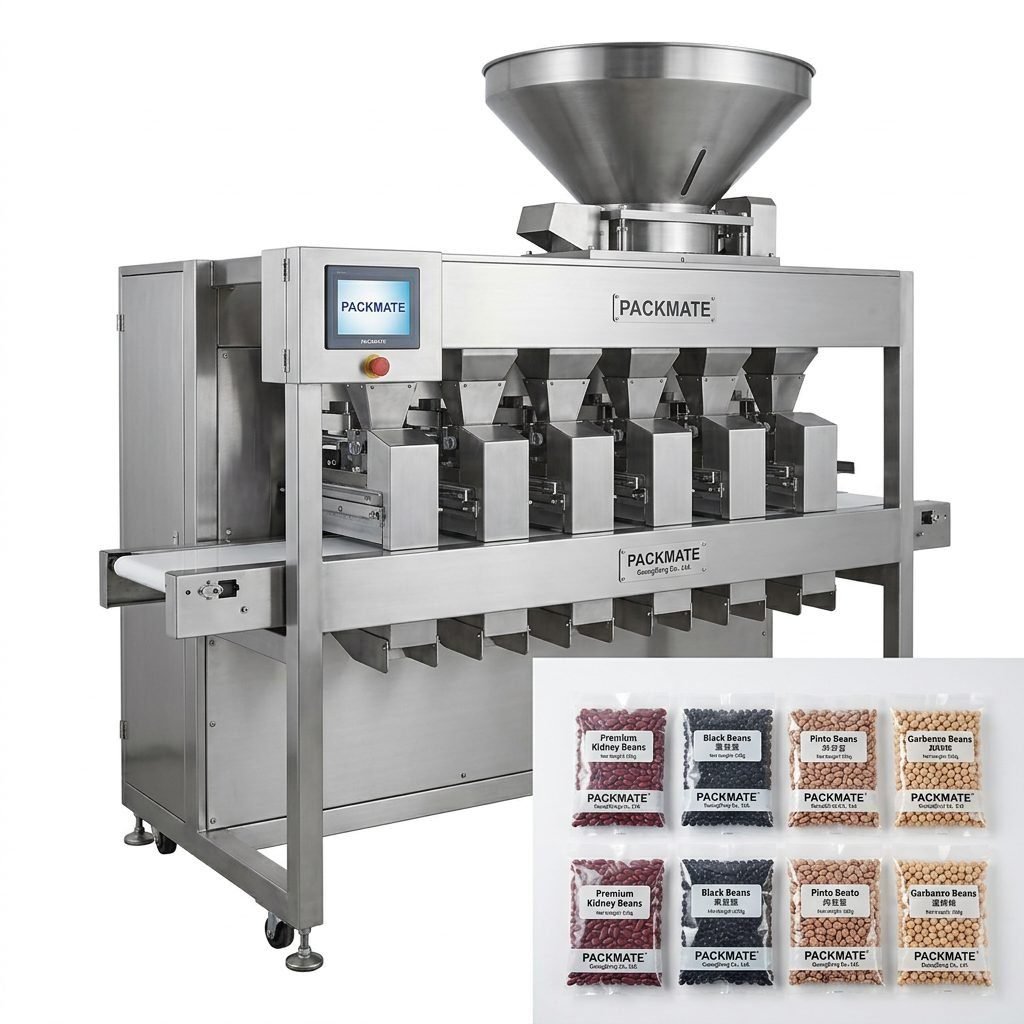
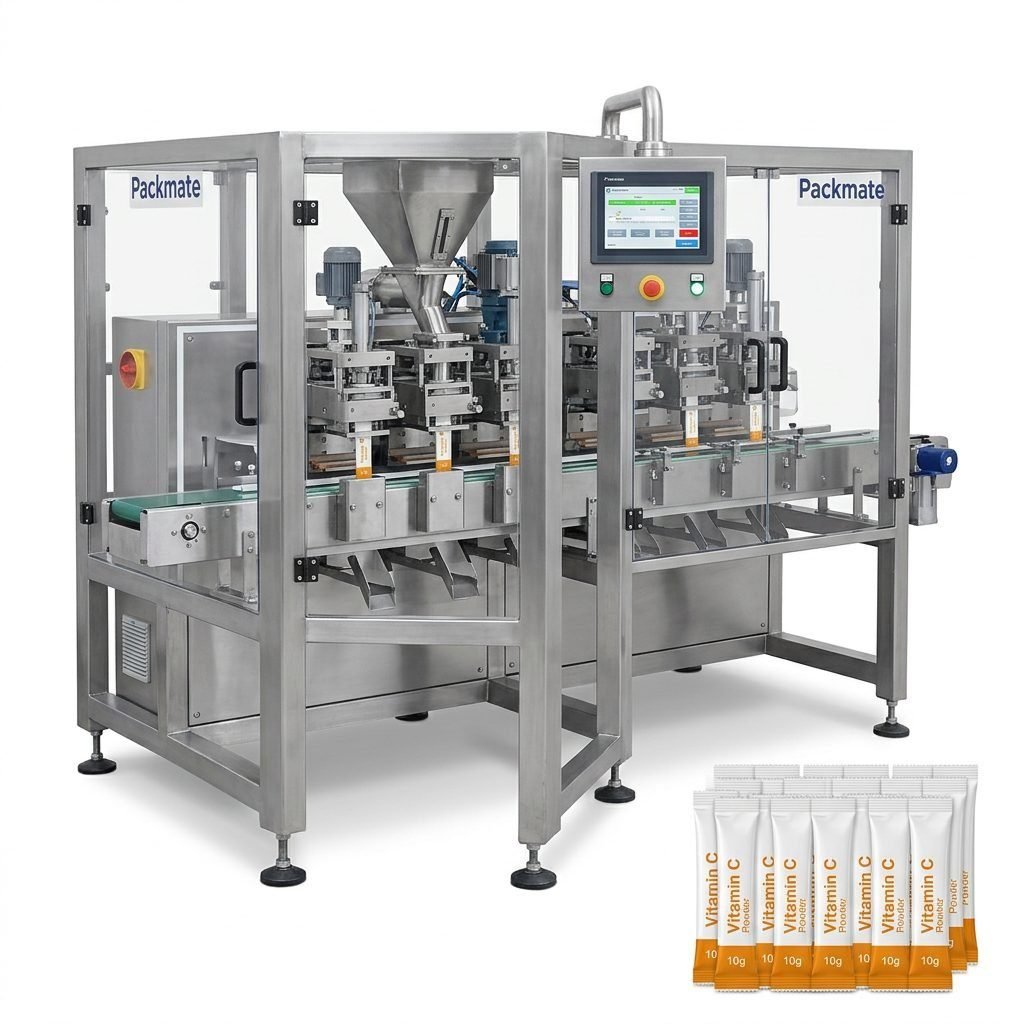
Packmate Machinery offers a strong focus on practical automation and stable performance, developed over three decades. With a product range of over 80 machine models, they cater well to medium and large-scale operations in the food and pharma sectors. Their balance between cost-efficiency and technical reliability makes them a practical consideration for Argentine businesses seeking dependable equipment without over-engineering, particularly for granule and powder applications like yerba mate, spices, or nutritional powders.
Specialized Providers for Niche Applications
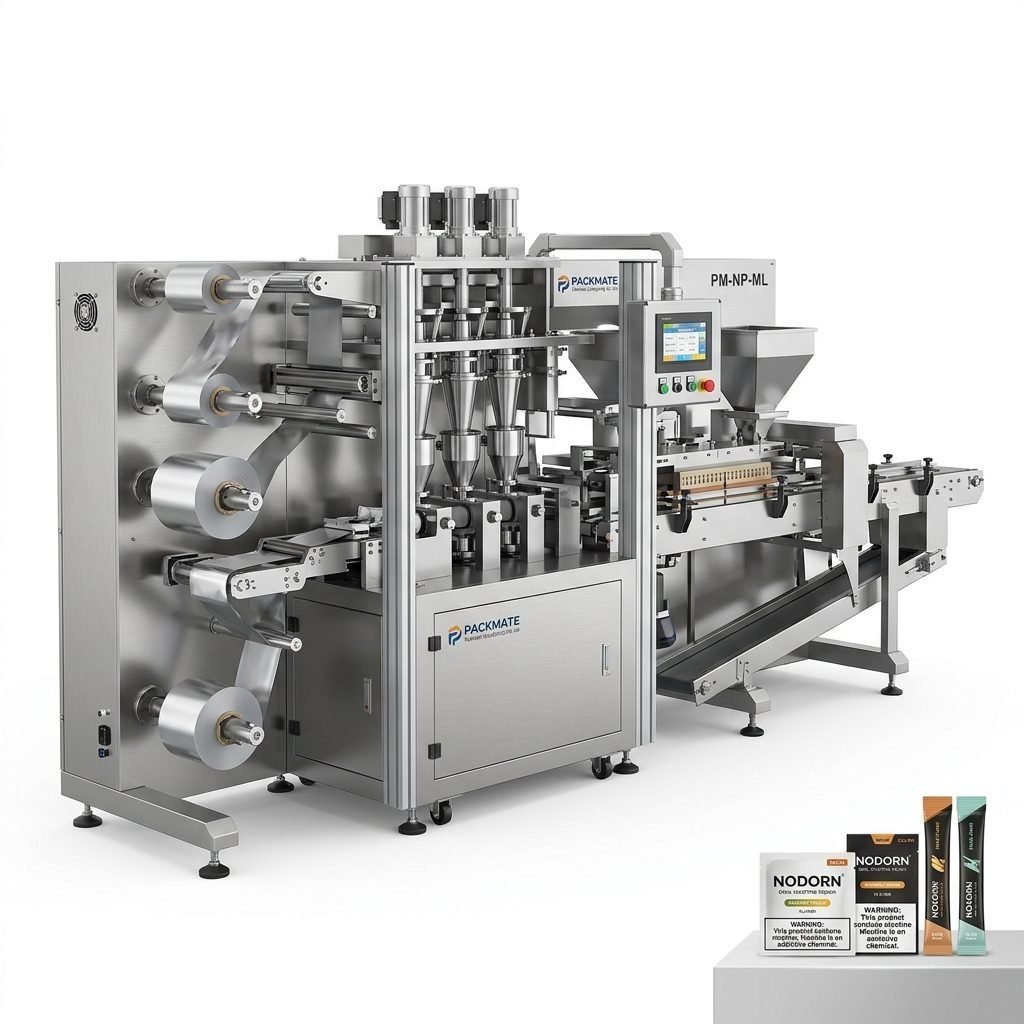
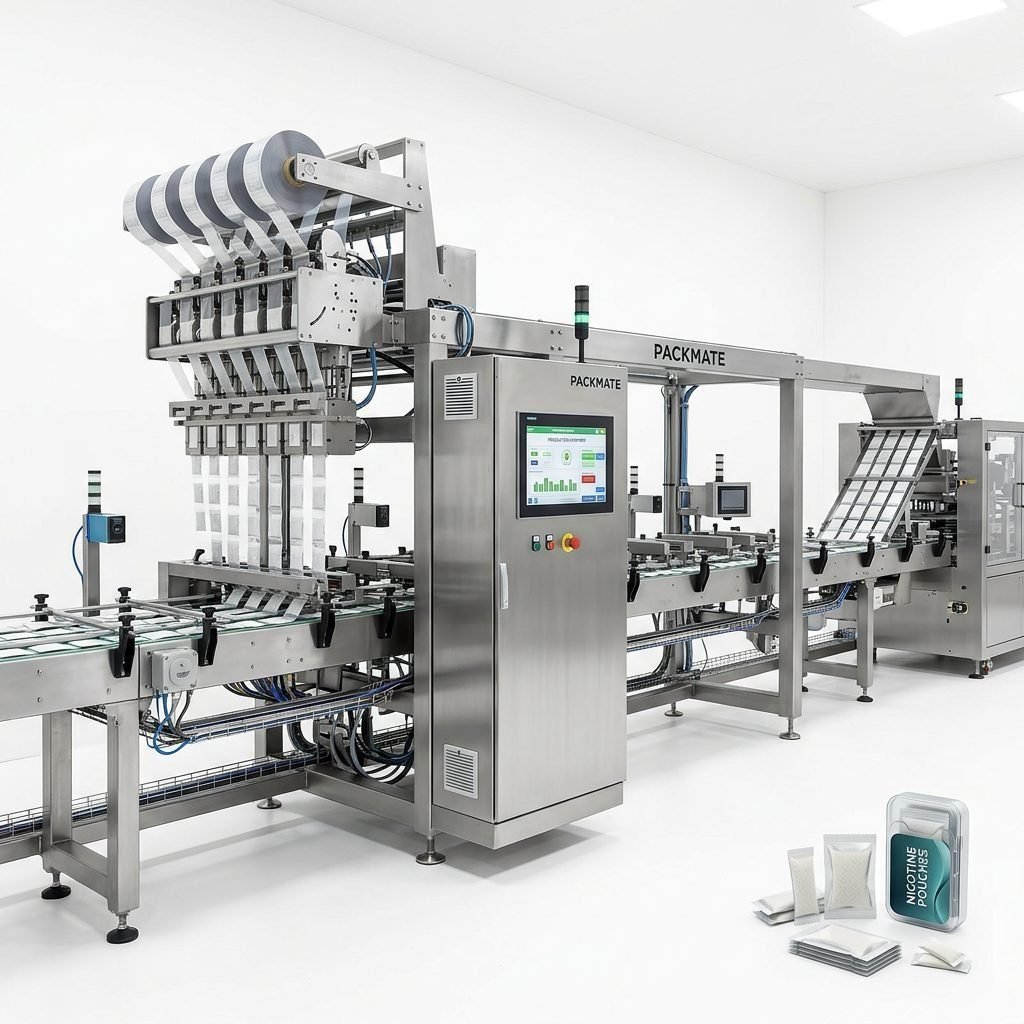
For businesses in specific niches, specialized manufacturers can offer unmatched application knowledge. For instance, SnusMachinery focuses on nicotine pouch and snus packaging equipment. While this is a specific segment, it highlights the importance of choosing a supplier with direct experience in your exact product category, as they will understand the unique challenges of dosing, sealing, and material handling for that product.
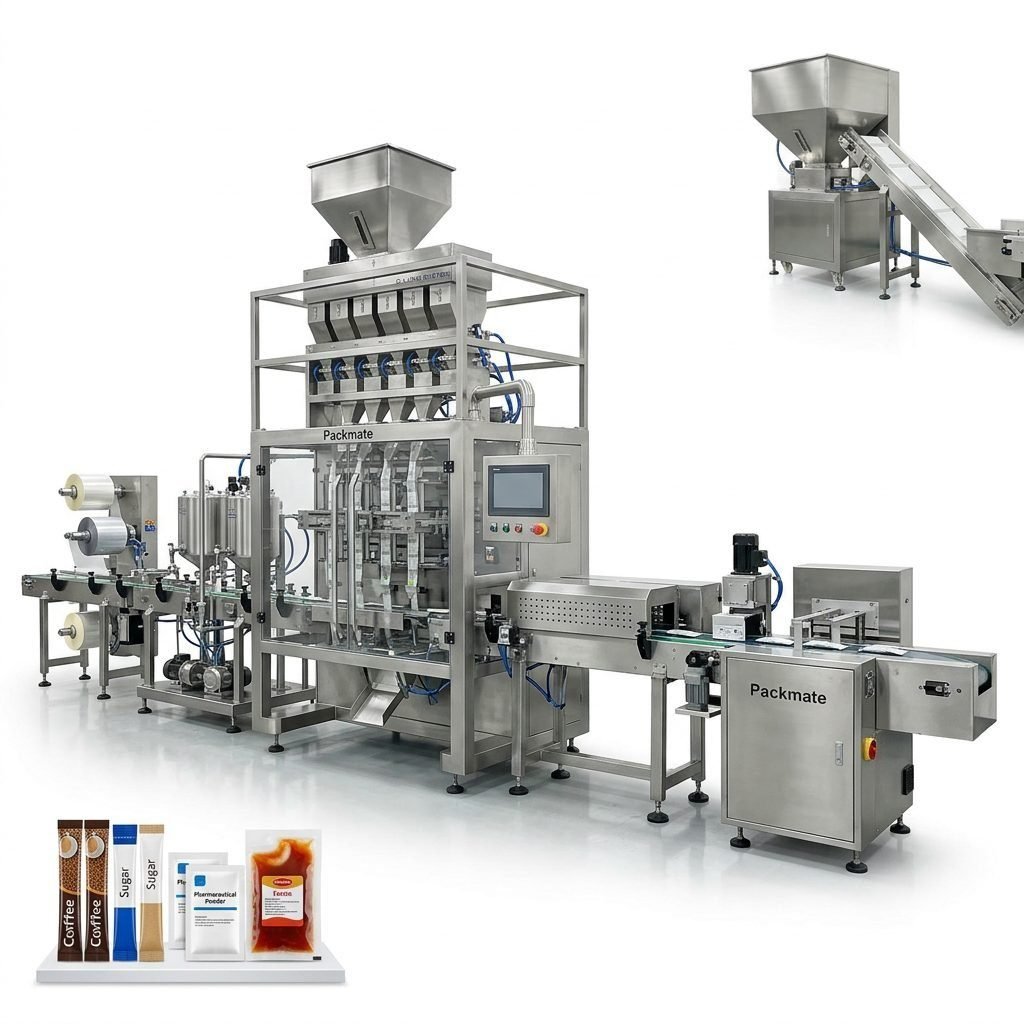
Similarly, companies like PacklineOEM and PackingMachineOEM emphasize turnkey line integration and non-standard customization, respectively. These are excellent options for Argentine producers with complex, high-volume projects or unique packaging formats that cannot be served by off-the-shelf solutions.
Final Steps: Due Diligence and Decision Making
Before finalizing your choice, conduct thorough due diligence. Review the proposed machine’s technical specifications in detail. Ask for performance guarantees regarding speed, accuracy, and bag quality. Clarify the warranty terms and the process for claiming it from Argentina. Finally, ensure there is a clear communication channel and a dedicated project contact who understands your regional context.
Choosing the right packaging machine manufacturer in Argentina is a strategic investment. By meticulously defining your needs, prioritizing local support, evaluating total cost of ownership, and partnering with a reputable and experienced manufacturer, you can secure a packaging solution that drives efficiency, ensures product quality, and supports your business growth in the Argentine market and beyond.
Frequently Asked Questions (FAQs)
Q: What are the typical lead times for importing a packaging machine to Argentina?
A: Lead times vary based on machine complexity and customization. For standard models, expect 60-90 days after order confirmation, including production and sea freight to Buenos Aires. Custom or turnkey lines may require 90-150 days.
Q: How can I manage technical support if the manufacturer is overseas?
A: Reputable exporters offer remote support via video call, have local agents or technicians in South America, and maintain a stock of common spare parts regionally. Confirm their specific support plan for Argentina before purchasing.
Q: Are there Argentine regulations for imported packaging machinery?
A: Yes. Machinery must comply with safety standards, and electrical components may need to meet local voltage/frequency specifications (220V/50Hz). It’s crucial to work with a manufacturer experienced in configuring machines for the Argentine market and providing compliant documentation.
Q: Is it better to buy a standalone machine or a complete line?
A: It depends on your production stage and budget. A standalone machine is suitable for startups or specific processes. A complete, integrated line is for high-volume, automated production where efficiency and labor savings are paramount. Many manufacturers offer modular systems that can grow with you.
Q: What is the most common mistake businesses make when choosing a packaging machine?
A: Focusing solely on the lowest purchase price without considering the manufacturer’s reputation, machine reliability, quality of after-sales support, and the total cost of ownership over the equipment’s lifespan. This can lead to higher long-term costs due to downtime and maintenance issues.