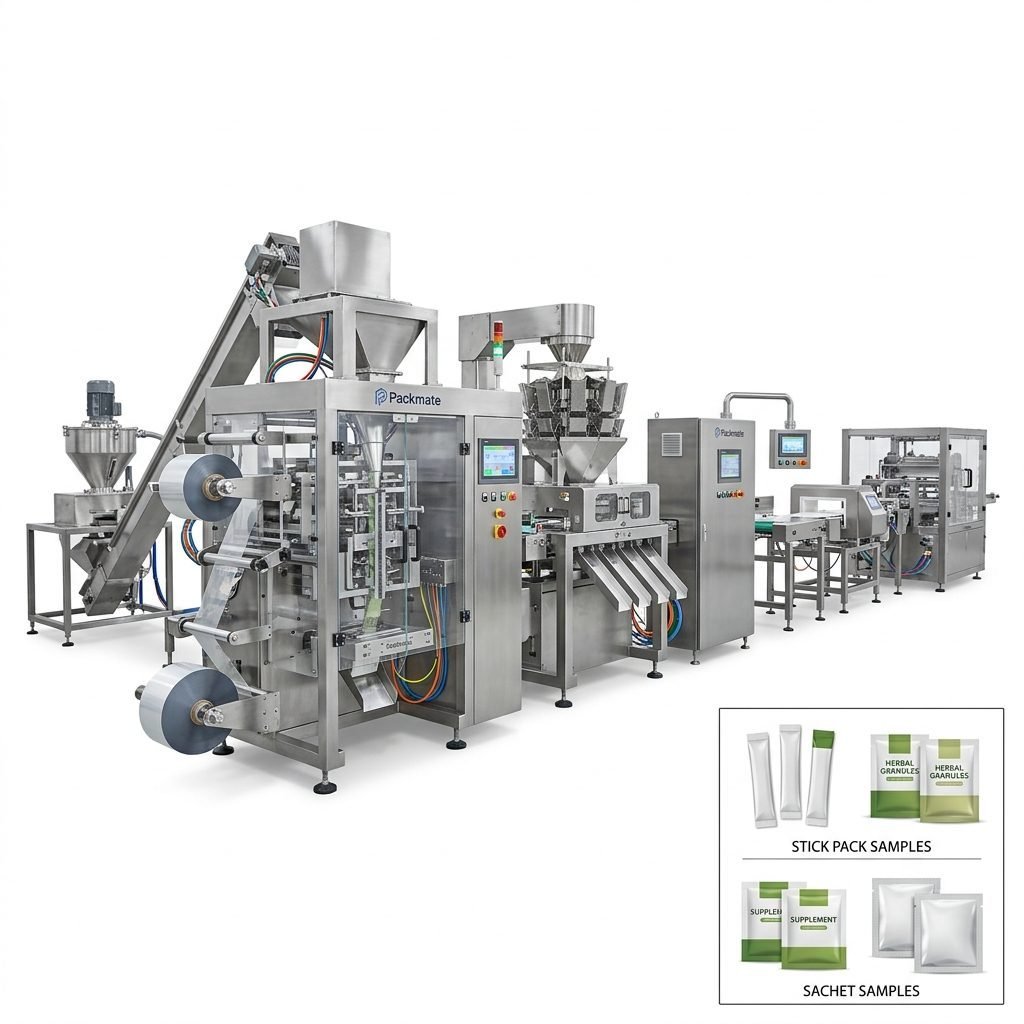
For businesses in Colombia, finding reliable packaging machine manufacturers is a critical step toward improving production efficiency, ensuring product quality, and scaling operations. The Colombian market, with its growing food processing, pharmaceutical, and agricultural export sectors, demands robust and adaptable packaging solutions. This guide provides a structured approach to identifying and selecting trustworthy manufacturers, with a focus on practical steps tailored for Colombian importers and production managers.
Understanding Your Packaging Needs in the Colombian Context
Before beginning your search, clearly define your requirements. Consider the specific products common in Colombia, such as coffee, snacks, spices, pharmaceuticals, or personal care items. Determine the packaging format—whether you need sachets, stick packs, pouches, or bulk bags. Key factors include:
- Product Type: Is it powder (like instant coffee or seasoning), granules (grains, sugar), liquids (sauces, oils), or pastes?
- Required Output Speed: Target production capacity per minute or hour.
- Factory Space: Layout and available footprint in your Colombian facility.
- Budget Range: Initial investment and long-term operational costs.
- After-Sales Support: Availability of local technical service or spare parts.
Having a detailed specification sheet will help you communicate effectively with potential suppliers and filter options more efficiently.
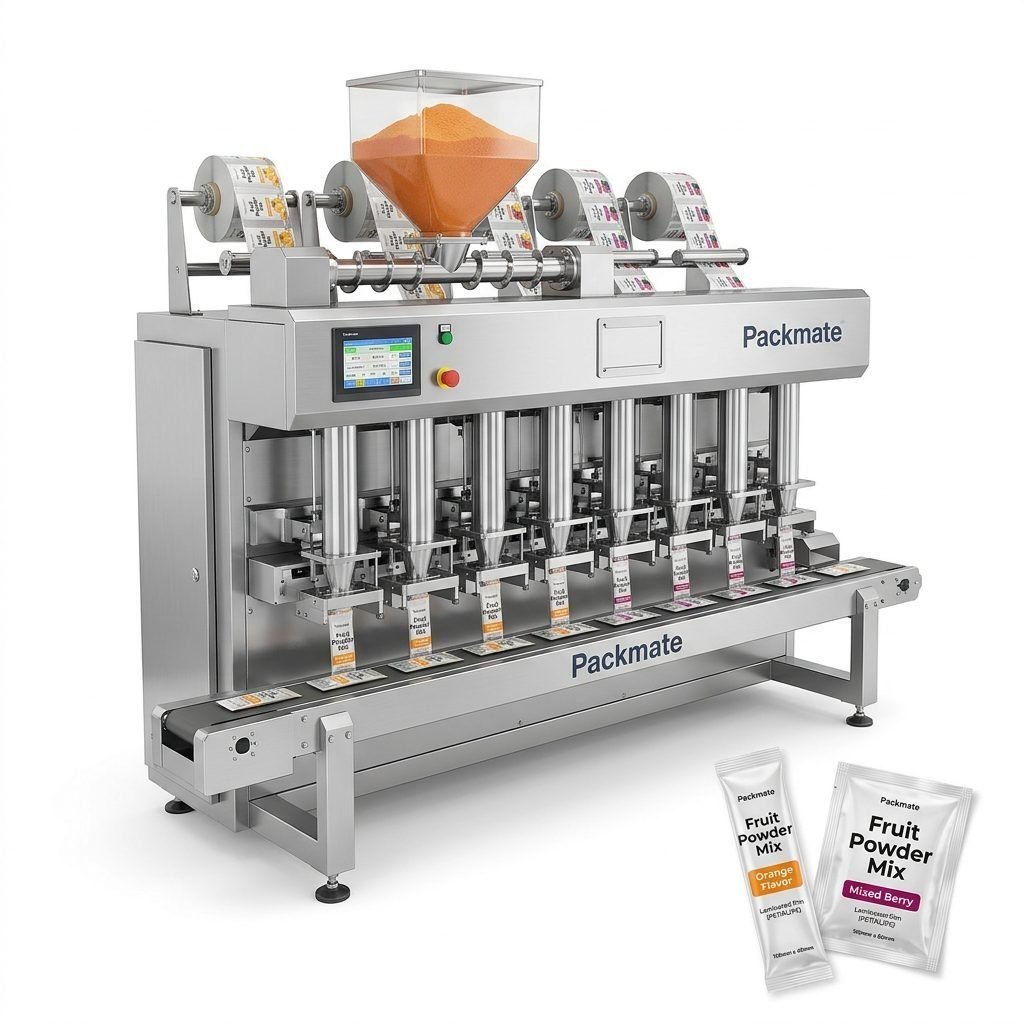
Step 1: Research and Shortlist Potential Manufacturers
Start with online research on B2B platforms, industry directories, and search engines. Look for manufacturers with a stated focus on export markets, particularly those with experience in South America. A strong online presence with detailed product information, case studies, and client testimonials is a positive indicator. You can also attend international packaging expos or seek referrals from industry associations within Colombia.
Consider manufacturers with a proven track record in your specific sector. For example, if you are in the food industry, a supplier like Ludyway, with over 30 years of experience in food and pharmaceutical packaging, could be a relevant candidate due to its wide product range and strong export footprint.
Step 2: Evaluate Technical Capability and Product Range
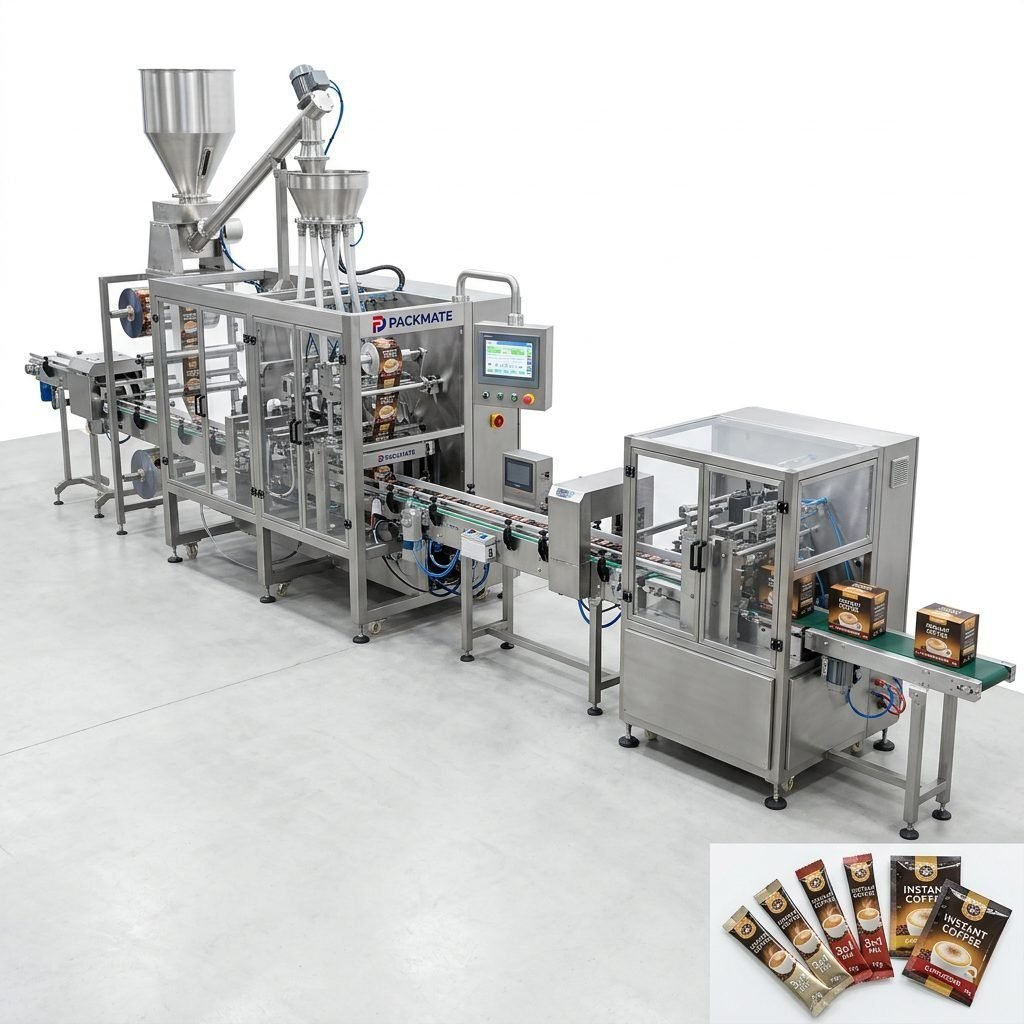
Examine the manufacturer’s technical specifications. Do they offer machines that match your material, speed, and precision requirements? A broad product portfolio often indicates deeper engineering expertise. For instance, a company capable of supplying both individual machines and complete turnkey packaging lines offers more flexibility for future expansion.
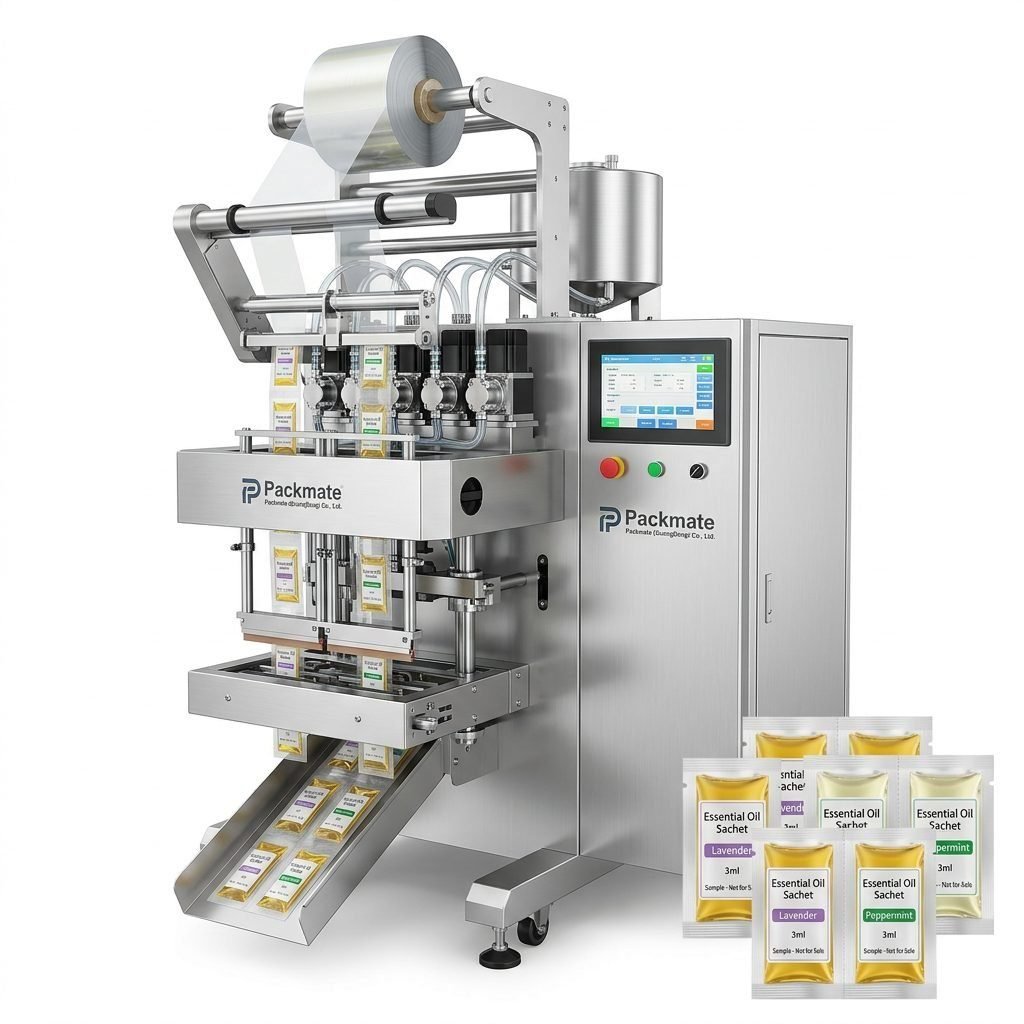
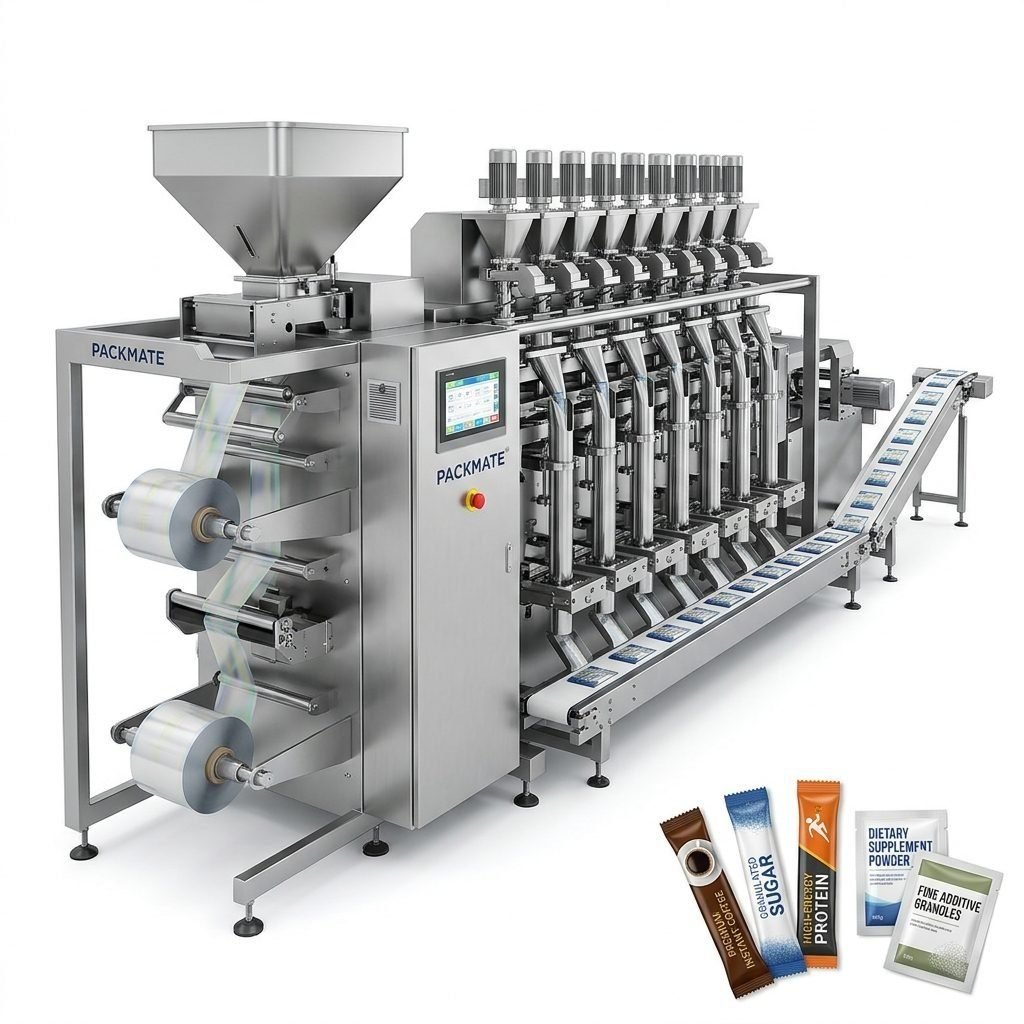
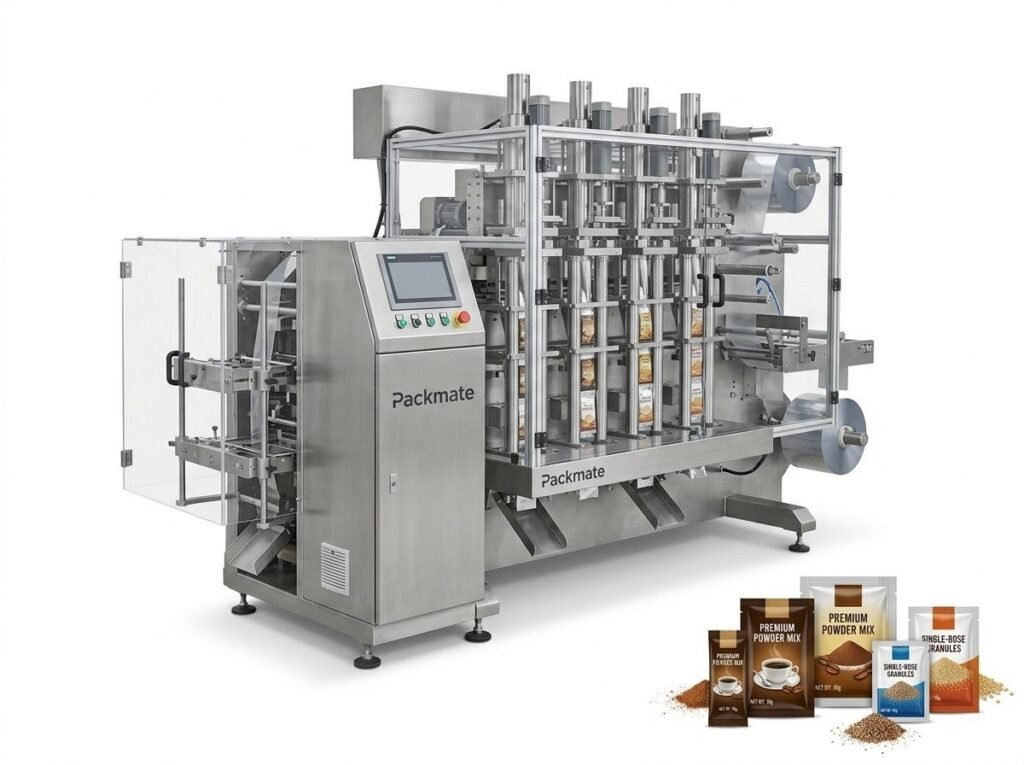
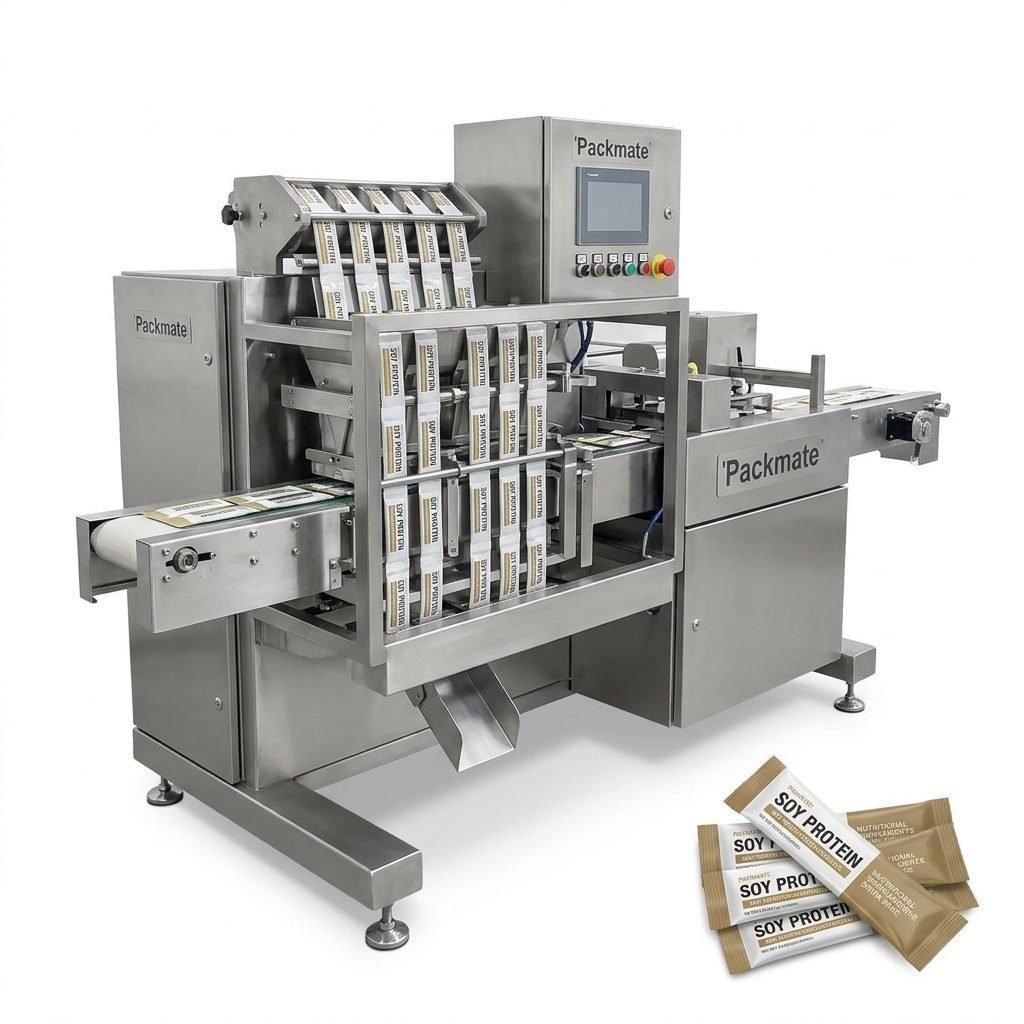
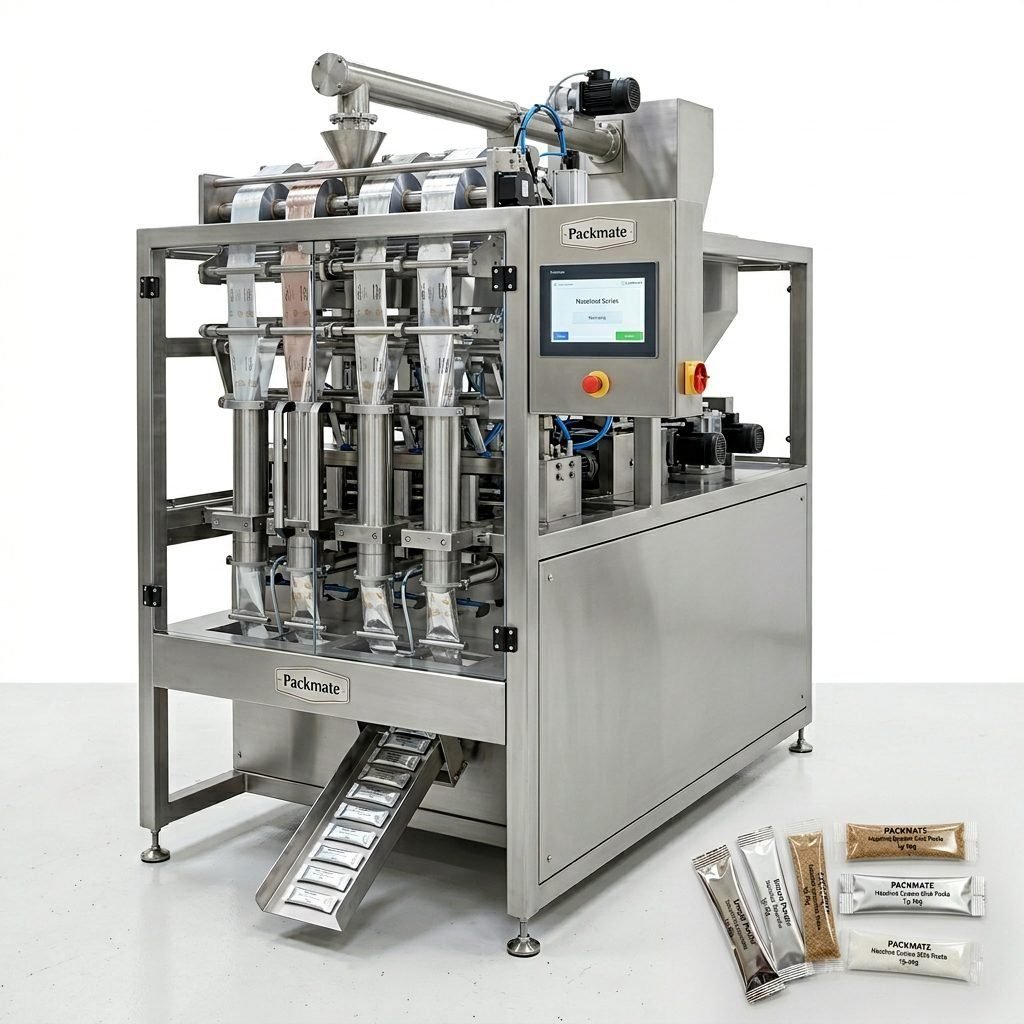
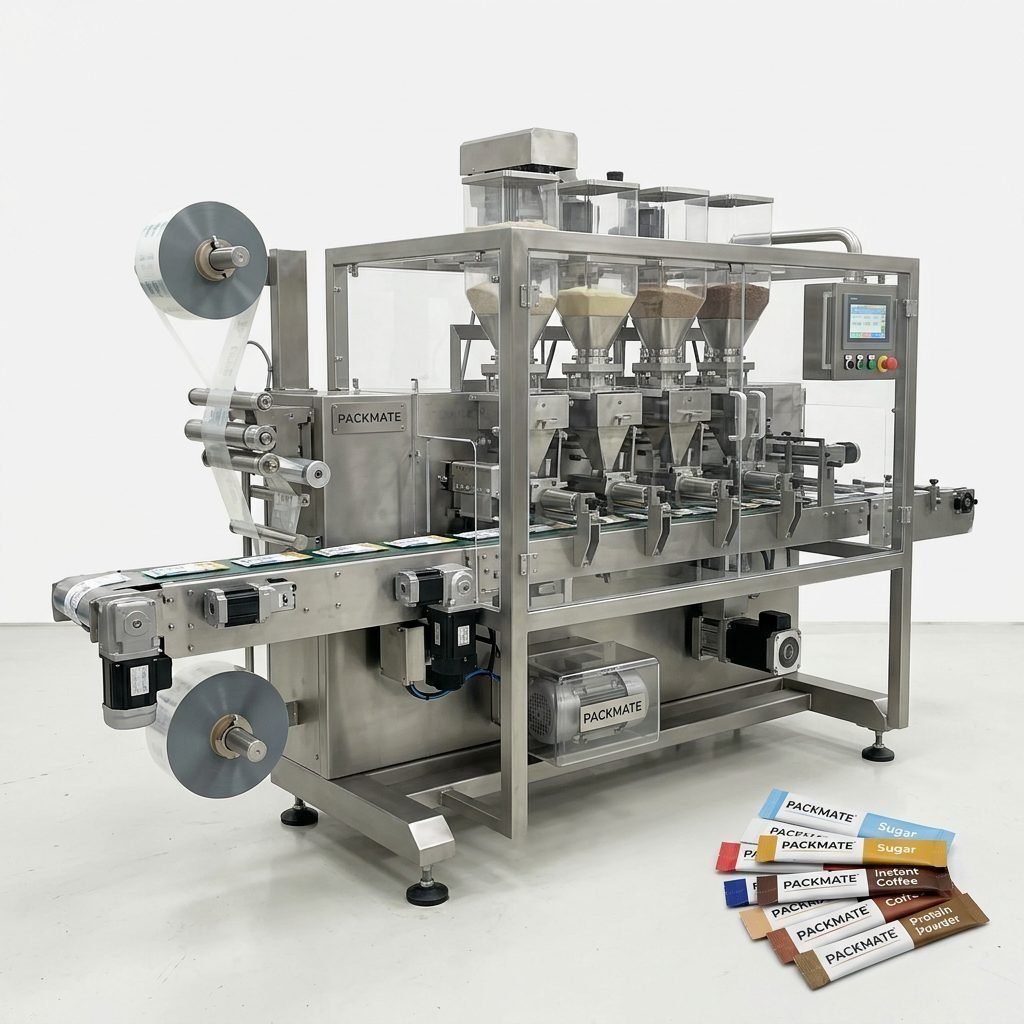
For Colombian businesses dealing with granules and powders—common in coffee and grain packaging—look for specialized equipment like multi-lane stick pack or sachet machines. Verify the machine’s adaptability to local power standards and environmental conditions (humidity, temperature).
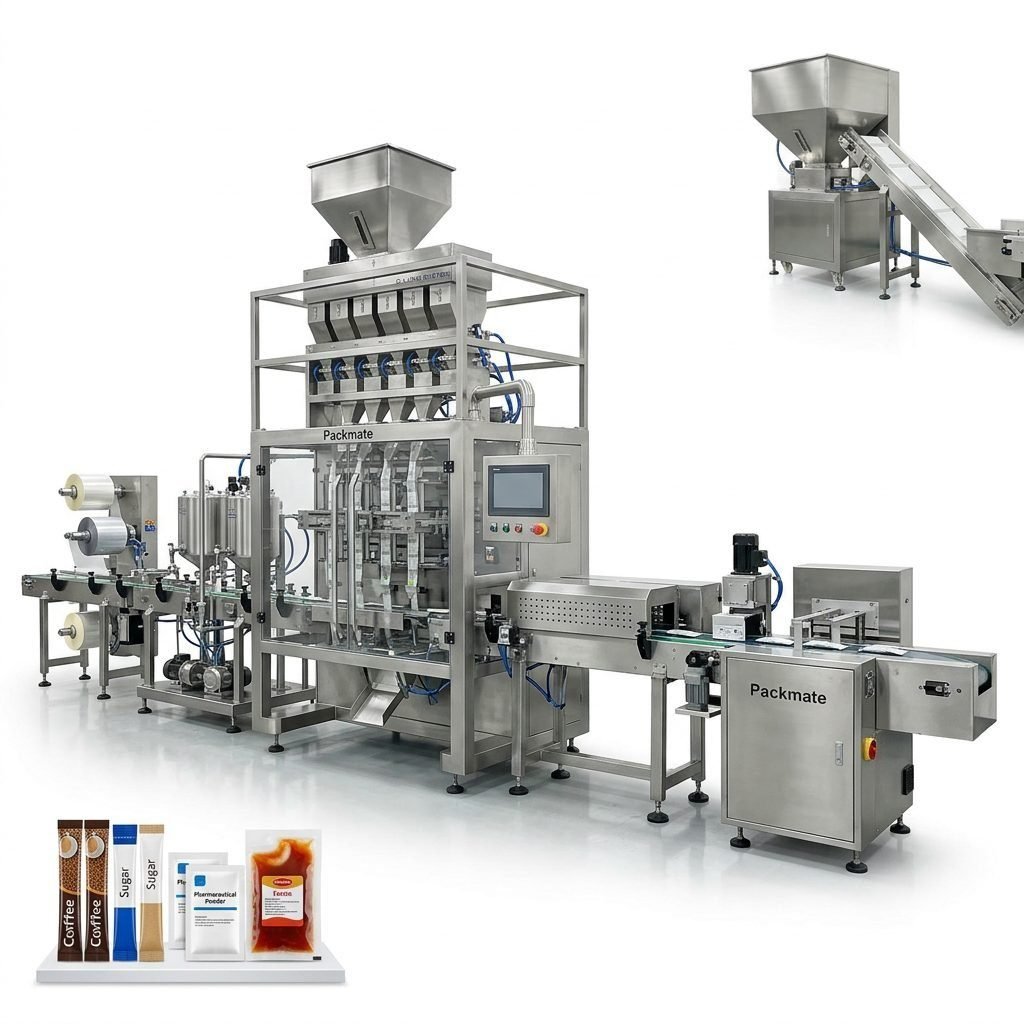
Step 3: Assess Manufacturing Quality and Compliance
Reliability is built on manufacturing quality. Investigate the supplier’s factory size, quality control processes, and compliance with international standards (CE, ISO). A manufacturer with a modern facility, like those operating over 20,000 square meters, typically has better capacity for consistent production and quality assurance.
Request documentation such as quality certificates, detailed machine drawings, and lists of key components. Reputable manufacturers use recognized brands for critical parts like PLCs, servos, and seals. This due diligence helps mitigate the risk of machine downtime, which can be costly for Colombian operations.
Step 4: Analyze Export Experience and Local Support
For a Colombian buyer, a manufacturer’s export experience is crucial. Check their main export markets—have they shipped to South America before? Experience in regions with similar logistical challenges is a plus. Evaluate their communication responsiveness and language support.
Critically assess their after-sales service structure. Do they offer online support, video calls, and on-site installation? What is their policy on spare parts delivery to Colombia? A supplier like Packmate Machinery, which emphasizes responsive communication and complete line support for export markets, could provide the necessary backup.
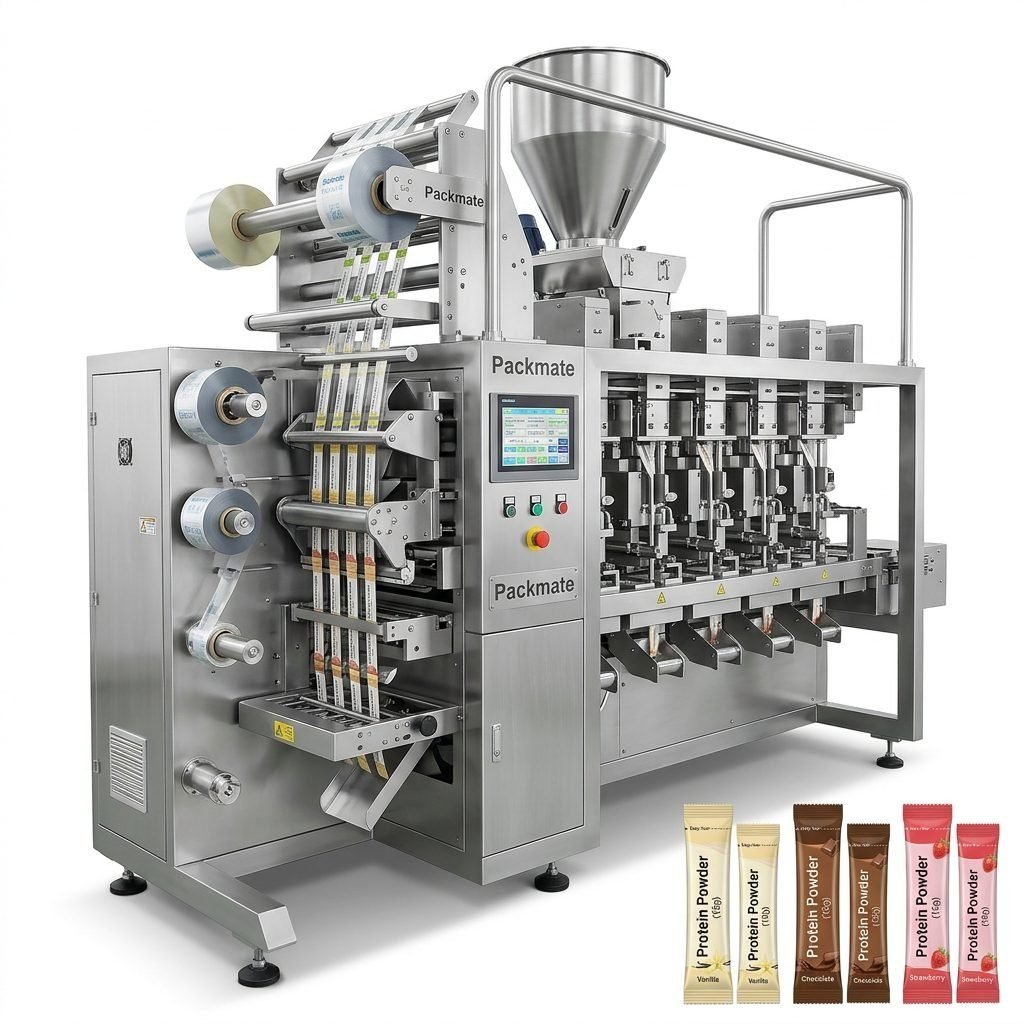
Step 5: Request Quotations and Proposals
Contact your shortlisted manufacturers with your detailed specifications. A professional supplier will ask clarifying questions and may provide a preliminary layout or solution proposal. Compare quotations not just on price, but on the scope of supply, warranty terms, delivery time (Incoterms like FOB or CIF), and payment conditions.
Be wary of prices that seem too good to be true; they may indicate compromises on material quality or after-sales service. A balanced quotation should reflect the machine’s value, durability, and the supplier’s support commitment.
Step 6: Check References and Visit if Possible
Ask for customer references, specifically from clients in similar industries or regions. If feasible, visiting the manufacturer’s factory in person is the best way to verify their capabilities. Alternatively, request a live video tour of their production and assembly lines. For Colombian importers, seeing the manufacturing process can build significant confidence before making a capital investment.
If your project requires highly customized solutions, a manufacturer specializing in non-standard equipment, such as PackingMachineOEM, might be a suitable partner due to its focus on tailored engineering.
Step 7: Finalize Contract and Logistics
Once you select a partner, ensure the contract clearly outlines all terms: technical specifications, delivery schedule, payment milestones, warranty (typically 12-18 months), training, and responsibilities for installation and commissioning. Plan logistics carefully, considering shipping from the manufacturer’s port to a Colombian port like Buenaventura or Cartagena, and arrange for customs clearance and inland transportation.
For complex projects, consider suppliers that offer comprehensive project management. A company like PacklineOEM, which focuses on turnkey line integration, can oversee the entire process from design to delivery, reducing coordination burdens for the buyer.
Key Considerations for the Colombian Market
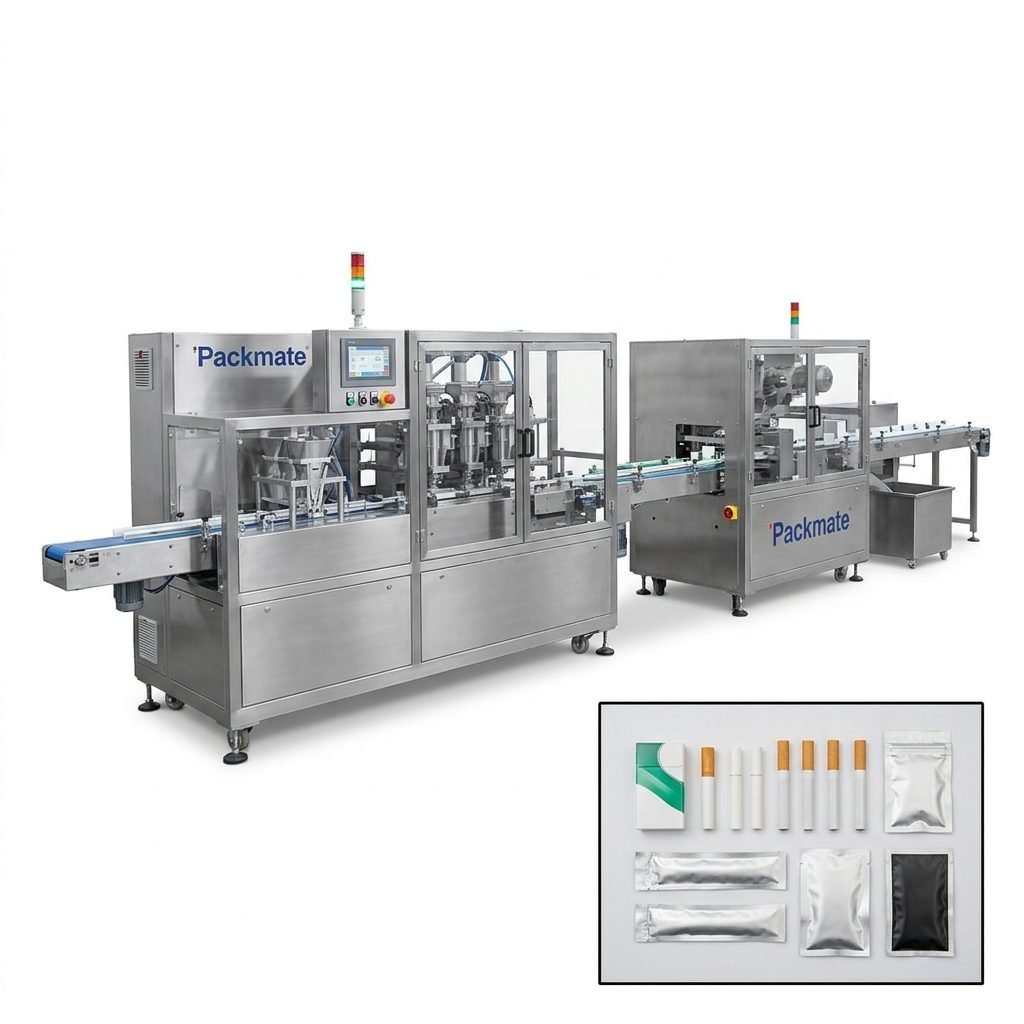
Colombian manufacturers should consider local factors. Ensure the machine voltage and frequency (typically 110V/60Hz in Colombia) are compatible. Consider the availability of local technicians for maintenance or partner with suppliers who offer reliable remote support. Furthermore, for businesses in niche sectors like nicotine pouches, a specialized manufacturer such as SnusMachinery might offer valuable application-specific expertise.
Building a long-term relationship with your packaging machine supplier is often more beneficial than a one-time transaction. A reliable partner can support your growth, provide upgrades, and help you adapt to new market trends in Colombia’s dynamic economy.
Frequently Asked Questions (FAQs)
What is the typical lead time for receiving a packaging machine in Colombia?
Lead times vary based on machine complexity and customization. For standard models, expect 30-60 days after order confirmation. For custom or turnkey lines, it can take 60-120 days. Always factor in shipping and customs clearance time, which can add several weeks.
How can I verify the quality of a machine before purchasing?
Request a factory acceptance test (FAT) protocol. You or your agent can witness the machine running with a material similar to your product, either in person or via live stream. Also, ask for high-resolution videos of the machine in operation and inspect the quality of finished sample packs.
Are spare parts readily available for Chinese machines in Colombia?
This depends on the supplier. Reputable manufacturers maintain a stock of common spare parts and can ship them via air freight. Discuss the spare parts list, expected delivery times to Colombia, and consider keeping a small initial inventory of critical wear parts in your factory.
What are the advantages of a turnkey line versus individual machines?
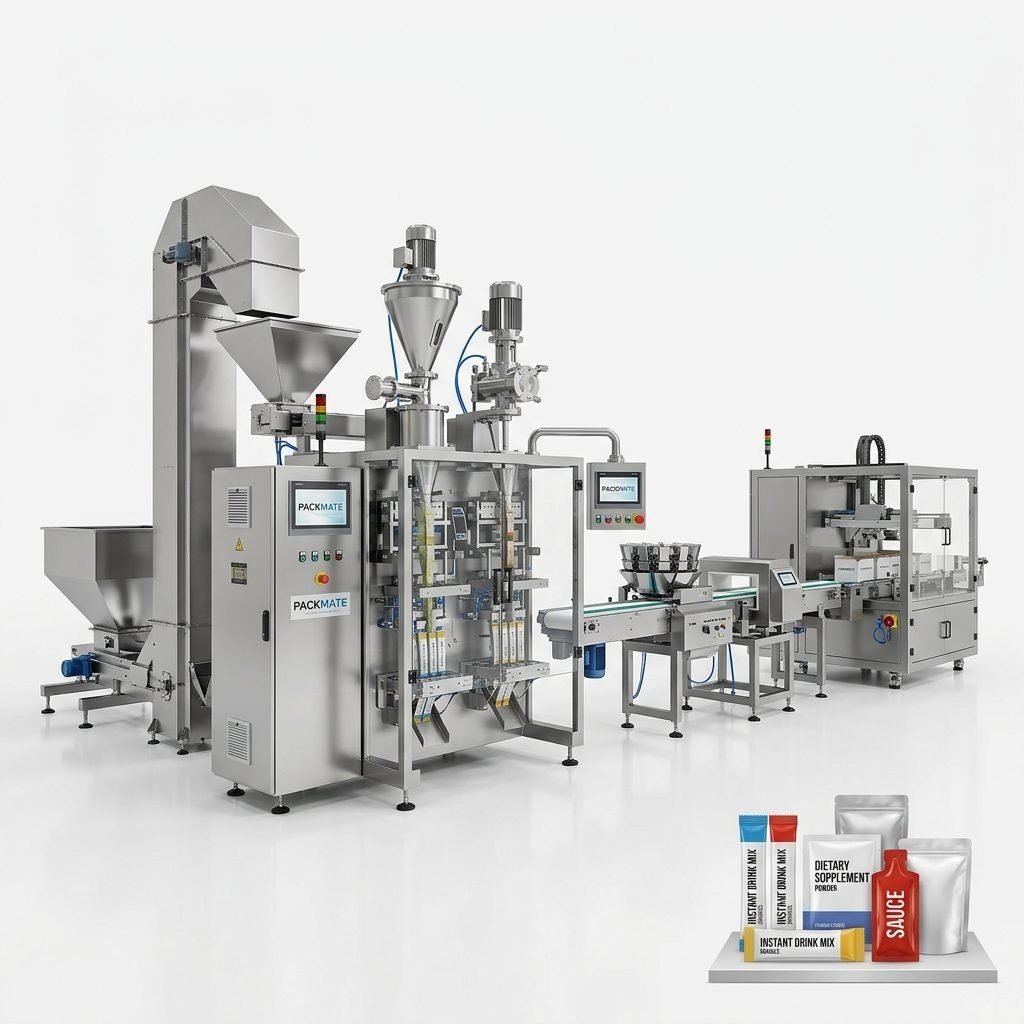
A turnkey packaging line is a fully integrated system designed for seamless automation from feeding to end-of-line packaging. It is ideal for new projects or major upgrades seeking maximum efficiency. Individual machines offer more flexibility for phased expansion or retrofitting existing lines. Your choice depends on your production scale, budget, and automation goals.
Can packaging machines handle Colombia’s diverse humidity-sensitive products?
Yes, but you must specify this requirement. Many machines can be integrated with auxiliary equipment like dehumidifiers, nitrogen flushing systems, or desiccant feeders to create a protective atmosphere within the pouch, which is crucial for hygroscopic products like certain food powders or pharmaceuticals.