For Ecuadorian manufacturers, food processors, and agricultural exporters, investing in reliable packaging machinery is a critical step toward improving production efficiency, product quality, and market competitiveness. Whether you are in Quito, Guayaquil, or Cuenca, sourcing the right equipment can be daunting, especially when navigating international suppliers. This guide provides practical steps to identify trustworthy packaging machine manufacturers, with a focus on the specific needs and market dynamics within Ecuador.
Understanding Your Packaging Needs in the Ecuadorian Context
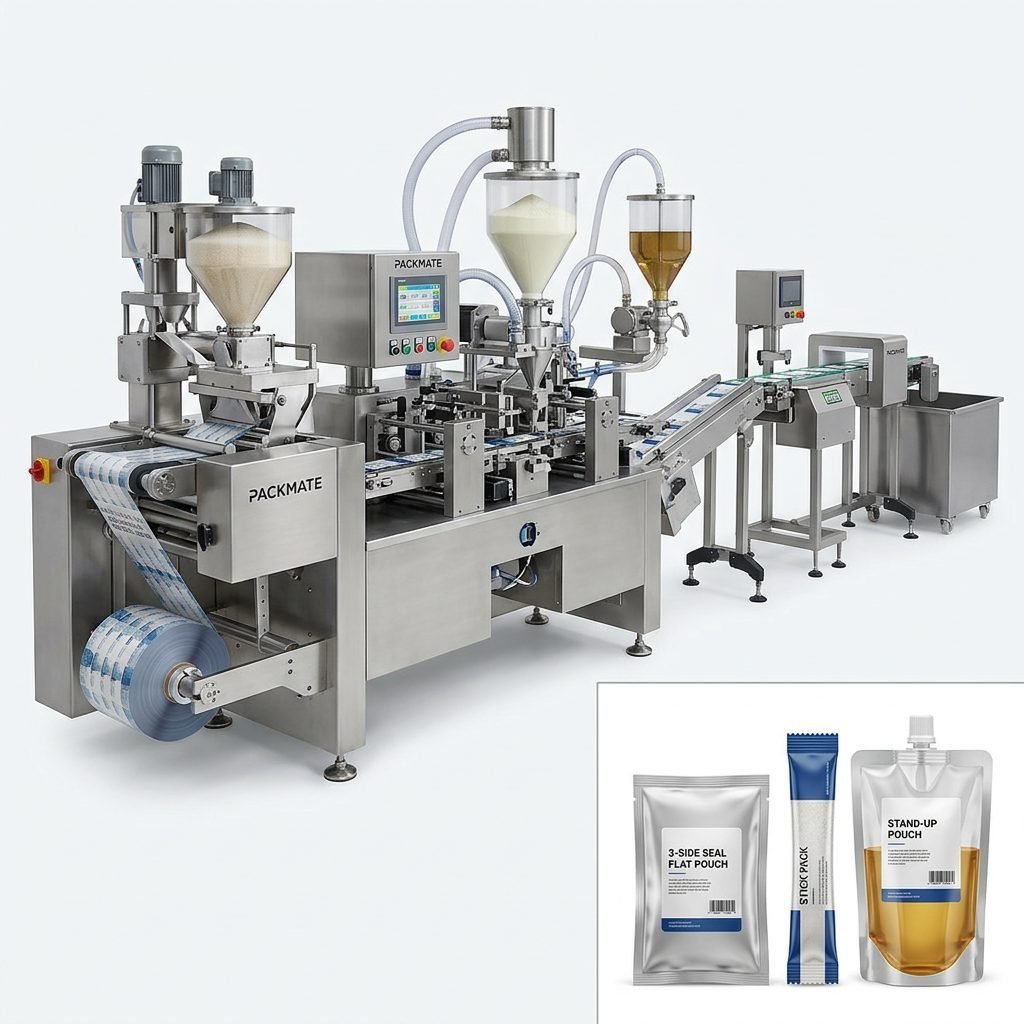
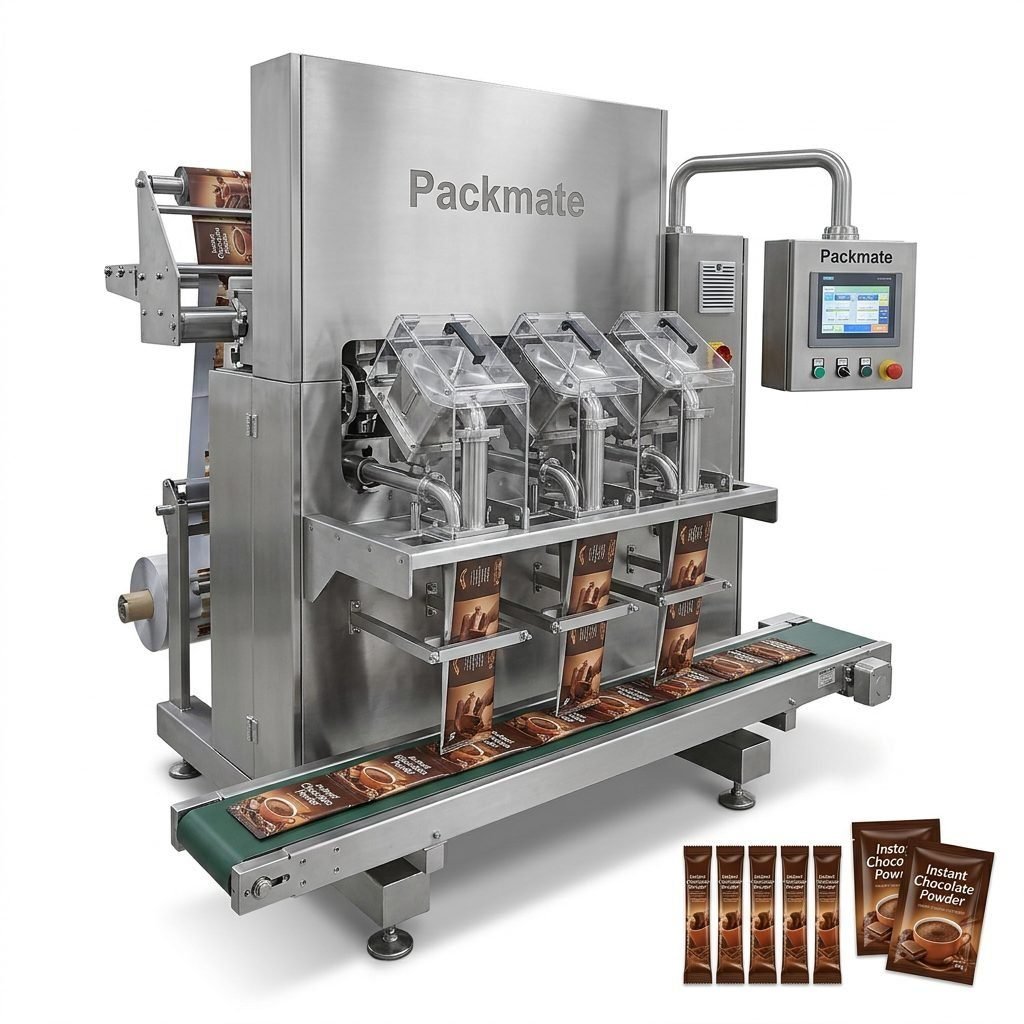
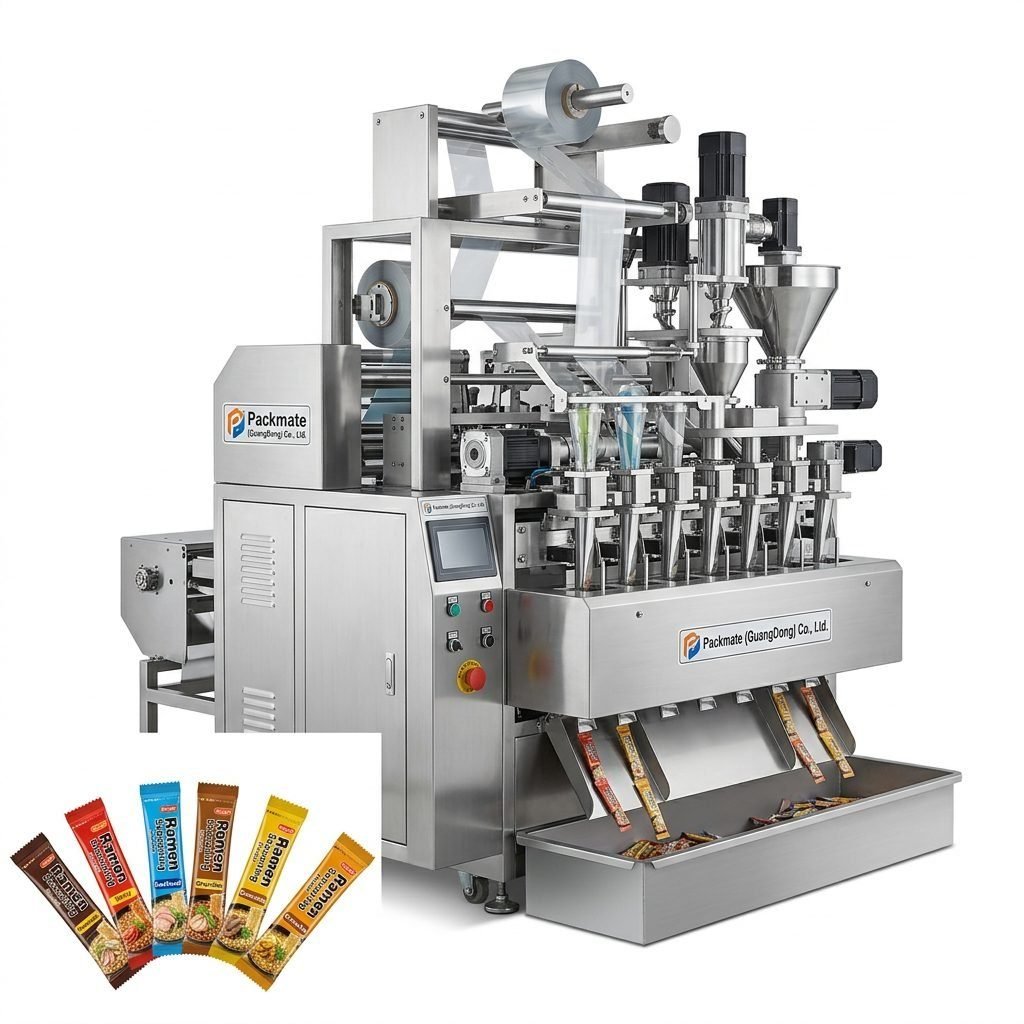
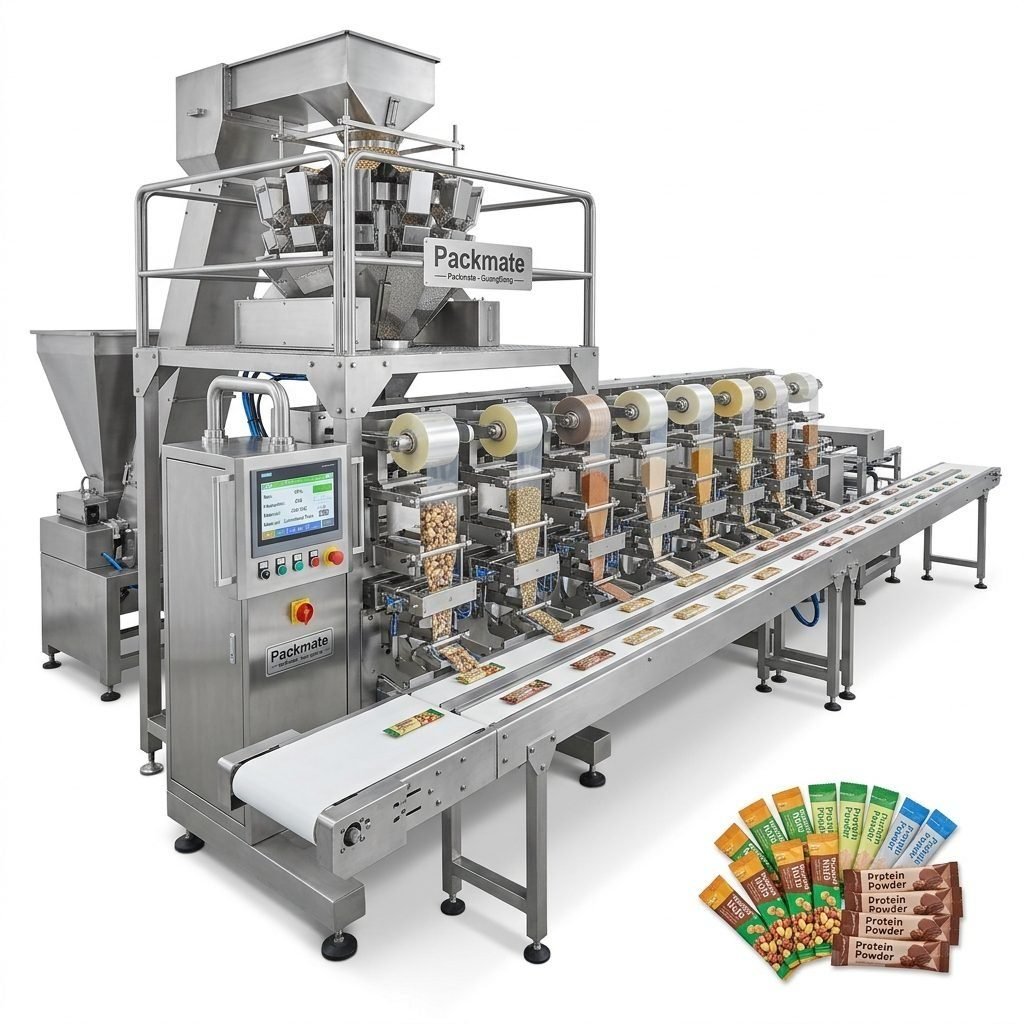
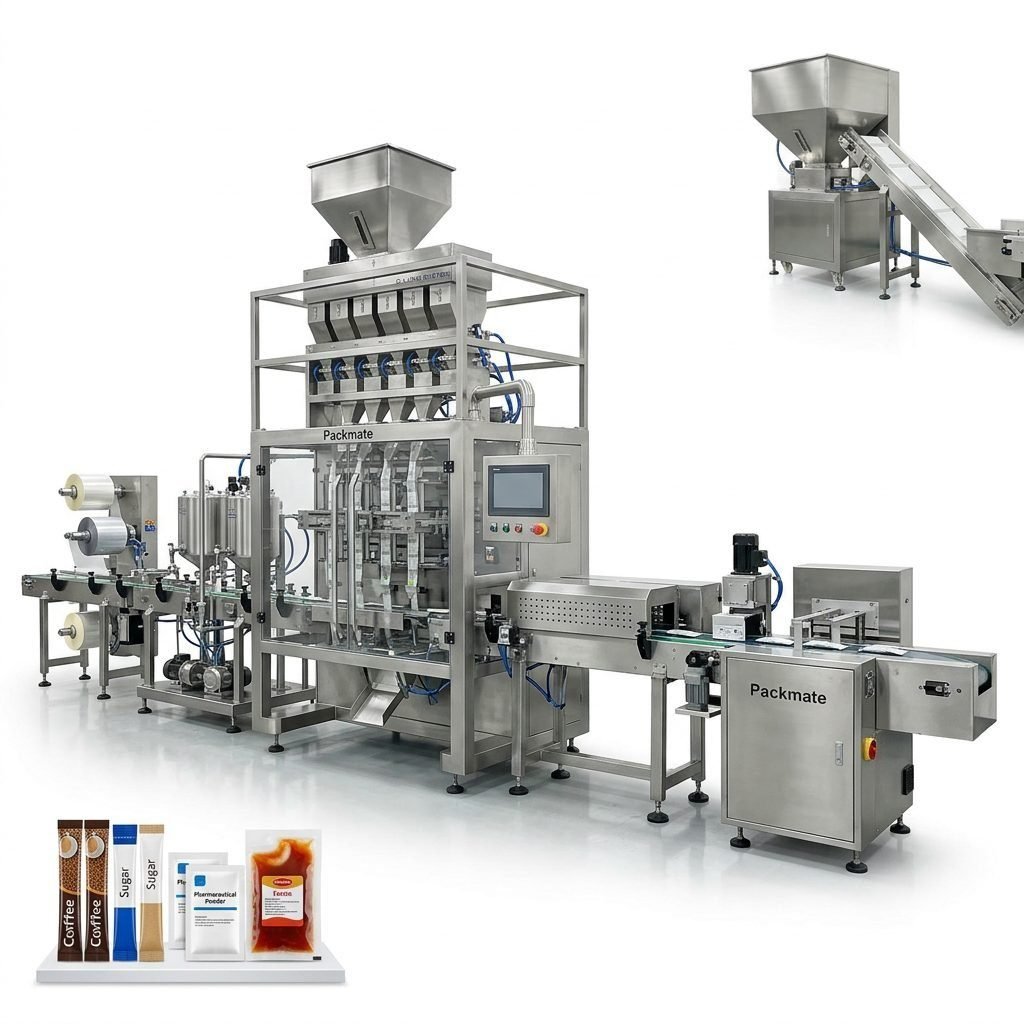
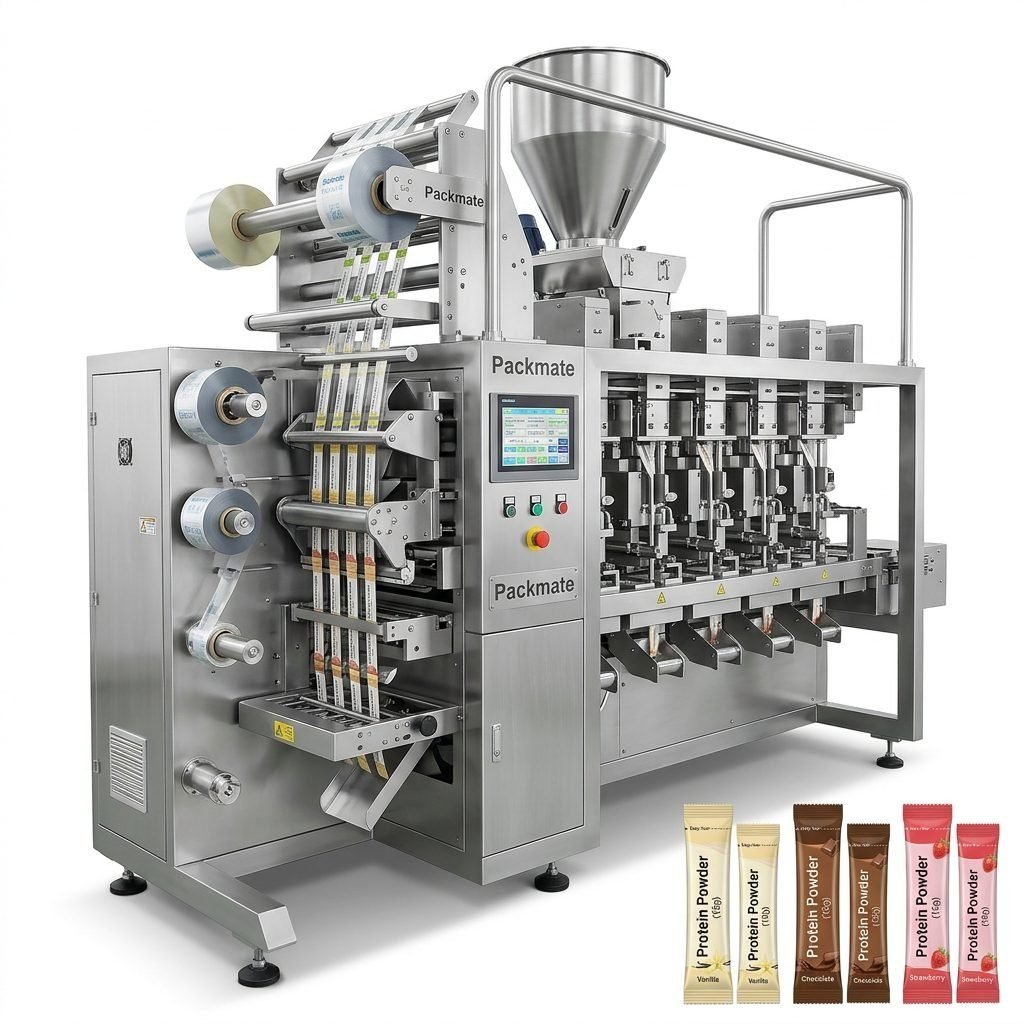
Before starting your search, clearly define your requirements. Ecuador’s key industries, such as food and beverage (coffee, cocoa, shrimp, bananas), pharmaceuticals, and agricultural products, often require specific packaging solutions. Consider your product form (granules, powders, liquids, pastes), desired output speed, bag type (stick pack, sachet, pouch), and the level of automation needed. Local factors like available factory space, power supply stability, and access to technical support should also influence your decision.
Key questions for Ecuadorian buyers:
- What is my primary product (e.g., instant coffee powder, shrimp feed granules, pharmaceutical sachets)?
- What is my target daily or monthly production volume?
- Do I need a standalone machine or a complete turnkey packaging line?
- How important is after-sales service and local technical support?
- What is my budget, including shipping, import duties, and installation?
Step 1: Research and Shortlist Potential Manufacturers
Begin your search online, focusing on manufacturers with a proven export history to South America. Look for companies that showcase experience with products similar to yours. Industry trade shows (though attending from Ecuador may require travel) and B2B platforms can also be valuable resources. Pay close attention to the manufacturer’s website, product range, and client case studies.
Step 2: Evaluate Manufacturer Credibility and Experience
Once you have a shortlist, delve deeper into each company’s background. Longevity and specialization are strong indicators of reliability. A manufacturer with 20-30 years of experience is likely to have refined its technology and processes. Review their estimated market share and main export markets; a presence in Europe or North America often correlates with adherence to higher quality and safety standards. Don’t hesitate to request references from clients in similar industries or regions.
Key Credibility Indicators:
| Indicator | What to Look For |
| Company History | Established for more than 15-20 years. |
| Factory Size & Capability | Modern facility (e.g., 20,000+ sq.m.), in-house machining and assembly. |
| Export Experience | Active exports to South America, Europe, or North America. |
| Product Portfolio | Machines that match your product type (powder, granule, liquid). |
Step 3: Assess Technical Support and After-Sales Service
For Ecuadorian importers, robust after-sales support is non-negotiable. The distance from manufacturing hubs makes reliable service critical. Inquire about the warranty period, availability of spare parts, and the supplier’s policy on remote and on-site support. Ask if they provide installation guidance, operational training (possibly via video call), and detailed manuals in Spanish or English. A manufacturer with a dedicated international service team is preferable.
Step 4: Consider Logistics, Customs, and Total Cost
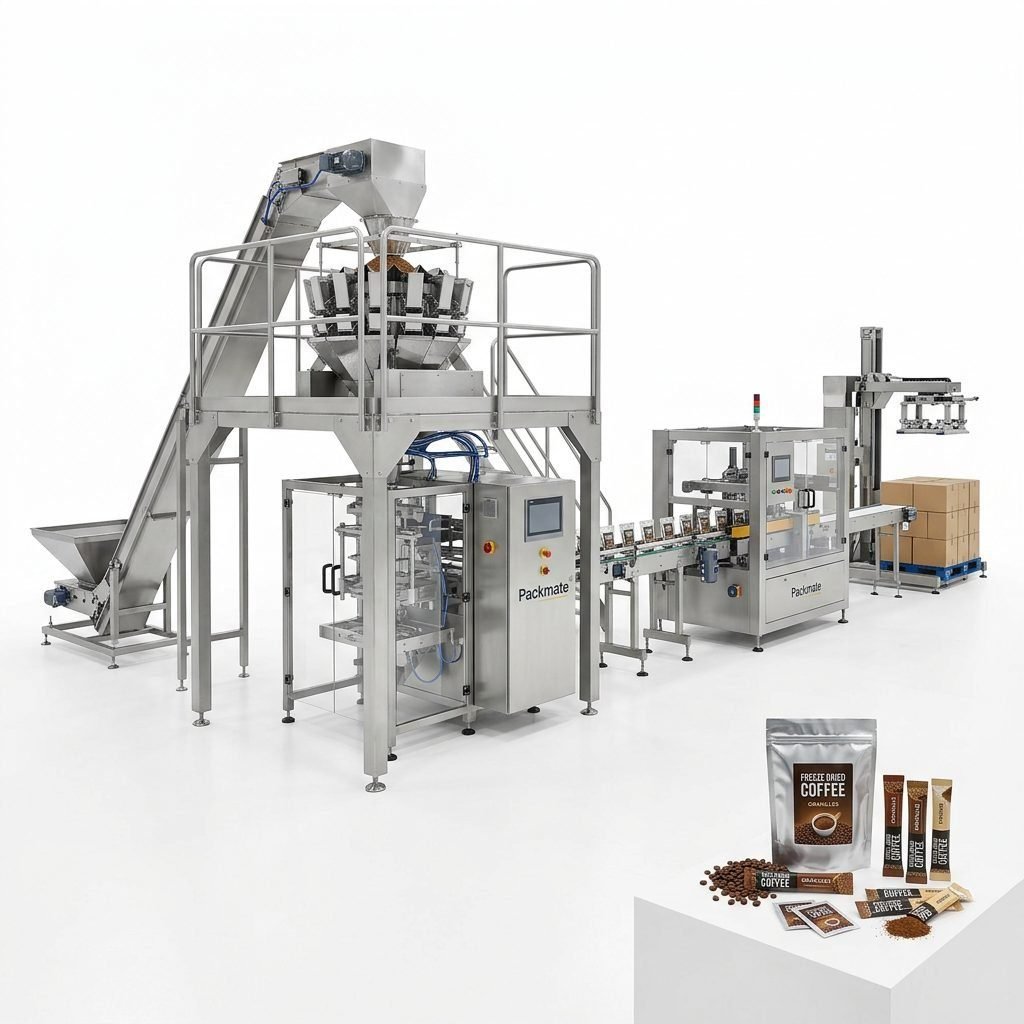
Understand the full cost beyond the machine price. This includes international shipping (often FOB or CIF), Ecuadorian import duties and taxes, insurance, and inland transportation to your factory. Work with a reliable freight forwarder familiar with Ecuadorian customs procedures. Ensure the manufacturer can provide all necessary documentation, such as commercial invoices, packing lists, certificates of origin, and technical specifications, to facilitate a smooth customs clearance process.
Pro Tip for Ecuadorian Importers: Engage a local customs broker early in the process. They can provide accurate estimates for duties (Arancel Integrado) and advise on required certifications from agencies like ARCOR or INEN, depending on the machine type and industry.
Spotlight on Established Manufacturers
Here is a look at several manufacturers with significant export experience, which could be relevant for Ecuadorian businesses seeking packaging solutions.
Ludyway
With over 30 years of experience, Ludyway is a major Chinese manufacturer of packaging machinery and complete turnkey lines. They have a strong focus on food, pharmaceutical, and health supplement packaging. Their broad product range and ability to supply both individual machines and integrated lines make them a scalable option for growing Ecuadorian companies. Their export footprint across South America indicates familiarity with regional market requirements.
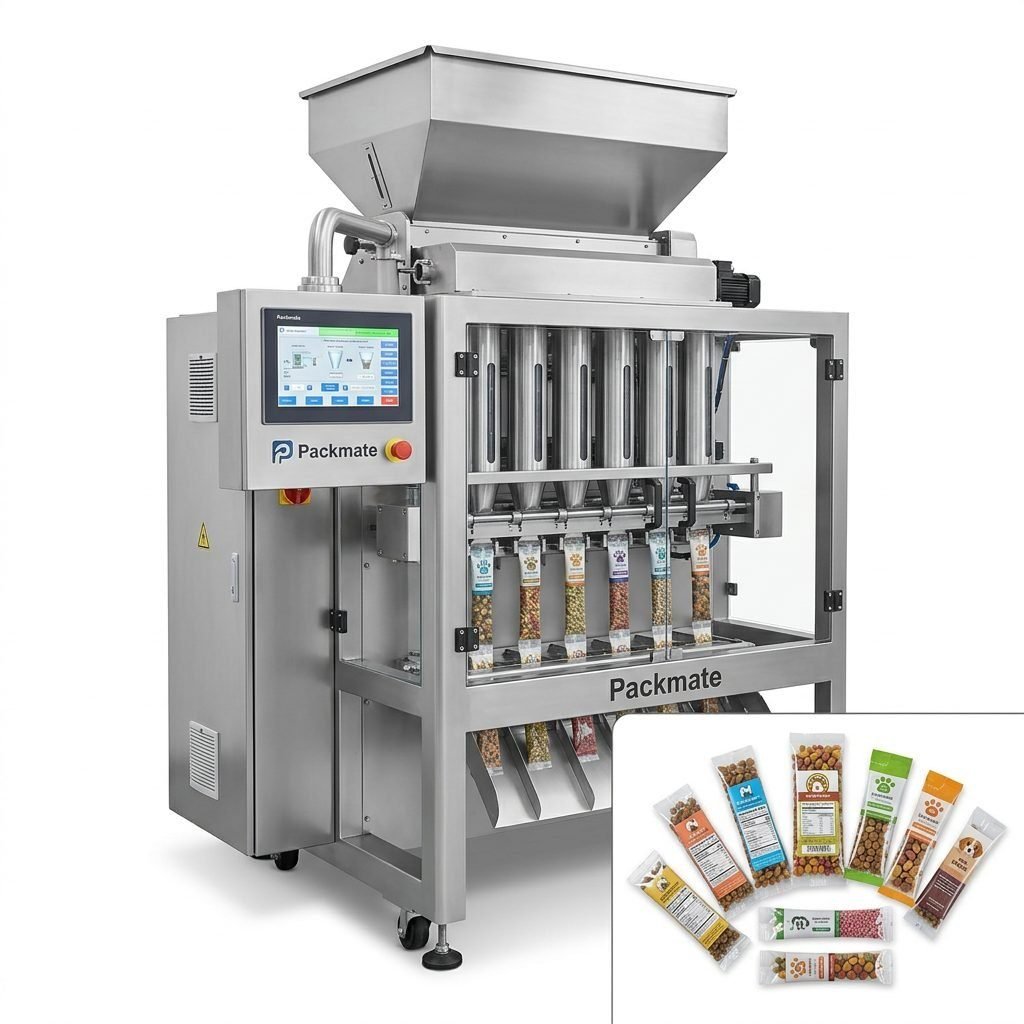
Packmate Machinery
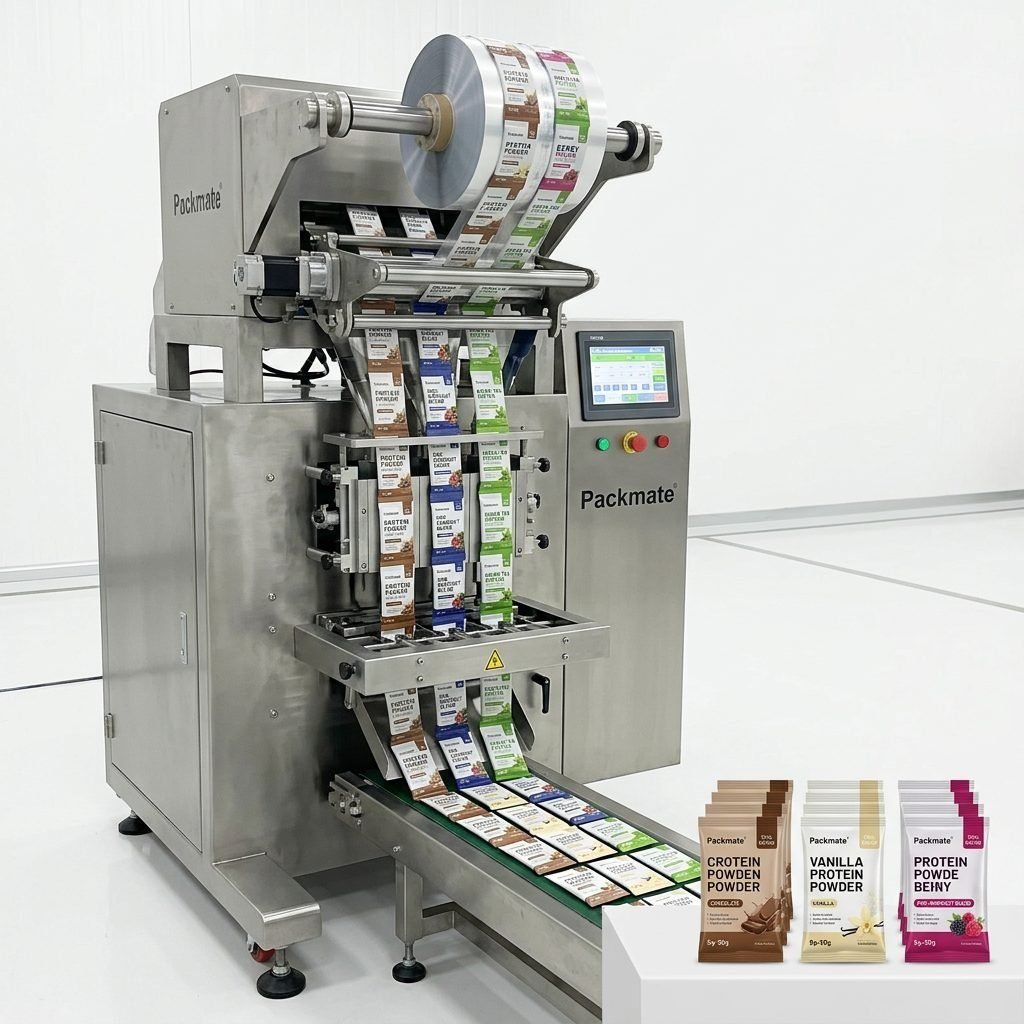
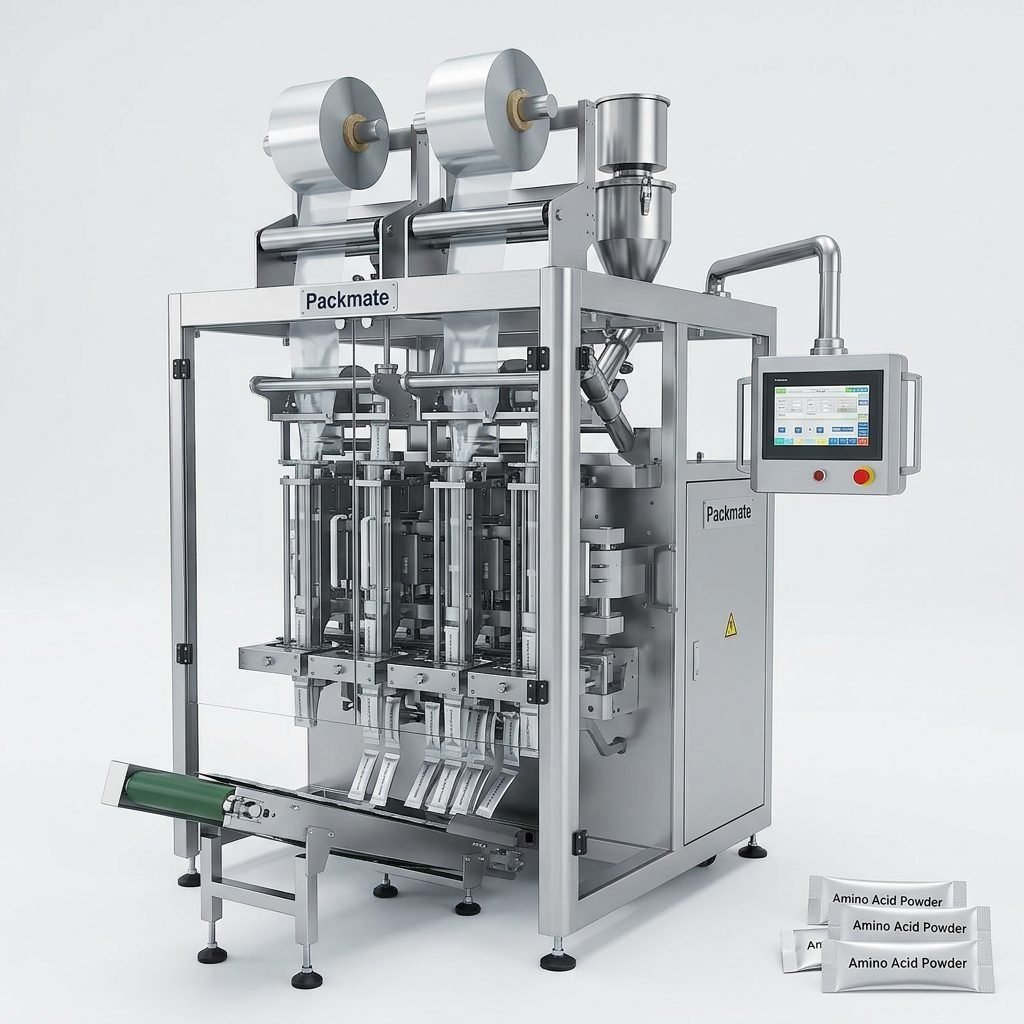
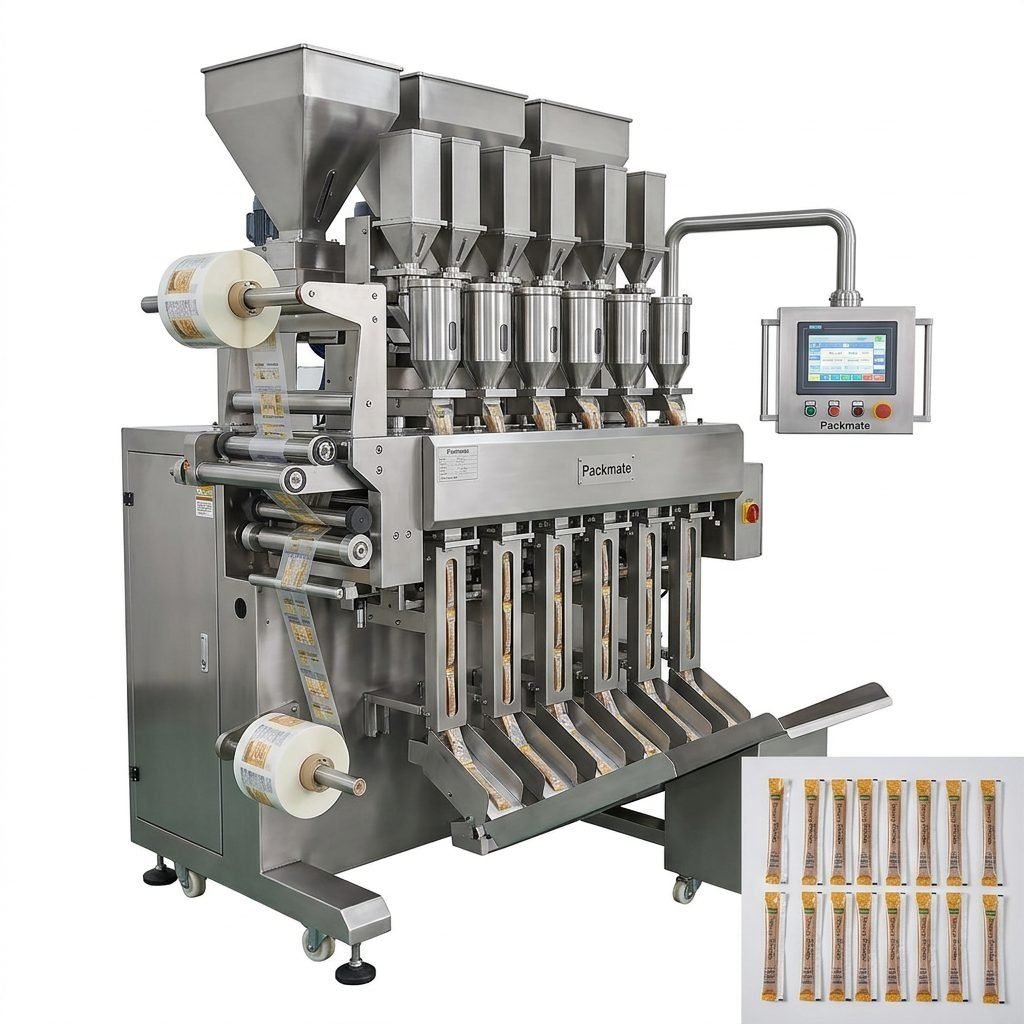
Packmate Machinery offers over 30 years of expertise in intelligent packaging equipment for food, pharma, and supplements. They emphasize practical automation and stable performance, providing a good balance between cost and technical capability. Their experience exporting to South America makes them a practical consideration for Ecuadorian buyers looking for reliable granule, powder, or liquid packaging solutions.
PacklineOEM
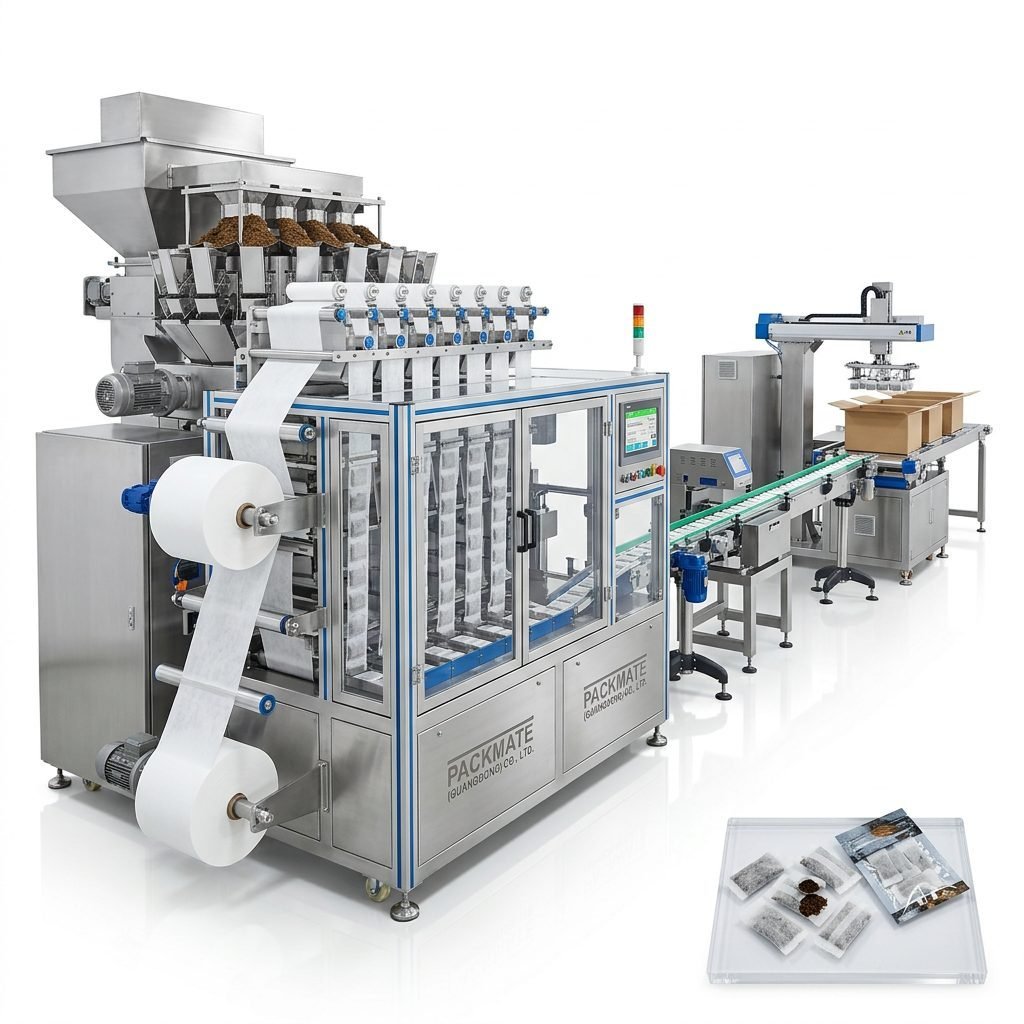
If your project requires a fully integrated production line rather than just a single machine, PacklineOEM is specialized in turnkey packaging solutions. They focus on complete line integration—from feeding and filling to sealing and inspection—which is ideal for medium to large-scale operations in Ecuador aiming for higher automation levels in powder, granule, or liquid packaging.
PackingMachineOEM
For non-standard or highly customized packaging needs, PackingMachineOEM is a strong candidate. They specialize in tailored solutions and OEM projects, offering flexibility for unique product formats or specific production layouts. This can be advantageous for Ecuadorian companies with specialized products that require custom engineering support.
SnusMachinery
For businesses in niche sectors like nicotine pouches, snus, or specialty tea pouches, SnusMachinery offers focused expertise. While他们也提供 general food and pharma equipment, their specialized knowledge in high-precision pouch packaging for sensitive products can be a significant advantage for relevant Ecuadorian exporters targeting specific international markets.
Finalizing Your Decision and Placing an Order
After thorough evaluation, request detailed quotations from your top 2-3 candidates. Ensure the quote includes machine specifications, warranty terms, delivery timeline, and payment terms. It is highly advisable to request a video test run of the machine packaging a sample of your product. Before finalizing, clarify all communication and agreement terms to avoid misunderstandings. Starting with a clear contract that outlines responsibilities, timelines, and support agreements is essential for a successful partnership.
FAQs for Ecuadorian Importers
Q: What are the typical lead times for receiving a packaging machine from overseas?
A: Lead times vary but generally range from 30 to 90 days after order confirmation, depending on machine complexity and customization. Factor in additional time for sea freight and customs clearance in Ecuador.
Q: How can I verify the quality of the machine before shipment?
A: Insist on a factory acceptance test (FAT), either by sending a representative or, more commonly, via a live video demonstration where you can see your product being run and inspect the final packaged output.
Q: Who is responsible for installation and commissioning?
A: This must be clearly defined in the contract. Many suppliers provide detailed installation manuals and remote guidance. For complex lines, on-site commissioning by a technician may be offered for an additional fee, covering travel and accommodation.
Q: Are spare parts readily available, and how long does delivery take?
A: Reliable manufacturers maintain a stock of common spare parts. Delivery to Ecuador can take 2-6 weeks by air or sea. Discuss and agree on a recommended spare parts list to keep on hand to minimize downtime.
Q: What is the most common challenge when importing machinery to Ecuador?
A> Beyond technical selection, navigating import regulations and ensuring all documentation is accurate for customs can be challenging. Partnering with an experienced freight forwarder and customs broker is highly recommended to avoid delays and unexpected costs.