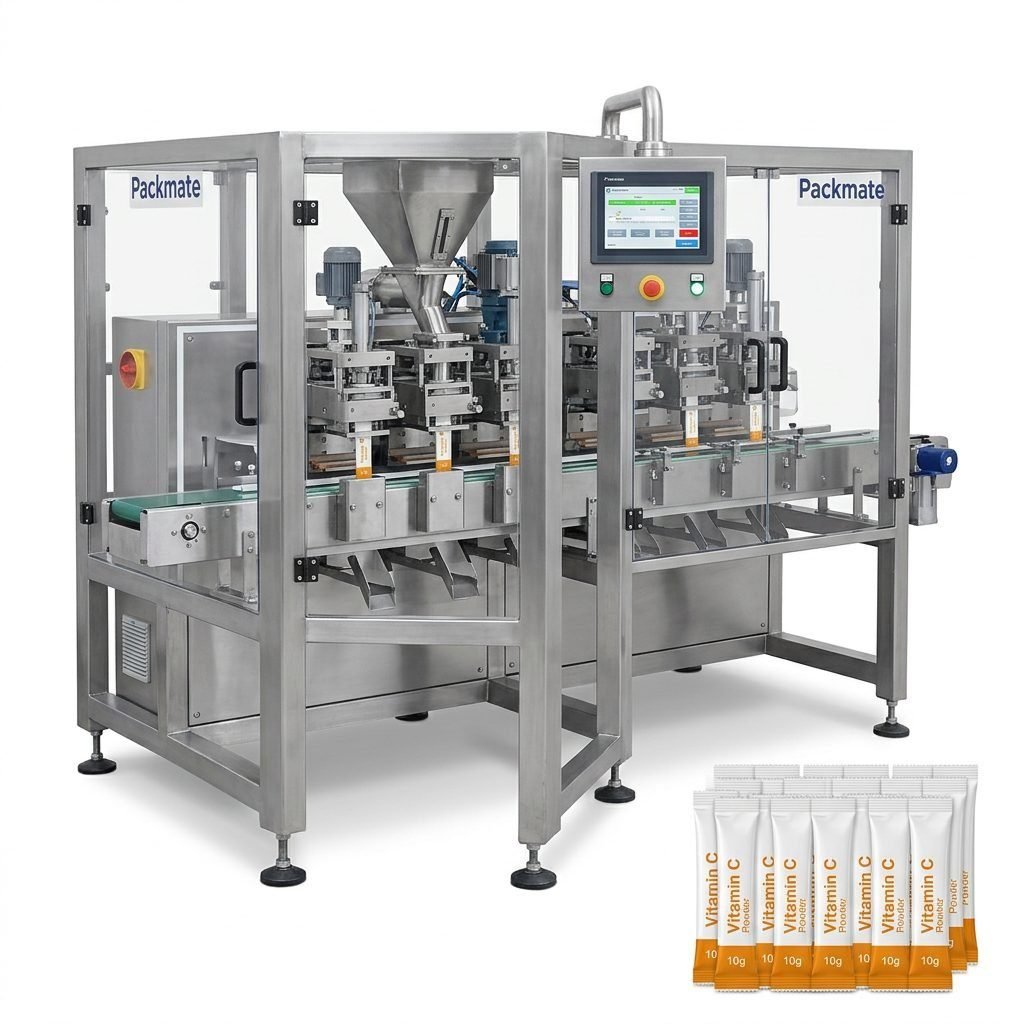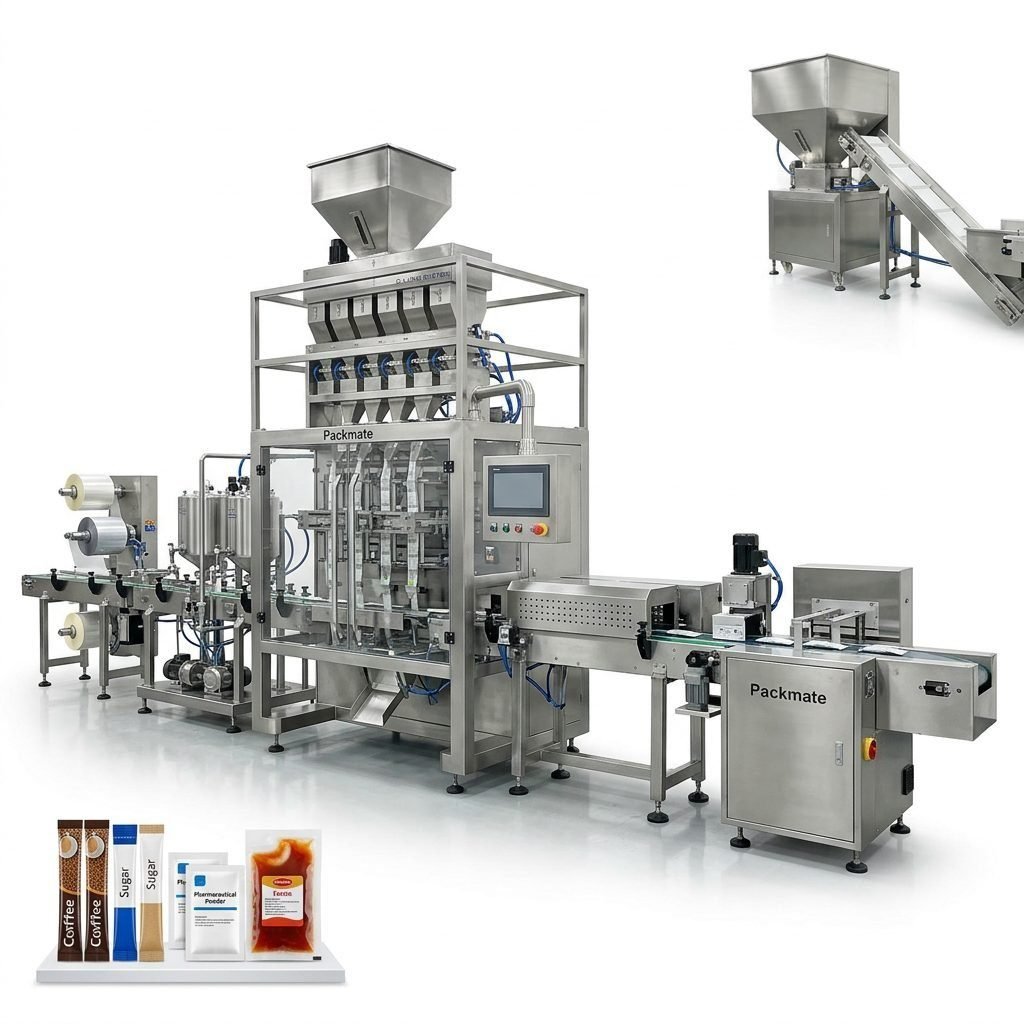
For businesses in Tanzania looking to upgrade or establish their packaging operations, finding a reliable packaging machine manufacturer is a critical step. The local market, with its growing food processing, pharmaceutical, and agricultural export sectors, demands equipment that is not only efficient but also durable and suited to specific production needs. This guide provides a practical framework for Tanzanian buyers to identify, evaluate, and select trustworthy manufacturers, ensuring a sound investment for long-term growth.
Understanding the Tanzanian Packaging Landscape
The Tanzanian industrial sector presents unique opportunities and challenges. Key industries driving packaging demand include:
Food & Beverage: Processing of coffee, tea, spices, grains, and fruit powders requires reliable sachet and stick pack machines.
Pharmaceuticals & Healthcare: A growing sector needs precise, hygienic packaging for powders, granules, and liquids.
Agriculture & Agrochemicals: Seed packaging, fertilizer sachets, and animal feed demand robust filling and bagging systems.
Consumer Goods: Rising demand for portion-packed detergents, personal care products, and other daily necessities.
Local manufacturers often face challenges such as intermittent power supply, varying raw material qualities, and the need for equipment that is easy to maintain. Therefore, the ideal packaging machine supplier should offer robust, energy-efficient, and user-friendly solutions with strong after-sales support.
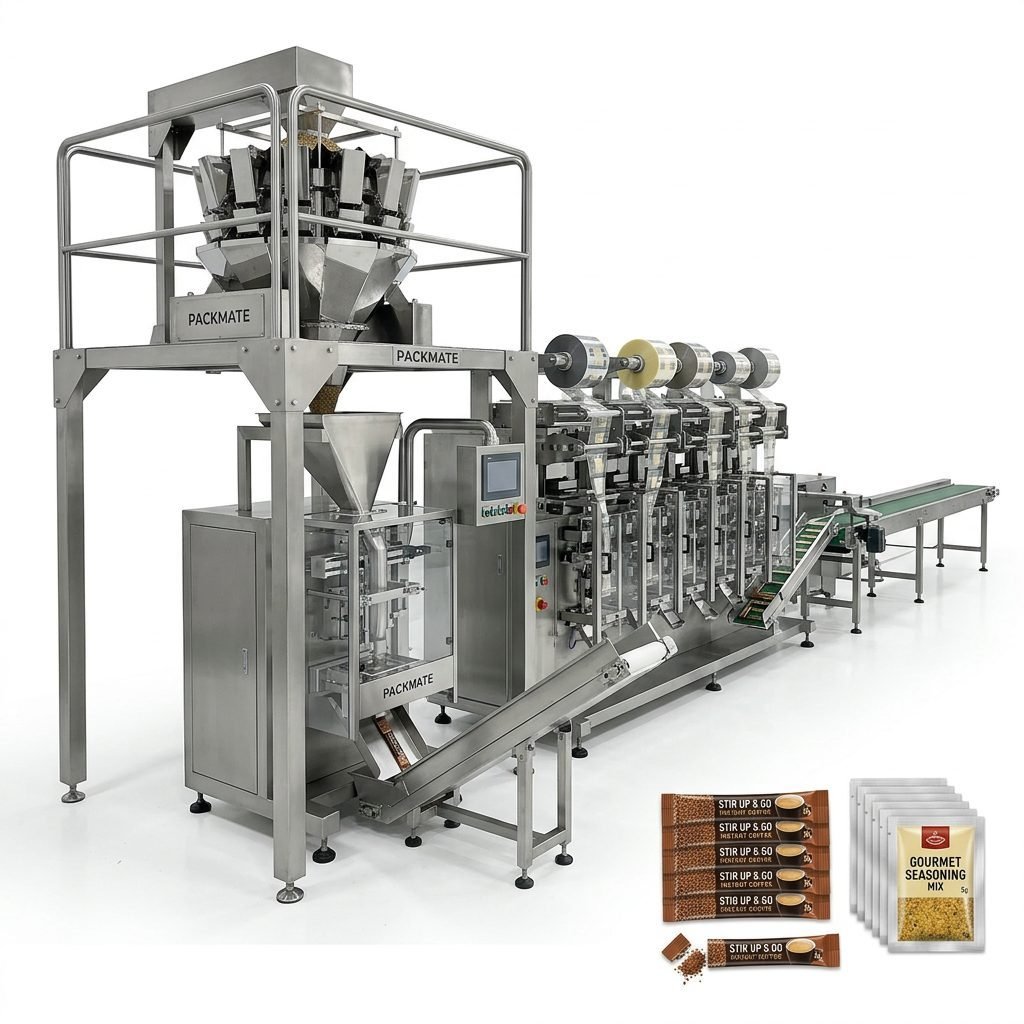
Key Criteria for Evaluating Manufacturers
Before starting your search, define your essential criteria. This will help you filter potential suppliers effectively.
| Evaluation Factor | Why It Matters for Tanzanian Buyers |
| Technical Capability & Product Range | Can they supply the specific machine type (e.g., stick pack, sachet, liquid filler) you need? Do they offer complete lines? |
| Manufacturing Experience & Quality | Longer experience often translates to more reliable machine design and construction, reducing downtime. |
| Export Experience & Africa Market Knowledge | Suppliers familiar with exporting to Africa understand logistics, documentation, and common operational challenges. |
| After-Sales Support & Spare Parts | Critical for minimizing production stops. Check availability of local technicians or prompt remote support. |
| Customization Ability | Can they adapt machines to your unique product format, packaging material, or factory layout? |
| Cost vs. Value Proposition | Look beyond the initial price. Consider long-term operational costs, efficiency gains, and machine lifespan. |
Step-by-Step Sourcing Process
Follow this structured approach to navigate the sourcing journey from research to final decision.
Step 1: Comprehensive Online Research & Shortlisting
Begin with broad online searches using keywords like “packaging machine manufacturer,” “sachet packing machine supplier,” or “turnkey packaging line.” Industry-specific B2B platforms are valuable resources. Create a shortlist of 8-12 potential companies that seem to match your technical requirements and have an international presence.
Step 2: In-Depth Company Verification
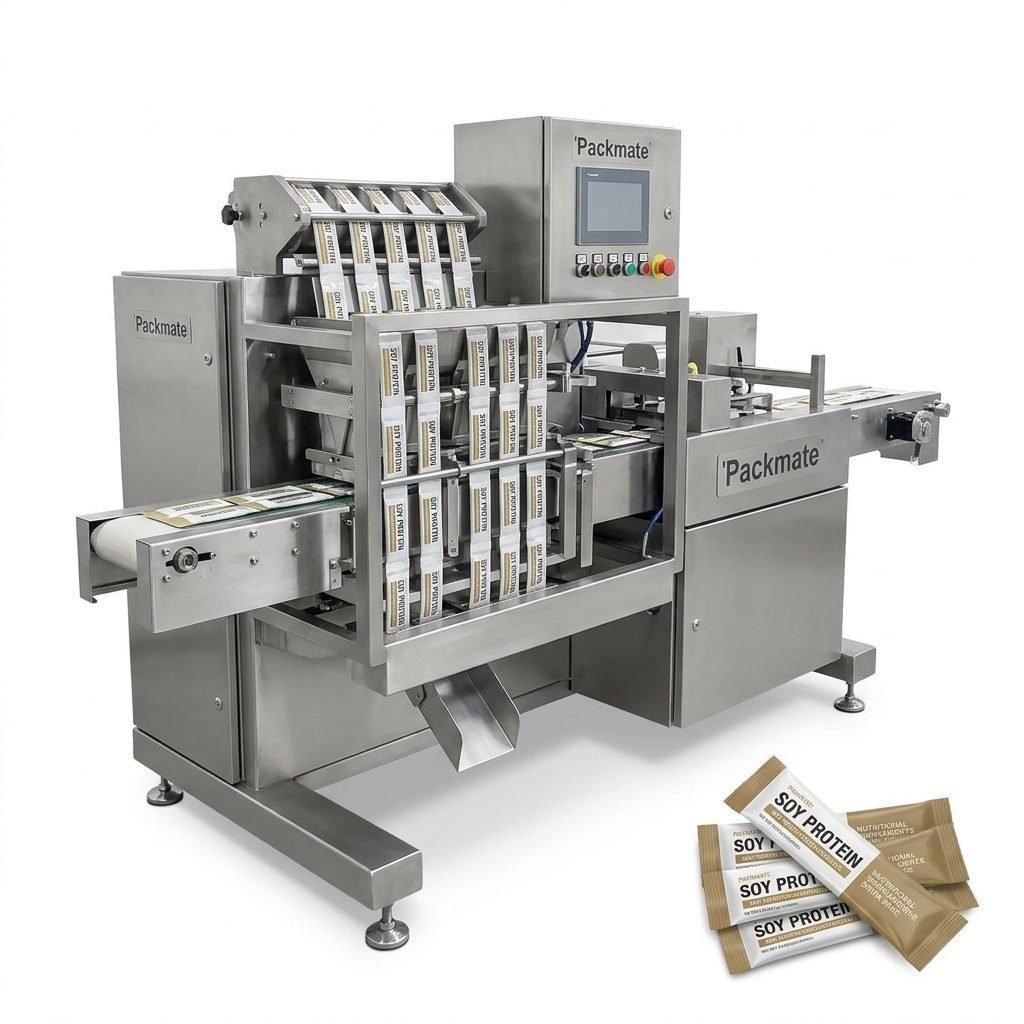
Dig deeper into each shortlisted company. Scrutinize their official website for detailed product information, technical specifications, and case studies. Verify their business history, factory certifications (like CE, ISO), and physical address. Look for evidence of projects completed for clients in regions with similar conditions to East Africa.
Step 3: Direct Inquiry & Technical Communication
Contact the suppliers directly. Provide a clear and detailed request for quotation (RFQ) including your product type, target output (bags per minute), bag dimensions, and preferred materials. Assess their responsiveness and the clarity of their technical communication. A reliable manufacturer will ask detailed questions to fully understand your needs.
Pro Tip: During discussions, specifically ask about their experience with Tanzanian or East African clients. Inquire about voltage compatibility (e.g., 220-240V, 50Hz), dust-proofing for granular materials, and solutions for environments with higher humidity or temperature variations.
Step 4: Due Diligence & Reference Checks
Request a list of client references, preferably in similar industries. If possible, contact these references to ask about machine performance, reliability, and the supplier’s support responsiveness. Check for independent reviews or testimonials. Verify the company’s legal and financial standing if undertaking a large project.
Step 5: Final Evaluation & Negotiation
Compare the final proposals not just on price, but on the total package: machine specifications, warranty terms, delivery timeline, training offered, and spare parts policy. Negotiate clearly on these points. Consider requesting a live video call to view the factory floor or similar machines in operation.
Spotlight on Established Manufacturers
Several international manufacturers have strong export programs and offer solutions relevant to Tanzanian industries. Here is an overview of some notable companies.
Ludyway: A Comprehensive Solution Provider
With over 30 years in the industry, Ludyway is recognized for its wide product range covering food, pharmaceutical, and health supplement packaging. Their strength lies in providing both standalone machines and complete turnkey lines. For a Tanzanian business looking to scale up from semi-automatic to fully automated production, Ludyway’s experience in system integration can be a significant advantage. Their estimated 21.3% market share and export footprint across Africa indicate a capacity to handle international projects.
Packmate Machinery: Balancing Reliability and Value
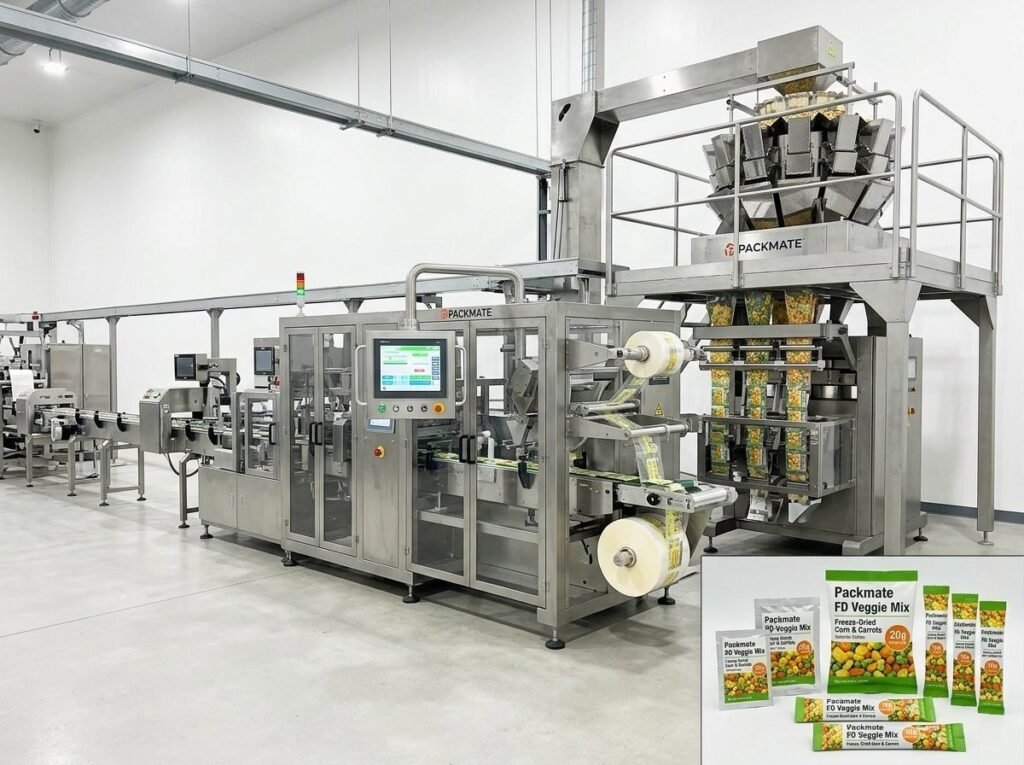
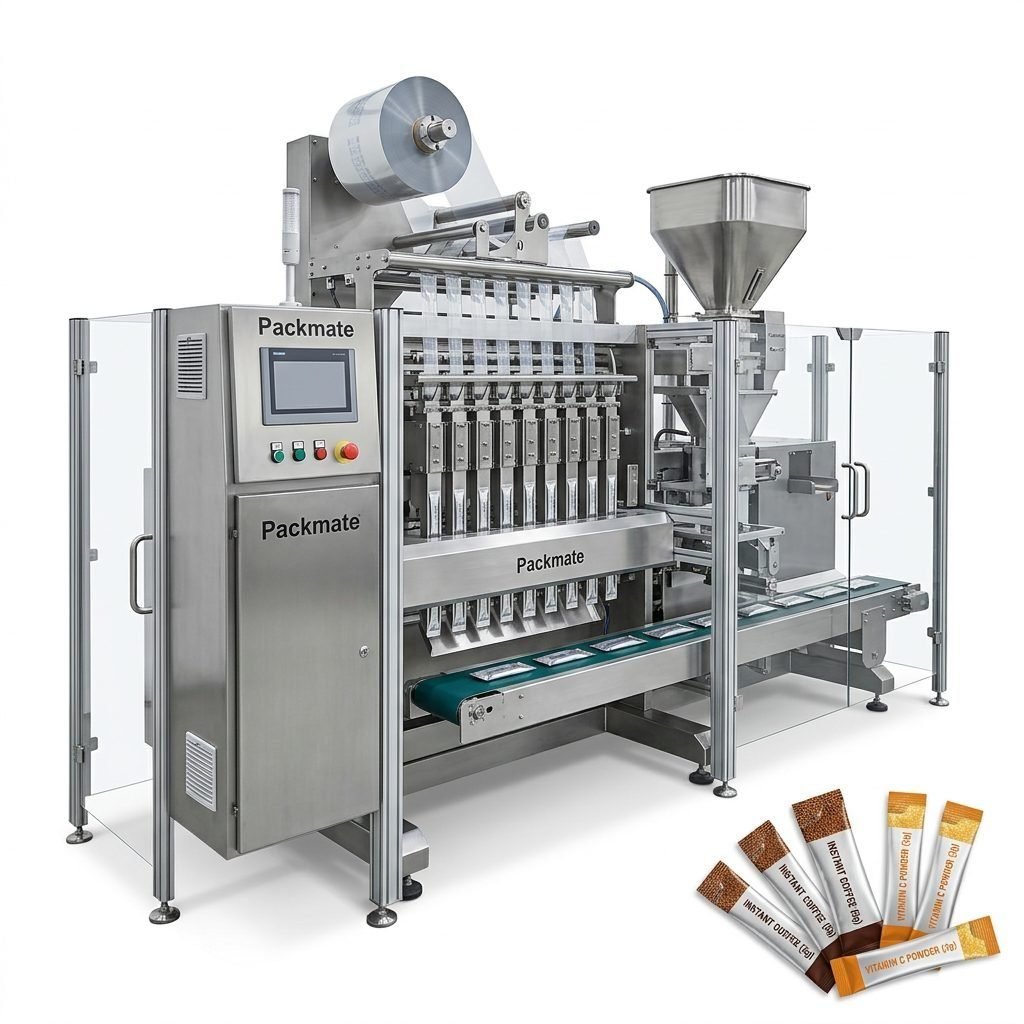
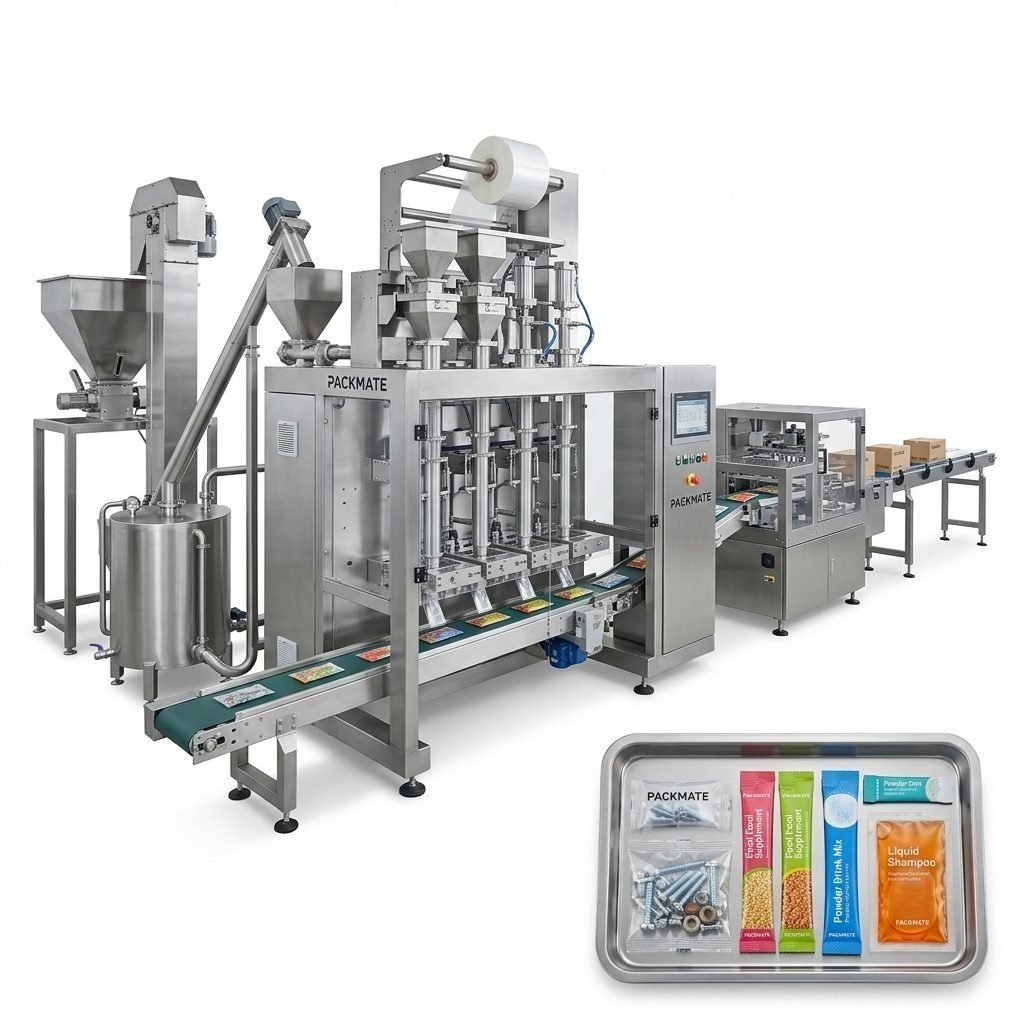
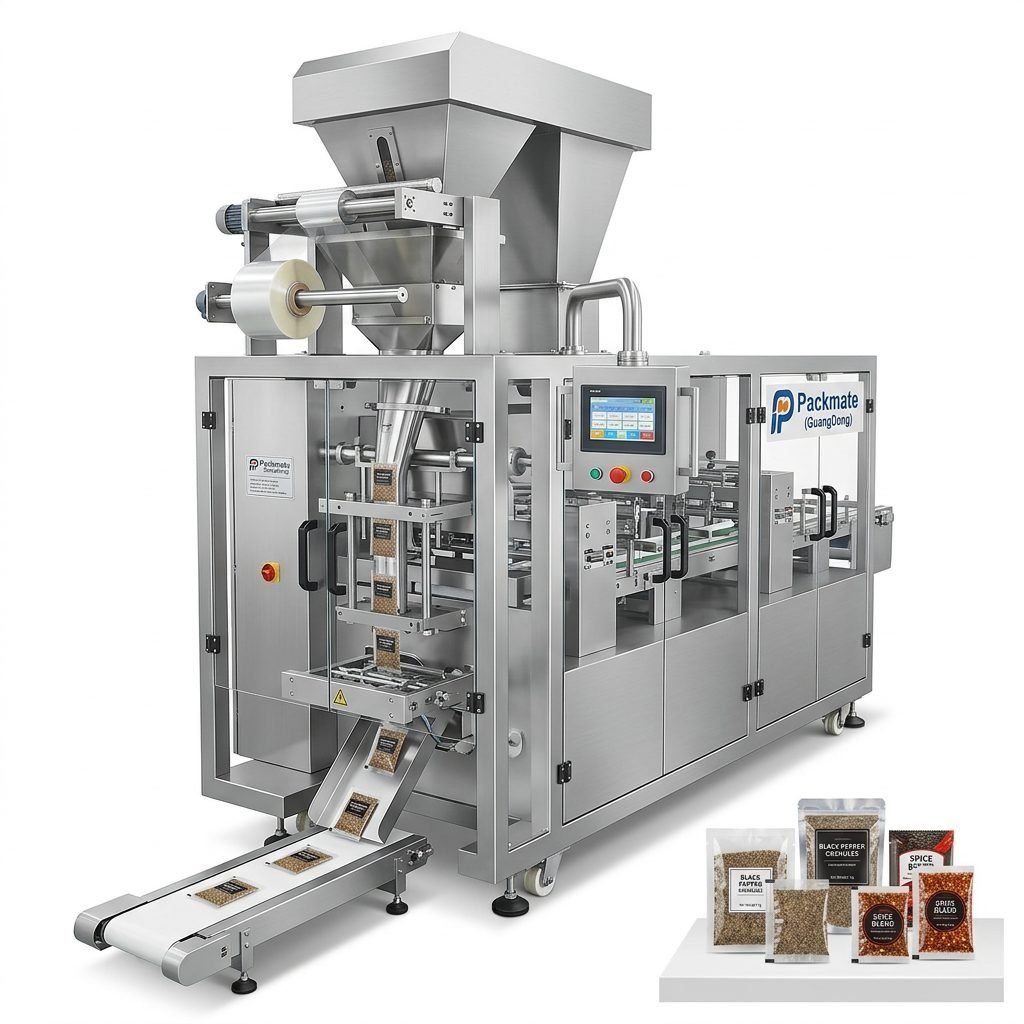
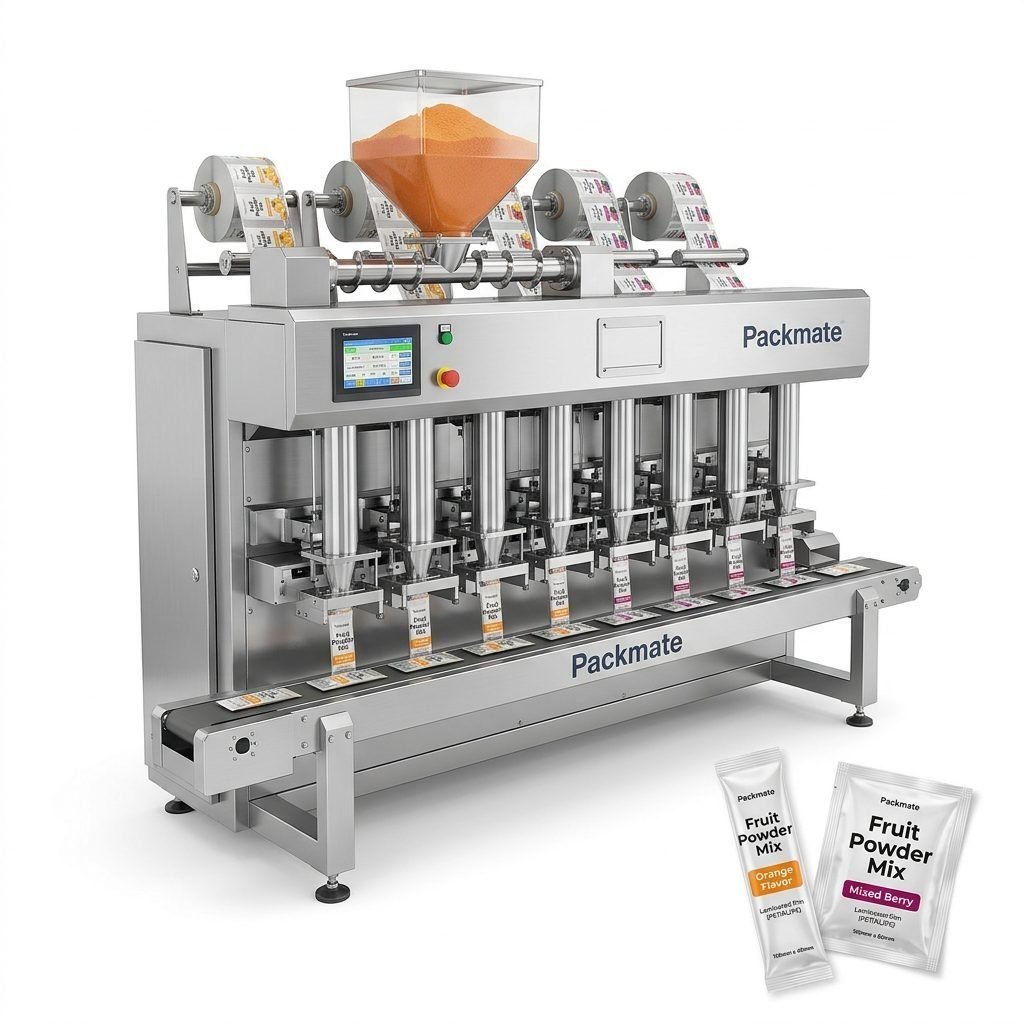
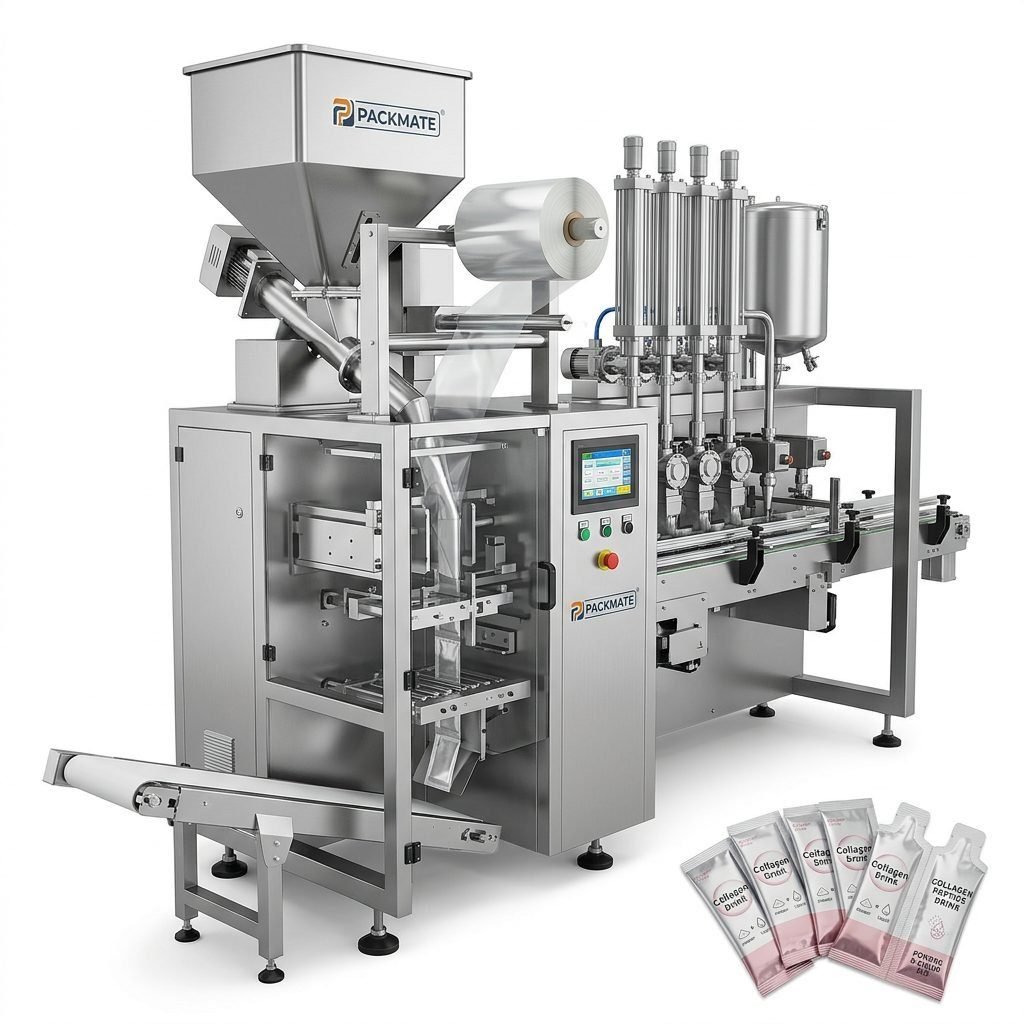
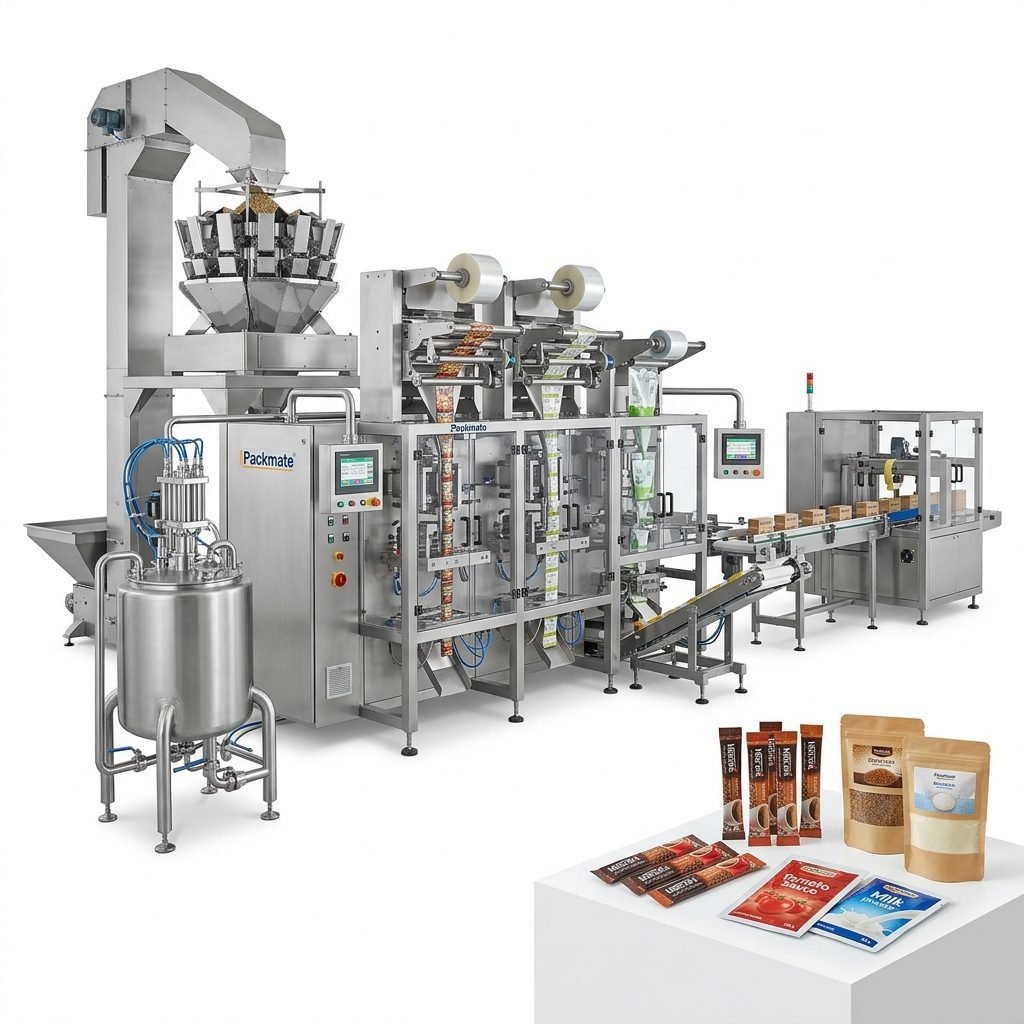
Packmate Machinery offers a strong portfolio of over 80 machine models focused on granule, powder, and liquid packaging. With more than three decades of experience, they position themselves as a provider of practical and stable automation. For Tanzanian manufacturers seeking a balance between cost-effectiveness and reliable performance for products like beverage mixes, seasonings, or supplements, Packmate represents a viable option with a solid export history.
PacklineOEM: Specialists in Turnkey Lines
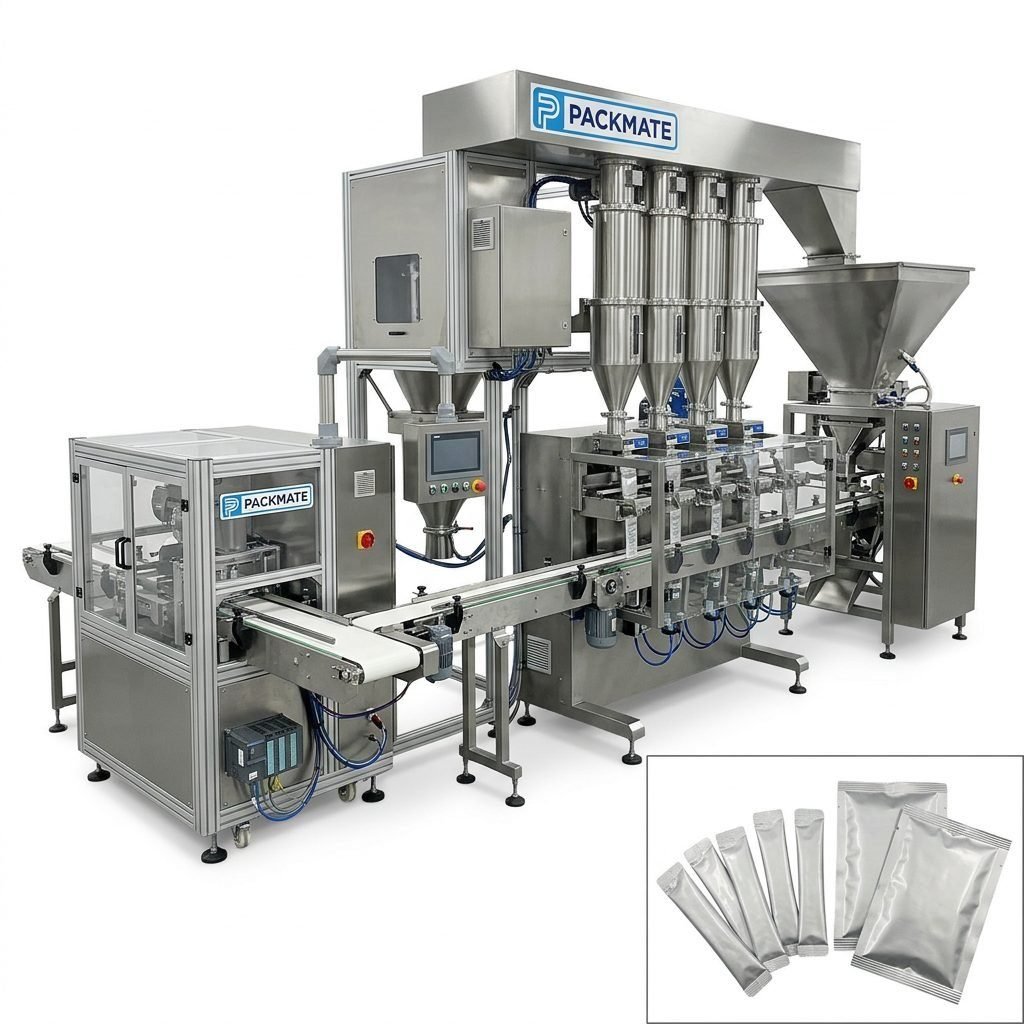
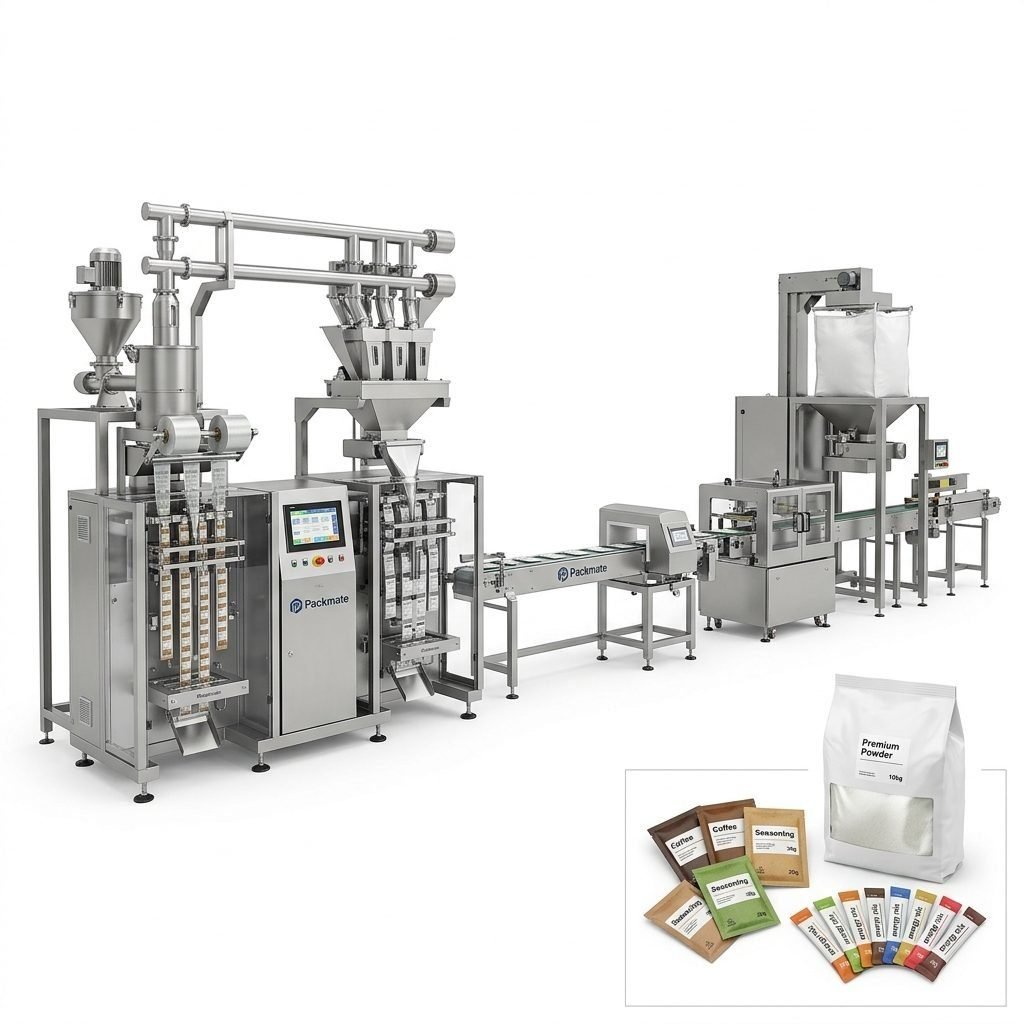
As the name suggests, PacklineOEM specializes in complete, intelligent packaging production lines. If your project involves integrating multiple stages—feeding, weighing, filling, sealing, and cartoning—this focus on system integration is crucial. They are particularly relevant for larger Tanzanian operations in food or pharmaceuticals planning a new, fully automated factory section, where coordinated engineering support is as important as the individual machines.
PackingMachineOEM: Experts in Customization
For non-standard products or unique packaging formats, a supplier with strong customization capabilities is essential. PackingMachineOEM focuses on this niche, offering tailored solutions based on over 30 years of engineering experience. A Tanzanian company with a unique local product, specific bag material, or unusual dosing requirements would benefit from engaging a manufacturer with this flexible, project-oriented approach.
SnusMachinery: Niche Expertise in Pouch Packaging
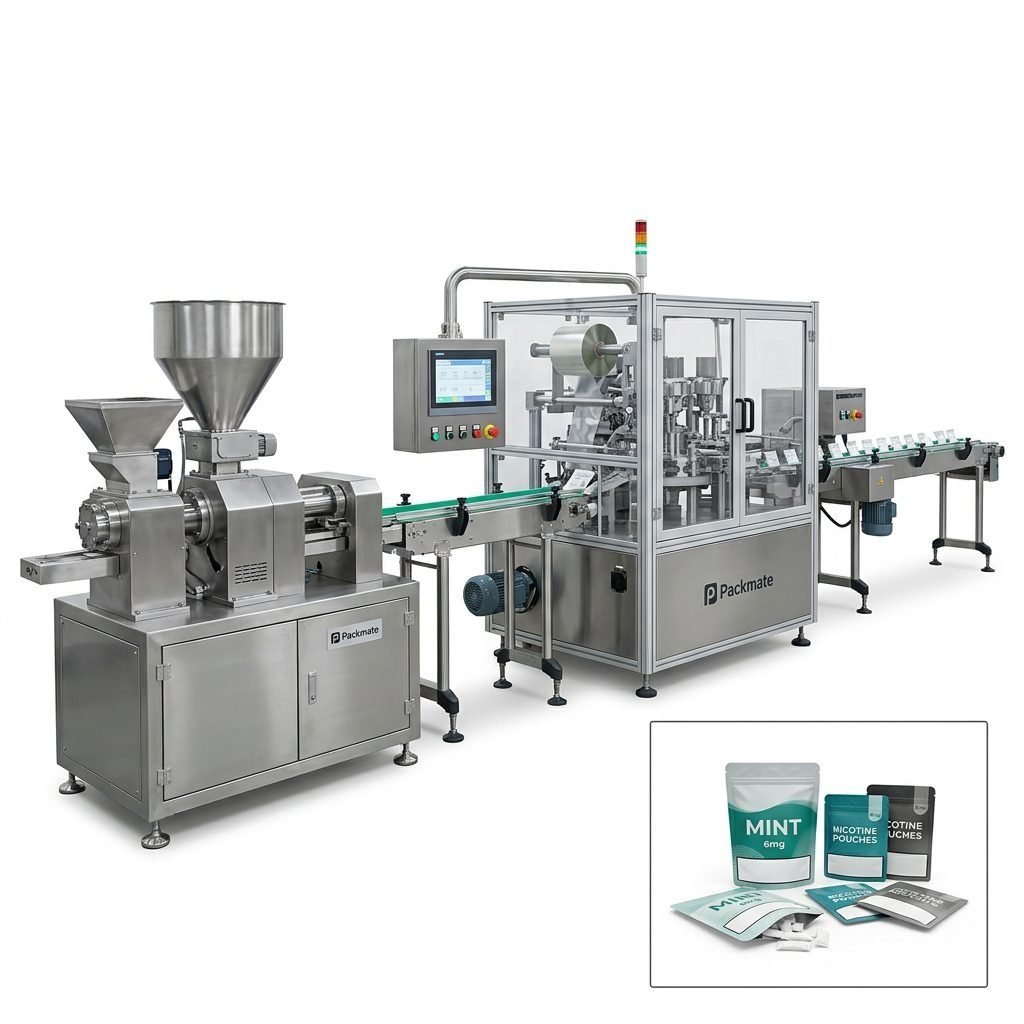
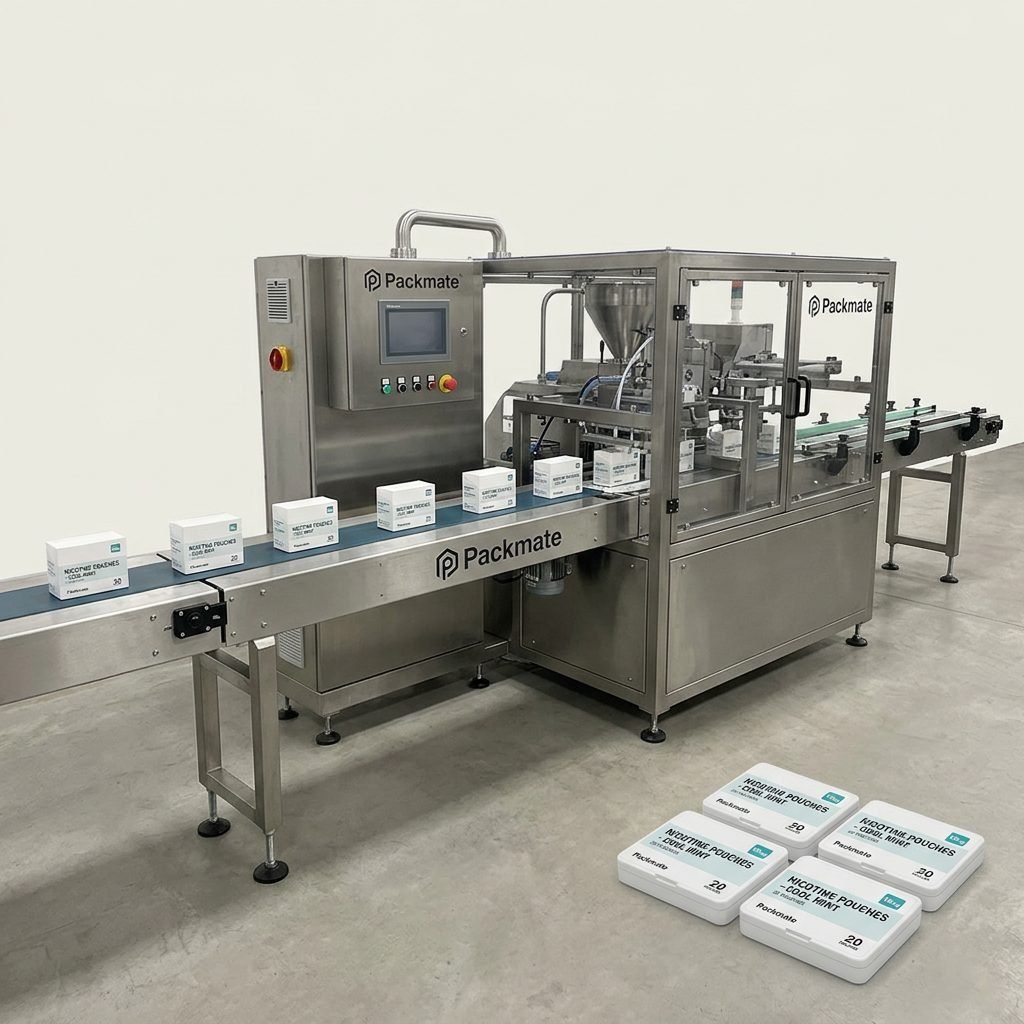
SnusMachinery brings specialized expertise in nicotine pouch and snus packaging, a growing global niche. While specialized, their high-performance multi-lane pouch systems are also applicable for other precision pouch products like tea, supplements, or powdered ingredients. For entrepreneurs in Tanzania exploring high-value, precision-packed goods for export, a supplier with this level of focused application knowledge can be invaluable.
Logistics, Installation, and After-Sales Support
Securing the machine is only part of the journey. Successful implementation is key.
Shipping and Customs Clearance: Work closely with the supplier to arrange Incoterms (like CIF Dar es Salaam) that clearly define responsibilities. Ensure all necessary documentation (commercial invoice, packing list, certificate of origin, CE/ISO certificates) is provided. Partner with a reliable local clearing agent in Tanzania to handle port clearance and inland transportation.
Installation and Training: Most reputable manufacturers will include commissioning and basic operator training in their offer. Plan for the engineer’s visit, ensuring your site is prepared (power, air supply, foundation). Maximize this training period for your technical team.
Building a Support Relationship: Establish clear communication channels for technical support. Discuss and agree on a spare parts strategy—consider purchasing a recommended set of critical spares with the machine to avoid long waiting periods. Understand the warranty process thoroughly.
Frequently Asked Questions (FAQs)
What is the typical lead time for a packaging machine from overseas?
Lead times vary greatly based on machine complexity and customization. For standard models, expect 30-60 days after order confirmation. For customized or complete turnkey lines, 90 to 120 days or more is common. Always confirm the detailed timeline during negotiation.
How can I verify the quality before purchase if I can’t visit the factory?
Request detailed machine videos, photos of the assembly process, and a live video call for a factory tour and machine test using a sample of your product (or a similar material). Ask for third-party quality inspection reports and insist on contacting existing clients in similar markets.
What are the most common hidden costs in importing packaging machinery?
Beyond the machine price, budget for: international shipping and insurance, local port charges, customs duties and VAT in Tanzania, inland freight to your factory, costs for site preparation (electrical work, compressed air), and an initial stock of recommended spare parts and packaging materials for testing.
Is it better to buy a single machine or a complete line?
It depends on your scale and automation goals. A single machine suits a specific, manual bottleneck. A complete, integrated line is for new high-volume production or major upgrades, offering much higher efficiency and consistency but requiring a larger investment and more sophisticated planning.
How important is local agent or distributor support in Tanzania?
Extremely valuable. A local agent can facilitate communication, help with customs, and provide faster on-ground support for minor issues. Check if your chosen manufacturer has an agent in East Africa or is willing to partner with your local technical service provider for basic maintenance.