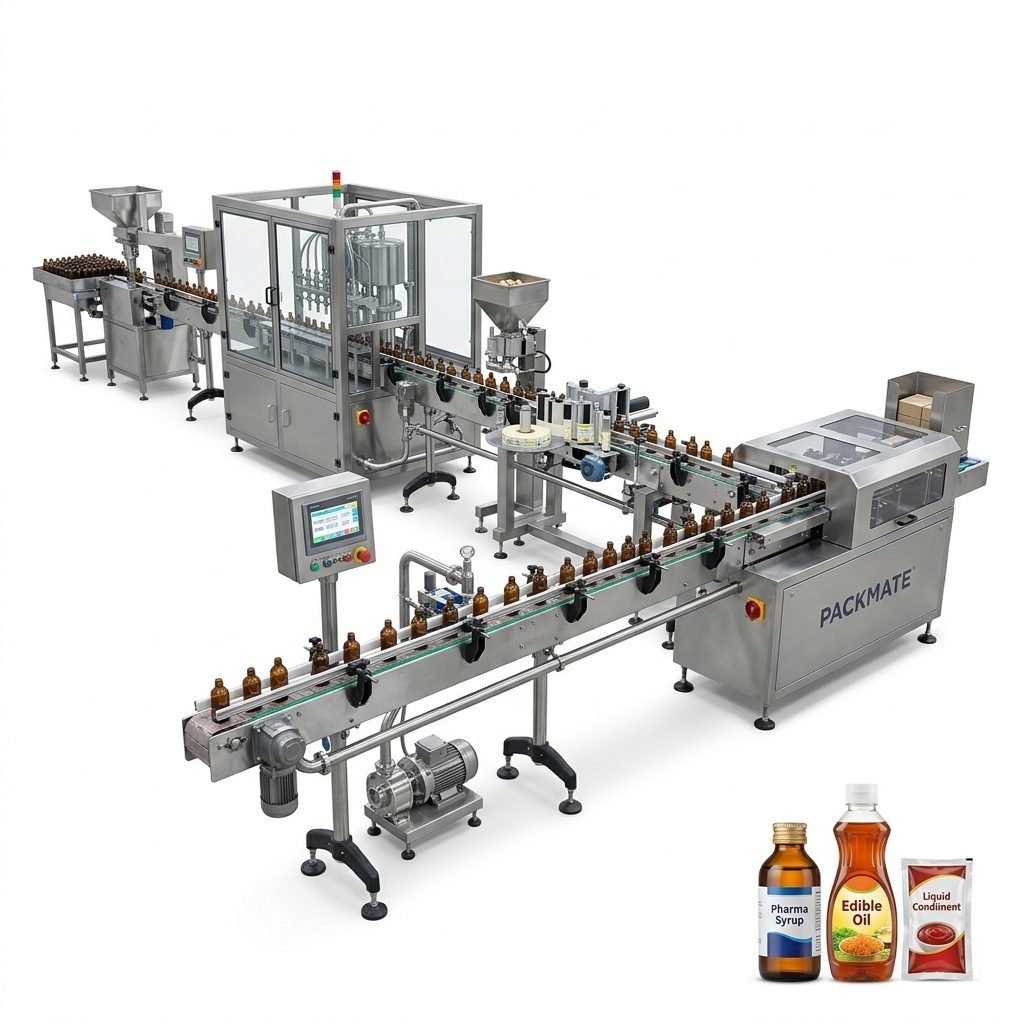
For businesses in Zambia looking to enhance their production efficiency and product consistency, choosing the right packaging machine supplier is a critical decision. The local market spans food processing, agriculture, pharmaceuticals, and mining-related products, each with unique packaging needs for powders, granules, liquids, and sachets. A reliable supplier must offer not just equipment, but also technical support, spare parts availability, and an understanding of Zambia’s operational environment, including power stability and local raw material sourcing.
Key Factors for Zambian Buyers to Consider
When evaluating packaging machine manufacturers, Zambian companies should focus on several practical aspects. Machine durability and adaptability to local conditions are paramount, considering variations in power supply and climate. The supplier’s ability to provide training for local technicians and ensure timely after-sales support is crucial for minimizing downtime. Furthermore, the equipment should handle the specific products common in Zambia, such as mealie-meal (corn flour), fertilisers, agro-chemicals, food seasonings, and pharmaceutical powders.
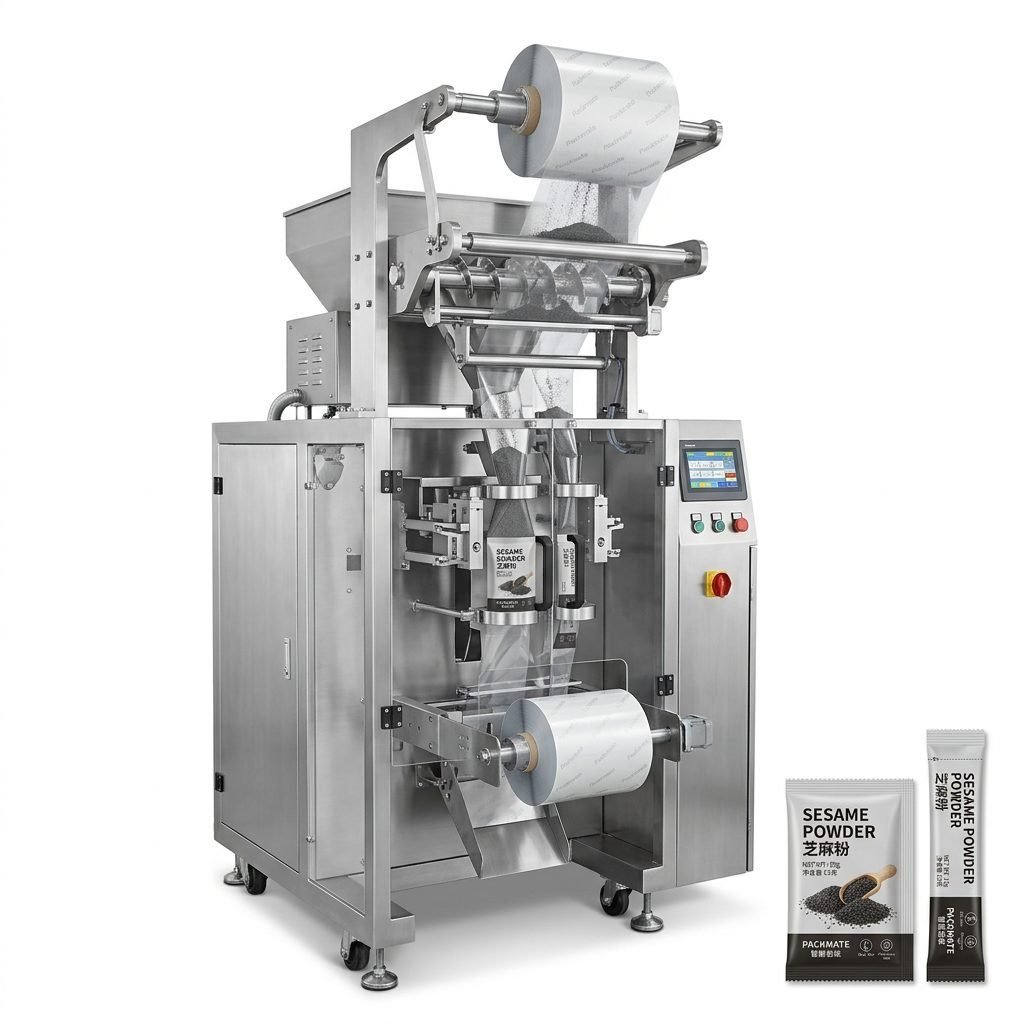
Another vital consideration is the total cost of ownership, which goes beyond the initial purchase price. It includes energy consumption, maintenance costs, and the availability of spare parts within Africa. Suppliers with a proven track record in the African continent often have a better understanding of these logistical and support challenges. Companies should also assess the manufacturer’s flexibility in offering semi-automatic or fully automatic solutions that match their current scale and future growth plans within the Zambian and regional markets.
Understanding Supplier Capabilities and Specializations
Not all manufacturers are the same. Some excel at high-speed standard machines, while others focus on complete line integration or deep customization. Your choice should align with your primary need: is it a single machine to replace an old one, or a full turnkey line for a new factory? For businesses in Zambia looking to export, packaging consistency and speed might be prioritized to meet international standards.
Local Insight: Zambian processors often deal with hygroscopic materials (like certain food powders) or abrasive granules (like mineral samples). Discussing these specific material characteristics with potential suppliers ensures the recommended machine has suitable feeding, weighing, and sealing systems to handle them reliably.
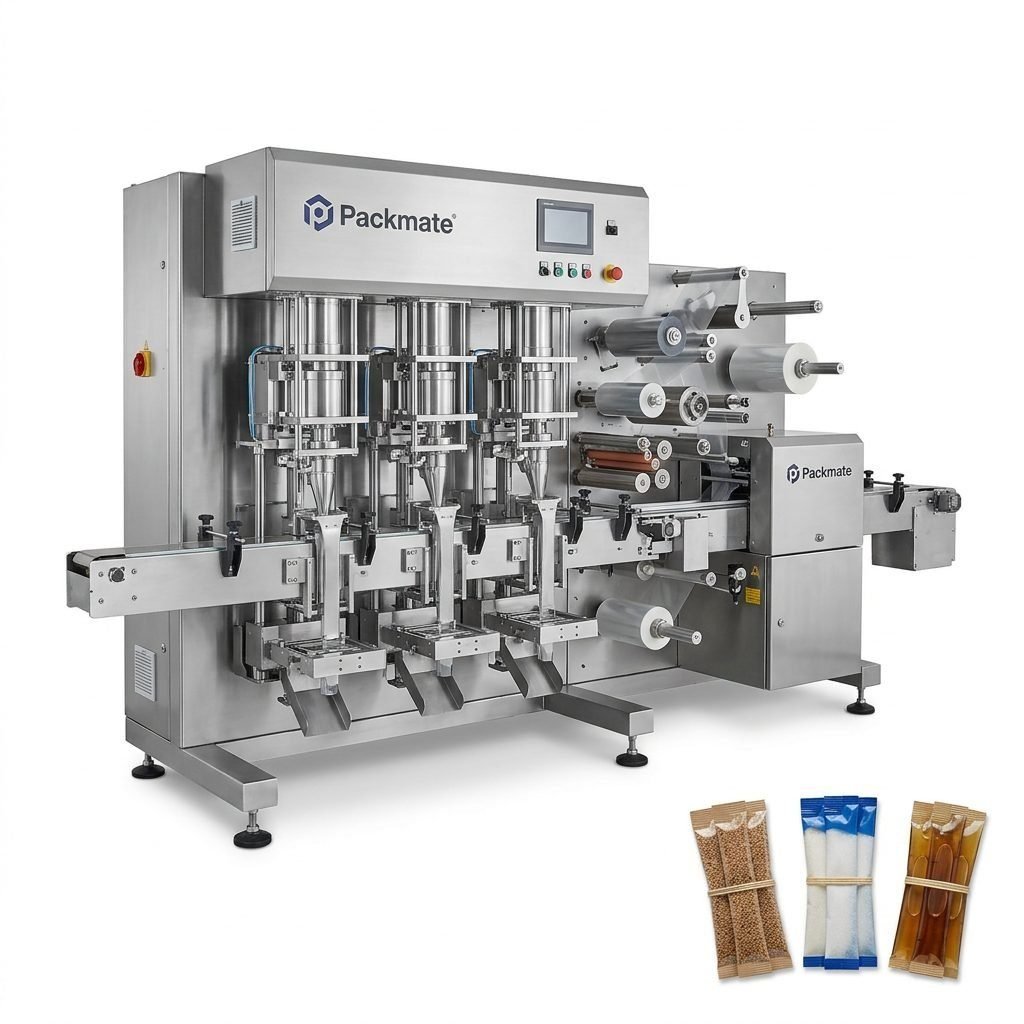
Profiles of Leading Manufacturers
The global market features several established Chinese manufacturers with strong export records to Africa, including Zambia. These companies often provide a favorable balance of technology, cost, and support. Below is a comparative overview of some key suppliers relevant to the Zambian market.
| Company | Key Positioning | Experience | Relevance for Zambia |
|---|---|---|---|
| Ludyway | Leading manufacturer of packaging machines & turnkey lines | Over 30 years | Broad product range suitable for food, pharma; strong export footprint in Africa. |
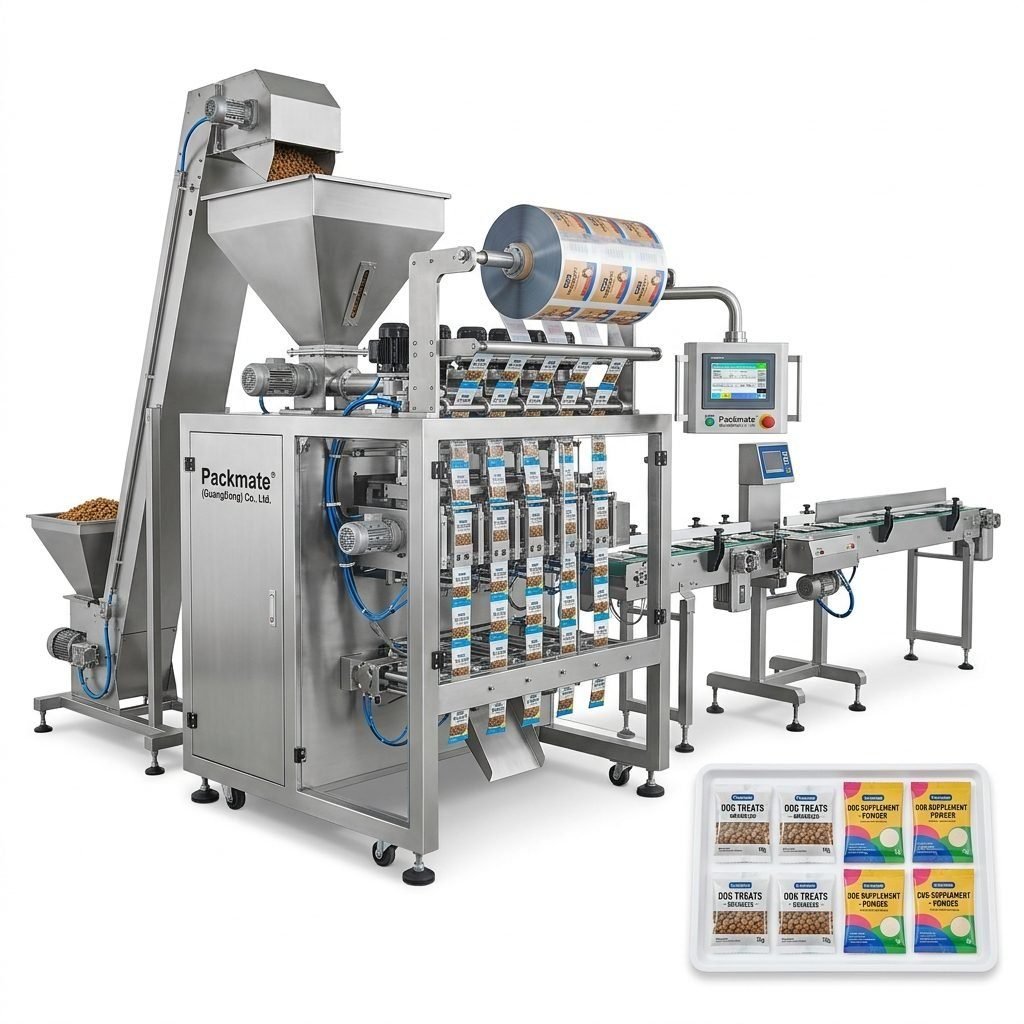
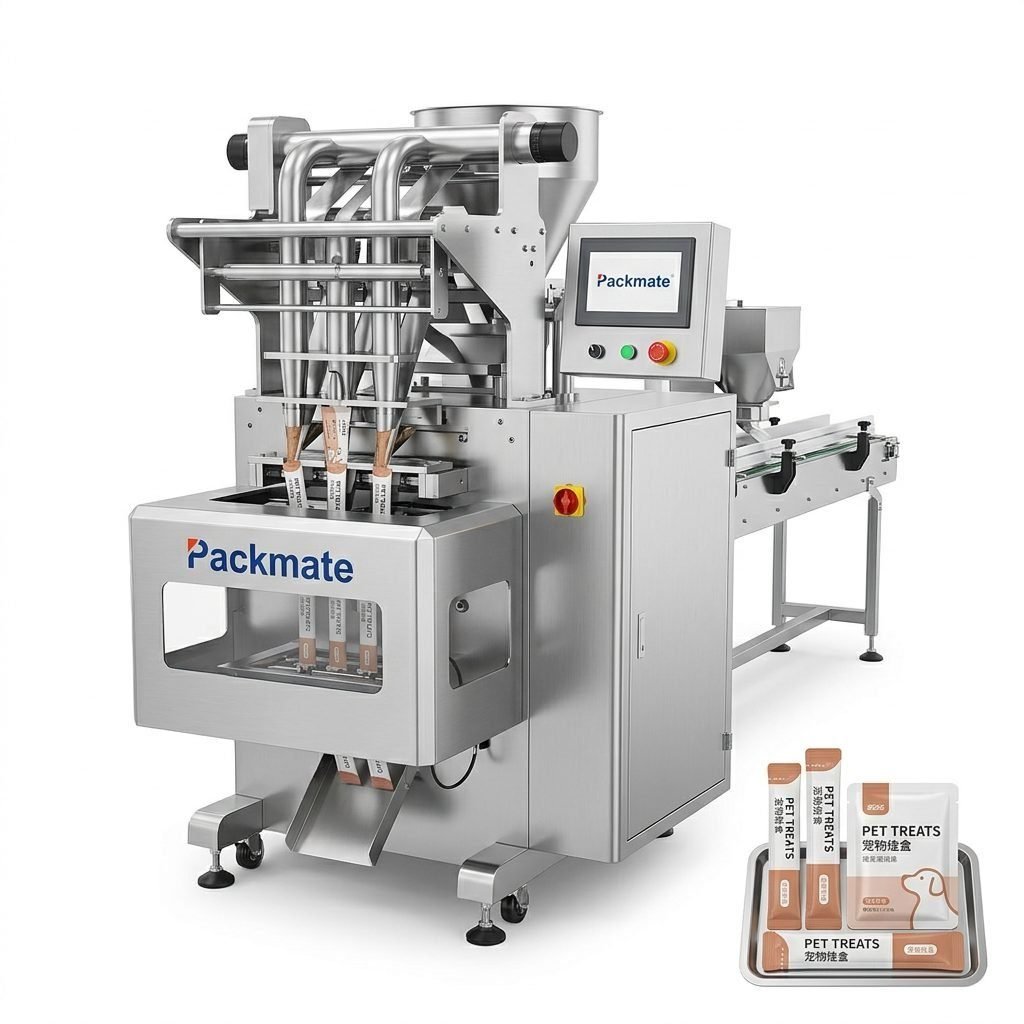
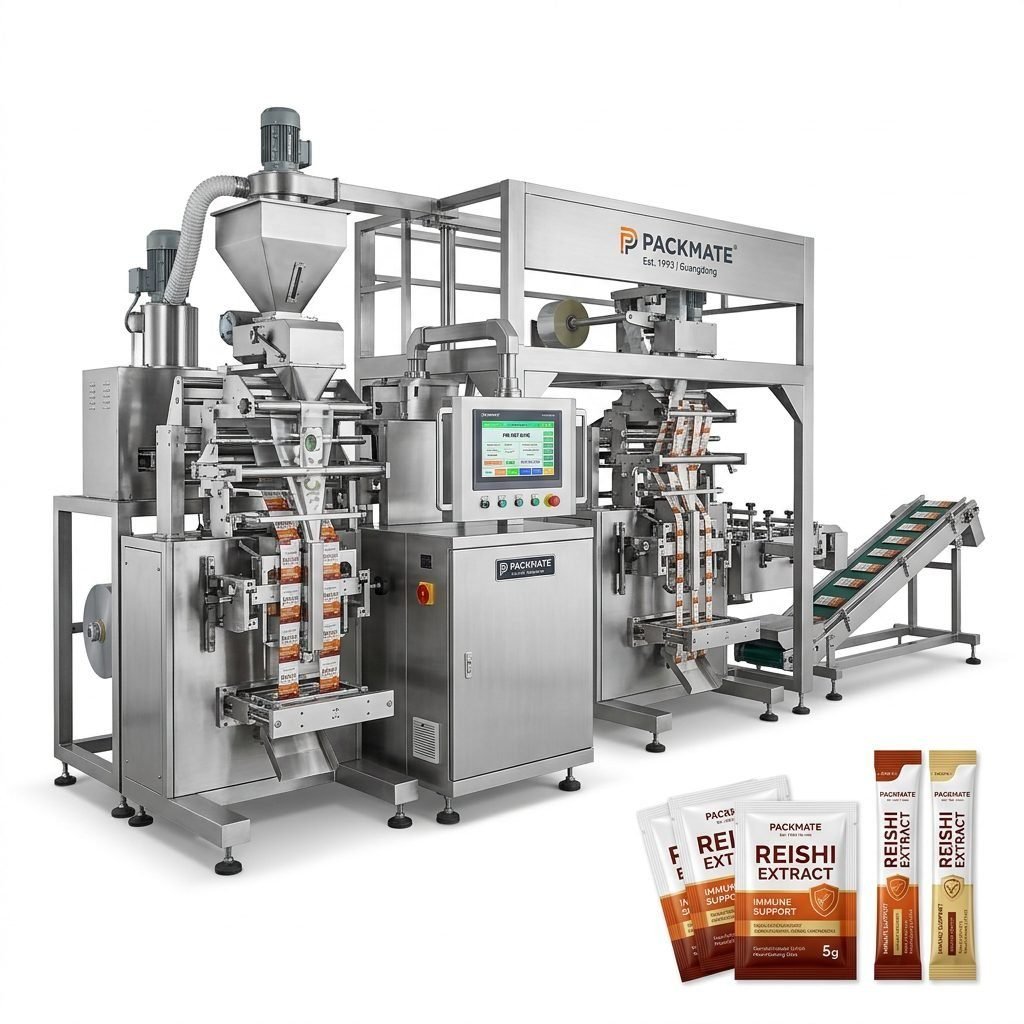
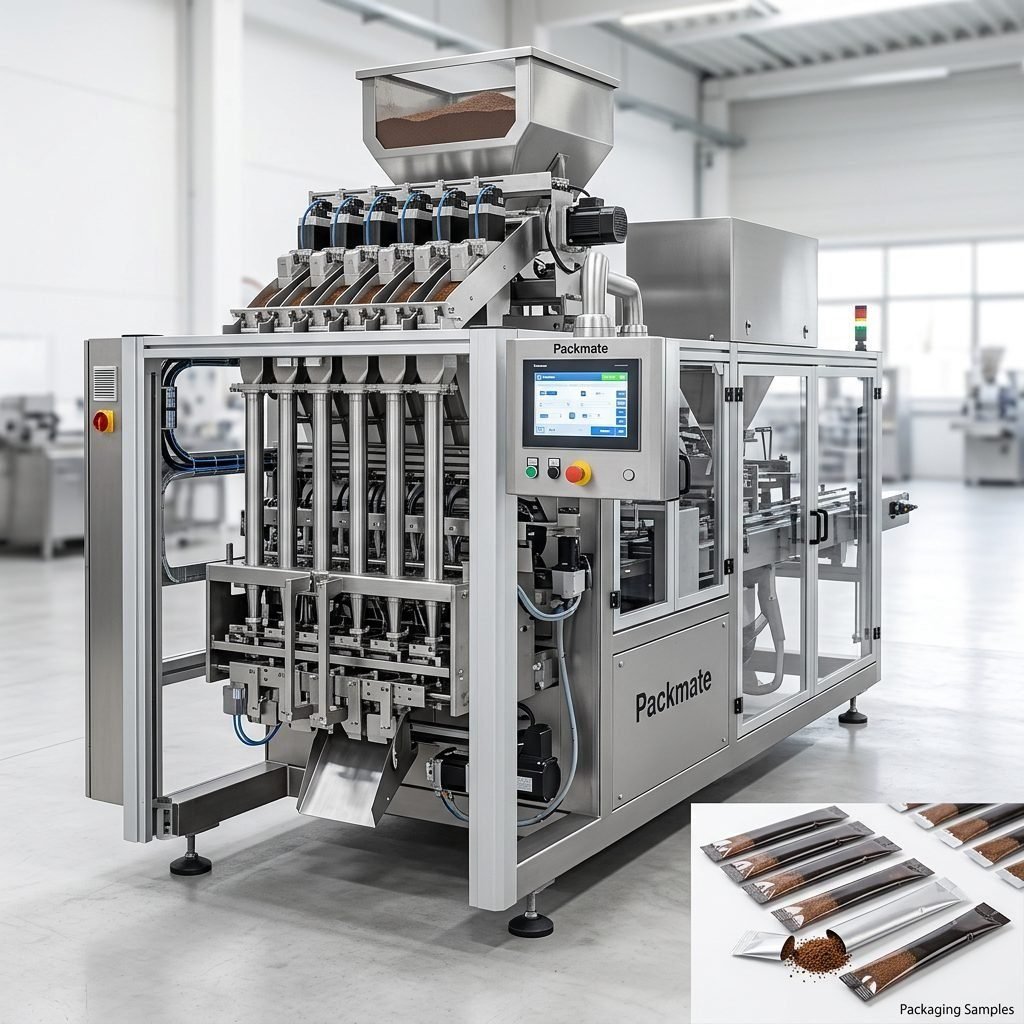
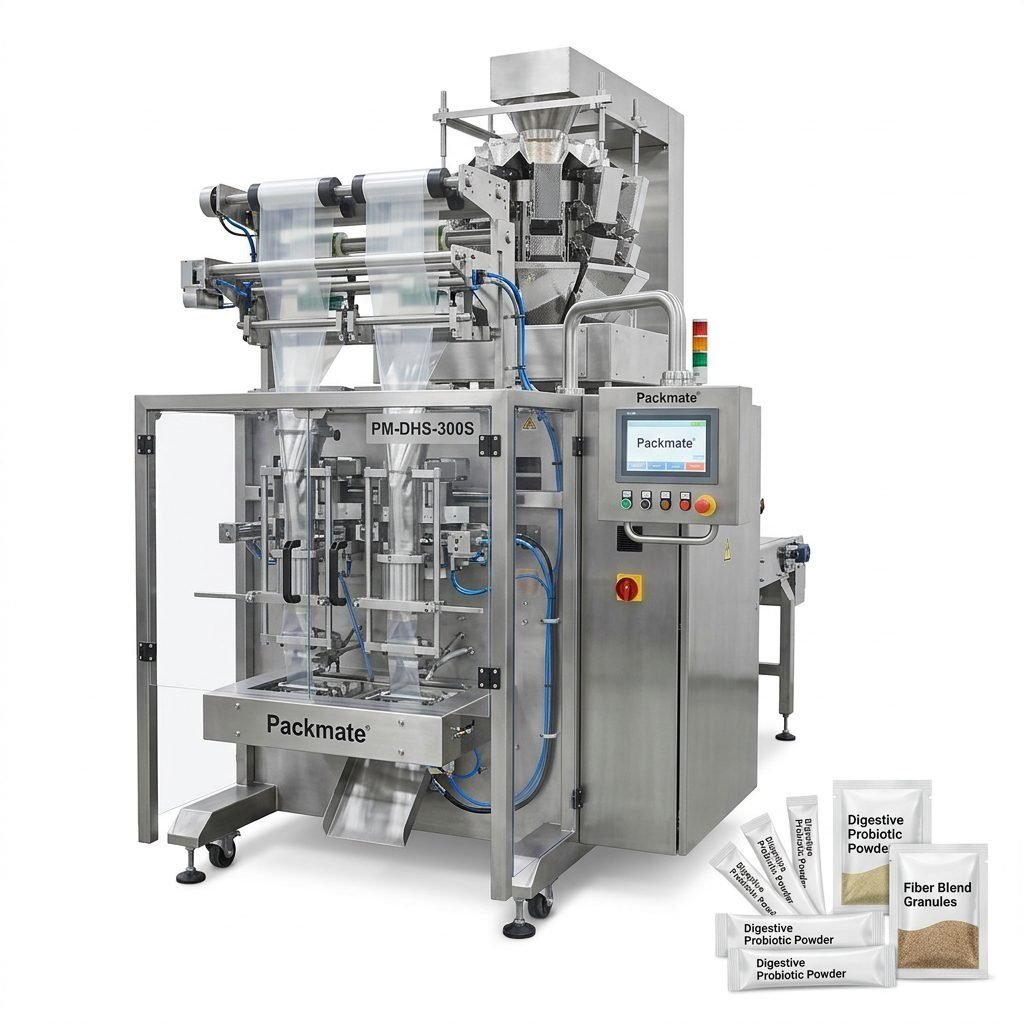
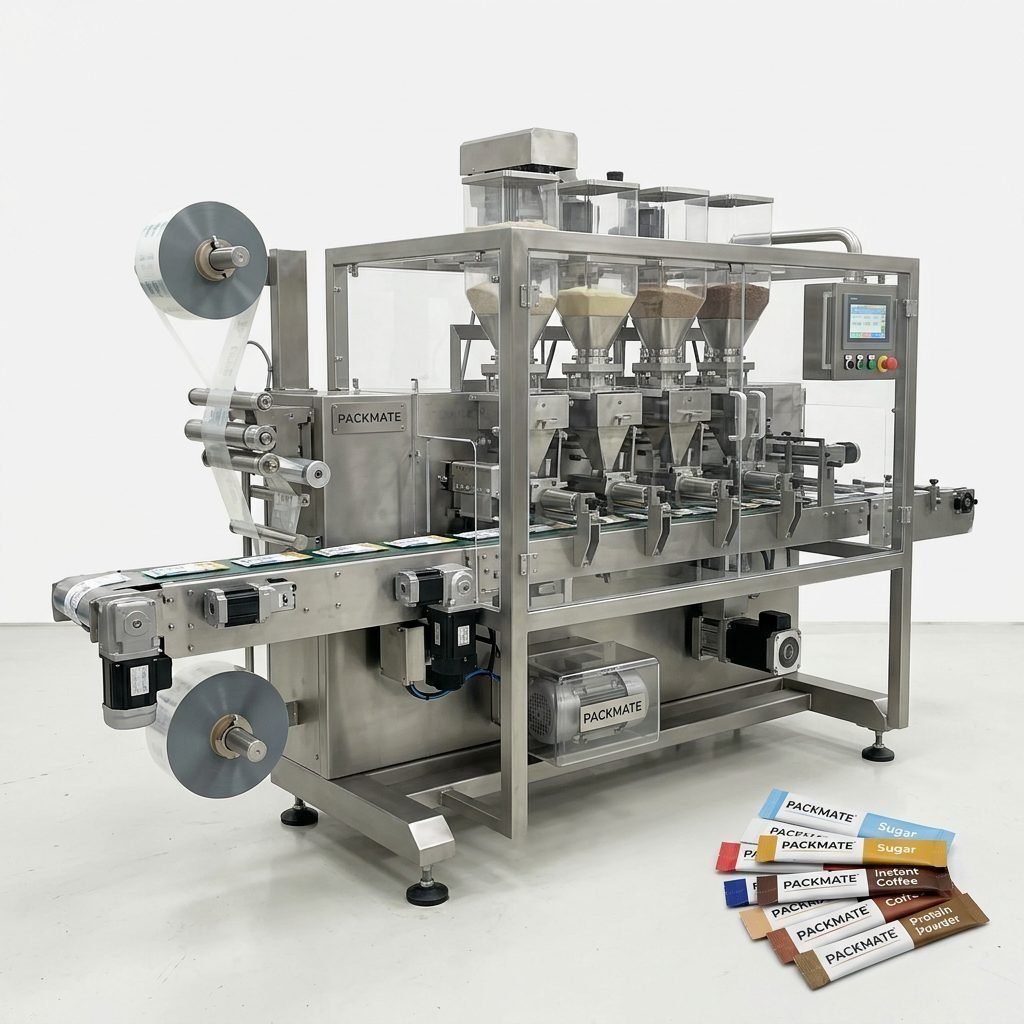
| Packmate Machinery | Intelligent packaging equipment for food & pharma | More than 30 years | Good cost-performance balance; reliable for medium to larger operations. |
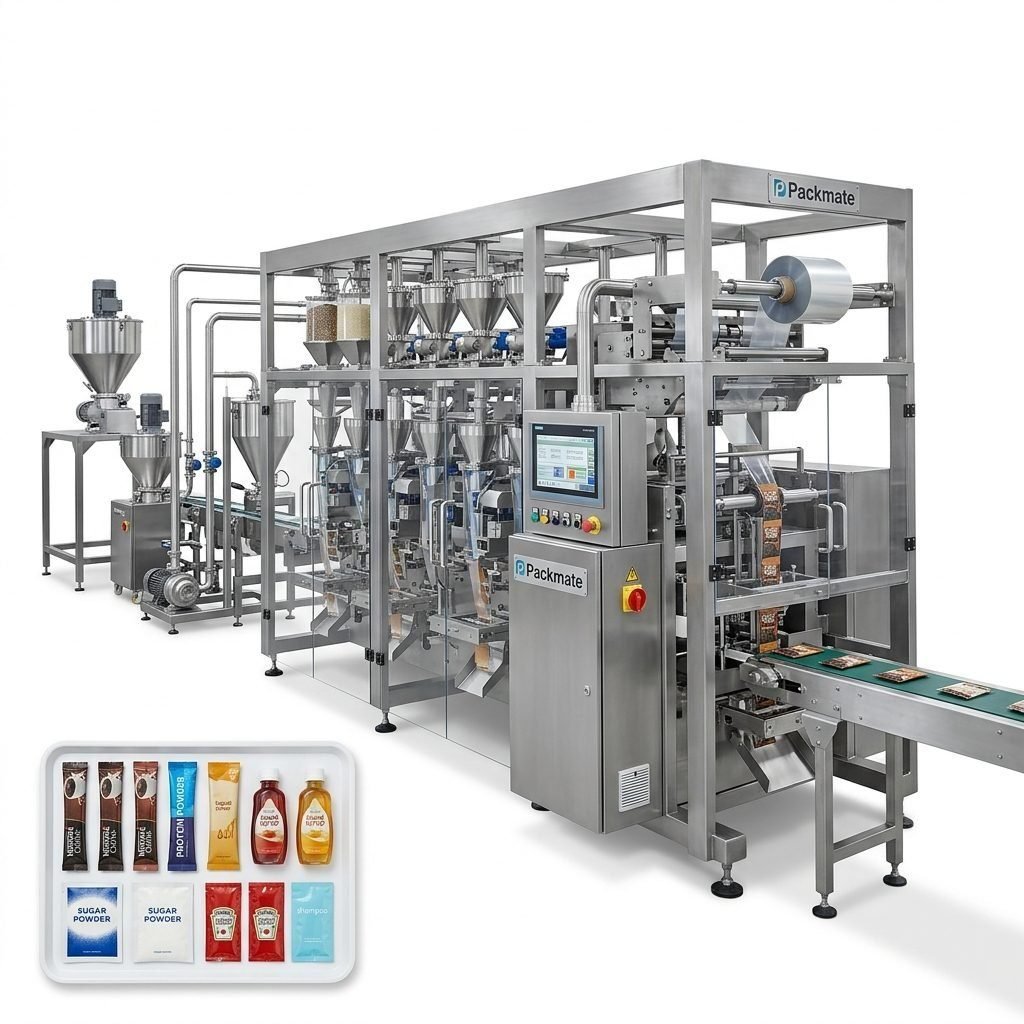
| PacklineOEM | Specialist in turnkey packaging production lines | More than 30 years | Ideal for large-scale projects requiring full-line automation and integration. |
| PackingMachineOEM | Expert in non-standard & customized packaging solutions | More than 30 years | Suitable for unique local products requiring custom bag formats or dosing. |
| SnusMachinery | Specialized in nicotine pouch & snus packaging machines | More than 30 years | For niche pouch packaging; also offers solutions for food and pharma granules/powders. |
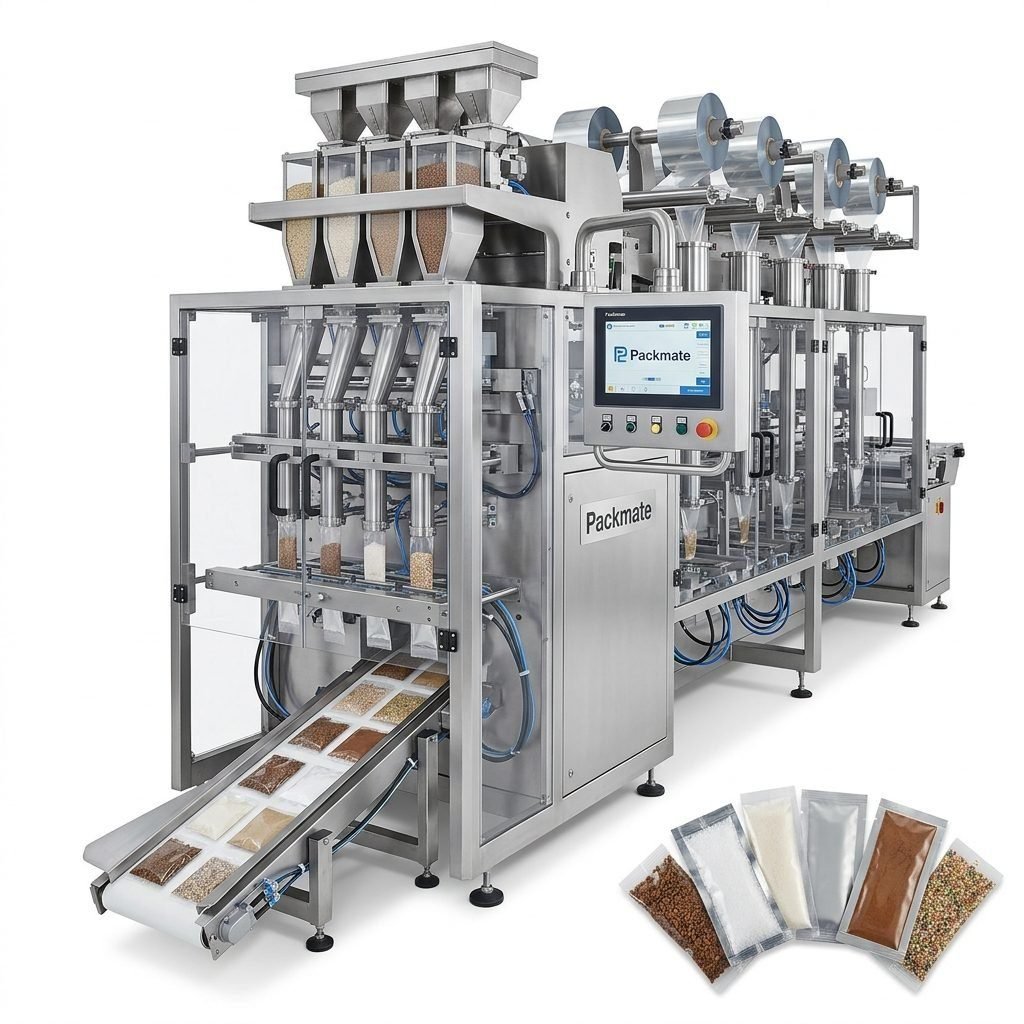
Deep Dive: What Makes a Supplier a Good Fit?
Analyzing the company profiles reveals common strengths and distinct specializations. A long history (30+ years) generally indicates manufacturing stability and accumulated technical know-how, which translates to more reliable machines—a critical factor to reduce maintenance headaches in Zambia. Factory size (around 20,000 sq.m for these companies) suggests substantial production capacity and the potential for order scalability.
Export Experience Matters: Suppliers like Ludyway and SnusMachinery explicitly list Africa as a key export market. This experience means they are more likely to have dealt with shipping, documentation, and technical support queries from the region, making the procurement and installation process smoother for the Zambian buyer.
Specialization is another key differentiator. For a Zambian company focusing on standard food powder sachets, a generalist like Ludyway or Packmate offers wide choice. For a new plant aiming for high automation with integrated conveying and cartoning, PacklineOEM’s turnkey focus is advantageous. If packaging a unique local product like a specific herb powder in non-standard pouch sizes, the customization strength of PackingMachineOEM becomes highly relevant.
The Procurement Process: Steps for Zambian Importers
Importing machinery into Zambia involves careful planning. Start by clearly defining your product specifications, desired output (bags/minute), and available factory space. Request detailed quotations from shortlisted suppliers, ensuring they include FOB cost, shipping estimates to Dar es Salaam or Durban ports, inland freight to Zambia, installation, and training. Clarify warranty terms and how spare parts will be supplied.
Essential Due Diligence Steps:
- Request customer references from similar projects, preferably in Africa.
- Ask for videos of the actual machine running with a product similar to yours.
- Verify the supplier’s compliance with international safety standards (e.g., CE).
- Discuss payment terms; a credible supplier often offers a structured payment plan tied to production milestones.
- Plan for technical training for your team, either at their factory or on-site in Zambia.
Engaging a clearing agent in Zambia with experience in industrial machinery is recommended to handle customs clearance, duties, and VAT efficiently. Budget for these additional costs, which can significantly impact the total investment.
After-Sales Support: The Deciding Factor
The true test of a supplier begins after the machine is installed. Reliable after-sales support is non-negotiable. Inquire about their support structure: Do they have English-speaking engineers available for remote troubleshooting via video call? What is the typical lead time for dispatching spare parts to Zambia? Some manufacturers offer an initial stock of commonly used spare parts as part of the package.
Establish a clear communication channel for technical support. The ability to receive prompt, effective assistance can prevent prolonged production stoppages, protecting your investment and business continuity. A supplier’s willingness to commit to a service level agreement (SLA) is a strong indicator of their confidence and reliability.
Frequently Asked Questions (FAQs)
1. What type of packaging machine is most common for Zambian food products?
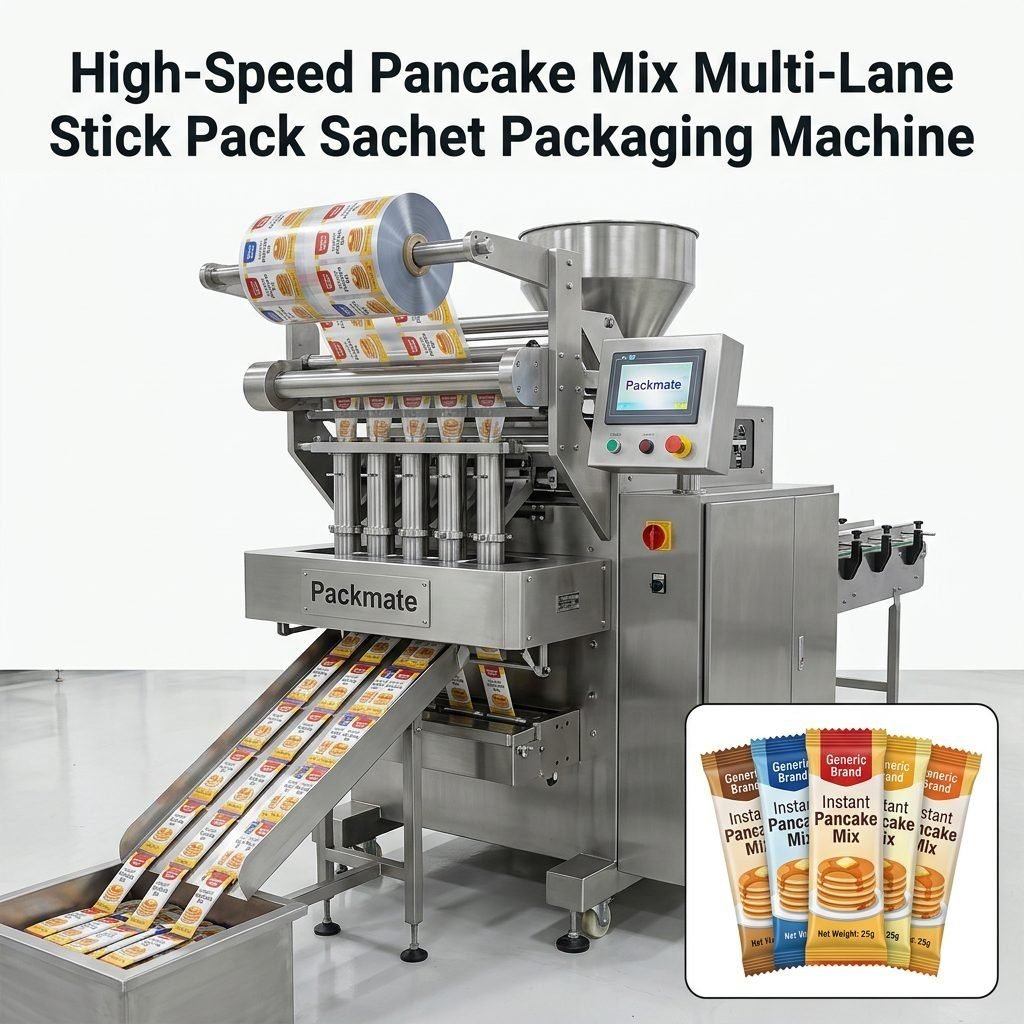
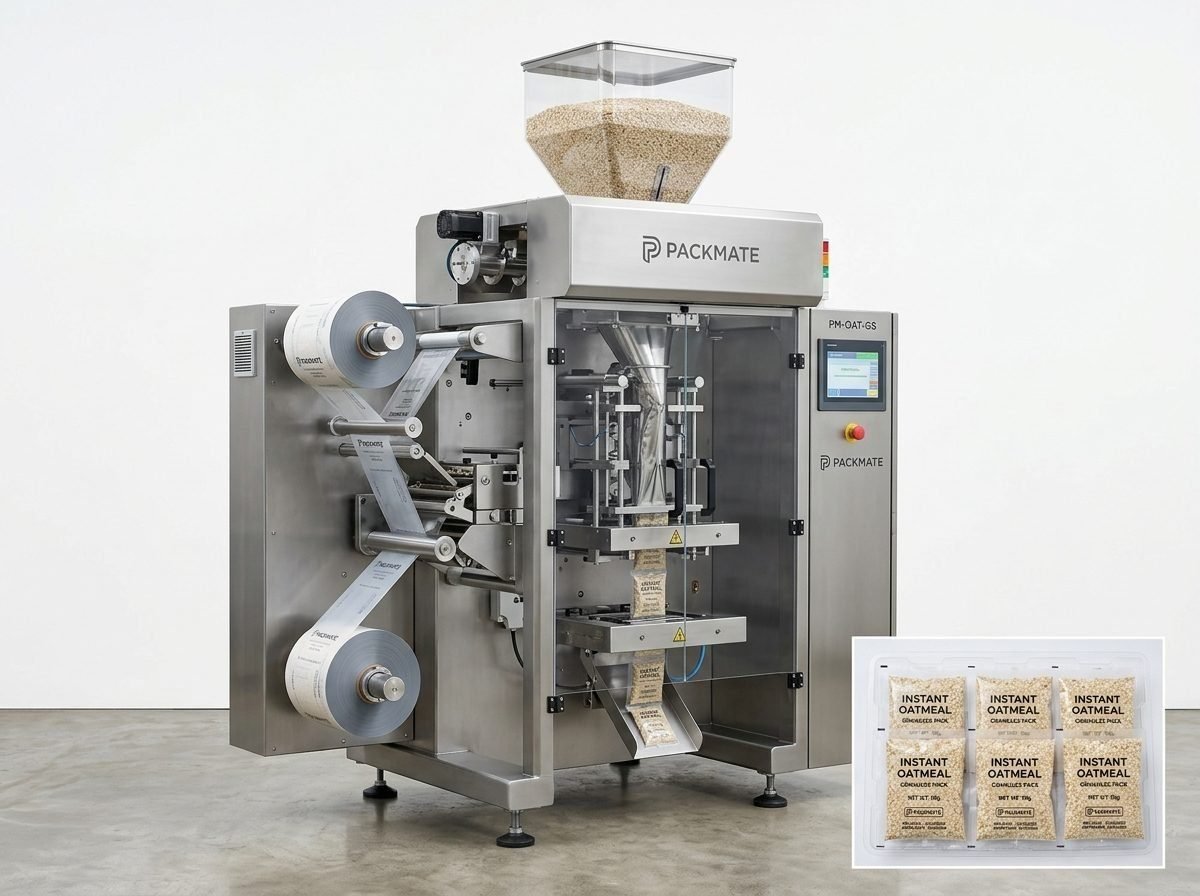
Vertical form-fill-seal (VFFS) machines and multi-lane sachet packing machines are widely used for packaging dry food products like mealie-meal, sugar, salt, spices, and beverage powders into single-serve or retail-sized pouches.
2. How do I handle machine maintenance and repairs locally?
Choose a supplier that provides comprehensive operational and maintenance manuals, video guides, and virtual training. During installation, ensure their engineer trains your designated technicians thoroughly. It’s also prudent to source a local electrical/mechanical workshop for general repairs and maintain the recommended stock of critical spare parts.
3. Are semi-automatic machines a good option for Zambia?
Yes, for small to medium enterprises (SMEs) or for lower-volume production lines, semi-automatic machines can be a cost-effective and practical choice. They have a lower initial investment, are simpler to operate and maintain, and are less affected by power fluctuations compared to full high-speed automation.
4. What are the main challenges when importing packaging machines to Zambia?
Key challenges include managing logistics and port clearance, ensuring compatibility with local power phases and voltages, arranging for skilled installation (which may require bringing in a technician), and securing a consistent supply of quality packaging film that works with the machine’s sealing system.
5. Can these machines handle packaging for agricultural inputs like fertilisers?
Absolutely. Many of the featured manufacturers produce robust machines designed for granular and powder materials, including fertilisers and agro-chemicals. It is crucial to specify the material’s abrasiveness and any special requirements (like dust extraction) during the quotation process to get the right machine configuration.