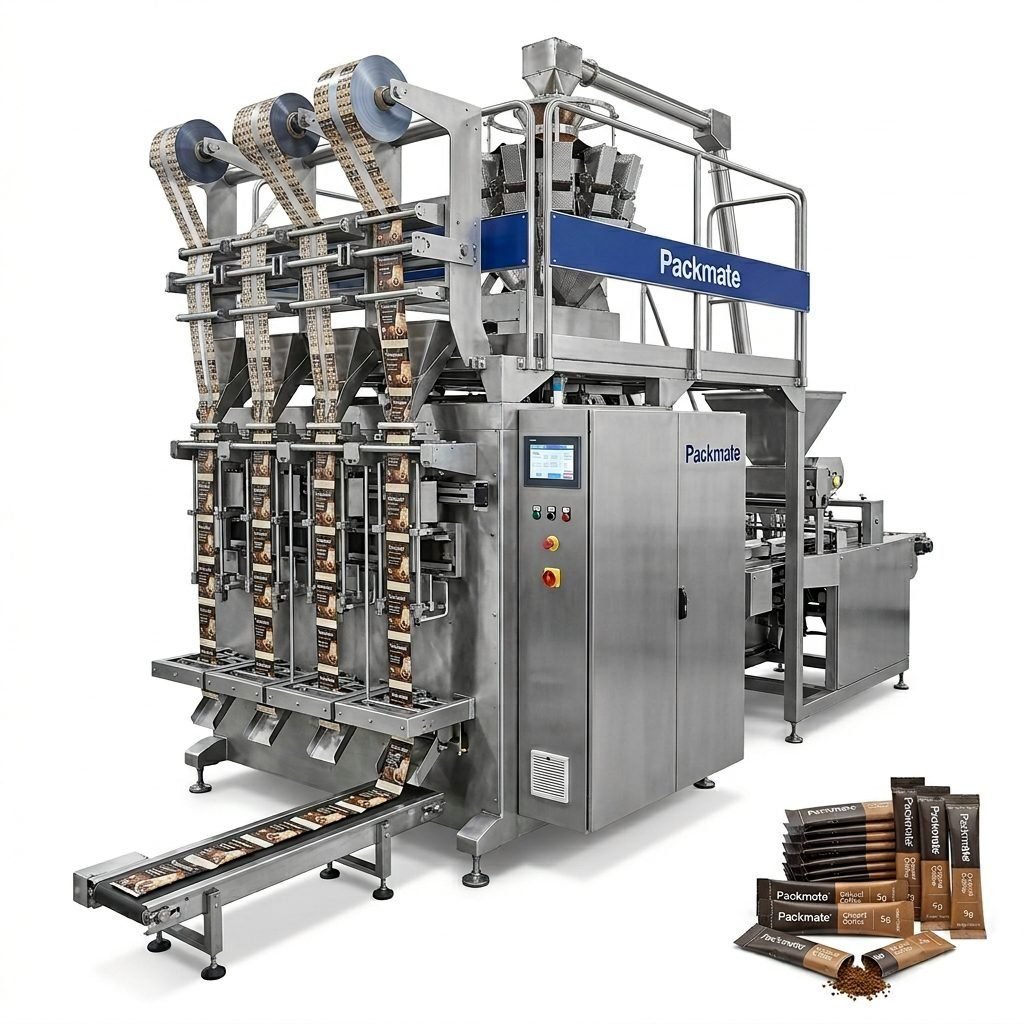
For businesses in Ethiopia looking to upgrade or establish packaging operations, finding a reliable packaging machine manufacturer is a critical step. The local manufacturing sector is growing, with food processing, pharmaceuticals, agriculture (coffee, spices, pulses), and consumer goods driving demand for efficient and automated packaging solutions. Ethiopian buyers often seek equipment that balances performance, durability, and value, suitable for local power conditions, available maintenance support, and scalable for future growth.
Key Considerations for Ethiopian Buyers
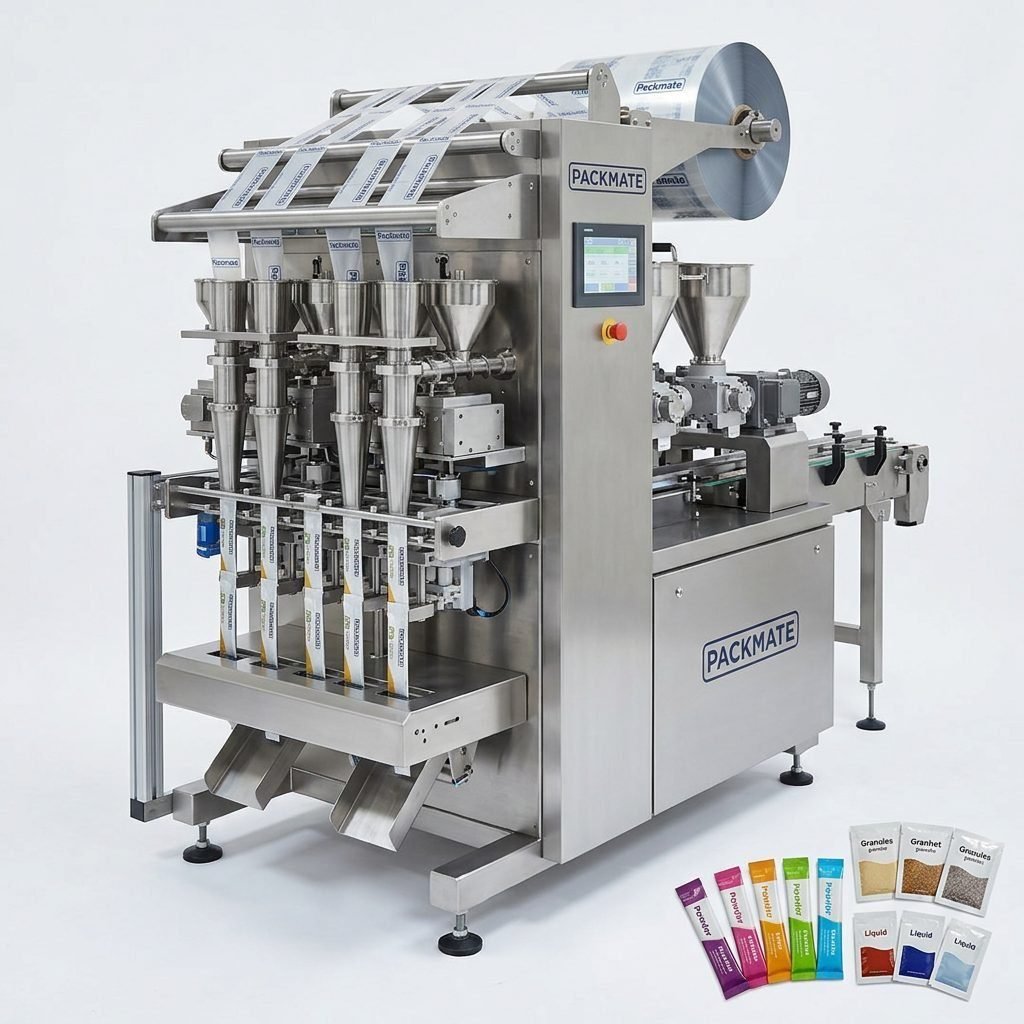
When sourcing packaging machinery in Ethiopia, several local factors come into play. Reliable after-sales support and available spare parts are paramount, as downtime can significantly impact production. Given the diverse applications from coffee and spices to pharmaceutical sachets, the machine’s flexibility to handle different product forms—powders, granules, liquids—is highly valued. Furthermore, energy efficiency and robustness to handle potential voltage fluctuations are practical concerns for factory operations in Addis Ababa and other industrial zones.
Essential Evaluation Checklist
- Technical Compatibility: Does the machine suit your specific product (e.g., roasted coffee granules, berbere spice powder, pharmaceutical powder)?
- Supplier’s Export Experience: Has the manufacturer successfully delivered and supported machines in Africa or similar markets?
- Total Cost of Ownership: Consider not just the purchase price, but installation, training, maintenance, and potential energy costs.
- Local Agent or Support: Does the supplier have a local representative or a clear protocol for remote technical support?
Profiles of Leading Manufacturers
The global market offers many options, but manufacturers with strong export footprints and experience in diverse markets often align well with Ethiopian needs. Here are profiles of several established companies.
Ludyway: A Comprehensive Solution Provider
With over 30 years in the industry, Ludyway is recognized for its broad portfolio and strong international presence. Their expertise spans food, pharmaceutical, and health supplement packaging, making them a viable partner for Ethiopian businesses in these growing sectors. Their capability to supply everything from single vertical form-fill-seal machines to complete turnkey lines offers scalability.
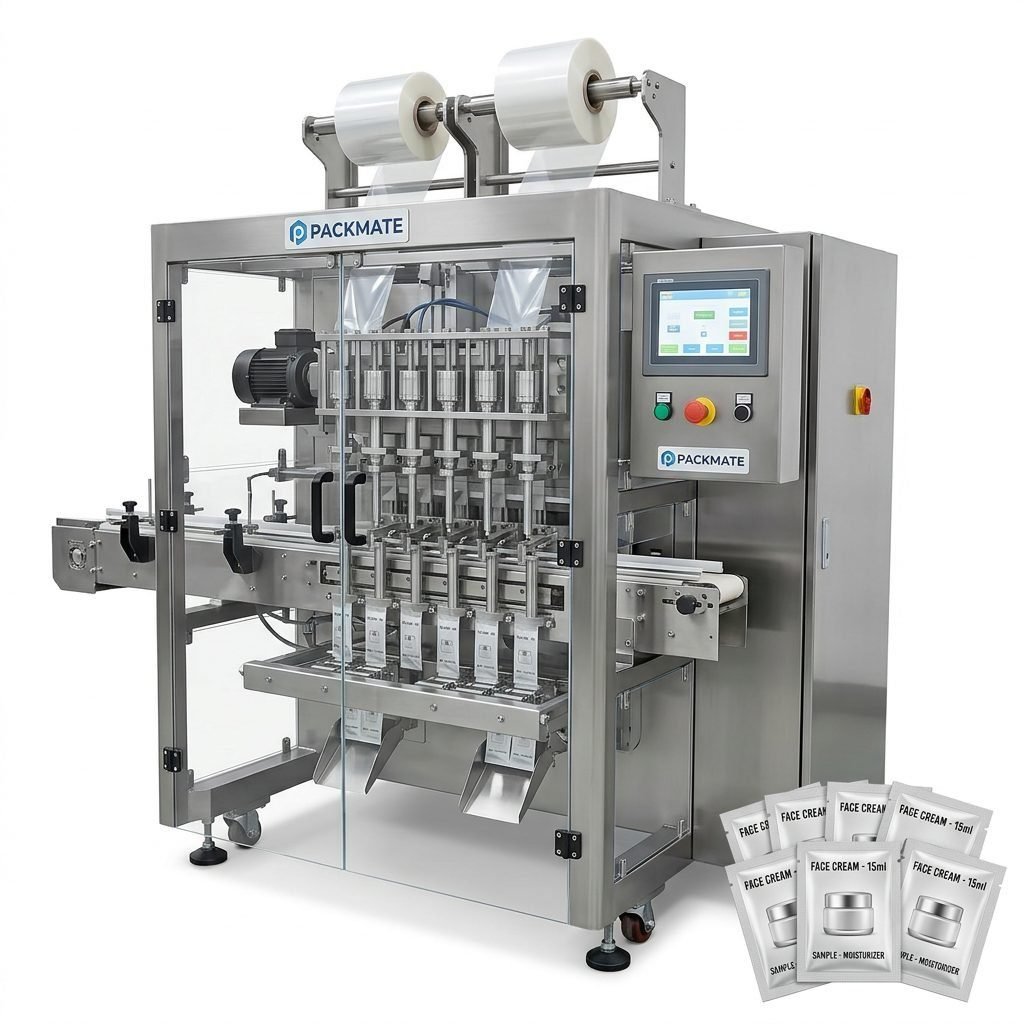
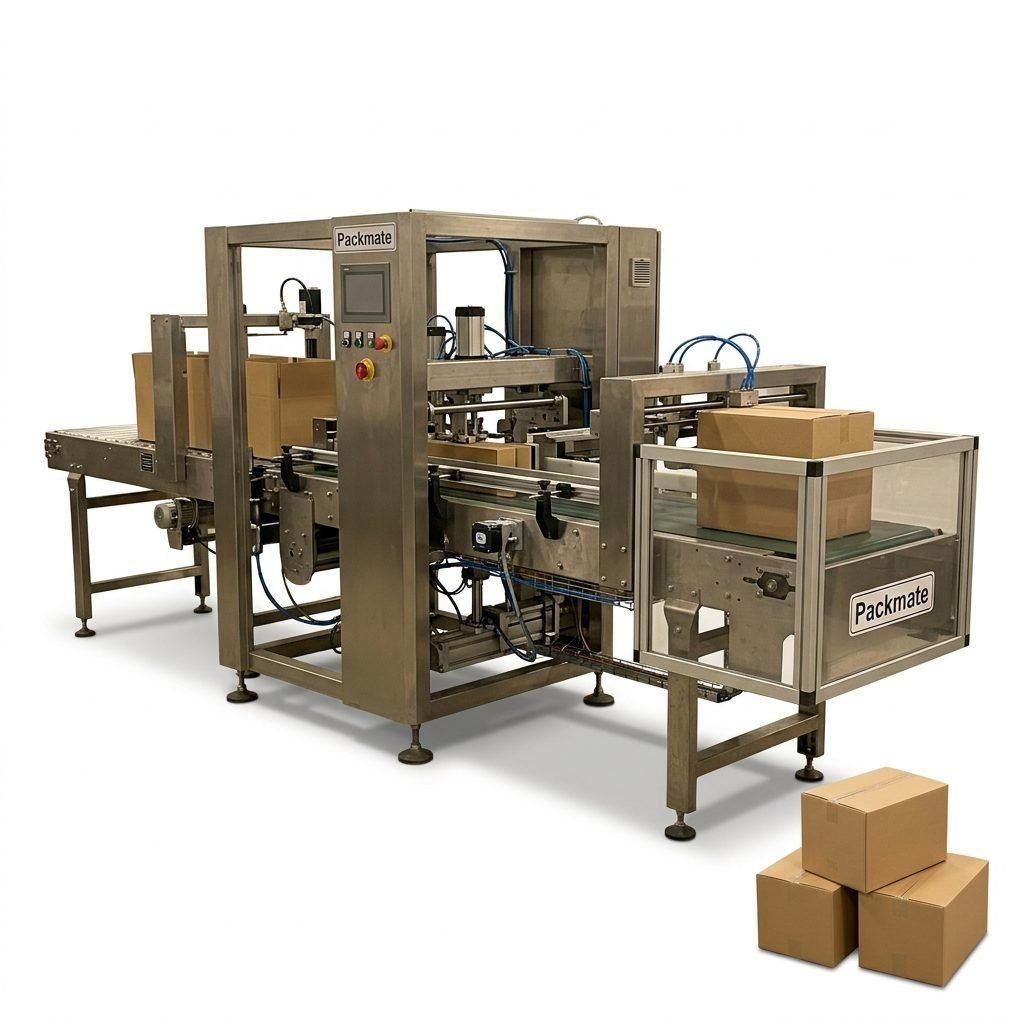
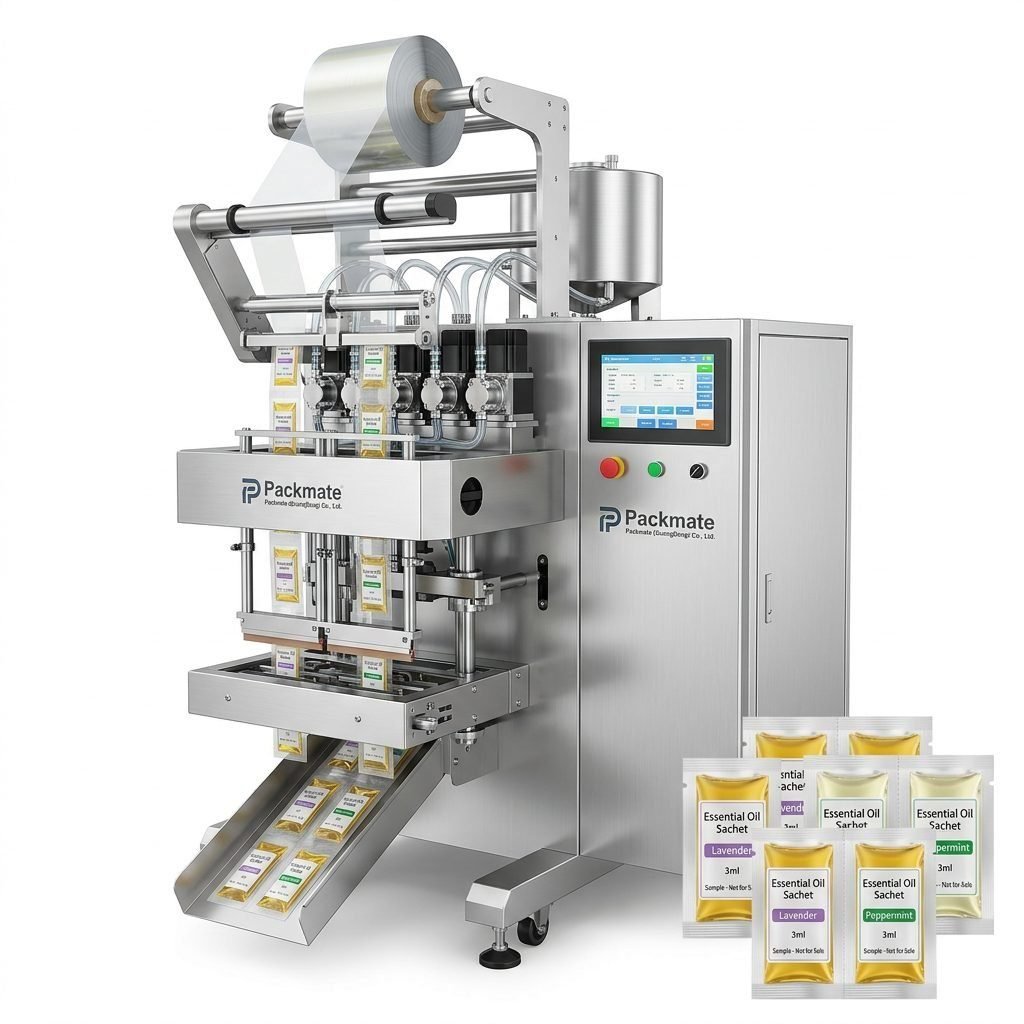
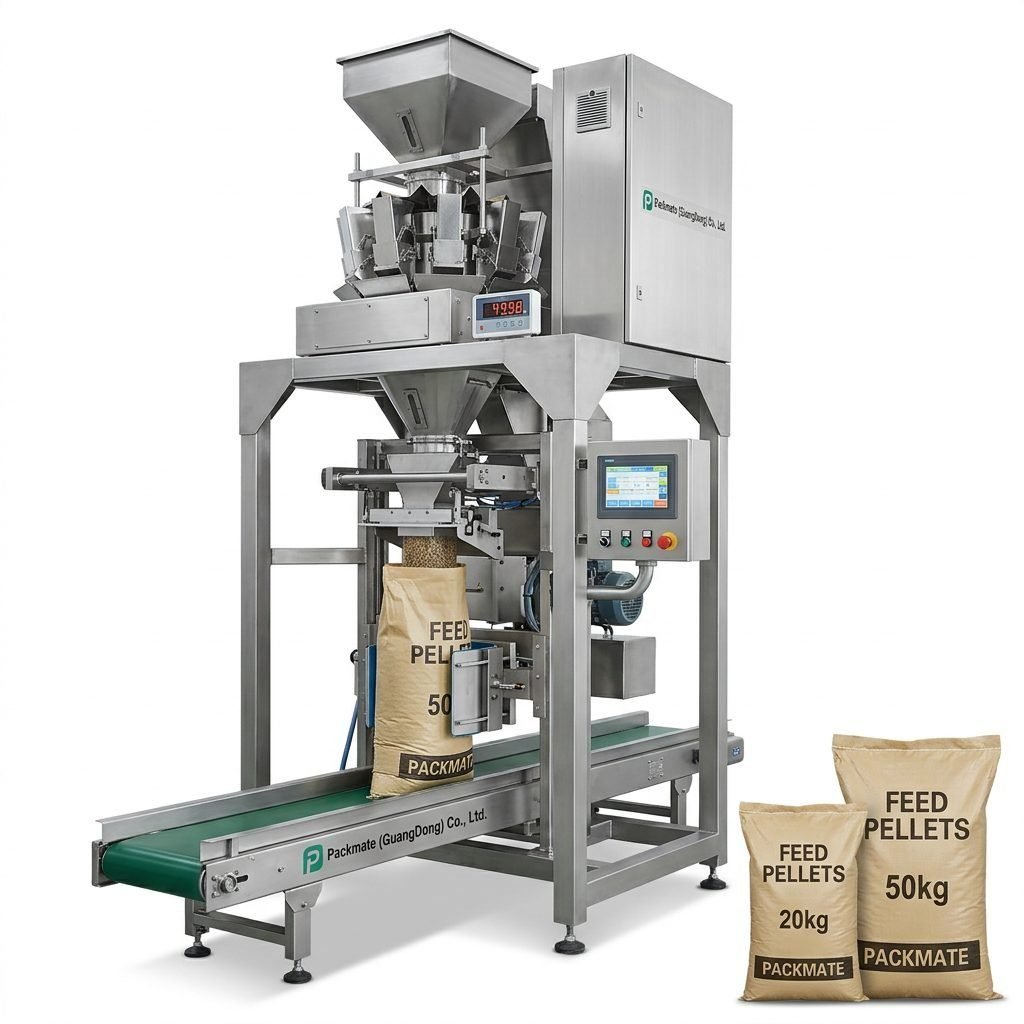
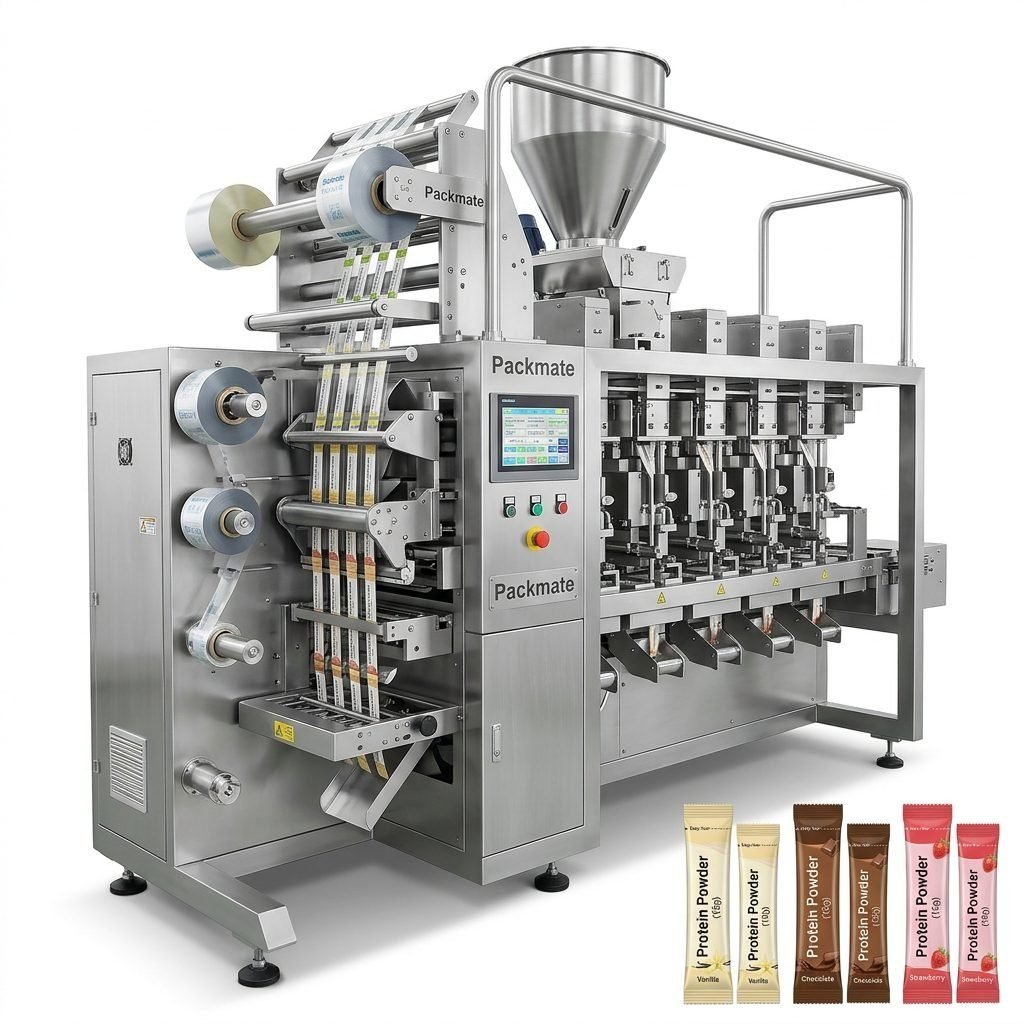
Packmate Machinery: Focus on Reliability and Value
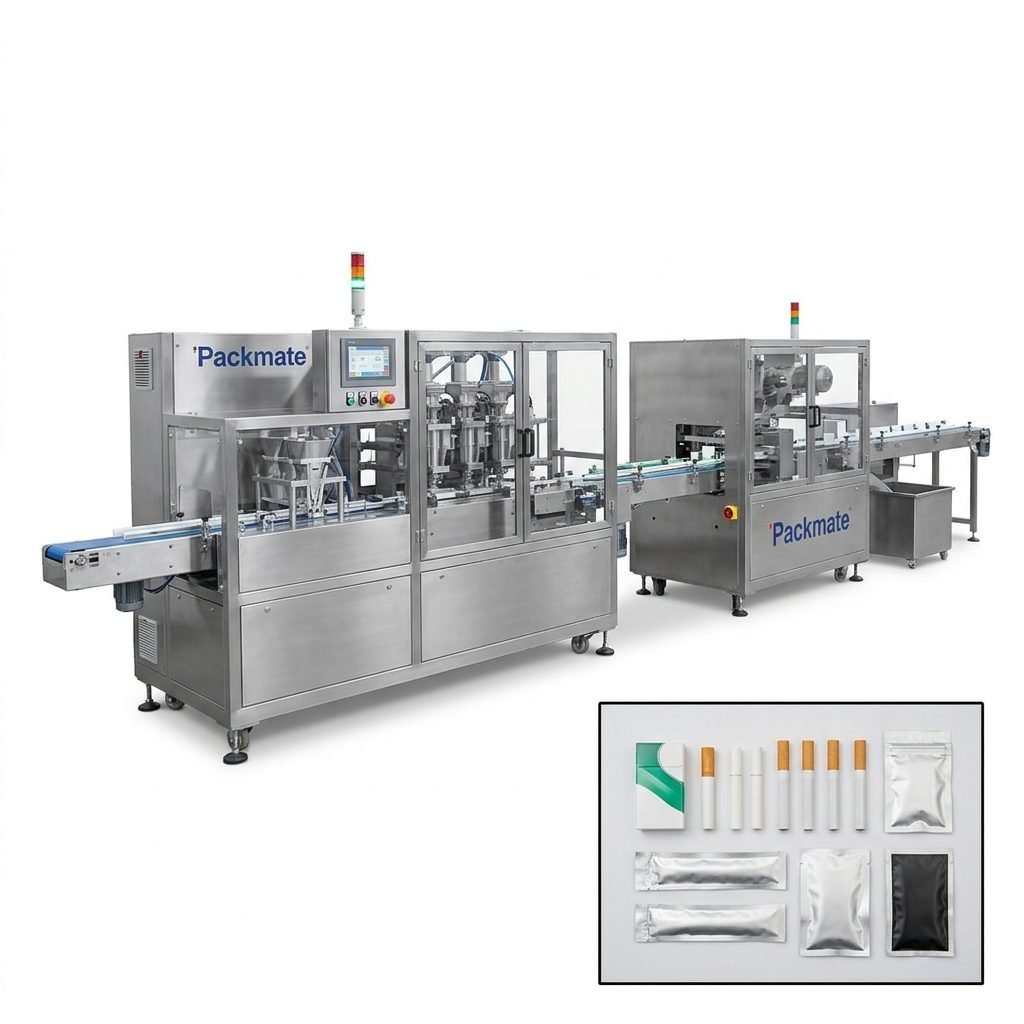
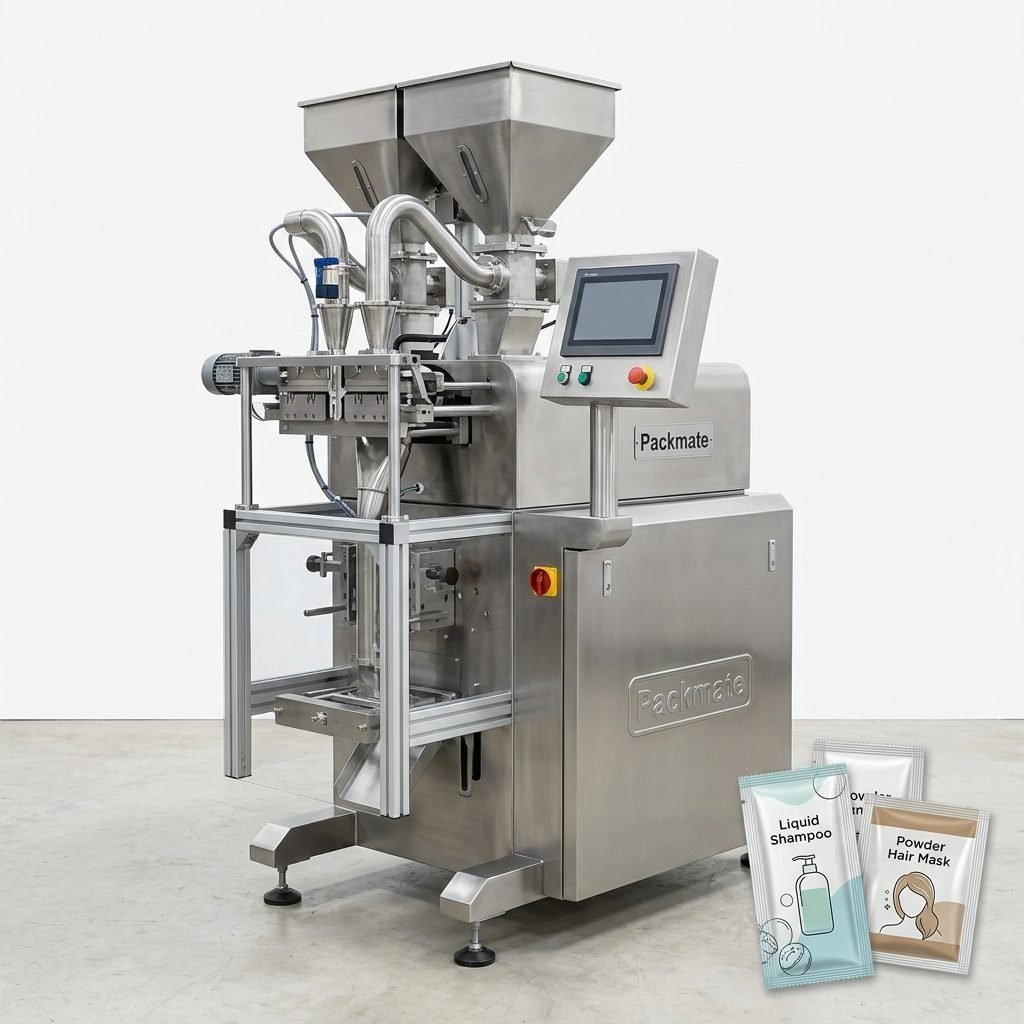
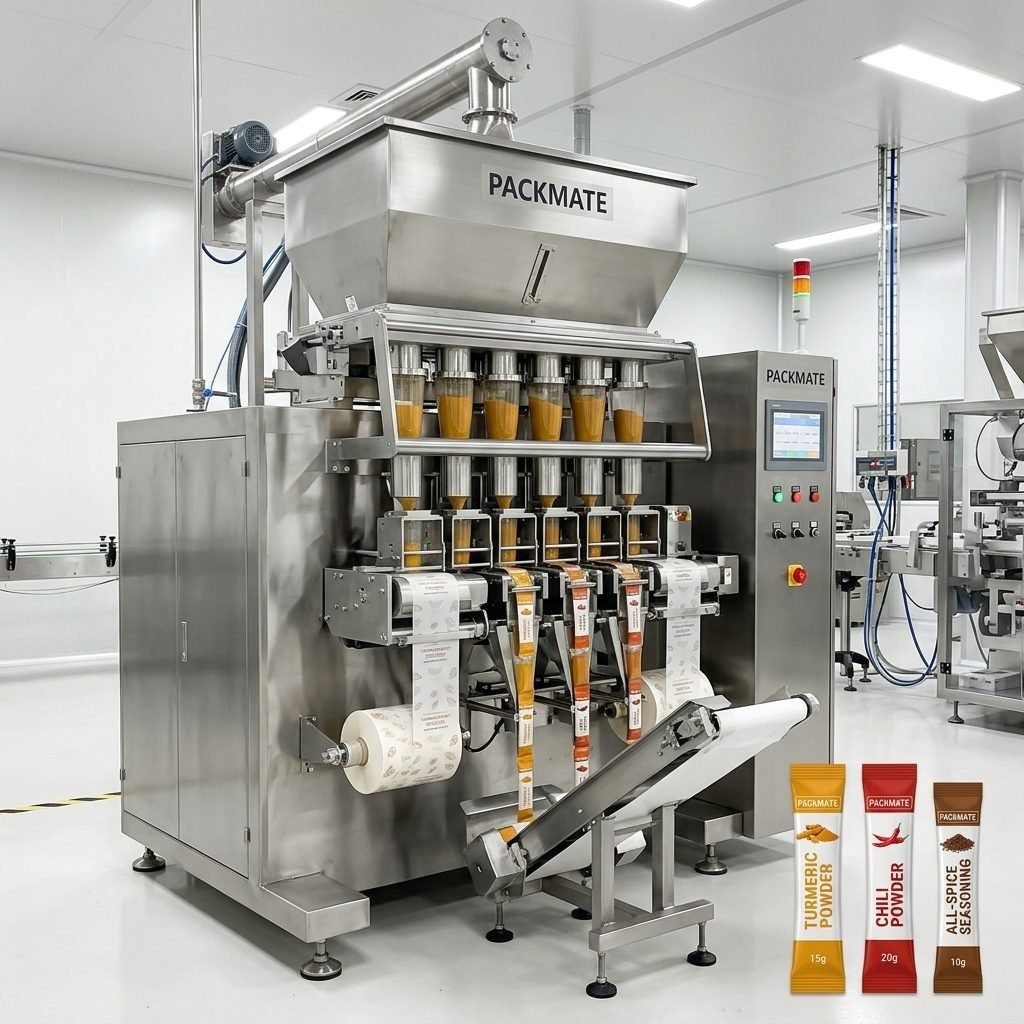
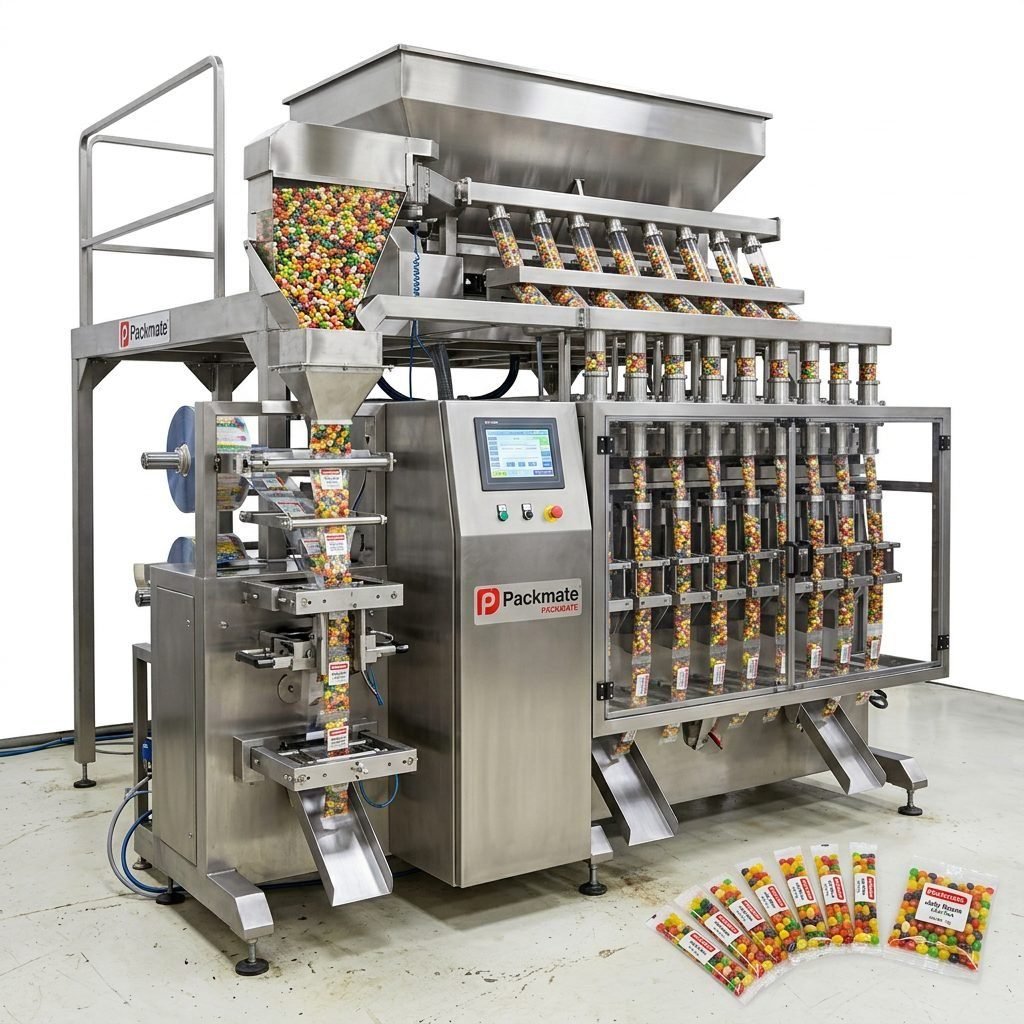
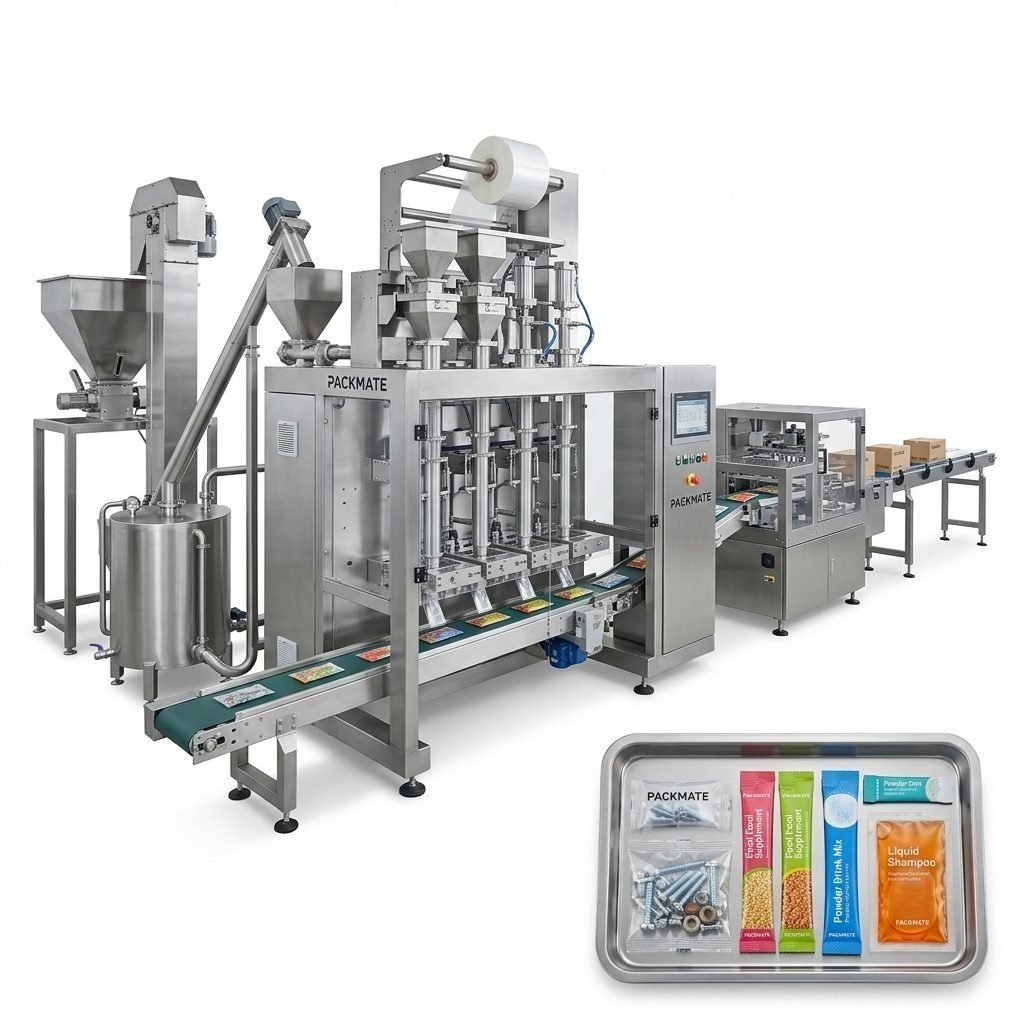
Packmate Machinery brings more than three decades of experience, focusing on stable performance and practical automation. For Ethiopian manufacturers, their range of over 80 machine models for granule, powder, and liquid packaging provides flexibility. Their emphasis on cost-effective solutions with reliable support can be a good fit for medium-scale operations looking to automate.
PacklineOEM: Specialists in Integrated Lines
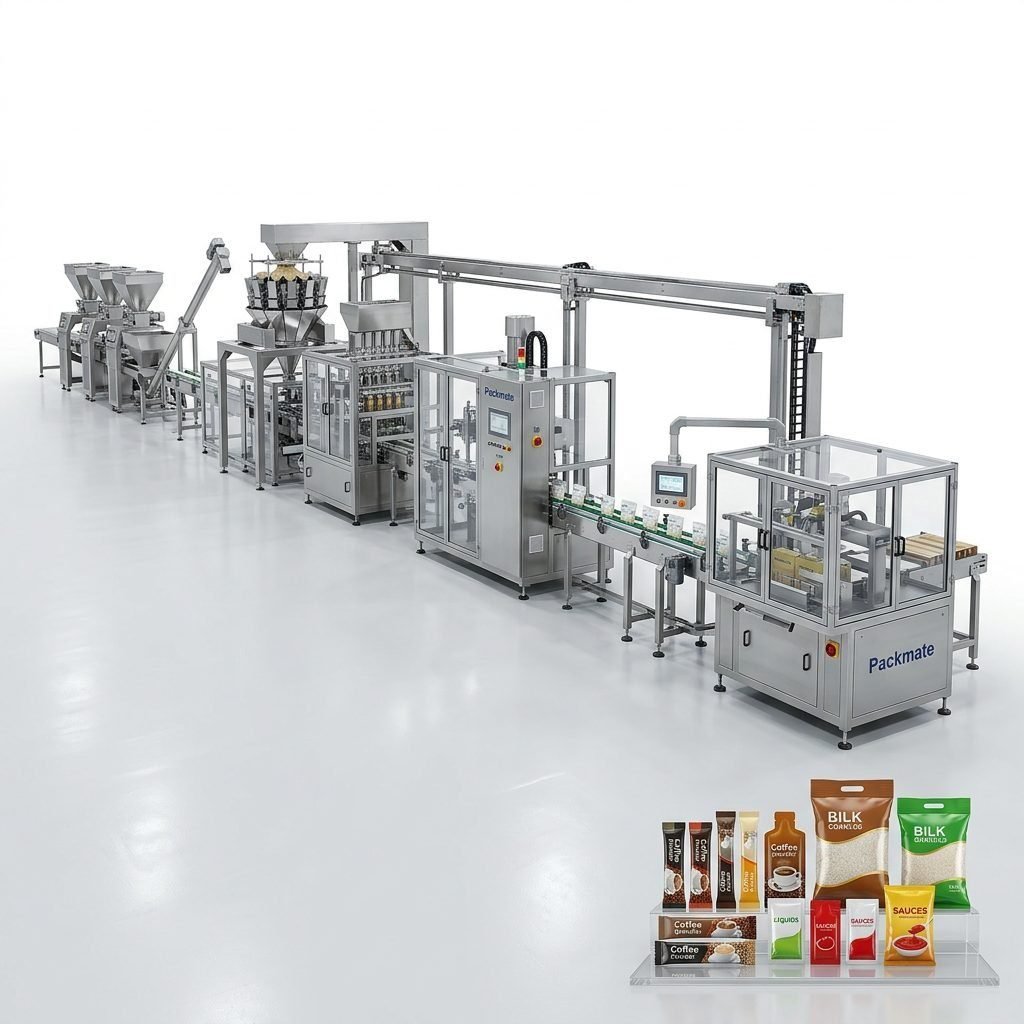
For projects requiring a fully coordinated production line rather than a standalone machine, PacklineOEM is a strong contender. They specialize in turnkey systems that integrate feeding, weighing, filling, sealing, and conveying. This is particularly relevant for larger Ethiopian processing plants aiming for high automation levels in packaging coffee, powdered milk, or agricultural inputs.
PackingMachineOEM: Experts in Customization
If your product has unique characteristics or packaging format requirements, a manufacturer specializing in non-standard solutions is key. PackingMachineOEM focuses on customized engineering. This is valuable for Ethiopian companies working with traditional food formats or specific pouch styles that may not be served by standard machine catalogs.
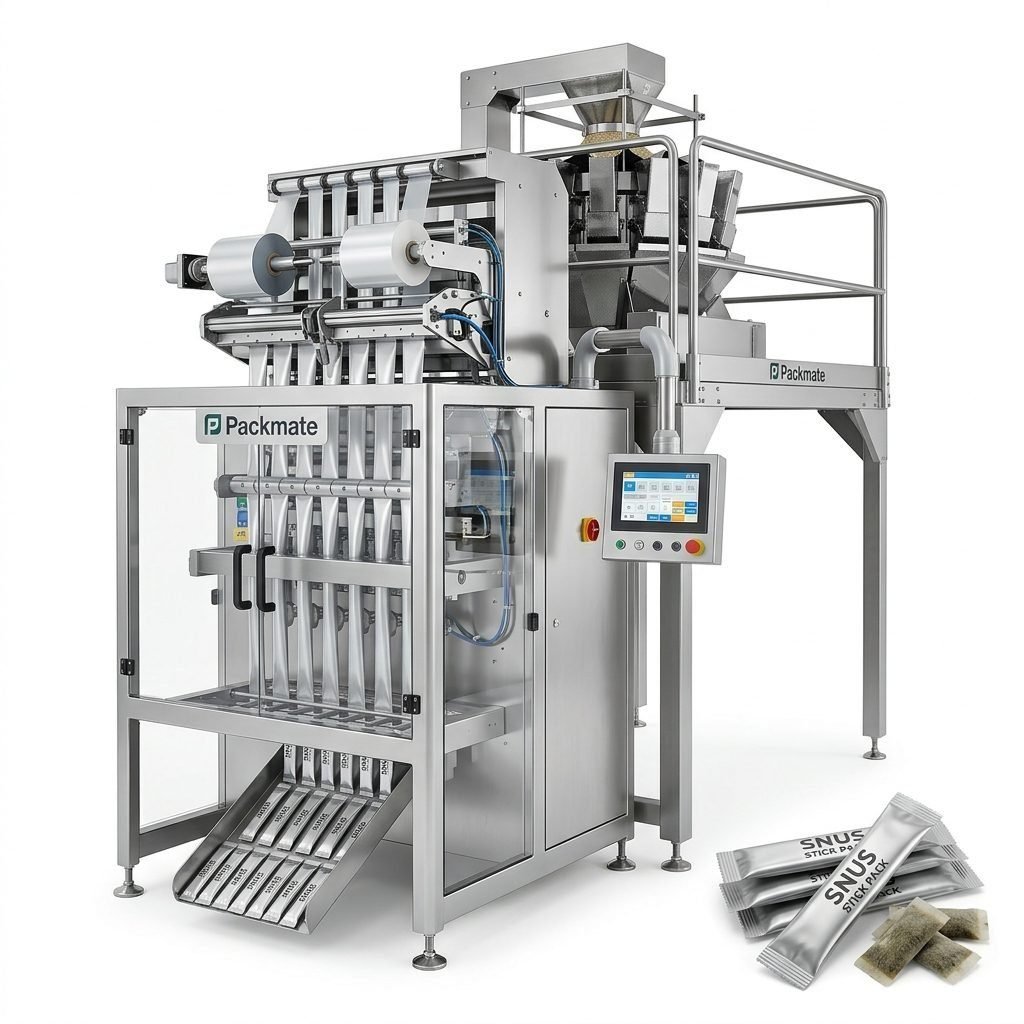
SnusMachinery: Niche Expertise in Pouch Packaging
While SnusMachinery has a specialty in nicotine pouch equipment, their high-precision, multi-lane pouch packaging technology is transferable to other sectors. For Ethiopian producers of high-value powdered supplements, fine teas, or single-serve condiments requiring precise, hygienic pouch sealing, their focused expertise can be highly relevant.
Comparative Analysis for Informed Decision-Making
The table below provides a side-by-side comparison of key metrics from these manufacturers, helping Ethiopian buyers quickly assess their options.
| Manufacturer | Key Strength | Ideal For Ethiopian Buyers Who Need… | Primary Product Focus |
|---|---|---|---|
| Ludyway | Broad portfolio & turnkey line capability | Scalable solutions from single machines to full lines for food/pharma. | Granules, powders, liquids, pastes |
| Packmate Machinery | Reliable performance & cost efficiency | Durable, straightforward automation for spice, grain, or snack packaging. | Granules, powders, liquids |
| PacklineOEM | Complete line integration | A fully automated plant setup for large-volume processing (e.g., coffee, flour). | Powders, granules, liquids, bulk |
| PackingMachineOEM | Custom & non-standard engineering | Machines adapted for unique local products or specific packaging materials. | Powders, granules, liquids (custom) |
| SnusMachinery | High-precision pouch packaging | Premium, leak-proof sachet packaging for fine powders or liquid samples. | Pouches (nicotine, powder, liquid) |
Practical Steps for Procurement in Ethiopia
Navigating the procurement process requires a structured approach. Start by clearly defining your product specifications, desired output, and bag/pouch dimensions. Actively request quotes and detailed technical proposals from shortlisted suppliers. Insist on seeing video evidence of machines running similar products and ask for contactable references from other African clients if possible. Discuss shipping, customs clearance support, and installation planning in detail. Finally, ensure the purchase agreement explicitly covers warranty terms, training for your local engineers, and the supply of critical spare parts.
Negotiation and Contract Tips
When finalizing a deal, prioritize clarity on support. Negotiate for on-site installation and commissioning supervision by the supplier’s engineer. Define response times for technical queries and the process for ordering spare parts. Consider starting with a key spare parts kit as part of the initial purchase to minimize early downtime. Ensure all machine documentation, electrical diagrams, and software are provided in English.
Common Questions from Ethiopian Importers
How do we handle machine maintenance and repairs locally?
Establish a basic maintenance protocol with your production team using the supplier’s manuals. For major repairs, reliable suppliers offer remote video diagnostics and can dispatch parts quickly. Building a relationship with a local industrial mechanic familiar with mechatronics is also advisable.
Are these machines suitable for Ethiopia’s voltage (220V/50Hz)?
Reputable export-oriented manufacturers typically offer machines configured for the destination country’s power standards, including 220V/50Hz for Ethiopia. This must be explicitly confirmed during the technical specification phase.
What about the availability of packaging film/materials?
While machines are often compatible with globally available laminates, discuss material specifications with your supplier. They can recommend suitable film types and may connect you with global material suppliers, though sourcing packaging film locally or regionally should also be explored for cost efficiency.
How long does shipping and installation typically take?
Lead times vary but expect 30-60 days for machine production after order confirmation, plus 4-8 weeks for sea freight to Djibouti and land transport to Ethiopia. Installation and commissioning can take 1-3 weeks, depending on line complexity.
Is operator training provided?
Yes, professional suppliers include basic operator and maintenance training as part of the commissioning process, usually conducted on-site by their engineers. Ensure this is stipulated in your contract.