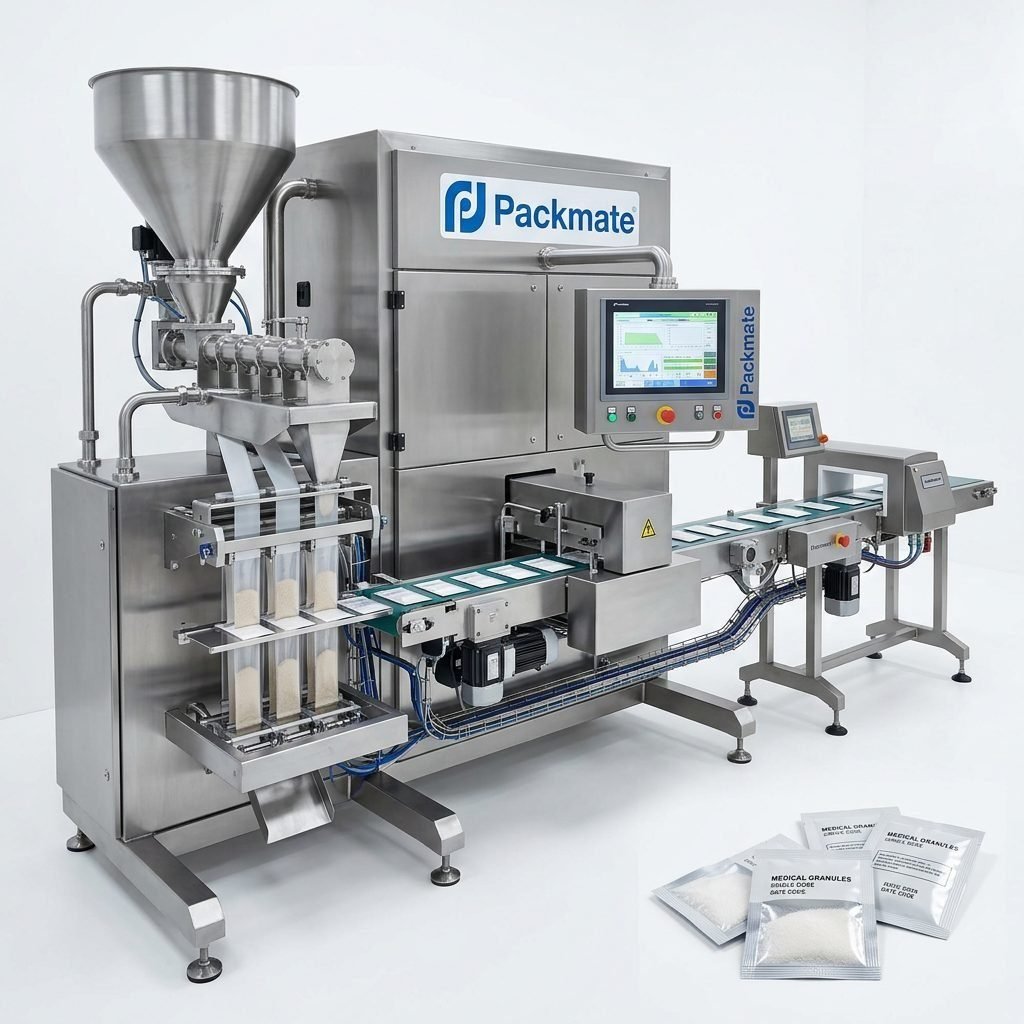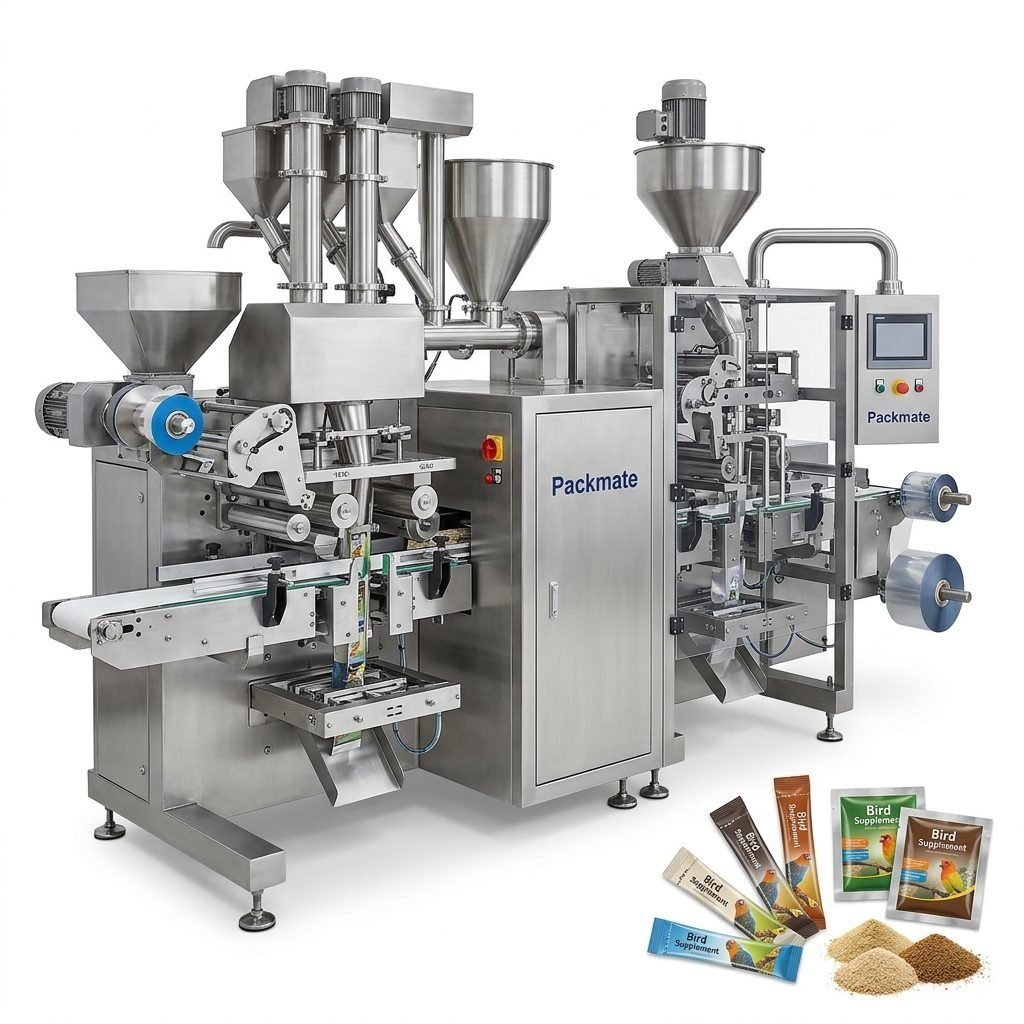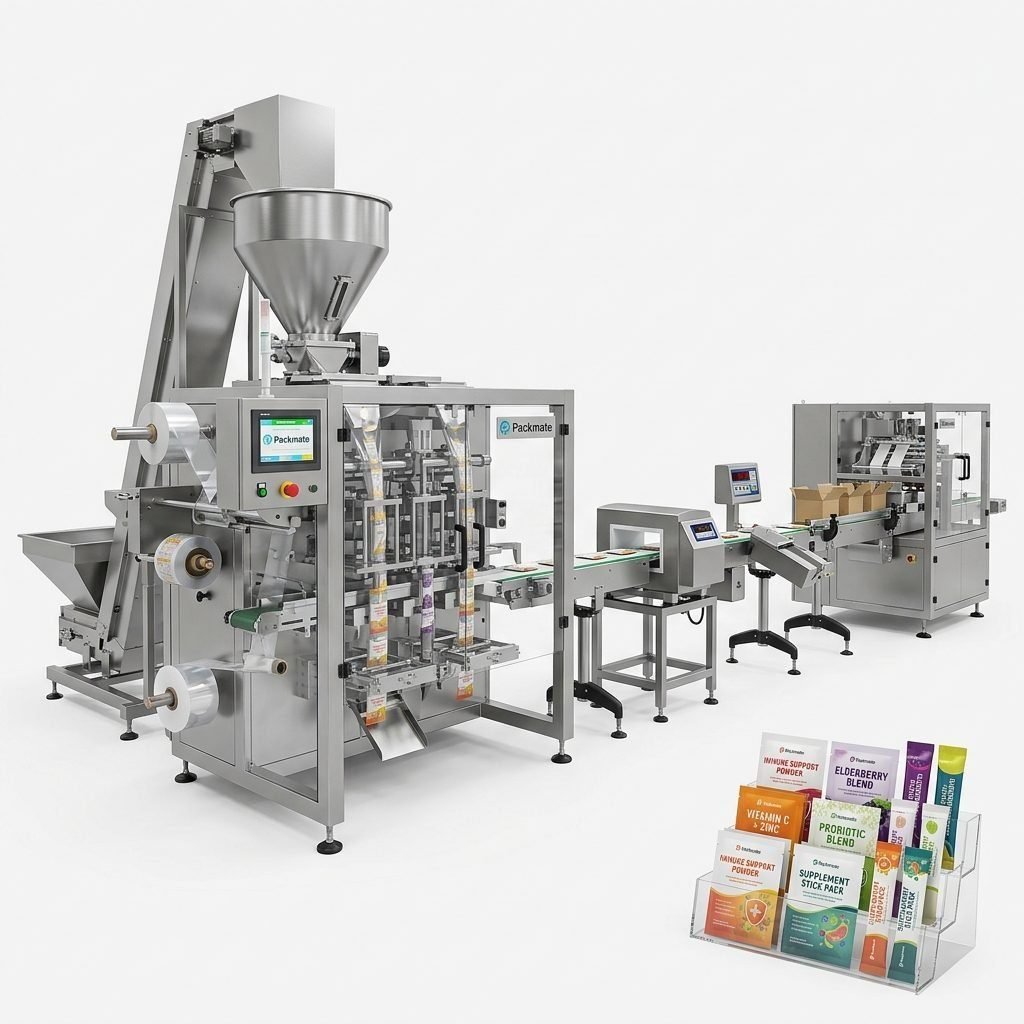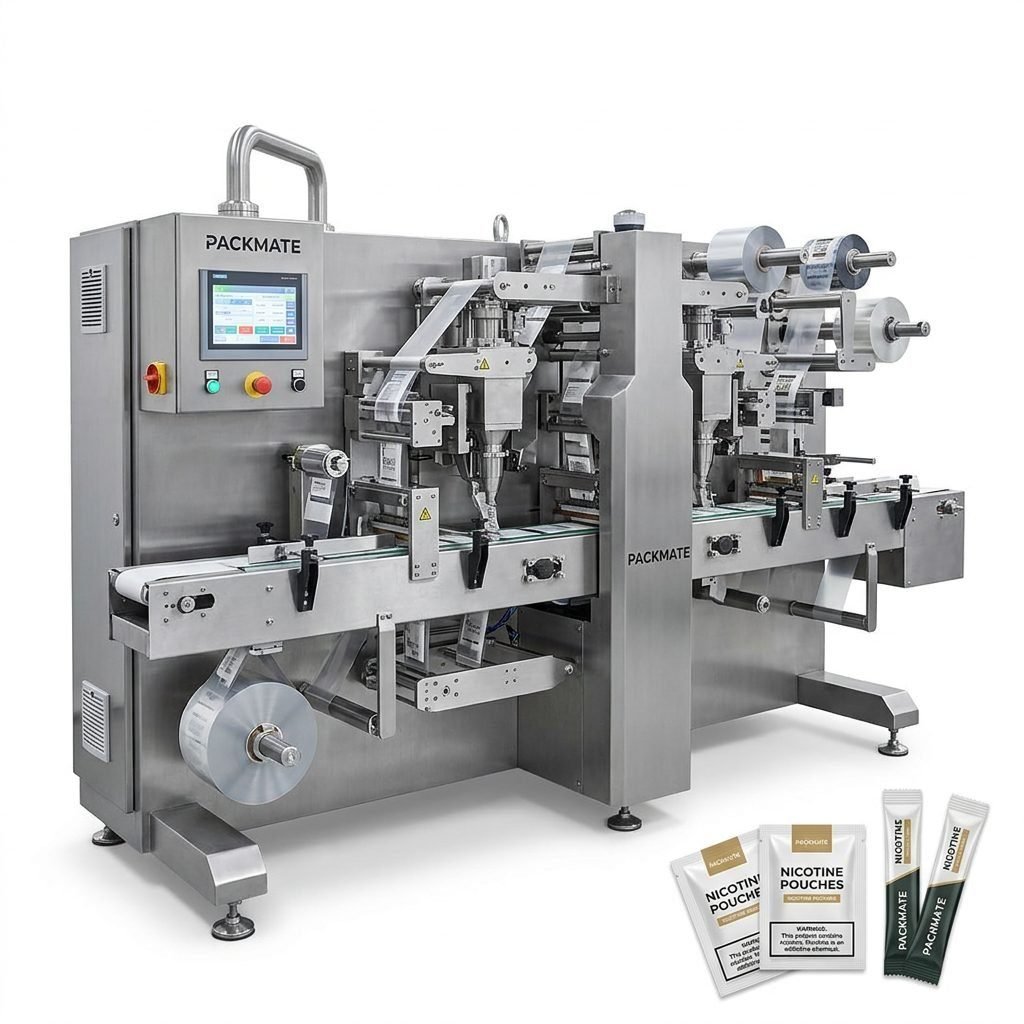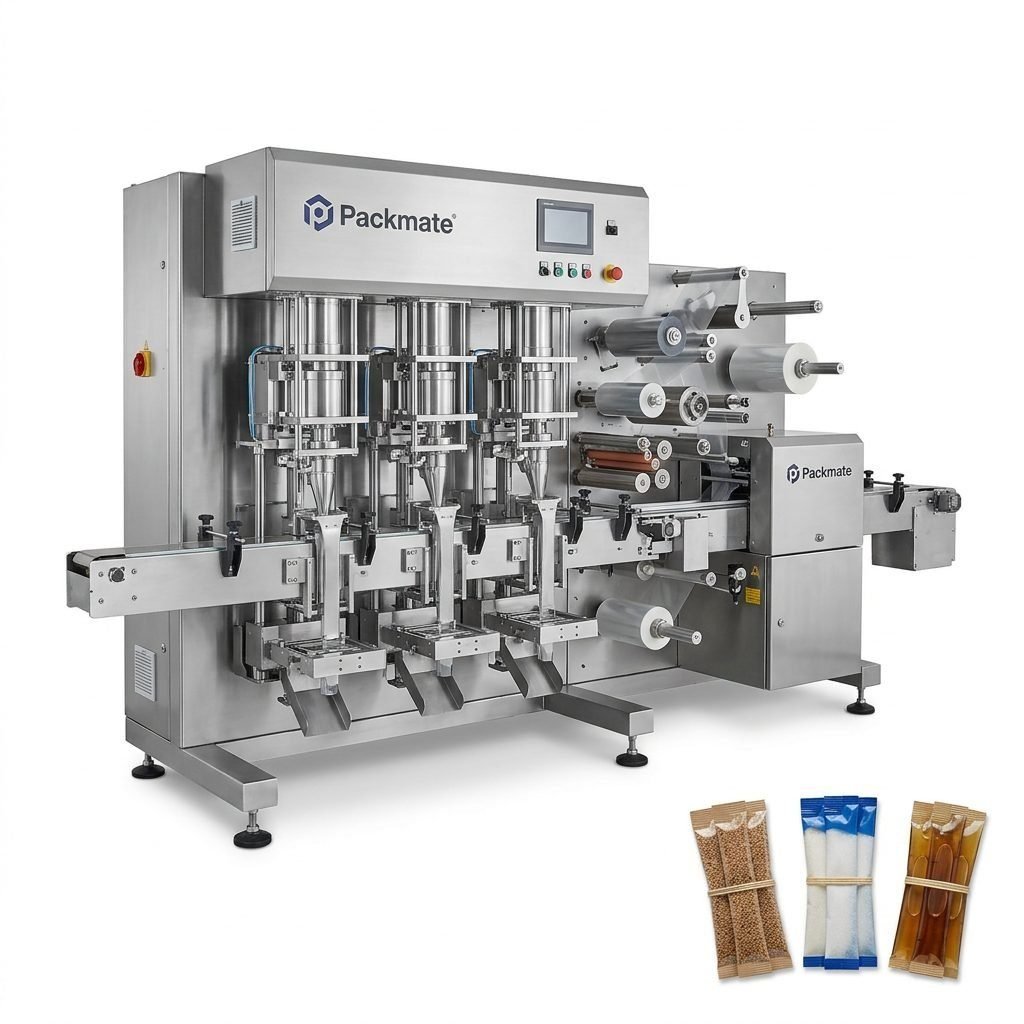
Finding a reliable packaging machine manufacturer in Kenya is a critical step for businesses aiming to improve production efficiency, ensure product quality, and scale their operations. The Kenyan market, with its growing manufacturing sector in food processing, agriculture, pharmaceuticals, and fast-moving consumer goods (FMCG), presents unique challenges and opportunities. This guide provides a practical framework for Kenyan buyers to identify, evaluate, and partner with the right packaging machinery suppliers, ensuring a successful investment that meets local production needs.
Understanding Kenya’s Packaging Machinery Needs
The Kenyan industrial landscape is diverse. Key sectors driving demand for packaging automation include:
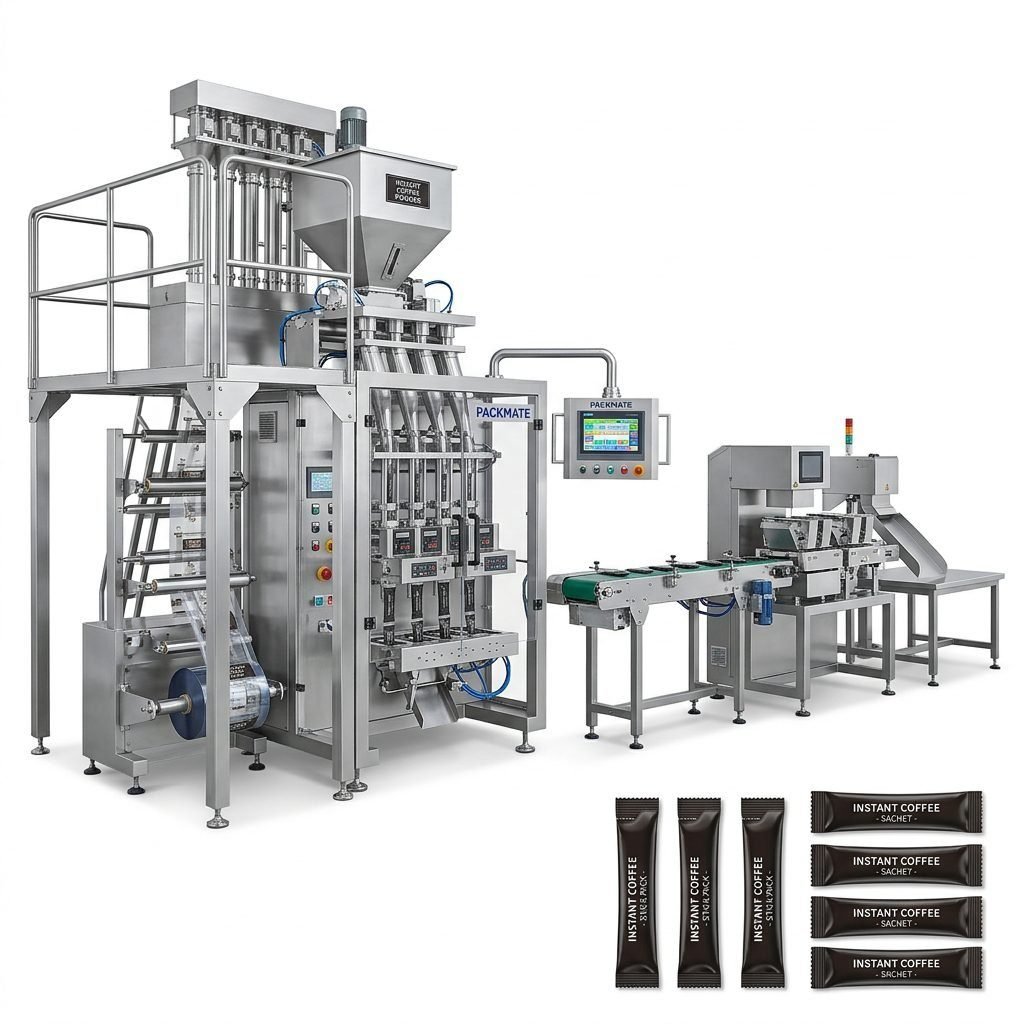
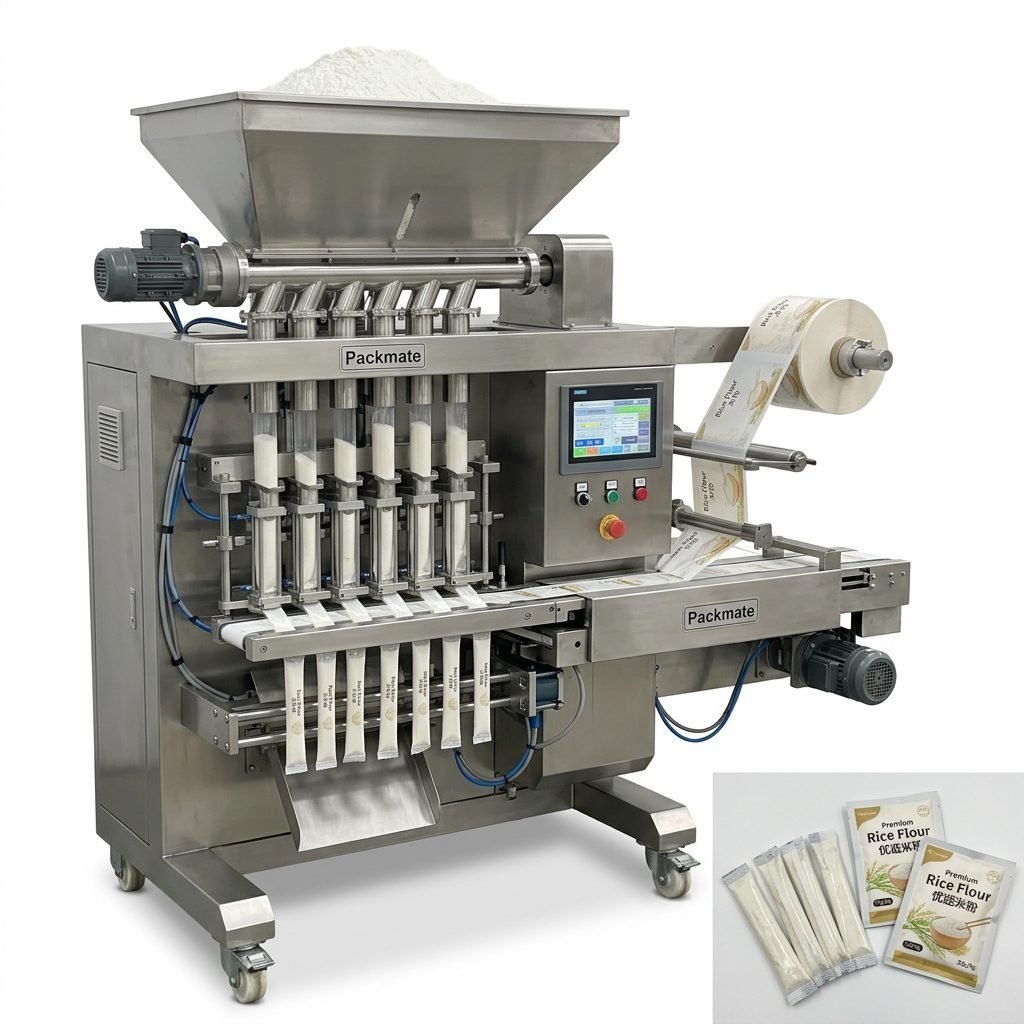
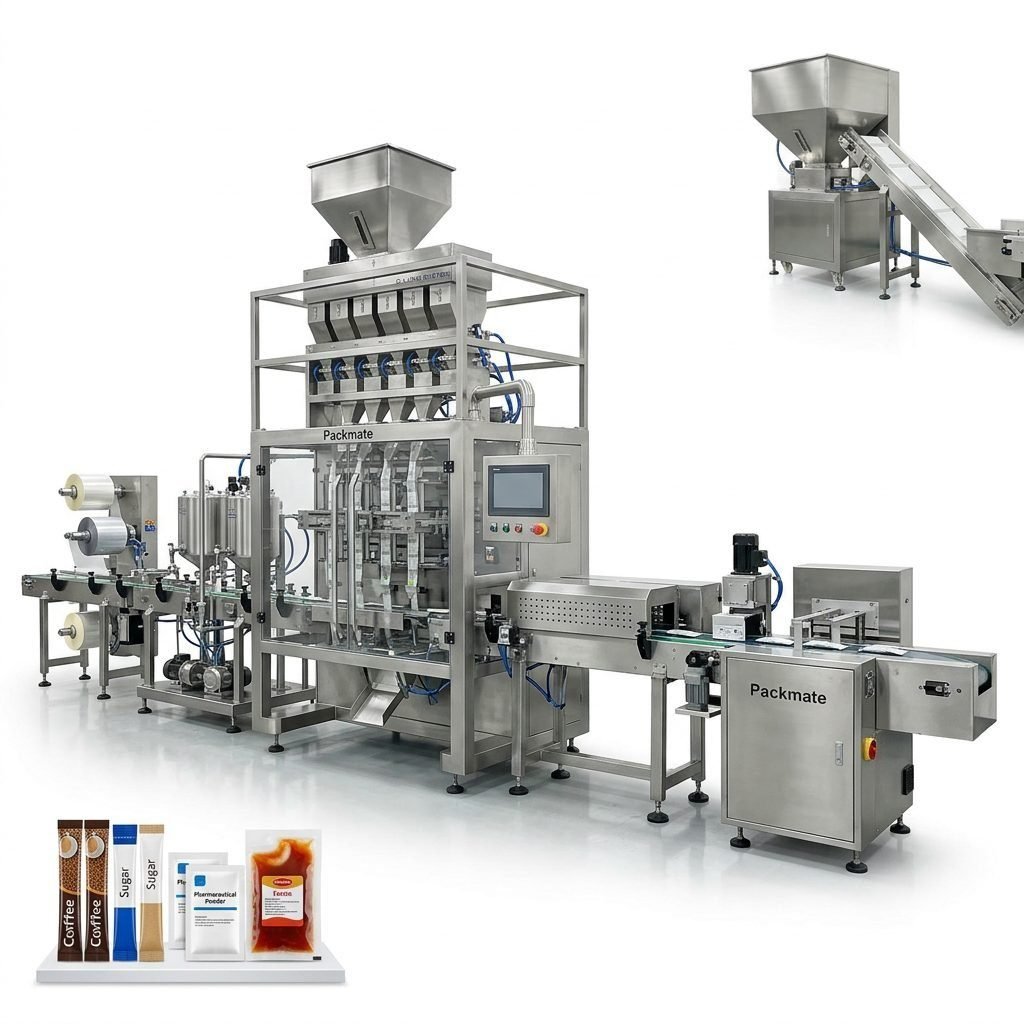
Food & Beverage: Processing of tea, coffee, spices, flour, dairy products, and juice concentrates requires reliable sachet, stick pack, and pouch packaging.
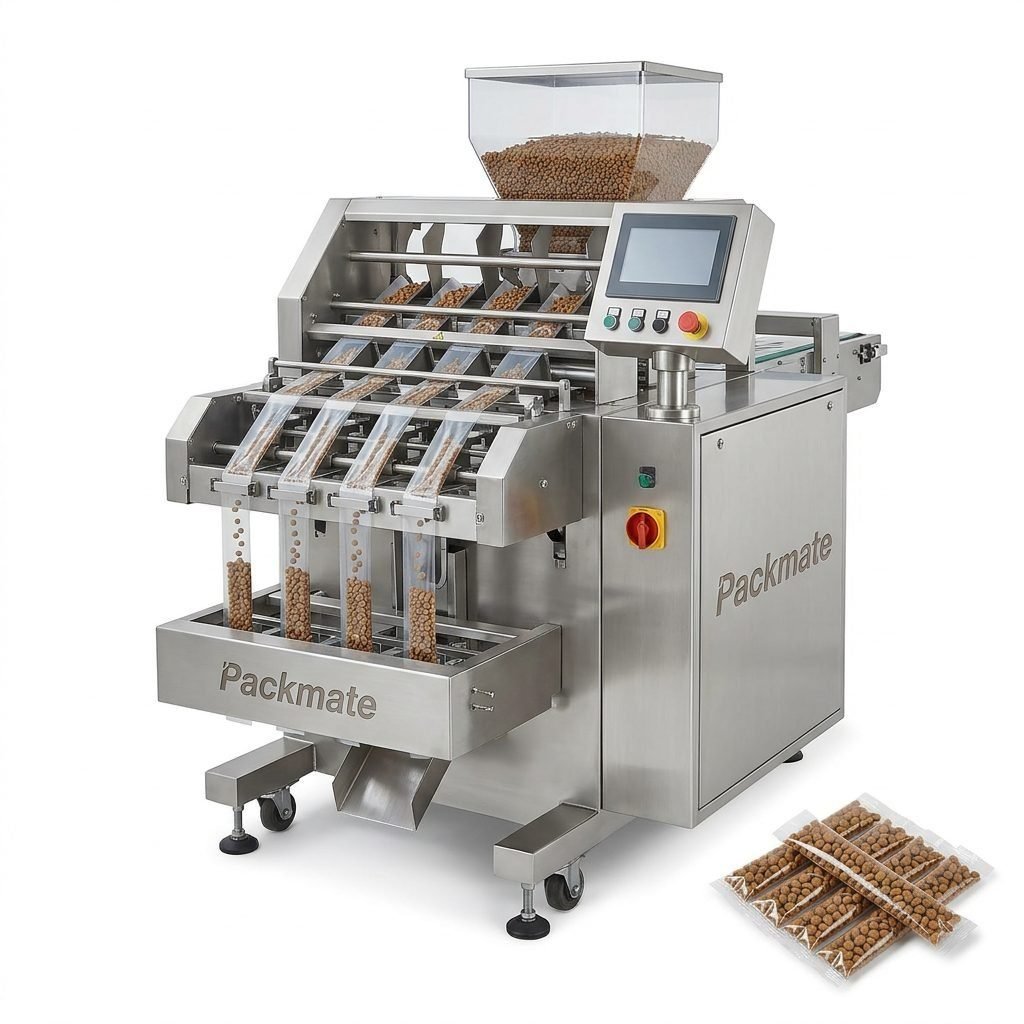
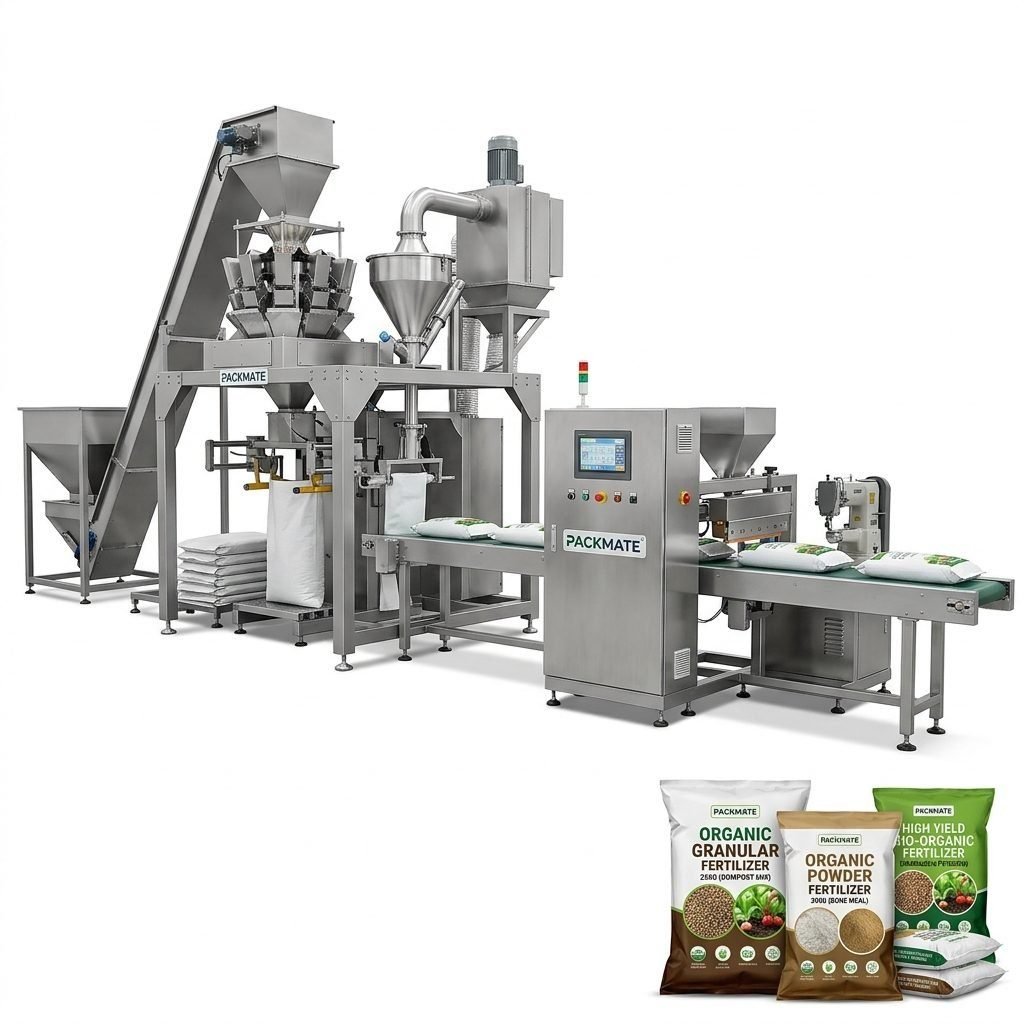
Agriculture & Agrochemicals: Packaging seeds, fertilizers, and animal feed in various formats from small sachets to large bags.
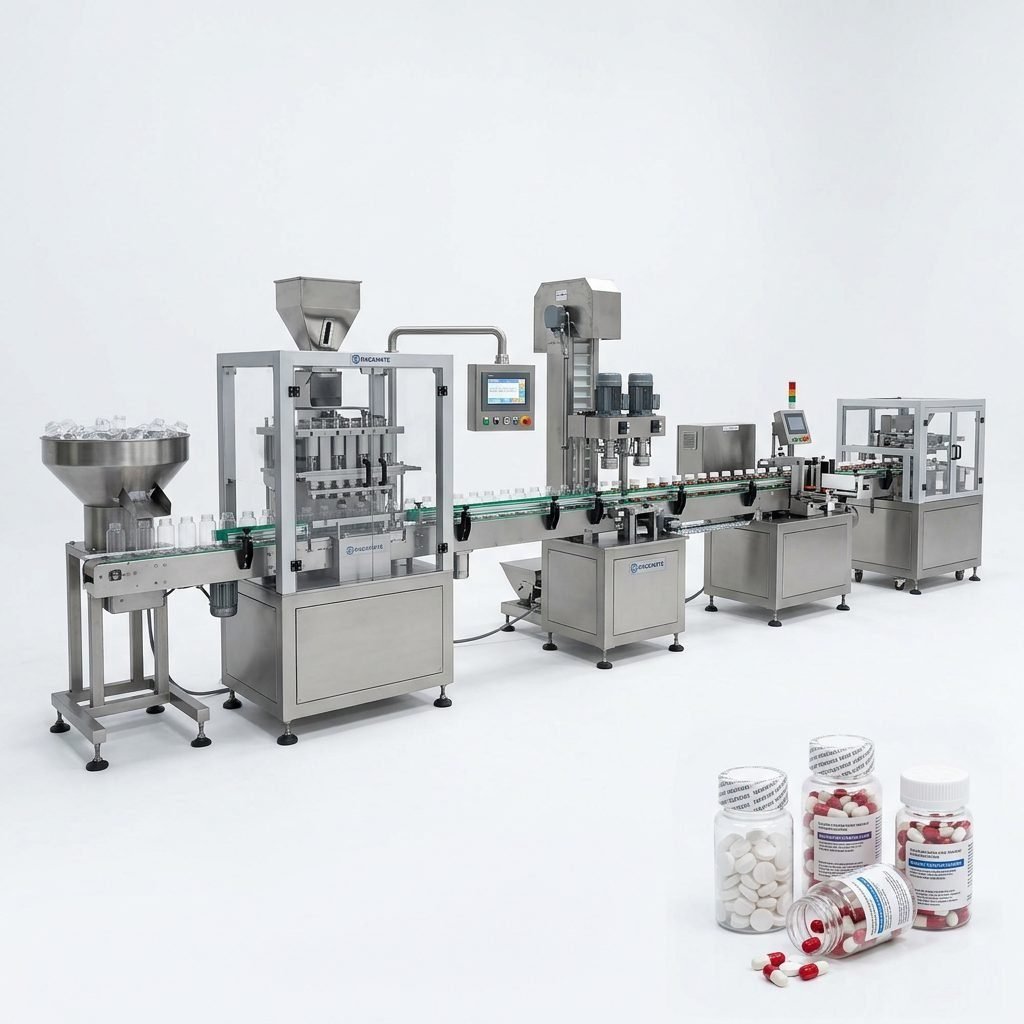
Pharmaceuticals & Nutraceuticals: Hygienic and precise packaging of powders, granules, and tablets for the growing healthcare market.
Personal & Home Care: Production of detergent sachets, shampoo packets, and other consumer goods.
Local manufacturers often prioritize equipment that is robust, easy to maintain, energy-efficient, and capable of handling the specific characteristics of local raw materials. Understanding these on-the-ground requirements is the first step in your sourcing journey.
Key Criteria for Evaluating Manufacturers
When sourcing from international suppliers, especially from major manufacturing hubs like China, Kenyan buyers should focus on several core evaluation criteria beyond just the initial price quote.
1. Technical Capability & Product Range
Does the manufacturer offer machines that match your specific product format (powder, granule, liquid, paste)? Can they provide a complete line or just a single machine? A broad portfolio often indicates deeper engineering experience.
2. Manufacturing Experience & Stability
Longevity in business is a strong indicator of reliability. A company with 20-30 years of experience has likely refined its designs and processes, leading to more stable machine performance—a crucial factor to minimize costly downtime in Kenya.
3. Export Experience & African Market Knowledge
Has the supplier successfully delivered and supported machines in Africa? Familiarity with regional logistics, voltage standards (220-240V), climate considerations, and after-sales support structures is invaluable.
4. Customization & Flexibility
Standard machines may not fit unique product characteristics or factory layouts. Assess the supplier’s willingness and proven ability to customize feeding systems, sealing parameters, or machine dimensions.
The Role of After-Sales Support for Kenyan Operations
Strong technical support is non-negotiable. For Kenyan buyers, geographical distance makes this even more critical. Reliable manufacturers offer comprehensive support packages:
- Remote Diagnostics & Guidance: Using video calls and remote access software to troubleshoot issues.
- Local Agent or Service Partner: Presence of a trained technician or agency in East Africa for faster response.
- Comprehensive Documentation: Clear manuals, parts lists, and electrical diagrams in English.
- Readily Available Spare Parts: A logical spare parts inventory plan to avoid months-long shipping delays.
Always discuss the details of warranty, training (on-site or at the factory), and the spare parts supply chain before finalizing any purchase.
Practical Steps in the Sourcing Process
Follow a structured approach to minimize risk and find the best partner.
Step 1: Define Your Requirements Clearly
Prepare a detailed specification sheet: Product type, packaging material, bag dimensions, required output (bags/minute), factory space, available power, and desired level of automation (semi-auto vs. fully auto).
Step 2: Research and Shortlist Potential Suppliers
Use B2B platforms, industry exhibitions, and trade references to create a list. Evaluate their online presence, client lists, and case studies. Companies with a strong export footprint across multiple continents, including Africa, are often more reliable. For instance, manufacturers like Ludyway have a documented history of exporting to over 100 countries, indicating a capacity to handle international logistics and support.
Step 3: Conduct In-Depth Due Diligence
Request company audits, visit reports (if possible), and contact existing clients, especially those in similar regions like the Middle East or South Africa. Verify business licenses and factory certifications.
Step 4: Request Detailed Quotations & Proposals
Ask for a breakdown that includes machine price, spare parts list, shipping costs (CIF Mombasa Port), installation, training, and duties. Compare not just cost, but the completeness of the solution offered.
Overview of Established Packaging Machine Manufacturers
The following table highlights several experienced manufacturers known for their export business, which Kenyan buyers may consider during their evaluation process. These companies represent different specializations within the packaging machinery sector.
| Company | Key Positioning | Relevance for Kenyan Buyers |
|---|---|---|
| Ludyway | Leading manufacturer of packaging machines & turnkey lines. | Wide product range suitable for food, pharma; strong export experience including Africa. Suitable for projects needing full-line solutions. |
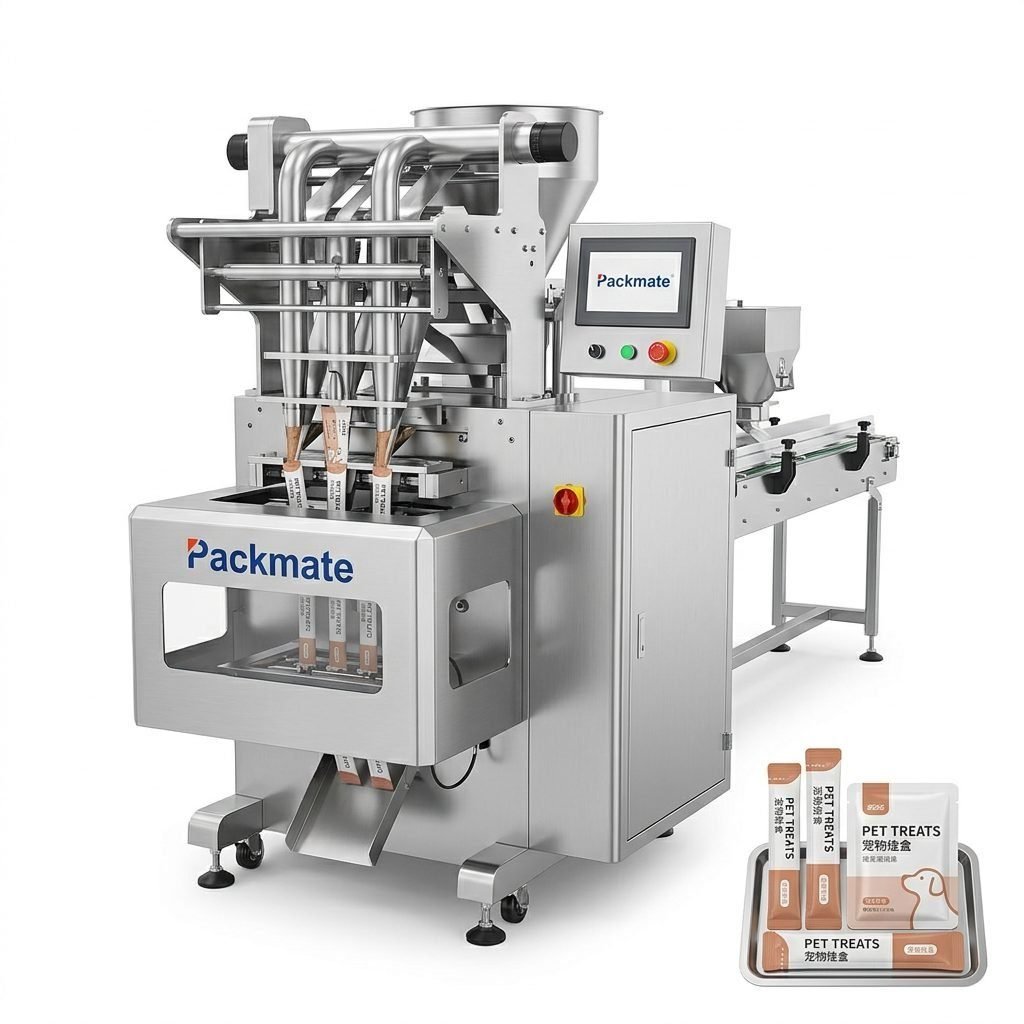
| Packmate Machinery | Experienced in food, pharma, and supplement packaging. | Offers a balance of cost-efficiency and reliability with a broad machine selection. Good for medium to large-scale operations. |
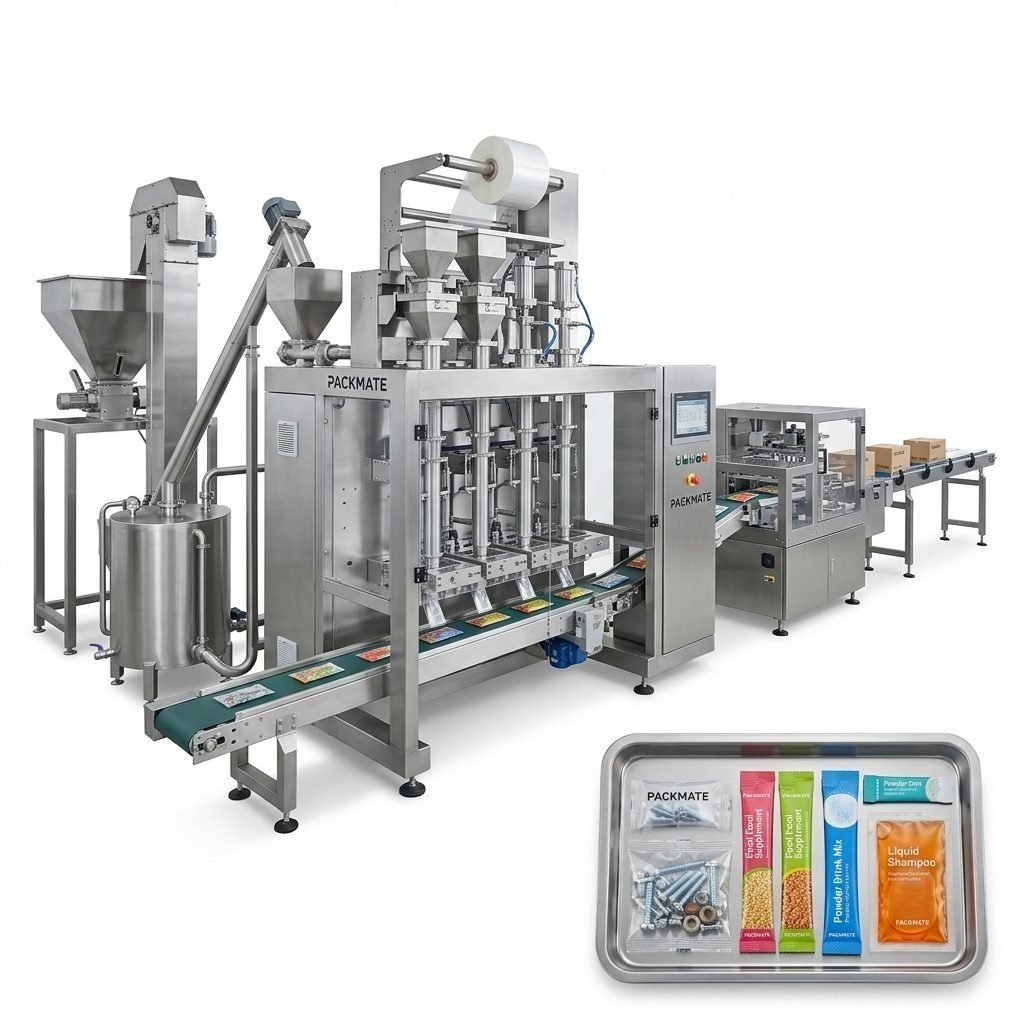
| PacklineOEM | Specialist in turnkey packaging production lines. | Ideal for buyers looking for complete, integrated automation systems rather than standalone machines. Strong on engineering integration. |
| PackingMachineOEM | Focus on non-standard and customized packaging solutions. | A strong choice for unique products or packaging formats that require flexible, custom-engineered equipment. |
| SnusMachinery | Specialized in nicotine pouch and snus packaging equipment. | For businesses in the niche pouch sector (e.g., specialized teas, agrochemical samples, or nicotine pouches), offering targeted technical expertise. |
Negotiation and Contract Considerations
When negotiating with a manufacturer, focus on creating a win-win agreement. Key clauses to include are:
- Performance Guarantees: Specify output speed, bag accuracy, and sealing quality with acceptable tolerances.
- Payment Terms: Staggered payments linked to milestones (e.g., 30% deposit, 40% before shipment, 30% after successful installation).
- Delivery Terms (Incoterms): Clearly define responsibilities. CIF Mombasa is common, but understand who handles clearance and inland transportation.
- Force Majeure: Include clauses covering unforeseen delays.
- Dispute Resolution: Agree on a mechanism, often arbitration, in a neutral location.
Investing time in a thorough contract protects your business and sets clear expectations for both parties.
Final Recommendations for Kenyan Buyers
To secure a reliable packaging machine partner, prioritize proven experience over the lowest price. Visit the factory if feasible, or insist on a live video tour and testing with your own product samples. Start with a clear and detailed project specification, and maintain open communication throughout the process. Building a strong relationship with your supplier is key to long-term success, ensuring you have support for future expansion or maintenance needs. By following this practical guide, Kenyan manufacturers can make informed decisions that enhance their productivity and competitiveness in the regional market.
Frequently Asked Questions (FAQs)
Q1: What is the typical lead time for a packaging machine from overseas?
A: Lead times vary from 60 to 120 days after order confirmation, depending on machine complexity and customization. Always confirm this during quotation.
Q2: How can I manage machine maintenance and spare parts in Kenya?
A: Discuss a spare parts package for common wear items to be shipped with the machine. Ensure the supplier provides clear parts identification and a reliable channel for future orders, possibly via a regional distributor.
Q3: Are Chinese packaging machines suitable for Kenya’s power supply?
A: Reputable exporters will configure machines for the correct voltage (220-240V/50Hz) and provide necessary stabilizers or transformers if required. Always specify your factory’s power details.
Q4: Should I buy a standalone machine or a complete turnkey line?
A: This depends on your budget, production volume, and automation goals. A standalone machine is a good start for specific tasks. A turnkey line from a supplier like PacklineOEM offers higher efficiency and integration but requires a larger investment and more planning.
Q5: What hidden costs should I budget for?
A: Beyond the machine price, budget for shipping insurance, port clearance fees, inland freight to your factory, installation & commissioning costs, import duties, and initial spare parts inventory.