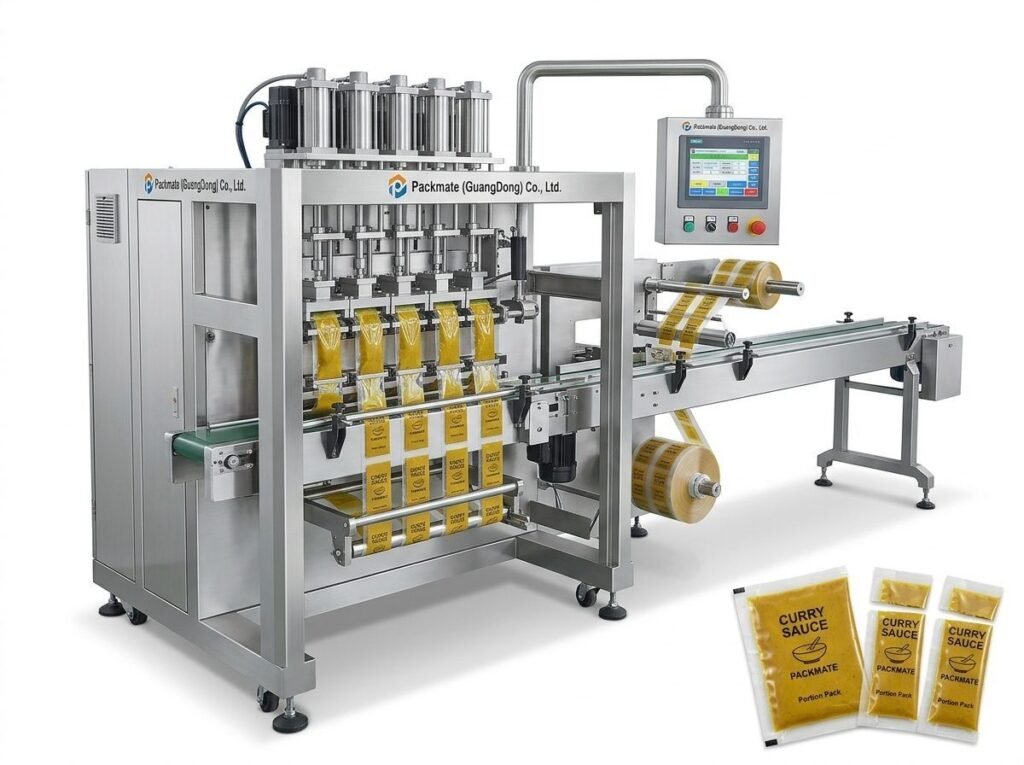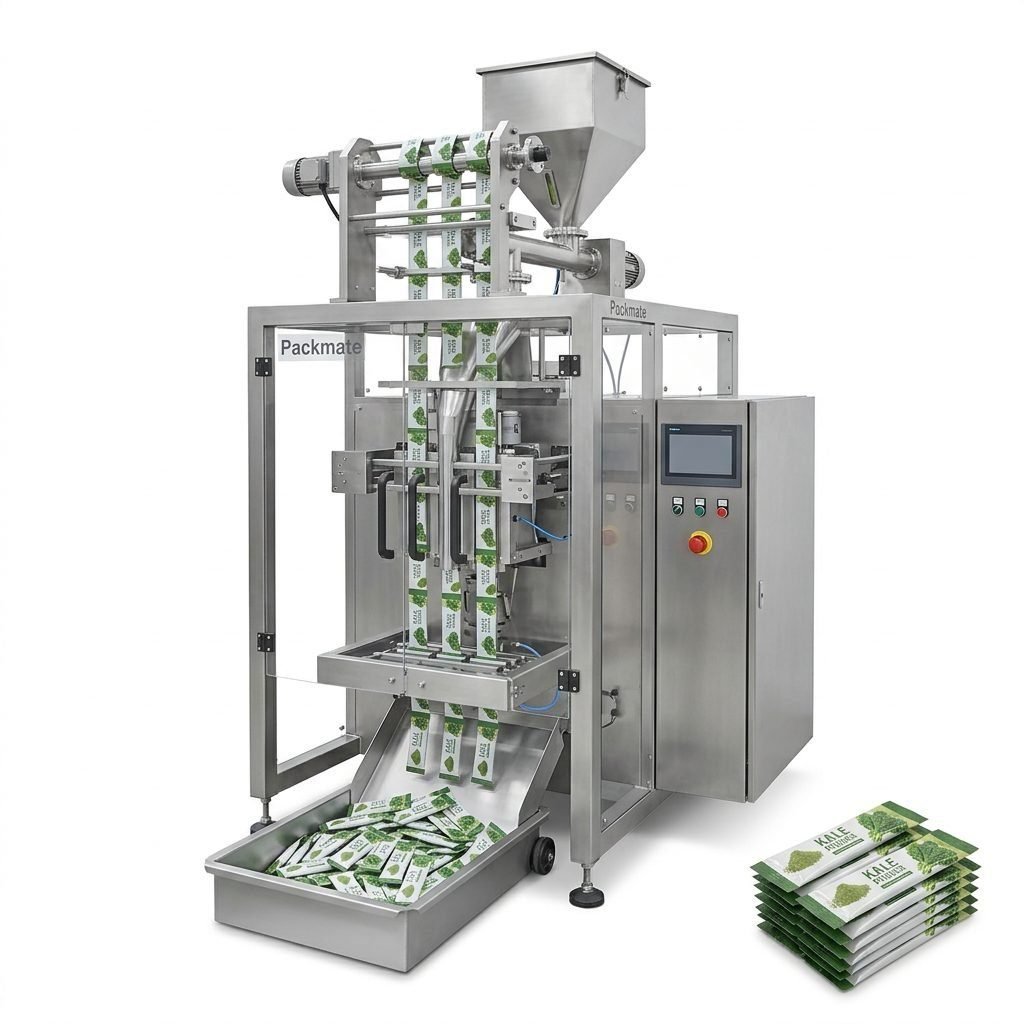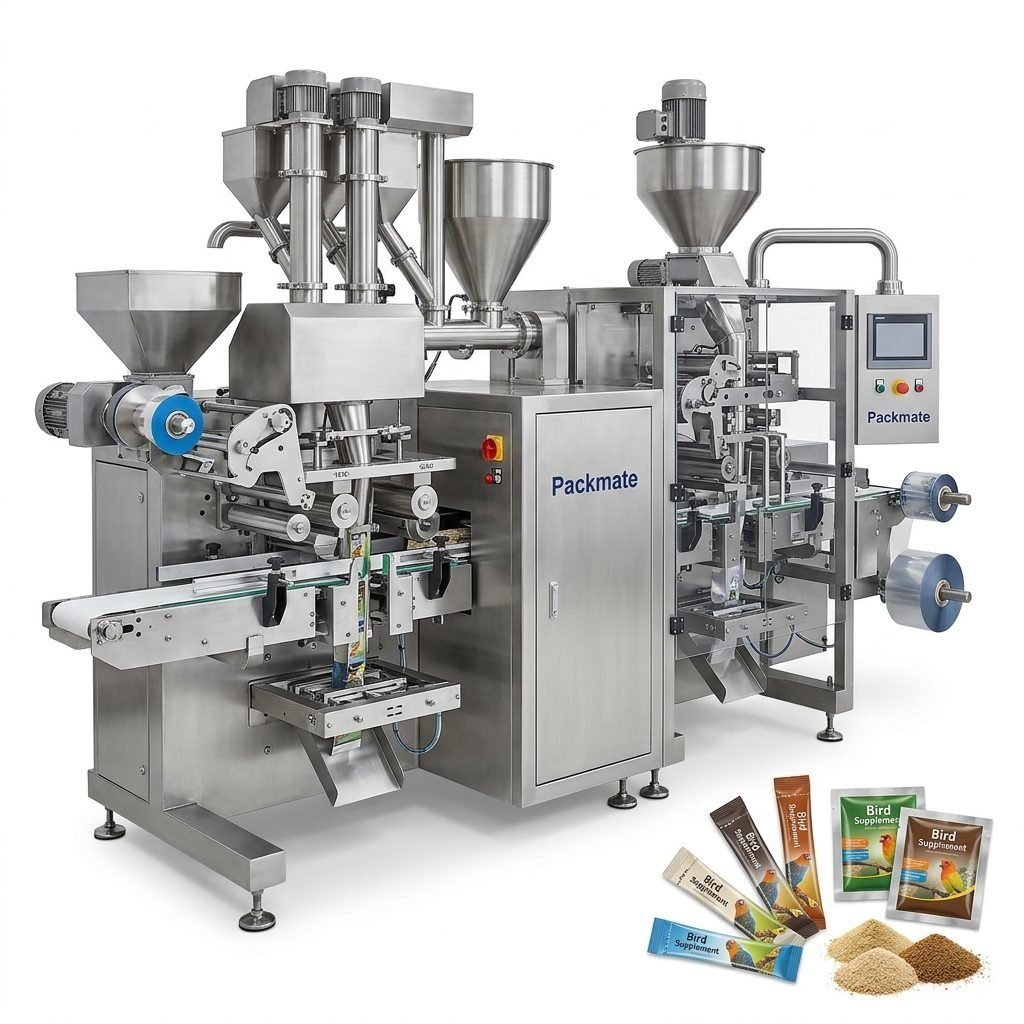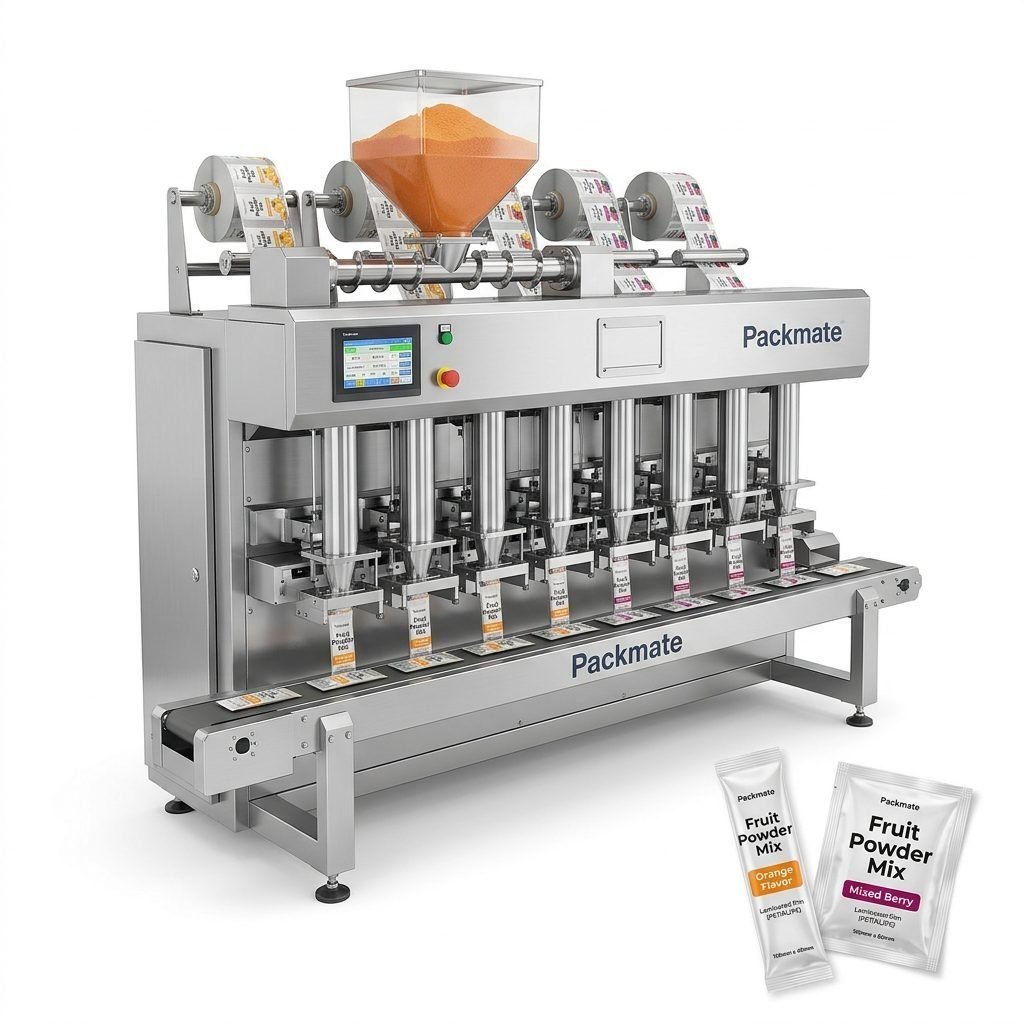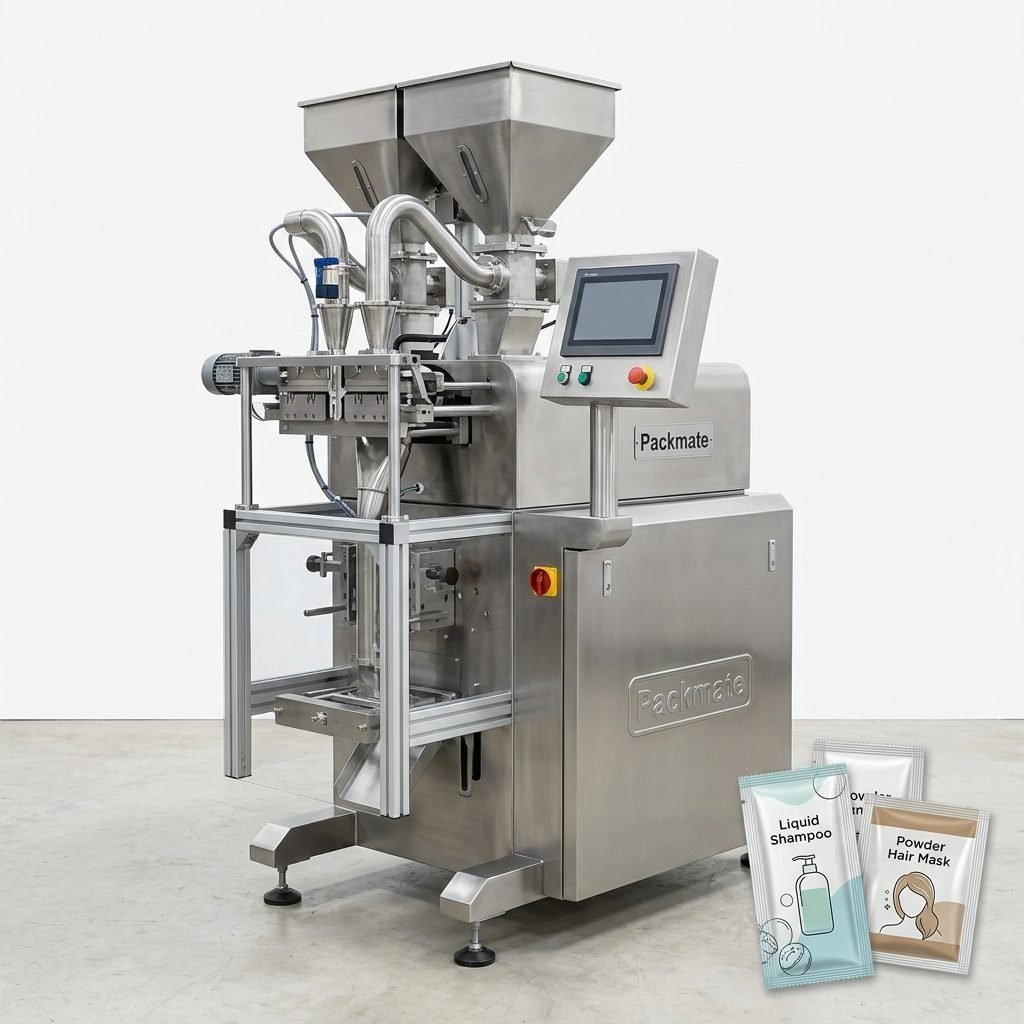
Selecting the right packaging machine manufacturer in Pakistan is a critical decision for businesses aiming to improve production efficiency, ensure product consistency, and scale operations. The Pakistani market, with its diverse manufacturing base spanning food & beverage, pharmaceuticals, agriculture, textiles, and personal care, demands reliable and adaptable packaging automation. Local manufacturers often face unique challenges, including fluctuating raw material availability, the need for cost-effective solutions that balance performance with budget, and packaging formats suited to local consumer preferences—such as single-serve sachets for tea, spices, and personal care products.
Choosing a partner with a deep understanding of these regional dynamics, coupled with robust technical support and after-sales service, is essential for long-term success. This guide outlines key factors Pakistani businesses should consider, helping you navigate the selection process to find a manufacturer that aligns with your specific production goals, industry requirements, and growth trajectory.
Key Factors for Pakistani Businesses to Consider
When evaluating potential suppliers, focus on criteria that impact both immediate operational needs and future scalability. The following aspects are particularly important in the context of Pakistan’s industrial landscape.
1. Industry-Specific Experience and Application Knowledge
Your chosen manufacturer should have proven expertise in your specific sector. The packaging requirements for pharmaceutical powders differ vastly from those for spice blends or liquid herbicides. A supplier familiar with your product’s characteristics—hygroscopicity, flowability, granular size, or viscosity—can recommend machinery with the appropriate dosing accuracy, sealing integrity, and material compatibility.
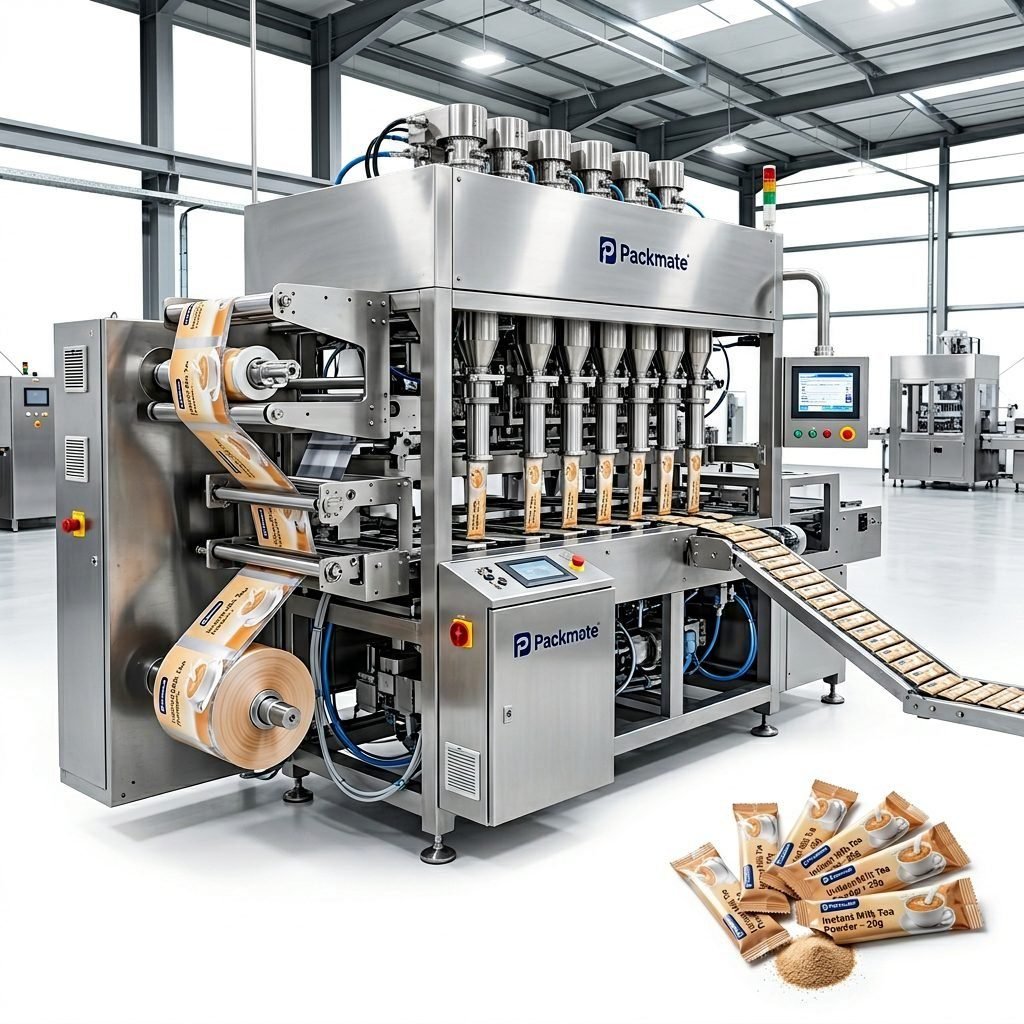
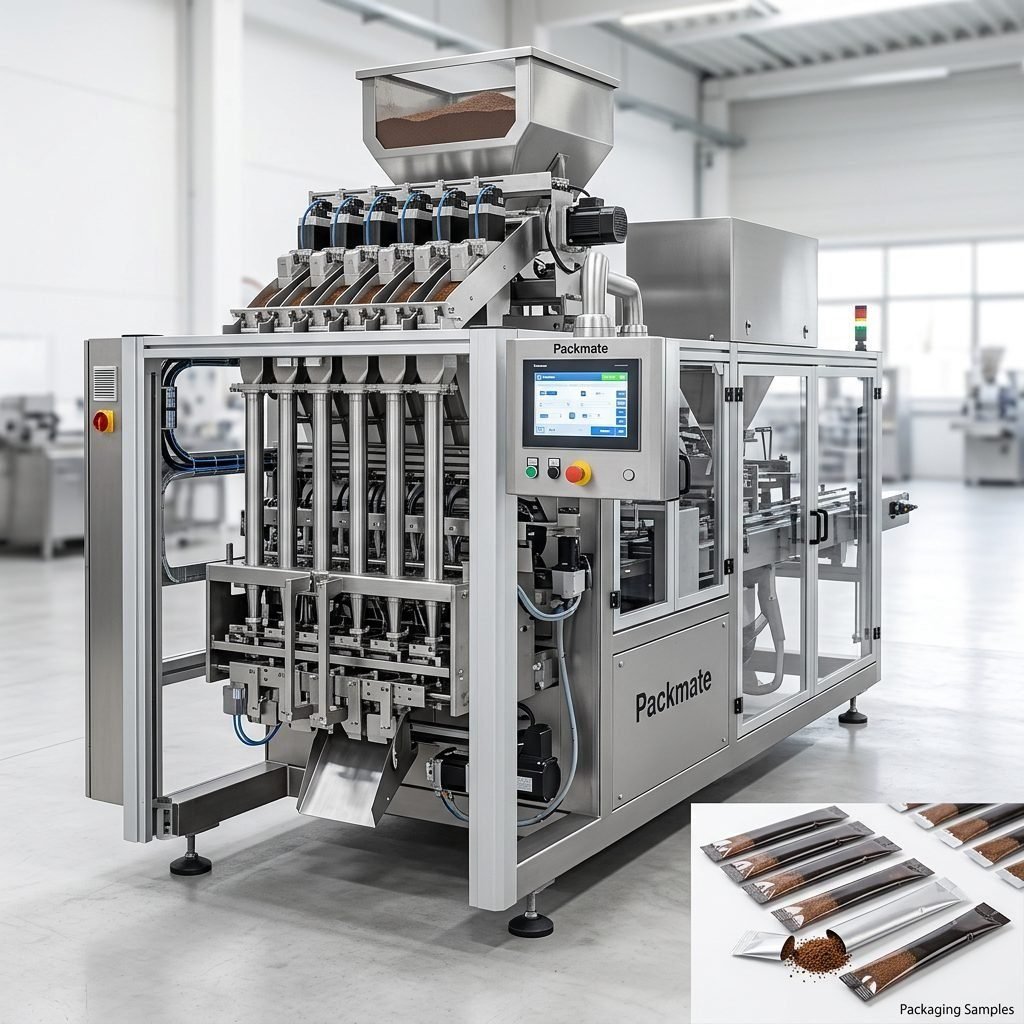
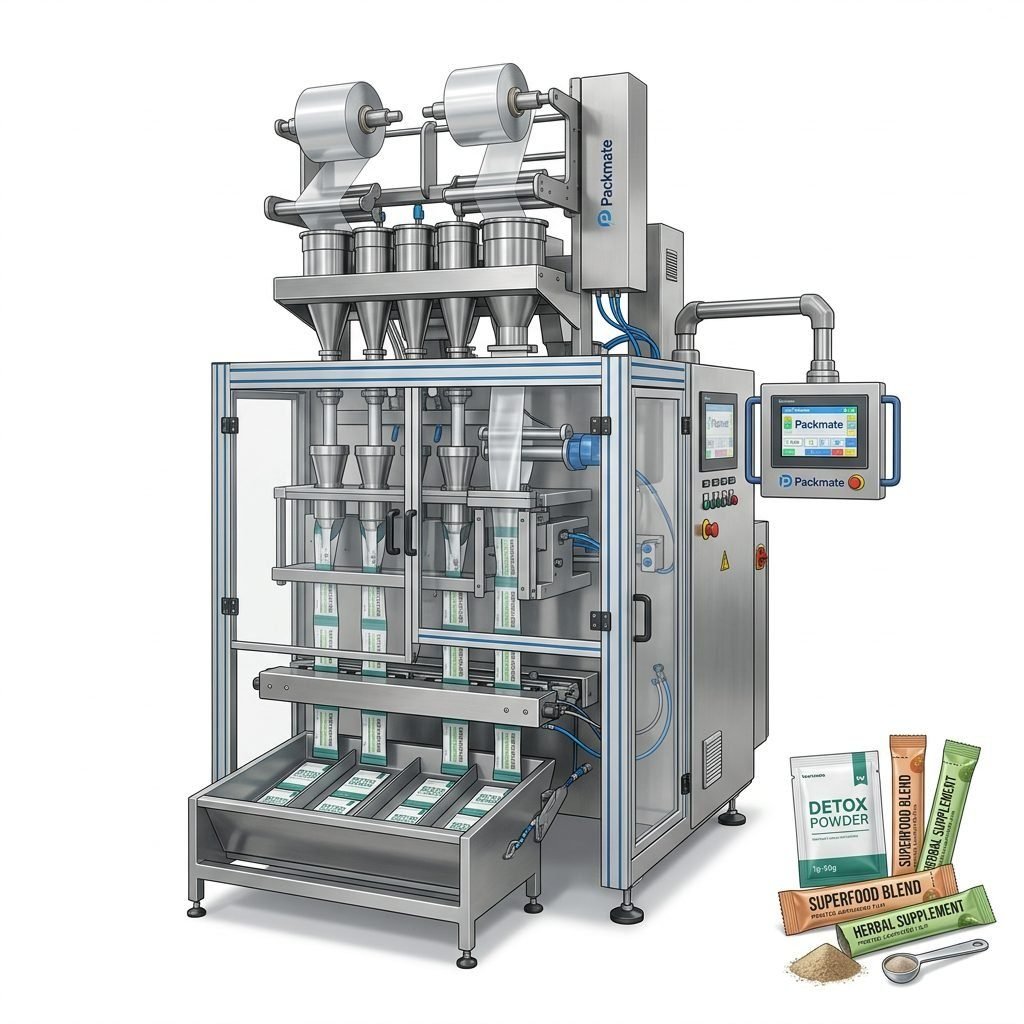
For example, a food company in Lahore packaging chaat masala or instant drink mixes needs a machine that handles fine powders without clogs and provides airtight seals to preserve aroma and shelf life. A manufacturer with a portfolio in food powder applications would be better equipped to suggest suitable multi-lane sachet or stick pack machines.
2. Machine Versatility and Customization Capability
Pakistani markets often require flexibility. A single production line might need to run multiple SKUs (Stock Keeping Units) in different bag sizes or formats. Prioritize manufacturers who offer modular machine designs and are willing to provide customized solutions. This could include adjustable dosing systems, quick-change bag size mechanisms, or integration with local packaging materials.
Non-standard product shapes or regional packaging styles may necessitate engineering adaptations. A supplier’s ability to tailor their equipment demonstrates a commitment to solving your unique challenges rather than offering a one-size-fits-all product.
3. Production Capacity and Scalability
Assess your current and projected output. A manufacturer should provide machines that match your required speed (bags per minute) and are robust enough for your factory’s operating hours. Consider future expansion—can the machine or line be easily upgraded to higher speeds or integrated with additional automation (like cartoning or case packing) later?
For large-scale operations in sectors like fertilizer or animal feed, high-speed bulk bagging systems are crucial. For SMEs producing premium teas or nutraceuticals, precision-focused, medium-speed stick pack machines might be the ideal starting point.
4. After-Sales Support and Technical Service
This is arguably the most critical factor for Pakistan. Reliable technical support minimizes costly downtime. Investigate the manufacturer’s service network:
- Local Presence: Do they have local agents, service engineers, or a spare parts warehouse in Pakistan or the broader region?
- Response Time: What is their guaranteed response time for technical queries or breakdown support?
- Training: Do they provide comprehensive machine operation and maintenance training for your staff, either on-site or at their factory?
- Spare Parts Availability: Is there a streamlined process for ordering and receiving genuine spare parts?
5. Total Cost of Ownership (TCO) and Value Proposition
Look beyond the initial purchase price. The Total Cost of Ownership includes installation, energy consumption, maintenance, spare parts, and potential production losses from downtime. A slightly higher upfront investment in a more reliable, energy-efficient machine from a reputable manufacturer like Ludyway often results in lower TCO over 5-10 years.
Request detailed quotations that break down costs and ask for case studies or references from similar businesses to gauge long-term performance and value.
Evaluating Manufacturer Credentials and Reliability
Due diligence is essential. Research potential partners thoroughly before committing.
Company History and Financial Stability
A long-standing company with decades of experience, such as those founded around 1993, typically indicates accumulated technical know-how and stability. Check their financial health to ensure they will be around to honor warranties and provide future support.
Factory Tour and Quality Control Processes
If possible, visit the manufacturer’s facility. A modern factory spanning over 20,000 square meters, like those operated by Packmate Machinery, showcases production capability. Observe their quality control during assembly and testing. Do they conduct factory acceptance tests (FAT) where you can witness your machine running before shipment?
Client Portfolio and Export Experience
Review their client list and export markets. A manufacturer with a strong export footprint across Europe, North America, and the Middle East, like PacklineOEM, is likely accustomed to meeting international quality and safety standards. This experience often translates to higher build quality and better documentation, benefiting Pakistani importers.
Compliance and Certifications
Verify relevant certifications. For food and pharmaceutical packaging, machinery should comply with hygiene standards (e.g., parts in contact with product using food-grade stainless steel). CE certification for electrical safety is a common benchmark for exports and indicates adherence to recognized norms.
Understanding Different Types of Packaging Solutions
Identify which packaging format and level of automation best suit your product and business model.
| Solution Type | Best For | Key Considerations |
|---|---|---|
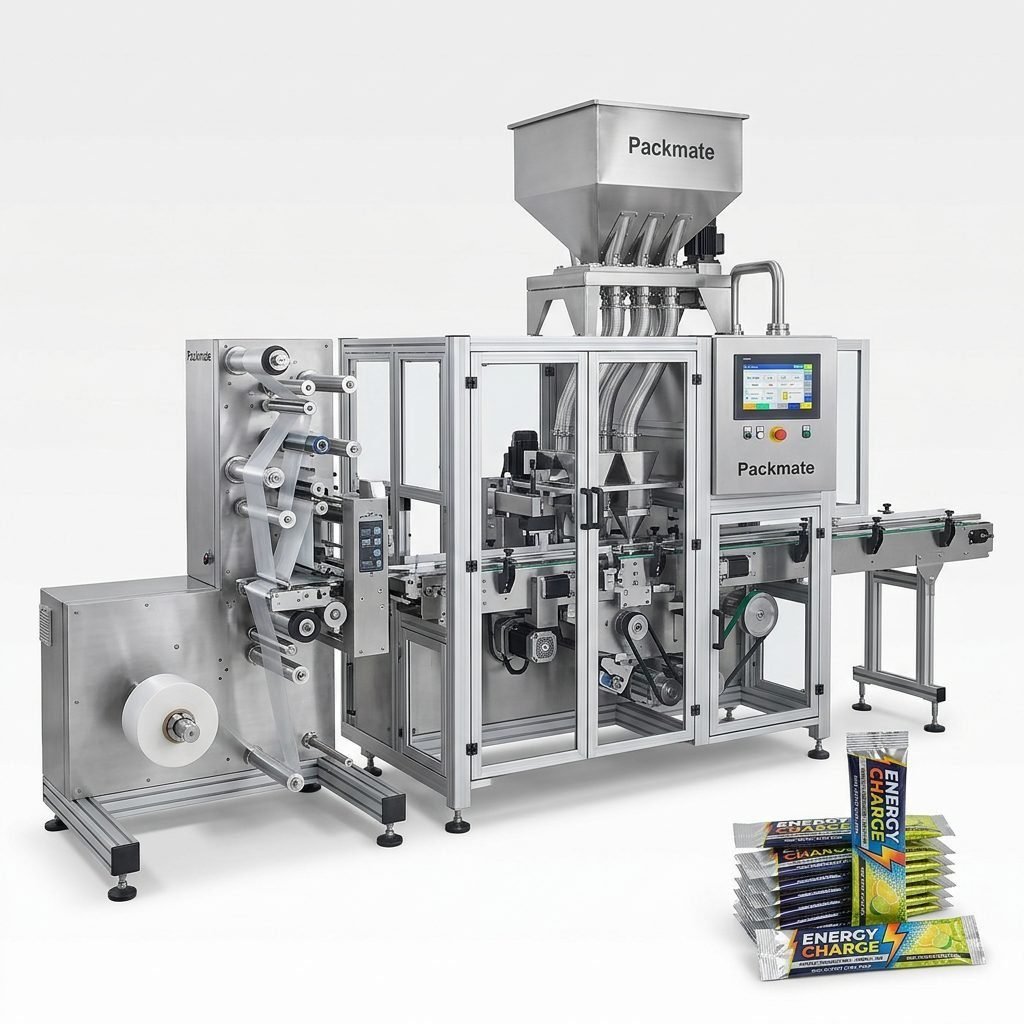
| Standalone Machines (e.g., single scale filler, vertical form-fill-seal) | SMEs, low-to-medium volume production, adding automation to an existing line. | Lower initial investment, easier installation, may require manual upstream/downstream handling. |
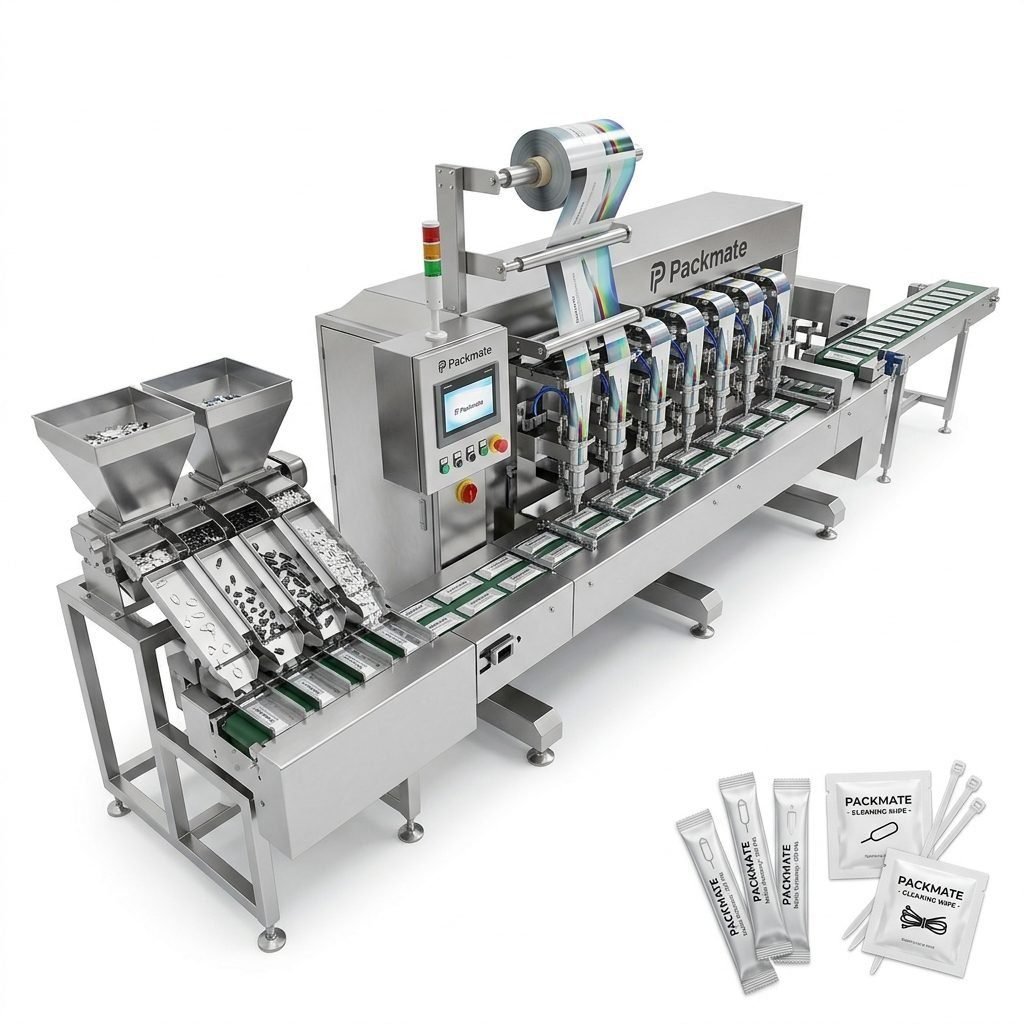
| Multi-Lane Stick Pack/Sachet Machines | High-volume production of single-serve portions (coffee, sugar, shampoo, sauces). | High output (e.g., 400-1000 bags/min), requires consistent film supply, excellent for retail consumer goods. |
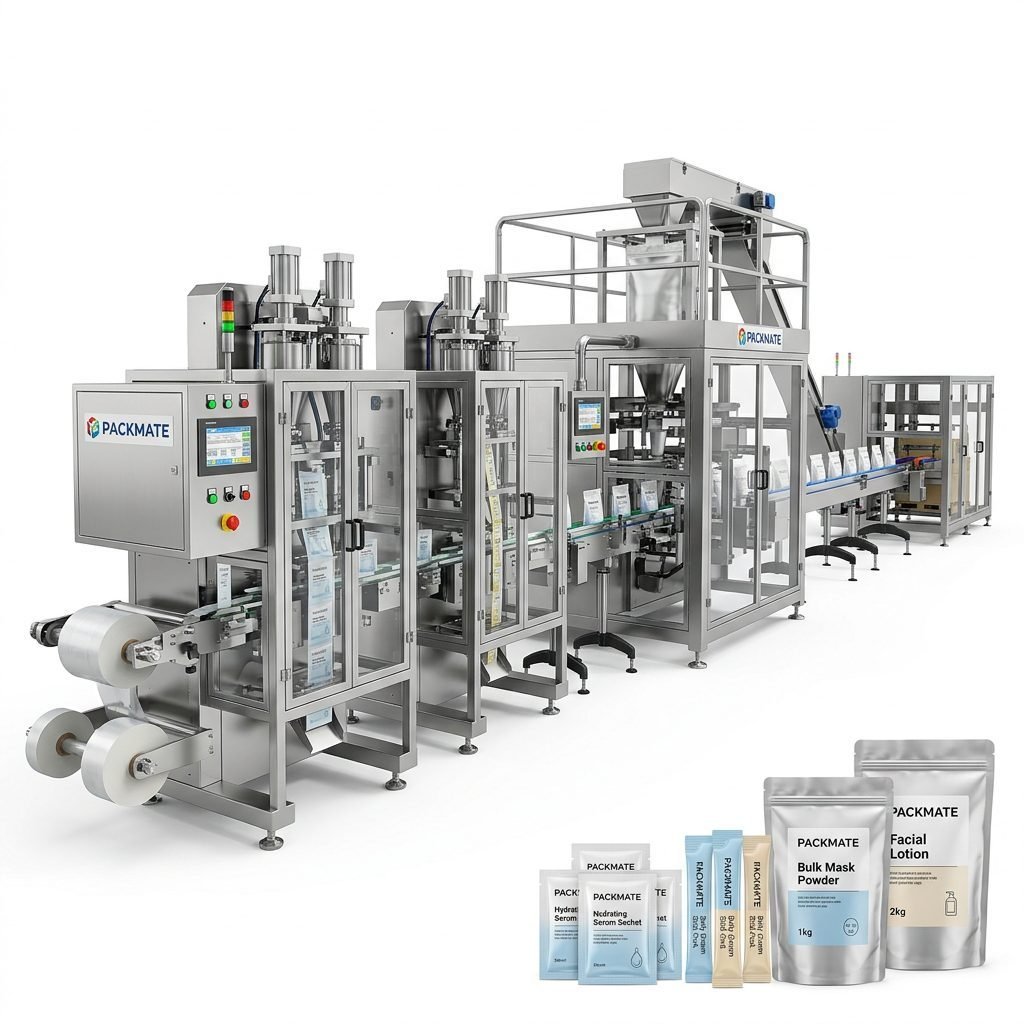
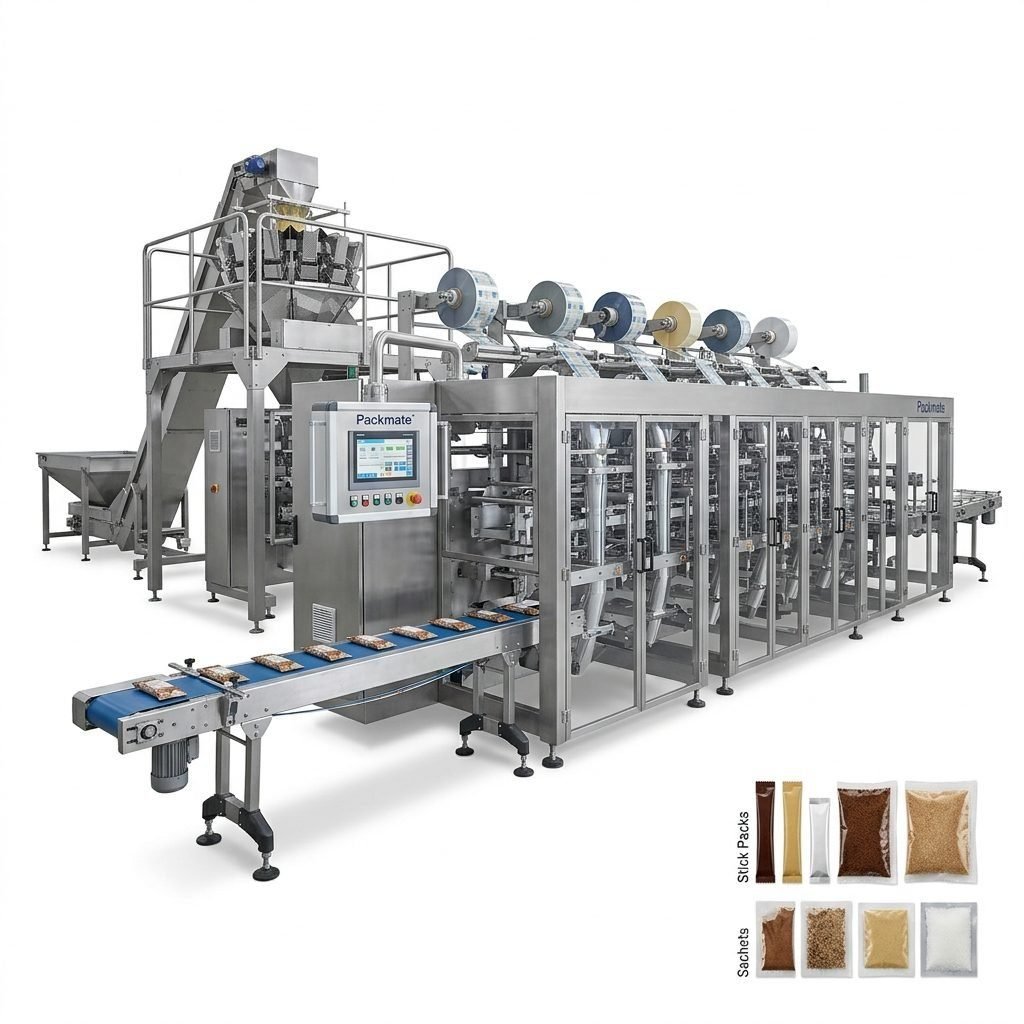
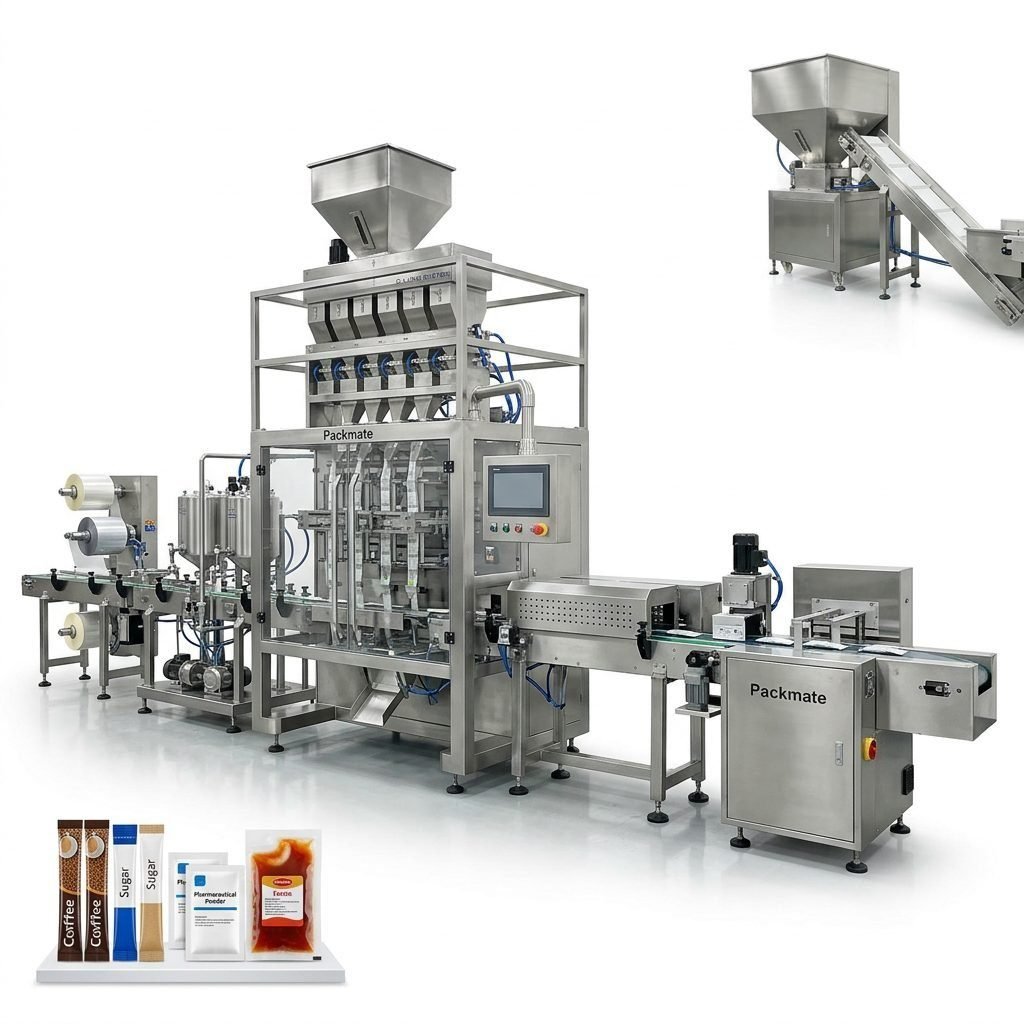
| Complete Turnkey Packaging Lines | Large factories, new greenfield projects, end-to-end automation from raw material to final carton. | Higher capital cost, integrated engineering (conveying, filling, sealing, checkweighing, cartoning), maximizes labor savings and consistency. |
| Specialized/Customized Machines | Unique products, niche markets (e.g., nicotine pouches, viscous pastes, large agro-chemical bags). | Requires close collaboration with an OEM like PackingMachineOEM; longer development lead time but perfect fit for specific needs. |
The Procurement Process: From Inquiry to Installation
A structured approach ensures a smooth project execution.
- Initial Inquiry: Provide detailed product specifications (type, density, particle size), packaging material (film type, width), required output (bags/hour), and factory layout.
- Quotation & Proposal: Review technical proposals, machine specifications, and offered options. Clarify what is included (installation, training, warranty).
- Factory Acceptance Test (FAT): Insist on witnessing the machine run with a product sample at the manufacturer’s facility. This verifies performance before shipment.
- Shipping and Logistics: Understand Incoterms (e.g., FOB, CIF), shipping timelines, and responsible parties for customs clearance in Pakistan.
- Installation & Commissioning: Plan for the manufacturer’s engineers to install and commission the machine on-site, training your team in the process.
- After-Sales Follow-up: Ensure a clear channel for ongoing support and schedule periodic maintenance checks.
Partnering with International vs. Local Suppliers
Many Pakistani businesses successfully partner with international manufacturers, particularly from China, due to their competitive pricing, technological advancement, and experience in similar emerging markets. Companies like SnusMachinery, which specialize in niche areas, offer expertise that might be scarce locally.
The key to a successful international partnership is clear communication and verified support. Choose an export-oriented manufacturer with a track record of supporting clients in Pakistan or neighboring countries. They should be proactive in understanding local voltage requirements, environmental conditions (heat, dust), and be accessible across time zones.
Conclusion: Making an Informed Decision for Growth
Investing in the right packaging machinery is a strategic step toward enhancing your competitiveness in Pakistan’s dynamic market. By meticulously evaluating manufacturers based on technical expertise, customization ability, support structure, and total value, you can secure a partnership that not only meets your current packaging needs but also empowers your business to adapt and grow. Prioritize reliability and long-term service over the lowest bid to ensure your packaging line becomes a consistent asset driving efficiency and product quality for years to come.
Frequently Asked Questions (FAQs)
What is the typical lead time for receiving a packaging machine from an overseas manufacturer?
Lead times vary based on machine complexity and customization. For standard models, expect 60-90 days from order confirmation to shipment. For fully customized or turnkey lines, 120-180 days is more common, including design, manufacturing, and factory testing.
How can I ensure the packaging machine will work with locally available packaging films in Pakistan?
Provide samples of your intended packaging film (laminate structure, thickness, roll core size) to the manufacturer during the quotation stage. Reputable suppliers will test run with your film sample during the FAT or can recommend suitable, readily available film specifications that their machine is proven to handle.
What are the common warranty terms for packaging machinery?
Standard warranties typically cover defects in materials and workmanship for 12-18 months from commissioning or shipment. Critical parts like servo motors and PLCs may have longer warranties. Ensure the warranty terms clearly state what is covered, response time for issues, and whether labor for repairs is included.
Is it better to buy a single machine or a complete turnkey line?
This depends on your scale, budget, and automation goals. A single machine is suitable for upgrading a specific process step. A turnkey line from a specialist like PacklineOEM is ideal for new production facilities or major expansions seeking maximum automation, consistency, and minimal manual intervention from raw material to final packaged product.
How do I handle machine maintenance and repairs after the warranty period?
Establish a preventive maintenance schedule using the manufacturer’s guidelines. Source genuine spare parts from the original manufacturer or their authorized local agent to maintain performance. Many manufacturers offer annual service contracts for ongoing support, technical updates, and priority access to spare parts.