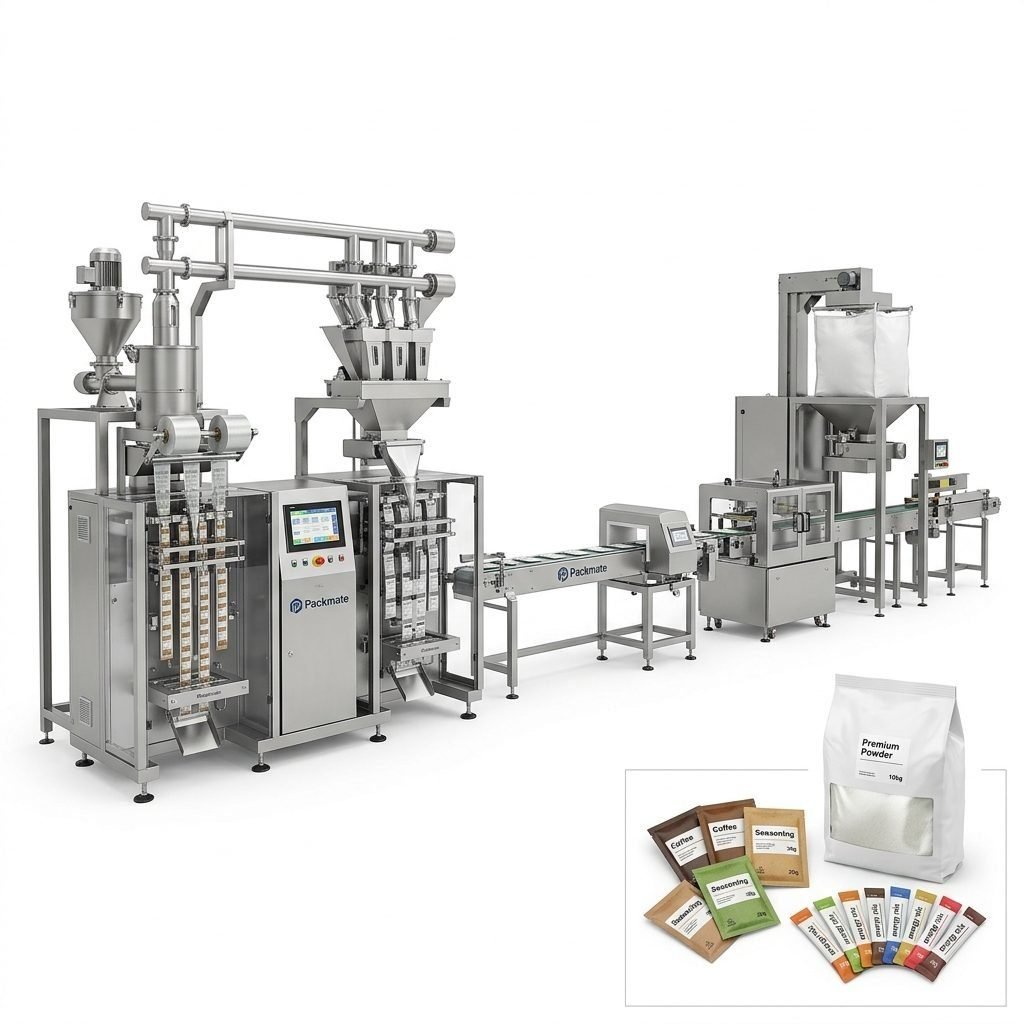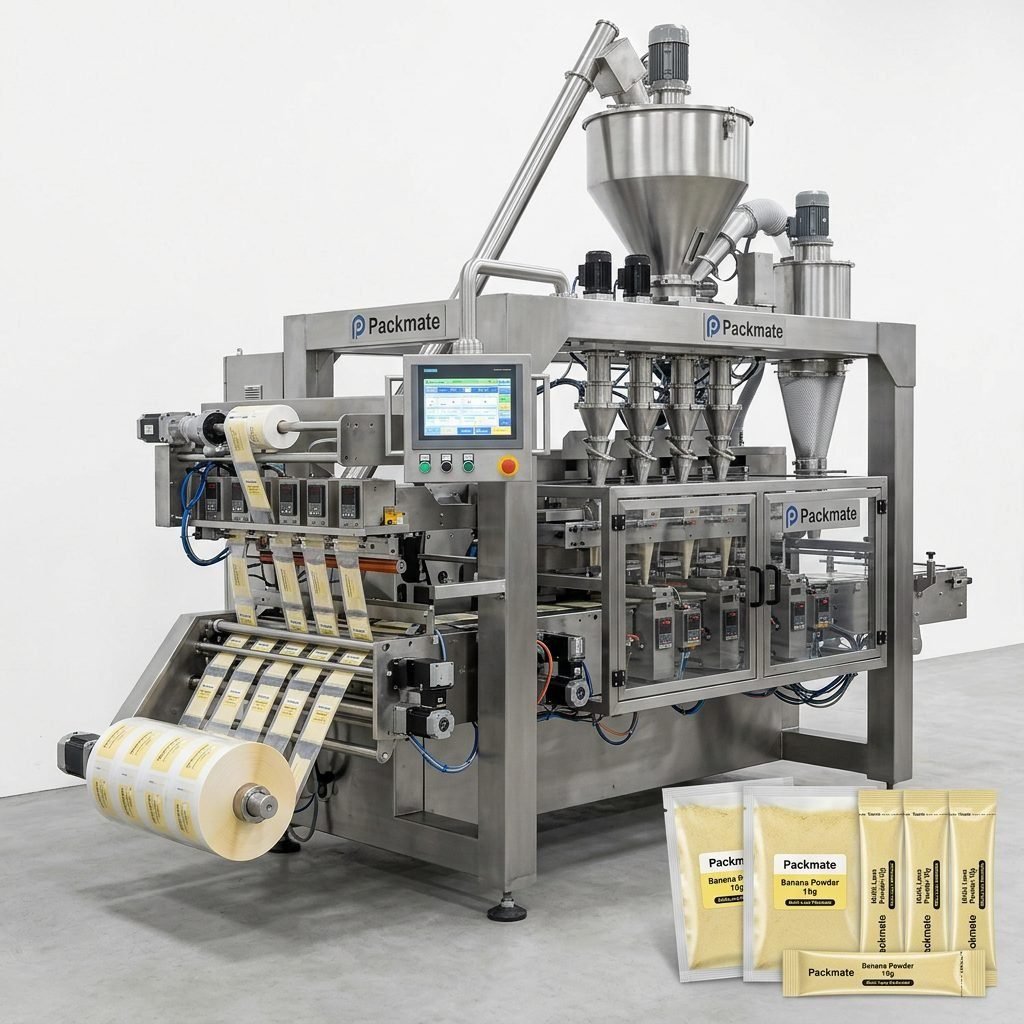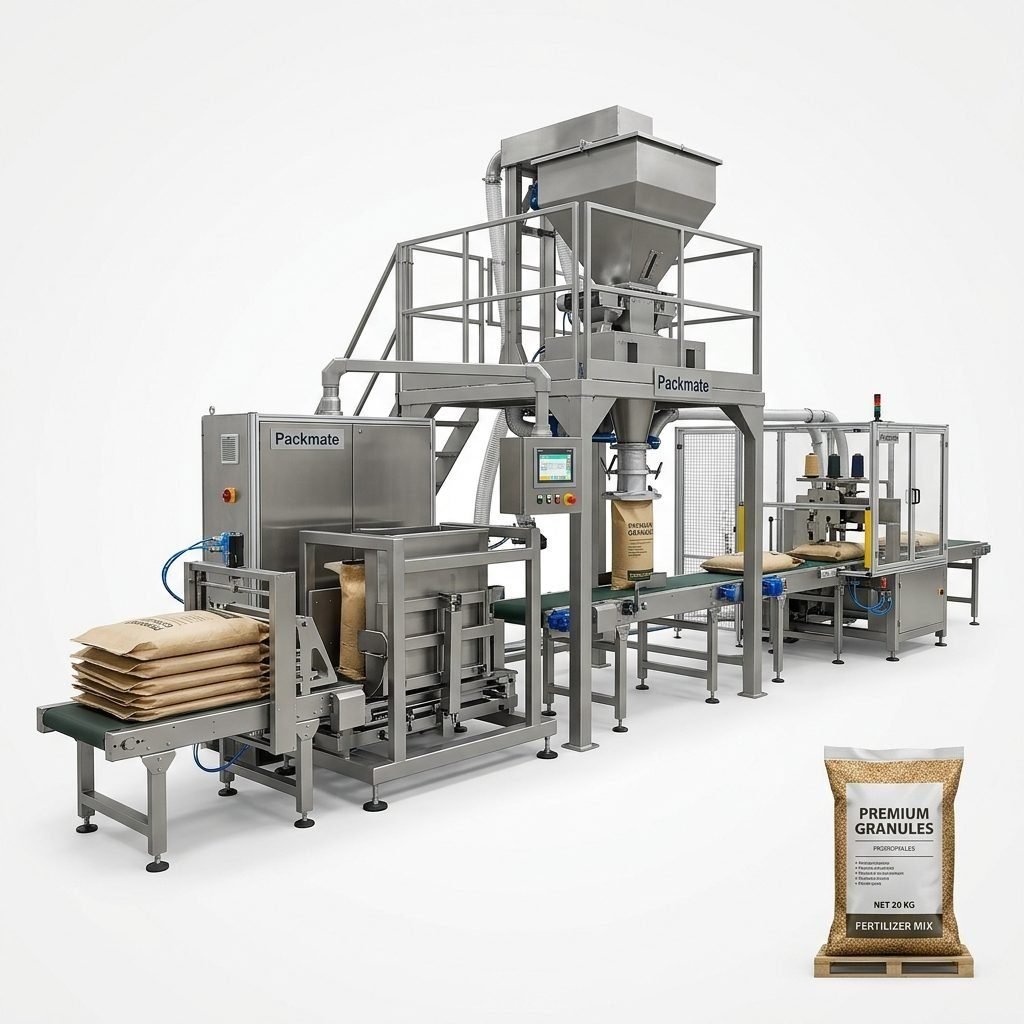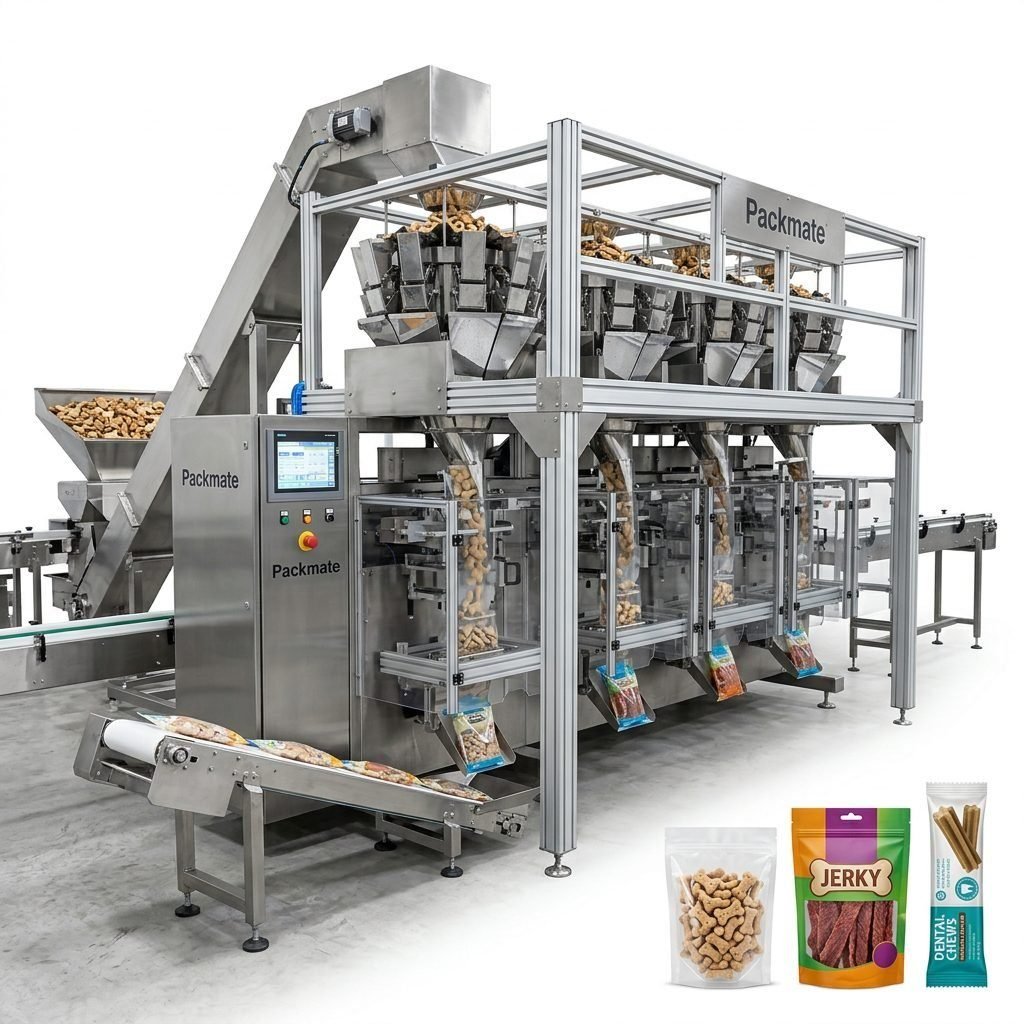
For manufacturers and business owners in Myanmar, sourcing reliable packaging machinery is a critical step toward improving production efficiency, reducing labor costs, and ensuring product consistency. The local market has seen a growing demand for automated packaging solutions across sectors like food processing, pharmaceuticals, health supplements, and consumer goods. However, finding trustworthy manufacturers, especially for those new to importing machinery, can be challenging.
Understanding Myanmar’s Packaging Industry Needs
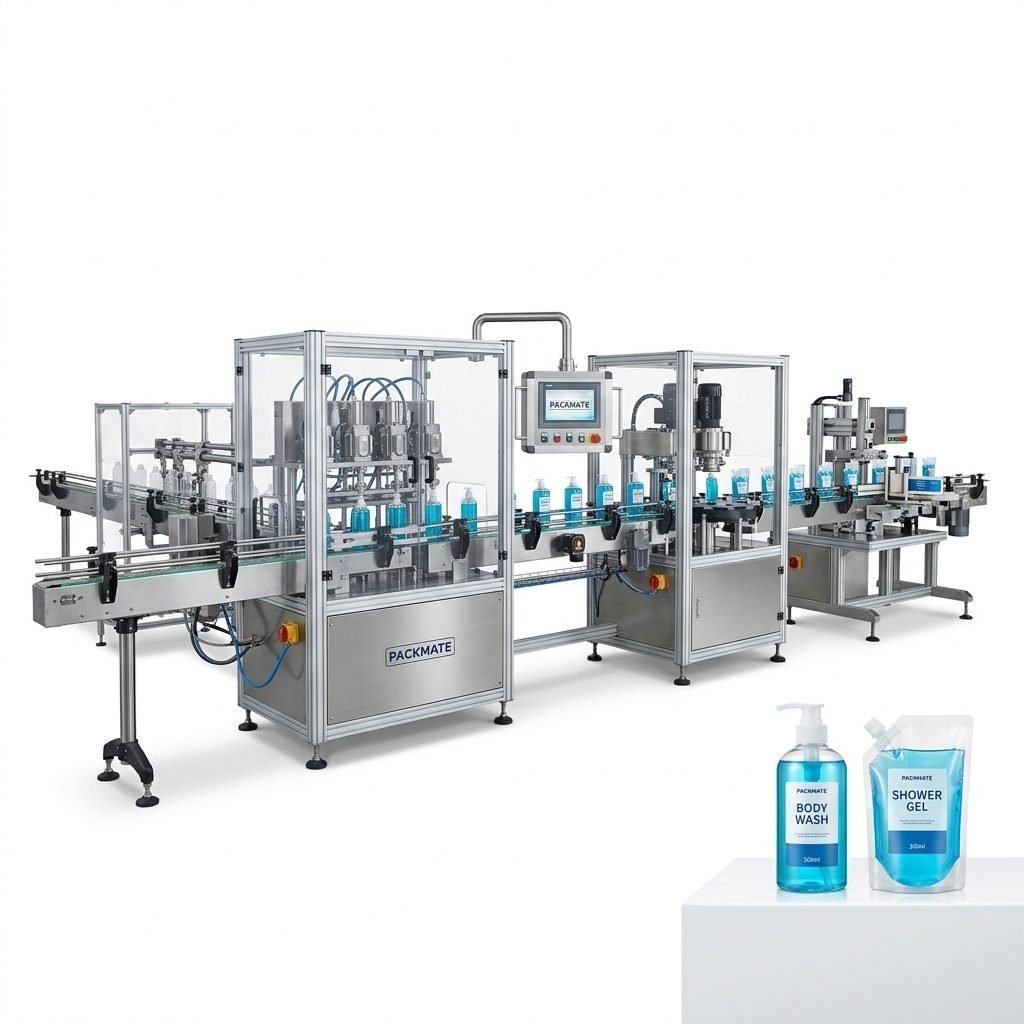
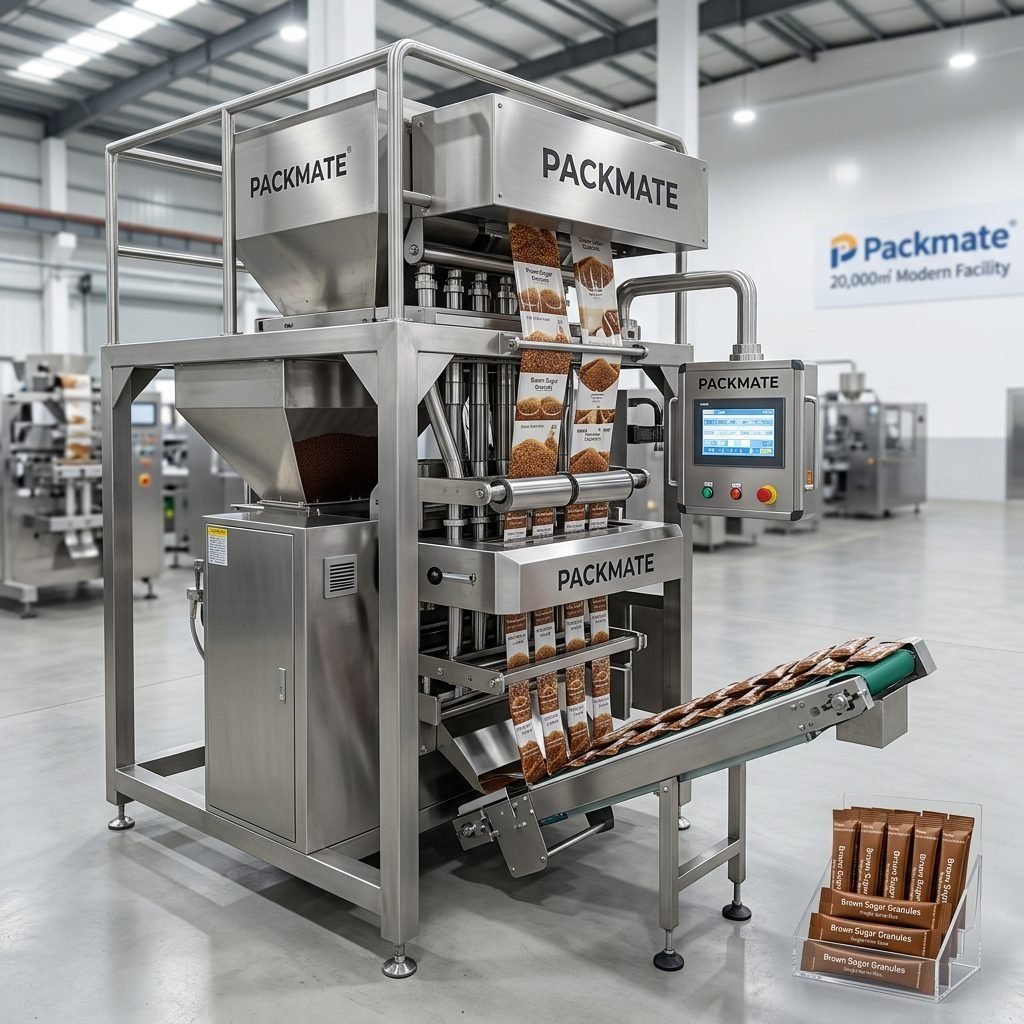
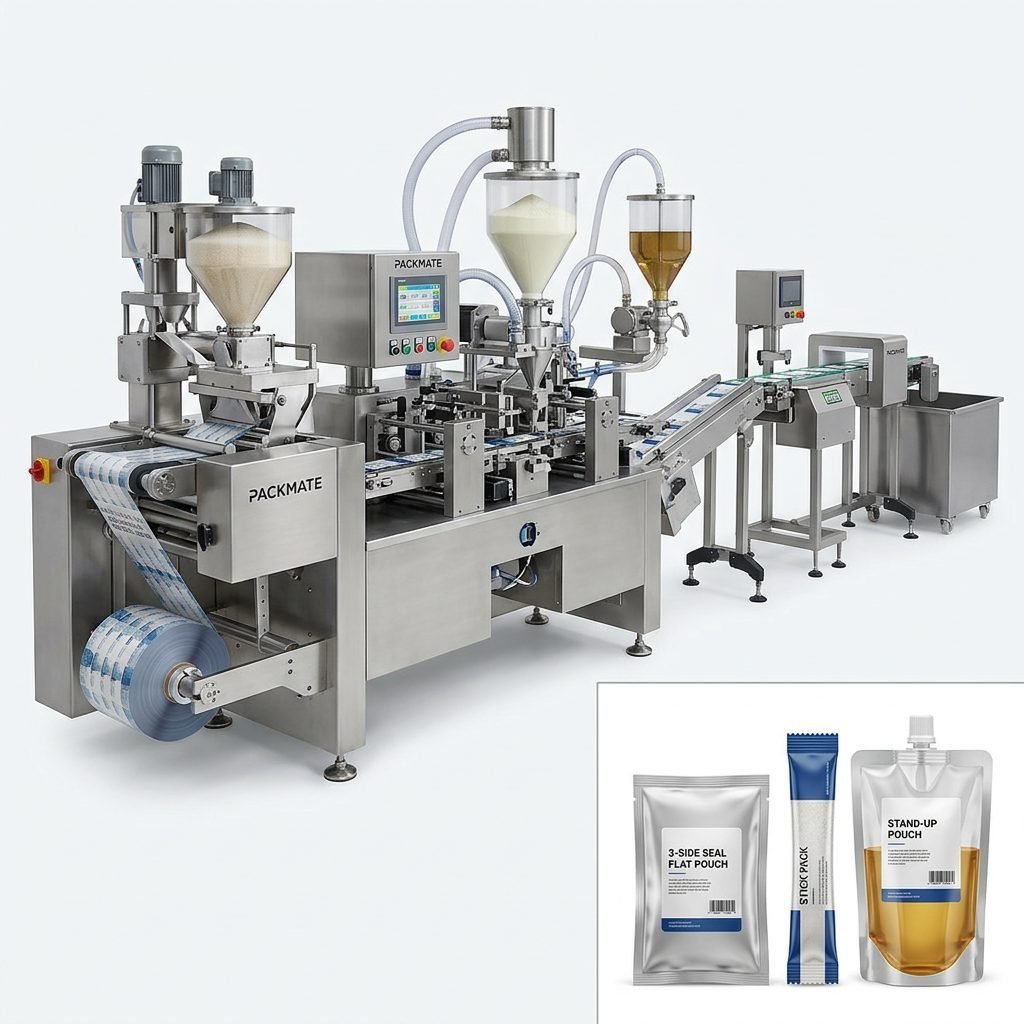
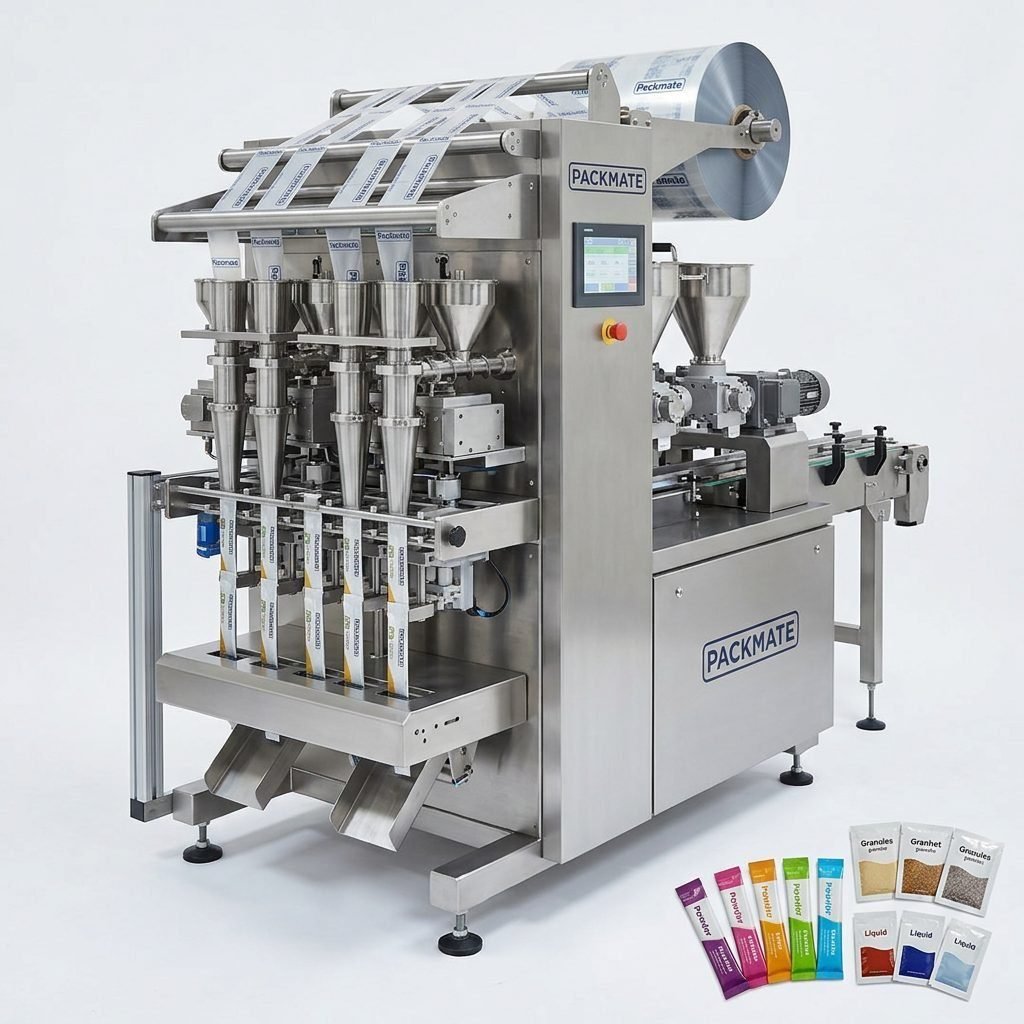
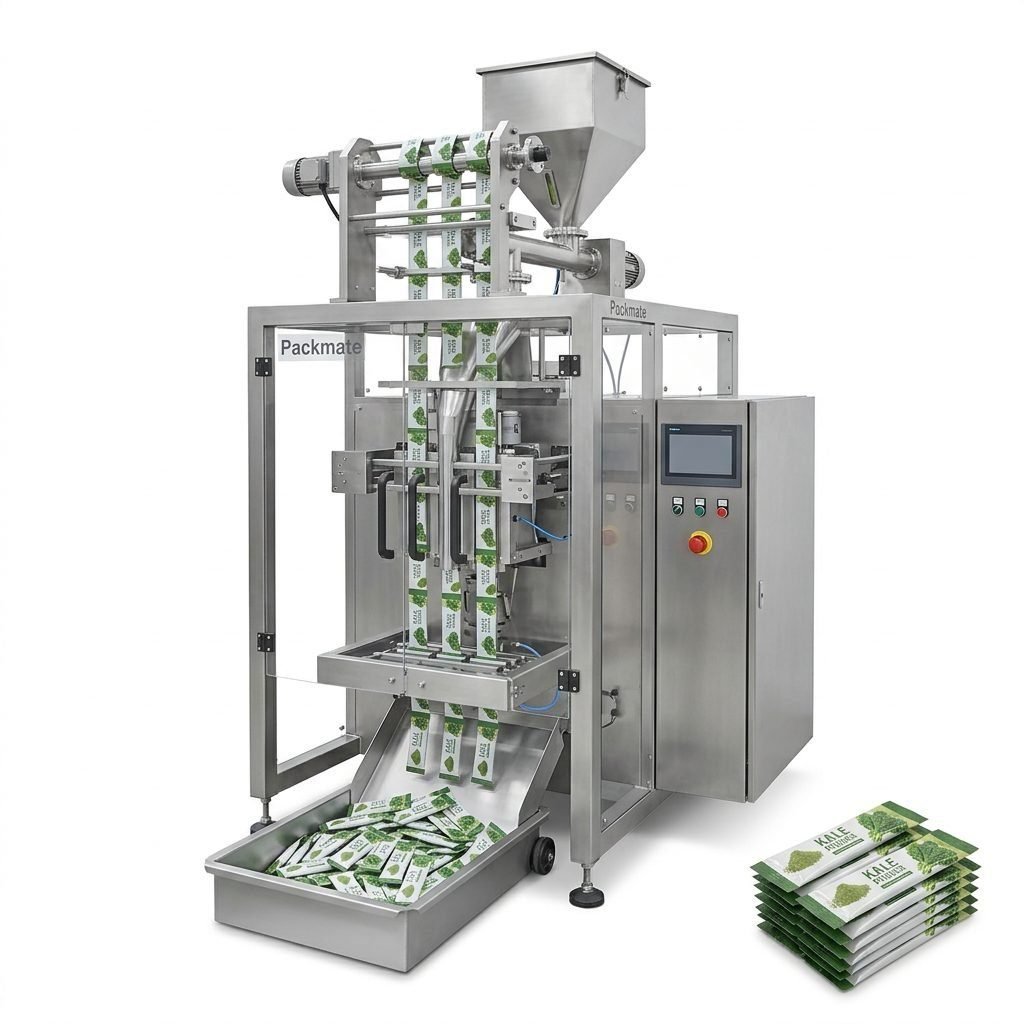
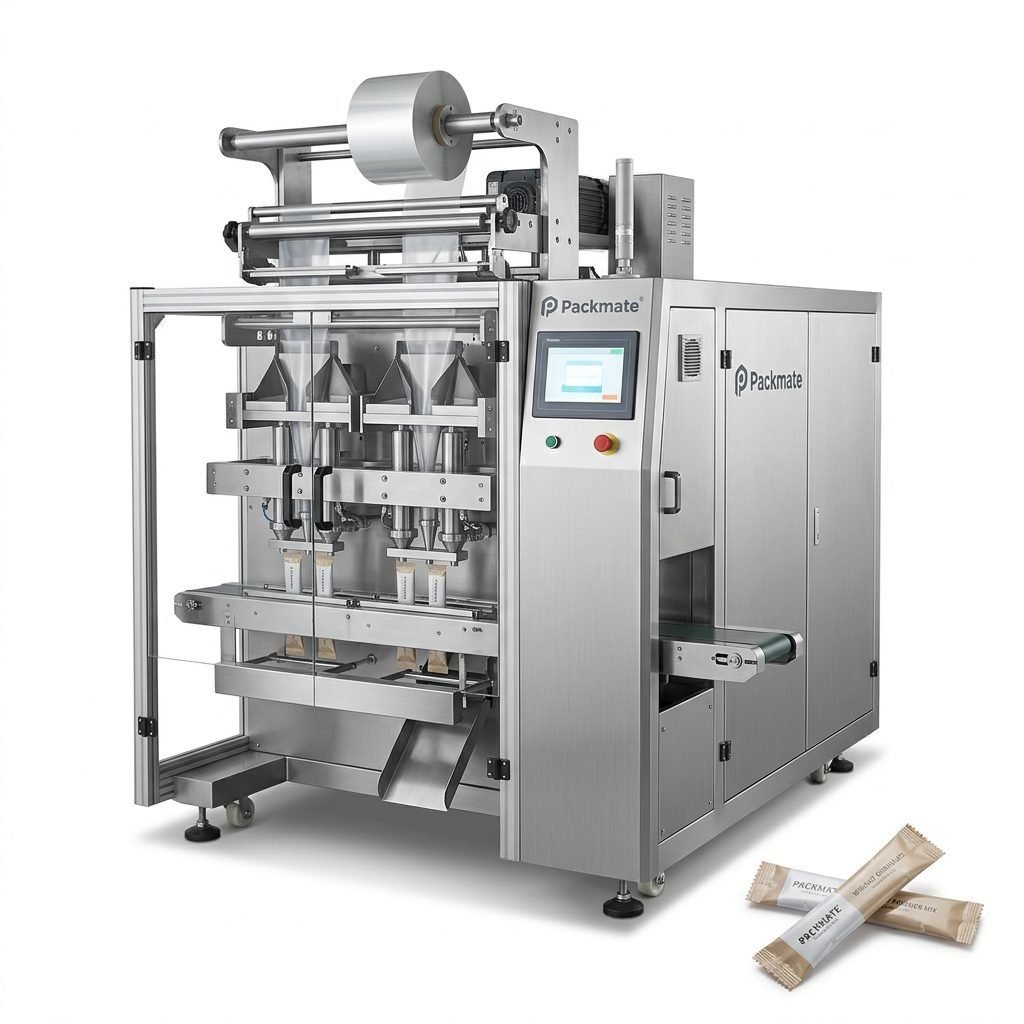
The packaging landscape in Myanmar is evolving. Many local manufacturers are transitioning from manual or semi-automatic processes to fully automated lines to meet rising domestic demand and export requirements. Common needs include machines for packaging granules (like coffee, spices, and pet food), powders (milk powder, seasoning, supplements), liquids (sauces, oils, sanitizers), and sachets or stick packs for single-serve products. Durability, ease of maintenance, and the ability to handle local power conditions are often top considerations for buyers in Myanmar.
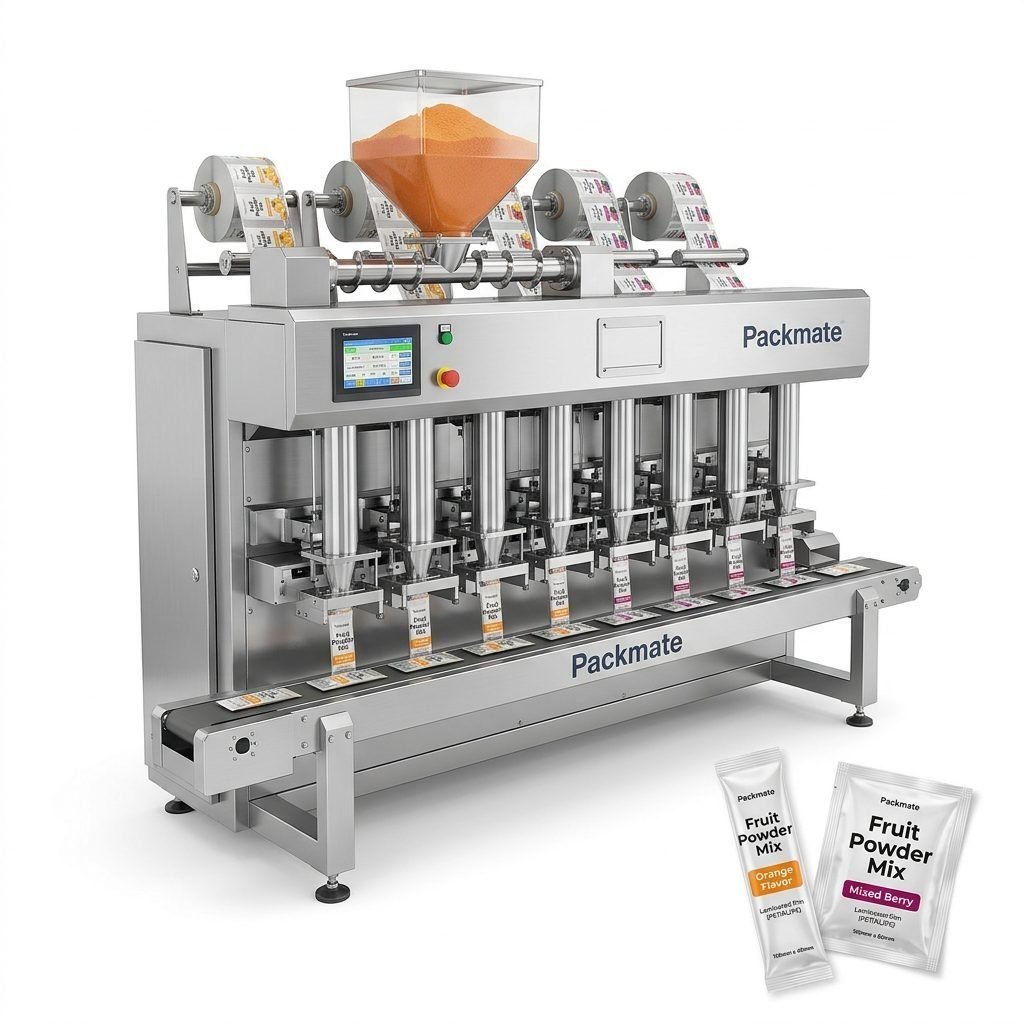
Step 1: Define Your Specific Packaging Requirements
Before starting your search, clearly outline your project needs. Consider the product type (granule, powder, liquid, paste), required output speed (bags per minute), bag type and size (stick pack, sachet, pillow bag), and the level of automation (standalone machine vs. complete turnkey line). Also, factor in your factory space, available utilities, and future scalability. Having detailed specifications will help you communicate effectively with potential suppliers and get accurate quotations.
Key questions to answer: What is your daily/weekly production volume? What packaging materials will you use? Do you need integration with existing equipment? What is your budget range for the machinery and technical support?
Step 2: Research Manufacturers with Export Experience to Southeast Asia
Focus your research on manufacturers with a proven track record of exporting to Southeast Asia, including Myanmar. Companies that understand regional market dynamics, shipping logistics, and common technical support challenges will be more reliable partners. Look for manufacturers with detailed English-language websites, clear product catalogs, and case studies or client references from similar markets.
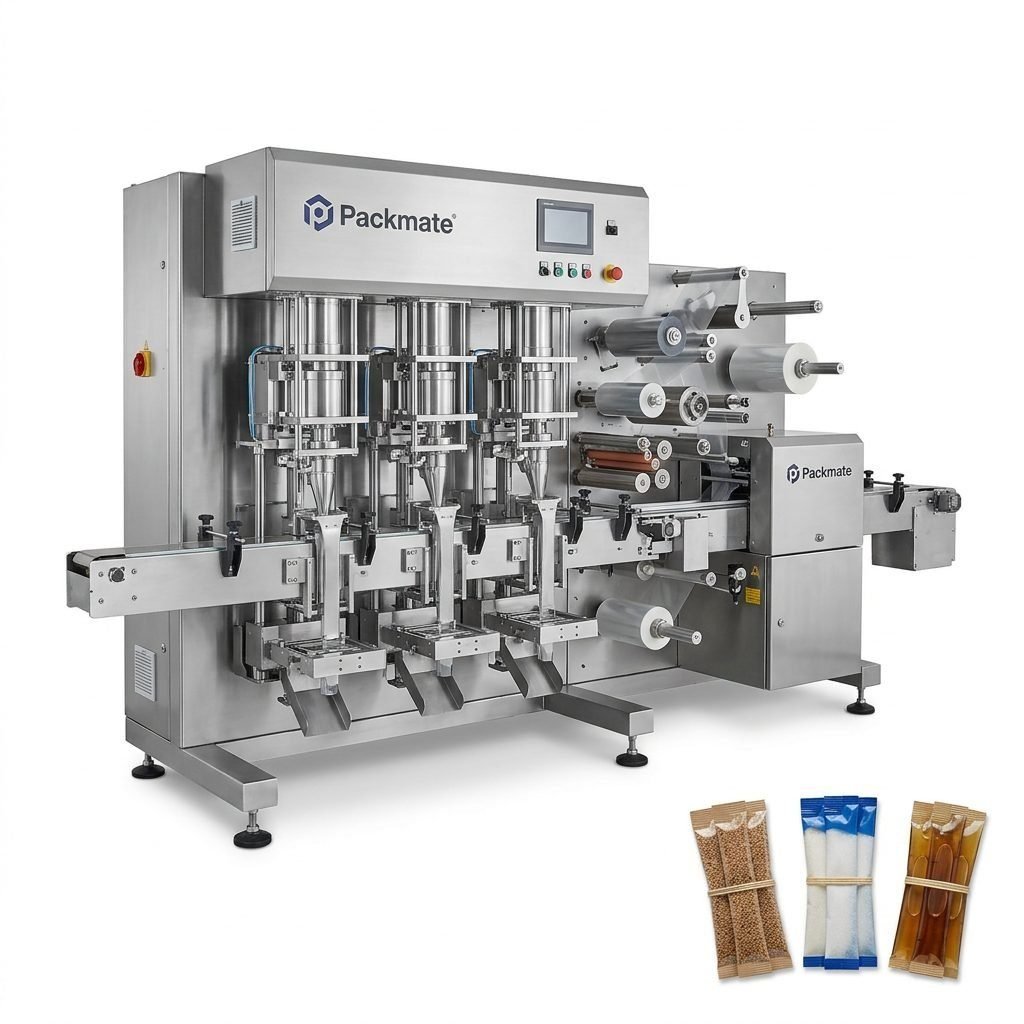
Several established Chinese manufacturers have strong export networks in Southeast Asia. For example, Ludyway, founded in 1993, exports to over 100 countries and has extensive experience with food and pharmaceutical packaging. Similarly, Packmate Machinery has more than 30 years of experience and serves markets including Europe, the Middle East, and Southeast Asia.
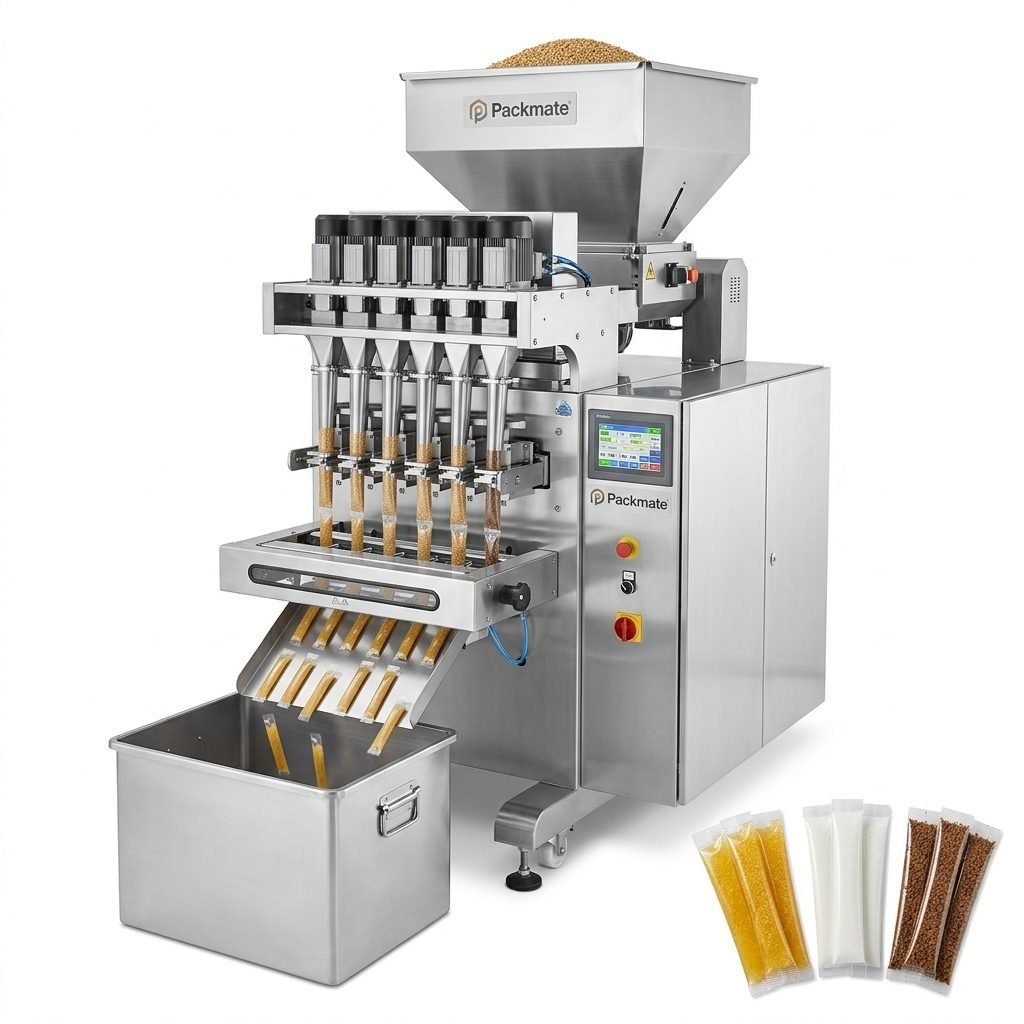
Step 3: Evaluate Technical Capability and Product Range
Assess the manufacturer’s technical strength. Do they offer machines that match your product format? A broad portfolio often indicates deeper engineering expertise. For instance, if you need a complete line for powder sachets, a supplier like PacklineOEM, which specializes in turnkey packaging production lines, might be suitable. If your needs are highly custom, a manufacturer focused on non-standard solutions, such as PackingMachineOEM, could be a better fit.
| Manufacturer Focus | Typical Strength | Suitable For Myanmar Projects Involving |
|---|---|---|
| Broad-range & Export-Oriented | Wide machine selection, international support | Food powders, pharmaceutical granules, liquid sachets |
| Turnkey Line Integration | Complete line design and engineering | New factory setup, high-volume powder & granule lines |
| Custom & Non-Standard Machines | Flexible engineering, OEM adaptation | Unique bag shapes, specialty products, material adaptation |
| Niche/Specialized Applications | Deep application knowledge | Nicotine pouches, snus, high-precision medical sachets |
Step 4: Verify Manufacturing and Quality Control Standards
Request information about the factory size, production processes, and quality control. Reputable manufacturers usually have modern facilities (e.g., 20,000 sq. meters or larger), in-house machining, and structured assembly lines. They should be able to provide documentation, such as quality inspection reports and standard operating procedures. A visit to the factory (or a virtual tour) is highly recommended to see the production environment firsthand.
Checklist for Factory Verification:
- Factory audit reports or certifications (if any)
- Photos/videos of the assembly workshop and testing area
- List of key components (e.g., PLC, servo motors, sensors) and their brands
- Description of the machine testing procedure before shipment
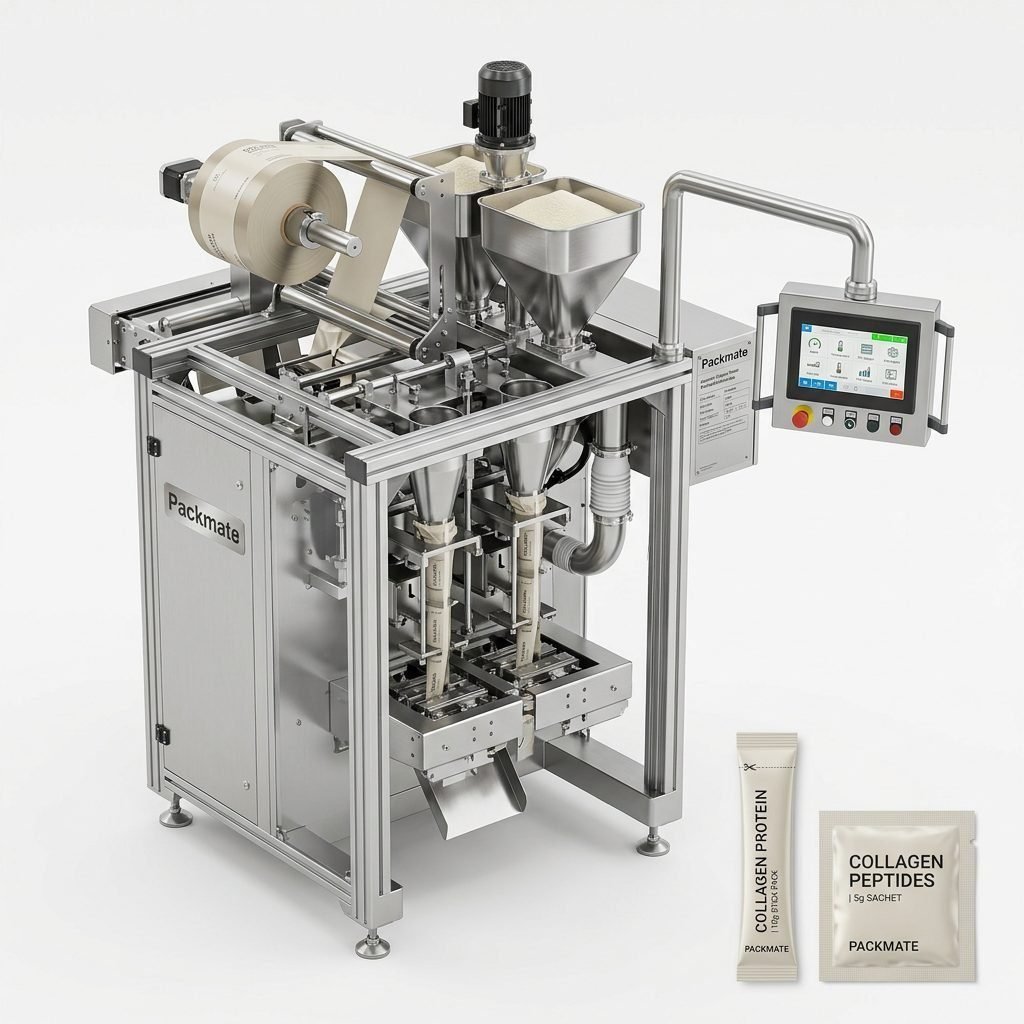
Step 5: Assess After-Sales Support and Local Service Availability
Strong after-sales support is crucial for successful operation in Myanmar. Inquire about the warranty period, availability of spare parts, and technical support channels. Does the manufacturer provide installation supervision, operator training, and remote troubleshooting? Some suppliers have service agents or partners in major Southeast Asian cities, which can significantly reduce downtime. For specialized equipment, such as nicotine pouch machines from SnusMachinery, ensure they have specific expertise and can offer application-specific guidance.
Step 6: Request Quotations and Compare Comprehensively
Contact 3-5 shortlisted manufacturers with your detailed specifications. A professional quotation should include the machine model, technical parameters, key component list, price, delivery time, payment terms, warranty details, and estimated shipping costs to Myanmar. Don’t choose based on price alone. Compare the overall value, which includes machine robustness, energy efficiency, ease of operation, and the supplier’s willingness to provide customization and long-term support.
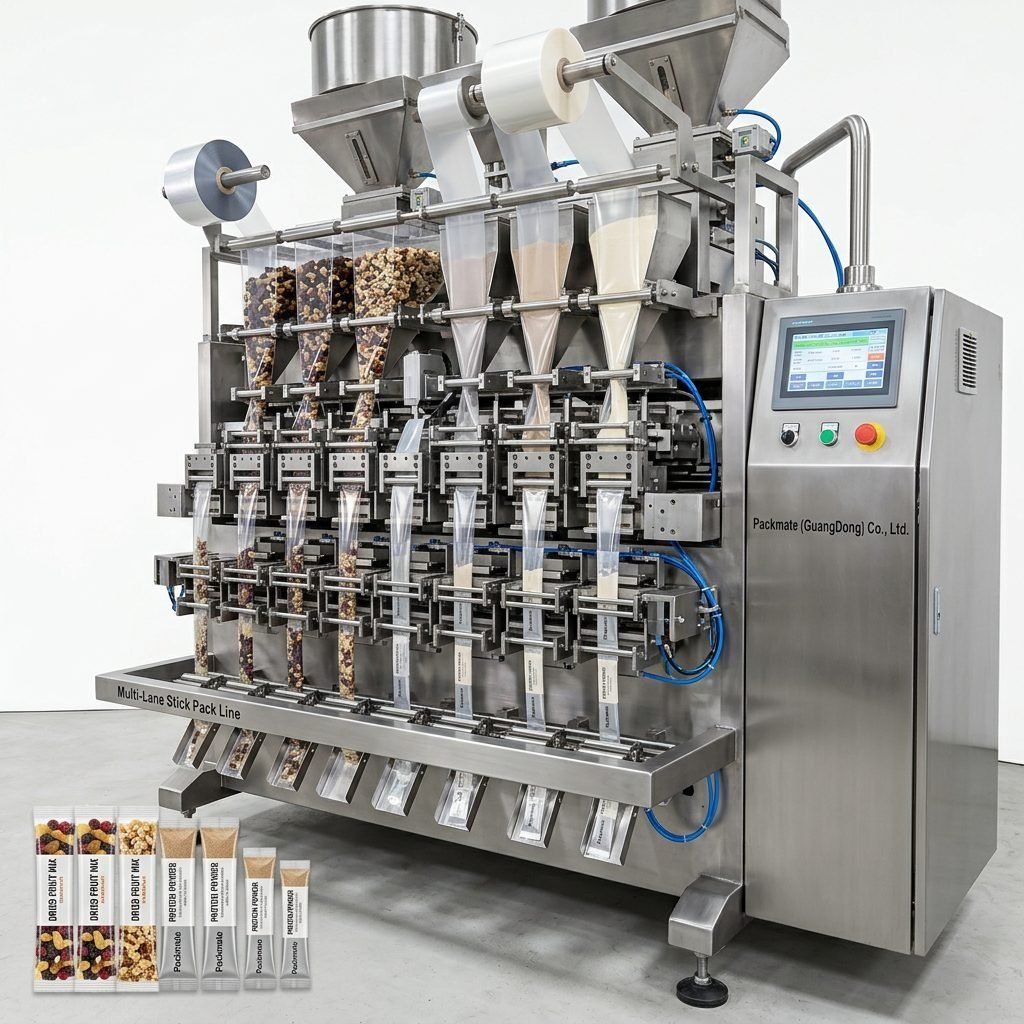
Step 7: Conduct Due Diligence and Check References
Before finalizing a deal, conduct due diligence. Ask for references from existing clients, preferably those in Southeast Asia or with similar products. Contact these references to ask about machine performance, reliability, after-sales service responsiveness, and any challenges they faced. You can also check the company’s business license, export history, and online reputation through industry forums or B2B platforms.
Common Questions When Sourcing Packaging Machines for Myanmar
Q: What are the typical lead times for delivery to Myanmar?
A: Lead times vary based on machine complexity. Standard models may ship in 30-45 days after order confirmation, while custom or complete lines can take 60-90 days. Always factor in sea freight time from the supplier’s port to Yangon.
Q: How can we handle machine installation if the manufacturer cannot send an engineer?
A: Many reputable suppliers offer detailed installation manuals, video guides, and remote video support. Some can recommend third-party technicians in the region. Clarify this during negotiations and ensure comprehensive training is provided.
Q: Are there import duties or certifications required for packaging machinery in Myanmar?
A: Yes, importing machinery involves customs duties and may require specific certifications. It’s advisable to consult with a local customs broker or import agent to understand the latest regulations, applicable taxes, and any required documentation from the supplier.
Q: What is the best way to ensure the machine suits our local packaging materials?
A: Provide material samples (films, laminates) to the manufacturer for testing before purchase. A reliable supplier will run tests to adjust sealing parameters, feeding systems, and other settings to ensure compatibility with your specific materials.