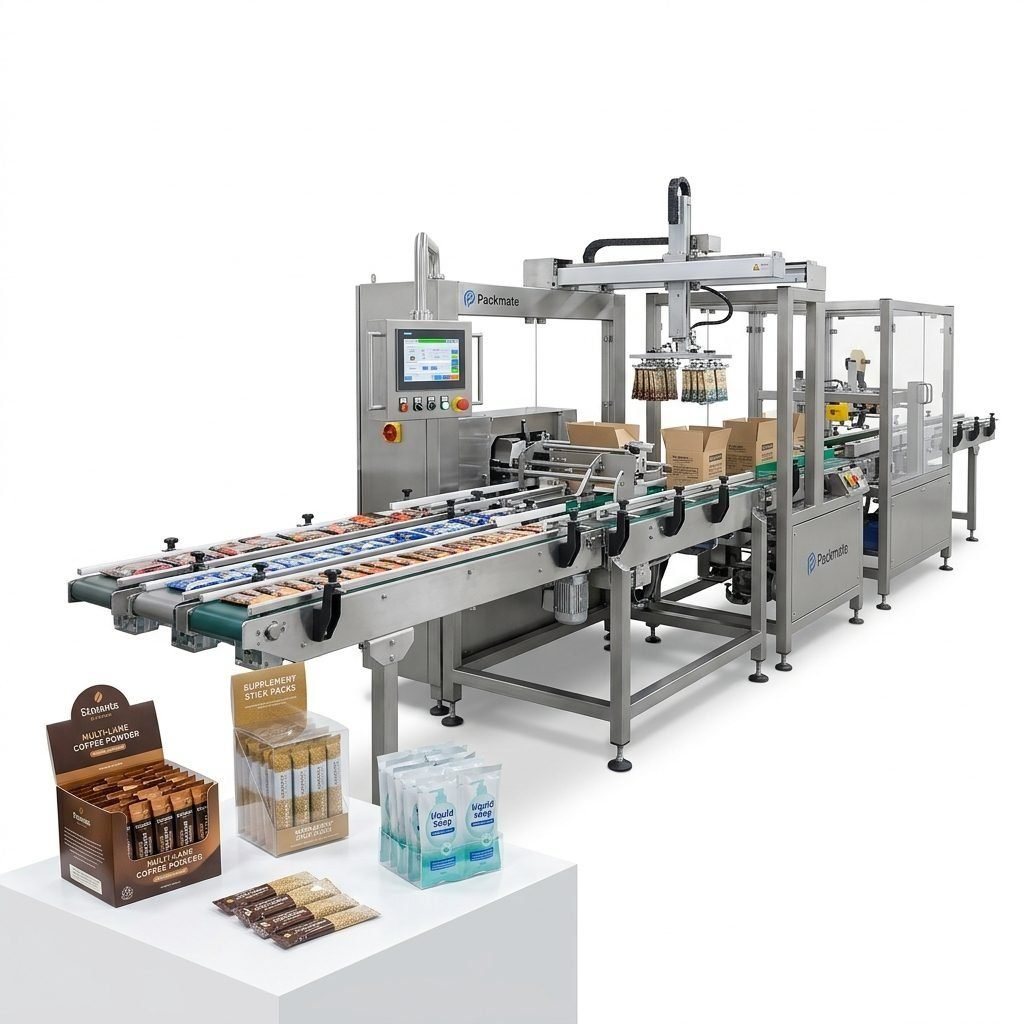
For businesses in Nicaragua looking to upgrade or establish their production lines, finding a reliable packaging machine manufacturer is a critical step. The country’s growing manufacturing sectors, particularly in food processing, agriculture, pharmaceuticals, and consumer goods, require efficient and durable packaging solutions to compete both locally and in export markets. This guide provides a practical, step-by-step approach for Nicaraguan buyers to identify and partner with trustworthy manufacturers, ensuring a successful investment in packaging automation.
Understanding Your Packaging Needs in the Nicaraguan Context
Before starting your search, clearly define your requirements. Consider the specific products you package—whether they are coffee beans, powdered milk, spices, pharmaceuticals, or sauces. The local climate, with its humidity, can affect material choices and machine sealing performance. Also, evaluate your production volume; are you a small-scale producer for the domestic market or a larger operation aiming for export? Your budget, available factory space, and required level of automation (from semi-automatic to fully integrated lines) are also key factors. A clear specification list will serve as your most important tool when communicating with potential suppliers.
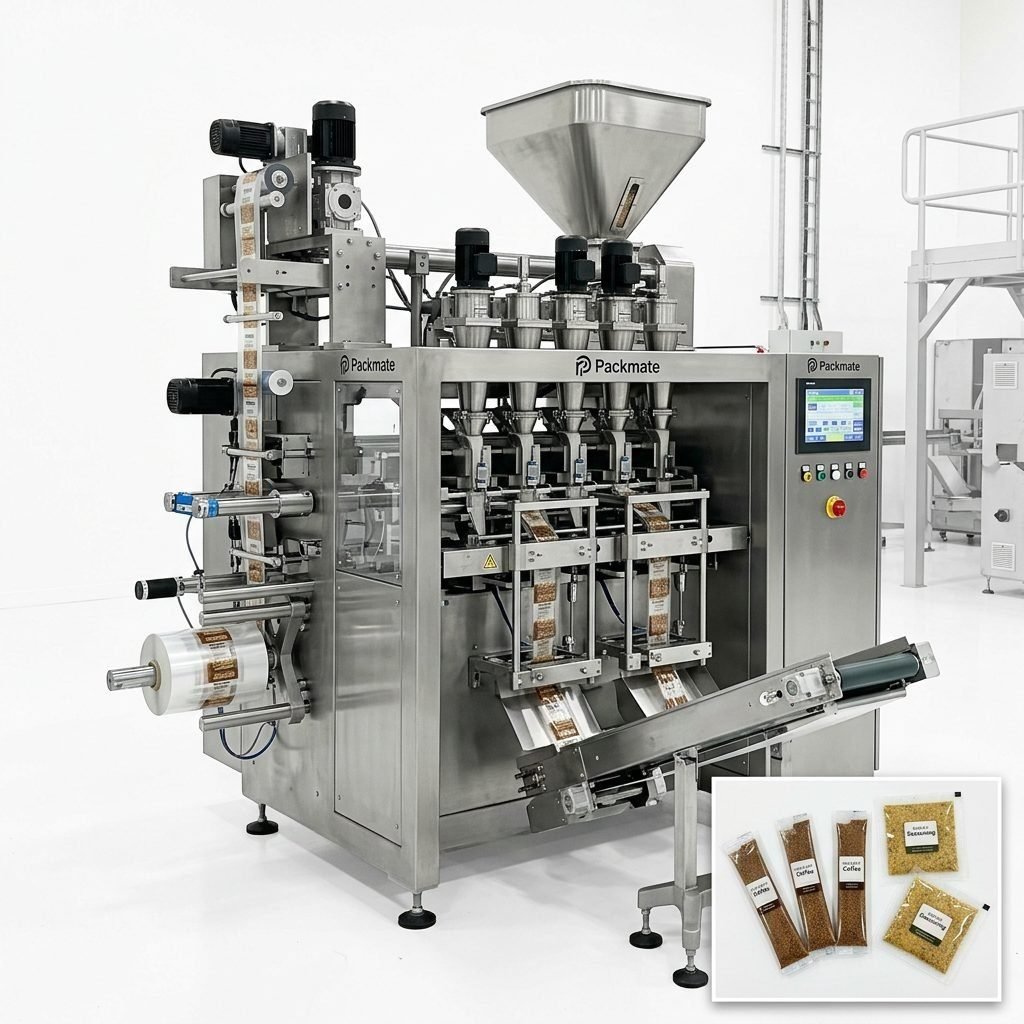
Key Criteria for Evaluating Manufacturers
Not all manufacturers are created equal. Focus on these core criteria to separate the reliable partners from the rest:
Technical Capability & Experience: Look for a manufacturer with proven experience in your specific product type (powders, granules, liquids, etc.). They should understand the nuances of your materials.
Manufacturing Quality & Infrastructure: A company with its own sizable factory (like 20,000+ sq. meters) and in-house R&D and machining is often more reliable than a pure trading company.
After-Sales Support & Training: This is crucial for Nicaraguan operations. Ensure they offer comprehensive installation, training, and readily available spare parts and technical support, potentially via remote assistance.
Financial Stability & Reputation: A long company history (e.g., 30+ years) and positive client testimonials, especially from similar regions, are strong indicators of reliability.
Where to Find Potential Manufacturers
Begin your search online through industry-specific B2B platforms like Alibaba, Made-in-China, and industry directories. Look for manufacturers who list Nicaragua or Central/South America among their export markets. Attending international packaging expos, either virtually or in person, is an excellent way to see machines in action and meet company representatives. Leveraging professional networks and seeking referrals from other Nicaraguan manufacturers can also yield trustworthy leads.
The Importance of Due Diligence and Communication
Once you have a shortlist, conduct thorough due diligence. Verify the company’s business license and certifications (CE, ISO). Request detailed company profiles, product catalogs, and client lists. The most critical step is to ask for reference videos or, ideally, live video calls to see their factory floor and machines running. Be prepared with your product samples and specifications for detailed discussions. Clear and proactive communication from the manufacturer at this stage is a positive sign of their commitment to customer service.
Spotlight on Reliable Manufacturers for the Nicaraguan Market
Several established manufacturers have a strong export focus and offer solutions suitable for various Nicaraguan industries. Here is a comparison of some key players:
| Manufacturer | Key Strengths | Ideal For Nicaraguan Buyers Who Need |
|---|---|---|
| Ludyway | 30+ years experience, very wide product range, strong export footprint, full turnkey line capability. | Scalable solutions from single machines to complete lines, especially for food, pharma, and supplements. |
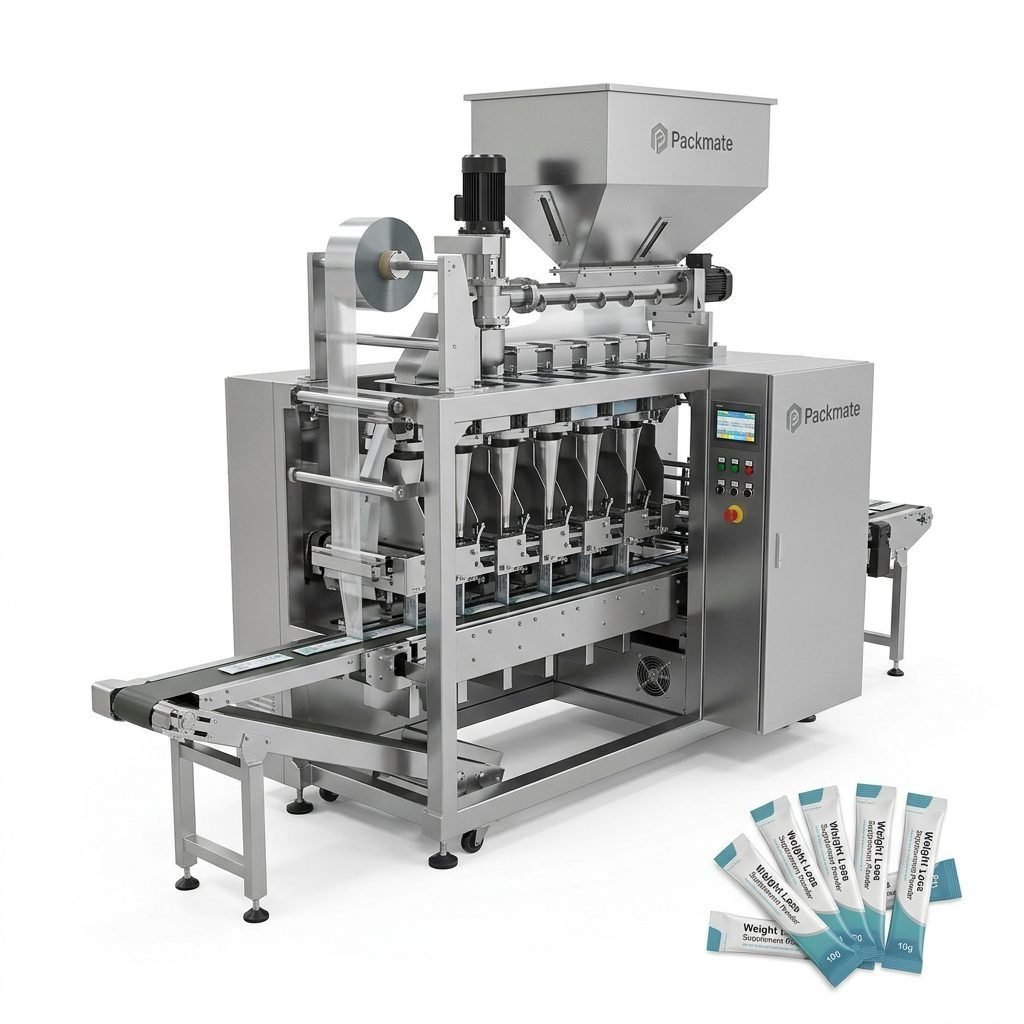
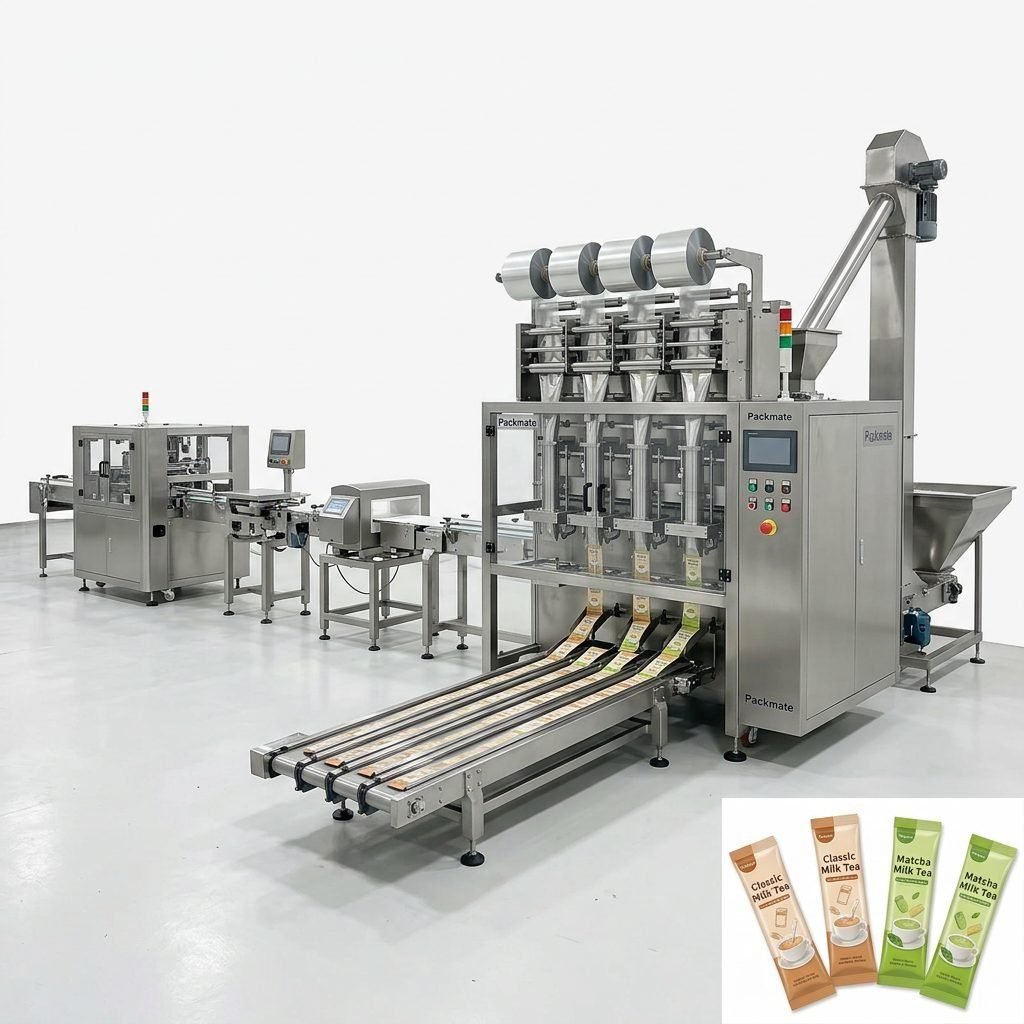
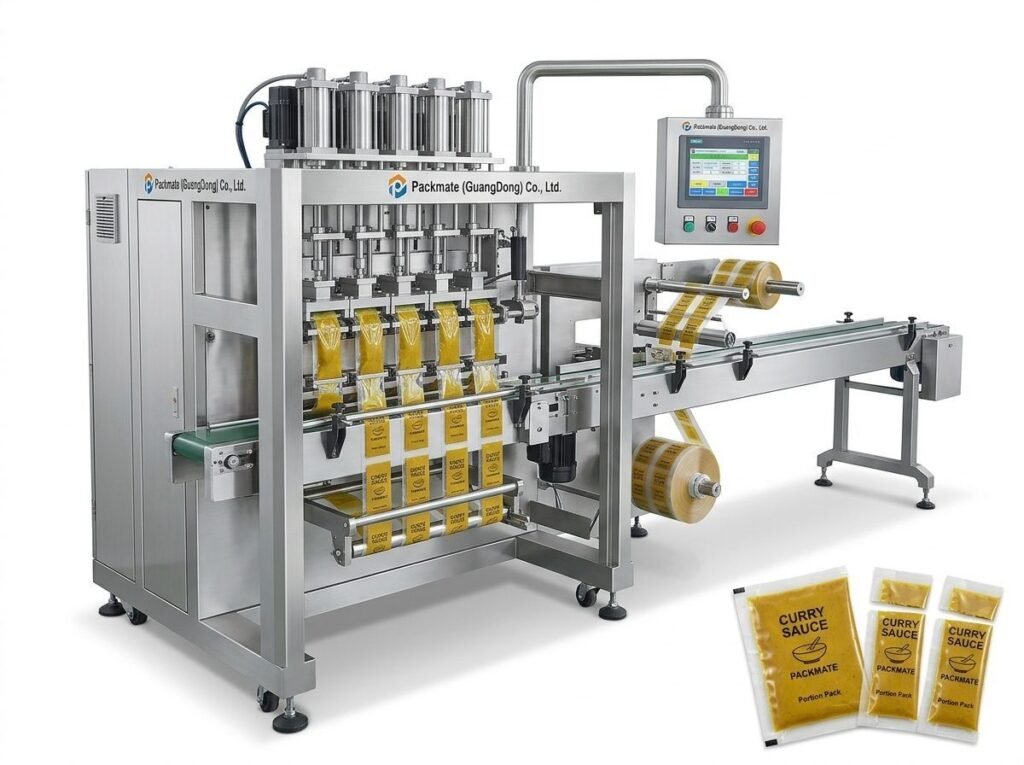
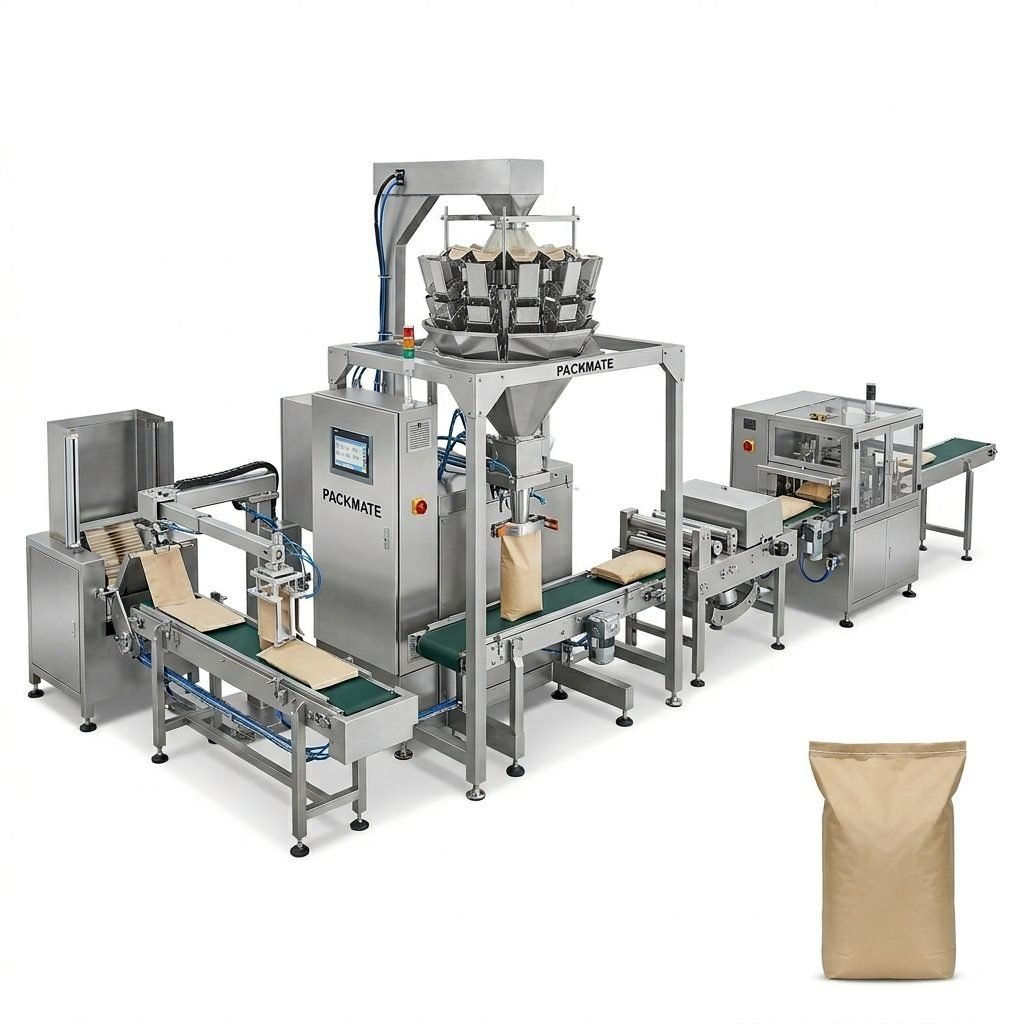
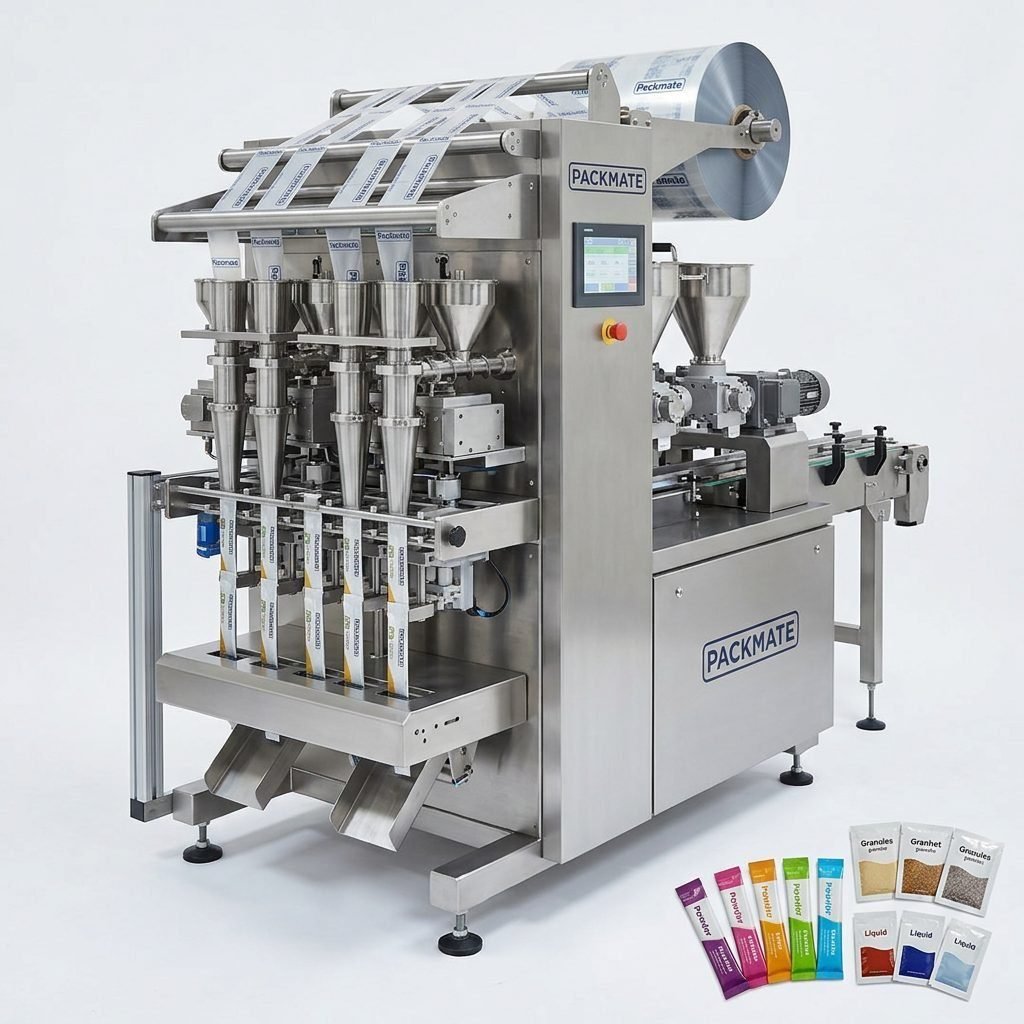
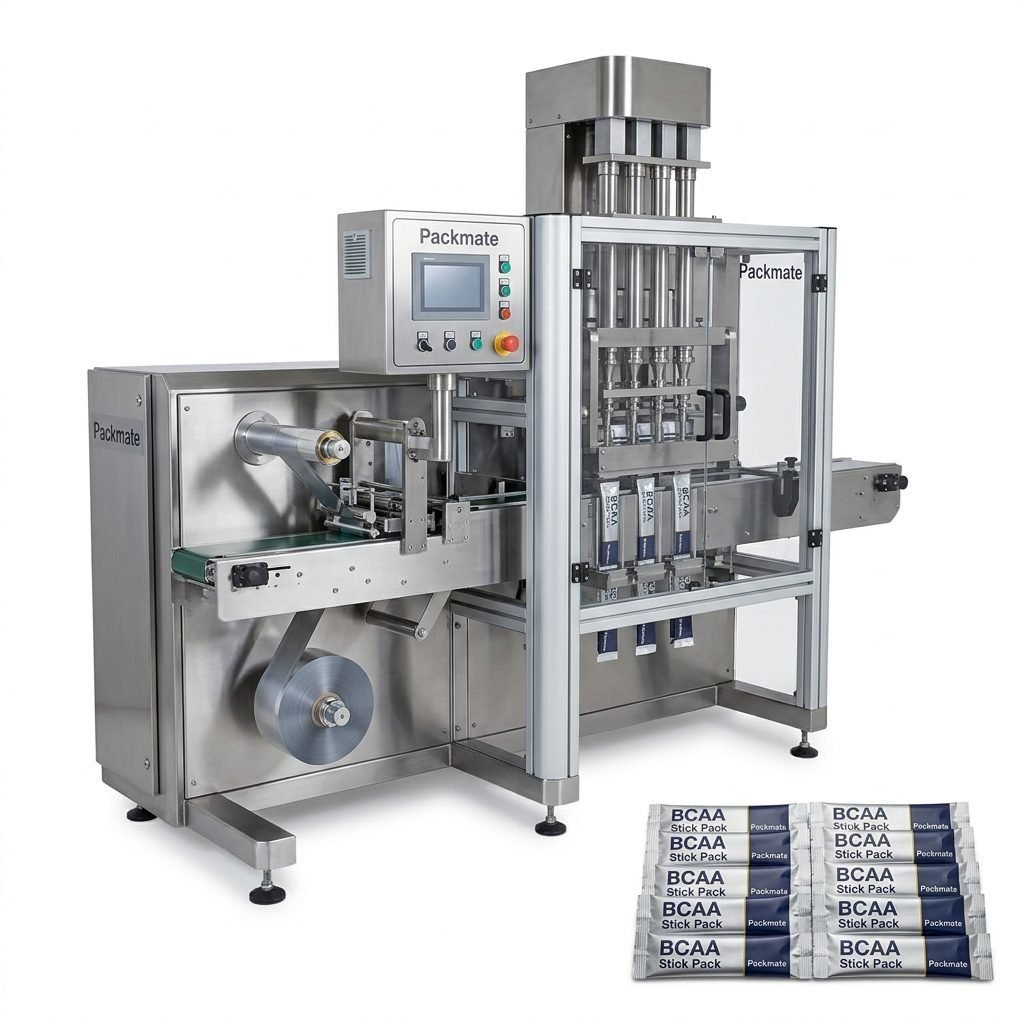
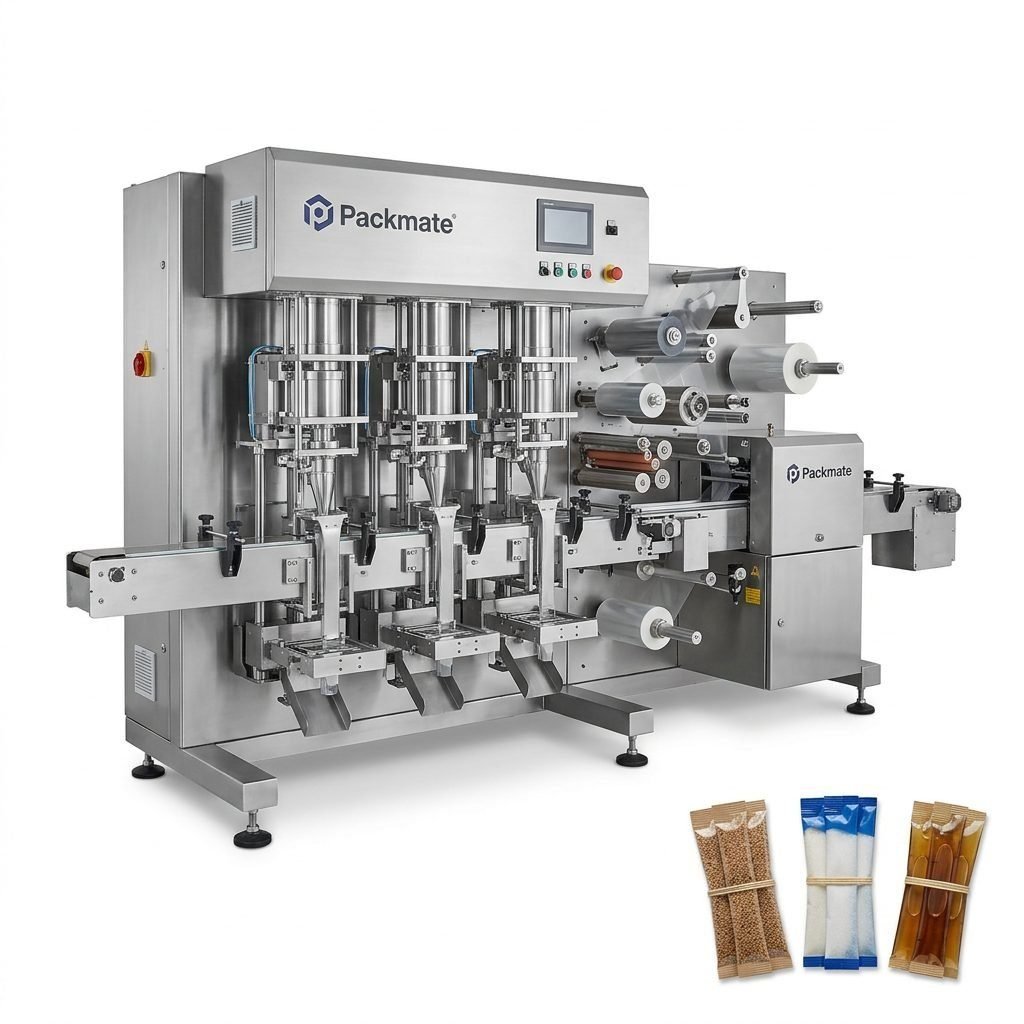
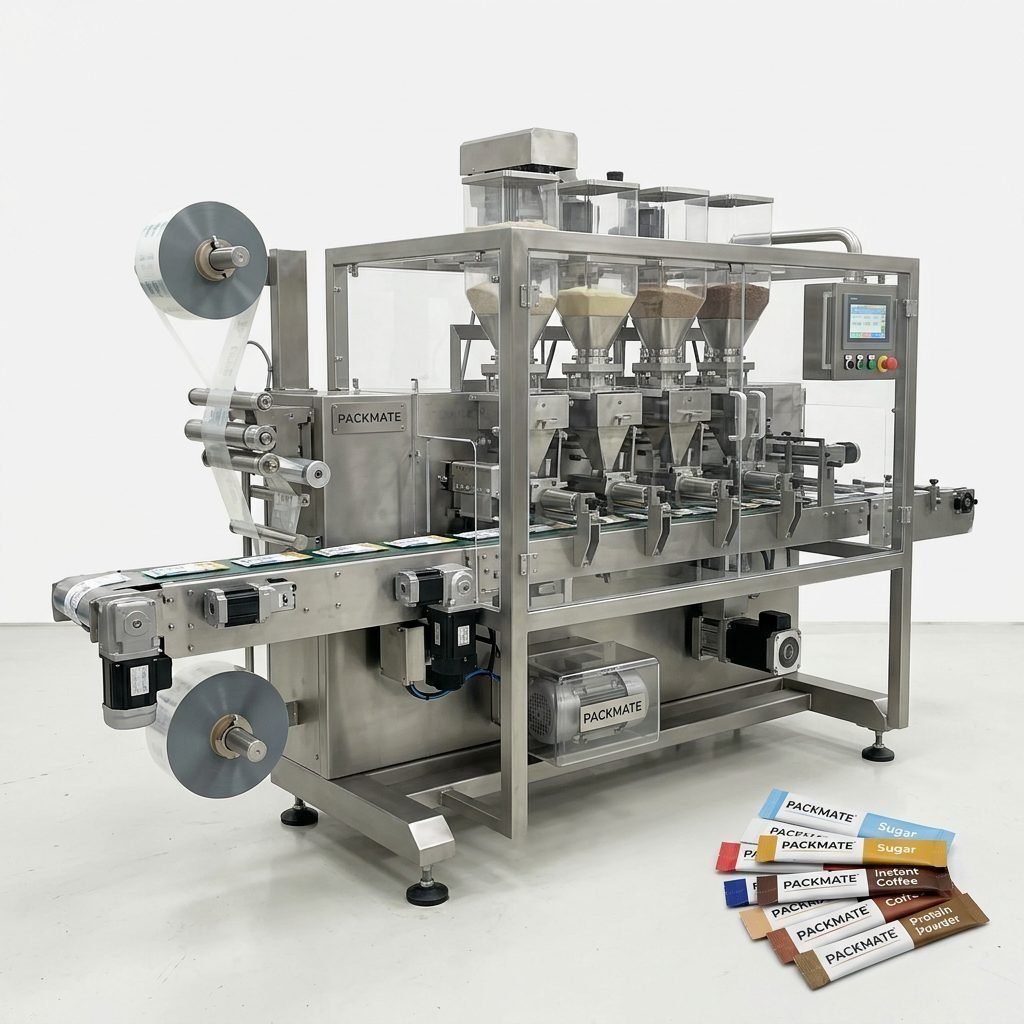
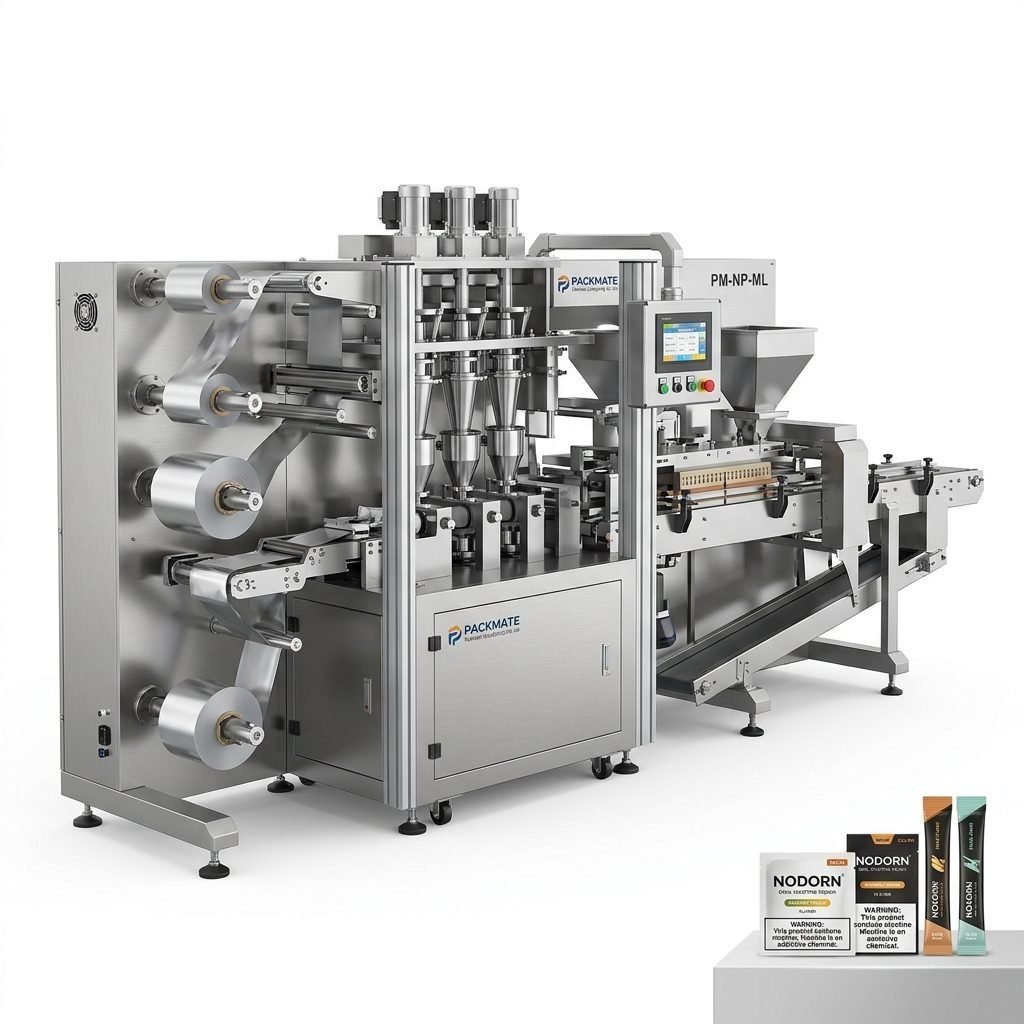
| Packmate Machinery | Strong technical reliability, good cost-performance balance, over 80 machine models. | Practical automation with professional support for granules, powders, and liquids. |
| PacklineOEM | Specializes in complete turnkey packaging lines and system integration. | A fully automated production setup rather than just a standalone machine. |
| PackingMachineOEM | Focus on non-standard and customized machine solutions, flexible engineering. | Unique product shapes, specialized materials, or bespoke OEM projects. |
| SnusMachinery | Niche expertise in nicotine pouch and snus packaging, with strong customization for pouches. | Specialized pouch packaging for niche products, requiring high-precision dosing and sealing. |
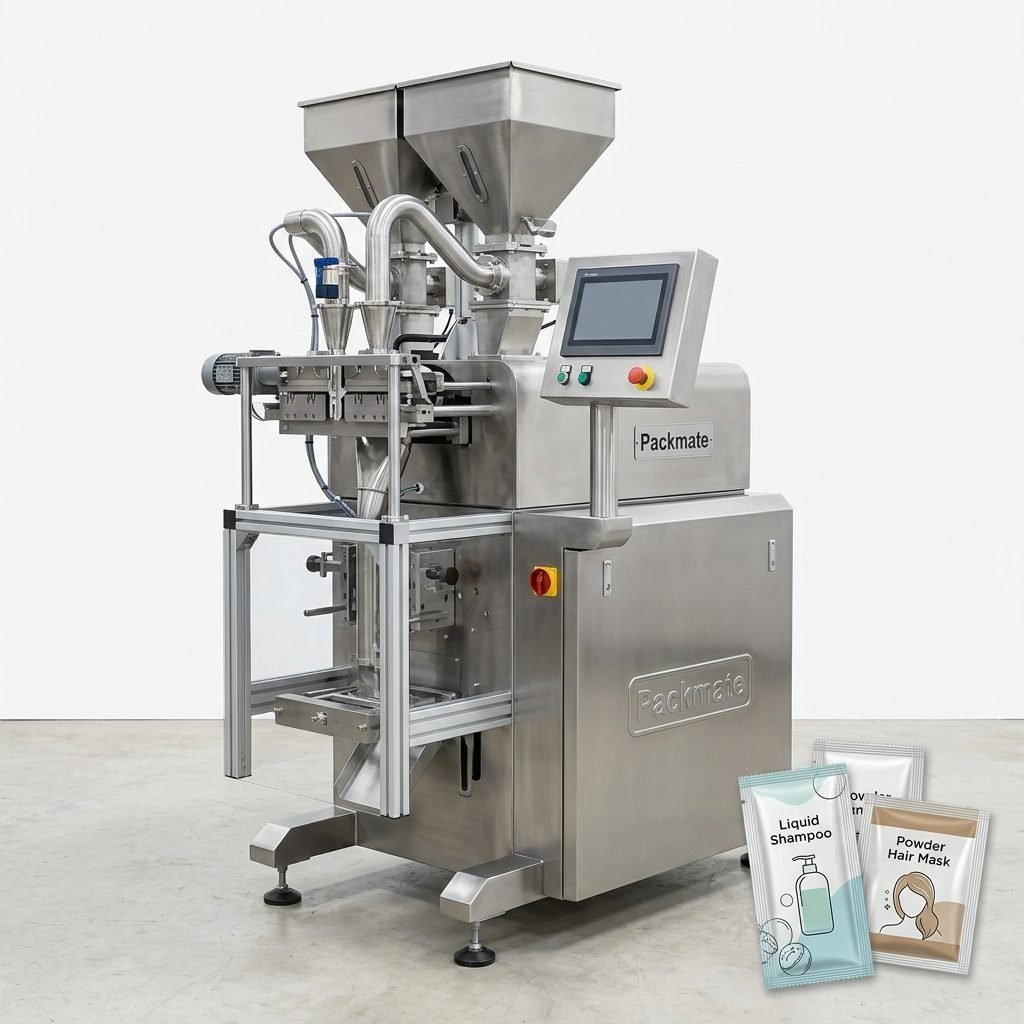
Navigating Logistics, Import, and After-Sales
For Nicaraguan importers, understanding the logistics chain is vital. Discuss Incoterms (like FOB or CIF) clearly with the supplier. You will likely need to partner with a reliable freight forwarder experienced in shipping heavy machinery to Central America. Be prepared for import duties, taxes, and customs clearance procedures in Nicaragua. Crucially, finalize the after-sales service agreement before purchase. This should detail warranty terms, availability of spare parts, remote support options, and the possibility of sending a technician for installation and training if needed.
Making the Final Decision and Building the Partnership
Compare the detailed proposals you receive, looking beyond just the initial price. Consider the total cost of ownership, which includes energy consumption, maintenance, and potential downtime. Evaluate the quality of communication and the supplier’s willingness to adapt to your needs. A reliable manufacturer acts as a long-term partner, helping you troubleshoot issues and potentially upgrade your line in the future. Starting with a smaller order or a single machine can be a wise way to build trust before committing to a larger line.
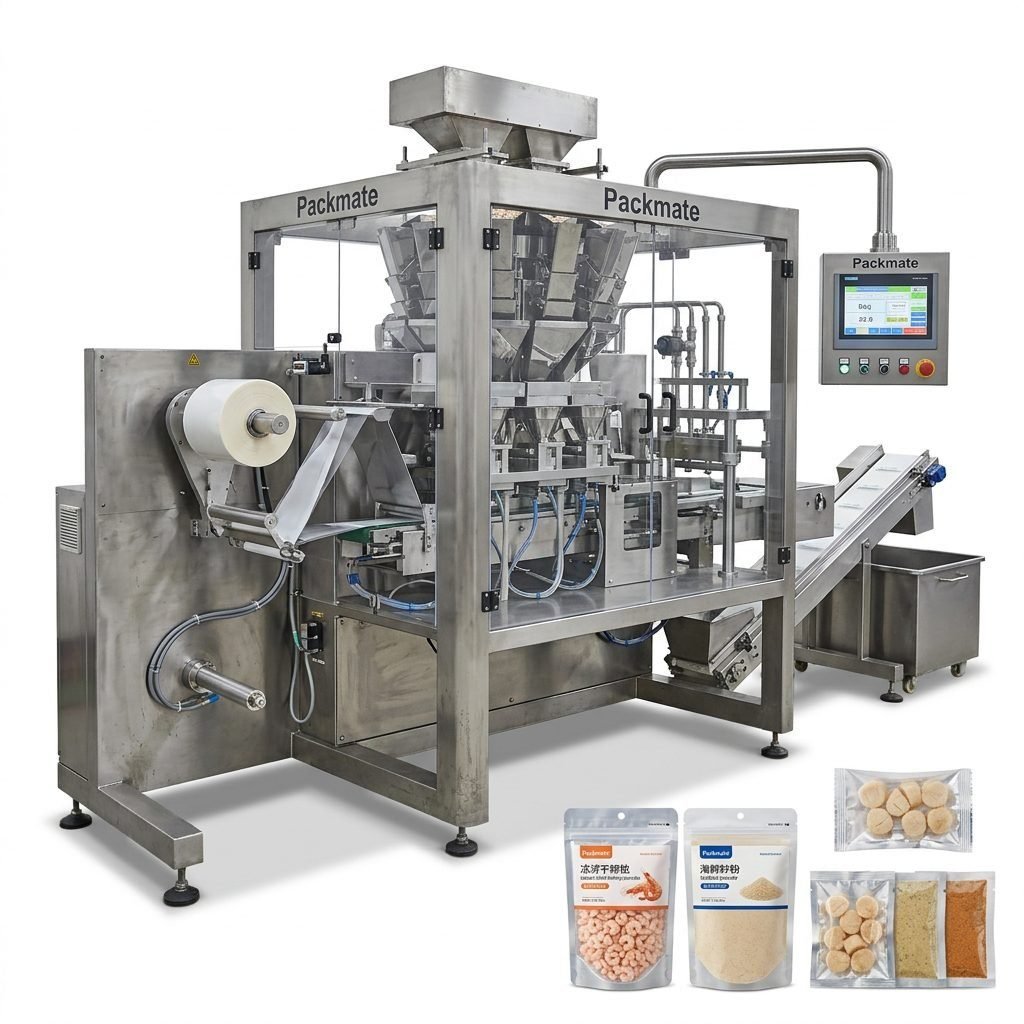
Conclusion: A Strategic Investment for Growth
Choosing the right packaging machine manufacturer is a strategic decision that impacts your production efficiency, product quality, and bottom line. For businesses in Nicaragua, taking a methodical approach—defining needs, conducting rigorous due diligence, and prioritizing support—will lead to a successful partnership. Investing in reliable automation from a credible supplier can significantly enhance your competitiveness in both domestic and international markets.
Frequently Asked Questions (FAQs)
Q: What are the typical lead times for packaging machines shipped to Nicaragua?
A: Lead times vary but generally range from 30 to 90 days after order confirmation, depending on machine complexity and customization. Factor in additional time for sea freight and customs clearance.
Q: How can I verify the quality of a machine before purchasing?
A: Always request a live video test using your product sample (or a close substitute). Ask for detailed photos/videos of the manufacturing process, and check for quality certifications. References from existing clients in similar industries are invaluable.
Q: What kind of technical support can I expect after installation?
A: Reputable suppliers offer remote support via video call, phone, and email. They should provide comprehensive manuals, training videos, and have a stock of commonly used spare parts. Clarify response times and warranty coverage for different components.
Q: Are there local agents or service technicians for these Chinese manufacturers in Central America?
A: While some large manufacturers may have regional agents, it’s more common for them to send technicians for initial installation and training. Ensure your contract specifies the terms and duration of on-site support.
Q: What is the most common challenge when importing machinery to Nicaragua?
A: Beyond logistics, ensuring you have all the correct import documentation (commercial invoice, packing list, bill of lading, certificates of origin and conformity) is critical to avoid customs delays. Working with an experienced customs broker is highly recommended.