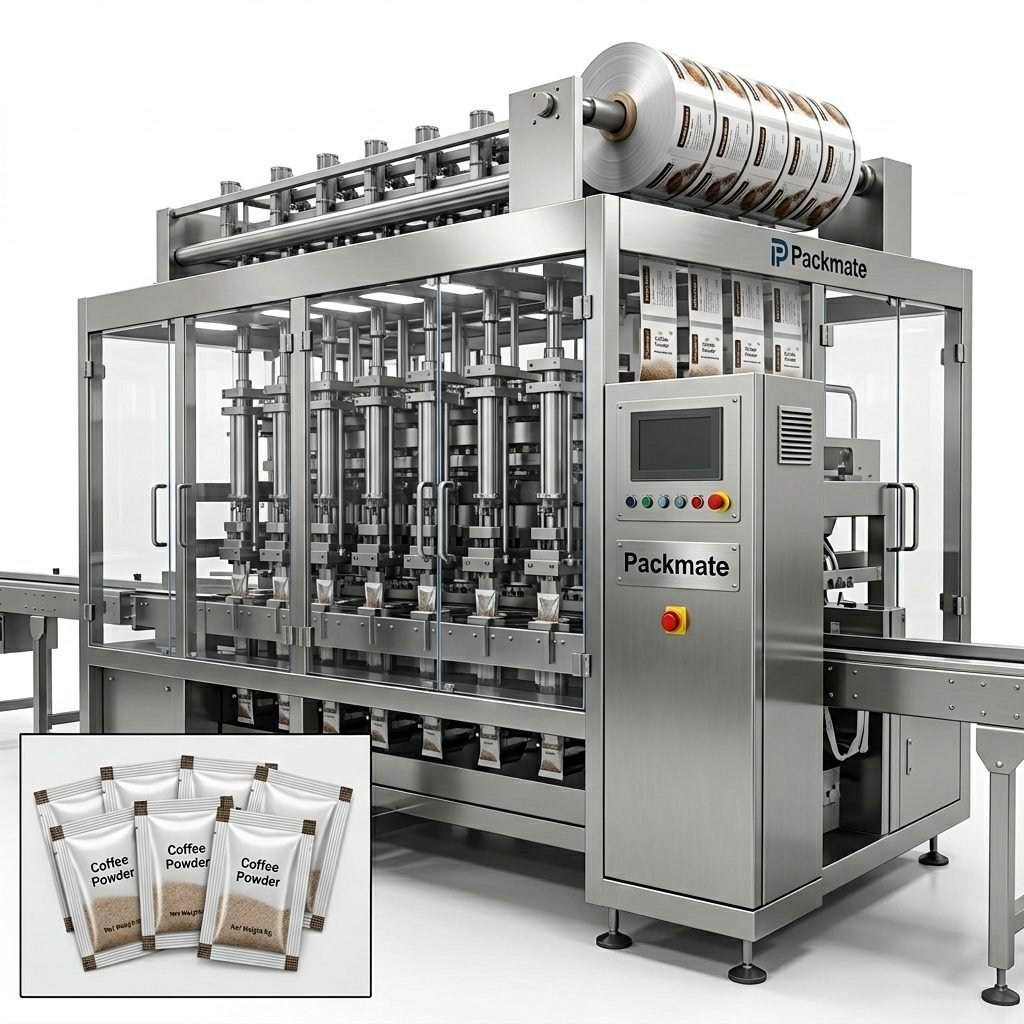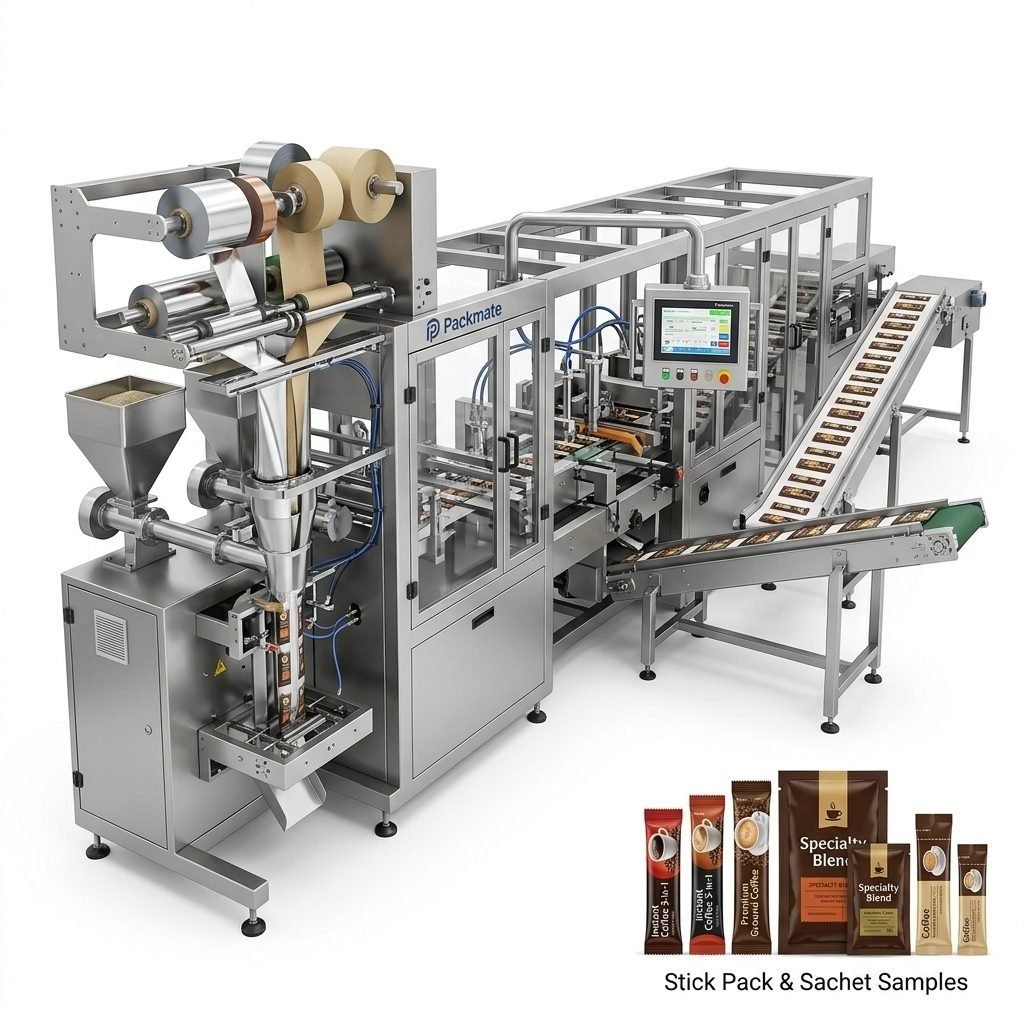
For spice manufacturers, particularly those producing chilli powder, selecting the right packaging solution is a critical business decision. Effective packaging protects the product’s vibrant color, intense aroma, and fiery flavor from degradation due to moisture, light, and oxygen. It also serves as a powerful marketing tool on crowded retail shelves and must meet the operational demands of high-speed, hygienic production. This guide explores the best packaging types, machines, and solutions, providing insights to help manufacturers optimize their chilli powder packaging line.
Understanding the Packaging Challenges for Chilli Powder
Chilli powder presents unique challenges that dictate packaging requirements. It is a fine, hygroscopic powder that can easily cake or lose its potency when exposed to humidity. Its vibrant red color can fade with prolonged exposure to light. Furthermore, the volatile oils that give chilli its heat and aroma are susceptible to oxidation. Therefore, the primary goals of packaging are moisture barrier protection, light resistance, and maintaining a sealed, inert atmosphere. Operational challenges include dealing with fine, sometimes electrostatic powder that can cause dust and filling inaccuracies, and ensuring packaging materials are food-grade and compliant with regional regulations in export markets like Europe and North America.
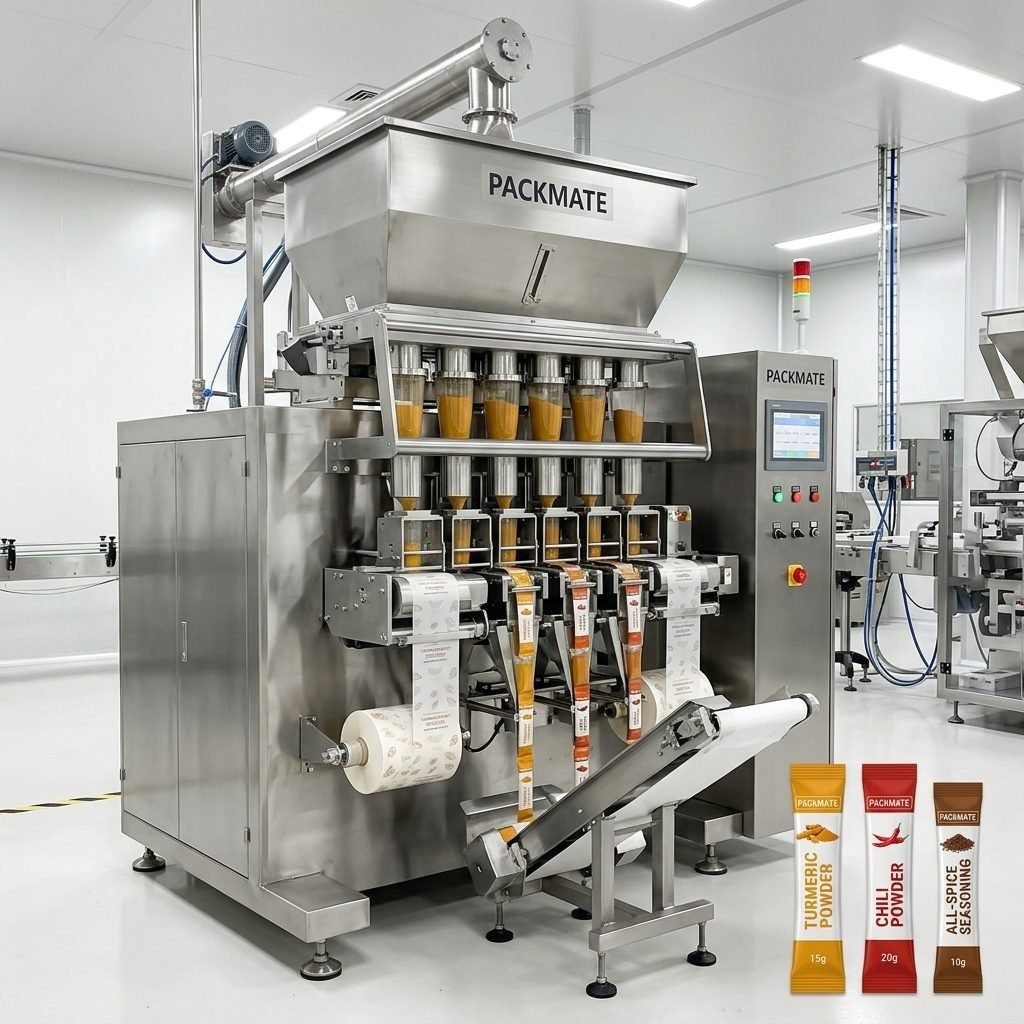
Best Packaging Types for Chilli Powder
The choice of packaging format depends on the target market, portion size, and brand positioning. Here are the most effective types:
1. Stand-up Pouches (Doypack)
These are a top choice for retail consumer packs. They offer excellent barrier properties (using metallized PET or aluminum foil laminates), a large billboard space for branding, and a convenient, re-sealable zipper. Their shape allows them to stand upright on shelves, maximizing visibility. They are ideal for sizes ranging from 50g to 1kg.
2. Sachets and Stick Packs
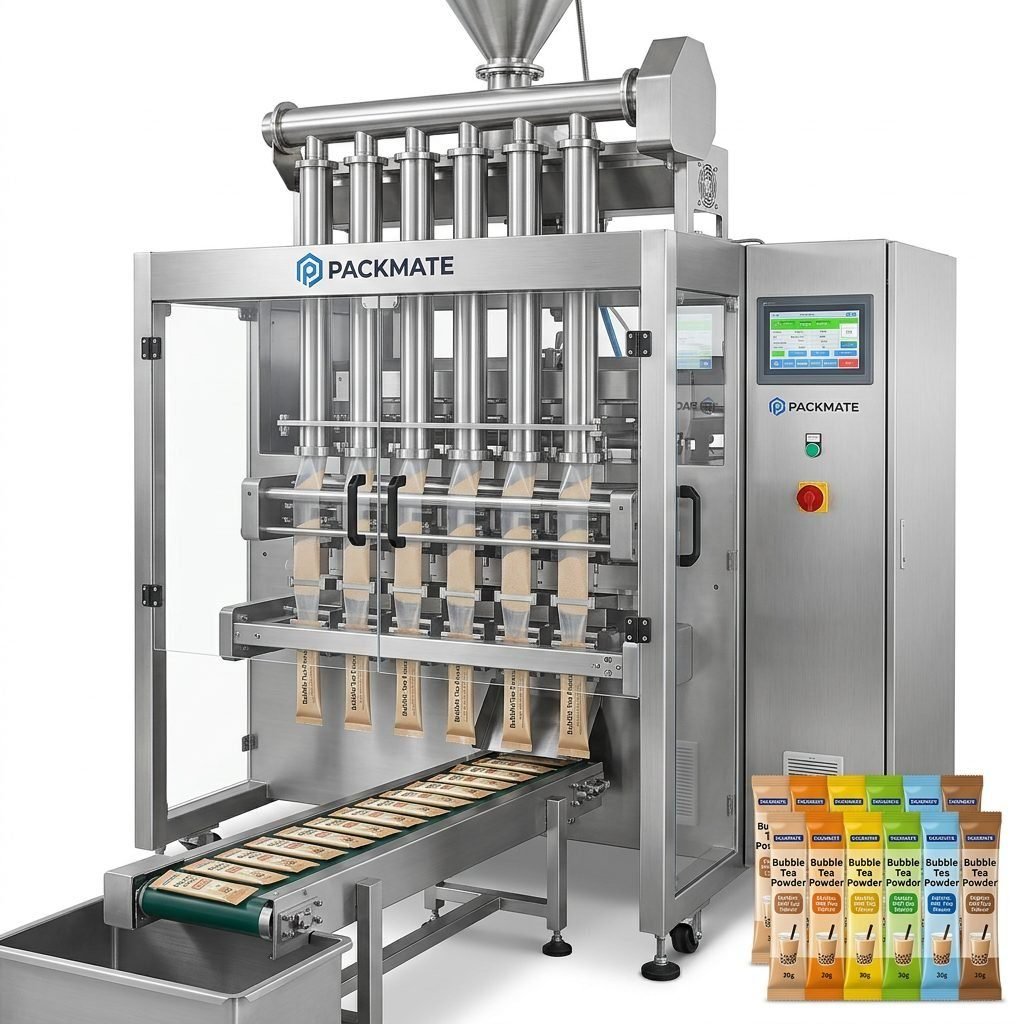
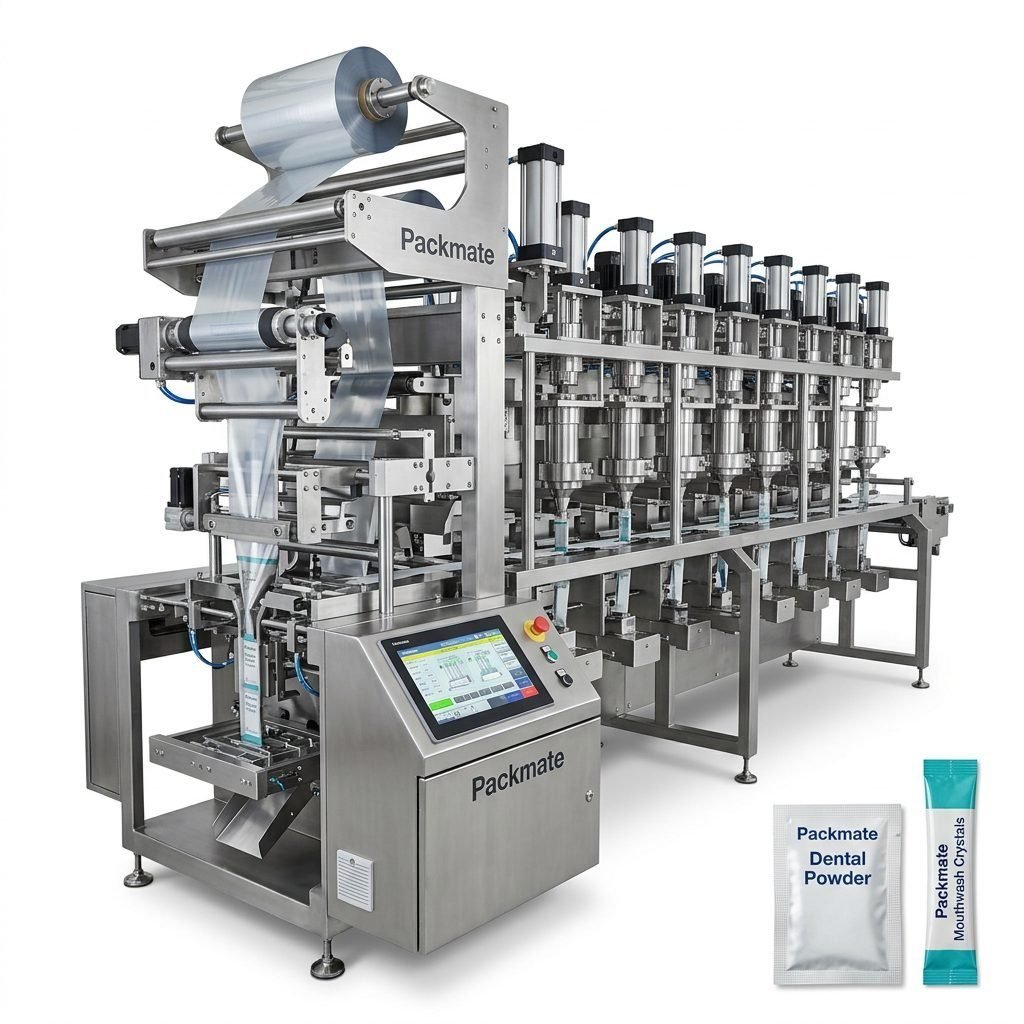
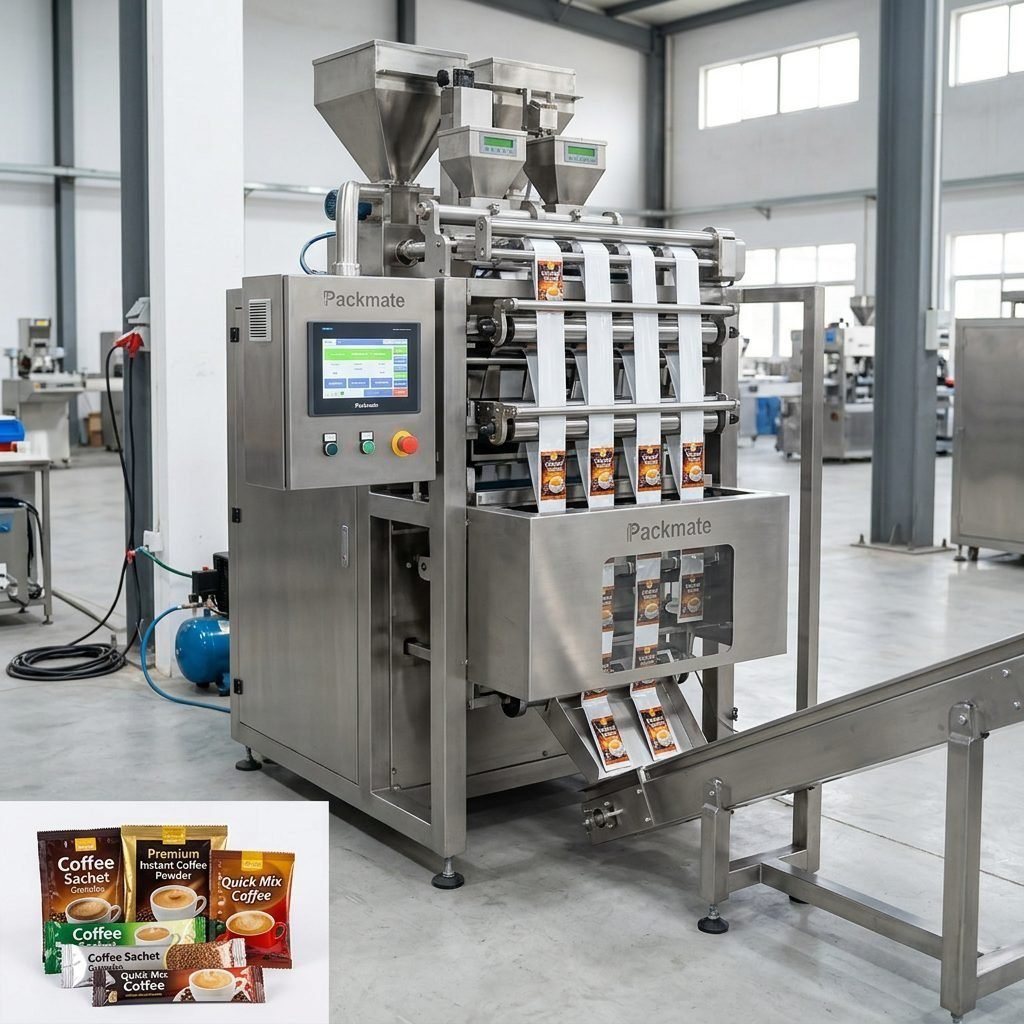
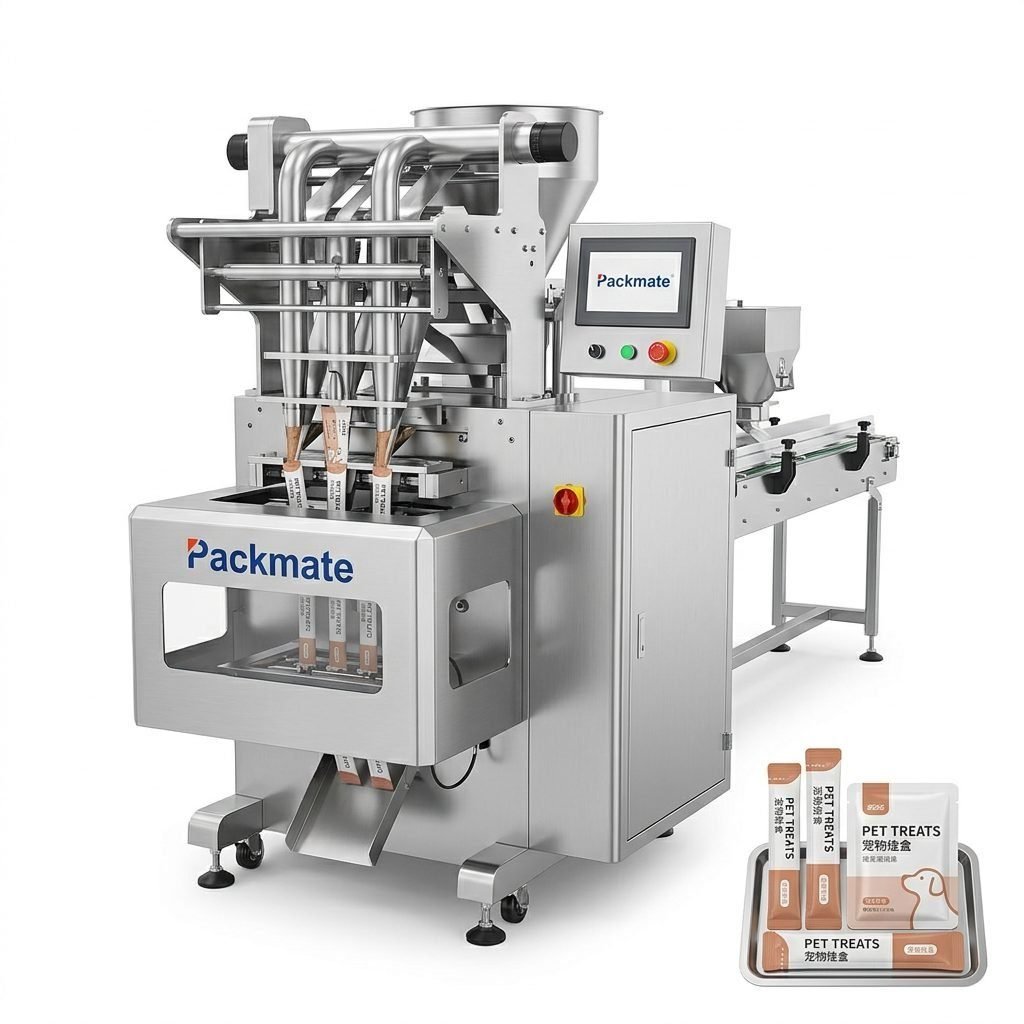
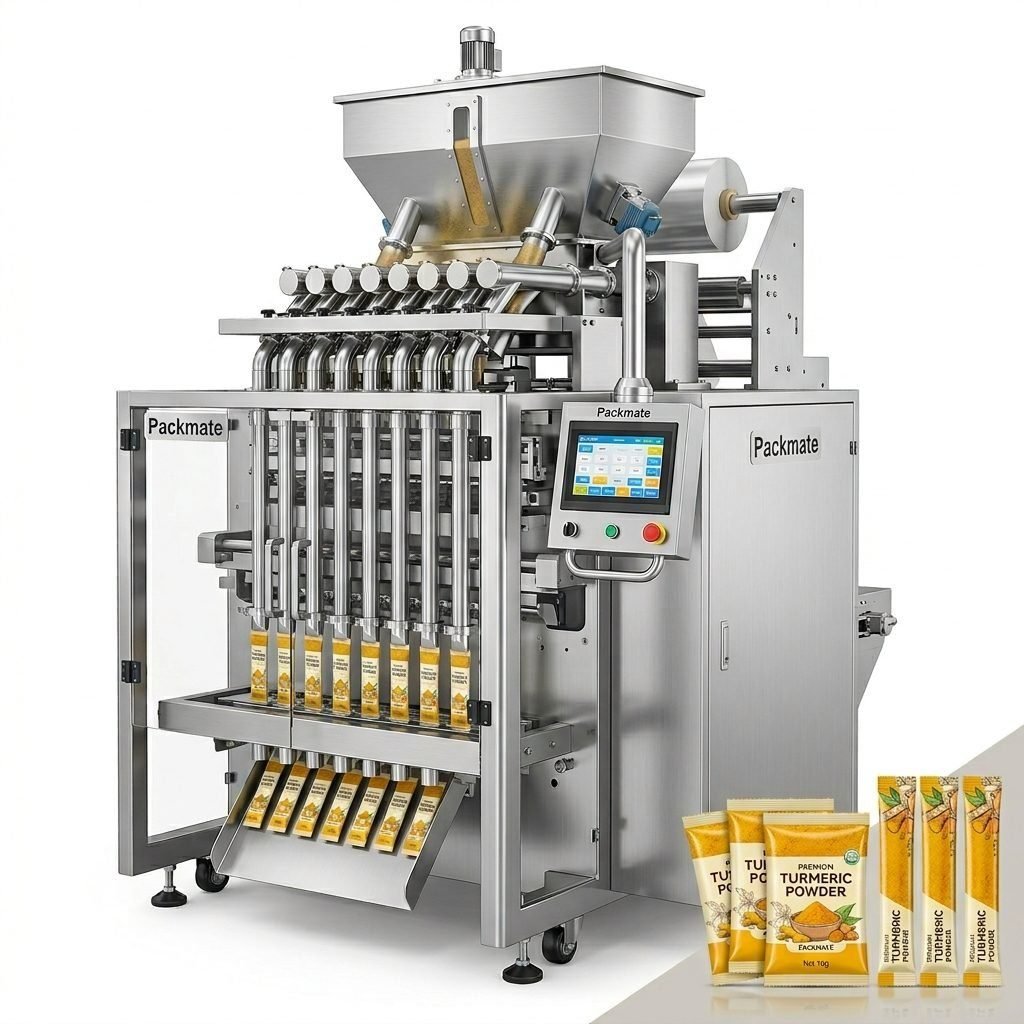
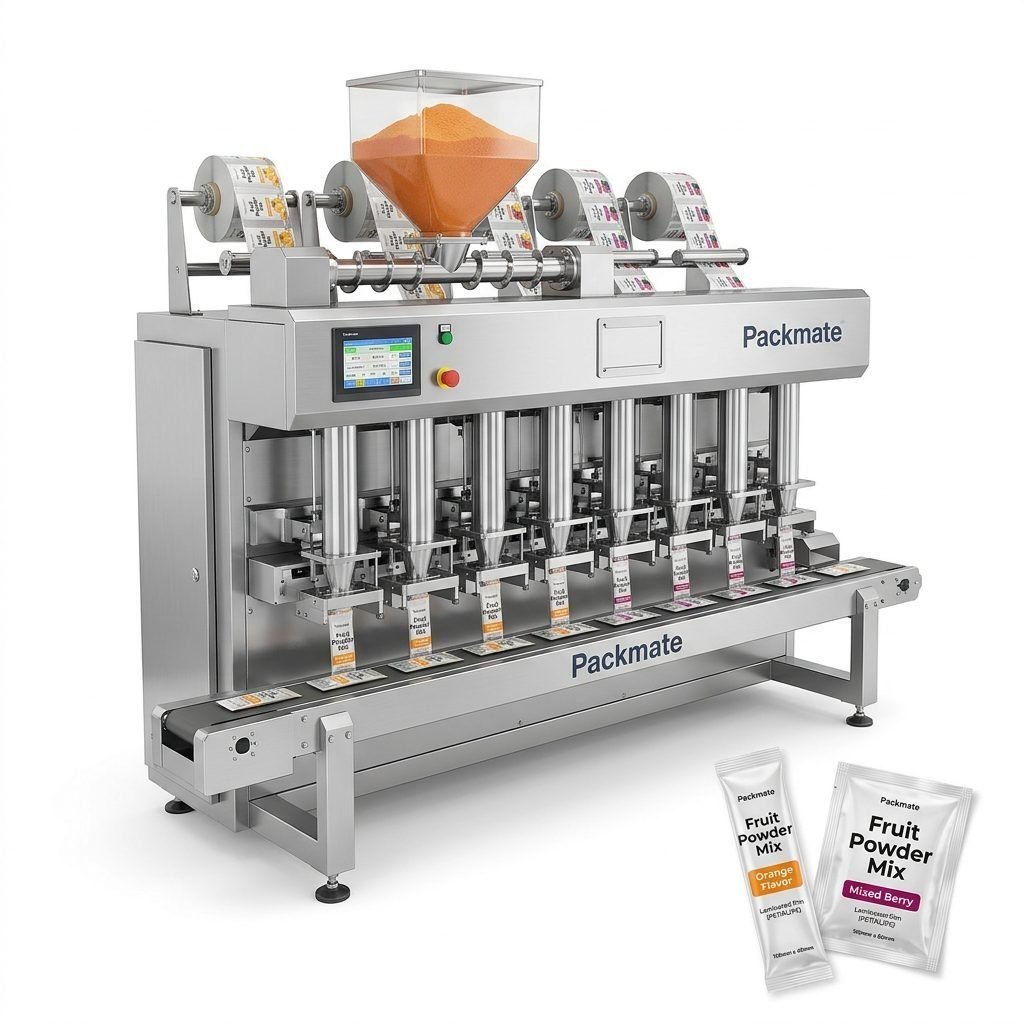
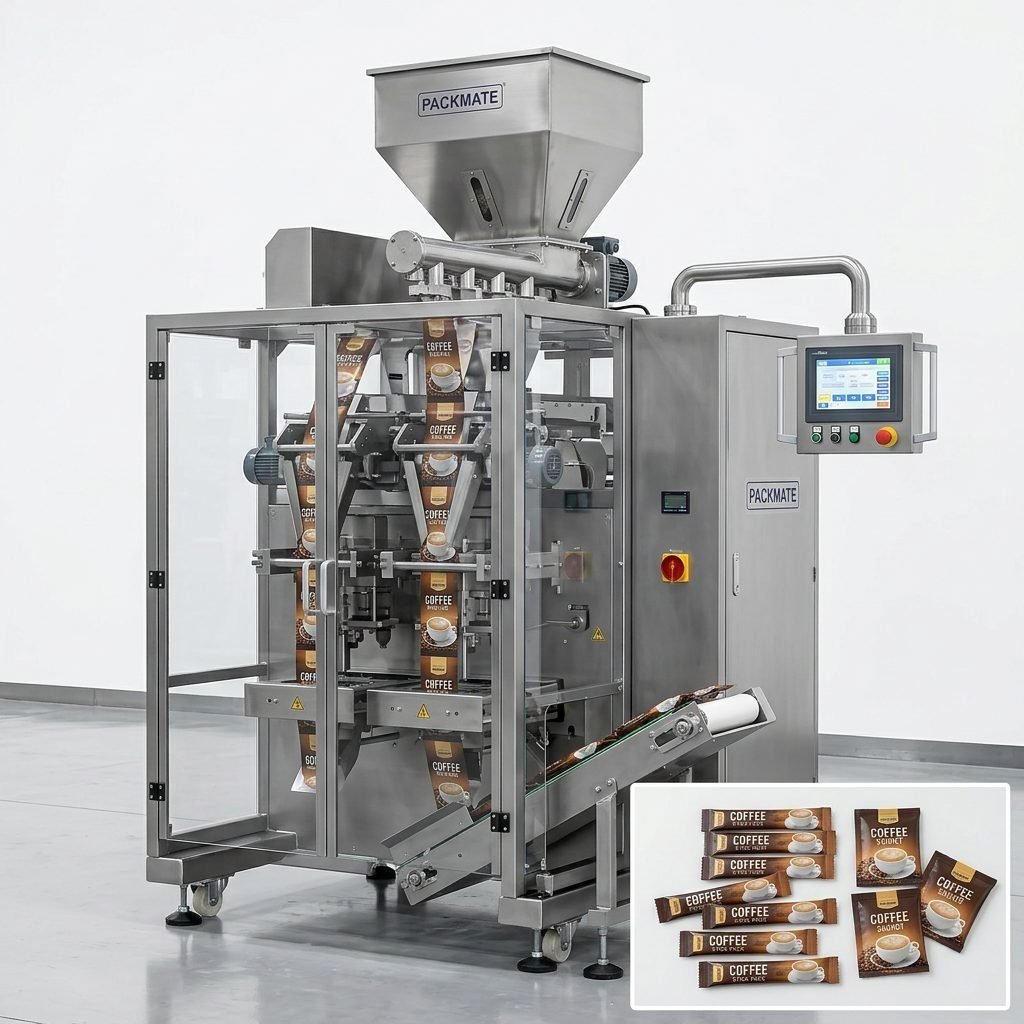
Perfect for single-serve portions, sample sizes, or recipe kits. Four-side-seal sachets and stick packs are cost-effective and provide a good moisture barrier. They are commonly used in food service (restaurant tabletop servings) or bundled with other products. Multi-lane machines can produce these at very high speeds.
3. Glass Jars
Glass offers superior barrier properties against moisture and gases and is impermeable to odors. It projects a premium, high-quality image and allows consumers to see the product. However, glass is heavier, more fragile, and costlier to ship. It’s best for premium or organic chilli powder brands.
4. Metal Tins
Similar to glass, tins provide an excellent barrier and a classic, durable feel. They are reusable and offer good shelf appeal. The higher cost makes them suitable for gourmet or gift-oriented products.
5. Bulk Bags (for B2B)
For selling to food processors, restaurants, or for industrial repackaging, woven polypropylene bags (with inner liners) or paper bags with poly liners in sizes from 5kg to 25kg are standard. The focus here is on cost-effectiveness, durability for transport, and basic moisture protection.
Essential Packaging Machines for Chilli Powder Production
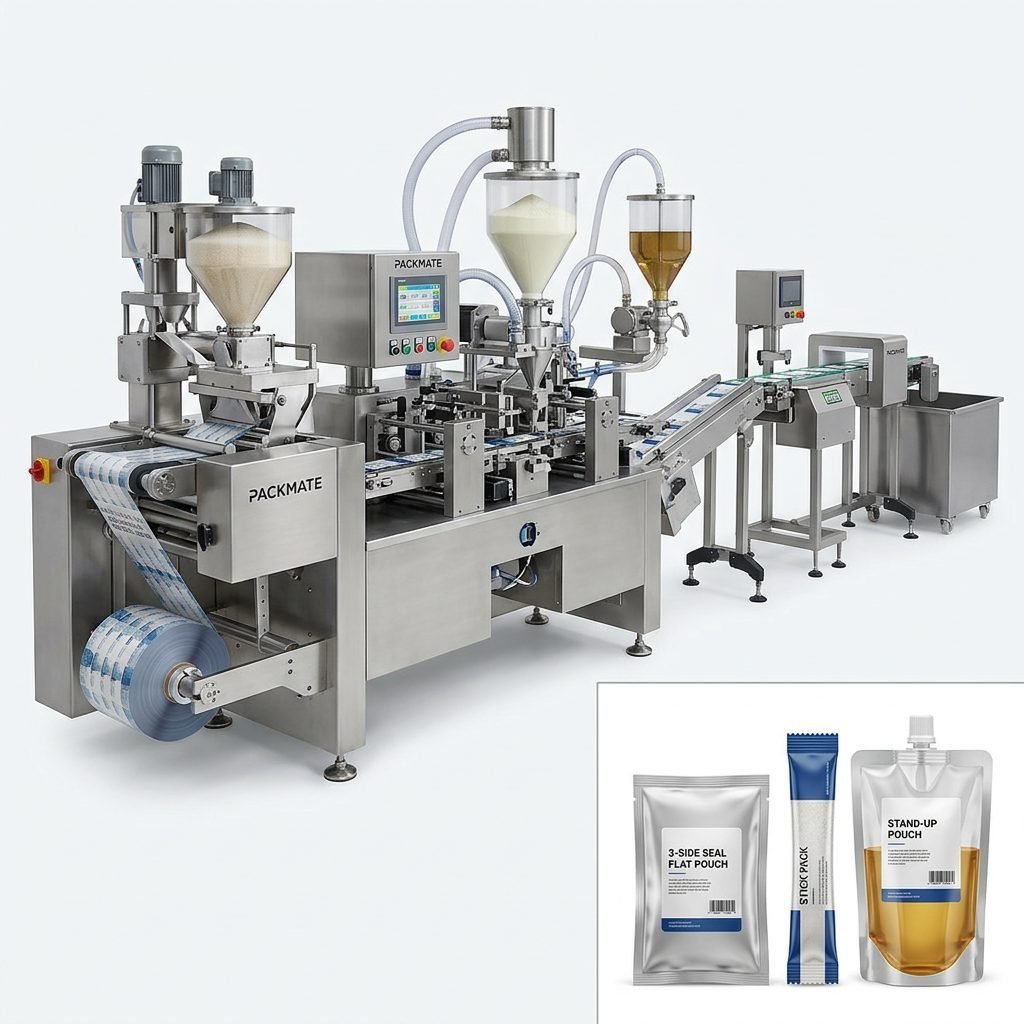
Automation is key to efficiency, consistency, and hygiene. A typical chilli powder packaging line involves several integrated machines.
| Machine Type | Primary Function | Key Benefit for Chilli Powder |
|---|---|---|
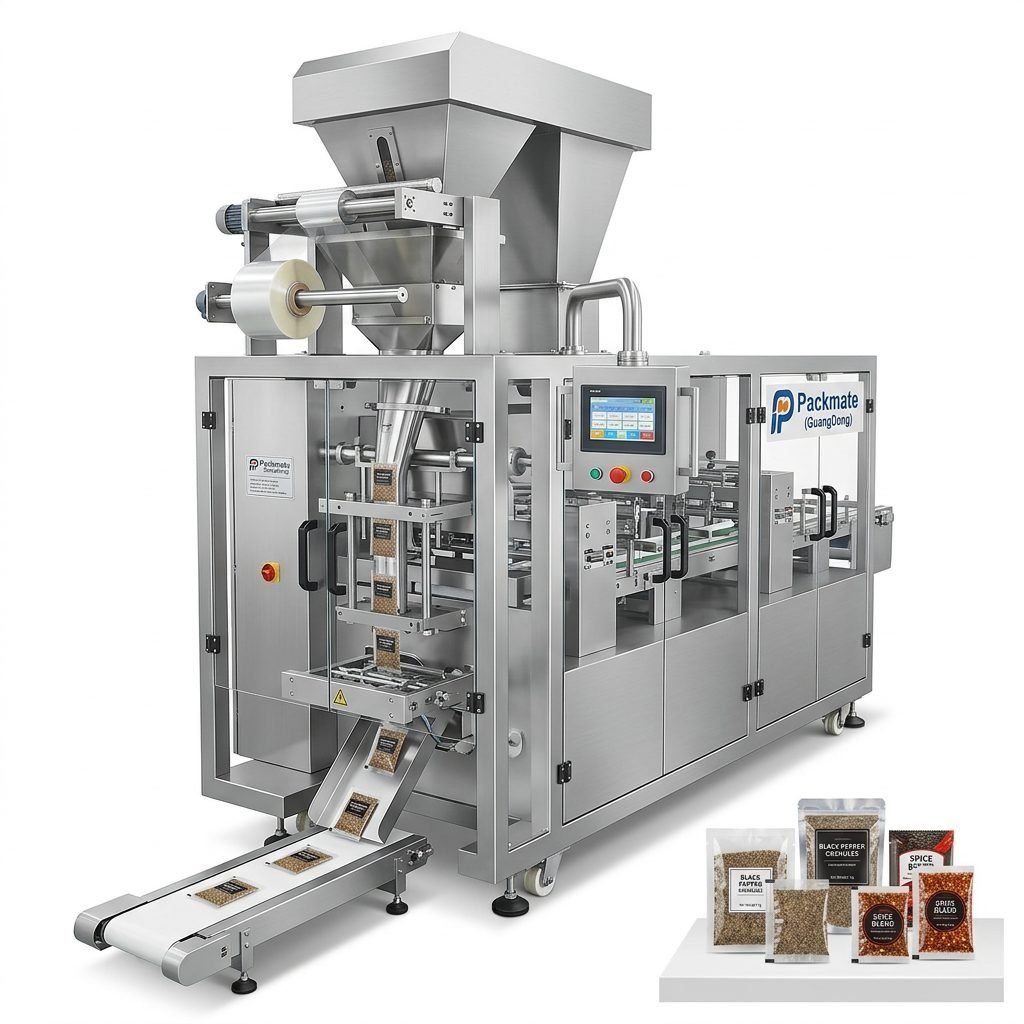
| Vertical Form-Fill-Seal (VFFS) Machine | Forms bags from roll stock, fills with product, and seals. | Highly versatile for pouches and sachets; uses high-barrier laminates ideal for spice preservation. |
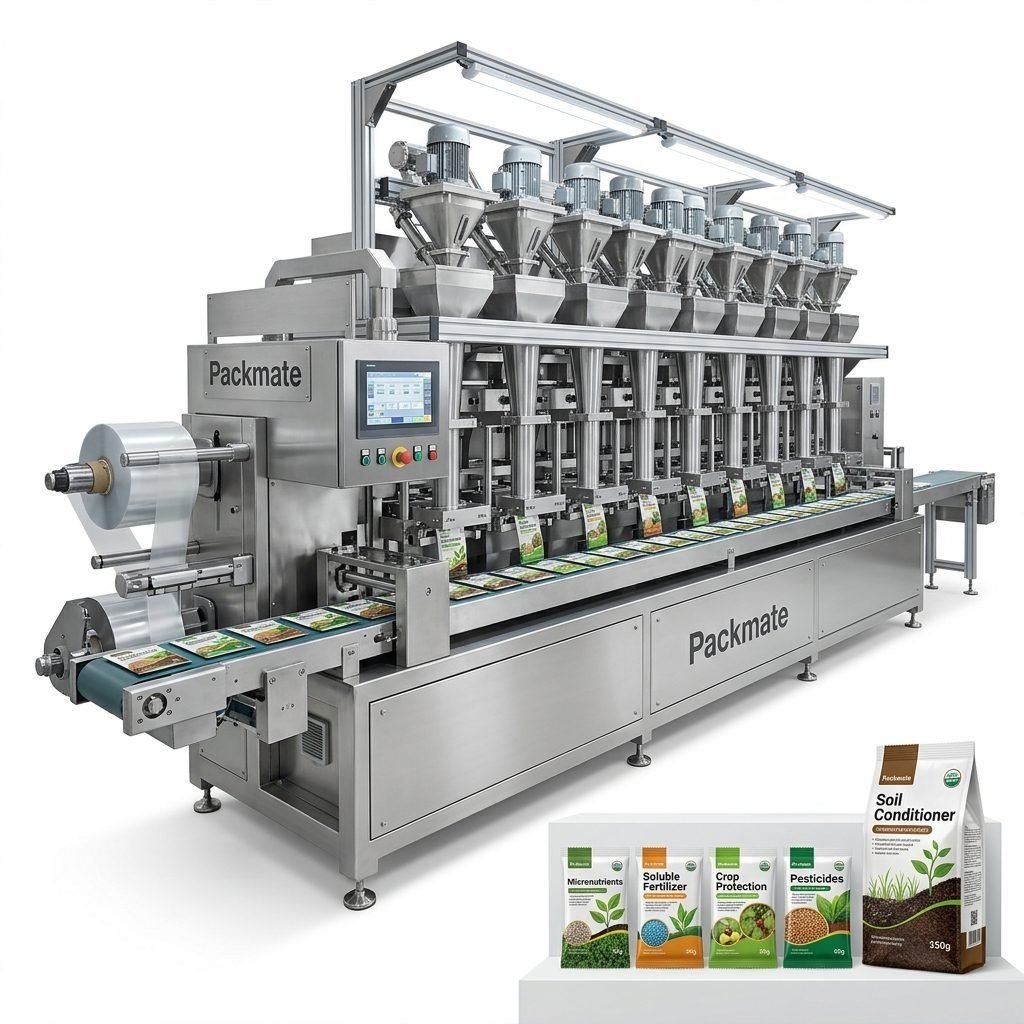
| Auger Filler / Weighing System | Precisely doses powder by volume or weight. | Ensures accurate fill weight crucial for cost control and regulatory compliance; handles fine powders well. |
| Multi-Lane Stick Pack Machine | Produces multiple stick packs simultaneously. | Dramatically increases output for single-serve portions; ideal for high-volume production. |
| Nitrogen Gas Flushing System | Displaces oxygen inside the package with inert nitrogen gas. | Extends shelf life by preventing oxidation, which preserves color, aroma, and potency of chilli powder. |
| Checkweigher & Metal Detector | Verifies package weight and detects metallic contaminants. | Ensures product safety, quality control, and protects brand reputation. |
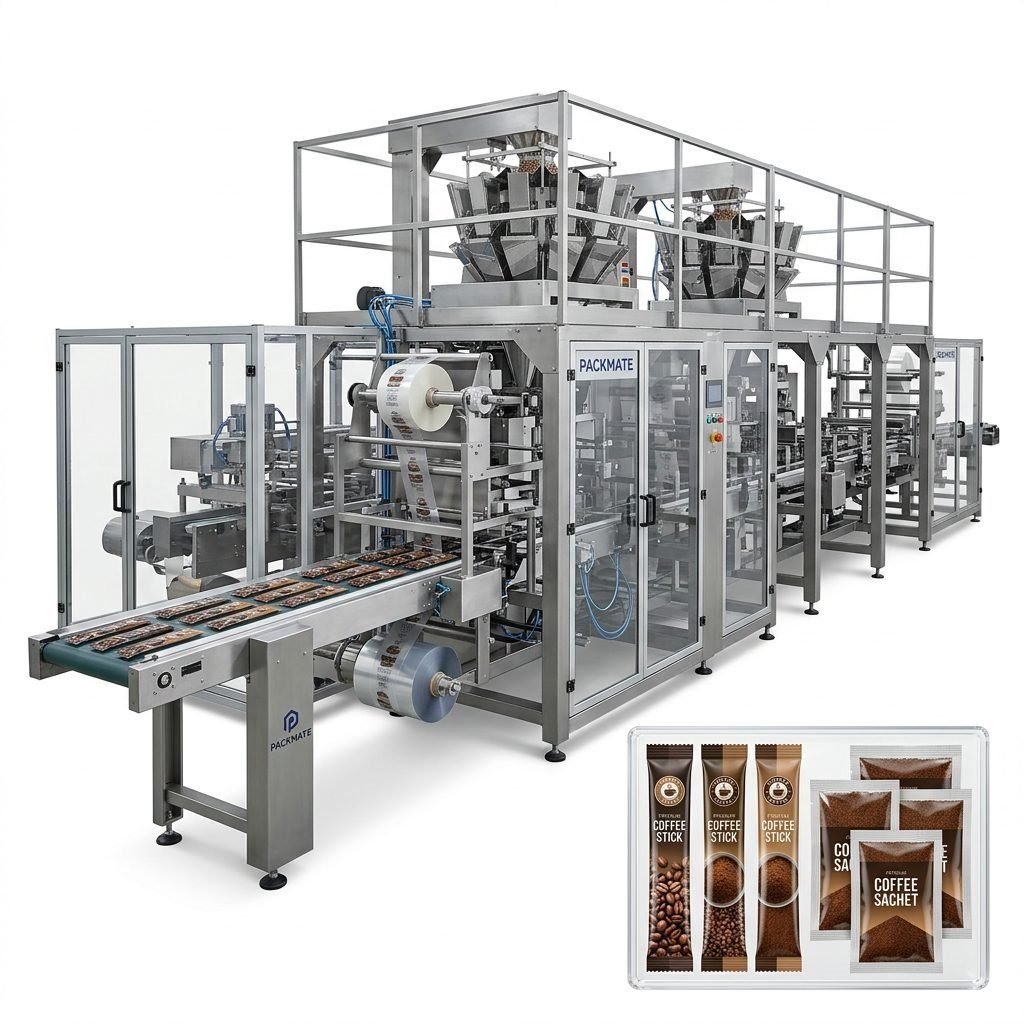
For large-scale operations, these machines are integrated into a complete turnkey packaging line, which may include automated conveyors, bag flatteners, cartoners, and case packers. Companies like Ludyway specialize in providing such integrated solutions, handling everything from powder feeding to the final boxed product.
Selecting a Packaging Machine Supplier: Key Considerations
Choosing the right equipment partner is as important as choosing the machine itself. Here’s what to evaluate:
- Experience with Food Powders: The supplier must have proven experience handling fine, hygroscopic, and sometimes oily powders like chilli. Ask for references from other spice companies.
- Machine Hygiene and Cleanability: Equipment should have stainless steel contact parts, CIP (Clean-in-Place) capabilities, and designs that prevent powder accumulation.
- Flexibility and Changeover: Can the machine handle different bag sizes or formats (e.g., switching from 100g pouches to 5g sachets) quickly to accommodate different product lines?
- After-Sales Support: Reliable technical support, availability of spare parts, and operator training are critical for minimizing downtime, especially for exporters in regions like the Middle East or Africa where local support may be limited.
- Compliance: Ensure machines meet relevant safety and manufacturing standards (e.g., CE, FDA guidelines for food contact surfaces).
Manufacturers like Packmate Machinery and PacklineOEM offer a range of machines known for stability and are commonly exported to global markets, making them strong candidates for spice manufacturers looking for reliable automation.
Market-Specific Packaging Trends and Solutions
Packaging preferences and regulations can vary significantly by region. A successful export strategy must account for these differences.
Europe & North America
Consumers favor sustainable packaging. Consider recyclable or compostable mono-material pouches, reduced plastic use, and clear labeling about sourcing and sustainability. Stand-up pouches with degassing valves (for fresh-ground products) and premium finishes (matte, textured) are popular. Strict food safety regulations (EU, FDA) require traceability and specific labeling.
Middle East & Africa
Durability for hot, humid climates is key. High-barrier, foil-based laminates are essential. Larger family-size packs are common. Packaging must often withstand longer supply chains and less controlled retail environments. Bright, bold colors and designs resonate well.
Southeast Asia
The market is highly diverse. There is strong demand for both affordable small sachets for daily use and premium packaged products for urban consumers. Portion control is important. Packaging needs to be eye-catching in busy, traditional wet markets as well as modern supermarkets.
For companies targeting niche or specific product formats, such as single-serve sachets for food service or specialized pouch shapes, working with a supplier like PackingMachineOEM that offers customization can be a significant advantage.
Implementing a Successful Packaging Line: A Step-by-Step Approach
- Define Requirements: Determine your target output (bags per minute), primary package formats, and budget.
- Material Selection: Partner with a material supplier to select the right laminate structure (e.g., PET/AL/PE for high barrier) that balances cost, performance, and sustainability goals.
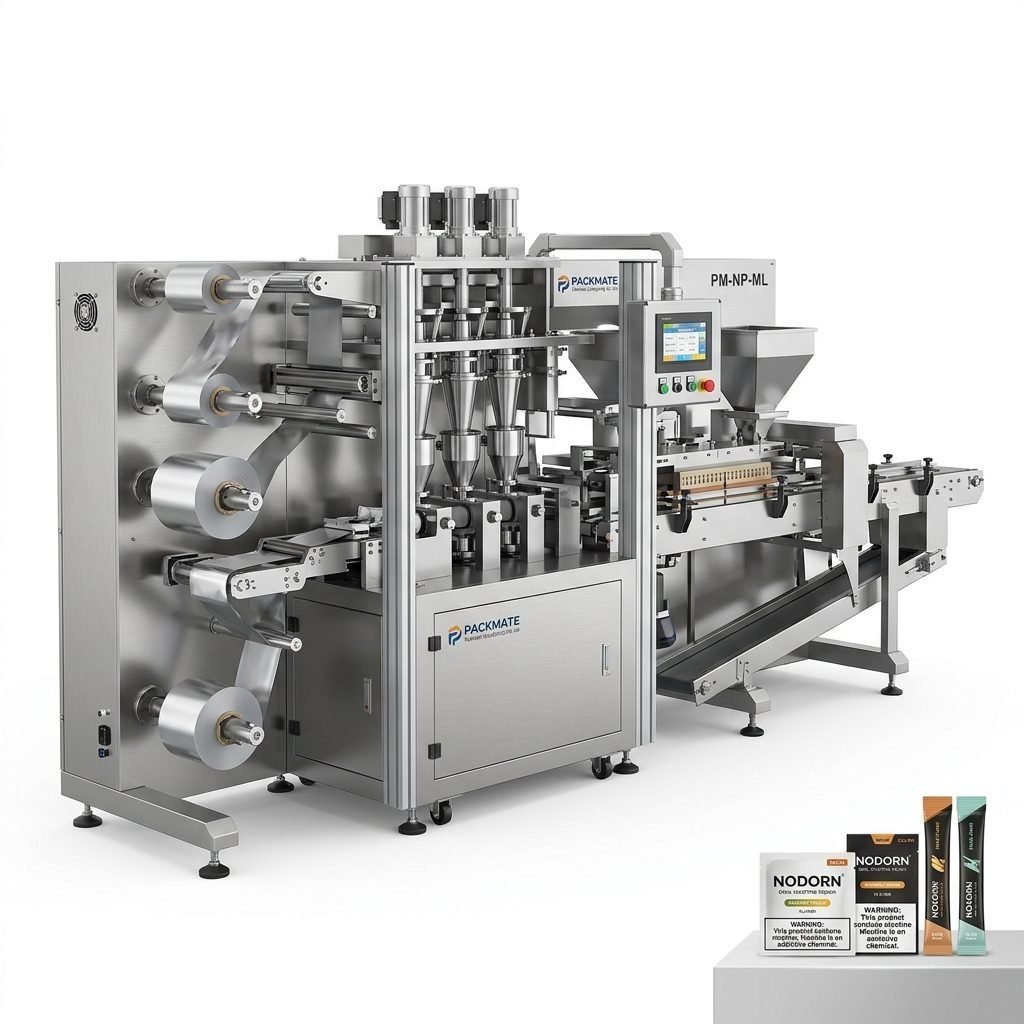
- Machine Selection & Integration: Choose between standalone machines or an integrated line. Consider future scalability. Suppliers like SnusMachinery, while specialized in pouches, demonstrate the high-speed, multi-lane precision that can benefit high-volume spice sachet production.
- Prototyping & Testing: Run trials with your actual chilli powder on the candidate machines. Test for fill accuracy, seal integrity, and shelf life.
- Training & Implementation: Ensure your team is thoroughly trained on operation, cleaning, and basic maintenance.
Frequently Asked Questions (FAQs)
What is the most cost-effective packaging for chilli powder?
For small to medium-scale operations, pre-made pouches run on a simple auger filler and sealer offer a lower initial investment. For high-volume production, a Vertical Form-Fill-Seal (VFFS) machine using roll stock film is more cost-effective in the long run due to lower material costs and higher automation.
How can I prevent chilli powder from caking inside the package?
Use packaging with a high moisture barrier (e.g., foil laminate). Implement nitrogen gas flushing during packaging to remove oxygen and moisture from the headspace. Ensure the powder is properly dried and cooled before packaging. Anti-caking agents (like silicon dioxide) can also be used in the product formulation.
Is nitrogen flushing necessary for chilli powder?
While not always mandatory, it is highly recommended for premium products and extended shelf life. Nitrogen flushing drastically reduces oxidation, which preserves the color, aroma, and capsaicin content (heat level) of the chilli powder. It is essential for exports where products may spend months in transit and storage.
What machine is best for high-speed sachet production?
A multi-lane stick pack or sachet machine is ideal. These machines can have 4, 8, 12, or more lanes running in parallel, producing thousands of sachets per hour. They are the standard for high-volume portion pack production for food service or retail bundles.
How do I choose between a standalone machine and a full turnkey line?
For startups or businesses with limited output and manual downstream processes, a standalone machine (like a VFFS with an auger filler) suffices. For medium to large manufacturers aiming for maximum efficiency, labor savings, and scalability, a turnkey line that automates from filling to cartoning is the better investment. It ensures consistent throughput and reduces handling, which is crucial for maintaining product hygiene and quality.