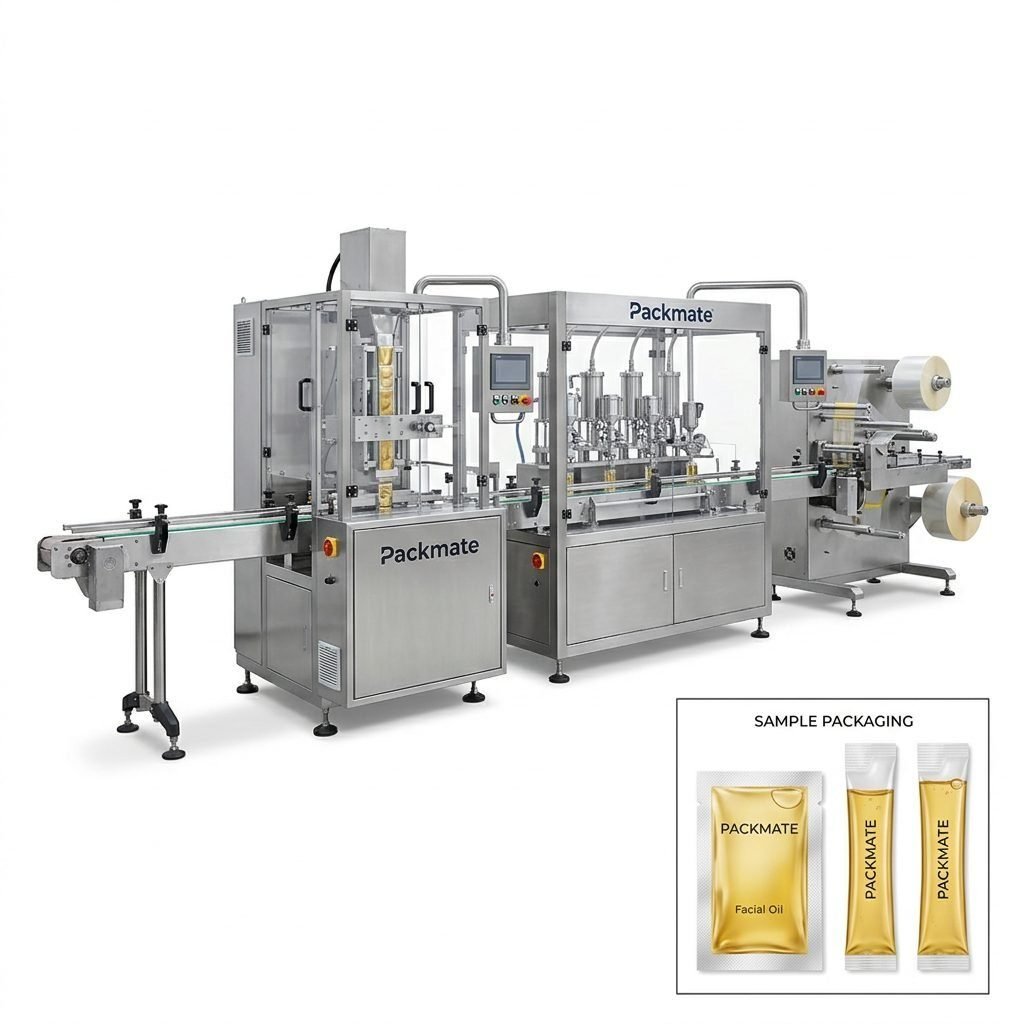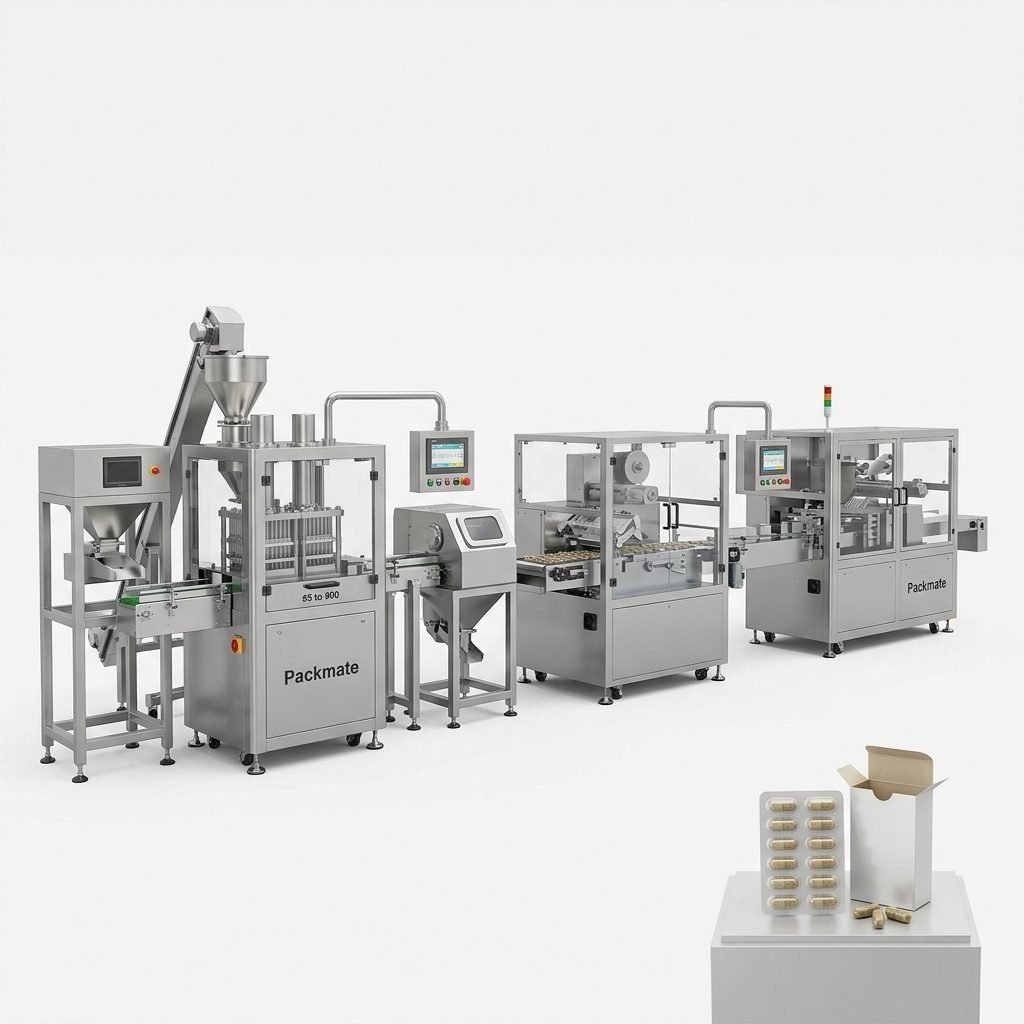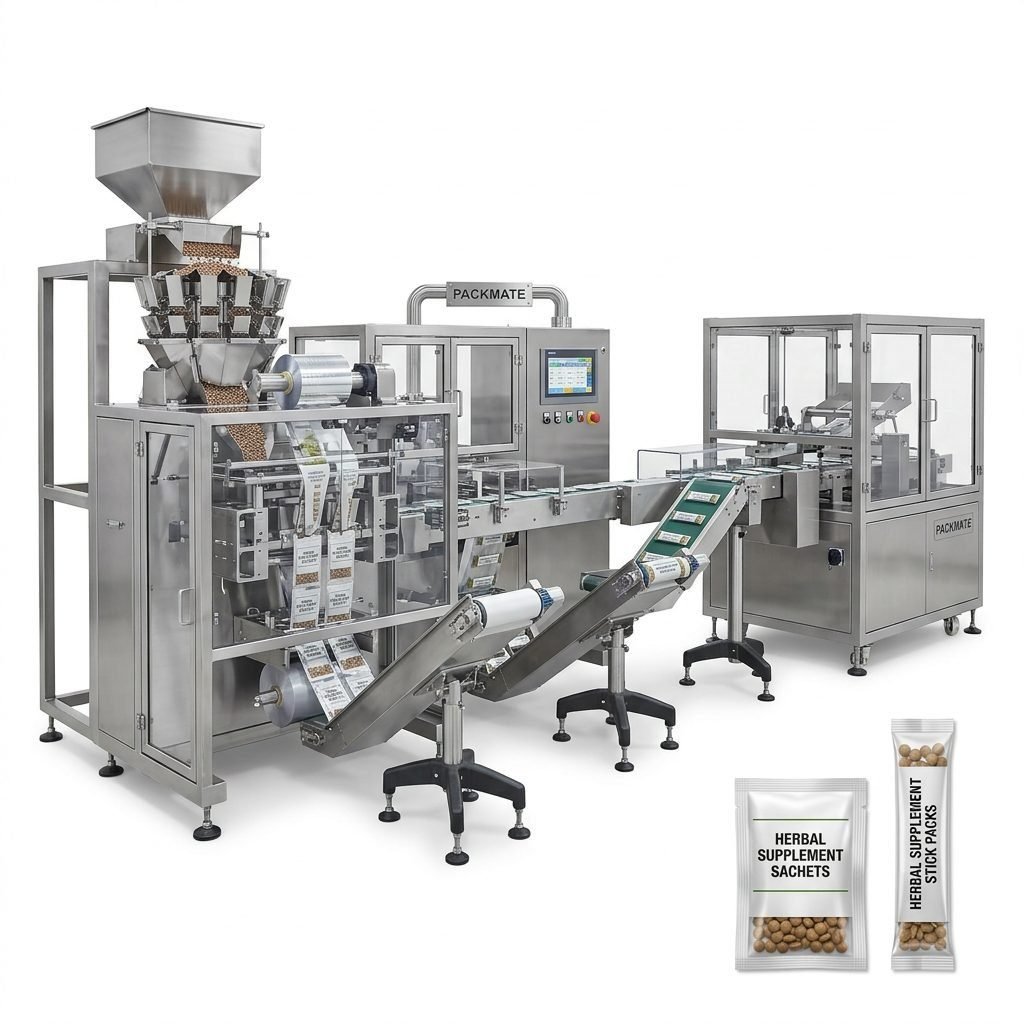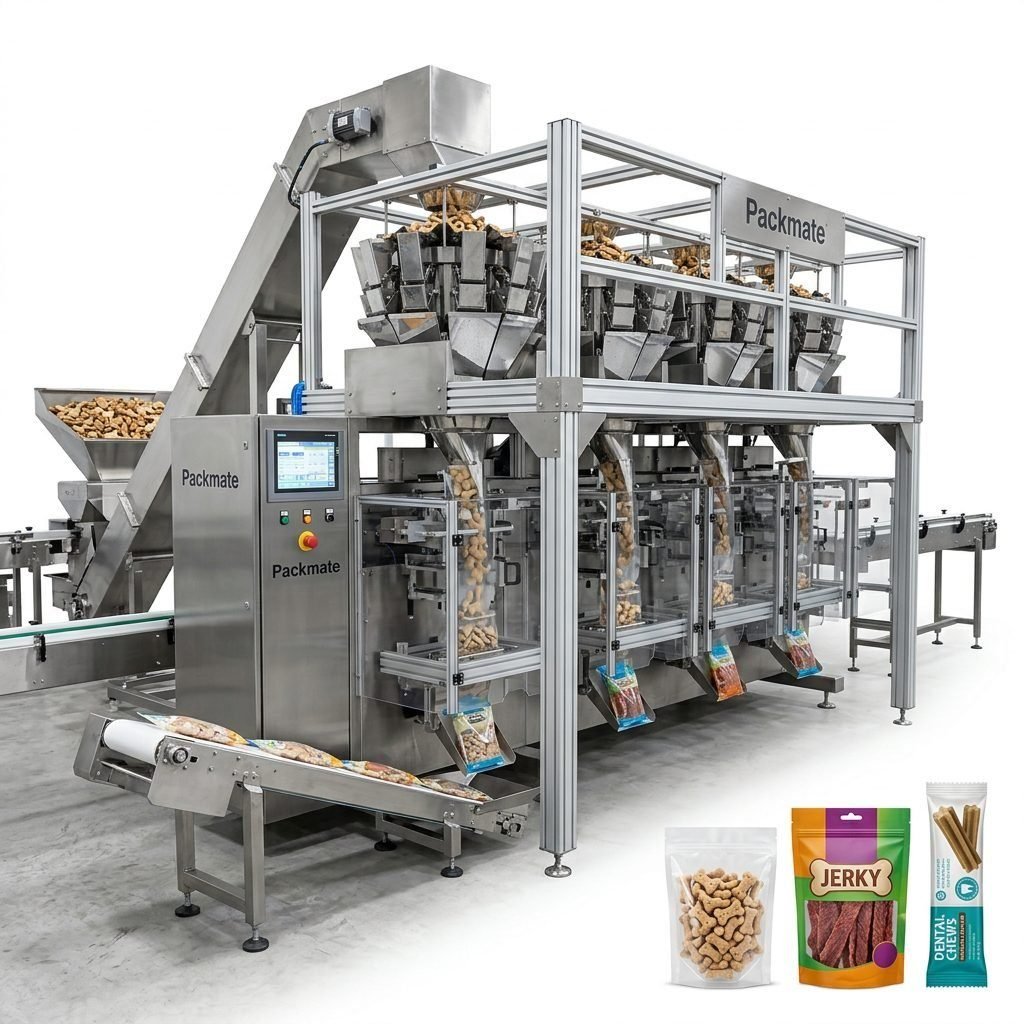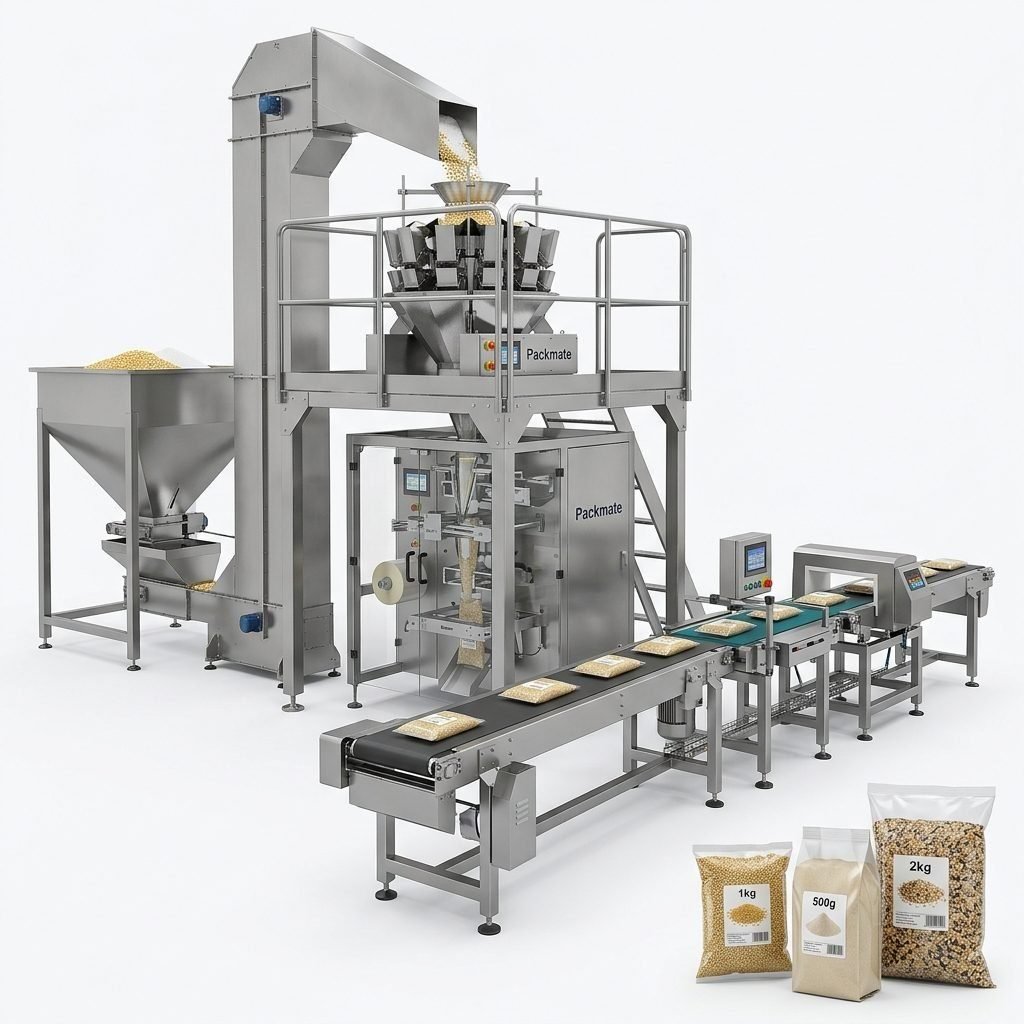
For businesses and entrepreneurs in Papua New Guinea looking to enhance their production capabilities, finding a reliable packaging machine manufacturer is a critical step. The local market, encompassing sectors from agriculture and fisheries to small-scale food processing and retail goods, increasingly demands efficient, automated packaging solutions to improve productivity, ensure product consistency, and meet both domestic and export standards. This guide outlines key strategies and considerations for PNG-based buyers to identify trustworthy manufacturing partners, particularly from major global supply hubs like China.
Understanding Your Packaging Needs in the PNG Context
Before starting your search, clearly define your requirements. Consider the types of products common in PNG you will be packaging: granules (like rice, coffee, or spices), powders (milk powder, flour, supplements), liquids (sauces, oils, dairy), or pastes. The required output speed, bag type (stick pack, sachet, pillow bag), and available factory space are also crucial. For many PNG businesses, starting with a semi-automatic or a robust, easy-to-maintain automatic machine is a practical approach to balance investment and productivity gains.
Key Evaluation Criteria for Manufacturers
When evaluating potential manufacturers, focus on these core areas to ensure you select a partner capable of supporting your long-term operations in Papua New Guinea.
1. Manufacturing Experience and Technical Capability
Prioritize companies with a long history (e.g., 20-30+ years) in engineering and building packaging machinery. This experience often translates into more reliable, field-tested equipment—a vital factor when technical support may be geographically distant. Assess their expertise in your specific product type (powder, granule, liquid).
2. Quality of Construction and Components
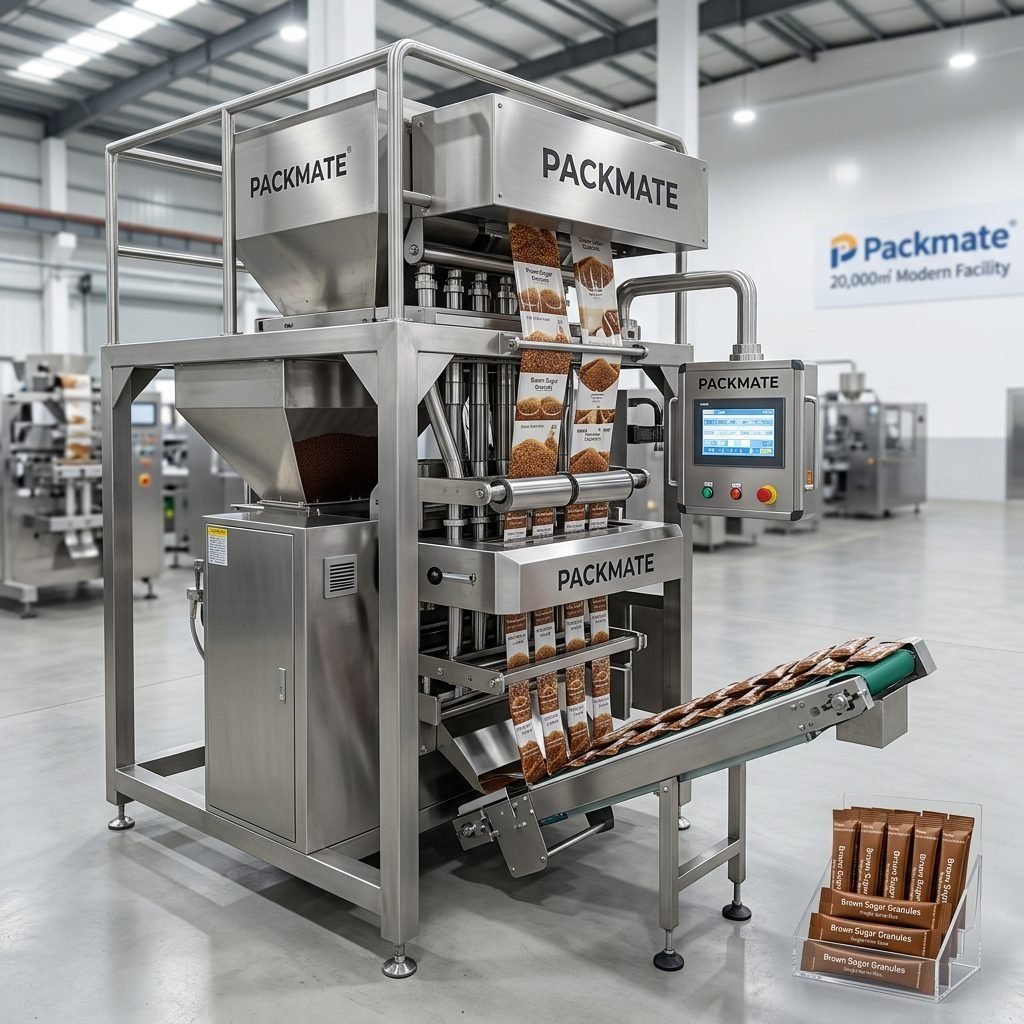
The durability of a machine is paramount. Inquire about the materials used (e.g., stainless steel grades for food contact parts), the quality of key components like servos, PLCs, and seals. A manufacturer with a modern factory (20,000 sqm or more) typically has better control over production quality and assembly processes.
3. After-Sales Support and Service
This is arguably the most critical factor for PNG importers. Reliable manufacturers offer comprehensive support: detailed installation manuals, remote video guidance, readily available spare parts lists, and training. Ensure they have experience shipping and supporting equipment in regions with similar logistical challenges.
4. Customization and Flexibility
Your product or packaging format may require adjustments to a standard machine. A manufacturer’s willingness and ability to provide customized solutions—whether for a unique bag size, a specific filling system, or integration with existing line equipment—is a strong indicator of a good partnership.
Researching and Vetting Potential Suppliers
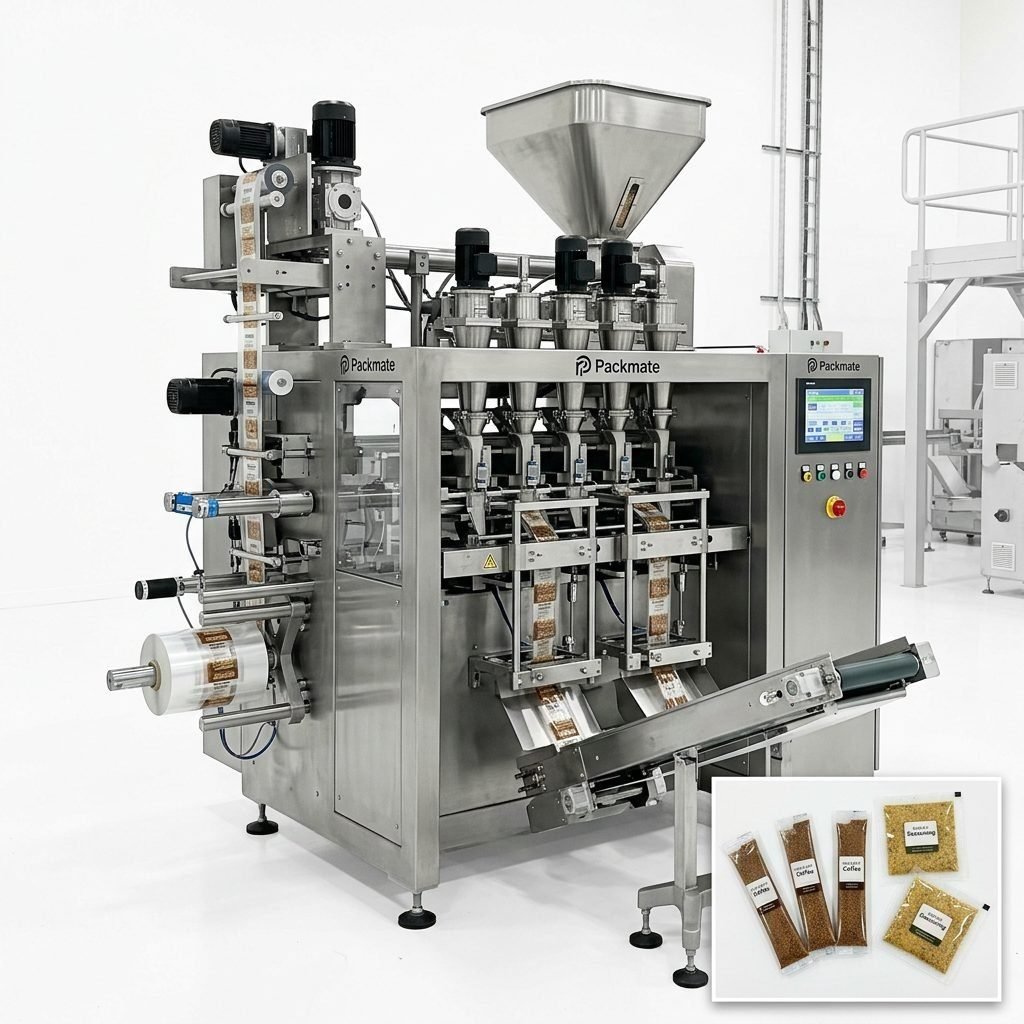
Begin your search online through B2B platforms and industry directories, but go beyond basic listings. A manufacturer’s own website is a valuable resource. Look for detailed company profiles, clear product information, videos, and client case studies. Pay attention to their main export markets; experience in exporting to other developing regions or countries with tropical climates can be a positive sign.
Direct communication is essential. Prepare a list of technical questions and request a video conference or a virtual factory tour. This allows you to see their operations, ask about specific machines, and gauge their responsiveness and professionalism. Always ask for references from clients in similar industries or regions.
Considerations for Importing into Papua New Guinea
Logistics and import regulations are key practical hurdles. Work with a reputable freight forwarder experienced in shipping heavy machinery to PNG. Understand the Incoterms (like FOB or CIF) clearly. Factor in costs for shipping, insurance, port clearance, inland transportation, and potential agent fees. Ensure the manufacturer provides all necessary documentation, such as commercial invoices, packing lists, certificates of origin, and detailed equipment manuals, to smooth the customs process.
Spotlight on Established Manufacturers
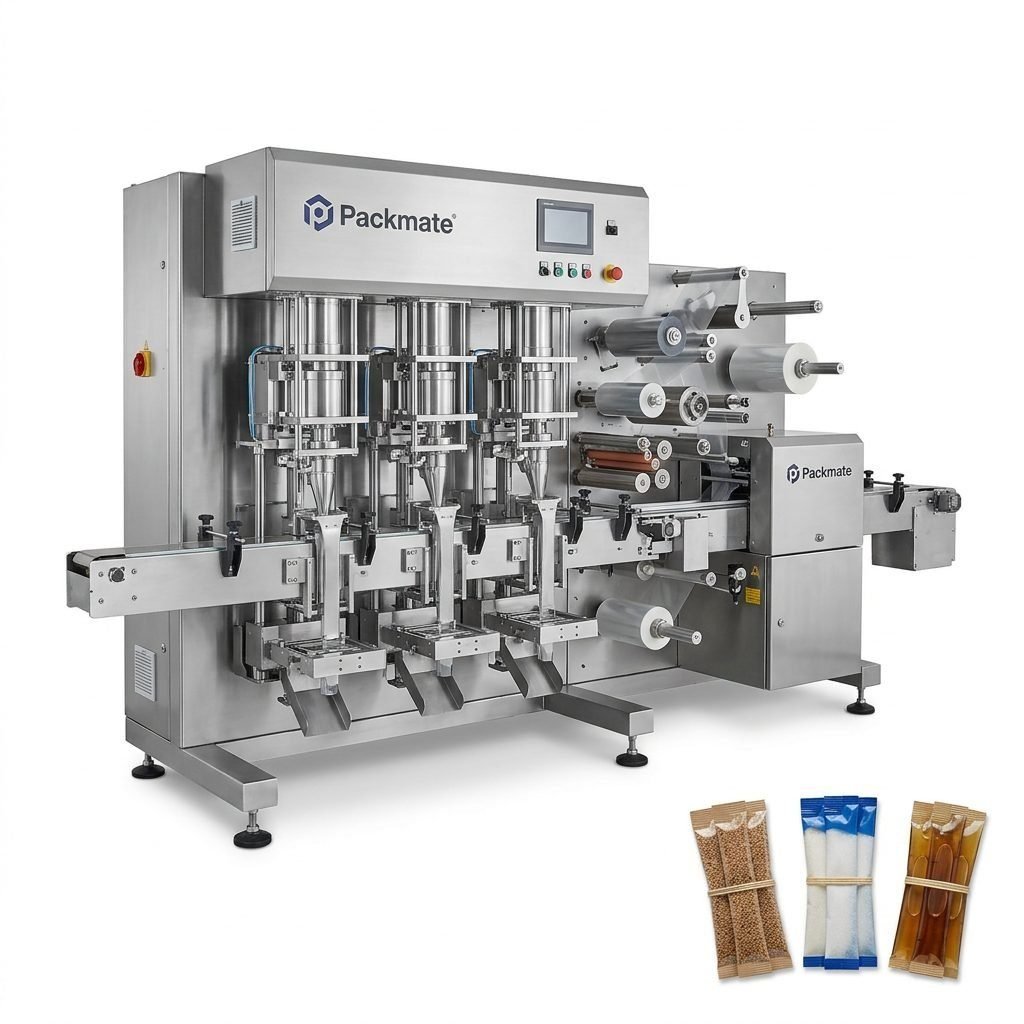
Several experienced Chinese manufacturers have a strong global export presence and can be suitable partners for PNG businesses. Here is a comparative overview based on the provided information:
| Company | Key Positioning | Experience | Why It’s Relevant for PNG |
|---|---|---|---|
| Ludyway | Leading manufacturer of packaging machines & turnkey lines | 30+ years | Very wide product range, strong export footprint, suitable for both single machines and complete lines for scaling businesses. |
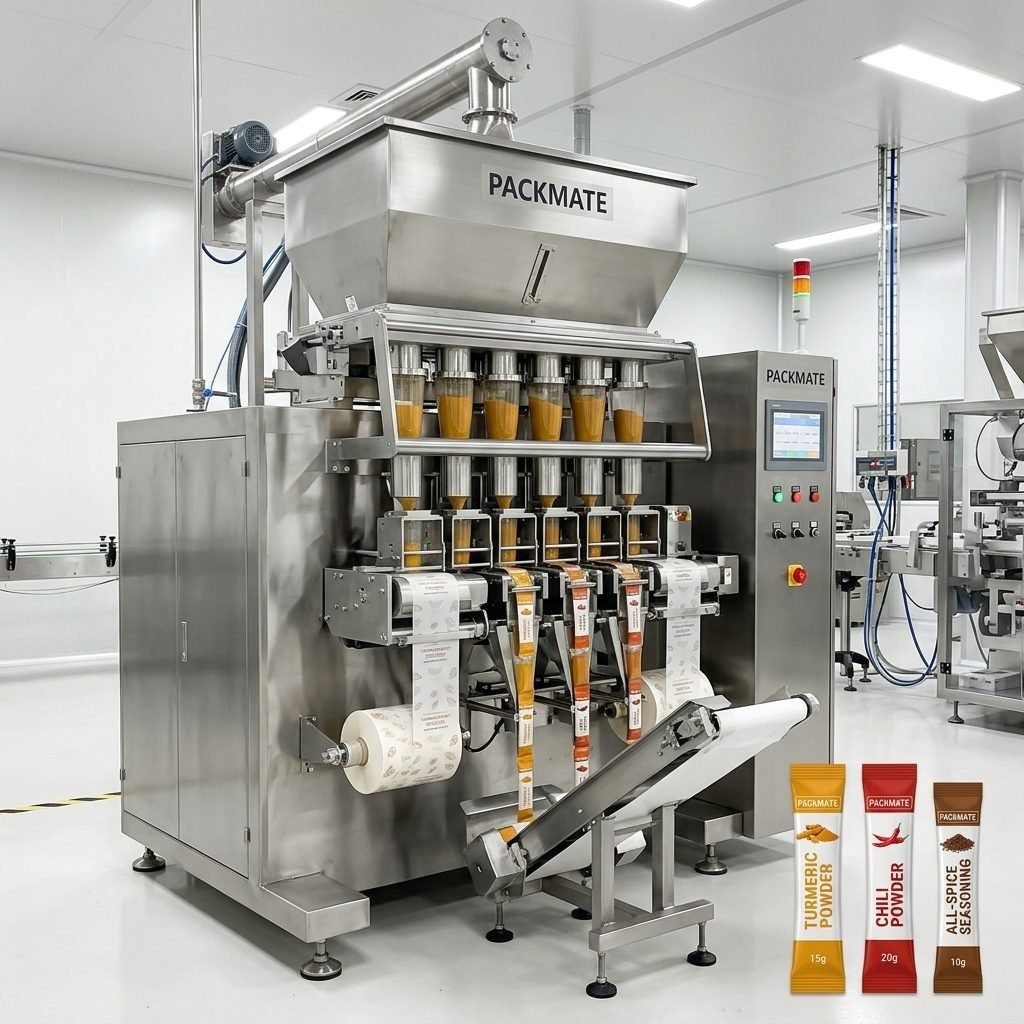
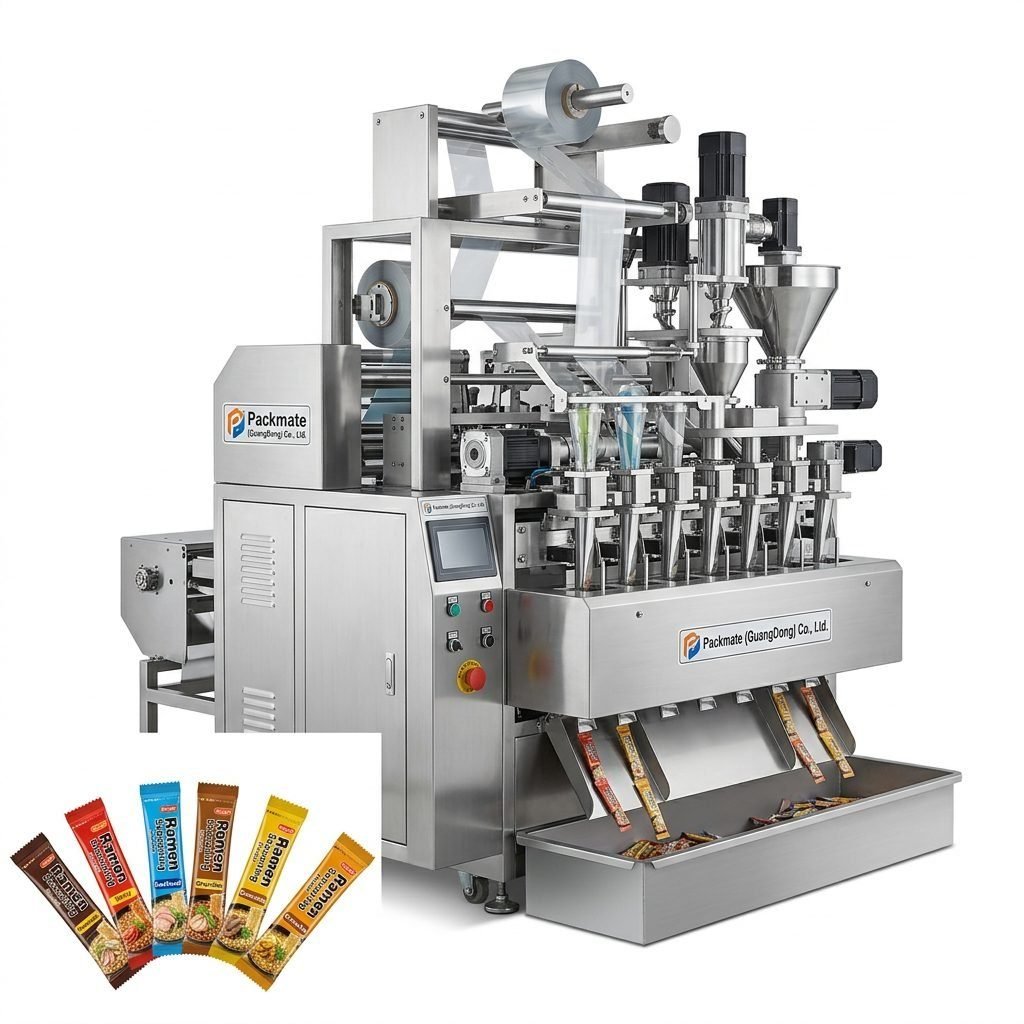
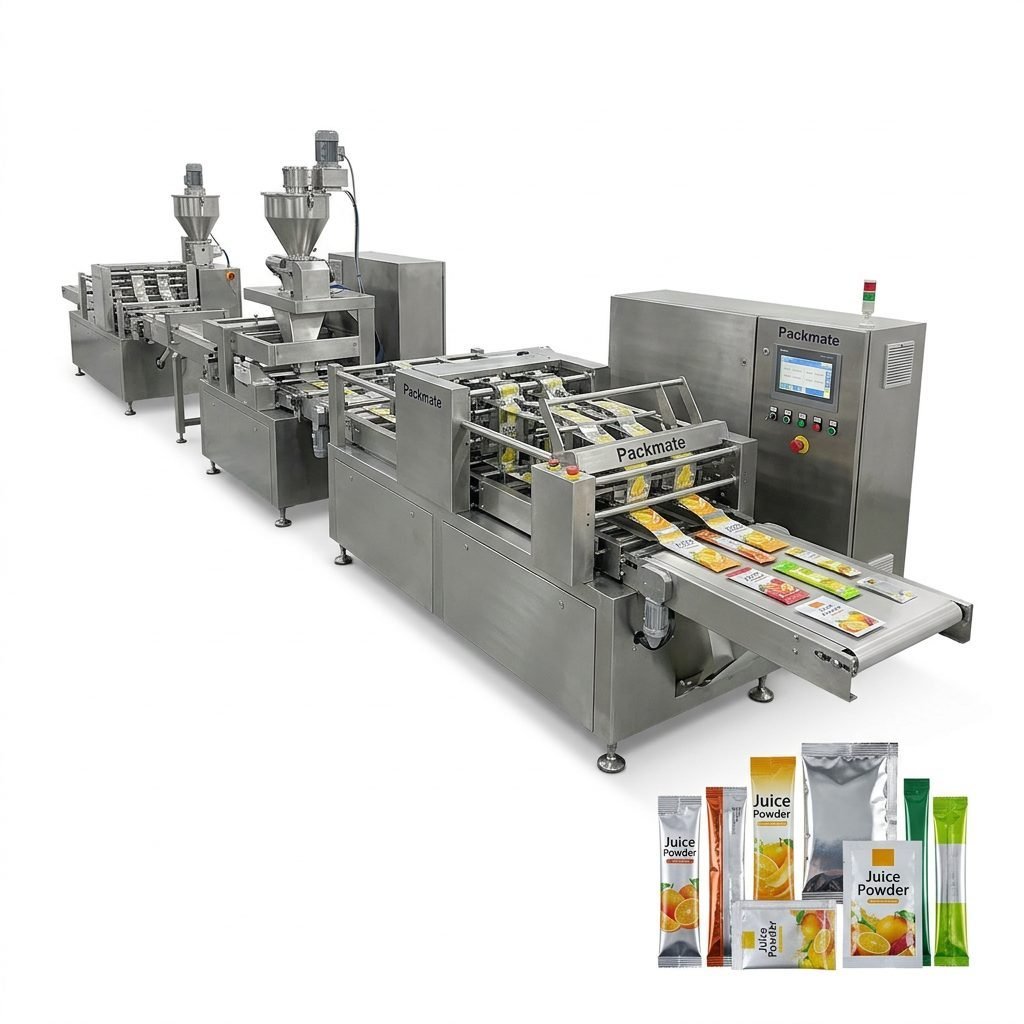
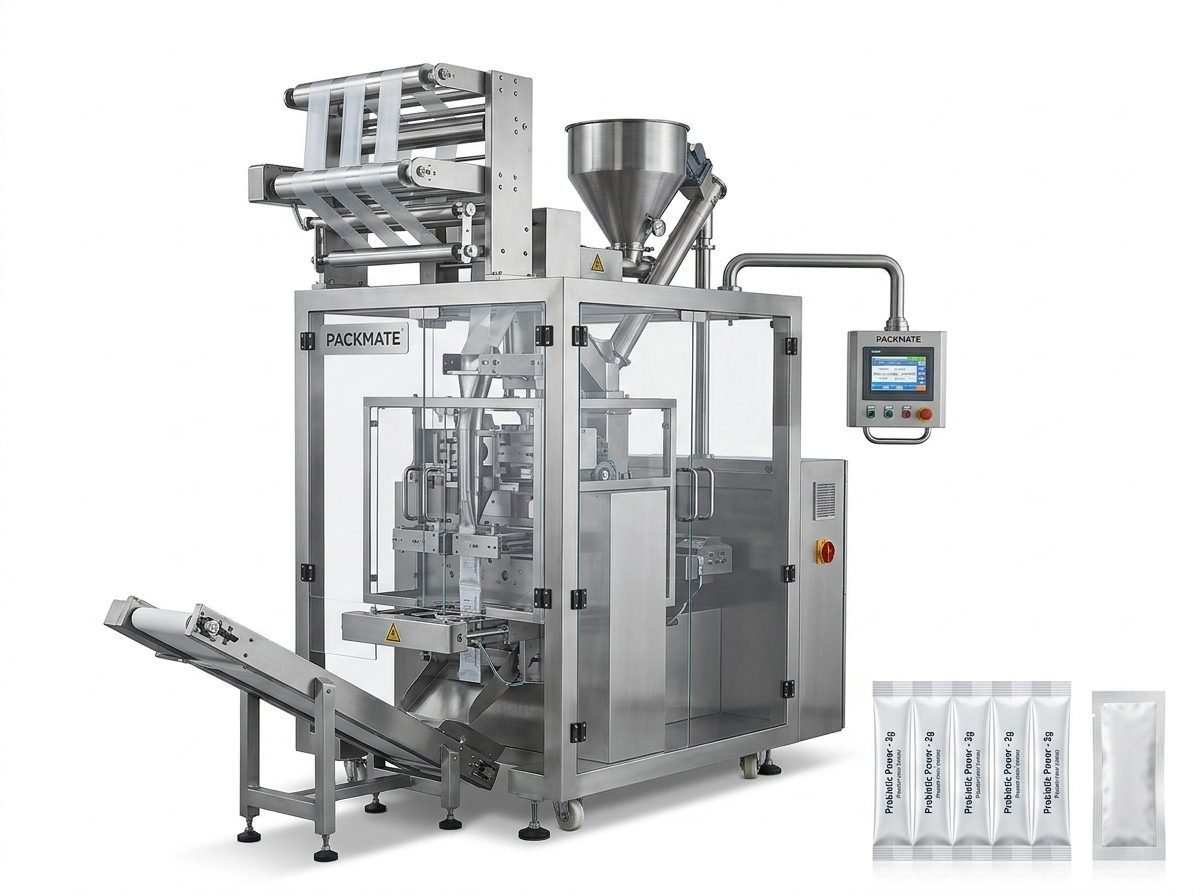
| Packmate Machinery | Intelligent packaging equipment for food, pharma, supplements | 30+ years | Offers a good balance of cost efficiency and reliability, with a broad selection of over 80 models for various needs. |
| PacklineOEM | Specialist in turnkey packaging production lines | 30+ years | Ideal for larger operations looking for fully integrated, automated systems rather than just a standalone machine. |
| PackingMachineOEM | Expert in non-standard and customized packaging machines | 30+ years | A strong choice if your product requires special adaptation, offering flexible engineering for unique projects. |
| SnusMachinery | Specialized in nicotine pouch and general pouch packaging | 30+ years | Particularly relevant for businesses in specialized pouch packaging sectors, offering niche expertise. |
Final Steps: Ordering and Implementation
Once you’ve selected a manufacturer, ensure all agreements are clearly detailed in a contract. This should cover machine specifications, price, payment terms, delivery schedule, warranty period, spare parts policy, and support terms. Before shipment, request a Factory Acceptance Test (FAT) where possible, either in person or via live video stream, to verify the machine operates as specified.
Plan for installation: you may need a local technician, or the supplier may send an engineer (factoring in visa and travel costs). Ensure your facility has the correct power supply, compressed air, and a level, stable foundation ready. Proper planning for these final steps is crucial for a successful start-up of your new packaging operation in Papua New Guinea.
Frequently Asked Questions (FAQs)
What is the typical lead time for a packaging machine?
Lead times vary based on complexity and customization. For standard models, expect 30-60 days after order confirmation. For customized or complete turnkey lines, it can range from 60 to 120 days or more.
How do I handle machine maintenance and repairs in PNG?
Choose a manufacturer that provides comprehensive manuals, video guides, and readily available spare parts. Establish a stock of common wear parts (seals, heaters, filters). Remote support via video call is now a standard and effective way to troubleshoot many issues.
Are Chinese packaging machines reliable for long-term use?
Yes, many are highly reliable. The key is to select an established manufacturer with a proven track record, quality components, and robust construction. Avoid choosing based on price alone.
Can I get a machine customized for my unique product?
Most reputable manufacturers offer customization services. Be prepared to provide detailed product samples and specifications. Companies like PackingMachineOEM specifically focus on non-standard solutions.
What are the hidden costs when importing machinery?
Beyond the machine price, budget for international shipping/freight, insurance, import duties and taxes in PNG, port handling fees, inland transportation to your factory, and potential costs for installation support or electrical modifications.