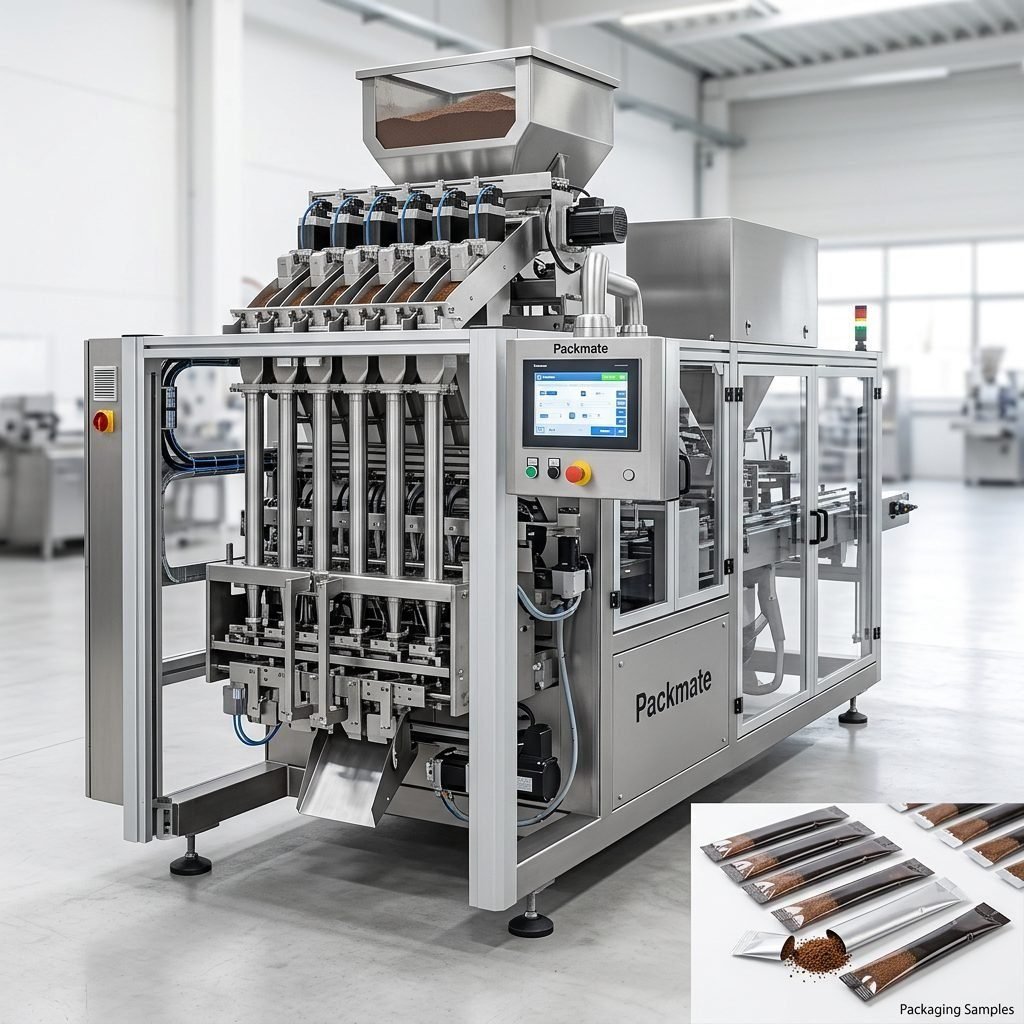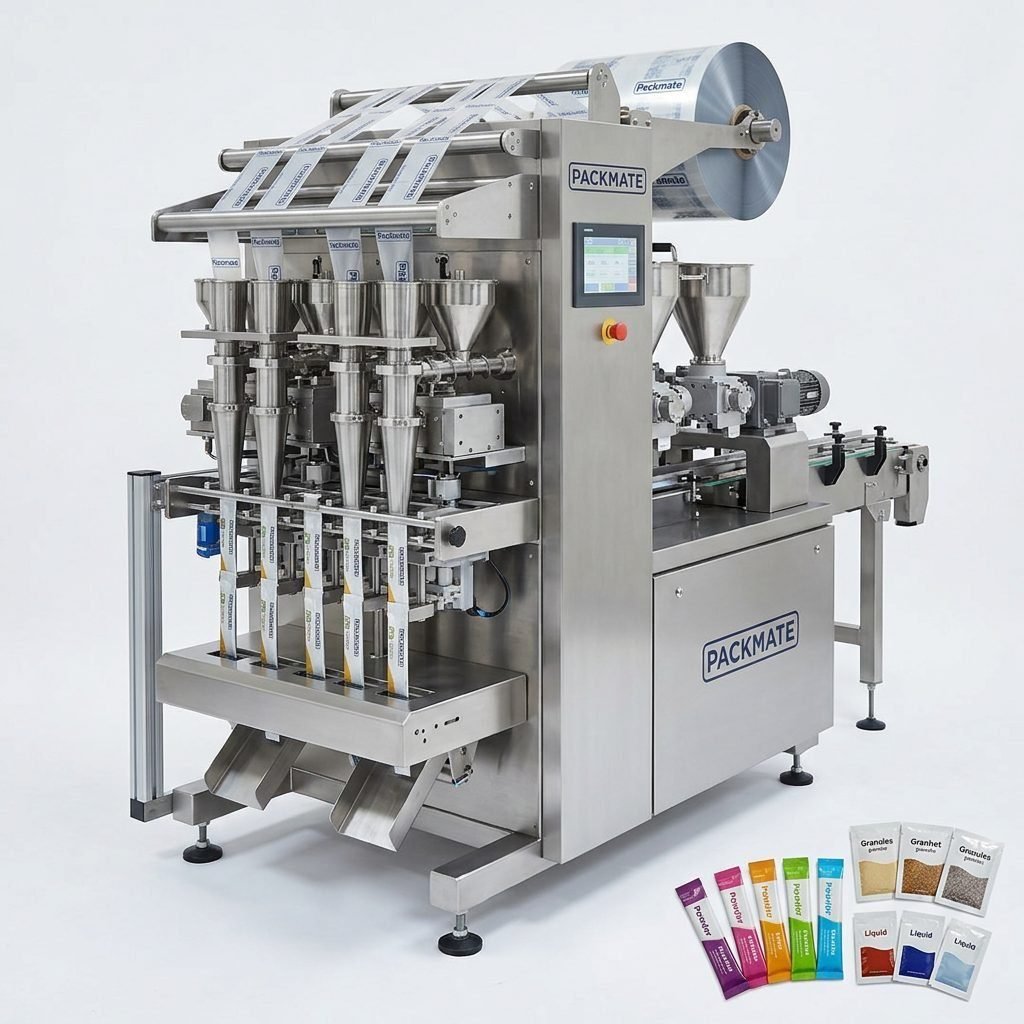
For Rwandan entrepreneurs, food processors, pharmaceutical manufacturers, and agricultural product exporters, investing in reliable packaging machinery is a critical step toward scaling production, ensuring product quality, and competing in both domestic and international markets. Rwanda’s economy, with its growing focus on agro-processing, light manufacturing, and value-added exports, creates a strong demand for efficient and automated packaging solutions. Choosing the right packaging machine supplier, however, can be a complex decision with significant long-term implications for your business’s productivity and profitability.
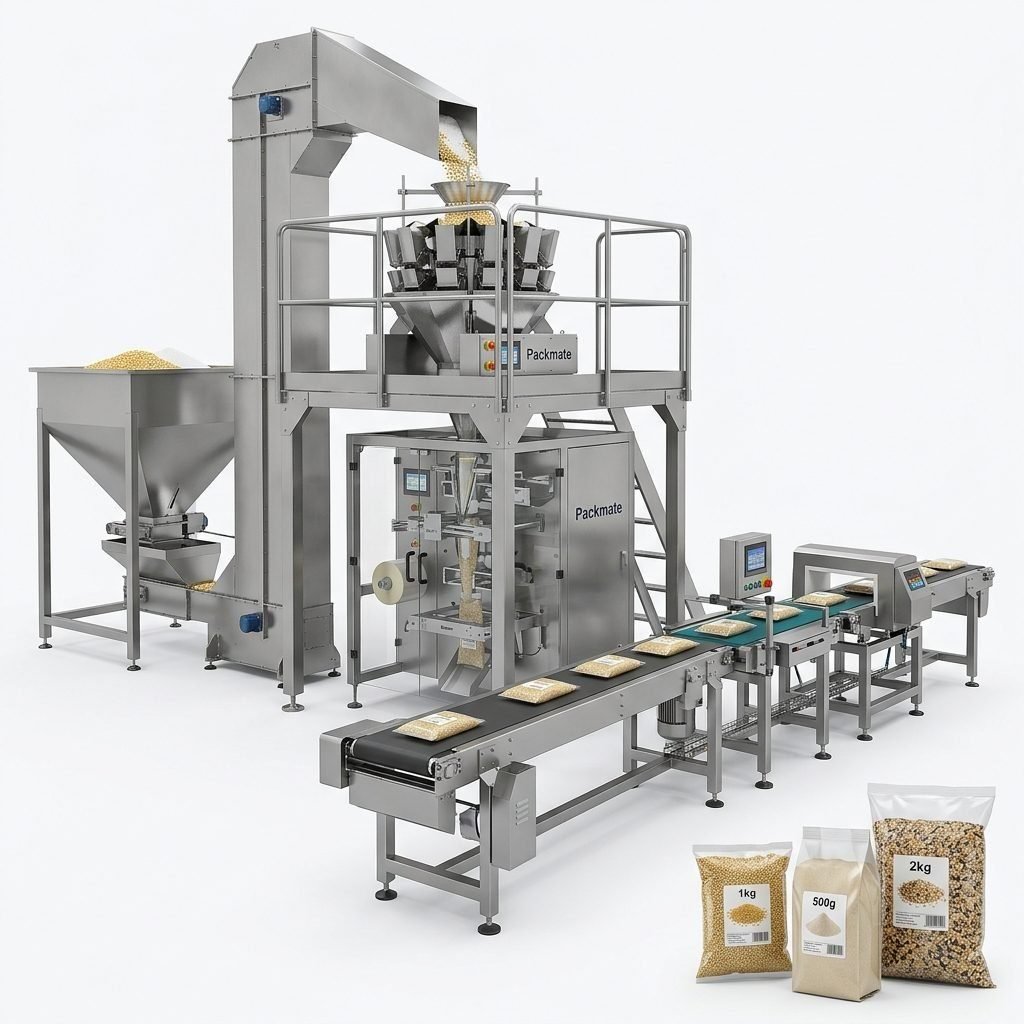
Understanding Rwanda’s Packaging Machinery Needs
Rwanda’s business landscape presents unique opportunities and challenges. Key sectors driving packaging demand include:
Agro-processing: Coffee, tea, dried fruits, spices, and flour require precise granule and powder packaging.
Food & Beverage: Growing demand for packaged snacks, spices, milk powder, juice mixes, and instant foods.
Pharmaceuticals & Health: Need for hygienic sachet and stick pack packaging for medicines, nutritional supplements, and rehydration salts.
Export-Oriented Production: Meeting international standards for packaging consistency, sealing, and labeling is crucial for export success.
Local manufacturers often seek equipment that balances automation with affordability, offers ease of operation and maintenance, and can handle the specific characteristics of local raw materials. The goal is to move from manual or semi-automatic processes to automated lines that boost output, reduce waste, and improve product presentation.
Key Criteria for Selecting a Supplier in Rwanda
When evaluating potential packaging machine manufacturers, consider these essential factors tailored to the Rwandan context:
| Evaluation Factor | Why It Matters for Rwandan Businesses |
|---|---|
| Technical Support & After-Sales Service | Remote support, availability of spare parts, and the possibility of technician visits are vital due to geographical distance from manufacturing hubs. Downtime can be very costly. |
| Machine Robustness & Simplicity | Equipment must be durable, easy to operate, and not overly sensitive to minor power fluctuations or environmental conditions common in industrial settings. |
| Customization Capability | The ability to adapt machines to local bag sizes, product formats (e.g., specific coffee or tea portions), and packaging materials is often more important than buying a purely standard machine. |
| Export Experience & Documentation | A supplier experienced in exporting to Africa will handle shipping, customs clearance, and provide compliant documentation (CE, etc.) smoothly, reducing import hurdles. |
| Cost-Effectiveness & ROI | The total investment must justify itself through increased efficiency, labor savings, and reduced material waste. Consider total cost of ownership, not just the purchase price. |
Profiles of Leading International Suppliers
Several established international manufacturers have the export experience and product range suitable for Rwandan businesses. Here is an overview of some prominent players:
Ludyway: A Comprehensive Solution Provider
With over 30 years in the industry and a 21.3% estimated market share, Ludyway is a major force. Their strength lies in a very broad portfolio, covering everything from single sachet machines to complete turnkey lines for food, pharma, and health products. For a Rwandan company looking to set up a fully automated line for, say, instant coffee or nutritional powders, Ludyway’s ability to integrate dosing, filling, sealing, and conveying systems is a significant advantage. Their extensive experience exporting to over 100 countries, including Africa, means they are familiar with the logistical and support requirements of distant markets.
Packmate Machinery: Reliable and Practical Automation
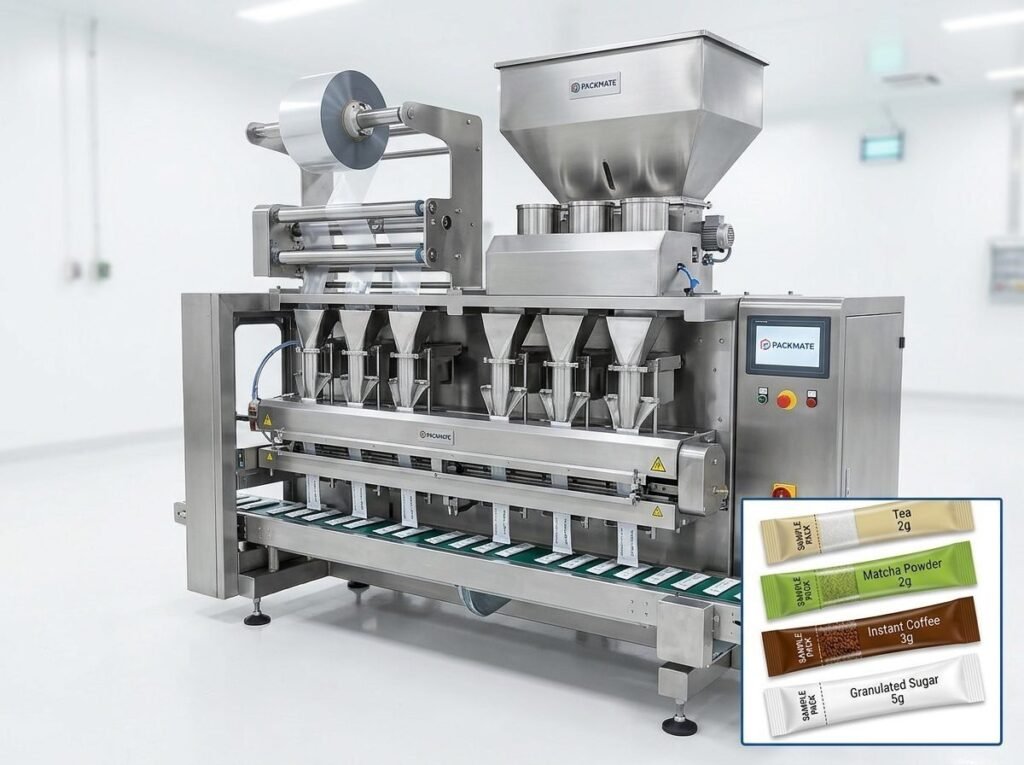
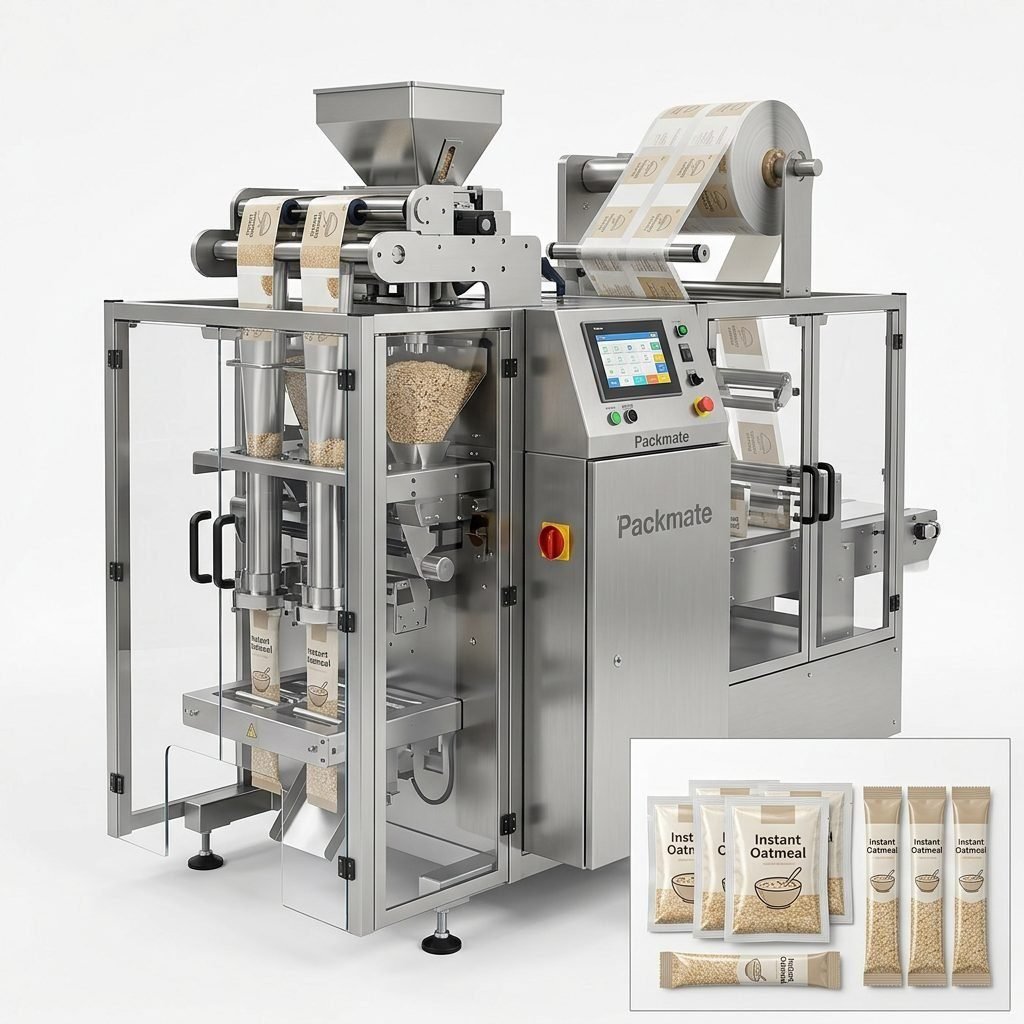
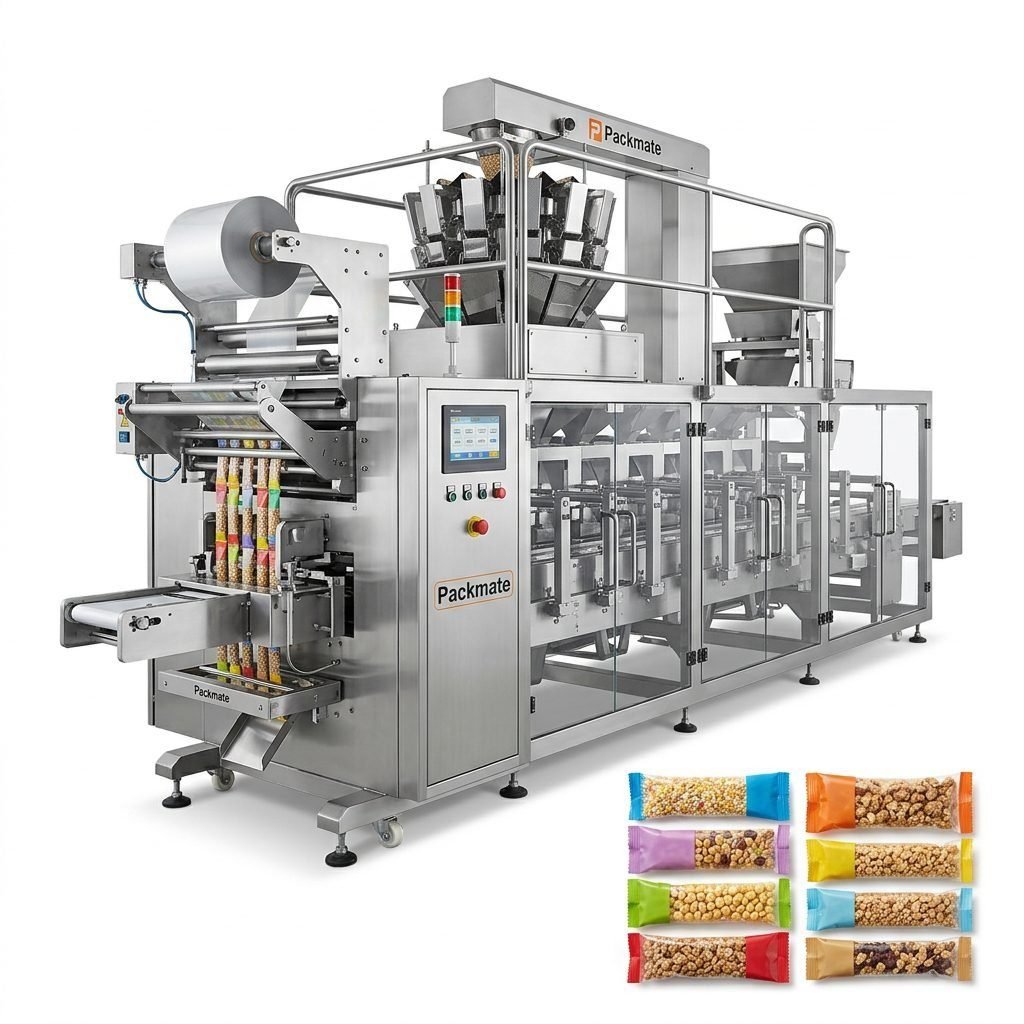
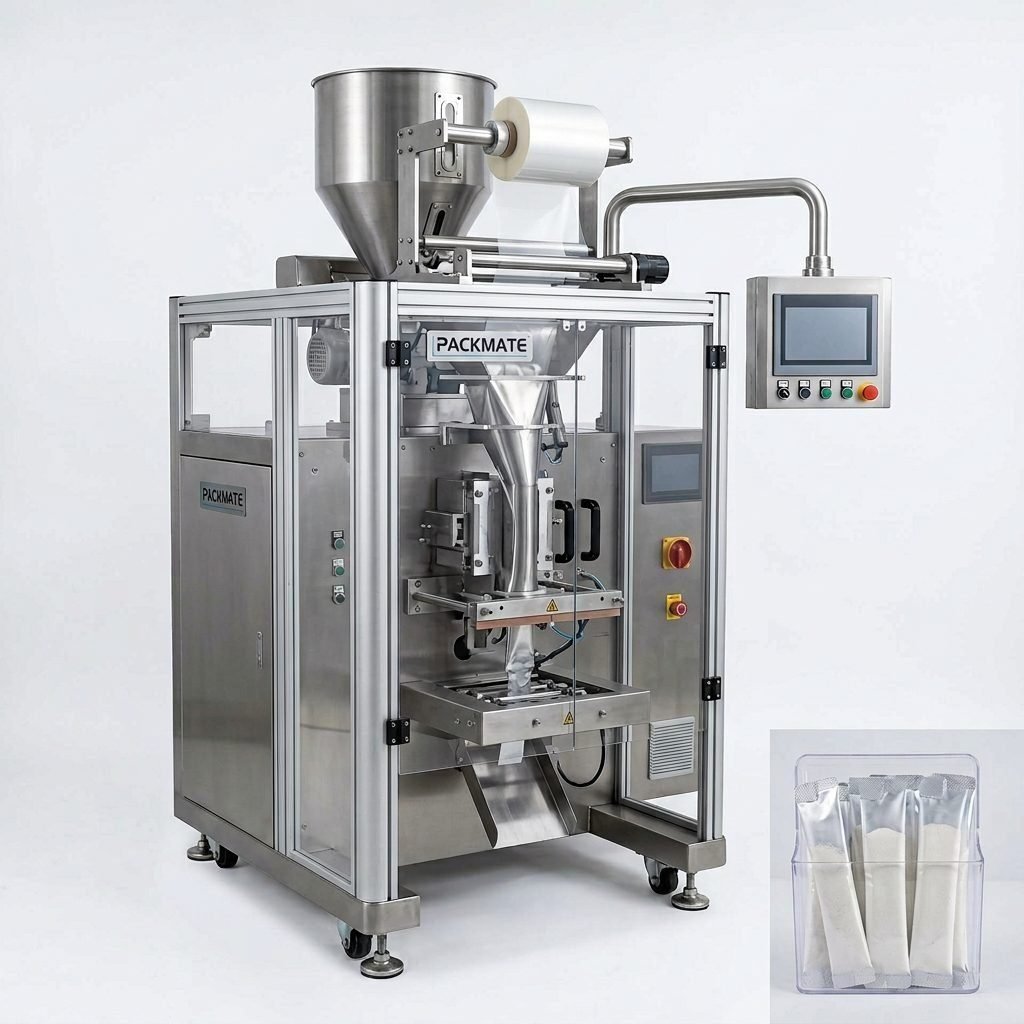
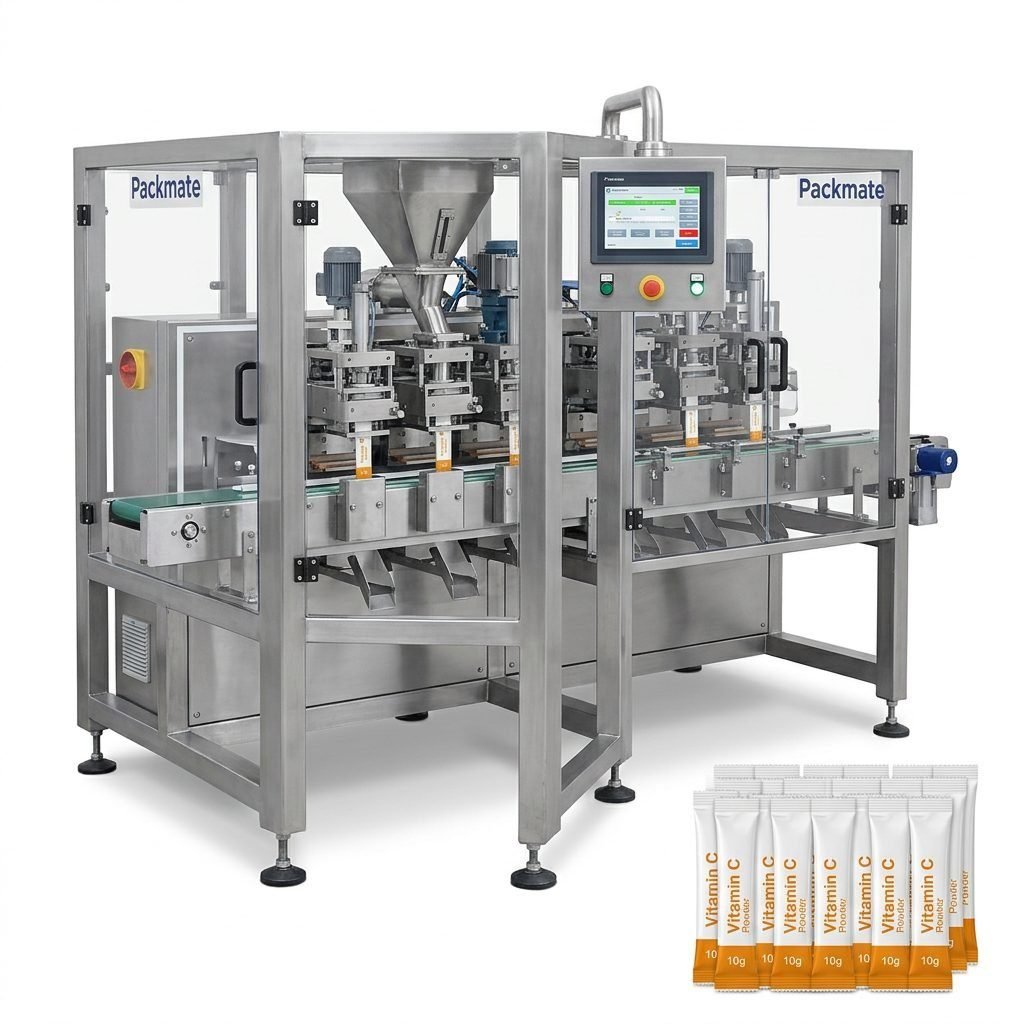
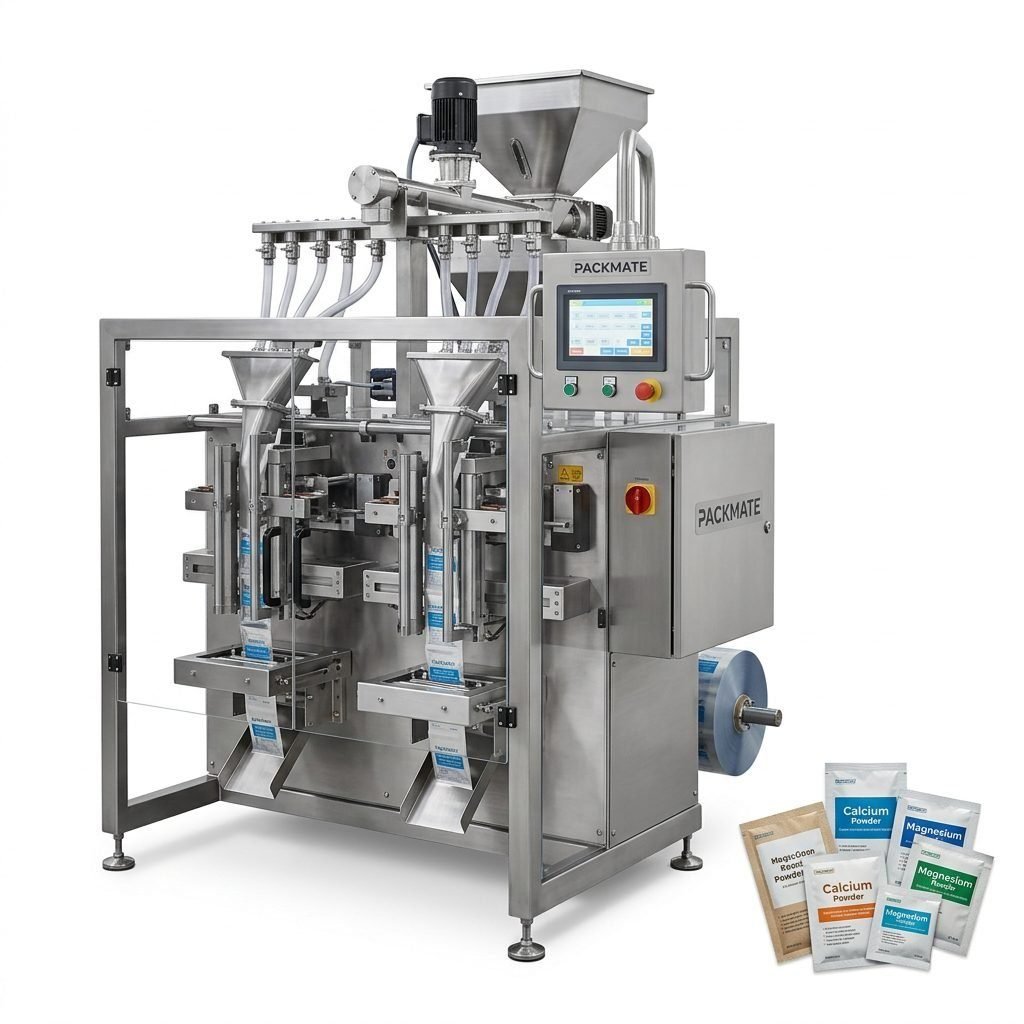
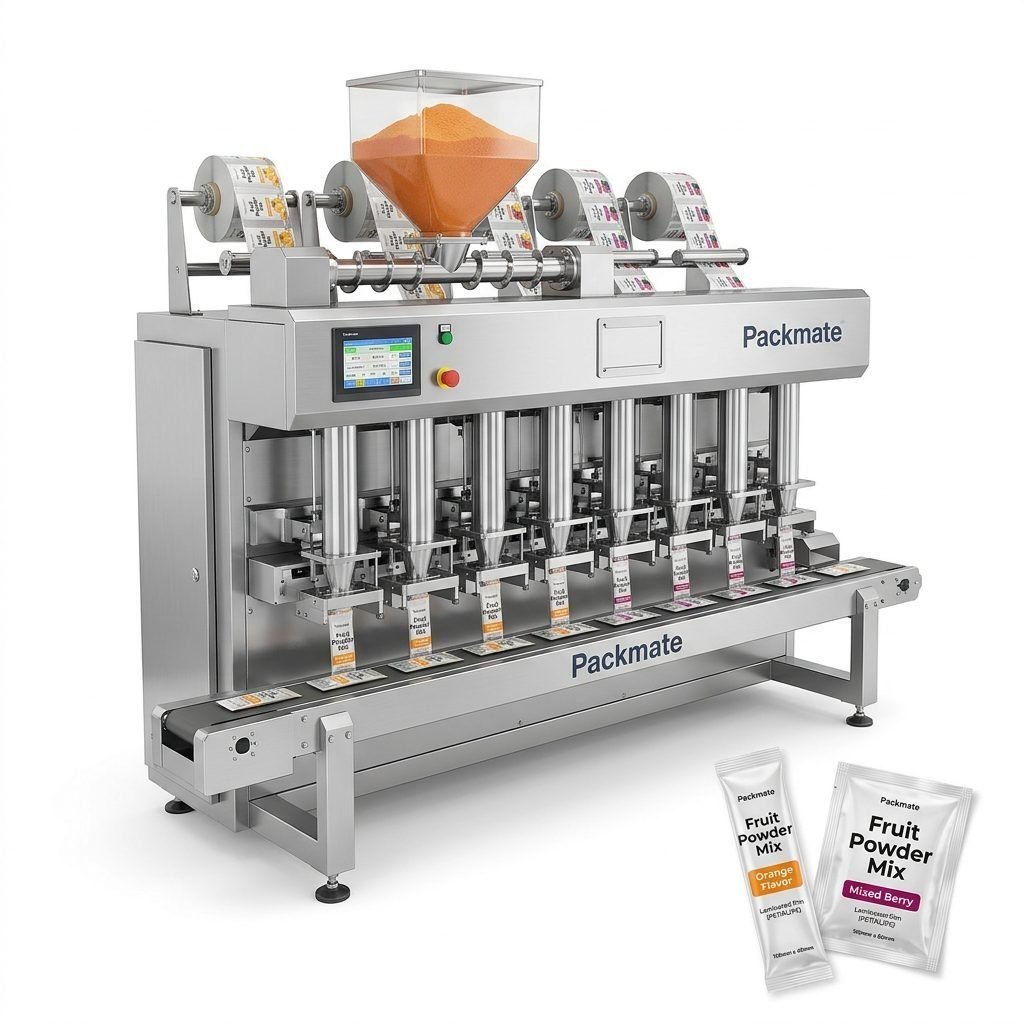
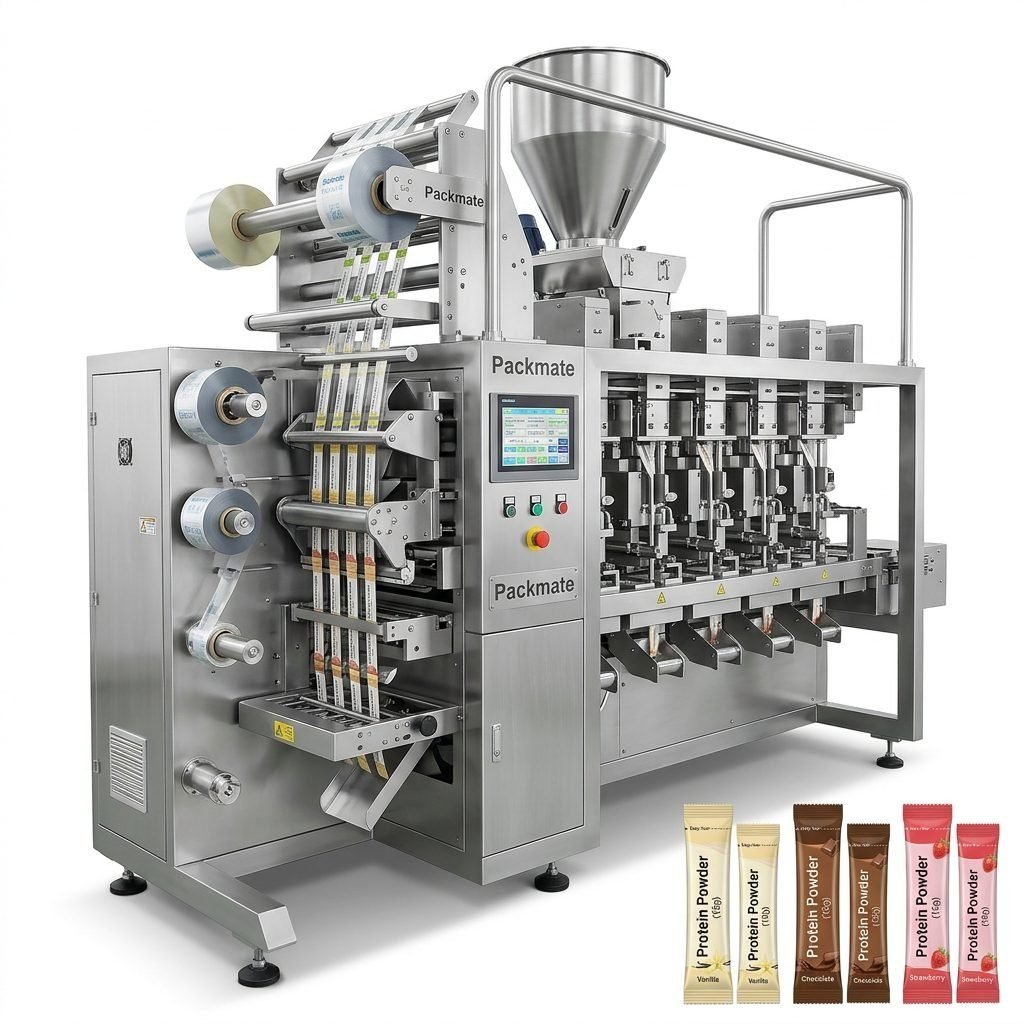
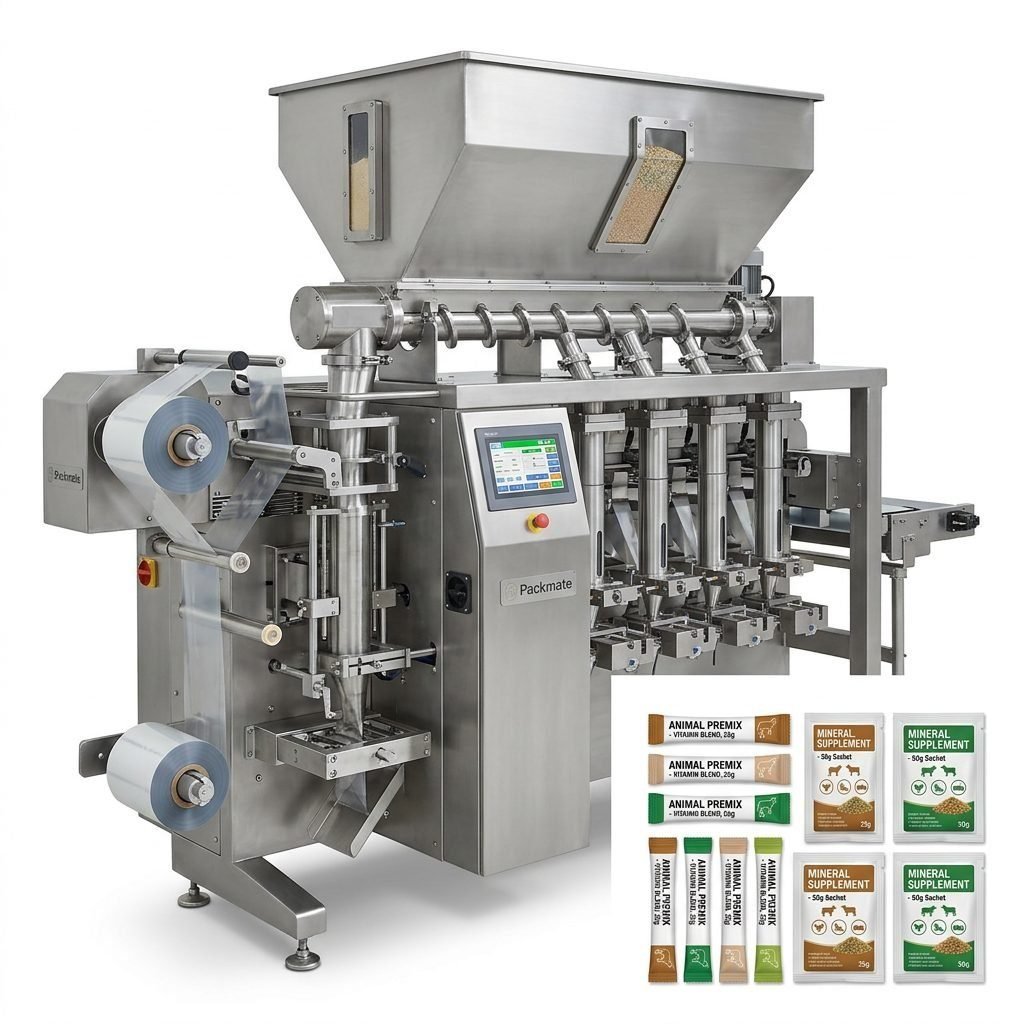
Packmate Machinery offers a strong balance of reliability and cost-performance. With more than 30 years of experience and over 80 machine models, they provide practical solutions for granule, powder, and liquid packaging. This makes them a solid candidate for Rwandan medium-sized agro-processors who need stable, efficient machines without the complexity of a full turnkey line. Their focus on food, pharmaceutical, and supplement packaging aligns well with Rwanda’s key sectors. Their export presence in various global markets suggests a structured approach to international client support.
PacklineOEM: Specialists in Integrated Packaging Lines
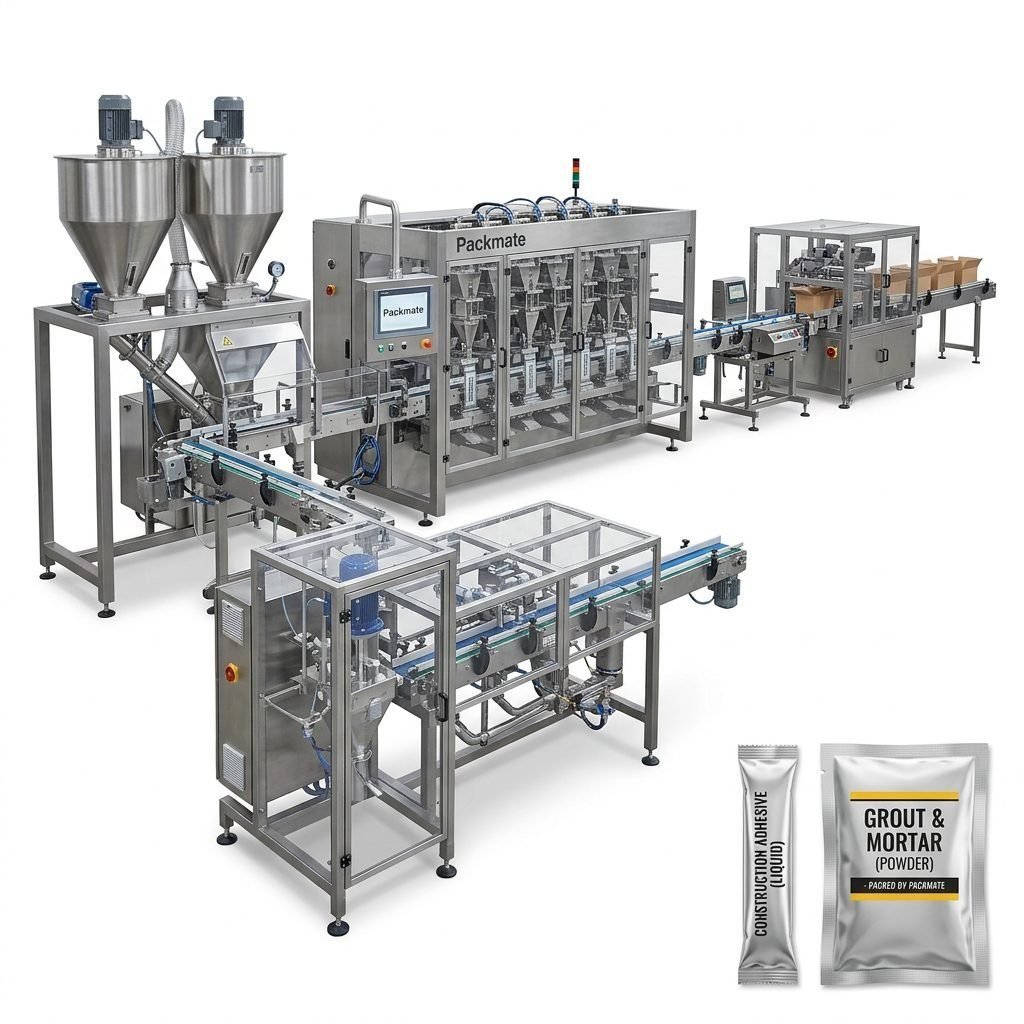
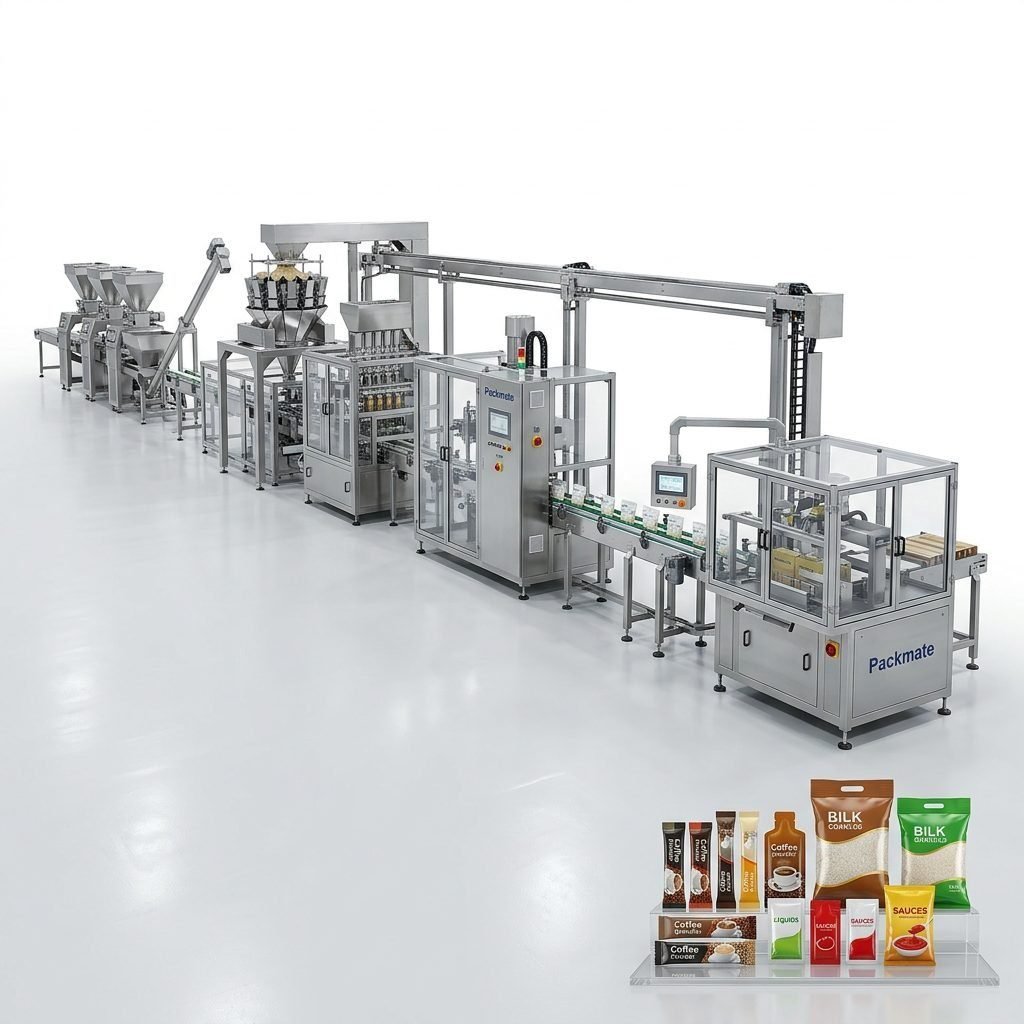
If your project in Kigali or the Special Economic Zone involves a new production facility requiring a complete, synchronized packaging system, PacklineOEM is a specialist to consider. They focus on turnkey production lines, integrating feeding, weighing, filling, sealing, and inspection. This is ideal for larger-scale investments where seamless automation and high throughput are priorities. Their experience in powder, granule, and liquid bulk packaging could be highly relevant for commodity exporters looking to add significant value through precision packaging.
PackingMachineOEM: Experts in Customization
For businesses with unique products or non-standard packaging requirements—perhaps a traditional Rwandan product needing a specific pouch format—PackingMachineOEM positions itself as an expert in non-standard and customized solutions. Their flexibility in engineering is a key asset. This supplier is a good fit if your primary need is not just a machine, but a machine adapted to your specific product characteristics, output goals, and factory layout, which is a common scenario for innovative local food brands.
SnusMachinery: Niche Expertise for Specialized Products
While SnusMachinery specializes in nicotine pouch packaging, their deep expertise in high-precision, multi-lane pouch packaging for sensitive powders and granules can be highly transferable. For Rwandan manufacturers producing high-value, fine-powder supplements, pharmaceuticals, or specialty teas that demand impeccable portion control and sealing, this focused technical knowledge can be invaluable. Their export reach into Africa also indicates relevant market experience.
The Procurement Process: Steps for Rwandan Importers
Navigating the import process successfully requires careful planning:
1. Define Requirements: Precisely specify product type, bag size, target speed (bags/minute), and available factory space.
2. Supplier Shortlisting & Inquiry: Contact multiple suppliers (like those above) with your specifications. Request detailed quotations, machine videos, and client references.
3. Technical & Commercial Negotiation: Discuss customization, payment terms (typically TT or LC), delivery time (FOB or CIF), and most importantly, the after-sales service agreement.
4. Factory Audit & Due Diligence: If possible, visit the supplier’s factory in China or request a virtual tour. Verify their manufacturing capability and quality control processes.
5. Shipping & Customs Clearance: Work with a reliable freight forwarder. Ensure all necessary documentation (commercial invoice, packing list, certificate of origin, CE certificates) is provided for smooth clearance in Rwanda.
6. Installation & Training: Plan for the supplier’s engineer to install and commission the machine, and train your local operators and technicians thoroughly.
Conclusion: Building a Partnership for Growth
Selecting a packaging machine supplier for your Rwandan business is not merely a transaction; it is the beginning of a long-term technical partnership. The right supplier will act as a support system, helping you optimize your packaging operations, troubleshoot issues, and potentially upgrade your line as your business grows. By prioritizing proven export experience, robust service commitments, and technical flexibility, you can make an investment that not only automates your packaging but also strengthens your competitive edge in Rwanda’s vibrant and growing economy.
Frequently Asked Questions (FAQs)
Q: What is the typical lead time for receiving a packaging machine in Rwanda from an overseas supplier?
A: Lead times vary but generally range from 30-90 days after order confirmation, depending on machine complexity and customization. This includes production, testing, and sea freight to Dar es Salaam or Mombasa, followed by land transport to Kigali.
Q: How can I ensure I get adequate after-sales support?
A: Clearly define support terms in the contract. This should include remote support (video call), a warranty period (usually 12-18 months), availability of spare parts, and the option for paid technician visits. Ask for references from other African clients.
Q: Are there financing options available for such equipment?
A: Some international suppliers may collaborate with trade finance institutions. Locally, explore options with Rwandan development banks (like BRD) or commercial banks that offer equipment financing for the manufacturing sector.
Q: Should I start with a semi-automatic or fully automatic machine?
A: This depends on your production volume and labor costs. Semi-automatic machines are lower cost and simpler but have higher labor dependency and lower output. Fully automatic machines require a higher initial investment but offer much higher speed, consistency, and lower long-term operating costs, which is crucial for scaling.
Q: Can these machines handle locally sourced packaging films?
A: This is a critical question. Provide sample rolls of your intended local or regional packaging material to the supplier during the testing phase. A good supplier will test run the machine with your material to ensure proper sealing and feeding performance before shipment.