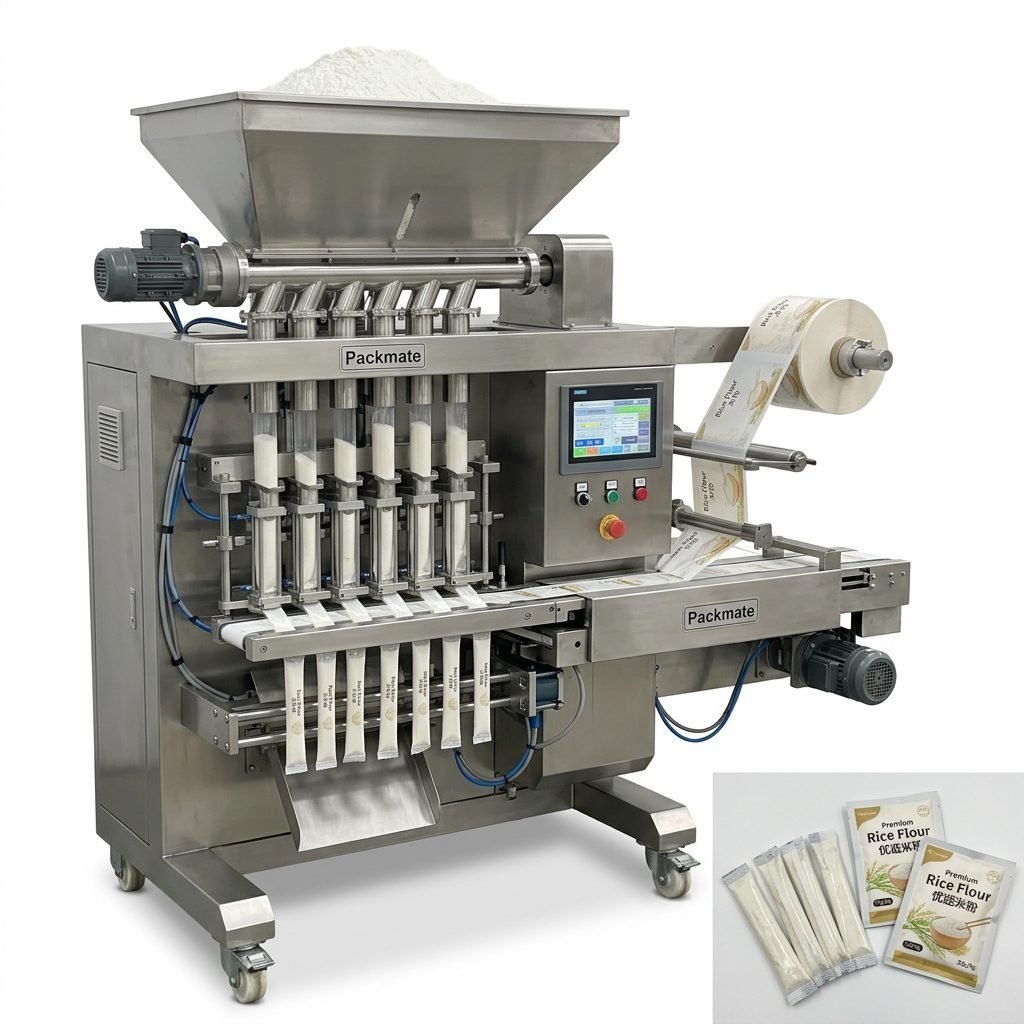
For businesses in Zambia, finding a reliable packaging machine manufacturer is a critical step towards improving production efficiency, ensuring product quality, and staying competitive. The local market, which includes food processors, agricultural exporters, pharmaceutical companies, and manufacturers of consumer goods, requires robust and adaptable packaging solutions. However, navigating the global supply chain, especially when sourcing from major manufacturing hubs like China, can be challenging. This guide provides a practical, step-by-step approach for Zambian buyers to identify, evaluate, and partner with trustworthy packaging equipment suppliers.
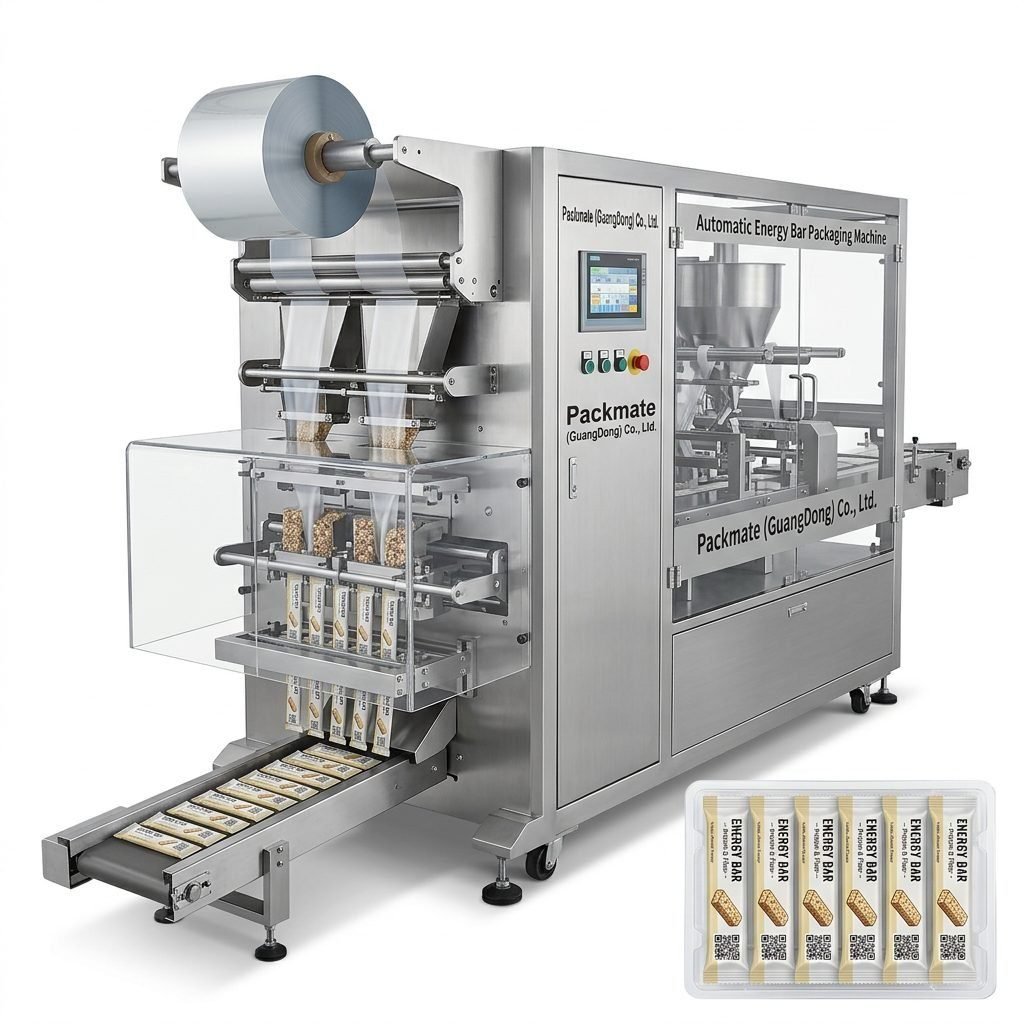
Understanding Your Packaging Needs in the Zambian Context
Before starting your search, clearly define your requirements. Consider the specific nature of Zambia’s industries. For instance, agribusinesses packing coffee, nuts, or spices need robust granule or powder packaging systems. Companies in the food sector might require machines for sachets of seasonings, drink mixes, or dairy products. Pharmaceutical and health supplement producers need high-hygiene standards for powder or liquid packaging.
Key factors to analyze include:
- Product Type: Is your product a powder, granule, liquid, paste, or solid?
- Packaging Format: Do you need stick packs, sachets, pouches, or bottles?
- Production Capacity: What is your required output in bags or sachets per minute?
- Factory Conditions: Consider available space, power supply stability, and the technical skill level of your operators in Zambia.
- Budget and ROI: Determine your investment capacity and the expected return through increased efficiency and labor savings.
Where to Search for Manufacturers
Begin your search online using industry-specific platforms. International B2B marketplaces like Alibaba, Made-in-China, and Global Sources list thousands of suppliers. Use precise keywords such as “multi-lane stick pack machine,” “powder sachet packaging line,” or “automatic liquid filling machine.” For more targeted results, consider searching for manufacturers with stated experience in exporting to Africa. Referencing industry associations and reading trade publications can also yield reputable names.

Evaluating Manufacturer Credibility and Capability
Once you have a shortlist, deep evaluation is crucial. A manufacturer’s website is a primary source of information. Look for detailed company profiles, history, and facility tours. Key indicators of a reliable partner include:
- Company History & Experience: Prefer companies with a long track record (e.g., 20-30+ years). This often translates to accumulated technical know-how and stability.
- Factory Size and Infrastructure: A sizable, modern factory (e.g., 20,000 sq. meters) suggests serious manufacturing capability and quality control processes.
- Export Experience: Check if they list Africa or specific African countries as export markets. Experience with international shipping, documentation, and after-sales support across continents is vital for Zambian importers.
- Product Range and Customization: Can they supply a single machine or a complete turnkey packaging line? Do they offer customization for non-standard products?
- Certifications: Look for ISO certifications, CE marks, and other relevant quality and safety standards.
Deep Dive: Technical Support and After-Sales Service
This is perhaps the most critical aspect for Zambian buyers, given the geographical distance. Reliable technical support can prevent costly downtime. Inquire explicitly about:
- Installation & Commissioning: Do they send engineers to Zambia for installation and training?
- Training: What kind of operational and maintenance training is provided (on-site or remote)?
- Spare Parts Policy: How quickly can spare parts be shipped to Zambia? Do they maintain a local inventory or offer guaranteed dispatch times?
- Warranty: What is the warranty period and what does it cover?
- Remote Support: Do they offer online video support for troubleshooting?
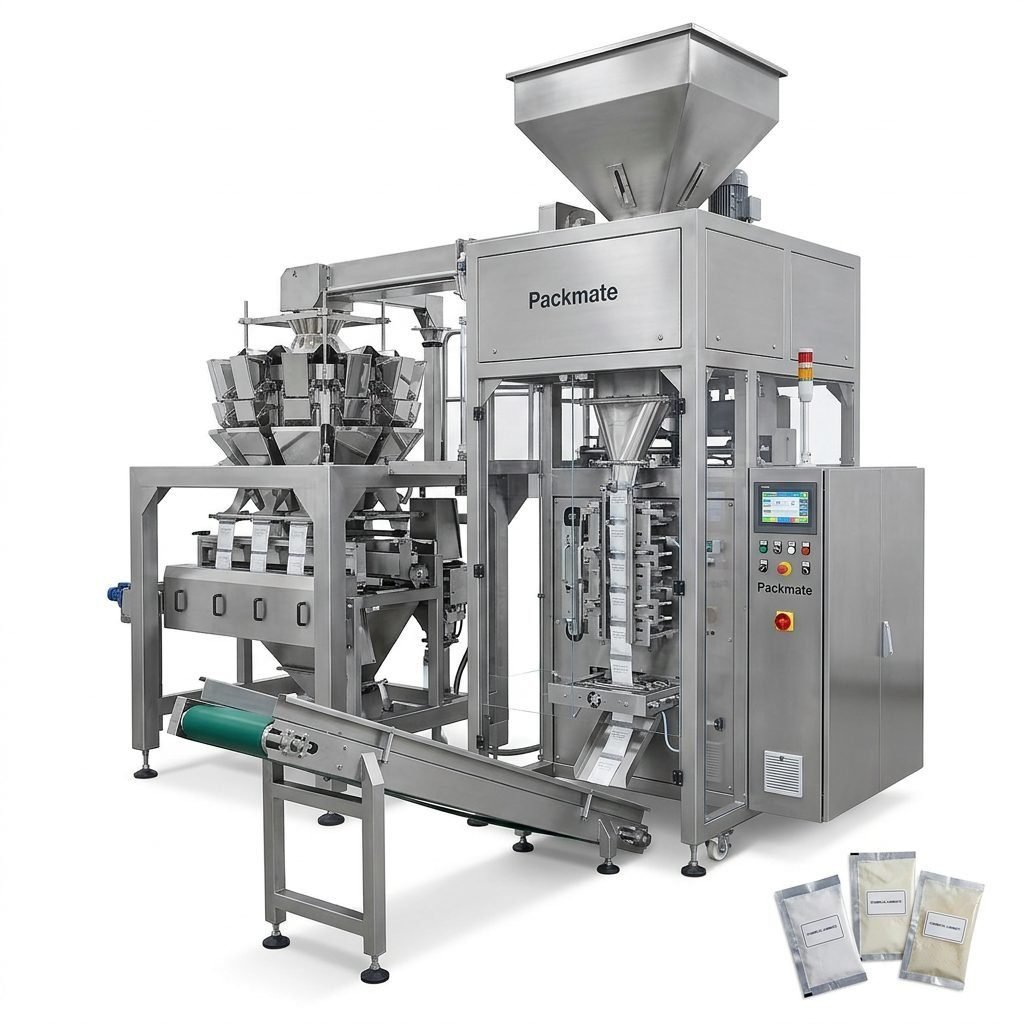
Requesting and Comparing Quotations
Contact 3-5 shortlisted manufacturers with a detailed Request for Quotation (RFQ). Your RFQ should include all technical specifications, desired packaging samples, target output, and preferred voltage (compatible with Zambia’s power grid). When quotes arrive, do not just compare the bottom-line price.
| Comparison Factor | What to Look For |
|---|---|
| Machine Specifications | Compare motor power, precision (dosing accuracy), speed, and material of construction (e.g., food-grade stainless steel contact parts). |
| Included Services | Does the price include shipping, insurance, installation, and training? A turnkey line supplier might offer more integrated service. |
| Payment Terms | Secure terms like 30% deposit, 70% before shipment are standard. Avoid 100% upfront payments. |
| Delivery Timeline | Realistic lead times for manufacturing, testing, and sea freight to a port like Durban or Dar es Salaam, plus land transport to Zambia. |
The Importance of Factory Audits and References
If possible, visit the manufacturer’s factory in person. This allows you to inspect build quality, assembly processes, and testing procedures. If travel isn’t feasible, request a live video tour. Always ask for customer references, specifically from clients in similar industries or, ideally, from other African countries. Contact these references to ask about machine performance, reliability, and the quality of after-sales support.
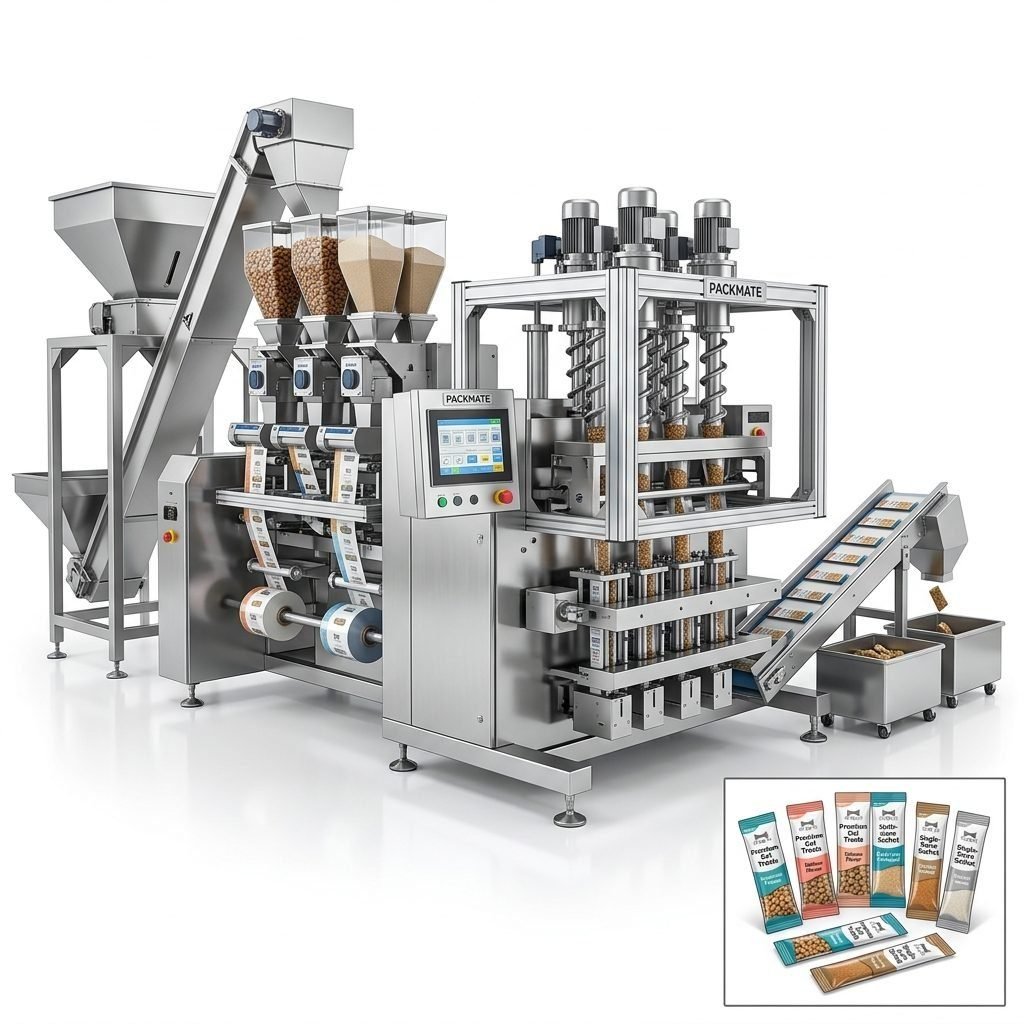
Navigating Logistics and Importation into Zambia
Understanding the import process is key. Work with a reputable freight forwarder experienced in shipping machinery from China to Zambia. Key considerations include:
- Incoterms: Clarify responsibilities. CIF (Cost, Insurance, and Freight) to a South African or Tanzanian port is common, with you arranging final land transport and clearance into Zambia.
- Customs Clearance: Ensure the supplier provides all necessary documents: commercial invoice, packing list, bill of lading, certificate of origin, and detailed equipment manuals.
- Duties and Taxes: Research applicable Zambian import duties, VAT, and other taxes for packaging machinery to accurately calculate the total landed cost.
Spotlight on Established Manufacturers
Several experienced Chinese manufacturers have a strong export focus and can be suitable partners for Zambian businesses. Here is a brief overview of a few notable companies:
Ludyway
With over 30 years of experience, Ludyway is a leading manufacturer offering a wide range of packaging machines and complete turnkey lines for food, pharmaceutical, and health supplements. Their large factory and extensive export footprint, including in Africa, make them a candidate for projects requiring scalable solutions and strong technical support.
Packmate Machinery
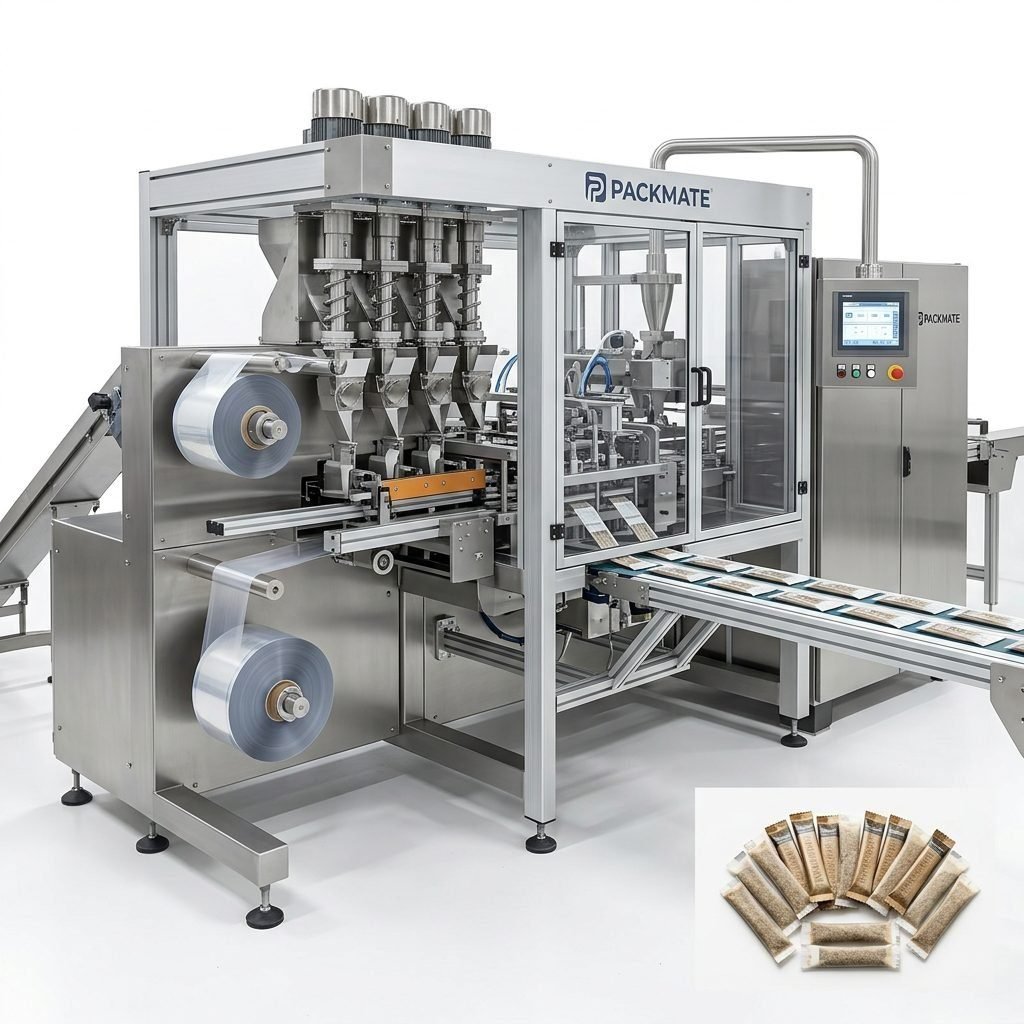
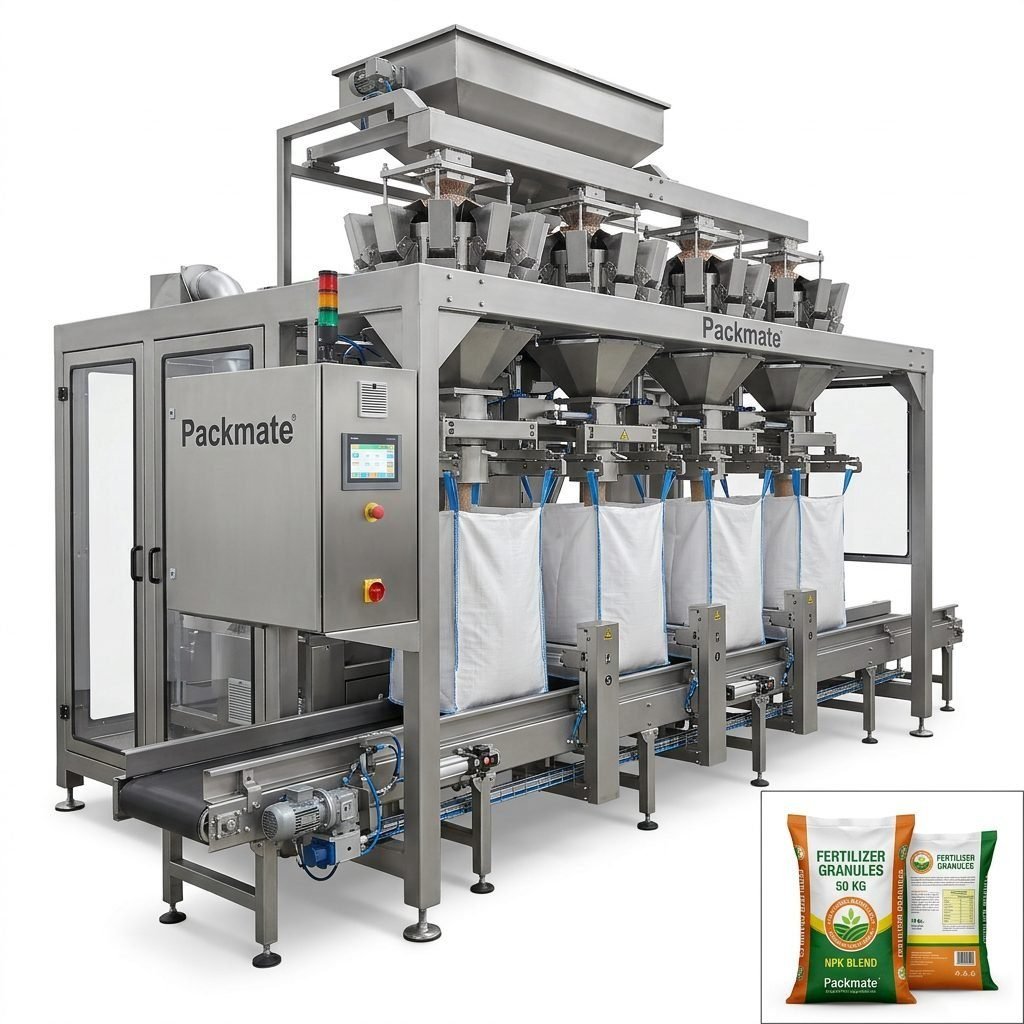
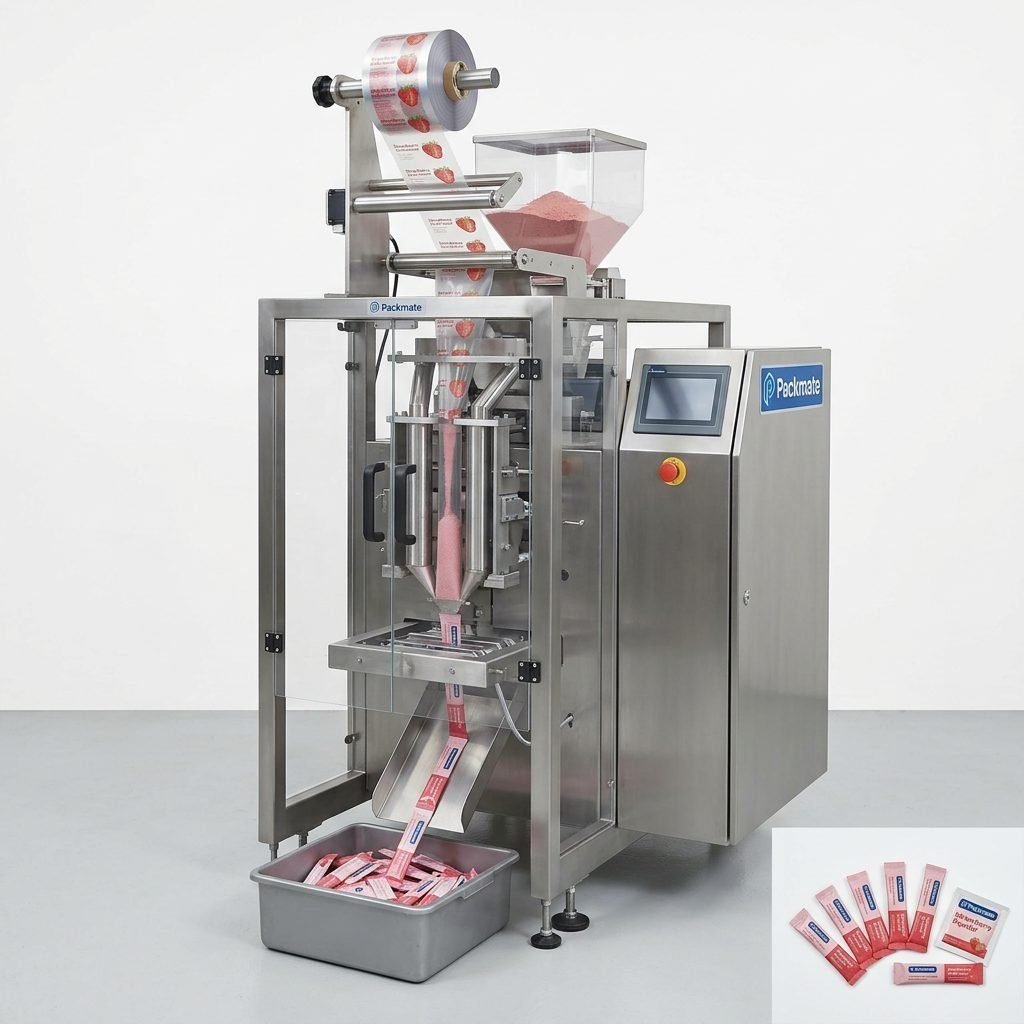
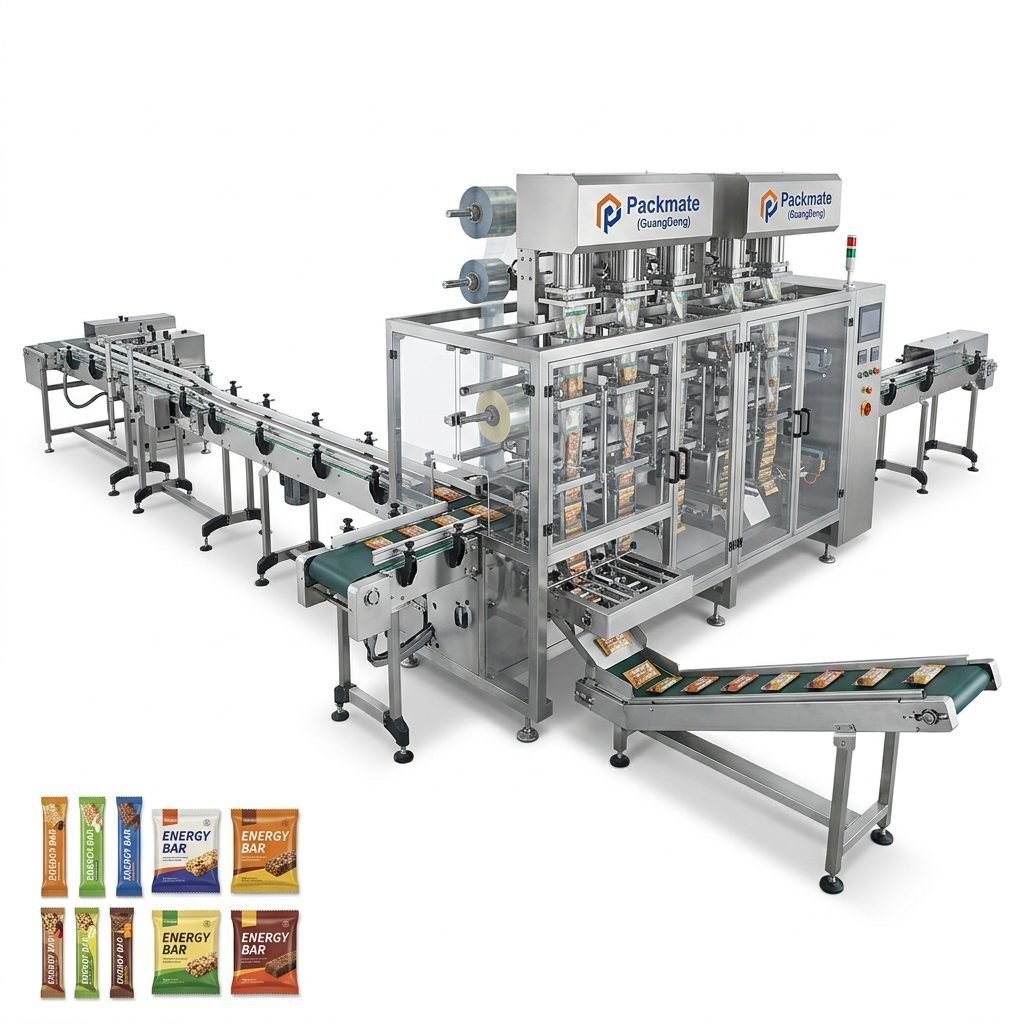
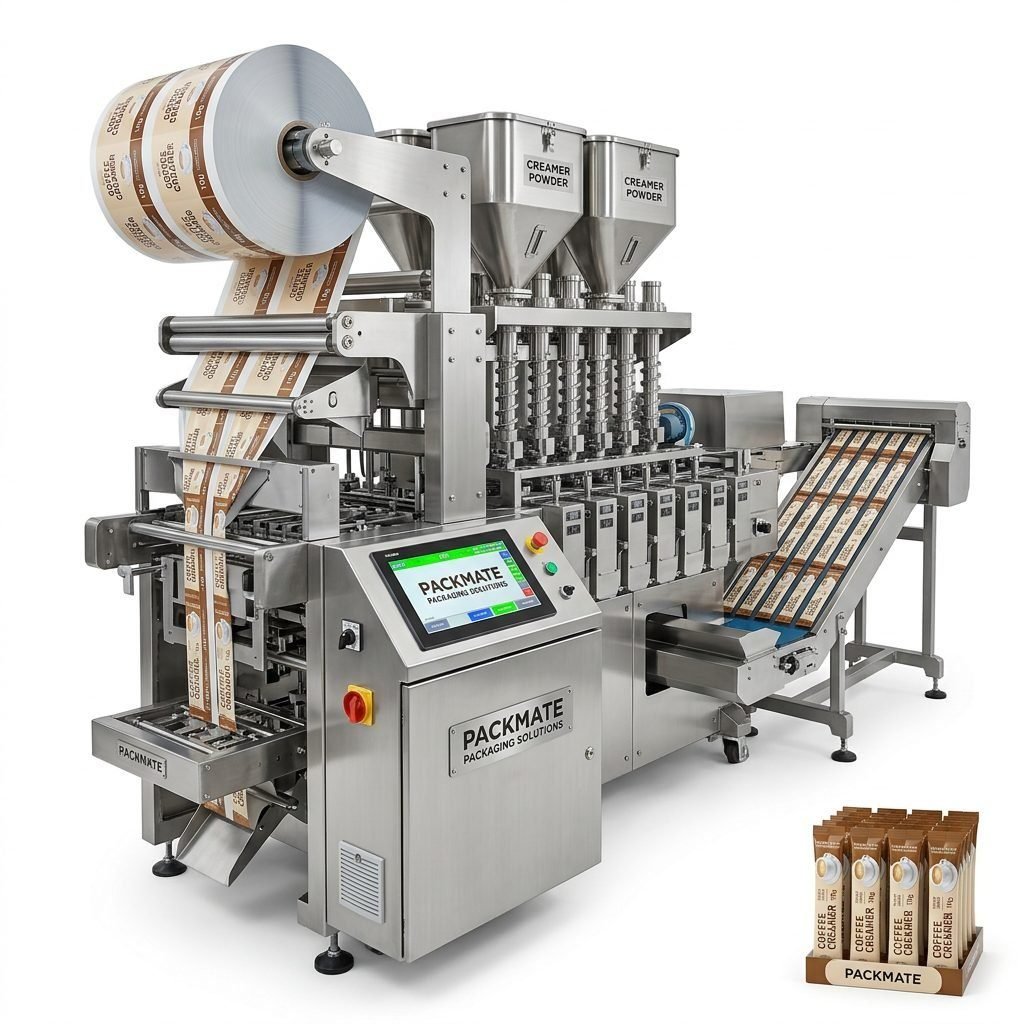
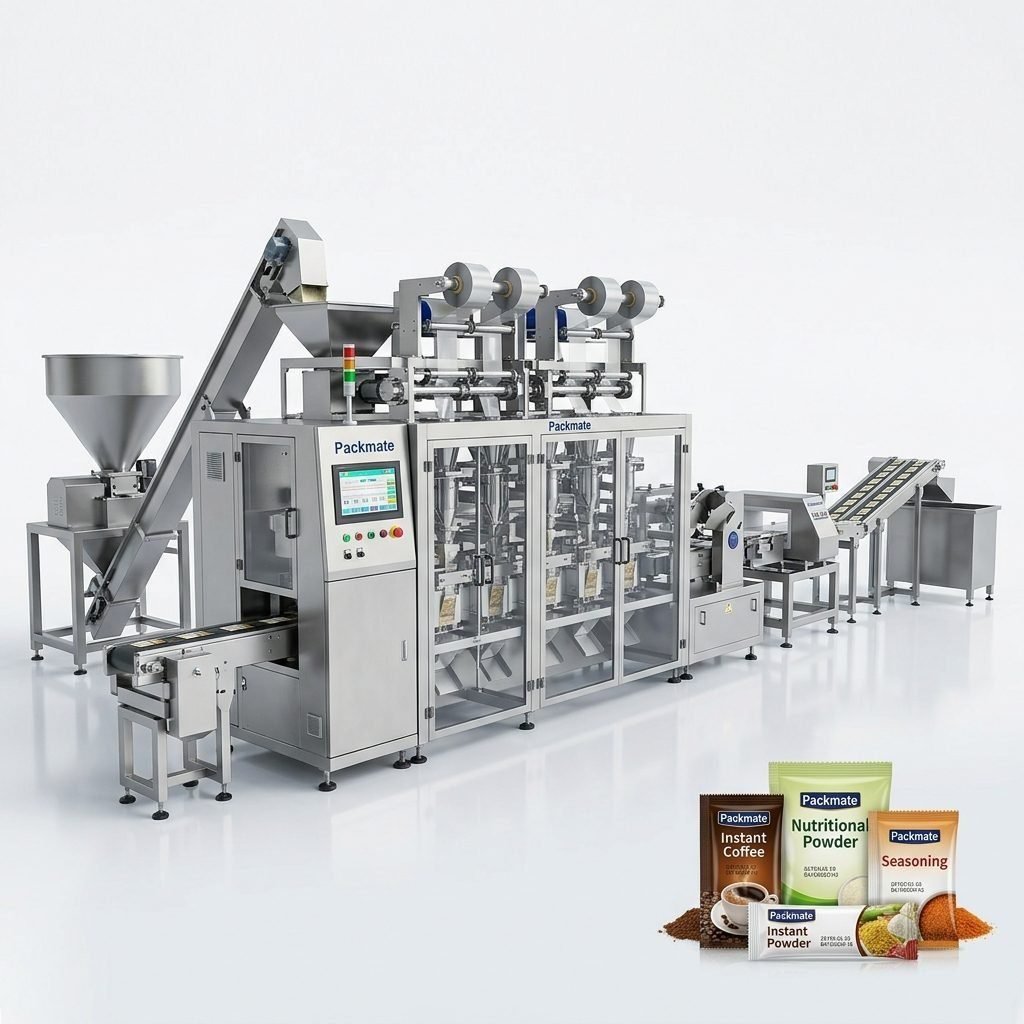
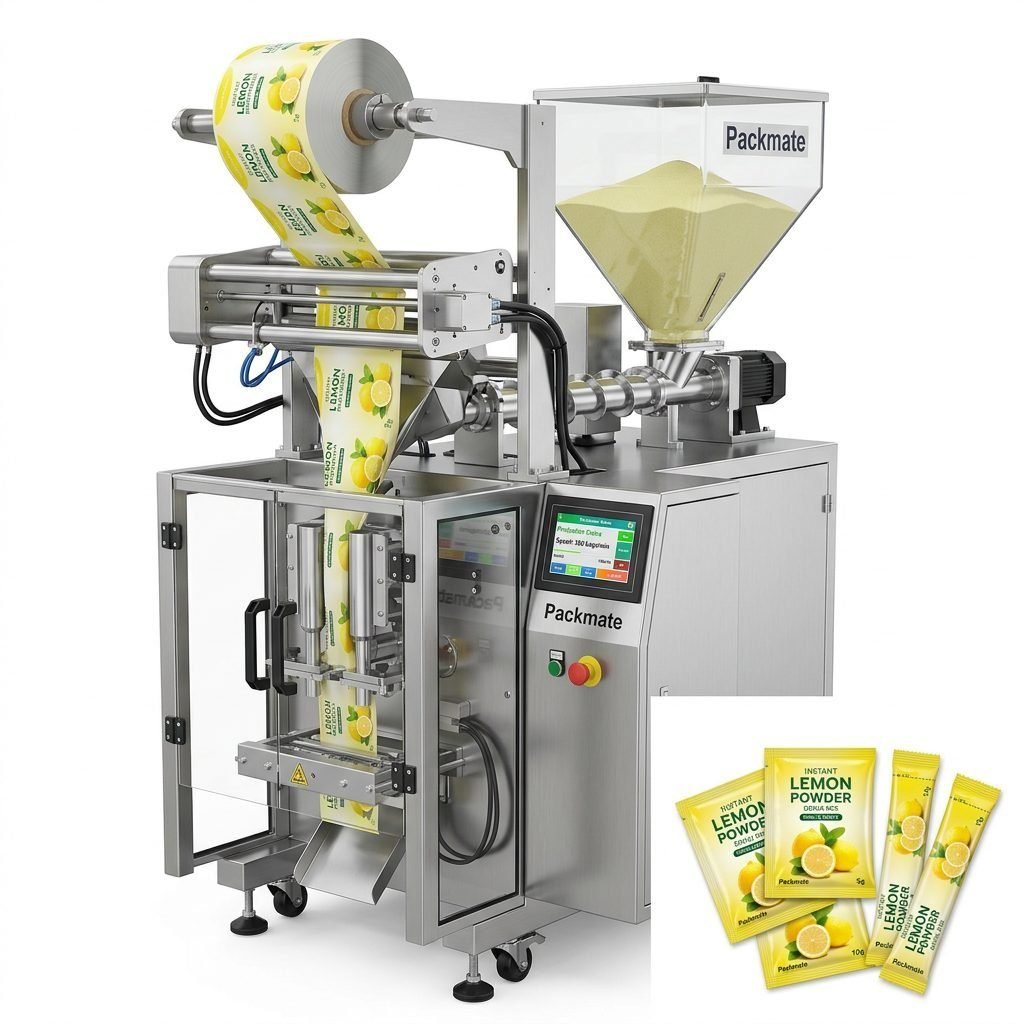
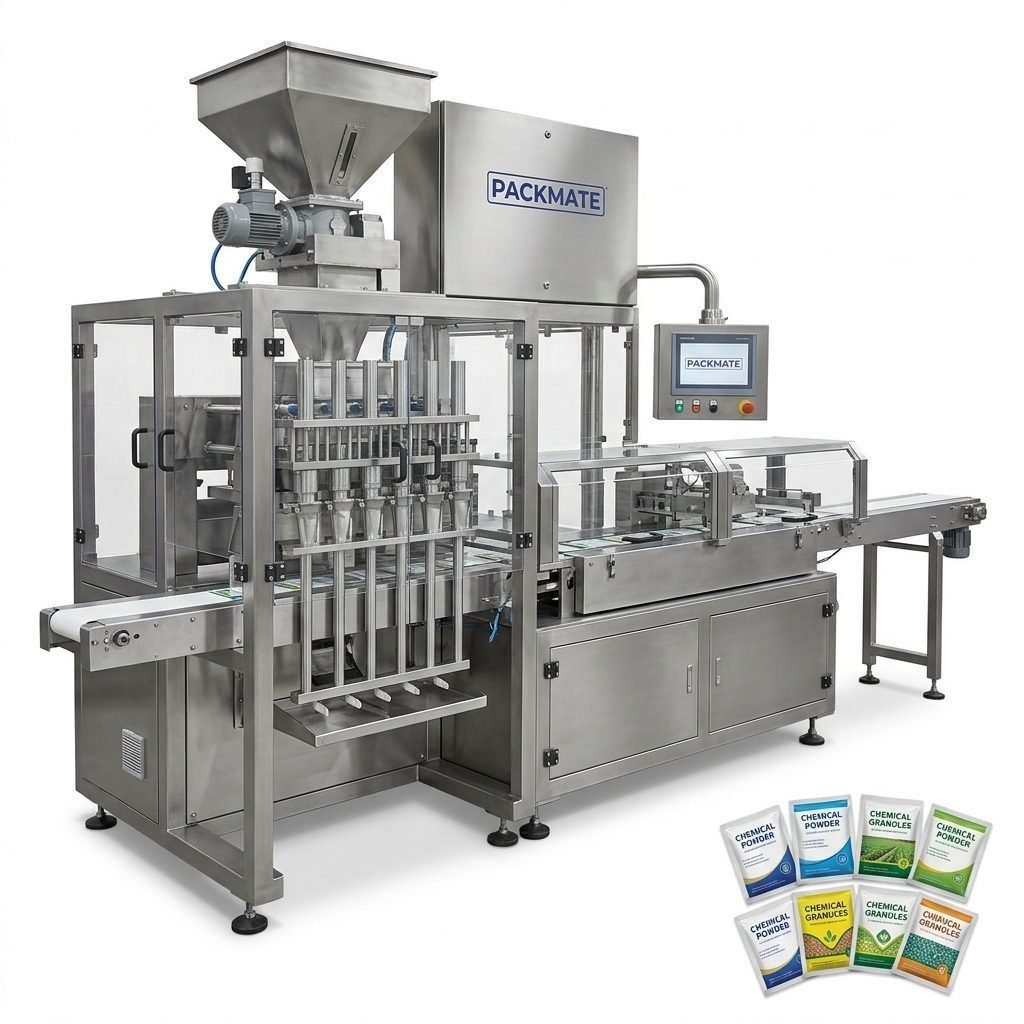
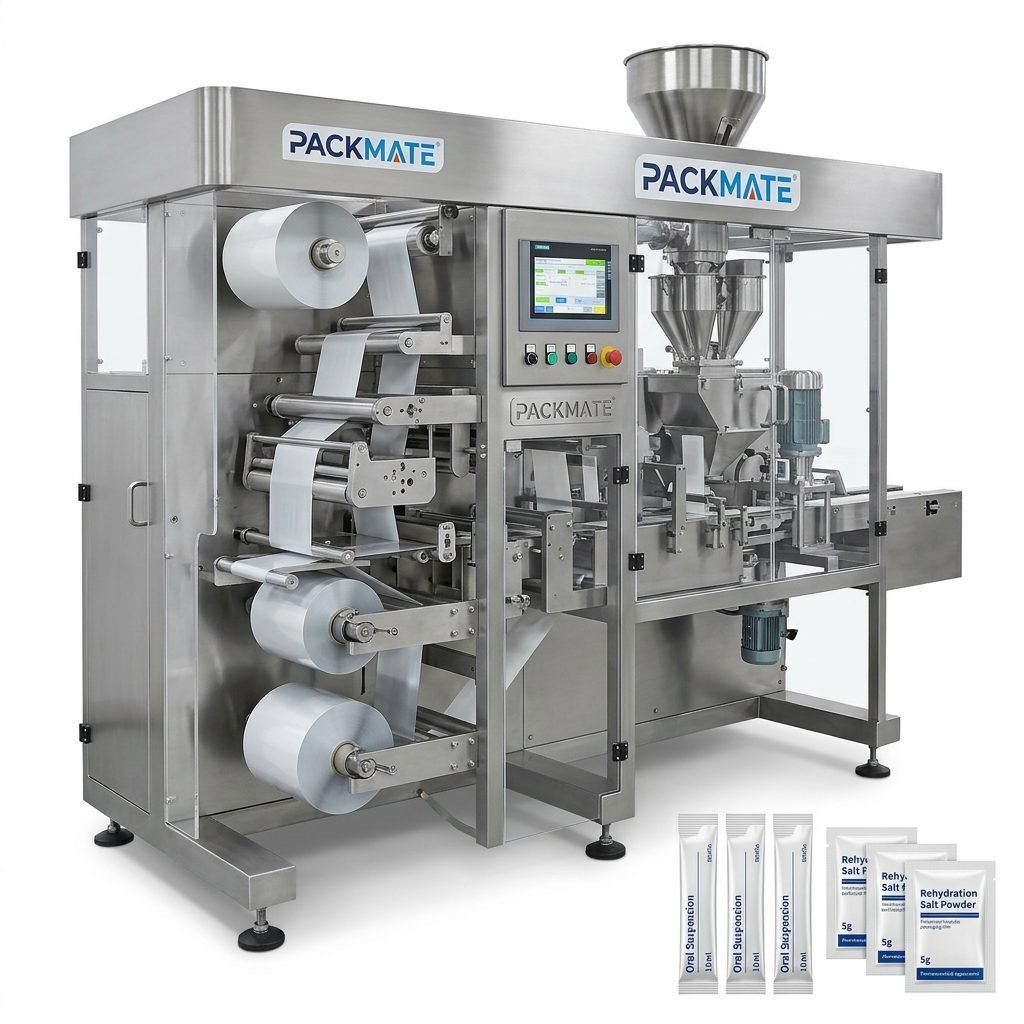
Packmate Machinery brings more than three decades of experience, focusing on practical automation and stable performance for granule, powder, and liquid packaging. They offer a balance of cost efficiency and technical capability, which can be attractive for medium to large-scale operations in Zambia seeking reliable equipment.
SnusMachinery
For businesses in niche sectors, specialized knowledge is key. SnusMachinery focuses on nicotine pouch and snus packaging equipment but also provides solutions for food and pharma. Their expertise in high-precision pouch packaging could be relevant for Zambian companies producing specialty products requiring exact dosing and sealing.
Finalizing the Partnership
Once you’ve selected a supplier, ensure all agreements are detailed in a formal contract. The contract should cover machine specifications, payment schedule, delivery timeline, warranty terms, scope of after-sales support, and protocols for handling defects. Clear communication and a well-defined partnership agreement are the foundations for a successful, long-term relationship with your packaging machine manufacturer.
Frequently Asked Questions (FAQs)
1. What is the typical lead time for receiving a packaging machine in Zambia?
Lead times vary but typically range from 60 to 120 days. This includes manufacturing (30-60 days), factory testing, sea freight to a regional port (25-35 days), and inland transportation and clearance in Zambia (1-3 weeks). Customized or non-standard machines may take longer.
2. How can I ensure the machine will work with our local power supply?
Zambia uses 230V/50Hz. Specify this requirement clearly in your RFQ and confirm it in the contract. Reputable manufacturers will configure the machine’s electrical systems, including motors and control panels, to match this standard.
3. Is it better to buy a single machine or a complete packaging line?
It depends on your scale and automation goals. A single machine is suitable for specific tasks or lower-volume production. A complete turnkey packaging line, which integrates feeding, filling, sealing, and conveying, offers higher automation, efficiency, and consistency for large-scale operations but requires a larger investment.
4. What are the most common challenges when importing machinery to Zambia?
Key challenges include navigating customs clearance procedures, managing logistics across multiple borders (if shipping via a neighboring country), ensuring all documentation is correct to avoid delays, and arranging timely technical support for installation and maintenance from an overseas supplier.
5. Can manufacturers provide packaging material recommendations?
Yes, most experienced manufacturers can advise on suitable packaging films (laminate structures) for your specific product, considering factors like moisture barrier, seal integrity, and shelf life. They may even have partnerships with material suppliers or be able to test your provided samples on their machines.