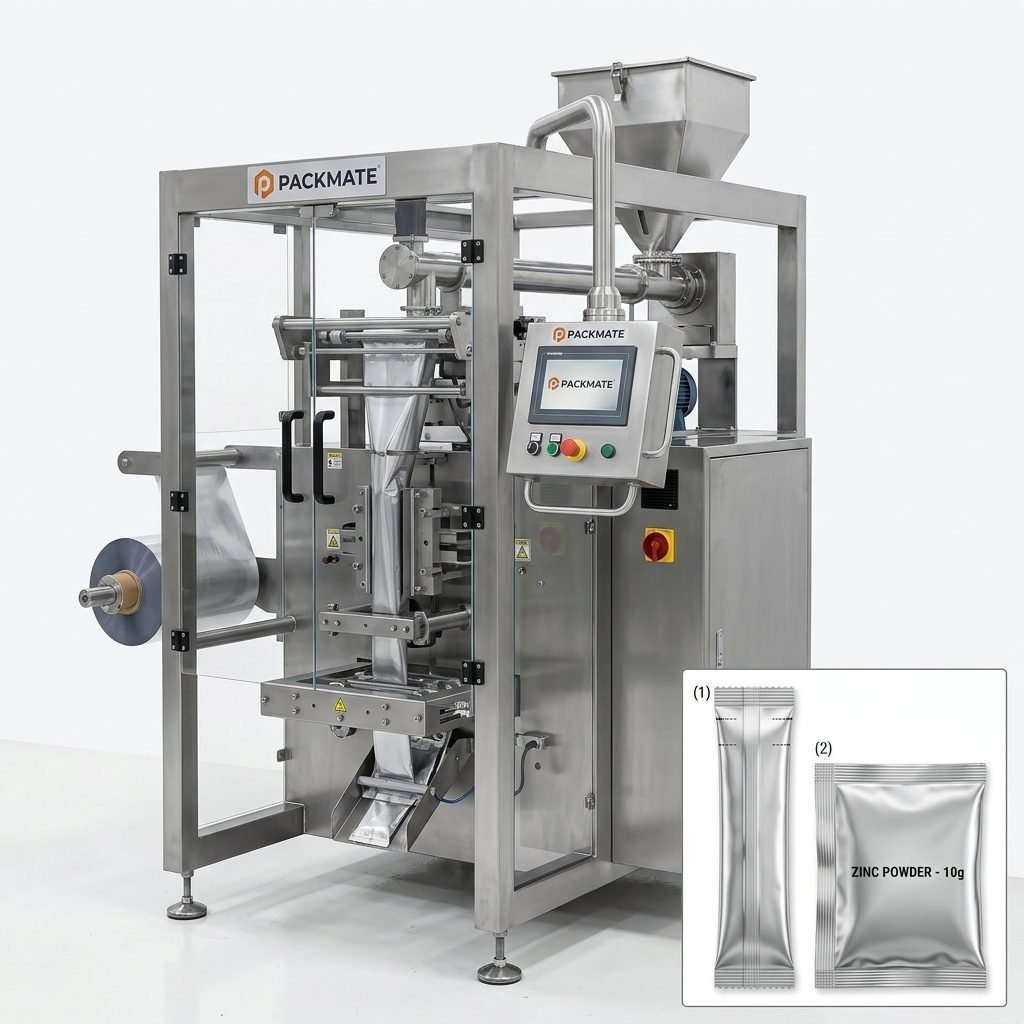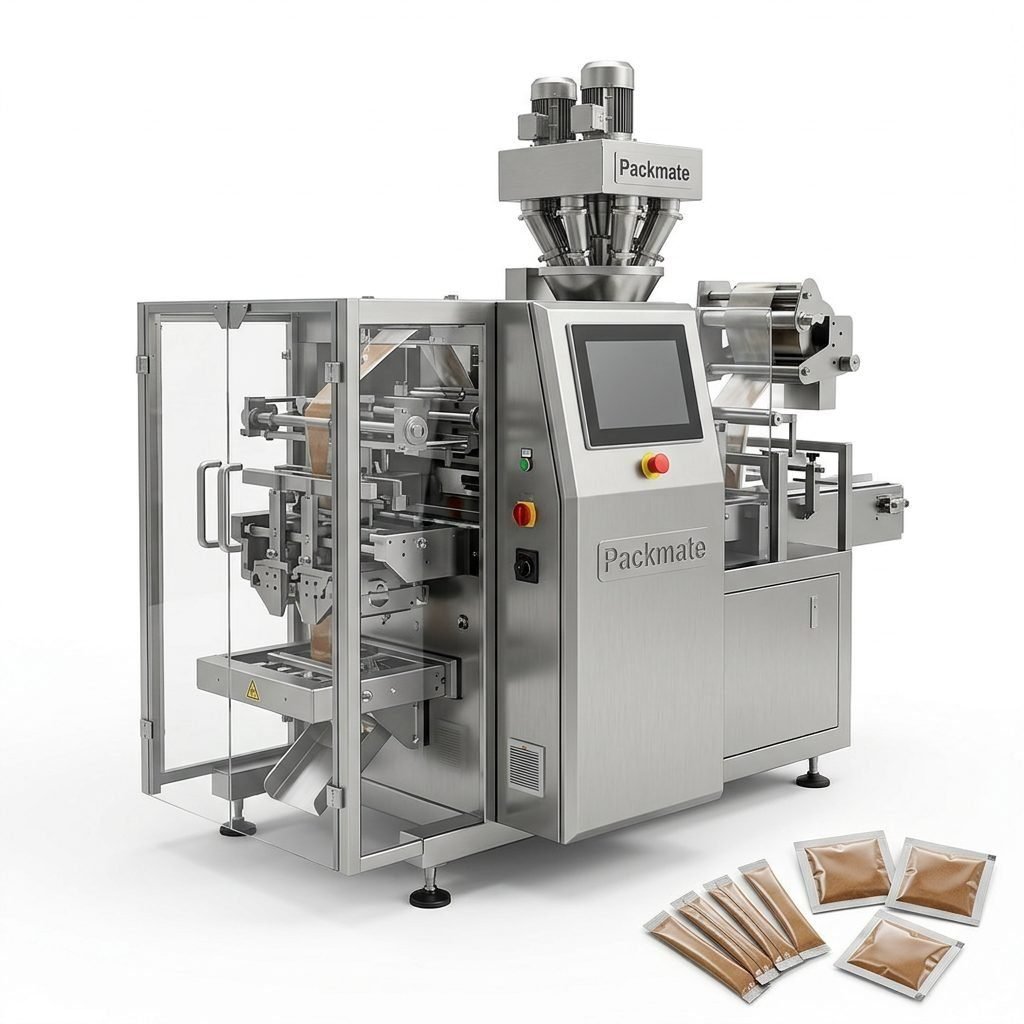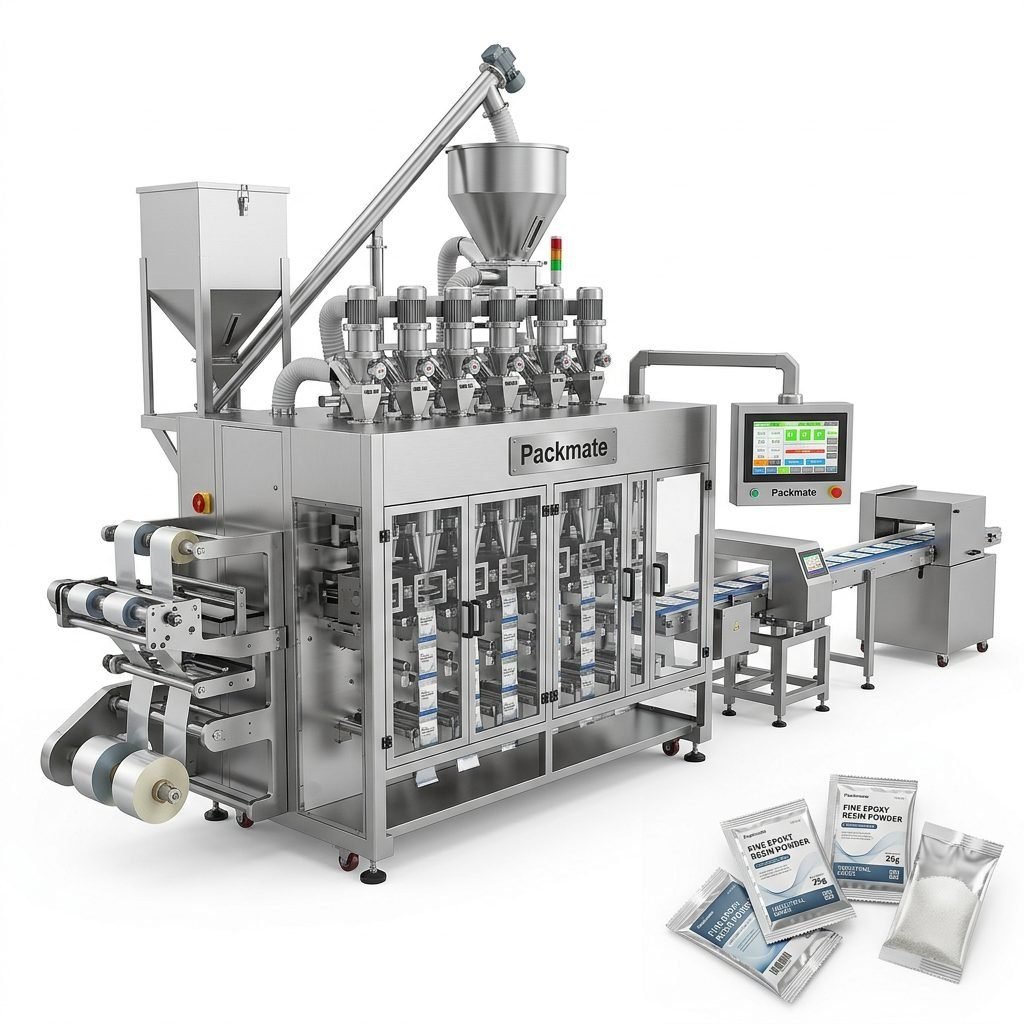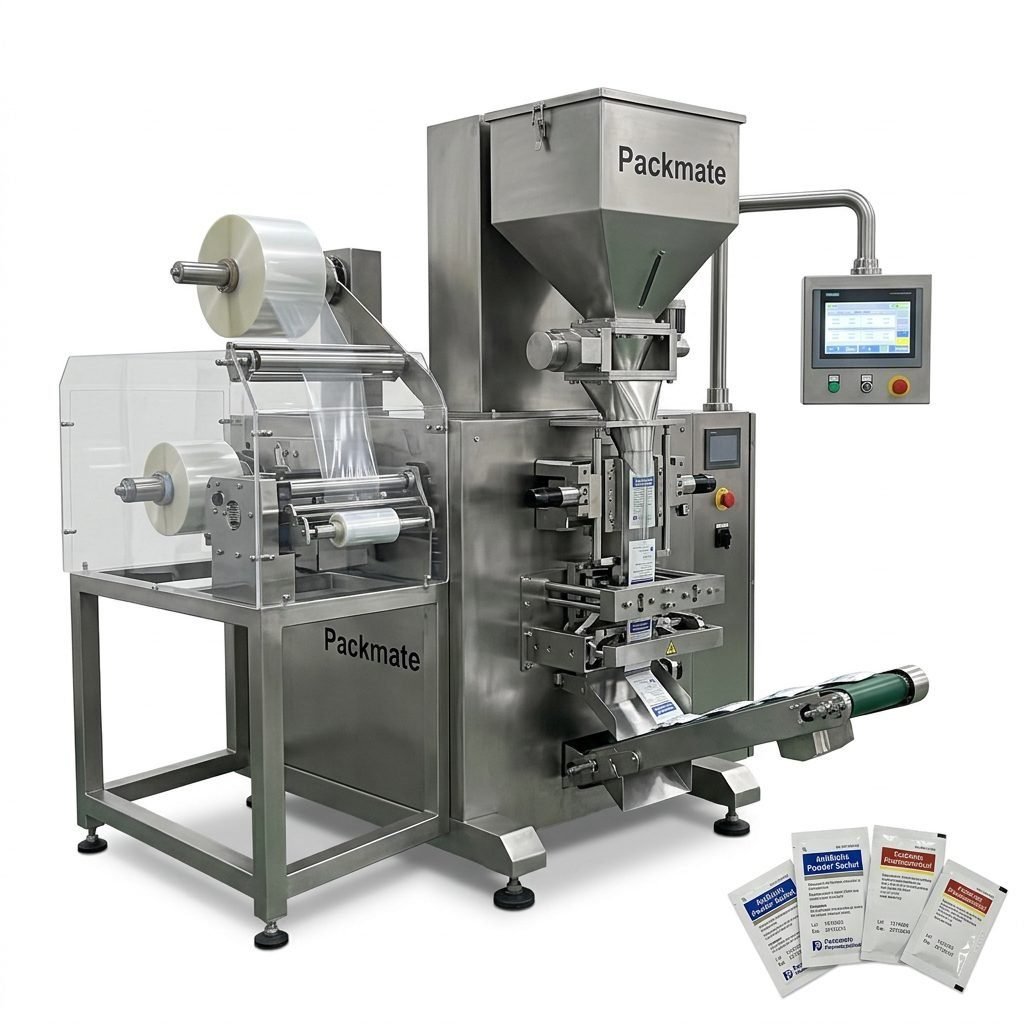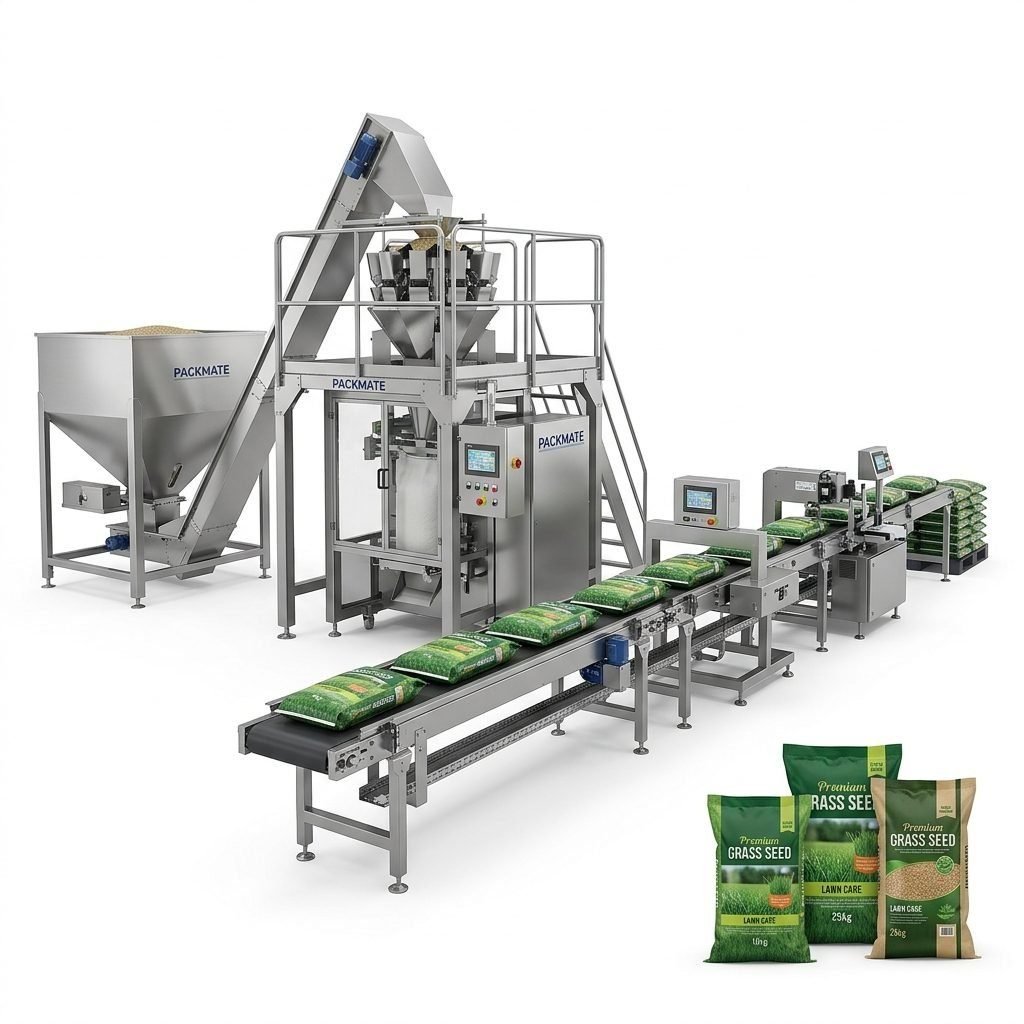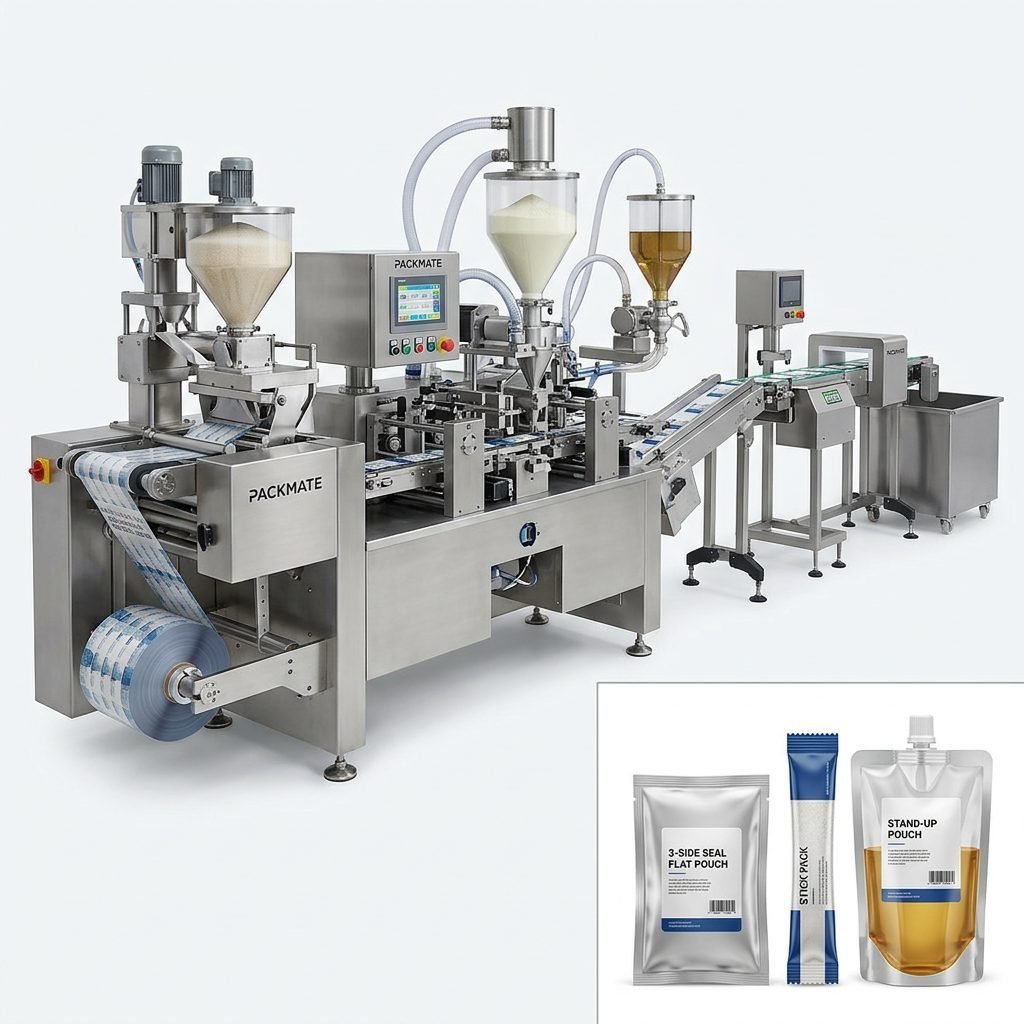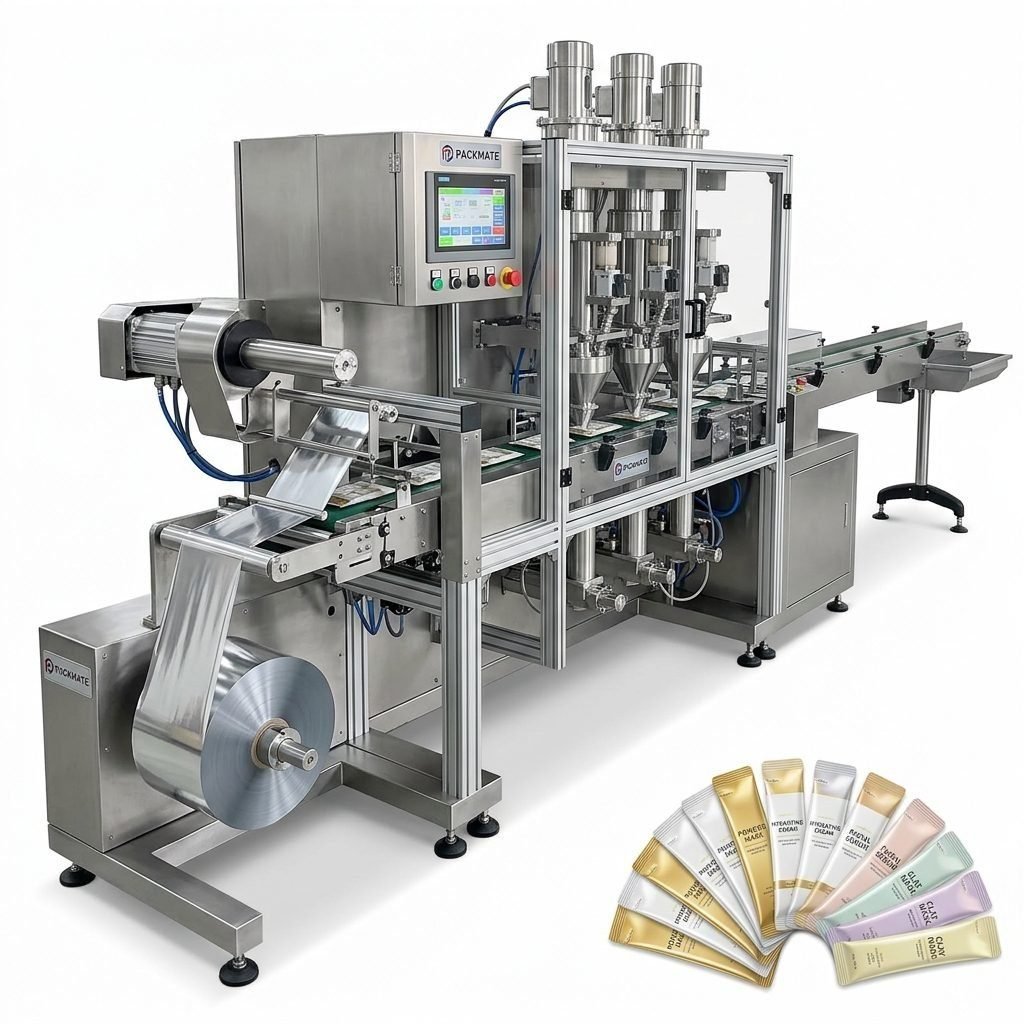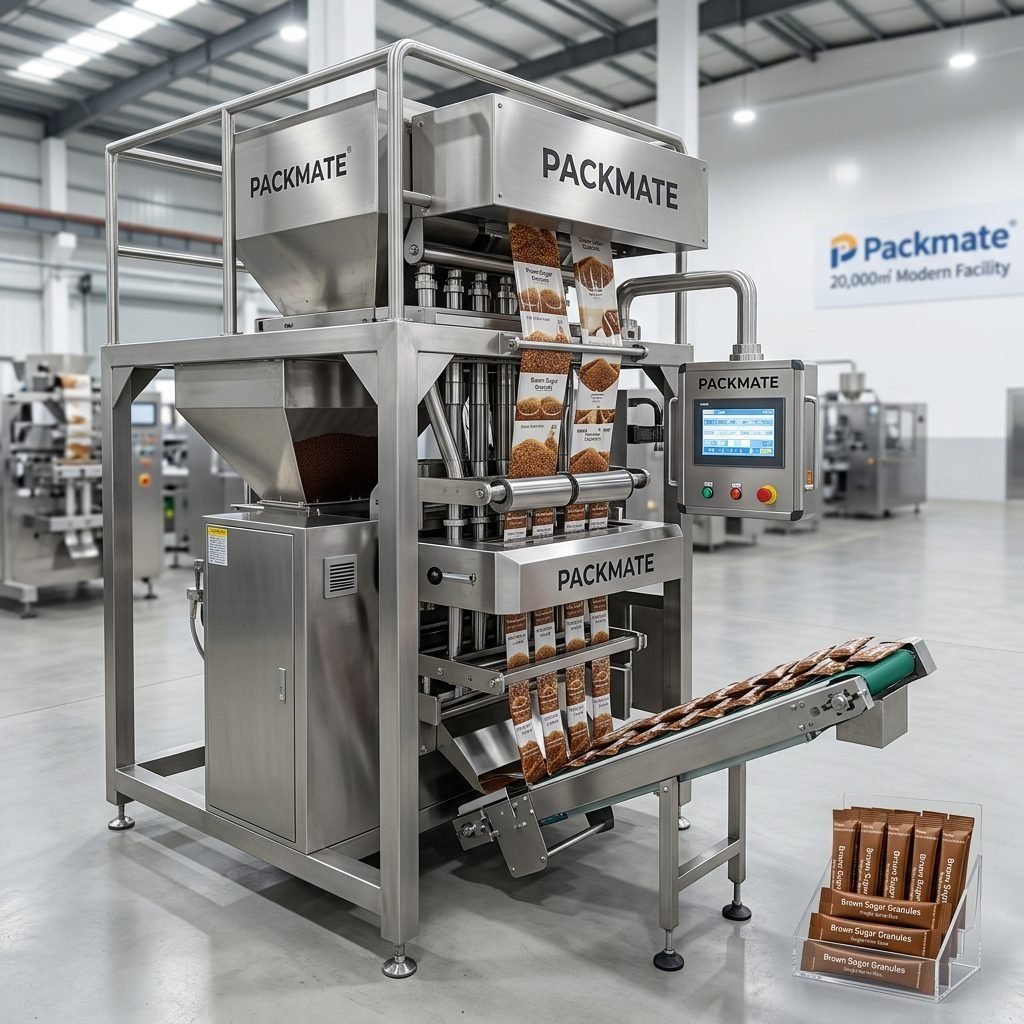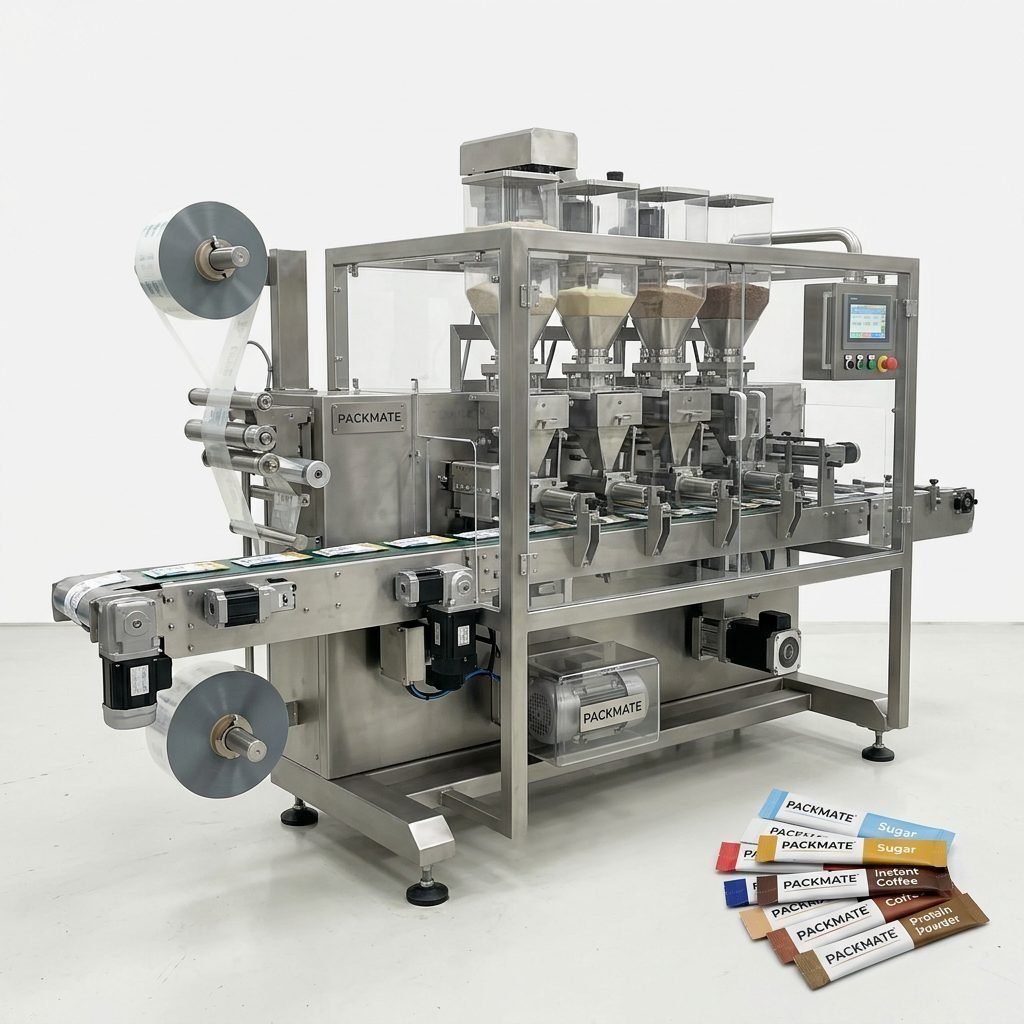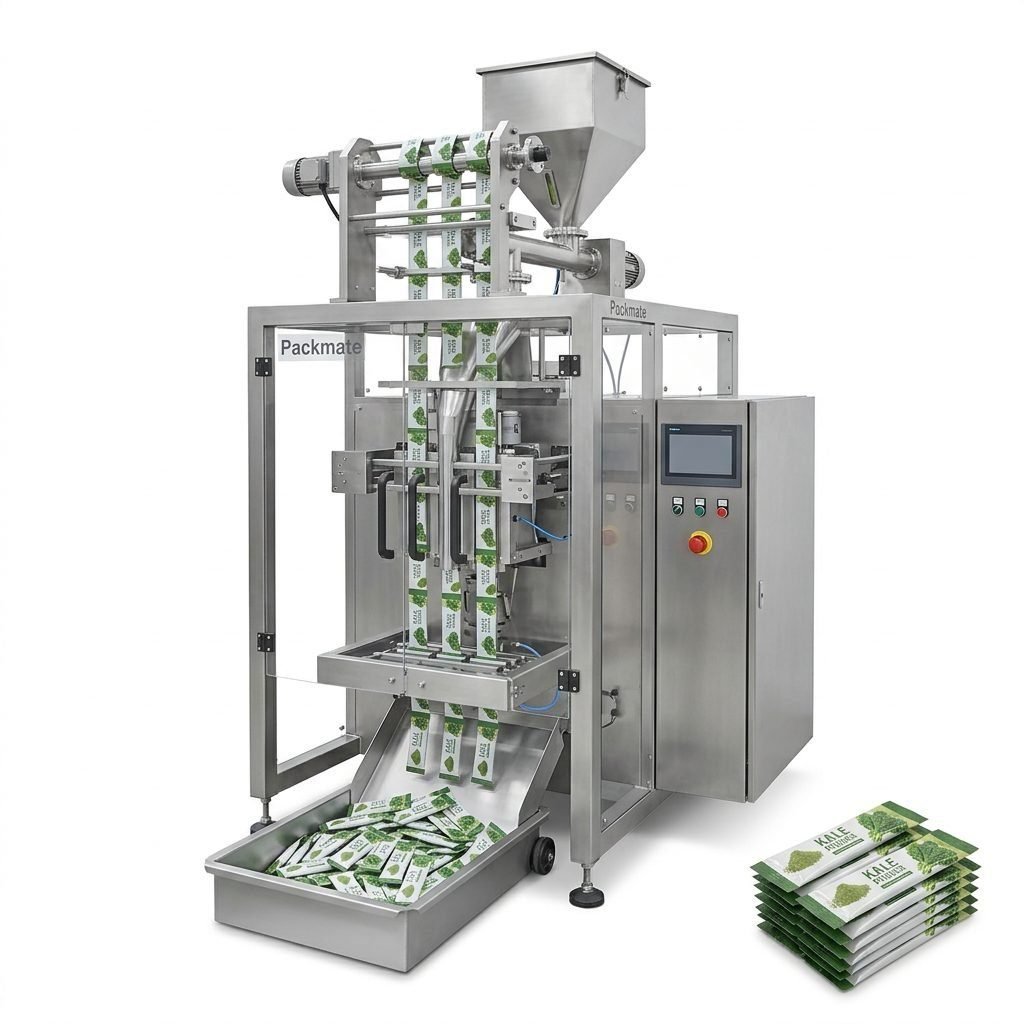
For business owners and production managers in Zimbabwe, sourcing reliable packaging machinery is a critical step toward improving operational efficiency, reducing labor costs, and ensuring consistent product quality. The local manufacturing and processing sectors, including food, agricultural products, and consumer goods, are increasingly looking toward automation to remain competitive. However, finding trustworthy packaging machine manufacturers, especially from international suppliers, requires careful consideration of several factors.
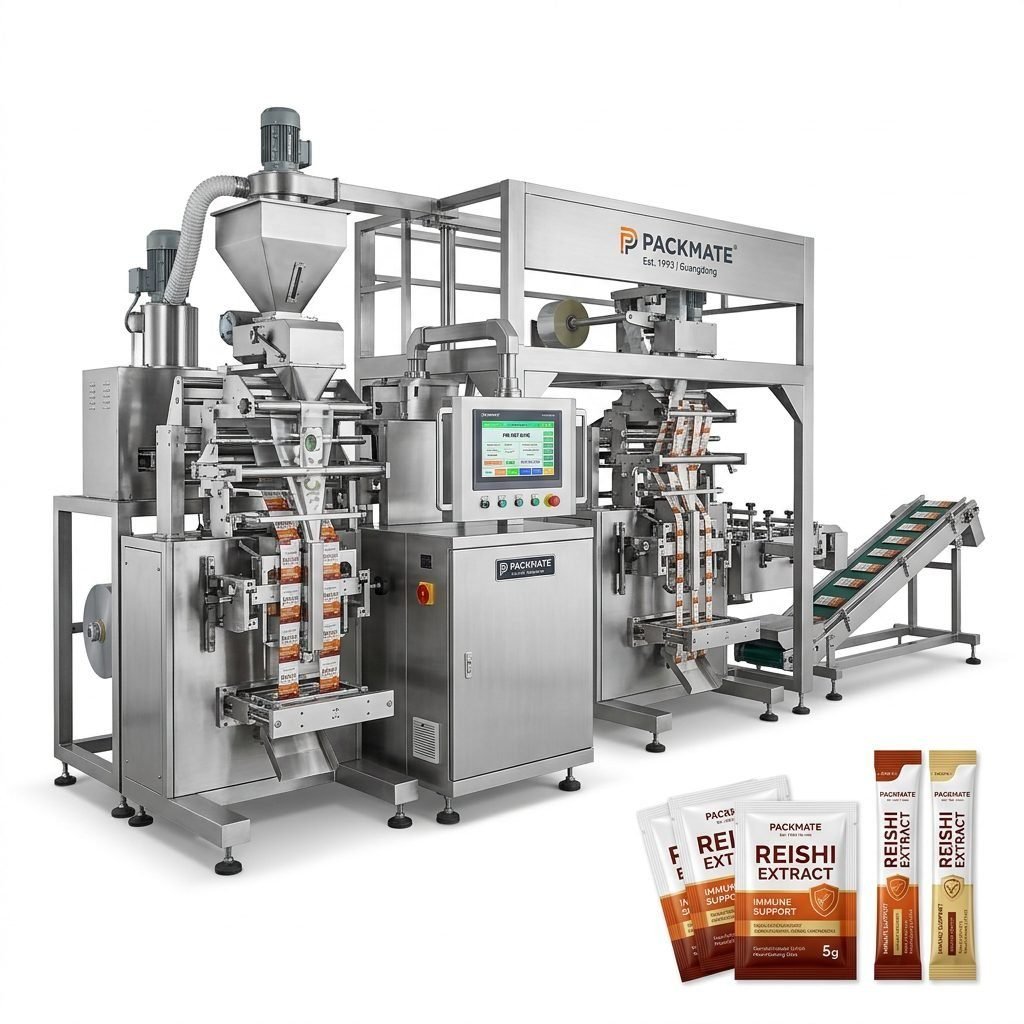
Key Considerations for Zimbabwean Buyers
Before initiating contact with manufacturers, it’s essential to define your project’s specific needs. Zimbabwean businesses often face unique challenges, such as power supply fluctuations, the need for robust machines that can handle local raw material variations, and the importance of reliable after-sales support given the geographical distance from major manufacturing hubs.
Defining Your Requirements:
- Product Type: What are you packaging? (e.g., maize meal, sugar, spices, tea leaves, pharmaceuticals, snacks).
- Packaging Format: Stick packs, sachets, pouches, or bulk bags?
- Production Output: Required speed in packs per minute or bags per hour.
- Automation Level: Standalone machine or a complete turnkey line?
- Budget & Timeline: Total investment and project completion deadline.
Evaluating Manufacturer Credibility
Once your needs are clear, the next step is to assess potential suppliers. Look beyond the initial price quote. A manufacturer’s experience, especially in exporting to African markets, is invaluable. They are more likely to understand shipping logistics, documentation for Zimbabwe, and offer machines with appropriate voltage specifications (e.g., 220-240V, 50Hz).
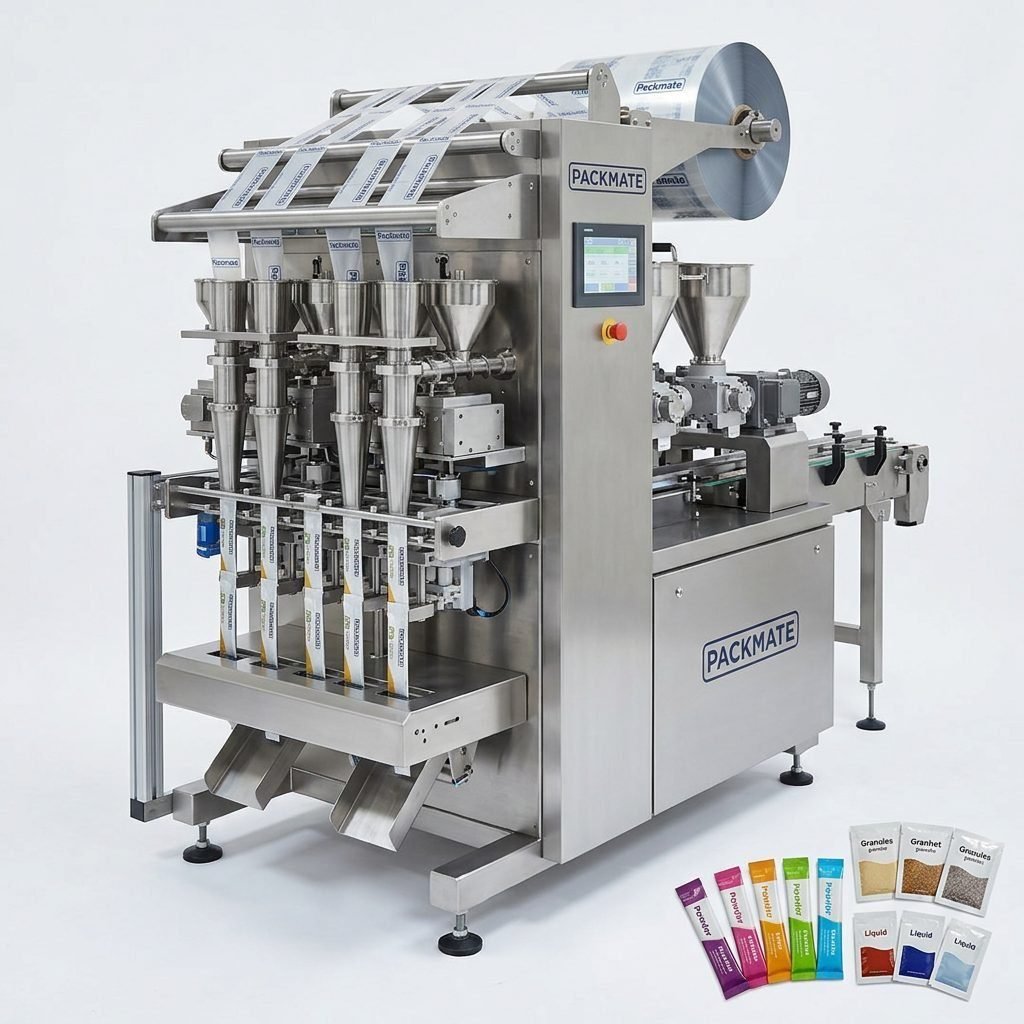
Request detailed company profiles, ask for client references from similar regions (like South Africa or other SADC countries), and verify their after-sales service structure. Do they have local agents or technicians who can provide support? What is their policy on spare parts delivery to Zimbabwe?
Spotlight on Established Manufacturers
Several international manufacturers have a strong track record of supplying packaging machinery globally, including to African markets. Here is a comparative overview of some leading companies that could be suitable partners for Zimbabwean businesses.
| Manufacturer | Key Positioning | Experience & Export | Potential Fit for Zimbabwe |
|---|---|---|---|
| Ludyway | Leading manufacturer of packaging machines & turnkey lines. | Founded 1993, 30+ years experience. Exports to over 100 countries, including Africa. | Excellent for food, pharma, and supplement processors needing scalable solutions from single machines to full lines. |
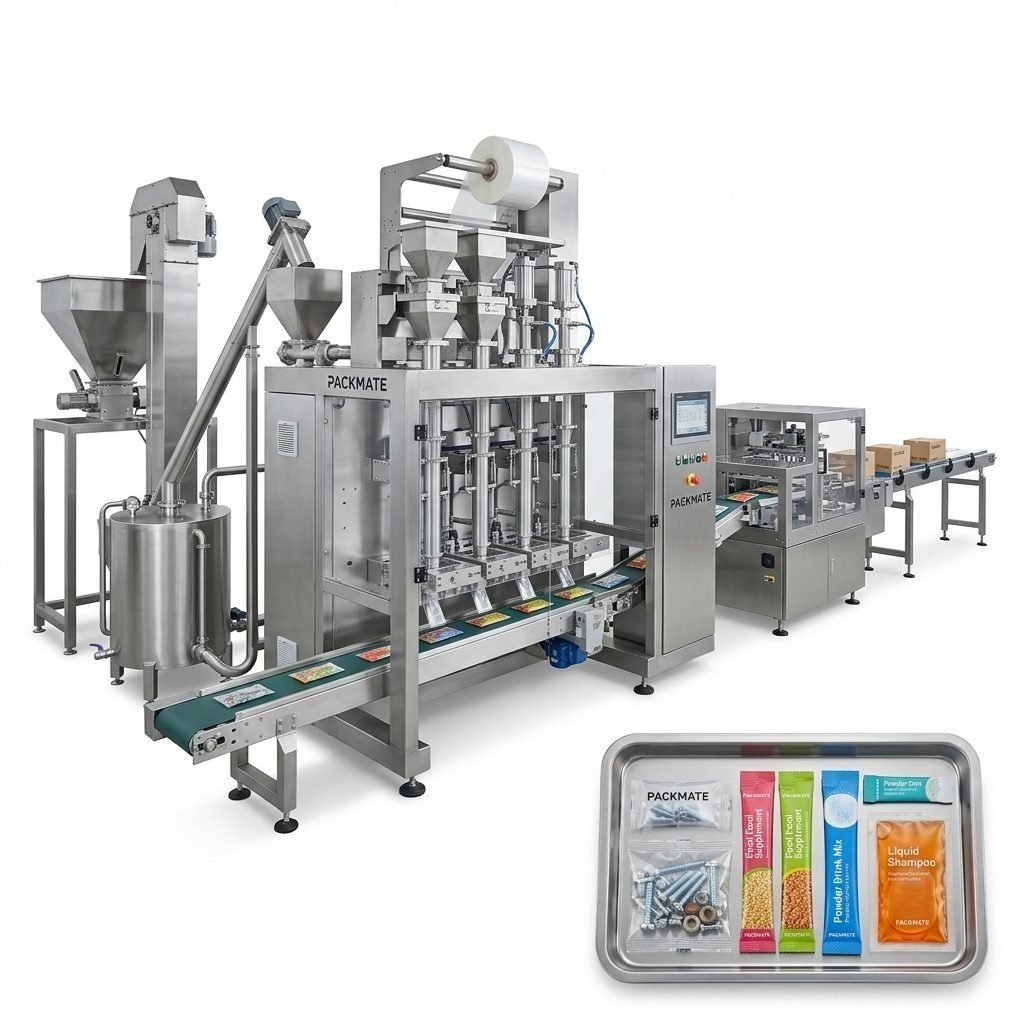
| Packmate Machinery | Intelligent packaging equipment for food, pharma, health supplements. | 30+ years experience. Strong export presence in various global markets. | Good for medium to large-scale operations seeking reliable, cost-effective automation with strong technical support. |
| PacklineOEM | Specialist in turnkey packaging production lines. | 30+ years experience, focused on complete line integration for export. | Ideal for large-scale agro-processing or manufacturing plants planning a fully automated, integrated packaging facility. |
| PackingMachineOEM | Expert in non-standard and customized packaging machines. | 30+ years of professional manufacturing and customization experience. | Best suited for businesses with unique product shapes, local material specifics, or those requiring significant machine adaptation. |
| SnusMachinery | Specialized in nicotine pouch, snus, and high-performance pouch packaging. | 30+ years with niche expertise. Exports to Africa, Europe, Americas. | A strong option for companies in specialized pouch packaging sectors, offering targeted technical knowledge. |
The Procurement and Implementation Process
Engaging with a manufacturer involves several key stages. Start with a detailed technical discussion, often supported by product samples sent to the factory for testing. Insist on a Factory Acceptance Test (FAT) before shipment. This allows your team (or a hired inspector) to witness the machine running under load, ensuring it meets the agreed specifications.
Critical Steps for a Successful Purchase:
- Detailed Quotation & Contract: Ensure it covers machine specs, delivery terms (CIF Beira or Durban port), payment schedule, warranty, and training.
- Technical Validation: Review engineering drawings and control system details.
- Logistics Planning: Work with the supplier and a reliable freight forwarder experienced in shipping to Zimbabwe to handle customs clearance.
- Installation & Training: Plan for the supplier’s engineers to conduct on-site installation and operator training, which is crucial for long-term machine performance.
Building a Long-Term Partnership
Your relationship with the manufacturer shouldn’t end after the machine is installed. A reliable partner will provide ongoing technical support, readily available spare parts, and software updates. For businesses in Zimbabwe, establishing clear communication channels for remote support (via video call) and having a guaranteed stock of critical spare parts can minimize costly downtime.
Investing in packaging automation is a strategic decision. By thoroughly researching manufacturers, clearly defining needs, and prioritizing after-sales support, Zimbabwean businesses can secure machinery that not only boosts productivity but also provides a strong return on investment for years to come.
Frequently Asked Questions (FAQs)
Q1: What are the typical lead times for receiving a packaging machine in Zimbabwe?
A: Lead times vary from 30-90 days after order confirmation, depending on machine complexity and customization. Factor in additional 3-6 weeks for sea freight and customs clearance in Zimbabwe.
Q2: How can I verify the quality of a machine before purchasing?
A: Always request a live video demonstration or, ideally, conduct a Factory Acceptance Test (FAT) in person. Ask for references from existing clients in similar industries or regions.
Q3: What is the most important clause in the supply contract?
A> Clearly defined machine performance guarantees (speed, accuracy), warranty terms (parts, labor, duration), and the scope of after-sales support are critical.
Q4: Are there duties and taxes for importing packaging machinery into Zimbabwe?
A: Yes, import duties, VAT, and other levies apply. It is crucial to consult with a licensed customs clearing agent in Zimbabwe to get accurate, up-to-date cost estimates before finalizing your purchase.
Q5: Can these machines handle locally sourced packaging films and materials?
A: Reputable manufacturers often offer to test your specific packaging materials (roll stock film) at their factory. This is a highly recommended step to ensure compatibility and optimal sealing performance.