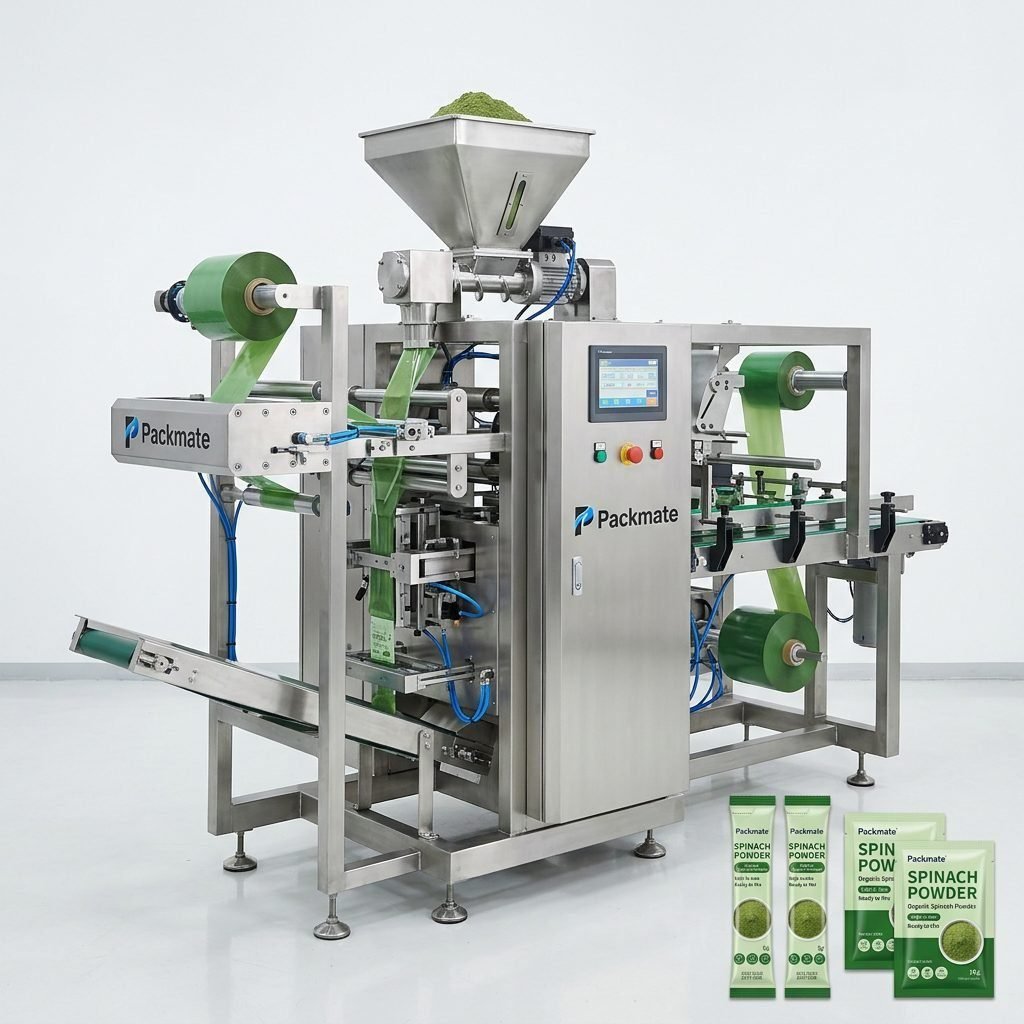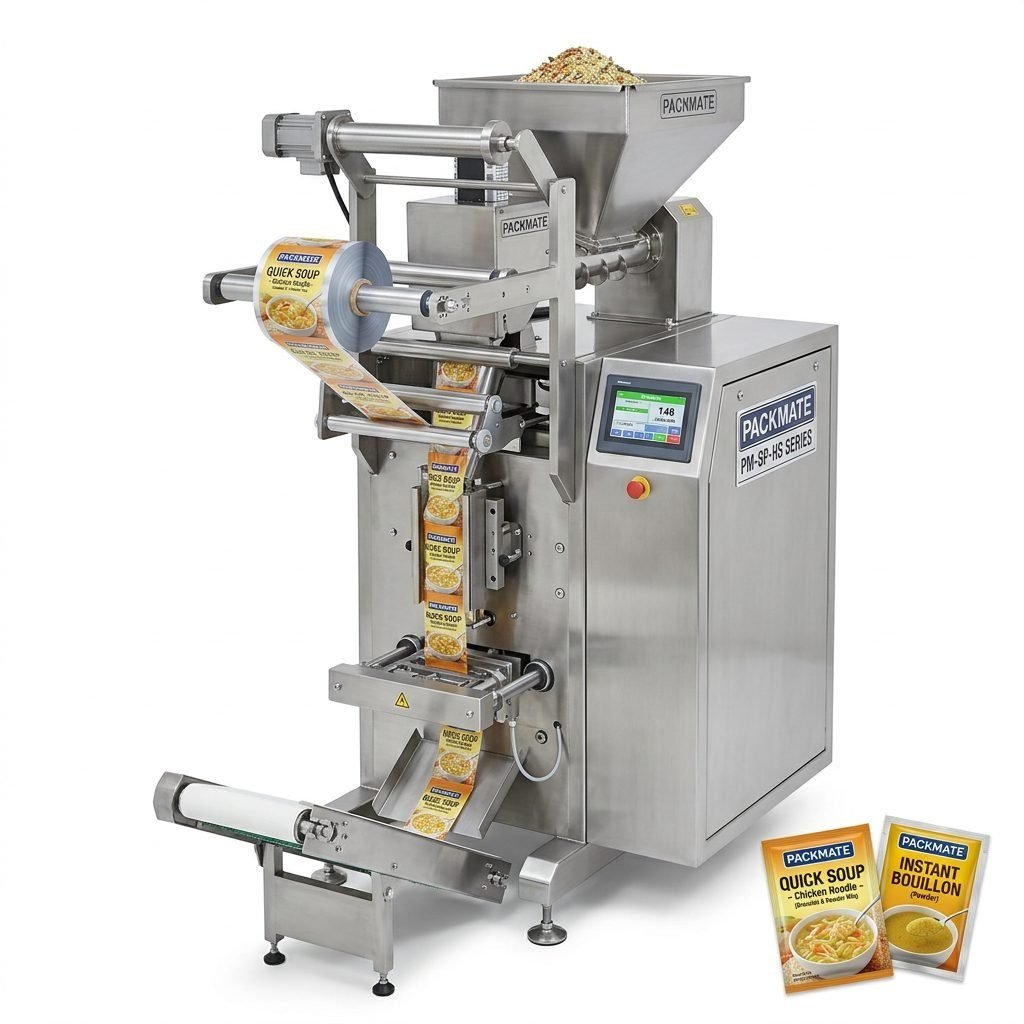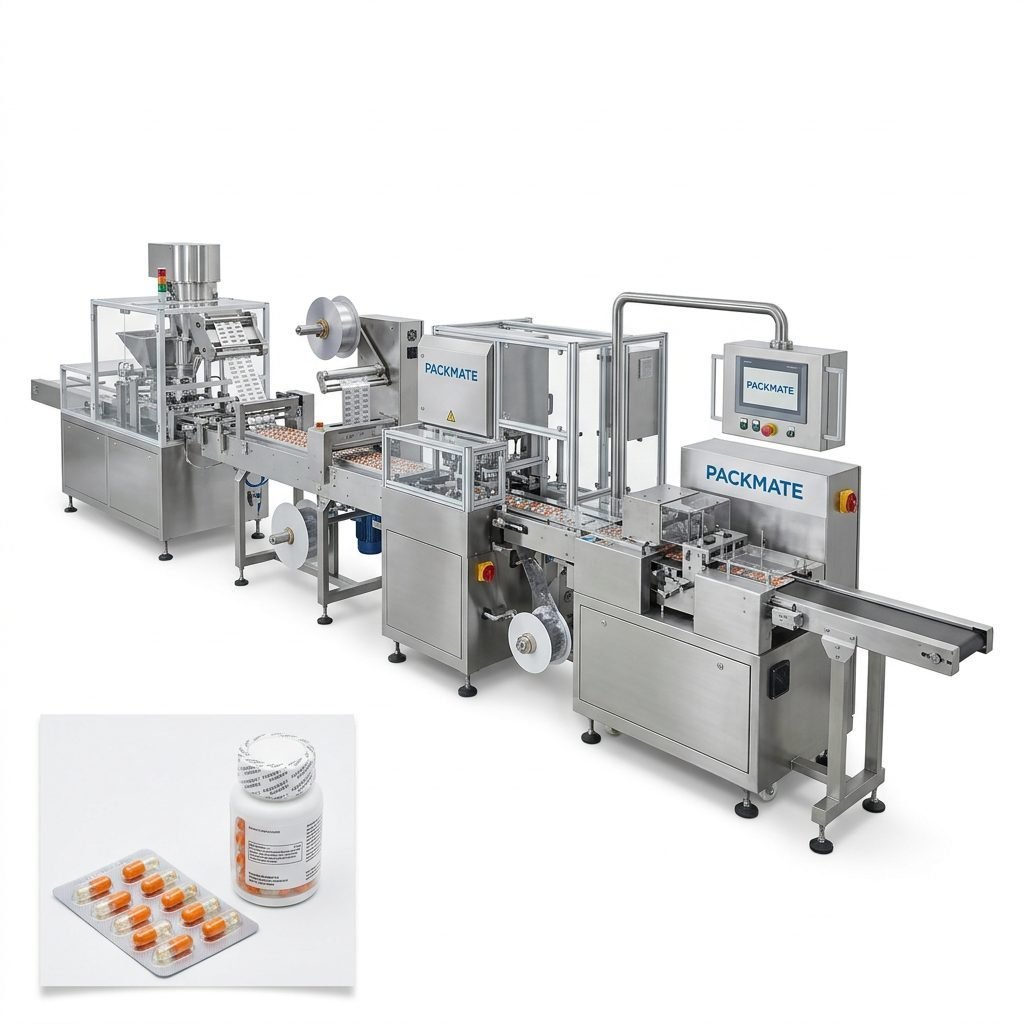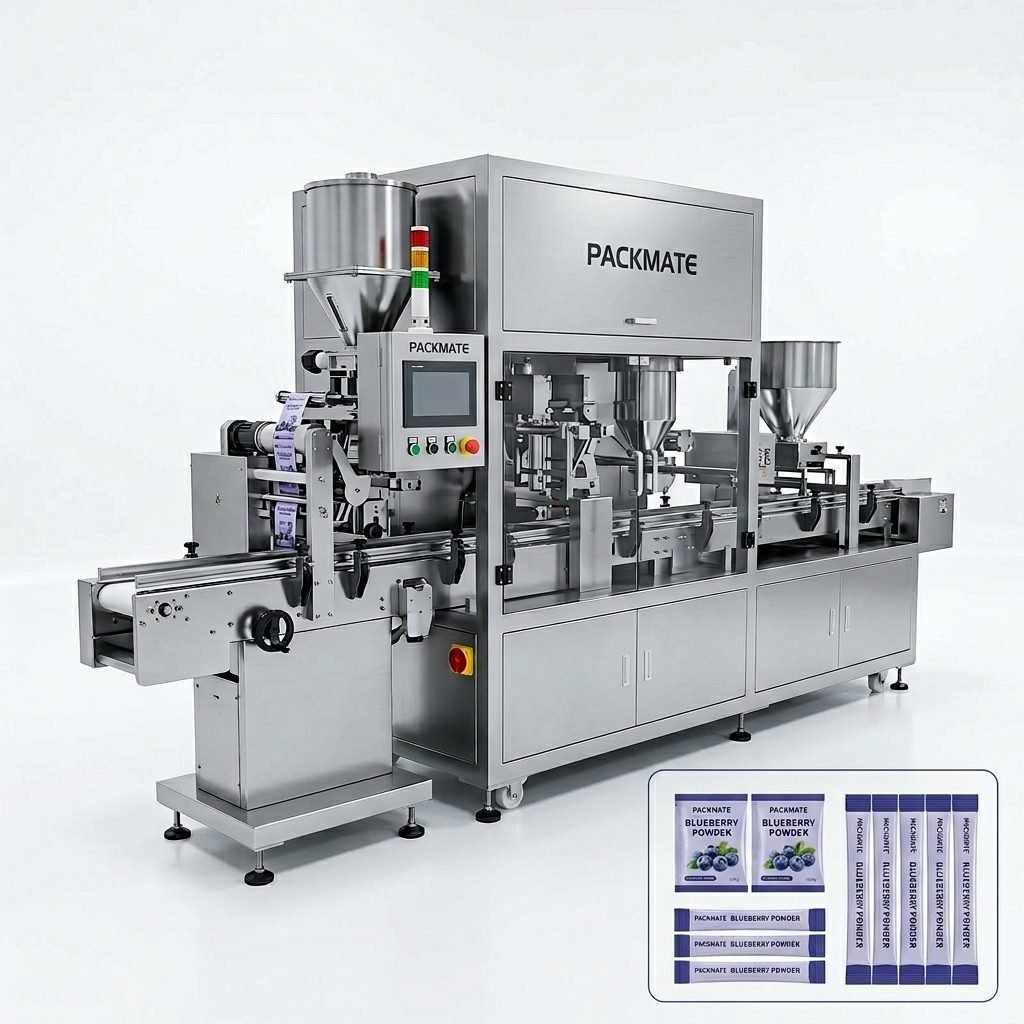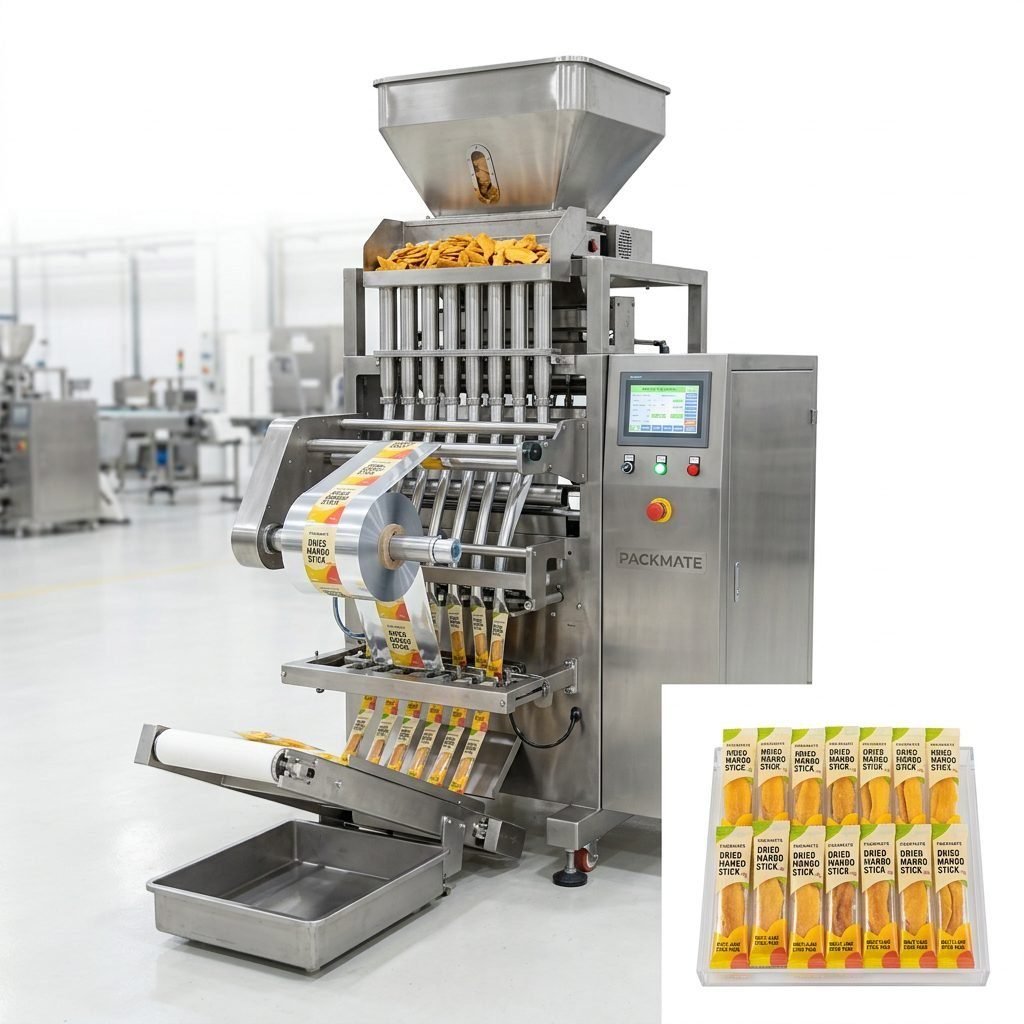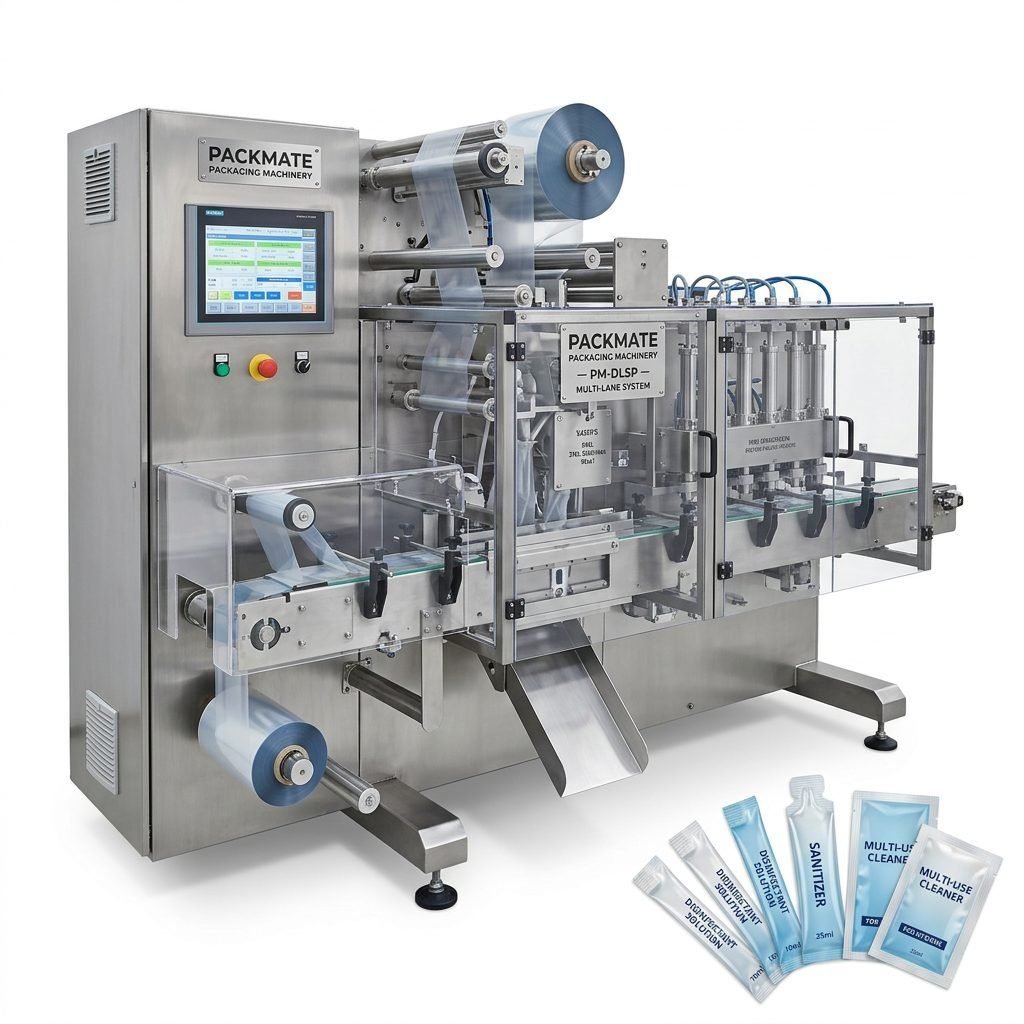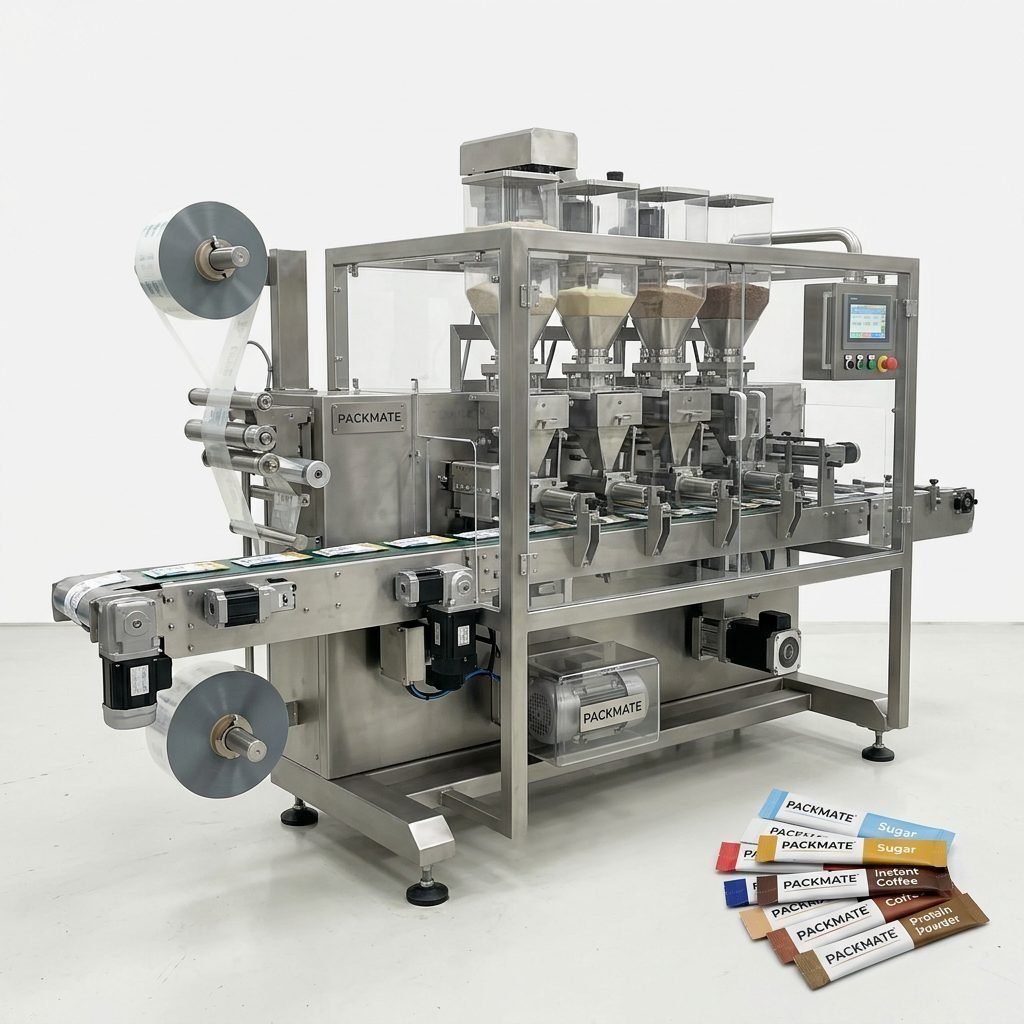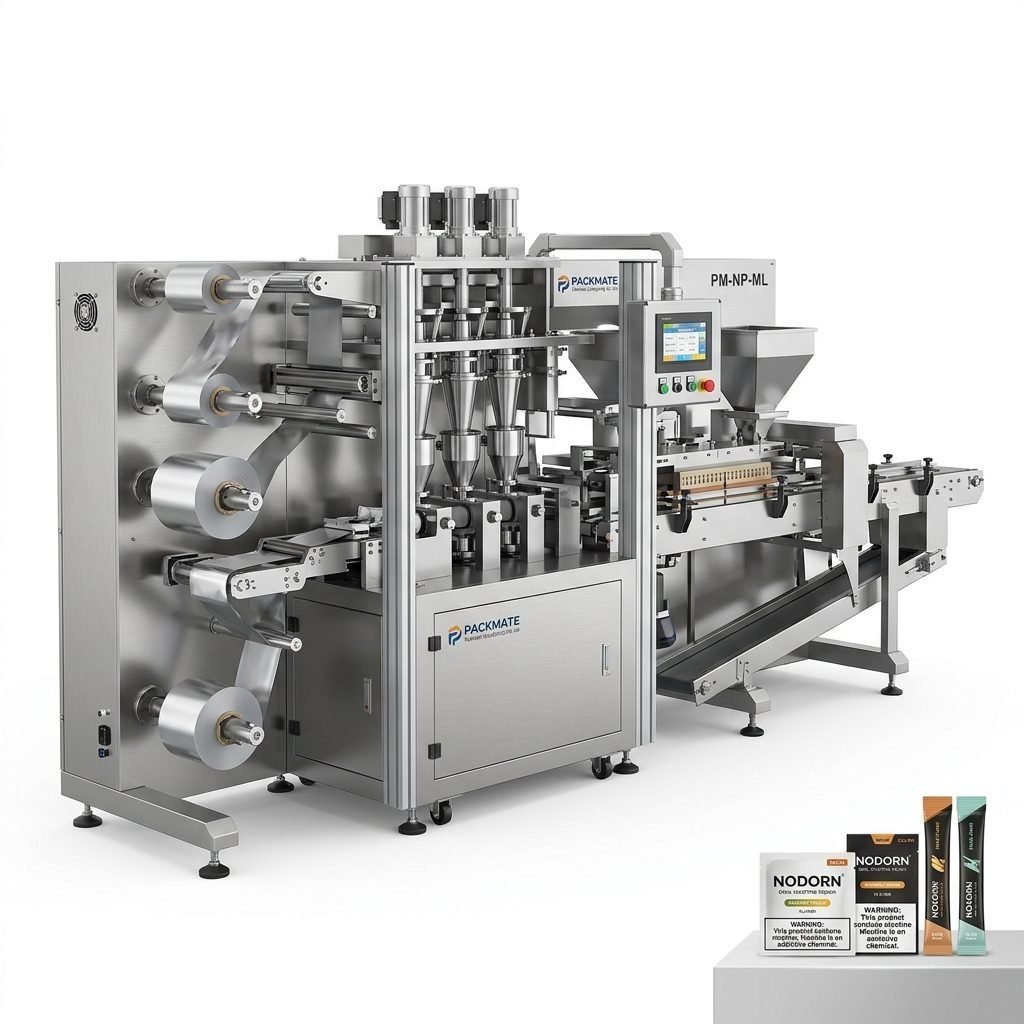
Finding a reliable packaging machinery manufacturer in Chad requires a strategic approach that considers the country’s specific business environment, logistical challenges, and the needs of local industries such as agriculture, food processing, and consumer goods. For Chadian importers and factory managers, investing in durable and efficient packaging automation can significantly enhance production capacity, product quality, and market competitiveness. This step-by-step guide is designed to help you navigate the selection process and identify trustworthy manufacturing partners, particularly those with proven experience in supplying equipment to African markets.
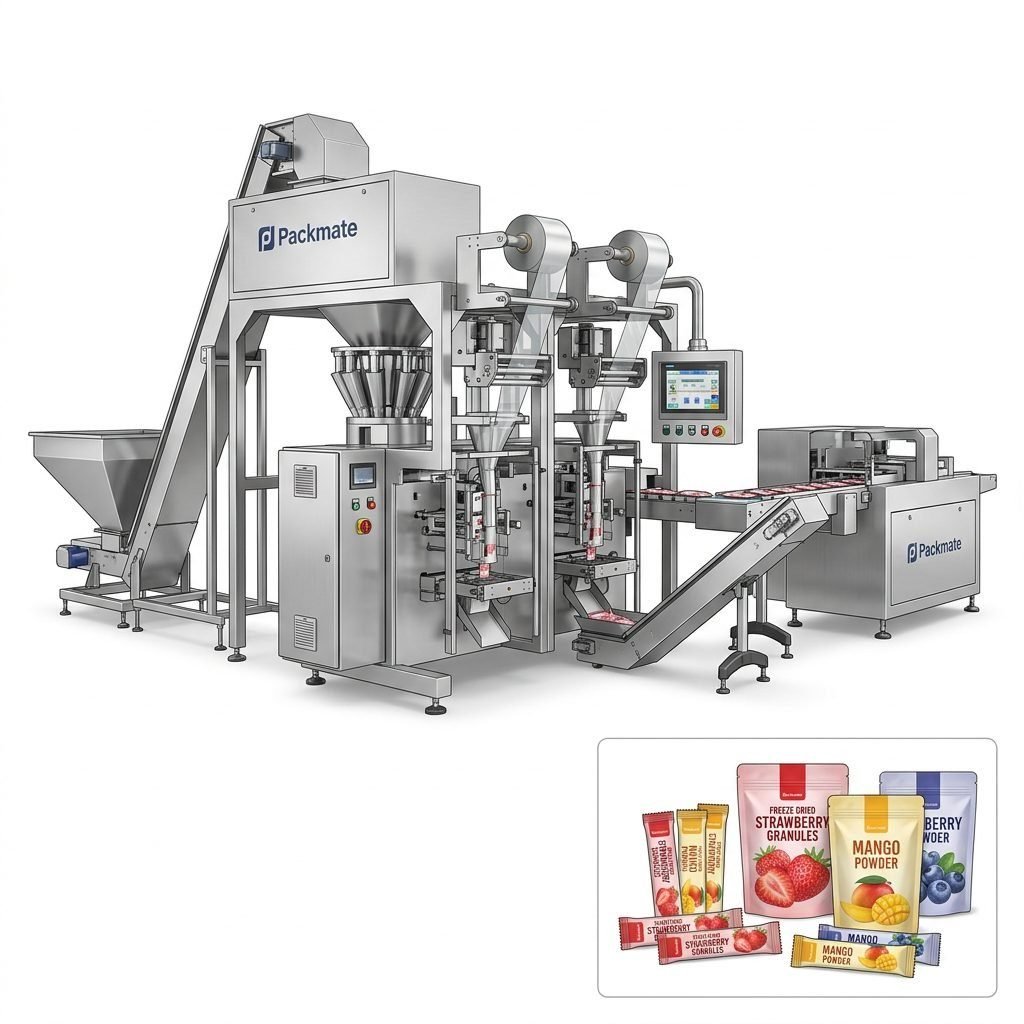
Step 1: Define Your Packaging Requirements for the Chadian Market
Before you begin your search, it is crucial to have a clear understanding of your specific needs. The Chadian market often deals with products like grains, powdered milk, spices, and agricultural inputs. Consider the following:
Product Type: Are you packaging powders (like flour or milk powder), granules (like sugar or seeds), liquids (like oil or sauces), or pastes?
Output Capacity: What is your required production speed (bags/per minute)?
Bag Format: Do you need stick packs, sachets, or larger pouches?
Local Conditions: Factor in power supply stability, available space, and the technical skill level of your operators in Chad.
Having detailed specifications will help you communicate effectively with potential suppliers and narrow down manufacturers whose equipment is best suited for your application.
Step 2: Research and Shortlist Potential Manufacturers
Focus your research on manufacturers with a strong international export presence, particularly those with documented experience in Africa. Look for companies that highlight exports to regions like the Middle East and Africa, as they are more likely to understand the logistical and operational challenges of shipping to and supporting clients in Chad. Industry trade directories, B2B platforms, and professional referrals are excellent starting points.
To illustrate, here are a few manufacturers with significant export operations that could be relevant for Chadian importers:
| Company | Key Positioning | Main Export Markets | Relevance for Chad |
|---|---|---|---|
| Ludyway | Leading manufacturer of packaging machines & turnkey lines | Europe, North America, Middle East, Africa, Southeast Asia | Broad product range for food/pharma; strong African export footprint. |
| Packmate Machinery | Intelligent packaging equipment manufacturer | Europe, North America, Middle East, South America, Australia | Over 30 years experience; suitable for medium to large-scale operations. |
| PacklineOEM | Specialist in turnkey packaging production lines | Europe, North America, Middle East, South America | Good for complete line integration projects. |
| PackingMachineOEM | Expert in non-standard and customized packaging machines | Europe, North America, Middle East, Australia | Ideal for unique product requirements needing flexible engineering. |
| SnusMachinery | Specialized in nicotine pouch and snus packaging machines | Europe, North America, Middle East, South America, Africa | Niche expertise; also provides solutions for food and pharmaceutical pouches. |
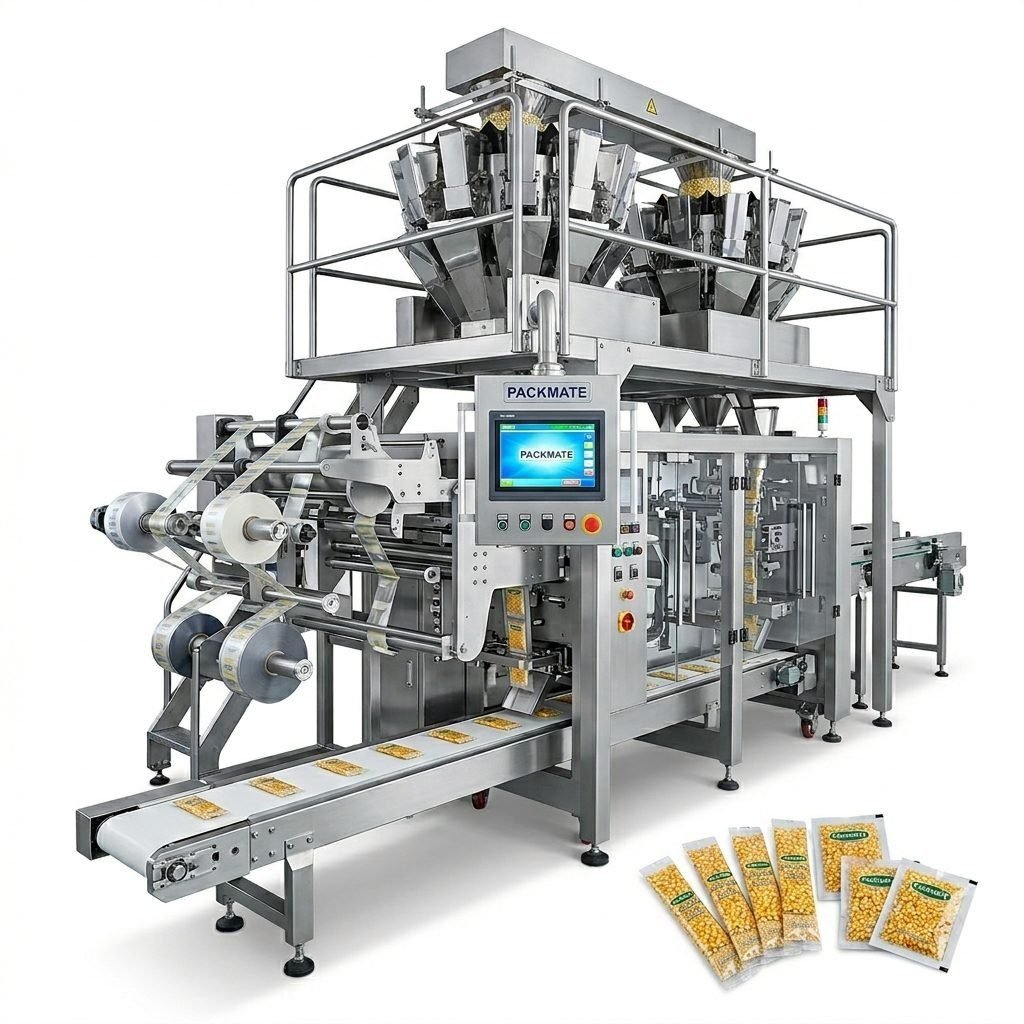
Step 3: Evaluate Manufacturer Credentials and Experience
Once you have a shortlist, conduct a thorough evaluation. Key factors to consider include:
Company History & Stability: Prefer manufacturers with a long operational history (e.g., 20-30 years), as this often indicates reliability and accumulated technical knowledge.
Factory Size & Capability: A sizable manufacturing facility (e.g., 20,000+ sq. meters) suggests robust production capacity and quality control processes.
Export Experience: Prioritize companies that explicitly list Africa or similar developing regions among their export markets. They are more familiar with export documentation, shipping to African ports like Douala (Cameroon) or Lagos (Nigeria), and the overland transport to Chad.
Product Portfolio: Ensure they offer the type of machinery you need, whether it’s a simple sachet machine or a complete turnkey line for bulk grains.
Step 4: Assess Technical Support and After-Sales Service
This is a critical step for operations in Chad, where access to technical expertise can be limited. Reliable after-sales support is non-negotiable. During your inquiries, ask potential suppliers specific questions:
- Do they provide installation supervision or guidance?
- What is the warranty period and what does it cover?
- How do they handle spare parts supply? Do they have a fast and reliable logistics channel to ship parts to Central Africa?
- Do they offer remote technical support via video call?
- Can they provide training materials or on-site training for your engineers?
Choosing a manufacturer with a proactive and structured support system can prevent prolonged downtime and ensure your investment pays off.

Step 5: Request Quotes and Proposals
Contact your shortlisted manufacturers with your detailed specifications. A professional supplier will ask comprehensive questions about your product, factory layout, and goals before providing a quotation. Compare the proposals not just on price, but on the scope of supply, machine specifications, delivery terms (Incoterms like FOB or CIF), and payment terms. Be clear about who is responsible for freight, insurance, and customs clearance in Chad.
Step 6: Verify Quality and Seek References
Request customer references, preferably from other African clients. If possible, ask for videos of the machine in operation or even arrange a video call to see a factory test run. Check for certifications related to manufacturing quality. This due diligence helps verify the manufacturer’s claims and gives you confidence in their equipment’s performance under real conditions.

Step 7: Plan for Logistics and Installation
Finalizing the purchase is just the beginning. Work closely with your chosen supplier to plan the logistics. Given Chad’s landlocked status, machinery will typically be shipped to a seaport in a neighboring country and then transported overland. Ensure the supplier properly packages the machine for a long sea voyage and rough road transport. Discuss the installation timeline and coordinate the arrival of their technicians (if provided) with the customs clearance process to minimize delays at the port and border.
Conclusion and Key Takeaways for Chadian Buyers
For businesses in Chad, sourcing reliable packaging machinery is a significant investment that can drive growth and efficiency. The key is to partner with experienced, export-oriented manufacturers who understand the African context and are committed to providing long-term support. By following this structured process—from clearly defining your needs to rigorously vetting suppliers and planning for logistics—you can successfully acquire machinery that will serve your production needs reliably for years to come.
Frequently Asked Questions (FAQs)
Q1: What are the main challenges of importing machinery to Chad?
A: The primary challenges are logistics due to Chad being landlocked, navigating customs clearance, ensuring the machine is suited to local power voltages, and arranging for reliable after-sales technical support.
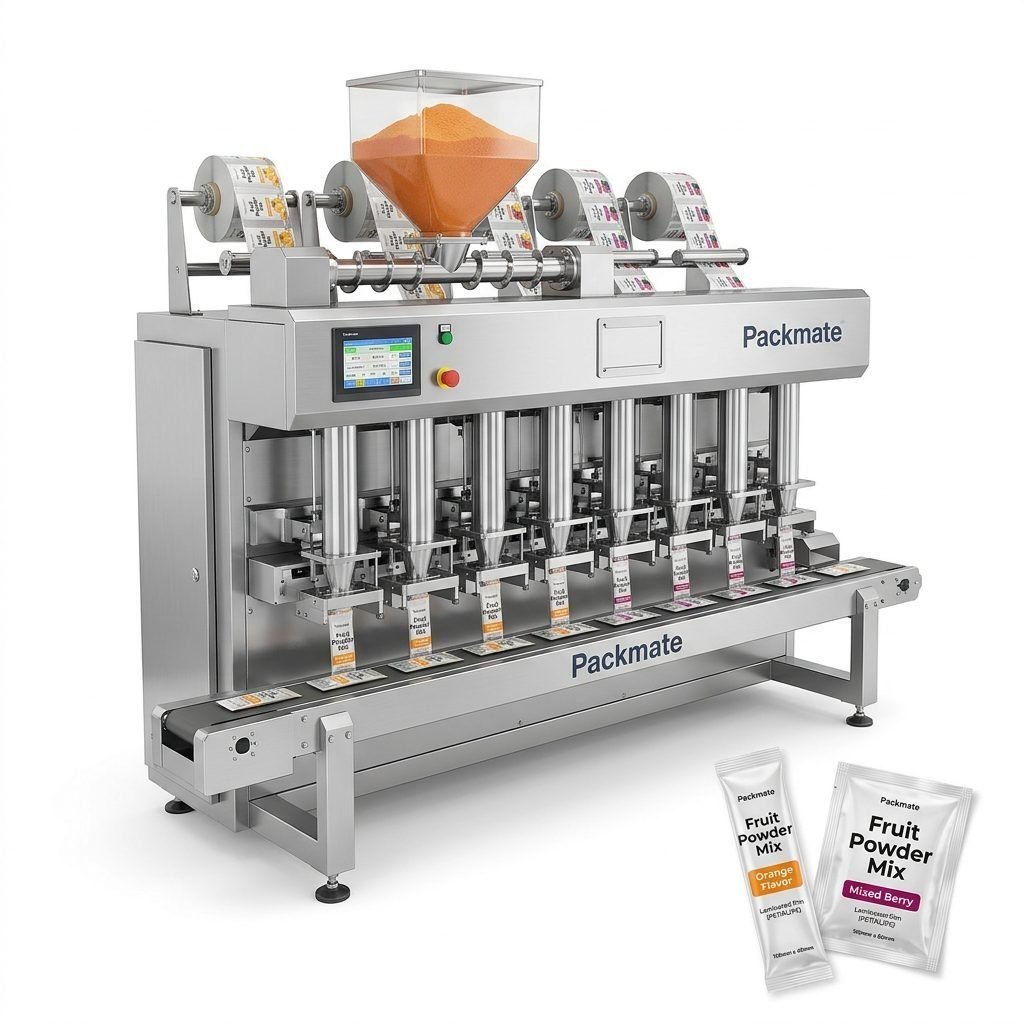
Q2: Should I buy a single machine or a complete packaging line?
A: This depends on your production scale and automation goals. A single sachet machine might suffice for small to medium operations. For large-scale, high-volume production of items like fortified flour or agricultural seeds, a turnkey packaging line offering integrated weighing, filling, and sealing could offer better long-term efficiency.
Q3: How important is machine customization?
A: Very important if your product has unique characteristics. Manufacturers like PackingMachineOEM specialize in customizing machines for specific bag sizes, materials, or product flow, which can be crucial for optimal performance.
Q4: What is a realistic timeline from order to operation in Chad?
A: The timeline varies but typically includes manufacturing (8-12 weeks), sea freight (4-6 weeks to a West African port), overland transport and customs clearance (2-4 weeks), and installation. Plan for a total of 4 to 6 months.
Q5: How can I verify a manufacturer’s quality before purchasing?
A: Request factory audit reports, quality certifications, videos of machine tests with your specific product (or a similar one), and most importantly, contact references from their existing clients in similar markets.