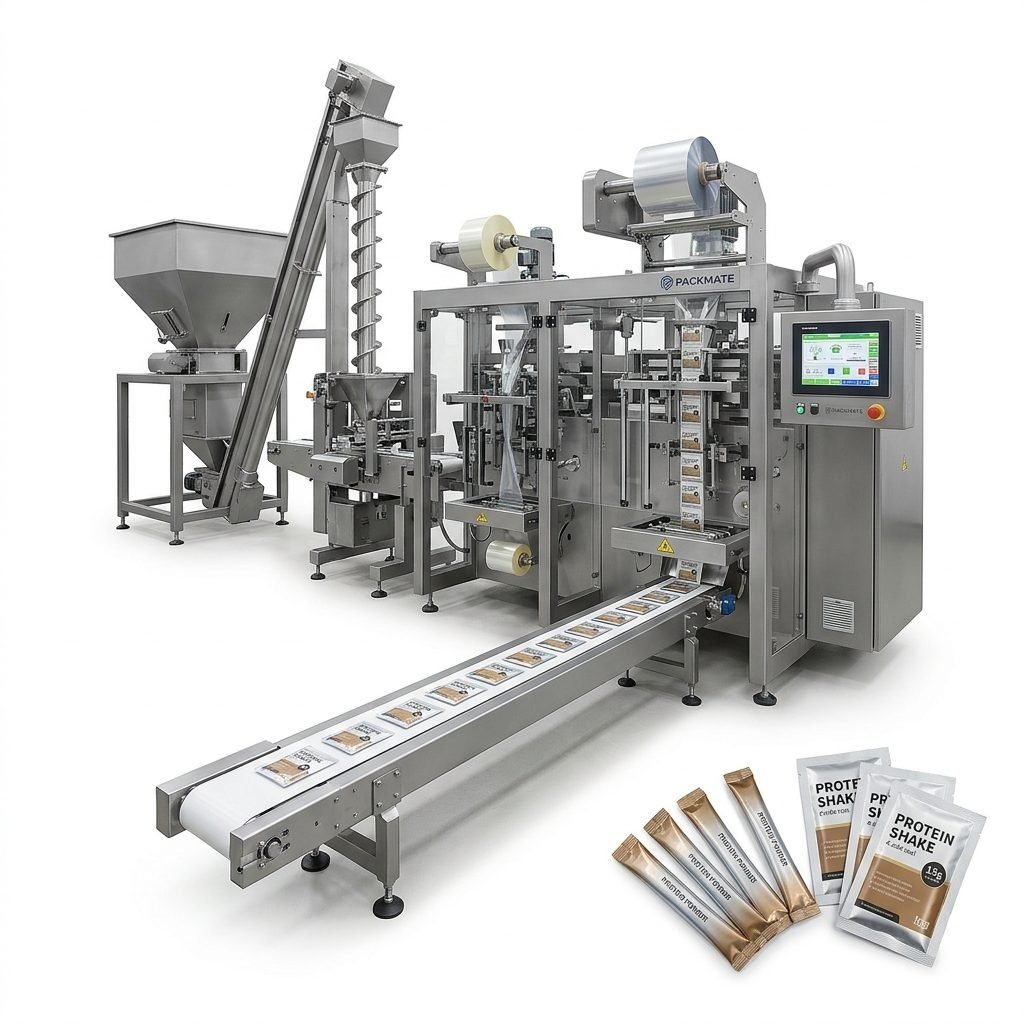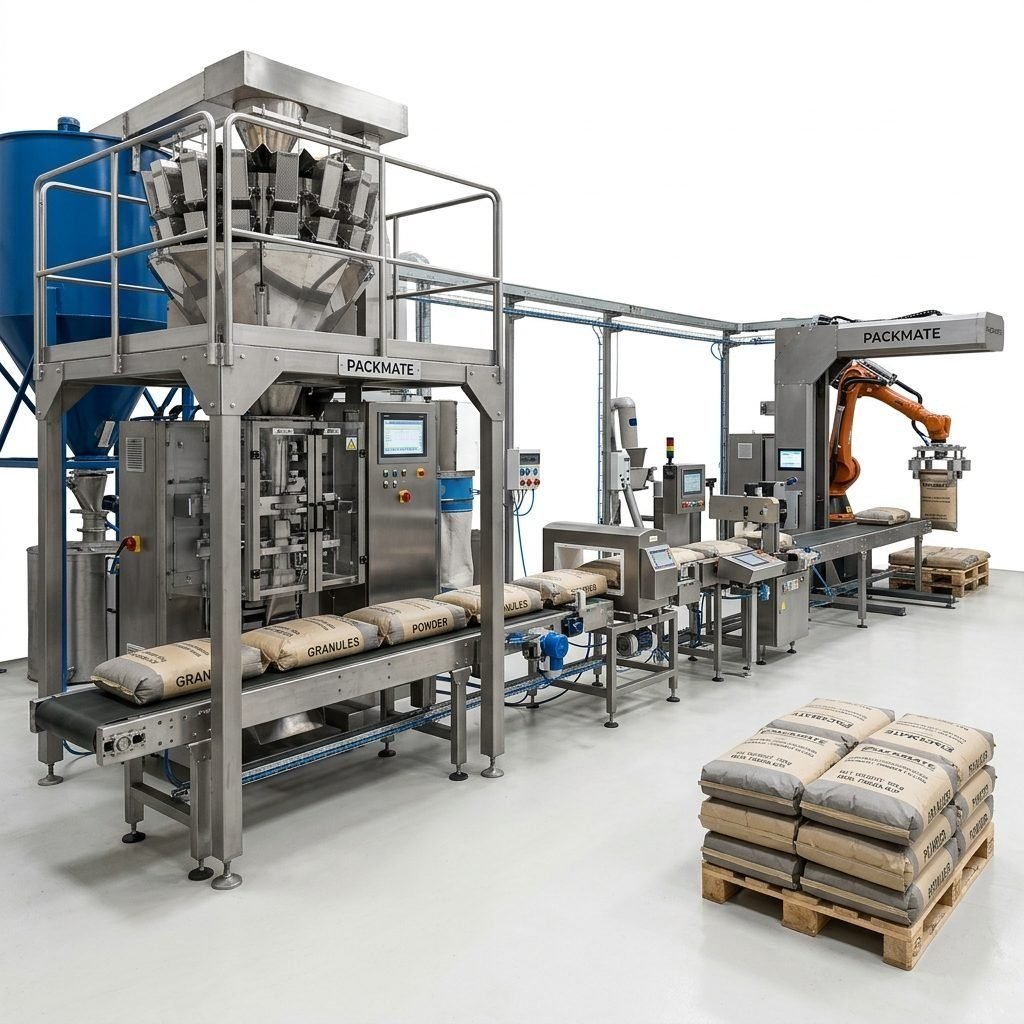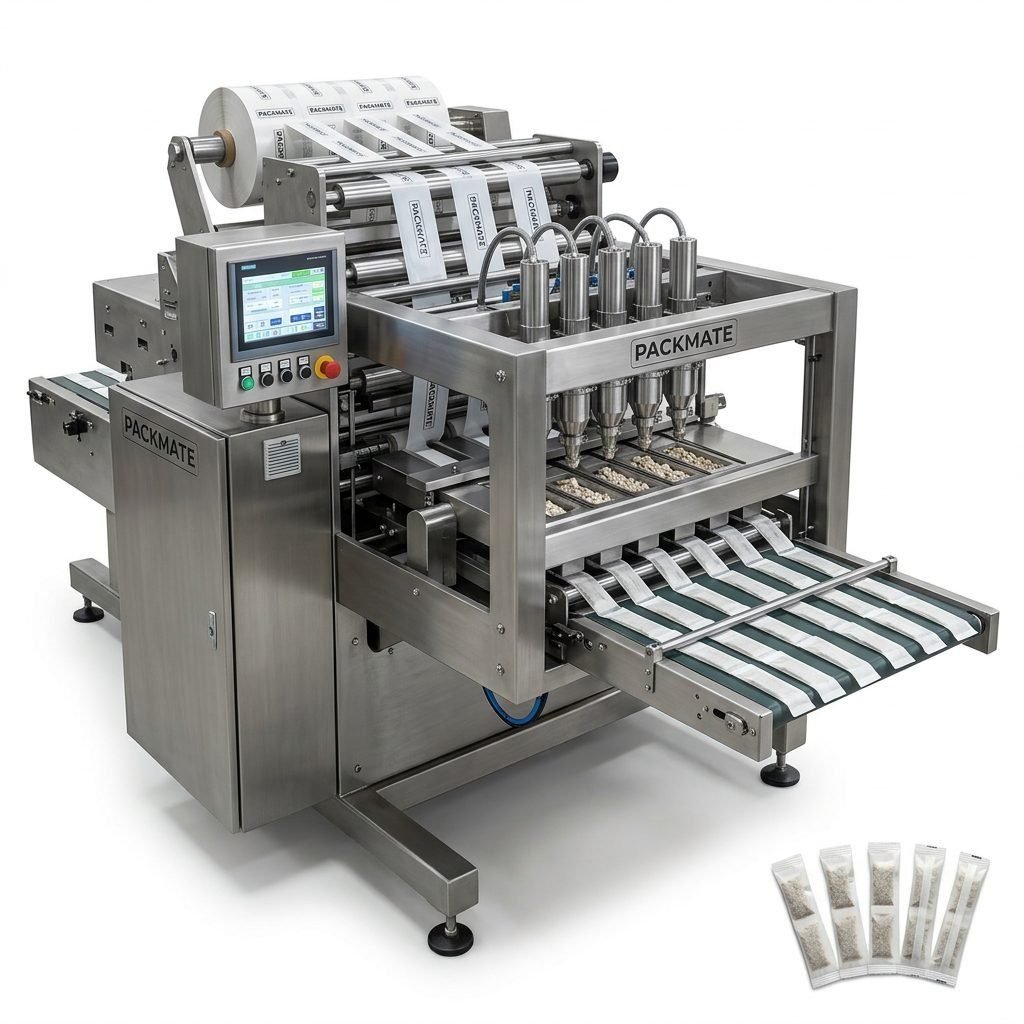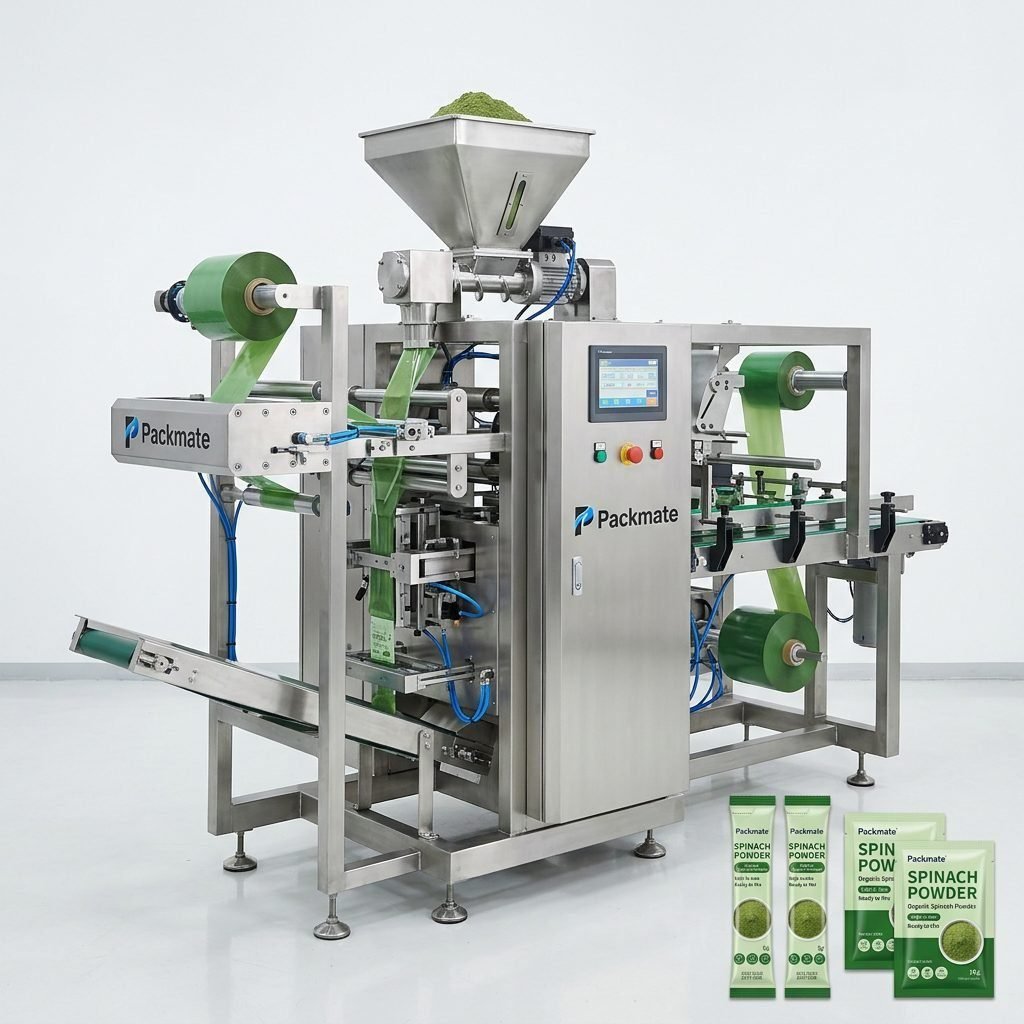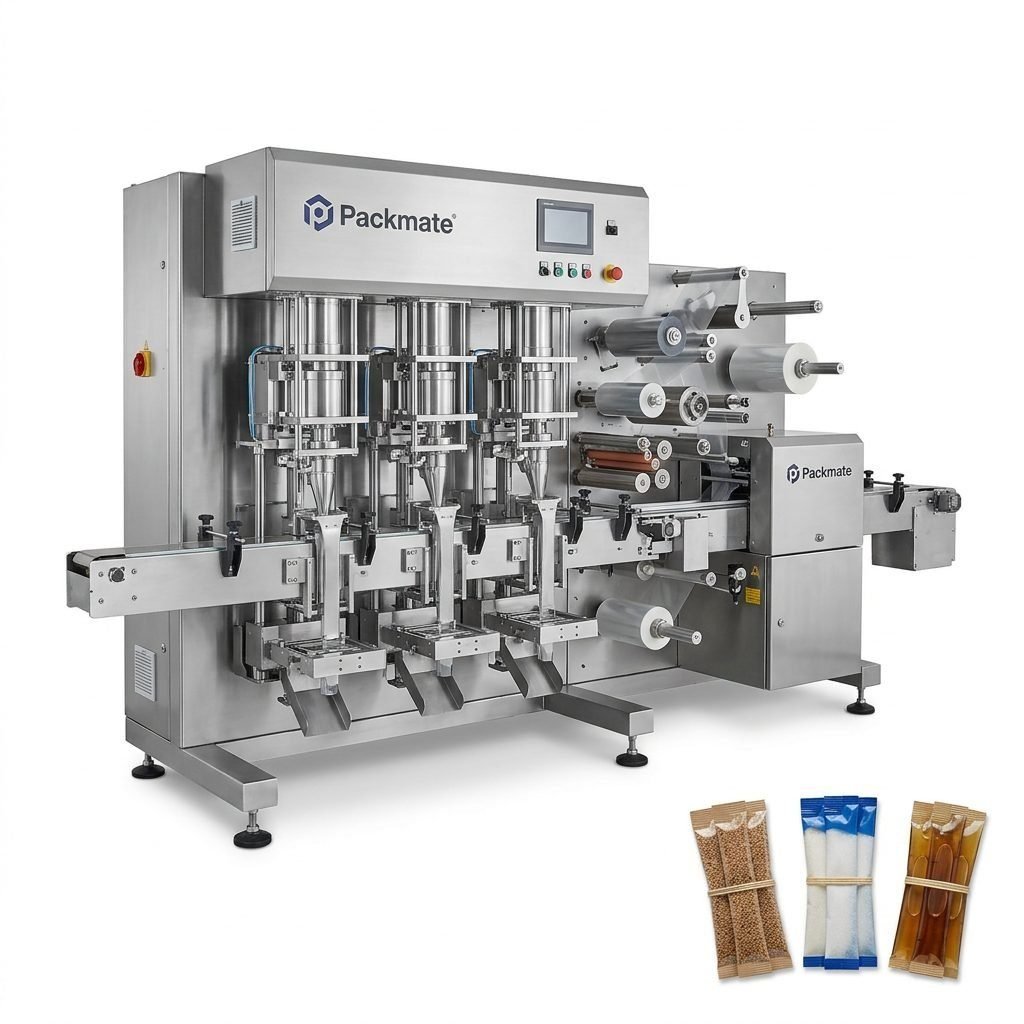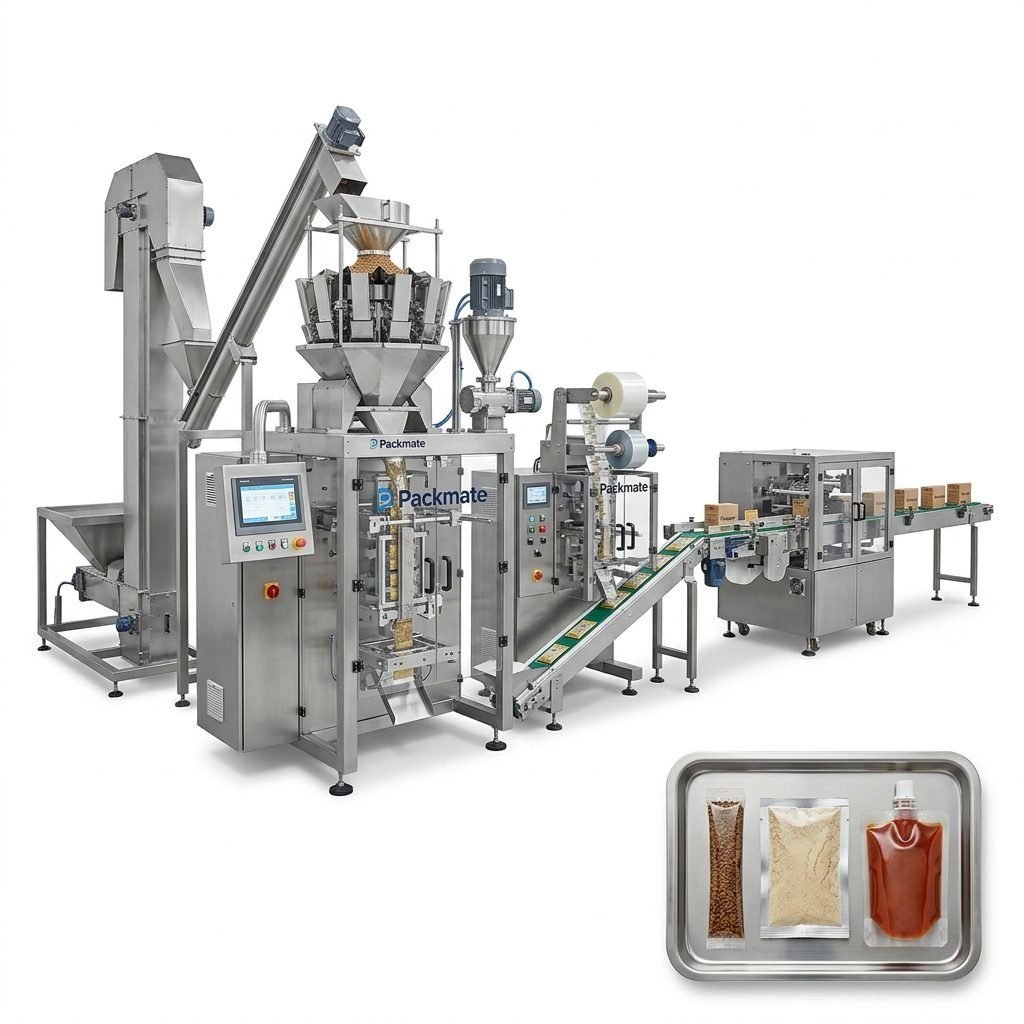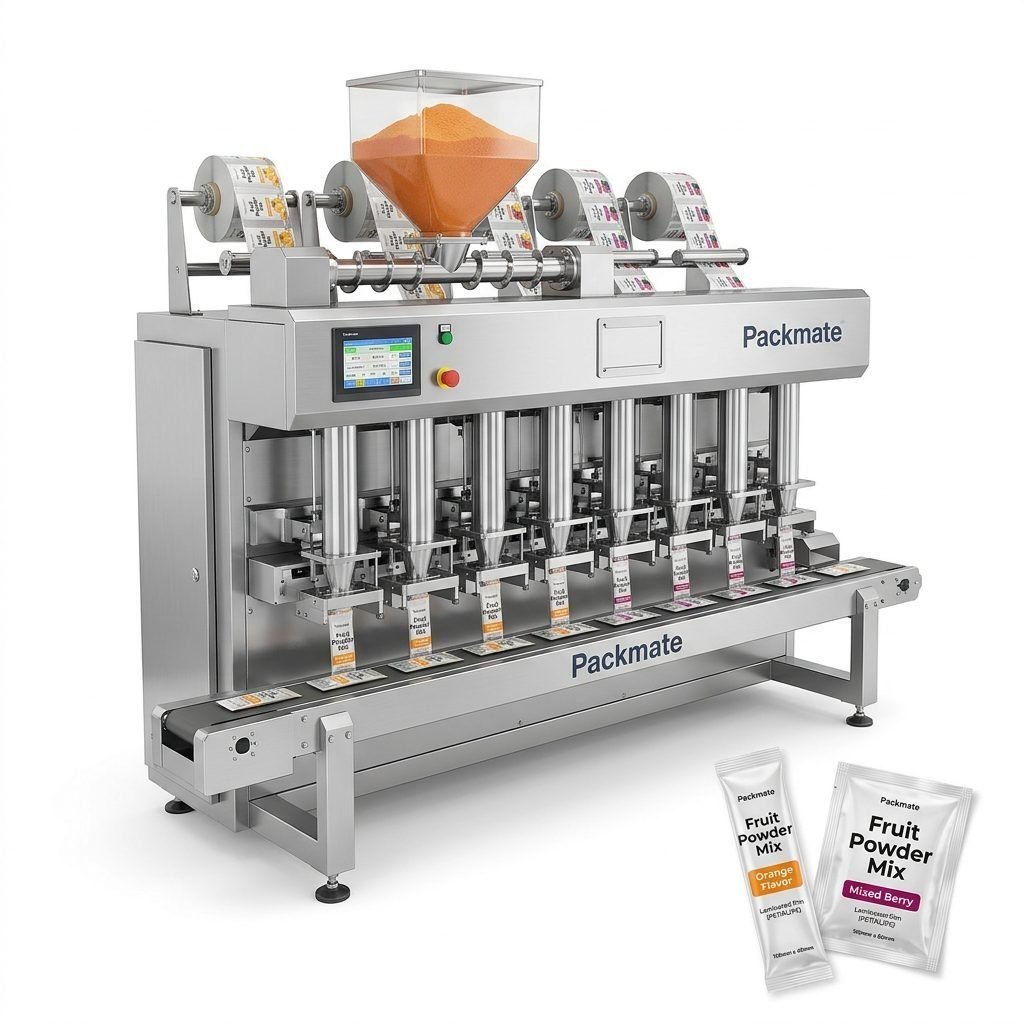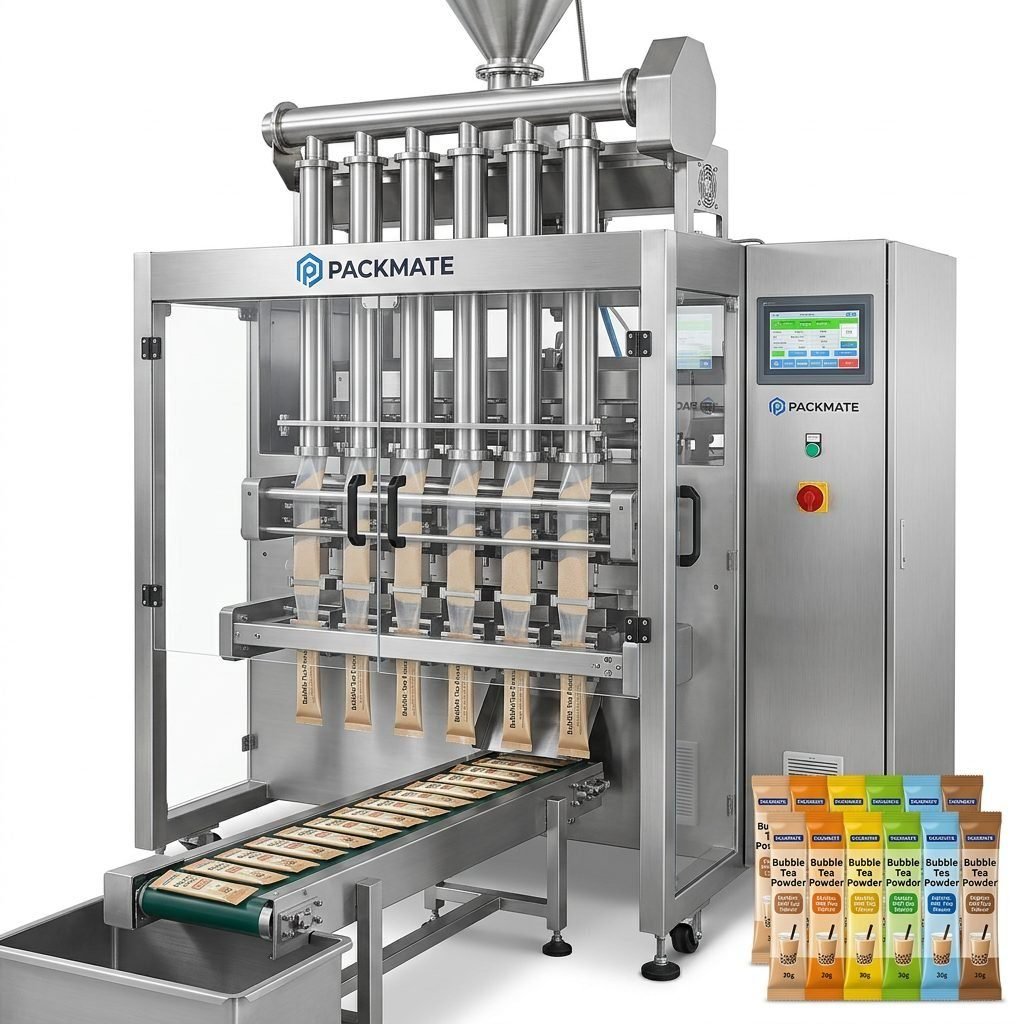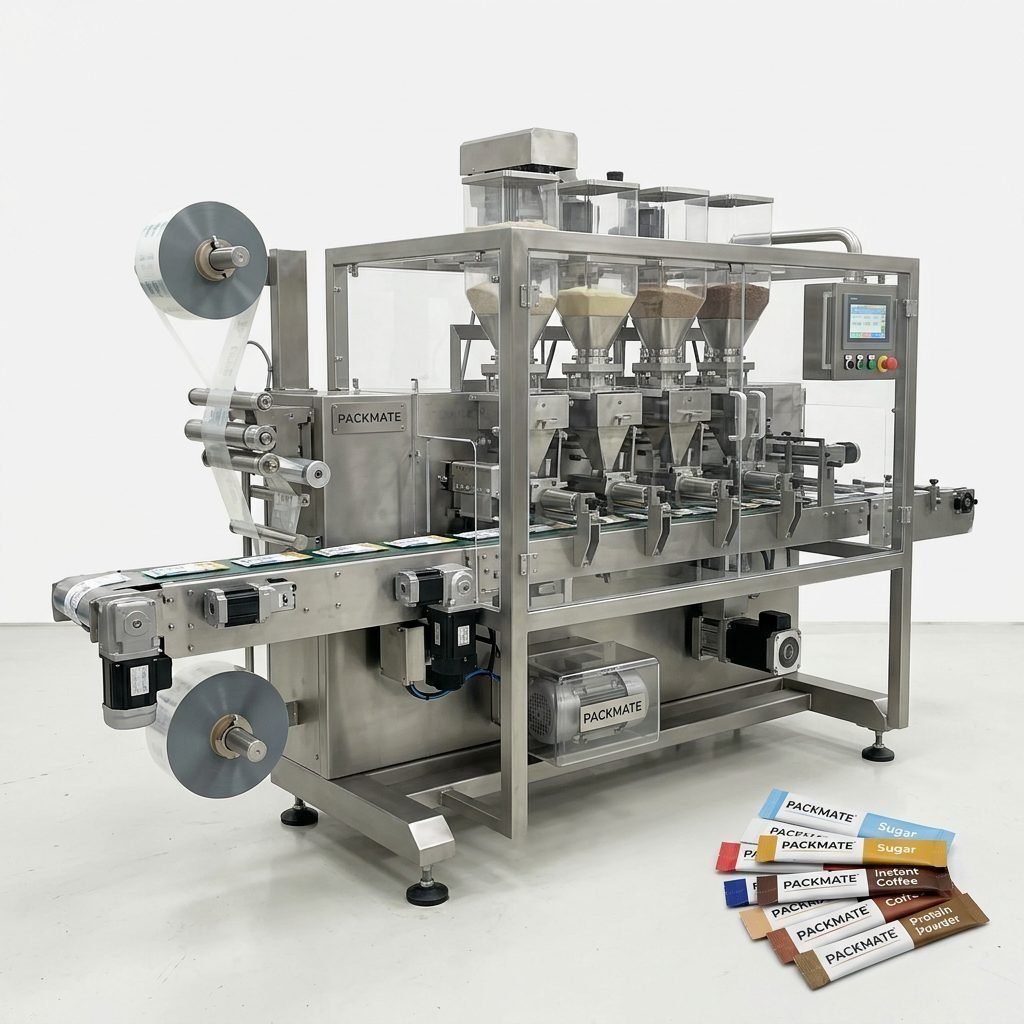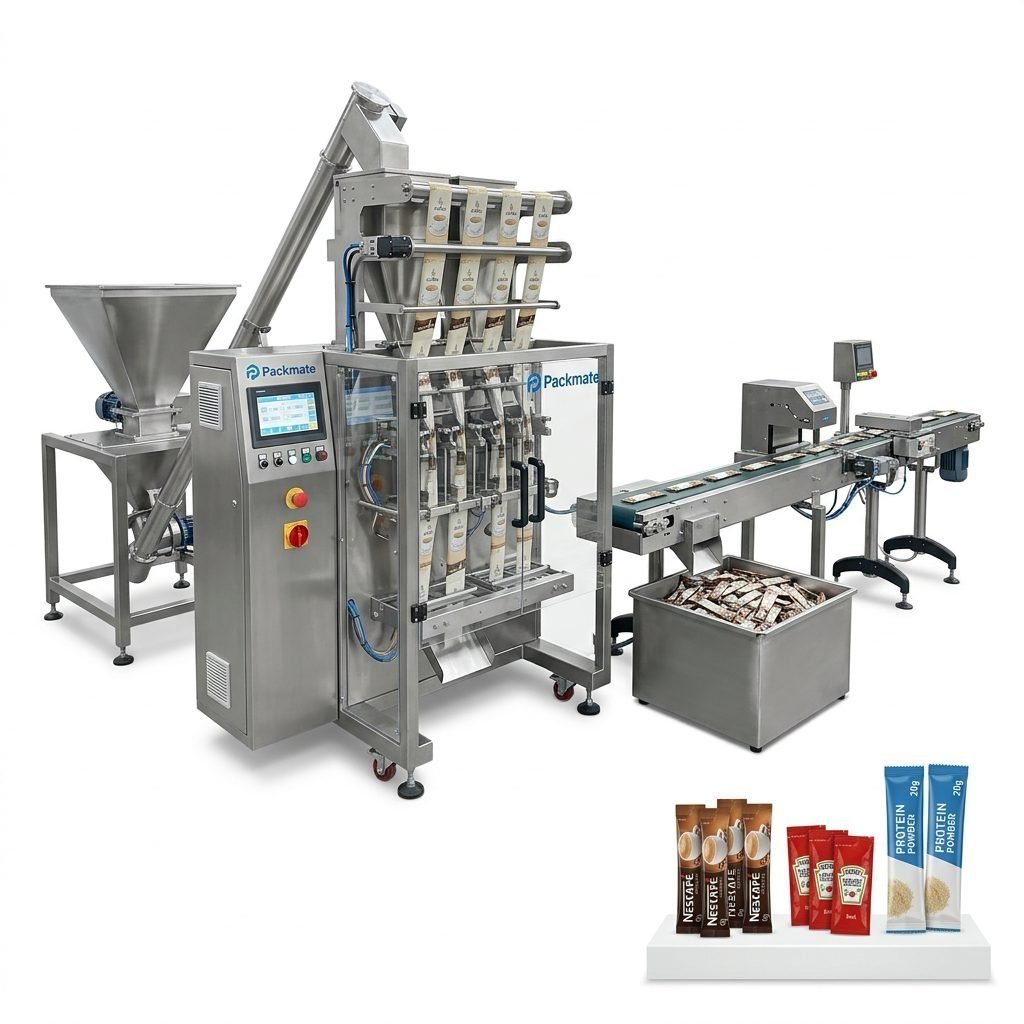
Small pouch packing machines are essential pieces of equipment for countless industries worldwide, automating the process of creating and filling single-serve or small-portion packages. These versatile machines handle a wide range of products, from food powders and instant coffee to pharmaceuticals and chemical samples. By automating the forming, filling, and sealing of small pouches, they dramatically increase production speed, ensure consistent product weight and package integrity, and reduce labor costs.
What is a Small Pouch Packing Machine?
A small pouch packing machine, often referred to as a sachet or stick pack machine, is an automated system designed to produce small, sealed pouches from a roll of flexible packaging film. The process is continuous: the film is formed into a tube, filled with a precise amount of product, sealed along its length and width, and then cut into individual pouches. These machines are highly adaptable and can create various pouch styles, including three-side seal sachets, four-side seal sachets, and stick packs, which are long, narrow pouches ideal for powders and granules.
Core Types of Small Pouch Machines
Understanding the different types of machines is crucial for selecting the right one for your product and production goals.
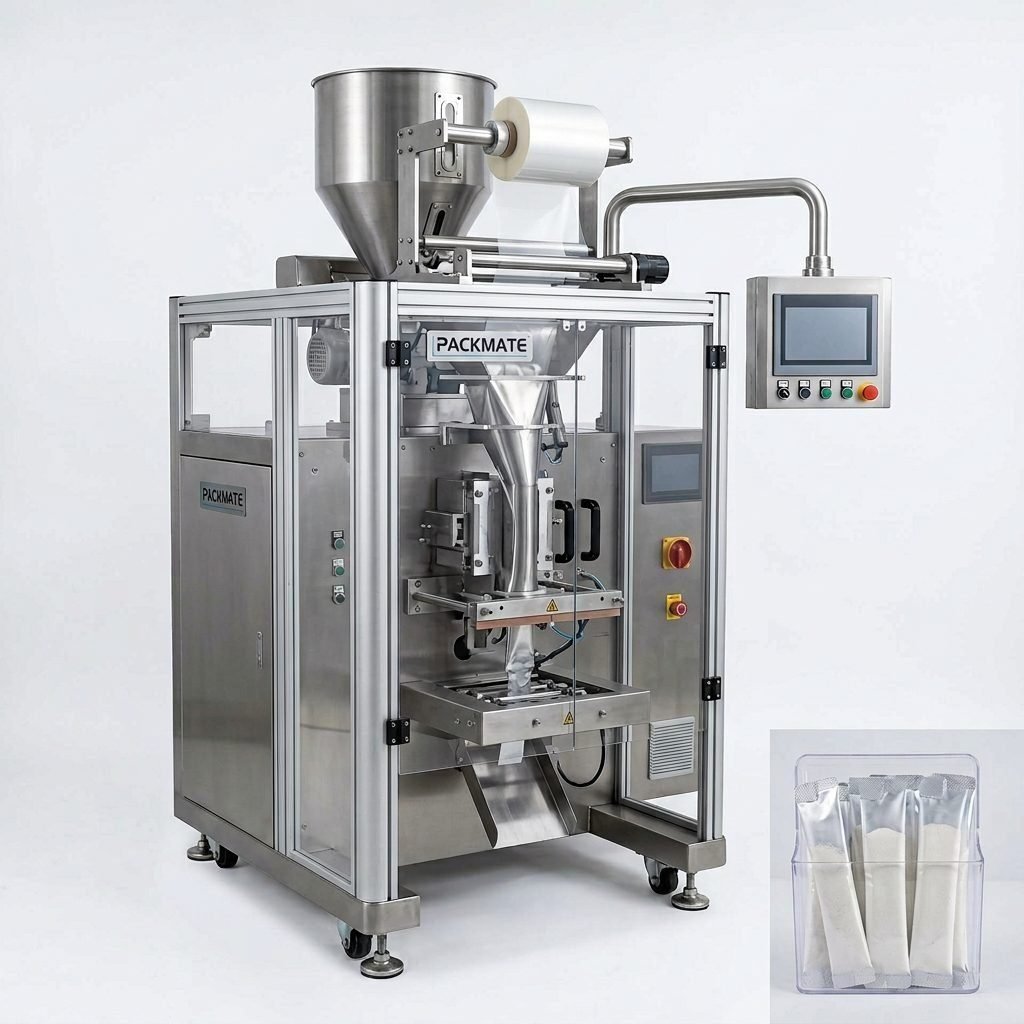
1. Vertical Form-Fill-Seal (VFFS) Machines
These are the most common type. The packaging film is fed vertically from a roll, formed into a tube around a filling spout, filled with product, sealed vertically (back seal) and horizontally (top and bottom seals), and then cut. They are incredibly efficient for free-flowing products like granules, powders, and small solids.
2. Horizontal Form-Fill-Seal (HFFS) Machines
In HFFS machines, the film moves horizontally. They are often used for more complex pouch shapes, products that need to be placed (like tea bags or wet wipes), or when using pre-printed film where graphic registration is critical. They can create pillow pouches, gusseted bags, and other sophisticated styles.
3. Pre-Made Pouch Machines
These machines use pre-manufactured, flat pouches that are opened, filled, and then sealed. This method is ideal for products that are difficult to handle on VFFS/HFFS lines (like liquids, pastes, or products with large particulates) or for applications requiring very specific, high-quality printed pouches.
4. Multi-Lane Machines
To achieve very high output, multi-lane machines run several packaging lines (e.g., 4, 8, 16 lanes) in parallel from a single set of controls. They are the workhorses for high-volume production of items like stick pack coffee, sugar, pharmaceutical powders, and nicotine pouches, where output can reach tens of thousands of pouches per hour.
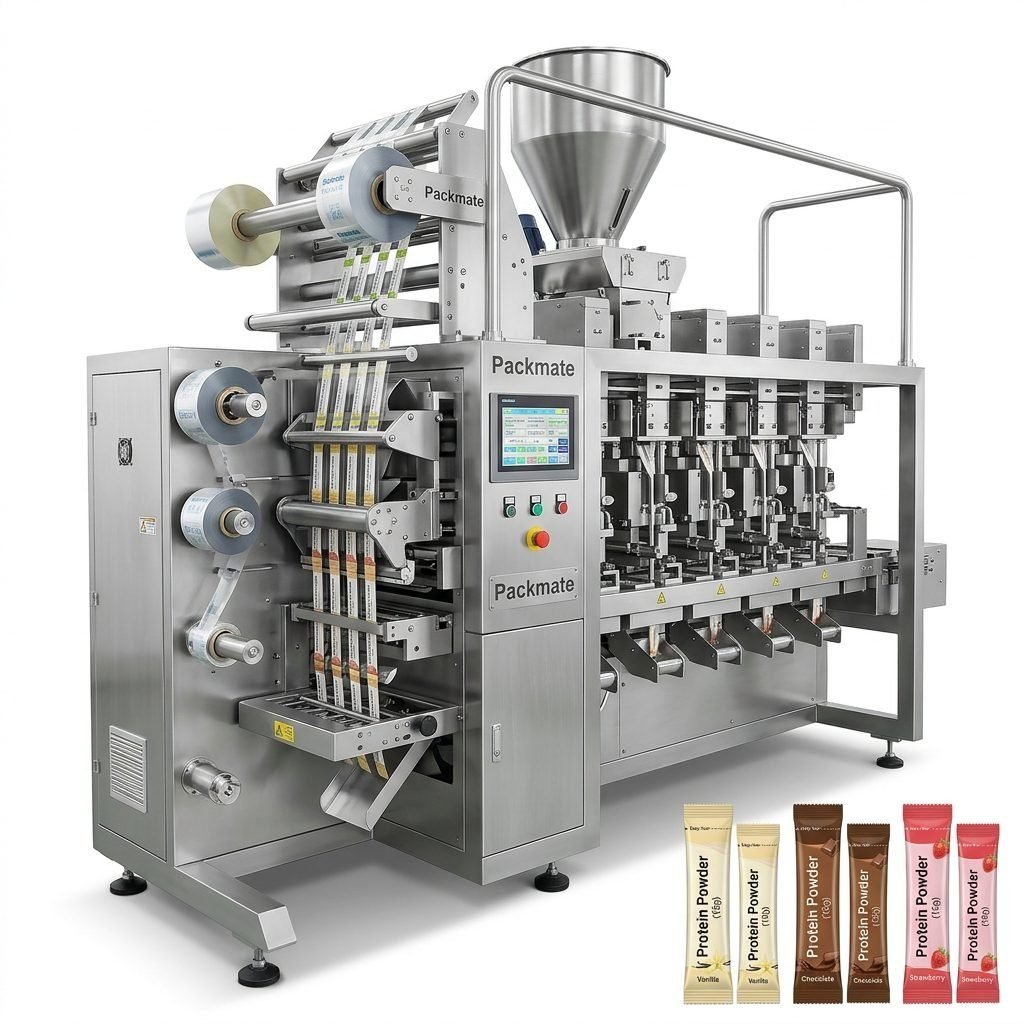
How Does a Pouch Packing Machine Work? (The Working Principle)
The operation of a standard VFFS machine can be broken down into a continuous, synchronized cycle:
- Film Unwinding & Registration: A roll of packaging film (laminated or coated for barrier properties) is fed into the machine. A photoelectric sensor ensures any pre-printed graphics are positioned correctly.
- Forming: The film passes over a forming shoulder, which shapes it into a vertical tube around the filling cylinder or spout.
- Vertical Sealing: The longitudinal (back) seal is created, turning the flat film into a continuous tube.
- Product Filling: The product is precisely dosed into the tube via the filling spout. Common filling systems include volumetric cups, auger fillers (for powders), liquid pumps, and weigh scales for high accuracy.
- Horizontal Sealing & Cutting: A pair of heated sealing jaws close simultaneously to create the top seal of the finished pouch below and the bottom seal of the next pouch above. A cutting mechanism separates the individual pouch, which then drops onto a conveyor for collection or secondary packaging.
Key Components and Technologies
| Component | Function |
|---|---|
| Film Feeding & Tension System | Ensures smooth, consistent film feed without wrinkles or tearing. |
| Auger Filler / Volumetric Cup | Provides precise measurement and dispensing of powdered or granular product. |
| Liquid Pump Filler | Accurately meters and dispenses liquid or paste products. |
| Weighing System (Net Weigher) | Ensures the highest filling accuracy by weighing each dose, crucial for expensive or regulated products. |
| Servo Motors & PLC | Provide precise motion control, easy recipe changeovers, and user-friendly operation via a touchscreen HMI. |
| Gas Flushing System (Optional) | Injects inert gas (like nitrogen) into the pouch before sealing to displace oxygen, extending shelf life (modified atmosphere packaging). |
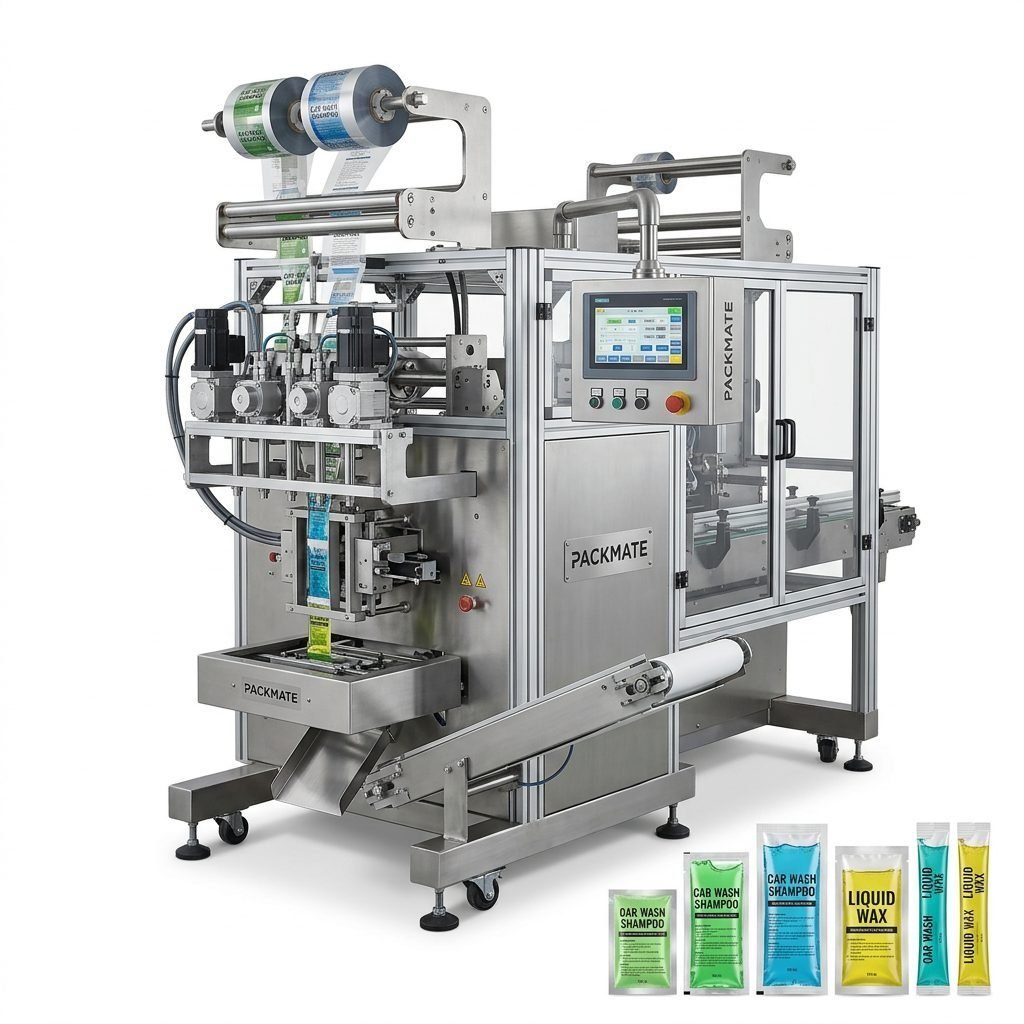
Primary Applications Across Industries
The adaptability of small pouch machines makes them indispensable in numerous sectors. For example, manufacturers like Ludyway and Packmate Machinery serve a global clientele with machines tailored to these diverse needs.
Food & Beverage
This is the largest application area. Machines package instant coffee, sugar, creamer, spices, drink mixes, sauce portions, and snack seasonings. The demand for convenience and single-serve portions drives continuous innovation in this sector.
Pharmaceutical & Nutraceutical
Hygiene, accuracy, and compliance are paramount. Machines package powdered medicines, oral rehydration salts, vitamin sachets, and herbal supplements. They often feature stainless steel construction, easy-clean designs, and high-precision fillers to meet GMP standards.
Personal Care & Cosmetics
Used for shampoo, conditioner, lotion, face cream, and detergent samples. Machines handling liquids and creams require specialized pumps and sealing systems to prevent leaks and ensure clean seals.
Specialty Nicotine & Smokeless Products
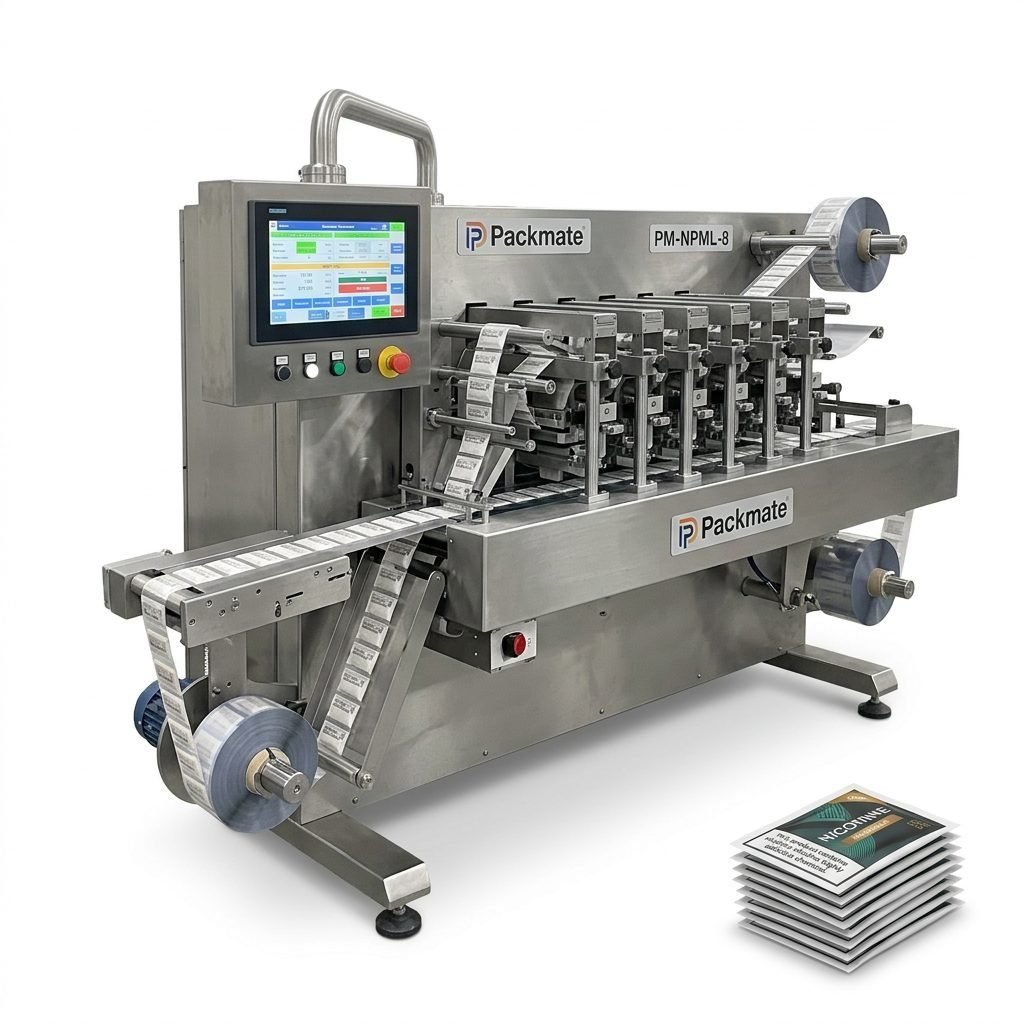
The rapid growth of the nicotine pouch market has created a specific niche. Specialized manufacturers like SnusMachinery design high-speed, multi-lane machines that handle the unique filling and sealing requirements of these moisture-sensitive products with extreme consistency.
Chemicals & Agrochemicals
Packaging detergent powders, water treatment chemicals, pesticides, and fertilizers in single-dose sachets. These machines often need to be constructed from corrosion-resistant materials.
Essential Buying Guide: Key Considerations
Investing in a small pouch machine is a significant decision. Here are the critical factors to evaluate to ensure you choose the right equipment for your long-term success.
1. Product Characteristics
This is the starting point. The machine’s design is dictated by your product.
- Form: Powder, granule, liquid, paste, or solid? Each requires a different filling system (auger, pump, volumetric, etc.).
- Flowability & Hygroscopicity: Does the product bridge or clump? Is it sensitive to moisture? This affects hopper design and may require environmental controls.
- Abrasiveness/Corrosiveness: Abrasive products require wear-resistant components, while corrosive ones need special material coatings.
2. Production Requirements
Define your output needs clearly.
- Speed (Pouches Per Minute – PPM): Match the machine’s maximum speed to your current and near-future production targets. A PacklineOEM multi-lane system might be necessary for high-volume outputs exceeding 500 ppm.
- Pouch Size & Style: What are the minimum and maximum pouch dimensions (length, width)? What seal type (3-side, 4-side, stick pack) do you need?
- Packaging Material: Can the machine run your chosen film (e.g., PET/AL/PE, paper laminates)? Check sealing jaw compatibility and temperature range.
3. Machine Features & Construction
Look beyond the basic specs.
- Filling Accuracy: What tolerance is acceptable? Net weigh fillers offer the highest precision (±0.1% or better) for valuable products.
- Changeover Time: How quickly can you switch between different pouch sizes or products? Look for machines with quick-change parts and recipe memory.
- Hygiene & Cleanability: For food or pharma, a stainless steel frame, smooth surfaces, and easy disassembly for cleaning (CIP/SIP options) are vital.
- Control System: A modern PLC with a user-friendly touchscreen HMI simplifies operation, troubleshooting, and data logging.
4. Supplier Selection & Support
The manufacturer is as important as the machine.
- Experience & Reputation: Choose a supplier with a proven track record in your specific industry. Companies like PackingMachineOEM often specialize in non-standard and customized solutions for complex projects.
- Technical Support & Spare Parts: Ensure they offer comprehensive after-sales service, training, and readily available spare parts. Consider their presence in your region.
- Testing & Customization: Can you send product samples for a factory test run? Will they customize the machine to fit your unique process line?
Frequently Asked Questions (FAQ)
What is the typical output speed of a small pouch machine?
Speed varies widely. A single-lane machine may produce 40-120 pouches per minute (PPM). Multi-lane machines (4, 8, 16 lanes) can achieve outputs from 400 to over 2,000 PPM, depending on the product and pouch size.
Can one machine handle different types of products (e.g., powder and liquid)?
While some machines are designed to be versatile, significant changes (e.g., from powder to liquid) usually require changing the filling system (e.g., swapping an auger for a pump). It’s best to discuss your specific product range with the supplier to determine the most flexible and cost-effective solution.
How do I ensure the seals on my pouches are strong and leak-proof?
Strong seals depend on the correct combination of temperature, pressure, and dwell time from the sealing jaws, matched to your specific packaging film. The machine should allow precise adjustment of these parameters. Always conduct film sealability tests with your supplier.
What kind of maintenance do these machines require?
Regular daily cleaning is essential. Periodic maintenance includes lubricating moving parts, checking and replacing worn seals and gaskets, calibrating scales, and inspecting heating elements and cutting blades. A good supplier will provide a detailed maintenance schedule.
Is operator training provided by the manufacturer?
Yes, reputable manufacturers almost always include basic operator and maintenance training, either at their factory (FAT – Factory Acceptance Test) or during installation at your site. Ensure this is clearly stated in your purchase agreement.