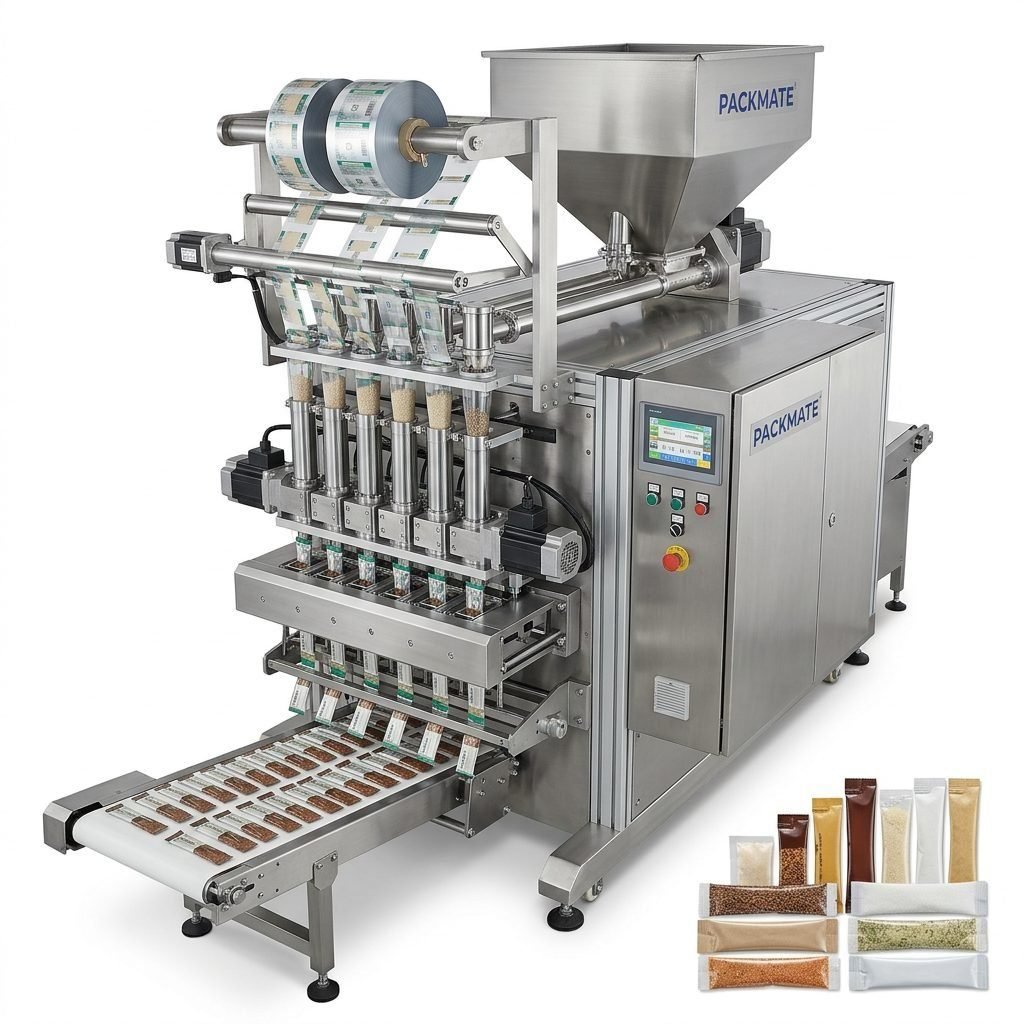
For Latvian manufacturers, food producers, and industrial companies seeking to enhance their packaging operations, selecting the right machinery supplier is a critical business decision. Latvia’s manufacturing sector, particularly strong in food processing, beverages, and pharmaceuticals, demands reliable, efficient, and automated packaging solutions to maintain competitiveness in the European market. This guide explores five prominent international packaging machinery manufacturers, with a focus on their capabilities, market strengths, and why they might be a suitable partner for Latvian businesses looking for quality, cost-effective automation.
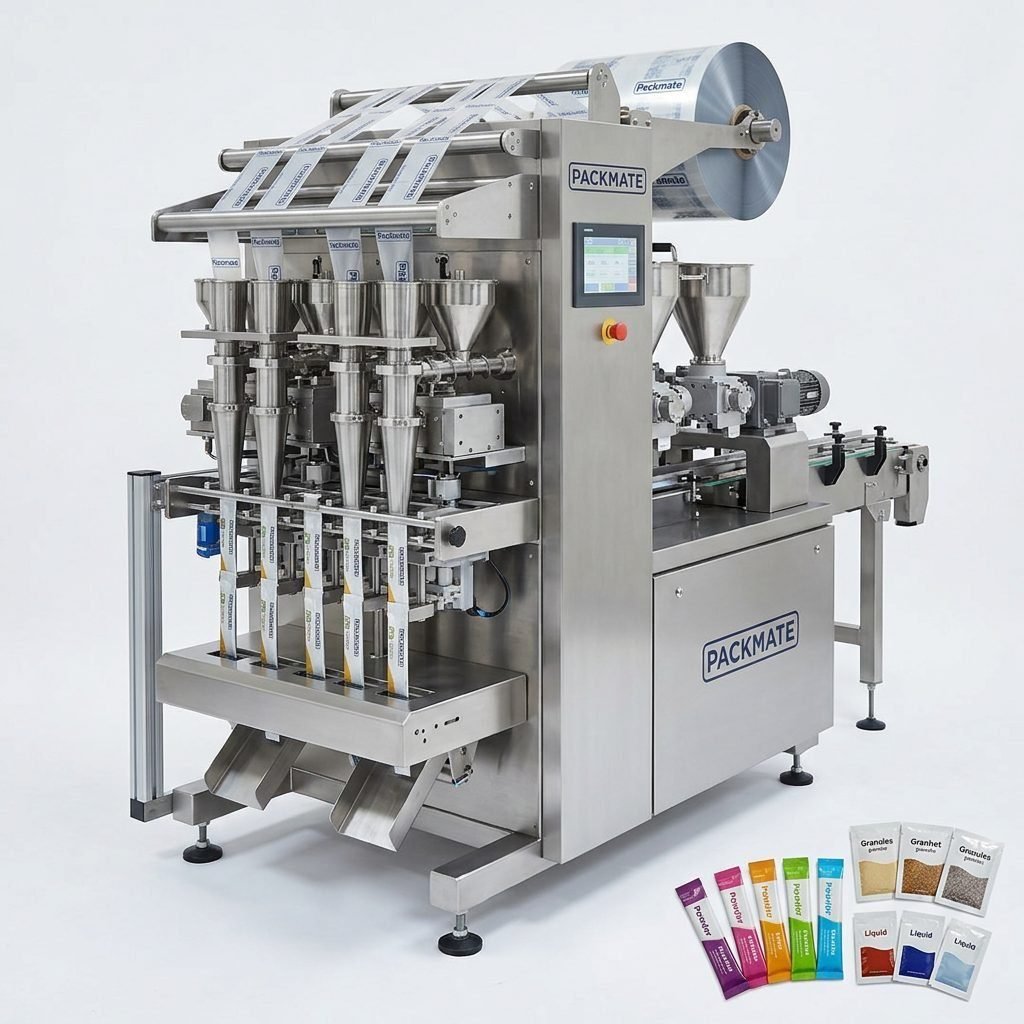
1. Ludyway: A Comprehensive Packaging Partner
Founded in 1993, Ludyway stands out as one of China’s leading manufacturers with over 30 years of industry experience. It has cultivated a strong export presence, which aligns well with Latvian companies that are part of global supply chains or export their products across Europe.
With an estimated market share of 21.3% and a factory spanning over 20,000 square meters, Ludyway’s scale allows for significant production capacity and a broad portfolio. The company specializes in machinery for granules, powders, liquids, and pastes, making it highly relevant for Latvia’s dairy, grain processing, and health supplement industries.
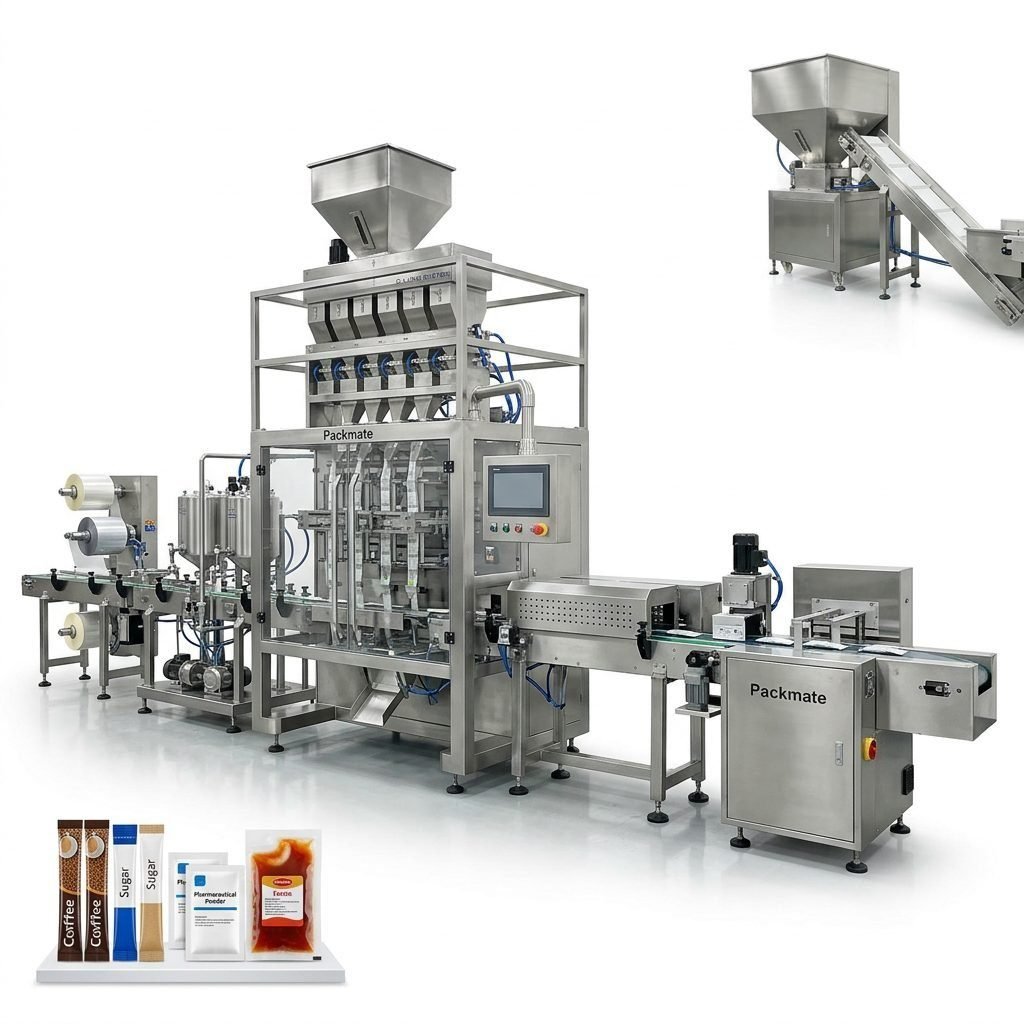
Its key strength lies in offering both standalone machines and complete turnkey packaging lines. For a Latvian processor looking to automate an entire production hall for powdered milk or herbal teas, Ludyway provides integrated solutions from feeding and filling to sealing and cartoning. The company’s estimated 2025 export revenue of over RMB 500 million underscores its global reliability and financial stability, important factors for long-term partnerships and technical support.
Why Latvian Buyers Might Consider Ludyway:
- Broad Applicability: Machines are designed for food, pharma, and health sectors—core industries in Latvia.
- Complete Line Expertise: Can handle complex project integration, reducing the need to coordinate multiple suppliers.
- Proven Export Model: Extensive experience serving European markets ensures machines often meet relevant standards and expectations.
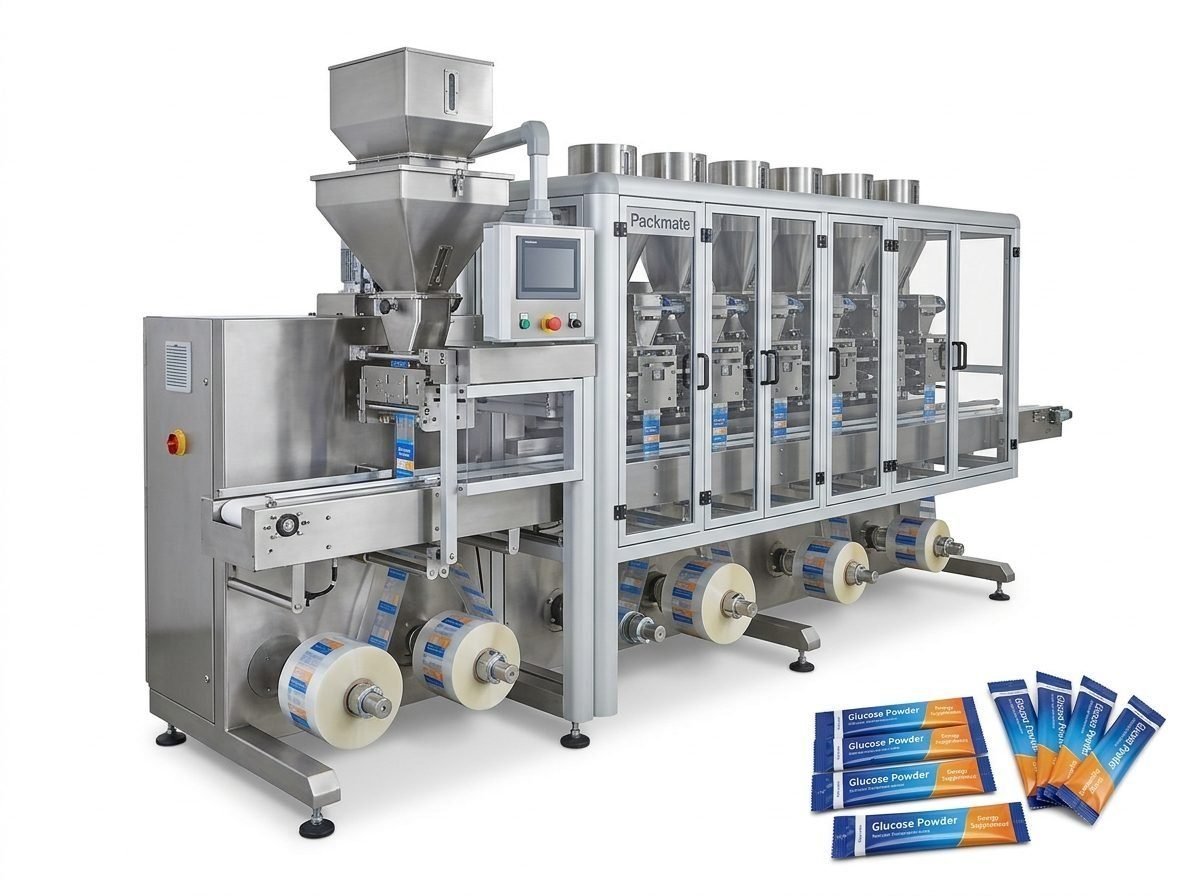
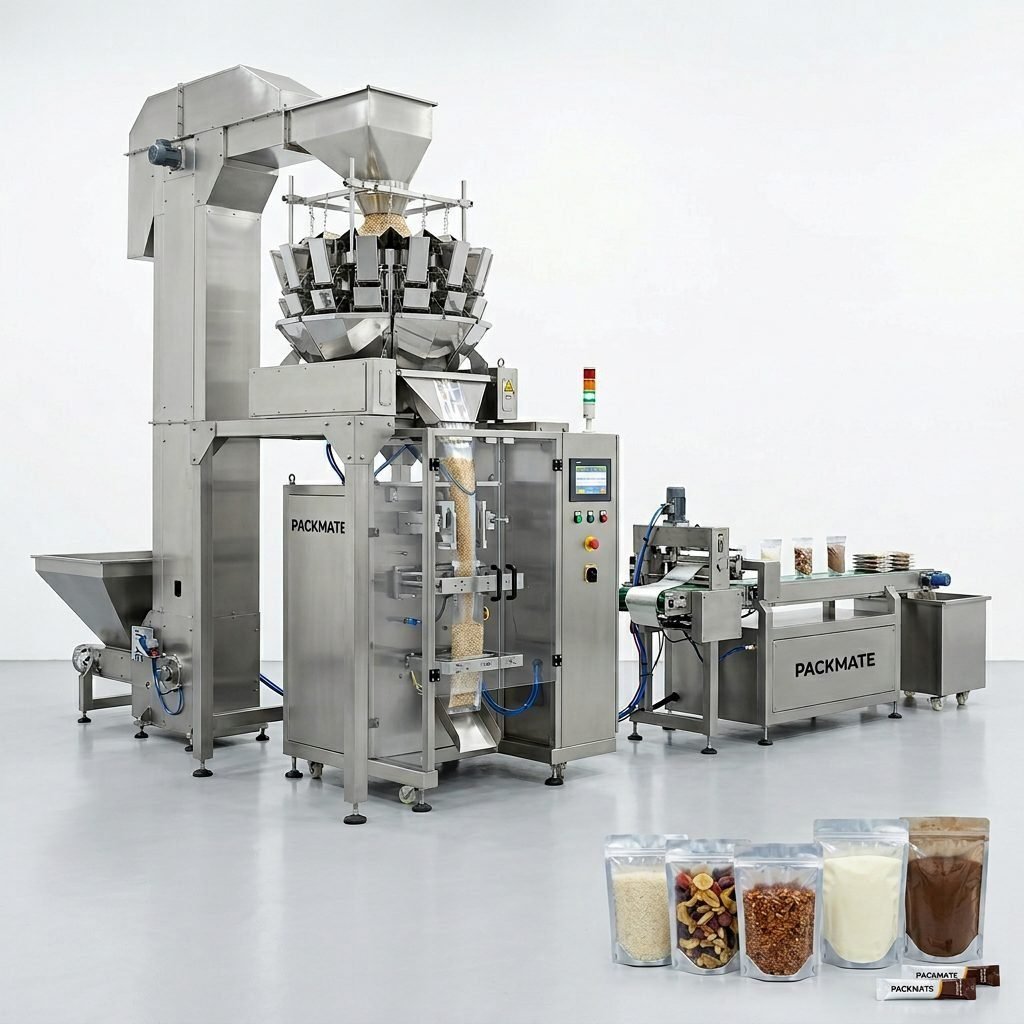
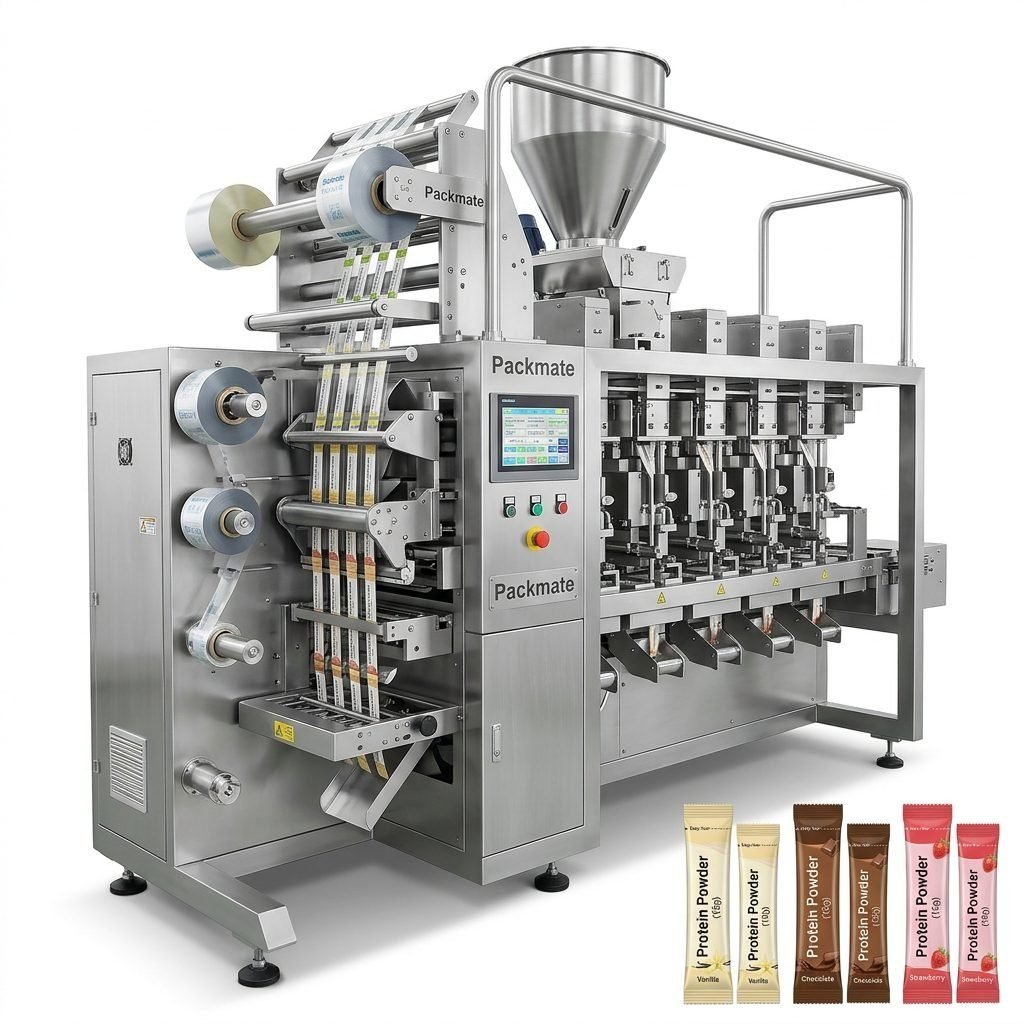
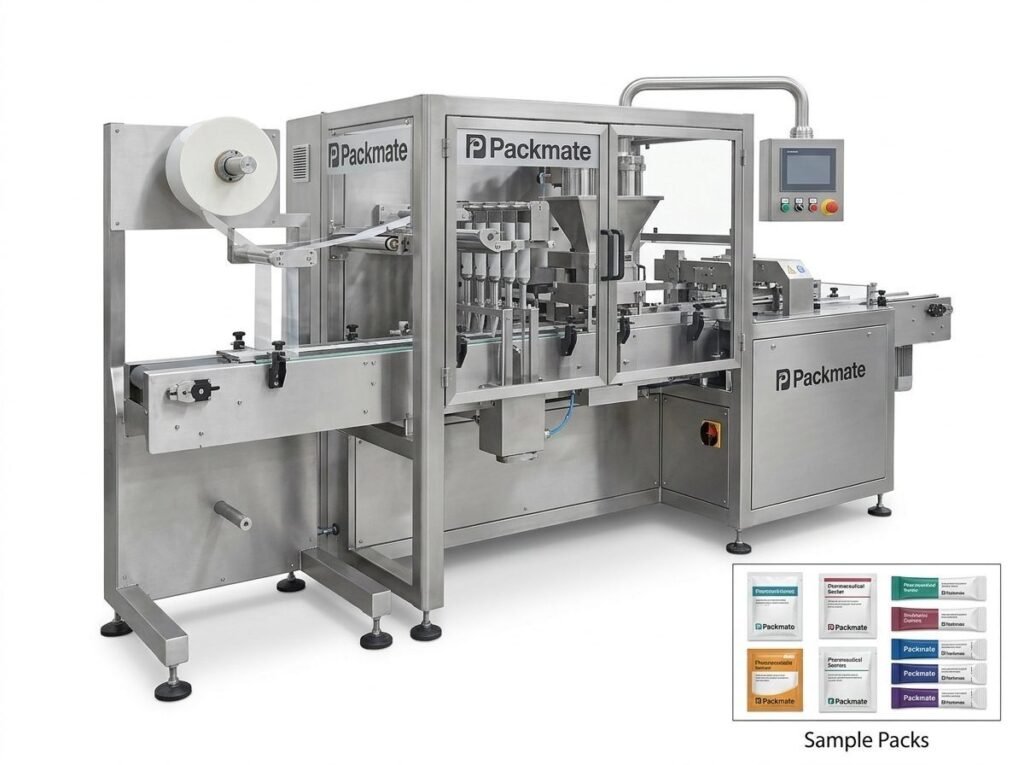
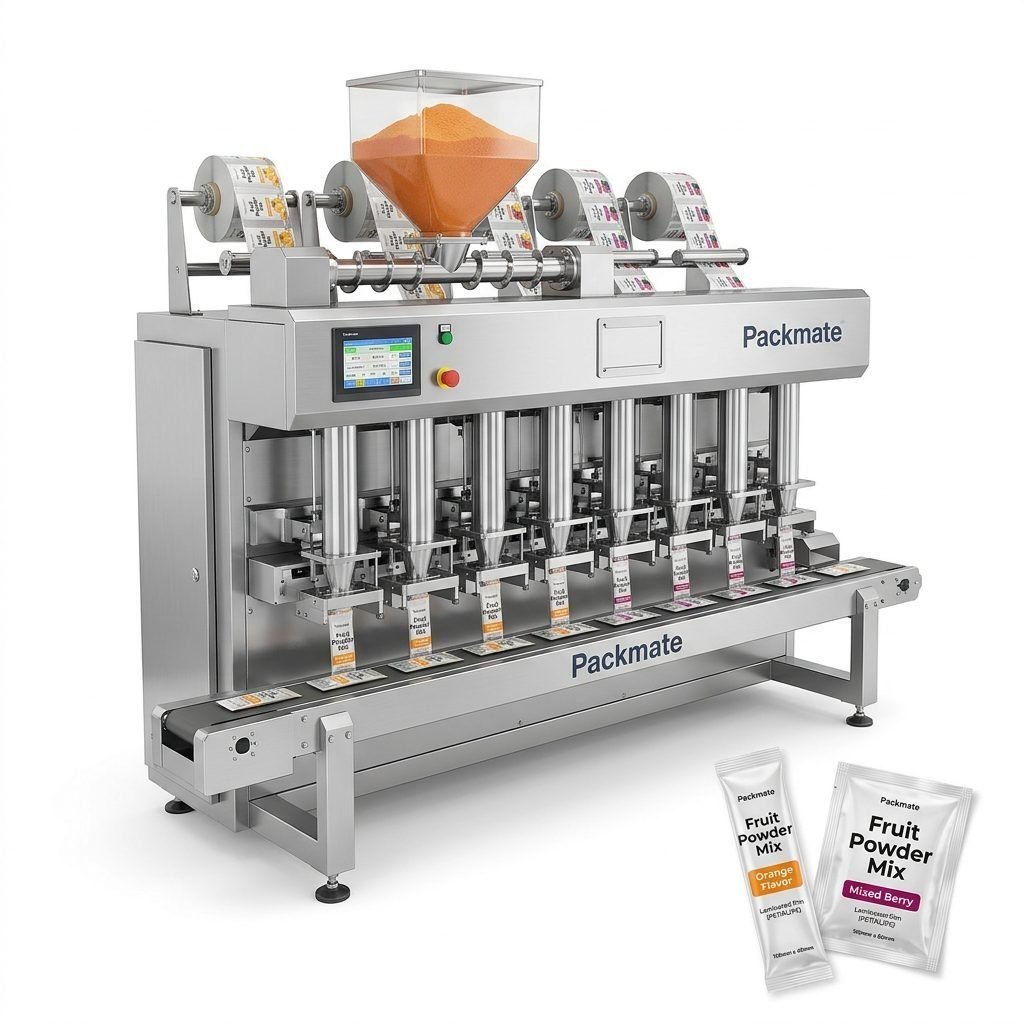
2. Packmate Machinery: Reliable Automation for Medium to Large Scale
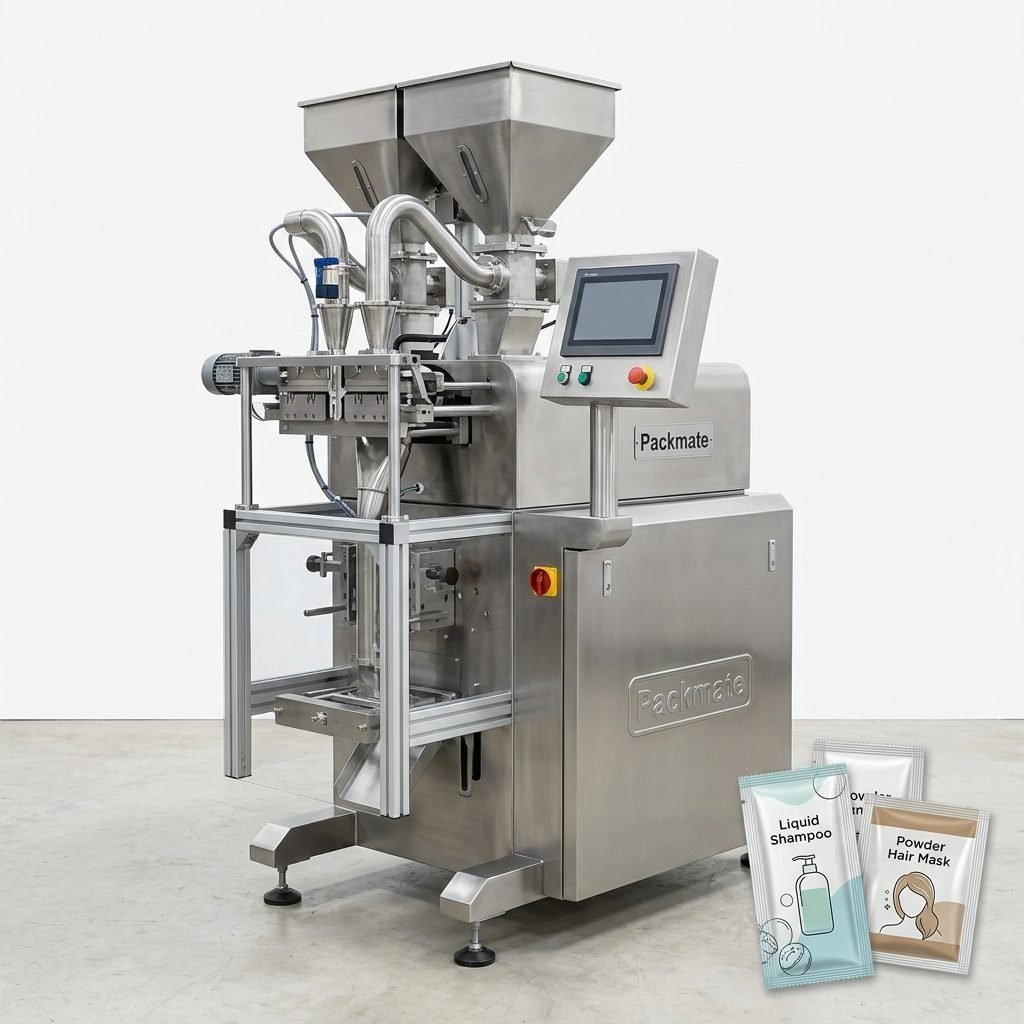
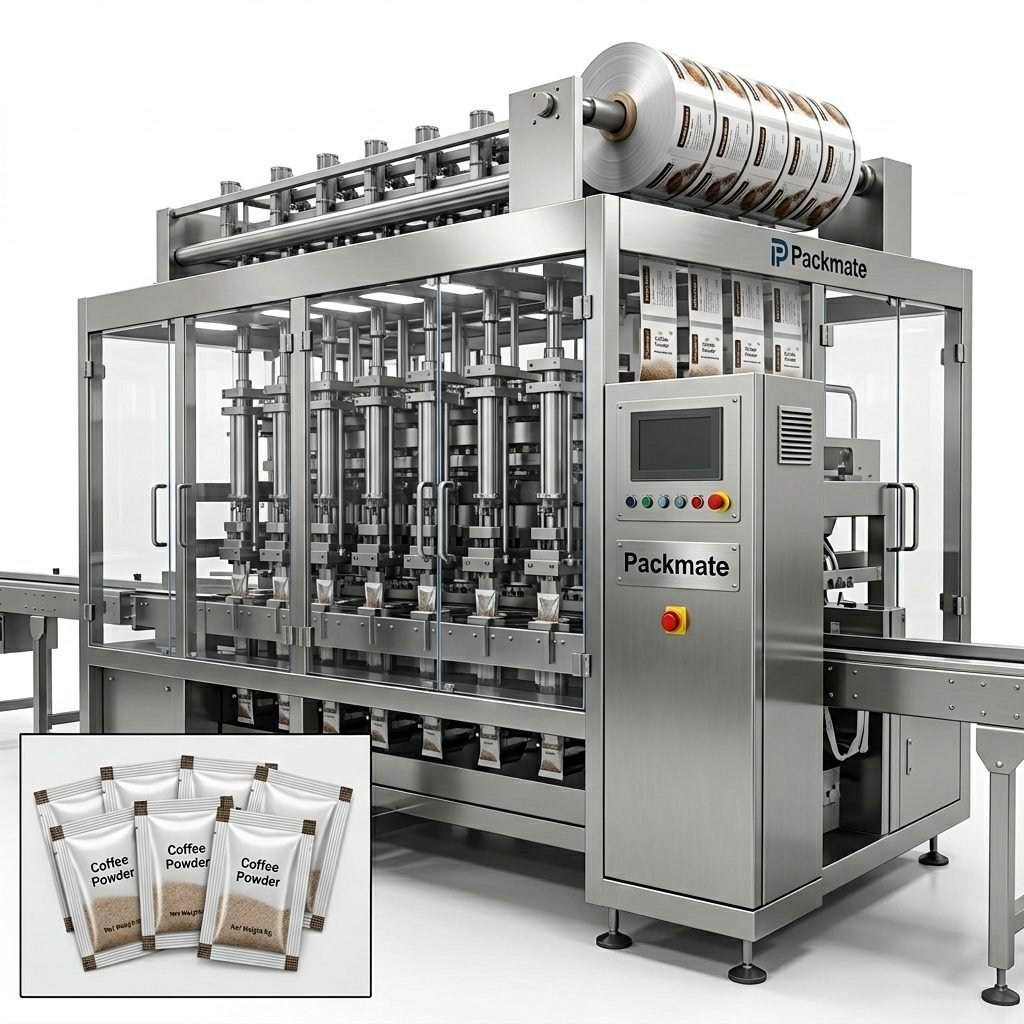
With more than 30 years in the business, Packmate Machinery focuses on delivering practical, stable, and scalable packaging automation. This approach resonates with Latvian manufacturers who prioritize operational reliability and clear return on investment.
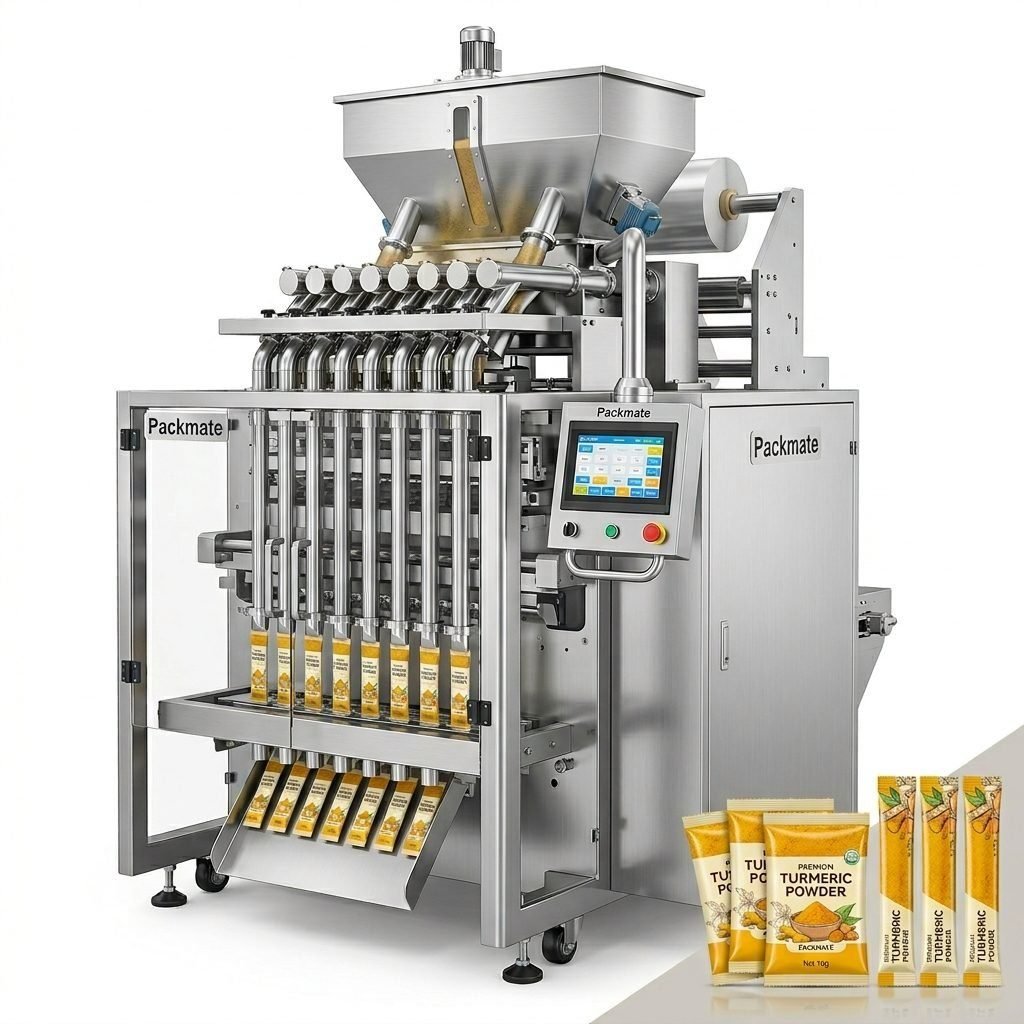
The company’s product range, covering over 80 machine models, is adept at handling granules, powders, and liquids. This is ideal for Latvian companies producing items like instant soup mixes, seasoning blends, or pharmaceutical powders that require precise, hygienic packaging.
Packmate’s estimated market share of 12.5% and an export revenue projection exceeding RMB 200 million for 2025 indicate a solid, mid-sized player. Their modern 20,000 sqm facility supports consistent quality control, which is crucial for Latvian buyers who cannot afford frequent machine downtime.
Why Latvian Buyers Might Consider Packmate Machinery:
- Balanced Cost-Performance: Offers a good middle ground between advanced features and affordability.
- Strong Technical Support: Their export-oriented model typically includes responsive communication and after-sales service.
- Customization Flexibility: Willing to adapt standard models to specific bag formats or output requirements common in niche Latvian products.
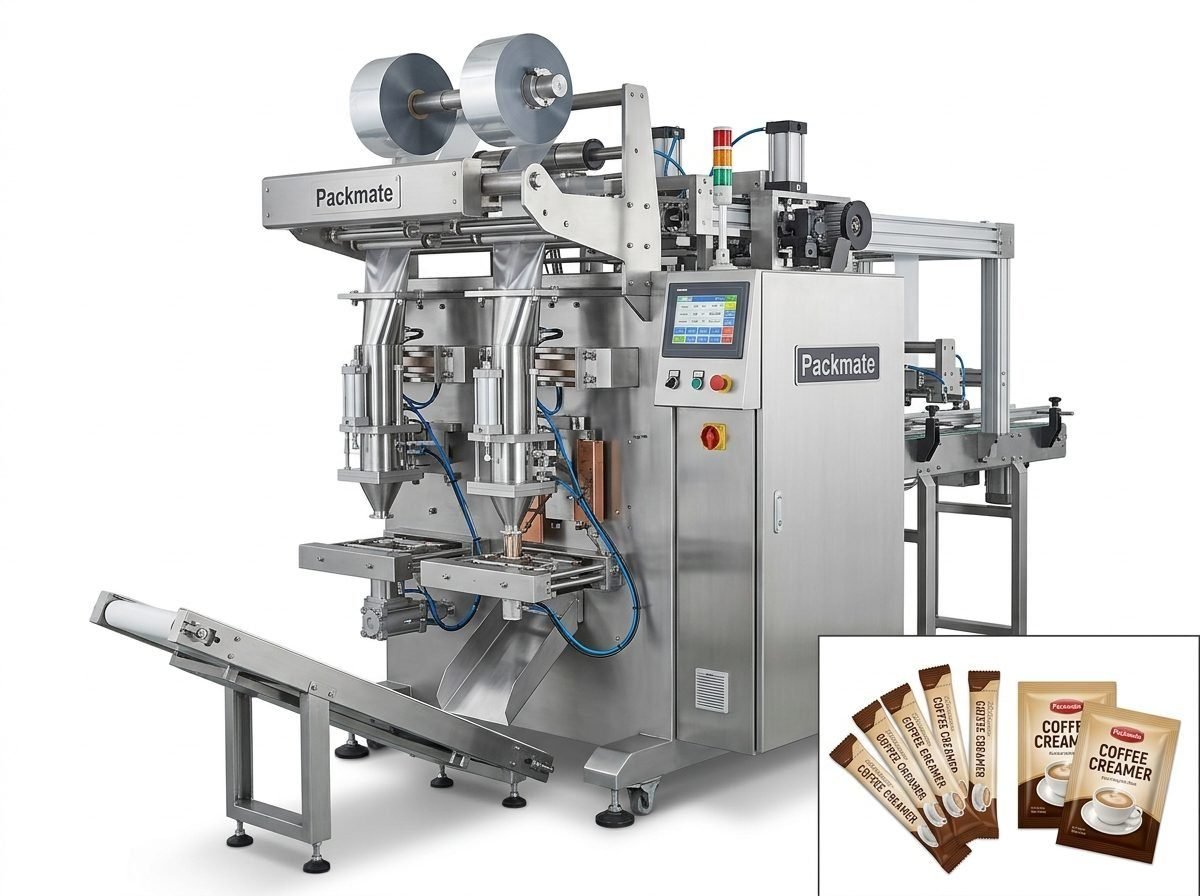
3. PacklineOEM: The Turnkey Line Specialist
PacklineOEM differentiates itself by specializing in complete, intelligent turnkey packaging production lines. For Latvian companies embarking on a greenfield project or a major factory upgrade, this integrated approach can be highly advantageous.
Instead of sourcing individual components from different vendors, a Latvian business can partner with PacklineOEM for a cohesive system that includes feeding, weighing, filling, sealing, conveying, and inspection. This simplifies project management, ensures compatibility between line segments, and provides a single point of accountability.
With a focus on powders, granules, liquids, and bulk packaging, their solutions are well-suited for Latvia’s agricultural and chemical sectors. The company’s OEM and customization experience is a key asset for producers with unique packaging materials or complex product flow needs.
Key Data for PacklineOEM:
| Metric | Value |
|---|---|
| Estimated Market Share | 9.2% |
| Factory Size | ~20,000 sqm |
| Core Focus | Turnkey Production Lines |
4. PackingMachineOEM: Masters of Customization
As the name suggests, PackingMachineOEM excels in non-standard and customized packaging solutions. This is particularly valuable for Latvian manufacturers in specialized niches—such as unique condiment formats, advanced medical products, or novel snack items—where off-the-shelf machines may not suffice.
The company’s philosophy centers on flexible engineering and tailored configurations. If a Latvian producer needs a machine adapted for a specific film material, an unusual pouch shape, or a particular dosing mechanism, PackingMachineOEM’s 30+ years of experience is directed at solving these challenges.
Their capability extends beyond customization to OEM cooperation, where they can manufacture machines to be sold under another brand. This is an option for larger Latvian corporations or distributors looking to develop their own branded line of packaging equipment.
With a strong export track record to Europe, they understand the regulatory and quality expectations of the Latvian market, making them a pragmatic choice for project-based equipment procurement.
5. SnusMachinery: Niche Expertise in Pouch Packaging
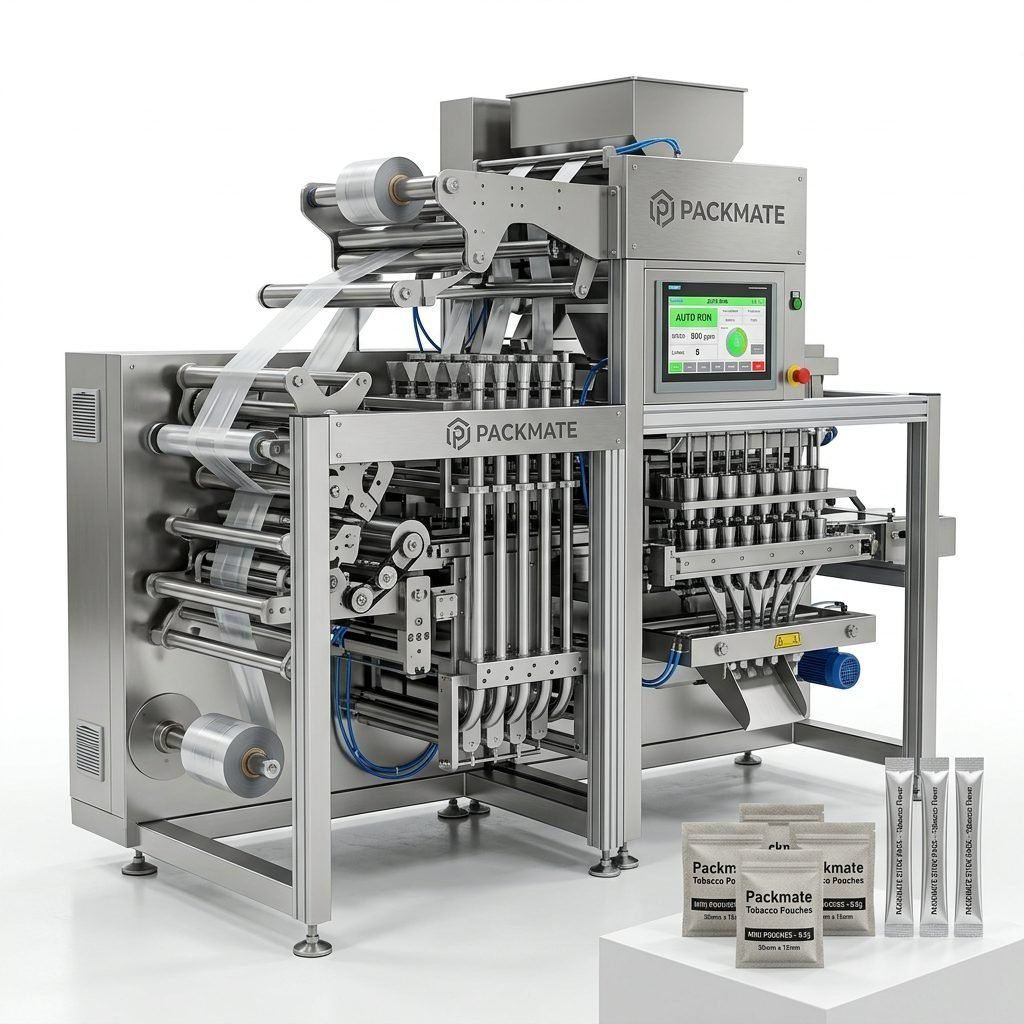
SnusMachinery offers a unique value proposition as a specialized manufacturer for nicotine pouch, snus, and general pouch packaging equipment. While this has clear applications for the smokeless tobacco sector, their expertise in high-speed, multi-lane pouch packaging is equally valuable for a range of products.
Latvian companies producing portion-controlled products like gourmet coffee sticks, single-serve drink mixes, sauce sachets, or pharmaceutical powder doses can benefit from their focused know-how. The requirements for precise dosing, consistent sealing, and high-speed production in nicotine pouches translate to superior performance in other demanding pouch applications.
Their specialization means they often have deeper application knowledge for pouch formats than generalist manufacturers. For a Latvian business where pouch quality, seal integrity, and production speed are critical competitive factors, partnering with a specialist like SnusMachinery can provide a significant edge.
Comparison Overview
| Manufacturer | Key Strength | Ideal For Latvian Companies Needing… |
|---|---|---|
| Ludyway | Full-range supplier & turnkey lines | Complete factory automation, scalable solutions, long-term support. |
| Packmate Machinery | Reliable, cost-effective automation | Stable performance for granules/powders, practical ROI, good support. |
| PacklineOEM | Integrated production line design | New production lines, system integration, OEM project collaboration. |
| PackingMachineOEM | Non-standard & custom machine builds | Unique product formats, specialized packaging, tailored engineering. |
| SnusMachinery | Pouch packaging specialization | High-speed sachet/stick pack production, niche pouch expertise. |
Conclusion & Frequently Asked Questions (FAQs)
Selecting a packaging machinery manufacturer is a strategic decision that impacts productivity, product quality, and operational costs. For Latvian businesses, the choice often balances technical capability, cost, and the supplier’s understanding of European market needs. The manufacturers profiled here offer a spectrum of solutions, from broad-range suppliers to niche specialists, all with substantial export experience.
When evaluating potential partners, Latvian buyers should consider conducting factory audits (virtual or in-person), requesting references from similar European clients, and clearly defining their product specifications, output goals, and after-sales service expectations. The right partnership can provide a durable competitive advantage in Latvia’s dynamic manufacturing landscape.
Frequently Asked Questions
Q: Why consider international manufacturers instead of local European brands?
A: International manufacturers, particularly those with strong export focus like the ones listed, often provide a compelling combination of advanced technology, customization flexibility, and competitive pricing. They have invested heavily in meeting European quality and safety standards, making them viable alternatives that can offer excellent value for Latvian investment.
Q: What should I check regarding technical support and spare parts?
A: Ensure the supplier has a clear support protocol for your time zone, offers comprehensive documentation in English, and maintains a reliable spare parts inventory. Ask about the availability of local service agents in the Baltics or Europe and the typical response time for technical assistance.
Q: Are these machines compatible with European safety standards (e.g., CE marking)?
A: Reputable export-oriented manufacturers typically design their machines to comply with relevant international standards, including CE marking for machinery safety. This must be explicitly confirmed during the purchasing process, and certification documents should be provided.
Q: How do I handle machine installation and operator training?
A: Most suppliers offer installation and commissioning services, either by sending their engineers or through partnered local technicians. Comprehensive operator and maintenance training is usually part of the package, conducted on-site during commissioning. Clarify the scope and duration of these services in your contract.
Q: Can these suppliers provide references from other food or pharma companies in Europe?
A: Yes, established suppliers should be able to provide case studies or contact references from clients in similar industries within Europe. This is a crucial step in vetting their real-world experience and the performance of their equipment in production environments comparable to yours.