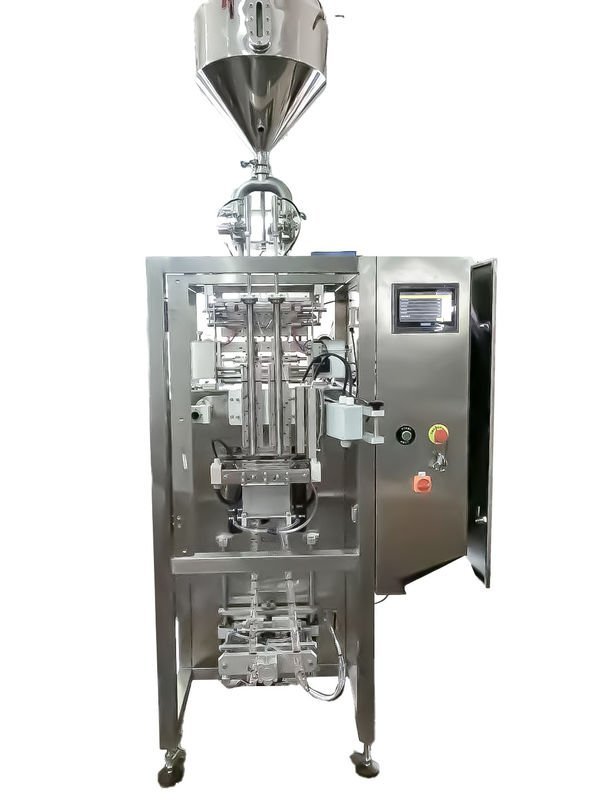
In today’s fast-paced manufacturing environment, maintaining the continuous operation of your packaging line is paramount. Unexpected downtime due to a worn or broken part can lead to significant production losses. This is why sourcing spare parts efficiently is a critical skill for any operations manager or maintenance technician. The digital age has transformed this process, allowing you to order packaging machine parts online with unprecedented ease. However, navigating the vast online marketplace requires knowledge and strategy to ensure you get the right part, from the right supplier, at the right time and price.
Why Order Spare Parts Online?
The shift towards online procurement for industrial parts is driven by clear advantages. The most significant benefit is accessibility and convenience. You can browse extensive catalogs, compare specifications, and place orders 24/7 from anywhere in the world, eliminating the constraints of traditional business hours. This is complemented by a broader selection. Online platforms, especially those from direct manufacturers or large distributors, often stock a wider range of parts than local suppliers, including for older or less common machine models.
Key Point: Online ordering provides transparent pricing, allowing for easy comparison between different suppliers. Many reputable platforms also offer detailed technical datasheets, compatibility guides, and customer reviews, which are invaluable for making an informed purchase decision.
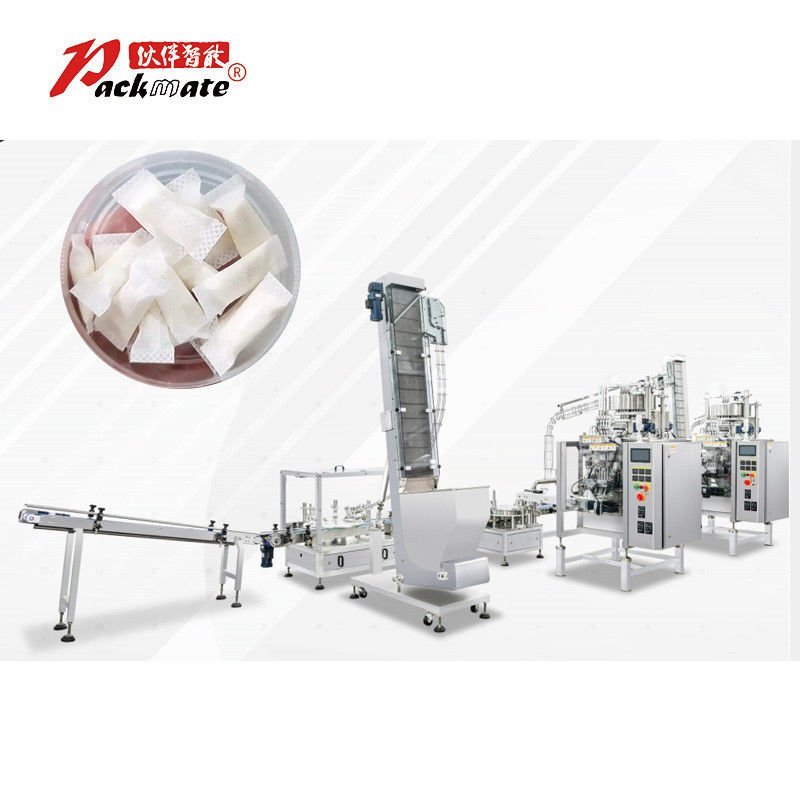
Furthermore, the logistics are streamlined. Reliable suppliers integrate with global shipping carriers, providing real-time tracking and often faster delivery times than traditional channels. For urgent needs, many offer expedited shipping options. When looking for comprehensive solutions, exploring a manufacturer’s full range of packing machines can provide context for the parts you need and reveal opportunities for future upgrades.
Step 1: Identify the Exact Part You Need
Accuracy is non-negotiable. Ordering the wrong part wastes time and money. Start by consulting your machine’s original manual. It contains part numbers, diagrams (exploded views), and technical descriptions. If the manual is unavailable, physically inspect the part. Note down:
- The machine’s make, model, and serial number.
- The part’s name and function (e.g., “main drive belt,” “filling nozzle seal”).
- Any visible part numbers stamped or printed on the component.
- Precise dimensions, material type (e.g., food-grade silicone, stainless steel), and any other identifiable features.
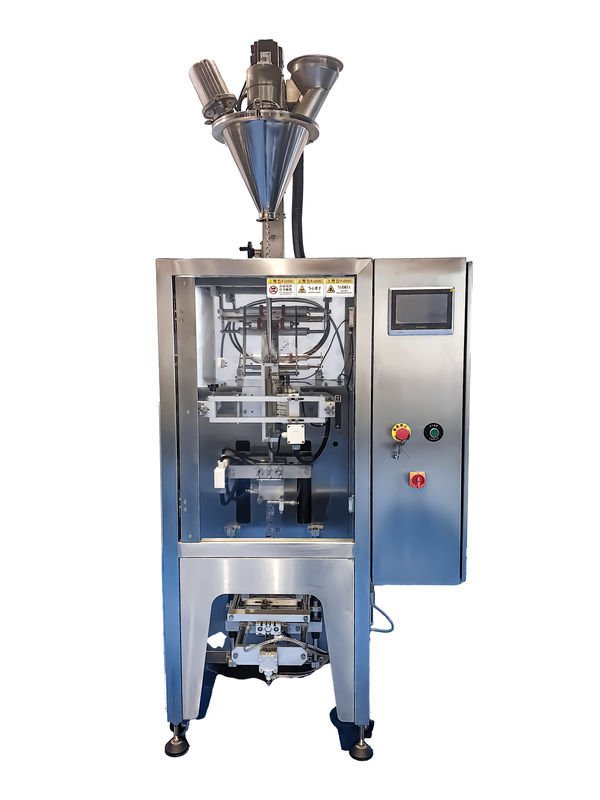
Taking clear photographs from multiple angles can also be extremely helpful when contacting a supplier for verification. For complex systems like weighing and packaging systems, precise part identification is even more crucial due to the integration of mechanical and electronic components.
Step 2: Choose Your Sourcing Channel Wisely
Not all online sellers are created equal. Your primary options are:
Original Equipment Manufacturer (OEM)
Purchasing directly from the machine’s manufacturer, such as Packmate (GuangDong) Co., Ltd., guarantees part compatibility, quality, and often comes with technical support. OEM parts are engineered to exact specifications, ensuring optimal performance and longevity. This is the recommended route for critical components.
Authorized Distributors
These are companies officially licensed by the OEM to sell their parts. They offer genuine parts with the added benefit of local inventory and potentially faster regional shipping and support.
Third-Party/Aftermarket Parts Suppliers
These suppliers manufacture parts designed to be compatible with OEM equipment. They can offer significant cost savings. However, quality can vary dramatically. It’s essential to vet these suppliers thoroughly—look for certifications, customer testimonials, and warranties. This option may be suitable for non-critical, high-wear items like generic seals or belts.
Evaluating an Online Supplier: Key Criteria
Before placing an order, assess the supplier based on these pillars:
1
Reputation and Experience: How long have they been in business? Look for industry-specific experience. A company with a long history, like Packmate with over 22 years in packaging machinery, typically has deep technical knowledge and reliable supply chains.
2
Technical Support: Can you easily reach a technical expert? Pre-sales support for part identification and post-sales support for installation queries are invaluable. Check if they offer live chat, phone, or email support.
3
Website Usability and Information: A professional website should have a well-organized part catalog, search functionality by machine model, clear images, and downloadable technical documents. Transparency is key.
4
Logistics and Warranty: Review their shipping policies, costs, and delivery timelines. A clear warranty or guarantee on parts protects your investment. Understand their return policy for incorrect or defective items.
Step 3: The Purchasing Process and Best Practices
Once you’ve identified the part and a potential supplier, follow these steps:
- Request a Formal Quote: Even if a price is listed, contact the supplier with the exact part number and quantity. This confirms current price, availability, and shipping costs. It also opens a direct line of communication.
- Verify Compatibility: Before payment, double-check with the supplier’s technical team that the part is correct for your specific machine model and serial number. Send them the photos and details you gathered.
- Review Order Terms: Carefully read the terms and conditions, including payment methods, Incoterms (who handles shipping and import duties), and the expected lead time.
- Consider Inventory Planning: For high-wear parts, consider ordering spares to keep in stock. This proactive approach minimizes future downtime. Analyzing your maintenance records can help predict which parts you should keep on hand.
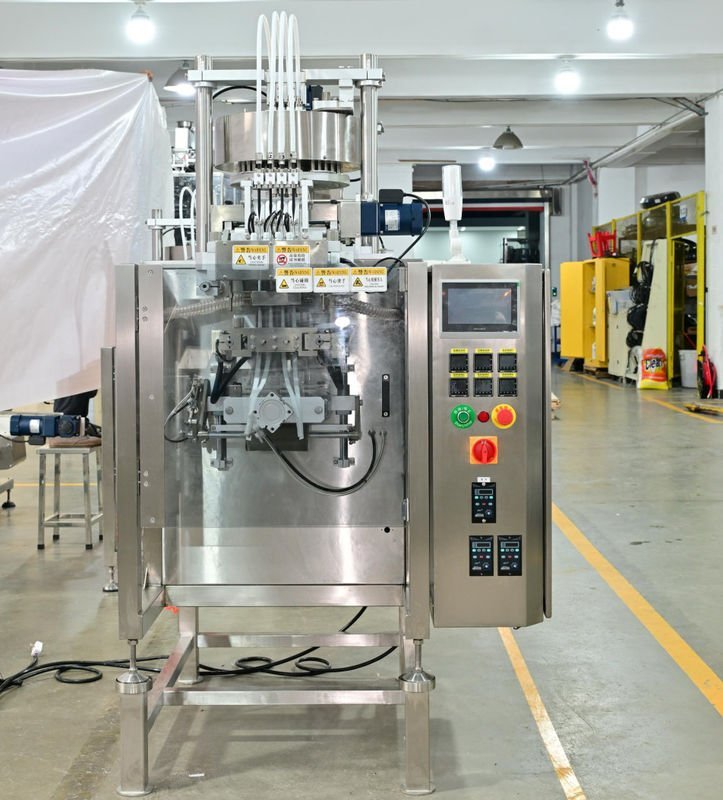
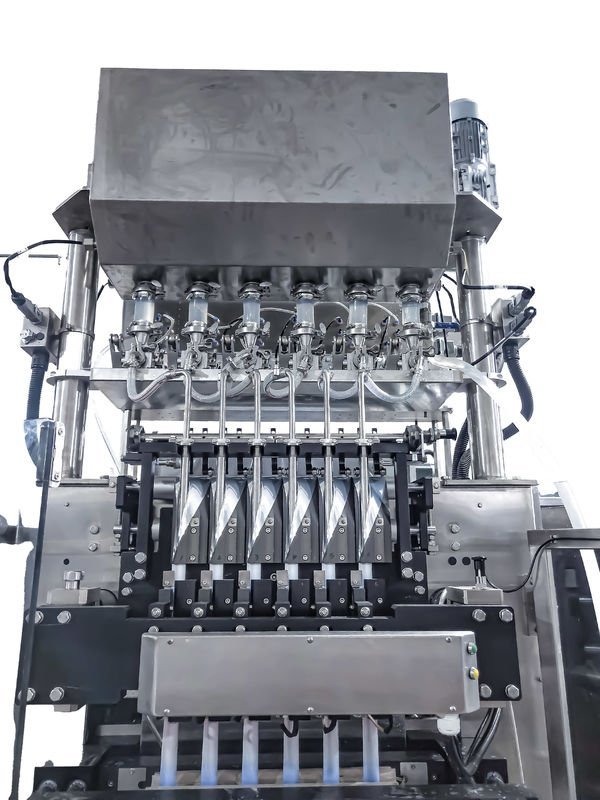
For businesses utilizing specialized equipment like sachet and stick pack machines, establishing a reliable parts pipeline is especially important due to the high-speed, precision nature of these machines.
Maximizing Value and Ensuring Longevity
Buying the part is only half the battle. To protect your investment:
- Proper Installation: Follow the manufacturer’s installation instructions meticulously. Improper installation is a common cause of premature part failure. Use the correct tools.
- Routine Maintenance: Adhere to the recommended preventive maintenance schedule for your entire machine. Regularly cleaning, lubricating, and inspecting components can prevent unexpected breakdowns. Explore the service offerings from your supplier, as many provide maintenance contracts or detailed guides.
- Keep Records: Maintain a log of all part replacements, including date, part number, supplier, and machine hours. This data is invaluable for predicting future needs and managing your maintenance budget.
Common Pitfalls to Avoid
⚠️ Warning: Be wary of deals that seem too good to be true. Extremely low prices often indicate inferior materials or poor craftsmanship. Avoid suppliers with no verifiable contact information or physical address. Never compromise on part quality for critical components, as the cost of machine damage or production stoppage far outweighs the initial savings.
Another common mistake is neglecting to plan for lead times. While some parts may be in stock, others might need to be manufactured. Always factor in delivery time when planning maintenance shutdowns to avoid extended downtime.
Frequently Asked Questions (FAQs)
1. How can I be 100% sure the part I order online will fit my machine?
The safest method is to use the OEM part number from your machine’s manual. If that’s unavailable, provide the machine’s make, full model number, serial number, and clear photos of the old part and its location on the machine to the supplier’s technical team for confirmation before purchasing.
2. Are aftermarket parts reliable, or should I always buy OEM?
While OEM parts guarantee compatibility and performance, high-quality aftermarket parts from reputable manufacturers can be a cost-effective and reliable alternative, especially for non-critical components. The key is thorough supplier vetting—check for certifications, warranties, and independent reviews.
3. What should I do if I receive the wrong part or a defective part?
Immediately contact the supplier’s customer service with your order number, photos of the received part, and an explanation of the issue. Reputable suppliers like Packmate will have a clear return/replacement policy. Do not attempt to install an incorrect or visibly defective part.
4. How do I handle customs and import duties when ordering from an international supplier?
This depends on the agreed Incoterms (e.g., EXW, FOB, DAP). Clarify this with the supplier before ordering. Many suppliers experienced in global trade, such as those offering complete filling and packaging lines, can recommend shipping solutions or handle customs clearance for you, though this may affect the final cost.
5. Can I get technical support for installing the part I purchased online?
Yes, most legitimate OEMs and authorized distributors provide installation support. This may be in the form of detailed manuals, video tutorials, or direct access to a technician via phone or email. Confirm the level of support offered before buying, particularly for complex components.