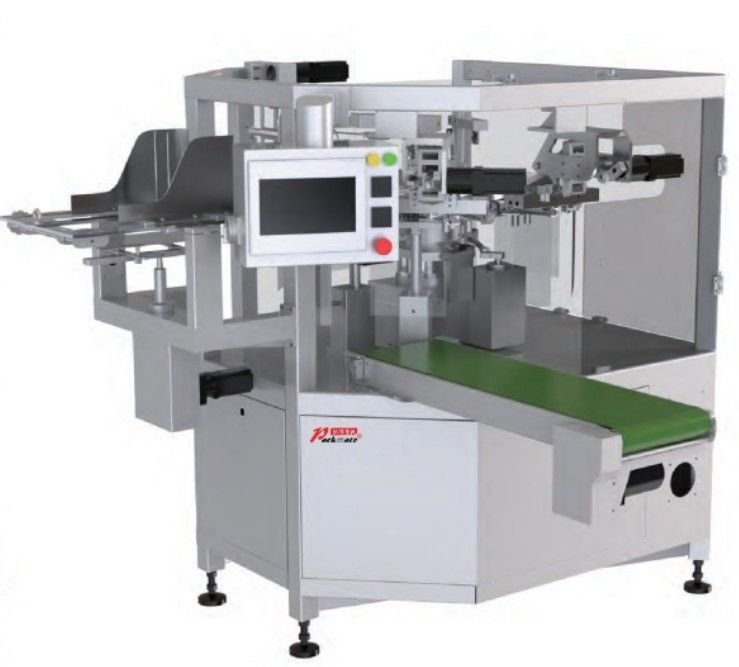
The beverage industry is a dynamic and fast-paced sector where efficiency, hygiene, and presentation are paramount. At the heart of every successful beverage production line lies a sophisticated suite of packaging equipment. This guide delves into the complete world of filling, sealing, and bottling solutions, exploring the technologies that ensure your product—from juice and soda to tea and functional drinks—reaches the consumer in perfect condition.
Core Components of Beverage Packaging Lines
A modern beverage packaging line is a symphony of integrated machines, each performing a critical function. Understanding these core components is the first step toward optimizing your production.
Filling Systems: Precision and Hygiene
Filling is arguably the most critical step. Accuracy is non-negotiable; under-filling leads to customer complaints, while over-filling cuts into profits. Modern fillers handle a vast range of viscosities, from still water to viscous syrups and pulpy juices.
Key Technologies Include:
• Gravity Fillers: Ideal for thin, non-foaming liquids like water and juice. Simple and cost-effective.
• Pressure Fillers: Used for carbonated drinks. They counter the product’s pressure to prevent foaming and ensure precise volume.
• Volumetric Fillers (Piston & Pump): Excellent for thick, viscous, or chunk-containing products like yogurt drinks or smoothies.
• Aseptic Fillers: The gold standard for shelf-stable products. The product and container are sterilized separately and filled in a sterile environment.
Choosing the right filler depends on your product characteristics, desired speed, and packaging format. For businesses looking to integrate a complete filling & packaging line, it’s crucial to partner with an experienced manufacturer who can ensure all components work in harmony.
Sealing and Capping: Ensuring Integrity and Freshness
Once filled, the container must be sealed immediately to preserve freshness, prevent contamination, and maintain carbonation. The sealing method is dictated by the container type.
For bottles and jars: Capping machines apply screw caps, sports caps, or crown corks with precise torque to ensure a perfect seal without damaging the threads.
For cans: High-speed can seamers create a double-seam that is hermetic and robust.
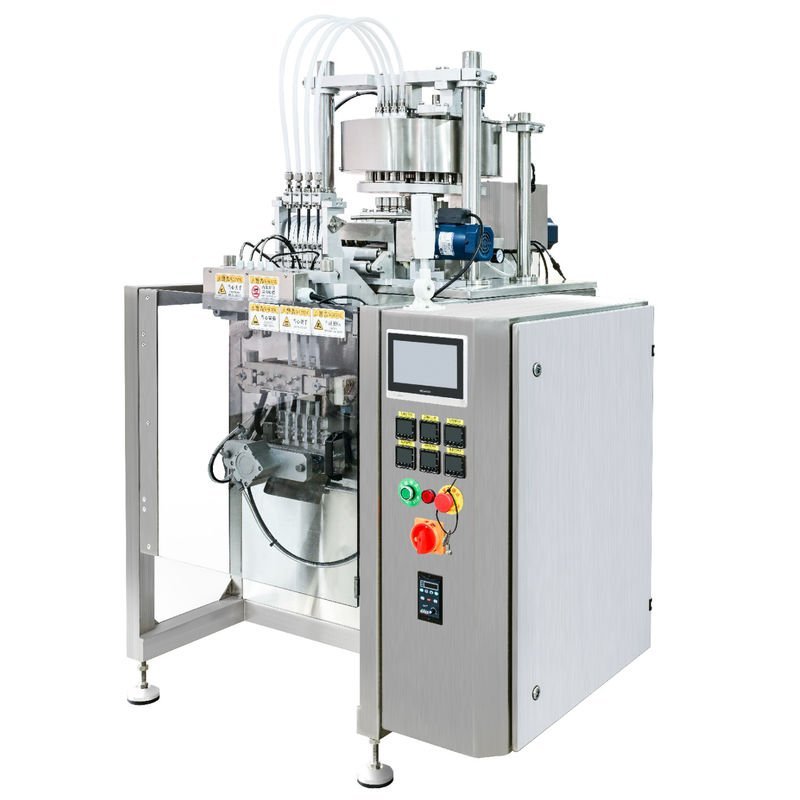
For cartons and pouches: Heat sealing is the primary method, using precisely controlled temperature and pressure to fuse the packaging layers together. This is a common feature in advanced sachet & stick pack machines, which are increasingly popular for single-serve beverages, coffee, and milk powder.
Bottling Solutions: More Than Just Glass
The term “bottling” often encompasses the entire process, but specifically, it refers to handling the containers themselves. Today’s bottling lines are highly flexible, designed to handle not just traditional glass and PET bottles, but also cans, cartons, and flexible pouches.
Key equipment includes air conveyors for gentle PET bottle handling, decappers for washing and refilling, and sophisticated vision inspection systems that check for fill levels, label placement, and cap integrity before the product is sent to secondary packaging.
Trends Shaping the Future of Beverage Packaging
The industry is continuously evolving, driven by consumer demand and technological innovation.
Sustainability and Flexible Packaging
Environmental concerns are pushing brands toward lightweight, recyclable, and compostable materials. This has accelerated the adoption of stand-up pouches and other flexible formats, which use less material and reduce shipping weight. Equipment that can handle these modern materials, such as versatile bag & pouch packaging machines, is in high demand.
Smart Packaging and Industry 4.0
Connectivity is key. Modern packaging lines are equipped with IoT sensors and software that provide real-time data on Overall Equipment Effectiveness (OEE), predict maintenance needs, and track every unit produced. This data-driven approach minimizes downtime and maximizes output.
Agility for Craft and Limited Editions
The rise of craft breweries, small-batch kombucha, and seasonal drinks requires equipment that allows for quick changeovers. Modular machines that can switch between bottle sizes or product types with minimal downtime are becoming essential for this vibrant market segment.
Choosing the Right Partner for Your Packaging Needs
Investing in packaging equipment is a major decision. The right partner provides more than just a machine; they provide a solution. Look for a manufacturer with a proven track record, like Packmate Machinery, which brings over two decades of experience in designing and building reliable automated systems. A strong partner will offer comprehensive support, from initial consultation and factory layout planning to installation, training, and after-sales service. They should understand the stringent hygiene standards of the food and beverage industry and design their packing machines accordingly, using food-grade materials and easy-clean designs.
Final Summary: Key Takeaways
1. A beverage packaging line is an integrated system where filling, sealing, and bottling equipment must work seamlessly together.
2. The choice of technology (e.g., gravity vs. pressure filling) is dictated by your specific product properties.
3. Industry trends are heavily focused on sustainability, smart automation, and production agility to meet modern market demands.
4. Partnering with an experienced, full-solution manufacturer is critical for long-term success, reliability, and scalability.
Frequently Asked Questions (FAQ)
What is the most important factor when choosing a beverage filler?
The product characteristics are the primary deciding factor. Viscosity, presence of particulates, carbonation level, and required hygiene level (e.g., cold-fill vs. hot-fill vs. aseptic) will determine whether a gravity, pressure, volumetric, or aseptic filler is the right choice for your line.
Can one packaging line handle different types of containers?
Yes, with the right equipment design. Many modern lines are built with modularity and quick-change capabilities. By using interchangeable parts like capping heads, filling nozzles, and conveyor guides, a line can be configured to run different bottle sizes or switch between bottles and cans, though changeover time should be factored into production planning.
How does aseptic filling differ from hot-filling?
Both extend shelf life without refrigeration, but the process differs. Hot-filling involves filling a hot product (85-95°C) into a container, using the heat to sterilize the container’s interior. Aseptic filling sterilizes the product and the container separately (often using methods like steam or hydrogen peroxide), then fills and seals them in a completely sterile environment. Aseptic processing generally preserves more of the product’s fresh taste and nutrients.
What maintenance is required for beverage packaging equipment?
Regular preventive maintenance is crucial. This includes daily cleaning and sanitization per food safety protocols, weekly checks of seals and gaskets, lubrication of moving parts as per the manufacturer’s schedule, and calibration of weighing and filling systems. A good supplier will provide a detailed maintenance schedule and training.
How can I improve the sustainability of my packaging line?
Focus on reducing waste and energy use. This can involve: investing in equipment that handles lightweight or recycled materials; using variable frequency drives (VFDs) on motors to reduce energy consumption; implementing precise filling technology to minimize product giveaway; and choosing machines designed for easy disassembly and recycling at end-of-life.