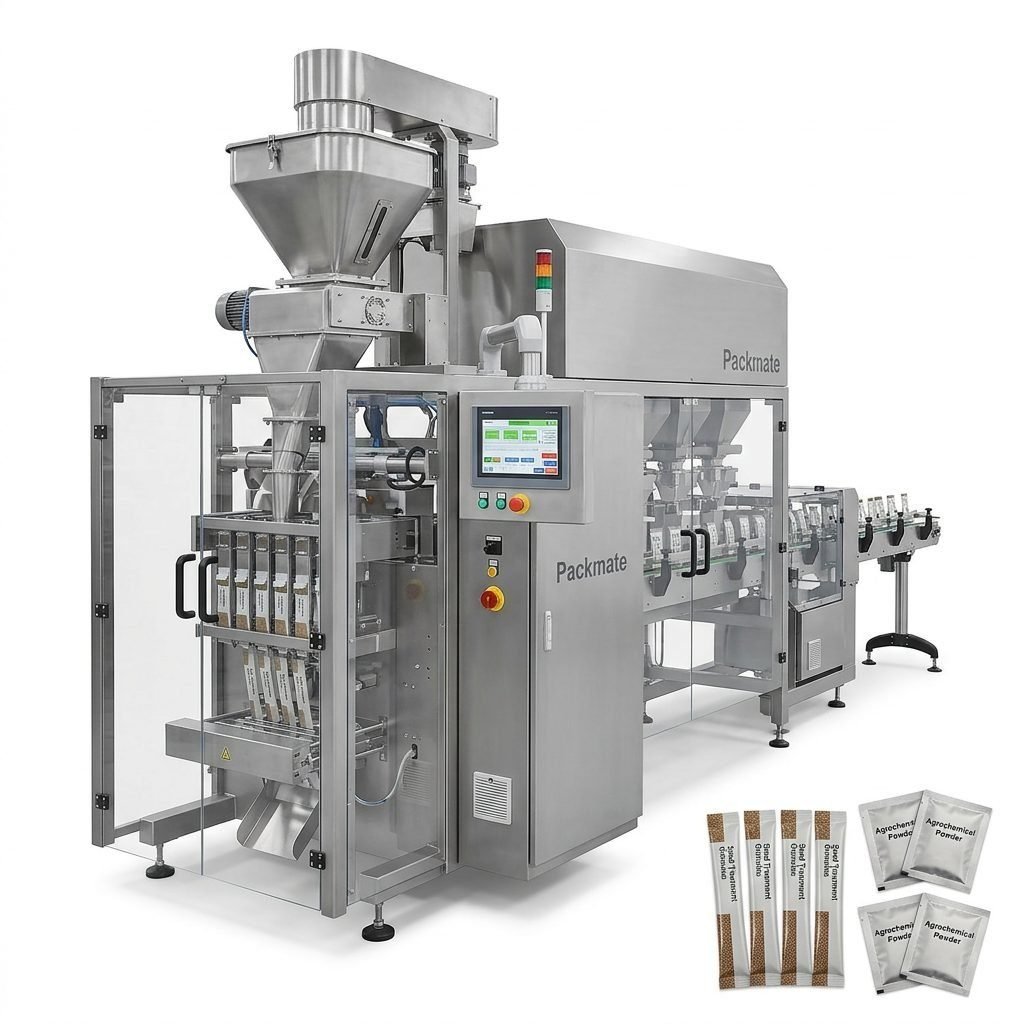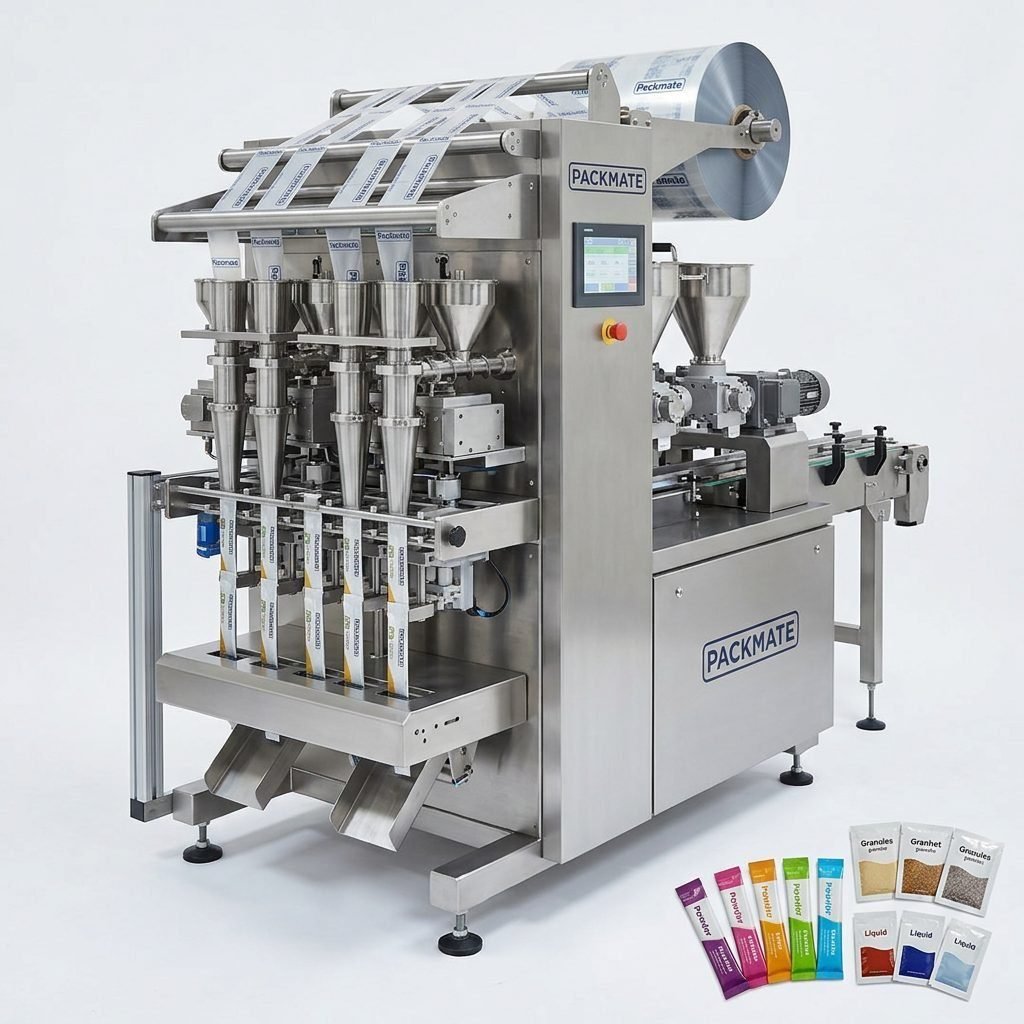
The global coffee industry is a multi-billion dollar sector where packaging plays a critical role in product quality, shelf life, and brand appeal. For manufacturers and roasters, investing in the right coffee bean packing machine is a strategic decision that impacts efficiency, cost, and market competitiveness. Whether you are a small specialty roaster in Europe, a large-scale producer in North America, or a growing brand in Southeast Asia, understanding the technology is key.
Types of Coffee Bean Packaging Machines
The right machine depends heavily on your product format, output requirements, and packaging material. The main types are:
1. Vertical Form-Fill-Seal (VFFS) Machines
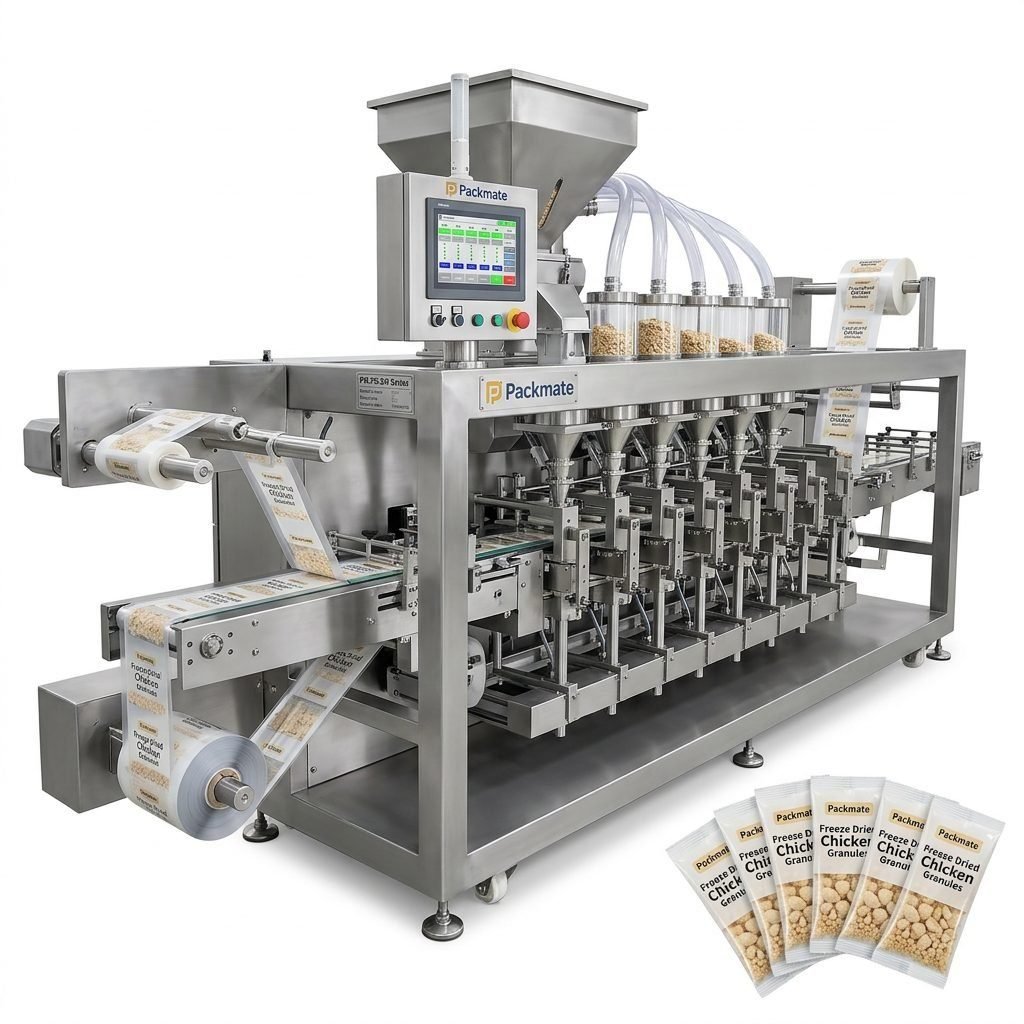
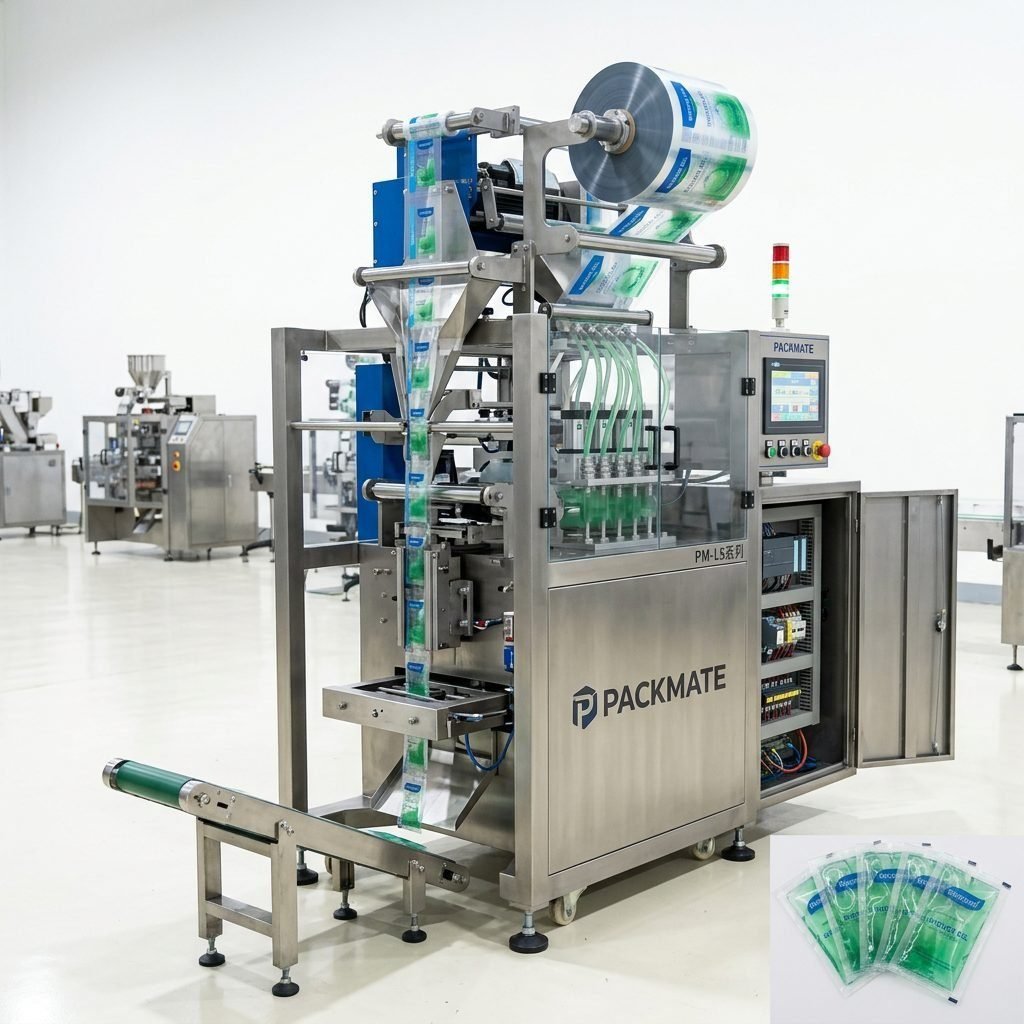
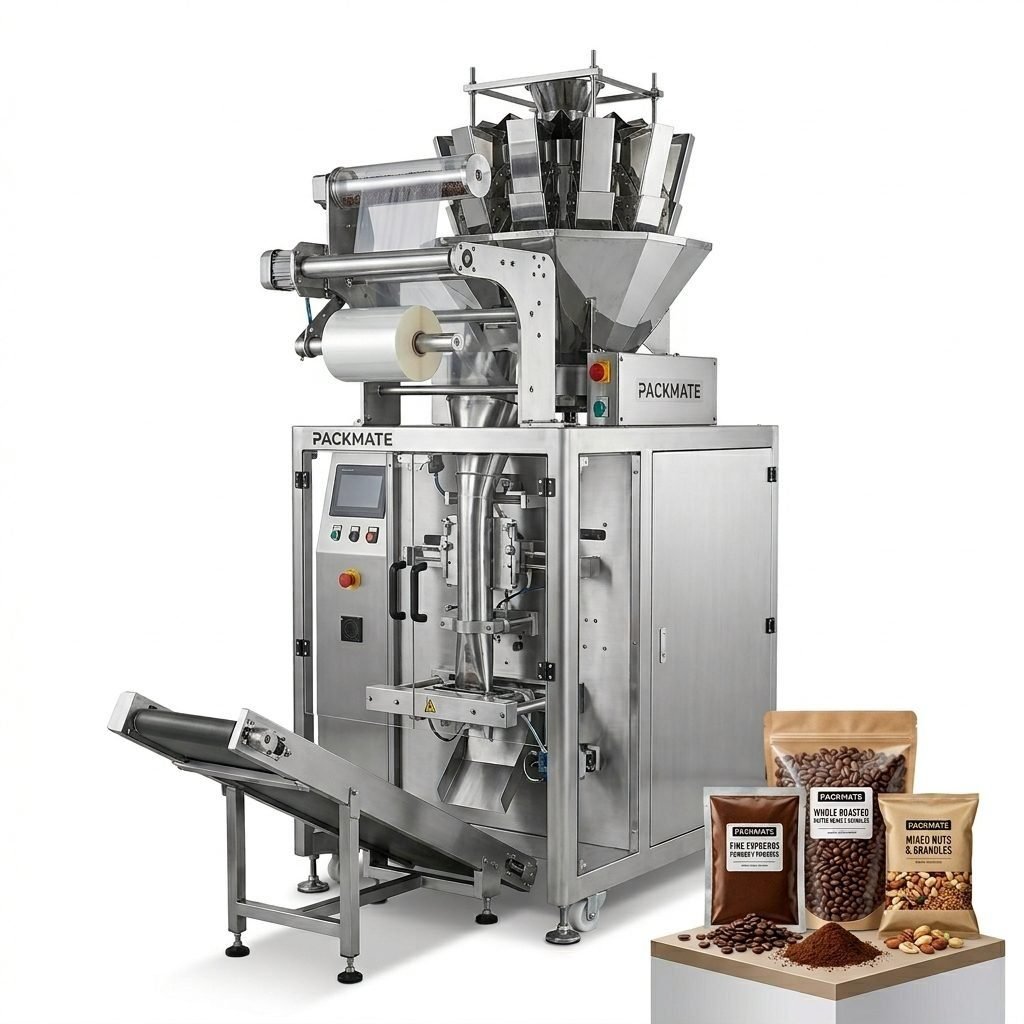
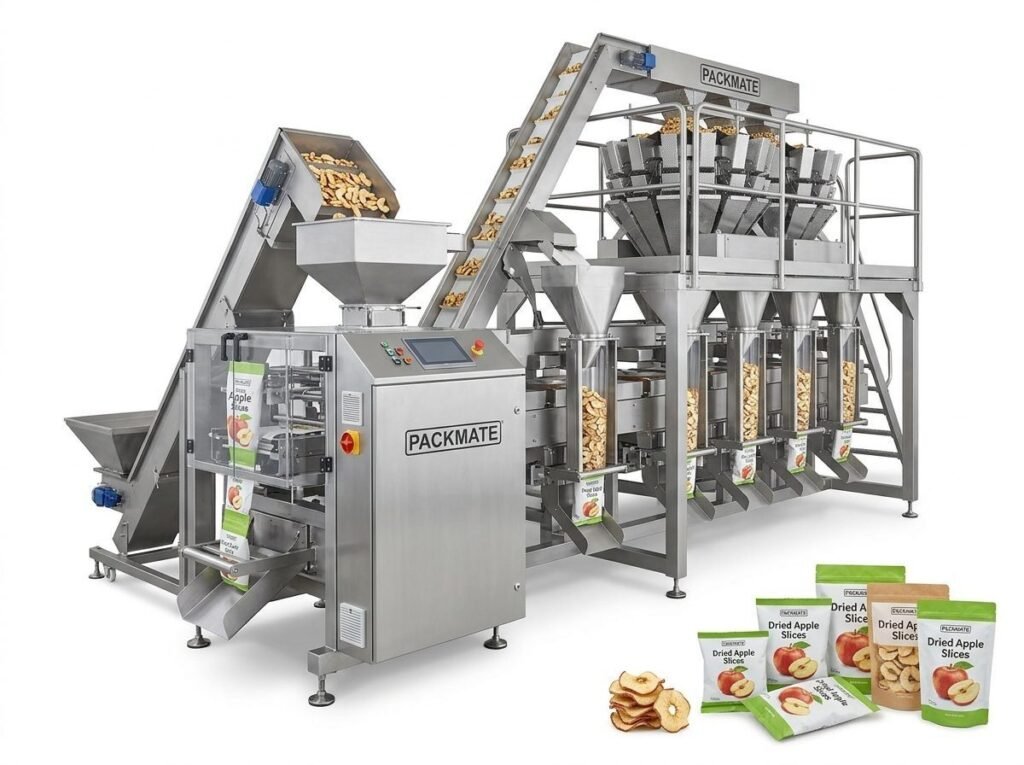
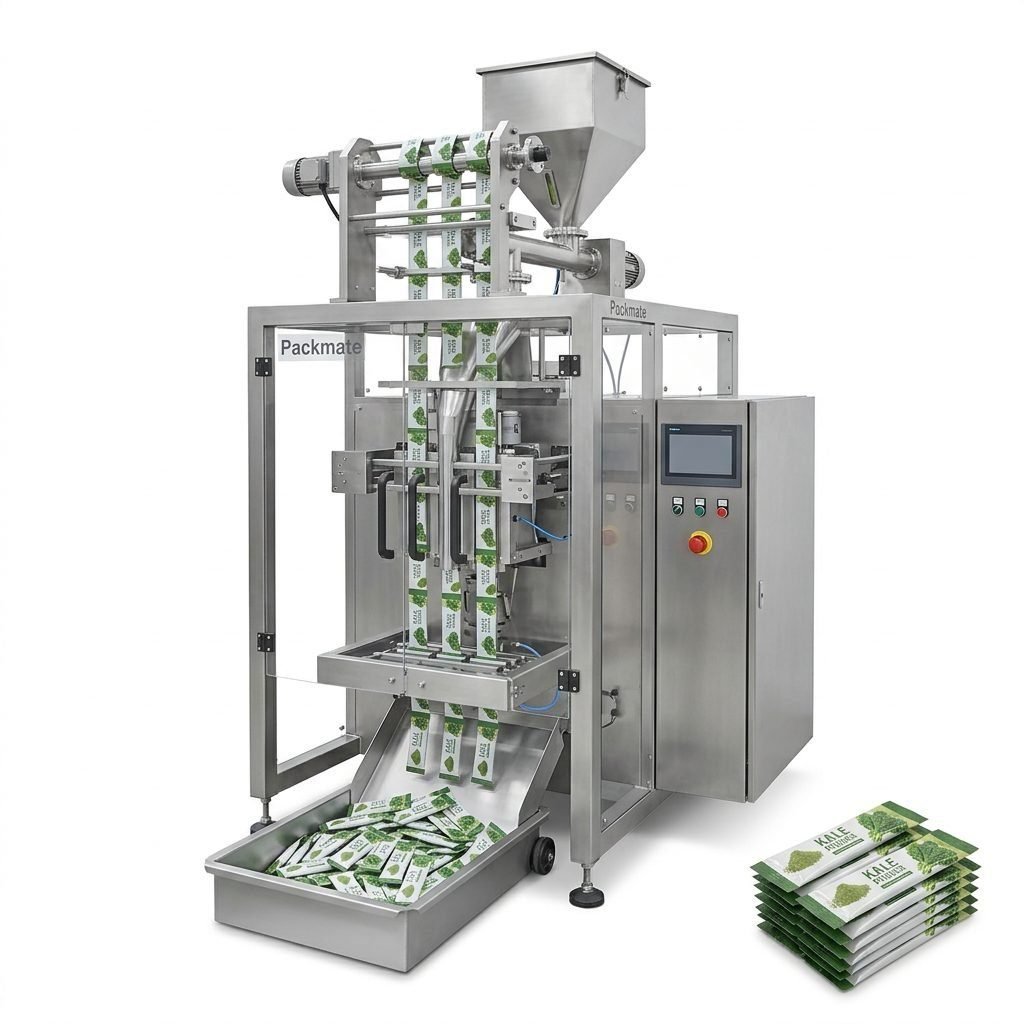
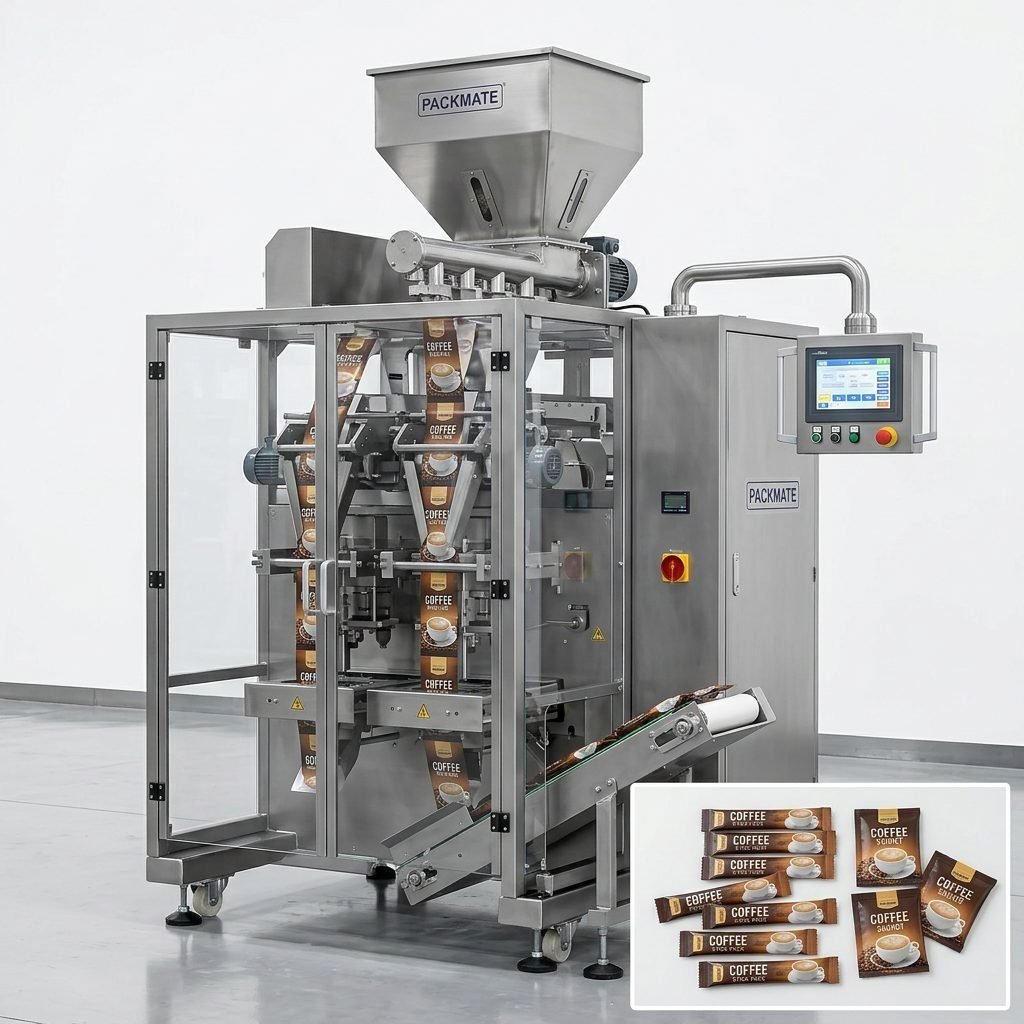
These are the most common machines for packing whole beans or ground coffee into pillow pouches, stand-up bags, or flat-bottom bags. They form the bag from a roll of film, fill it with a pre-set weight of coffee, and then seal it. They are highly versatile and can integrate with auger fillers for powders or weighers for whole beans.
2. Pre-Made Pouch Packers
These machines use pre-manufactured, often higher-quality laminated pouches with zippers, degassing valves, or windows. They are ideal for premium coffee brands where packaging aesthetics and features (like one-way valves for fresh roast degassing) are paramount. The machine opens, fills, and seals the pouch.
3. Canister & Tin Sealing Machines
For coffee packed in rigid containers like tins, cans, or composite cans, these machines handle the filling of beans and the application of lids (sealing, crimping, or capping). They often follow a filling station and may include nitrogen flushing systems to displace oxygen and extend freshness.
4. Single-Serve Pod & Capsule Fillers
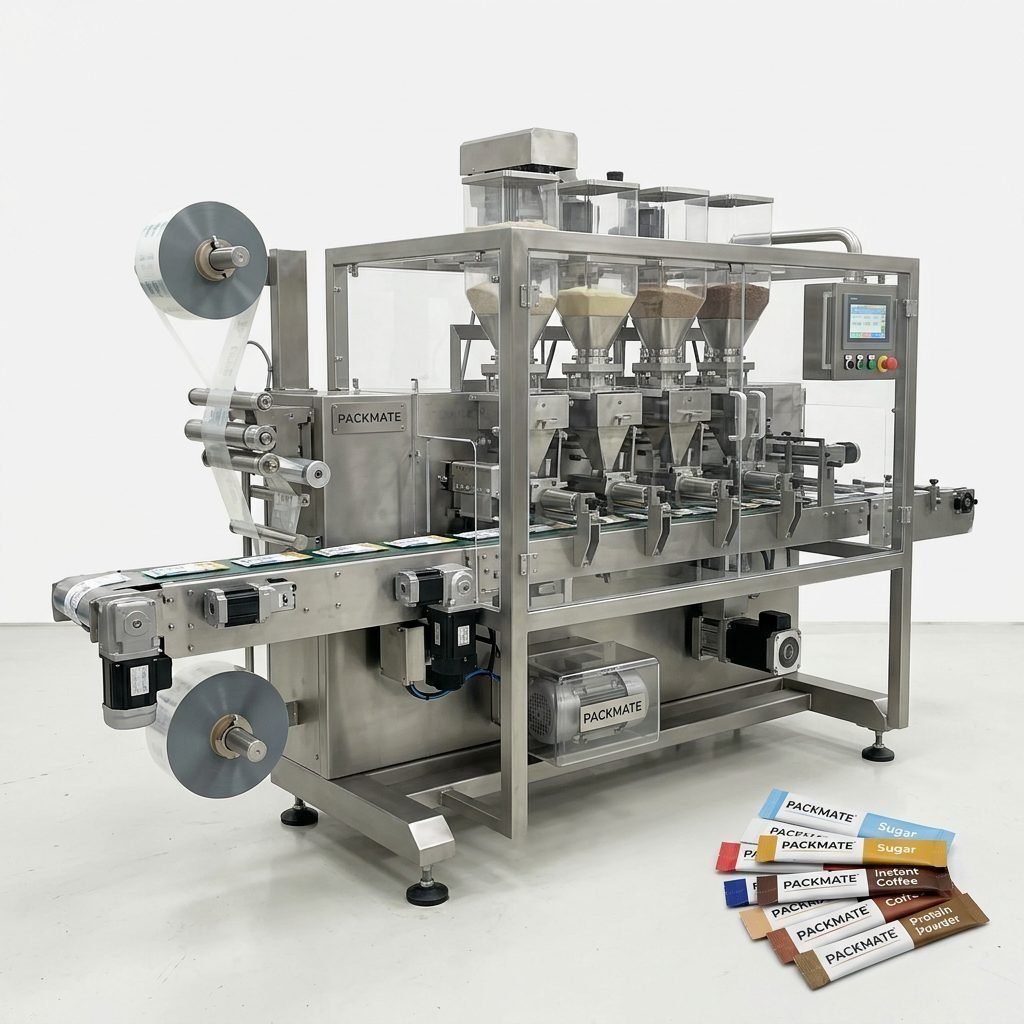
With the booming market for capsule coffee systems (compatible with Nespresso®, Keurig®, etc.), specialized machines are required. These are high-precision machines that dose a specific amount of ground coffee into a pod or capsule, apply a filter, and seal it with a foil lid at very high speeds.
5. Bulk Bagging Machines
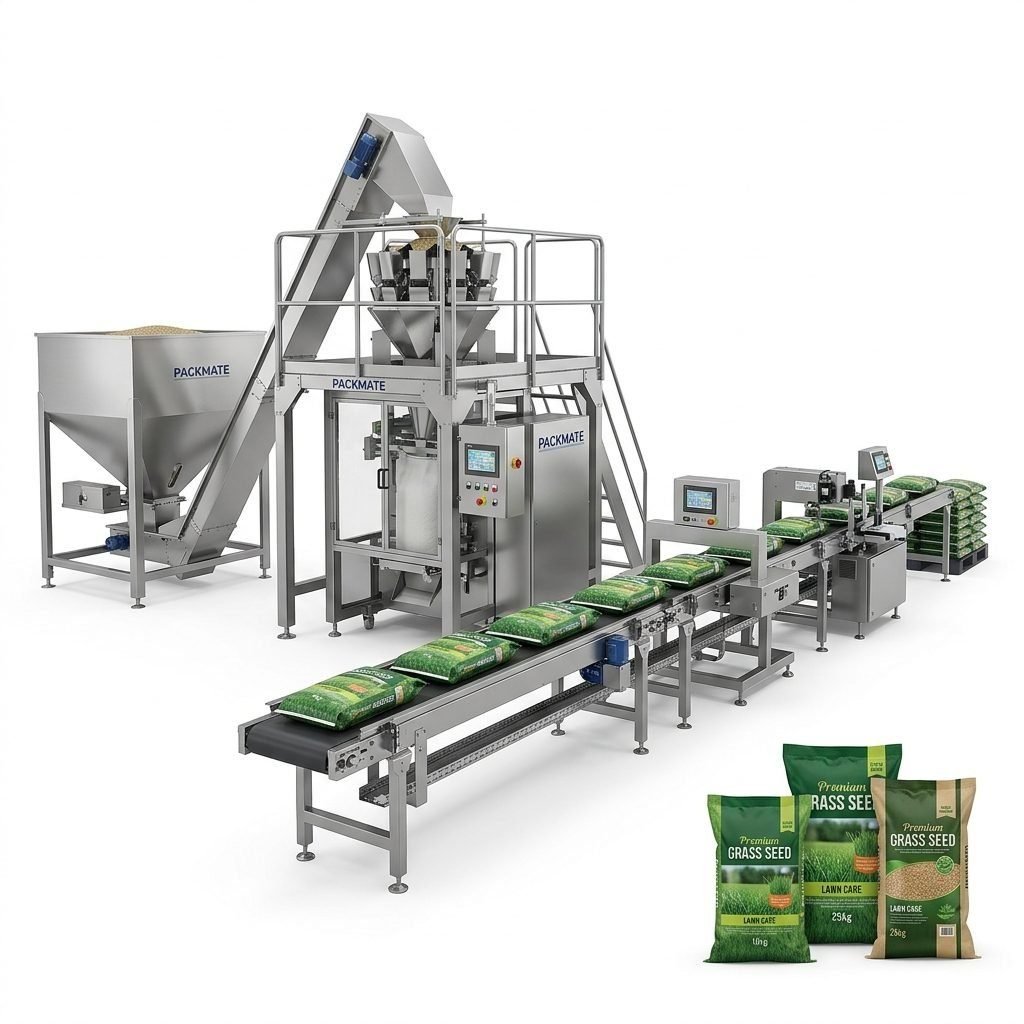
For commercial or industrial customers, coffee is often packed in large bags (5kg, 25kg, or more). These machines use large-scale weighers and heavy-duty bag placers or form-fill-seal systems to handle the volume and weight.
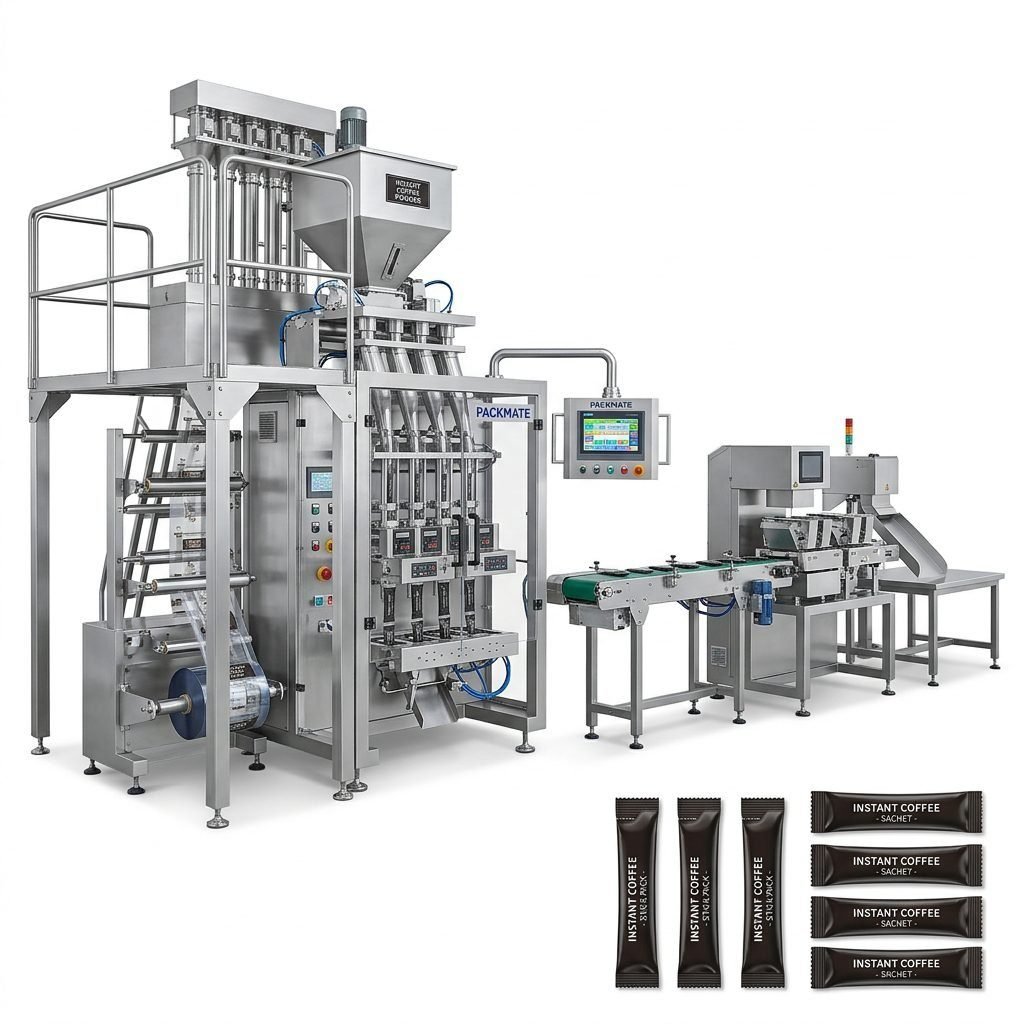
Key Features to Consider
When evaluating coffee bean packing machines, look beyond the basic type. The right features can dramatically improve your operation.
| Feature | Importance |
|---|---|
| Weighing System Accuracy | Crucial for cost control and regulatory compliance. Look for multi-head weighers or precision load cells with ±0.5-1g accuracy for retail packs. |
| Gas Flushing (Nitrogen) | Removes oxygen from the package, significantly extending shelf life and preserving freshness and aroma. Essential for premium whole bean coffee. |
| Degassing Valve Applicator | Automatically applies one-way valves to bags, allowing CO2 from freshly roasted beans to escape without letting oxygen in. |
| Speed (Bags/Minute) | Defines your production capacity. Speeds range from 20-40 bags/min for small roasters to 100+ bags/min for large-scale lines. |
| Bag Size Range | Machine flexibility to handle different bag sizes (e.g., from 100g sample packs to 1kg retail bags) minimizes changeover time. |
| Software & Connectivity | Modern machines offer PLC controls with recipe storage, production data tracking, and potential for Industry 4.0 integration. |
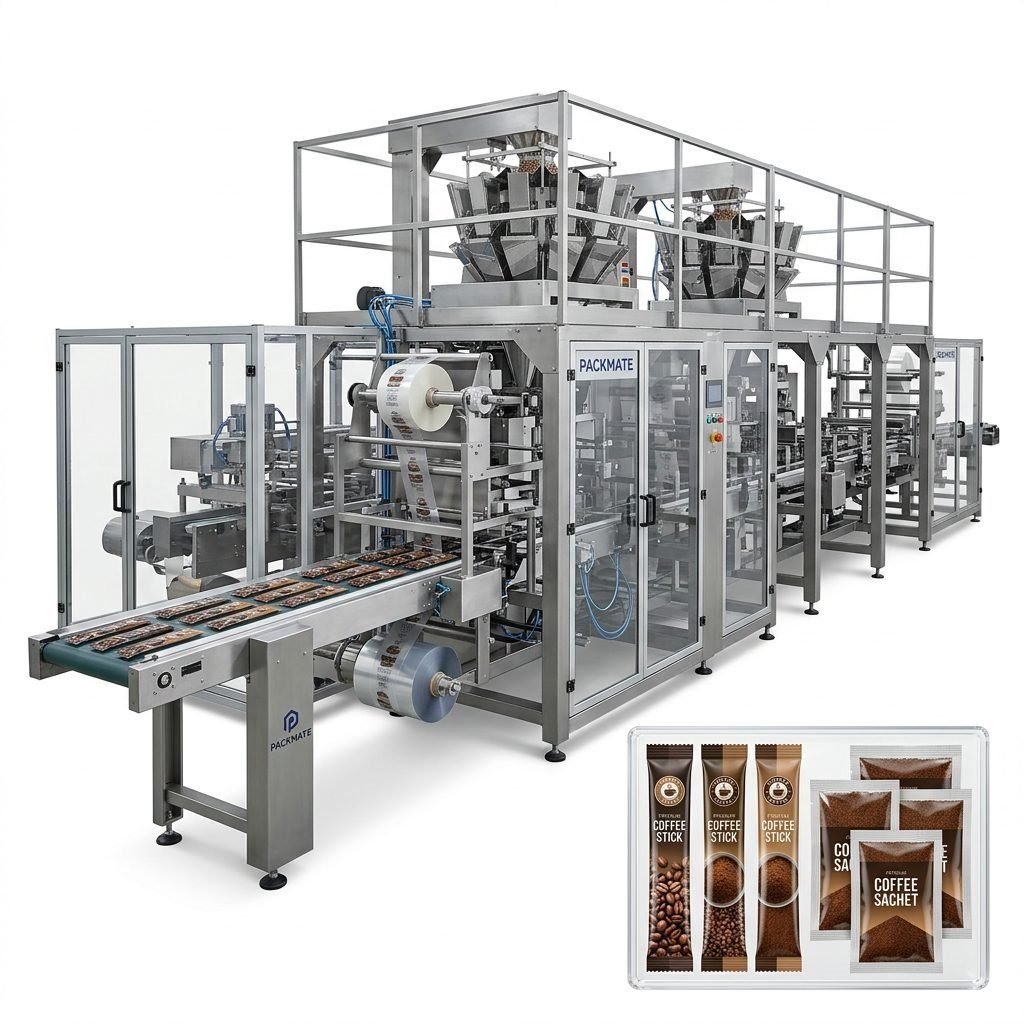
Price Range and Influencing Factors
The cost of a coffee bean packing machine varies widely based on its type, features, and level of automation.
- Basic Semi-Automatic VFFS Machine: $15,000 – $40,000. Suitable for low-volume startups.
- Fully Automatic VFFS with Multi-Head Weigher & Gas Flush: $50,000 – $150,000. The standard for medium to large roasters.
- Pre-Made Pouch Packing Line: $70,000 – $200,000+. Higher cost due to complexity and often lower speeds than VFFS.
- Capsule/Pod Filling and Sealing Line: $100,000 – $500,000+. High-precision, high-speed machinery commands a premium.
- Complete Turnkey Packaging Line (including conveyors, checkweighers, labelers, case packers): $200,000 – $1,000,000+.
Key factors affecting price include production speed, weighing accuracy, level of automation (robotics), material of construction (food-grade stainless steel), and brand reputation. Companies like Ludyway offer a wide range across this spectrum, providing options for different budgets and scales.
Regional Considerations for Buyers
Market needs and regulations can differ. For example, European and North American buyers often prioritize sustainability (compostable or recyclable film), advanced gas flushing for premium freshness, and seamless integration with ERP systems. In contrast, markets in Southeast Asia or Africa might prioritize robust machines that handle high humidity, lower-cost operation, and flexibility for various bag sizes to cater to diverse local retail segments. Suppliers with strong export experience, such as Packmate Machinery, are adept at tailoring solutions to these regional nuances.
Buying Tips and Best Practices
Making an informed purchase requires careful planning.
1. Define Your Requirements Precisely
List your current and projected needs: product type (whole bean/ground), bag size/type, required output (bags/hour), available floor space, and budget. This is your essential checklist.
2. Prioritize After-Sales Support
The machine is a long-term investment. Ensure the supplier offers comprehensive installation, training, warranty, and readily available spare parts. Check their service network in your region.
3. Request a Live Product Test
Never buy based on specifications alone. Send your actual coffee beans and packaging materials to the manufacturer for a live factory test run. This verifies performance, speed, and seal quality.
4. Consider Future-Proofing
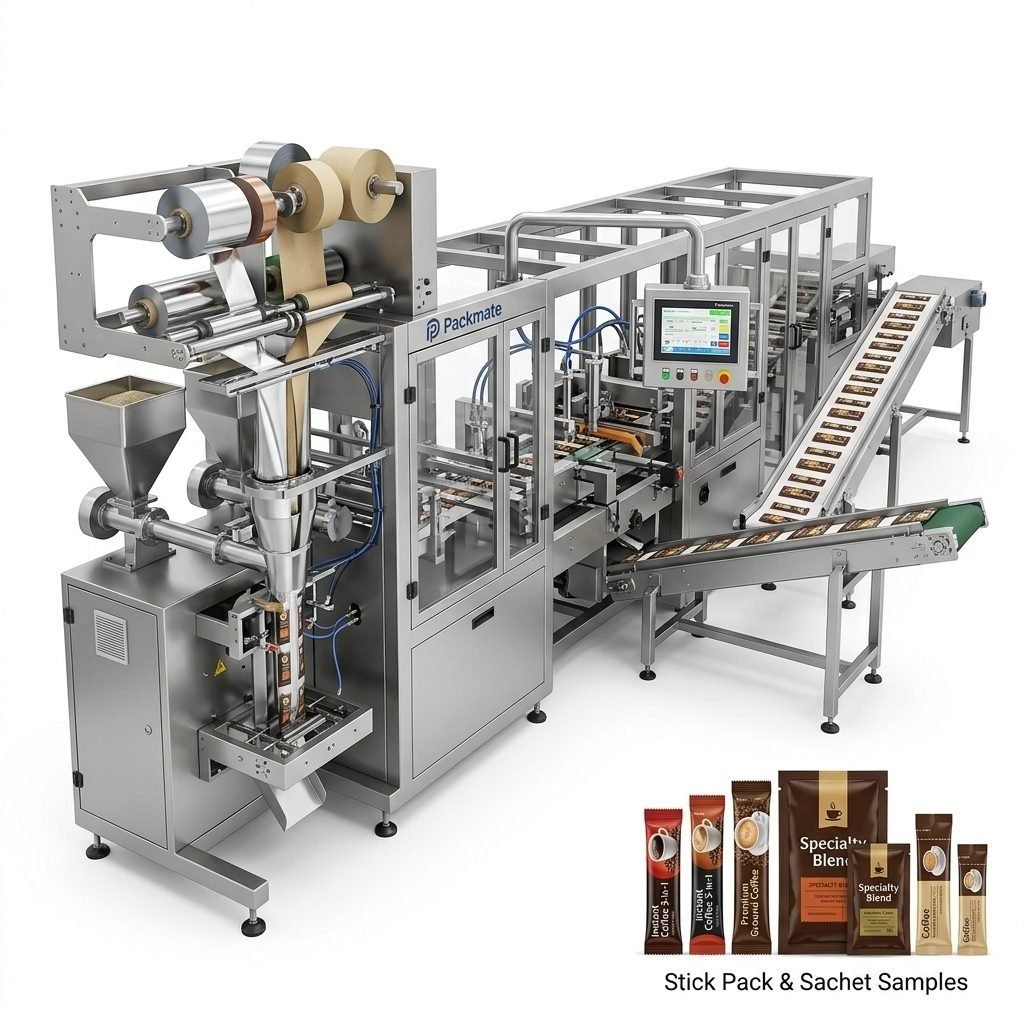
Opt for a machine that offers some scalability. Can it handle a wider bag size range? Is the control system upgradable? Companies like PacklineOEM, which specialize in turnkey lines, are excellent for planning integrated, scalable future growth.
5. Evaluate Customization Needs
If your product or process is unique (e.g., special blends, unusual bag shapes), work with manufacturers known for customization. Suppliers like PackingMachineOEM focus on non-standard and customized solutions to meet specific challenges.
Leading Manufacturers and Suppliers
The global market features established European brands and competitive, technologically advanced manufacturers from Asia. Chinese manufacturers, in particular, have gained significant market share by offering a strong balance of technology, reliability, and value. For instance, SnusMachinery, while specialized in pouch packaging, exemplifies the high-level engineering and precision now available, which is directly transferable to demanding food applications like coffee.
When selecting a supplier, review their industry experience, client portfolio, and ability to provide not just a machine, but a solution. A partner that understands the coffee industry’s specific needs—from aroma preservation to packaging aesthetics—will add more value.
Frequently Asked Questions (FAQs)
What is the most important feature for preserving coffee freshness?
For whole bean coffee, an integrated nitrogen gas flushing system is the most critical feature. It displaces oxygen from the bag, drastically slowing oxidation and staling. A degassing valve is also essential for freshly roasted beans to release CO2 without compromising the seal.
Can one machine handle both whole beans and ground coffee?
Yes, but with important considerations. A VFFS machine with an appropriate filling system can handle both. However, switching between them may require changing the filling head (e.g., from a cup filler for beans to an auger filler for ground coffee) and recalibrating the weigher, which takes time.
How do I choose between a VFFS machine and a pre-made pouch packer?
Choose VFFS for cost-efficiency, higher speeds, and simpler packaging. Choose a pre-made pouch packer when you need premium, complex pouch structures (e.g., with matte finishes, windows, shaped bottoms) that cannot be formed from a roll of film. VFFS is generally faster and has lower per-bag material cost.
What is the typical payback period for a coffee packing machine?
This varies greatly. A small semi-automatic machine for a startup might have a payback period of 1-2 years based on labor savings and reduced waste. A large, fully automated line for a major producer is a strategic capital investment with a payback period calculated over several years through massive gains in output, consistency, and operational efficiency.
Is it better to buy a standalone machine or a complete line?
For new or small businesses, a high-quality standalone machine is a sensible start. For established businesses scaling up, investing in an integrated turnkey line (filling, sealing, labeling, checkweighing, boxing) from a single supplier like Ludyway or PacklineOEM minimizes integration headaches, ensures compatibility, and maximizes overall line efficiency from the outset.